Porsche 911
Brand
Produced from
Vehicle category
Portal
Model line
Model generation
Predecessor
Sucessor
Model Overview
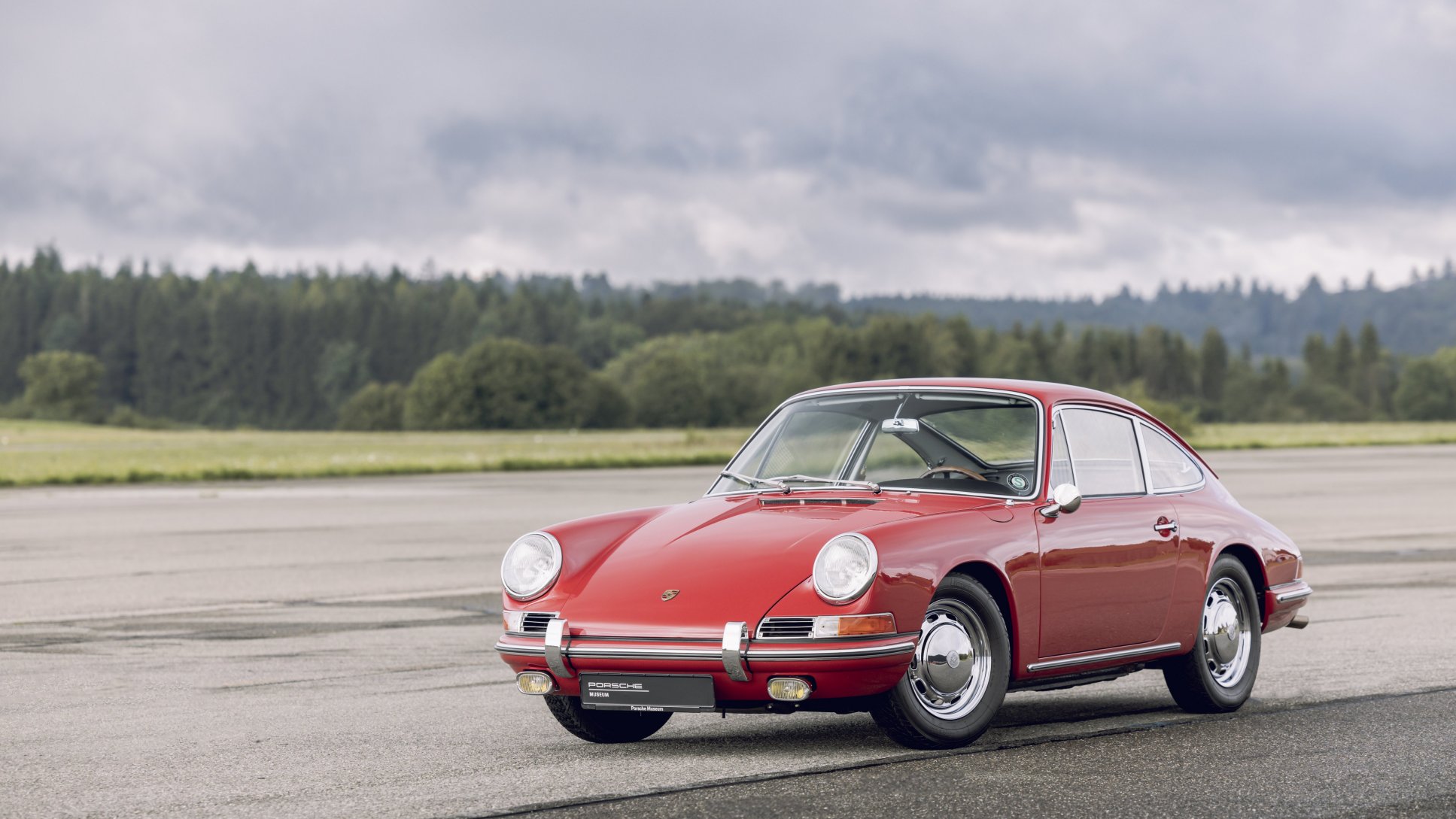
In the crisp autumn air of the 1963 Frankfurt Motor Show, the automotive world stood on the precipice of a revolution it could not yet fully comprehend. Under the bright exhibition lights rested a sleek, teardrop-shaped prototype designated by a simple three-digit internal project code: 901. For the engineering executives at Zuffenhausen, this elegant coupe carried an almost terrifying burden. It was tasked with replacing the beloved Porsche 356, the foundational vehicle that had established the company’s reputation for giant-killing efficiency and unburstable reliability. The 356, born from the ashes of post-war Europe and heavily reliant on humble Volkswagen Beetle architecture, had reached the absolute limits of its developmental potential. The market was evolving rapidly; buyers were demanding more power, greater refinement, and a higher top speed to conquer the expanding network of derestricted Autobahns. The new Porsche had to step into a fiercely competitive, glamorous arena inhabited by the muscular, V8-powered Chevrolet Corvette Sting Ray, the aristocratic Aston Martin DB5, and the sensual, technologically advanced Jaguar E-Type. Following a famously petty trademark dispute with Peugeot—who claimed the rights to all three-digit car names with a zero in the middle—the 901 was hastily rechristened. Thus, the Porsche 911 was born. It was a vehicle born from stubborn, unapologetic teutonic pragmatism, defying conventional engineering logic by hanging its engine entirely behind the rear axle. This glaring architectural anomaly should have doomed the car to the footnotes of history; instead, through over six decades of relentless, obsessive refinement, it became the undisputed yardstick by which every other sports car on earth is measured.
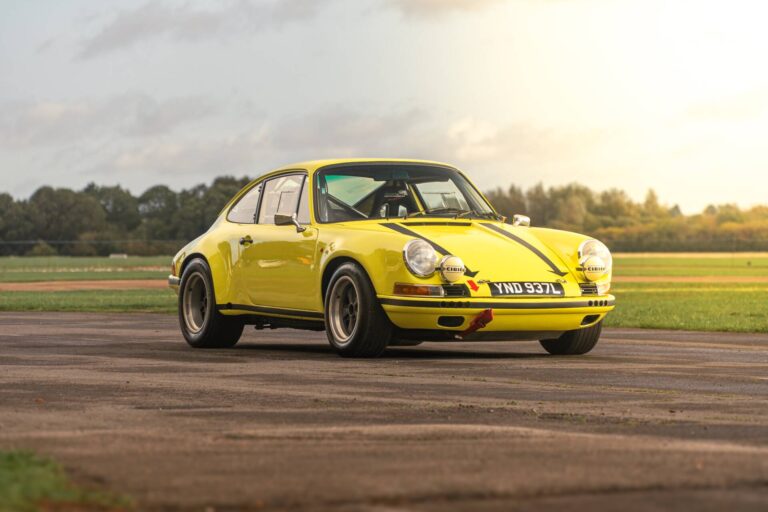
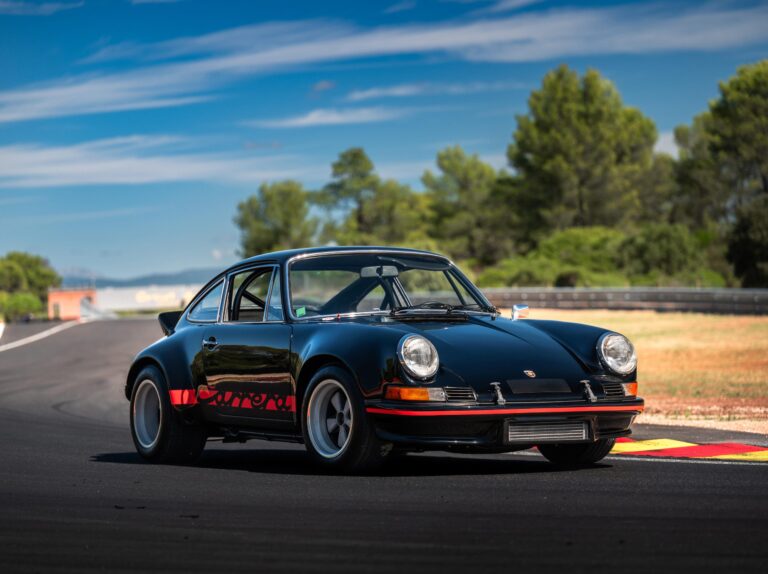
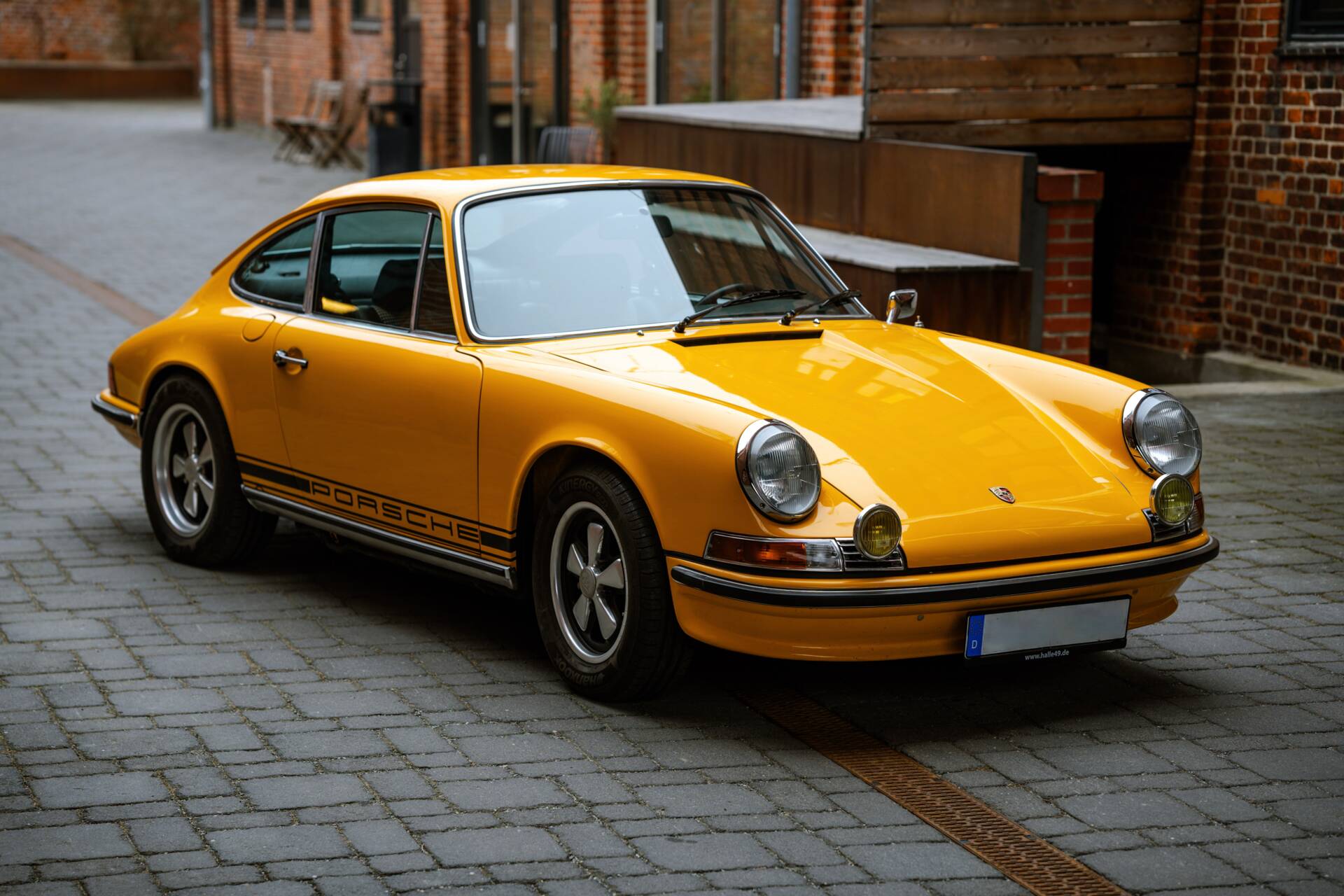
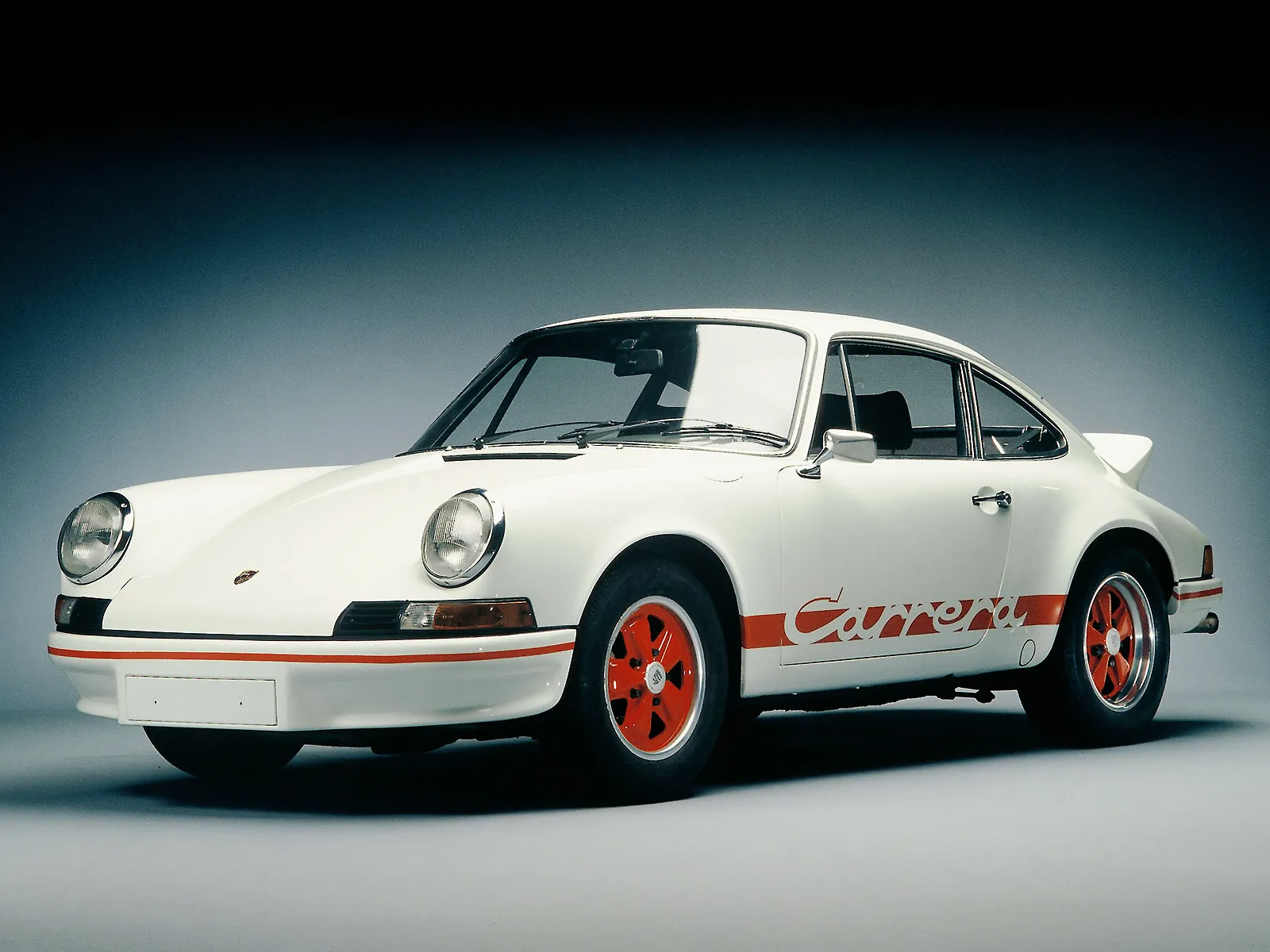
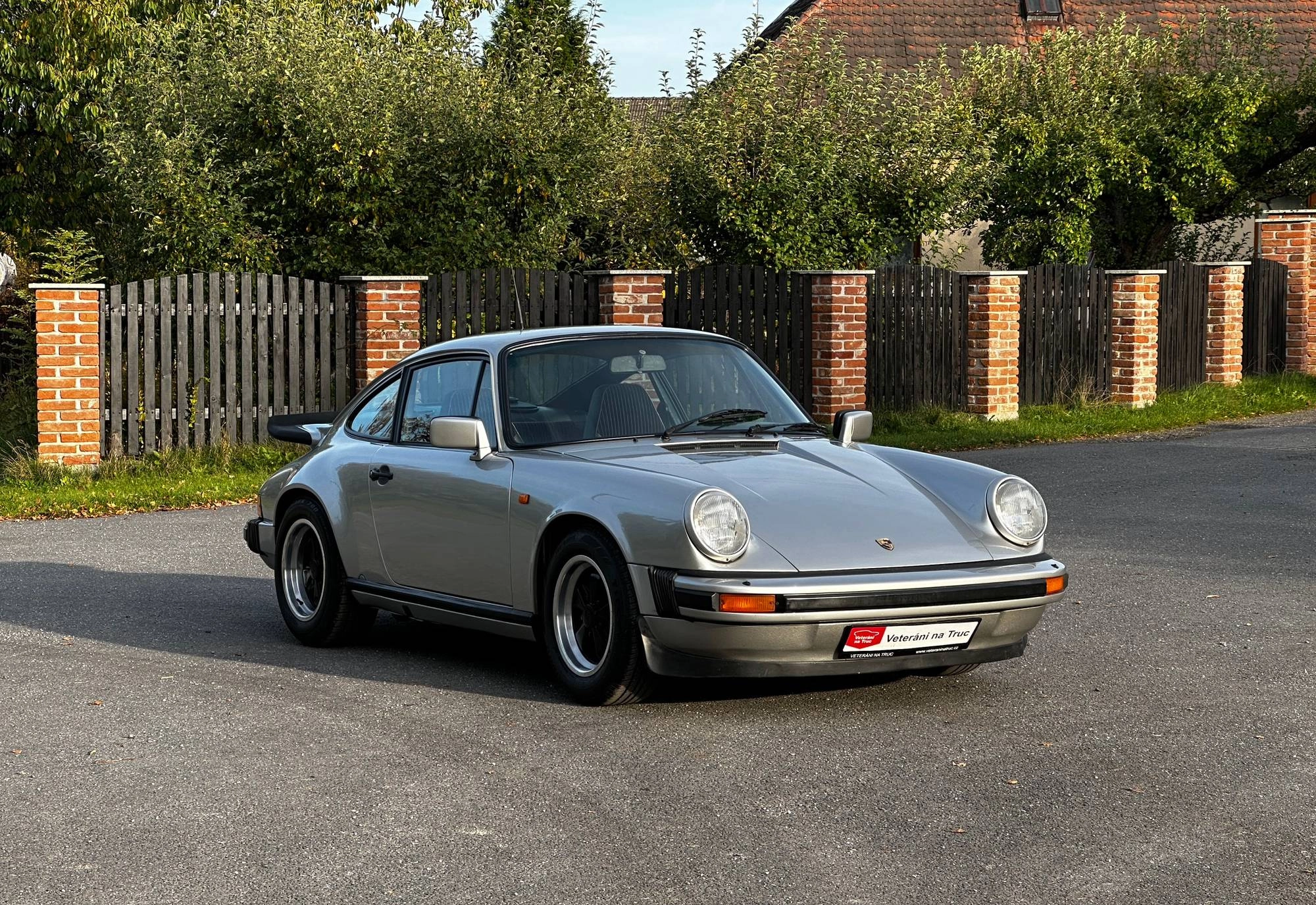
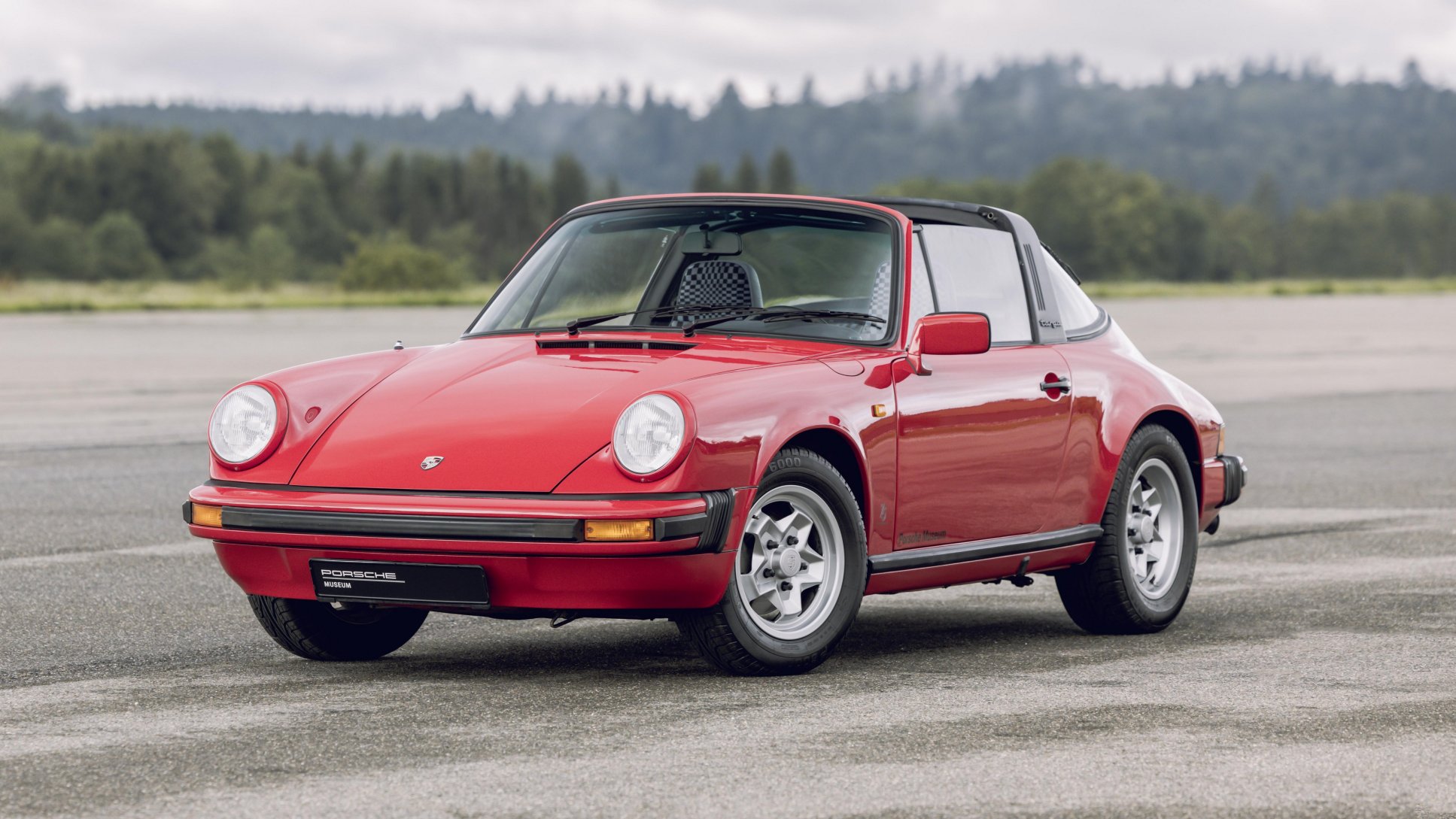
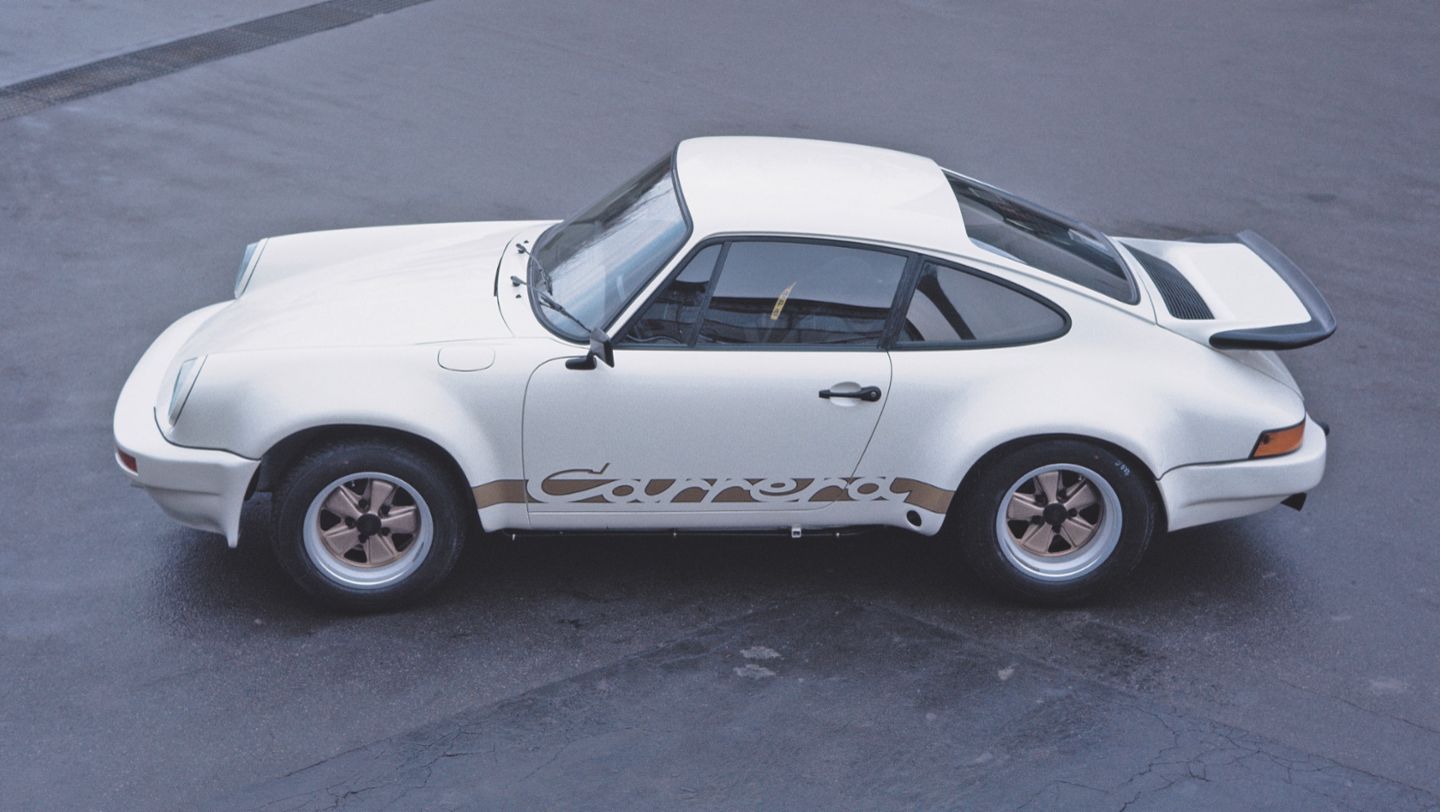
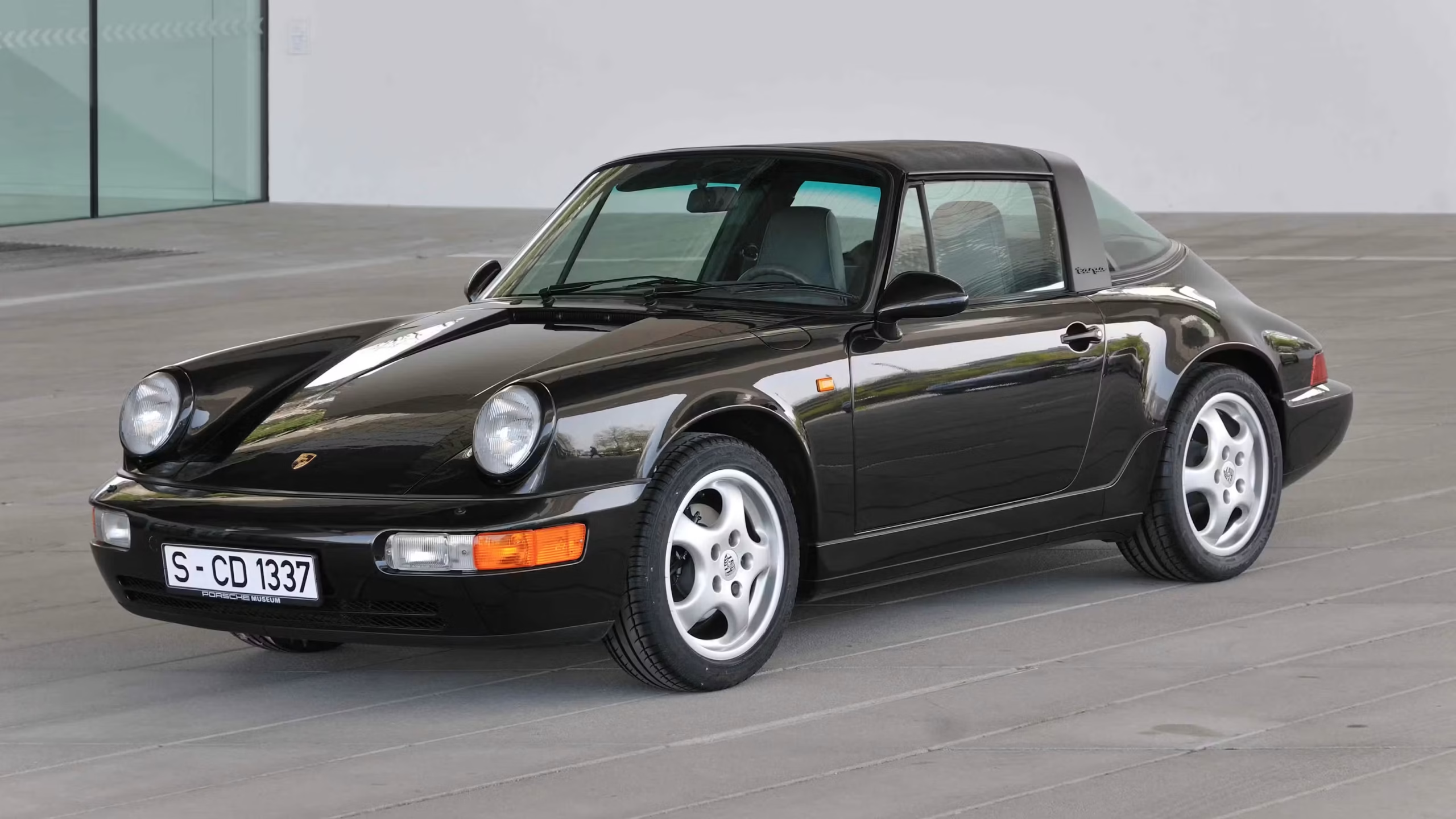
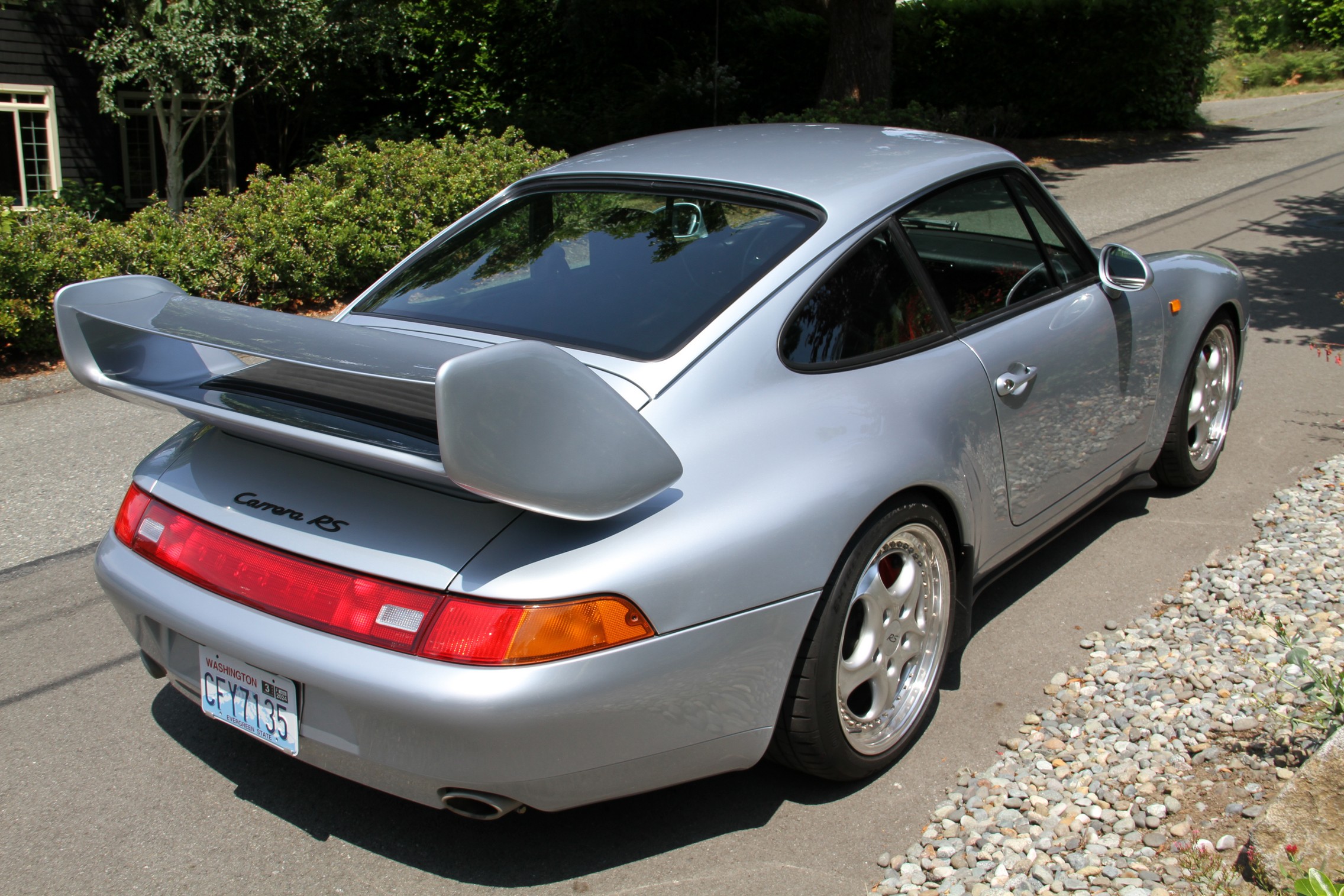
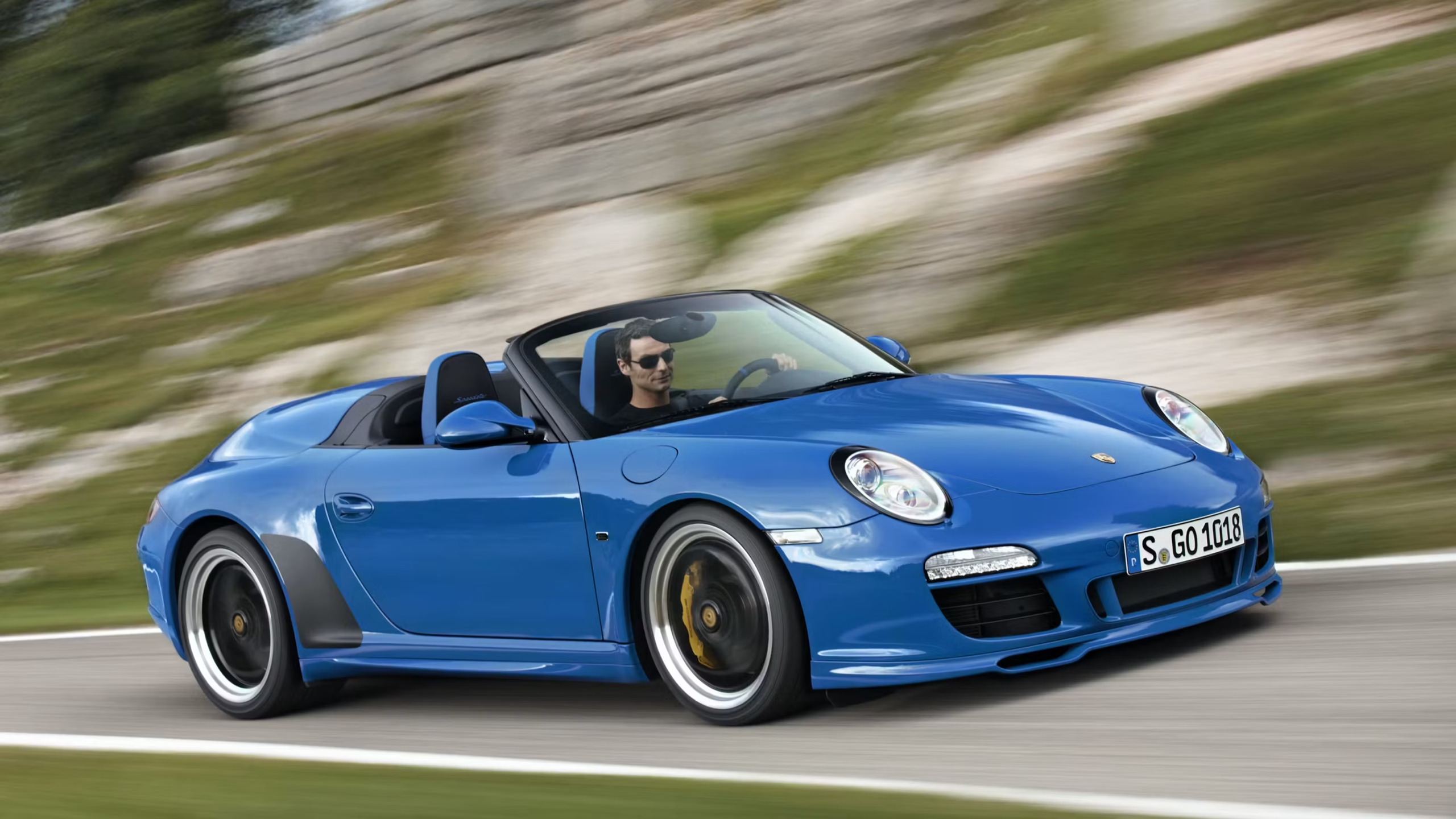
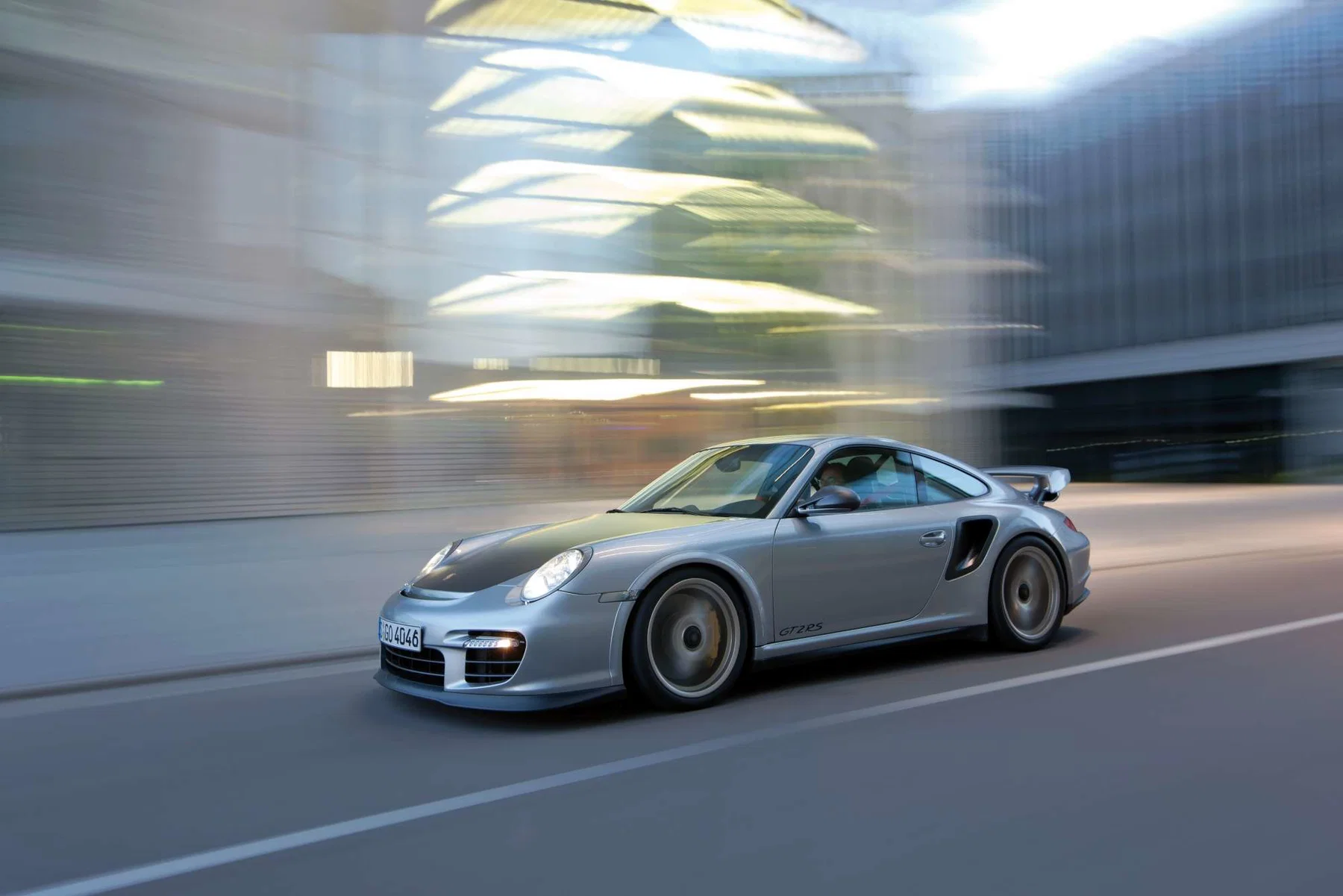
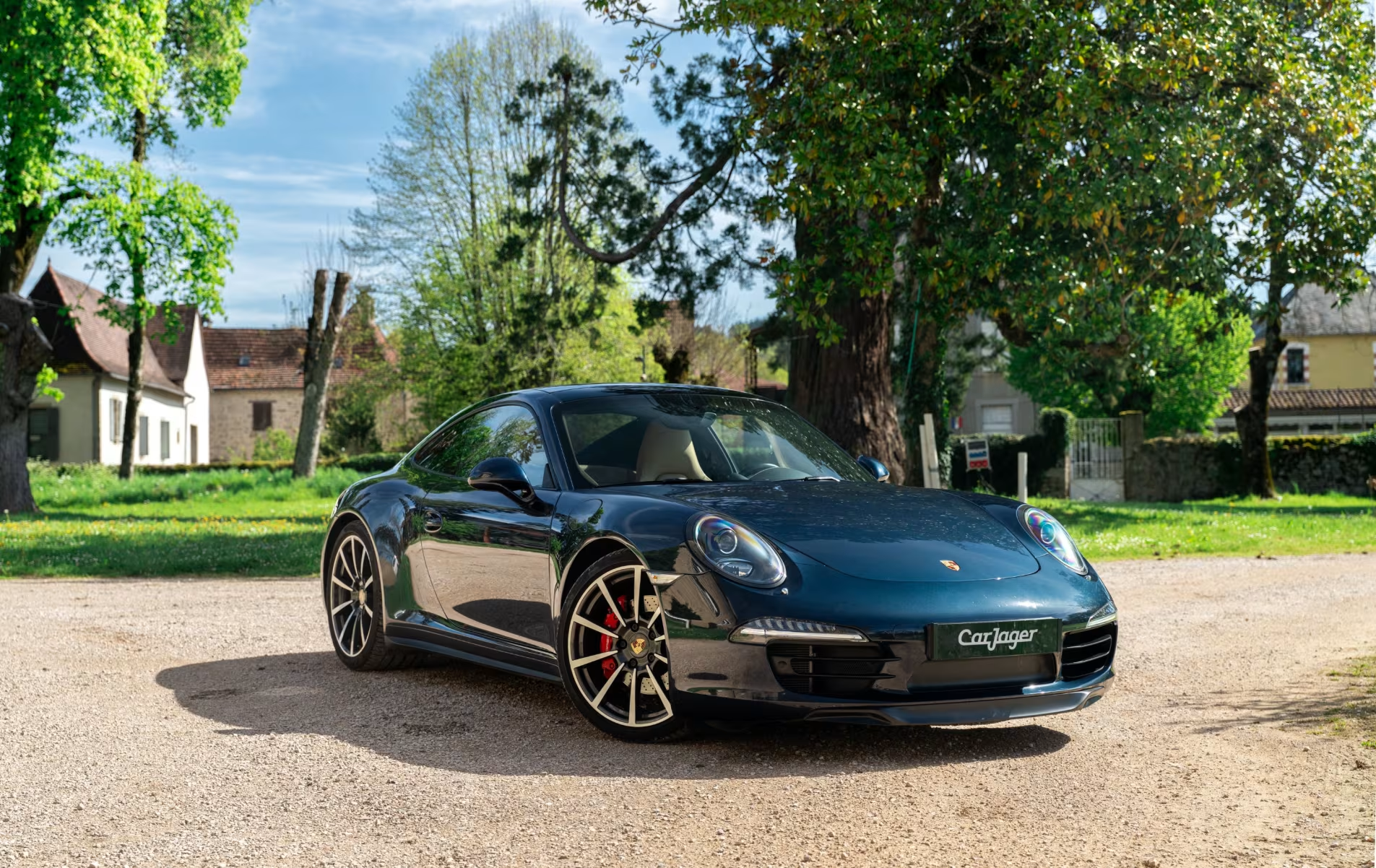
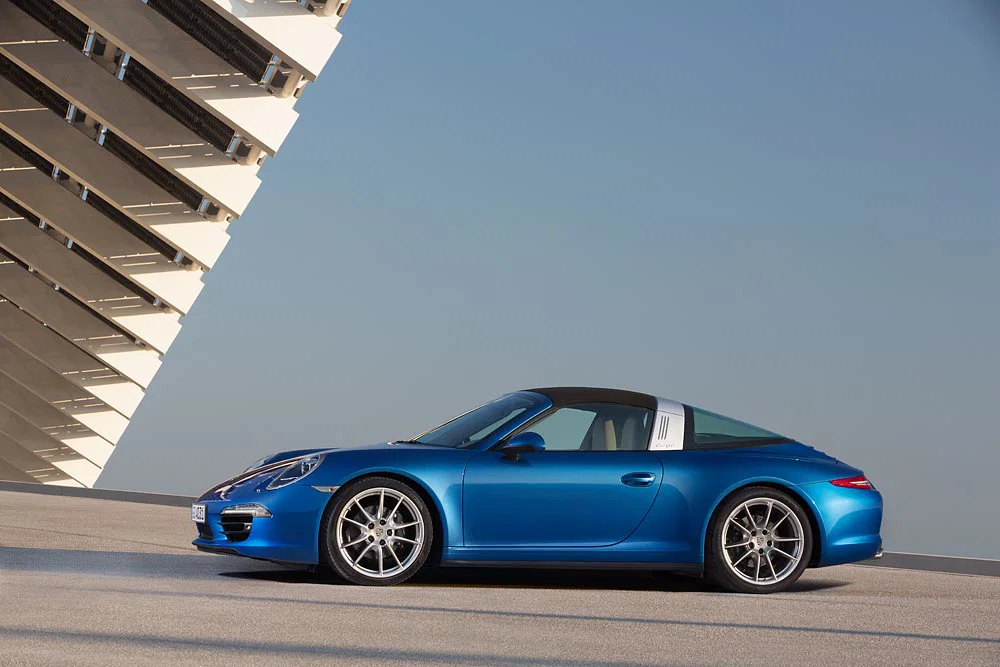
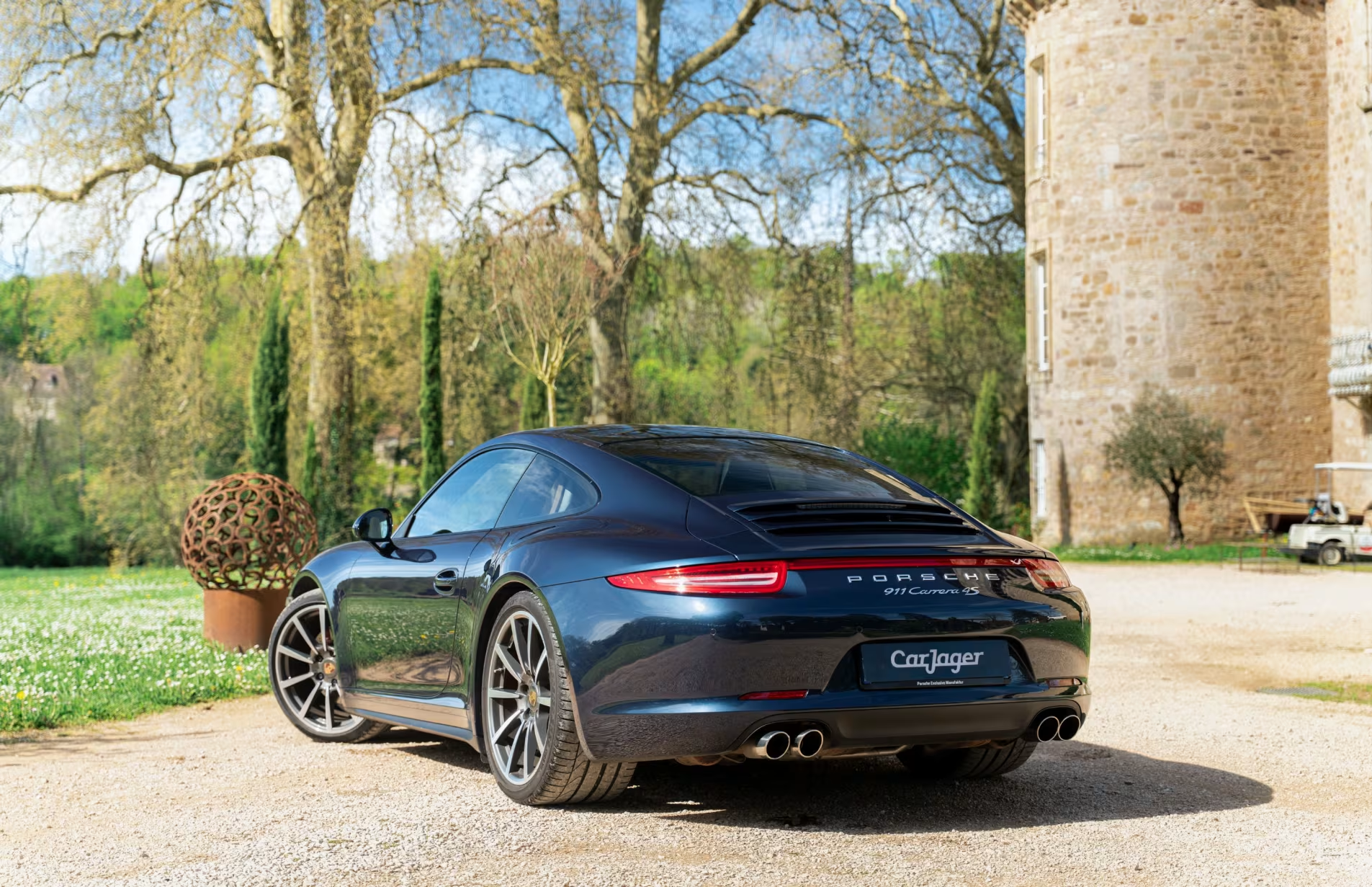
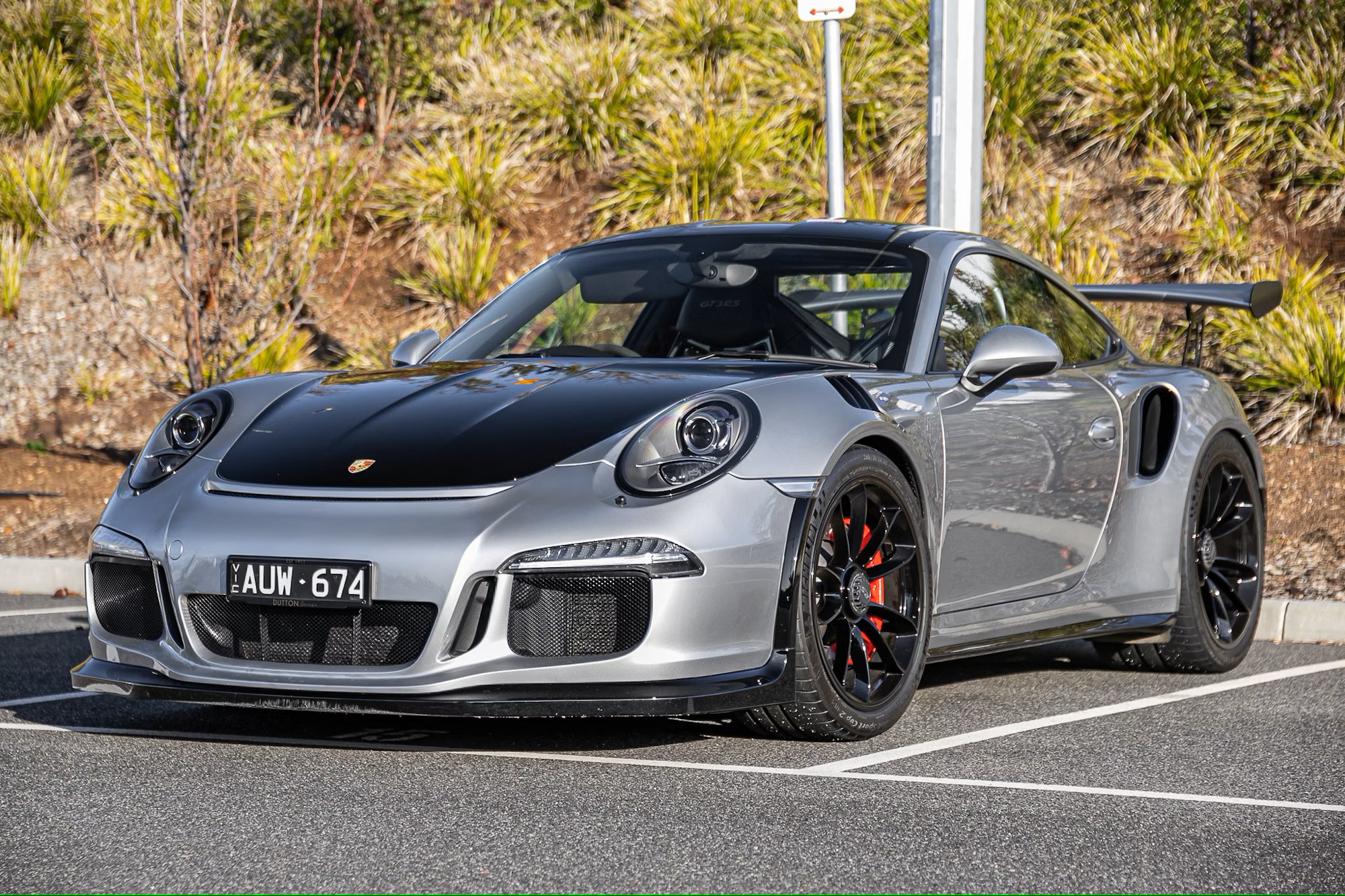
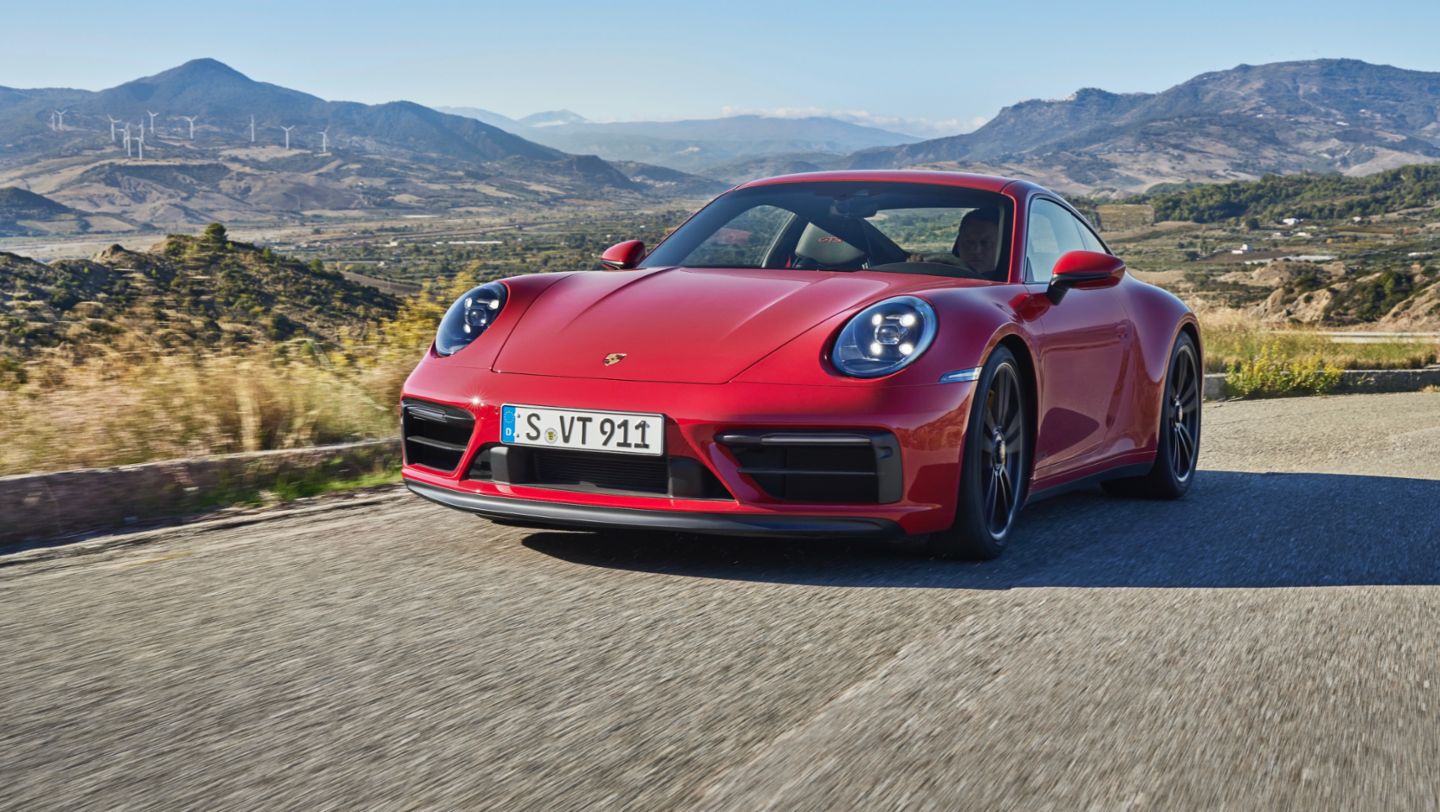
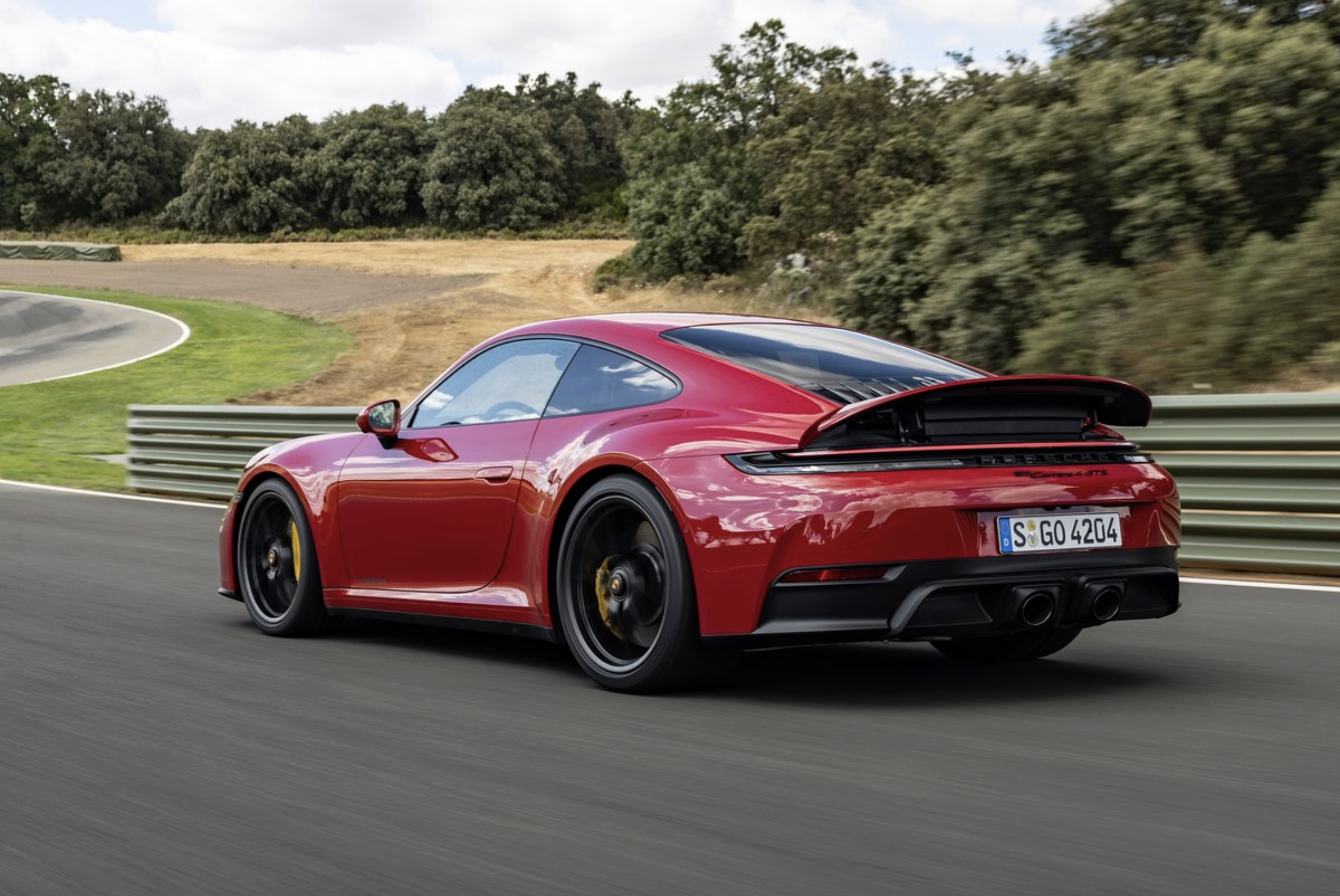
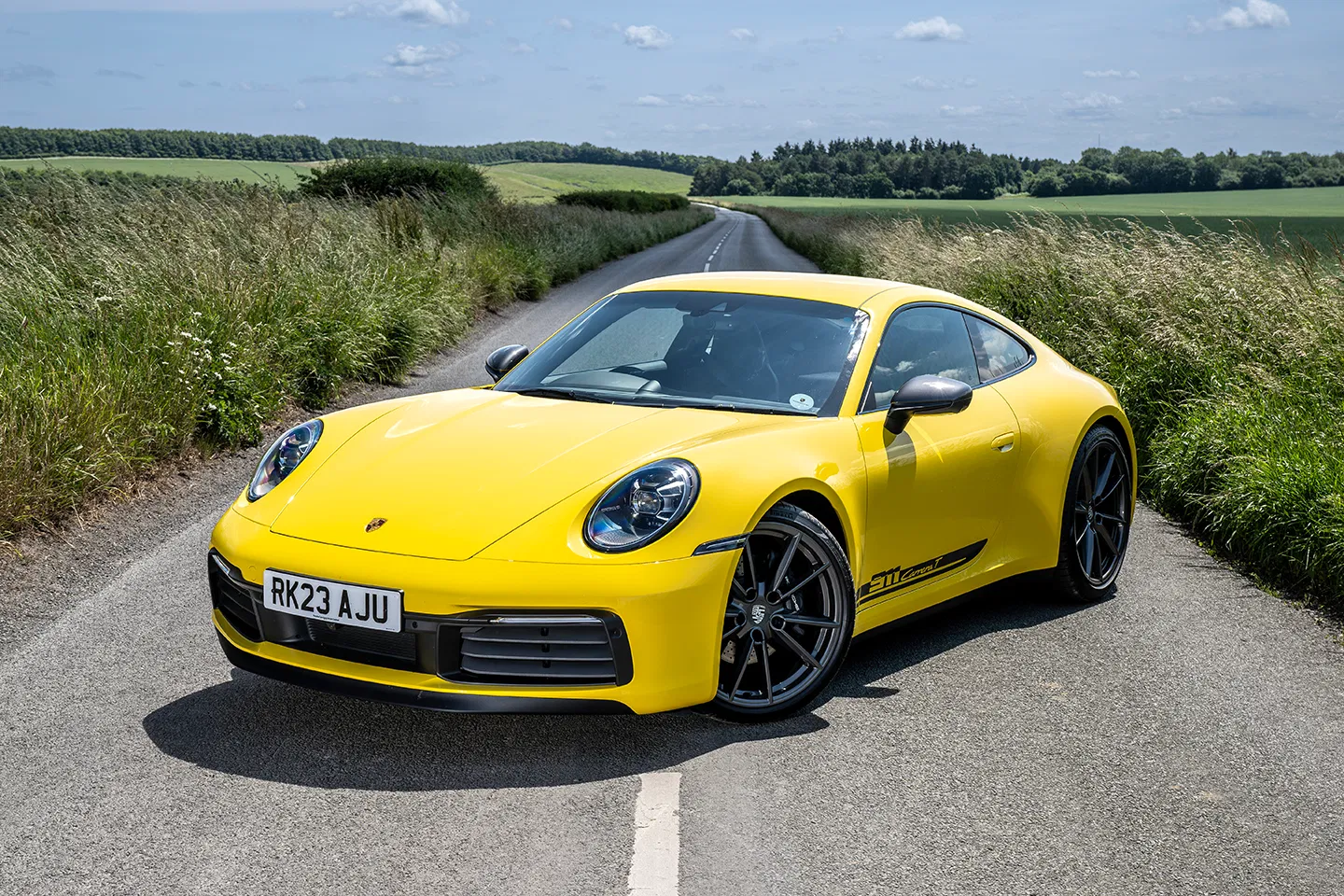
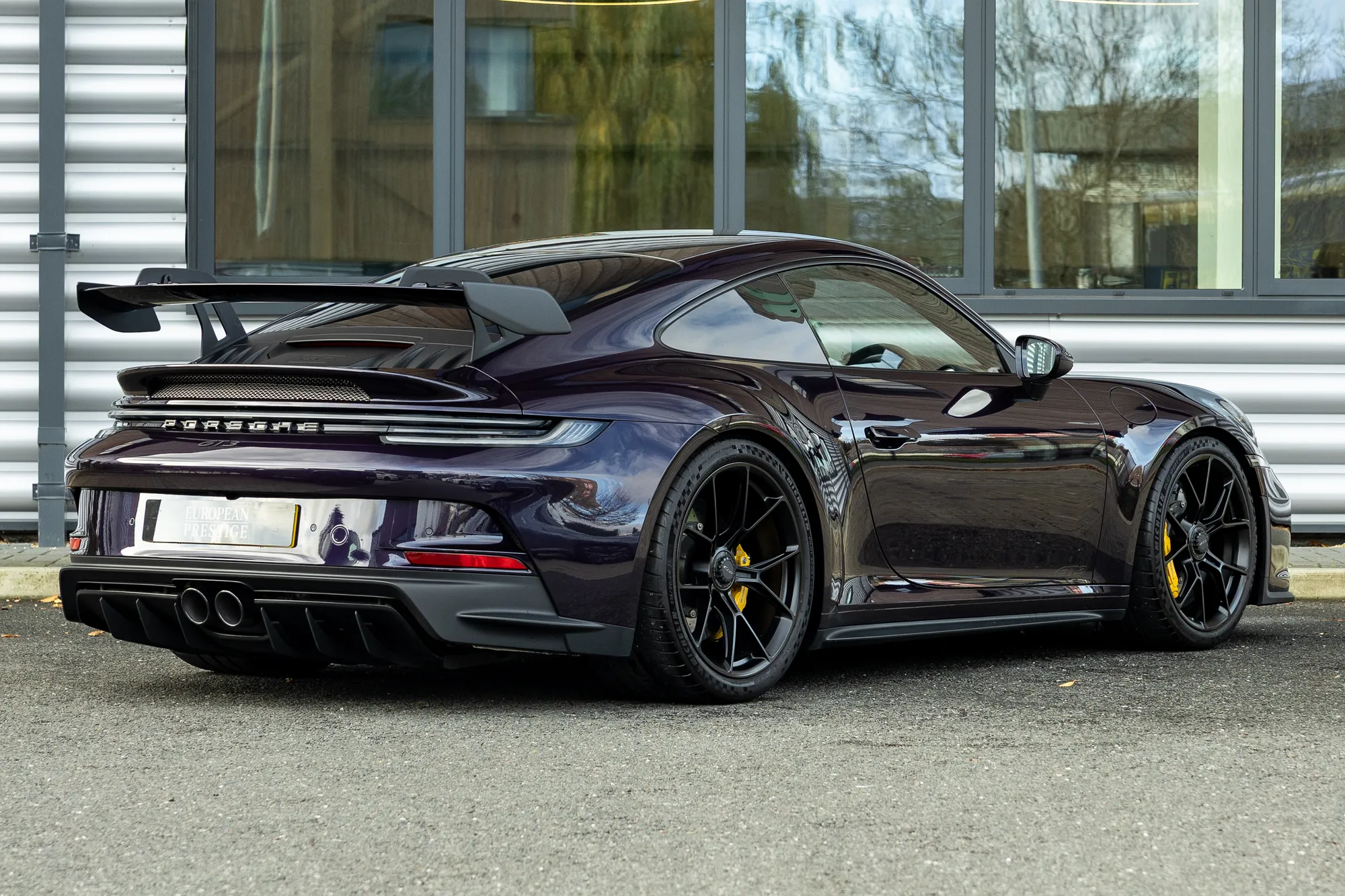
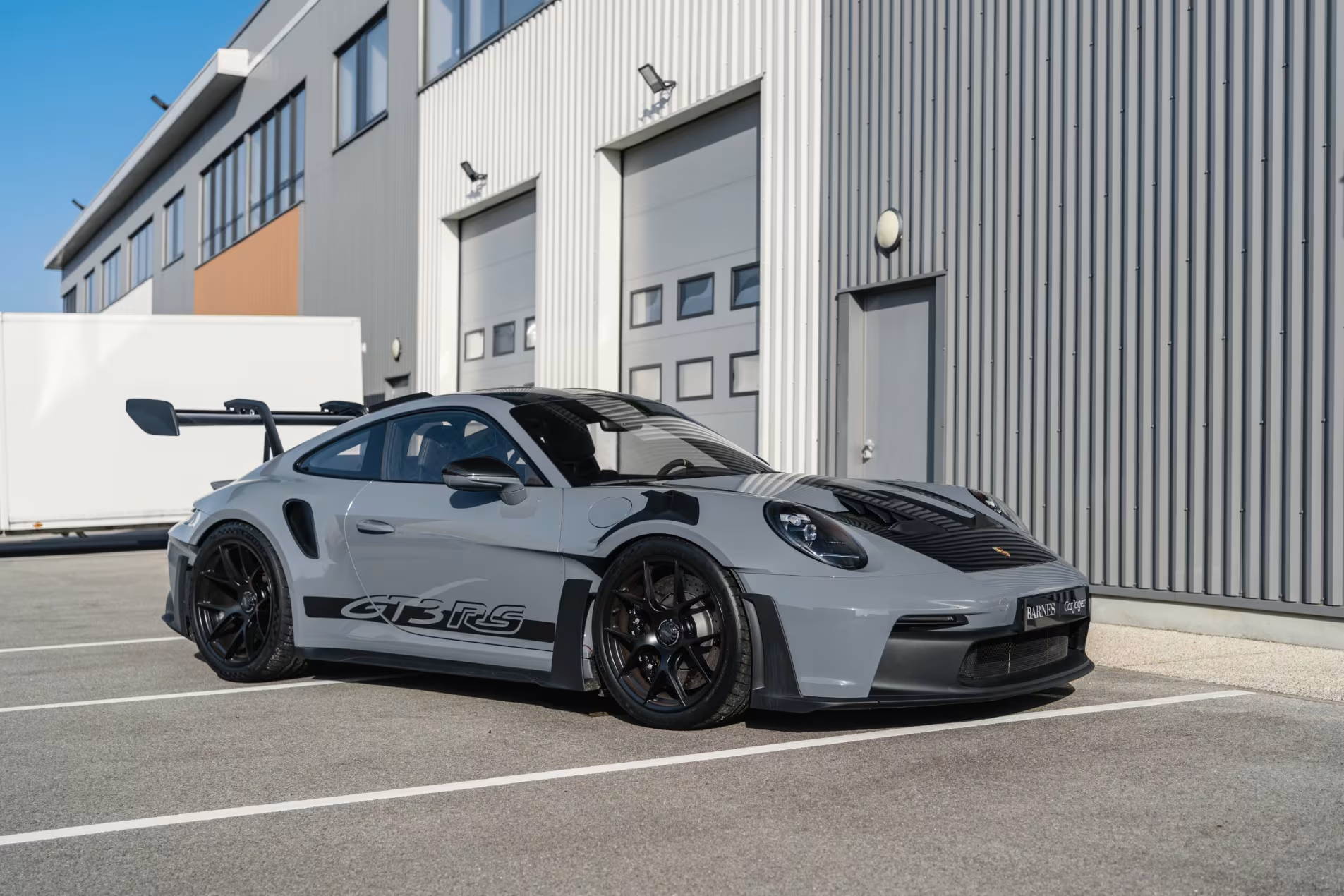
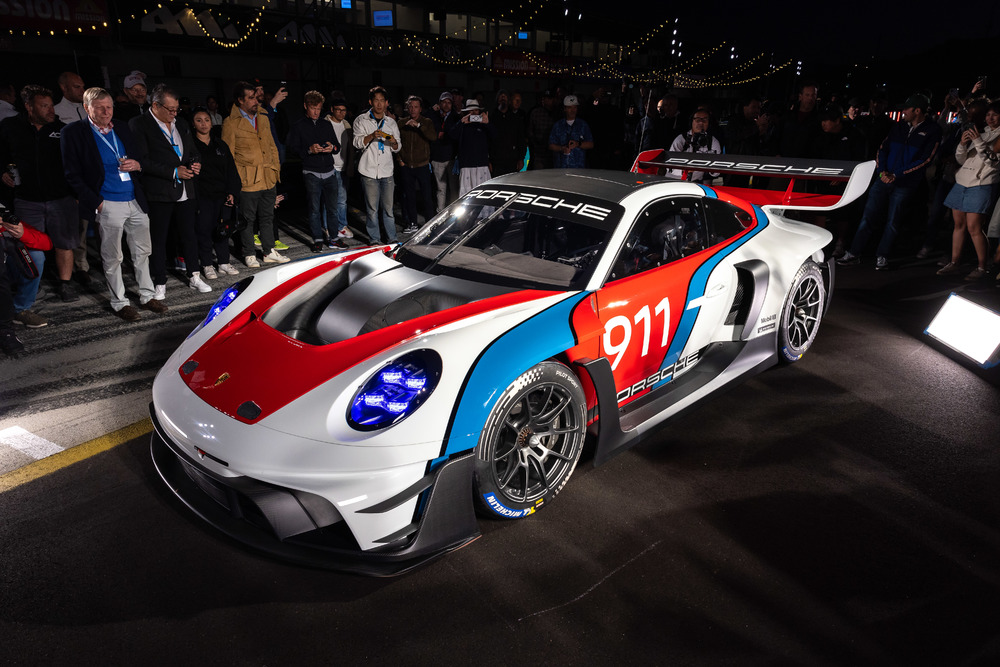
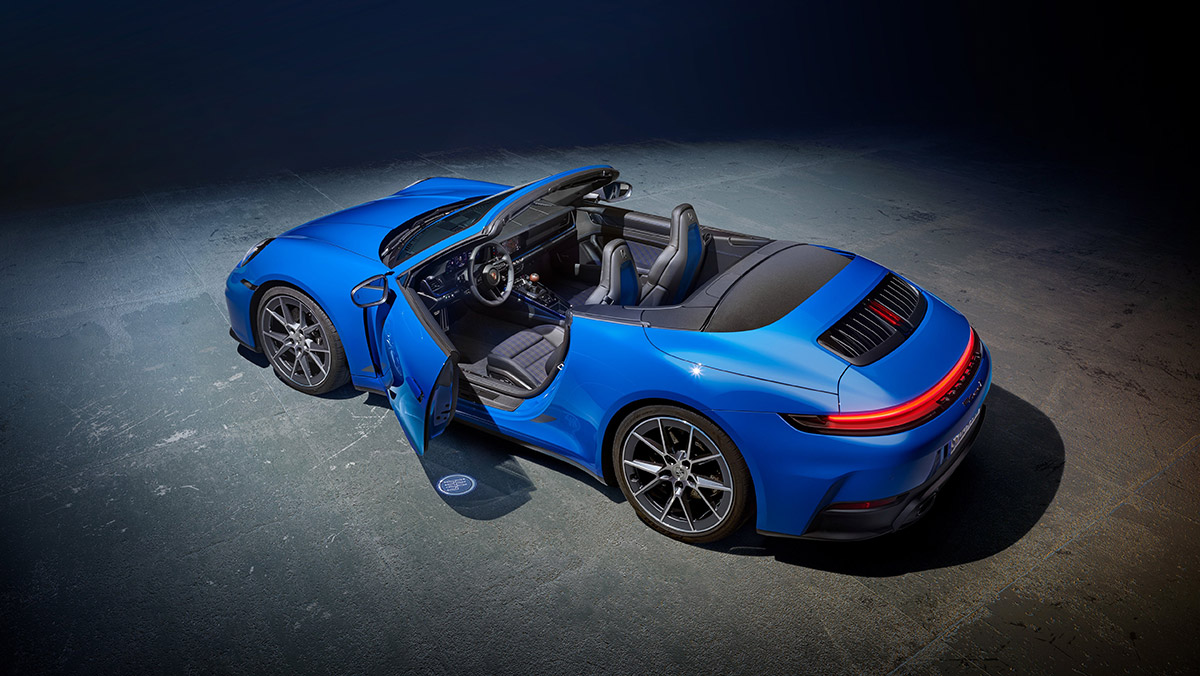
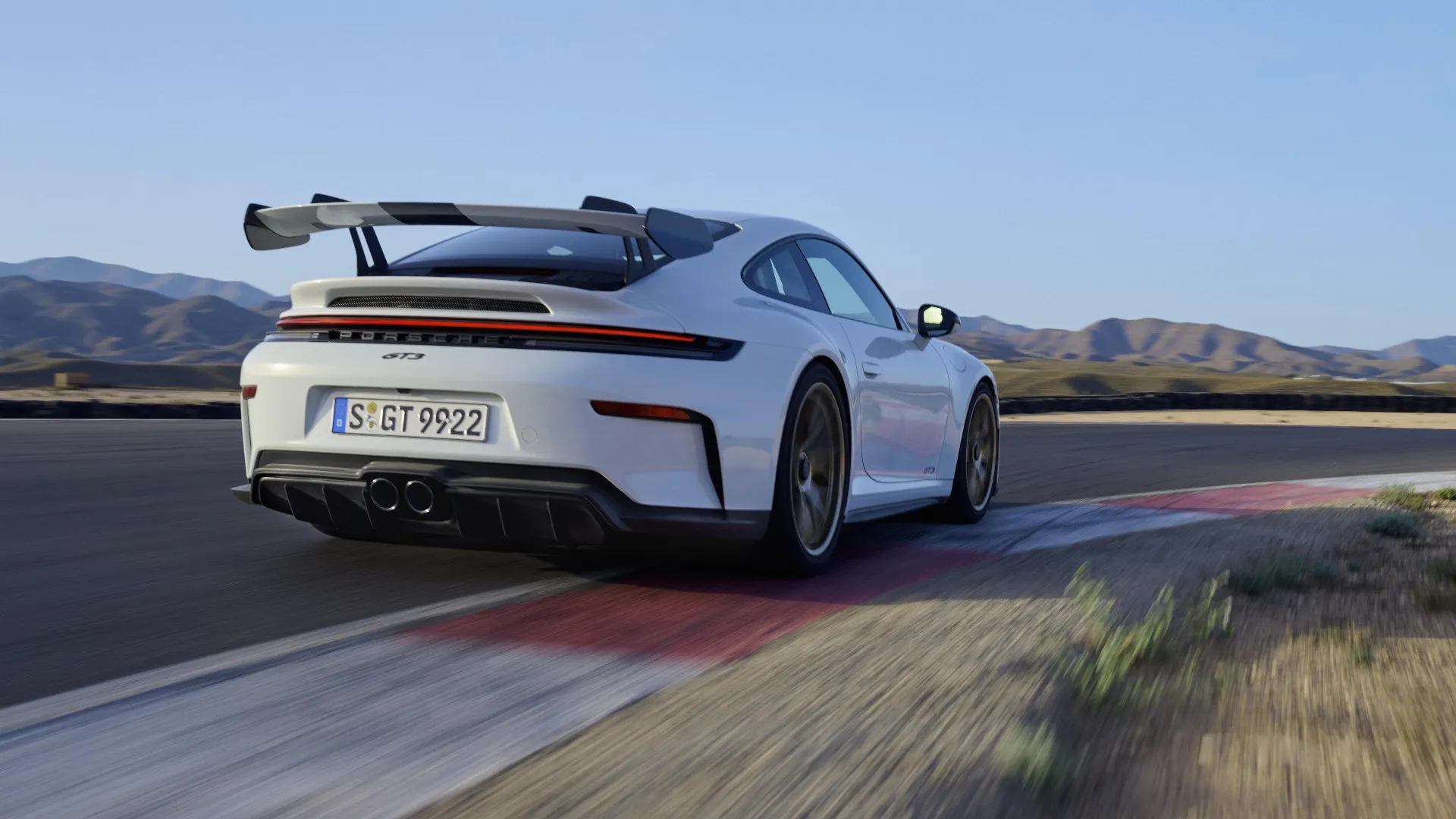
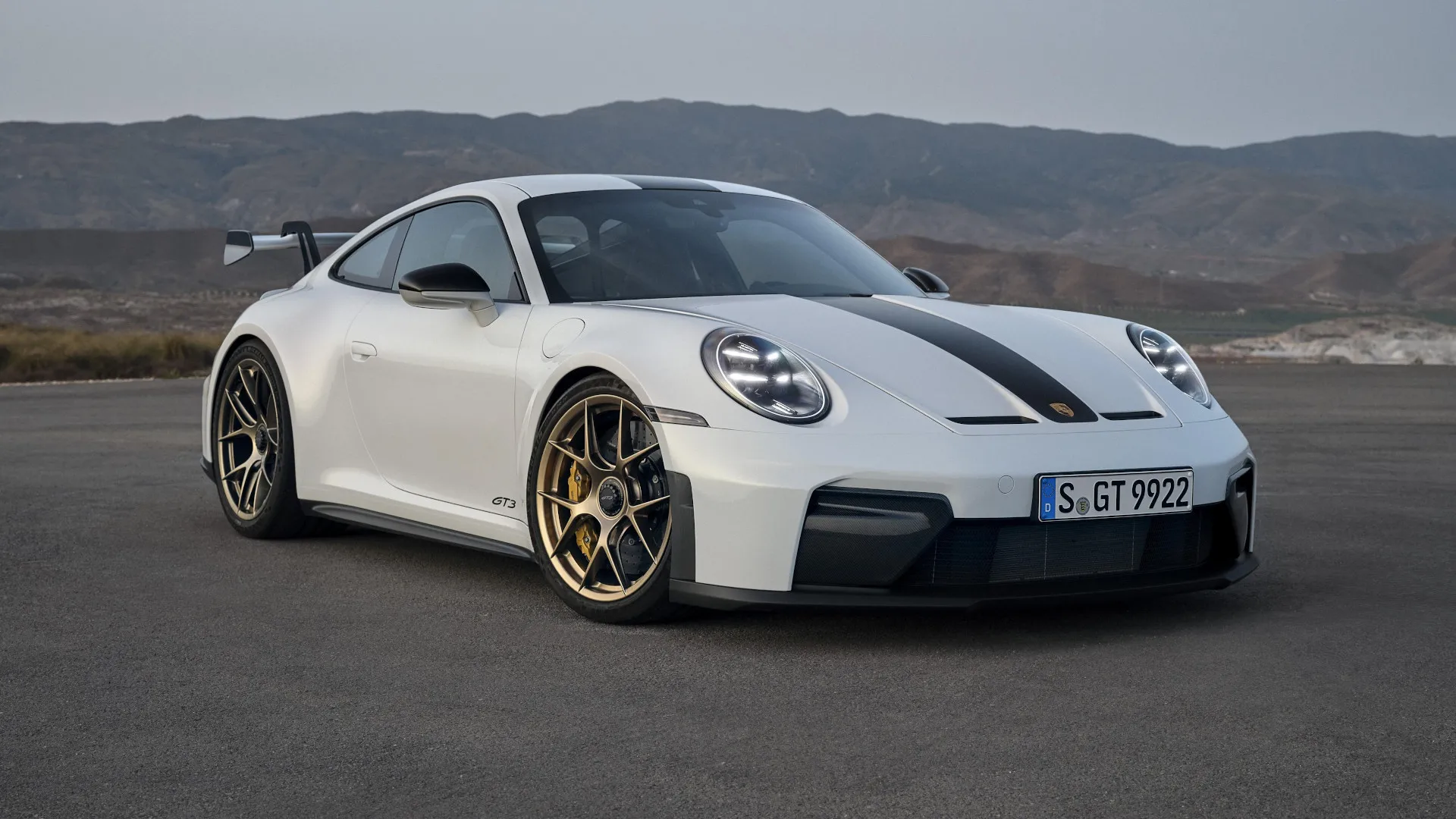
To trace the flowing, timeless silhouette of the Porsche 911 is to witness the absolute triumph of form following function. Penned by Ferdinand Alexander ‘Butzi’ Porsche, the grandson of the company’s founder, the original design was a masterpiece of mid-century minimalism. It was devoid of the excessive chrome and tailfins that plagued the era, defined instead by its upright, circular headlamps, a plunging, unbroken roofline known affectionately as the “flyline”, and a tapering, teardrop rear end. Over the ensuing decades, as the 911 evolved through the impact-bumpered G-Series, the modernized 964, the voluptuous 993, and into the water-cooled era of the 996, 997, 991, and 992, this fundamental silhouette never changed. It merely swelled, growing wider hips to accommodate ever-larger tires, sprouting aerodynamic aids like the legendary “ducktail” of the 1973 Carrera RS 2.7, the massive “whale tail” of the 1970s Turbos, and the active aerodynamic rear wings of the modern era. Yet, whether looking at a narrow-body 1965 911 2.0-liter or a carbon-fiber-clad 2023 911 GT3 RS, the genetic lineage is instantly, undeniably recognizable. It is a shape dictated by the packaging of its rear-mounted engine, resulting in a low cowl, exceptional forward visibility, and a surprisingly practical 2+2 seating arrangement that made it the ultimate everyday sports car.
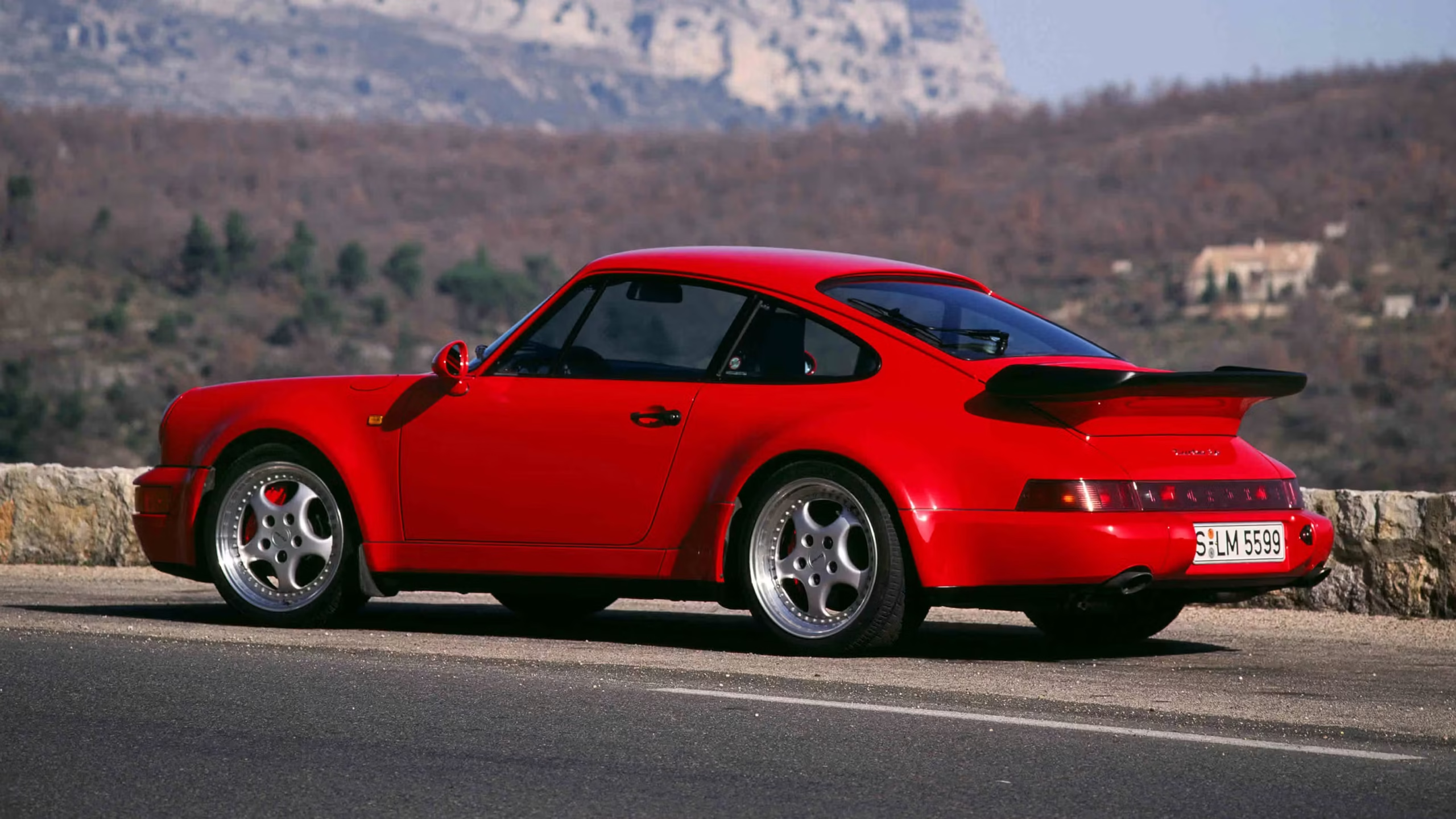
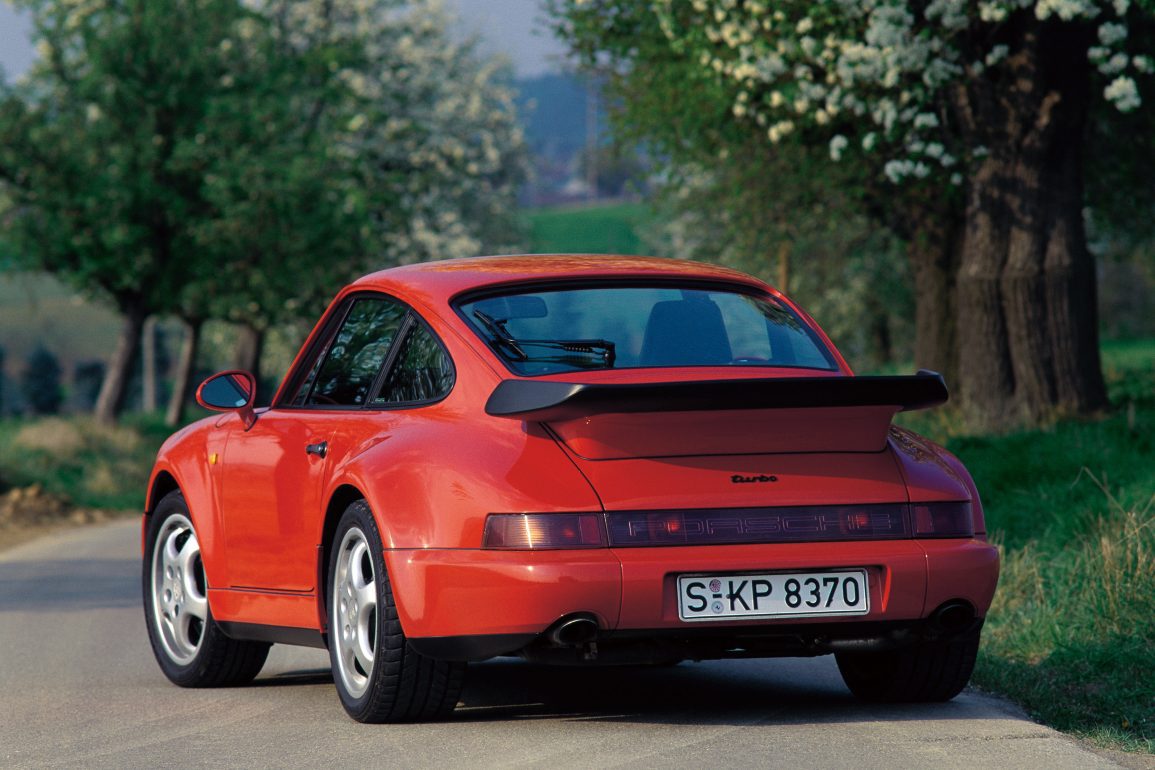
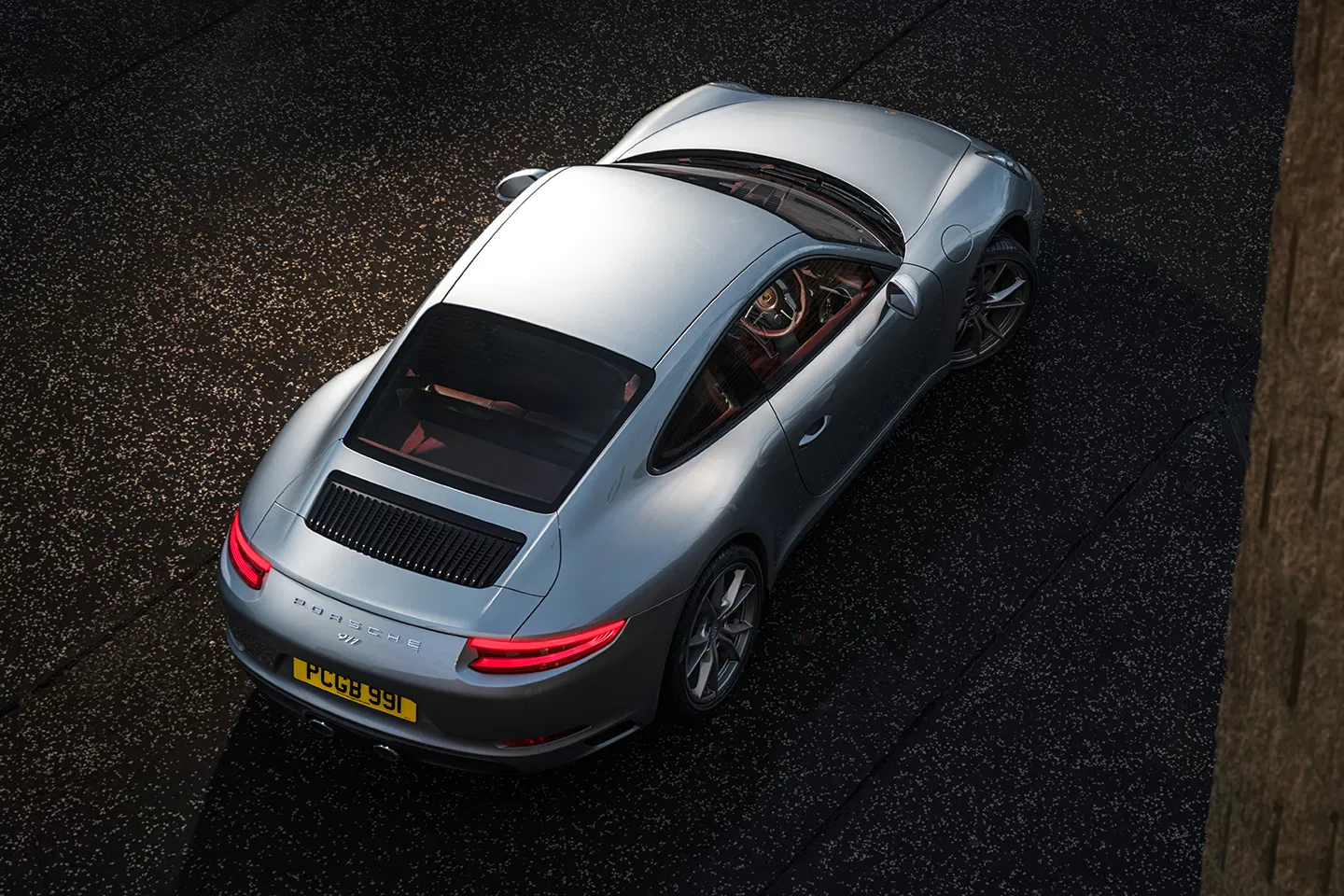
To peel back the engine lid of a classic 911 is to gaze upon the absolute soul of the machine: the legendary flat-six boxer engine, originally designed by the brilliant Hans Mezger. In its earliest iteration, this air-cooled, all-alloy masterpiece displaced a mere 2.0 liters and produced 130 horsepower, utilizing a dry-sump lubrication system to ensure a constant supply of oil under heavy cornering loads. But the flat-six was an architecture of infinite potential. Over the next three decades, the air-cooled engine would be relentlessly bored and stroked—to 2.2, 2.4, 2.7, 3.0, 3.2, 3.6, and eventually 3.8 liters. It breathed through early Solex carburetors, then sophisticated mechanical fuel injection, and finally modern Bosch Motronic engine management. The mechanical symphony of the air-cooled 911 is one of the most distinctive auditory signatures in motoring: a chaotic clatter of the massive cooling fan and valvetrain at idle, building into a guttural, resonant howl, and finally reaching a frantic, metallic shriek as it approaches the redline. In 1974, Porsche fundamentally altered the trajectory of the 911 by bolting a KKK turbocharger to the flat-six, creating the mythical 930 Turbo. It was an exercise in explosive, lag-heavy brutality that transformed the lightweight sports car into a +250 km/h (160 mph) supercar capable of hunting Ferraris and Lamborghinis on the Autobahn.
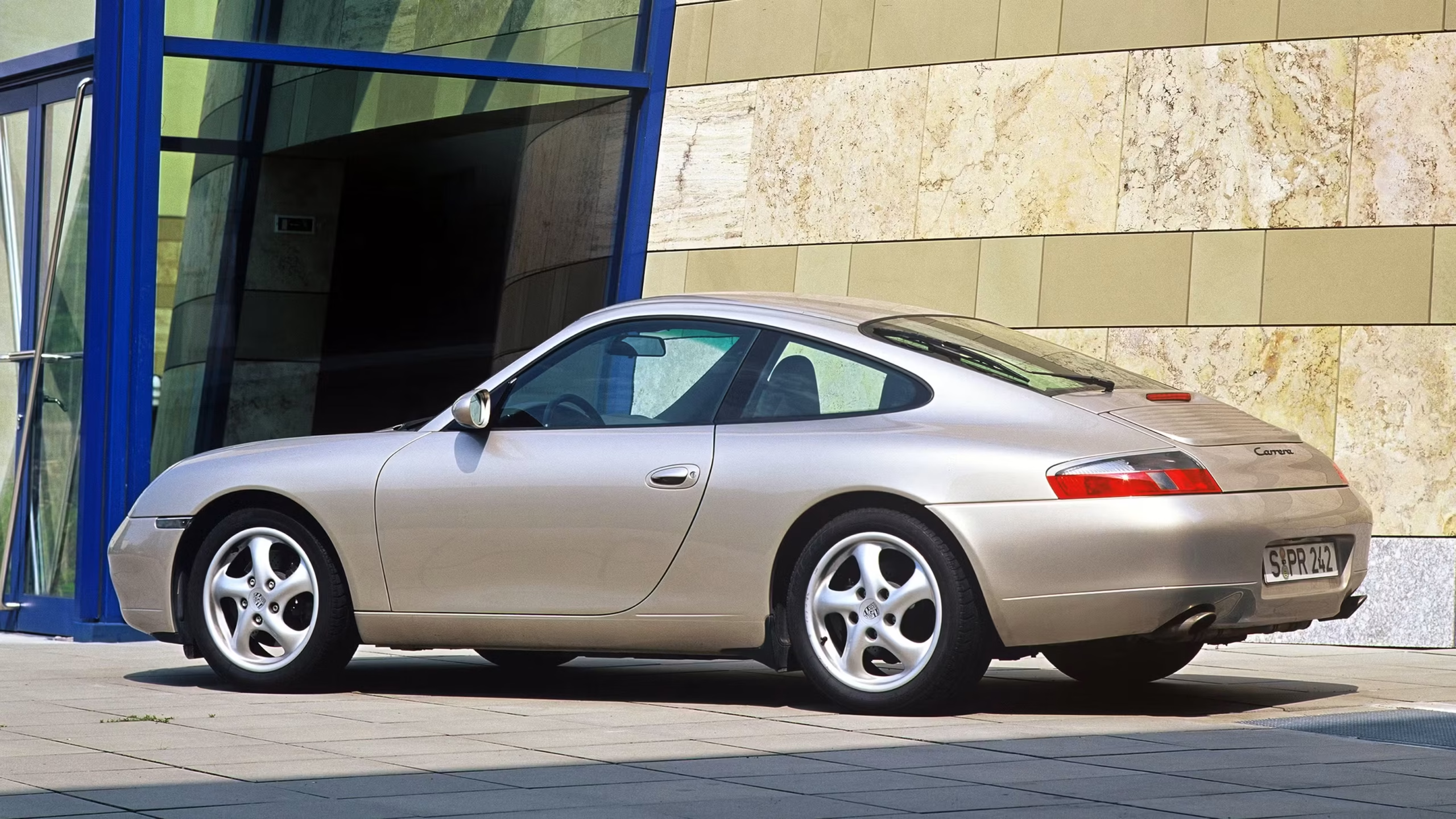
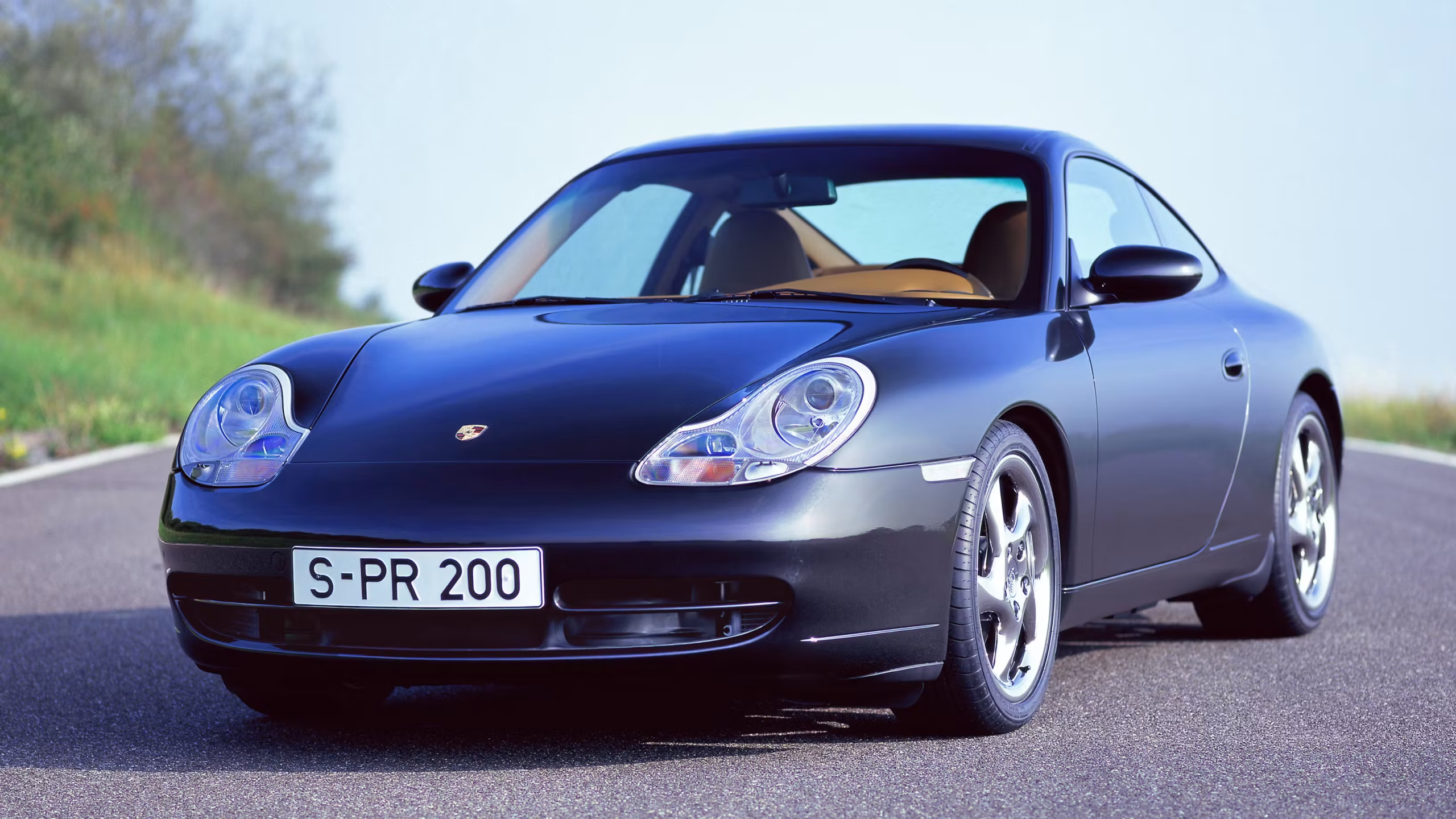
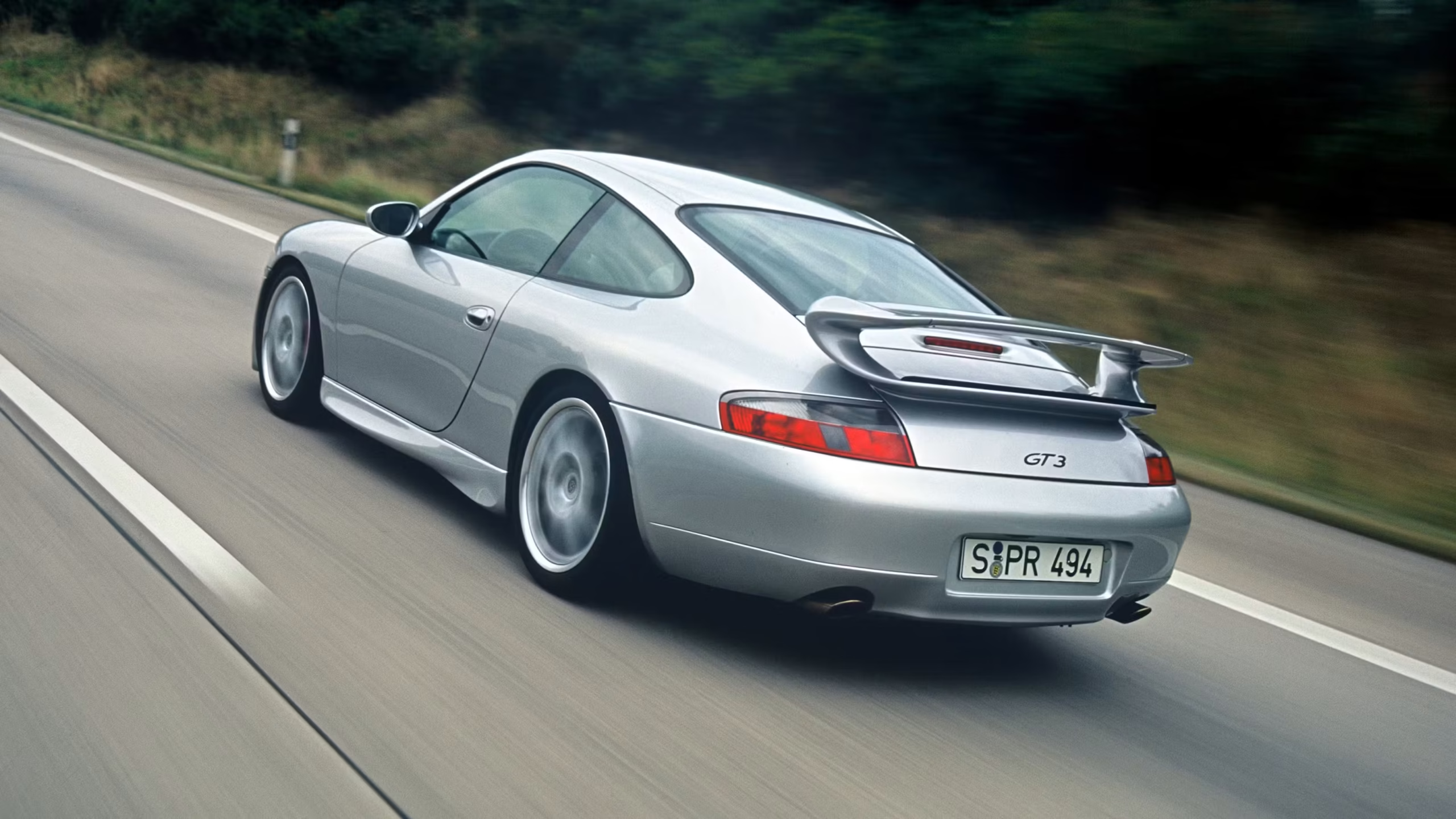
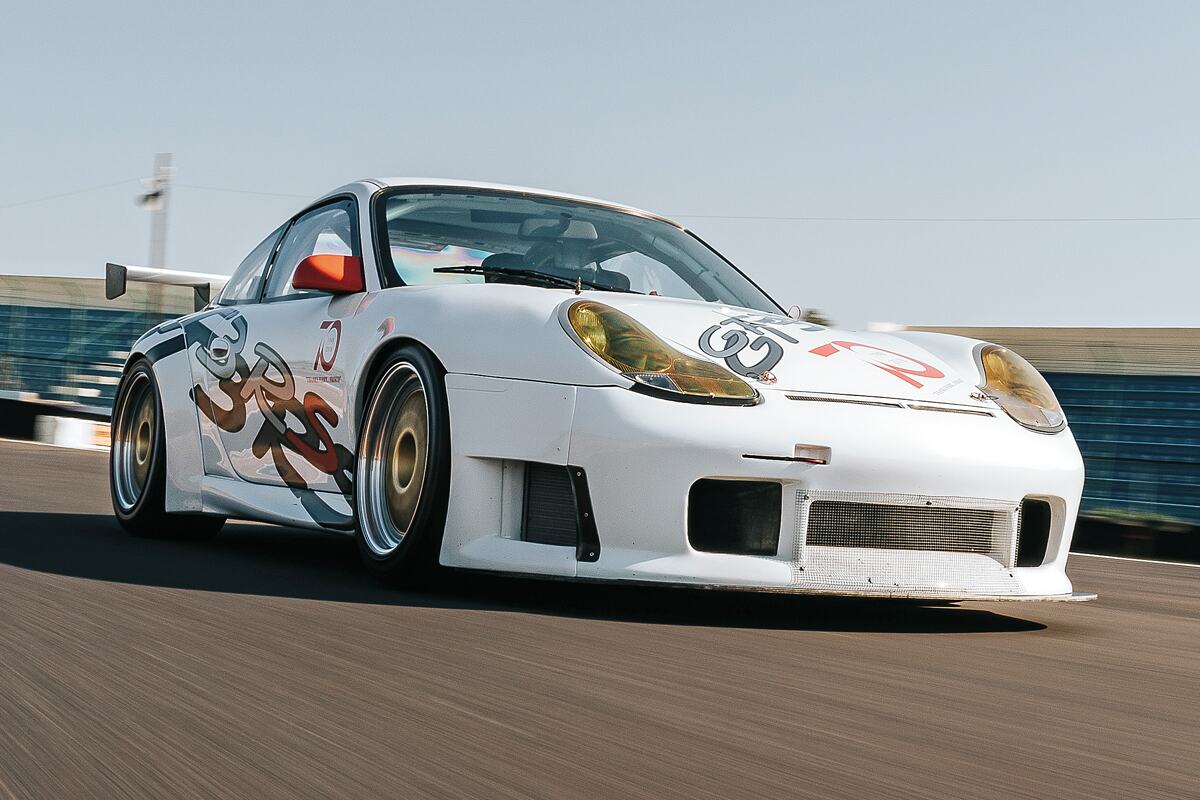
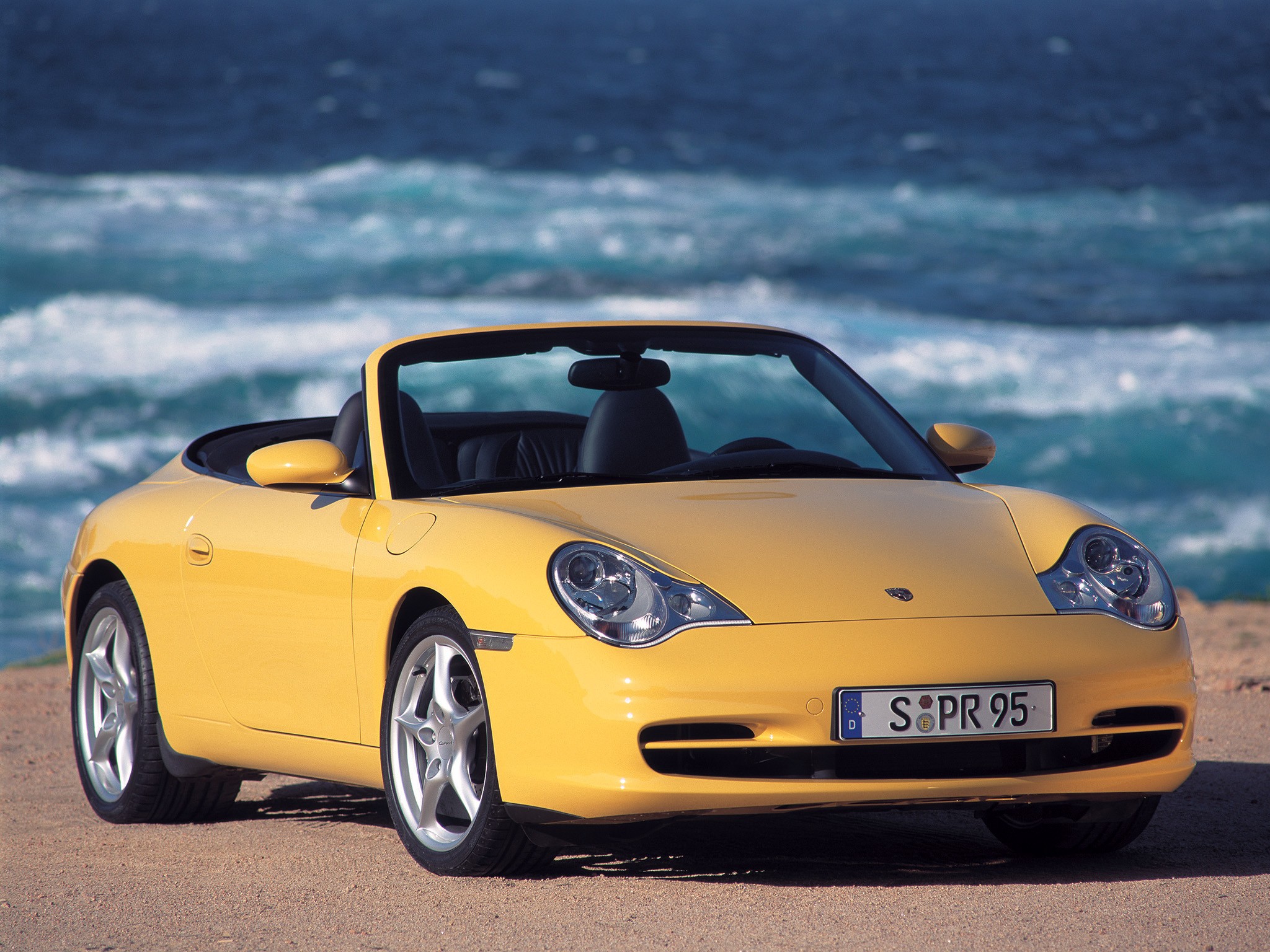
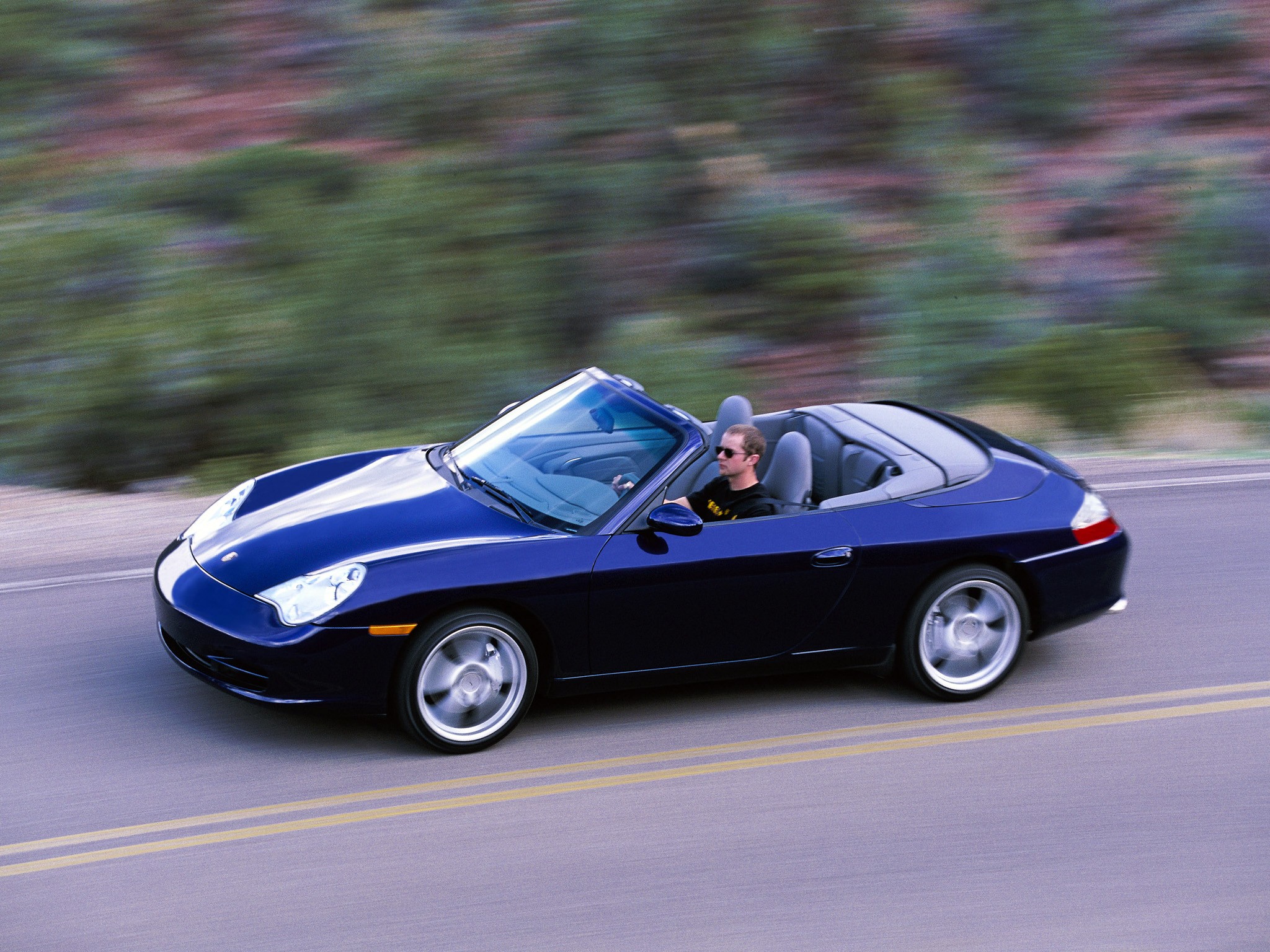
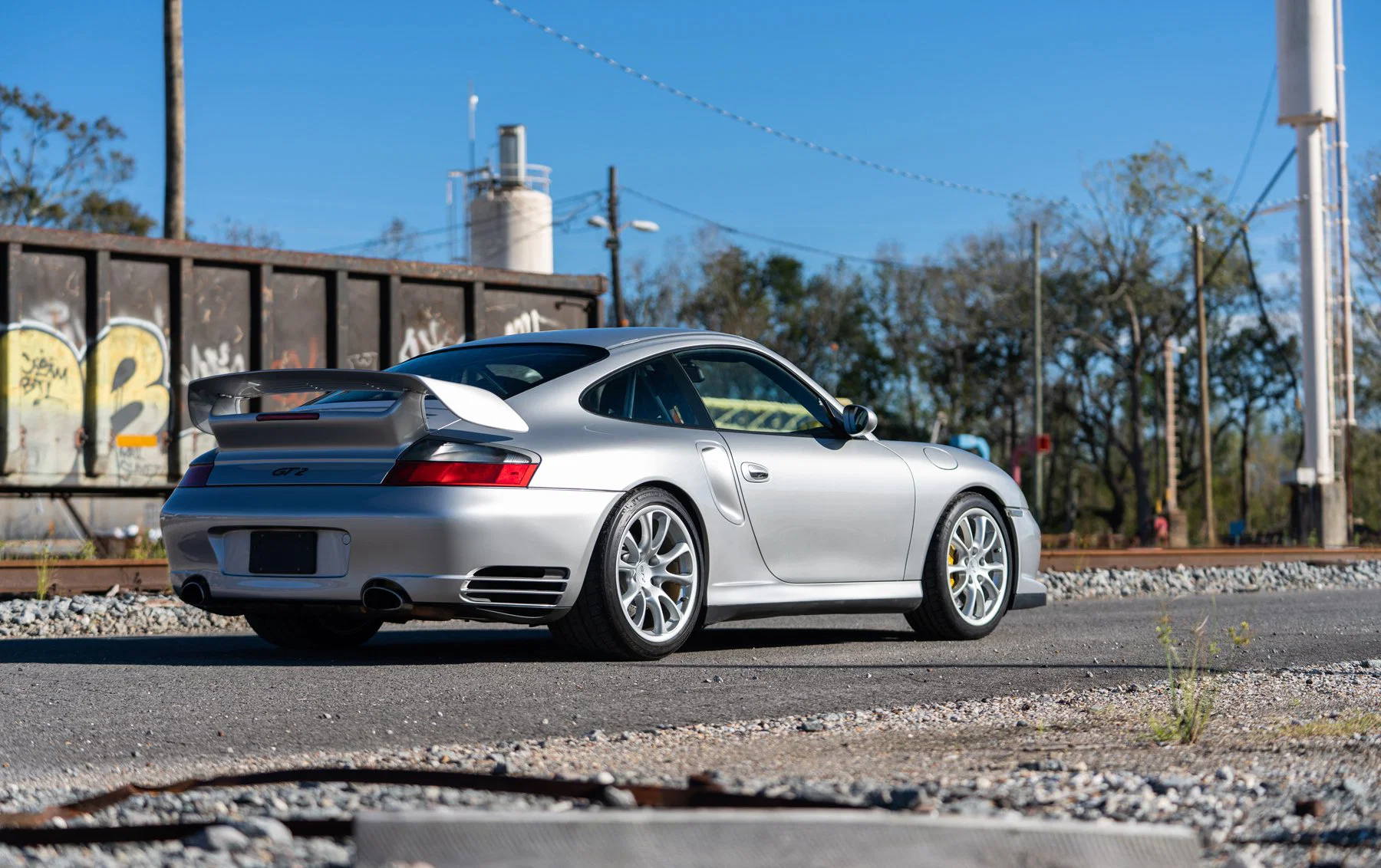
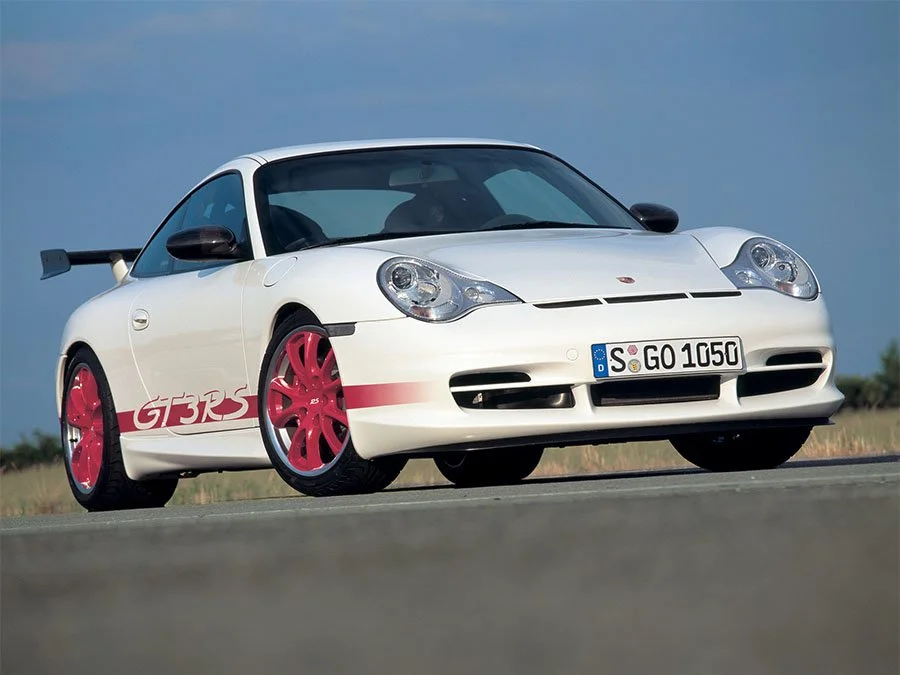
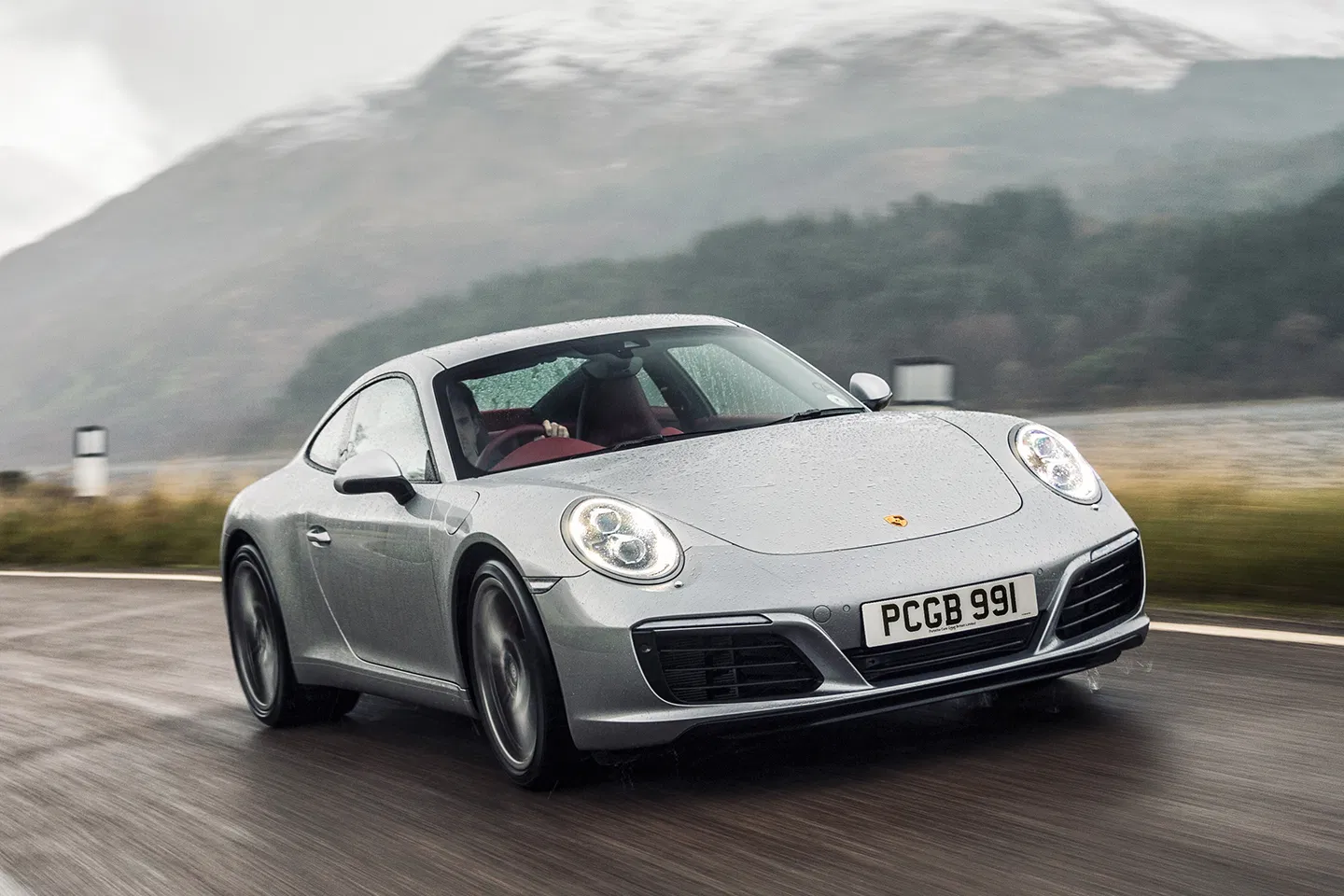
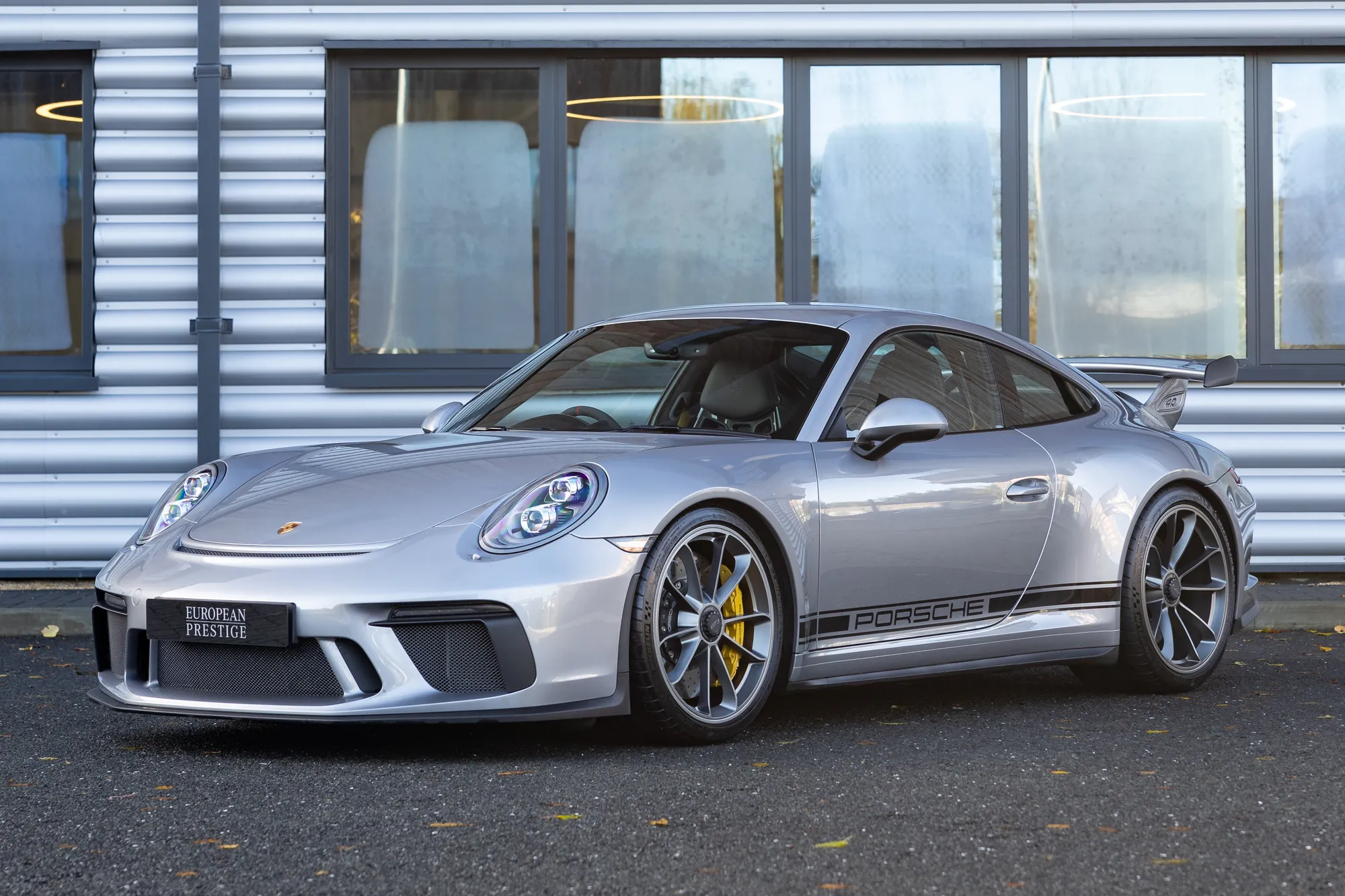
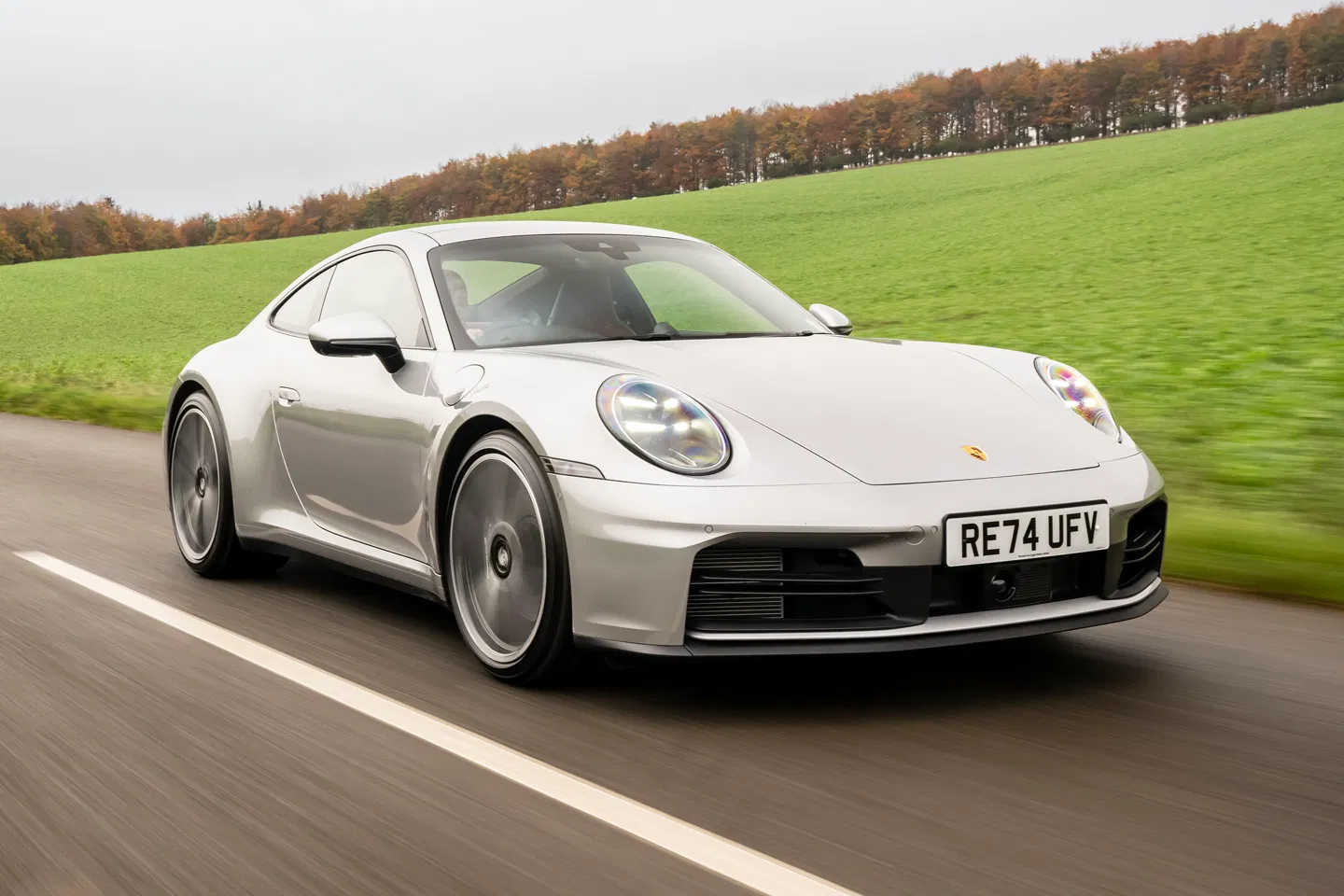
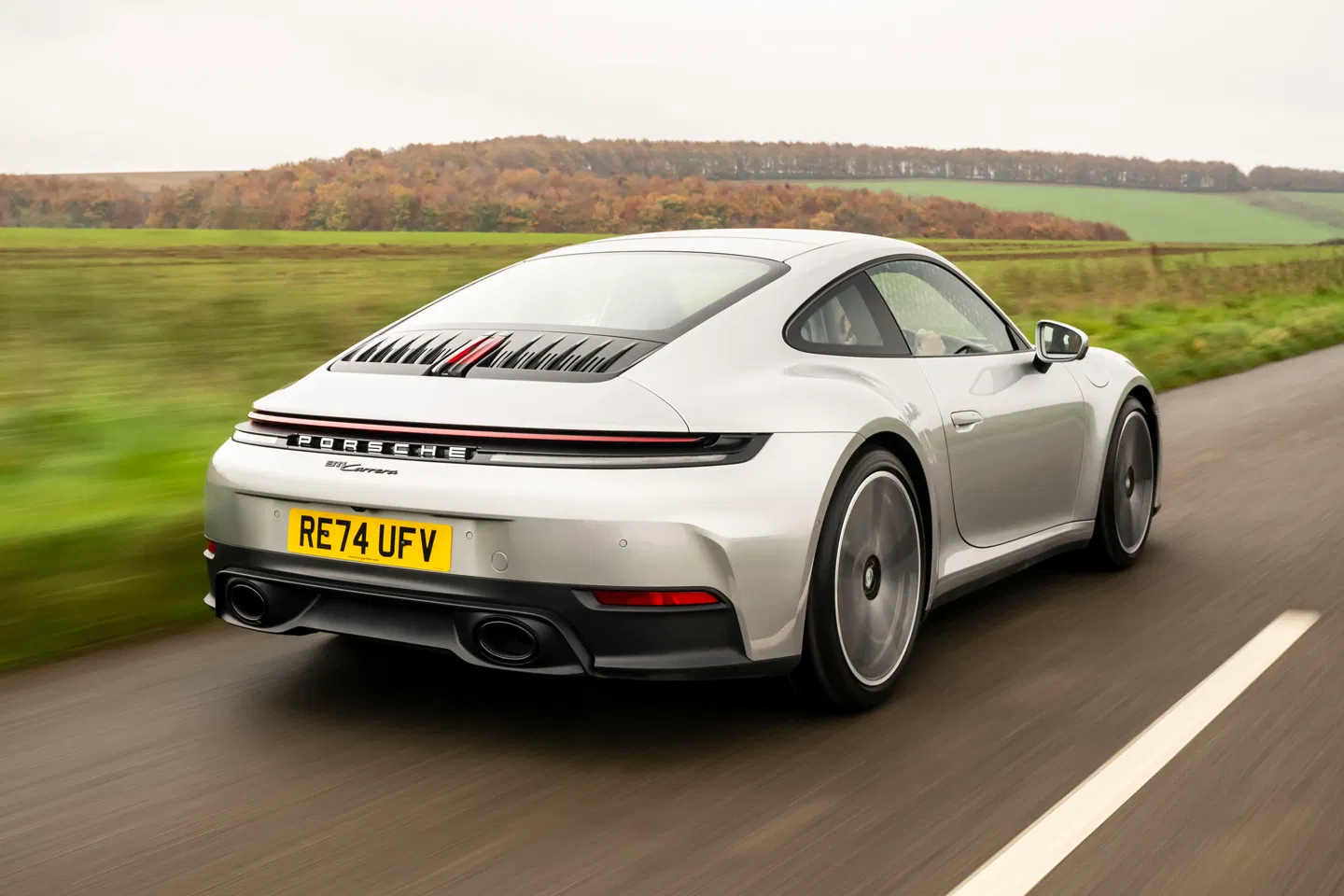
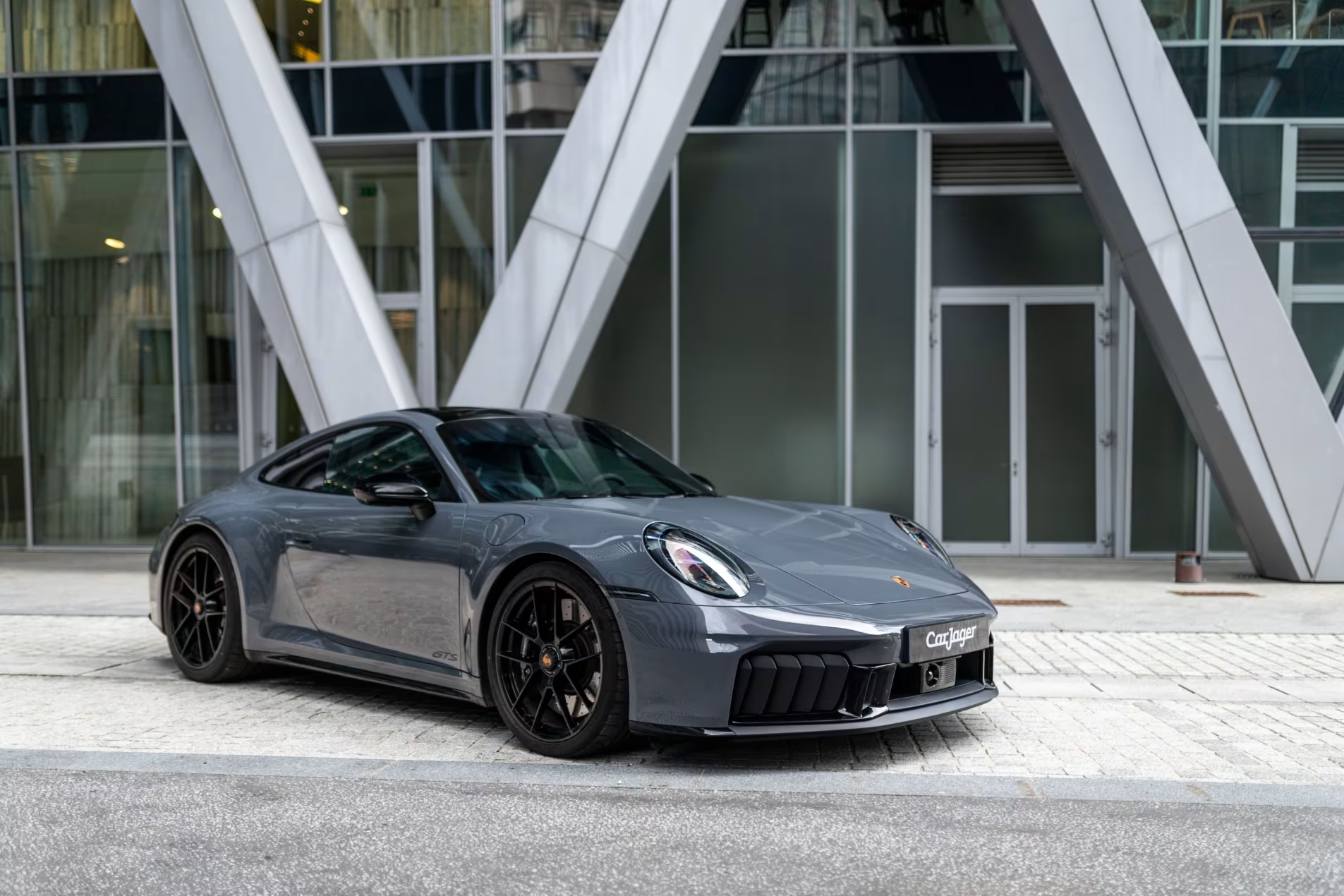
However, the air-cooled era could not last forever. By the late 1990s, the stringent demands of global emissions regulations and the physical limitations of air-cooling a four-valve-per-cylinder engine forced Porsche to commit the ultimate heresy. With the introduction of the 996 generation in 1997, the 911 became water-cooled. Purists wailed, decrying the loss of the mechanical clatter and the introduction of the controversial “fried egg” headlamps. Yet, this necessary evolution saved the 911 from extinction. The water-cooled flat-sixes brought unprecedented levels of horsepower, reliability, and refinement. Today, the flat-six remains the beating heart of the 911. The standard Carrera models now utilize highly efficient, twin-turbocharged 3.0-liter engines that deliver unrelenting mid-range torque, while the halo GT3 models stubbornly and gloriously retain a naturally aspirated 4.0-liter unit, revving to an ear-splitting 9,000 rpm, continuing the high-revving, track-focused lineage established by the earliest 911R and Carrera RS models.
The chassis dynamics of the Porsche 911 are a subject of endless fascination, terrifying mythology, and unparalleled engineering stubbornness. Placing the heavy engine entirely behind the rear wheels created a massive pendulum effect. In the early, short-wheelbase cars equipped with narrow tires and basic torsion bar suspension, this rear-weight bias resulted in notoriously unforgiving handling characteristics. If a driver panicked and lifted off the throttle mid-corner, the sudden transfer of weight to the front axle would unweight the rear tires, causing the heavy tail to violently snap around—a phenomenon known as trailing-throttle oversteer. This dynamic quirk earned the early 911, and particularly the explosive, lag-heavy 930 Turbo, the ominous nickname ‘The Widowmaker’. Driving a classic 911 fast required a highly specific, counter-intuitive technique: brake deep into the apex to pin the nose to the tarmac, and then apply power early to squat the rear end and use the immense, engine-over-axle traction to rocket out of the corner.
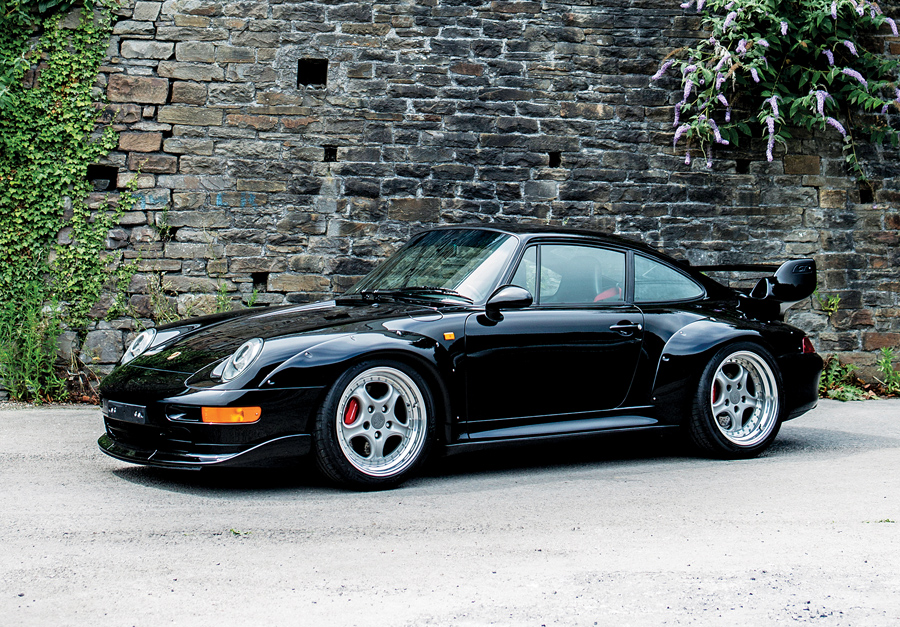
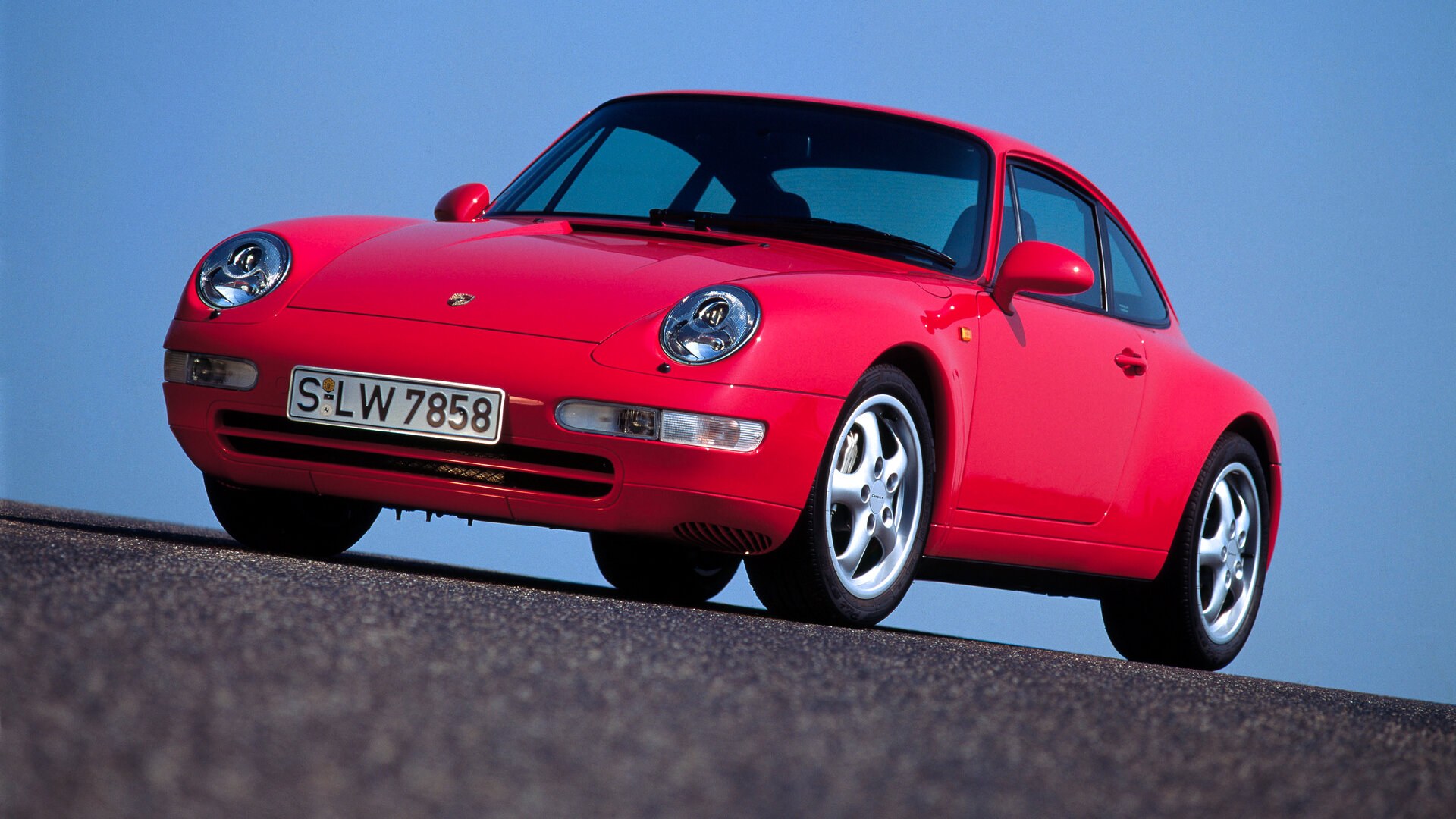
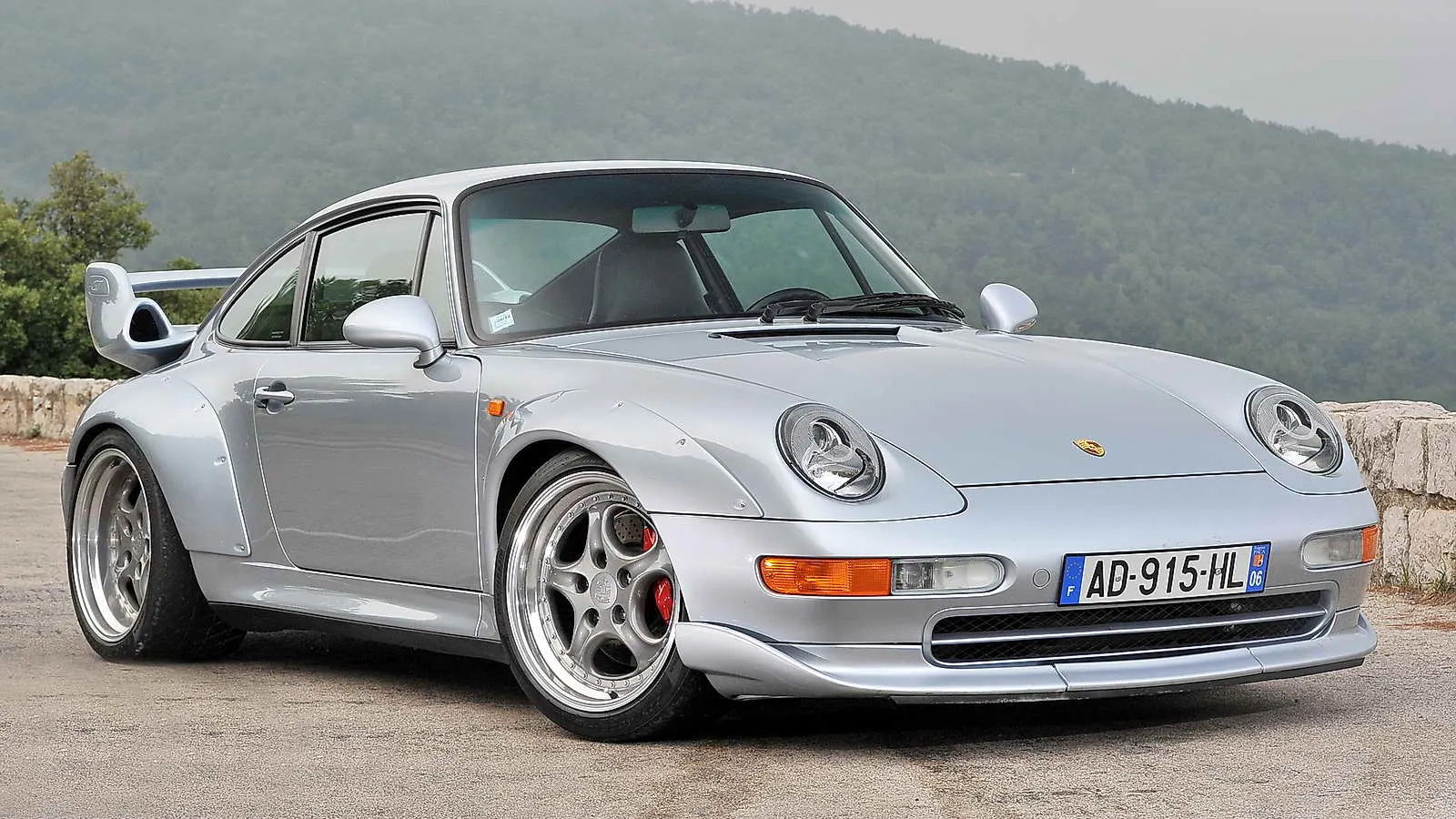
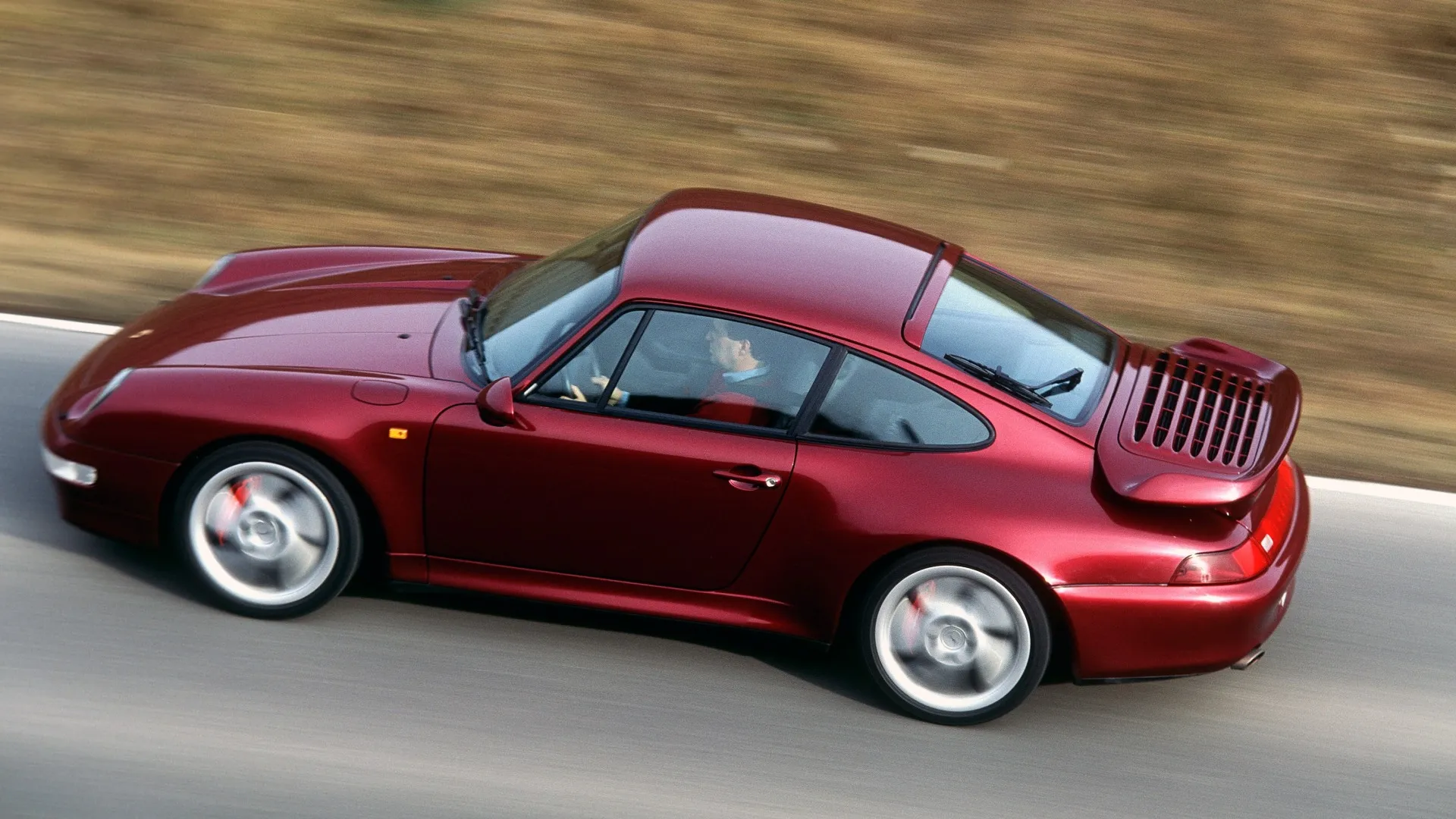
Rather than abandon this flawed architecture in favor of a conventional mid-engine layout, Porsche engineers spent half a century systematically defeating the laws of physics. They lengthened the wheelbase. They widened the rear track. They abandoned torsion bars for sophisticated McPherson struts and cast-aluminum semi-trailing arms. The apotheosis of the air-cooled chassis arrived with the 993 generation in 1993, which introduced a brilliant, multi-link Weissach rear axle that passively counteracted the car’s tendency to oversteer, finally taming the beast. The modern water-cooled generations—the 991 and 992—have achieved a level of dynamic perfection that borders on the supernatural. Through the use of active engine mounts, torque vectoring, wide tracks, and active rear-wheel steering that virtually shortens or lengthens the wheelbase on demand, the modern 911 turns with a surgical precision that defies its anachronistic layout. Yet, crucial to the 911 experience, the tactile feedback remains. The steering, whether the unassisted racks of the 1970s or the hyper-precise electromechanical systems of today, constantly chatters to the driver’s fingertips, transmitting every nuance of the road surface. Inside the cabin, the environment is relentlessly driver-focused. While modern cars feature touchscreens and digital displays, the 911 has stubbornly retained its signature interior hallmarks: the ignition slot placed on the left side of the steering wheel (a nod to the traditional Le Mans running start), and an instrument binnacle dominated by five circular dials, with the tachometer rightfully occupying the dead center, a constant visual reminder that engine speed is the most vital metric of all.
The motorsport history of the Porsche 911 is an unending saga of total, uncompromising global dominance. No other car in the history has won as many races, in as many different disciplines, over such a sustained period. Because the 911 was robust, reliable, and inherently agile, it became the ultimate weapon for both the factory works team and legions of privateer racers. In the world of rallying, the 911 proved its ruggedness early, with Vic Elford and David Stone securing a legendary overall victory at the snowy 1968 Monte Carlo Rally. A decade and a half later, heavily modified, all-wheel-drive 911 variants—the 953 and the mythological 959 supercar—would conquer the brutal, car-breaking dunes of the Paris-Dakar Rally.
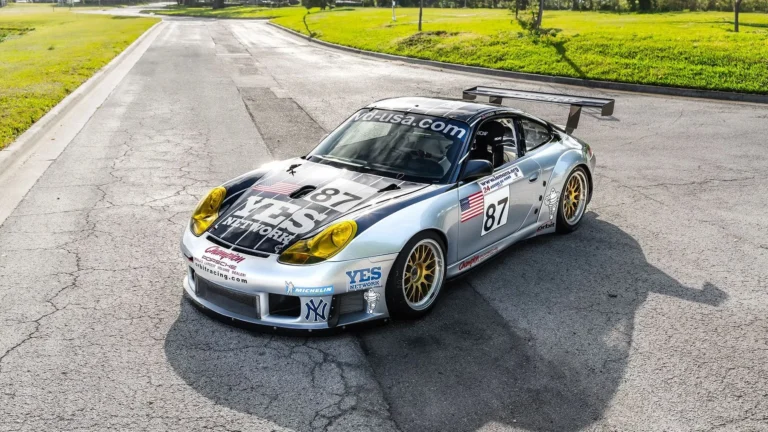
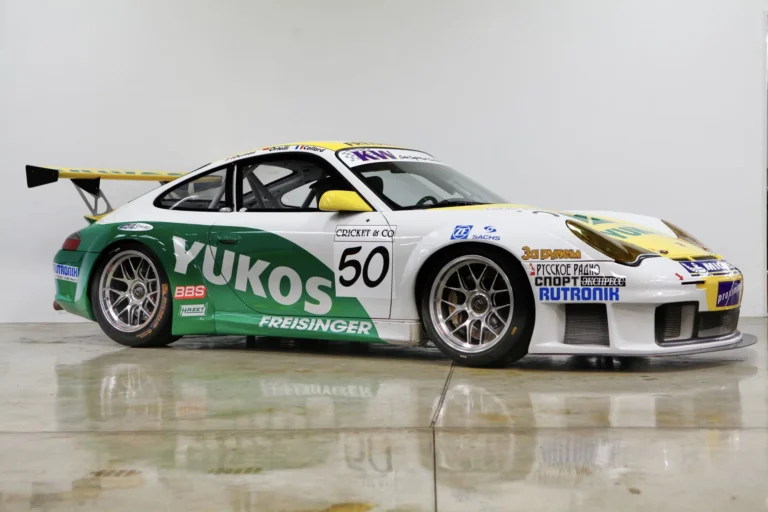
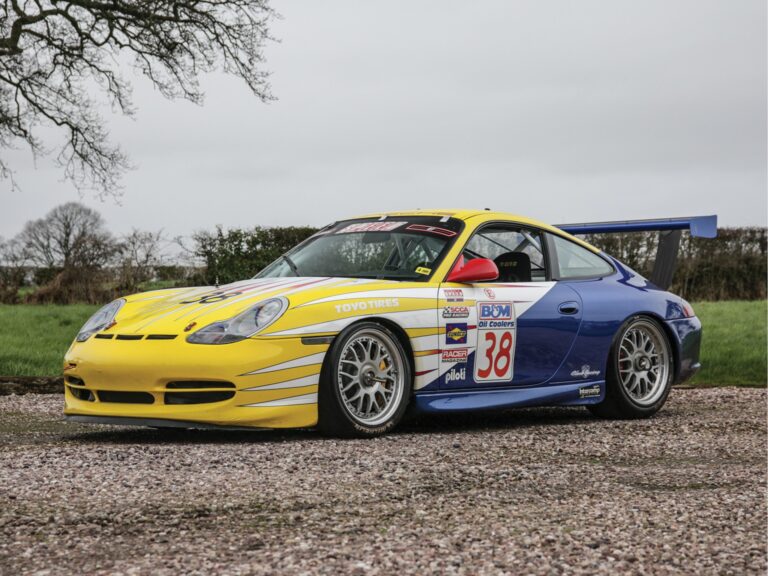
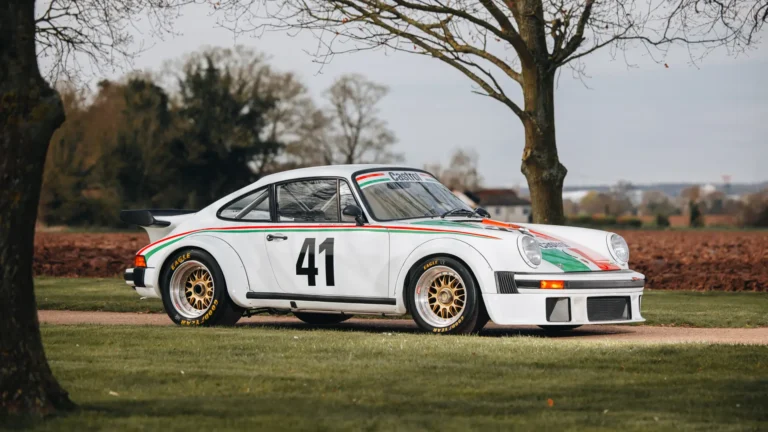
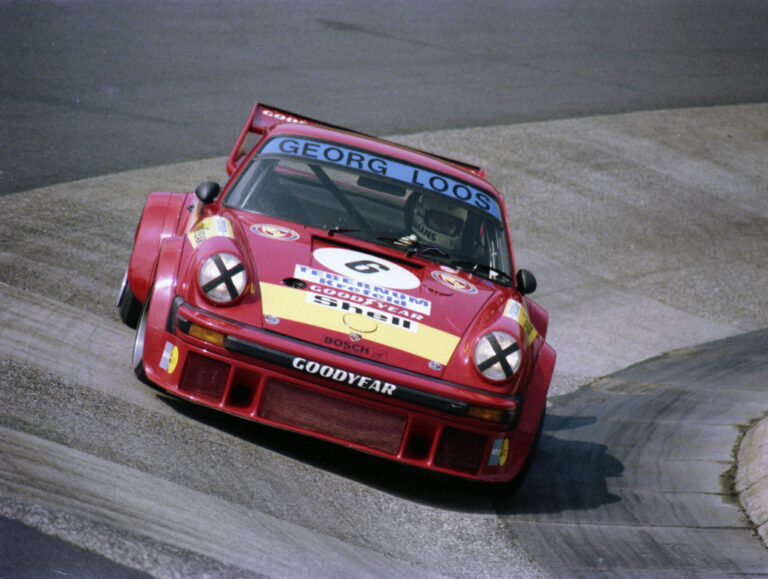
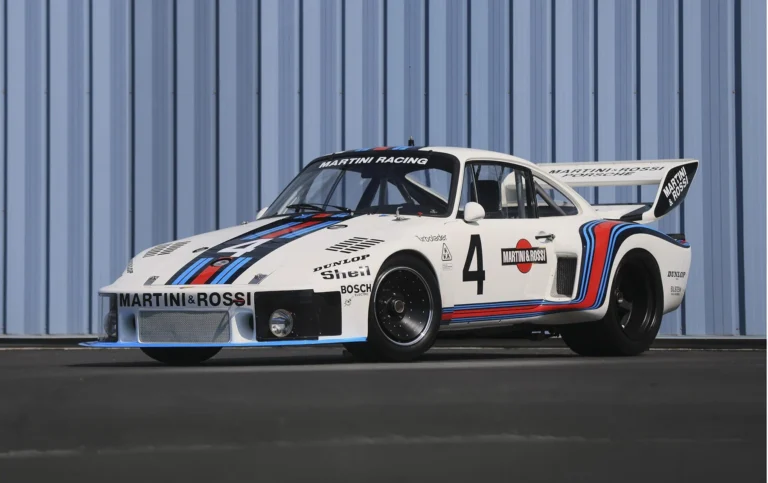
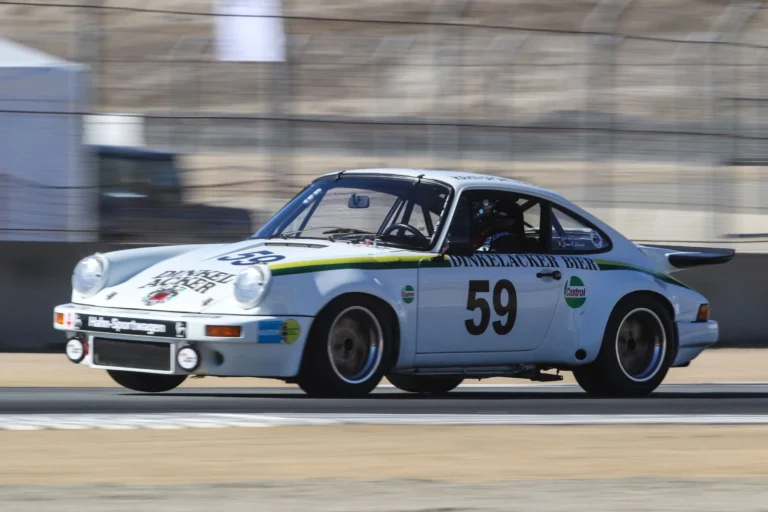
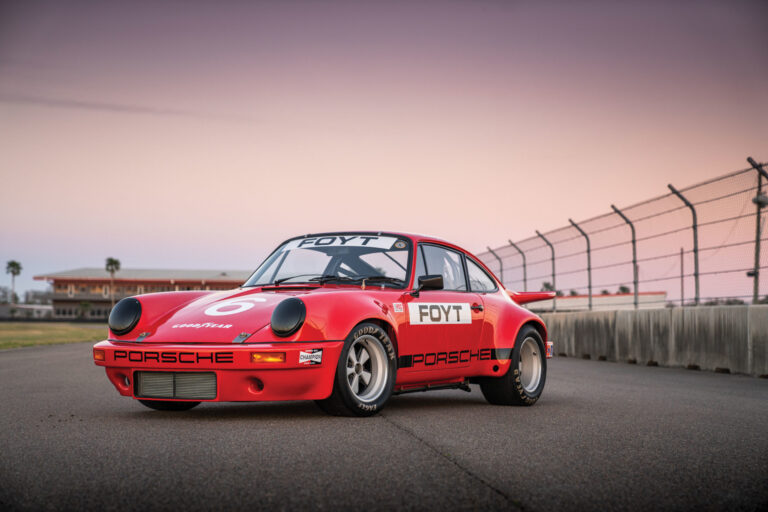
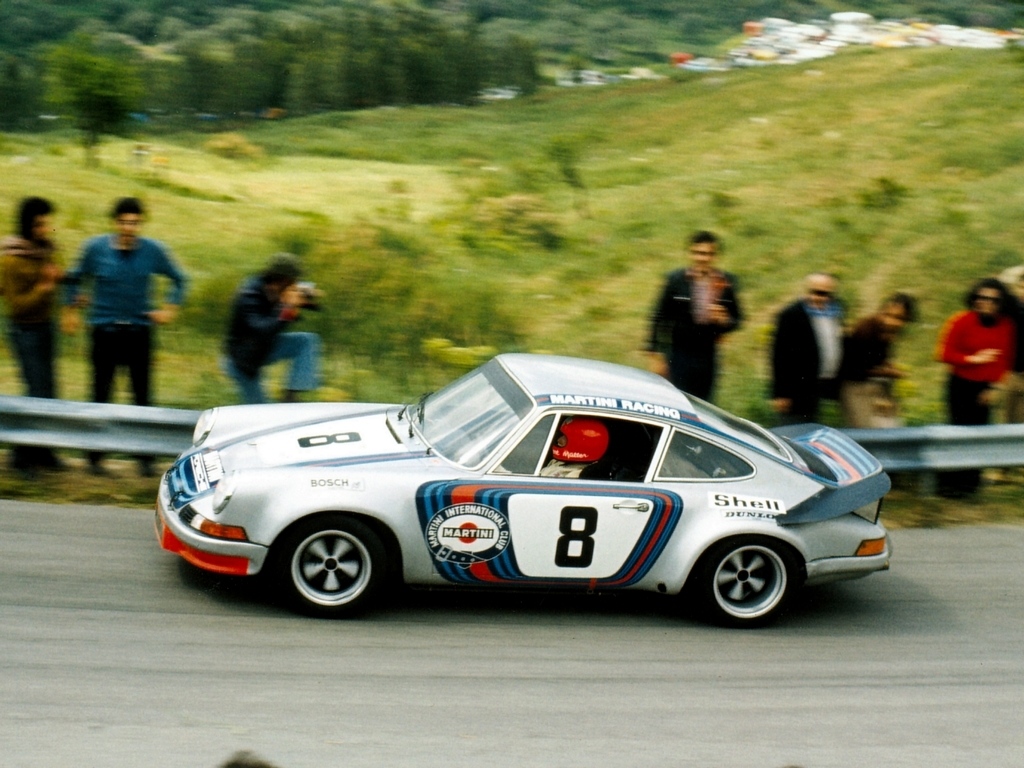
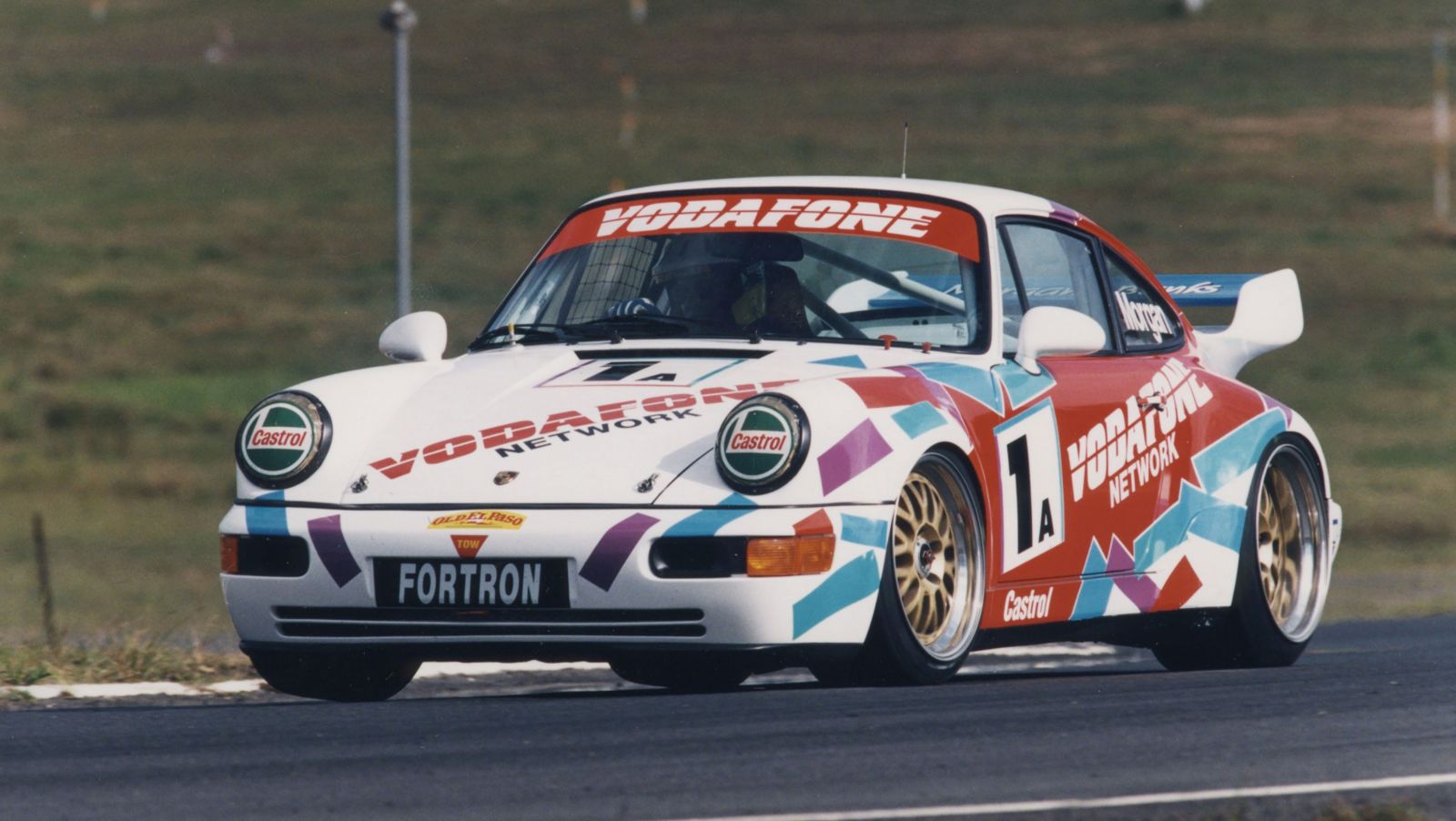
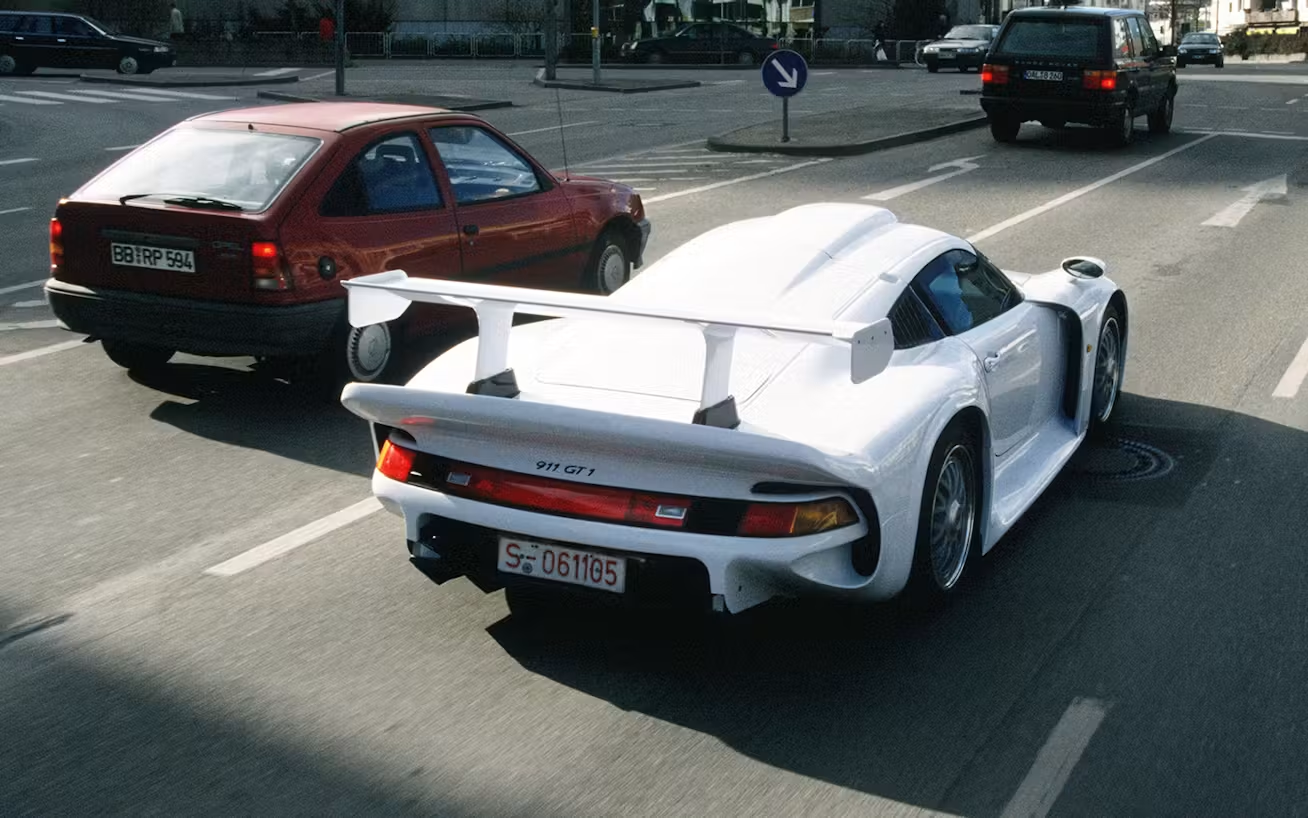
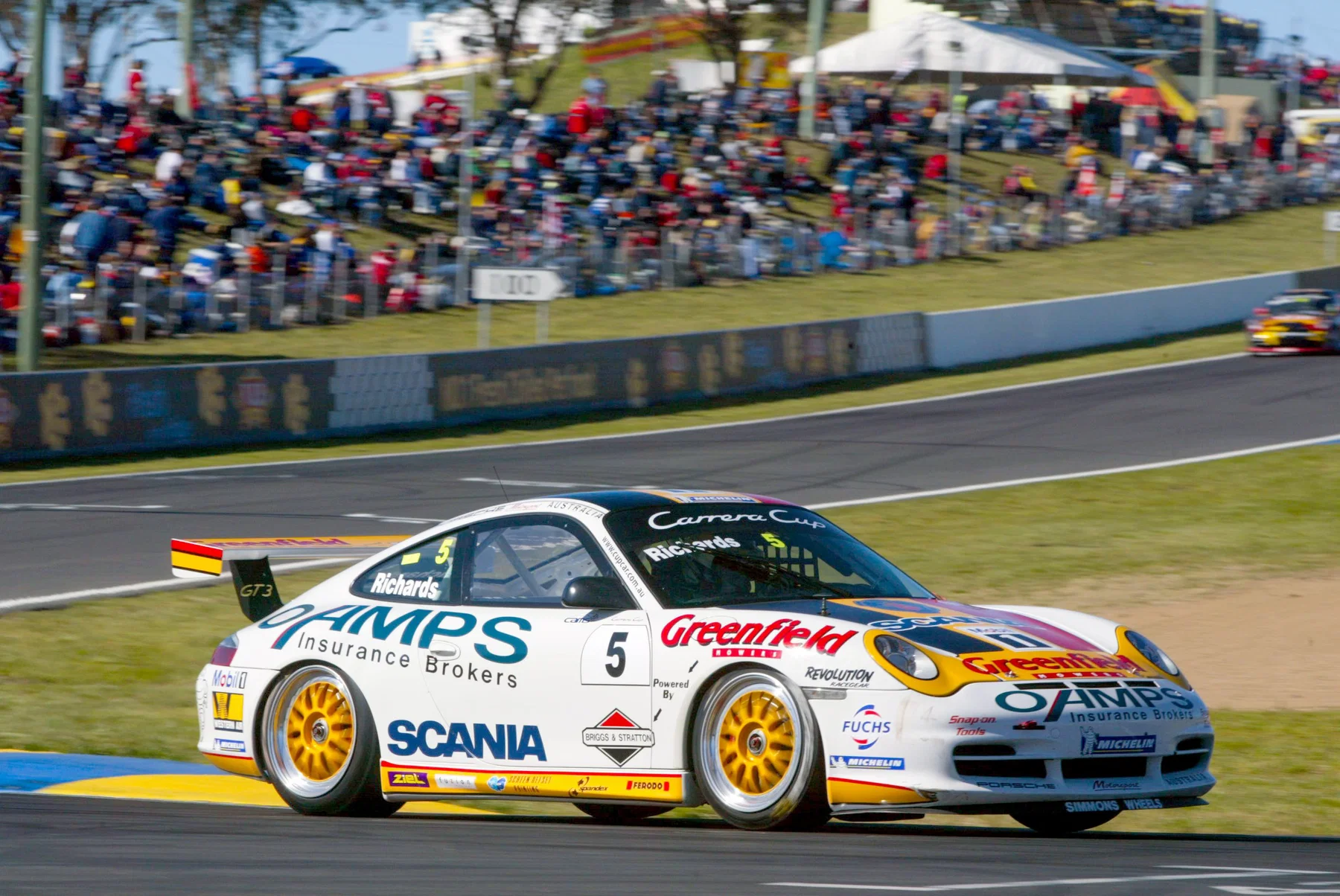
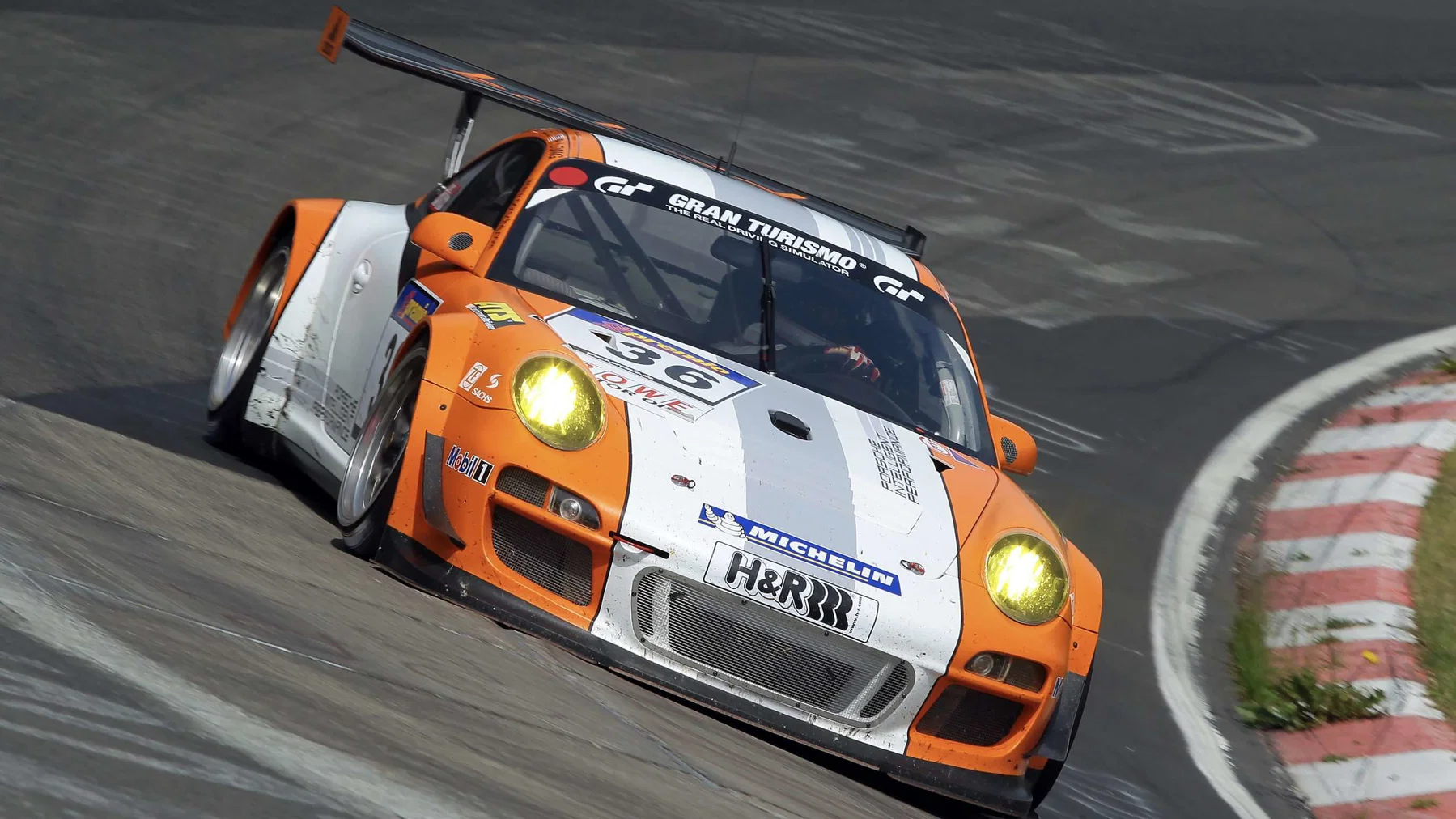
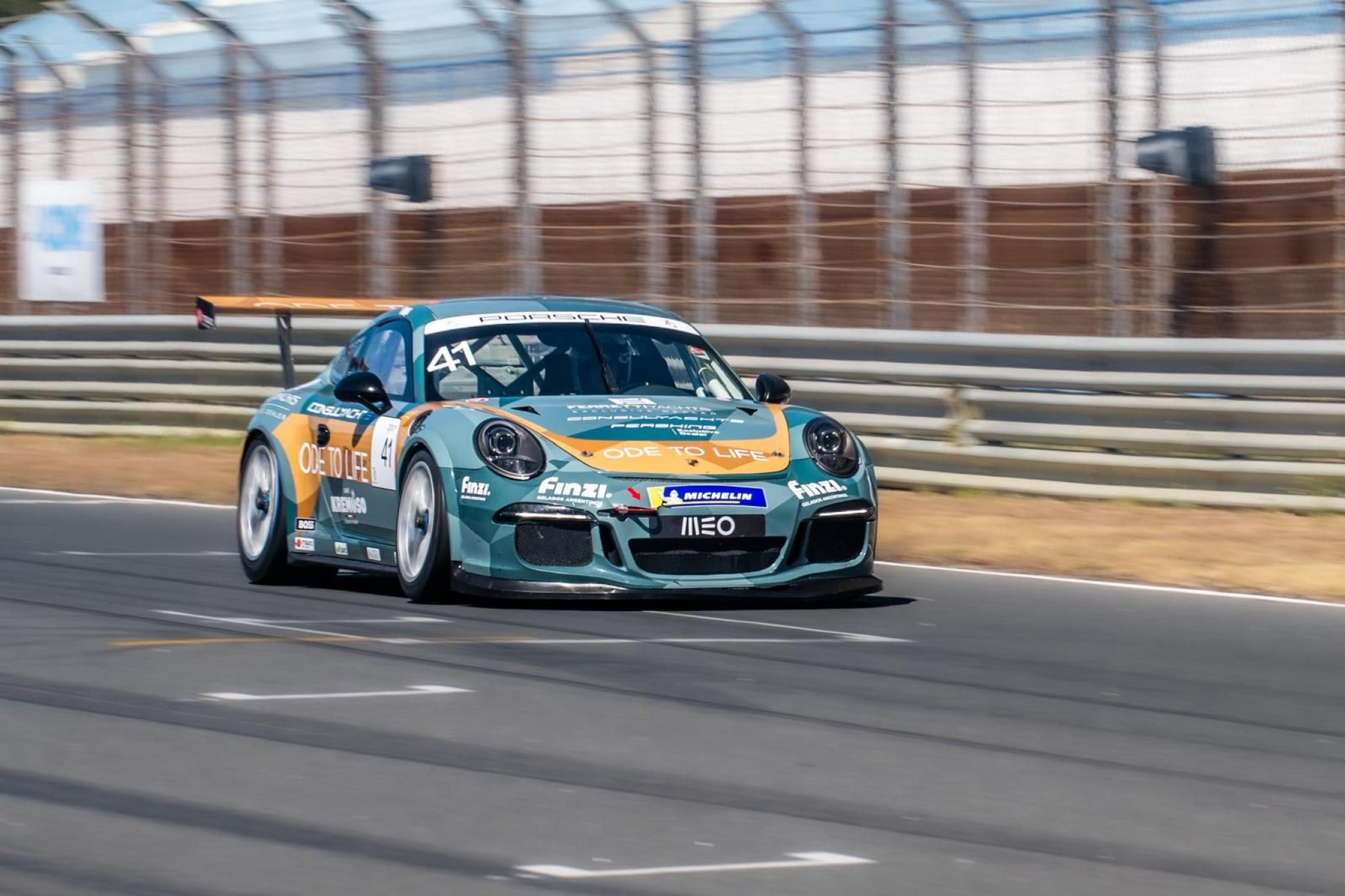
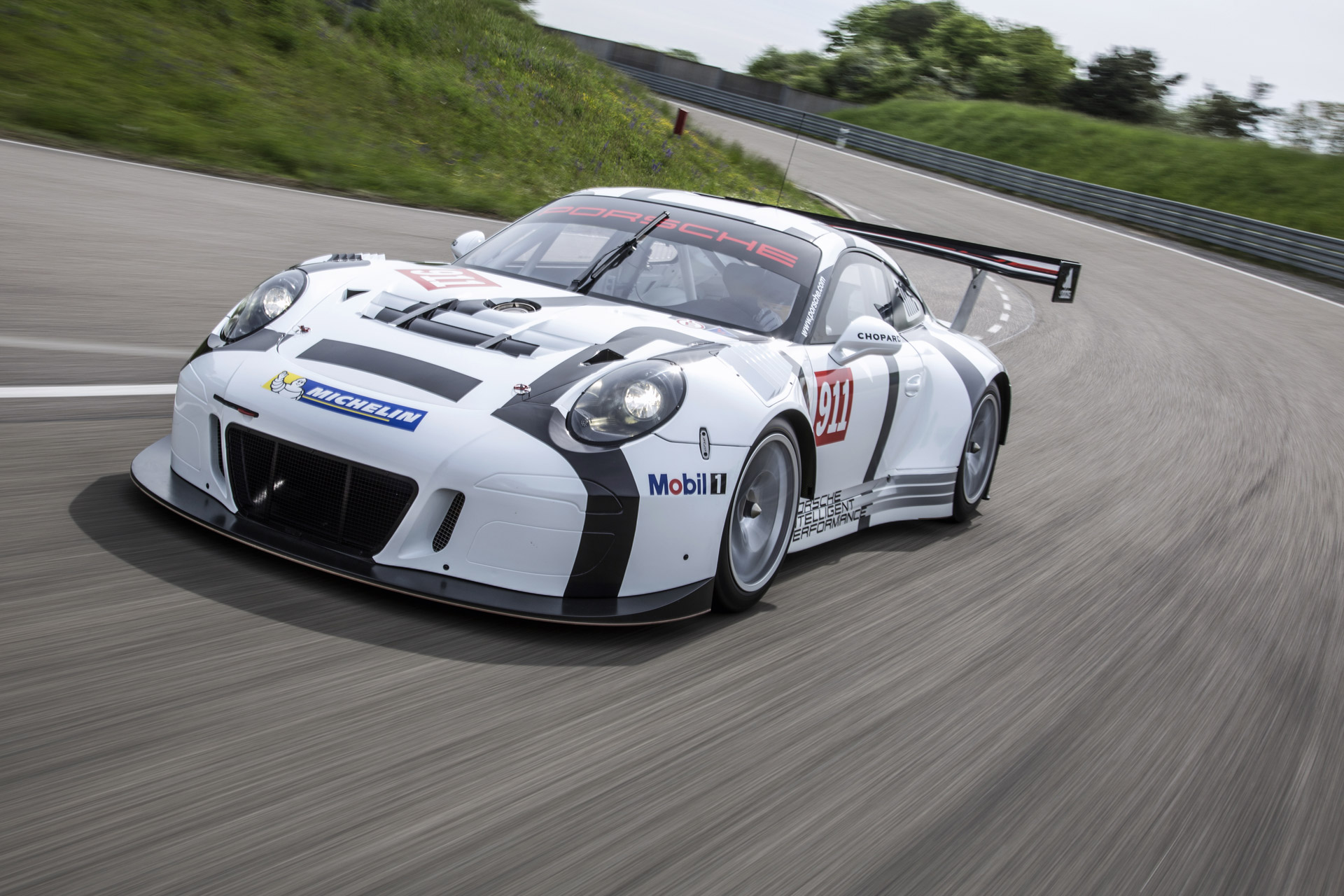
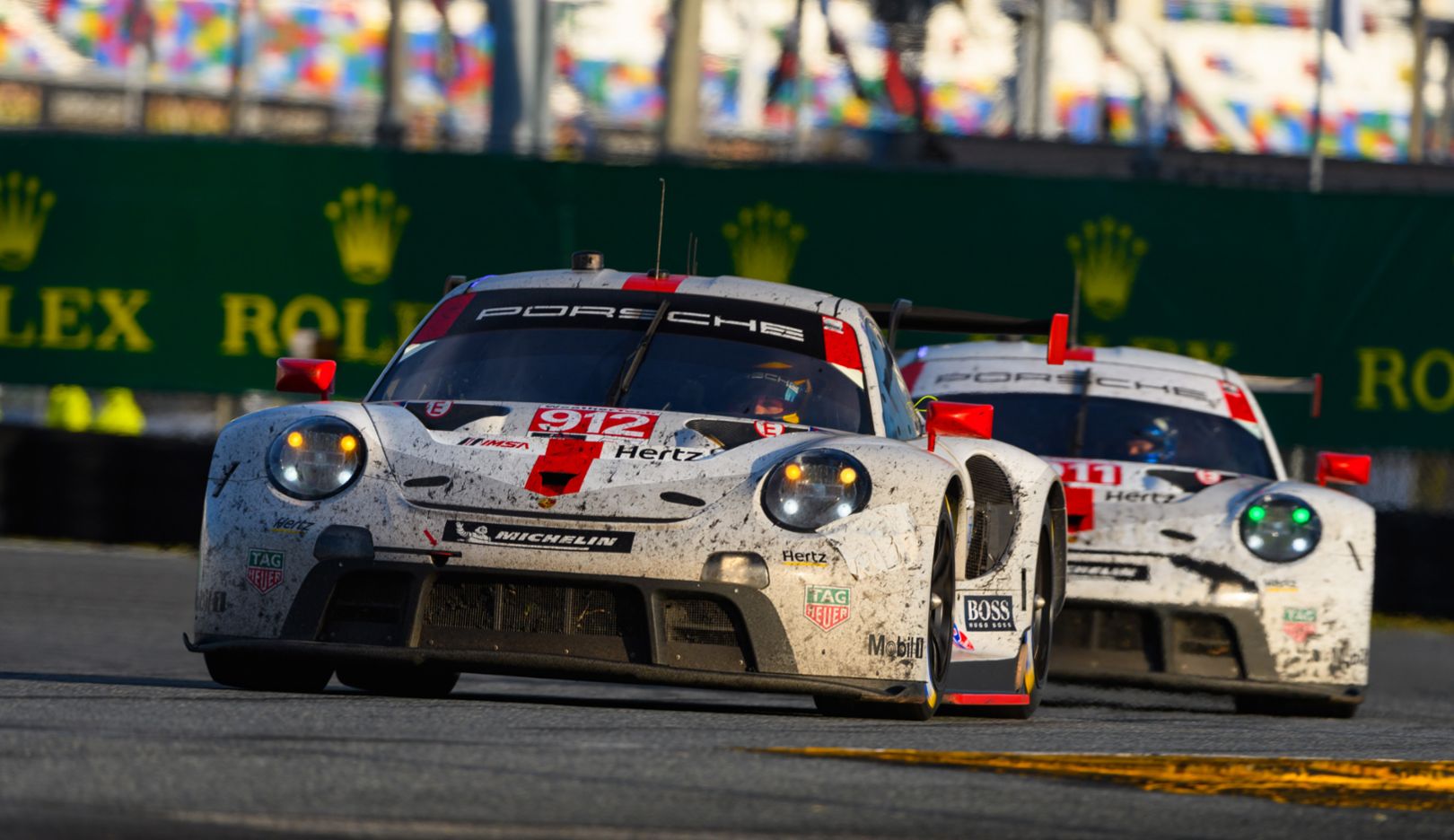
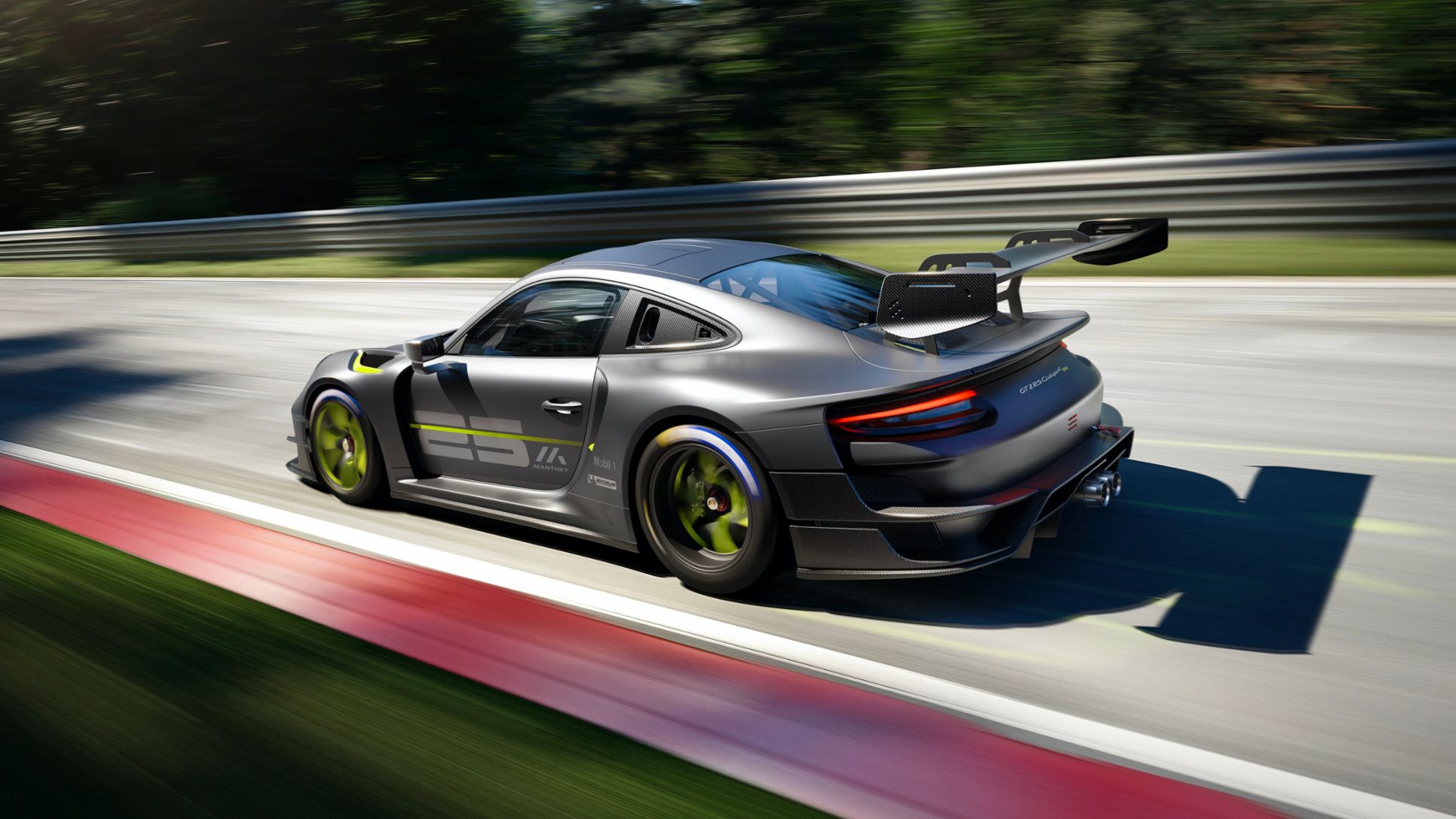
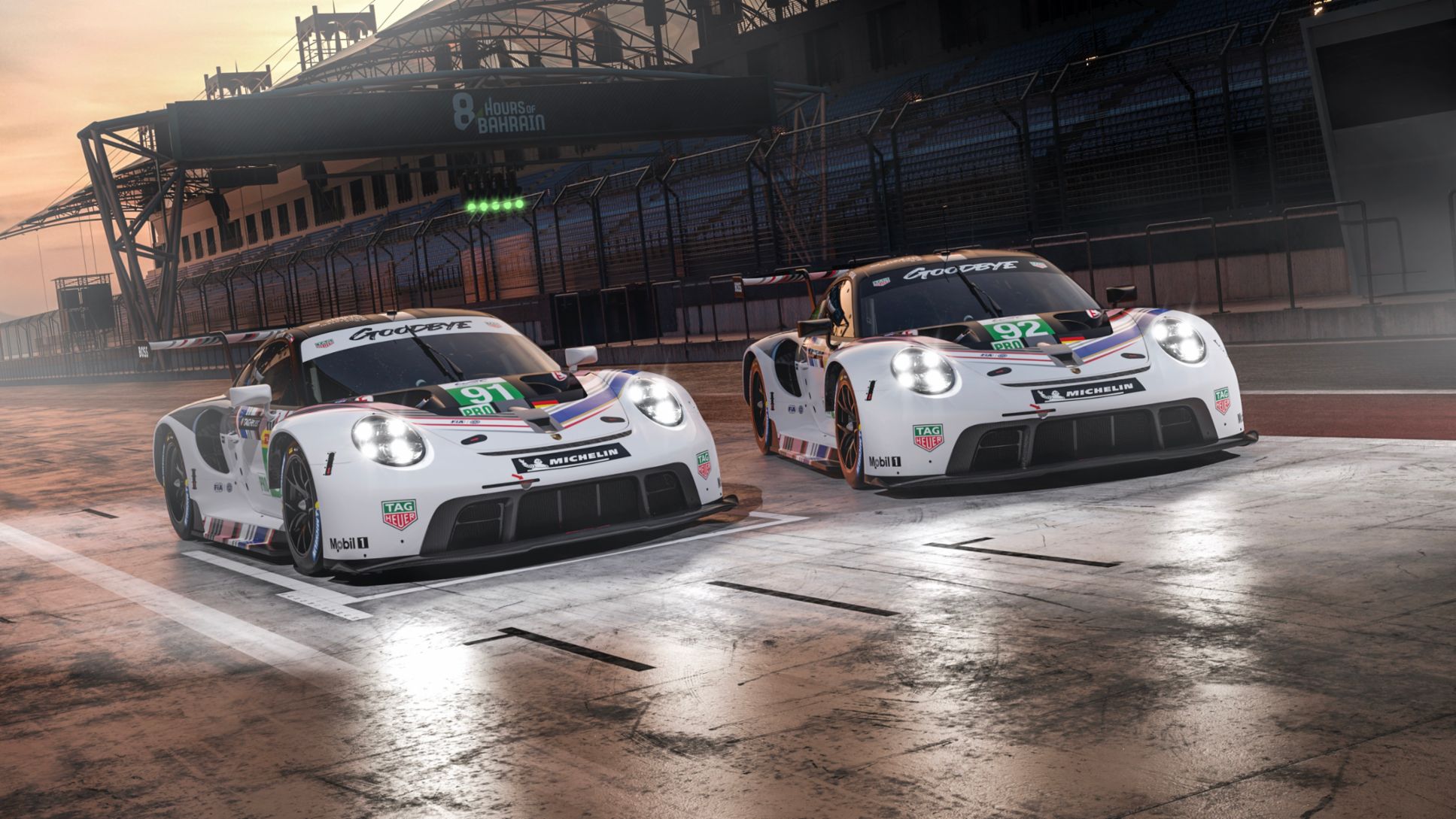
But it was on the asphalt circuits of the world where the 911 forged its most terrifying reputation. The homologation specials of the 1970s, specifically the Carrera RSR 2.8 and 3.0, terrorized the Group 4 racing categories, routinely humbling dedicated mid-engine prototypes from Ferrari and Alfa Romeo. When the FIA introduced the Group 5 Silhouette rules, Porsche weaponized the 911 Turbo, creating the 935. Featuring massive, exaggerated fiberglass bodywork, flat-nose front ends, and heavily turbocharged engines producing upwards of 800 horsepower, the 935 was a fire-breathing monster. It dominated endurance racing, culminating in an astonishing overall victory at the 1979 24 Hours of Le Mans against pure, open-cockpit prototypes. This giant-killing ethos continued into the late 1990s, when the 911 GT1—a mid-engined prototype loosely wearing the face of a 996—secured another overall victory at La Sarthe. Today, the 911 remains the absolute backbone of global GT racing. The naturally aspirated 911 GT3 R and GT3 Cup cars fill the grids of the World Endurance Championship, IMSA, and the fiercely contested Porsche Carrera Cup, proving that Zuffenhausen’s rear-engine platform remains the ultimate tool for endurance and sprint racing alike.
Beyond the paddock and the rally stage, the cultural repercussion of the Porsche 911 is immeasurable. It transcended its status as a mere machine to become a globally recognized icon of success, design, and passionate driving. In the 1970s, it was the vehicle of choice for Hollywood elite and racing royalty; Steve McQueen immortalized the slate grey 1970 911S in the opening sequence of the film Le Mans, cementing the car’s effortless, effortless cool. During the booming economic excess of the 1980s, the Guards Red 911 Carrera with a “whale tail” became the quintessential status symbol for the Wall Street elite and the young urban professional. Yet, unlike the temperamental, fragile Italian exotics of the era, the 911 earned a reputation as the supercar that could be driven to work in the snow, parked on the street, and relentlessly abused without complaint. It was—and remains—the ultimate everyday sports car. This duality of purpose, the ability to effortlessly commute during the week and conquer a track day on Sunday, is the true genius of the 911 platform.
The legacy of the Porsche 911 is the ultimate testament to the power of continuous, obsessive evolution. In the late 1970s, even Porsche’s own executives believed the 911 was an evolutionary dead end. They introduced the front-engined, V8-powered 928 grand tourer, fully intending it to replace the quirky rear-engined relic. But the 911 refused to die. The customer base revolted, demanding the visceral thrill, the distinct sound, and the challenging dynamics that only the flat-six could provide. The CEO at the time, Peter W. Schutz, famously walked into the engineering office, extended the 911’s timeline on a wall chart far into the future, and saved the icon. Over one million units have rolled off the Zuffenhausen assembly line since 1963, an astonishing figure for a premium sports car.
What came after the original 911 is simply more 911. It is not a car that relies on a single, legendary vintage to maintain its mythos; rather, it is a living, breathing continuum of engineering brilliance. From the delicate, chrome-bumpered 2.0-liter cars of the 1960s to the brutal, turbocharged Group 5 racers of the 1970s, the air-cooled perfection of the 993, and the hyper-capable, telepathic 992 GT3 RS of today, the 911 is the definitive sports car. It is a machine that took a fundamentally flawed, anachronistic engineering concept and, through sheer, unyielding teutonic stubbornness, honed it into the sharpest, most capable, and most beloved driving instrument the world has ever known.
Portal
Model line
Brand
Produced from
Vehicle category
Model Overview
In the crisp autumn air of the 1963 Frankfurt Motor Show, the automotive world stood on the precipice of a revolution it could not yet fully comprehend. Under the bright exhibition lights rested a sleek, teardrop-shaped prototype designated by a simple three-digit internal project code: 901. For the engineering executives at Zuffenhausen, this elegant coupe carried an almost terrifying burden. It was tasked with replacing the beloved Porsche 356, the foundational vehicle that had established the company’s reputation for giant-killing efficiency and unburstable reliability. The 356, born from the ashes of post-war Europe and heavily reliant on humble Volkswagen Beetle architecture, had reached the absolute limits of its developmental potential. The market was evolving rapidly; buyers were demanding more power, greater refinement, and a higher top speed to conquer the expanding network of derestricted Autobahns. The new Porsche had to step into a fiercely competitive, glamorous arena inhabited by the muscular, V8-powered Chevrolet Corvette Sting Ray, the aristocratic Aston Martin DB5, and the sensual, technologically advanced Jaguar E-Type. Following a famously petty trademark dispute with Peugeot—who claimed the rights to all three-digit car names with a zero in the middle—the 901 was hastily rechristened. Thus, the Porsche 911 was born. It was a vehicle born from stubborn, unapologetic teutonic pragmatism, defying conventional engineering logic by hanging its engine entirely behind the rear axle. This glaring architectural anomaly should have doomed the car to the footnotes of history; instead, through over six decades of relentless, obsessive refinement, it became the undisputed yardstick by which every other sports car on earth is measured.
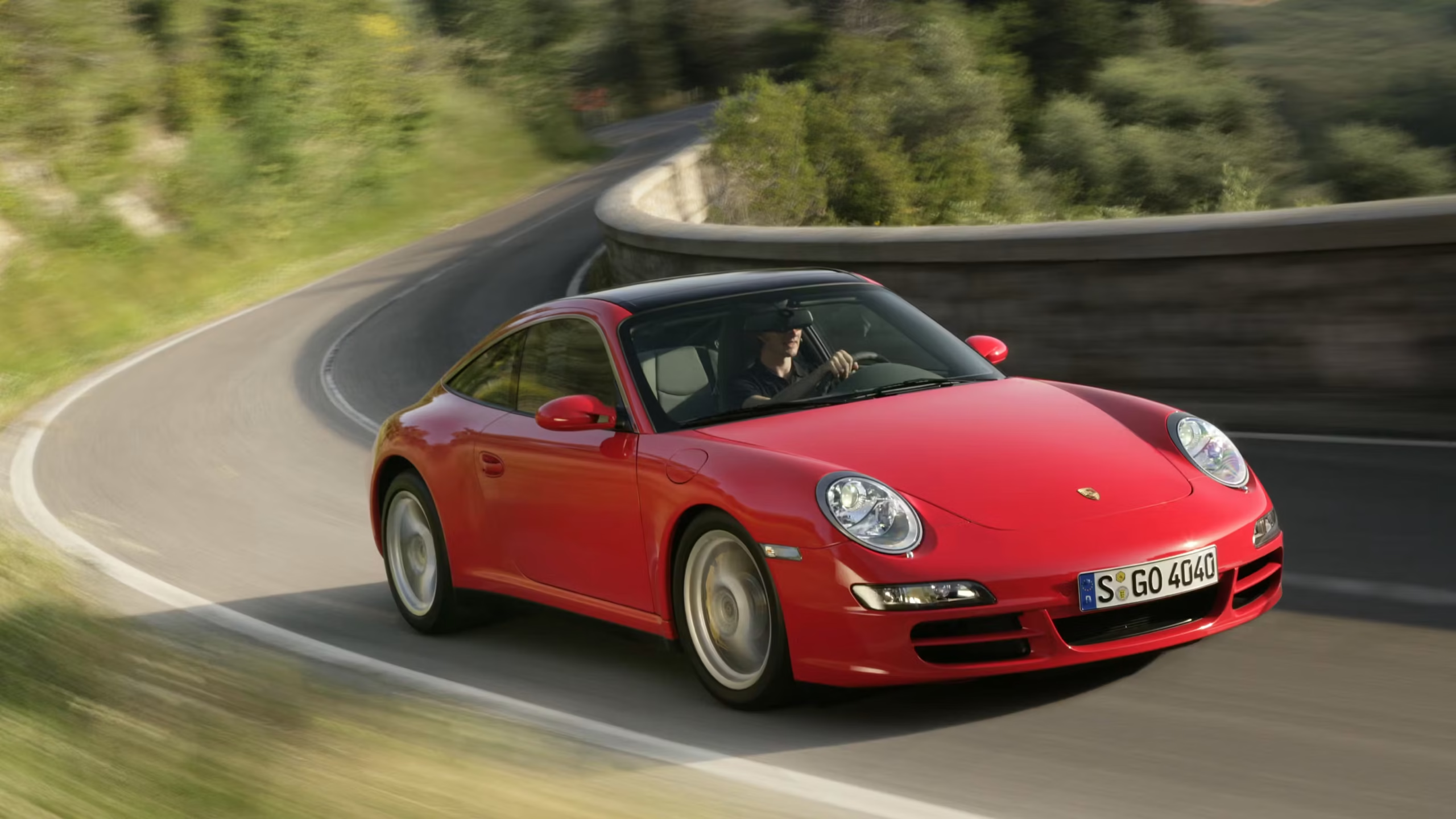
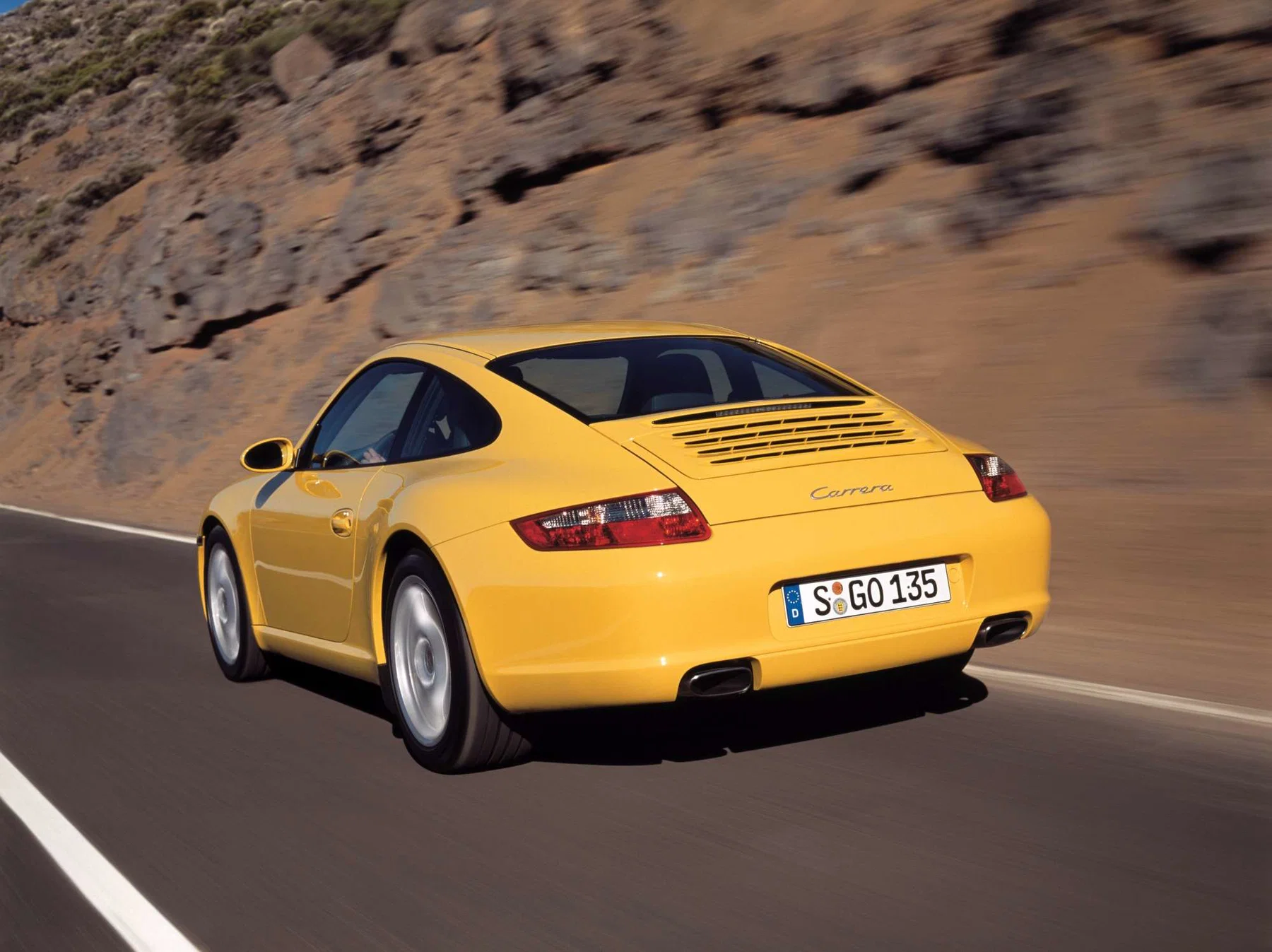
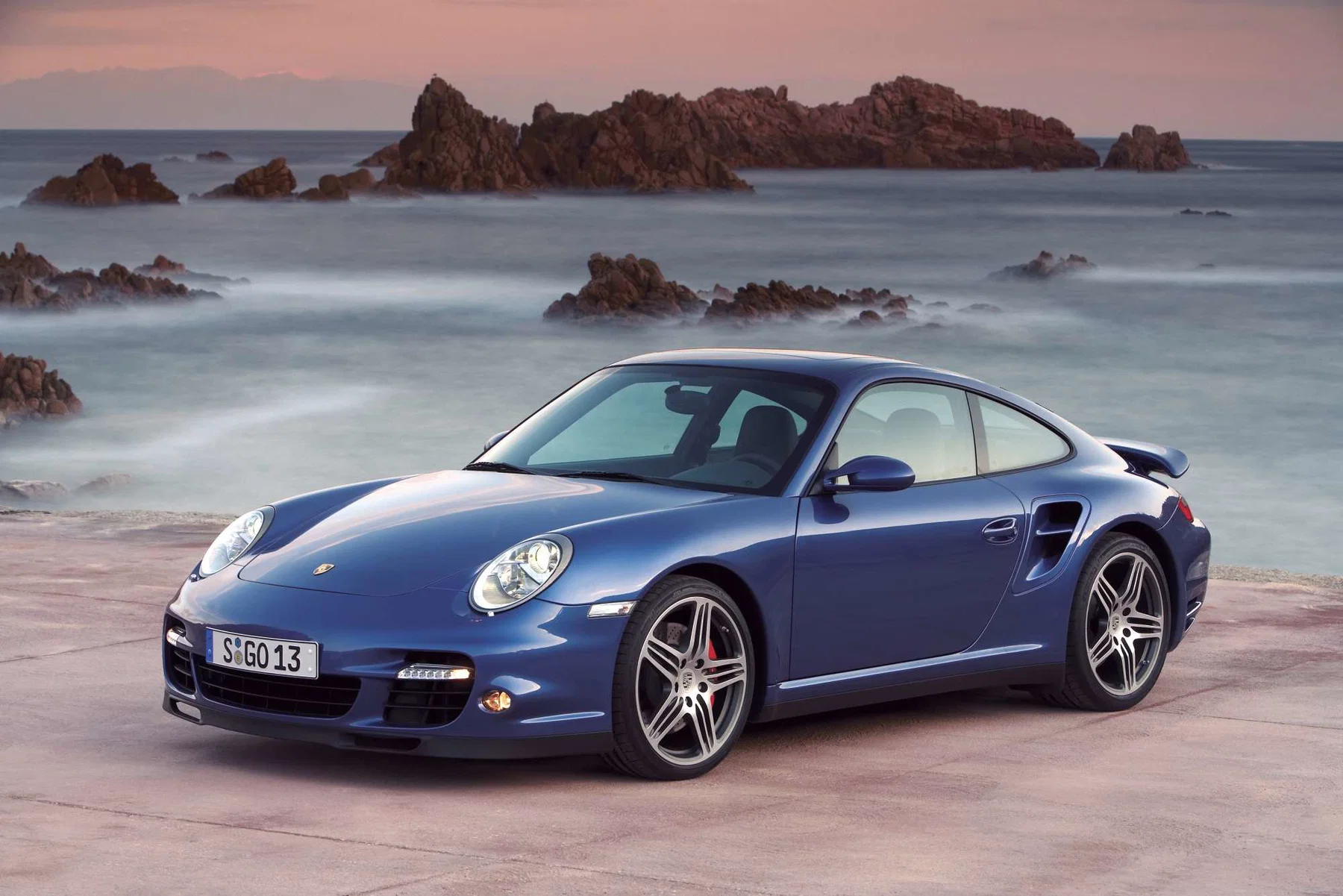
To trace the flowing, timeless silhouette of the Porsche 911 is to witness the absolute triumph of form following function. Penned by Ferdinand Alexander ‘Butzi’ Porsche, the grandson of the company’s founder, the original design was a masterpiece of mid-century minimalism. It was devoid of the excessive chrome and tailfins that plagued the era, defined instead by its upright, circular headlamps, a plunging, unbroken roofline known affectionately as the “flyline”, and a tapering, teardrop rear end. Over the ensuing decades, as the 911 evolved through the impact-bumpered G-Series, the modernized 964, the voluptuous 993, and into the water-cooled era of the 996, 997, 991, and 992, this fundamental silhouette never changed. It merely swelled, growing wider hips to accommodate ever-larger tires, sprouting aerodynamic aids like the legendary “ducktail” of the 1973 Carrera RS 2.7, the massive “whale tail” of the 1970s Turbos, and the active aerodynamic rear wings of the modern era. Yet, whether looking at a narrow-body 1965 911 2.0-liter or a carbon-fiber-clad 2023 911 GT3 RS, the genetic lineage is instantly, undeniably recognizable. It is a shape dictated by the packaging of its rear-mounted engine, resulting in a low cowl, exceptional forward visibility, and a surprisingly practical 2+2 seating arrangement that made it the ultimate everyday sports car.
To peel back the engine lid of a classic 911 is to gaze upon the absolute soul of the machine: the legendary flat-six boxer engine, originally designed by the brilliant Hans Mezger. In its earliest iteration, this air-cooled, all-alloy masterpiece displaced a mere 2.0 liters and produced 130 horsepower, utilizing a dry-sump lubrication system to ensure a constant supply of oil under heavy cornering loads. But the flat-six was an architecture of infinite potential. Over the next three decades, the air-cooled engine would be relentlessly bored and stroked—to 2.2, 2.4, 2.7, 3.0, 3.2, 3.6, and eventually 3.8 liters. It breathed through early Solex carburetors, then sophisticated mechanical fuel injection, and finally modern Bosch Motronic engine management. The mechanical symphony of the air-cooled 911 is one of the most distinctive auditory signatures in motoring: a chaotic clatter of the massive cooling fan and valvetrain at idle, building into a guttural, resonant howl, and finally reaching a frantic, metallic shriek as it approaches the redline. In 1974, Porsche fundamentally altered the trajectory of the 911 by bolting a KKK turbocharger to the flat-six, creating the mythical 930 Turbo. It was an exercise in explosive, lag-heavy brutality that transformed the lightweight sports car into a +250 km/h (160 mph) supercar capable of hunting Ferraris and Lamborghinis on the Autobahn.
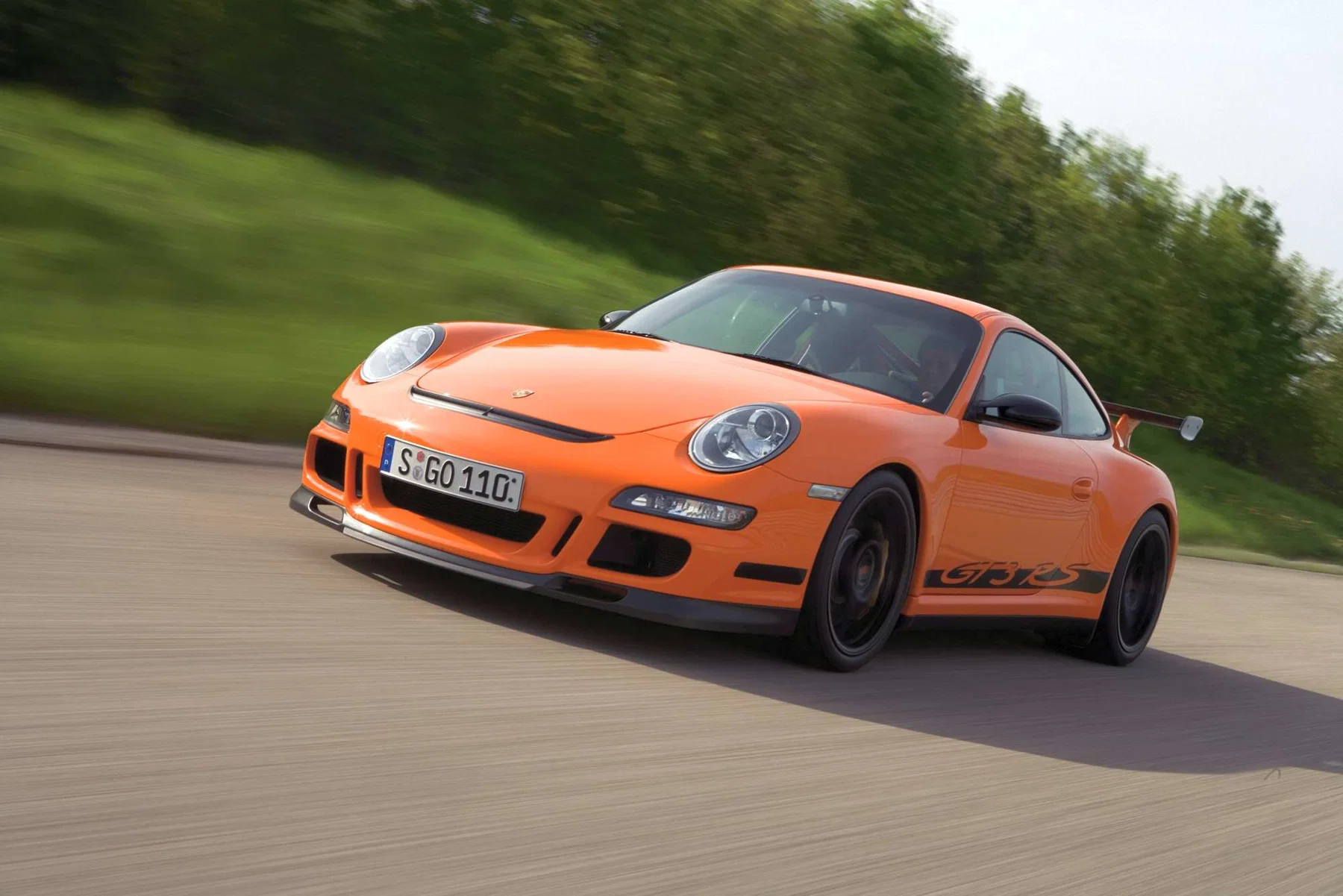
However, the air-cooled era could not last forever. By the late 1990s, the stringent demands of global emissions regulations and the physical limitations of air-cooling a four-valve-per-cylinder engine forced Porsche to commit the ultimate heresy. With the introduction of the 996 generation in 1997, the 911 became water-cooled. Purists wailed, decrying the loss of the mechanical clatter and the introduction of the controversial “fried egg” headlamps. Yet, this necessary evolution saved the 911 from extinction. The water-cooled flat-sixes brought unprecedented levels of horsepower, reliability, and refinement. Today, the flat-six remains the beating heart of the 911. The standard Carrera models now utilize highly efficient, twin-turbocharged 3.0-liter engines that deliver unrelenting mid-range torque, while the halo GT3 models stubbornly and gloriously retain a naturally aspirated 4.0-liter unit, revving to an ear-splitting 9,000 rpm, continuing the high-revving, track-focused lineage established by the earliest 911R and Carrera RS models.
The chassis dynamics of the Porsche 911 are a subject of endless fascination, terrifying mythology, and unparalleled engineering stubbornness. Placing the heavy engine entirely behind the rear wheels created a massive pendulum effect. In the early, short-wheelbase cars equipped with narrow tires and basic torsion bar suspension, this rear-weight bias resulted in notoriously unforgiving handling characteristics. If a driver panicked and lifted off the throttle mid-corner, the sudden transfer of weight to the front axle would unweight the rear tires, causing the heavy tail to violently snap around—a phenomenon known as trailing-throttle oversteer. This dynamic quirk earned the early 911, and particularly the explosive, lag-heavy 930 Turbo, the ominous nickname ‘The Widowmaker’. Driving a classic 911 fast required a highly specific, counter-intuitive technique: brake deep into the apex to pin the nose to the tarmac, and then apply power early to squat the rear end and use the immense, engine-over-axle traction to rocket out of the corner.
Rather than abandon this flawed architecture in favor of a conventional mid-engine layout, Porsche engineers spent half a century systematically defeating the laws of physics. They lengthened the wheelbase. They widened the rear track. They abandoned torsion bars for sophisticated McPherson struts and cast-aluminum semi-trailing arms. The apotheosis of the air-cooled chassis arrived with the 993 generation in 1993, which introduced a brilliant, multi-link Weissach rear axle that passively counteracted the car’s tendency to oversteer, finally taming the beast. The modern water-cooled generations—the 991 and 992—have achieved a level of dynamic perfection that borders on the supernatural. Through the use of active engine mounts, torque vectoring, wide tracks, and active rear-wheel steering that virtually shortens or lengthens the wheelbase on demand, the modern 911 turns with a surgical precision that defies its anachronistic layout. Yet, crucial to the 911 experience, the tactile feedback remains. The steering, whether the unassisted racks of the 1970s or the hyper-precise electromechanical systems of today, constantly chatters to the driver’s fingertips, transmitting every nuance of the road surface. Inside the cabin, the environment is relentlessly driver-focused. While modern cars feature touchscreens and digital displays, the 911 has stubbornly retained its signature interior hallmarks: the ignition slot placed on the left side of the steering wheel (a nod to the traditional Le Mans running start), and an instrument binnacle dominated by five circular dials, with the tachometer rightfully occupying the dead center, a constant visual reminder that engine speed is the most vital metric of all.
The motorsport history of the Porsche 911 is an unending saga of total, uncompromising global dominance. No other car in the history has won as many races, in as many different disciplines, over such a sustained period. Because the 911 was robust, reliable, and inherently agile, it became the ultimate weapon for both the factory works team and legions of privateer racers. In the world of rallying, the 911 proved its ruggedness early, with Vic Elford and David Stone securing a legendary overall victory at the snowy 1968 Monte Carlo Rally. A decade and a half later, heavily modified, all-wheel-drive 911 variants—the 953 and the mythological 959 supercar—would conquer the brutal, car-breaking dunes of the Paris-Dakar Rally.
But it was on the asphalt circuits of the world where the 911 forged its most terrifying reputation. The homologation specials of the 1970s, specifically the Carrera RSR 2.8 and 3.0, terrorized the Group 4 racing categories, routinely humbling dedicated mid-engine prototypes from Ferrari and Alfa Romeo. When the FIA introduced the Group 5 Silhouette rules, Porsche weaponized the 911 Turbo, creating the 935. Featuring massive, exaggerated fiberglass bodywork, flat-nose front ends, and heavily turbocharged engines producing upwards of 800 horsepower, the 935 was a fire-breathing monster. It dominated endurance racing, culminating in an astonishing overall victory at the 1979 24 Hours of Le Mans against pure, open-cockpit prototypes. This giant-killing ethos continued into the late 1990s, when the 911 GT1—a mid-engined prototype loosely wearing the face of a 996—secured another overall victory at La Sarthe. Today, the 911 remains the absolute backbone of global GT racing. The naturally aspirated 911 GT3 R and GT3 Cup cars fill the grids of the World Endurance Championship, IMSA, and the fiercely contested Porsche Carrera Cup, proving that Zuffenhausen’s rear-engine platform remains the ultimate tool for endurance and sprint racing alike.
Beyond the paddock and the rally stage, the cultural repercussion of the Porsche 911 is immeasurable. It transcended its status as a mere machine to become a globally recognized icon of success, design, and passionate driving. In the 1970s, it was the vehicle of choice for Hollywood elite and racing royalty; Steve McQueen immortalized the slate grey 1970 911S in the opening sequence of the film Le Mans, cementing the car’s effortless, effortless cool. During the booming economic excess of the 1980s, the Guards Red 911 Carrera with a “whale tail” became the quintessential status symbol for the Wall Street elite and the young urban professional. Yet, unlike the temperamental, fragile Italian exotics of the era, the 911 earned a reputation as the supercar that could be driven to work in the snow, parked on the street, and relentlessly abused without complaint. It was—and remains—the ultimate everyday sports car. This duality of purpose, the ability to effortlessly commute during the week and conquer a track day on Sunday, is the true genius of the 911 platform.
The legacy of the Porsche 911 is the ultimate testament to the power of continuous, obsessive evolution. In the late 1970s, even Porsche’s own executives believed the 911 was an evolutionary dead end. They introduced the front-engined, V8-powered 928 grand tourer, fully intending it to replace the quirky rear-engined relic. But the 911 refused to die. The customer base revolted, demanding the visceral thrill, the distinct sound, and the challenging dynamics that only the flat-six could provide. The CEO at the time, Peter W. Schutz, famously walked into the engineering office, extended the 911’s timeline on a wall chart far into the future, and saved the icon. Over one million units have rolled off the Zuffenhausen assembly line since 1963, an astonishing figure for a premium sports car.
What came after the original 911 is simply more 911. It is not a car that relies on a single, legendary vintage to maintain its mythos; rather, it is a living, breathing continuum of engineering brilliance. From the delicate, chrome-bumpered 2.0-liter cars of the 1960s to the brutal, turbocharged Group 5 racers of the 1970s, the air-cooled perfection of the 993, and the hyper-capable, telepathic 992 GT3 RS of today, the 911 is the definitive sports car. It is a machine that took a fundamentally flawed, anachronistic engineering concept and, through sheer, unyielding teutonic stubbornness, honed it into the sharpest, most capable, and most beloved driving instrument the world has ever known.
Generations
Model Generations
Submodels