
Rondeau M378 Ford Cosworth DFV 3.0L
Brand
Produced from
Portal
Vehicle category
Predecessor
Successor
Submodel Overview
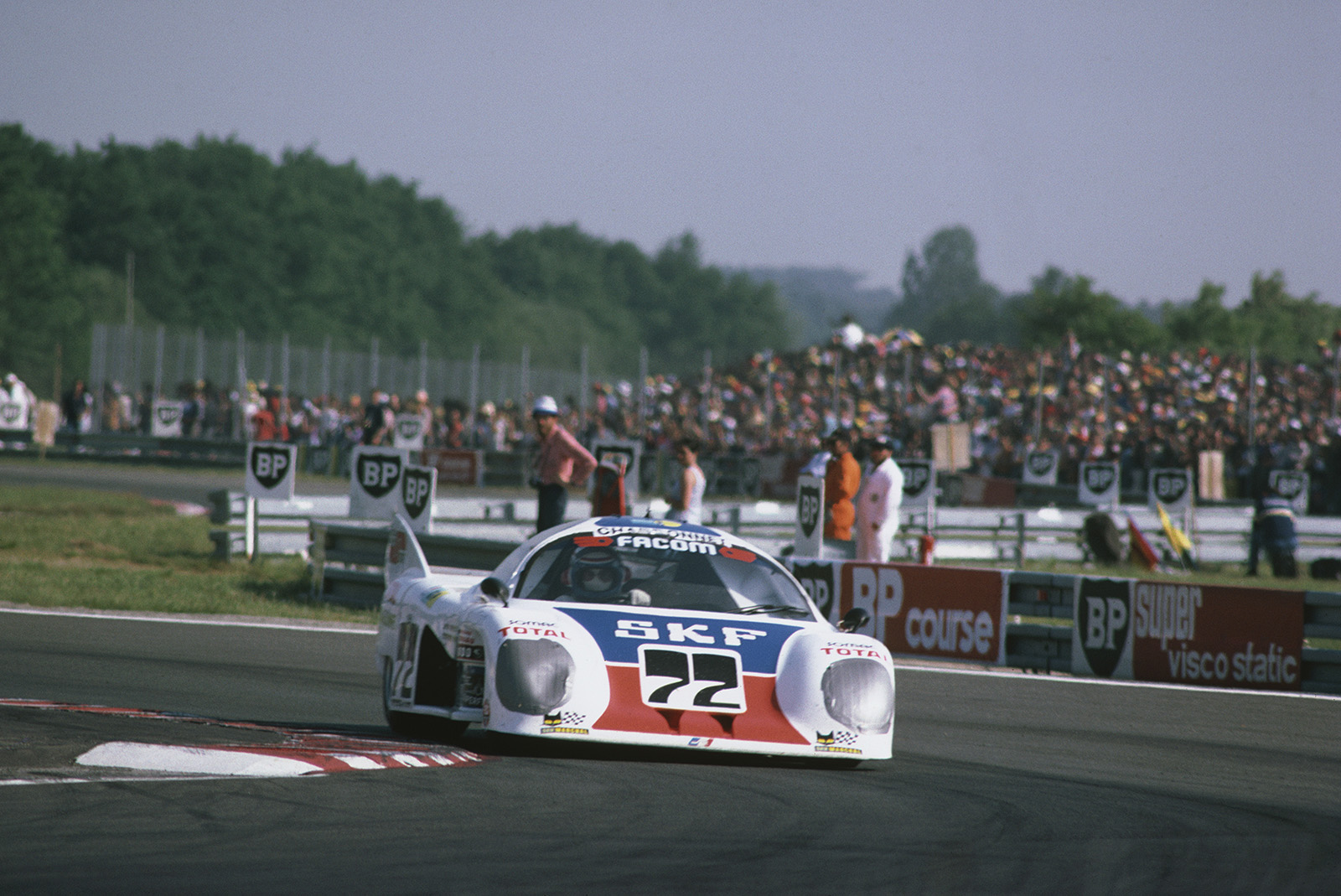
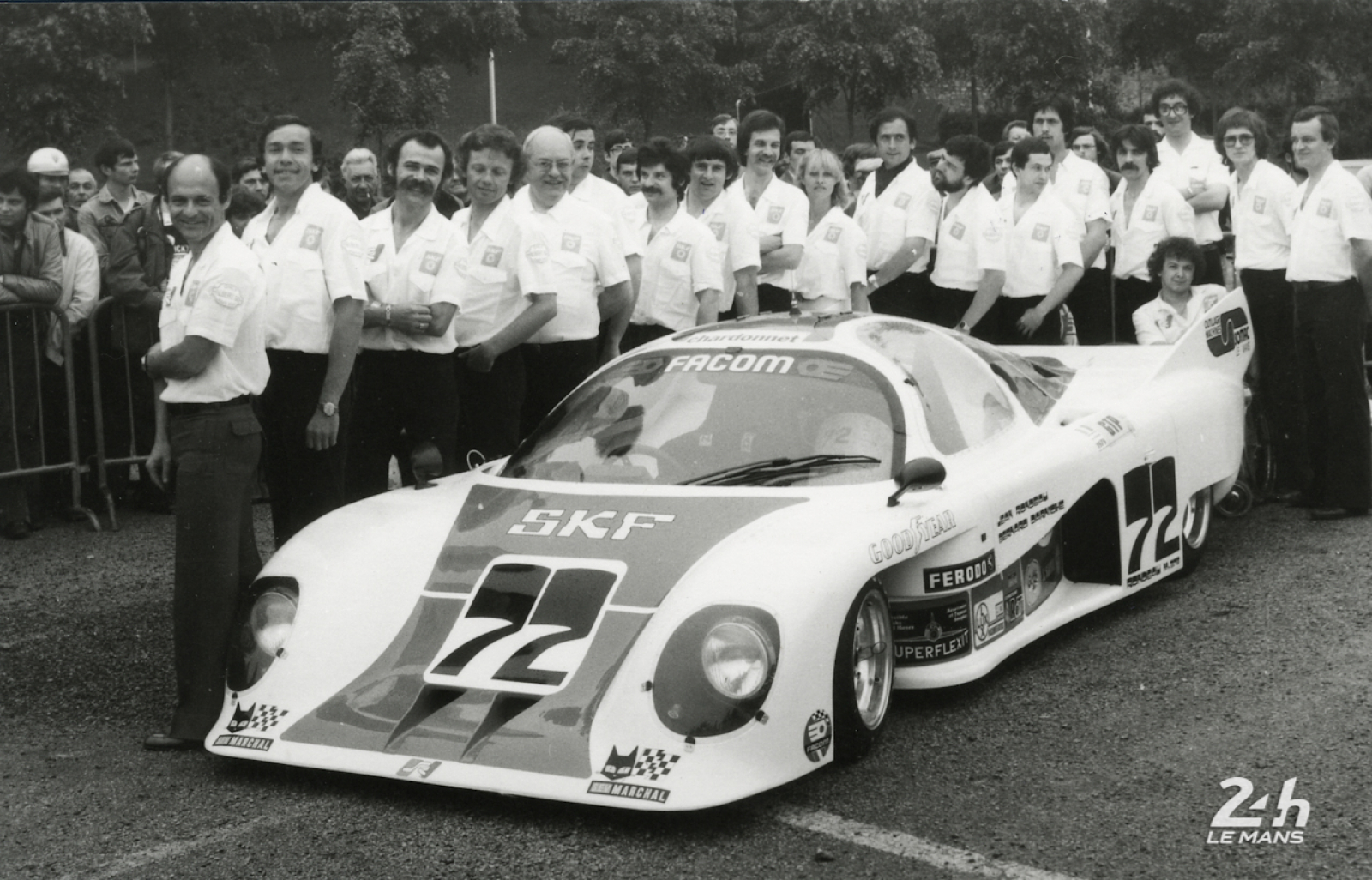
The rain-soaked pit lane of the Circuit de la Sarthe has a unique way of filtering out corporate hubris, leaving behind only raw, mechanical perseverance. In the late 1970s, the World Sportscar Championship was a highly fragmented battlefield. Porsche was beginning to stamp its clinical, turbocharged authority on endurance racing with the monstrous 936, while Alpine-Renault was executing a multi-million-franc assault to capture French national pride. Yet, operating out of a modest workshop in Le Mans itself was a fiercely passionate racing driver and constructor named Jean Rondeau. Having initially campaigned his sports prototypes under the banner of his sponsor, Inaltera, a change in corporate backing forced a dramatic pivot for 1978. Stripped of the Inaltera name but armed with an unyielding obsession to win his hometown race, Jean gave his updated creation his own surname. The resulting 1978 Rondeau M378 was born into an era of massive aerodynamic transition—a bespoke, front-running privateer weapon explicitly designed to outlast the fragile turbo monsters from Germany and Paris by relying on traditional British horsepower and sheer French grit.
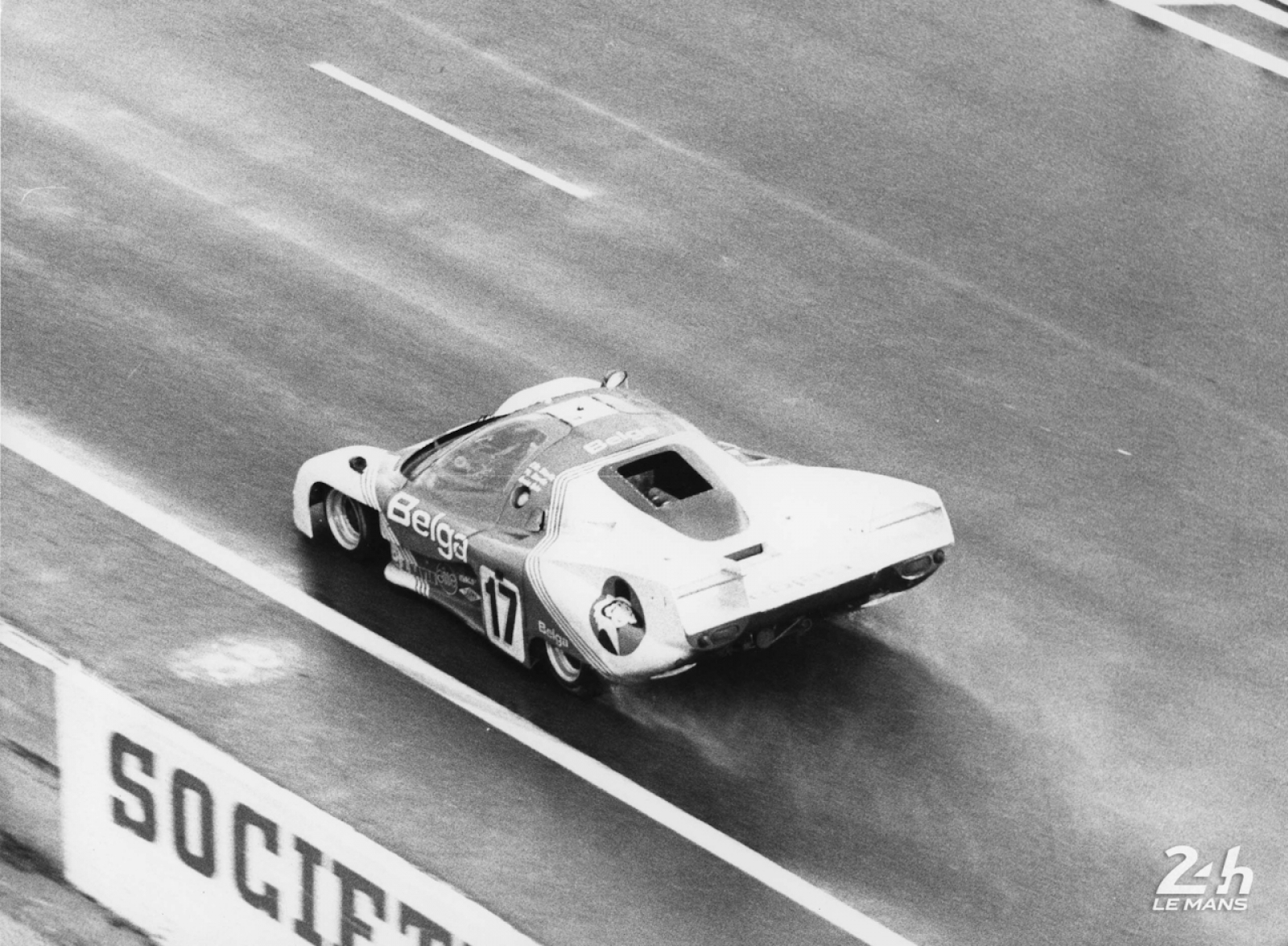
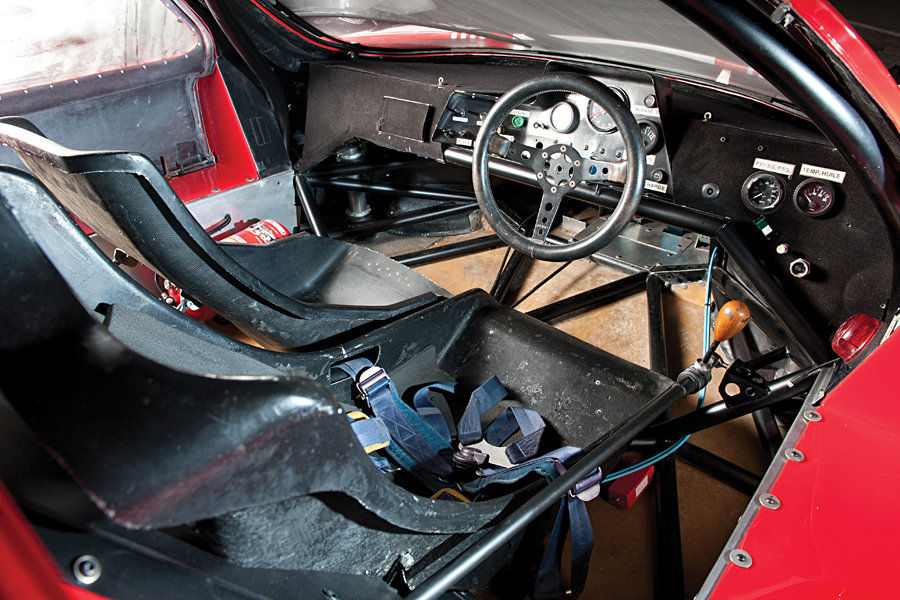
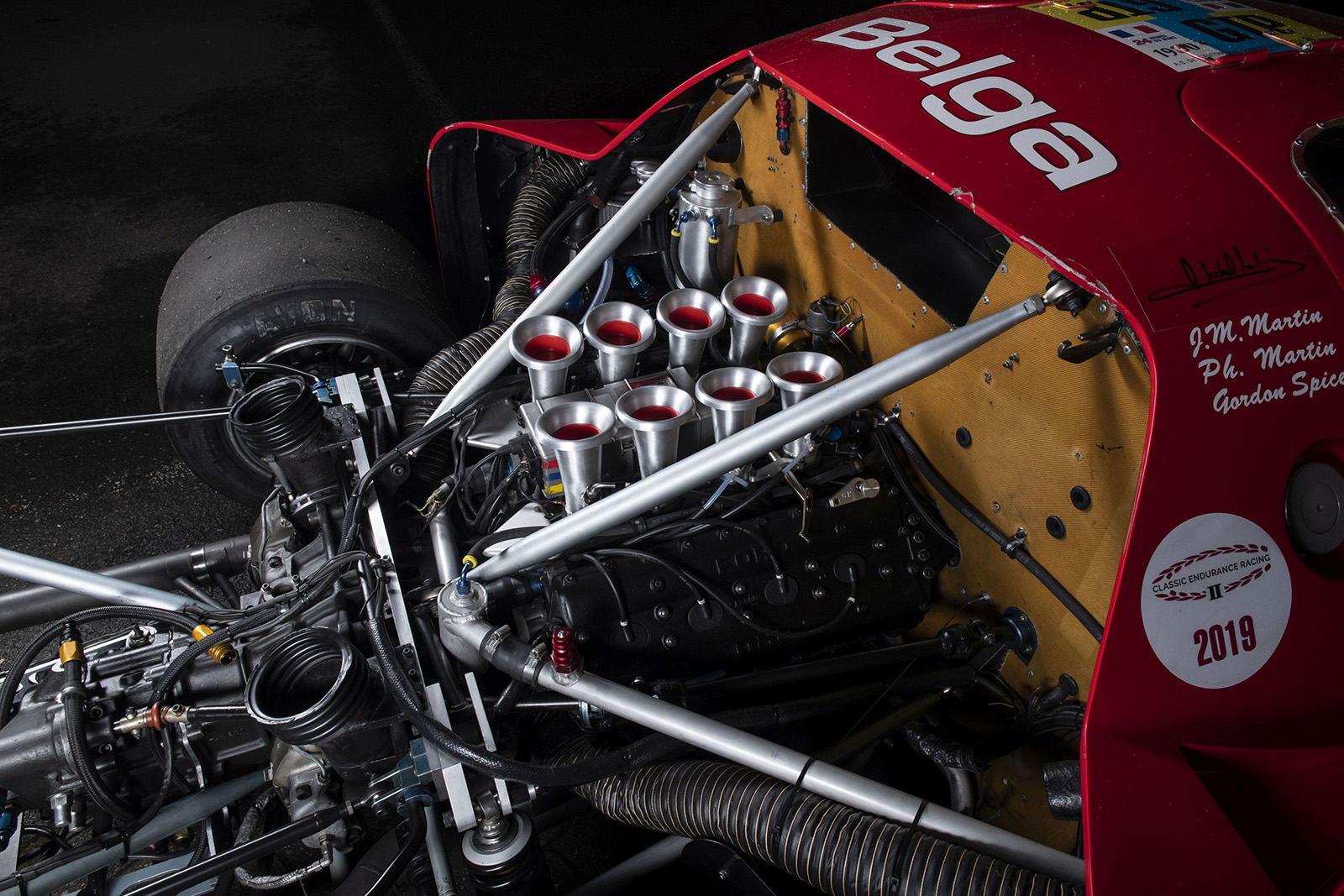
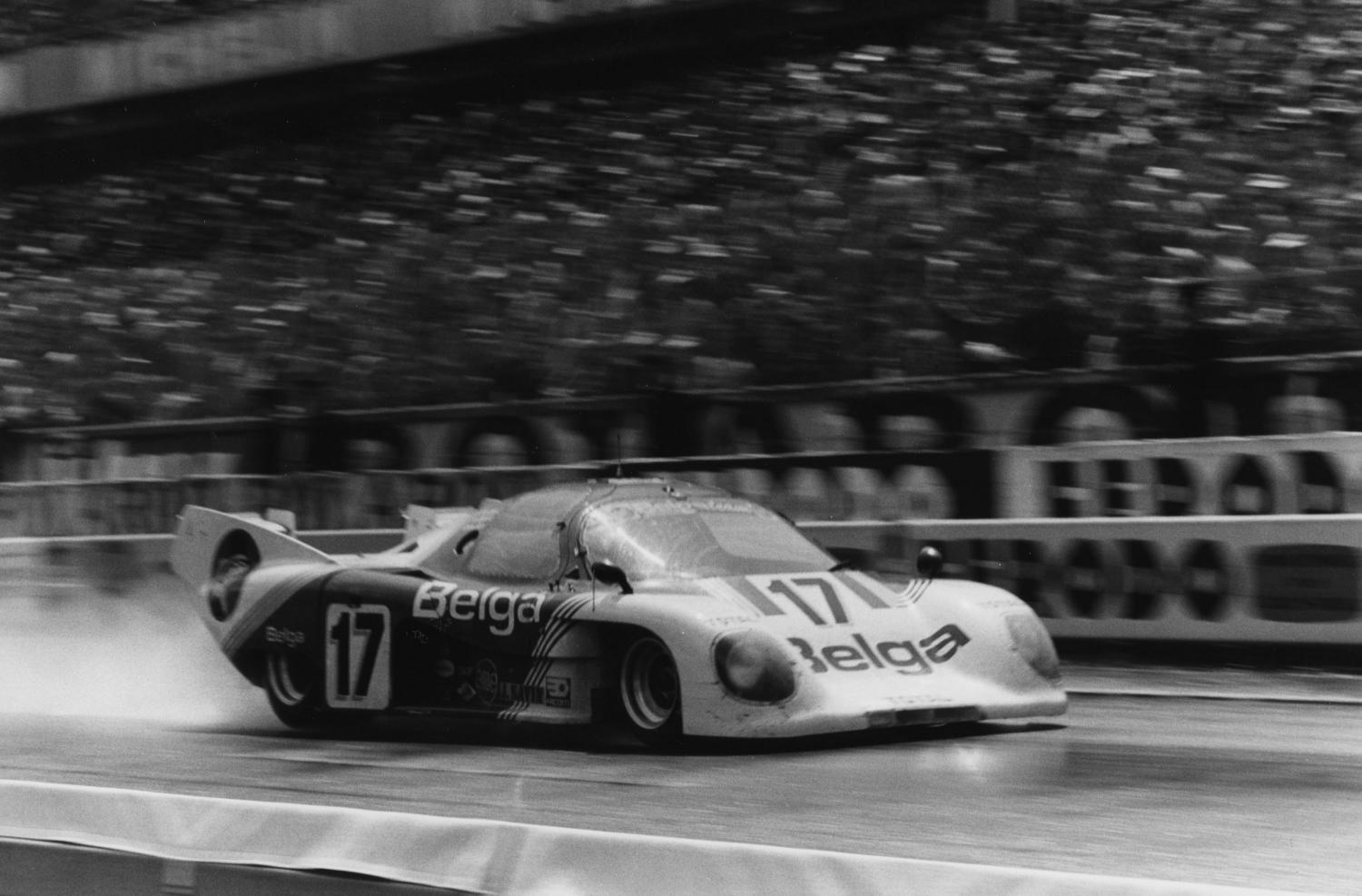
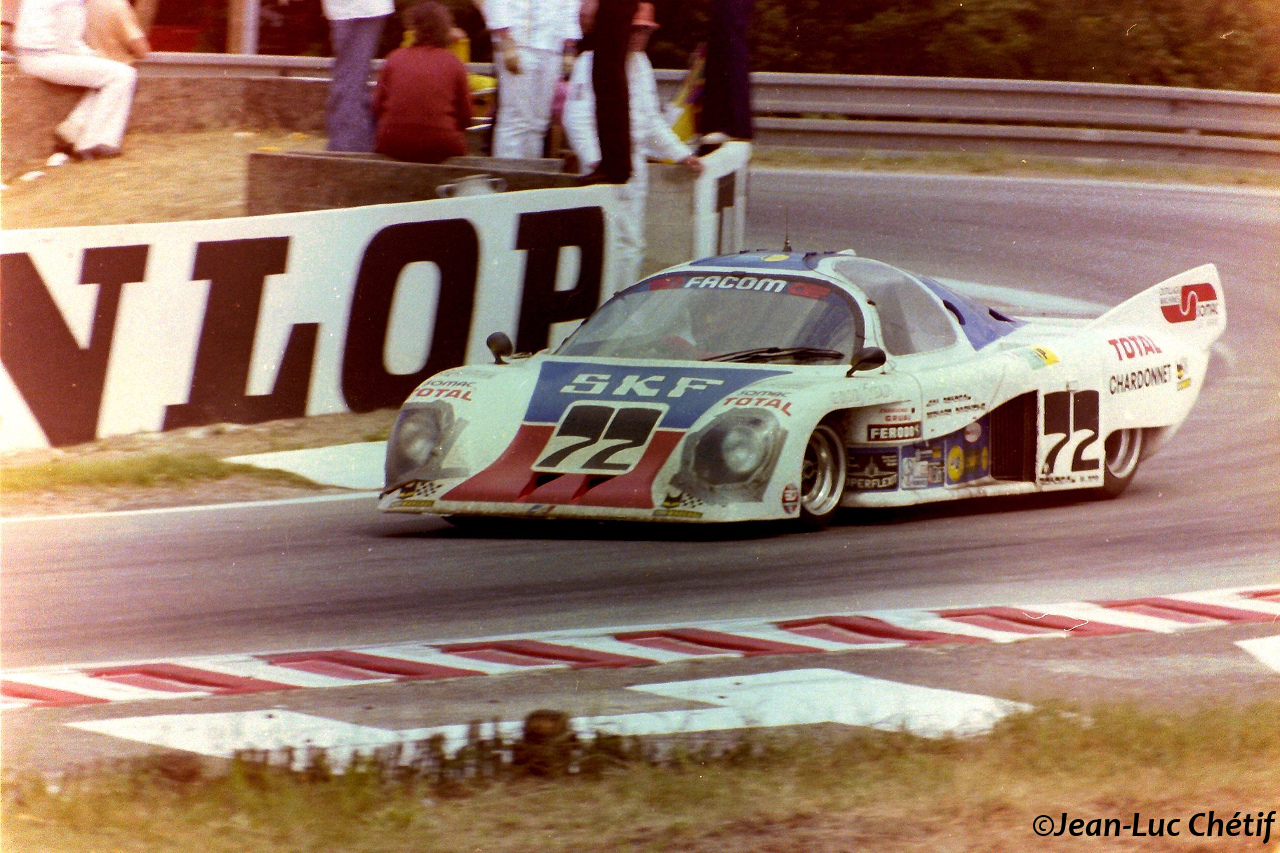
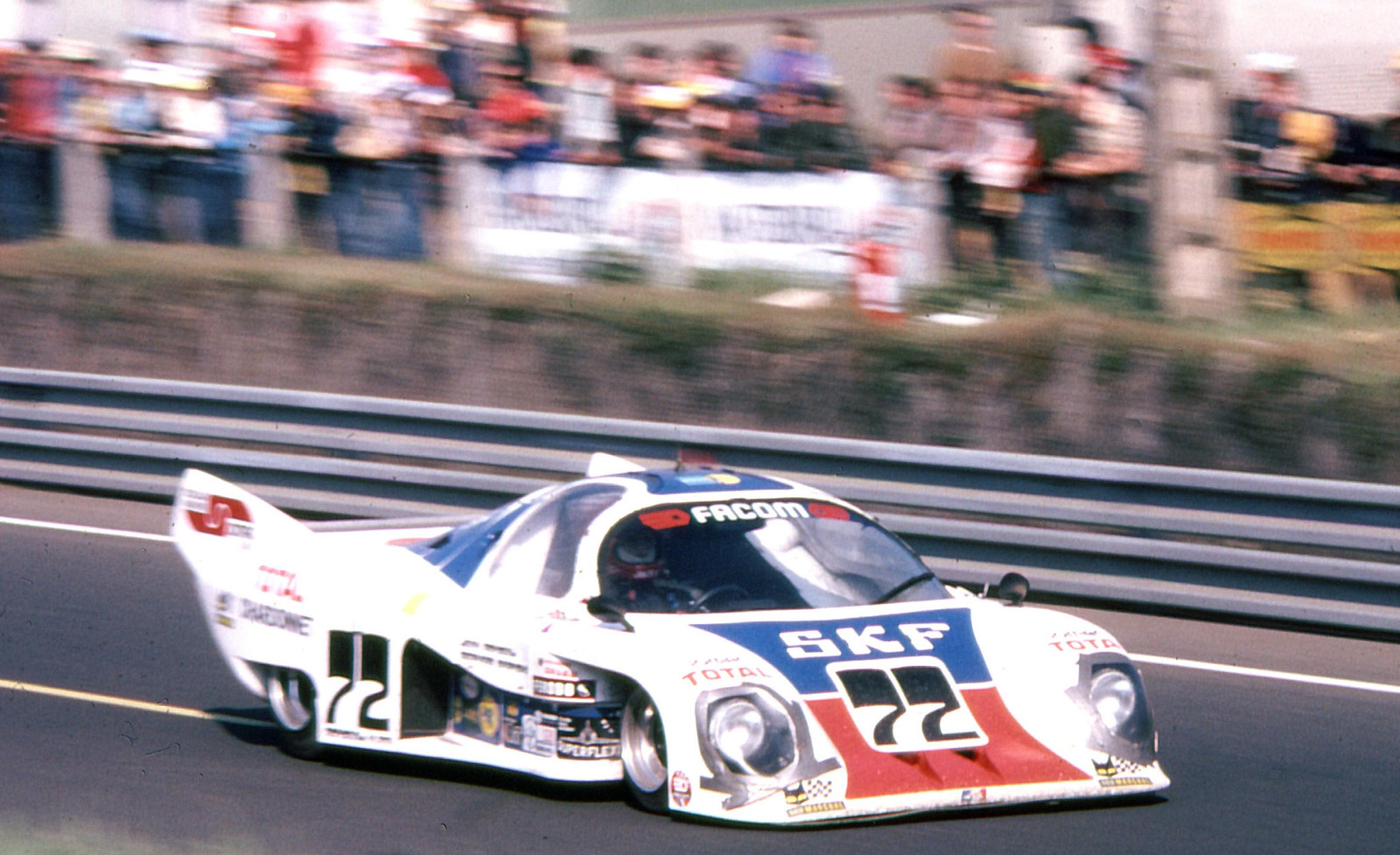
To analyze the technical anatomy of the M378 is to appreciate a masterclass in packaging a car specifically for the unique, flat-out stresses of the three-mile Mulsanne Straight. The design relied on a robust, highly dependable spaceframe chassis constructed from aviation-grade steel tubing, heavily reinforced with aluminium rivets and sheet metal. It lacked the exotic cost of Porsche’s specialized metallurgy but offered a level of easily repairable strength that was highly valued by a small team over a 24-hour marathon. The exterior bodywork was a dramatic, low-drag fiberglass envelope. It featured an elongated, blunt nose section and a massive, continuous rear decklid flanked by prominent twin tail fins, an aerodynamic configuration designed to guarantee absolute high-speed stability at 320 km/h (200 mph). Cradled longitudinally behind the spartan cockpit was the definitive racing heart of the decade: the 3.0-liter Ford Cosworth DFV V8. While originally an F1 sprinter, Rondeau’s team utilized detuned, endurance-spec variations prepared by legendary tuners like Heini Mader. Producing a robust, highly predictable 415 brake horsepower, the DFV gave up top-end speed to the turbochargers but countered with linear throttle response and legendary mechanical stamina. Power was fed through a bulletproof five-speed Hewland DG400 manual transaxle, and stopping power was entrusted to massive, ventilated Lockheed disc brakes with finned calipers to dissipate the immense thermal energy generated at the end of the Mulsanne.
The competitive narrative of chassis M378 is one of the most astonishingly romantic, long-lived sagas in the history of Le Mans. It didn’t just race in 1978; this specific chassis became an institutional fixture of the event, competing in a record-breaking ten consecutive editions of the 24 Hours of Le Mans. On its debut in 1978, draped in the striking colors of the Charles Pozzi Ferrari dealership and propelled by Jean Rondeau and Bernard Darniche, the M378 secured an incredible GTP class victory and finished 9th overall. This initial triumph was the vital proof of concept that Jean needed. It laid the emotional and financial foundation that allowed him to evolve the car into the M379B, leading to his historic 1980 outright victory where he became the only man ever to win Le Mans in a car bearing his own name. Even as the regulations shifted into the ground-effect Group C era of the 1980s, the versatile M378 was continuously updated with new bodywork, wings, and suspension configurations, stubbornly returning to the grid year after year to harass factory multi-million-dollar programs on pure reliability and team execution.
Brand
Produced from
Portal
Vehicle category
Predecessor
Sucessor
Brand
Produced from
Portal
Vehicle category
Model generation
Predecessor
Sucessor
Submodel Overview
The rain-soaked pit lane of the Circuit de la Sarthe has a unique way of filtering out corporate hubris, leaving behind only raw, mechanical perseverance. In the late 1970s, the World Sportscar Championship was a highly fragmented battlefield. Porsche was beginning to stamp its clinical, turbocharged authority on endurance racing with the monstrous 936, while Alpine-Renault was executing a multi-million-franc assault to capture French national pride. Yet, operating out of a modest workshop in Le Mans itself was a fiercely passionate racing driver and constructor named Jean Rondeau. Having initially campaigned his sports prototypes under the banner of his sponsor, Inaltera, a change in corporate backing forced a dramatic pivot for 1978. Stripped of the Inaltera name but armed with an unyielding obsession to win his hometown race, Jean gave his updated creation his own surname. The resulting 1978 Rondeau M378 was born into an era of massive aerodynamic transition—a bespoke, front-running privateer weapon explicitly designed to outlast the fragile turbo monsters from Germany and Paris by relying on traditional British horsepower and sheer French grit.
To analyze the technical anatomy of the M378 is to appreciate a masterclass in packaging a car specifically for the unique, flat-out stresses of the three-mile Mulsanne Straight. The design relied on a robust, highly dependable spaceframe chassis constructed from aviation-grade steel tubing, heavily reinforced with aluminium rivets and sheet metal. It lacked the exotic cost of Porsche’s specialized metallurgy but offered a level of easily repairable strength that was highly valued by a small team over a 24-hour marathon. The exterior bodywork was a dramatic, low-drag fiberglass envelope. It featured an elongated, blunt nose section and a massive, continuous rear decklid flanked by prominent twin tail fins, an aerodynamic configuration designed to guarantee absolute high-speed stability at 320 km/h (200 mph). Cradled longitudinally behind the spartan cockpit was the definitive racing heart of the decade: the 3.0-liter Ford Cosworth DFV V8. While originally an F1 sprinter, Rondeau’s team utilized detuned, endurance-spec variations prepared by legendary tuners like Heini Mader. Producing a robust, highly predictable 415 brake horsepower, the DFV gave up top-end speed to the turbochargers but countered with linear throttle response and legendary mechanical stamina. Power was fed through a bulletproof five-speed Hewland DG400 manual transaxle, and stopping power was entrusted to massive, ventilated Lockheed disc brakes with finned calipers to dissipate the immense thermal energy generated at the end of the Mulsanne.
The competitive narrative of chassis M378 is one of the most astonishingly romantic, long-lived sagas in the history of Le Mans. It didn’t just race in 1978; this specific chassis became an institutional fixture of the event, competing in a record-breaking ten consecutive editions of the 24 Hours of Le Mans. On its debut in 1978, draped in the striking colors of the Charles Pozzi Ferrari dealership and propelled by Jean Rondeau and Bernard Darniche, the M378 secured an incredible GTP class victory and finished 9th overall. This initial triumph was the vital proof of concept that Jean needed. It laid the emotional and financial foundation that allowed him to evolve the car into the M379B, leading to his historic 1980 outright victory where he became the only man ever to win Le Mans in a car bearing his own name. Even as the regulations shifted into the ground-effect Group C era of the 1980s, the versatile M378 was continuously updated with new bodywork, wings, and suspension configurations, stubbornly returning to the grid year after year to harass factory multi-million-dollar programs on pure reliability and team execution.
Tech Specs
Technical Specifications
Tech Specs
Technical Specifications
Engine
01
03
Internal combustion engine
Configuration
Ford Cosworth DFV, V8 - 90º
Location
Mid, longitudinally mounted
Construction
Aluminium alloy block and heads
Displacement (cc)
2,993 cc
Displacement (cu in)
182.6 cu in
Compression
11.0:1
Bore x Stroke
85.7 mm x 64.8 mm
Valvetrain
4 valves per cylinder, DOHC
Fuel feed
Lucas mechanical fuel injection
Lubrication
Dry sump
Aspiration
Naturally aspirated
Output
Power (hp)
~415 hp
Power (kW)
~309 kW
Max power at
8,500 RPM
Torque (Nm)
339 Nm
Torque (ft lbs)
250 ft lbs
Max torque at
7,000 RPM
Drivetrain
02
03
Chassis
Type
Tubular spaceframe reinforced with riveted aluminium panels (Semi-monocoque)
Material
Steel tubes and aluminium sheet
Body
Material
Fibreglass reinforced plastic composite
Transmission
Gearbox
Hewland FG400, 5-speed manual transaxle
Drive
Rear Wheel Drive (Limited Slip Differential)
Suspension
Front
Independent, double wishbones, coil springs over telescopic dampers, anti-roll bar
Rear
Independent, double wishbones, coil springs over telescopic dampers, anti-roll bar
Steering
Type
Rack and pinion, unassisted
Brakes
Front
Ventilated steel discs, 4-piston Lockheed/Girling aluminium calipers
Rear
Ventilated steel discs, 4-piston Lockheed/Girling aluminium calipers
Wheels
Front
10" x 13" (Cast magnesium alloy)
Rear
14" x 15" (Cast magnesium alloy)
Tires
Front
-
Rear
-
Dimensions and performance
03
03
Dimensions
Length (mm)
~4,350 mm
Length (in)
~171.2 in
Width (mm)
1,980 mm
Width (in)
77.9 in
Height (mm)
1,020 mm
Height (in)
40.1 in
Wheelbase (mm)
2,530 mm
Wheelbase (in)
99.6 in
Weight (kg)
~750 kg
Weight (lbs)
~1,653 lbs
Performance
Power to weight
~0.55 hp/kg
Top speed (km/h)
~320 km/h
Top speed (mph)
~199 mph
0-100 km/h (0-60 mph)
~3.5 s