Shelby Cobra Mk I
Brand
Produced from
Vehicle category
Portal
Model line
Model generation
Sucessor
Generation Overview
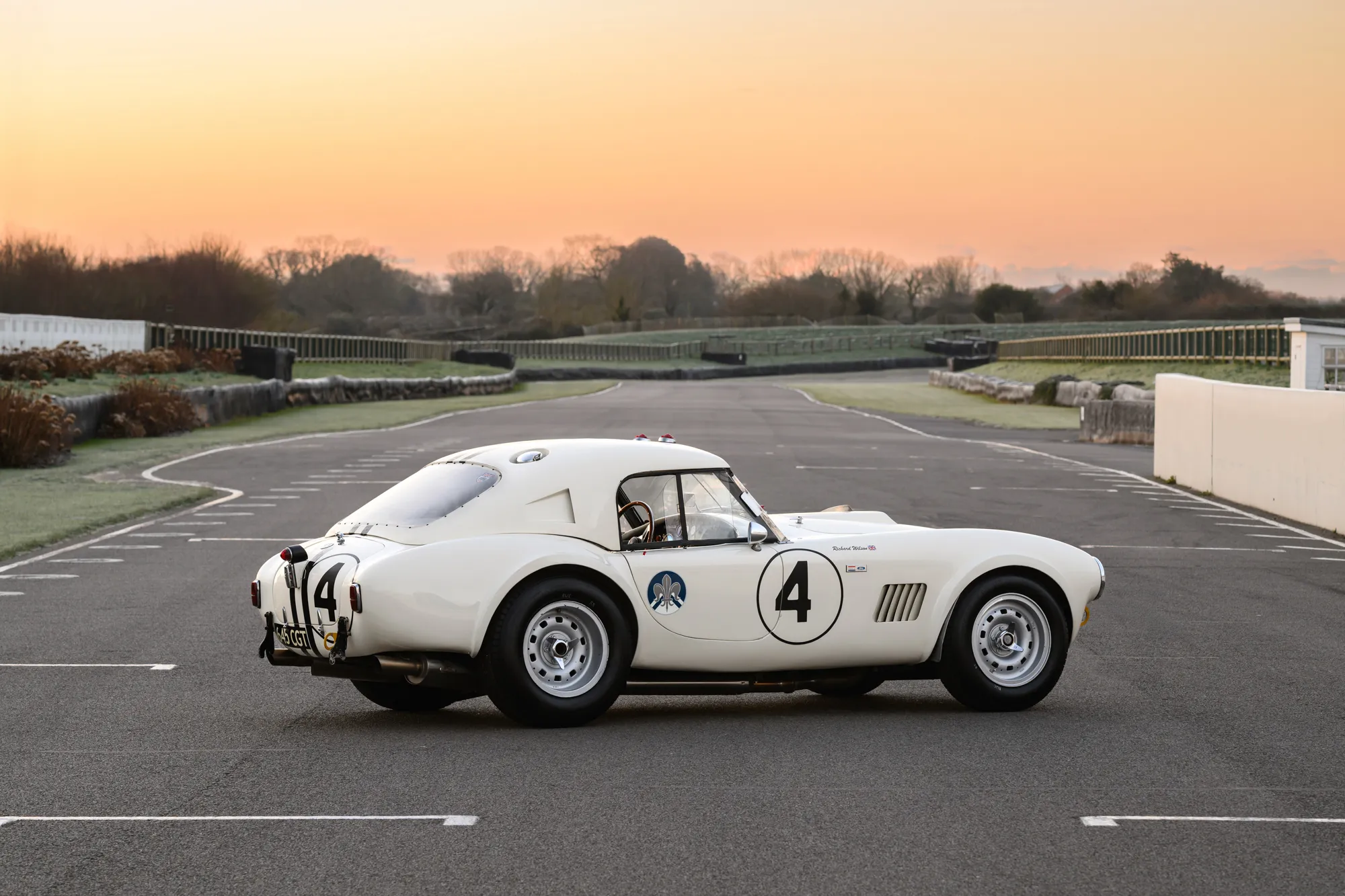
To understand the earthquake that the 1962 Shelby Cobra Mk I caused in the automotive landscape, one must first appreciate the climate into which it was born. The early 1960s were a fascinating time; the British sports car industry was booming, producing beautiful, nimble machines like the Jaguar E-Type and the AC Ace. Meanwhile, in America, Detroit was focused on full-sized muscle or the sophisticated, yet heavy, Chevrolet Corvette. Carroll Shelby, a fiercely competitive Texan and a Le Mans-winning driver, saw an unexploited void between these two philosophies. He dreamed of a ‘Corvette killer’—a brutal, lightweight hybrid that combined the sophisticated, lightweight chassis of a British roadster with the thumping, reliable grunt of an American V8. Shelby found his ideal partner in AC Cars of Thames Ditton, England. AC was producing the lovely but aging Ace, whose obsolete Bristol straight-six engine was about to go out of production. Shelby reached out, Ford provided the engine, and the terrifying, beautiful experiment began.
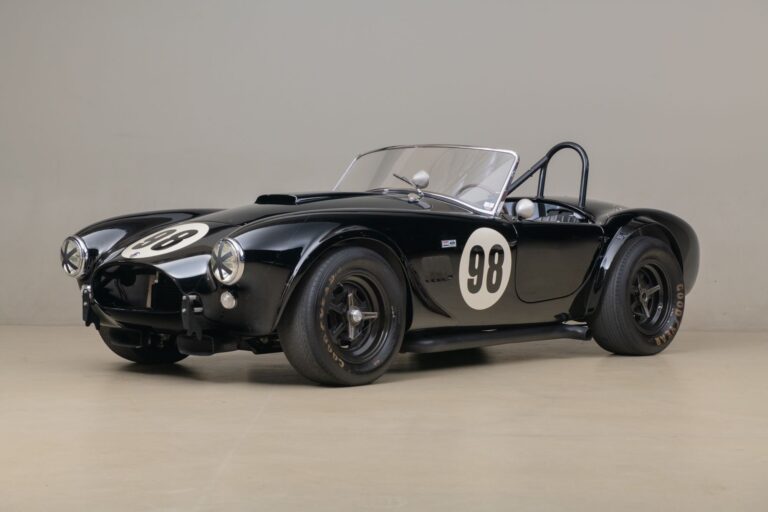
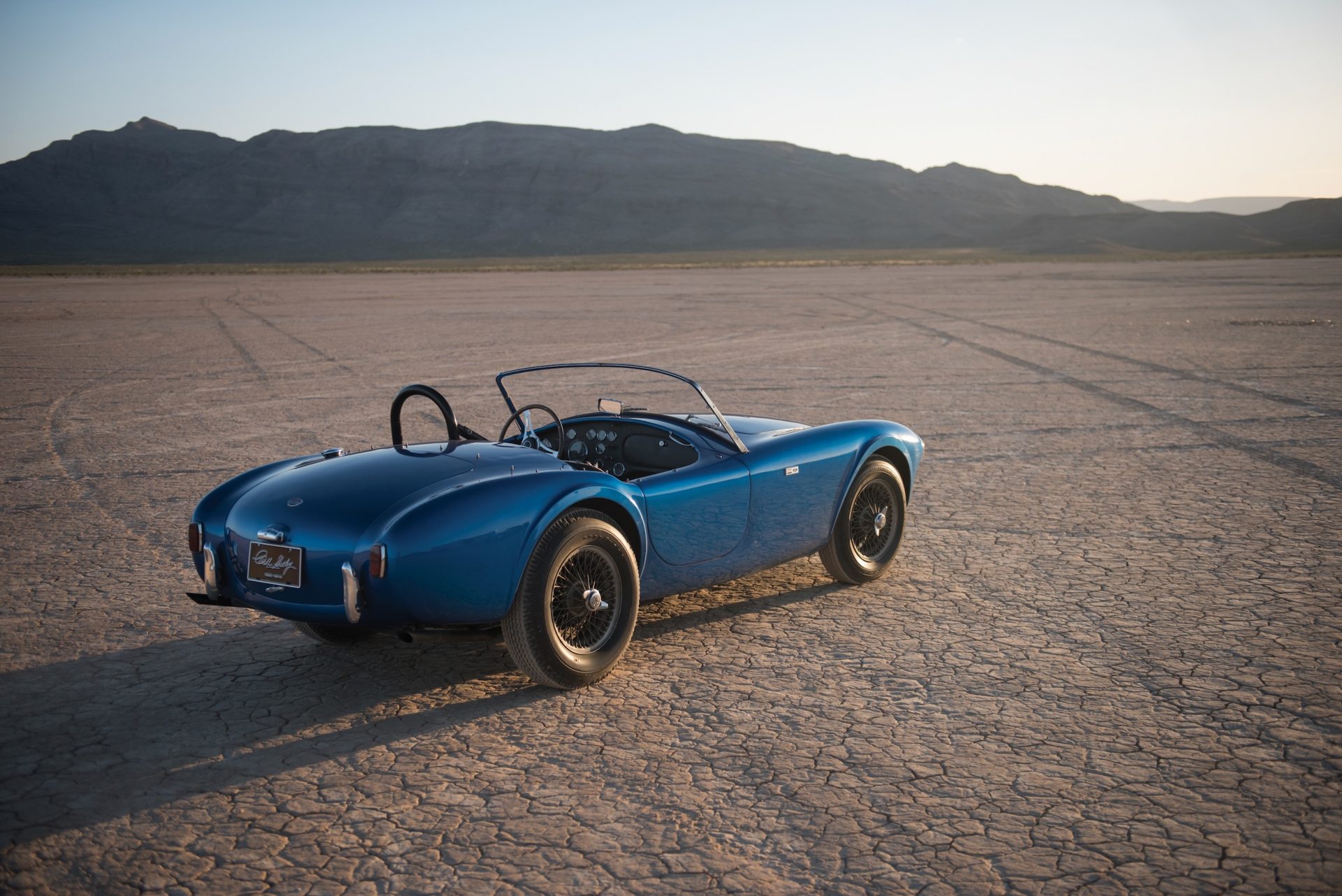
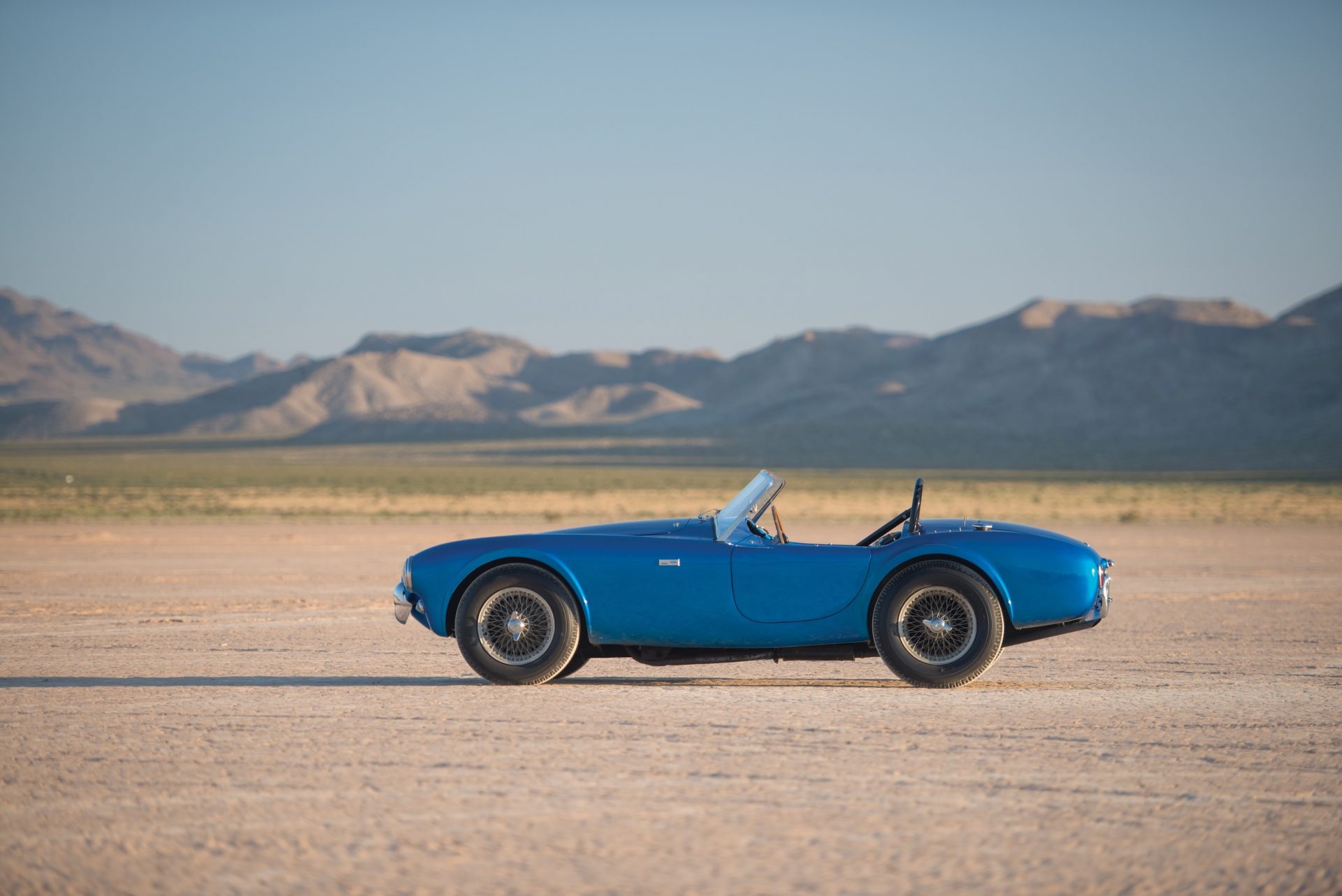
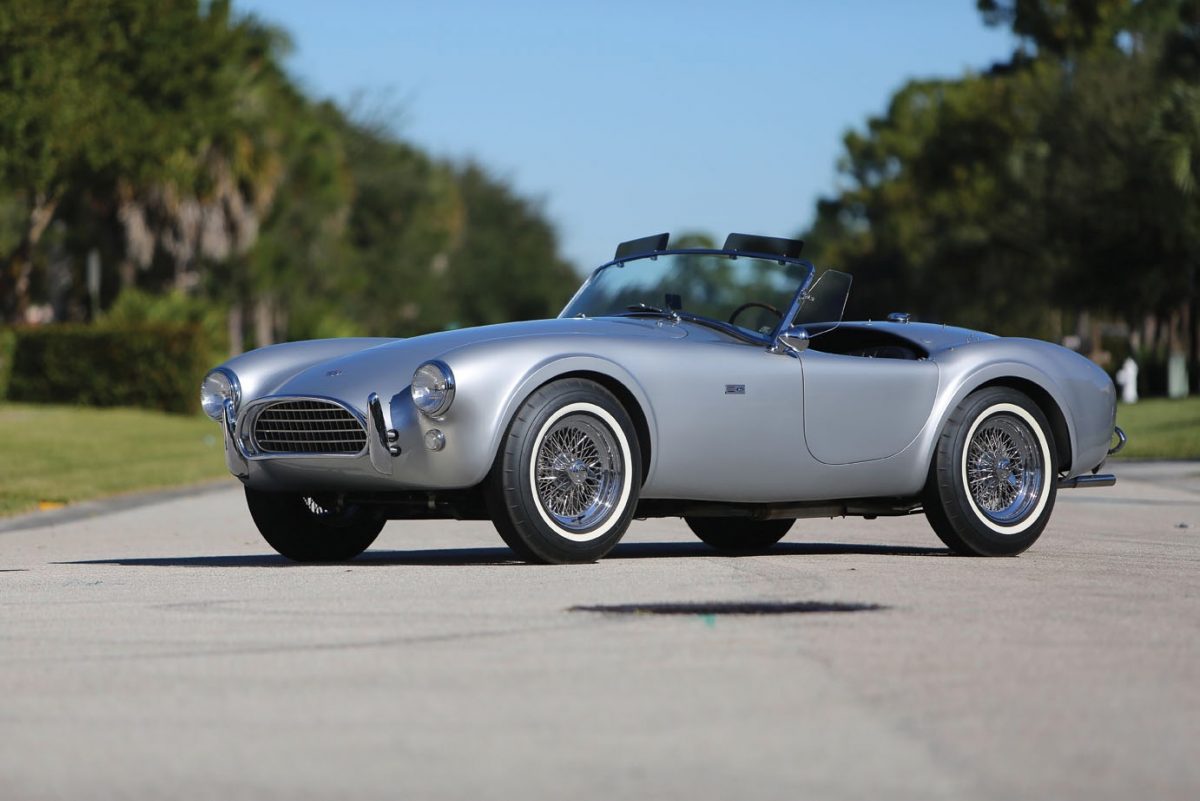
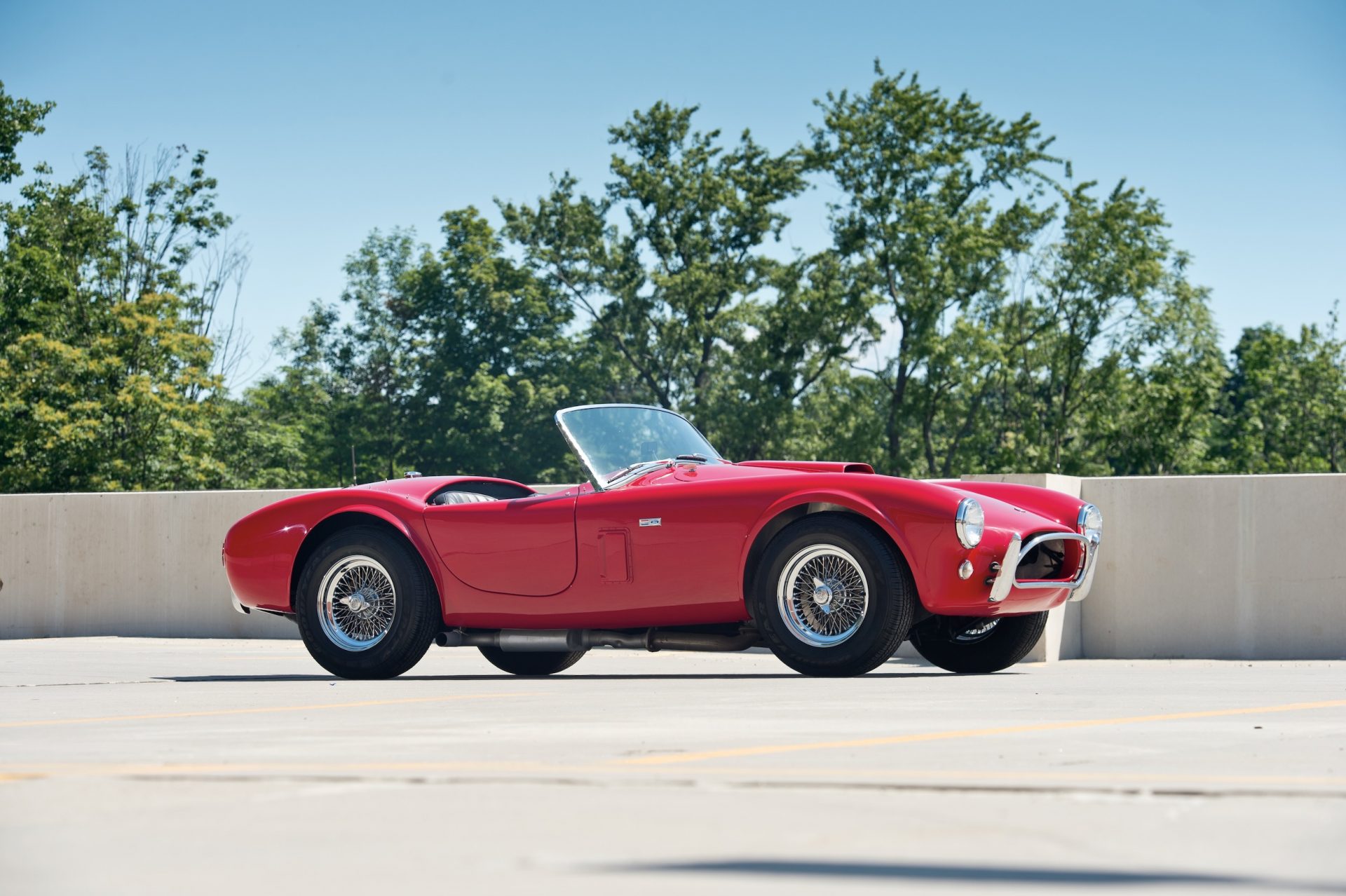
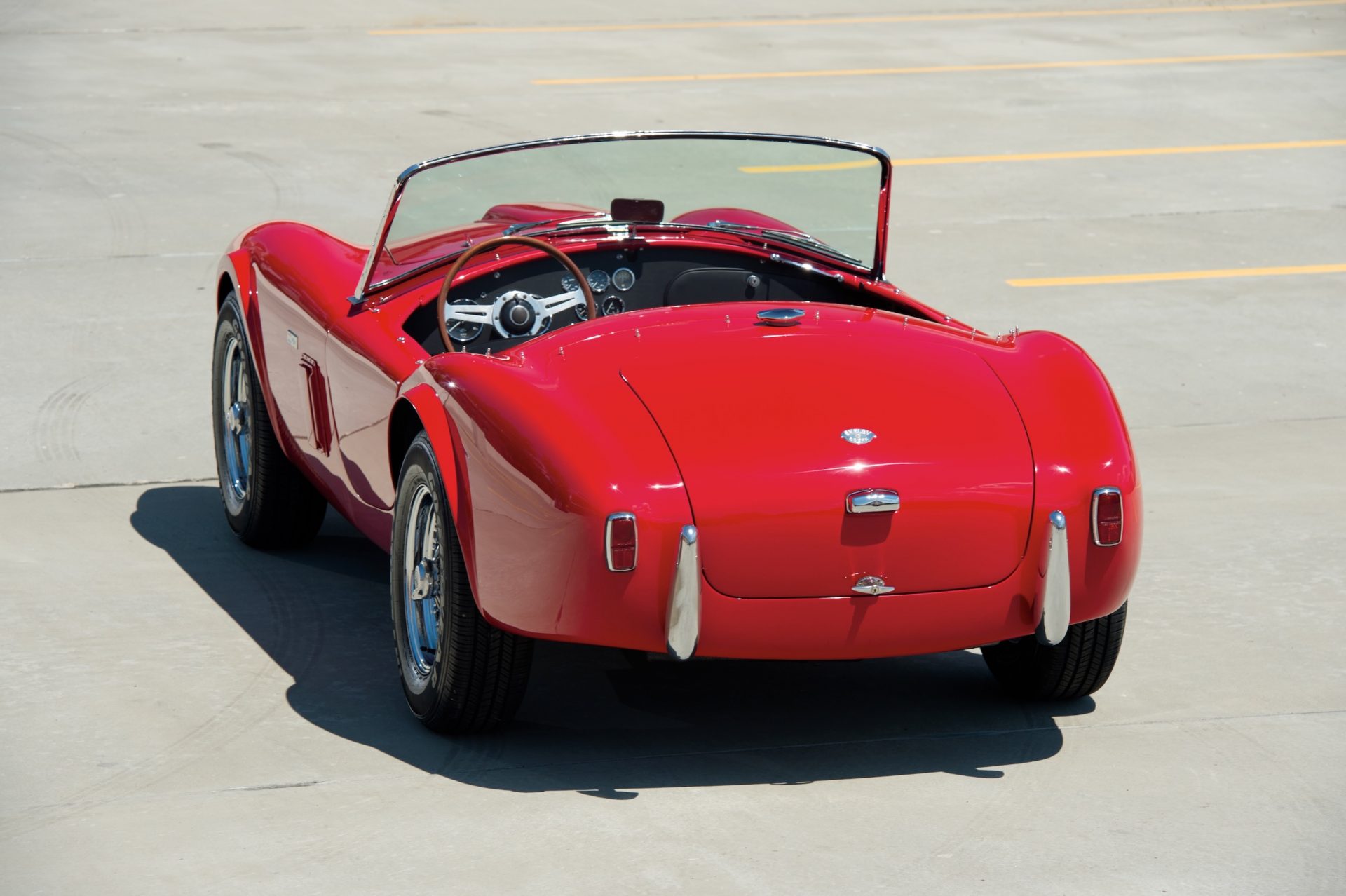
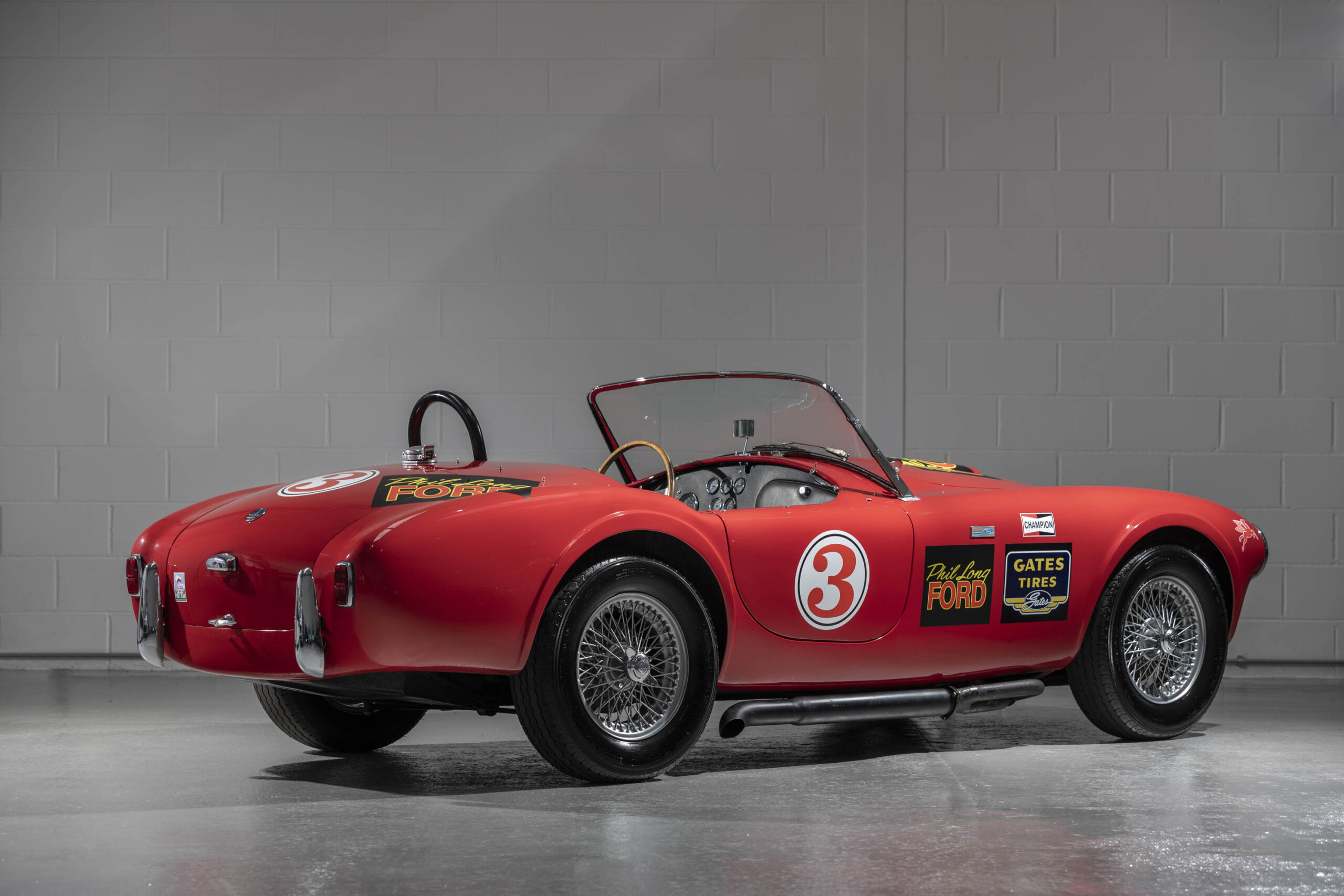
The AC chassis, based on a design by John Tojeiro, was already well-regarded but dated, utilizing a crude tubular ladder frame and, critically, archaic transverse leaf spring suspension both front and rear. Yet, it was lightweight and possessed excellent balance. Shelby and his chief test driver, Ken Miles, knew they had to shoehorn the new power unit without ruining the dynamics. The styling was inherently British, all flowing curves and minimum overhangs, which Shelby ruthlessly optimized. The aluminium body panels were subtly massaged to accept wider tracks. The cockpit was minimalist—Stewart-Warner gauges, a massive wooden steering wheel, and a four-speed Borg-Warner manual gearbox that prioritized mechanical tactility over luxury. Braking was sophisticated for the era, utilizing disc brakes all around—a crucial necessity given the performance leap. The interior was cramped, hot, and visceral, offering the driver an uncompromised connection to the road that no factory Corvette of the time could match.
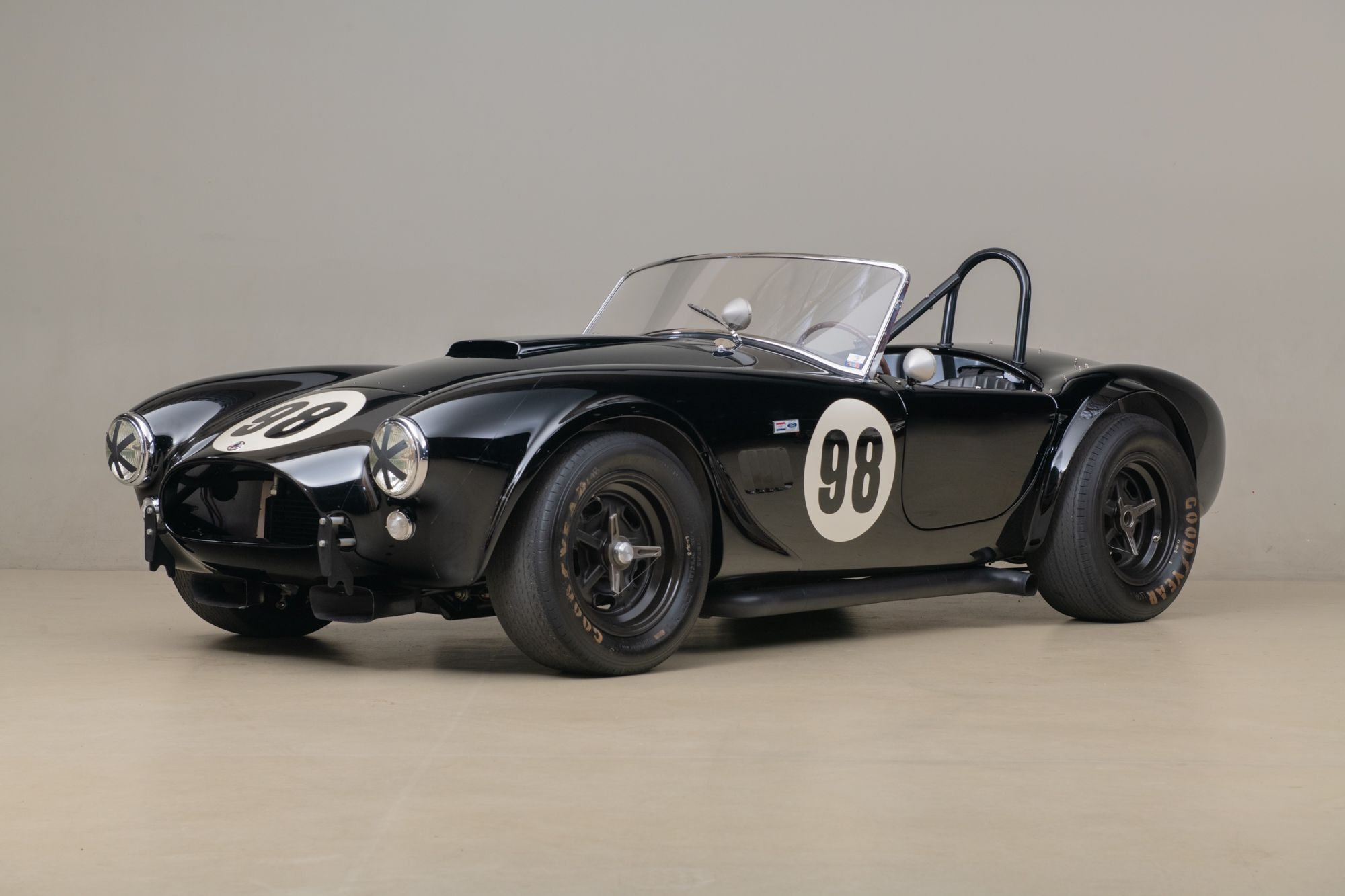
Mechanically, this first generation is defined by a progression of small-block Ford V8s. The very first prototype, the famous CSX2000 (which Shelby famously repainted repeatedly to fool magazines into thinking he had multiple cars), used Ford’s brand new 261 cubic inch small block. However, the initial 75 production examples (known as the Mk I cars) primarily utilized the 260 Hi-Po V8, which was already a formidable unit. Late in the Mk I production run, Zuffenhausen-beating potential was unlocked when Ford’s new 289 cubic inch (4.7-liter) small block was introduced. This compact, overhead-valve engine, pushing roughly 271 brake horsepower in stock form (and far more in competition trim), was a revolution. It gave the Mk I Cobra a power-to-weight ratio that was simply apocalyptic. The final 51 Mk I cars used this 289 engine. What truly defined this specific 1962 Mk I generation, distinguishing it from the later Mk II and Mk III cars, was its archaic worm-and-sector steering. This heavy, slow steering made the original Cobra famously difficult to handle, requiring muscular input and nerves of steel at high speeds—a rawness that early adopters and racers accepted as the price of its relentless grunt.
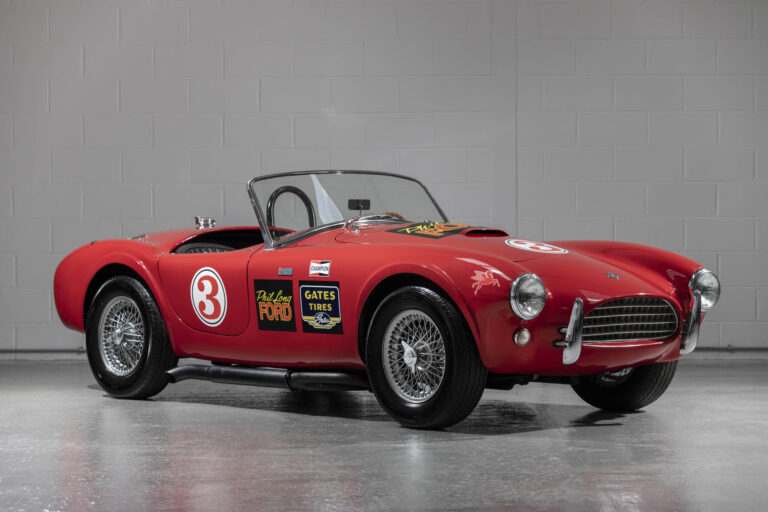
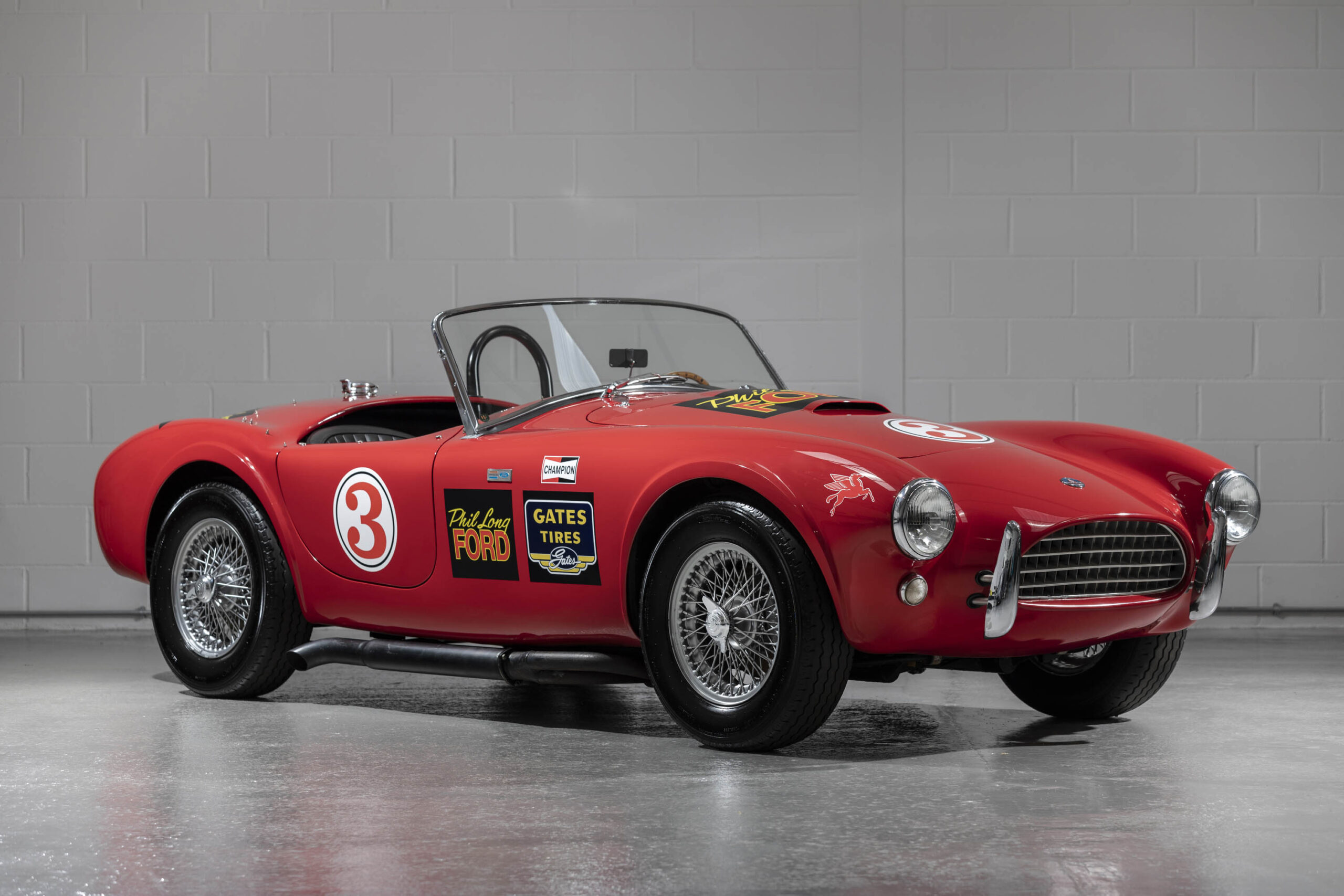
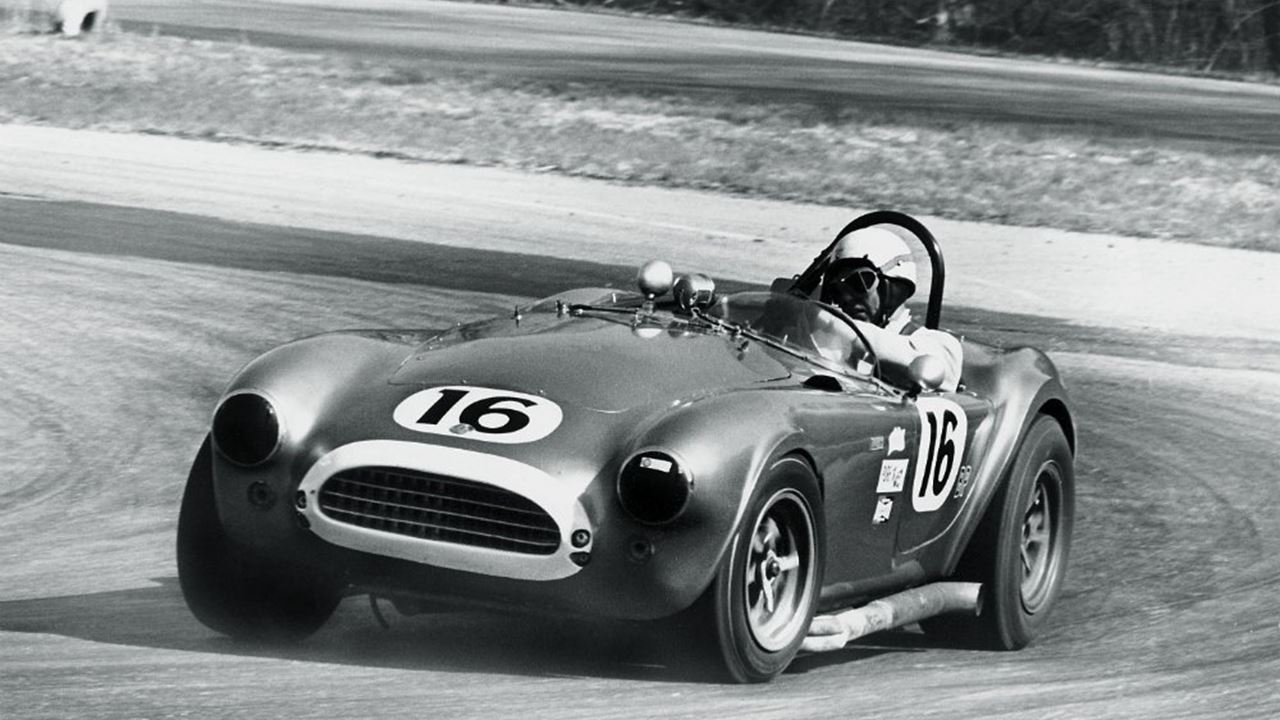
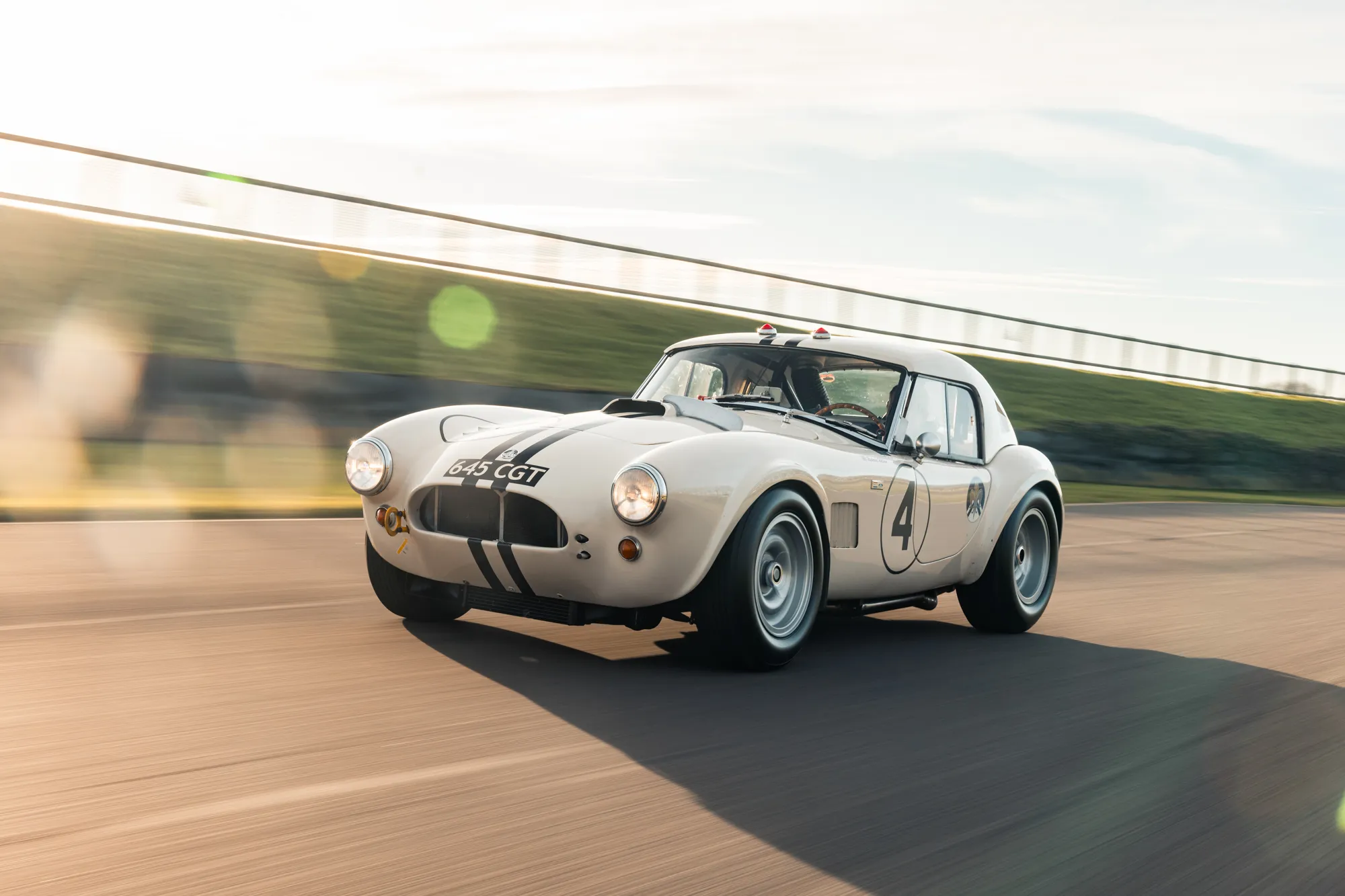
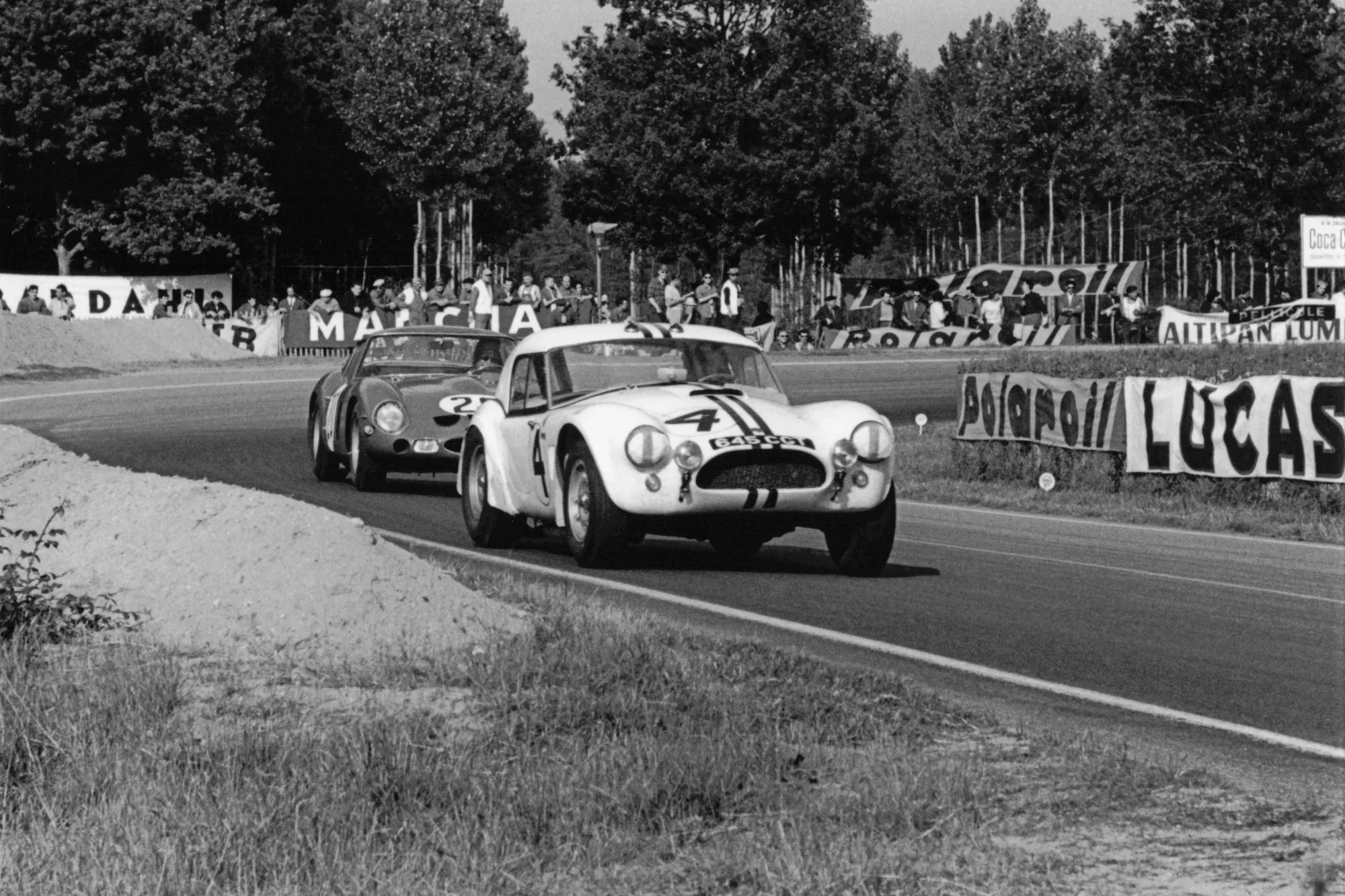
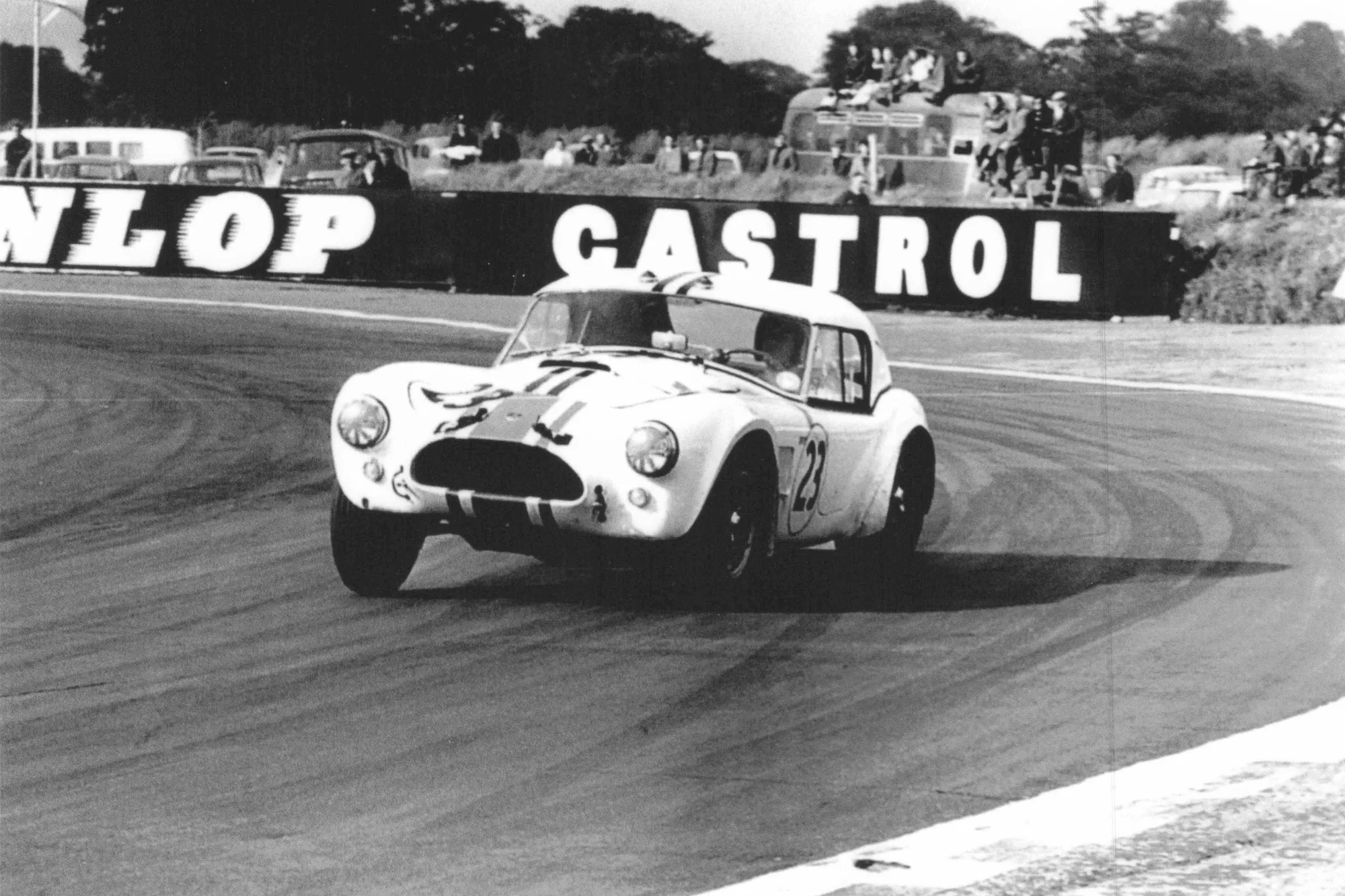
The impact was instantaneous and devastating, particularly in competition. The Mk I Cobra was designed primarily to break the Corvette stranglehold in SCCA (Sports Car Club of America) racing, and it did so brutally. Sorted Ken Miles took a CSX260 example and immediately began humiliating the much larger, supposedly advanced split-window Corvettes in A-Production class racing. It wasn’t just fast; its small, small-block V8 and nimble, albeit archaic, chassis made it adaptable. The Cobra did more than just dominate America; it single-handedly legitimized Shelby American as a world-class constructor, paving the way for the later Cobra 289 FIA-spec days and the Le Mans GT class-winning Daytona Coupe. For the street, nothing existed like it. It was a terrifying, beautiful brute that demanded respect. Commercial success was almost inevitable; Shelby sold roughly 126 Mk I Cobras (both 260 and 289 versions) before the demands of racing and customer handling led to the major chassis and steering overhaul that defined the Mk II. Curiosities abound, such as the fact that the cars were shipped from England without engines, which were then installed at Shelby’s shop in Venice, California.
The Shelby Cobra Mk I was the crucial genesis, the proof of concept that brute-force Americana could be effectively mated to European roadster sophistication. It established Shelby American as a legendary brand, it cemented the reputation of the Ford Small Block V8, and it fundamentally altered how global sports cars were evaluated. While the subsequent rack-and-pinion steering of the Mk II (and especially the big-block madness of the 427 Mk III) became more famous, the raw, difficult, and uncompromised Mk I prototypes are the purest expression of Carroll Shelby’s visceral dream. They are the artifacts that validated the hybrid formula that would dominate endurance racing and high-performance street cars for decades to come, proving once and for all that lightweight grunt beats all.
Portal
Model line
Model generation
Sucessor
Brand
Produced from
Vehicle category
Generation Overview
To understand the earthquake that the 1962 Shelby Cobra Mk I caused in the automotive landscape, one must first appreciate the climate into which it was born. The early 1960s were a fascinating time; the British sports car industry was booming, producing beautiful, nimble machines like the Jaguar E-Type and the AC Ace. Meanwhile, in America, Detroit was focused on full-sized muscle or the sophisticated, yet heavy, Chevrolet Corvette. Carroll Shelby, a fiercely competitive Texan and a Le Mans-winning driver, saw an unexploited void between these two philosophies. He dreamed of a ‘Corvette killer’—a brutal, lightweight hybrid that combined the sophisticated, lightweight chassis of a British roadster with the thumping, reliable grunt of an American V8. Shelby found his ideal partner in AC Cars of Thames Ditton, England. AC was producing the lovely but aging Ace, whose obsolete Bristol straight-six engine was about to go out of production. Shelby reached out, Ford provided the engine, and the terrifying, beautiful experiment began.
The AC chassis, based on a design by John Tojeiro, was already well-regarded but dated, utilizing a crude tubular ladder frame and, critically, archaic transverse leaf spring suspension both front and rear. Yet, it was lightweight and possessed excellent balance. Shelby and his chief test driver, Ken Miles, knew they had to shoehorn the new power unit without ruining the dynamics. The styling was inherently British, all flowing curves and minimum overhangs, which Shelby ruthlessly optimized. The aluminium body panels were subtly massaged to accept wider tracks. The cockpit was minimalist—Stewart-Warner gauges, a massive wooden steering wheel, and a four-speed Borg-Warner manual gearbox that prioritized mechanical tactility over luxury. Braking was sophisticated for the era, utilizing disc brakes all around—a crucial necessity given the performance leap. The interior was cramped, hot, and visceral, offering the driver an uncompromised connection to the road that no factory Corvette of the time could match.
Mechanically, this first generation is defined by a progression of small-block Ford V8s. The very first prototype, the famous CSX2000 (which Shelby famously repainted repeatedly to fool magazines into thinking he had multiple cars), used Ford’s brand new 261 cubic inch small block. However, the initial 75 production examples (known as the Mk I cars) primarily utilized the 260 Hi-Po V8, which was already a formidable unit. Late in the Mk I production run, Zuffenhausen-beating potential was unlocked when Ford’s new 289 cubic inch (4.7-liter) small block was introduced. This compact, overhead-valve engine, pushing roughly 271 brake horsepower in stock form (and far more in competition trim), was a revolution. It gave the Mk I Cobra a power-to-weight ratio that was simply apocalyptic. The final 51 Mk I cars used this 289 engine. What truly defined this specific 1962 Mk I generation, distinguishing it from the later Mk II and Mk III cars, was its archaic worm-and-sector steering. This heavy, slow steering made the original Cobra famously difficult to handle, requiring muscular input and nerves of steel at high speeds—a rawness that early adopters and racers accepted as the price of its relentless grunt.
The impact was instantaneous and devastating, particularly in competition. The Mk I Cobra was designed primarily to break the Corvette stranglehold in SCCA (Sports Car Club of America) racing, and it did so brutally. Sorted Ken Miles took a CSX260 example and immediately began humiliating the much larger, supposedly advanced split-window Corvettes in A-Production class racing. It wasn’t just fast; its small, small-block V8 and nimble, albeit archaic, chassis made it adaptable. The Cobra did more than just dominate America; it single-handedly legitimized Shelby American as a world-class constructor, paving the way for the later Cobra 289 FIA-spec days and the Le Mans GT class-winning Daytona Coupe. For the street, nothing existed like it. It was a terrifying, beautiful brute that demanded respect. Commercial success was almost inevitable; Shelby sold roughly 126 Mk I Cobras (both 260 and 289 versions) before the demands of racing and customer handling led to the major chassis and steering overhaul that defined the Mk II. Curiosities abound, such as the fact that the cars were shipped from England without engines, which were then installed at Shelby’s shop in Venice, California.
The Shelby Cobra Mk I was the crucial genesis, the proof of concept that brute-force Americana could be effectively mated to European roadster sophistication. It established Shelby American as a legendary brand, it cemented the reputation of the Ford Small Block V8, and it fundamentally altered how global sports cars were evaluated. While the subsequent rack-and-pinion steering of the Mk II (and especially the big-block madness of the 427 Mk III) became more famous, the raw, difficult, and uncompromised Mk I prototypes are the purest expression of Carroll Shelby’s visceral dream. They are the artifacts that validated the hybrid formula that would dominate endurance racing and high-performance street cars for decades to come, proving once and for all that lightweight grunt beats all.
Submodels