
Shelby Cobra Mk II
Brand
Produced from
Vehicle category
Portal
Model line
Model generation
Predecessor
Sucessor
Generation Overview
To fully appreciate the mythological status of the 1963 Shelby Cobra Mk II, one must understand the brilliant, yet fundamentally flawed, nature of its predecessor. Carroll Shelby’s initial Mk I Cobra had successfully proven a visceral concept: stuffing a lightweight, high-revving Ford small-block V8 into the delicate aluminum body of an AC Ace produced a terrifyingly fast machine. However, the Mk I was handicapped by the archaic worm-and-sector steering inherited from the original AC design. It was heavy, imprecise, and required the muscular forearms of a lumberjack to tame at racing speeds. As the 1963 season loomed, Detroit unleashed the formidable new Chevrolet Corvette Sting Ray (C2), and across the Atlantic, Enzo Ferrari continued to refine his V12 masterpieces. To maintain their hard-won momentum and transform the Cobra from a straight-line hot rod into a surgical track weapon capable of conquering the world, Shelby American and AC Cars implemented a crucial mechanical evolution. The resulting Shelby Cobra Mk II was the absolute sweet spot of the lineage—the definitive 289-powered sports car that turned a wild Texan dream into an international motorsport dynasty.
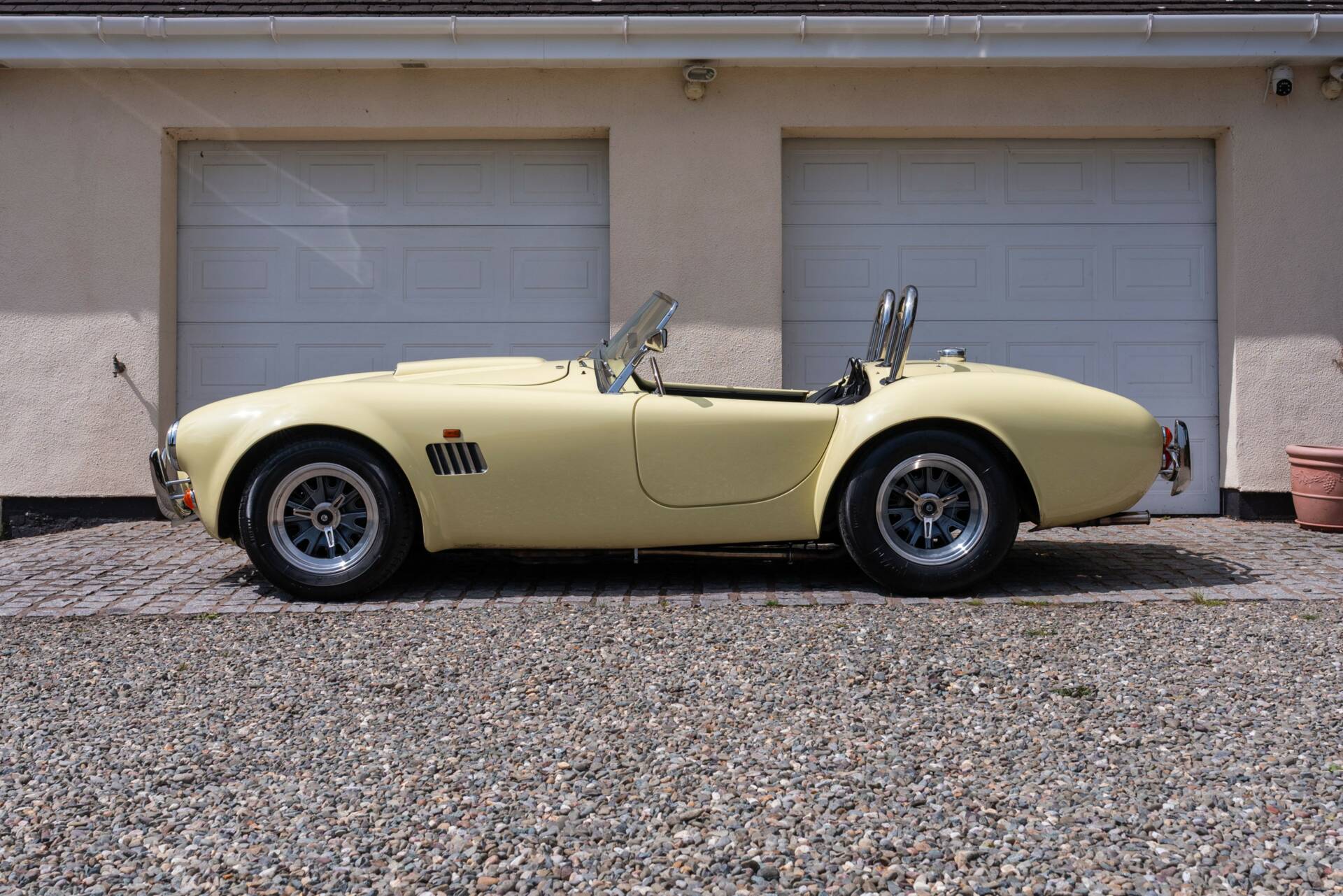
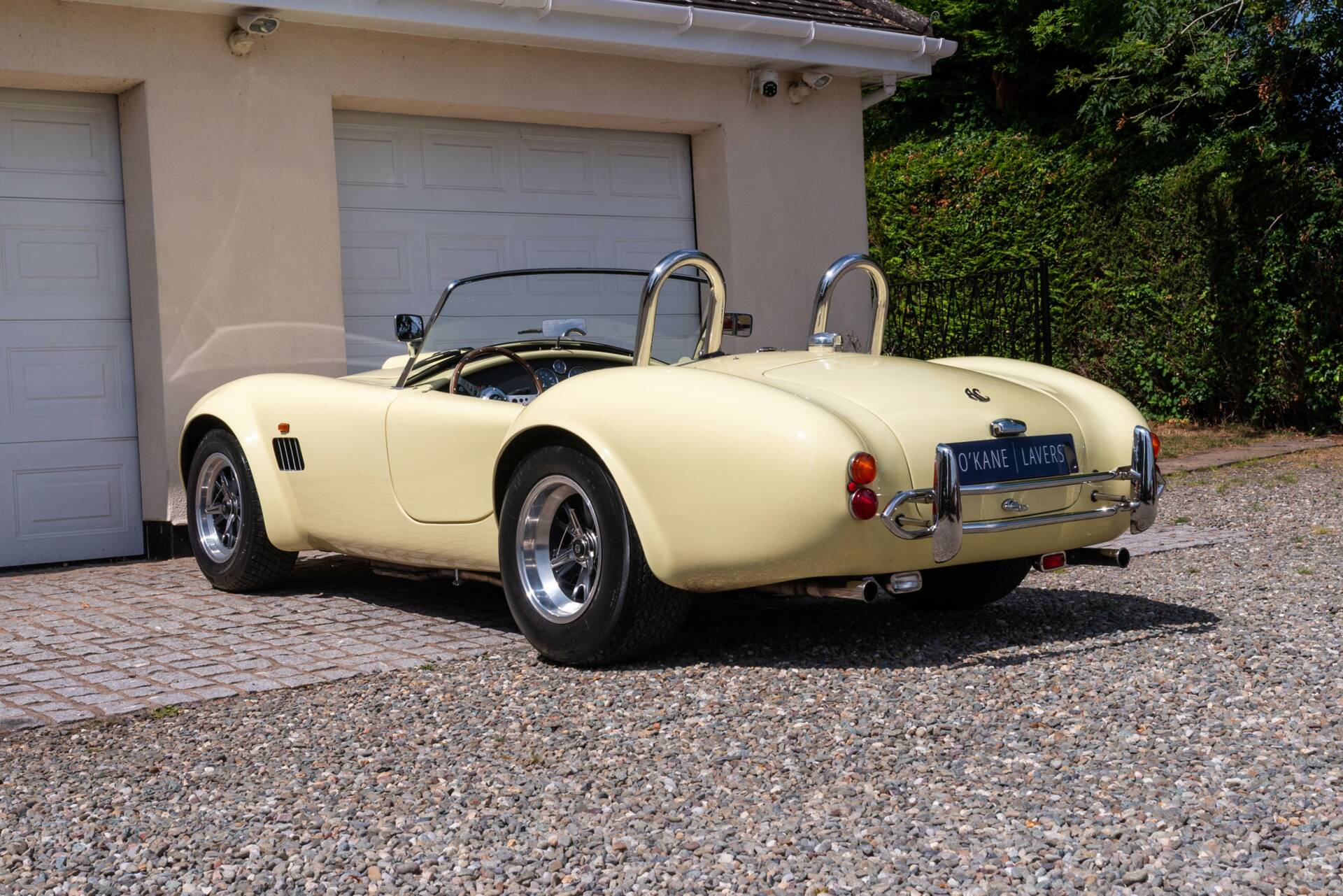
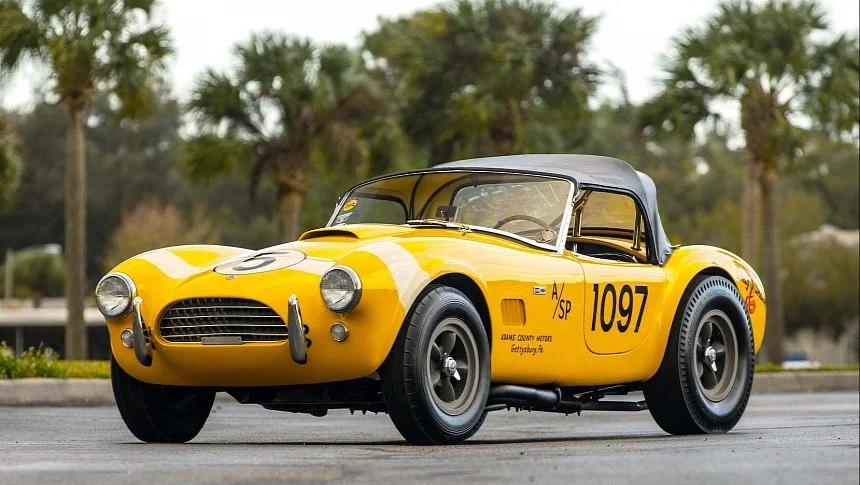
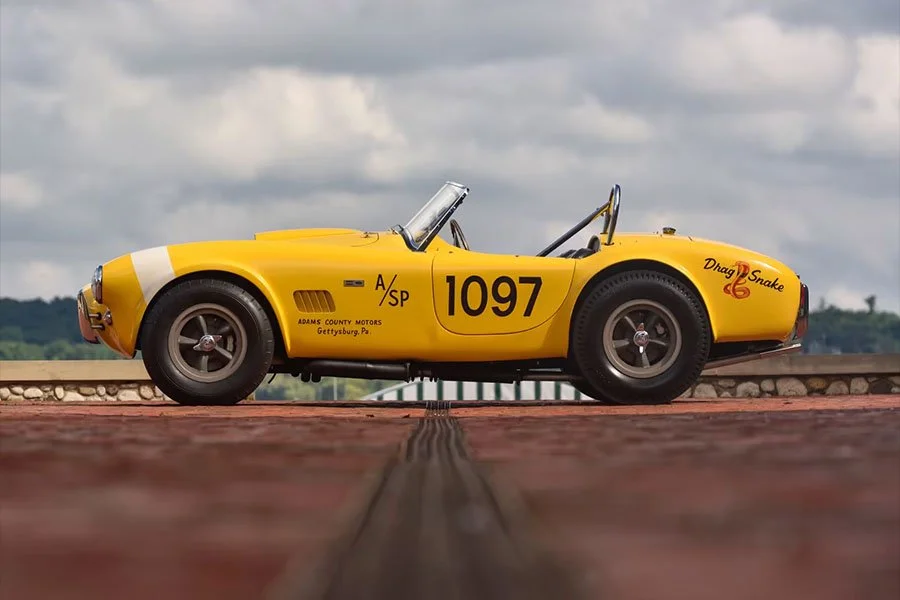
The technical metamorphosis that defined the Mk II generation was hidden entirely beneath its sweeping, hand-beaten aluminum skin. The critical revelation was the adoption of a modern rack-and-pinion steering system. In a display of classic, pragmatic hot-rod engineering, the setup borrowed heavily from the MGB steering rack, mated to a modified Volkswagen Beetle steering column. This seemingly simple upgrade utterly transformed the Cobra’s dynamics, replacing the vague wandering of the Mk I with razor-sharp, communicative turn-in. While the steering was modernized, the chassis retained the traditional twin-tube ladder frame and, crucially, the transverse leaf spring suspension at both the front and rear. This archaic suspension layout firmly distinguishes the Mk II from the later, radically redesigned coil-sprung Mk III. Powering the Mk II was the legendary 289 cubic inch (4.7-liter) Ford Windsor V8. In street trim, it utilized a single four-barrel carburetor to produce a tractable 271 brake horsepower. However, in competition tune—breathing through Weber carburetors and exhaling through side-exit exhaust pipes—this iron-block marvel shrieked past 7,000 rpm, producing well over 350 horsepower. To accommodate the wider wire wheels and modern racing rubber necessary to harness this newfound mechanical grip, the Mk II featured subtly flared wheel arches, giving the car a more aggressive, planted stance. Inside, the cockpit remained a minimalist, heat-soaked haven of purpose, featuring a brace of Smiths or Stewart-Warner gauges, a delicate wood-rimmed steering wheel, and a four-speed Borg-Warner manual gearbox that demanded firm, deliberate shifts.
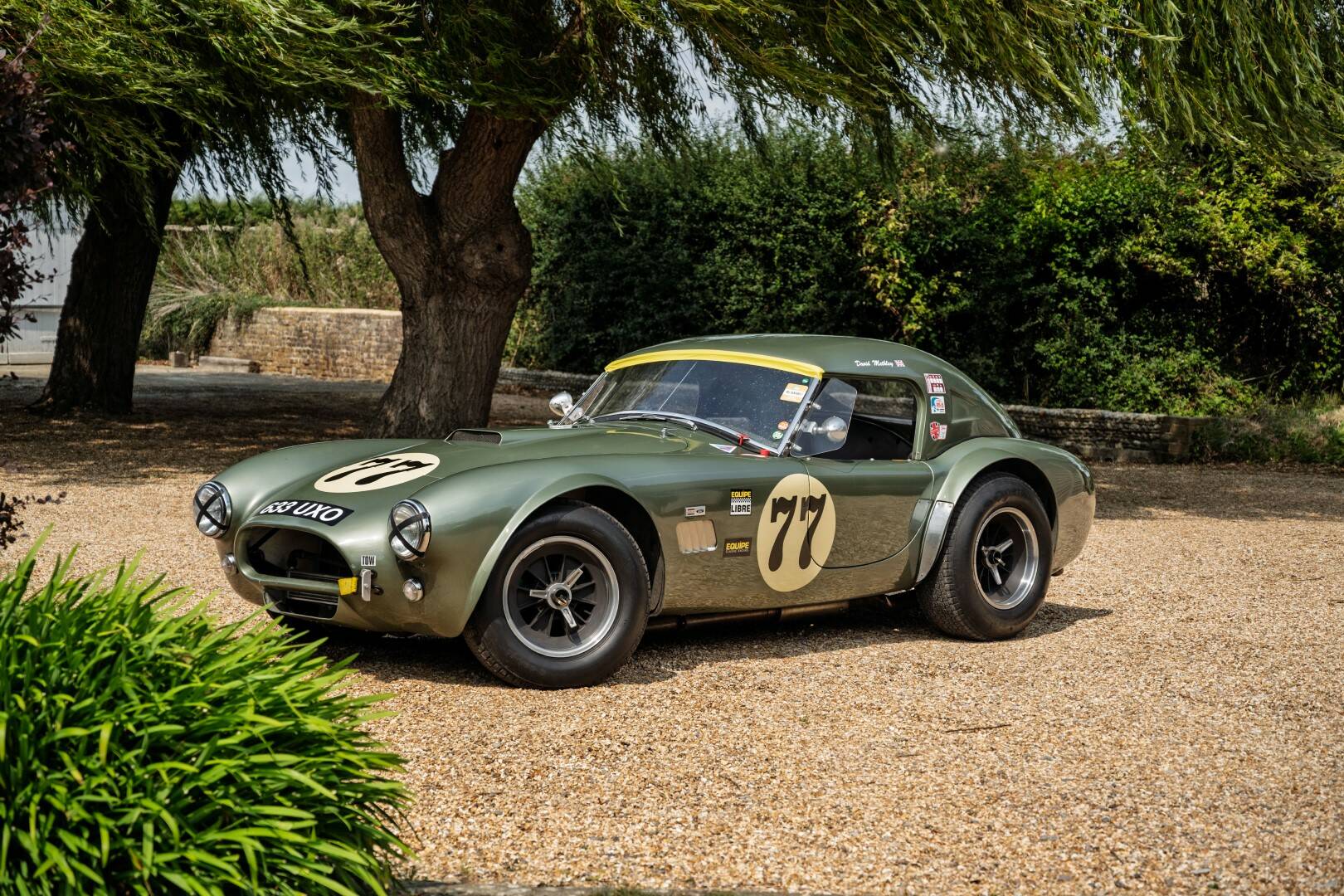
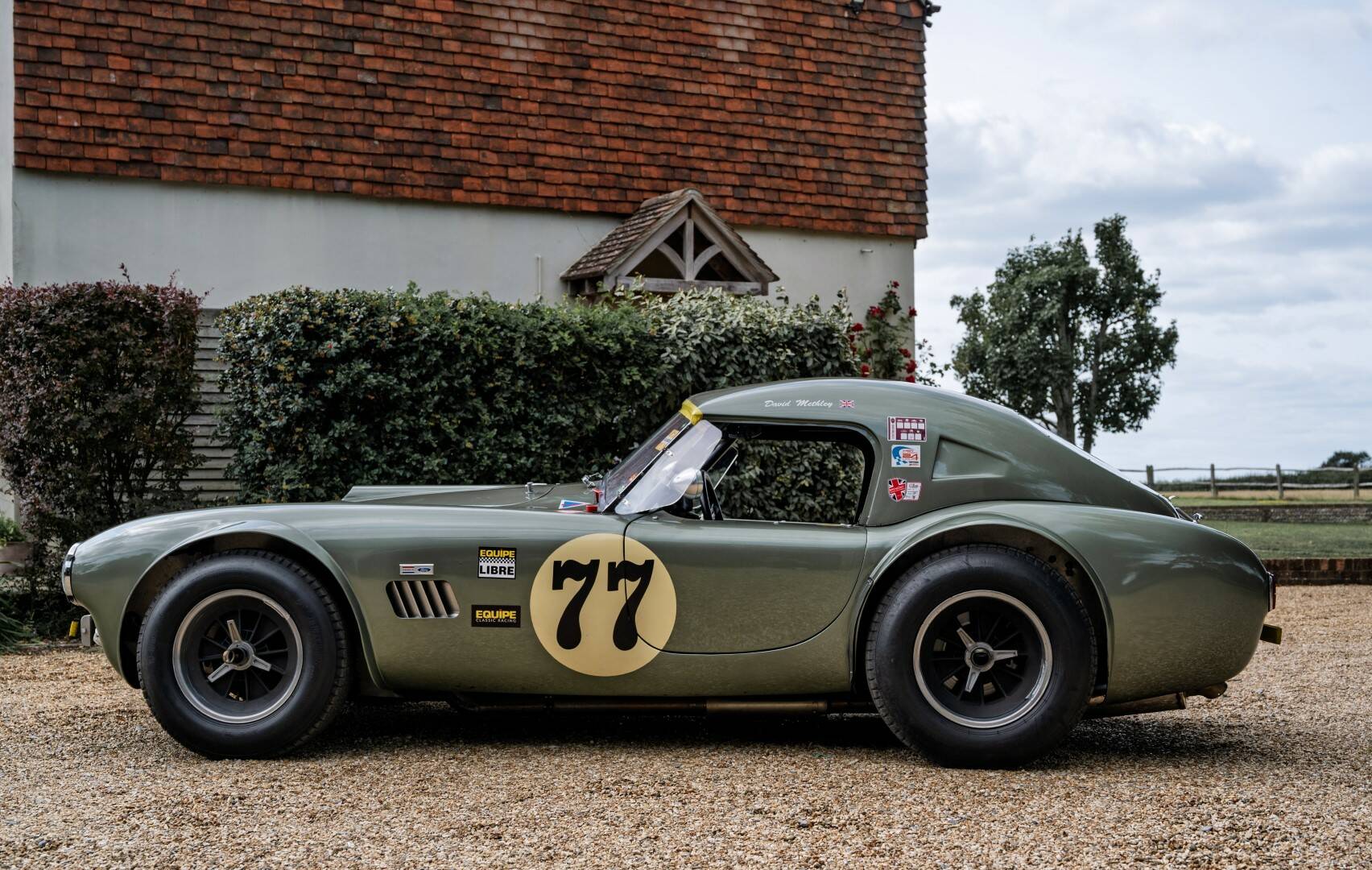
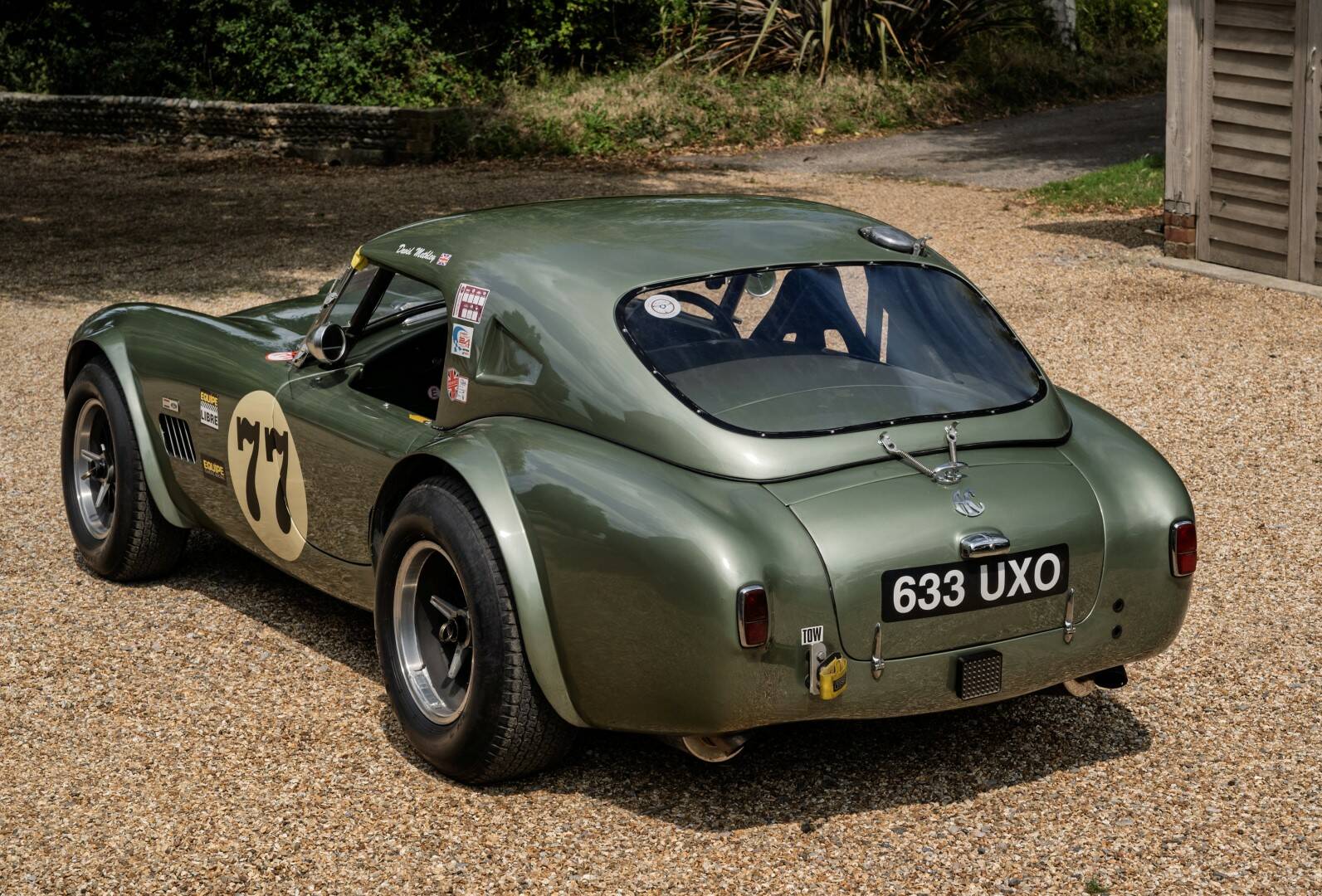
When the Mk II Cobra hit the tarmac, its impact was immediate and devastating to the established sports car hierarchy. In North America, the Cobra became the absolute terror of the SCCA (Sports Car Club of America) and the USRRC (United States Road Racing Championship). Piloted by legends like Ken Miles, Bob Bondurant, and Dan Gurney, the agile 289 Cobras routinely humiliated the heavier, supposedly more advanced Corvette Z06s. But Carroll Shelby’s ambitions extended far beyond American borders; he wanted to beat Enzo Ferrari in his own backyard. The Mk II spawned the legendary “FIA Roadsters”—heavily modified submodels featuring cut-back doors, trunk lid dimples for an FIA-mandated suitcase, and massive fender flares. These raw, open-top roadsters were shipped to Europe to fight the magnificent Ferrari 250 GTOs in the FIA International Championship for GT Manufacturers. At grueling circuits like the Targa Florio, Spa-Francorchamps, and the Nürburgring, the 289 FIA Cobras fought valiantly. While the brick-like aerodynamics of the roadster limited its top speed on the endless Mulsanne Straight at Le Mans, the Mk II’s sheer mechanical grip and bulletproof Ford reliability proved that an American engine could endure the toughest European trials. Commercially, the Mk II was a resounding success, establishing Shelby American as a premier manufacturer and cementing the Cobra’s status as the ultimate bad-boy street car, with over 500 units produced during its run.
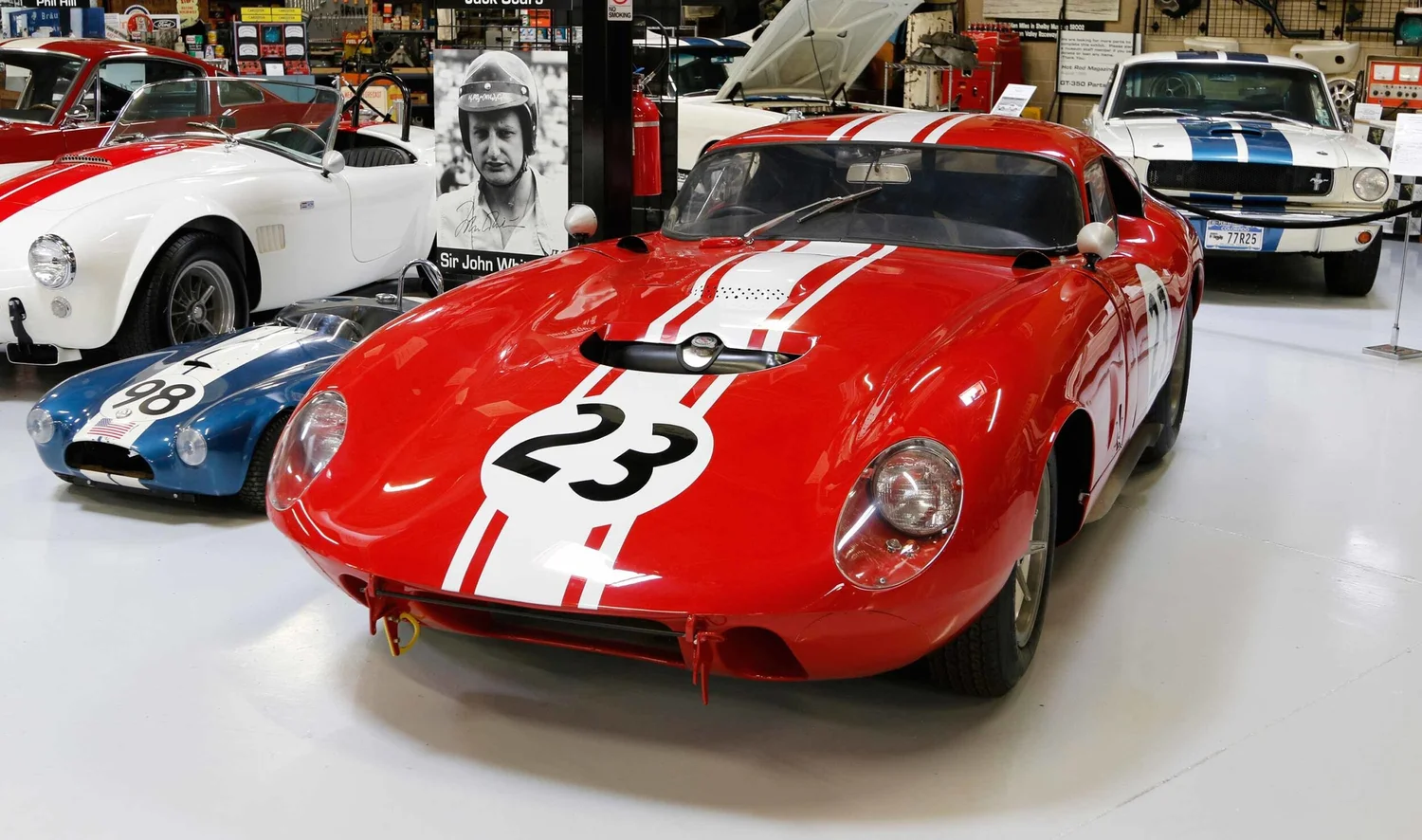
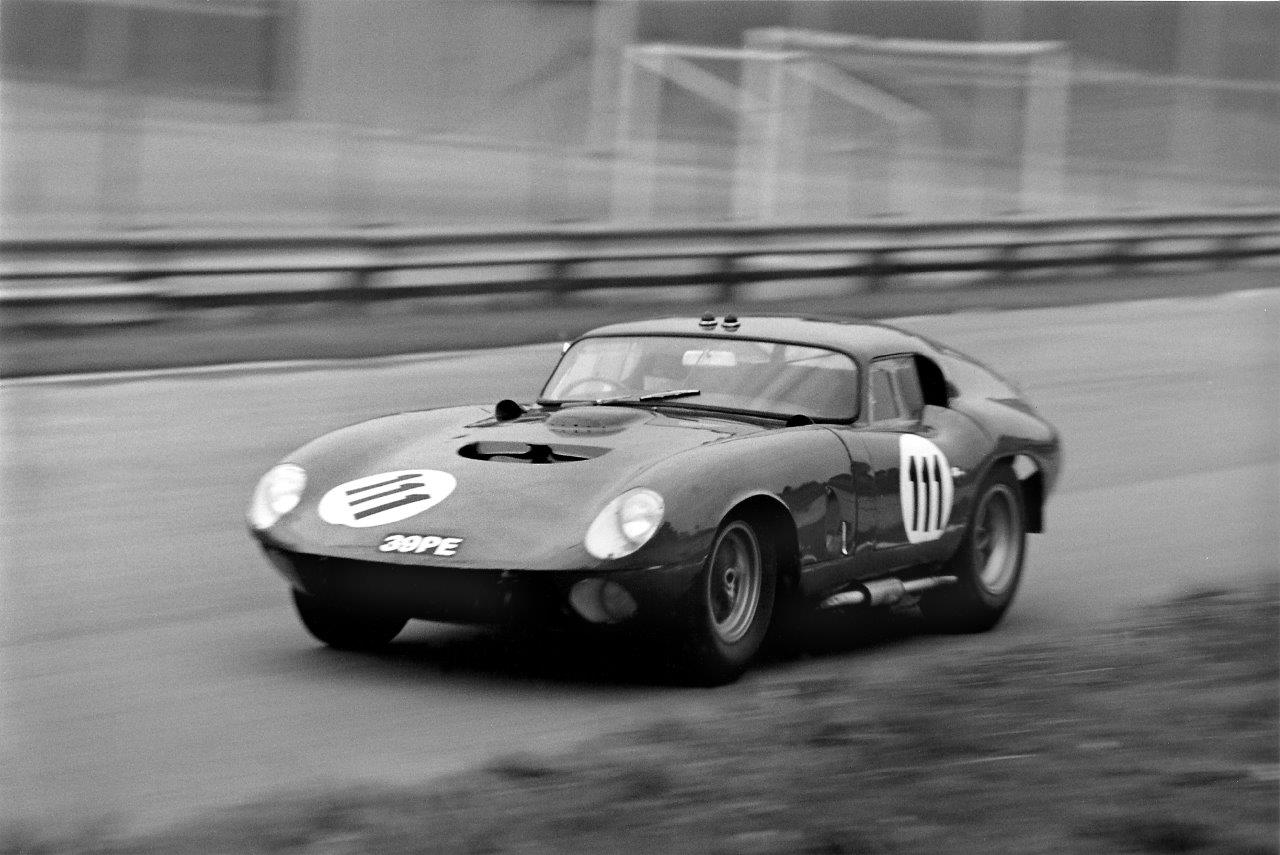
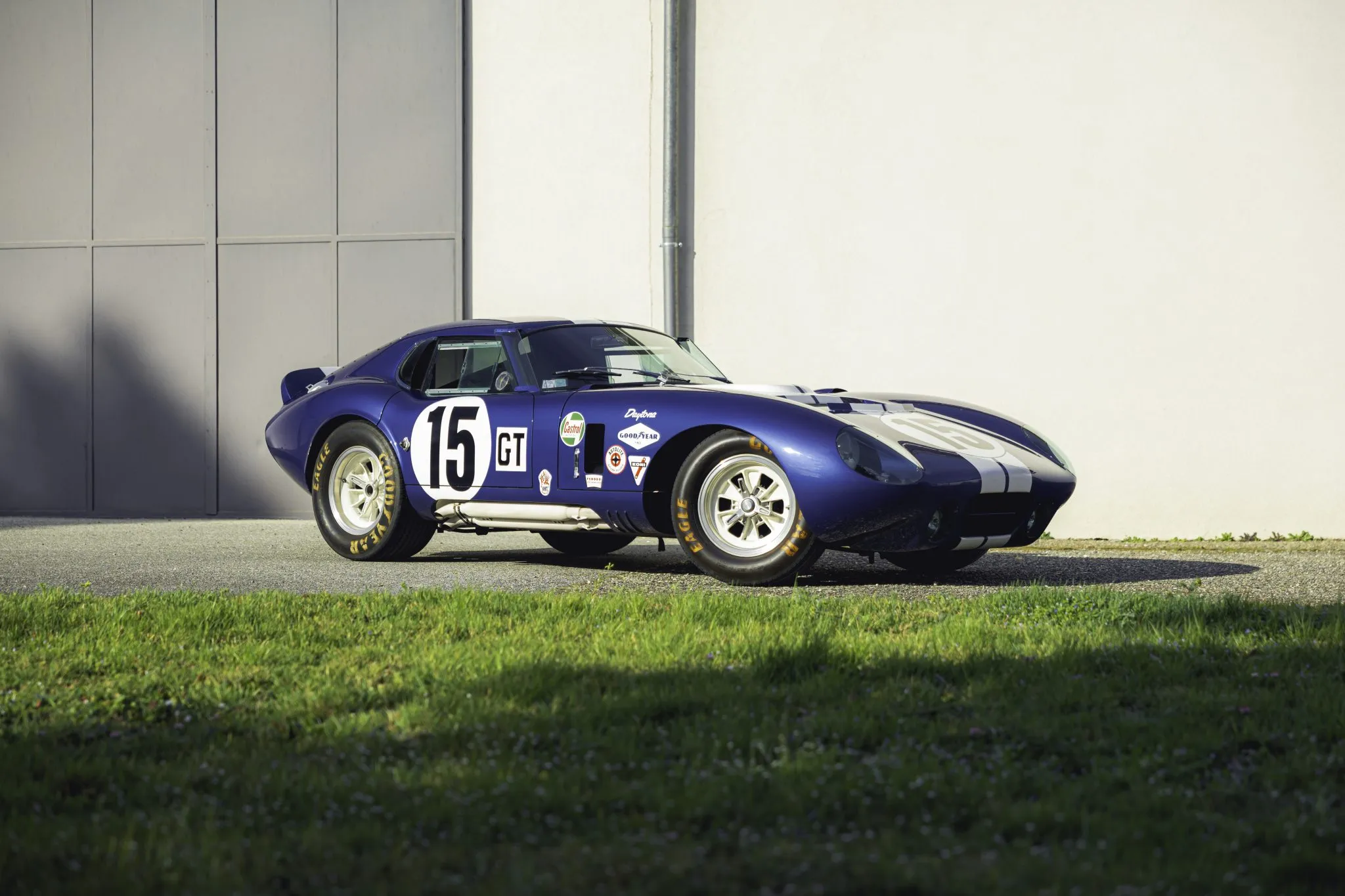
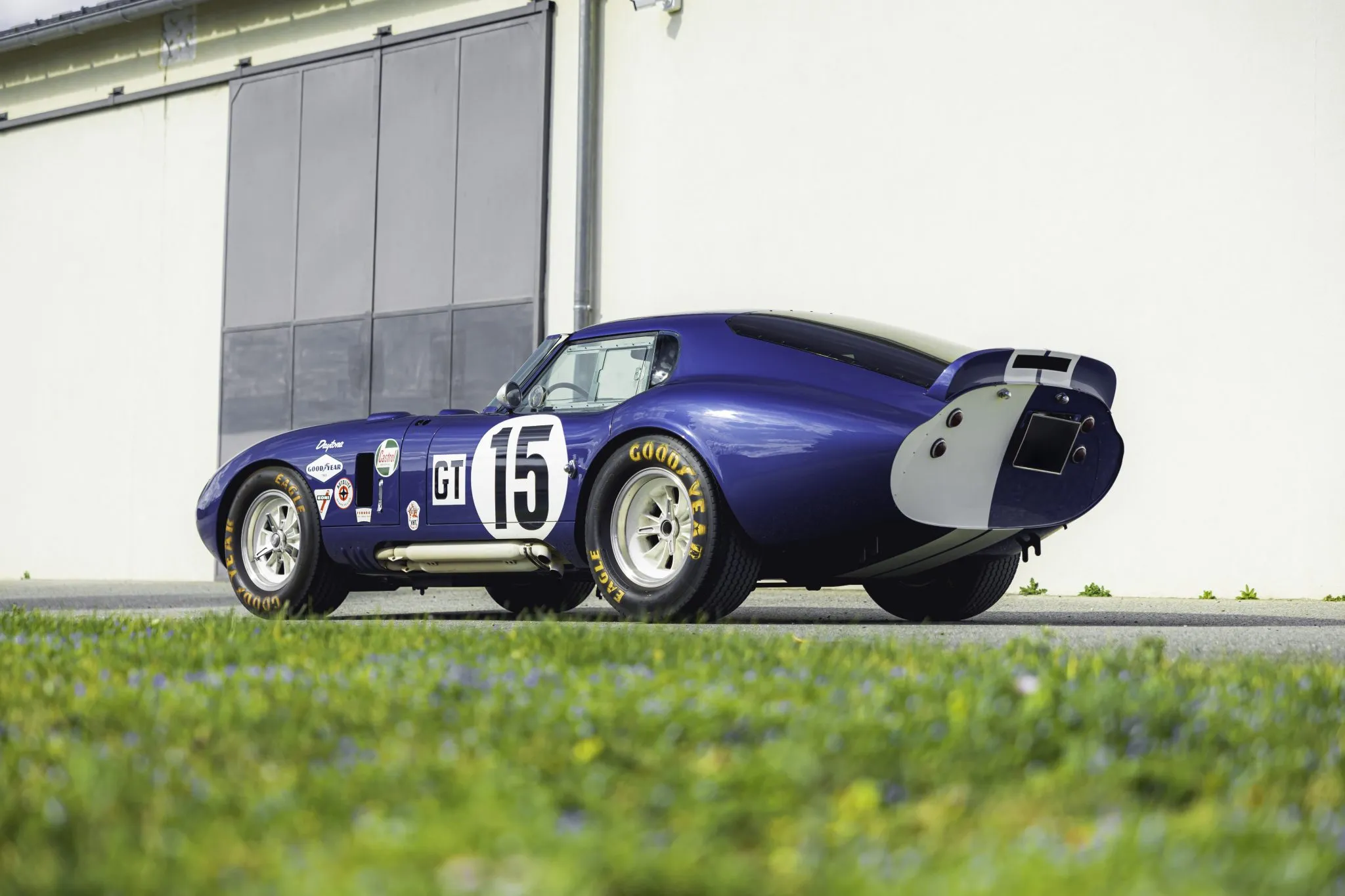
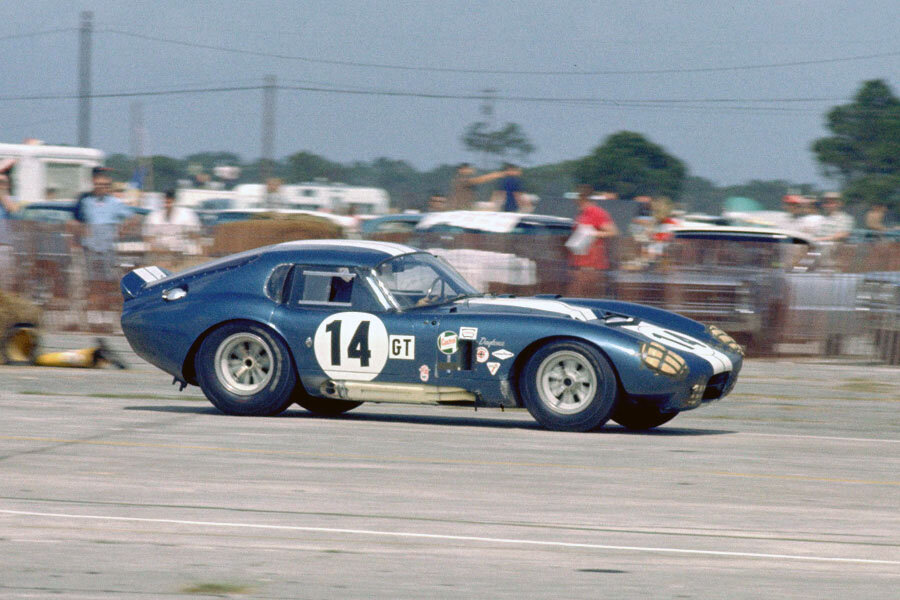
While the later 427-powered Mk III captures the imagination with its cartoonish proportions and terrifying brute force, true aficionados recognize the 289 Mk II as the best-balanced, sweetest-handling roadster of the entire lineage. It was the crucial evolutionary step that perfected the Anglo-American hybrid formula. Furthermore, the inherent brilliance of the Mk II chassis served as the literal foundation for Pete Brock’s aerodynamic masterpiece, the Shelby Daytona Coupe, which ultimately captured the World Championship in 1965. The Mk II is the quintessential Cobra—a screaming, featherweight icon forged in Venice, California, that proved American V8 grunt and British chassis dynamics could be honed into a weapon capable of conquering the world.
Portal
Model line
Brand
Produced from
Vehicle category
Portal
Model line
Model generation
Predecessor
Sucessor
Generation Overview
To fully appreciate the mythological status of the 1963 Shelby Cobra Mk II, one must understand the brilliant, yet fundamentally flawed, nature of its predecessor. Carroll Shelby’s initial Mk I Cobra had successfully proven a visceral concept: stuffing a lightweight, high-revving Ford small-block V8 into the delicate aluminum body of an AC Ace produced a terrifyingly fast machine. However, the Mk I was handicapped by the archaic worm-and-sector steering inherited from the original AC design. It was heavy, imprecise, and required the muscular forearms of a lumberjack to tame at racing speeds. As the 1963 season loomed, Detroit unleashed the formidable new Chevrolet Corvette Sting Ray (C2), and across the Atlantic, Enzo Ferrari continued to refine his V12 masterpieces. To maintain their hard-won momentum and transform the Cobra from a straight-line hot rod into a surgical track weapon capable of conquering the world, Shelby American and AC Cars implemented a crucial mechanical evolution. The resulting Shelby Cobra Mk II was the absolute sweet spot of the lineage—the definitive 289-powered sports car that turned a wild Texan dream into an international motorsport dynasty.
The technical metamorphosis that defined the Mk II generation was hidden entirely beneath its sweeping, hand-beaten aluminum skin. The critical revelation was the adoption of a modern rack-and-pinion steering system. In a display of classic, pragmatic hot-rod engineering, the setup borrowed heavily from the MGB steering rack, mated to a modified Volkswagen Beetle steering column. This seemingly simple upgrade utterly transformed the Cobra’s dynamics, replacing the vague wandering of the Mk I with razor-sharp, communicative turn-in. While the steering was modernized, the chassis retained the traditional twin-tube ladder frame and, crucially, the transverse leaf spring suspension at both the front and rear. This archaic suspension layout firmly distinguishes the Mk II from the later, radically redesigned coil-sprung Mk III. Powering the Mk II was the legendary 289 cubic inch (4.7-liter) Ford Windsor V8. In street trim, it utilized a single four-barrel carburetor to produce a tractable 271 brake horsepower. However, in competition tune—breathing through Weber carburetors and exhaling through side-exit exhaust pipes—this iron-block marvel shrieked past 7,000 rpm, producing well over 350 horsepower. To accommodate the wider wire wheels and modern racing rubber necessary to harness this newfound mechanical grip, the Mk II featured subtly flared wheel arches, giving the car a more aggressive, planted stance. Inside, the cockpit remained a minimalist, heat-soaked haven of purpose, featuring a brace of Smiths or Stewart-Warner gauges, a delicate wood-rimmed steering wheel, and a four-speed Borg-Warner manual gearbox that demanded firm, deliberate shifts.
When the Mk II Cobra hit the tarmac, its impact was immediate and devastating to the established sports car hierarchy. In North America, the Cobra became the absolute terror of the SCCA (Sports Car Club of America) and the USRRC (United States Road Racing Championship). Piloted by legends like Ken Miles, Bob Bondurant, and Dan Gurney, the agile 289 Cobras routinely humiliated the heavier, supposedly more advanced Corvette Z06s. But Carroll Shelby’s ambitions extended far beyond American borders; he wanted to beat Enzo Ferrari in his own backyard. The Mk II spawned the legendary “FIA Roadsters”—heavily modified submodels featuring cut-back doors, trunk lid dimples for an FIA-mandated suitcase, and massive fender flares. These raw, open-top roadsters were shipped to Europe to fight the magnificent Ferrari 250 GTOs in the FIA International Championship for GT Manufacturers. At grueling circuits like the Targa Florio, Spa-Francorchamps, and the Nürburgring, the 289 FIA Cobras fought valiantly. While the brick-like aerodynamics of the roadster limited its top speed on the endless Mulsanne Straight at Le Mans, the Mk II’s sheer mechanical grip and bulletproof Ford reliability proved that an American engine could endure the toughest European trials. Commercially, the Mk II was a resounding success, establishing Shelby American as a premier manufacturer and cementing the Cobra’s status as the ultimate bad-boy street car, with over 500 units produced during its run.
While the later 427-powered Mk III captures the imagination with its cartoonish proportions and terrifying brute force, true aficionados recognize the 289 Mk II as the best-balanced, sweetest-handling roadster of the entire lineage. It was the crucial evolutionary step that perfected the Anglo-American hybrid formula. Furthermore, the inherent brilliance of the Mk II chassis served as the literal foundation for Pete Brock’s aerodynamic masterpiece, the Shelby Daytona Coupe, which ultimately captured the World Championship in 1965. The Mk II is the quintessential Cobra—a screaming, featherweight icon forged in Venice, California, that proved American V8 grunt and British chassis dynamics could be honed into a weapon capable of conquering the world.
Submodels

