
Shelby Cobra 427 Competition
Brand
Produced from
Portal
Vehicle category
Model line
Model generation
Predecessor
Successor
Submodel Overview
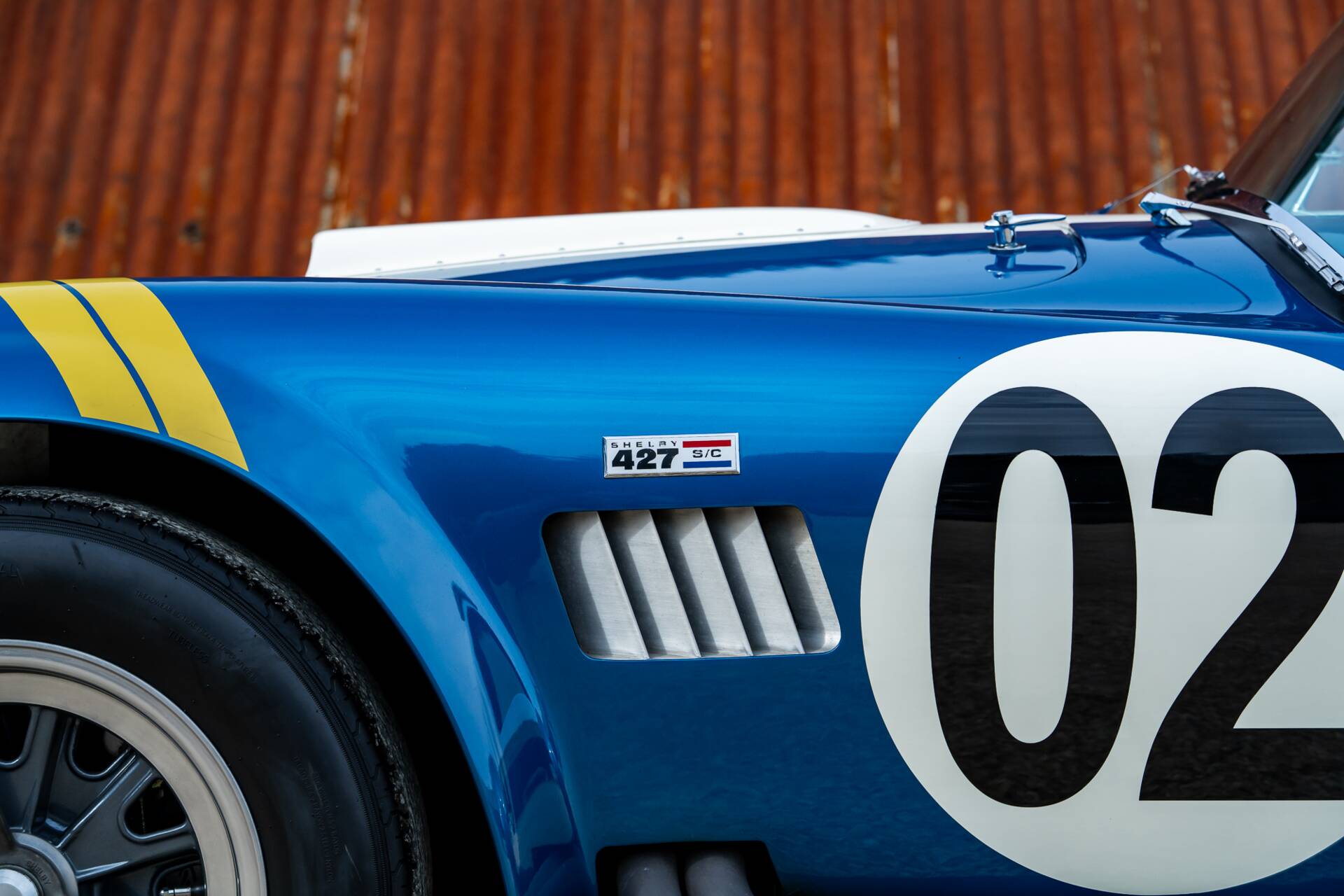
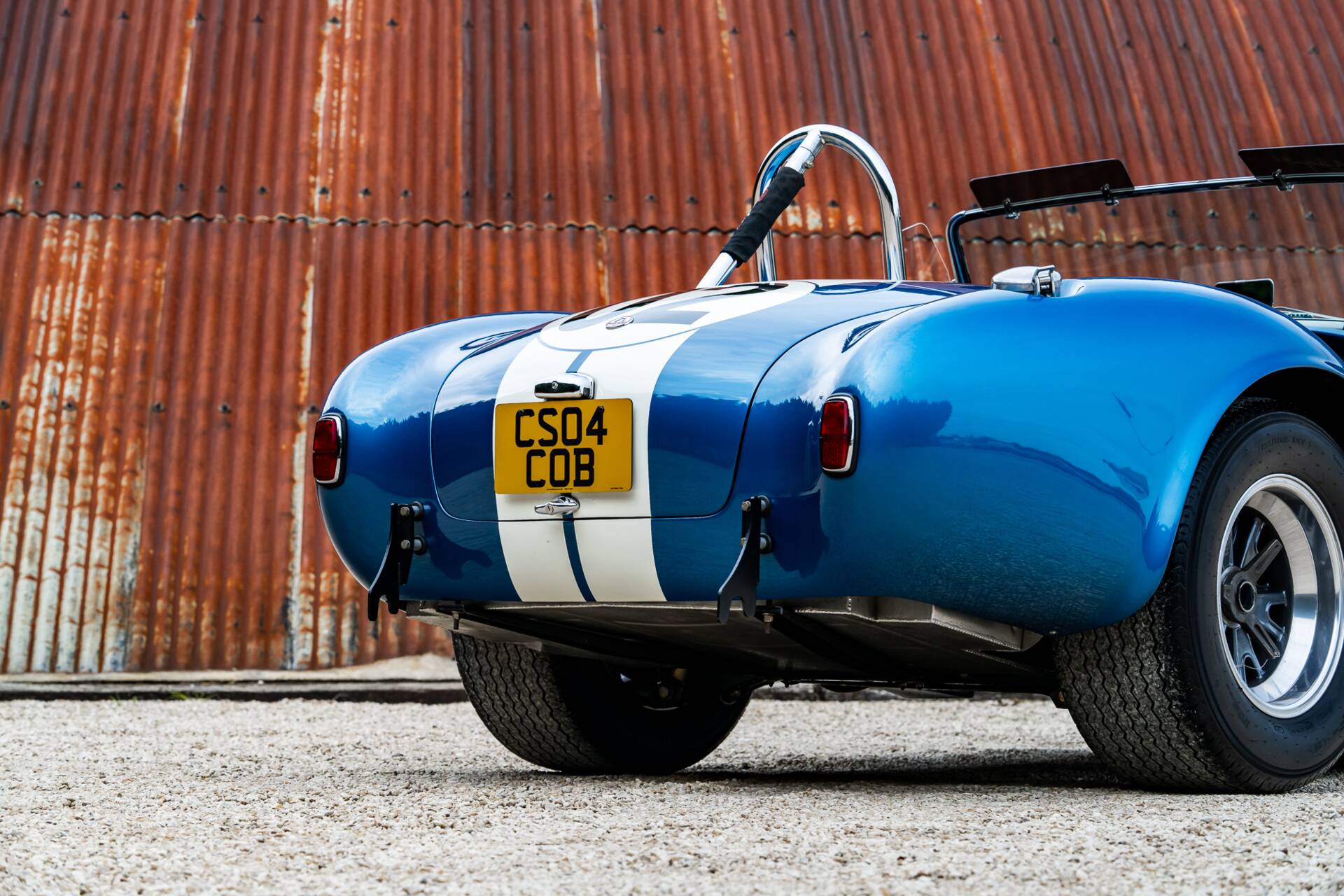
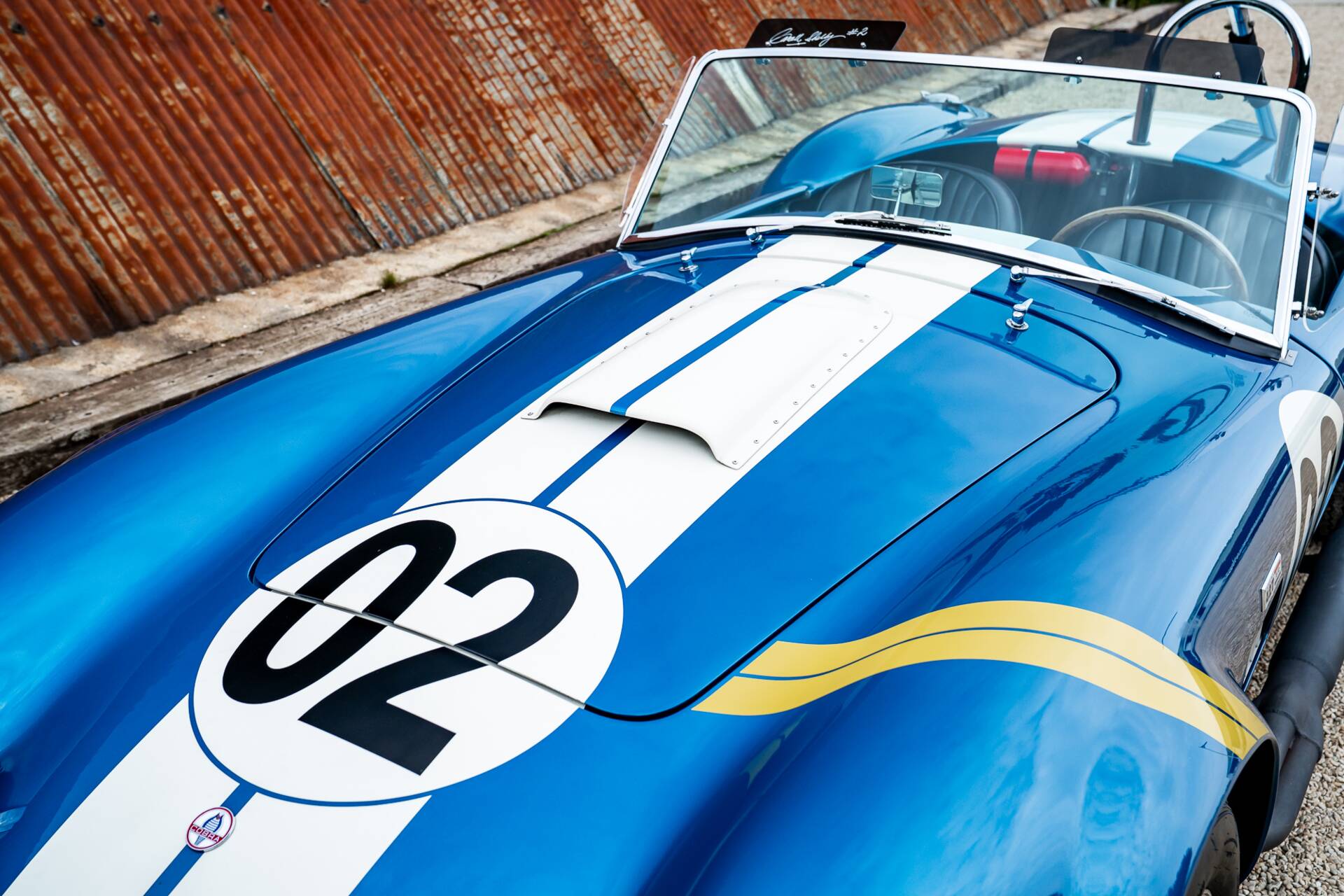
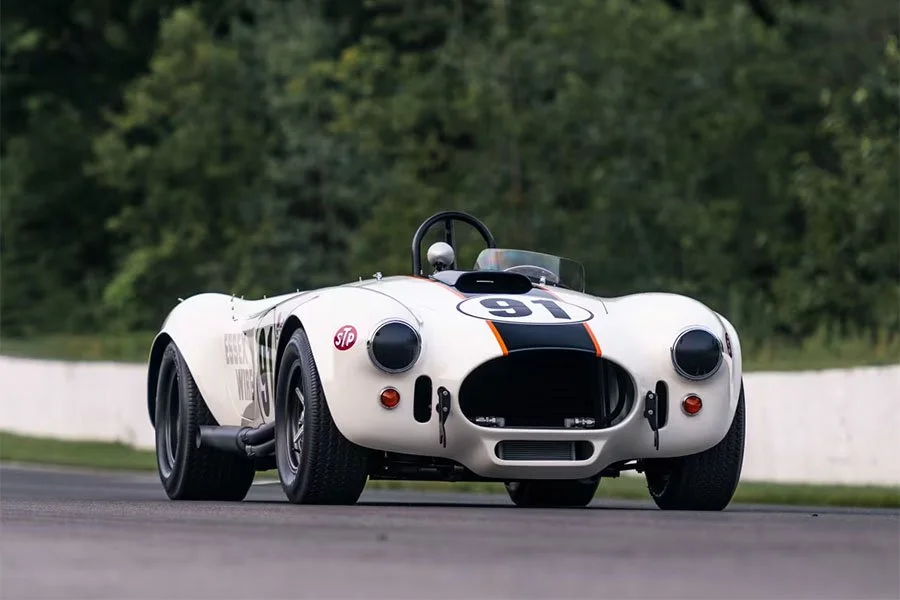
To fully grasp the magnitude and the underlying madness of the 1965 Shelby Cobra 427 Competition, one must look at the rapidly escalating automotive arms race of the mid-1960s. Carroll Shelby’s brilliantly sorted 289-powered Mk II Cobra had already achieved international legendary status, harassing Ferrari GTOs across Europe and dominating domestic grids. However, the horizon was darkening with massive displacement. General Motors was secretly unleashing terrifying big-block weapons, including the mythical Corvette Grand Sports and the impending 396 and 427 cubic-inch powerplants. Concurrently, international prototype racing was moving toward highly aerodynamic, mid-engined thoroughbreds. Shelby recognized that the nimble 289 Ford small-block had reached its absolute developmental ceiling. He needed a nuclear option. His solution was to extract Ford’s colossal 427 cubic-inch (7.0-liter) FE big-block V8—an iron leviathan originally forged for the high-banked ovals of NASCAR—and stuff it into a featherweight roadster. The resulting 1965 Shelby Cobra 427 Competition was not a street car; it was a pure, uncompromised, factory-built race car. It was explicitly designed to be the ultimate front-engined weapon, a brute-force instrument forged to batter the Chevrolet Corvette into submission and terrify the European sports car establishment.
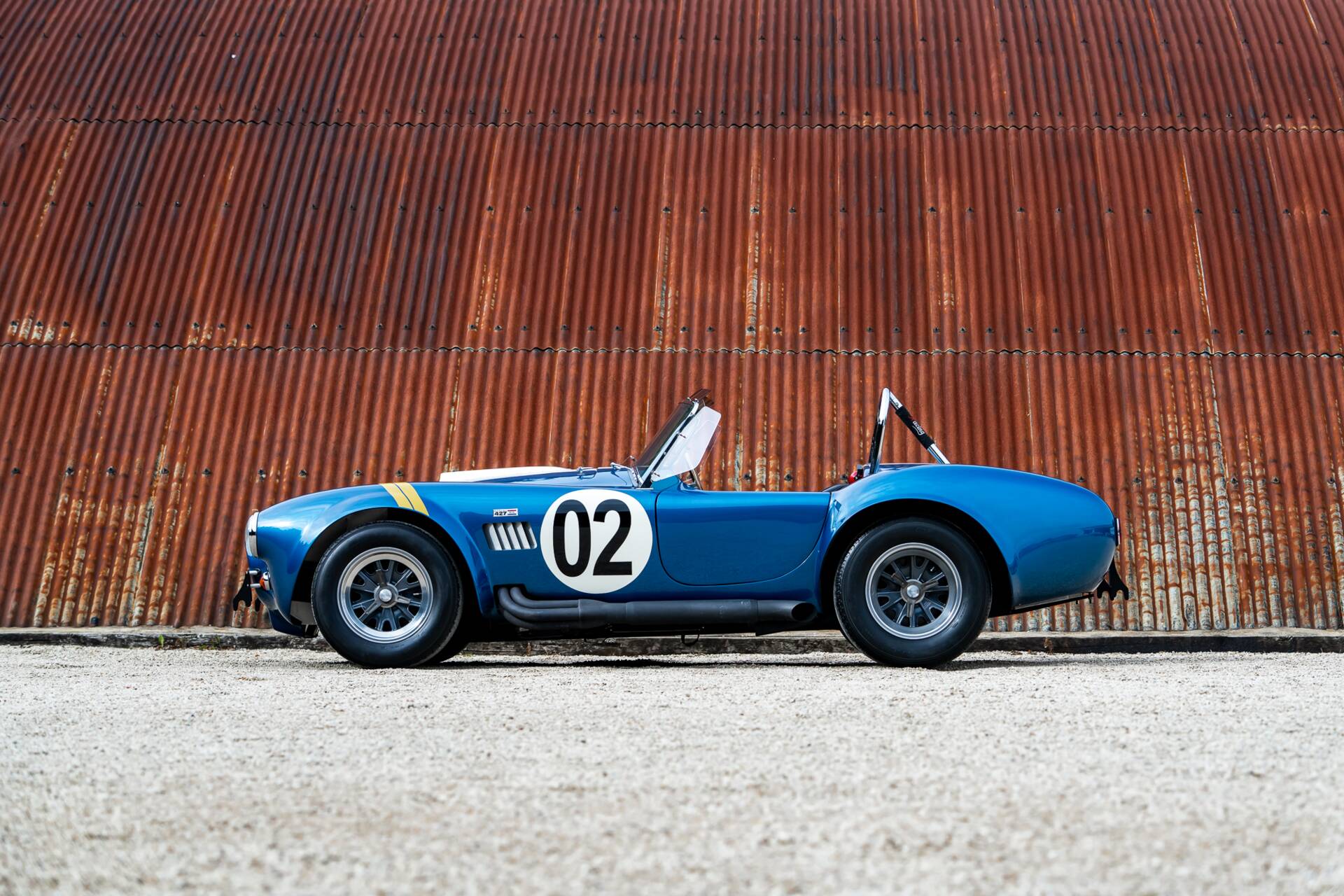
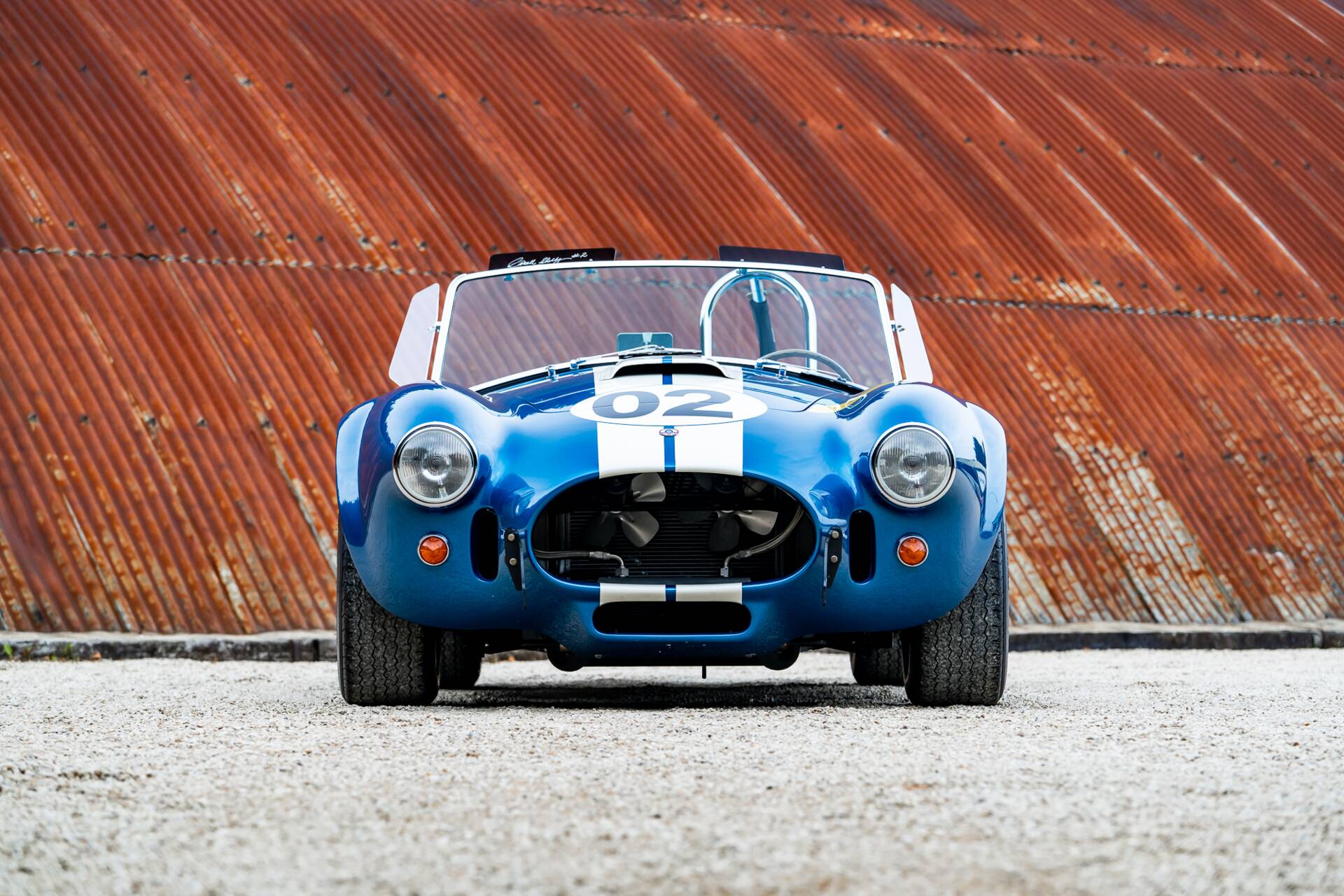
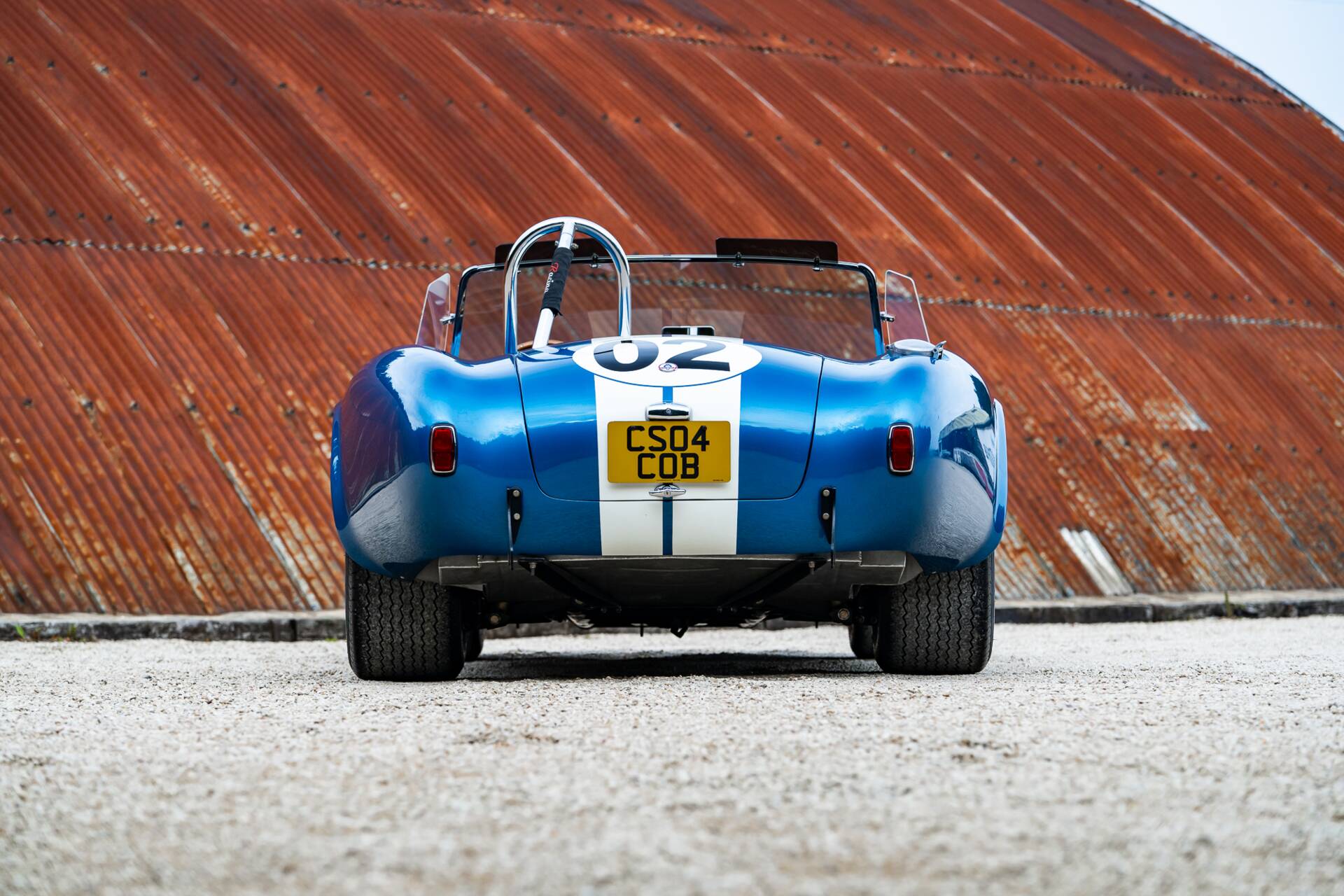
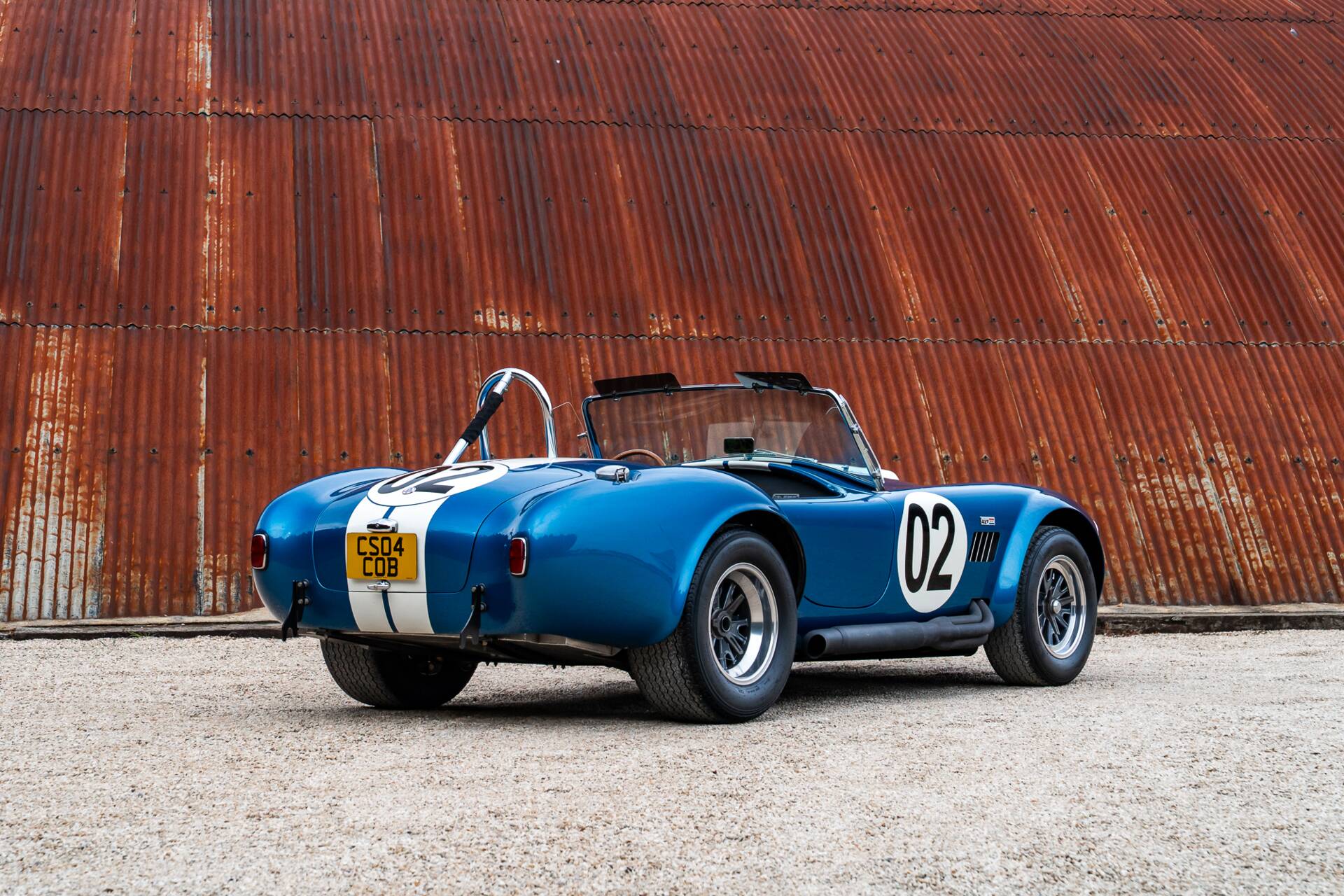
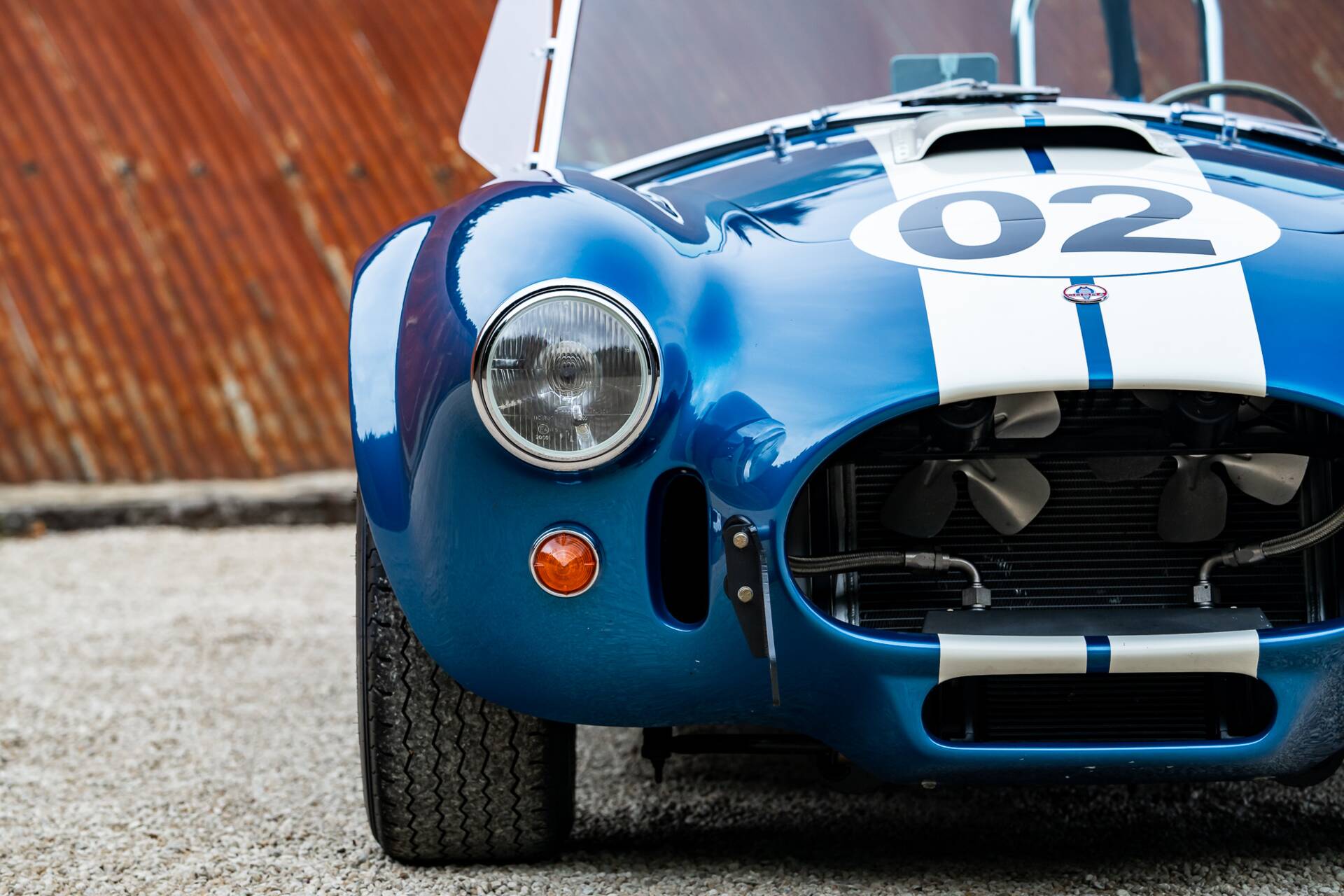
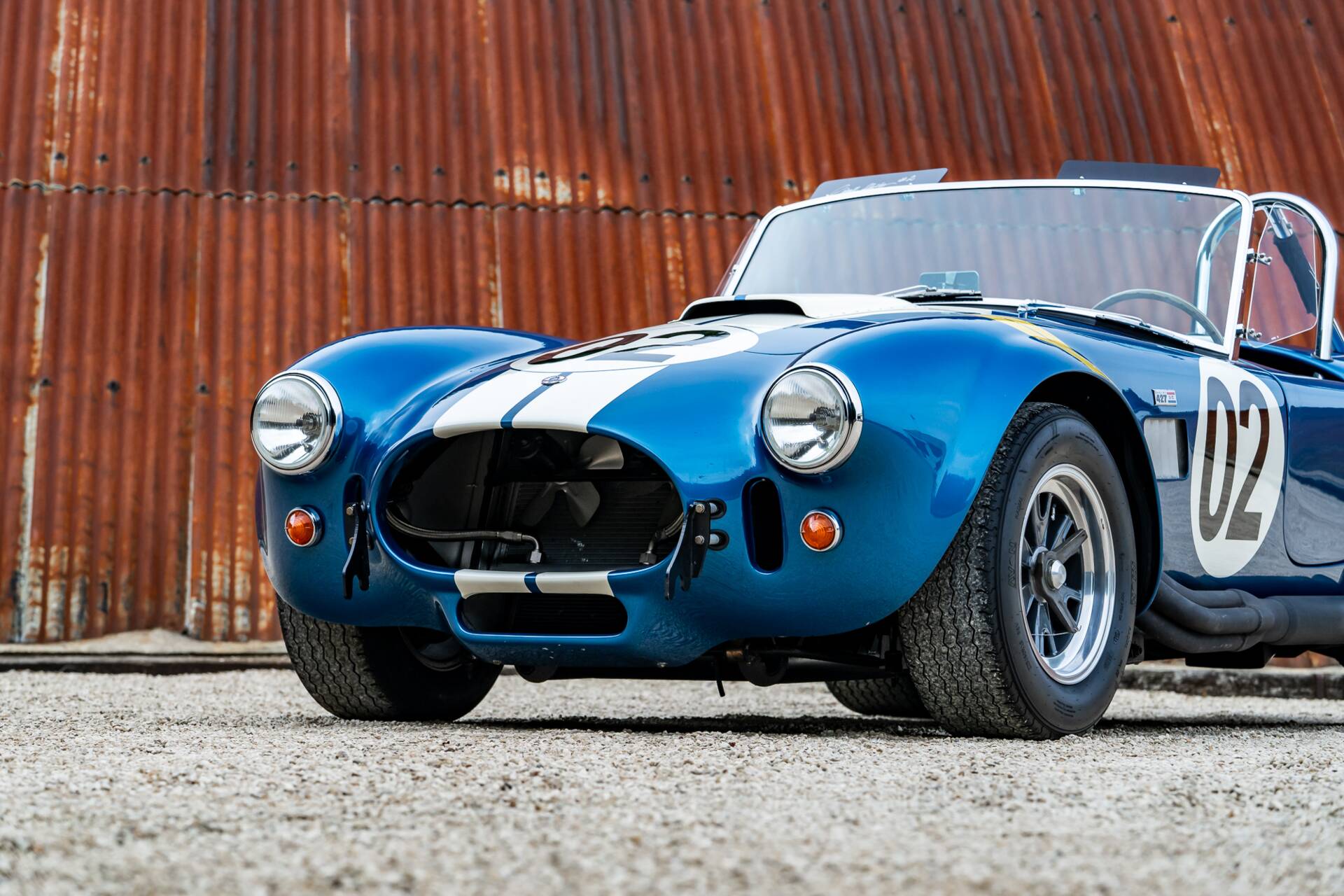
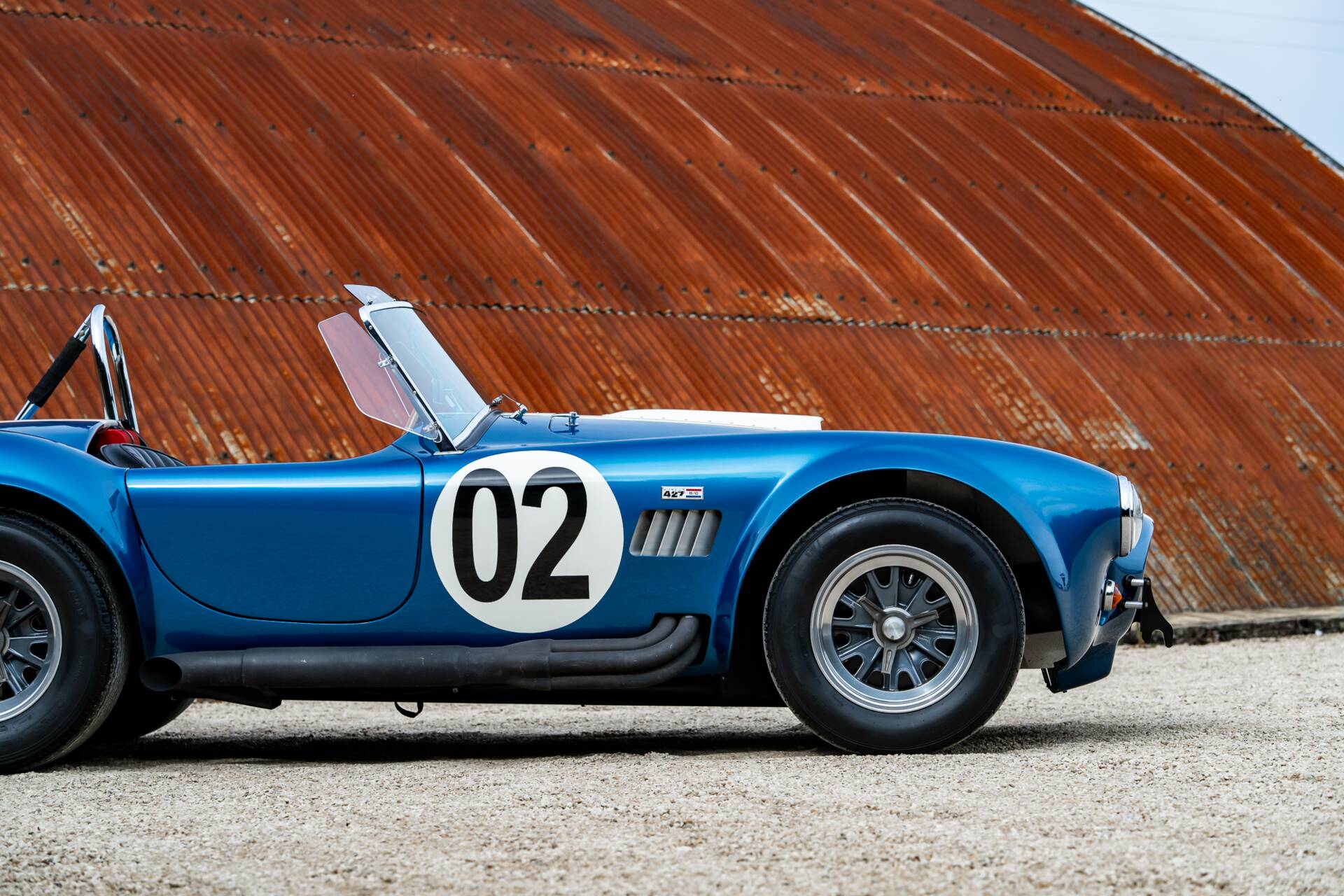
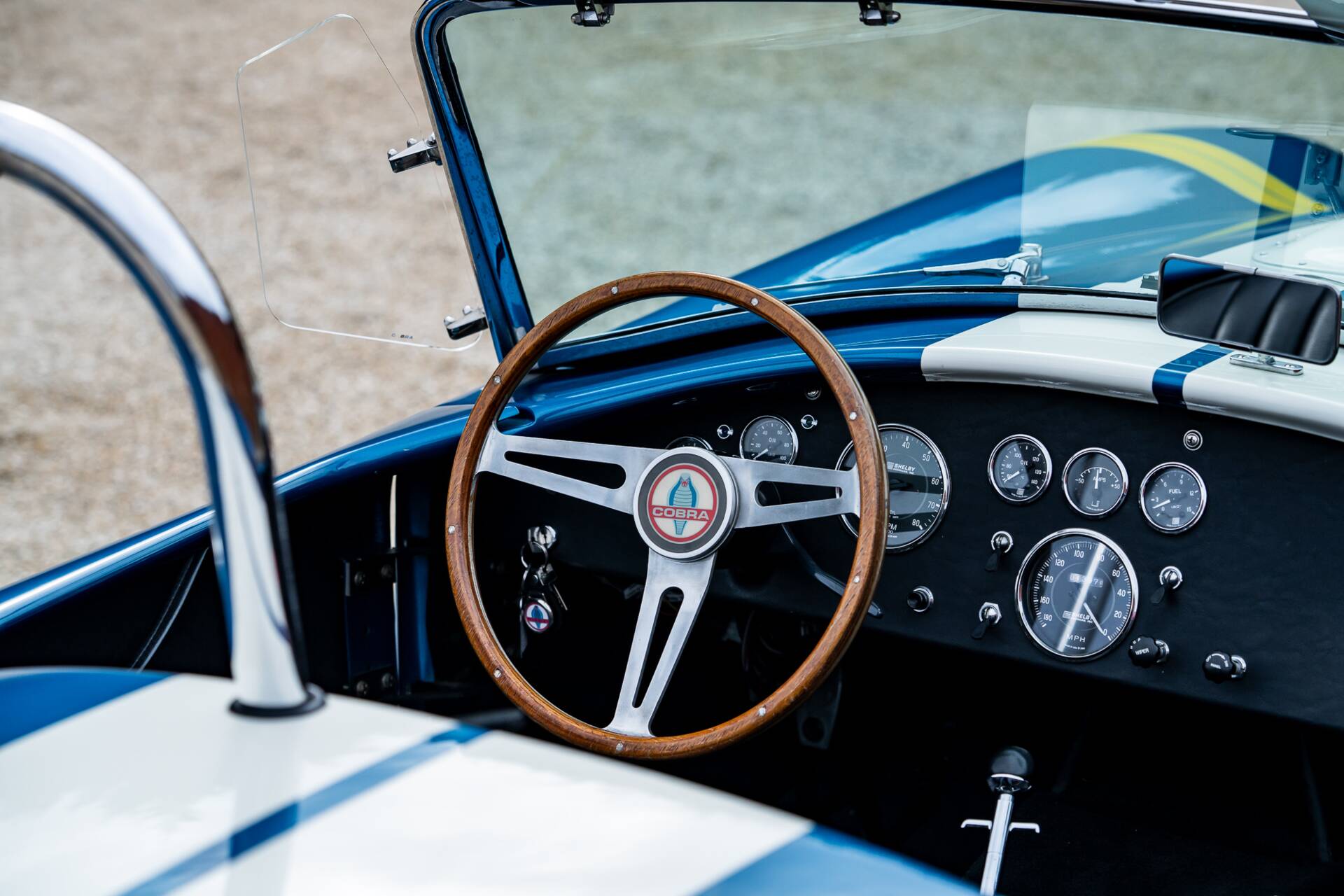
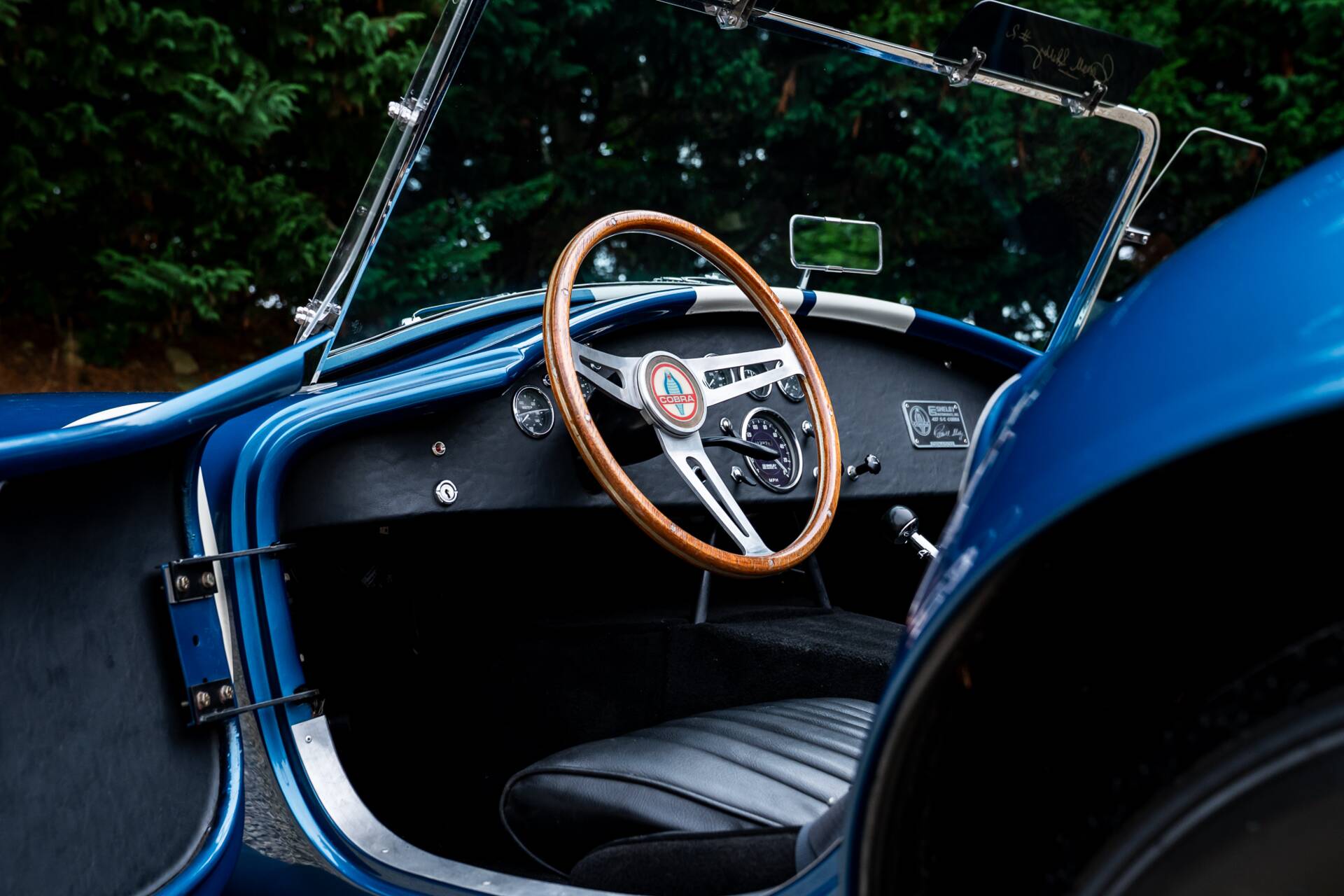
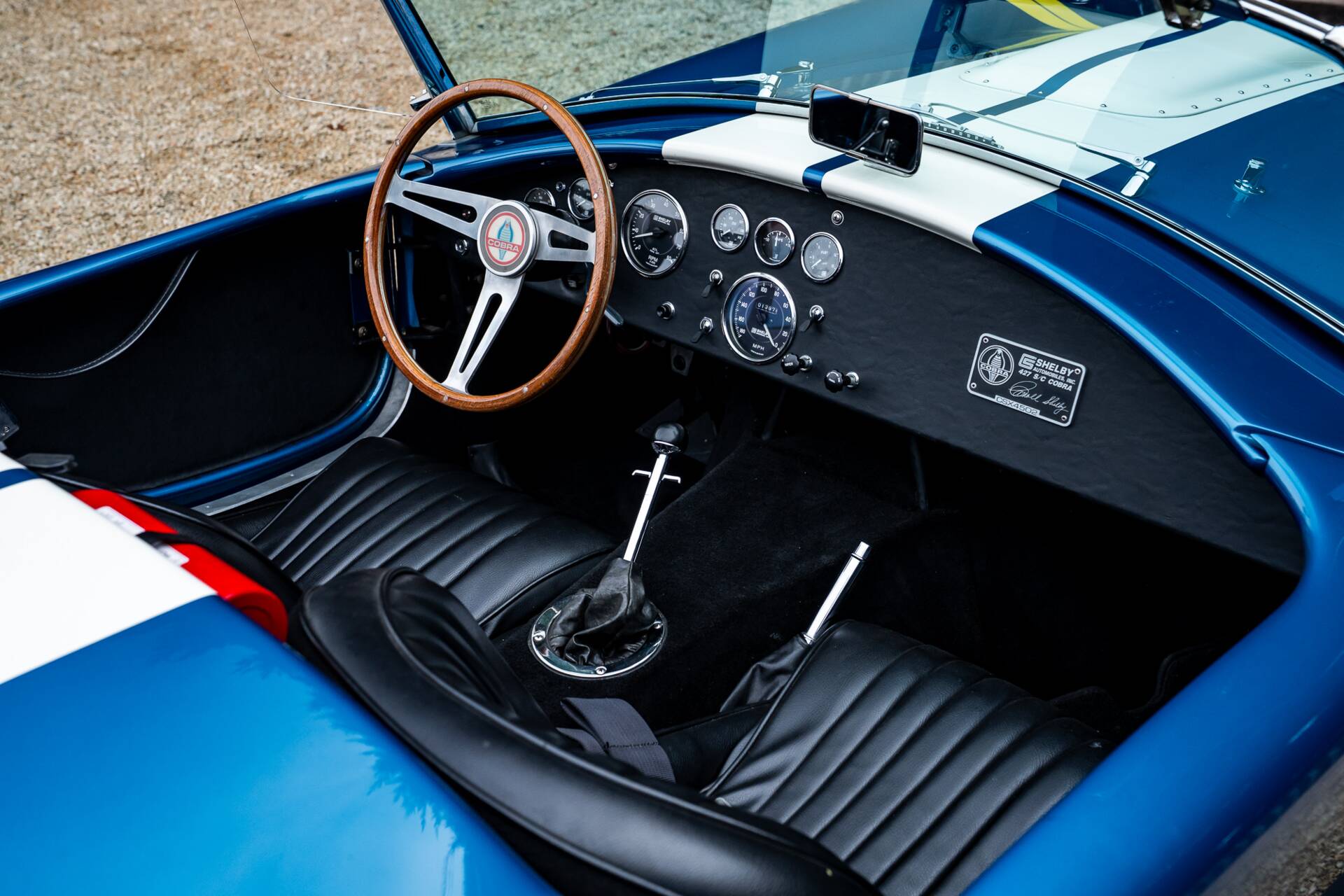
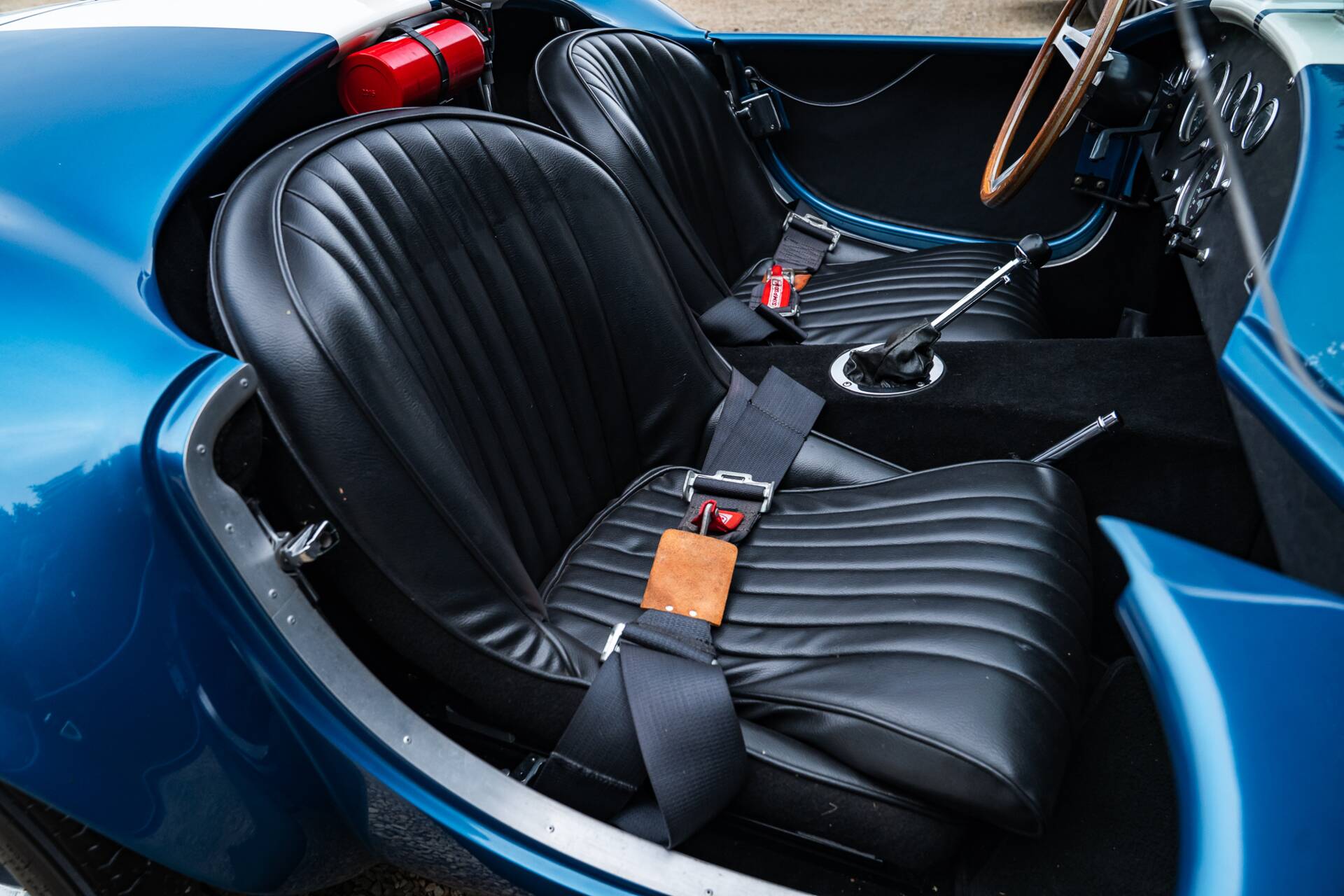
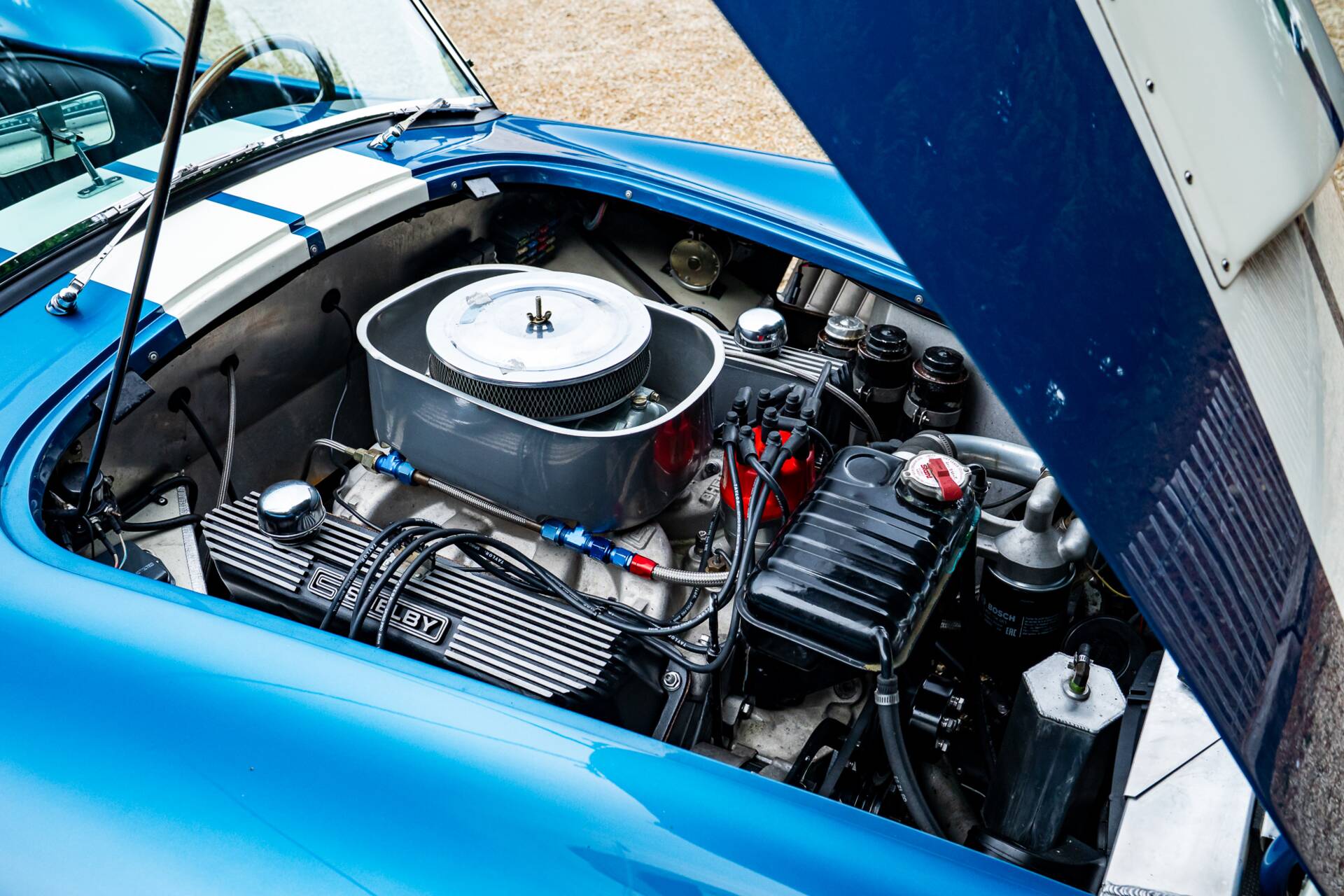
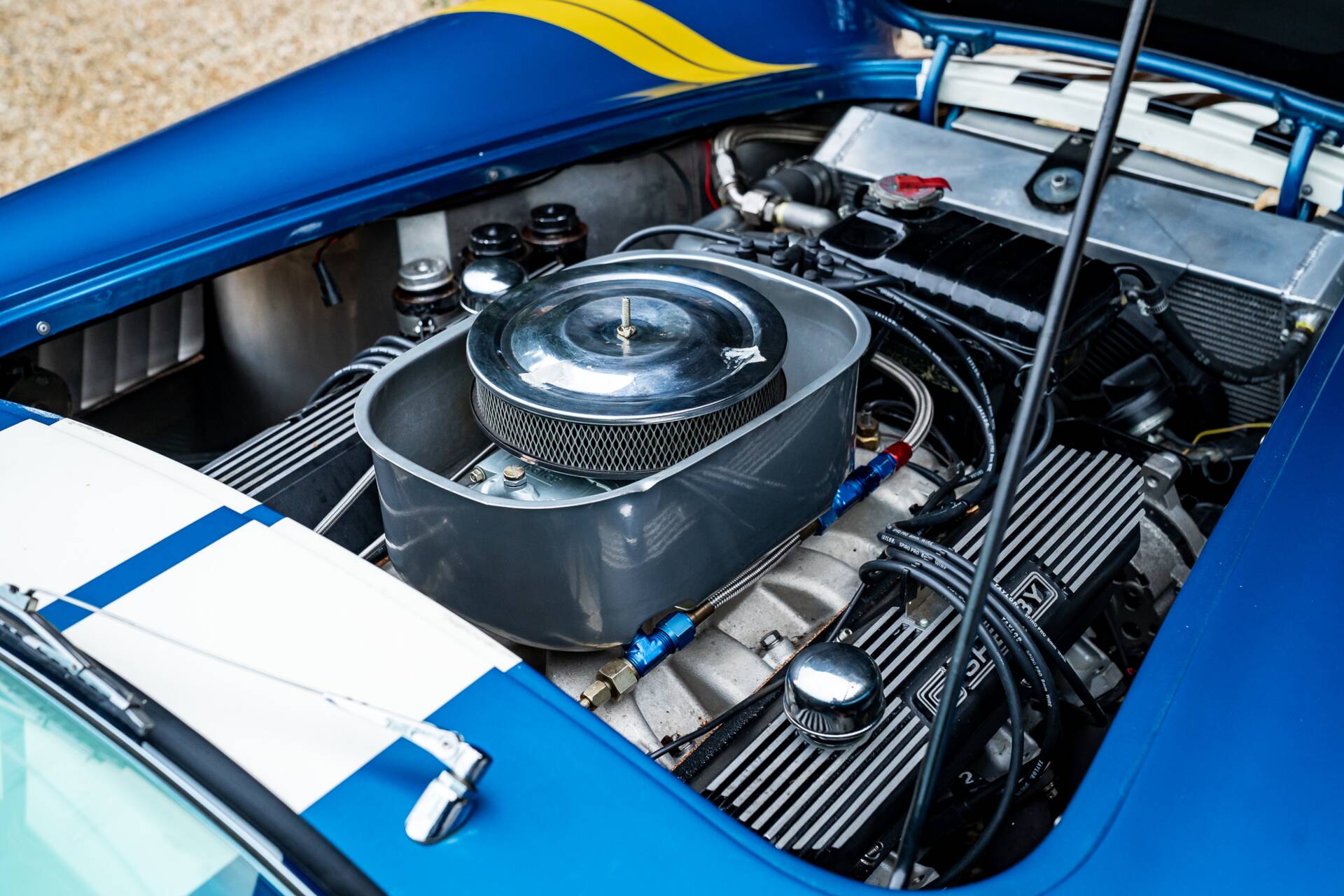
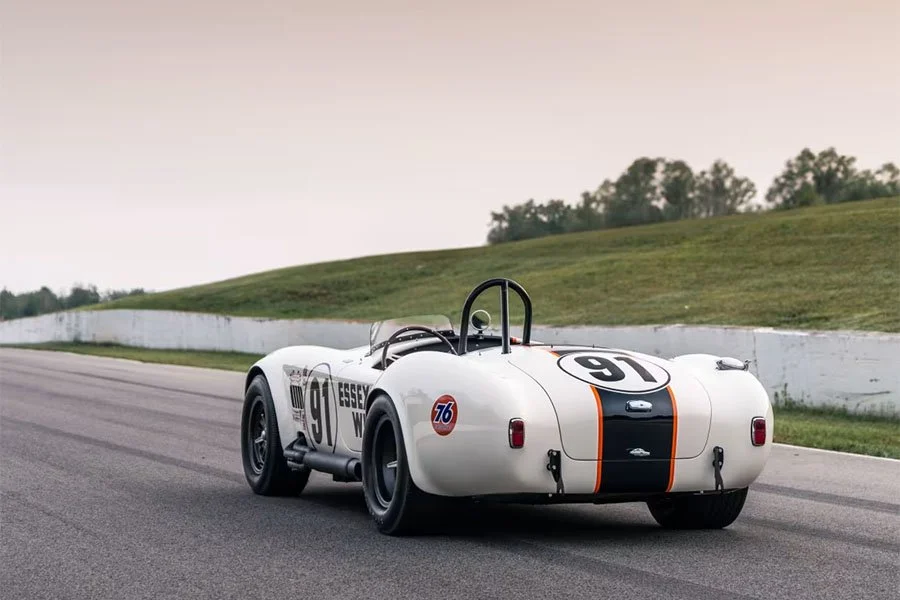
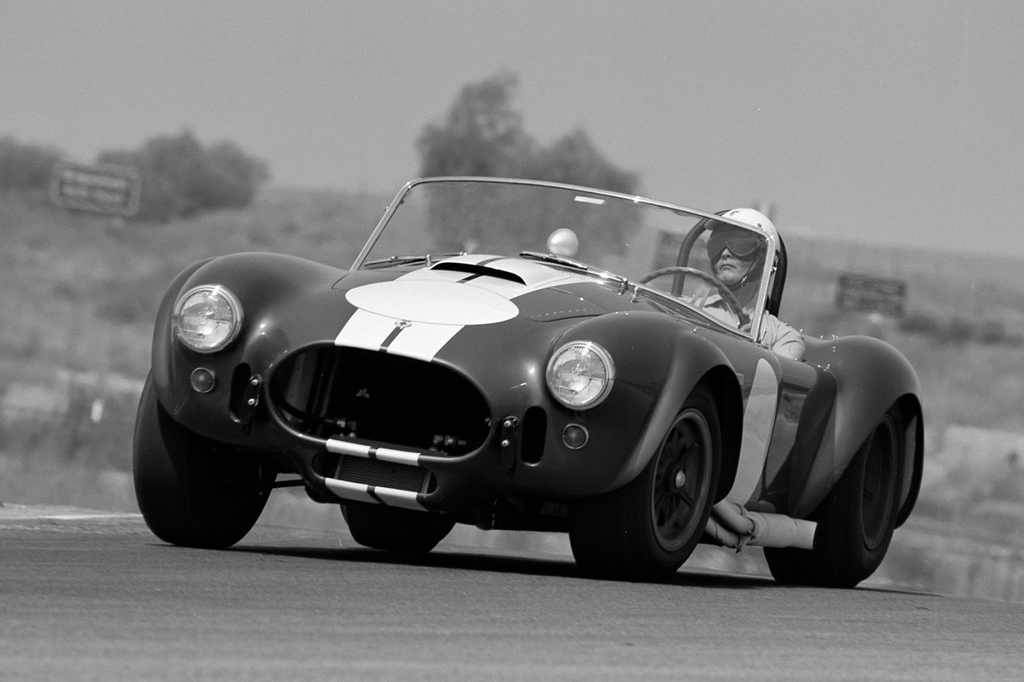
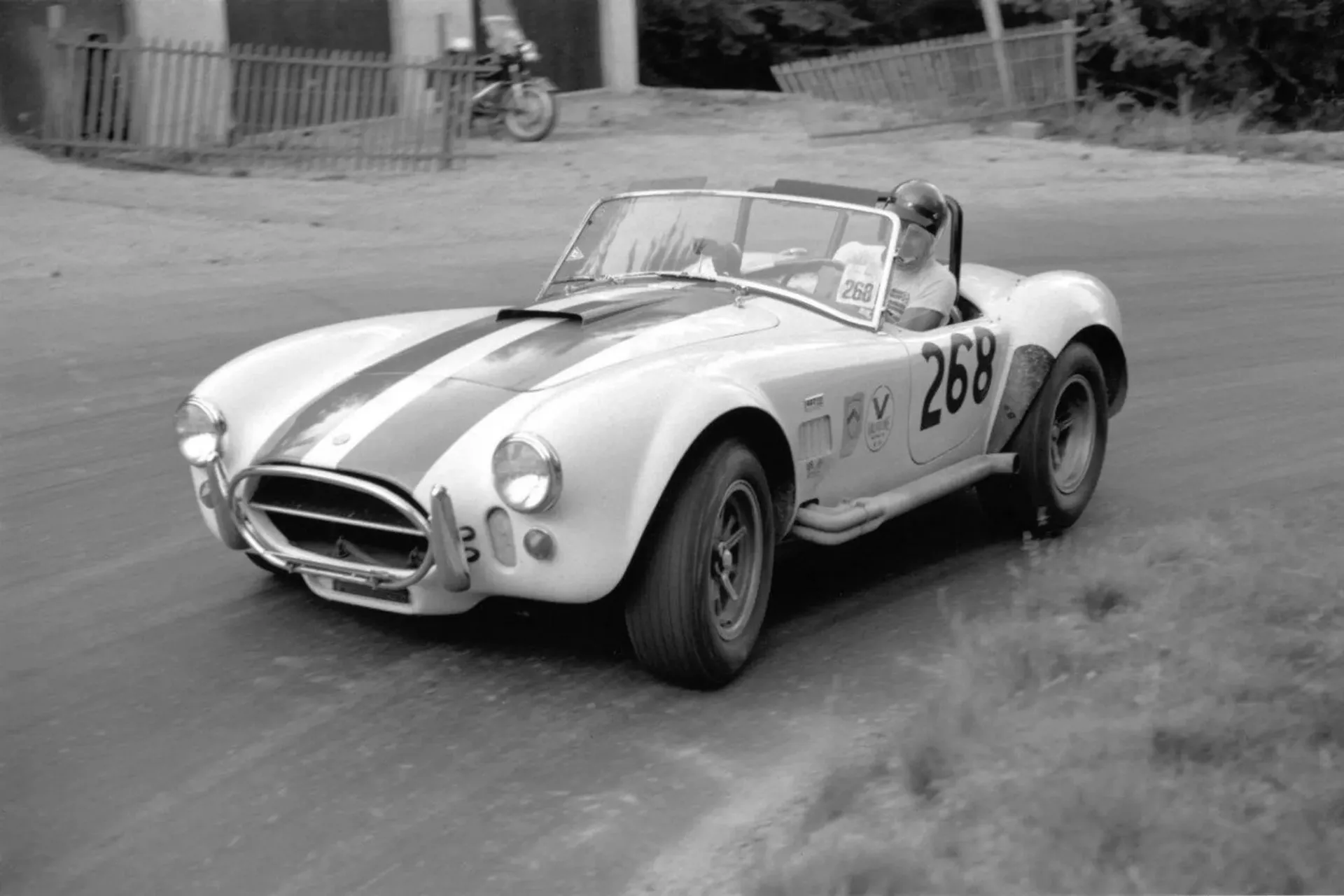
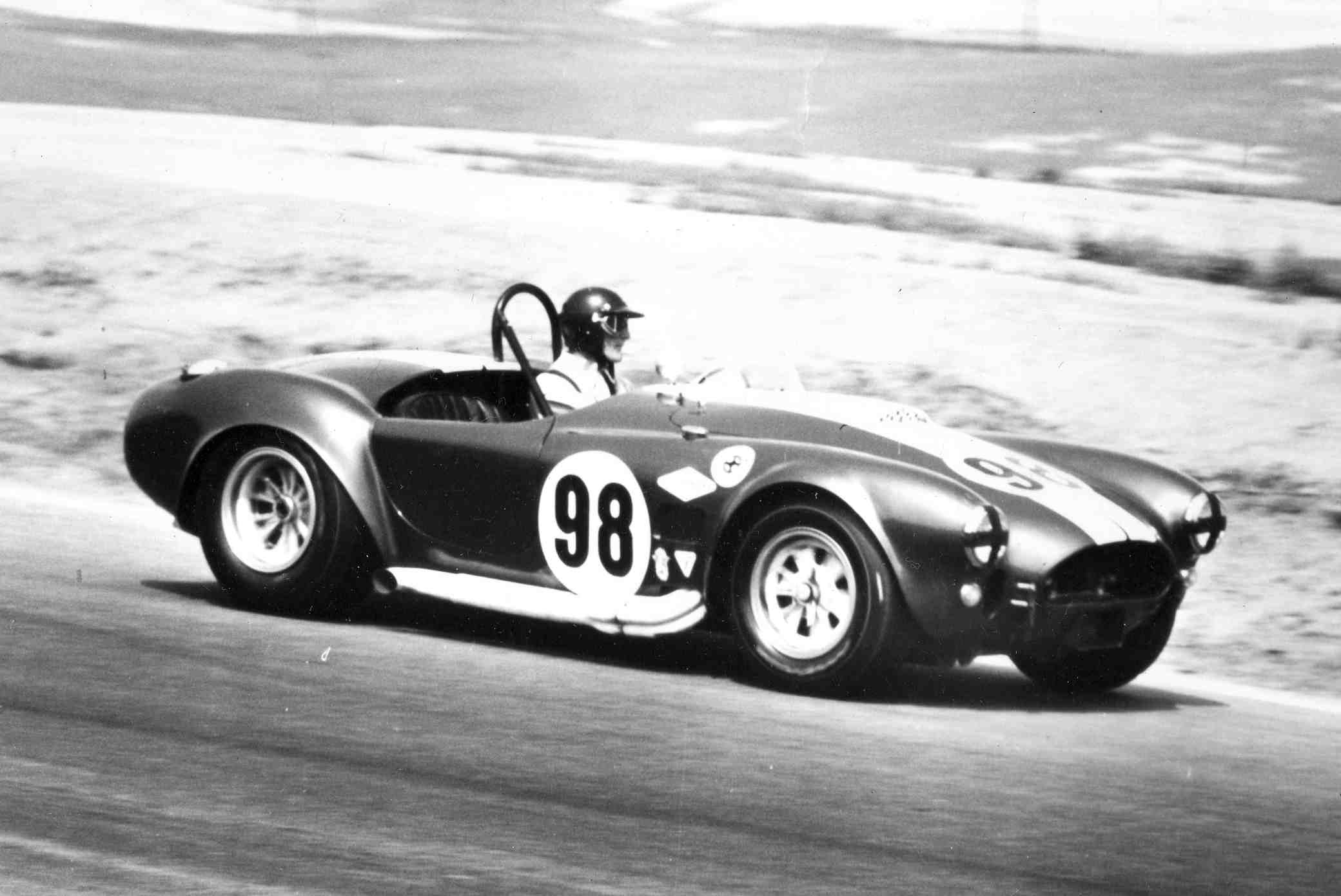
The mechanical metamorphosis required to birth the 427 Competition Cobra was profound. Shelby’s chief test driver, Ken Miles, famously tested an early 427 prototype that still utilized the old transverse leaf-spring chassis; it was so terrifyingly unpredictable under the massive torque load that Miles affectionately dubbed it “the turd”. To prevent the big block from twisting the British architecture into a pretzel, Shelby enlisted Ford suspension engineer Bob Negstad. The archaic leaf springs were discarded entirely, replaced by a state-of-the-art fully independent suspension system utilizing coil springs over Koni shock absorbers at all four corners. The main chassis tubes were thickened from three inches to a massive four inches in diameter, drastically increasing structural rigidity. Aesthetically, the Competition model was a cartoonishly aggressive caricature of its former self. To shroud the massive Halibrand pin-drive magnesium racing wheels and vast expanses of Goodyear racing rubber, the aluminum bodywork was violently stretched, resulting in the iconic, aggressively flared wheel arches. The front nose gaped open to feed an enormous radiator and oil cooler, while unsilenced side-exit exhaust pipes ran along the sills. At its core was the 427 “side-oiler” V8, a highly reinforced racing block that, when breathing through a massive Holley four-barrel carburetor, produced an earth-shattering 500-plus horsepower. Power was channeled through an indestructible Ford Toploader four-speed manual transmission, and stopping this 2,350-pound missile fell to massive Girling disc brakes. The cockpit was stripped of all pretense of comfort, featuring a 42-gallon racing fuel tank, a heavy-duty roll hoop, and a spartan dashboard dominated by a reverse-sweep speedometer and vital engine vitals.
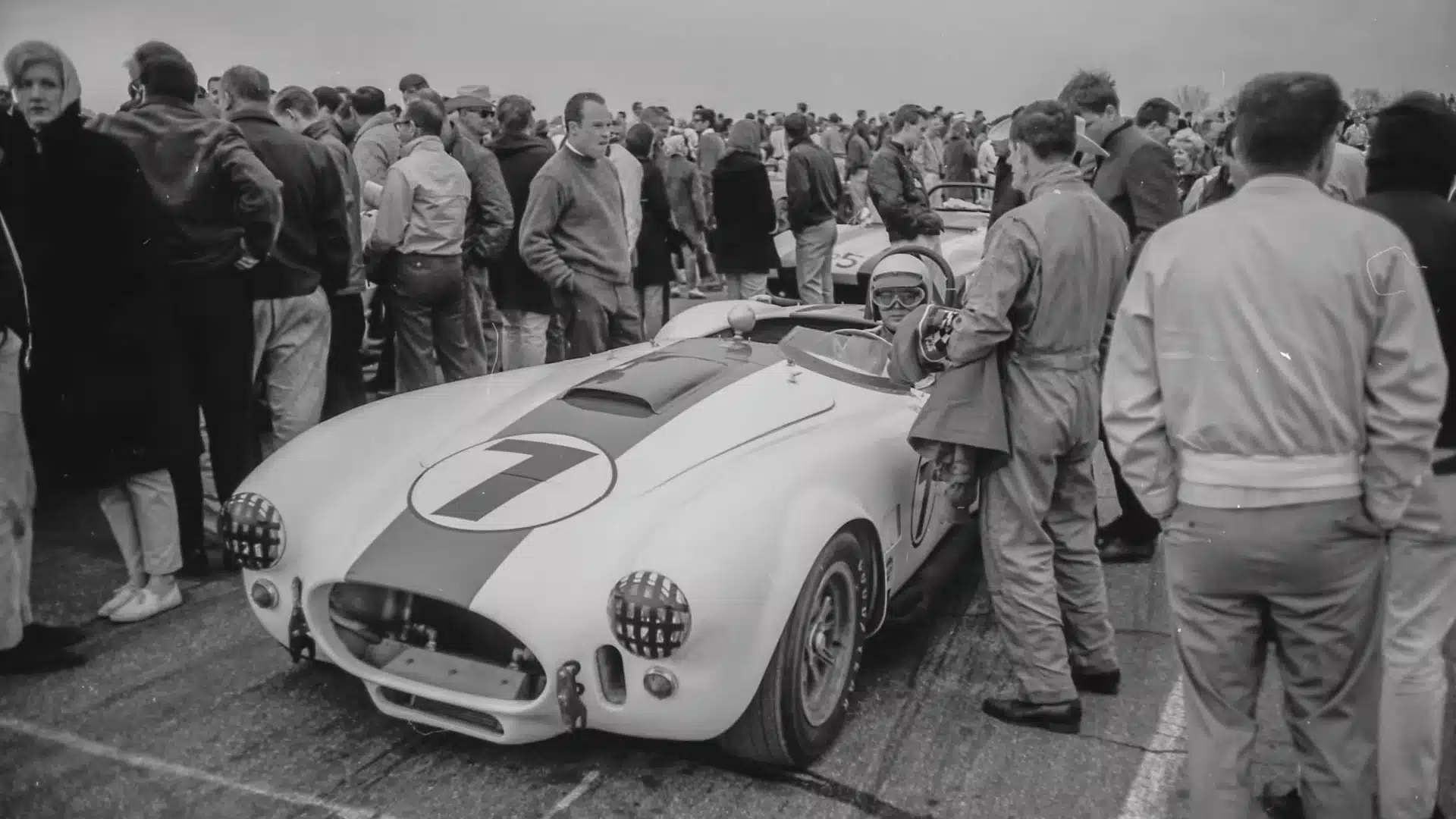
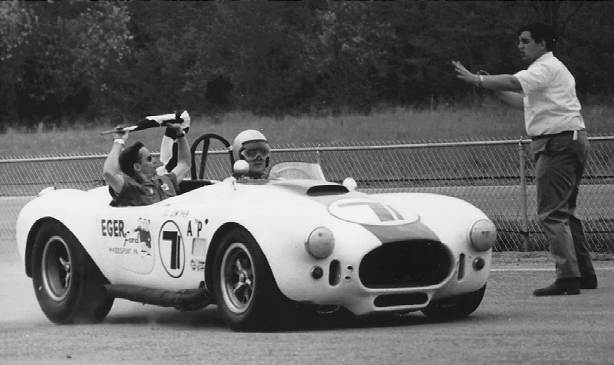
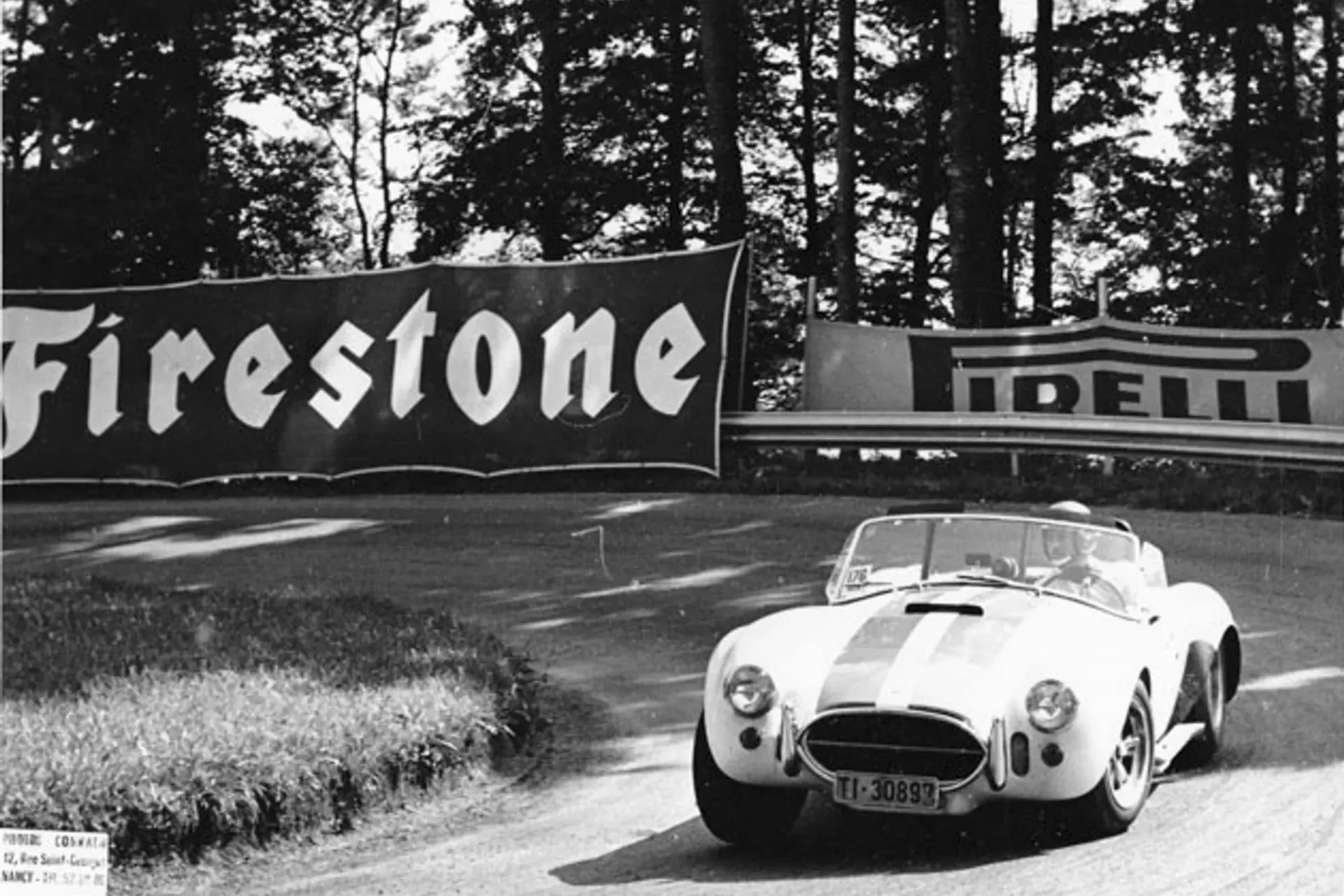
The historical footprint of the 427 Competition Cobra is defined by a heartbreaking bureaucratic technicality that ultimately cemented its mythological status. Shelby American intended to build 100 Competition chassis to homologate the car for the 1965 FIA World Sportscar Championship GT class. However, when the FIA inspectors arrived at the Venice, California facility, the production quota had not been fully met; only roughly 53 pure Competition chassis were complete. The FIA ruthlessly denied homologation, throwing the 427 Cobra into the Prototype class. Here, the upright, aerodynamically challenged roadster was forced to compete against bespoke, slippery mid-engined machines like the Ford GT40 and Ferrari’s P-series cars, severely castrating its international endurance racing ambitions. Yet, on American soil, the 427 Competition was an absolute apex predator. Unleashed in the Sports Car Club of America (SCCA) A-Production class, the big-block Cobra utterly decimated the Corvette ranks. Legendary privateer drivers like Dick Smith pushed the 427 Competition to its absolute physical limits. Smith famously piloted his Competition Cobra (CSX3035) to a staggering, record-setting 318 km/h (198 mph) on the banking at the Daytona International Speedway, proving the sheer aerodynamic brute force of the Mk III package. Perhaps the most famous curiosity of the Competition submodel is what happened to the unsold chassis. Left with 31 pure race cars that couldn’t compete in the FIA GT class, Shelby’s team added rudimentary street windshields and detuned the engines slightly, selling them to the public as the now-legendary Cobra S/C (Semi-Competition)—creating the most uncompromising and valuable street-legal sports car in history.
The Shelby Cobra 427 Competition represents the absolute zenith of the front-engined, rear-wheel-drive analog era. It was the final, most extreme escalation of the muscle car ethos before aerodynamics and mid-engine layouts permanently rewrote the motorsport rulebook. The 427 Competition proved that with enough horsepower and a properly sorted coil-spring chassis, aerodynamic drag could temporarily be battered into submission. While Shelby’s international focus soon shifted to managing the mid-engined Ford GT40 program that would ultimately conquer Le Mans, the big-block Cobra roadster remained the spiritual king of American performance.
Brand
Produced from
Portal
Vehicle category
Model line
Model generation
Predecessor
Sucessor
Brand
Produced from
Portal
Vehicle category
Model line
Model generation
Predecessor
Sucessor
Submodel Overview
To fully grasp the magnitude and the underlying madness of the 1965 Shelby Cobra 427 Competition, one must look at the rapidly escalating automotive arms race of the mid-1960s. Carroll Shelby’s brilliantly sorted 289-powered Mk II Cobra had already achieved international legendary status, harassing Ferrari GTOs across Europe and dominating domestic grids. However, the horizon was darkening with massive displacement. General Motors was secretly unleashing terrifying big-block weapons, including the mythical Corvette Grand Sports and the impending 396 and 427 cubic-inch powerplants. Concurrently, international prototype racing was moving toward highly aerodynamic, mid-engined thoroughbreds. Shelby recognized that the nimble 289 Ford small-block had reached its absolute developmental ceiling. He needed a nuclear option. His solution was to extract Ford’s colossal 427 cubic-inch (7.0-liter) FE big-block V8—an iron leviathan originally forged for the high-banked ovals of NASCAR—and stuff it into a featherweight roadster. The resulting 1965 Shelby Cobra 427 Competition was not a street car; it was a pure, uncompromised, factory-built race car. It was explicitly designed to be the ultimate front-engined weapon, a brute-force instrument forged to batter the Chevrolet Corvette into submission and terrify the European sports car establishment.
The mechanical metamorphosis required to birth the 427 Competition Cobra was profound. Shelby’s chief test driver, Ken Miles, famously tested an early 427 prototype that still utilized the old transverse leaf-spring chassis; it was so terrifyingly unpredictable under the massive torque load that Miles affectionately dubbed it “the turd”. To prevent the big block from twisting the British architecture into a pretzel, Shelby enlisted Ford suspension engineer Bob Negstad. The archaic leaf springs were discarded entirely, replaced by a state-of-the-art fully independent suspension system utilizing coil springs over Koni shock absorbers at all four corners. The main chassis tubes were thickened from three inches to a massive four inches in diameter, drastically increasing structural rigidity. Aesthetically, the Competition model was a cartoonishly aggressive caricature of its former self. To shroud the massive Halibrand pin-drive magnesium racing wheels and vast expanses of Goodyear racing rubber, the aluminum bodywork was violently stretched, resulting in the iconic, aggressively flared wheel arches. The front nose gaped open to feed an enormous radiator and oil cooler, while unsilenced side-exit exhaust pipes ran along the sills. At its core was the 427 “side-oiler” V8, a highly reinforced racing block that, when breathing through a massive Holley four-barrel carburetor, produced an earth-shattering 500-plus horsepower. Power was channeled through an indestructible Ford Toploader four-speed manual transmission, and stopping this 2,350-pound missile fell to massive Girling disc brakes. The cockpit was stripped of all pretense of comfort, featuring a 42-gallon racing fuel tank, a heavy-duty roll hoop, and a spartan dashboard dominated by a reverse-sweep speedometer and vital engine vitals.
The historical footprint of the 427 Competition Cobra is defined by a heartbreaking bureaucratic technicality that ultimately cemented its mythological status. Shelby American intended to build 100 Competition chassis to homologate the car for the 1965 FIA World Sportscar Championship GT class. However, when the FIA inspectors arrived at the Venice, California facility, the production quota had not been fully met; only roughly 53 pure Competition chassis were complete. The FIA ruthlessly denied homologation, throwing the 427 Cobra into the Prototype class. Here, the upright, aerodynamically challenged roadster was forced to compete against bespoke, slippery mid-engined machines like the Ford GT40 and Ferrari’s P-series cars, severely castrating its international endurance racing ambitions. Yet, on American soil, the 427 Competition was an absolute apex predator. Unleashed in the Sports Car Club of America (SCCA) A-Production class, the big-block Cobra utterly decimated the Corvette ranks. Legendary privateer drivers like Dick Smith pushed the 427 Competition to its absolute physical limits. Smith famously piloted his Competition Cobra (CSX3035) to a staggering, record-setting 318 km/h (198 mph) on the banking at the Daytona International Speedway, proving the sheer aerodynamic brute force of the Mk III package. Perhaps the most famous curiosity of the Competition submodel is what happened to the unsold chassis. Left with 31 pure race cars that couldn’t compete in the FIA GT class, Shelby’s team added rudimentary street windshields and detuned the engines slightly, selling them to the public as the now-legendary Cobra S/C (Semi-Competition)—creating the most uncompromising and valuable street-legal sports car in history.
The Shelby Cobra 427 Competition represents the absolute zenith of the front-engined, rear-wheel-drive analog era. It was the final, most extreme escalation of the muscle car ethos before aerodynamics and mid-engine layouts permanently rewrote the motorsport rulebook. The 427 Competition proved that with enough horsepower and a properly sorted coil-spring chassis, aerodynamic drag could temporarily be battered into submission. While Shelby’s international focus soon shifted to managing the mid-engined Ford GT40 program that would ultimately conquer Le Mans, the big-block Cobra roadster remained the spiritual king of American performance.
Tech Specs
Technical Specifications
Tech Specs
Technical Specifications
Engine
01
03
Internal combustion engine
Configuration
Ford FE 427 "Side-Oiler", V8 - 90º
Location
Front-mid, longitudinally mounted
Construction
Cast iron block and heads
Displacement (cc)
6,997 cc
Displacement (cu in)
427.0 cu in
Compression
12.5:1
Bore x Stroke
107.4 mm x 96.0 mm
Valvetrain
2 valves per cylinder, OHV
Fuel feed
Single Holley 850 CFM 4-barrel downdraft carburettor
Lubrication
Wet sump
Aspiration
Naturally aspirated
Output
Power (hp)
~510 hp
Power (kW)
~380 kW
Max power at
6,000 RPM
Torque (Nm)
~651 Nm
Torque (ft lbs)
~480 ft lbs
Max torque at
3,700 RPM
Drivetrain
02
03
Chassis
Type
Twin-tube ladder frame (Heavy-duty 4-inch steel tubes)
Material
Steel
Body
Material
Aluminium
Transmission
Gearbox
Ford "Toploader" 4-speed manual
Drive
Rear Wheel Drive (Salisbury Limited Slip Differential)
Suspension
Front
Independent, unequal length A-arms, coil springs over telescopic dampers, anti-roll bar
Rear
Independent, unequal length A-arms, coil springs over telescopic dampers, anti-roll bar
Steering
Type
Rack and pinion, unassisted
Brakes
Front
Solid steel discs Ø298 mm, Girling calipers
Rear
Solid steel discs Ø273 mm, Girling calipers
Wheels
Front
7.5" x 15" (Halibrand pin-drive cast magnesium alloy)
Rear
9.5" x 15" (Halibrand pin-drive cast magnesium alloy)
Tires
Front
8.10-15
Rear
10.50-15
Dimensions and performance
03
03
Dimensions
Length (mm)
3,962 mm
Length (in)
156.0 in
Width (mm)
1,727 mm
Width (in)
68.0 in
Height (mm)
1,245 mm
Height (in)
49.0 in
Wheelbase (mm)
2,286 mm
Wheelbase (in)
90.0 in
Weight (kg)
~1,065 kg
Weight (lbs)
~2,350 lbs
Performance
Power to weight
~0.48 hp/kg
Top speed (km/h)
~265 km/h
Top speed (mph)
~165 mph
0-100 km/h (0-60 mph)
~3.8 s