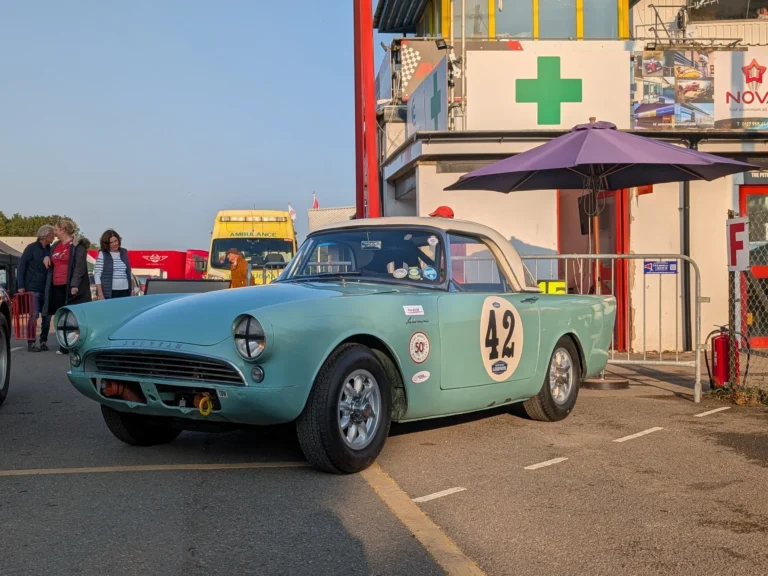
Sunbeam Alpine
Brand
Produced from
Vehicle category
Portal
Model line
Model generation
Predecessor
Sucessor
Model Overview
By the twilight of the 1950s, the landscape of the British sports car was rapidly shifting. The traditional formulas—characterized by body-on-frame construction and rudimentary weather protection, exemplified by MG’s T-Series and Triumph’s TRs—were beginning to feel archaic to an emergent market seeking a more civilized touring experience. While the Austin-Healey 100/6 and 3000 catered to those craving raw power, a profound void existed for a sophisticated, comfortable, yet truly sporting two-seater. Carroll Shelby was still years away from his V8 dream, but the Rootes Group, led by the astute marketing sense of the Rootes brothers, recognized this unexploited niche. Their response, arriving in 1959, was the completely reinvented Sunbeam Alpine. Forgoing the heavy, rally-proven architecture of its Mark I/III predecessor (which, though powerful, was functionally a heavier 90 saloon), the new roadster utilized the sophisticated unibody structure of the Rootes Group’s Audax platform (common to the Hillman Minx and Sunbeam Rapier). It was an audacious pivot, prioritizing torsional stiffness and occupant comfort over maximum chassis flex, effectively birthing the blueprint for the accessible, civilized British Grand Tourer that would come to define the 1960s.
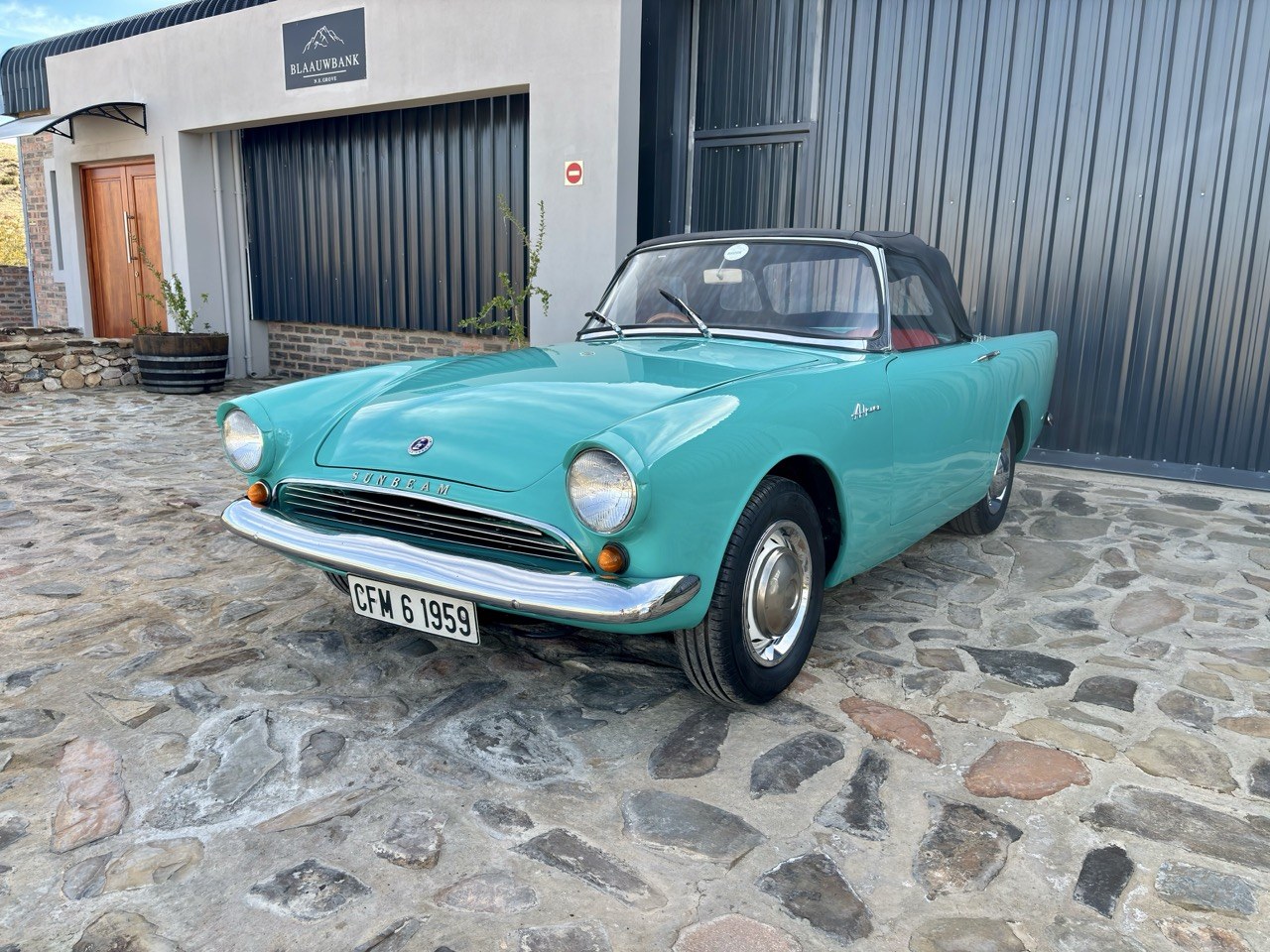
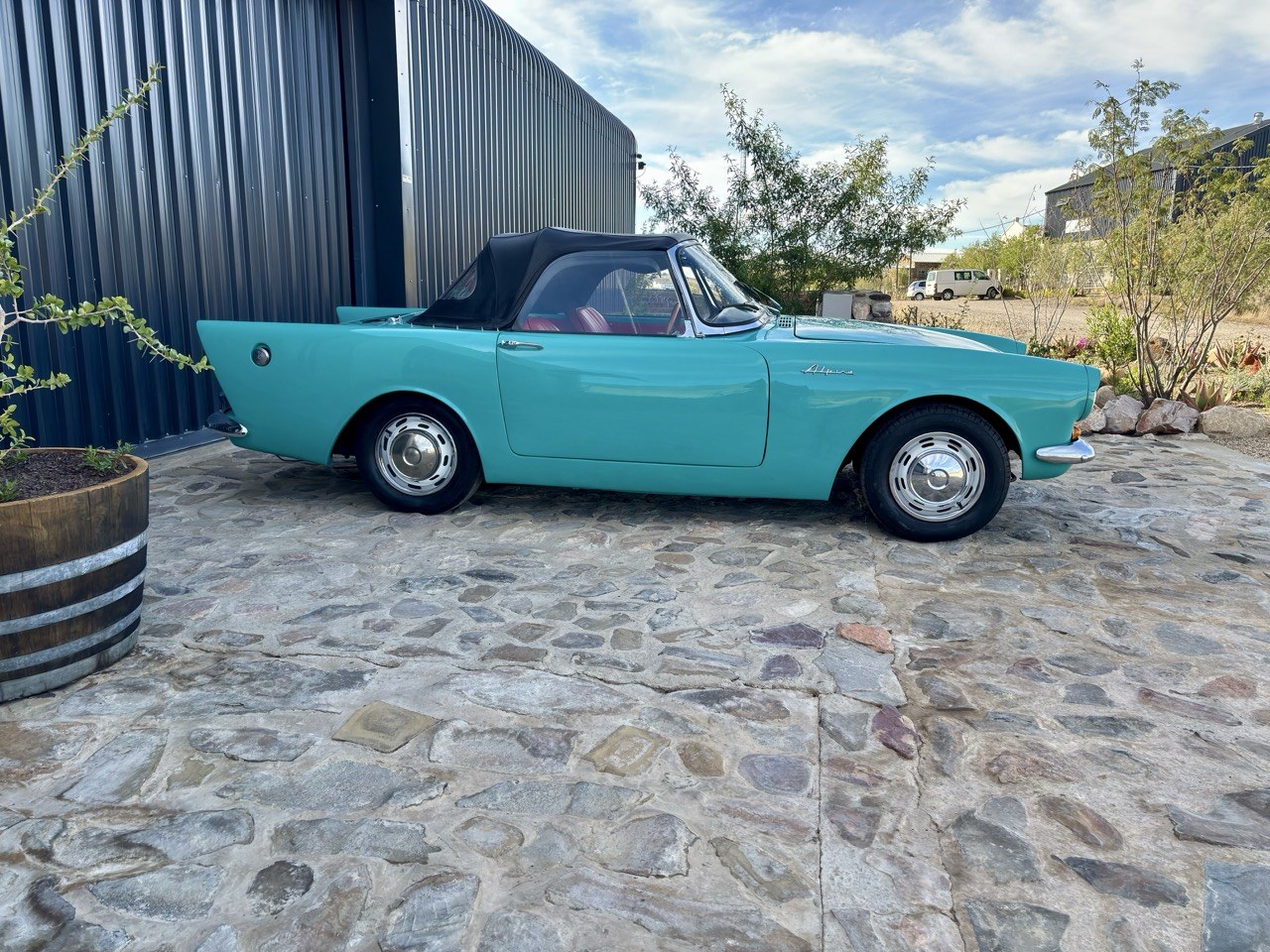
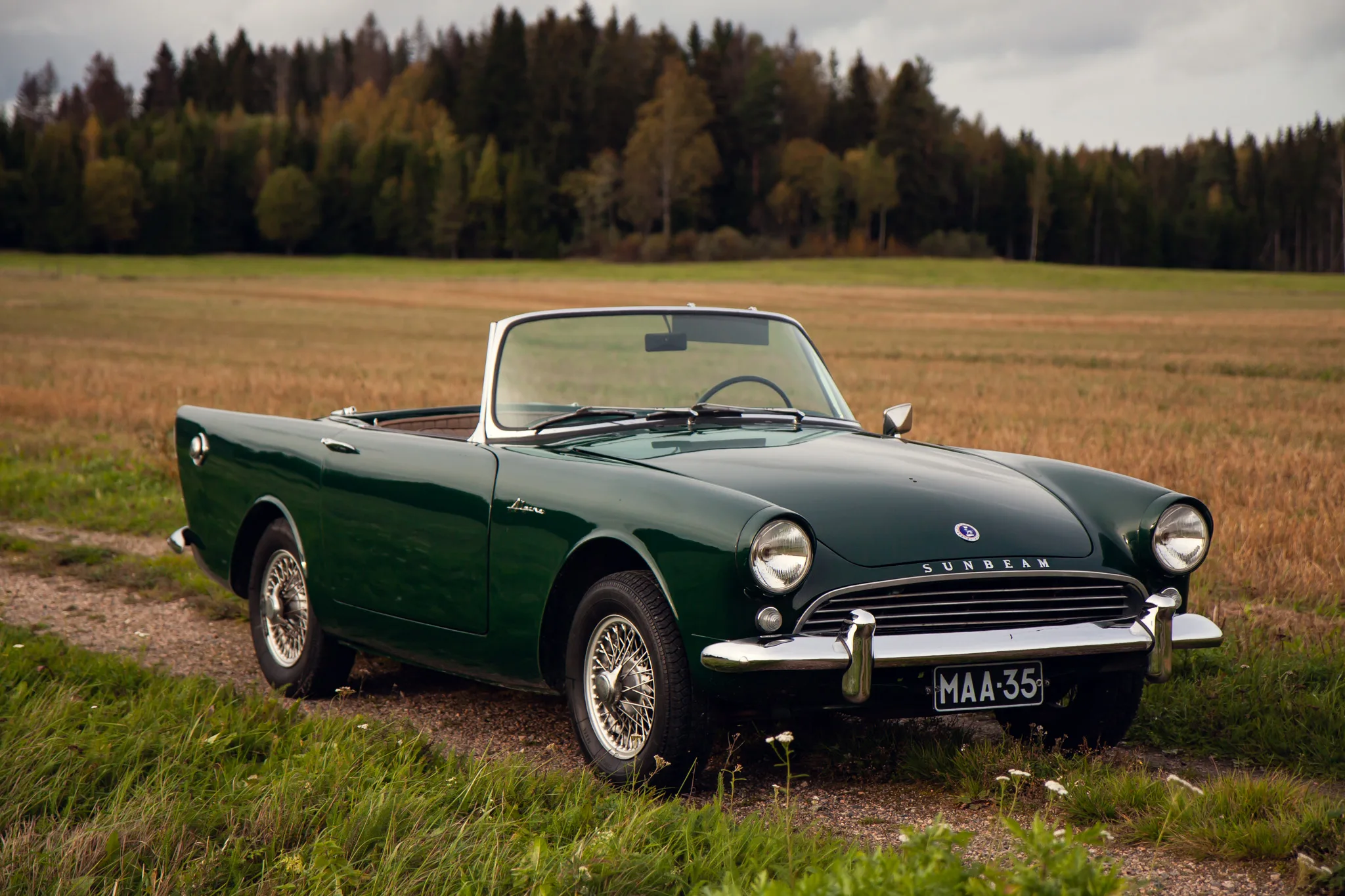
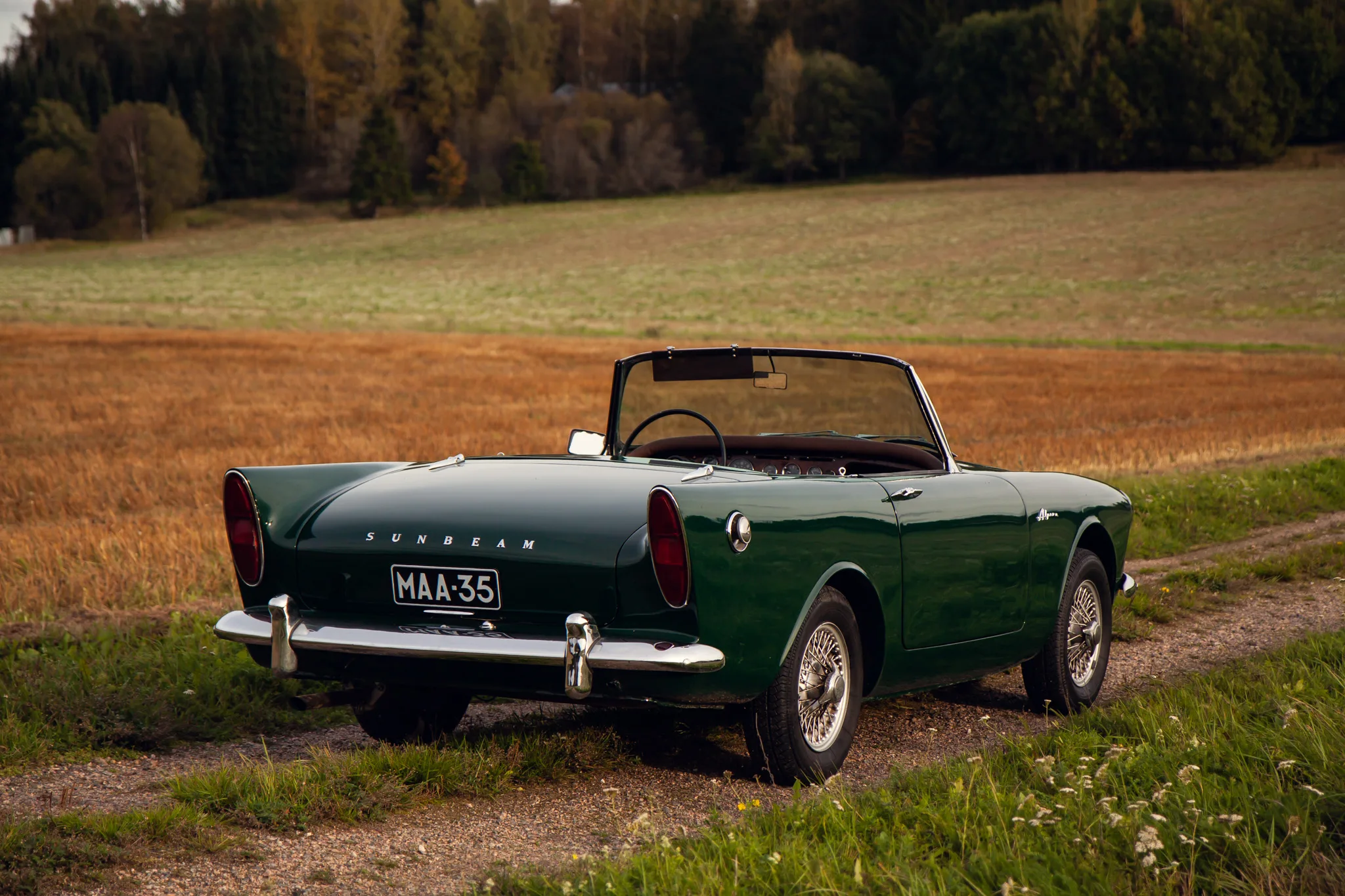
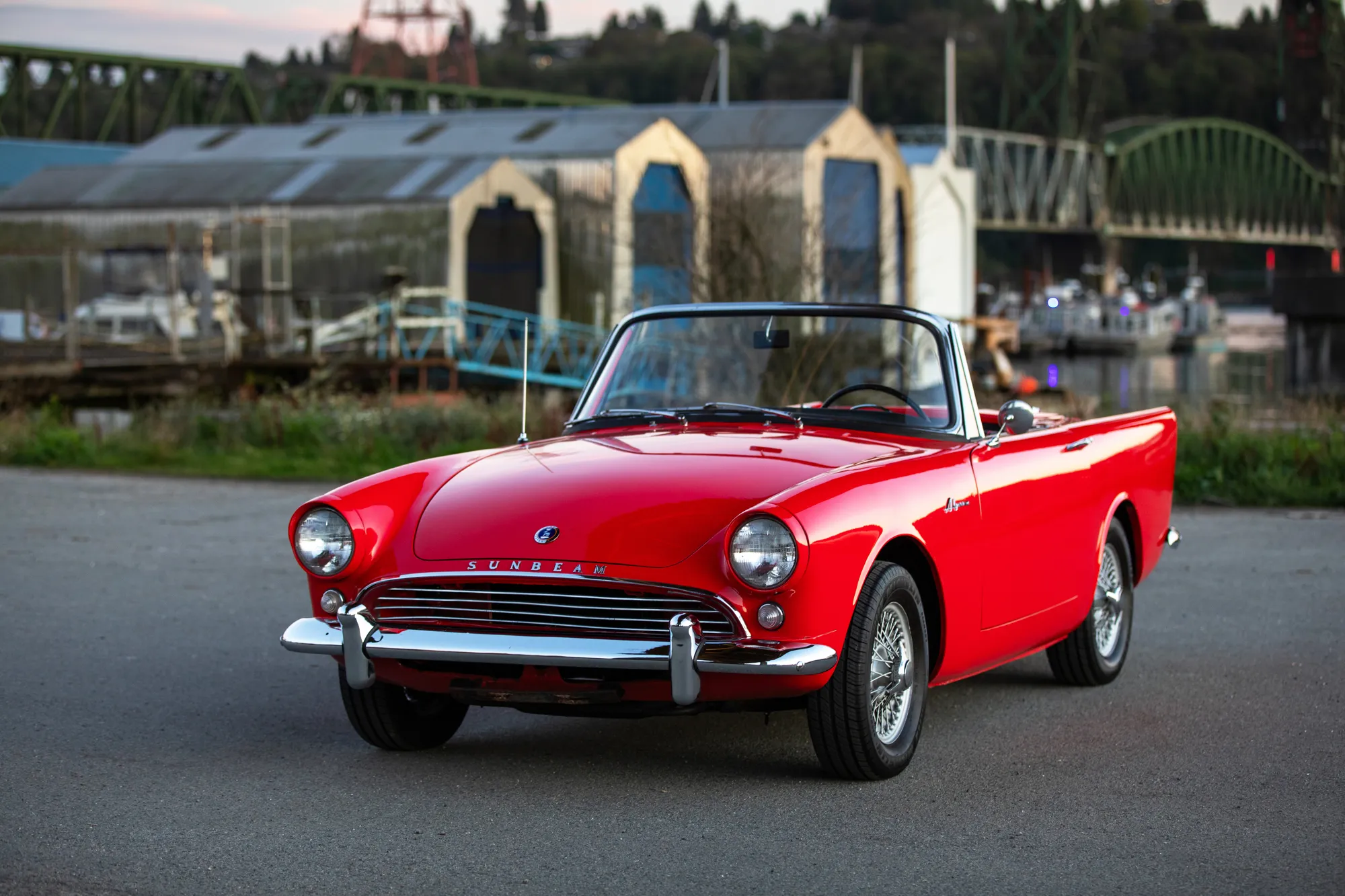
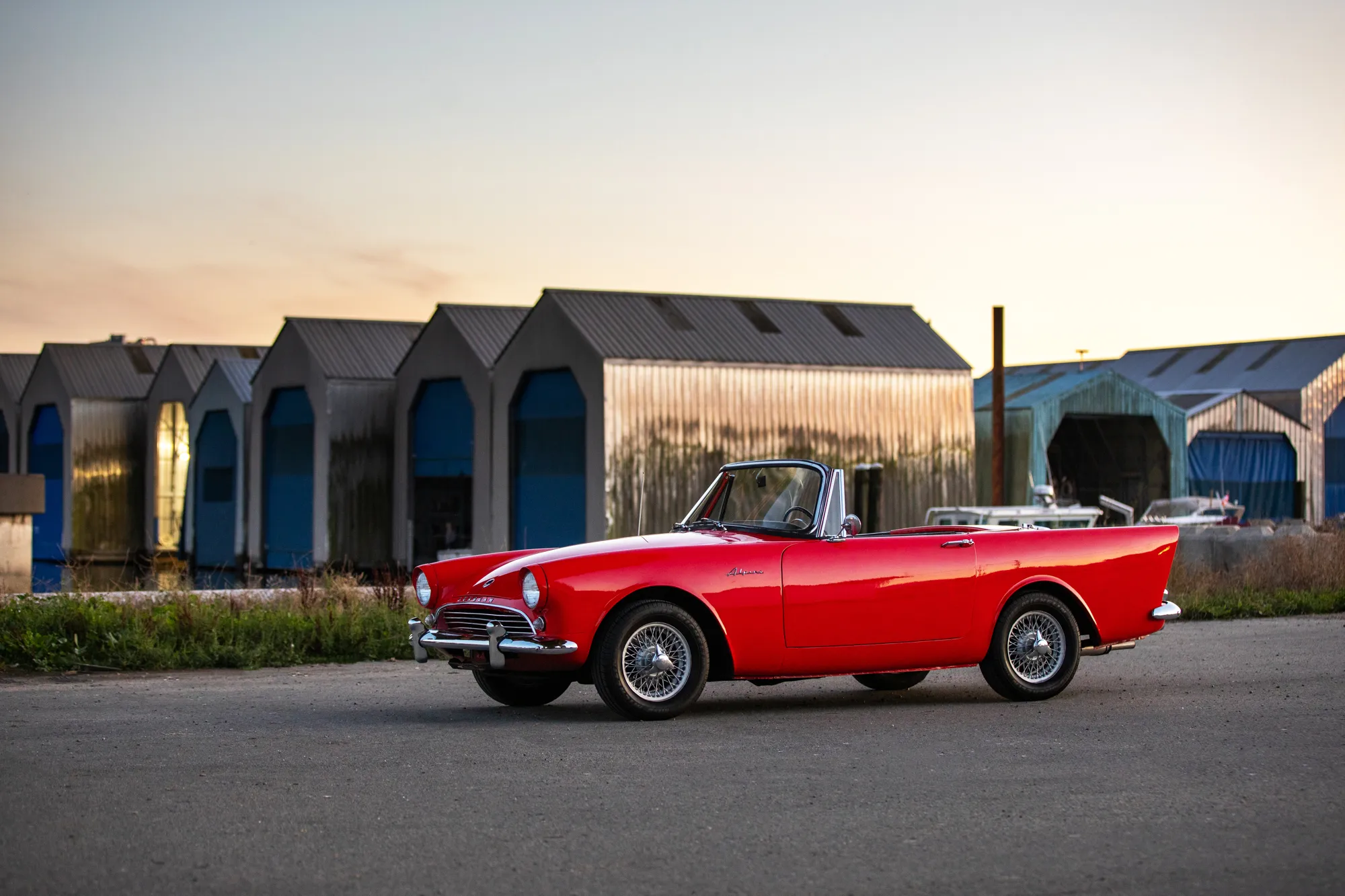
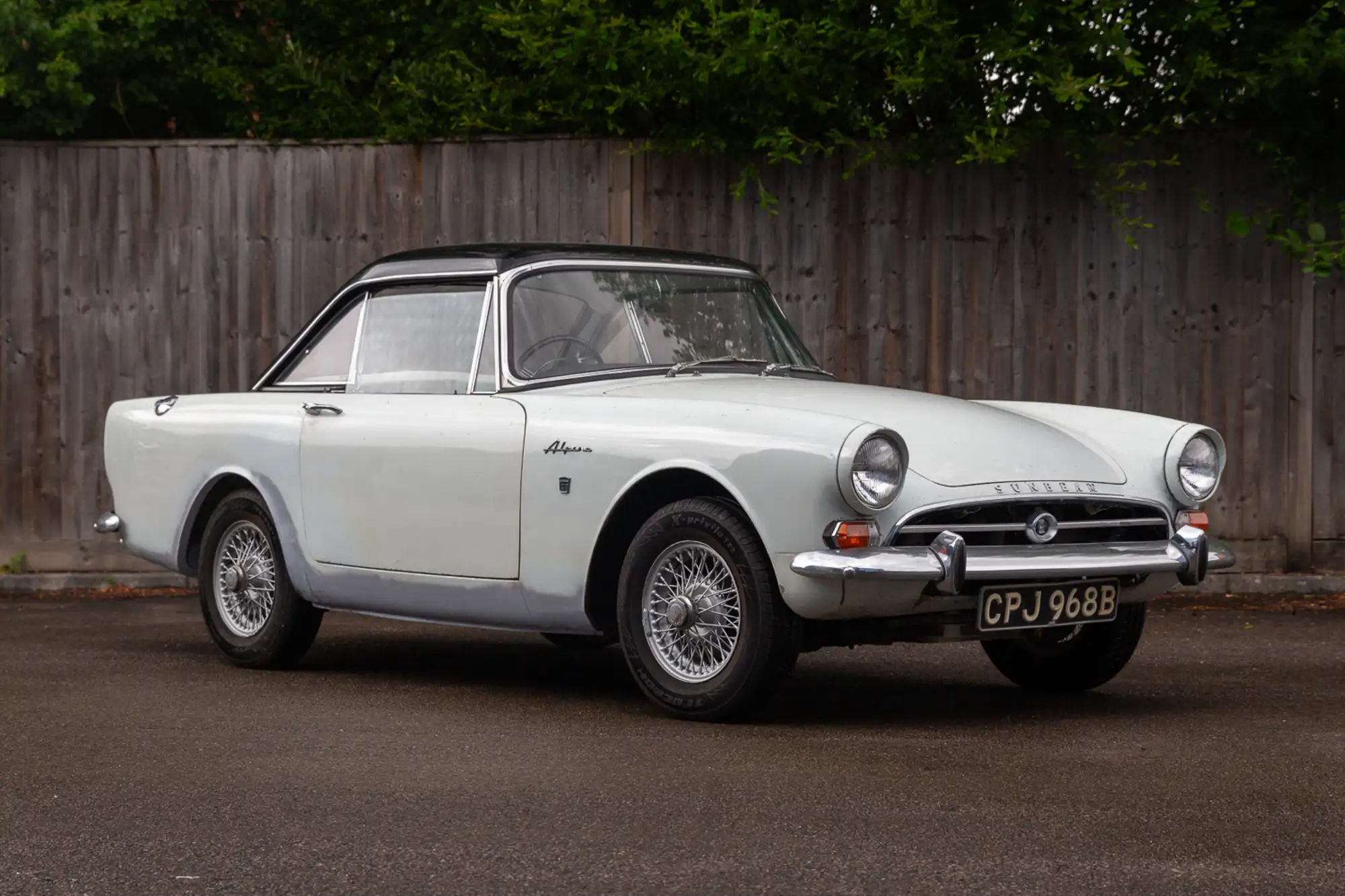
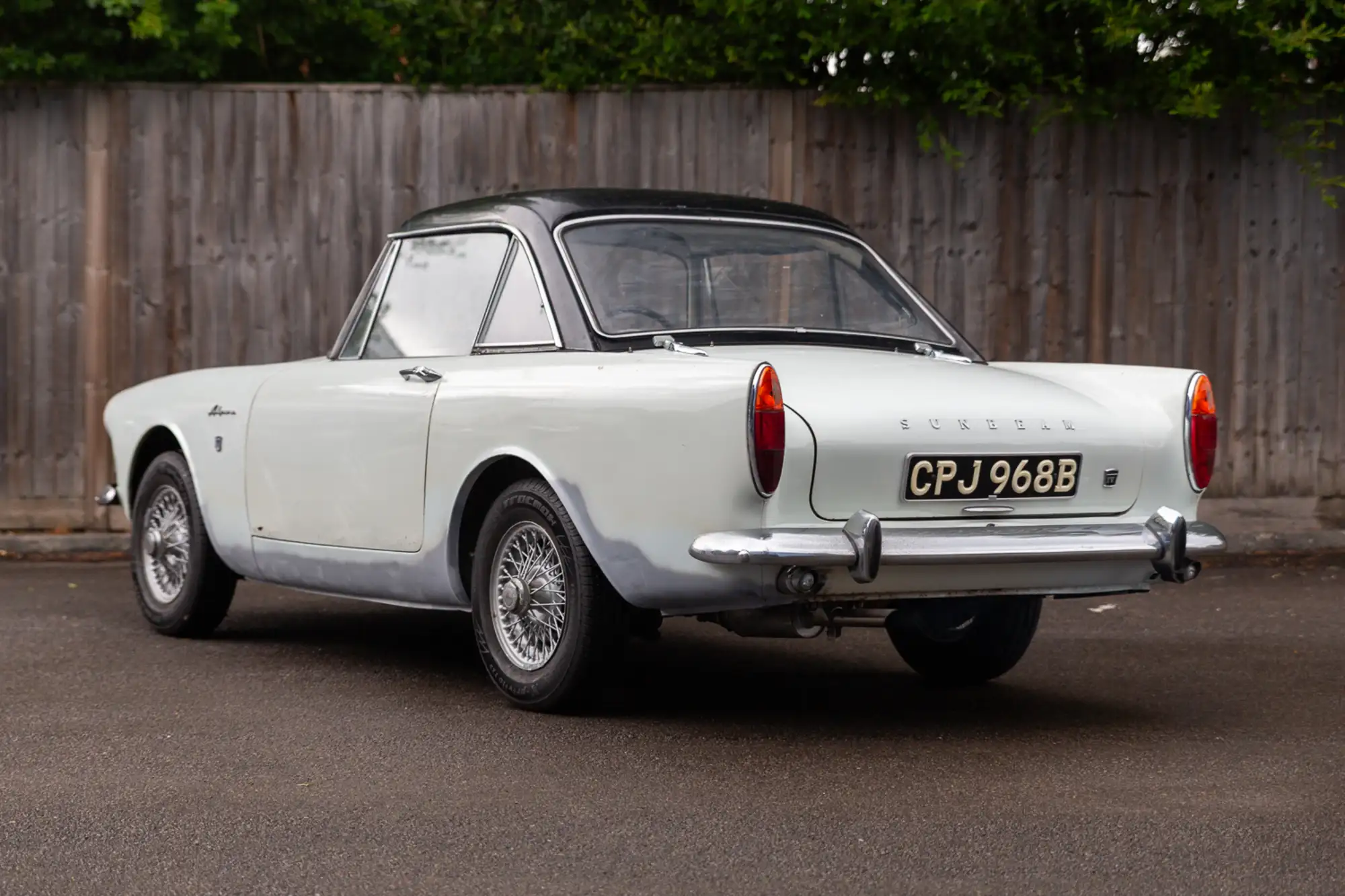
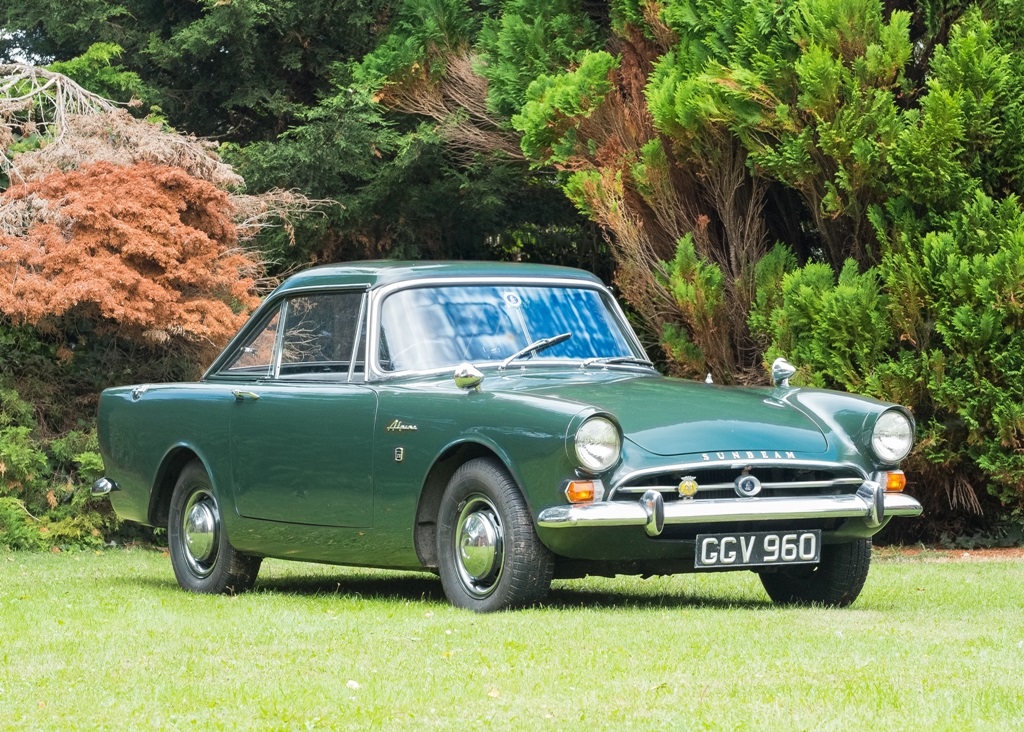
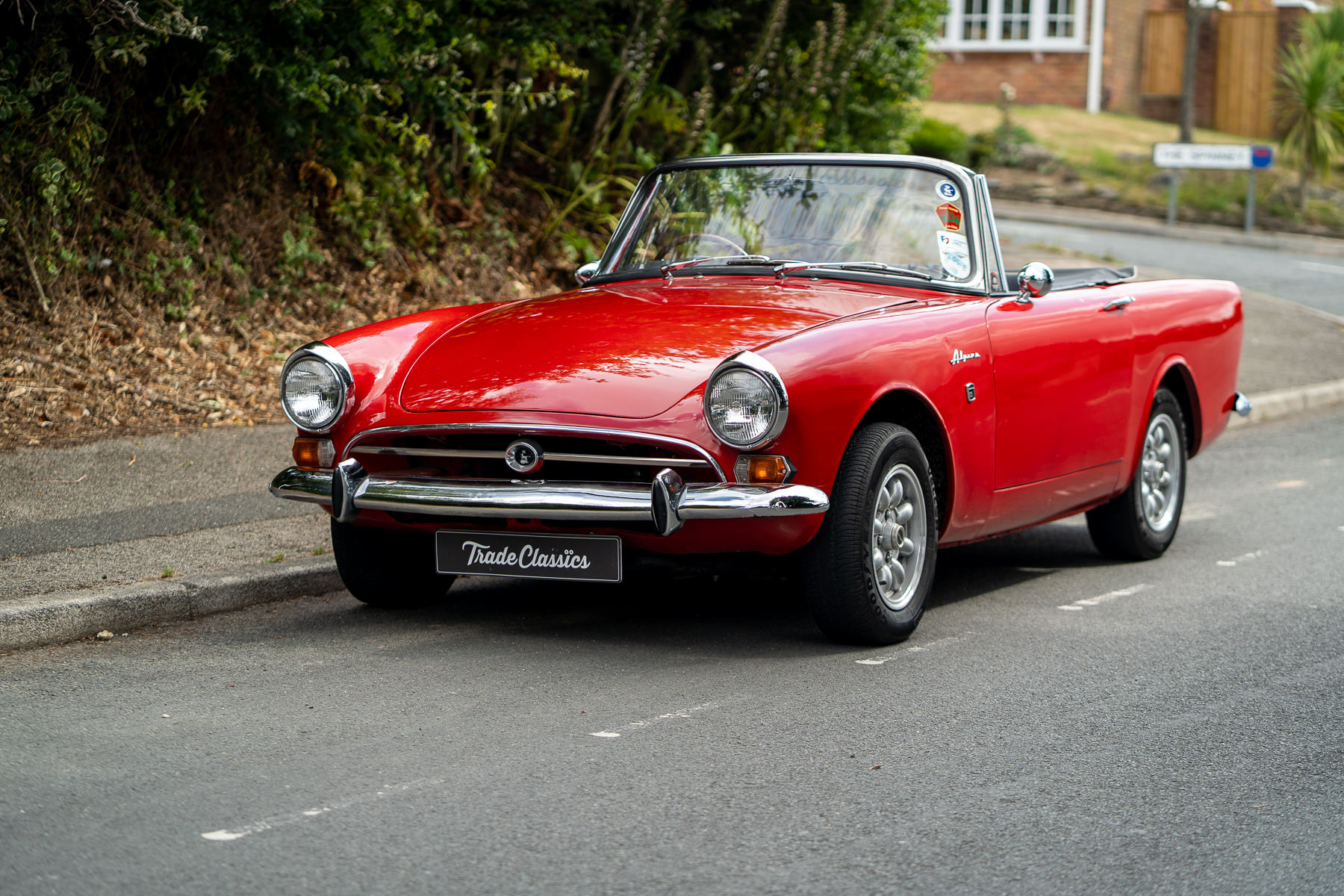
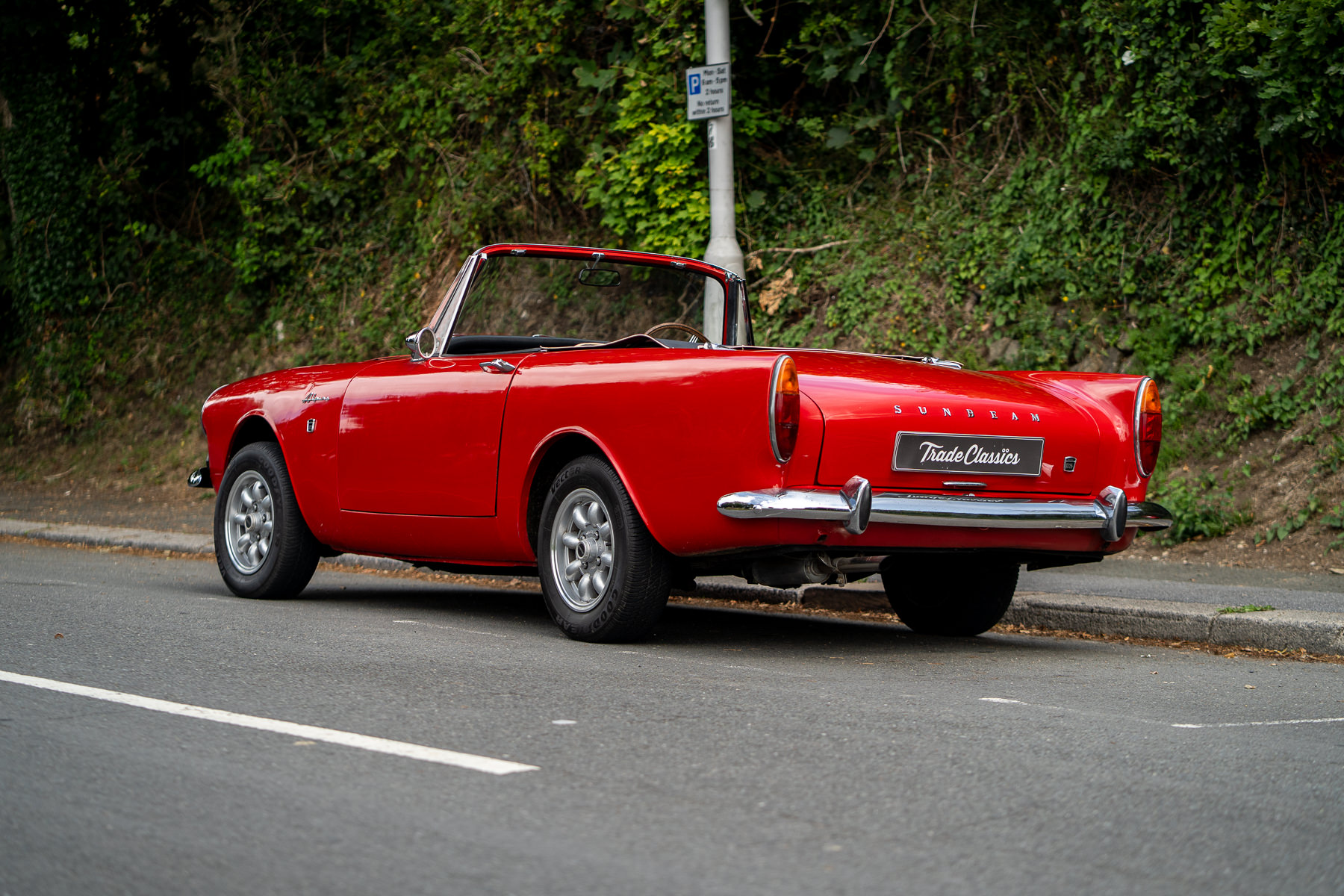
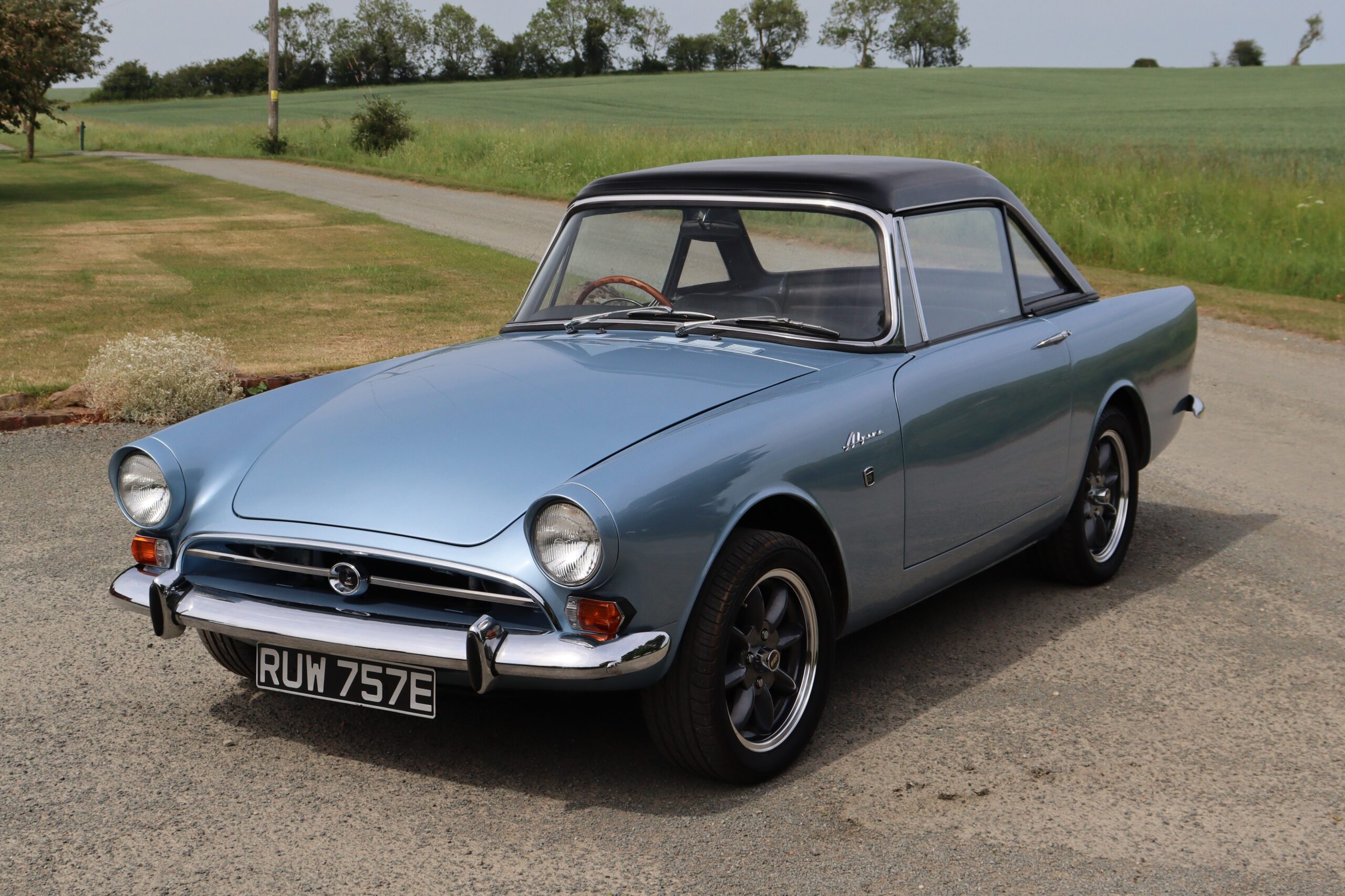
Examining the Sunbeam Alpine is an exercise in appreciating systematic, pragmatic evolution over a decade-long production run, spanning five distinct Series (S-I through S-V). The technical definition of the Model Line is inherently sophisticated. At its heart was the advanced monocoque or ‘unibody’ shell, which, unlike the chassis rails of its contemporaries, provided a stiffer platform that improved handling precision and dramatically reduced the heat and scuttle-shake that plagued older designs. Aesthetically, the roadster arrived with a distinctly trans-Atlantic flair, particularly the high, swept-back rear fins that characterized the Series I. These fins were subtly revised and lowered with the Series III, standardizing into the sleeker, more refined profile that would define the rest of the run. Mechanically, the Alpine roadster relied solely on the Rootes ‘B-Series’ four-cylinder engines. These reliable, overhead-valve units grew sequentially in displacement. The 1.5-liter engine of the early Series I/II cars evolved into the robust 1.6-liter that powered the Series III and IV, finally culminating in the 1.7-liter (1725cc) five-bearing crankshaft engine introduced with the final Series V in October 1965. This persistent focus on increased displacement, paired with optional (and highly recommended) Laycock-de-Normanville overdrive gearboxes, ensured the Alpine roadster possessed excellent long-distance cruising capabilities. Inside, the cabin prioritized genuine comfort. Rootes provided roll-up side windows, a proper, well-fitting soft-top that actually kept weather at bay, and famously, a dashboard frequently adorned with elegant wood veneer and a full complement of clear Smiths gauges. This civilized interior was a revelation, appealing to buyers who admired performance but despised compromise.
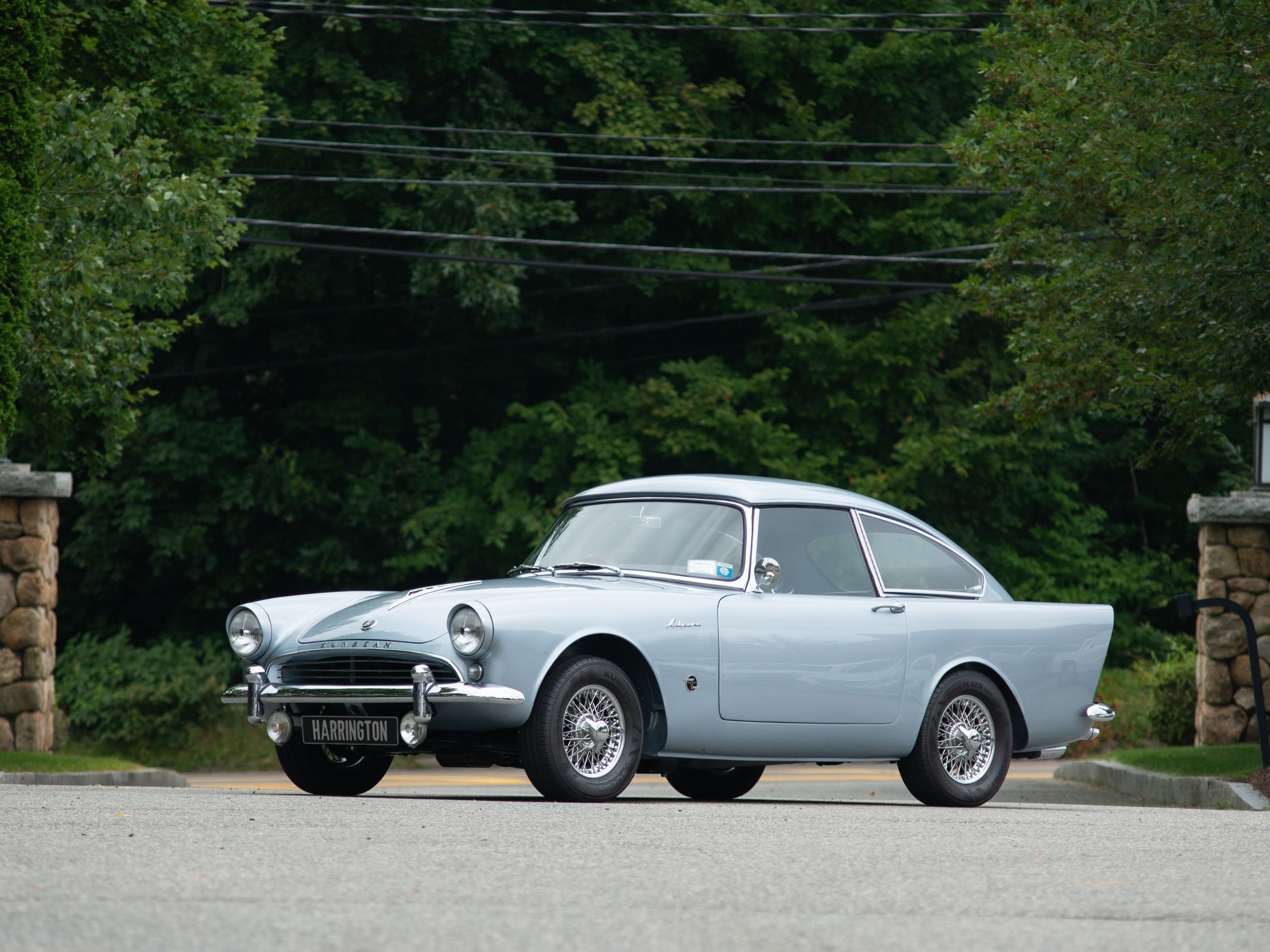
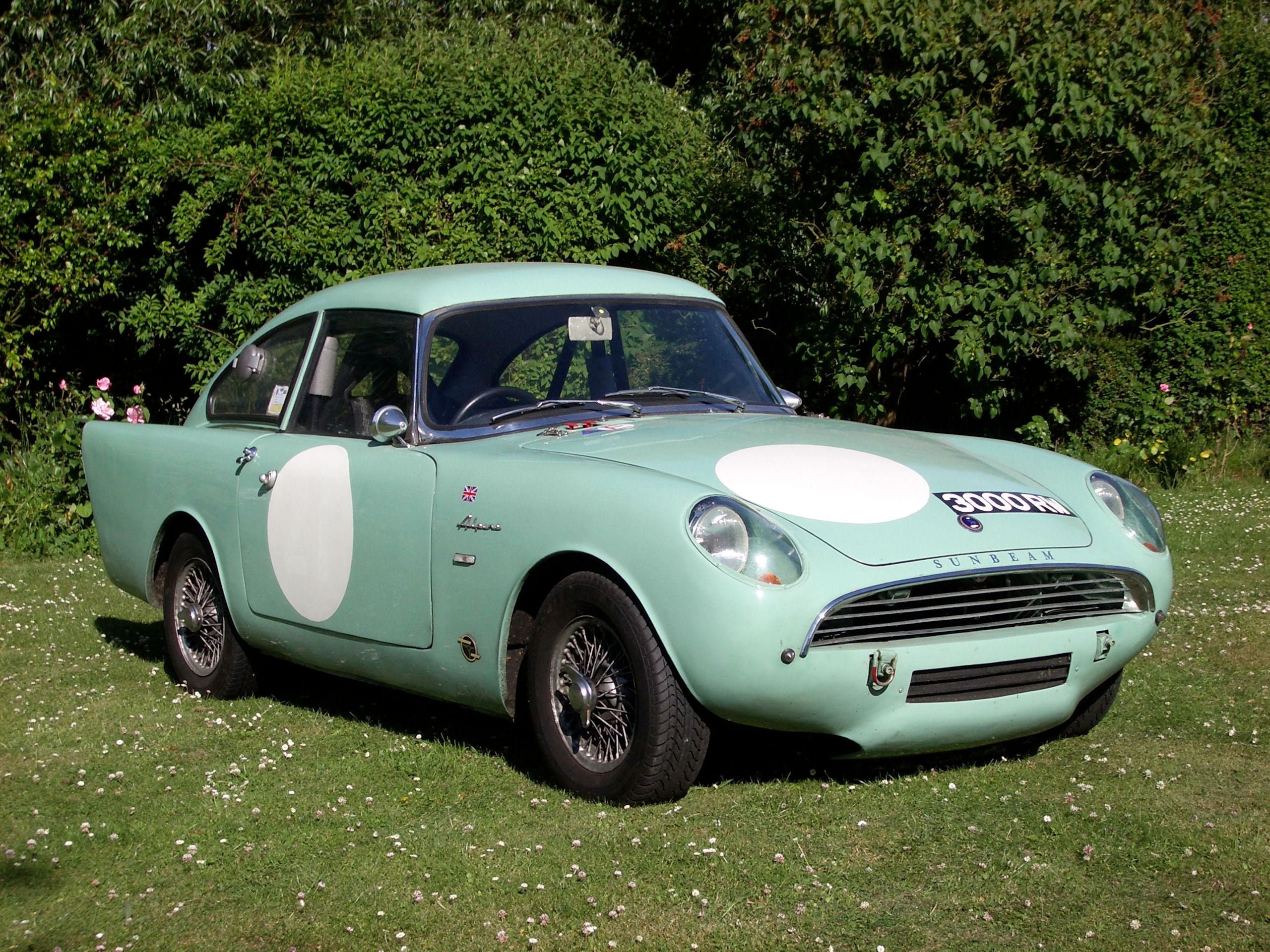
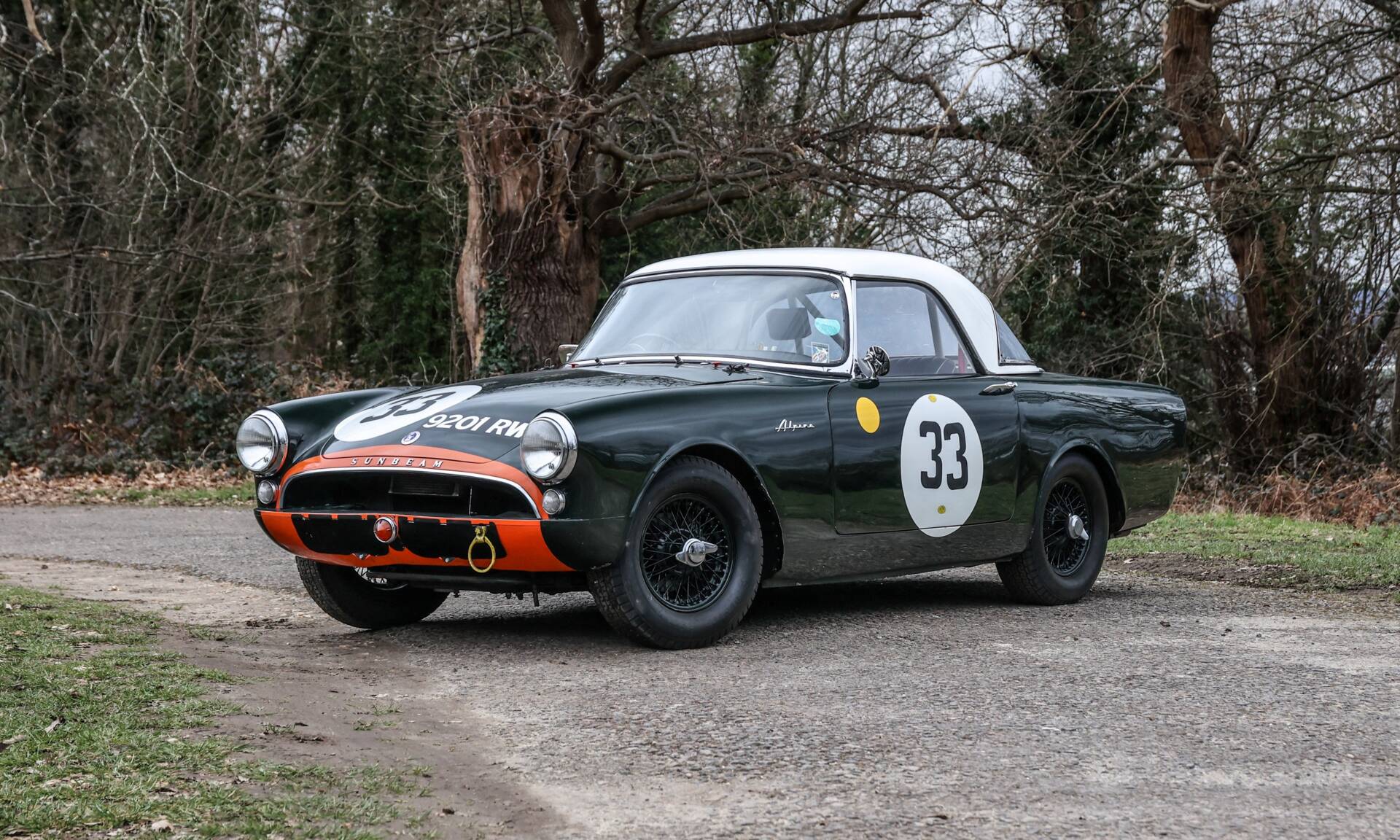
The historical footprint of the Alpine roadster is complex, defined by immense commercial success on the street pairing with sophisticated victories in motorsport. Commercially, the car was a resounding validation of the Rootes Group’s strategy, particularly in North America, where its comfortable touring nature and reliable mechanicals found immediate favor. It became the default ‘refined choice’, appealing to professionals and affluent enthusiasts who found the MG or Triumph too raw. Its pop-culture status was cemented early when a Carnival Red Series I roadster became the definitive vehicle of the emerging spy genre, famously driven by Sean Connery in the very first James Bond film, Dr. No (1962). This street-car triumph was balanced by a highly successful, if often underestimated, racing career managed by the legendary Rootes Works Team. The Alpine roadster did not conquer through outright speed, but through sophisticated engineering and durability. Its finest moment arrived at the 12 Hours of Sebring and, critically, at the 24 Hours of Le Mans, where highly developed Alpines consistently won the coveted Index of Thermal Efficiency (in 1961, 1962, and 1963), proving the raw efficiency and reliability of the small-displacement unibody platform against much larger prototype machinery. This performance led to the ultimate evolution: the extremely rare and collectible Sunbeam Harrington Alpines, bespoke streamlined fastbacks engineered to exploit the Le Mans homologation, proving the roadster chassis was capable of exotic performance when pushed by specialized, independent minds.
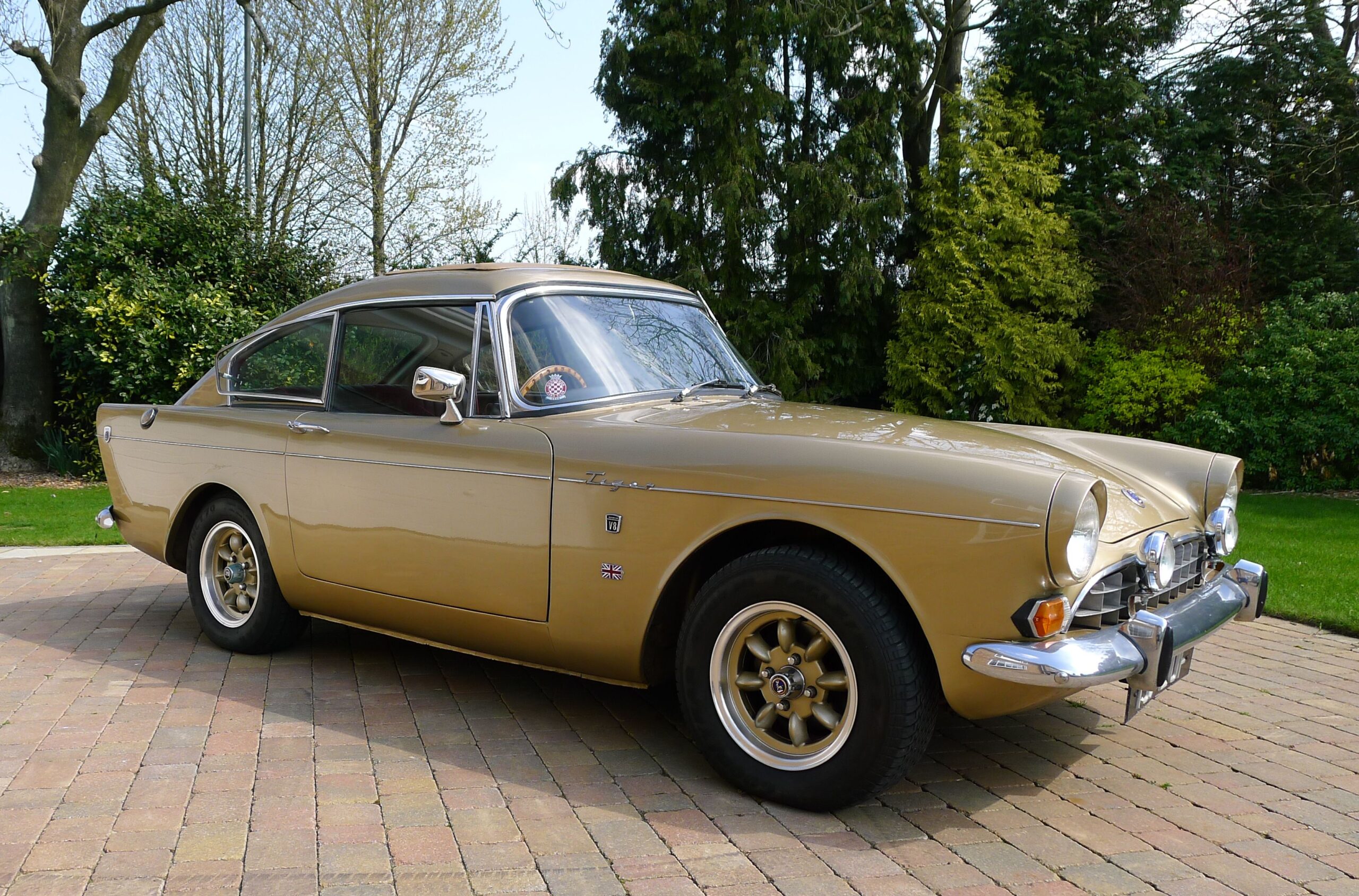
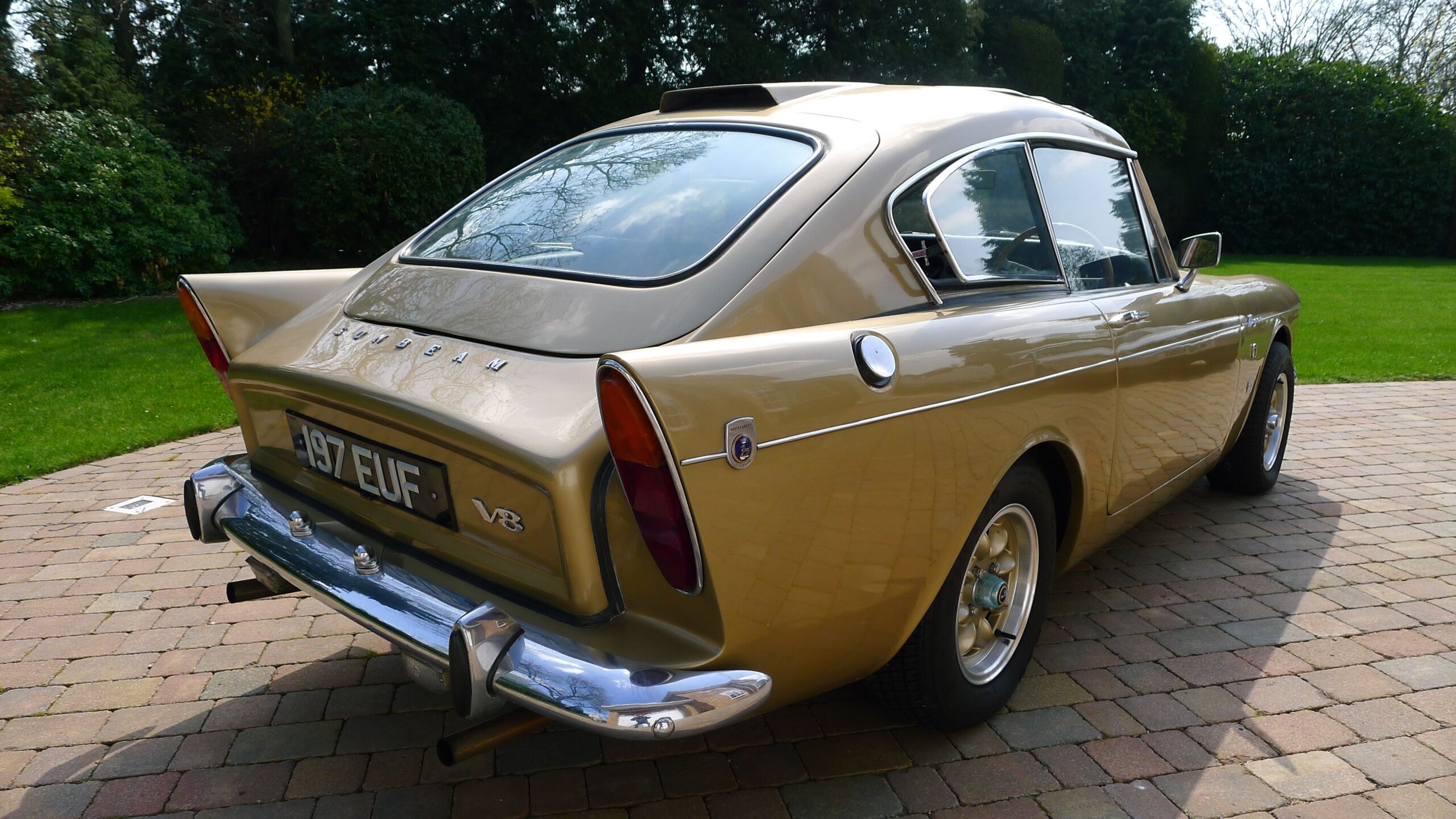
The legacy of the 1959-1968 Sunbeam Alpine roadster is profound, holding a sovereign place in the pantheon of British motoring. While it did not spawn a direct successor within the declining Rootes empire (which eventually collapsed and was subsumed by Chrysler), it proved that unibody construction was entirely viable for a sporting roadster, a lesson that would echo through the automotive industry for decades to come. Its fundamental architectural strength and civilized nature made it the indispensable canvas for what Carroll Shelby later perfected: the V8-powered Sunbeam Tiger. The Tiger, utilizing the identical unibody shell and suspension to house a 260 or 289 cubic-inch Ford V8, took the Alpine’s sophisticated dynamics to a terrifying level, but it only existed because the unibody Alpine prototype was so fundamentally sorted in 1962.
Portal
Model line
Model generation
Predecessor
Sucessor
Brand
Produced from
Vehicle category
Portal
Model line
Model generation
Predecessor
Sucessor
Model Overview
By the twilight of the 1950s, the landscape of the British sports car was rapidly shifting. The traditional formulas—characterized by body-on-frame construction and rudimentary weather protection, exemplified by MG’s T-Series and Triumph’s TRs—were beginning to feel archaic to an emergent market seeking a more civilized touring experience. While the Austin-Healey 100/6 and 3000 catered to those craving raw power, a profound void existed for a sophisticated, comfortable, yet truly sporting two-seater. Carroll Shelby was still years away from his V8 dream, but the Rootes Group, led by the astute marketing sense of the Rootes brothers, recognized this unexploited niche. Their response, arriving in 1959, was the completely reinvented Sunbeam Alpine. Forgoing the heavy, rally-proven architecture of its Mark I/III predecessor (which, though powerful, was functionally a heavier 90 saloon), the new roadster utilized the sophisticated unibody structure of the Rootes Group’s Audax platform (common to the Hillman Minx and Sunbeam Rapier). It was an audacious pivot, prioritizing torsional stiffness and occupant comfort over maximum chassis flex, effectively birthing the blueprint for the accessible, civilized British Grand Tourer that would come to define the 1960s.
Examining the Sunbeam Alpine is an exercise in appreciating systematic, pragmatic evolution over a decade-long production run, spanning five distinct Series (S-I through S-V). The technical definition of the Model Line is inherently sophisticated. At its heart was the advanced monocoque or ‘unibody’ shell, which, unlike the chassis rails of its contemporaries, provided a stiffer platform that improved handling precision and dramatically reduced the heat and scuttle-shake that plagued older designs. Aesthetically, the roadster arrived with a distinctly trans-Atlantic flair, particularly the high, swept-back rear fins that characterized the Series I. These fins were subtly revised and lowered with the Series III, standardizing into the sleeker, more refined profile that would define the rest of the run. Mechanically, the Alpine roadster relied solely on the Rootes ‘B-Series’ four-cylinder engines. These reliable, overhead-valve units grew sequentially in displacement. The 1.5-liter engine of the early Series I/II cars evolved into the robust 1.6-liter that powered the Series III and IV, finally culminating in the 1.7-liter (1725cc) five-bearing crankshaft engine introduced with the final Series V in October 1965. This persistent focus on increased displacement, paired with optional (and highly recommended) Laycock-de-Normanville overdrive gearboxes, ensured the Alpine roadster possessed excellent long-distance cruising capabilities. Inside, the cabin prioritized genuine comfort. Rootes provided roll-up side windows, a proper, well-fitting soft-top that actually kept weather at bay, and famously, a dashboard frequently adorned with elegant wood veneer and a full complement of clear Smiths gauges. This civilized interior was a revelation, appealing to buyers who admired performance but despised compromise.
The historical footprint of the Alpine roadster is complex, defined by immense commercial success on the street pairing with sophisticated victories in motorsport. Commercially, the car was a resounding validation of the Rootes Group’s strategy, particularly in North America, where its comfortable touring nature and reliable mechanicals found immediate favor. It became the default ‘refined choice’, appealing to professionals and affluent enthusiasts who found the MG or Triumph too raw. Its pop-culture status was cemented early when a Carnival Red Series I roadster became the definitive vehicle of the emerging spy genre, famously driven by Sean Connery in the very first James Bond film, Dr. No (1962). This street-car triumph was balanced by a highly successful, if often underestimated, racing career managed by the legendary Rootes Works Team. The Alpine roadster did not conquer through outright speed, but through sophisticated engineering and durability. Its finest moment arrived at the 12 Hours of Sebring and, critically, at the 24 Hours of Le Mans, where highly developed Alpines consistently won the coveted Index of Thermal Efficiency (in 1961, 1962, and 1963), proving the raw efficiency and reliability of the small-displacement unibody platform against much larger prototype machinery. This performance led to the ultimate evolution: the extremely rare and collectible Sunbeam Harrington Alpines, bespoke streamlined fastbacks engineered to exploit the Le Mans homologation, proving the roadster chassis was capable of exotic performance when pushed by specialized, independent minds.
The legacy of the 1959-1968 Sunbeam Alpine roadster is profound, holding a sovereign place in the pantheon of British motoring. While it did not spawn a direct successor within the declining Rootes empire (which eventually collapsed and was subsumed by Chrysler), it proved that unibody construction was entirely viable for a sporting roadster, a lesson that would echo through the automotive industry for decades to come. Its fundamental architectural strength and civilized nature made it the indispensable canvas for what Carroll Shelby later perfected: the V8-powered Sunbeam Tiger. The Tiger, utilizing the identical unibody shell and suspension to house a 260 or 289 cubic-inch Ford V8, took the Alpine’s sophisticated dynamics to a terrifying level, but it only existed because the unibody Alpine prototype was so fundamentally sorted in 1962.
Generations
Model Generations

Submodels