Sunbeam Alpine Series II
Brand
Produced from
Vehicle category
Portal
Model line
Model generation
Generation Overview
To fully appreciate the arrival of the 1960 Sunbeam Alpine Series II, one must understand the rapidly evolving expectations of the sports car buyer at the dawn of a new decade. The late 1950s had established the British roadster as a global phenomenon, but the traditional offerings—namely the MGA and the Triumph TR3—were inherently compromised. They were magnificent, wind-in-the-hair machines, but they were also drafty, bone-shakingly stiff, and possessed weather protection that could generously be described as optimistic. The Rootes Group had already fired a warning shot across the bows of Abingdon and Coventry with the introduction of the unibody Alpine Series I in 1959, introducing an unprecedented level of civilized touring comfort. However, the original 1.5-liter engine felt slightly asthmatic when tasked with hauling the robust monocoque shell. In late 1960, Rootes delivered the definitive, perfected iteration of their finned era: the Sunbeam Alpine Series II. It was a vehicle that retained the glamorous, transatlantic styling of its predecessor but crucially introduced the mechanical fortitude required to battle the newly upgraded MGA 1600 and Alfa Romeo Giulietta Spider, both in the showroom and on the racetrack.
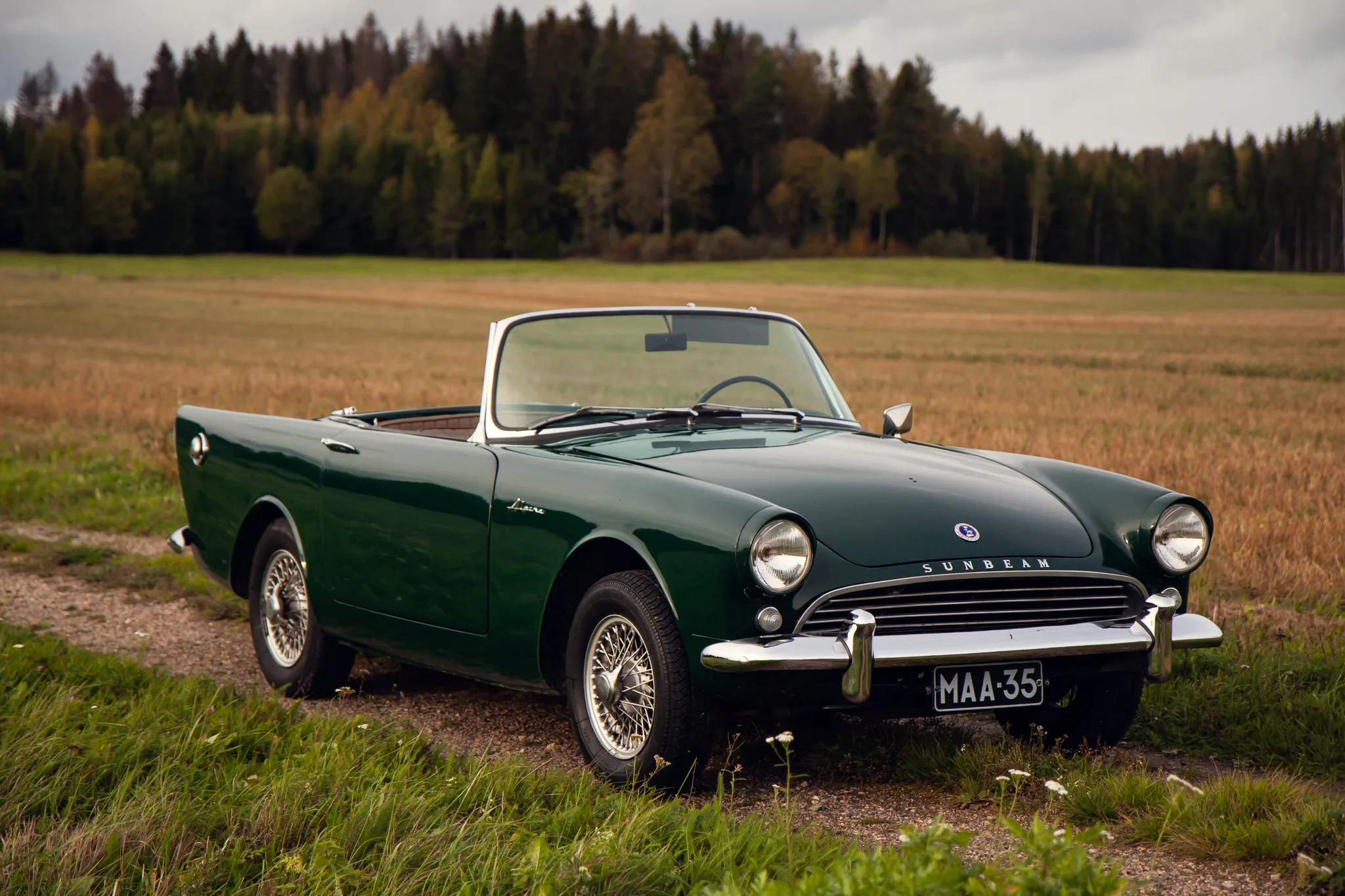
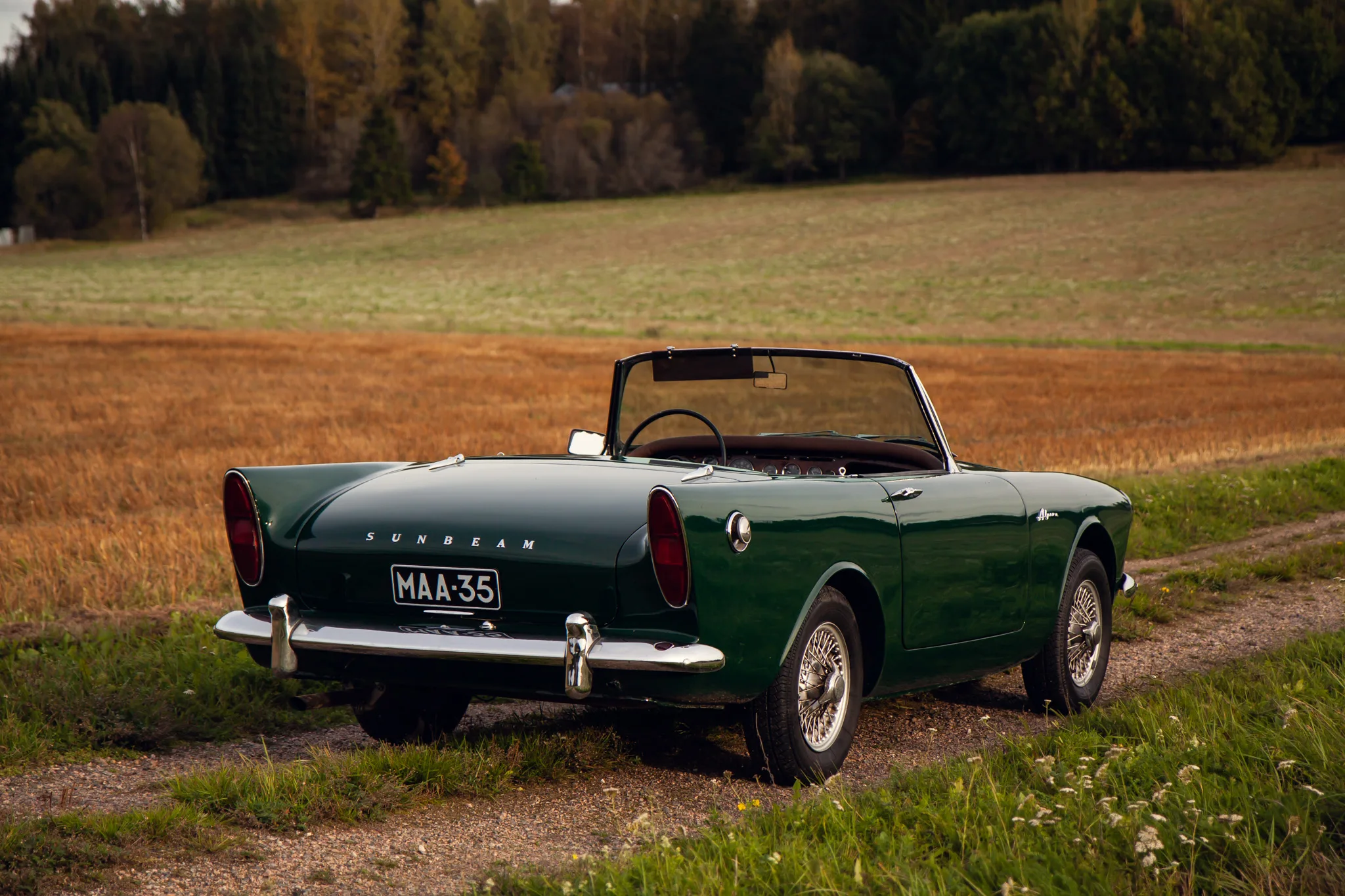
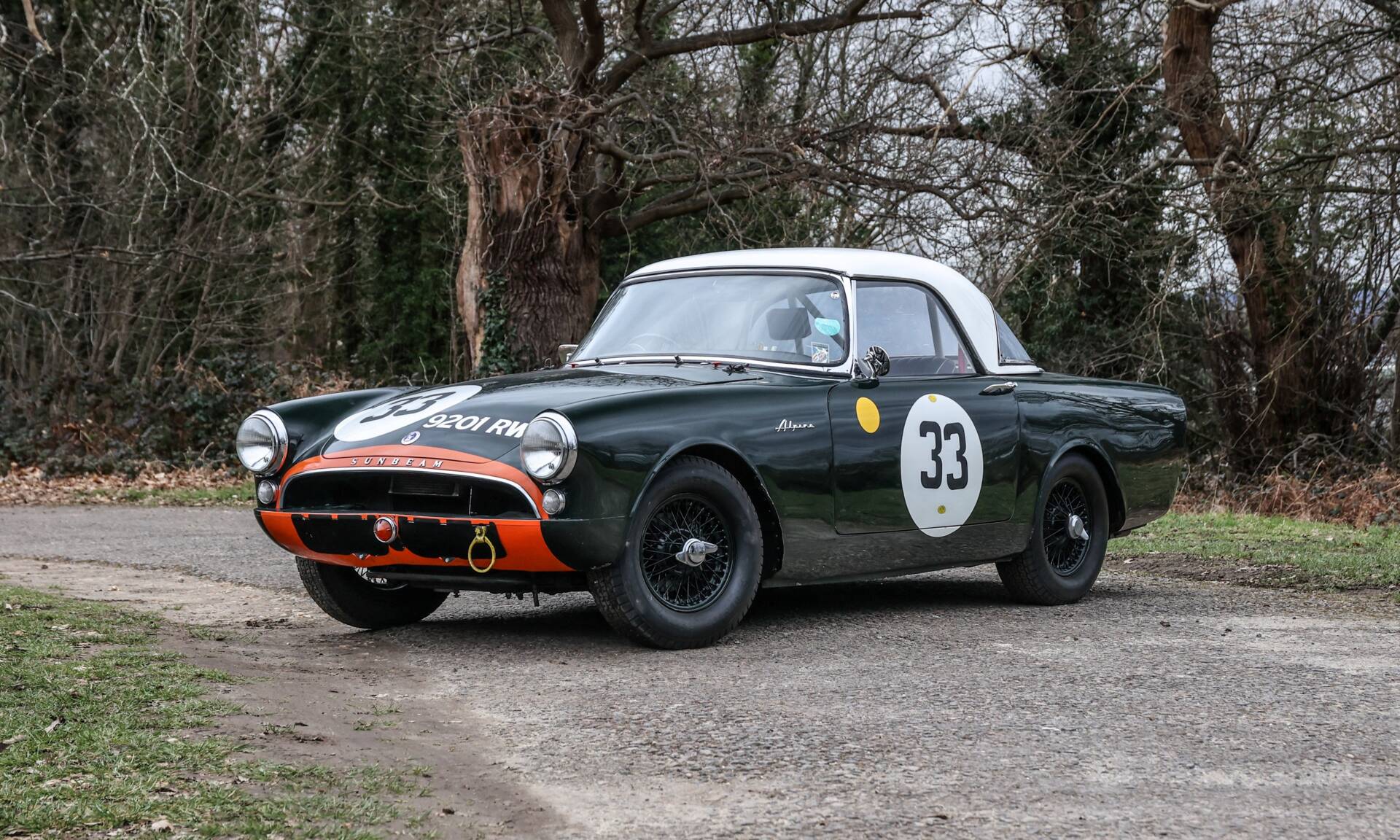
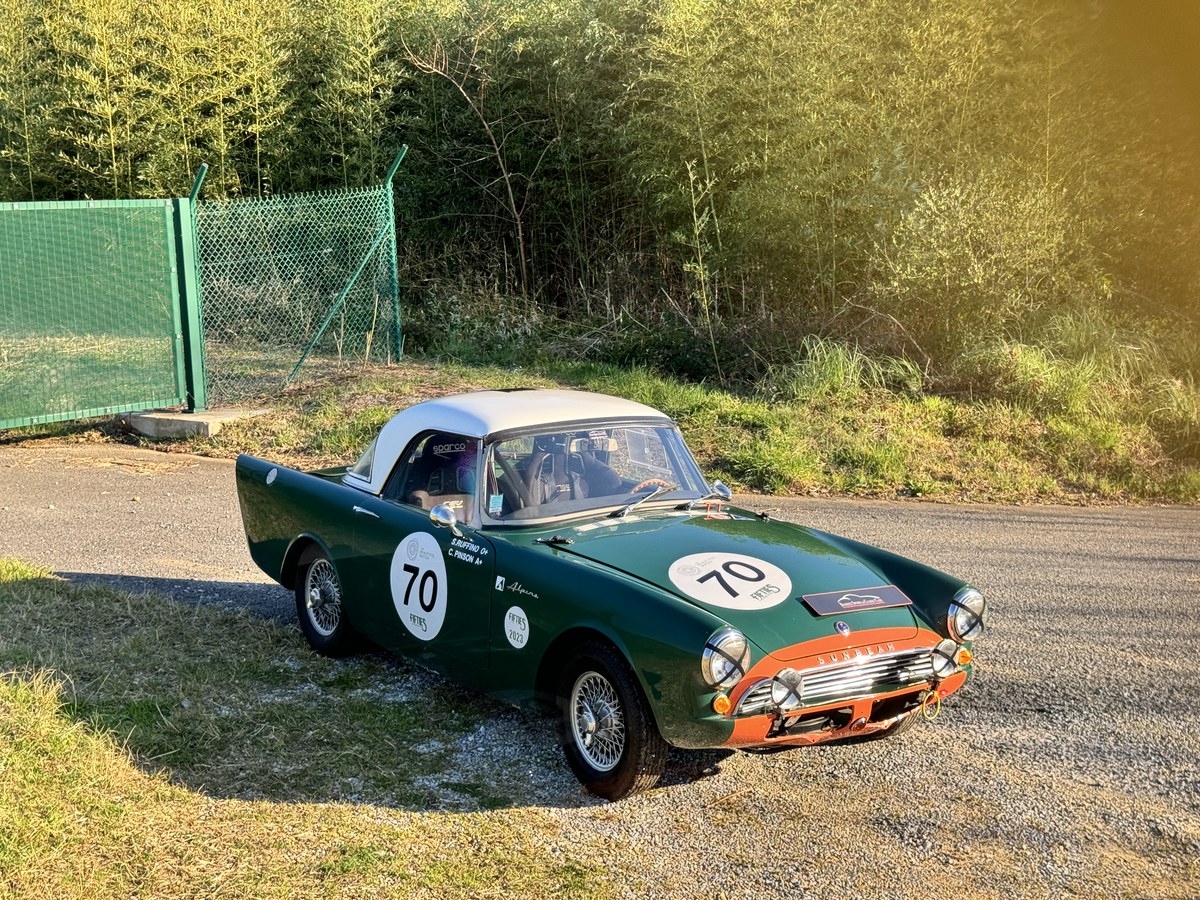
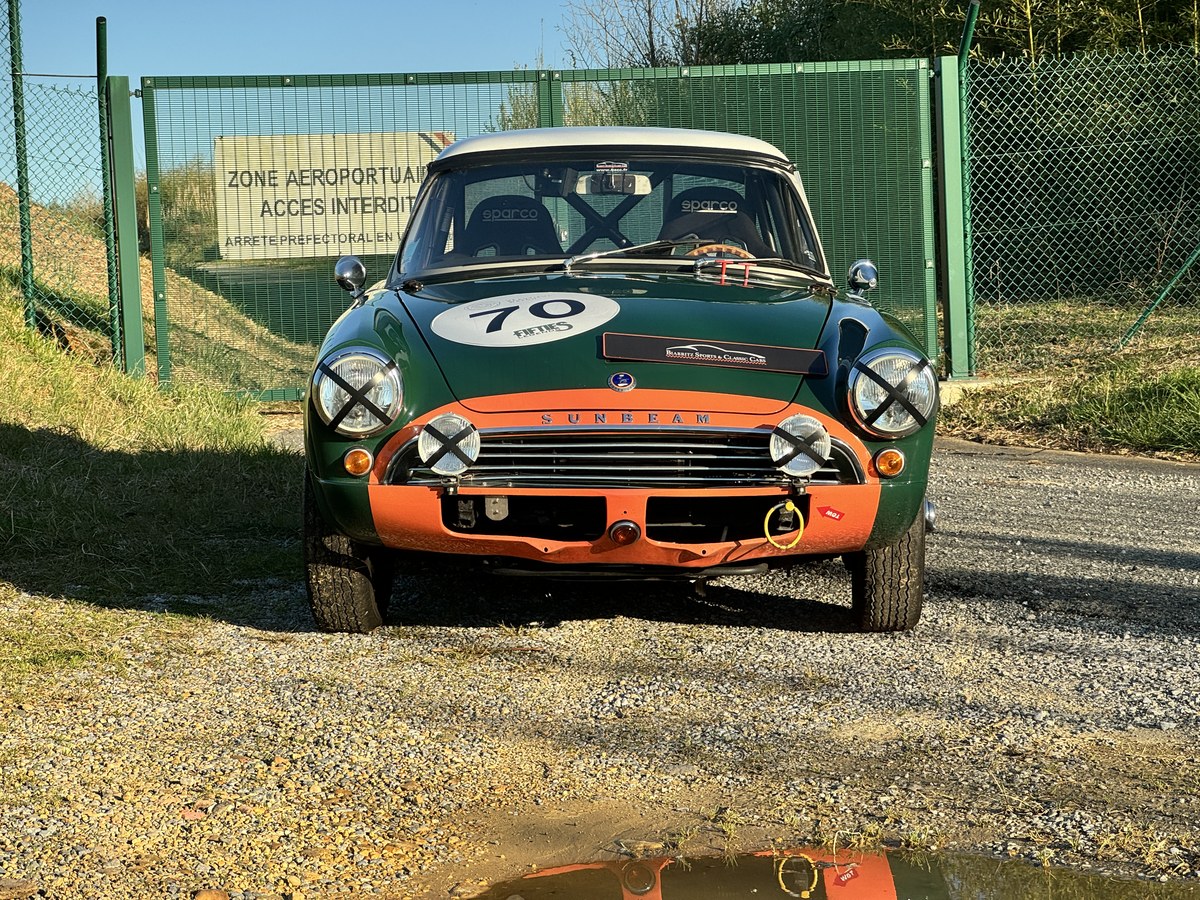
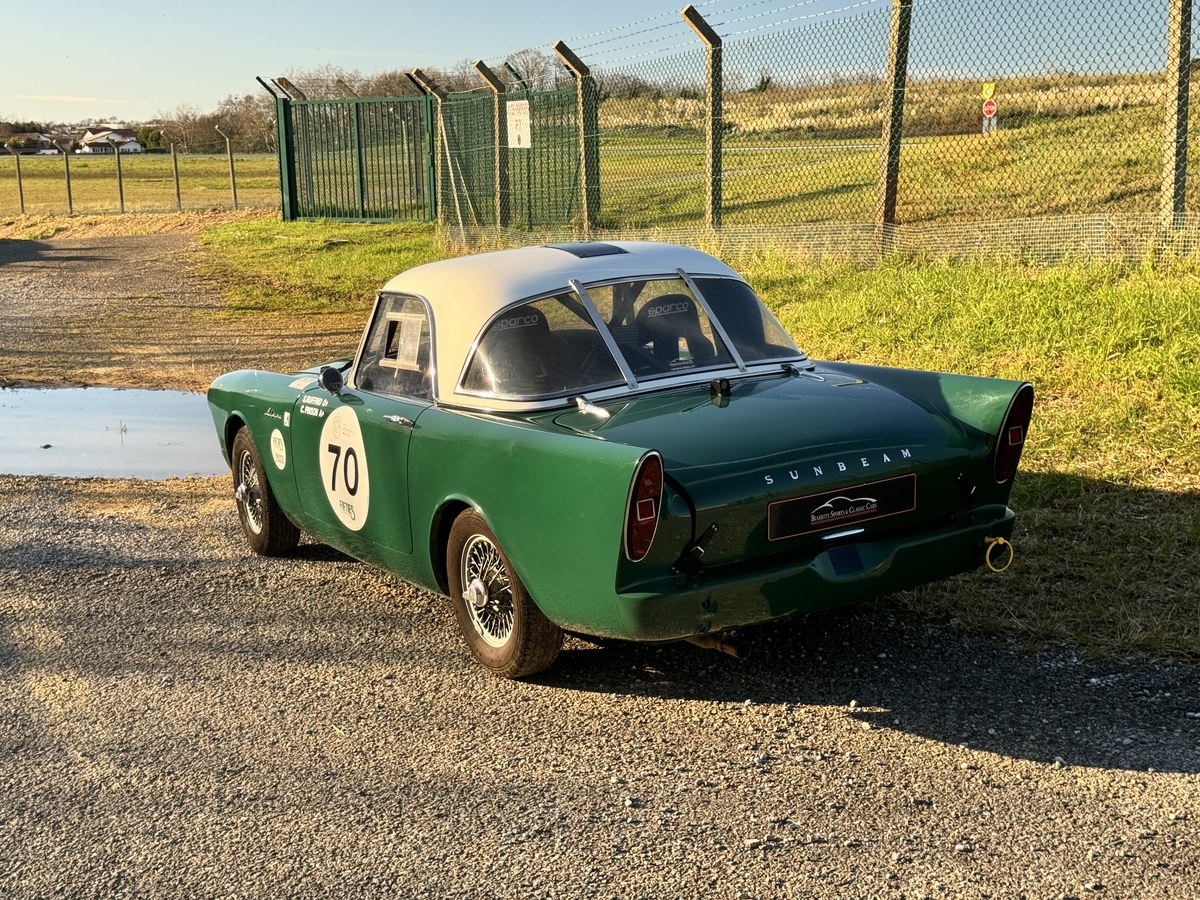
The technical evolution from the Series I to the Series II was entirely focused on extracting genuine performance from the sophisticated Audax-derived unibody platform. Visually, the Series II was virtually identical to its predecessor, proudly sporting the sharp, pronounced rear fins and the aggressively raked grille that gave the car a distinctly American flair on a compact British footprint. The true revolution occurred beneath the forward-hinged bonnet. The Rootes engineers bored out the proven B-Series overhead-valve four-cylinder engine from 1494cc to 1592cc. This larger 1.6-liter powerplant, breathing through a pair of Zenith carburetors, bumped output to a healthy 80 brake horsepower and, more importantly, delivered a vastly improved, flatter torque curve. This allowed the Series II to cruise effortlessly at highway speeds without frantic gear changes. Power was transmitted through a crisp four-speed manual gearbox, with a highly desirable Laycock-de-Normanville overdrive available as an option, effectively transforming the car into a long-legged grand tourer. The chassis retained its rigid unibody construction, providing a stable platform for the independent coil-spring front suspension and the live rear axle, which benefited from wider rear leaf springs to cure the unpredictable handling traits of the earlier cars. Stopping power was impressive for 1960, with Girling disc brakes up front and drums at the rear providing confident, fade-free deceleration. Inside, the Series II remained a revelation. It offered occupants proper roll-up glass windows, a beautifully engineered folding soft-top hidden beneath a neat metal tonneau, and a luxurious dashboard featuring a comprehensive suite of Smiths instrumentation.
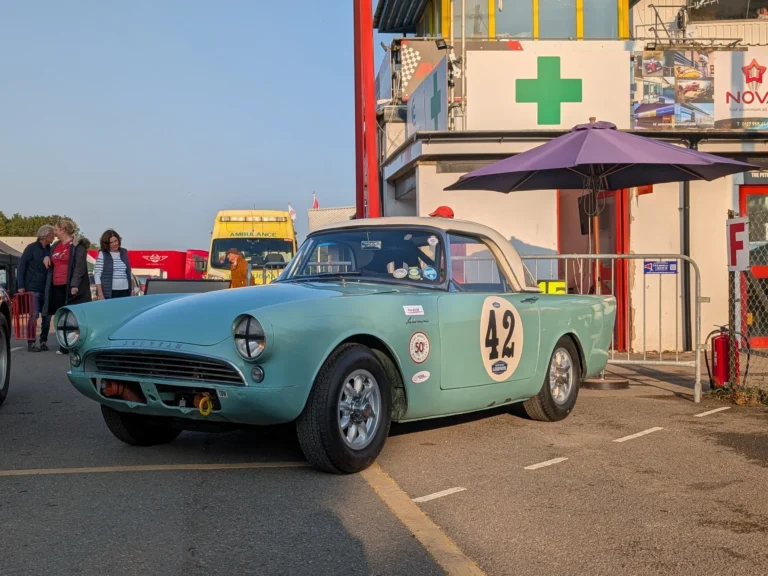
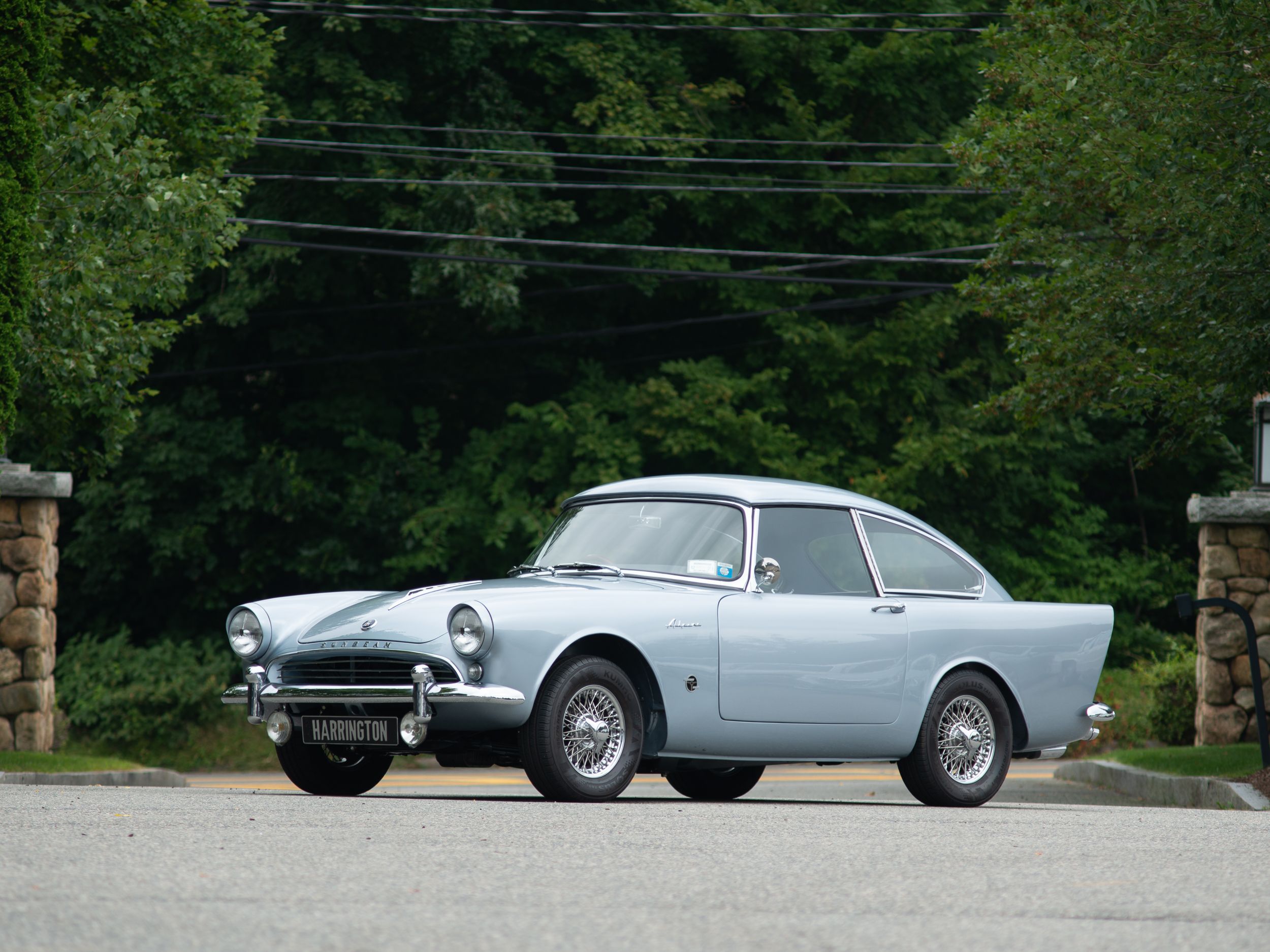
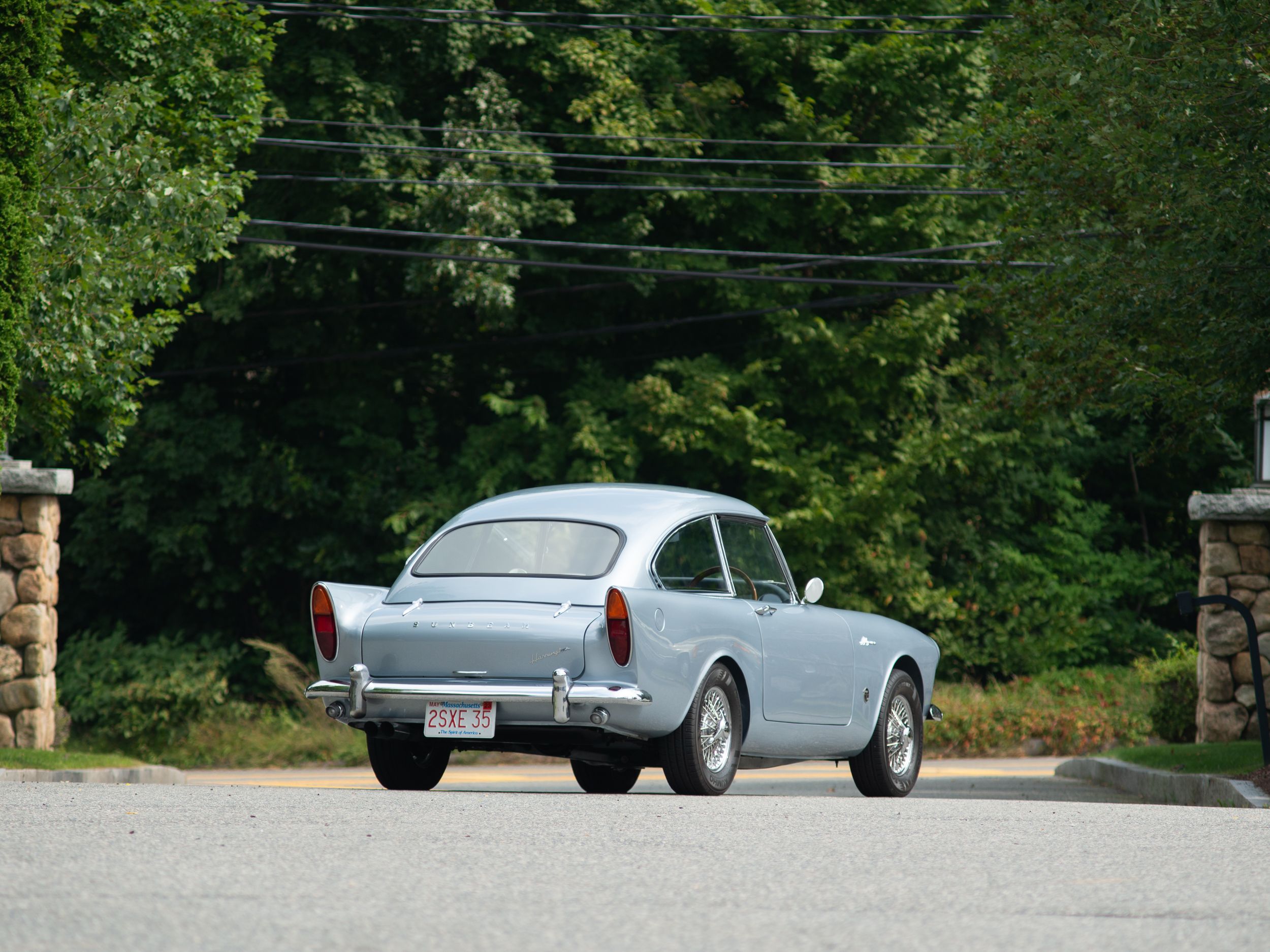
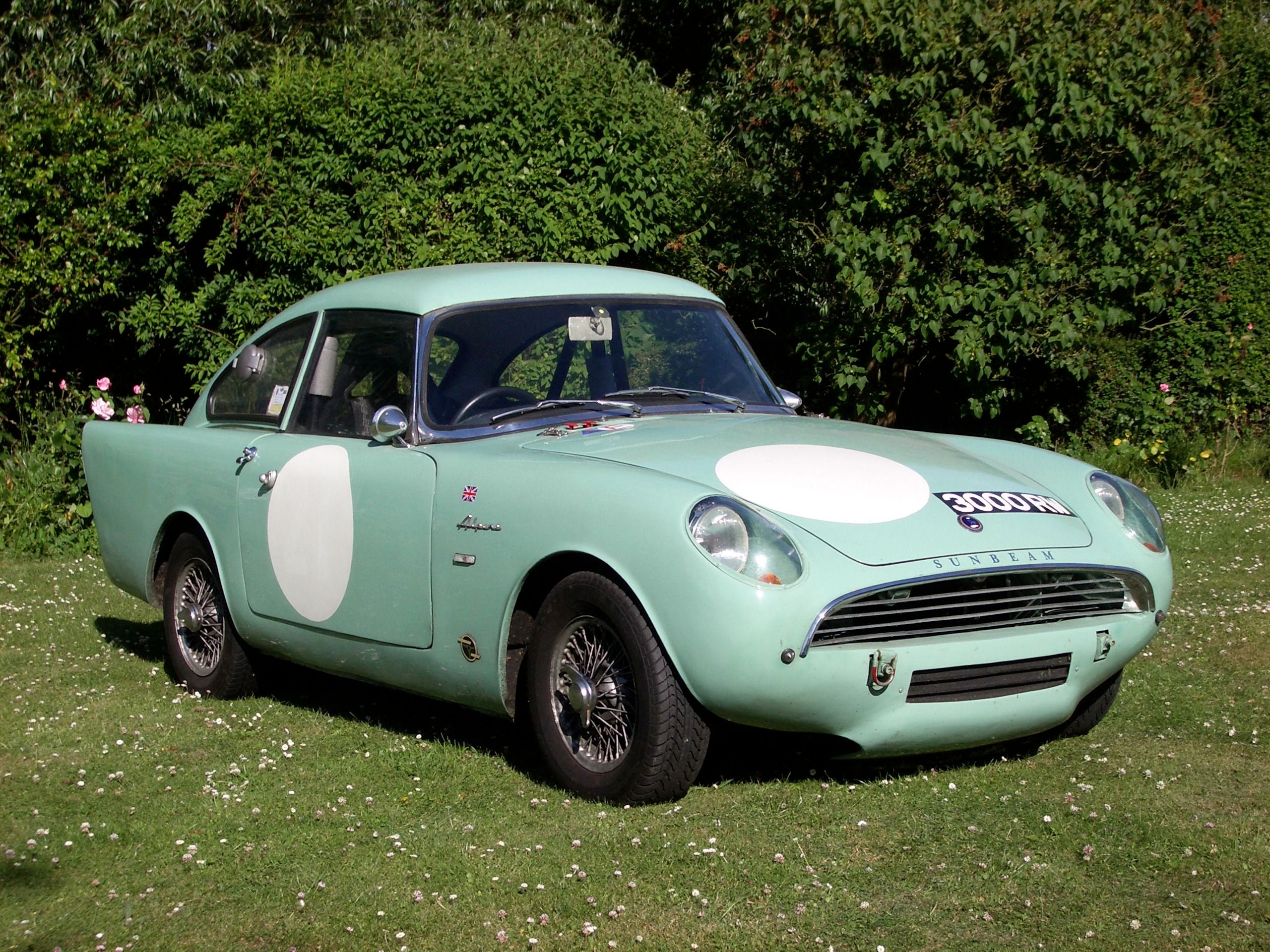
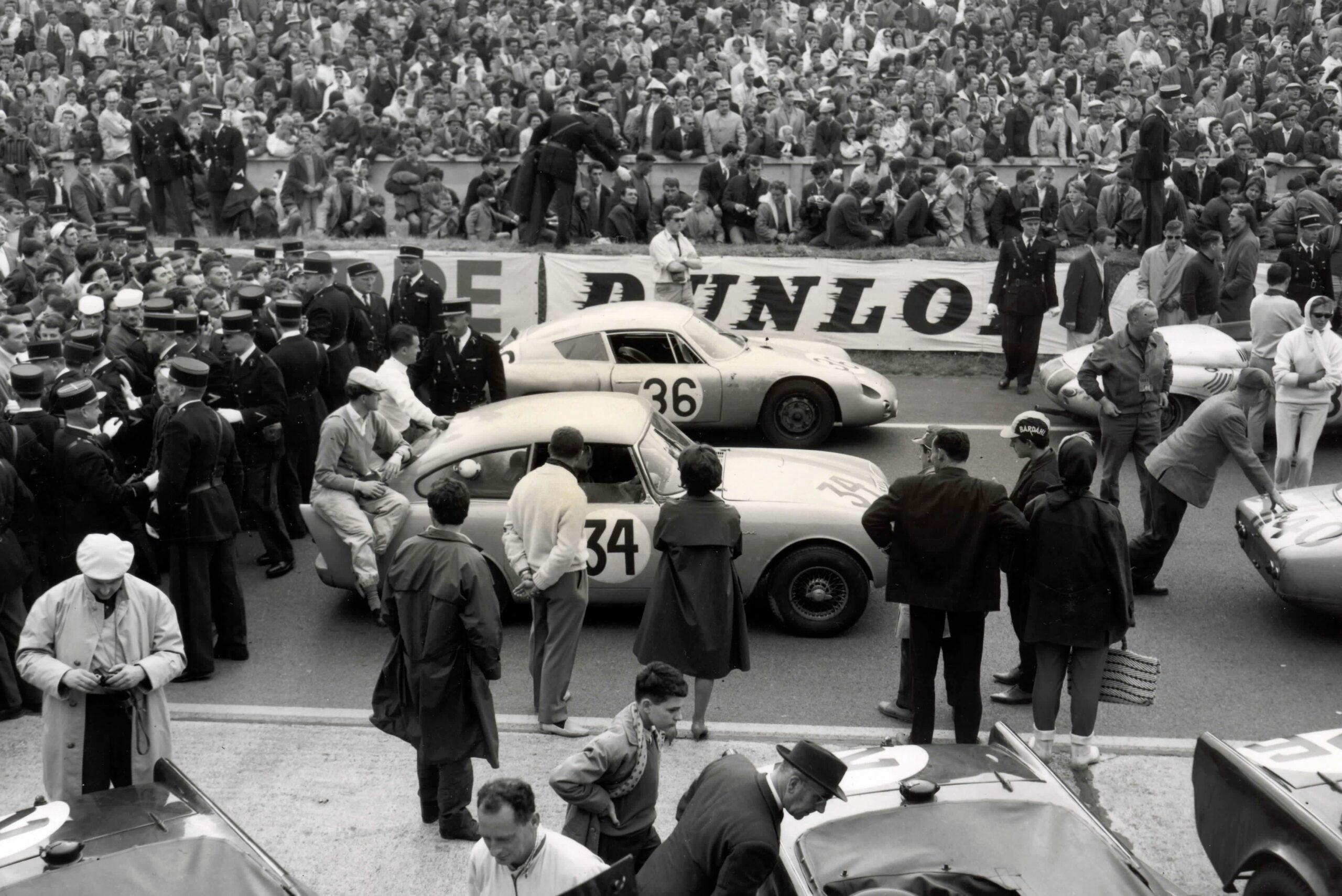
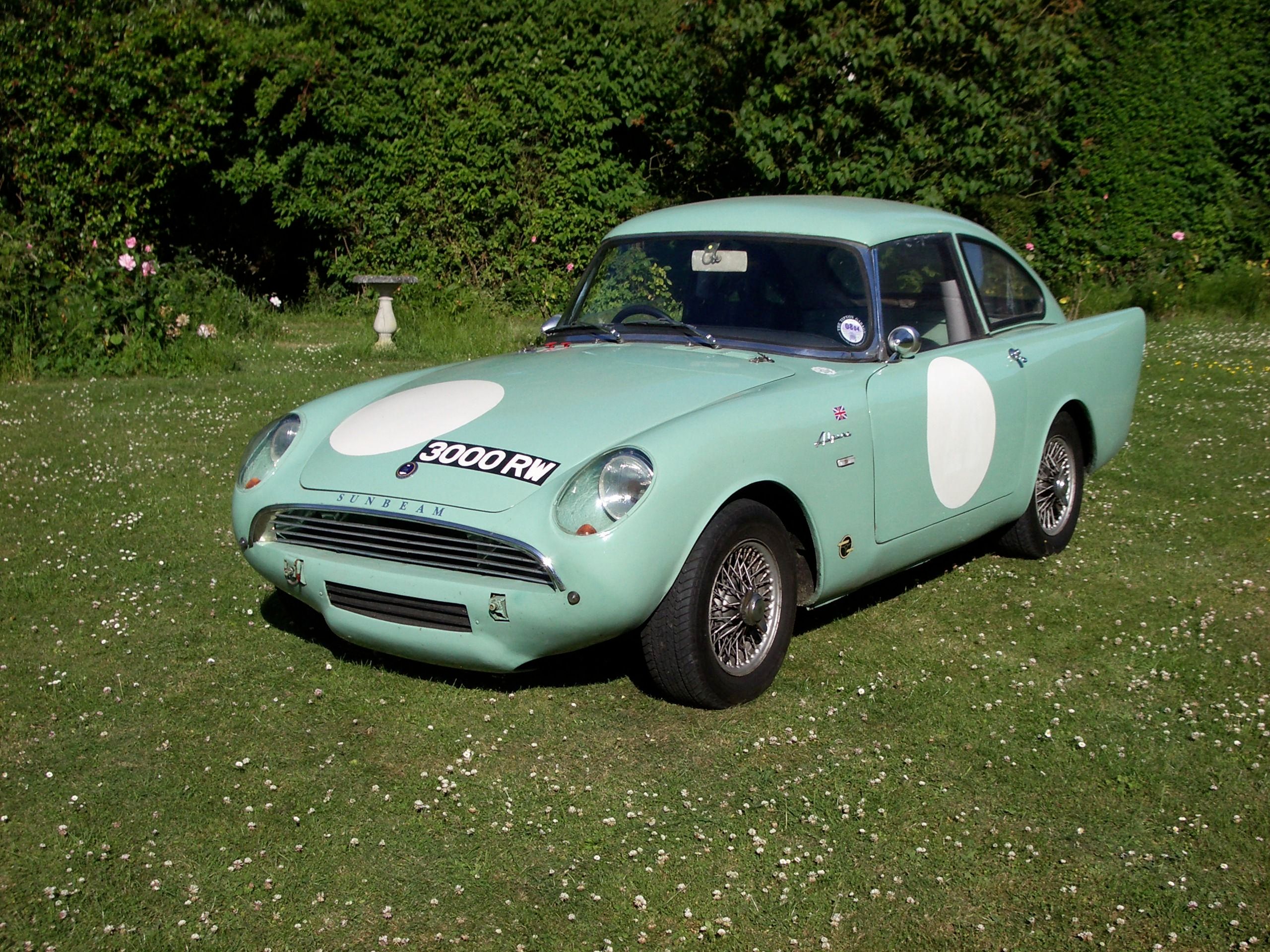
The historical impact of the Series II Alpine is defined by an incredible duality: it was simultaneously a Hollywood darling and a gritty, relentless endurance racer. Commercially and culturally, the Series II achieved eternal immortality in 1962. When a relatively unknown Scottish actor named Sean Connery stepped into the role of James Bond in Dr. No, the producers needed a sophisticated, capable sports car for a high-speed chase sequence in Jamaica. They famously rented a Lake Blue Sunbeam Alpine Series II from a local resident. As Connery slid the finned roadster under a heavy construction crane to evade the pursuing LaSalle hearse, the Series II was instantly cemented in pop culture history as the very first Bond car. Yet, while it was playing the civilized gentleman’s express on screen, the Series II was earning immense respect on the global motorsport stage. The robust 1.6-liter engine and stiff unibody proved to be an exceptional foundation for endurance racing. Working with specialist coachbuilder Thomas Harrington, highly modified, aerodynamic fastback versions known as the Harrington Alpines were developed. Based entirely on the Series II mechanicals, these bespoke racers took to the Circuit de la Sarthe. At the 1961 24 Hours of Le Mans, a Harrington Alpine driven by Peter Harper and Peter Procter astonishingly secured the highly coveted Index of Thermal Efficiency, proving that the 1.6-liter Rootes engine could outlast and out-efficiency the greatest prototype machinery in the world. Back in America, the standard roadsters became fierce competitors in the SCCA F-Production class, engaging in weekend warfare against Porsches and MGs.
The Sunbeam Alpine Series II represents the absolute zenith of the “finned” Alpine era, taking the glamorous styling of the 1950s and pairing it with the mechanical capability required for the 1960s. When it was eventually replaced by the Series III in 1963, the iconic high fins were truncated in favor of a more subdued, contemporary profile, making the Series I and II cars the most visually striking of the entire lineage. More importantly, the immense structural rigidity and reliability proven by the 1.6-liter Series II on the demanding circuits of Europe and America served as the vital proof of concept for the Alpine’s chassis. It was this exact unibody strength that later convinced Carroll Shelby that the little British roadster could handle the brutal torque of a Ford V8, ultimately birthing the legendary Sunbeam Tiger.
Portal
Model line
Model generation
Brand
Produced from
Vehicle category
Generation Overview
To fully appreciate the arrival of the 1960 Sunbeam Alpine Series II, one must understand the rapidly evolving expectations of the sports car buyer at the dawn of a new decade. The late 1950s had established the British roadster as a global phenomenon, but the traditional offerings—namely the MGA and the Triumph TR3—were inherently compromised. They were magnificent, wind-in-the-hair machines, but they were also drafty, bone-shakingly stiff, and possessed weather protection that could generously be described as optimistic. The Rootes Group had already fired a warning shot across the bows of Abingdon and Coventry with the introduction of the unibody Alpine Series I in 1959, introducing an unprecedented level of civilized touring comfort. However, the original 1.5-liter engine felt slightly asthmatic when tasked with hauling the robust monocoque shell. In late 1960, Rootes delivered the definitive, perfected iteration of their finned era: the Sunbeam Alpine Series II. It was a vehicle that retained the glamorous, transatlantic styling of its predecessor but crucially introduced the mechanical fortitude required to battle the newly upgraded MGA 1600 and Alfa Romeo Giulietta Spider, both in the showroom and on the racetrack.
The technical evolution from the Series I to the Series II was entirely focused on extracting genuine performance from the sophisticated Audax-derived unibody platform. Visually, the Series II was virtually identical to its predecessor, proudly sporting the sharp, pronounced rear fins and the aggressively raked grille that gave the car a distinctly American flair on a compact British footprint. The true revolution occurred beneath the forward-hinged bonnet. The Rootes engineers bored out the proven B-Series overhead-valve four-cylinder engine from 1494cc to 1592cc. This larger 1.6-liter powerplant, breathing through a pair of Zenith carburetors, bumped output to a healthy 80 brake horsepower and, more importantly, delivered a vastly improved, flatter torque curve. This allowed the Series II to cruise effortlessly at highway speeds without frantic gear changes. Power was transmitted through a crisp four-speed manual gearbox, with a highly desirable Laycock-de-Normanville overdrive available as an option, effectively transforming the car into a long-legged grand tourer. The chassis retained its rigid unibody construction, providing a stable platform for the independent coil-spring front suspension and the live rear axle, which benefited from wider rear leaf springs to cure the unpredictable handling traits of the earlier cars. Stopping power was impressive for 1960, with Girling disc brakes up front and drums at the rear providing confident, fade-free deceleration. Inside, the Series II remained a revelation. It offered occupants proper roll-up glass windows, a beautifully engineered folding soft-top hidden beneath a neat metal tonneau, and a luxurious dashboard featuring a comprehensive suite of Smiths instrumentation.
The historical impact of the Series II Alpine is defined by an incredible duality: it was simultaneously a Hollywood darling and a gritty, relentless endurance racer. Commercially and culturally, the Series II achieved eternal immortality in 1962. When a relatively unknown Scottish actor named Sean Connery stepped into the role of James Bond in Dr. No, the producers needed a sophisticated, capable sports car for a high-speed chase sequence in Jamaica. They famously rented a Lake Blue Sunbeam Alpine Series II from a local resident. As Connery slid the finned roadster under a heavy construction crane to evade the pursuing LaSalle hearse, the Series II was instantly cemented in pop culture history as the very first Bond car. Yet, while it was playing the civilized gentleman’s express on screen, the Series II was earning immense respect on the global motorsport stage. The robust 1.6-liter engine and stiff unibody proved to be an exceptional foundation for endurance racing. Working with specialist coachbuilder Thomas Harrington, highly modified, aerodynamic fastback versions known as the Harrington Alpines were developed. Based entirely on the Series II mechanicals, these bespoke racers took to the Circuit de la Sarthe. At the 1961 24 Hours of Le Mans, a Harrington Alpine driven by Peter Harper and Peter Procter astonishingly secured the highly coveted Index of Thermal Efficiency, proving that the 1.6-liter Rootes engine could outlast and out-efficiency the greatest prototype machinery in the world. Back in America, the standard roadsters became fierce competitors in the SCCA F-Production class, engaging in weekend warfare against Porsches and MGs.
The Sunbeam Alpine Series II represents the absolute zenith of the “finned” Alpine era, taking the glamorous styling of the 1950s and pairing it with the mechanical capability required for the 1960s. When it was eventually replaced by the Series III in 1963, the iconic high fins were truncated in favor of a more subdued, contemporary profile, making the Series I and II cars the most visually striking of the entire lineage. More importantly, the immense structural rigidity and reliability proven by the 1.6-liter Series II on the demanding circuits of Europe and America served as the vital proof of concept for the Alpine’s chassis. It was this exact unibody strength that later convinced Carroll Shelby that the little British roadster could handle the brutal torque of a Ford V8, ultimately birthing the legendary Sunbeam Tiger.
Submodels