
Triumph Dolomite
Brand
Produced from
Vehicle category
Portal
Model line
Model generation
Predecessor
Sucessor
Model Overview
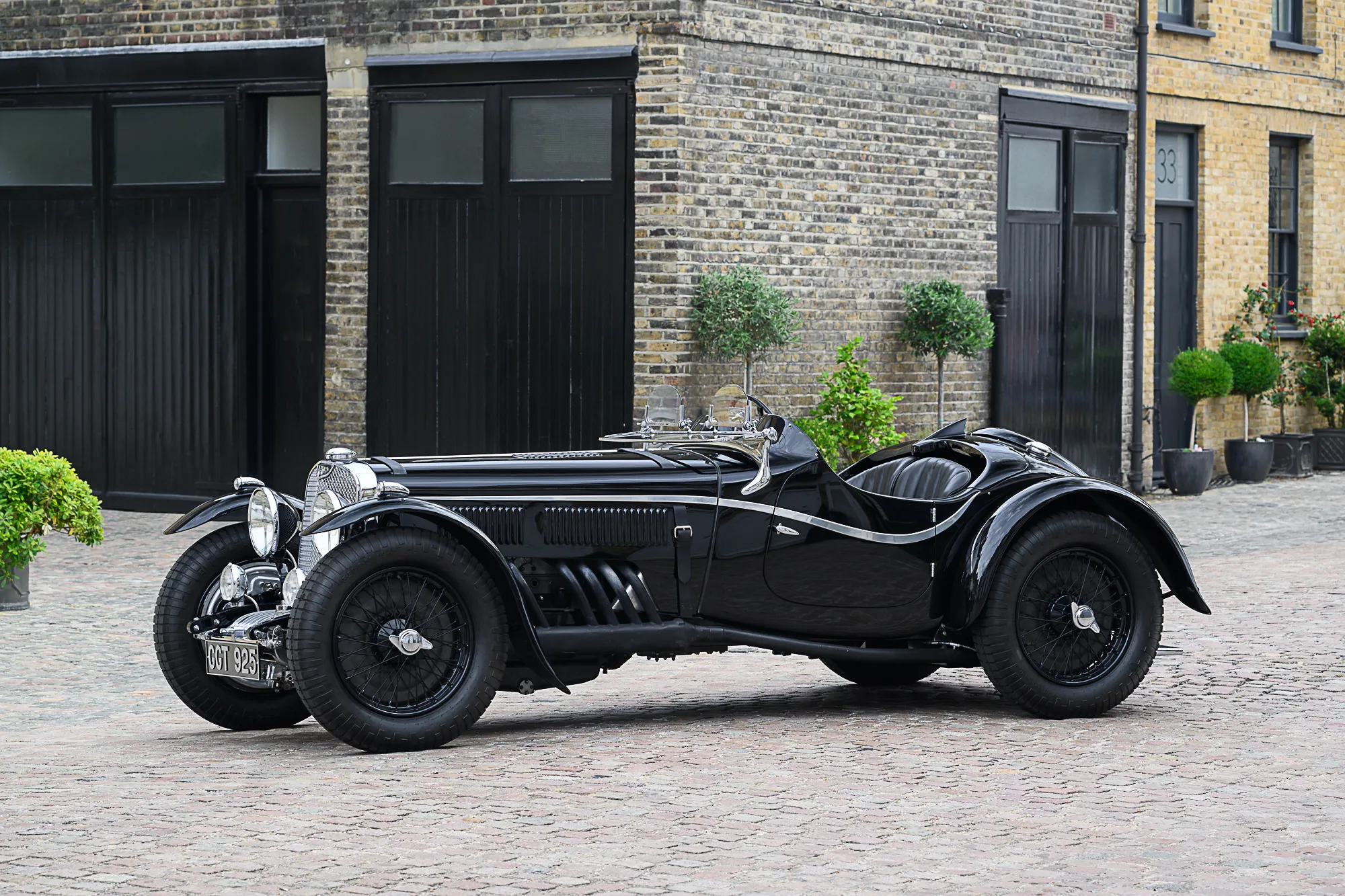
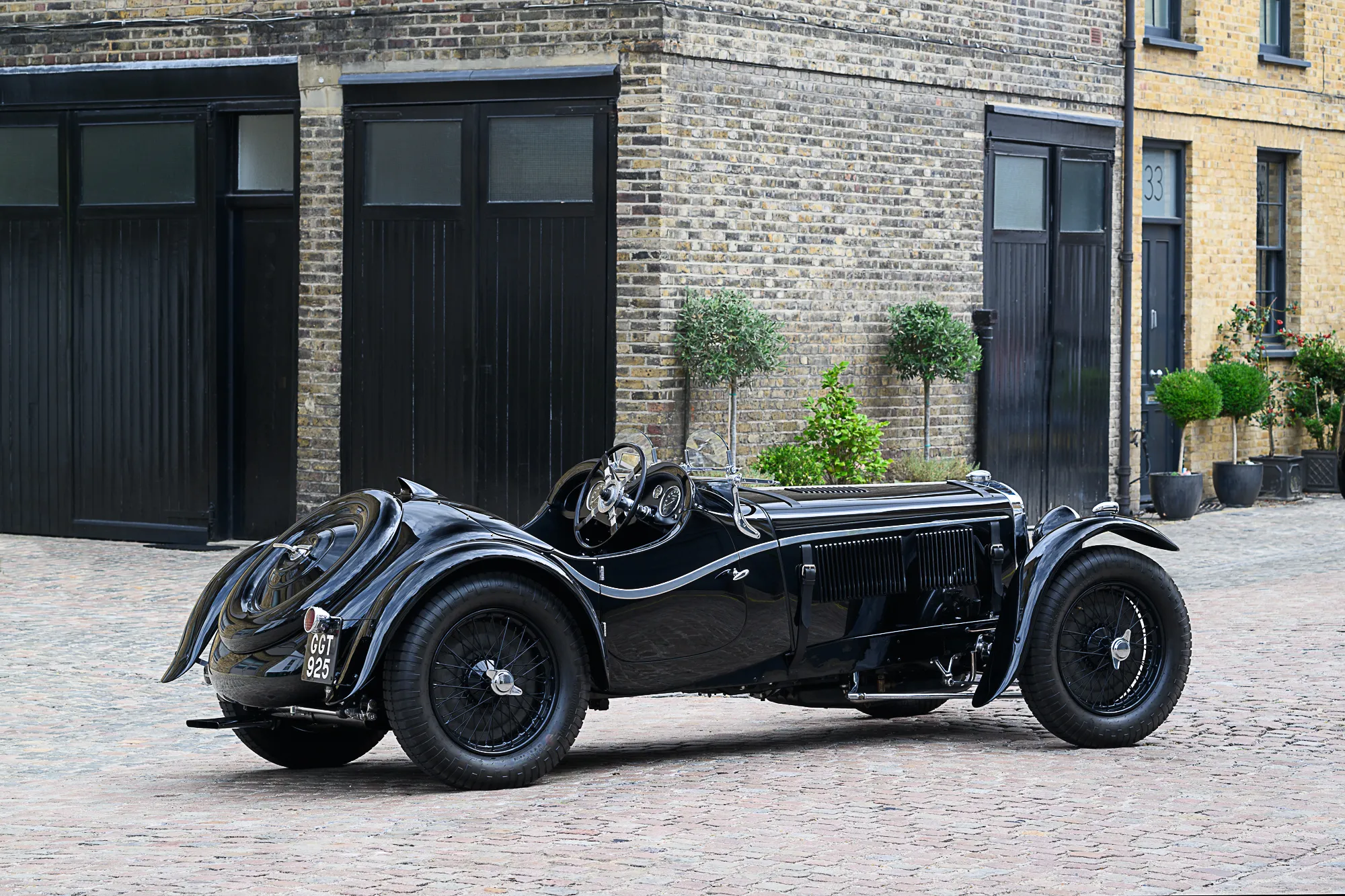
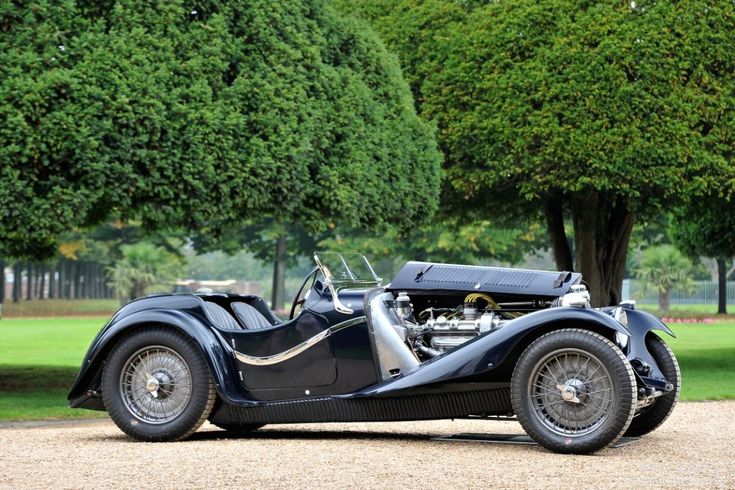
The gleam of chrome cascading down a radiator grille like liquid mercury—that is the lasting, indelible image of the 1937 Triumph Dolomite. Long before the thrum of its overhead-valve engine could be heard cutting through the crisp morning air of pre-war Britain, this car announced its arrival with an aesthetic audacity rarely seen outside of bespoke coachbuilders. The late 1930s was a period of frantic, stylish optimism in the British motor industry. The austerity of the Great Depression was fading, and a new middle class of discerning motorists was emerging—buyers who demanded not just transportation, but genuine sporting elegance. Triumph, under the engineering guidance of the legendary Donald Healey, sought to capture this lucrative market. To understand the 1937 Dolomite, one must first look at its complex lineage. It was designed to succeed the highly regarded but aging Triumph Gloria, yet it inherited its evocative name from a mythical, abortive project: the 1934 Dolomite Straight-8, a beautifully engineered but financially ruinous supercharged clone of the Alfa Romeo 8C 2300. Seeking a more commercially viable path, Triumph pivoted. The Dolomite was built to wage war in the showroom and on the rally stages against a formidable array of domestic rivals, most notably William Lyons’ stunning SS Jaguar 1.5 and 2.5 Litre saloons, the Riley Kestrel, and the MG SA. It was a golden age of the sporting sports saloon, and Triumph arrived armed with a true aesthetic and mechanical heavyweight.
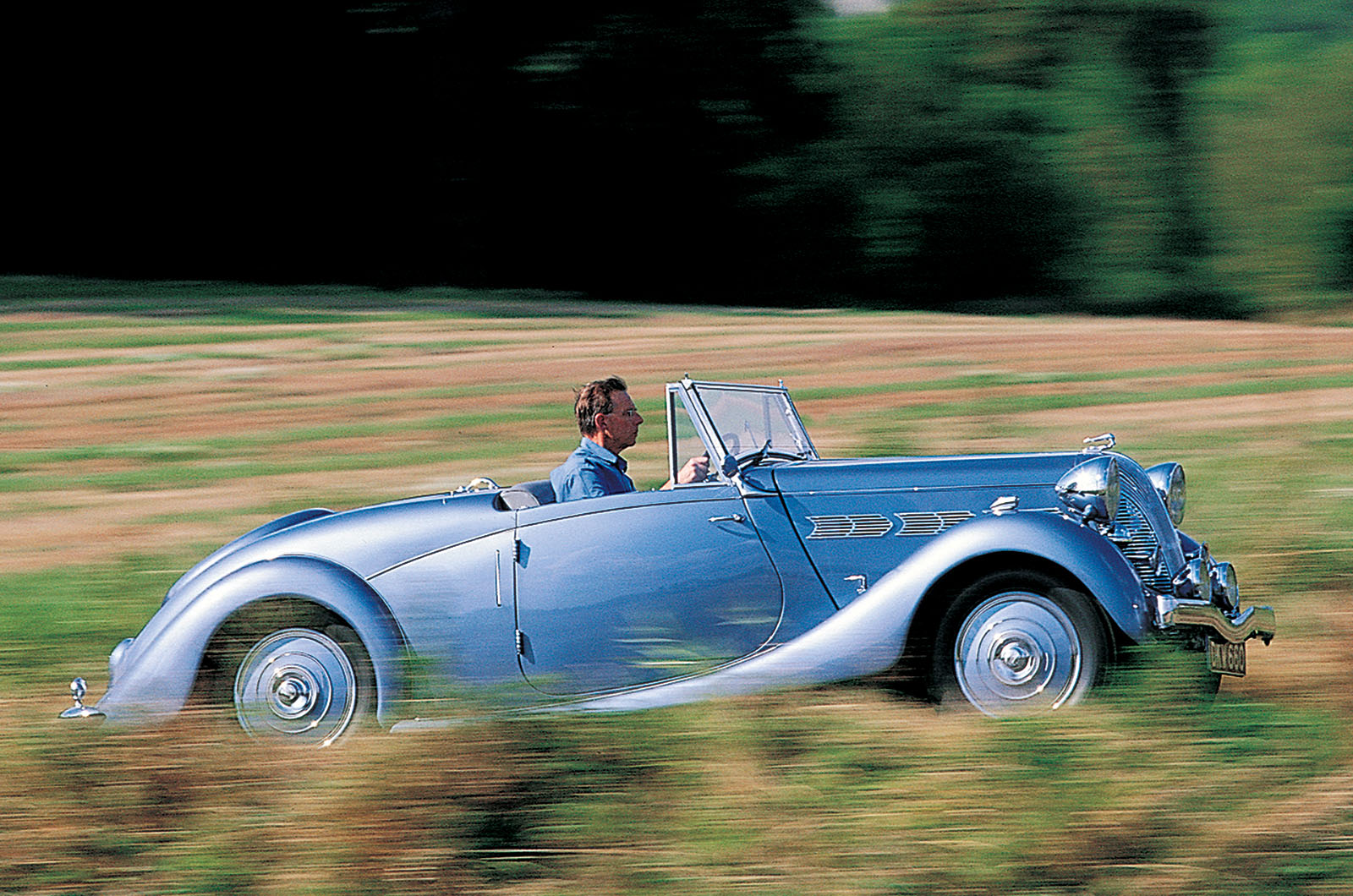
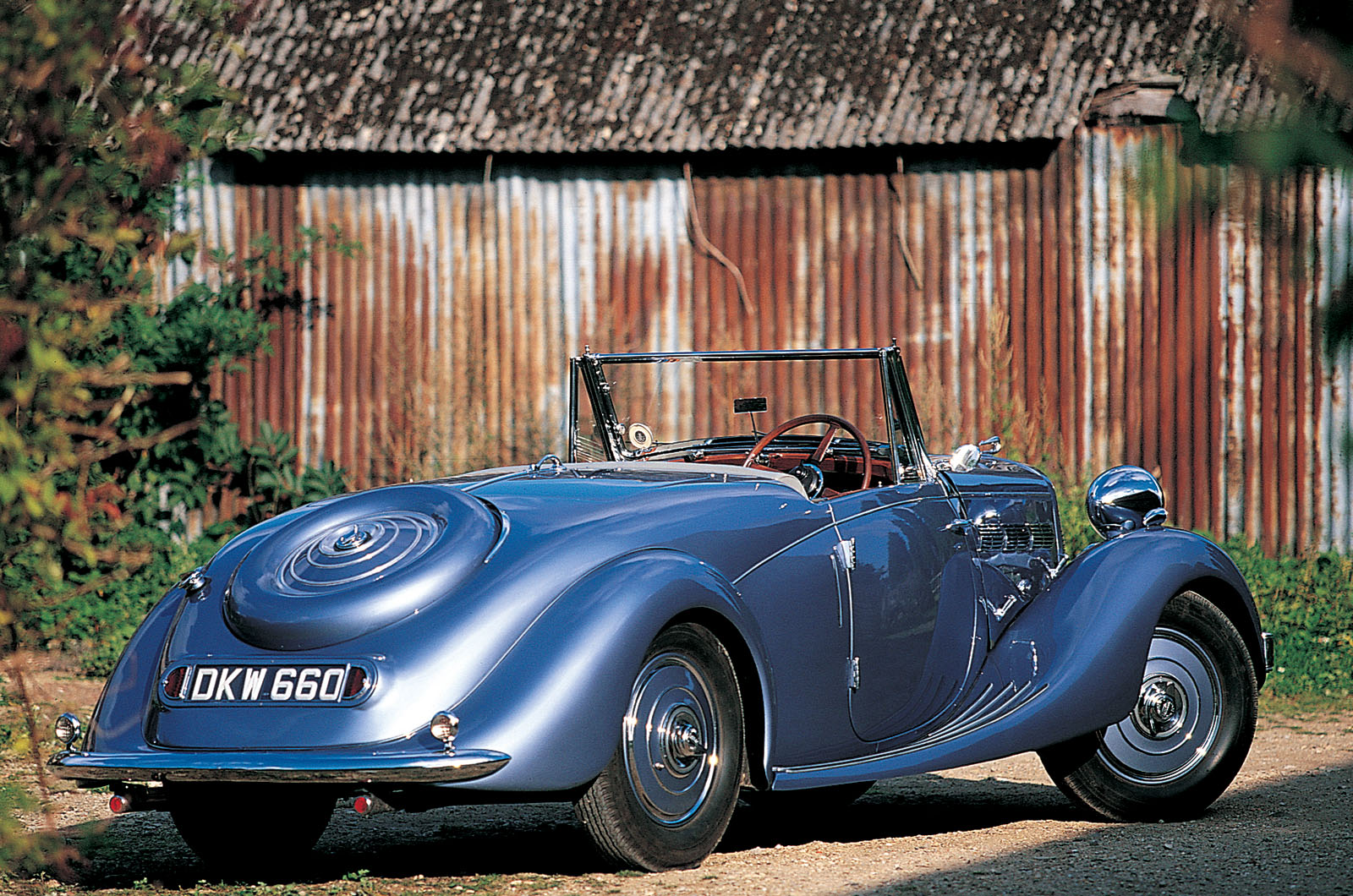
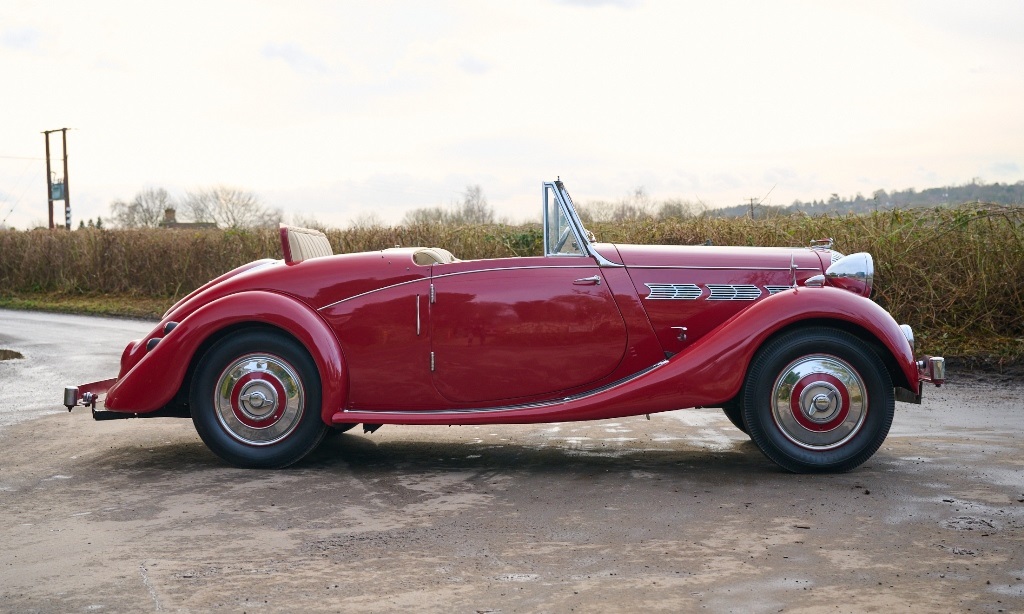
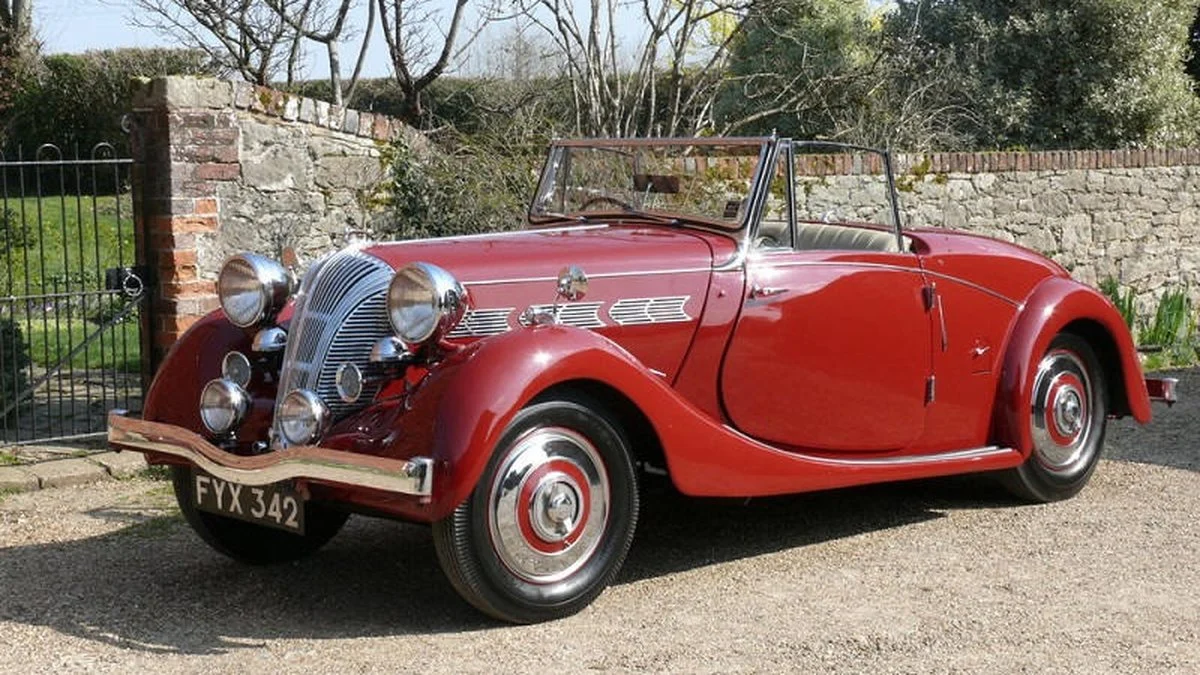
To stand before the Triumph Dolomite is to witness a magnificent collision of transatlantic styling and traditional British coachbuilding. The visual centerpiece, penned by Triumph’s chief designer Walter Belgrove, was the extraordinary “waterfall” or “fencer’s mask” radiator grille. Heavily inspired by the 1936 Hudson Terraplane from America, Belgrove refined the concept, rendering it with a delicate, sweeping grace that perfectly suited the sweeping fenders and low-slung stance of the British car. Beneath this flamboyant, hand-crafted aluminium and steel bodywork—traditionally mounted over an ash wood frame—lay a thoroughly robust mechanical package. The Dolomite was offered in several engine capacities, but the most revered were the 14/60 four-cylinder and the smooth 2-litre inline-six. Designed by Donald Healey, these overhead-valve (OHV) powerplants were sophisticated, reliable, and torquey. Breathing through twin SU carburetors, the 1,991cc six-cylinder engine, in particular, delivered effortless cruising capability and a deeply satisfying, raspy exhaust note. Power was sent to the rear wheels via a robust four-speed manual gearbox that, crucially for the era, featured synchromesh on the top three ratios, allowing for rapid, clash-free gear changes.
The chassis was a traditional but highly refined ladder frame, suspended by semi-elliptic leaf springs and damped by advanced Luvax shock absorbers, which provided a ride that perfectly balanced grand touring comfort with genuine back-road agility. Stopping this elegant machine relied on a powerful hydraulic braking system—a significant technological leap over the rod-operated mechanical brakes still used by many competitors—ensuring the Dolomite could shed speed with modern confidence. Stepping into the cabin revealed an interior that was exceptionally opulent for its price bracket. Occupants were greeted by the rich scent of Connolly leather and an expanse of polished walnut veneer. The dashboard was a triumph of Art Deco design, populated by large, highly legible Jaeger instruments with elegant cream faces. Remarkably, the Dolomite featured a telescopic steering column adjustable for reach and rake, an advanced ergonomic touch that highlighted Triumph’s commitment to the driver’s ultimate comfort.
The historical footprint is defined by a blend of glamorous continental rallying and devastating wartime tragedy. Donald Healey, who served not only as Triumph’s Experimental Manager but also as their star driver, knew that motorsport success was the ultimate marketing tool. He took the Dolomite into the grueling crucible of international rallying, most famously tackling the unforgiving ice and snow of the Monte Carlo Rally in 1937 and 1938. While the heavy coachbuilt saloons were not outright winners against dedicated, stripped-out sports racers, their exceptional reliability, powerful hydraulic brakes, and Healey’s brilliant driving secured highly respectable class finishes. These exploits gave the Dolomite a genuine motorsport pedigree, proving that its flamboyant styling was backed by ironclad mechanical fortitude. On the street, the car was a resounding commercial success, available in handsome four-door saloon configurations as well as breathtakingly elegant drophead coupes. It became the vehicle of choice for doctors, lawyers, and enthusiastic gentlemen who wanted a car that looked as though it were moving at a hundred miles an hour even when parked outside a London club.
However, the magnificent story of the pre-war Dolomite was cut brutally short. In November 1940, the devastating Luftwaffe bombing campaign known as the Coventry Blitz completely obliterated the Triumph manufacturing facility at Holbrook Lane. The factory, the tooling, the design blueprints, and the unbuilt chassis were all reduced to ashes. The war permanently halted production, and the independent Triumph Motor Company was subsequently forced into receivership, eventually being absorbed by the Standard Motor Company in 1944.
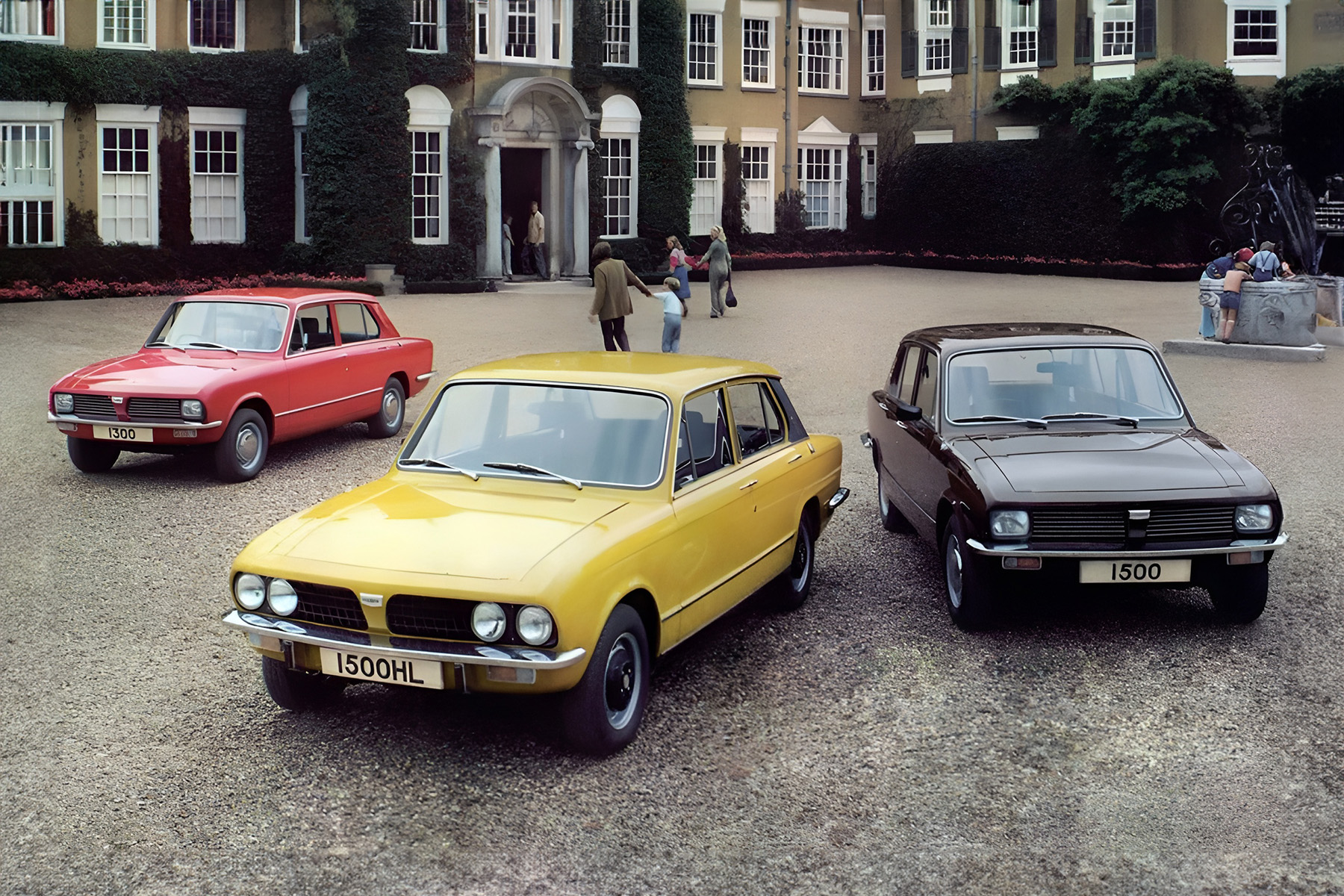
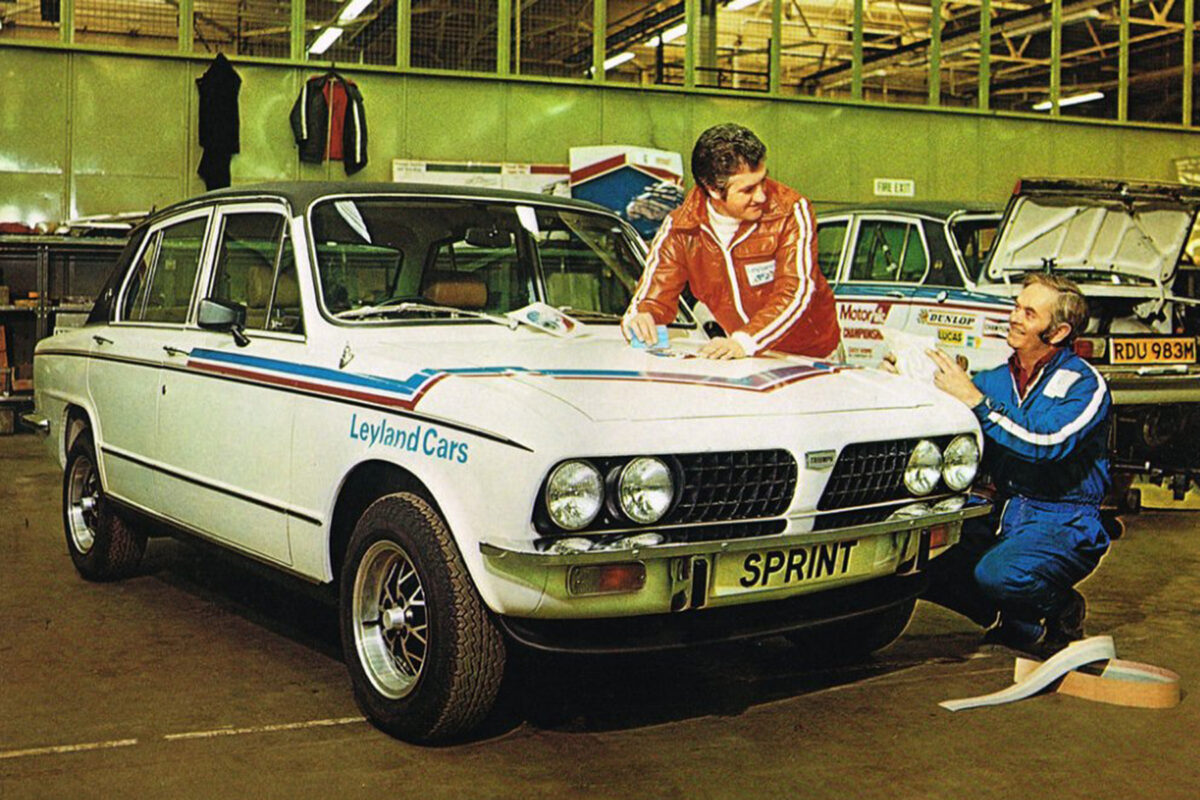
The legacy of the 1937 Triumph Dolomite is deeply romantic, standing as a beautiful, tragic monument to the zenith of pre-war British motoring. It represents an era when designers prioritized sweeping lines and artistic flair over wind-tunnel aerodynamics, and when engineers like Donald Healey built cars that were as comfortable on a snowy Alpine pass as they were on Mayfair’s Park Lane. Though the original cars are now incredibly rare and highly prized by collectors—with their waterfall grilles serving as a holy grail for restorers—the Dolomite name refused to die. Triumph resurrected the legendary moniker in the 1970s for the Dolomite Sprint, a high-performance, 16-valve sports saloon that channeled the exact same ethos: a practical, comfortable car capable of humiliating dedicated sports cars on the track.
Portal
Model line
Model generation
Predecessor
Sucessor
Brand
Produced from
Vehicle category
Portal
Model line
Model generation
Predecessor
Sucessor
Model Overview
The gleam of chrome cascading down a radiator grille like liquid mercury—that is the lasting, indelible image of the 1937 Triumph Dolomite. Long before the thrum of its overhead-valve engine could be heard cutting through the crisp morning air of pre-war Britain, this car announced its arrival with an aesthetic audacity rarely seen outside of bespoke coachbuilders. The late 1930s was a period of frantic, stylish optimism in the British motor industry. The austerity of the Great Depression was fading, and a new middle class of discerning motorists was emerging—buyers who demanded not just transportation, but genuine sporting elegance. Triumph, under the engineering guidance of the legendary Donald Healey, sought to capture this lucrative market. To understand the 1937 Dolomite, one must first look at its complex lineage. It was designed to succeed the highly regarded but aging Triumph Gloria, yet it inherited its evocative name from a mythical, abortive project: the 1934 Dolomite Straight-8, a beautifully engineered but financially ruinous supercharged clone of the Alfa Romeo 8C 2300. Seeking a more commercially viable path, Triumph pivoted. The Dolomite was built to wage war in the showroom and on the rally stages against a formidable array of domestic rivals, most notably William Lyons’ stunning SS Jaguar 1.5 and 2.5 Litre saloons, the Riley Kestrel, and the MG SA. It was a golden age of the sporting sports saloon, and Triumph arrived armed with a true aesthetic and mechanical heavyweight.
To stand before the Triumph Dolomite is to witness a magnificent collision of transatlantic styling and traditional British coachbuilding. The visual centerpiece, penned by Triumph’s chief designer Walter Belgrove, was the extraordinary “waterfall” or “fencer’s mask” radiator grille. Heavily inspired by the 1936 Hudson Terraplane from America, Belgrove refined the concept, rendering it with a delicate, sweeping grace that perfectly suited the sweeping fenders and low-slung stance of the British car. Beneath this flamboyant, hand-crafted aluminium and steel bodywork—traditionally mounted over an ash wood frame—lay a thoroughly robust mechanical package. The Dolomite was offered in several engine capacities, but the most revered were the 14/60 four-cylinder and the smooth 2-litre inline-six. Designed by Donald Healey, these overhead-valve (OHV) powerplants were sophisticated, reliable, and torquey. Breathing through twin SU carburetors, the 1,991cc six-cylinder engine, in particular, delivered effortless cruising capability and a deeply satisfying, raspy exhaust note. Power was sent to the rear wheels via a robust four-speed manual gearbox that, crucially for the era, featured synchromesh on the top three ratios, allowing for rapid, clash-free gear changes.
The chassis was a traditional but highly refined ladder frame, suspended by semi-elliptic leaf springs and damped by advanced Luvax shock absorbers, which provided a ride that perfectly balanced grand touring comfort with genuine back-road agility. Stopping this elegant machine relied on a powerful hydraulic braking system—a significant technological leap over the rod-operated mechanical brakes still used by many competitors—ensuring the Dolomite could shed speed with modern confidence. Stepping into the cabin revealed an interior that was exceptionally opulent for its price bracket. Occupants were greeted by the rich scent of Connolly leather and an expanse of polished walnut veneer. The dashboard was a triumph of Art Deco design, populated by large, highly legible Jaeger instruments with elegant cream faces. Remarkably, the Dolomite featured a telescopic steering column adjustable for reach and rake, an advanced ergonomic touch that highlighted Triumph’s commitment to the driver’s ultimate comfort.
The historical footprint is defined by a blend of glamorous continental rallying and devastating wartime tragedy. Donald Healey, who served not only as Triumph’s Experimental Manager but also as their star driver, knew that motorsport success was the ultimate marketing tool. He took the Dolomite into the grueling crucible of international rallying, most famously tackling the unforgiving ice and snow of the Monte Carlo Rally in 1937 and 1938. While the heavy coachbuilt saloons were not outright winners against dedicated, stripped-out sports racers, their exceptional reliability, powerful hydraulic brakes, and Healey’s brilliant driving secured highly respectable class finishes. These exploits gave the Dolomite a genuine motorsport pedigree, proving that its flamboyant styling was backed by ironclad mechanical fortitude. On the street, the car was a resounding commercial success, available in handsome four-door saloon configurations as well as breathtakingly elegant drophead coupes. It became the vehicle of choice for doctors, lawyers, and enthusiastic gentlemen who wanted a car that looked as though it were moving at a hundred miles an hour even when parked outside a London club.
However, the magnificent story of the pre-war Dolomite was cut brutally short. In November 1940, the devastating Luftwaffe bombing campaign known as the Coventry Blitz completely obliterated the Triumph manufacturing facility at Holbrook Lane. The factory, the tooling, the design blueprints, and the unbuilt chassis were all reduced to ashes. The war permanently halted production, and the independent Triumph Motor Company was subsequently forced into receivership, eventually being absorbed by the Standard Motor Company in 1944.
The legacy of the 1937 Triumph Dolomite is deeply romantic, standing as a beautiful, tragic monument to the zenith of pre-war British motoring. It represents an era when designers prioritized sweeping lines and artistic flair over wind-tunnel aerodynamics, and when engineers like Donald Healey built cars that were as comfortable on a snowy Alpine pass as they were on Mayfair’s Park Lane. Though the original cars are now incredibly rare and highly prized by collectors—with their waterfall grilles serving as a holy grail for restorers—the Dolomite name refused to die. Triumph resurrected the legendary moniker in the 1970s for the Dolomite Sprint, a high-performance, 16-valve sports saloon that channeled the exact same ethos: a practical, comfortable car capable of humiliating dedicated sports cars on the track.
Generations
Model Generations

Submodels