Triumph Dolomite
Brand
Produced from
Vehicle category
Portal
Model line
Model generation
Generation Overview
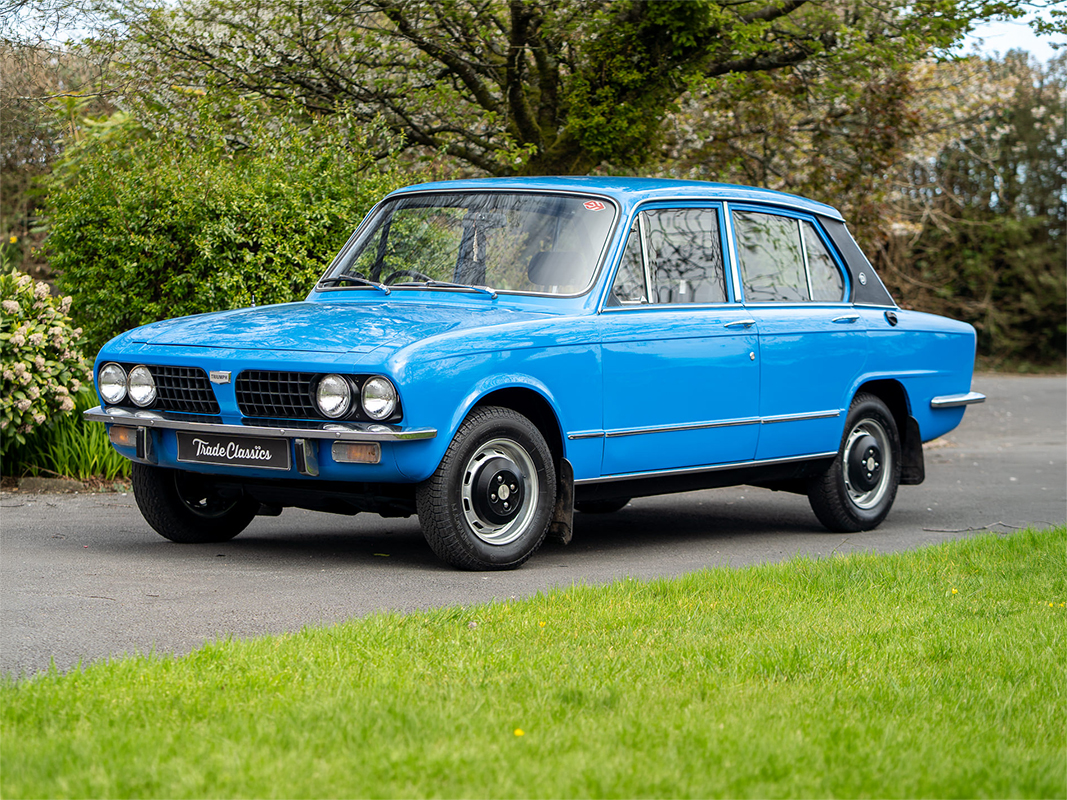
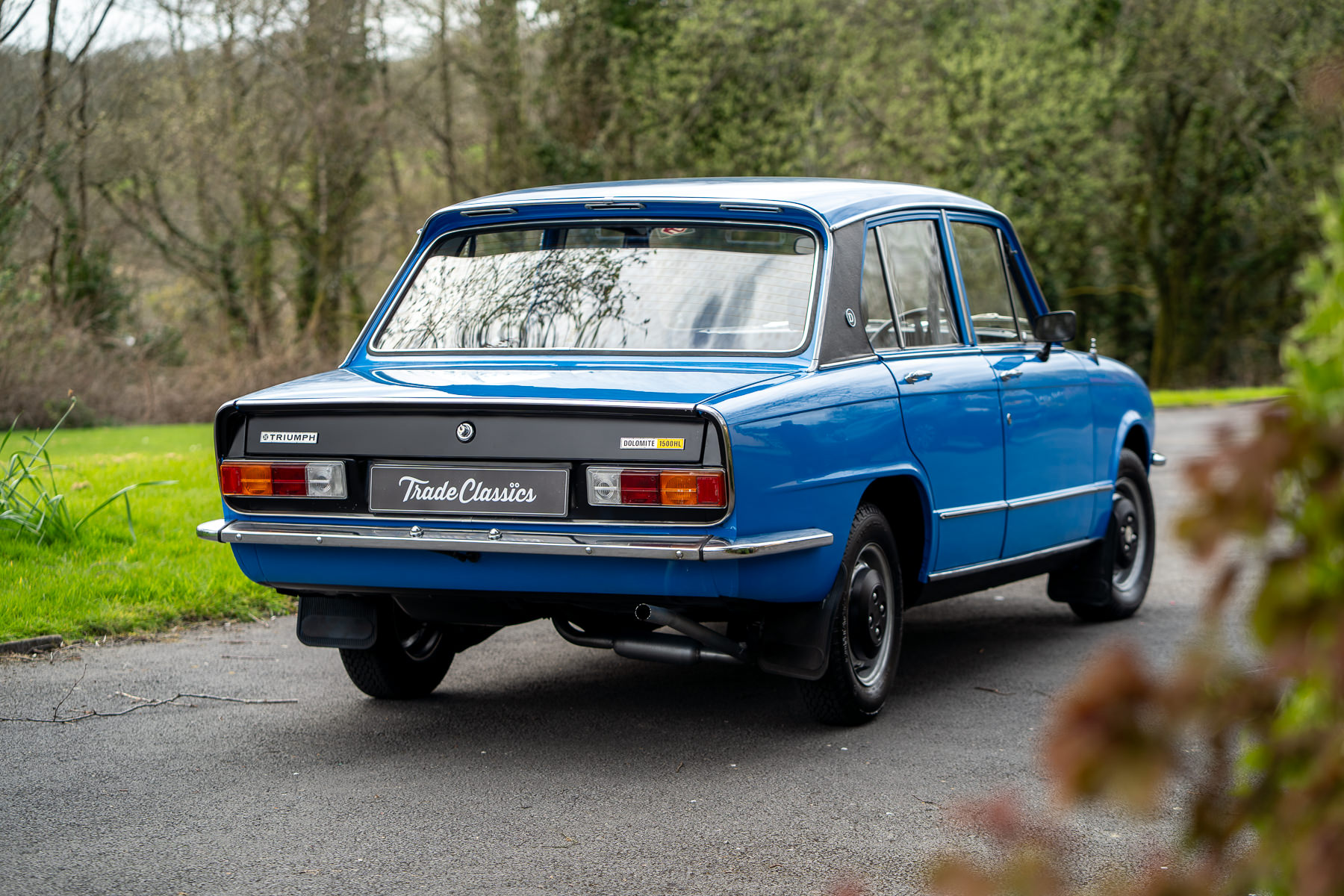
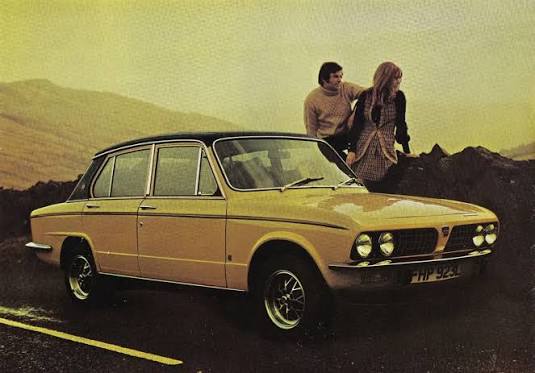
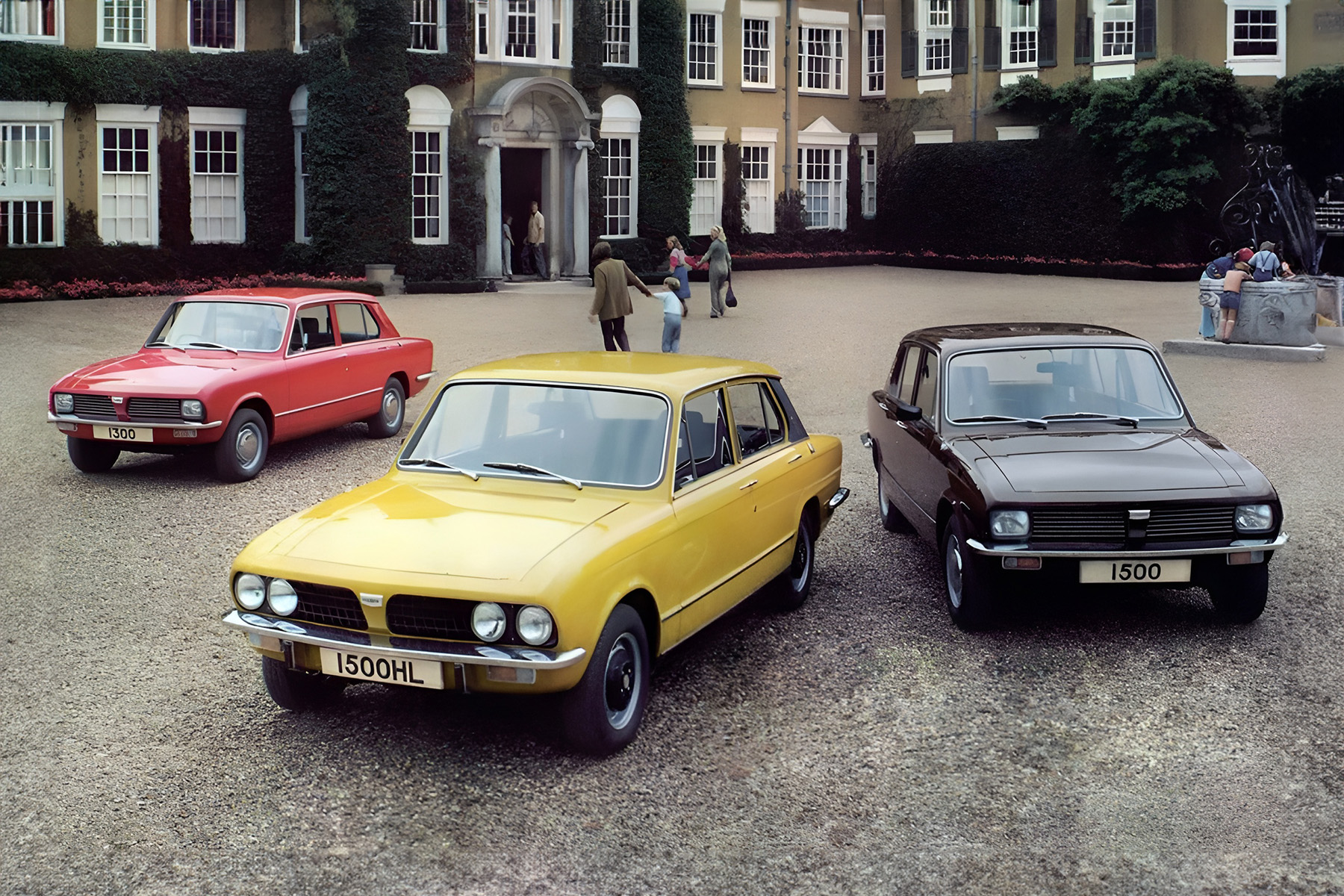
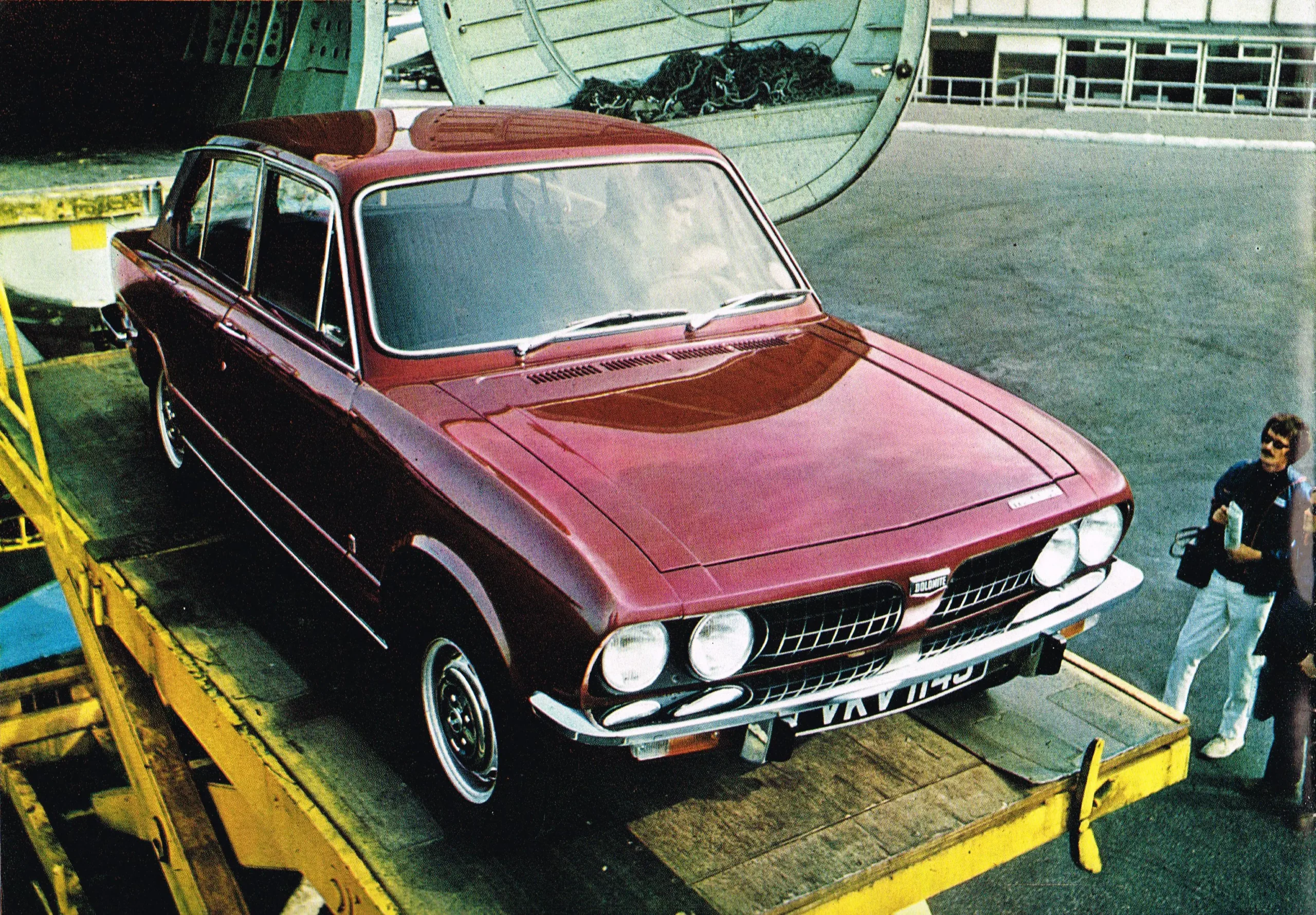
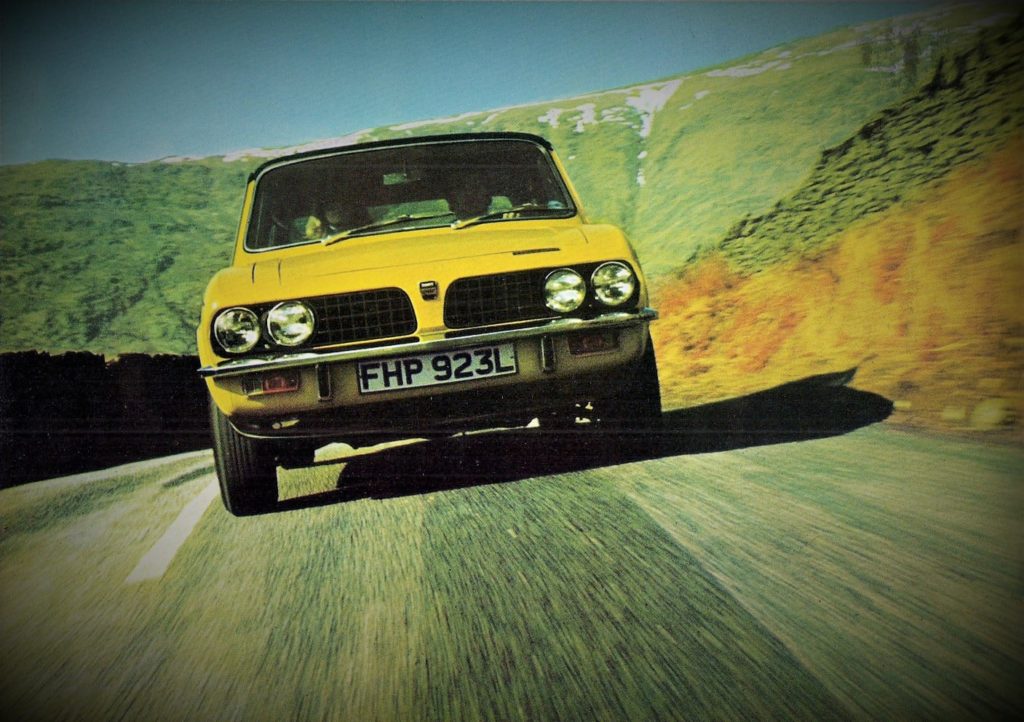
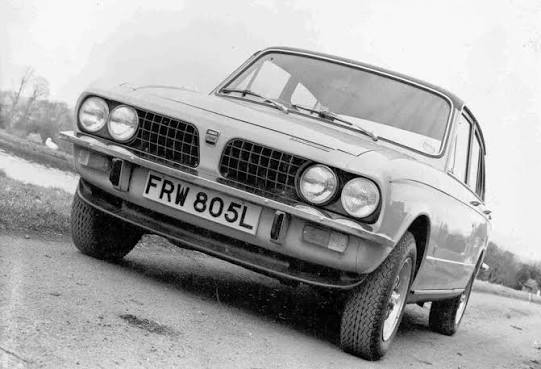
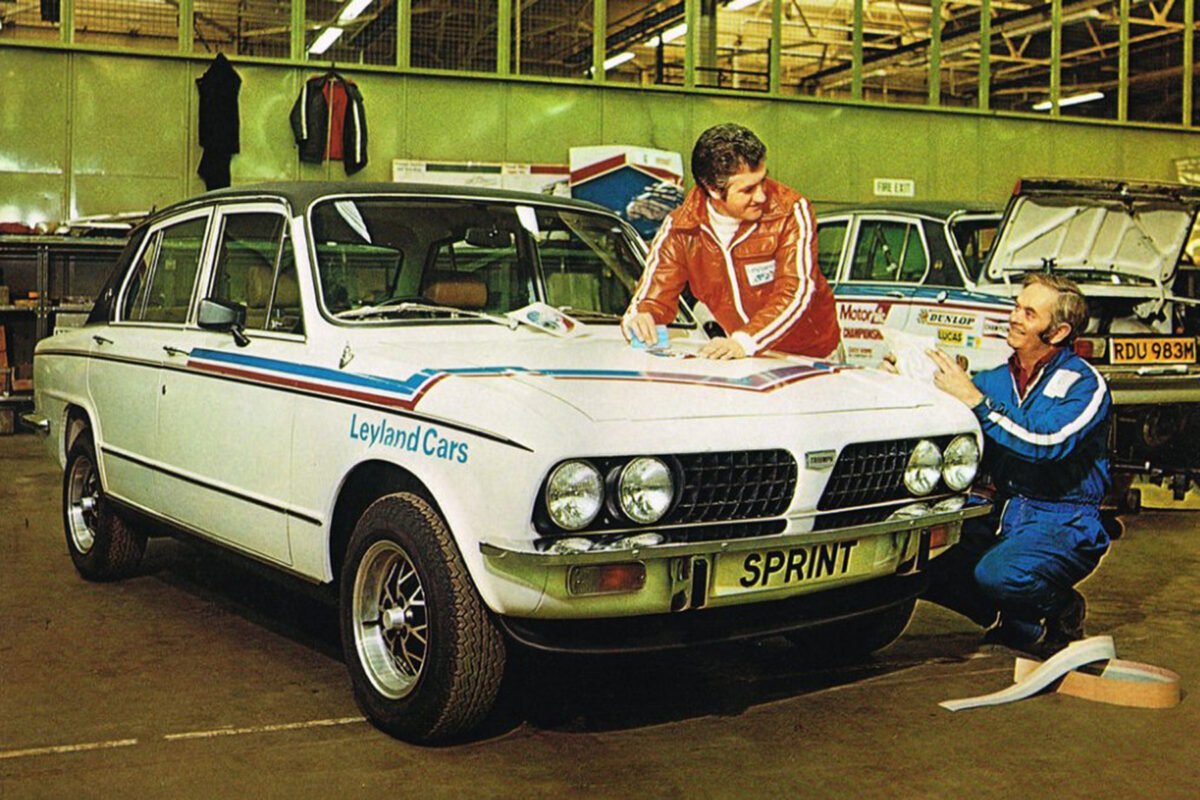
The faint scent of rich walnut veneer and the raspy, metallic growl of an inclined four-cylinder engine announced the arrival of one of Britain’s most ambitious—and ultimately brilliant—automotive contradictions. By the dawn of the 1970s, the compact sports saloon market was rapidly maturing into a highly lucrative battleground, dominated by the surgical precision of the BMW 2002 and the twin-cam romanticism of the Alfa Romeo Giulia. Triumph, operating under the heavy, notoriously chaotic umbrella of British Leyland, desperately needed a savior to bridge the gap between their aging rear-wheel-drive Vitesse and their front-wheel-drive 1300/1500 models. Digging into their illustrious past, the executives resurrected a mythological pre-war moniker, launching the Triumph Dolomite. This second and final generation of the Dolomite model line was designed to inject serious performance and executive comfort into a sharp, compact footprint. The range fractured into highly desirable submodels, starting with the refined Dolomite 1850 and the luxurious HL, and culminating in the undisputed holy grail of the era: the ferocious, giant-killing Dolomite Sprint. It was a machine that defied its humble corporate origins, ready to take the fight directly to Munich and Milan.
Beneath the sharply tailored, Giovanni Michelotti-penned bodywork—a direct but heavily modernized, rear-wheel-drive evolution of the earlier Project Ajax bodyshell—Triumph engineered a return to traditional, purist dynamics. The beating heart of the Dolomite was the innovative “slant-four” engine, a robust cast-iron block initially developed in conjunction with Saab. In standard 1850 guise, it offered brisk, gentlemanly performance perfectly suited for the M1 motorway. However, the true engineering masterpiece was reserved for the Dolomite Sprint. Spen King, British Leyland’s engineering wizard, achieved the seemingly impossible: he designed a revolutionary alloy 16-valve cylinder head actuated by just a single overhead camshaft, cleverly using the cam lobes to actuate the intake valves directly and the exhaust valves via rocker arms. It was the world’s first truly mass-produced multi-valve car engine, generating a remarkable 127 brake horsepower from 2.0 liters. To manage this newfound thrust, the chassis featured independent front suspension and a coil-sprung live rear axle, which was significantly stiffened, lowered, and fitted with an uprated anti-roll bar for the Sprint. Braking was handled by servo-assisted front discs and larger rear drums. Inside, the Dolomite was a masterclass in condensed British opulence. Despite its compact dimensions, the cabin was a luxurious cocoon featuring deeply bolstered corded cloth or optional velour seats, thick-pile carpets, and an expansive slab of polished walnut veneer for the dashboard, proving that track-ready performance did not require the sacrifice of civility.
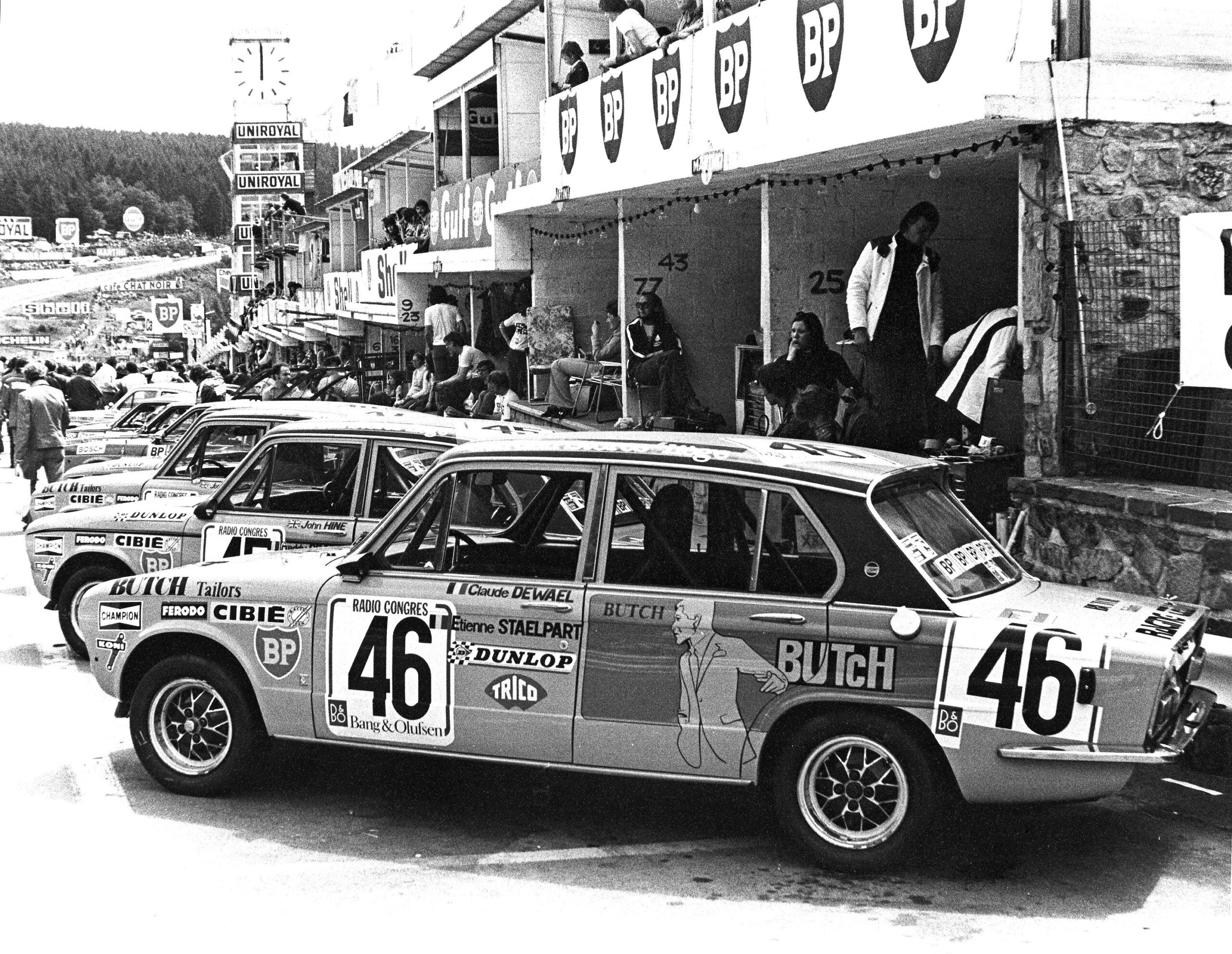
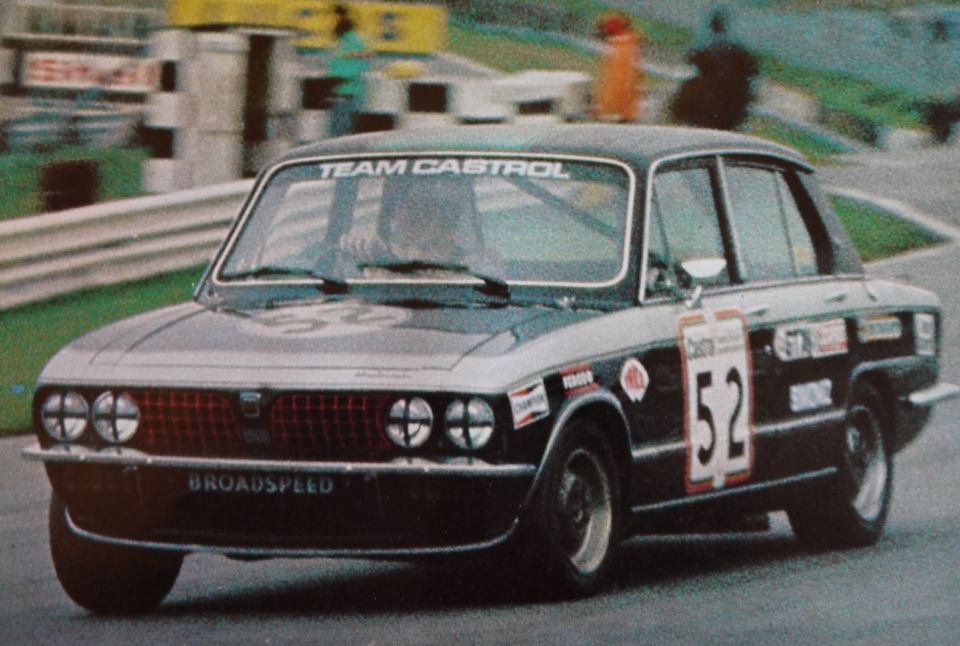
When unleashed onto the tarmac, the Dolomite—particularly the Sprint—orchestrated an absolute coup. On the showroom floor, it offered a compelling, homegrown alternative to the BMW 2002tii, delivering identical, if not superior, performance wrapped in traditional British charm and at a highly competitive price point. Yet, it was on the race track where the Dolomite cemented its immortal legacy. Entrusted to the legendary tuning firm Broadspeed, the Dolomite Sprint was transformed into a fearsome weapon in the British Saloon Car Championship (BSCC). Resplendent in iconic red, white, and blue liveries, these boxy saloons hunted down much larger V8-powered Rovers, Camaros, and Capris. Driven by heroes like Andy Rouse and Tony Dron, the Sprint routinely bullied its way to the front, utilizing its exceptional agility and high-revving 16-valve power. Andy Rouse famously secured the overall BSCC drivers’ title in 1975, forever validating Spen King’s engine design. Sadly, the car’s commercial narrative was severely marred by the infamous industrial disputes, strikes, and quality control issues that plagued the British Leyland factories during the 1970s. Despite these tragic factory-floor realities, the Dolomite earned a rabid cult following, revered by a demographic of enthusiastic executives who recognized the absolute brilliance hidden beneath the corporate chaos.
The 972 Triumph Dolomite democratized multi-valve technology, beating the rest of the global automotive industry to the 16-valve punch by nearly a decade. When production finally ceased in 1980, the traditional Triumph brand was already fading, eventually being replaced by the Honda-derived Triumph Acclaim. There would be no direct successor to the Dolomite; it represented the final, glorious chapter of Triumph’s traditional sporting saloon lineage.
Portal
Model line
Model generation
Brand
Produced from
Vehicle category
Generation Overview
The faint scent of rich walnut veneer and the raspy, metallic growl of an inclined four-cylinder engine announced the arrival of one of Britain’s most ambitious—and ultimately brilliant—automotive contradictions. By the dawn of the 1970s, the compact sports saloon market was rapidly maturing into a highly lucrative battleground, dominated by the surgical precision of the BMW 2002 and the twin-cam romanticism of the Alfa Romeo Giulia. Triumph, operating under the heavy, notoriously chaotic umbrella of British Leyland, desperately needed a savior to bridge the gap between their aging rear-wheel-drive Vitesse and their front-wheel-drive 1300/1500 models. Digging into their illustrious past, the executives resurrected a mythological pre-war moniker, launching the Triumph Dolomite. This second and final generation of the Dolomite model line was designed to inject serious performance and executive comfort into a sharp, compact footprint. The range fractured into highly desirable submodels, starting with the refined Dolomite 1850 and the luxurious HL, and culminating in the undisputed holy grail of the era: the ferocious, giant-killing Dolomite Sprint. It was a machine that defied its humble corporate origins, ready to take the fight directly to Munich and Milan.
Beneath the sharply tailored, Giovanni Michelotti-penned bodywork—a direct but heavily modernized, rear-wheel-drive evolution of the earlier Project Ajax bodyshell—Triumph engineered a return to traditional, purist dynamics. The beating heart of the Dolomite was the innovative “slant-four” engine, a robust cast-iron block initially developed in conjunction with Saab. In standard 1850 guise, it offered brisk, gentlemanly performance perfectly suited for the M1 motorway. However, the true engineering masterpiece was reserved for the Dolomite Sprint. Spen King, British Leyland’s engineering wizard, achieved the seemingly impossible: he designed a revolutionary alloy 16-valve cylinder head actuated by just a single overhead camshaft, cleverly using the cam lobes to actuate the intake valves directly and the exhaust valves via rocker arms. It was the world’s first truly mass-produced multi-valve car engine, generating a remarkable 127 brake horsepower from 2.0 liters. To manage this newfound thrust, the chassis featured independent front suspension and a coil-sprung live rear axle, which was significantly stiffened, lowered, and fitted with an uprated anti-roll bar for the Sprint. Braking was handled by servo-assisted front discs and larger rear drums. Inside, the Dolomite was a masterclass in condensed British opulence. Despite its compact dimensions, the cabin was a luxurious cocoon featuring deeply bolstered corded cloth or optional velour seats, thick-pile carpets, and an expansive slab of polished walnut veneer for the dashboard, proving that track-ready performance did not require the sacrifice of civility.
When unleashed onto the tarmac, the Dolomite—particularly the Sprint—orchestrated an absolute coup. On the showroom floor, it offered a compelling, homegrown alternative to the BMW 2002tii, delivering identical, if not superior, performance wrapped in traditional British charm and at a highly competitive price point. Yet, it was on the race track where the Dolomite cemented its immortal legacy. Entrusted to the legendary tuning firm Broadspeed, the Dolomite Sprint was transformed into a fearsome weapon in the British Saloon Car Championship (BSCC). Resplendent in iconic red, white, and blue liveries, these boxy saloons hunted down much larger V8-powered Rovers, Camaros, and Capris. Driven by heroes like Andy Rouse and Tony Dron, the Sprint routinely bullied its way to the front, utilizing its exceptional agility and high-revving 16-valve power. Andy Rouse famously secured the overall BSCC drivers’ title in 1975, forever validating Spen King’s engine design. Sadly, the car’s commercial narrative was severely marred by the infamous industrial disputes, strikes, and quality control issues that plagued the British Leyland factories during the 1970s. Despite these tragic factory-floor realities, the Dolomite earned a rabid cult following, revered by a demographic of enthusiastic executives who recognized the absolute brilliance hidden beneath the corporate chaos.
The 972 Triumph Dolomite democratized multi-valve technology, beating the rest of the global automotive industry to the 16-valve punch by nearly a decade. When production finally ceased in 1980, the traditional Triumph brand was already fading, eventually being replaced by the Honda-derived Triumph Acclaim. There would be no direct successor to the Dolomite; it represented the final, glorious chapter of Triumph’s traditional sporting saloon lineage.
Submodels