
Alfa Romeo 159 Alfetta
Brand
Produced from
Vehicle category
Portal
Model line
Model generation
Generation Overview
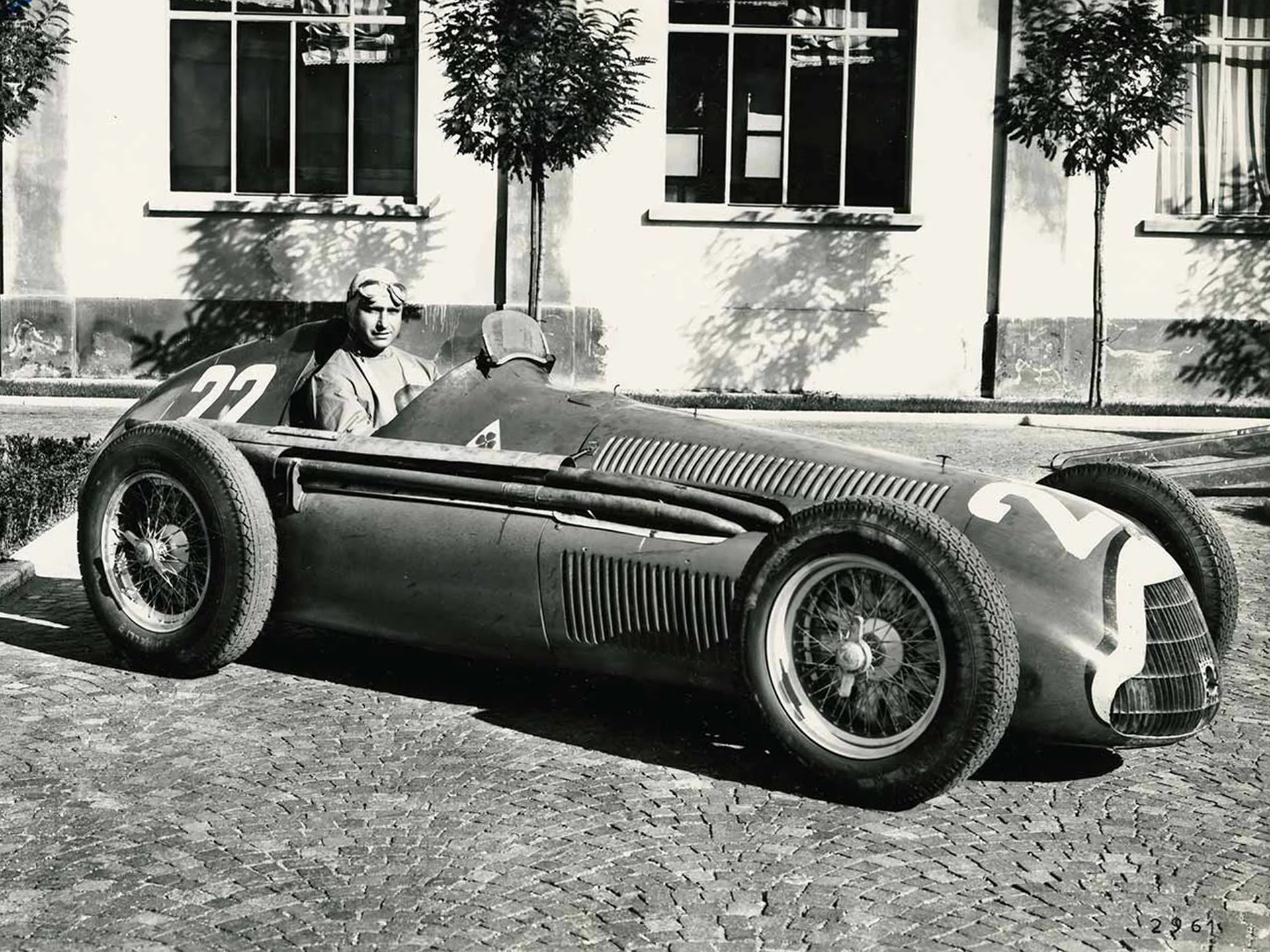
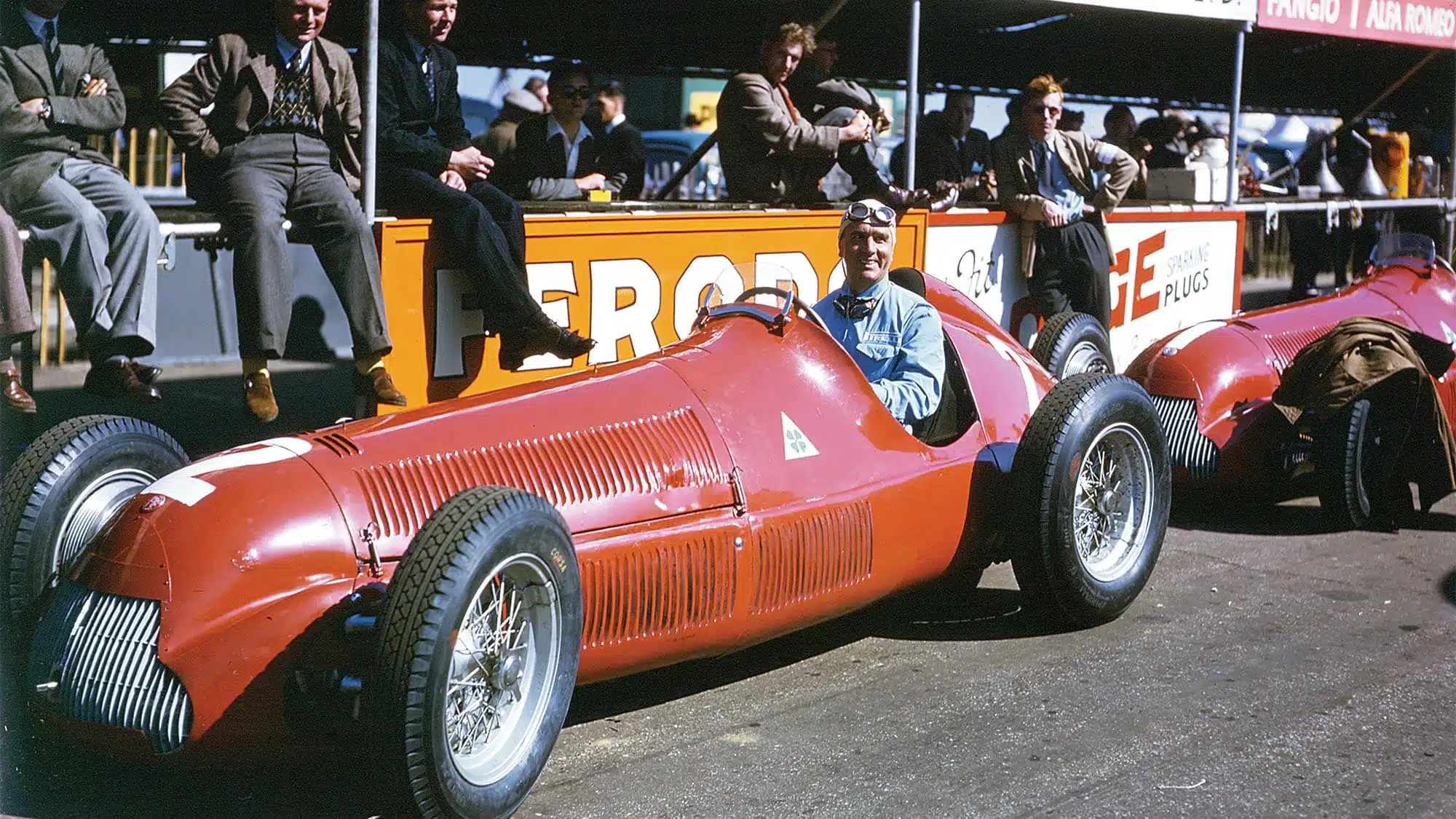
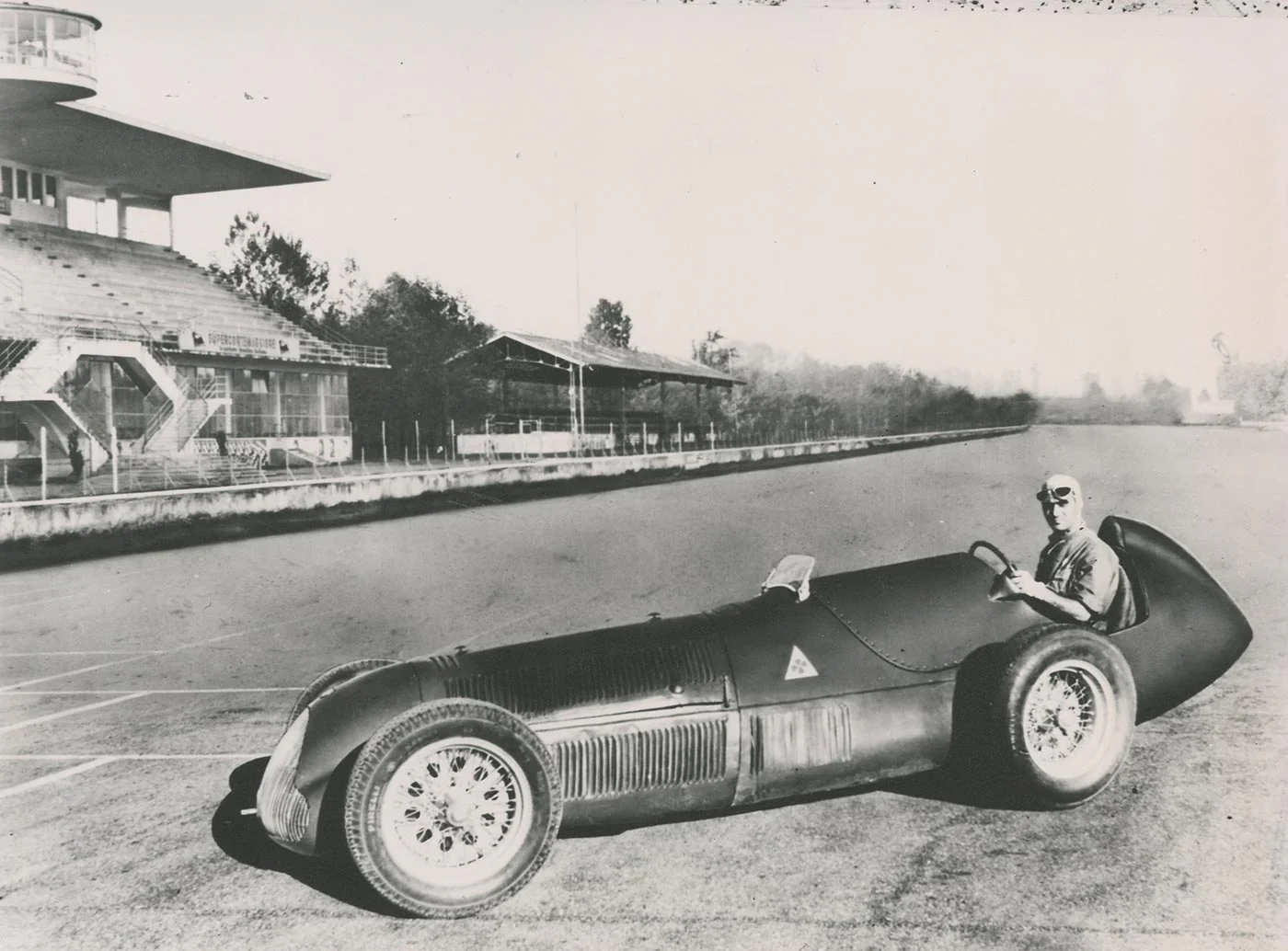
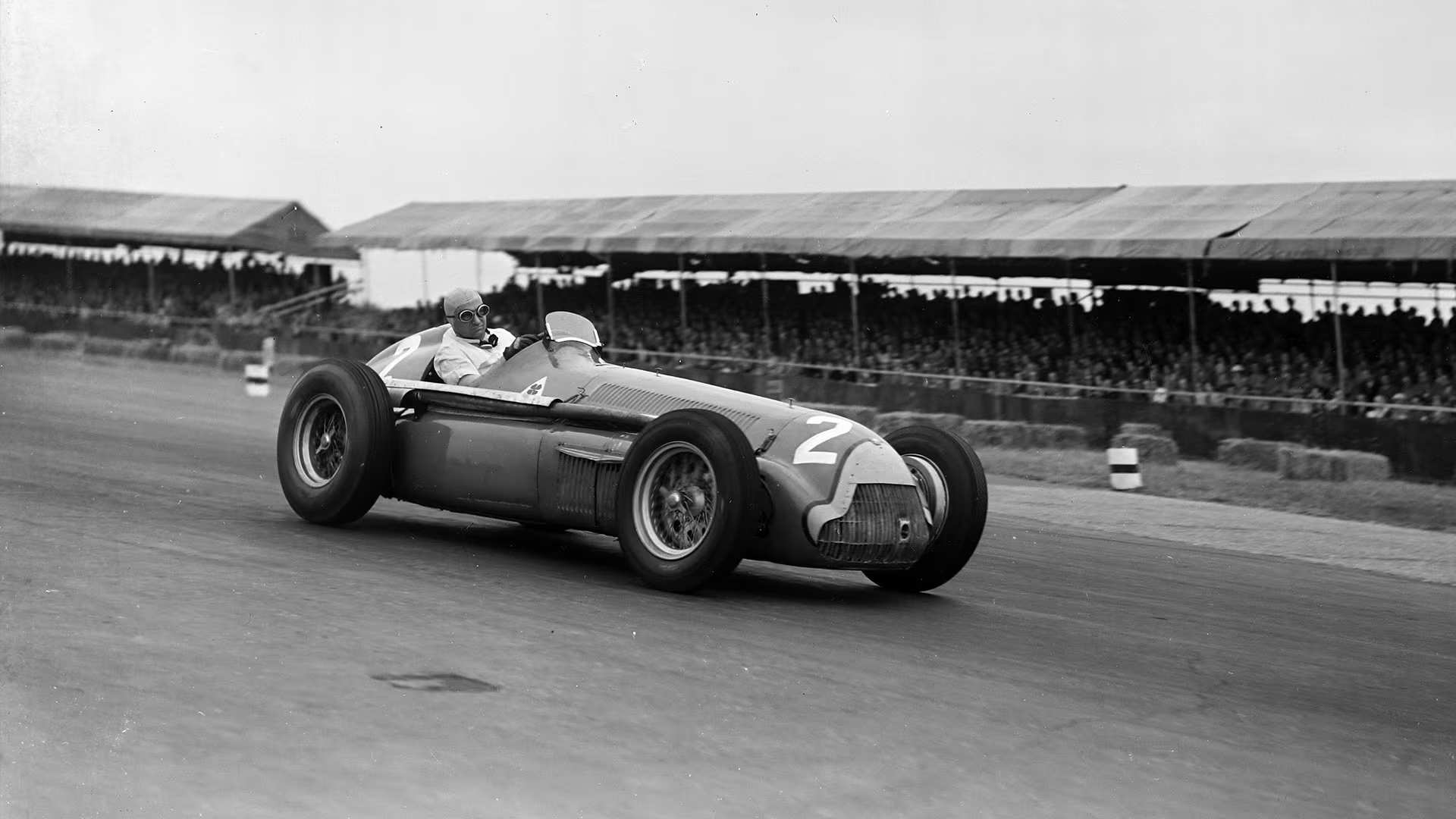
If the Alfa Romeo 158 was the graceful sovereign that inherited the post-war racing world by birthright, its successor, the Alfa Romeo 159, was the warrior king forced to fight a desperate, bloody war to keep the throne. By the dawn of the 1951 Formula One season, the writing was on the wall. The 158, a design dating back to 1938, had achieved a perfect sweep of the 1950 season, but the laws of physics and the relentless march of Enzo Ferrari were catching up. Ferrari’s new 4.5-litre naturally aspirated V12s were becoming faster, more reliable, and crucially, far more fuel-efficient. Alfa Romeo faced a stark choice: build a new car from scratch, for which they had neither the time nor the money, or take the aging Alfetta and squeeze it until it screamed. They chose the latter. The result was the Alfa Romeo 159, a machine that represents the absolute, terrifying zenith of the supercharged era, a car that was less a piece of engineering and more a rolling stick of dynamite.
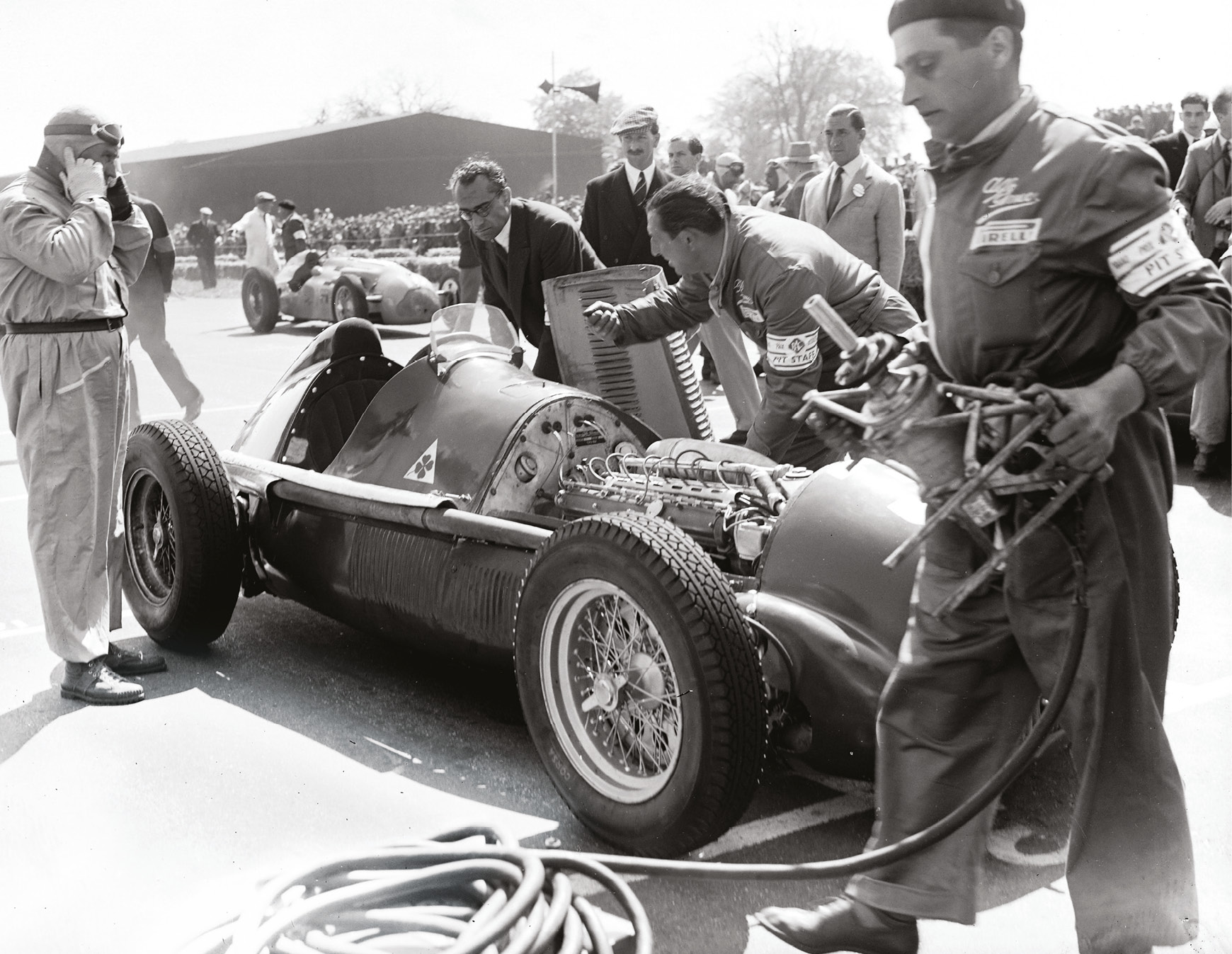
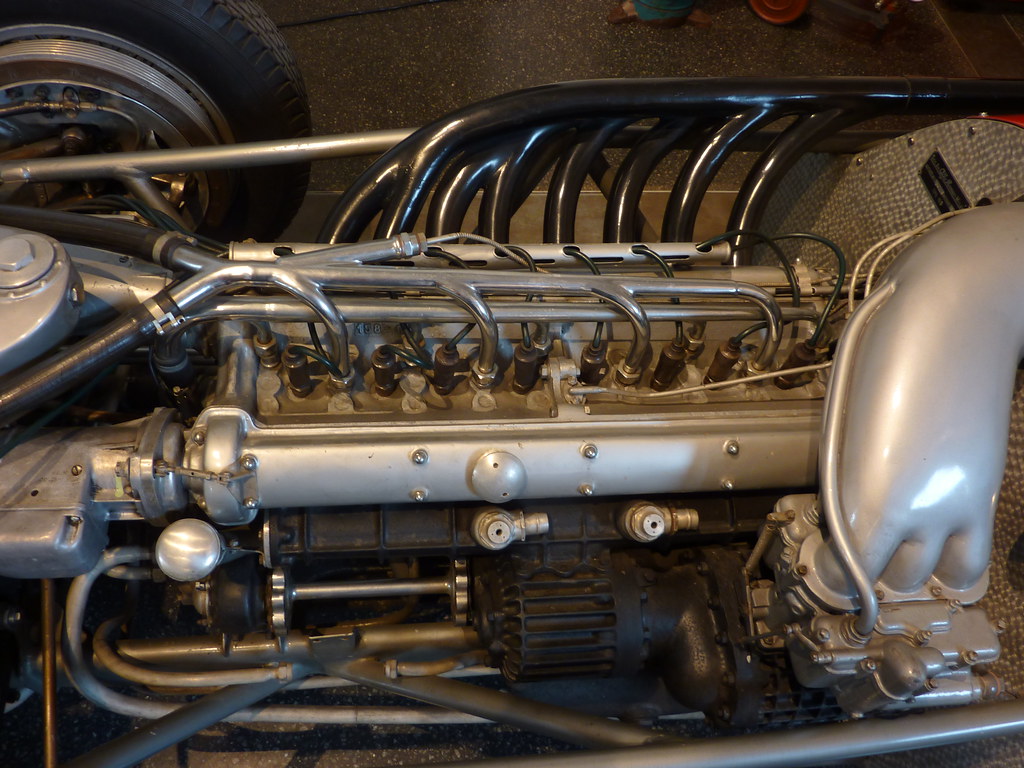
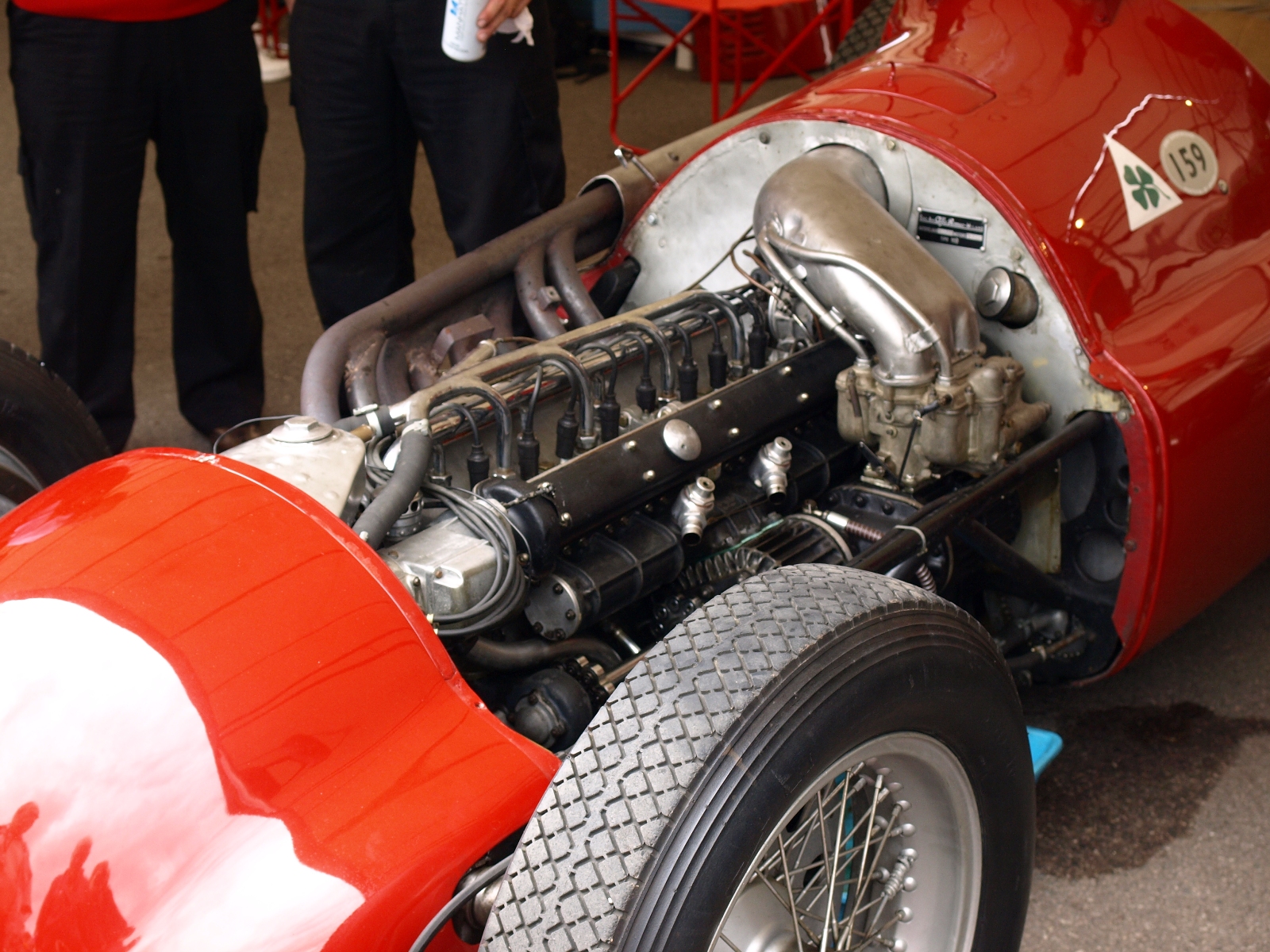
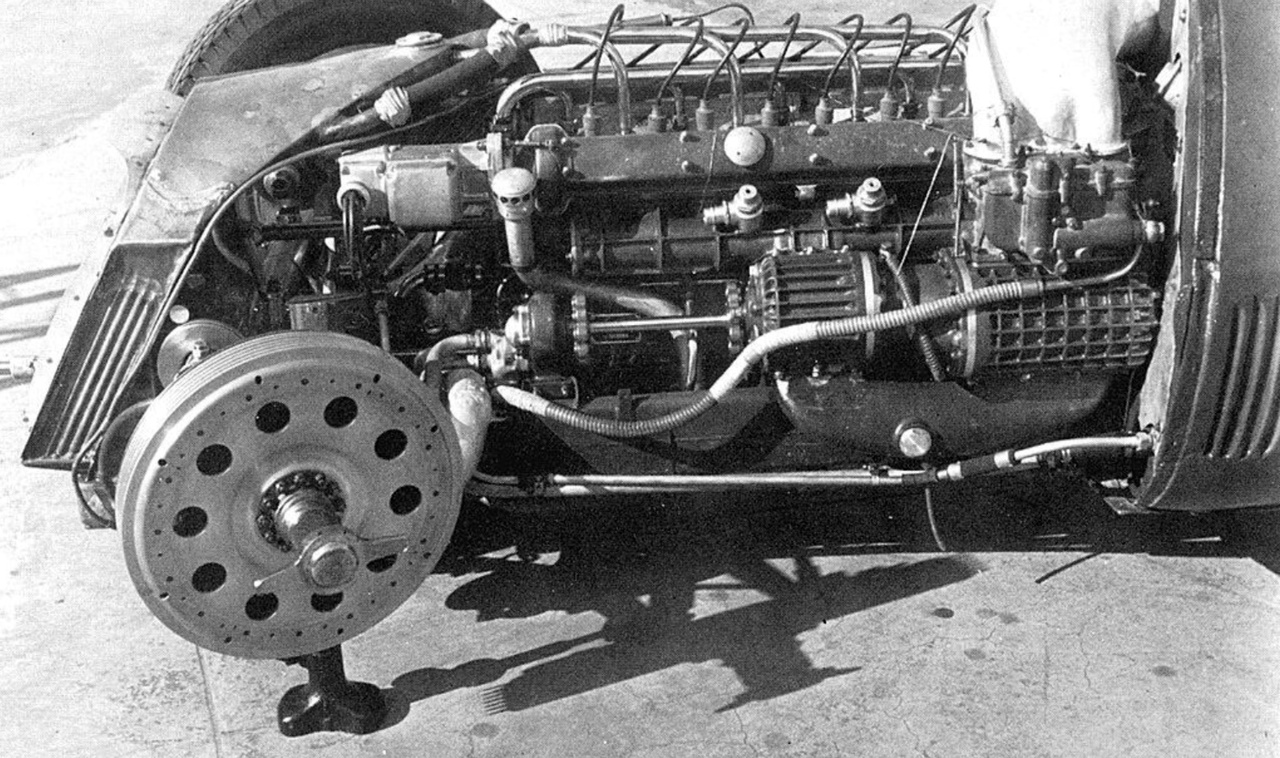
The technical evolution from 158 to 159 was subtle to the eye but radical in effect. The primary objective was power, to counter the displacement advantage of Ferrari. The legendary Gioacchino Colombo-designed 1.5-litre straight-eight engine was pushed into the realm of the absurd. The two-stage Roots superchargers were spun faster, ramming air into the cylinders at pressures previously thought impossible. The result was a jump from the 158’s 350 bhp to a staggering 425 bhp in the standard 159A, and reportedly up to 450 bhp in test mules. To put this in perspective, this was a specific output of nearly 300 bhp per litre, a figure that wouldn’t be seen again until the turbocharged era of the 1980s. However, this power came at a gluttonous cost. The 159 consumed its methanol-based fuel at a rate of 1.5 miles per gallon (approx. 160-170 litres/100km). This necessitated gigantic fuel tanks and mandated multiple pit stops during a Grand Prix, a strategic disadvantage that defined the car’s existence.
To harness this explosive power, the chassis required urgent modernization. The 158’s swing-axle rear suspension, which was prone to unpredictable snap-oversteer under high loads, was discarded. In its place, the 159 (specifically the 159A configuration) adopted a sophisticated De Dion tube rear axle. This kept the rear wheels perpendicular to the road surface, vastly improving traction and stability—essential when trying to deploy 425 bhp through skinny 1950s tires. The chassis frame was reinforced with thicker gauge steel, and the brakes were enlarged to massive, finned hydraulic drums to stop the heavier, fuel-laden beast. Throughout the 1951 season, the car evolved rapidly. The 159B introduced further chassis refinements, but the ultimate iteration was the 159M (Maggiorata, or “Enlarged”). The 159M featured a strengthened chassis and even larger fuel tanks to extend the stints between stops, turning the car into a heavy, physical brute that exhausted its drivers in the heat of battle.
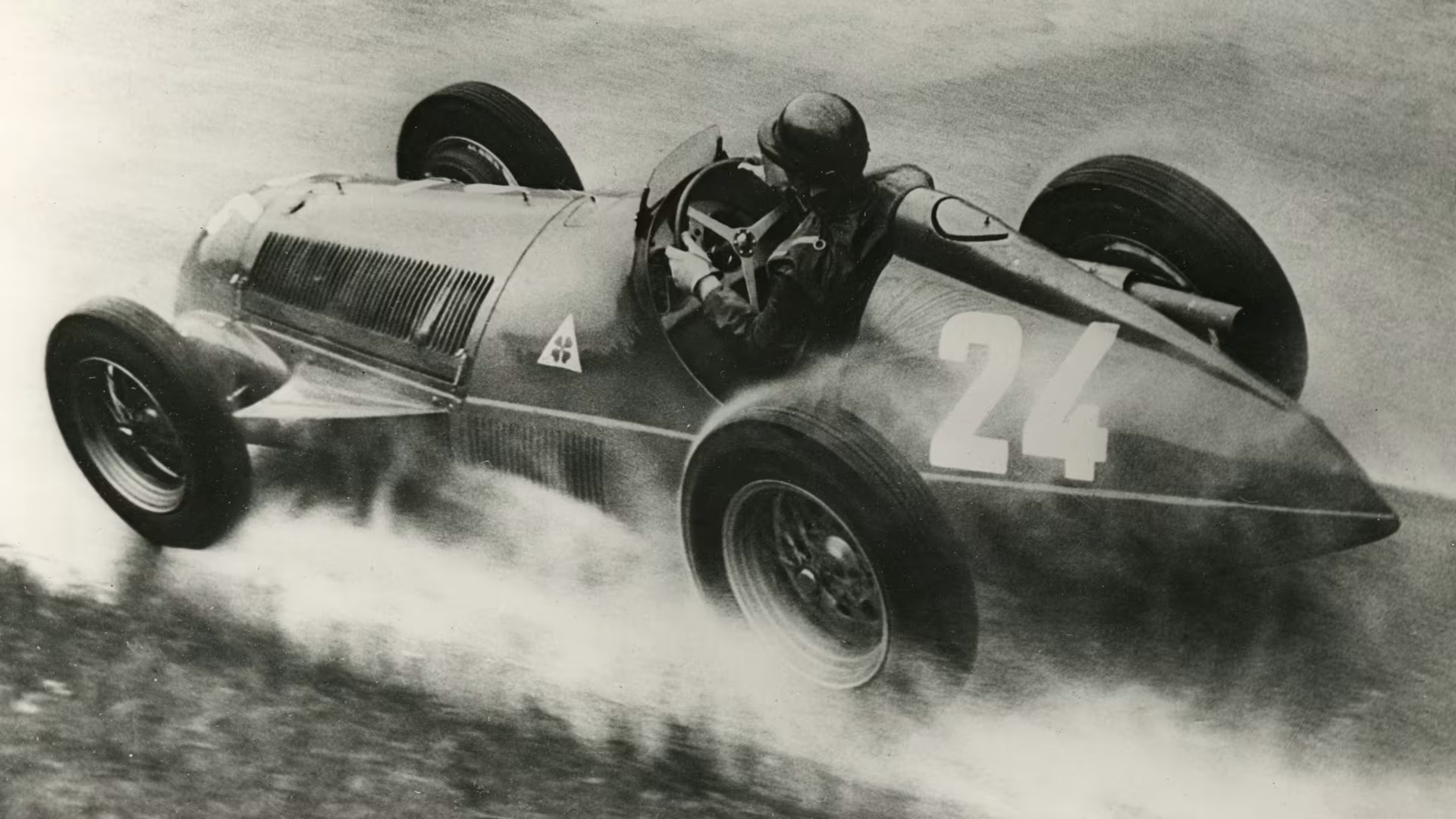
The 1951 World Championship season stands as one of the greatest duels in motorsport history, played out between the screaming, high-revving Alfa 159s and the thundering, torque-rich Ferrari 375s. It was the genius of Juan Manuel Fangio that bridged the gap. Fangio piloted the 159 to victory in the season opener at the Swiss Grand Prix, mastering the wet conditions at the treacherous Bremgarten circuit. He won again at the French Grand Prix, sharing the car with Luigi Fagioli. But the tide was turning. At the British Grand Prix at Silverstone, José Froilán González drove his Ferrari to victory, inflicting the first defeat on the Alfettas in five years. Enzo Ferrari famously wept, declaring he had “killed his mother,” as his cars finally surpassed the brand that taught him everything.
The championship came down to the final race at the Pedralbes street circuit in Spain. It was a battle of tire wear and fuel strategy. Ferrari, confident in their fuel efficiency, chose a smaller wheel diameter which proved fatal to their tires. Fangio, piloting the 159M, drove a tactical masterclass. Despite the Alfa’s insatiable thirst and the brutal physical toll of wrestling the heavy machine through the streets of Barcelona, Fangio took the win and his first of five World Championships. The Alfa Romeo 159 had done the impossible; it had held off the future for one more year.
Following the 1951 season, Alfa Romeo, facing financial constraints and realizing the 158/159 concept had reached the absolute limit of its development potential, withdrew from Formula One. The 159 remains a poignant symbol of the end of an era. It was the last gasp of the pre-war philosophy, a machine that achieved greatness not through innovation, but through the sheer, brute-force optimization of an existing design. It was loud, inefficient, temperamental, and spectacularly fast. It remains one of the most charismatic Grand Prix cars ever built, the machine that crowned Fangio and closed the first chapter of Formula One history.
Portal
Model line
Model generation
Brand
Produced from
Vehicle category
Generation Overview
If the Alfa Romeo 158 was the graceful sovereign that inherited the post-war racing world by birthright, its successor, the Alfa Romeo 159, was the warrior king forced to fight a desperate, bloody war to keep the throne. By the dawn of the 1951 Formula One season, the writing was on the wall. The 158, a design dating back to 1938, had achieved a perfect sweep of the 1950 season, but the laws of physics and the relentless march of Enzo Ferrari were catching up. Ferrari’s new 4.5-litre naturally aspirated V12s were becoming faster, more reliable, and crucially, far more fuel-efficient. Alfa Romeo faced a stark choice: build a new car from scratch, for which they had neither the time nor the money, or take the aging Alfetta and squeeze it until it screamed. They chose the latter. The result was the Alfa Romeo 159, a machine that represents the absolute, terrifying zenith of the supercharged era, a car that was less a piece of engineering and more a rolling stick of dynamite.
The technical evolution from 158 to 159 was subtle to the eye but radical in effect. The primary objective was power, to counter the displacement advantage of Ferrari. The legendary Gioacchino Colombo-designed 1.5-litre straight-eight engine was pushed into the realm of the absurd. The two-stage Roots superchargers were spun faster, ramming air into the cylinders at pressures previously thought impossible. The result was a jump from the 158’s 350 bhp to a staggering 425 bhp in the standard 159A, and reportedly up to 450 bhp in test mules. To put this in perspective, this was a specific output of nearly 300 bhp per litre, a figure that wouldn’t be seen again until the turbocharged era of the 1980s. However, this power came at a gluttonous cost. The 159 consumed its methanol-based fuel at a rate of 1.5 miles per gallon (approx. 160-170 litres/100km). This necessitated gigantic fuel tanks and mandated multiple pit stops during a Grand Prix, a strategic disadvantage that defined the car’s existence.
To harness this explosive power, the chassis required urgent modernization. The 158’s swing-axle rear suspension, which was prone to unpredictable snap-oversteer under high loads, was discarded. In its place, the 159 (specifically the 159A configuration) adopted a sophisticated De Dion tube rear axle. This kept the rear wheels perpendicular to the road surface, vastly improving traction and stability—essential when trying to deploy 425 bhp through skinny 1950s tires. The chassis frame was reinforced with thicker gauge steel, and the brakes were enlarged to massive, finned hydraulic drums to stop the heavier, fuel-laden beast. Throughout the 1951 season, the car evolved rapidly. The 159B introduced further chassis refinements, but the ultimate iteration was the 159M (Maggiorata, or “Enlarged”). The 159M featured a strengthened chassis and even larger fuel tanks to extend the stints between stops, turning the car into a heavy, physical brute that exhausted its drivers in the heat of battle.
The 1951 World Championship season stands as one of the greatest duels in motorsport history, played out between the screaming, high-revving Alfa 159s and the thundering, torque-rich Ferrari 375s. It was the genius of Juan Manuel Fangio that bridged the gap. Fangio piloted the 159 to victory in the season opener at the Swiss Grand Prix, mastering the wet conditions at the treacherous Bremgarten circuit. He won again at the French Grand Prix, sharing the car with Luigi Fagioli. But the tide was turning. At the British Grand Prix at Silverstone, José Froilán González drove his Ferrari to victory, inflicting the first defeat on the Alfettas in five years. Enzo Ferrari famously wept, declaring he had “killed his mother,” as his cars finally surpassed the brand that taught him everything.
The championship came down to the final race at the Pedralbes street circuit in Spain. It was a battle of tire wear and fuel strategy. Ferrari, confident in their fuel efficiency, chose a smaller wheel diameter which proved fatal to their tires. Fangio, piloting the 159M, drove a tactical masterclass. Despite the Alfa’s insatiable thirst and the brutal physical toll of wrestling the heavy machine through the streets of Barcelona, Fangio took the win and his first of five World Championships. The Alfa Romeo 159 had done the impossible; it had held off the future for one more year.
Following the 1951 season, Alfa Romeo, facing financial constraints and realizing the 158/159 concept had reached the absolute limit of its development potential, withdrew from Formula One. The 159 remains a poignant symbol of the end of an era. It was the last gasp of the pre-war philosophy, a machine that achieved greatness not through innovation, but through the sheer, brute-force optimization of an existing design. It was loud, inefficient, temperamental, and spectacularly fast. It remains one of the most charismatic Grand Prix cars ever built, the machine that crowned Fangio and closed the first chapter of Formula One history.
Submodels