Alfa Romeo Tipo B (P3)
Brand
Produced from
Vehicle category
Portal
Model line
Model generation
Predecessor
Sucessor
Model Overview
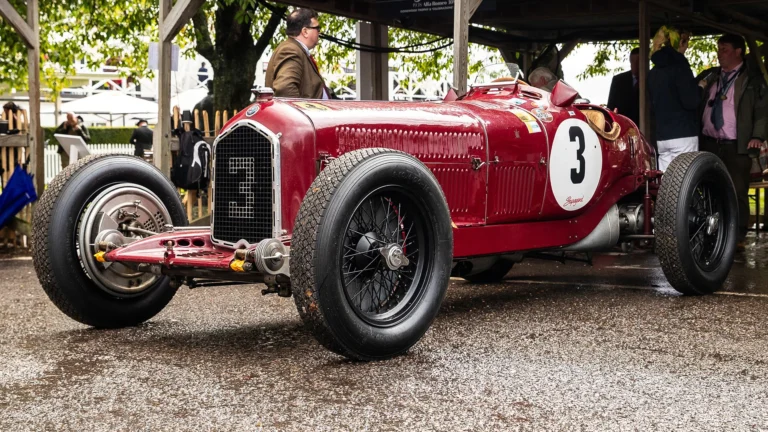
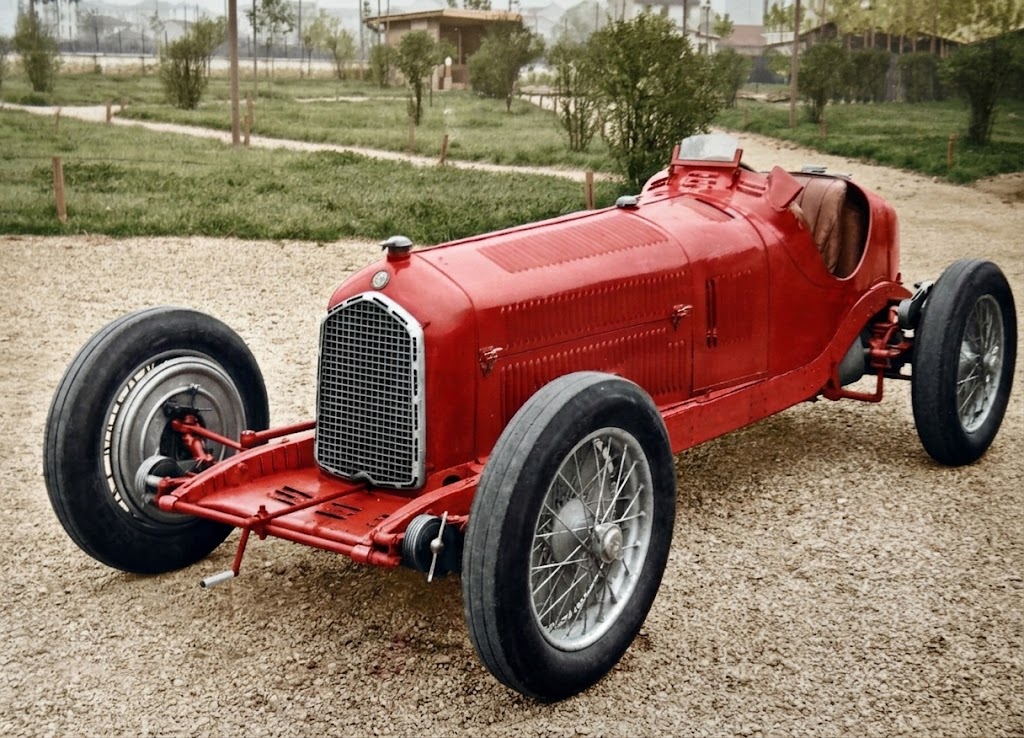
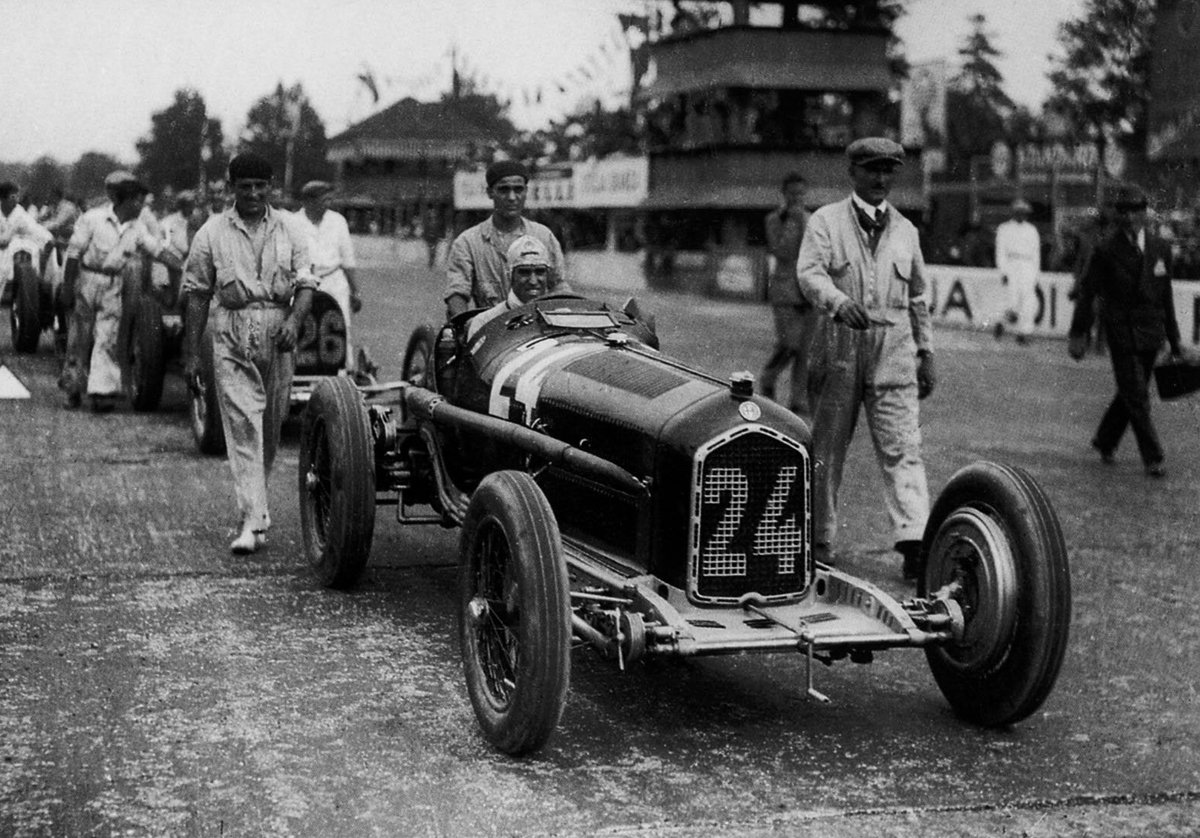
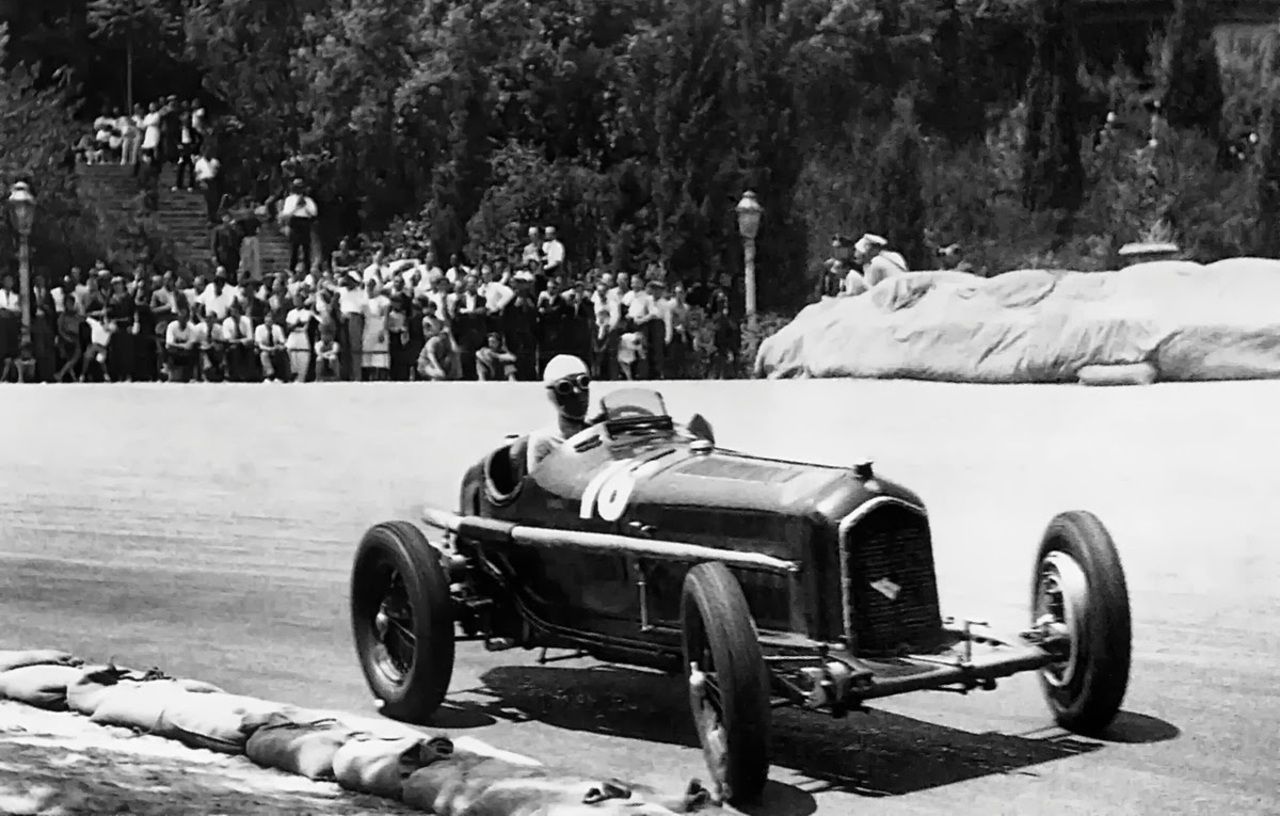
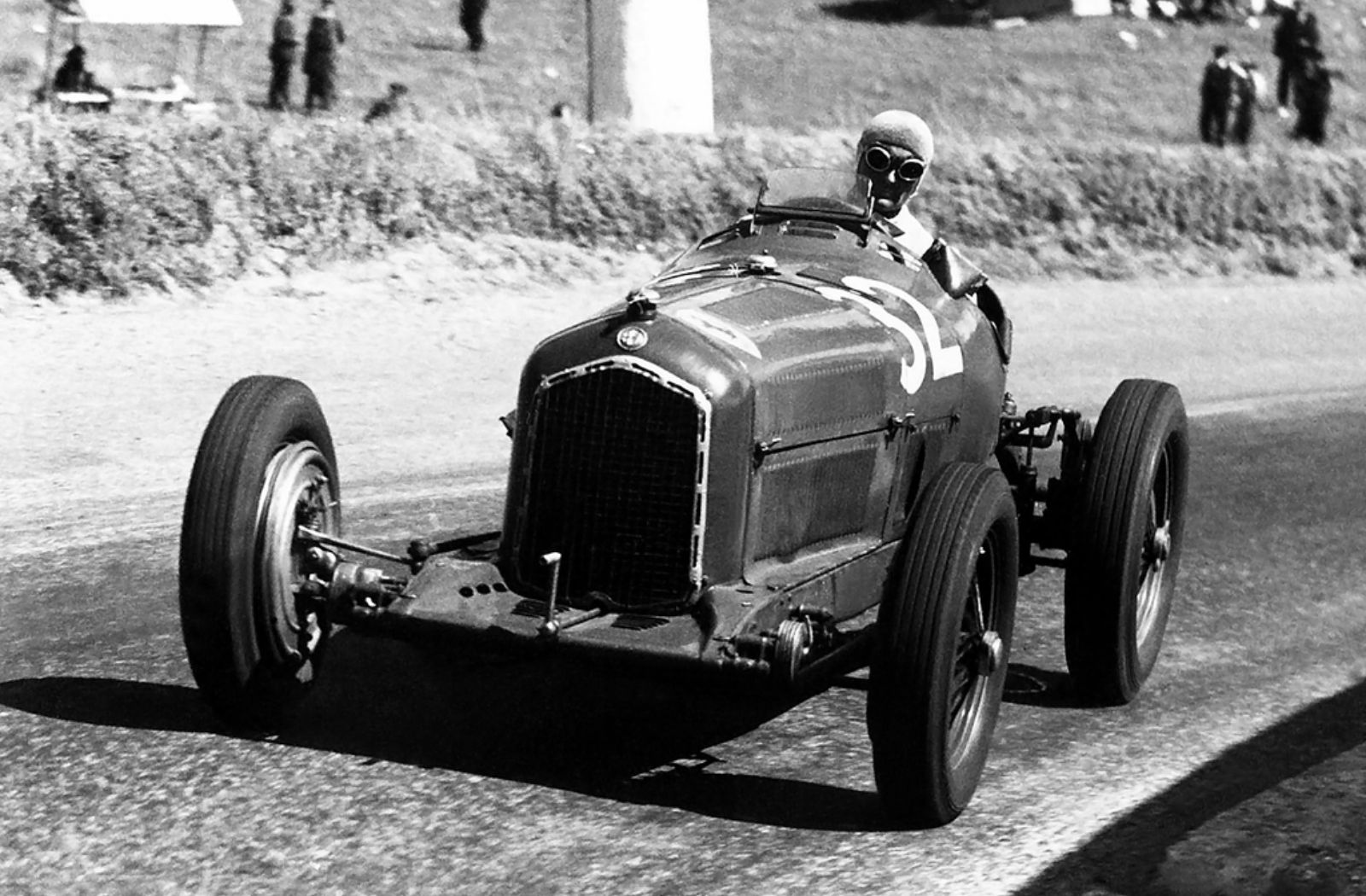
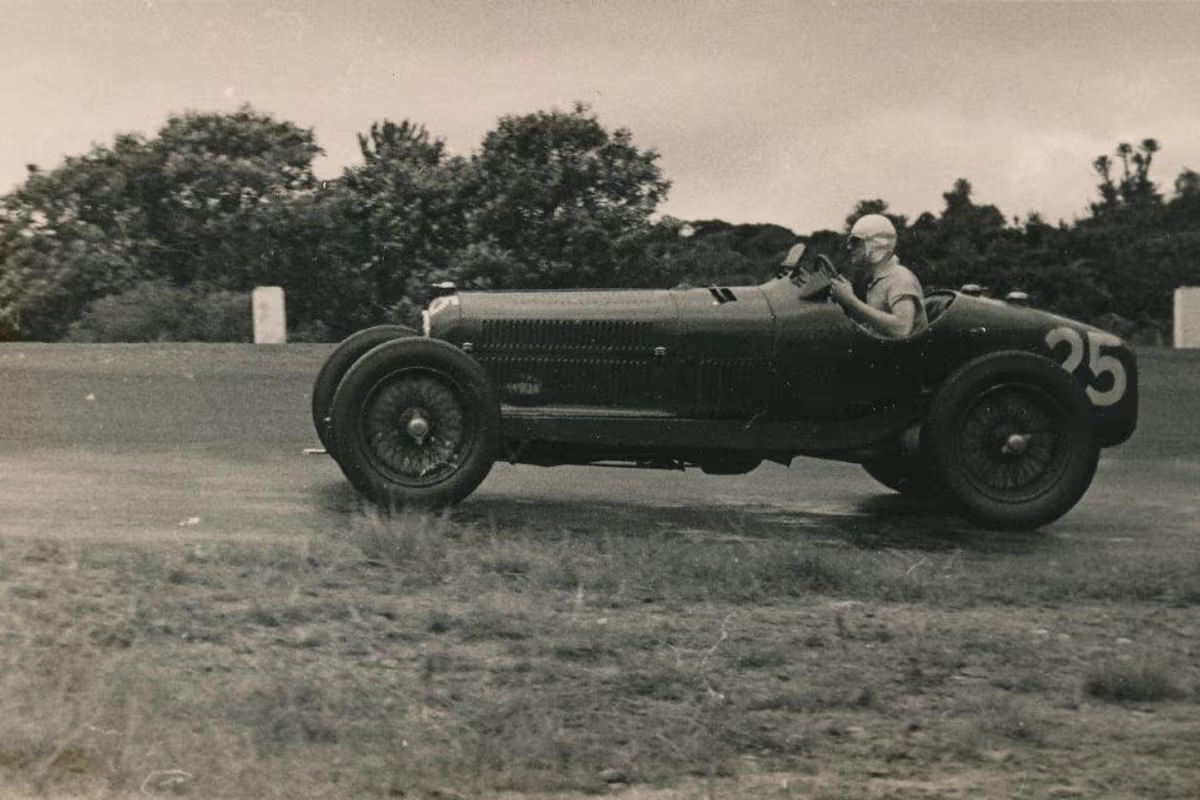
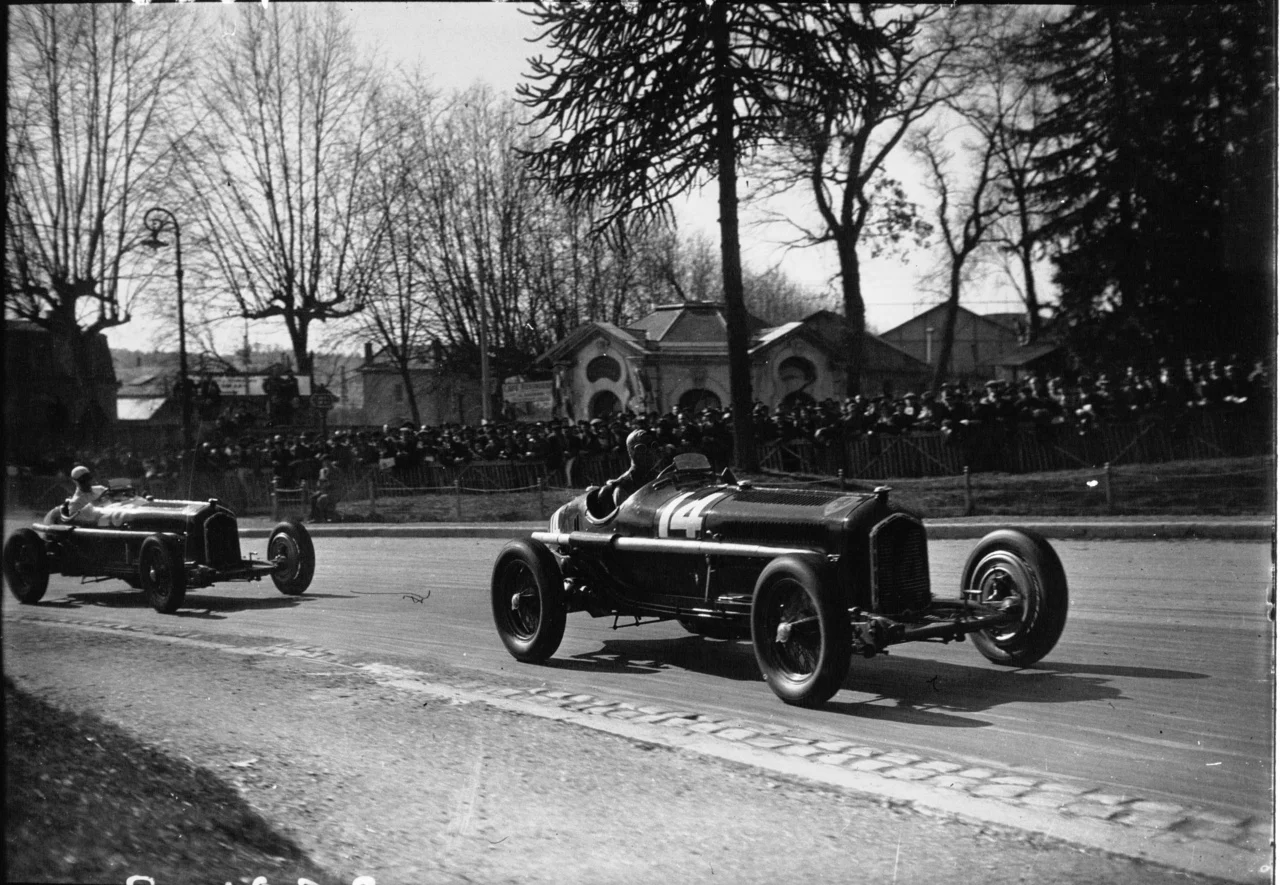
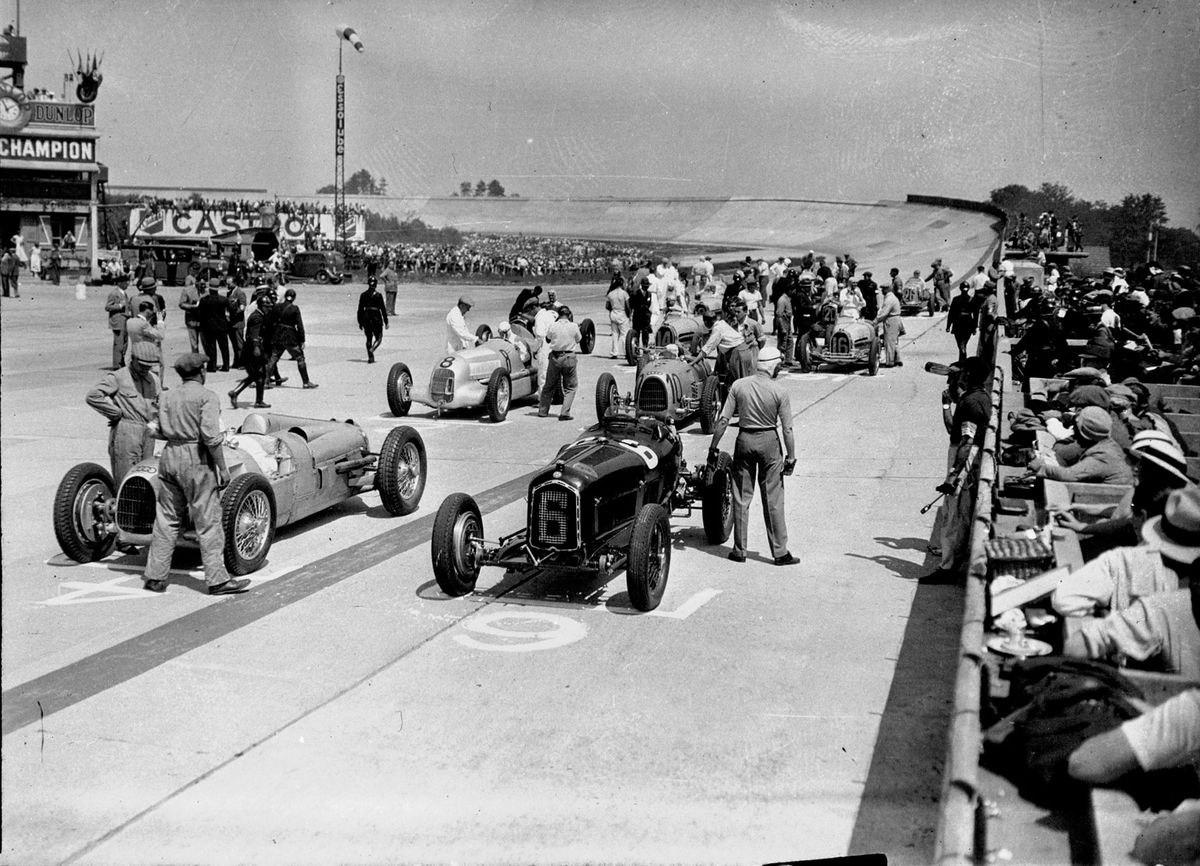
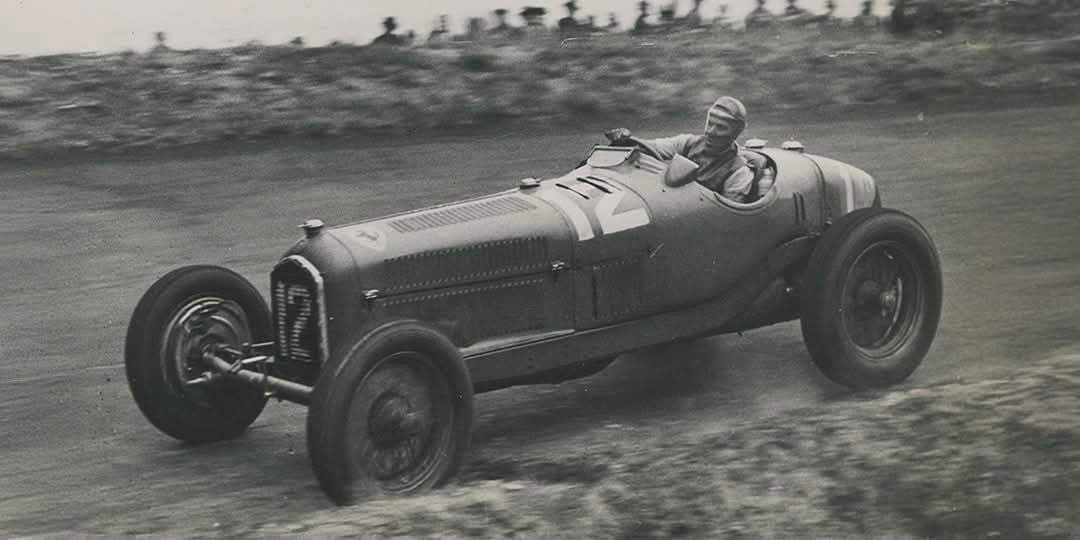
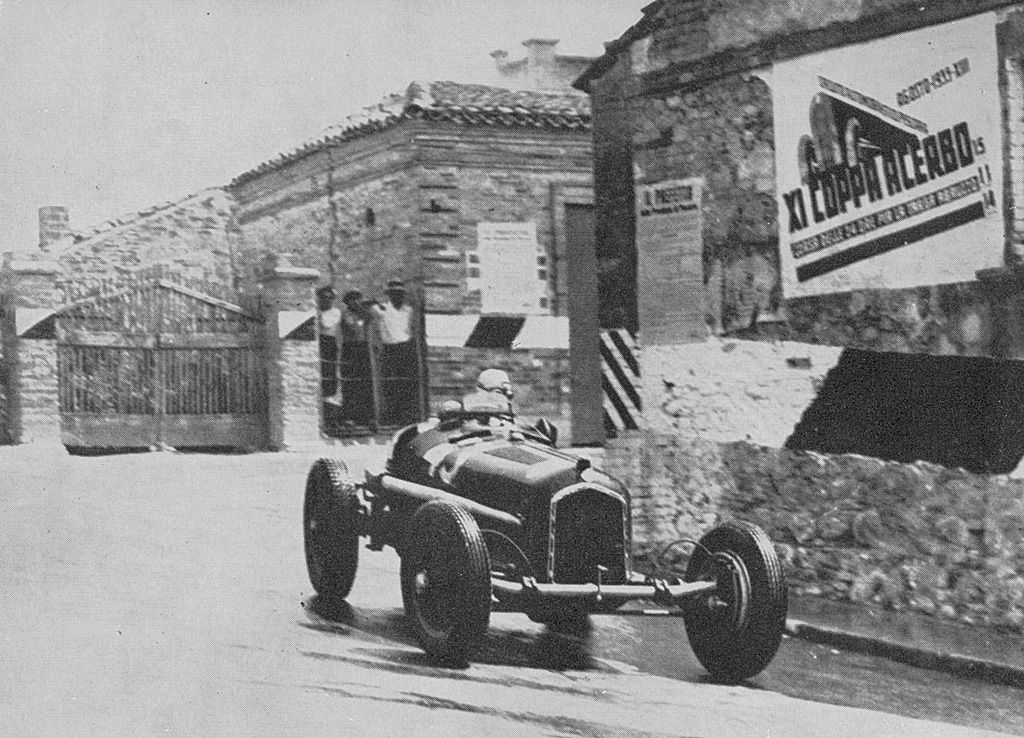
The rain-slicked asphalt of the Nürburgring in July 1935 trembled under the weight of three hundred thousand expectant German spectators. They had gathered to witness the invincible Silver Arrows obliterate the opposition. Yet, tearing through the Eifel mist was not a silver machine, but a scarlet dart—an ageing, outgunned Alfa Romeo Tipo B, known universally as the P3, driven by a possessed Tazio Nuvolari. Designed by the legendary Vittorio Jano as the successor to the formidable P2, the Tipo B was nothing less than the world’s first genuine single-seater, or monoposto, Grand Prix car. When it debuted in 1932, it rendered the two-seat Bugatti Type 51 and Maserati 8C utterly obsolete. It was a masterpiece of mechanical packaging that gave Scuderia Ferrari—then acting as Alfa Romeo’s unofficial works team—an impenetrable aura of invincibility before the state-sponsored might of Mercedes-Benz and Auto Union darkened the horizon.
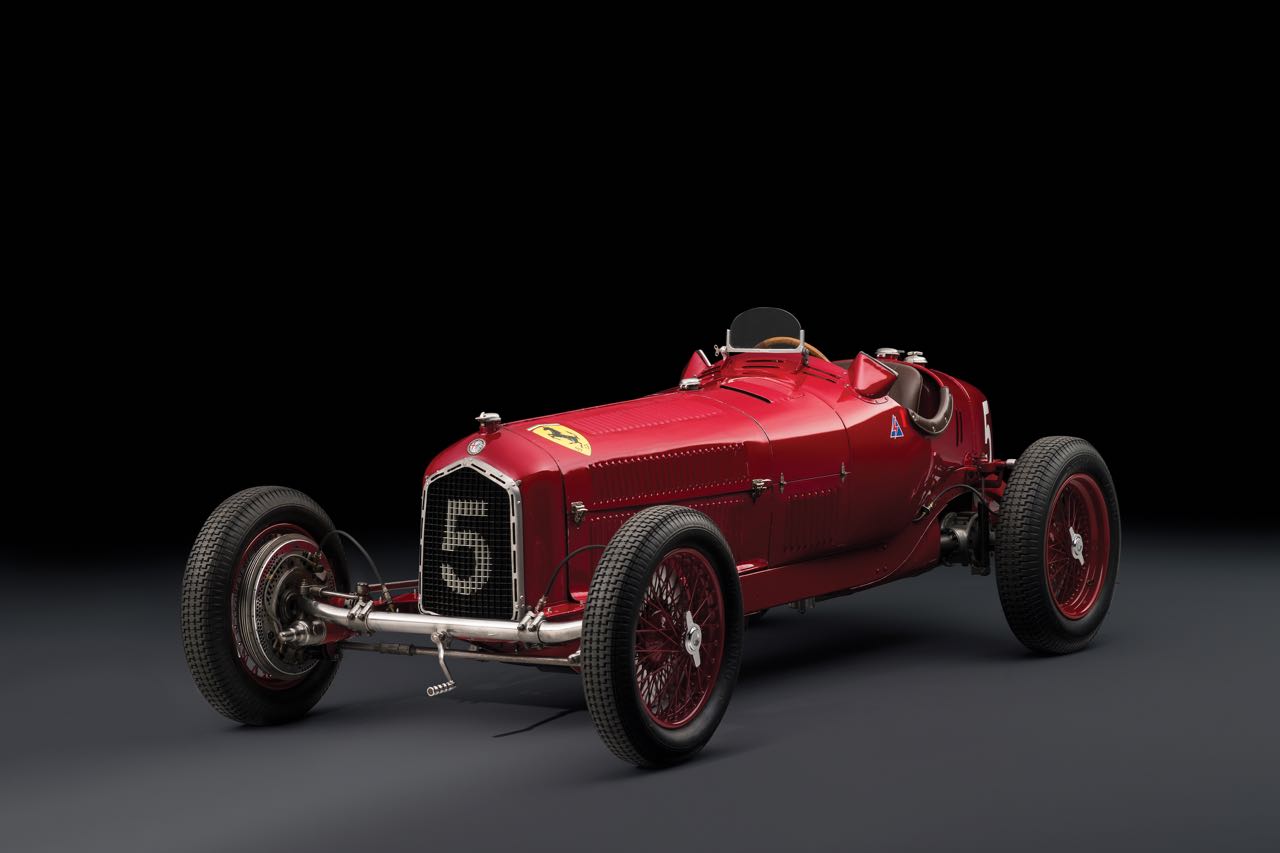
To examine Jano’s creation is to look upon a sculptural triumph of 1930s engineering. Beneath the long, louvred bonnet lay the heart of the P3: a jewel-like supercharged inline-eight, ingeniously split into two four-cylinder blocks with the gear train placed dead centre to eliminate camshaft whip. The initial 1932 variant, the 2.6-litre (159 cu in) Monoposto, breathed through twin Roots-type superchargers to produce a shrieking 215 bhp. Power was sent to the rear cross-ply tyres via a three-speed, and later four-speed, manual gearbox, but the true masterstroke lay aft of the cockpit. Jano split the differential just behind the gearbox, routing the power through twin angled driveshafts that formed a ‘V’. This layout not only reduced unsprung mass but crucially allowed the driver to sit low between the shafts, drastically lowering the centre of gravity. The chassis was a lightweight ladder frame suspended on semi-elliptic leaf springs, while massive, cable-operated aluminium finned drum brakes fought to arrest speeds that easily exceeded 225 km/h (140 mph).
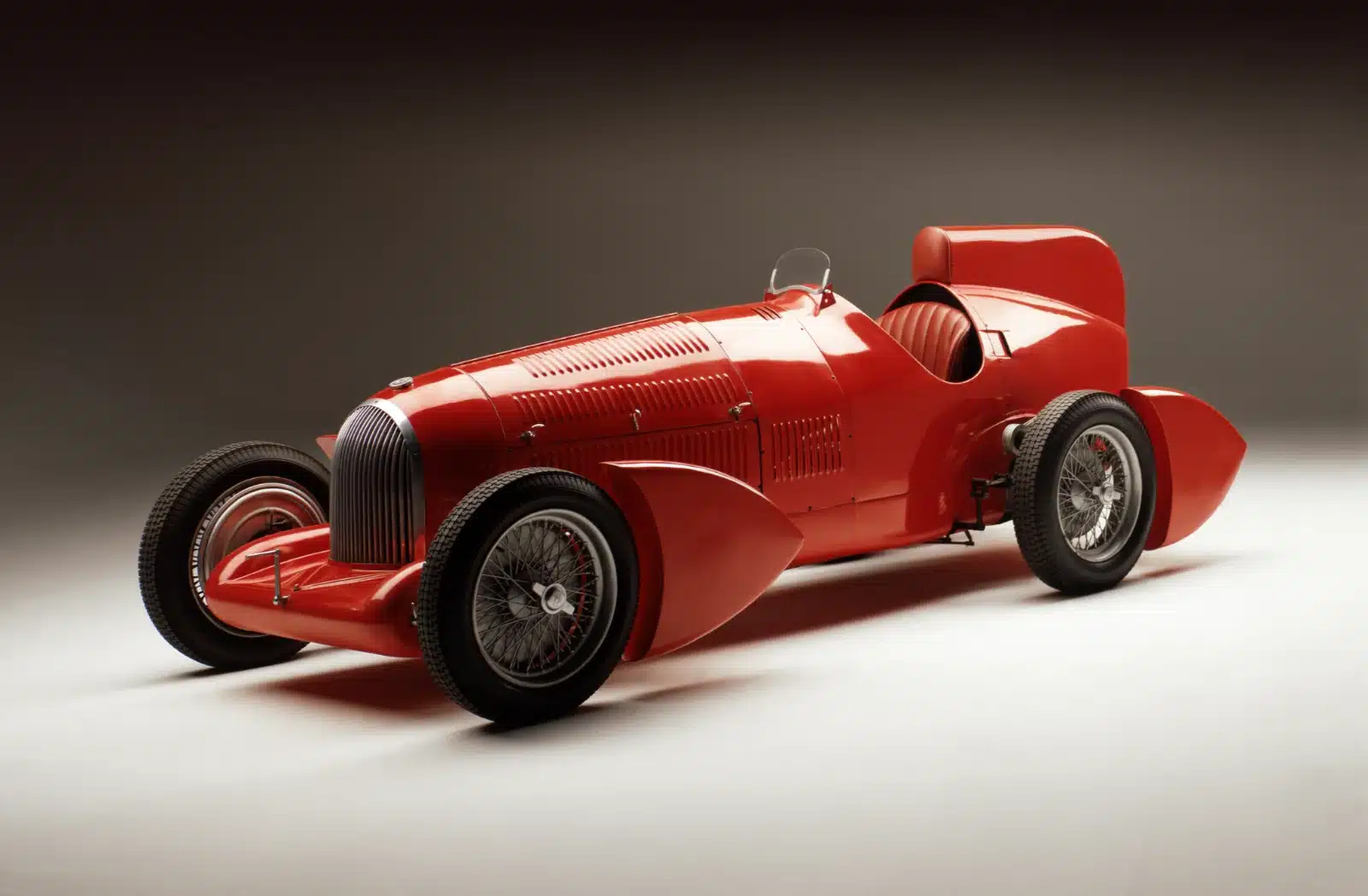
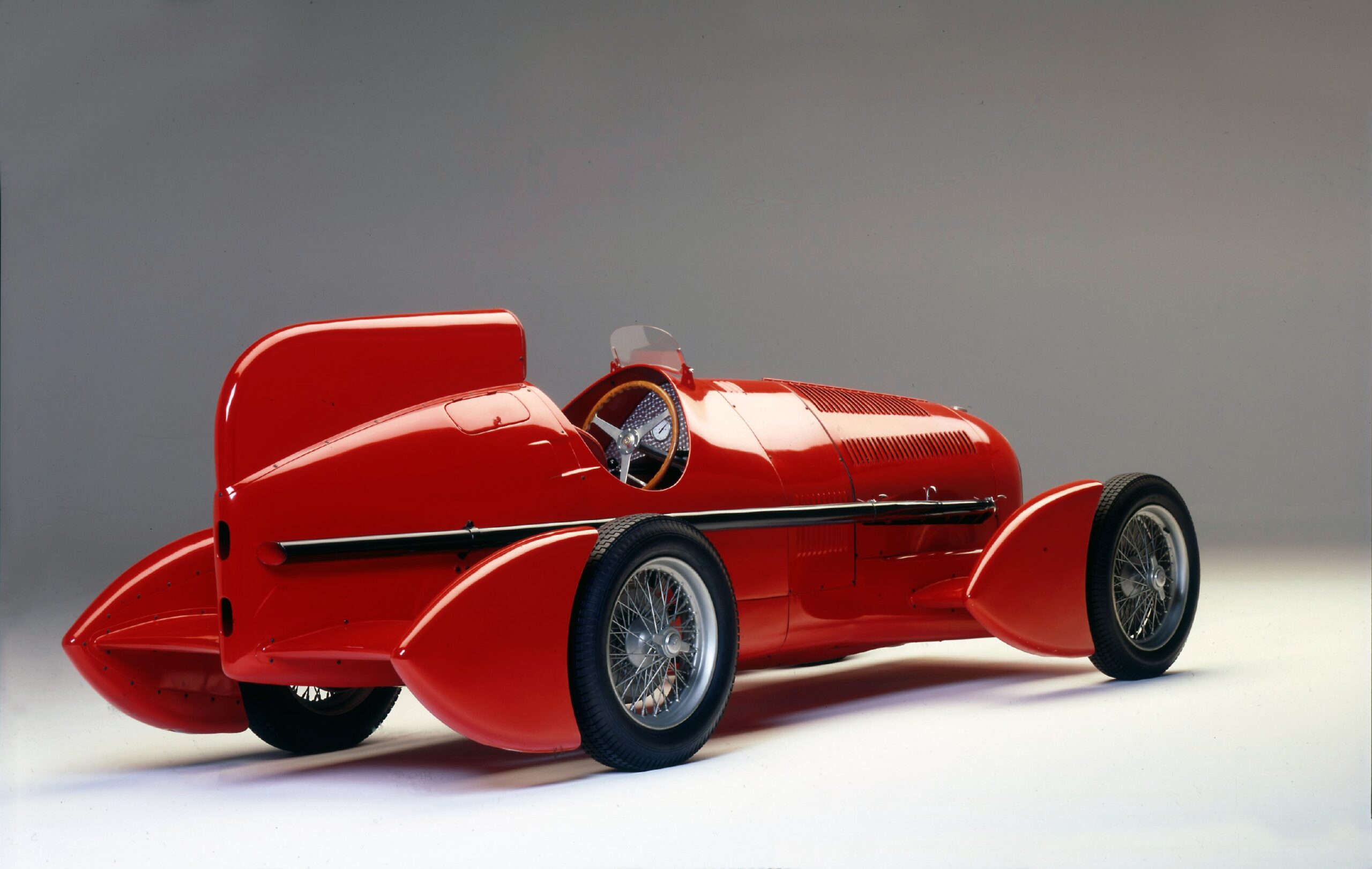
As the German threat intensified, the engine grew. The 1934 season saw the introduction of the 2.9-litre (177 cu in) Monoposto boasting 255 bhp, quickly followed by the 3.2-litre (195 cu in) Monoposto delivering 265 bhp. To combat the sheer top speed of the aerodynamic German machines on fast circuits, Alfa Romeo commissioned the startling 3.2-litre (195 cu in) Aerodinamica in 1934, featuring a slippery, enclosed teardrop body crafted by Carrozzeria Touring to conquer the AVUS banking. The ultimate evolution of the open-wheel lineage arrived in 1935 with the bored-out 3.8-litre (232 cu in) Monoposto, generating a brutal 330 bhp. Jano’s design was so inherently versatile that a heavily modified 2.9-litre (177 cu in) Biposto (two-seater) was even created for road racing, storming events like the Mille Miglia. Inside the spartan cockpit, the driver was assaulted by a cacophony of supercharger whine and the searing heat of the exhaust tracing the left flank, wrestling a heavy, cord-bound steering wheel whilst sitting intimately close to the mechanical violence of the drivetrain.
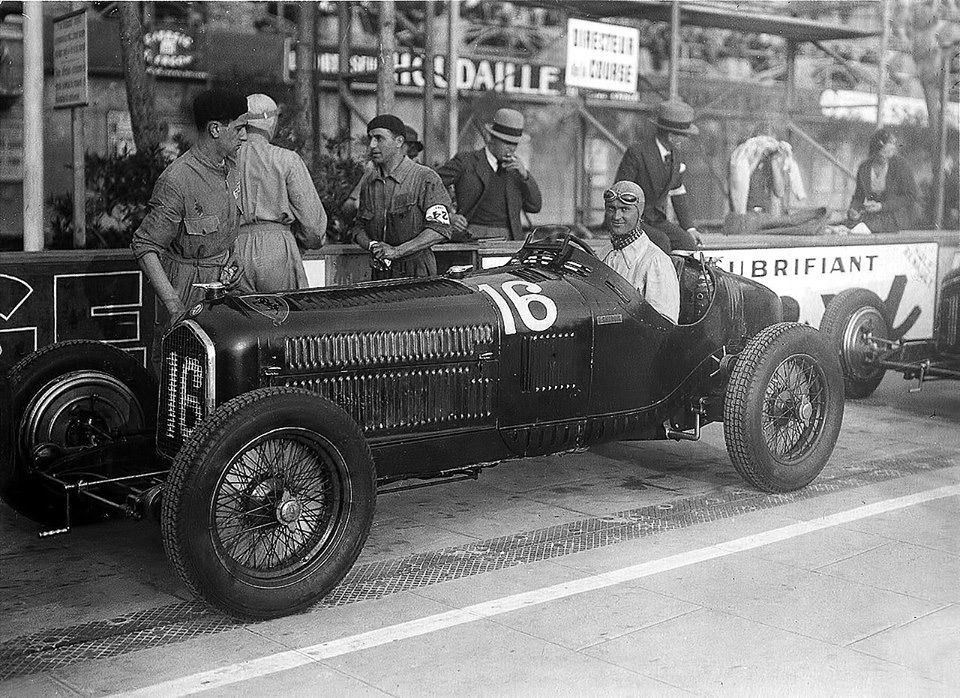
The competitive history of the Tipo B is a saga of total domination followed by a heroic rearguard action. Upon its 1932 debut, Tazio Nuvolari and Rudolf Caracciola wielded the 2.6-litre P3 to humiliate the opposition, winning the French, German, and Italian Grands Prix. The car was so beautifully balanced that drivers routinely provoked spectacular four-wheel drifts, steering the 700 kg (1543 lbs) machine primarily on the throttle. By 1934, Enzo Ferrari’s Scuderia was managing the cars, and the upgraded 2.9-litre and 3.2-litre variants claimed victory at Monaco, Alessandria, and the French Grand Prix. However, the Tipo B is best remembered for a singular act of defiance. At the 1935 German Grand Prix, Nuvolari found himself strapped into a modified 3.2-litre P3 against a fleet of 400-horsepower German behemoths. Driving with a terrifying, ragged-edge intensity, he hunted down Manfred von Brauchitsch on the final lap, securing what is widely considered the greatest victory in motorsport history, earning it the moniker of the “Impossible Victory”. Beyond the circuits, the rare 2.9-litre Biposto variants secured the legacy of the P3 on the open roads, proving that Jano’s architecture was unbreakable even over 1600 kilometres (1000 miles) of punishing Italian countryside.
The legacy of the Alfa Romeo Tipo B P3 is absolute. It dictated the architecture of the modern racing car, forever divorcing the riding mechanic from the Grand Prix cockpit. By the end of 1935, the P3 was finally retired, eclipsed by the sheer brute force of the German cars, making way for the independent-suspension Alfa Romeo 8C-35 and the later Alfetta. Yet, the P3 remains the quintessential vintage racer. It was the chariot of Nuvolari, the foundation of Enzo Ferrari’s empire, and a screaming, supercharged Italian masterpiece that stood as the final bulwark against the industrial might of the Silver Arrows.
Portal
Model line
Model generation
Predecessor
Sucessor
Brand
Produced from
Vehicle category
Portal
Model line
Model generation
Predecessor
Sucessor
Model Overview
The rain-slicked asphalt of the Nürburgring in July 1935 trembled under the weight of three hundred thousand expectant German spectators. They had gathered to witness the invincible Silver Arrows obliterate the opposition. Yet, tearing through the Eifel mist was not a silver machine, but a scarlet dart—an ageing, outgunned Alfa Romeo Tipo B, known universally as the P3, driven by a possessed Tazio Nuvolari. Designed by the legendary Vittorio Jano as the successor to the formidable P2, the Tipo B was nothing less than the world’s first genuine single-seater, or monoposto, Grand Prix car. When it debuted in 1932, it rendered the two-seat Bugatti Type 51 and Maserati 8C utterly obsolete. It was a masterpiece of mechanical packaging that gave Scuderia Ferrari—then acting as Alfa Romeo’s unofficial works team—an impenetrable aura of invincibility before the state-sponsored might of Mercedes-Benz and Auto Union darkened the horizon.
To examine Jano’s creation is to look upon a sculptural triumph of 1930s engineering. Beneath the long, louvred bonnet lay the heart of the P3: a jewel-like supercharged inline-eight, ingeniously split into two four-cylinder blocks with the gear train placed dead centre to eliminate camshaft whip. The initial 1932 variant, the 2.6-litre (159 cu in) Monoposto, breathed through twin Roots-type superchargers to produce a shrieking 215 bhp. Power was sent to the rear cross-ply tyres via a three-speed, and later four-speed, manual gearbox, but the true masterstroke lay aft of the cockpit. Jano split the differential just behind the gearbox, routing the power through twin angled driveshafts that formed a ‘V’. This layout not only reduced unsprung mass but crucially allowed the driver to sit low between the shafts, drastically lowering the centre of gravity. The chassis was a lightweight ladder frame suspended on semi-elliptic leaf springs, while massive, cable-operated aluminium finned drum brakes fought to arrest speeds that easily exceeded 225 km/h (140 mph).
As the German threat intensified, the engine grew. The 1934 season saw the introduction of the 2.9-litre (177 cu in) Monoposto boasting 255 bhp, quickly followed by the 3.2-litre (195 cu in) Monoposto delivering 265 bhp. To combat the sheer top speed of the aerodynamic German machines on fast circuits, Alfa Romeo commissioned the startling 3.2-litre (195 cu in) Aerodinamica in 1934, featuring a slippery, enclosed teardrop body crafted by Carrozzeria Touring to conquer the AVUS banking. The ultimate evolution of the open-wheel lineage arrived in 1935 with the bored-out 3.8-litre (232 cu in) Monoposto, generating a brutal 330 bhp. Jano’s design was so inherently versatile that a heavily modified 2.9-litre (177 cu in) Biposto (two-seater) was even created for road racing, storming events like the Mille Miglia. Inside the spartan cockpit, the driver was assaulted by a cacophony of supercharger whine and the searing heat of the exhaust tracing the left flank, wrestling a heavy, cord-bound steering wheel whilst sitting intimately close to the mechanical violence of the drivetrain.
The competitive history of the Tipo B is a saga of total domination followed by a heroic rearguard action. Upon its 1932 debut, Tazio Nuvolari and Rudolf Caracciola wielded the 2.6-litre P3 to humiliate the opposition, winning the French, German, and Italian Grands Prix. The car was so beautifully balanced that drivers routinely provoked spectacular four-wheel drifts, steering the 700 kg (1543 lbs) machine primarily on the throttle. By 1934, Enzo Ferrari’s Scuderia was managing the cars, and the upgraded 2.9-litre and 3.2-litre variants claimed victory at Monaco, Alessandria, and the French Grand Prix. However, the Tipo B is best remembered for a singular act of defiance. At the 1935 German Grand Prix, Nuvolari found himself strapped into a modified 3.2-litre P3 against a fleet of 400-horsepower German behemoths. Driving with a terrifying, ragged-edge intensity, he hunted down Manfred von Brauchitsch on the final lap, securing what is widely considered the greatest victory in motorsport history, earning it the moniker of the “Impossible Victory”. Beyond the circuits, the rare 2.9-litre Biposto variants secured the legacy of the P3 on the open roads, proving that Jano’s architecture was unbreakable even over 1600 kilometres (1000 miles) of punishing Italian countryside.
The legacy of the Alfa Romeo Tipo B P3 is absolute. It dictated the architecture of the modern racing car, forever divorcing the riding mechanic from the Grand Prix cockpit. By the end of 1935, the P3 was finally retired, eclipsed by the sheer brute force of the German cars, making way for the independent-suspension Alfa Romeo 8C-35 and the later Alfetta. Yet, the P3 remains the quintessential vintage racer. It was the chariot of Nuvolari, the foundation of Enzo Ferrari’s empire, and a screaming, supercharged Italian masterpiece that stood as the final bulwark against the industrial might of the Silver Arrows.
Submodels