
Auto Union Type D (Single-Supercharged)
Brand
Produced from
Portal
Vehicle category
Predecessor
Successor
Submodel Overview
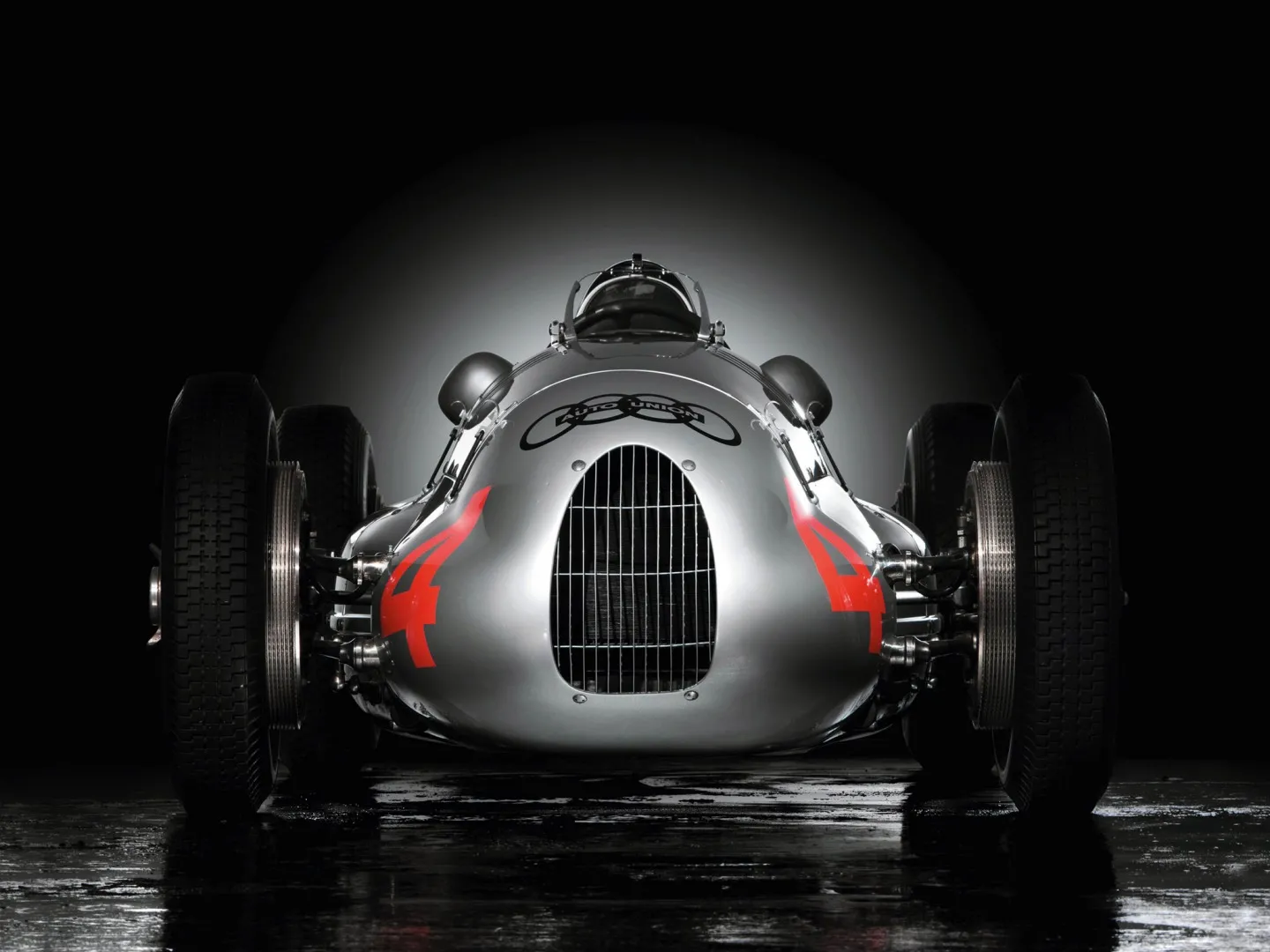
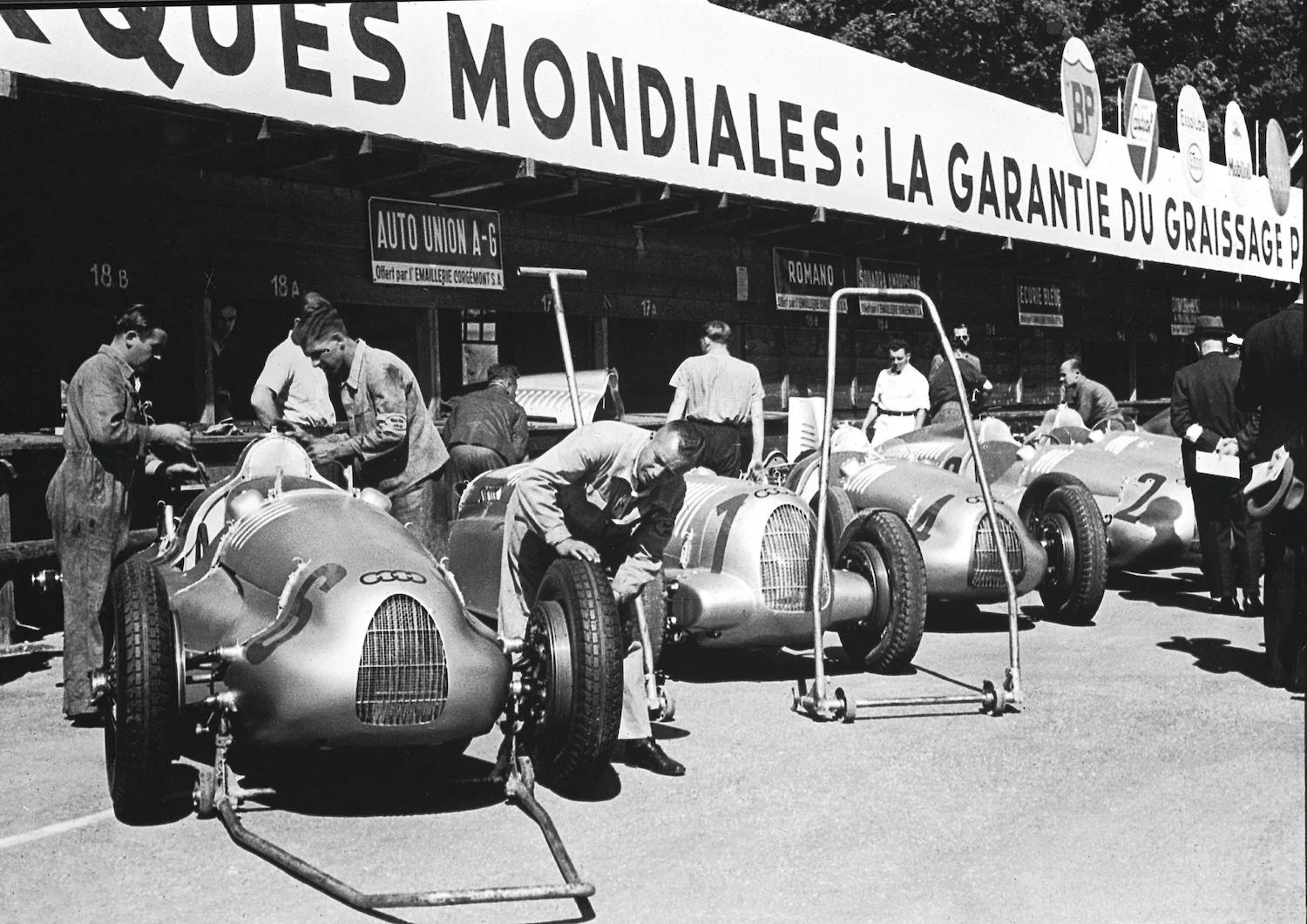
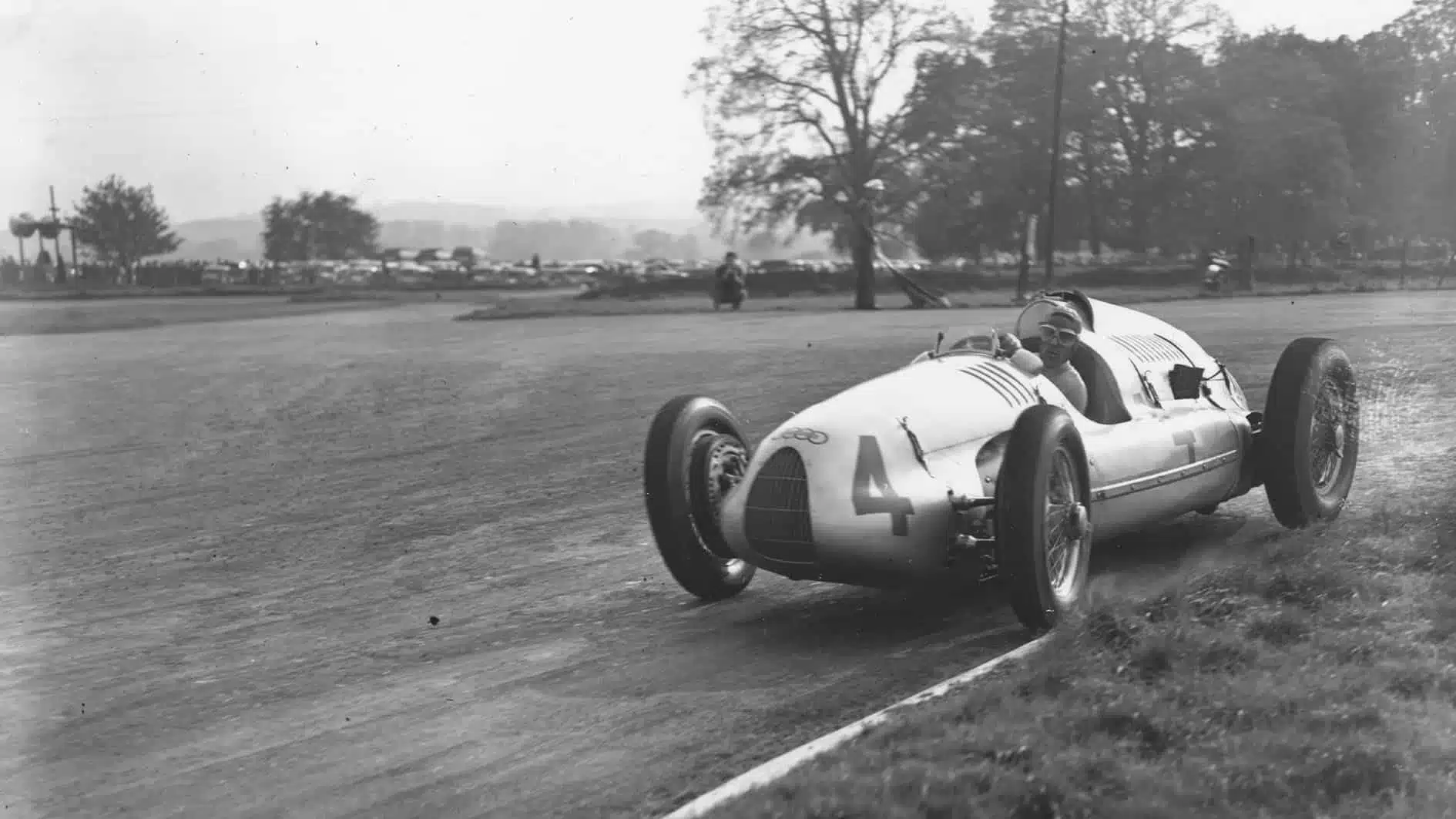
The scent of high-octane fuel at the start of the 1938 Grand Prix season was heavily laced with mourning. In January, the Auto Union squad had been brutally shattered by the death of their talisman, Bernd Rosemeyer, during a terrifying high-speed record attempt on the autobahn. Compounding this emotional devastation was a drastic alteration to the international rulebook. The governing AIACR had abolished the unrestricted 750 kg formula, mandating a maximum engine capacity of just 3.0-litre (183 cu in) for supercharged cars. To replace the monstrous, widow-making 6.0-litre (366 cu in) V16 Type C, Auto Union engineer Robert Eberan von Eberhorst stepped out of Ferdinand Porsche’s shadow to create the 1938 Auto Union Type D. It was a machine forced to battle not only the searing grief of its own racing department but also the ruthlessly efficient, state-sponsored might of the new Mercedes-Benz W154.
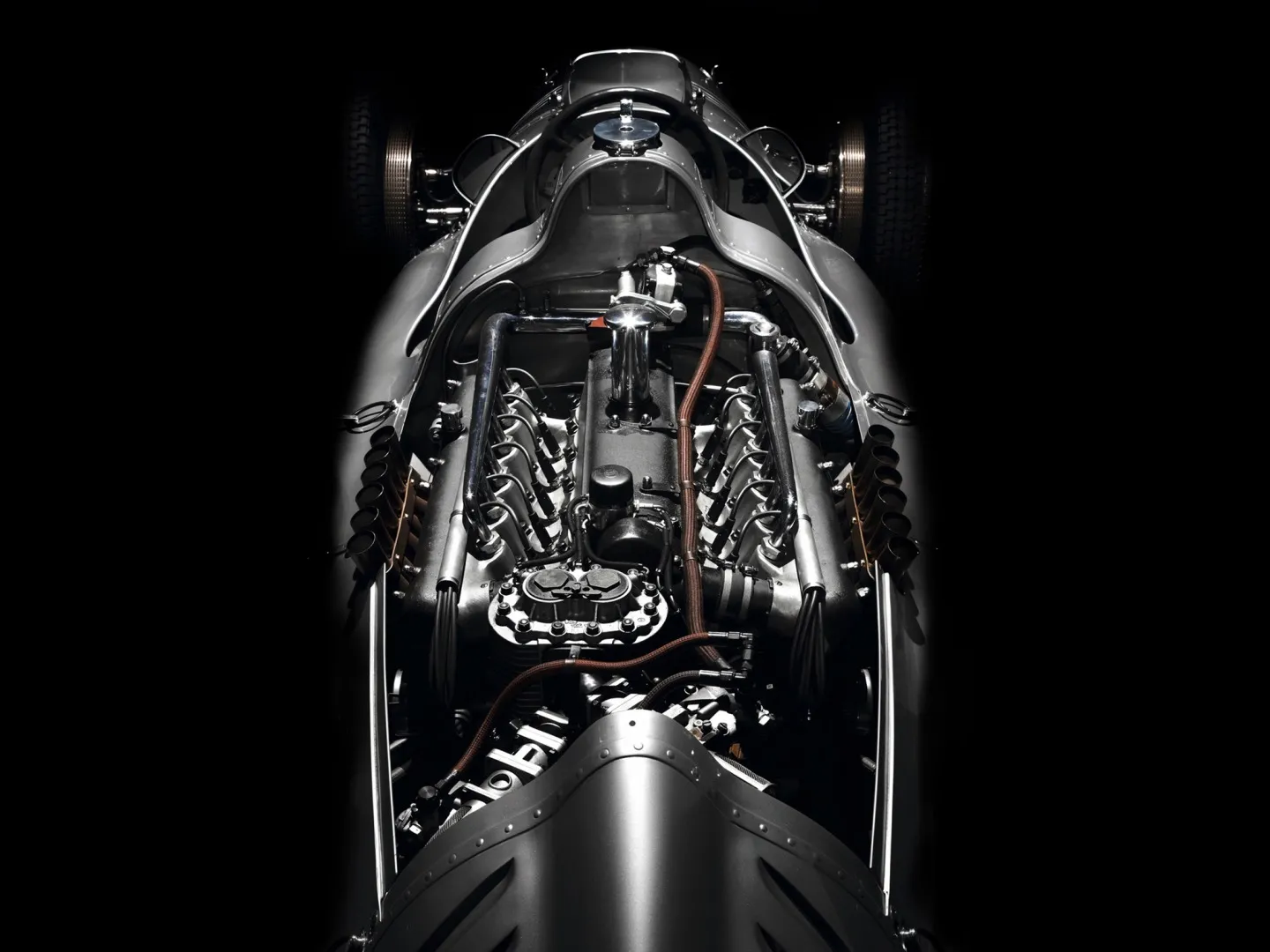
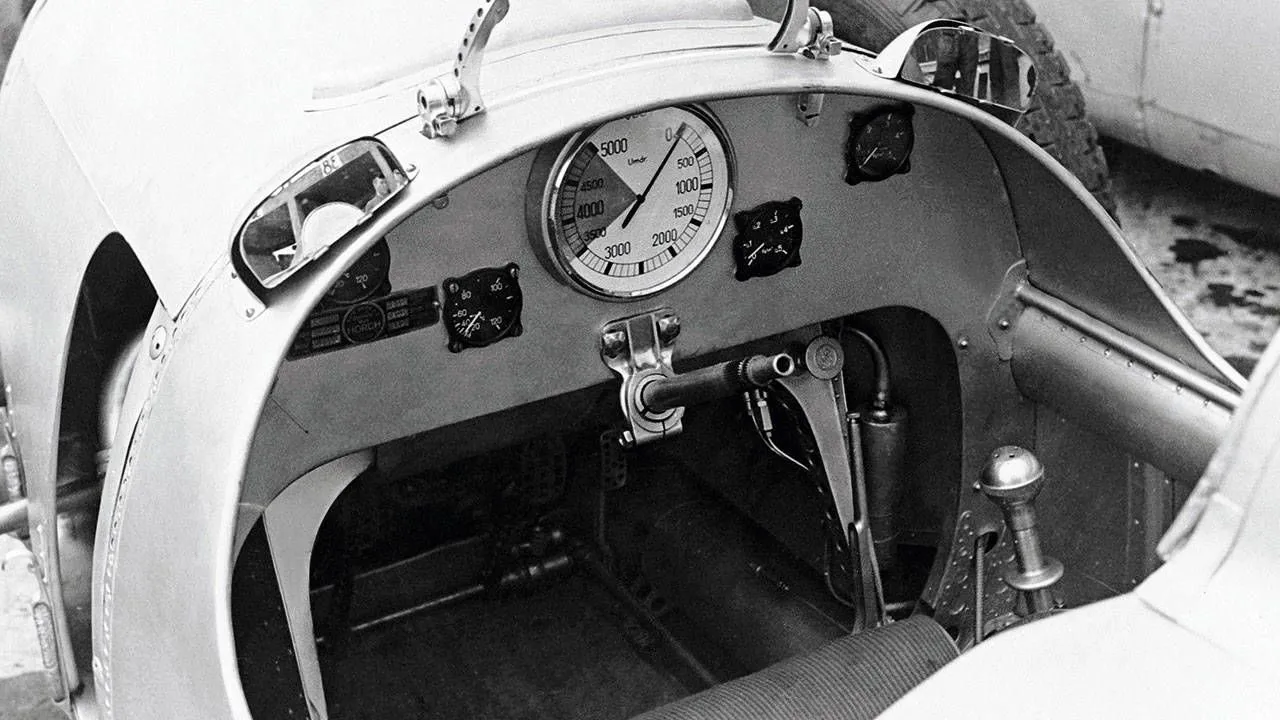
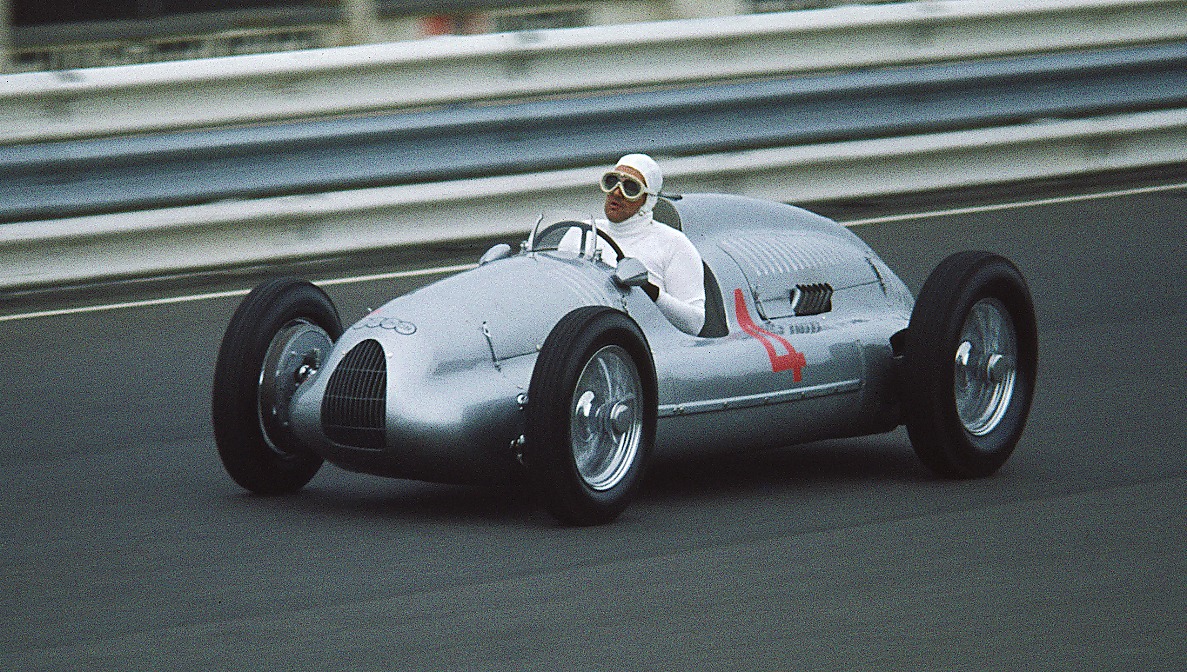
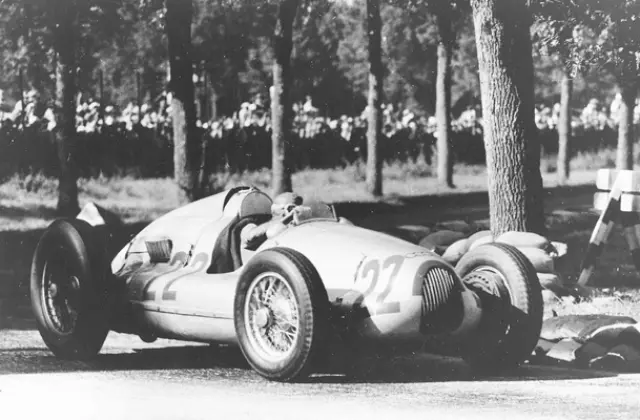
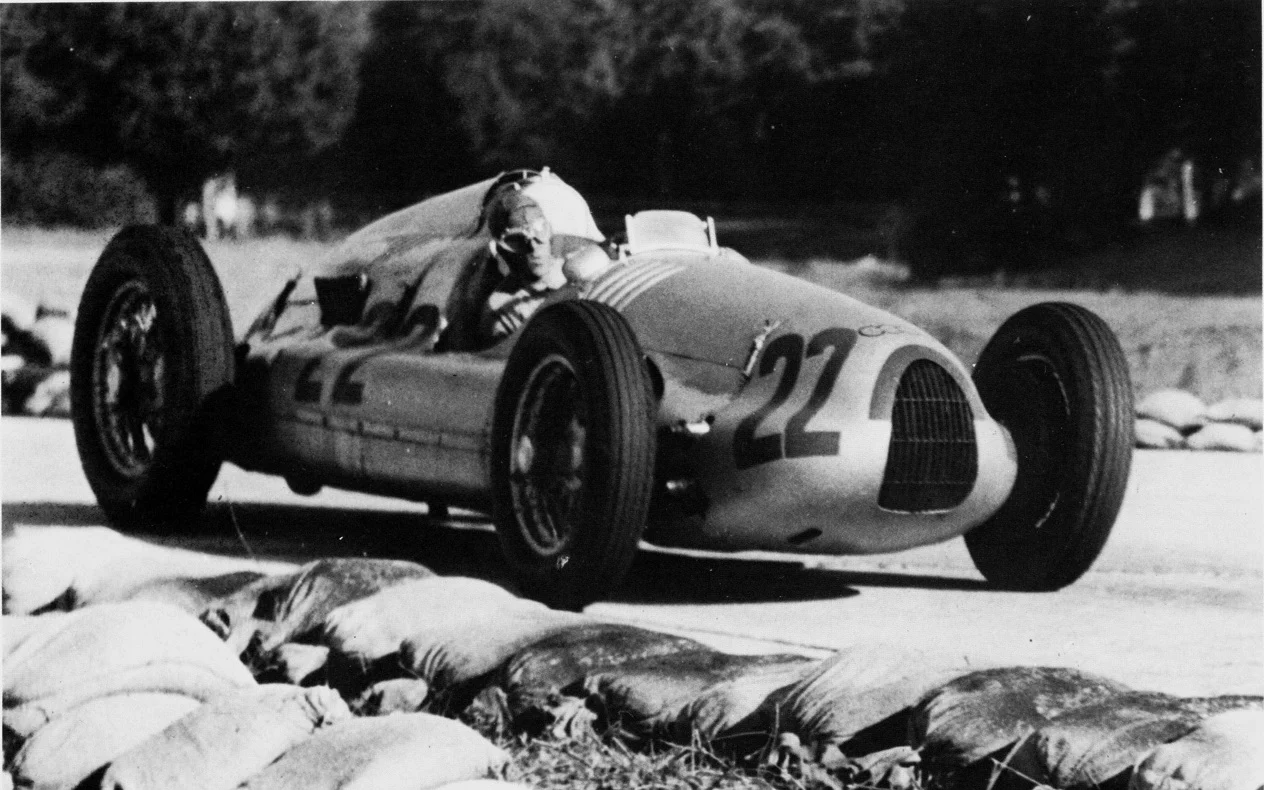
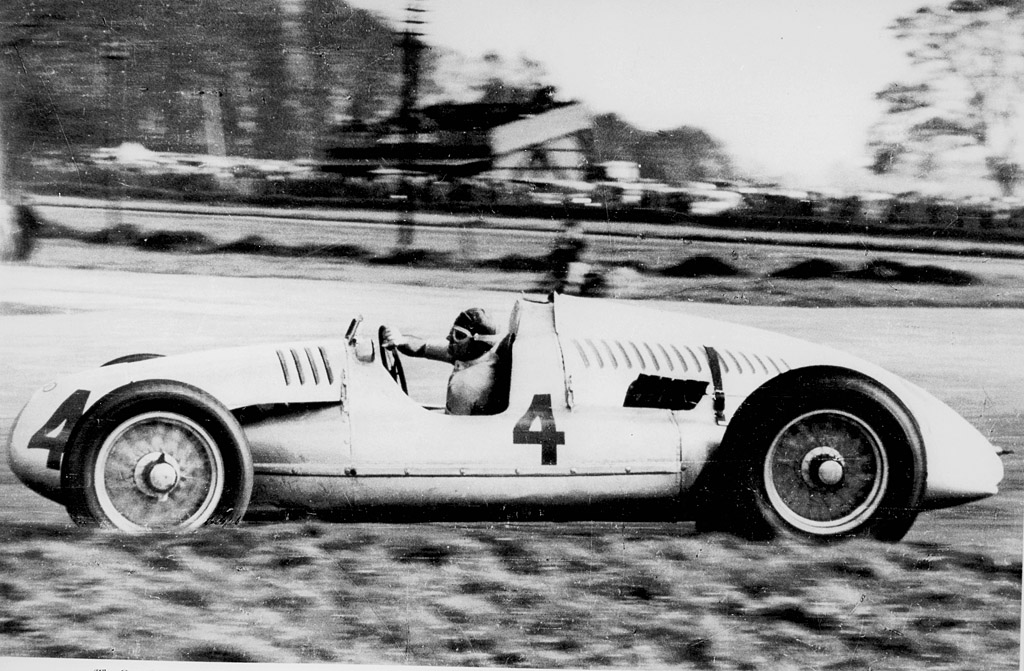
Beneath the meticulously louvred, unpainted aluminium skin of the Type D lay an exercise in mechanical refinement that finally tamed the mid-engined beast. Eberhorst discarded the heavy V16 in favour of a bespoke 60-degree V12. Displacing exactly 3.0-litre (183 cu in) and force-fed by a single Roots-type supercharger, this metallurgical jewel produced a staggering 420 bhp. Unlike the guttural, low-revving thunder of its predecessor, the new V12 emitted a frantic, high-pitched mechanical shriek as it tore towards its redline. Power was delivered to the rear cross-ply tyres through a robust five-speed manual transaxle. Crucially, the lethal handling characteristics of the older cars were eradicated. Eberhorst retained the mid-engine layout but pushed the driver’s seat slightly further back to improve the polar moment of inertia. More importantly, he banished the treacherous rear swing axles to the scrapheap, replacing them with a sophisticated De Dion rear suspension setup located by a Panhard rod. This transformed the chassis dynamics; the vicious snap-oversteer was replaced by a progressive, predictable balance. Stopping the 850 kg (1874 lbs) silver dart relied on massive, hydraulically operated aluminium finned drum brakes, which fought heroically against speeds exceeding 300 km/h (186 mph).
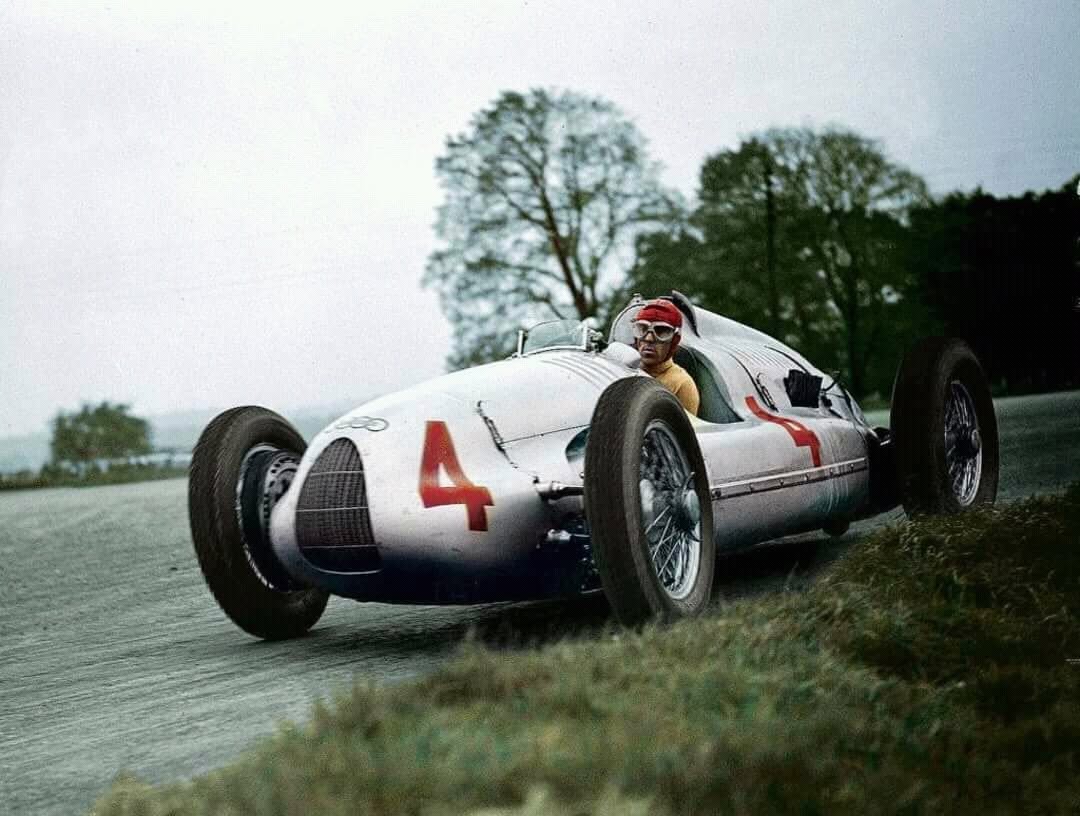
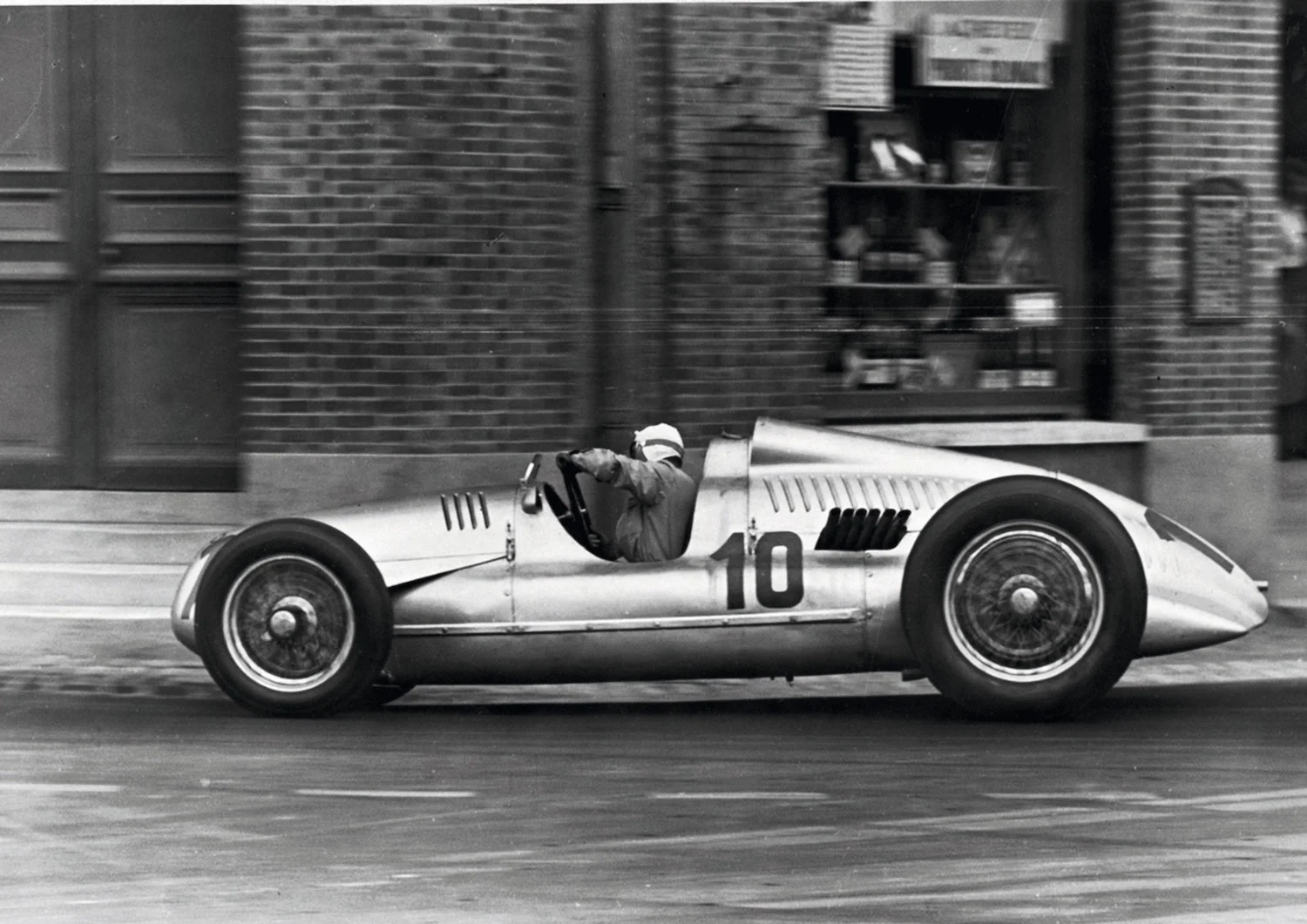
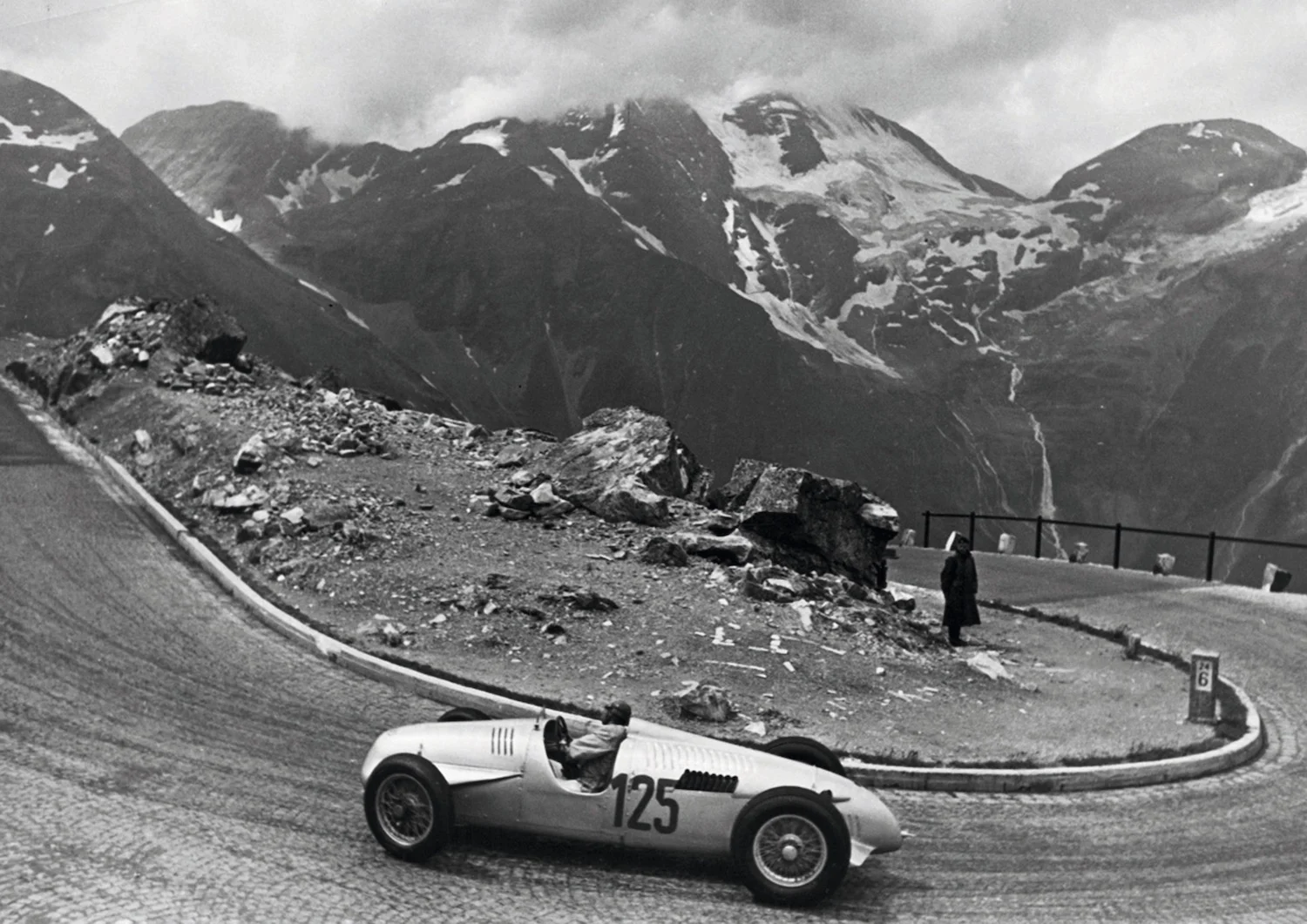
Despite the engineering brilliance of the Type D, the 1938 season commenced as a bleak, desperate struggle. The car was fast, but without Rosemeyer, Auto Union lacked a pilot capable of wrestling a mid-engined grand prix car to victory against the dominant Mercedes-Benz drivers. Salvation arrived in the diminutive, fearless form of Tazio Nuvolari. The legendary Italian ace, frustrated by the uncompetitive Alfa Romeos, signed with the German squad mid-season. Nuvolari, completely unfazed by the Auto Union’s unorthodox layout, quickly bent the single-supercharged Type D to his will. The combination was electrifying. In September, Nuvolari unleashed the full fury of the V12 on home soil, securing a deeply emotional, hard-fought victory at the Italian Grand Prix at Monza. A month later, the “Flying Mantuan” transported the Auto Union to the undulating parkland of the Donington Grand Prix. There, beneath the autumn leaves, Nuvolari put on a masterclass of car control, initiating glorious four-wheel drifts and utterly humiliating the Mercedes-Benz armada to claim a dominant win.
The Auto Union Type D Monoposto was a magnificent, shrieking vindication of the mid-engine philosophy. It proved unequivocally that when paired with a refined De Dion rear suspension, placing the engine behind the driver was not a lethal quirk, but the definitive architecture of racing speed. For the following 1939 season, the Type D would be upgraded with a complex twin-supercharger system to combat the relentless march of Mercedes-Benz engineering, yet it is the 1938 single-supercharged iteration that remains the purest expression of Eberhorst’s design. It stands as a glorious, screaming monument to resilience—the silver projectile that allowed a grieving team and an ageing Italian genius to conquer the Grand Prix world.
Brand
Produced from
Portal
Vehicle category
Predecessor
Sucessor
Brand
Produced from
Portal
Vehicle category
Model generation
Predecessor
Sucessor
Submodel Overview
The scent of high-octane fuel at the start of the 1938 Grand Prix season was heavily laced with mourning. In January, the Auto Union squad had been brutally shattered by the death of their talisman, Bernd Rosemeyer, during a terrifying high-speed record attempt on the autobahn. Compounding this emotional devastation was a drastic alteration to the international rulebook. The governing AIACR had abolished the unrestricted 750 kg formula, mandating a maximum engine capacity of just 3.0-litre (183 cu in) for supercharged cars. To replace the monstrous, widow-making 6.0-litre (366 cu in) V16 Type C, Auto Union engineer Robert Eberan von Eberhorst stepped out of Ferdinand Porsche’s shadow to create the 1938 Auto Union Type D. It was a machine forced to battle not only the searing grief of its own racing department but also the ruthlessly efficient, state-sponsored might of the new Mercedes-Benz W154.
Beneath the meticulously louvred, unpainted aluminium skin of the Type D lay an exercise in mechanical refinement that finally tamed the mid-engined beast. Eberhorst discarded the heavy V16 in favour of a bespoke 60-degree V12. Displacing exactly 3.0-litre (183 cu in) and force-fed by a single Roots-type supercharger, this metallurgical jewel produced a staggering 420 bhp. Unlike the guttural, low-revving thunder of its predecessor, the new V12 emitted a frantic, high-pitched mechanical shriek as it tore towards its redline. Power was delivered to the rear cross-ply tyres through a robust five-speed manual transaxle. Crucially, the lethal handling characteristics of the older cars were eradicated. Eberhorst retained the mid-engine layout but pushed the driver’s seat slightly further back to improve the polar moment of inertia. More importantly, he banished the treacherous rear swing axles to the scrapheap, replacing them with a sophisticated De Dion rear suspension setup located by a Panhard rod. This transformed the chassis dynamics; the vicious snap-oversteer was replaced by a progressive, predictable balance. Stopping the 850 kg (1874 lbs) silver dart relied on massive, hydraulically operated aluminium finned drum brakes, which fought heroically against speeds exceeding 300 km/h (186 mph).
Despite the engineering brilliance of the Type D, the 1938 season commenced as a bleak, desperate struggle. The car was fast, but without Rosemeyer, Auto Union lacked a pilot capable of wrestling a mid-engined grand prix car to victory against the dominant Mercedes-Benz drivers. Salvation arrived in the diminutive, fearless form of Tazio Nuvolari. The legendary Italian ace, frustrated by the uncompetitive Alfa Romeos, signed with the German squad mid-season. Nuvolari, completely unfazed by the Auto Union’s unorthodox layout, quickly bent the single-supercharged Type D to his will. The combination was electrifying. In September, Nuvolari unleashed the full fury of the V12 on home soil, securing a deeply emotional, hard-fought victory at the Italian Grand Prix at Monza. A month later, the “Flying Mantuan” transported the Auto Union to the undulating parkland of the Donington Grand Prix. There, beneath the autumn leaves, Nuvolari put on a masterclass of car control, initiating glorious four-wheel drifts and utterly humiliating the Mercedes-Benz armada to claim a dominant win.
The Auto Union Type D Monoposto was a magnificent, shrieking vindication of the mid-engine philosophy. It proved unequivocally that when paired with a refined De Dion rear suspension, placing the engine behind the driver was not a lethal quirk, but the definitive architecture of racing speed. For the following 1939 season, the Type D would be upgraded with a complex twin-supercharger system to combat the relentless march of Mercedes-Benz engineering, yet it is the 1938 single-supercharged iteration that remains the purest expression of Eberhorst’s design. It stands as a glorious, screaming monument to resilience—the silver projectile that allowed a grieving team and an ageing Italian genius to conquer the Grand Prix world.
Tech Specs
Technical Specifications
Tech Specs
Technical Specifications
Engine
01
03
Internal combustion engine
Configuration
Auto Union V12 - 60º
Location
Mid, longitudinally mounted
Construction
Aluminium alloy block and heads
Displacement (cc)
2,990 cc
Displacement (cu in)
182.5 cu in
Compression
~10.0:1
Bore x Stroke
65.0 mm x 75.0 mm
Valvetrain
2 valves per cylinder, triple overhead camshafts (one central for intake, two separate for exhaust)
Fuel feed
2 x Solex carburettors
Lubrication
Dry sump
Aspiration
Supercharged (Single-stage Roots-type supercharger)
Output
Power (hp)
420 hp
Power (kW)
313 kW
Max power at
7,000 RPM
Torque (Nm)
~550 Nm
Torque (ft lbs)
~406 ft lbs
Max torque at
4,000 RPM
Drivetrain
02
03
Chassis
Type
Tubular ladder frame (tubes used as coolant lines)
Material
Steel
Body
Material
Aluminium
Transmission
Gearbox
5-speed manual transaxle
Drive
Rear Wheel Drive (ZF Limited Slip Differential)
Suspension
Front
Independent, crank semi-trailing arms, transverse torsion bars, hydraulic shock absorbers
Rear
De Dion axle, longitudinal torsion bars, radius arms, hydraulic and friction dampers
Steering
Type
Worm and nut, unassisted
Brakes
Front
Hydraulic drum brakes Ø400 mm (System Porsche)
Rear
Hydraulic drum brakes Ø400 mm (System Porsche)
Wheels
Front
19" (Wire spoke wheels)
Rear
19" (Wire spoke wheels)
Tires
Front
5.25-19
Rear
7.00-19
Dimensions and performance
03
03
Dimensions
Length (mm)
4,200 mm
Length (in)
165.4 in
Width (mm)
1,660 mm
Width (in)
65.4 in
Height (mm)
1,060 mm
Height (in)
41.7 in
Wheelbase (mm)
2,800 mm
Wheelbase (in)
110.2 in
Weight (kg)
~850 kg
Weight (lbs)
~1,874 lbs
Performance
Power to weight
~0.49 hp/kg
Top speed (km/h)
~310 km/h
Top speed (mph)
~193 mph
0-100 km/h (0-60 mph)
-