
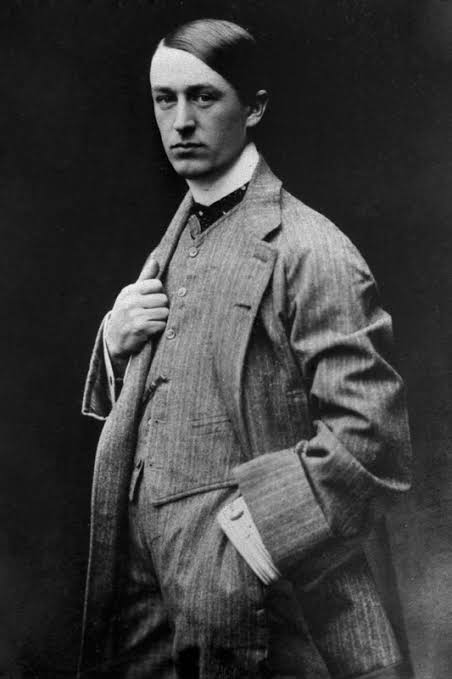
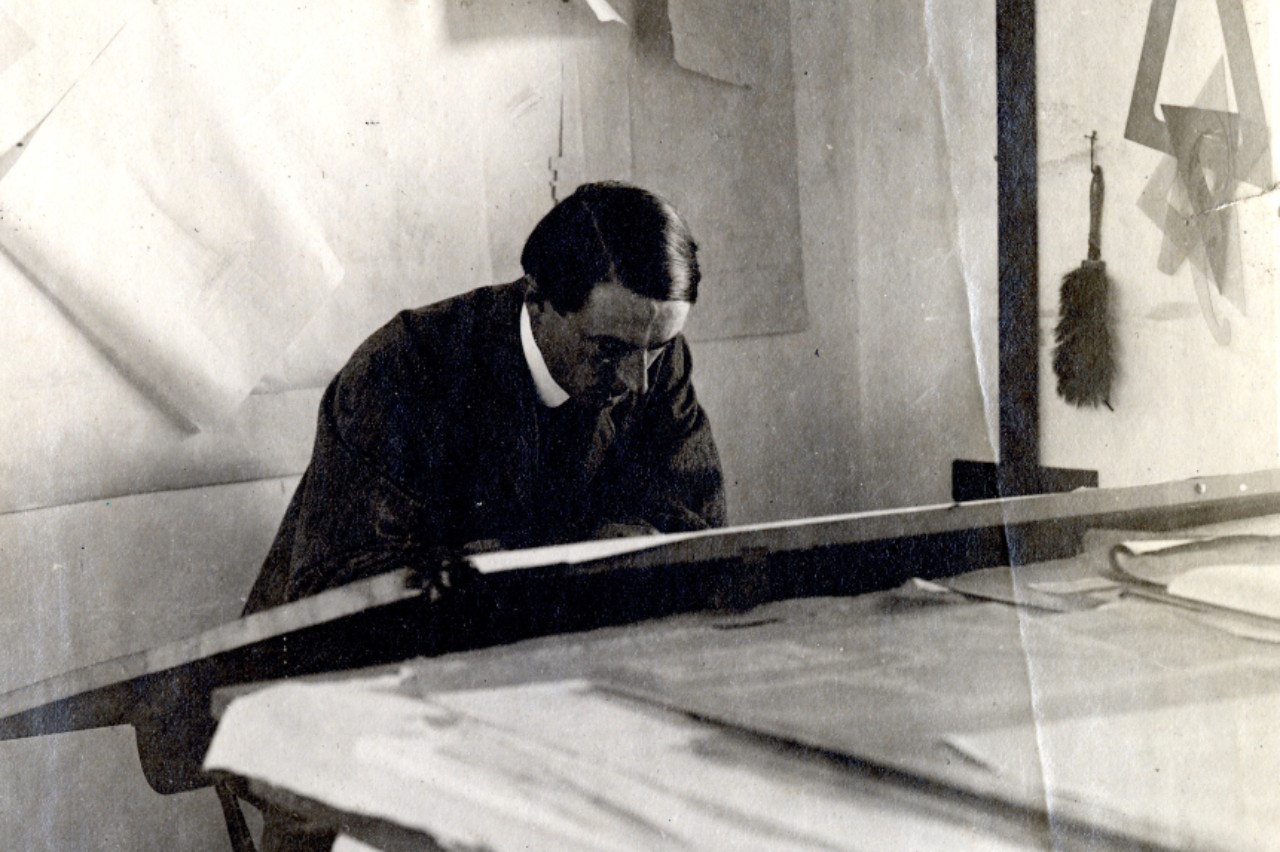
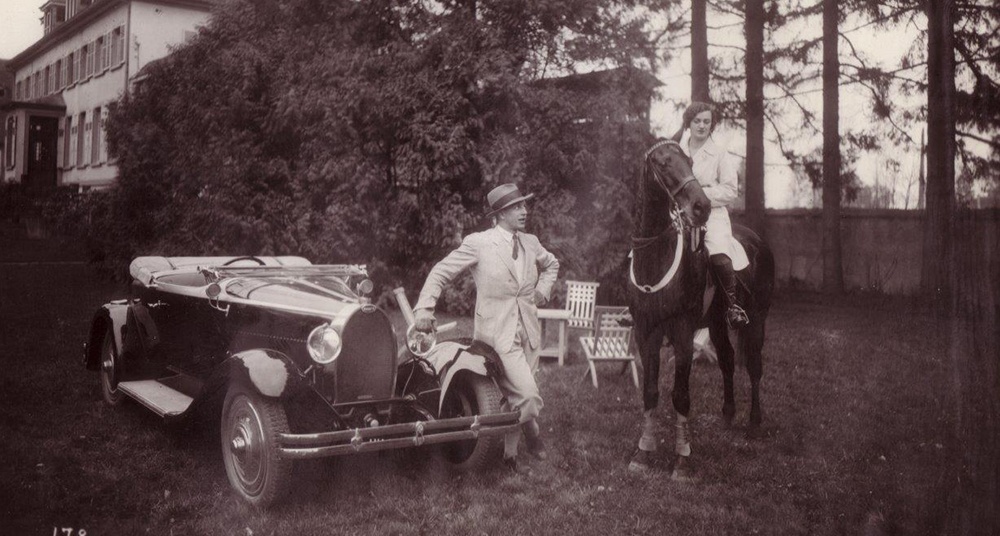
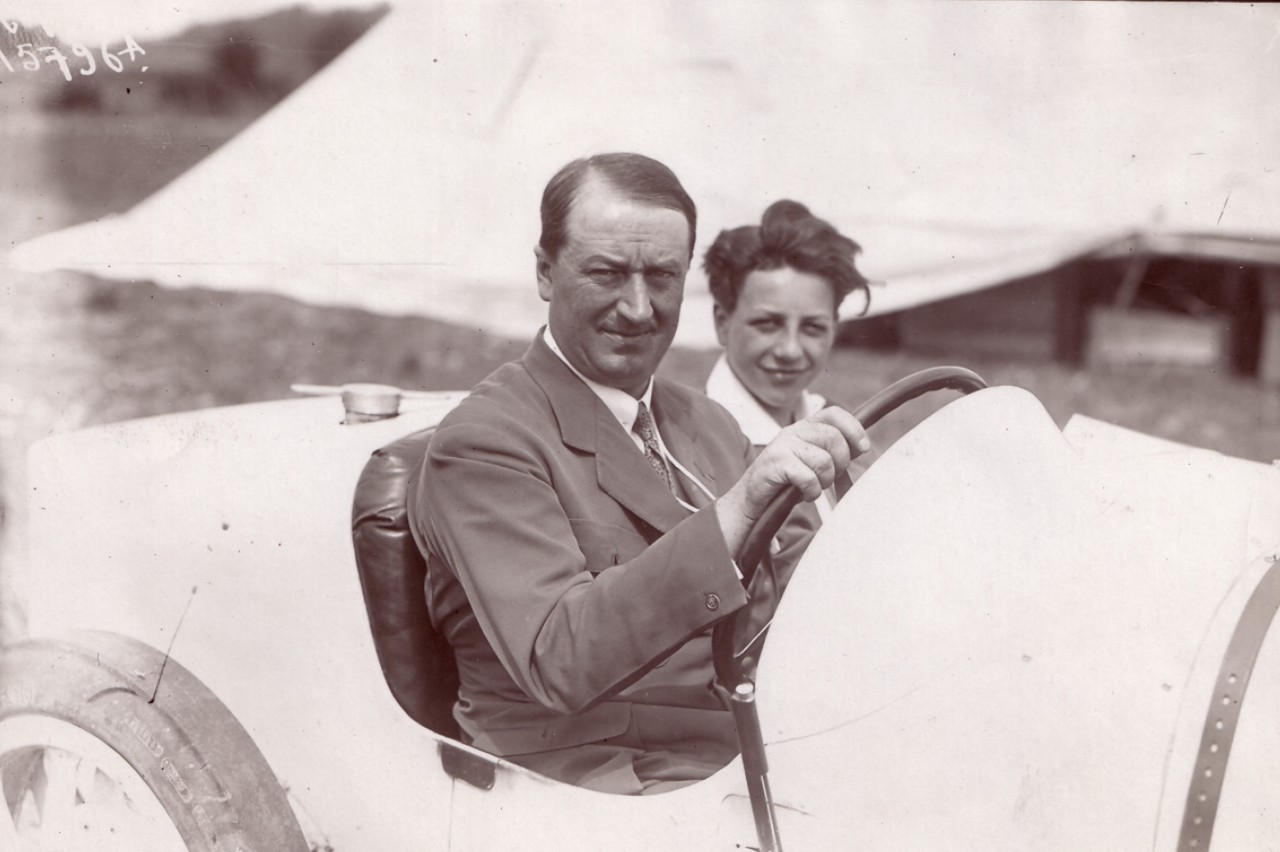
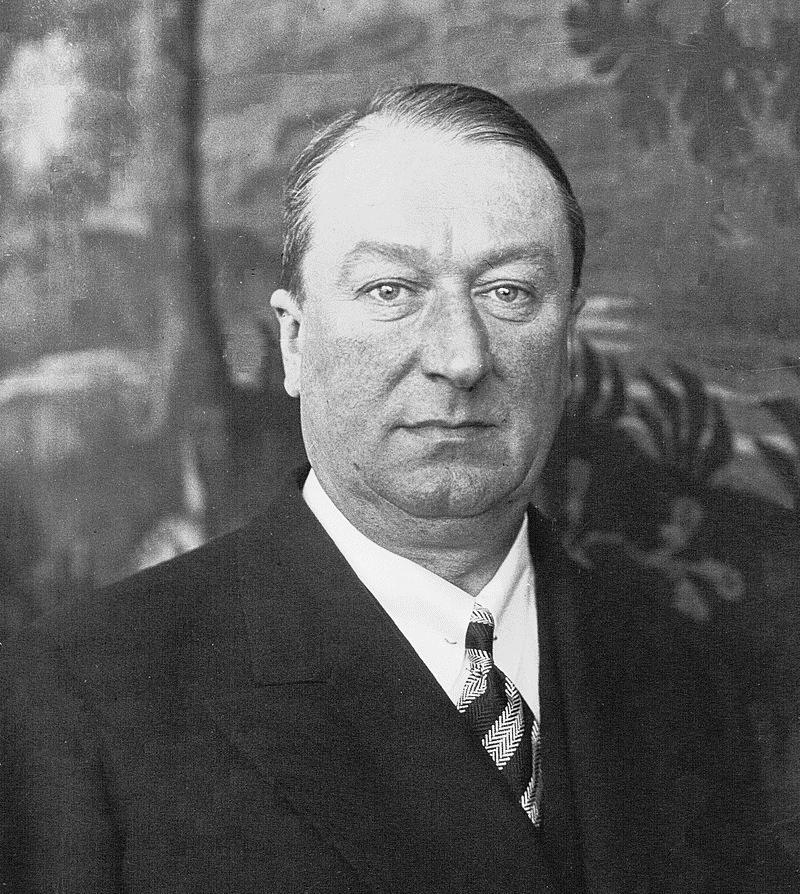
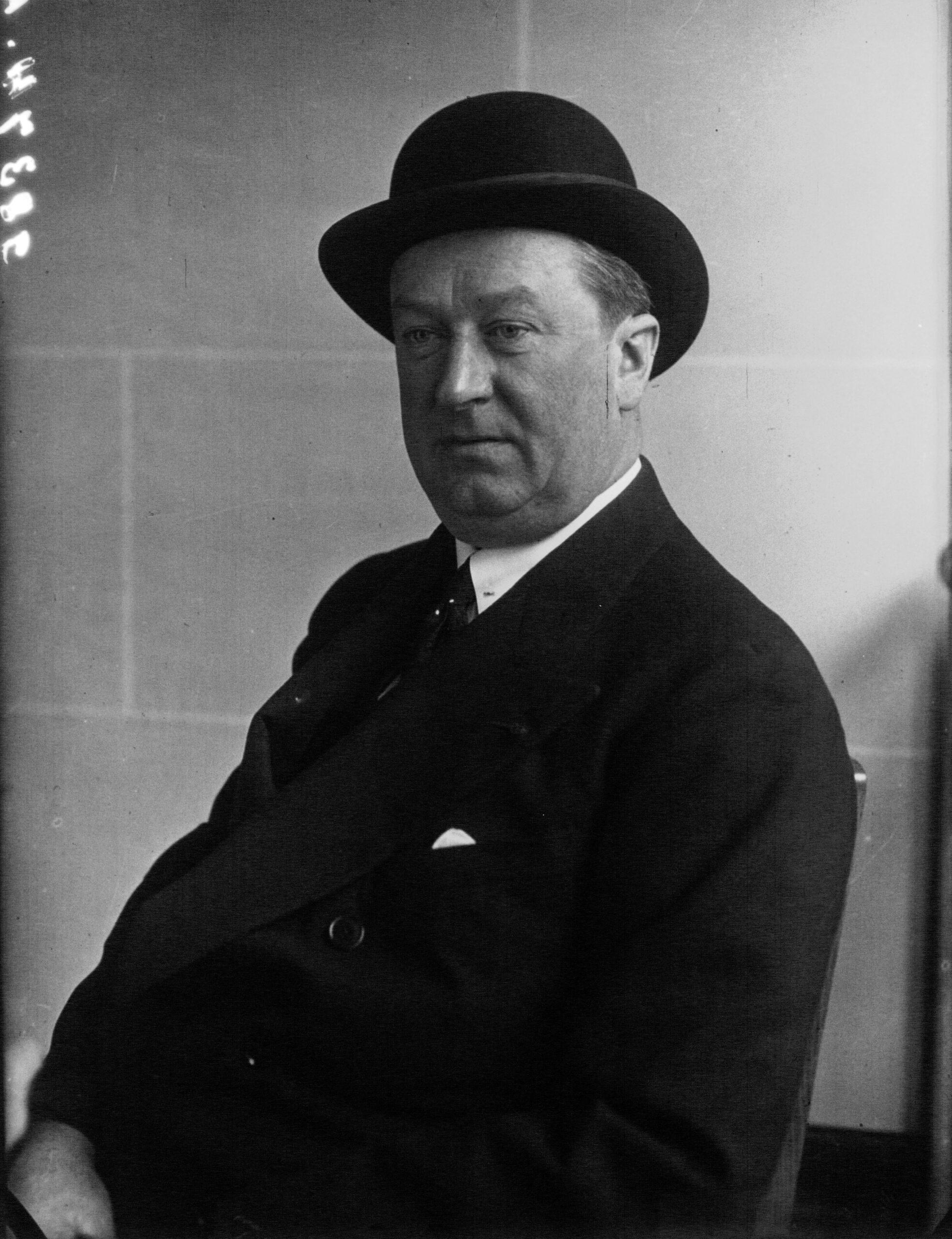
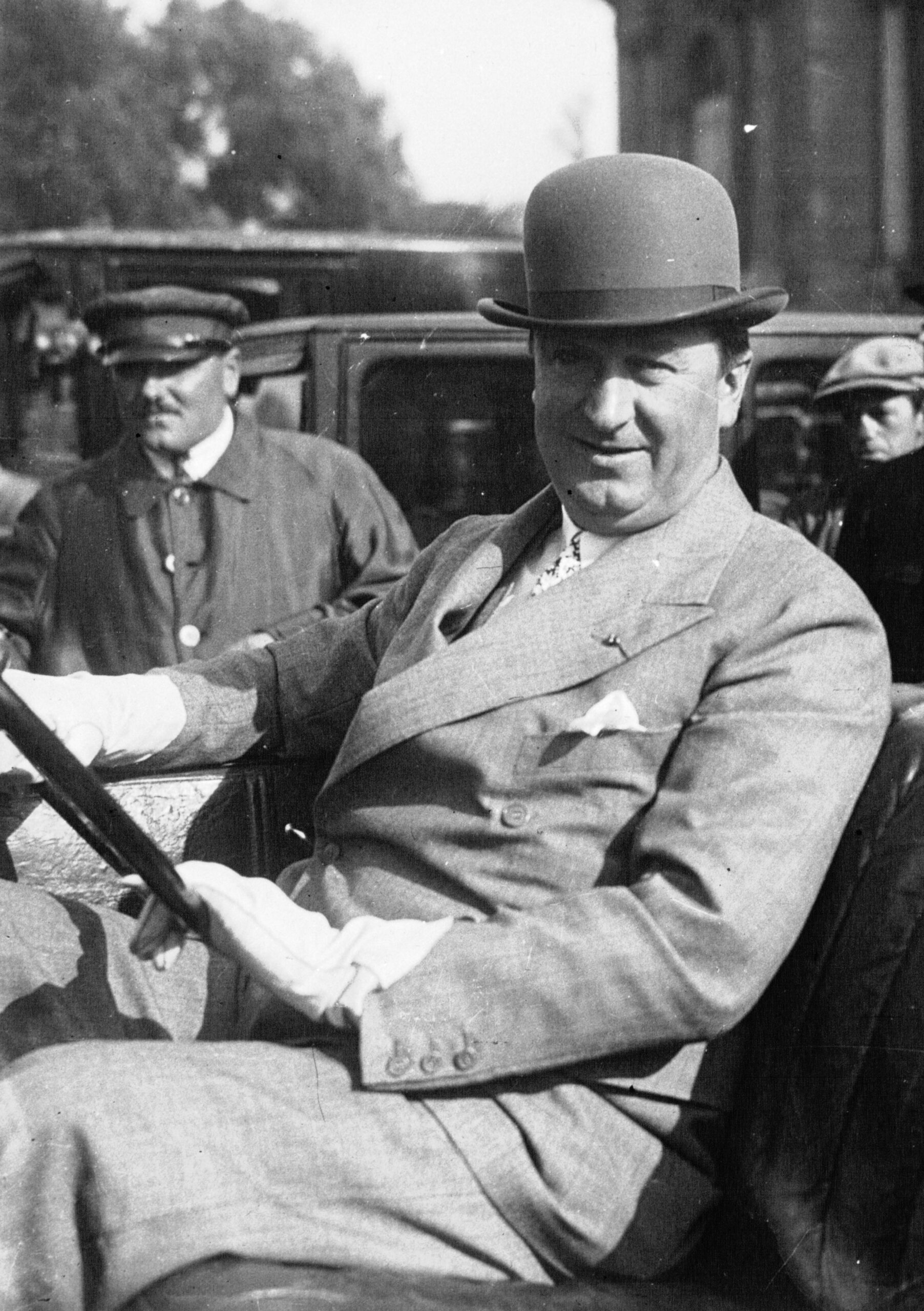
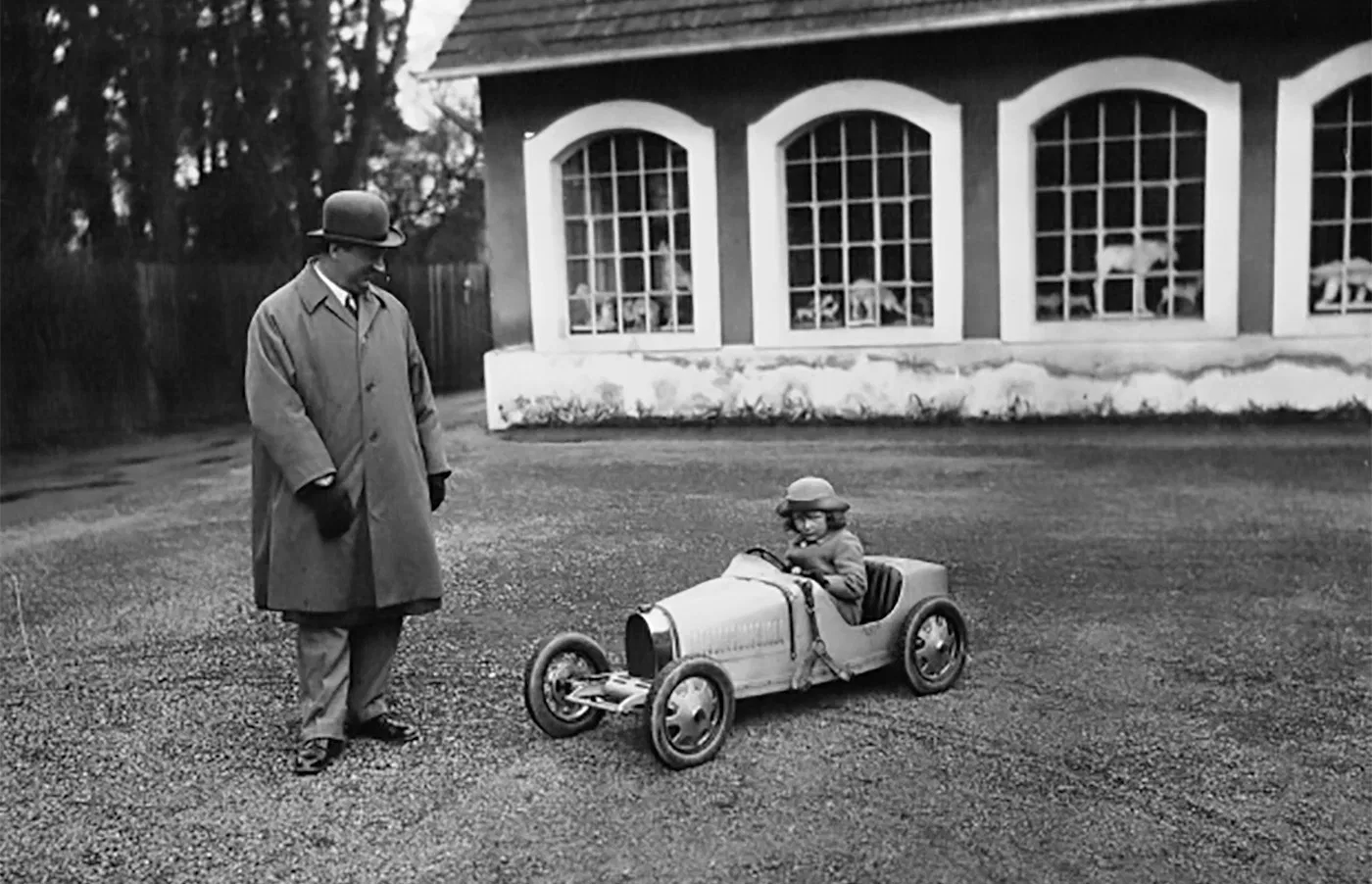
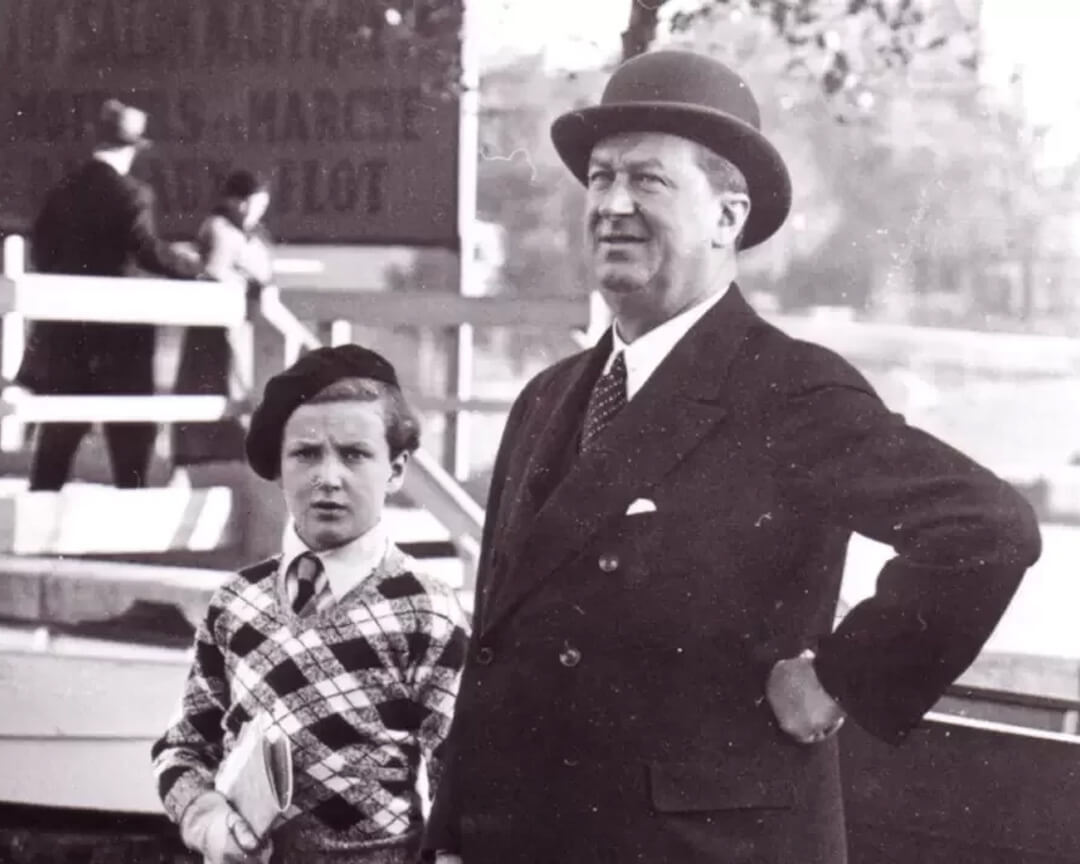
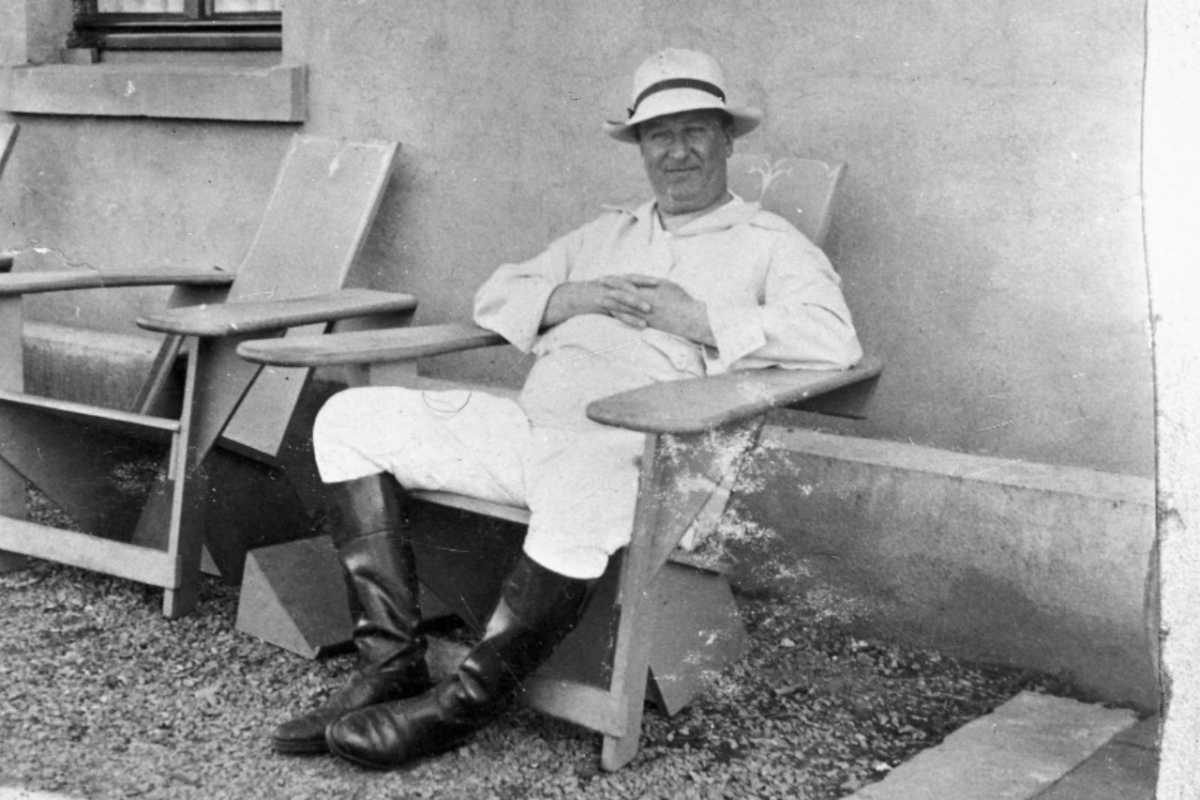
The air in the assembly halls of Molsheim did not reek of the haphazard, frantic toil of mass production. Instead, it carried the heady scent of hot castor oil and echoed with the rhythmic, metallic whisper of craftsmen hand-scraping aluminium engine blocks. These men laboured meticulously until the metal surfaces mated with absolute perfection, achieving a flawless seal without the crude indignity of a gasket. Overseeing this cathedral of speed was Ettore Arco Isidoro Bugatti, an autocrat who demanded that even the safety wires securing engine bolts be threaded in intricate, decorative patterns. Born in Milan on 15 September 1881 into a distinguished family of sculptors, architects, and painters, Ettore initially sought to conquer the canvas and the chisel. Realising he lacked the transcendent artistic stroke of his forebears, he turned his ferocious ego toward a different medium entirely: the brutal, deafening, and visceral world of the internal combustion engine.
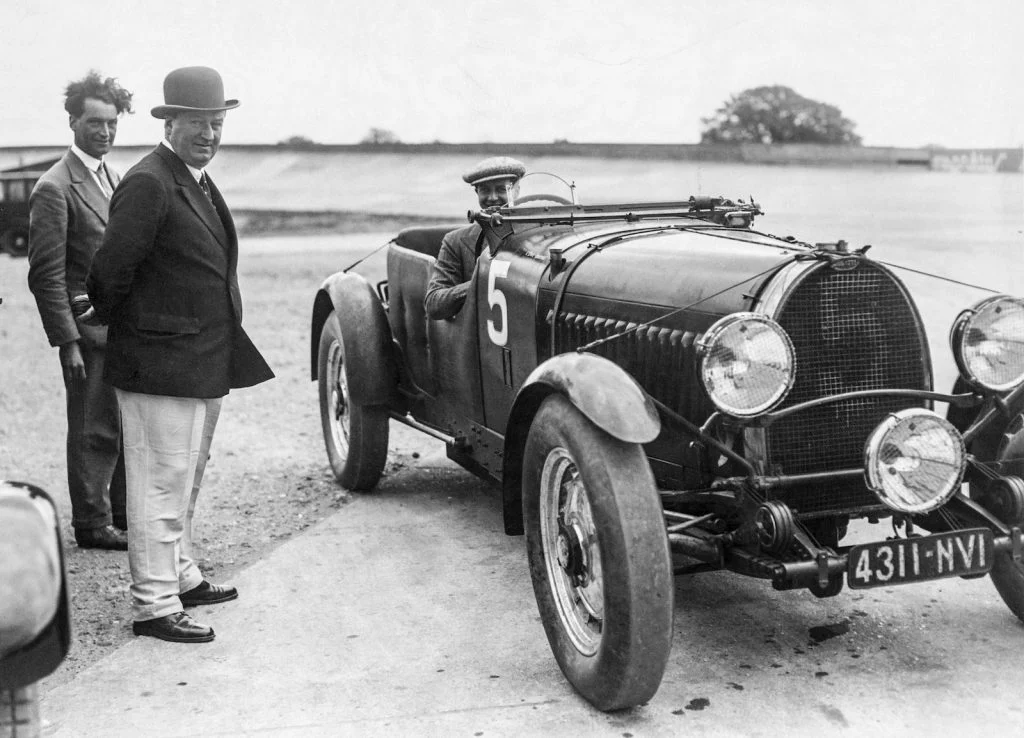
The zenith of this mechanical obsession materialised on the dirt and tarmac of 1924 with the introduction of the legendary Type 35. Rolling onto the grand prix grids on revolutionary cast-aluminium spoked wheels, it was an immediate masterpiece of engineering purity. To pilot a Type 35 was to endure a sensory onslaught; drivers wrestled with heavy, unyielding steering and searing cockpit heat, their faces pelted by track debris as the 2.0-litre (122 cu in) straight-eight engine howled ahead of them. At the heart of this powerplant was a phenomenal dry roller-bearing crankshaft, hand-assembled piece by piece and weighing a massive 77 kg (170 lbs). This jewel-like component allowed the engine to spin reliably to a dizzying 6000 rpm, producing a fearsome mechanical symphony.
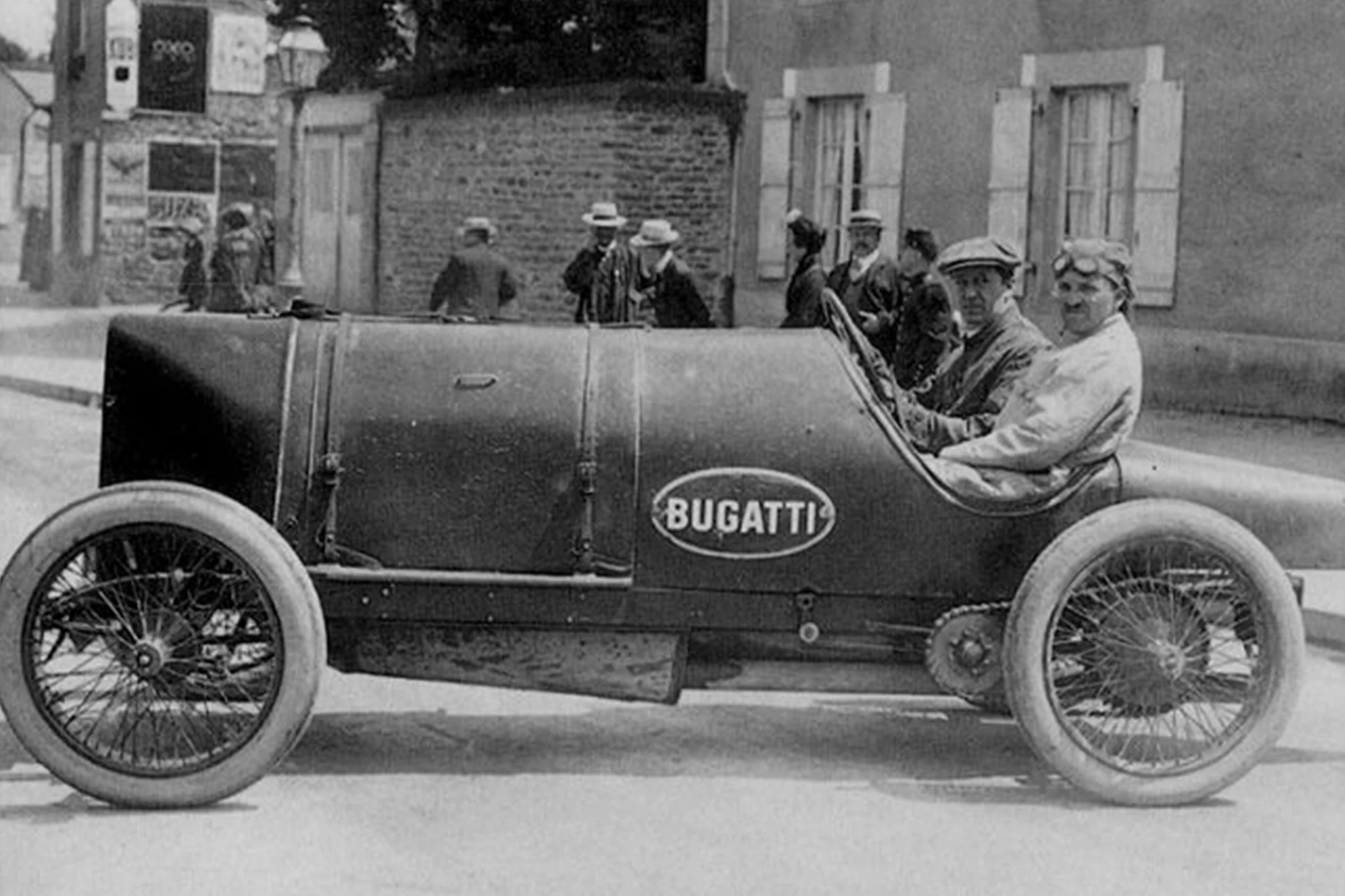
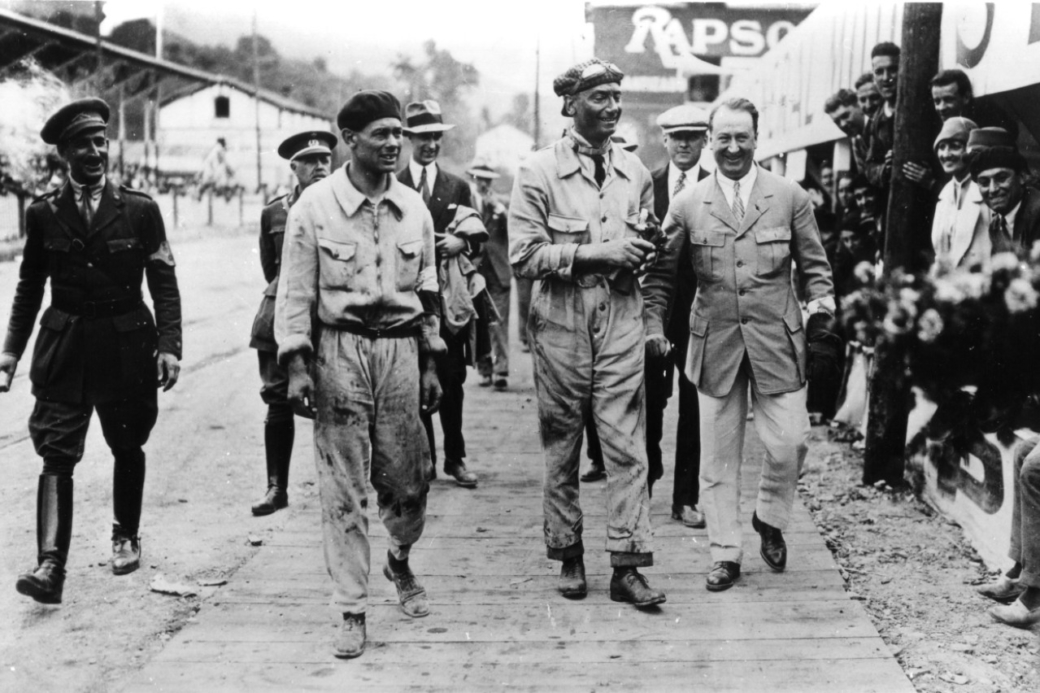
Producing it was staggeringly expensive and fiercely difficult, yet “Le Patron” insisted upon it simply to avoid employing a conventional pressurised oil system, a technology he stubbornly detested. His solutions were a blend of madness and unmatched elegance; rather than bolting the front axle to the suspension, he had it beautifully forged with a hollow centre through which the leaf springs passed directly, reducing unsprung weight. He also ingeniously routed the engine coolant to heat the exhaust manifold, warming the block rapidly for peak efficiency—an innovation still respected in modern powertrain design. Driven to the absolute limit, variants of the Type 35 conquered gruelling events like the Targa Florio, ultimately claiming more than 2000 race victories and securing the marque’s immortality.
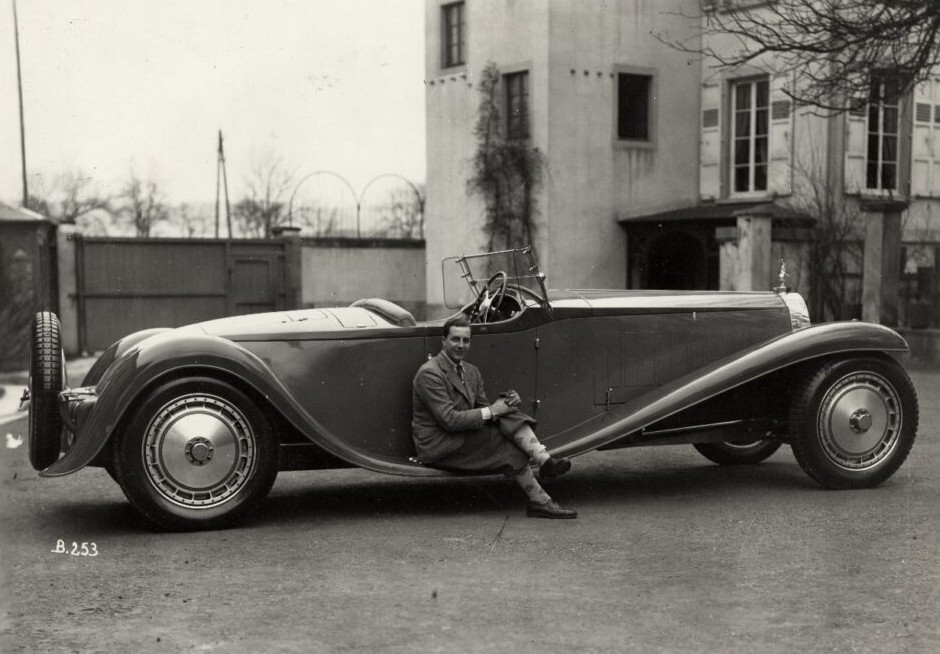
Yet, to command a Bugatti was to experience the unyielding, often irrational will of its creator. Ettore did not merely engineer motor cars; he sculpted them, and his arrogance was as legendary as his foresight. While rival grand prix outfits at Mercedes, Alfa Romeo, and Maserati embraced the predictable stopping power of hydraulic brakes in the early 1930s, Bugatti stubbornly clung to cable-operated drums. Conceding to hydraulics meant admitting that an aesthetically displeasing system was dynamically superior to his elegant cables. The Type 59, his final great pre-war racer, debuted in 1934 still relying on cables and solid axles, demanding superhuman bravery from its drivers when braking from speeds exceeding 205 km/h (127 mph). When challenged on this terrifying inadequacy, he purportedly delivered the immortal riposte: “I build my cars to go, not to stop”. This same haughty industrial pride birthed the legendary Type 41 Royale in 1926. Boasting a colossal 4.5-metre (15 ft) wheelbase and an earth-shattering 12.7-litre (775 cu in) straight-eight engine, it was an unparalleled statement of opulence, though it arrived tragically timed against the economic collapse of the Great Depression. His disdain for heavy machinery also extended to his rivals; surveying the thundering, heavyweight British racers shredding their tyres on the circuit, he famously dismissed W.O. Bentley’s creations as the “fastest lorries in the world”.
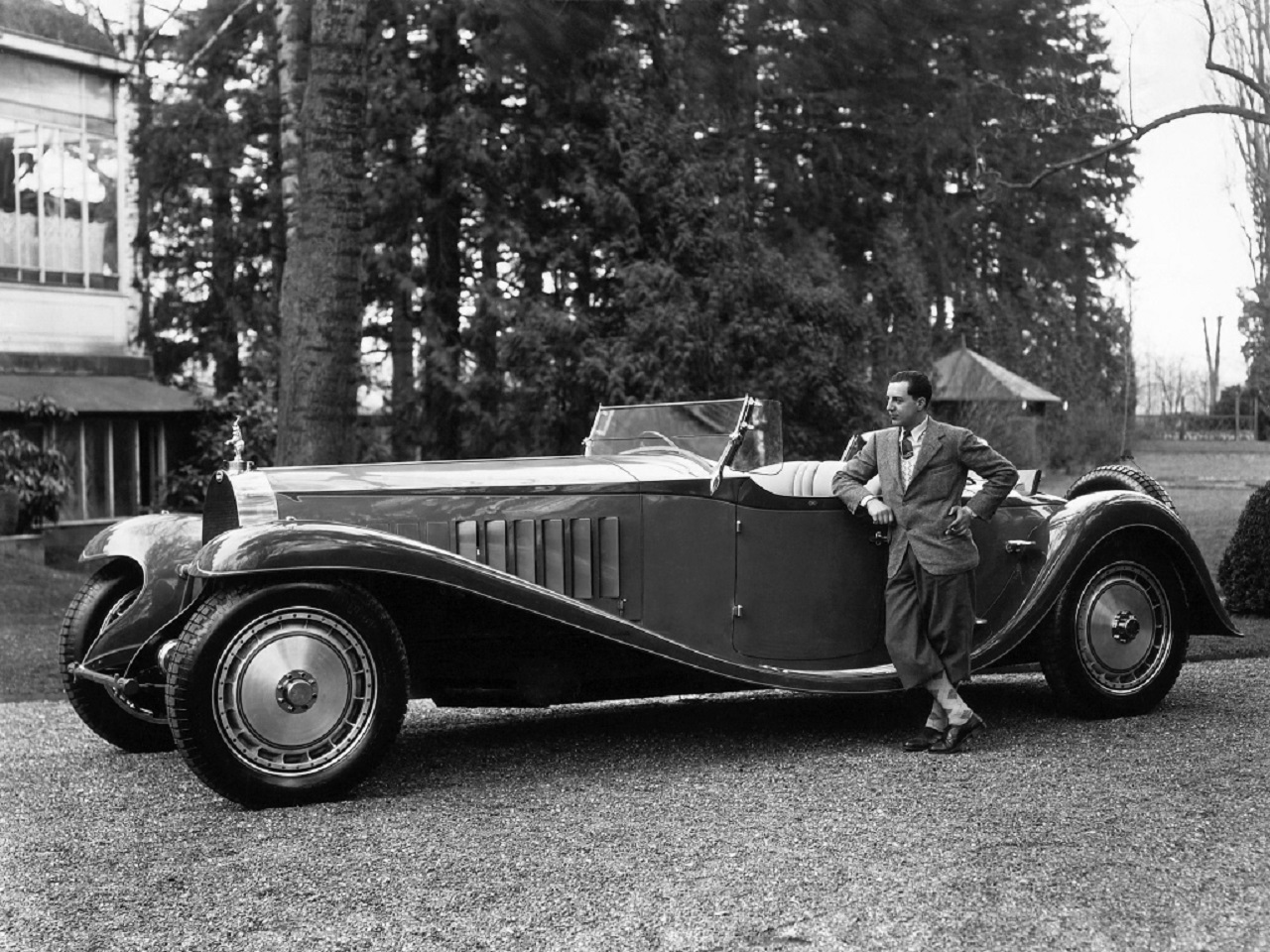
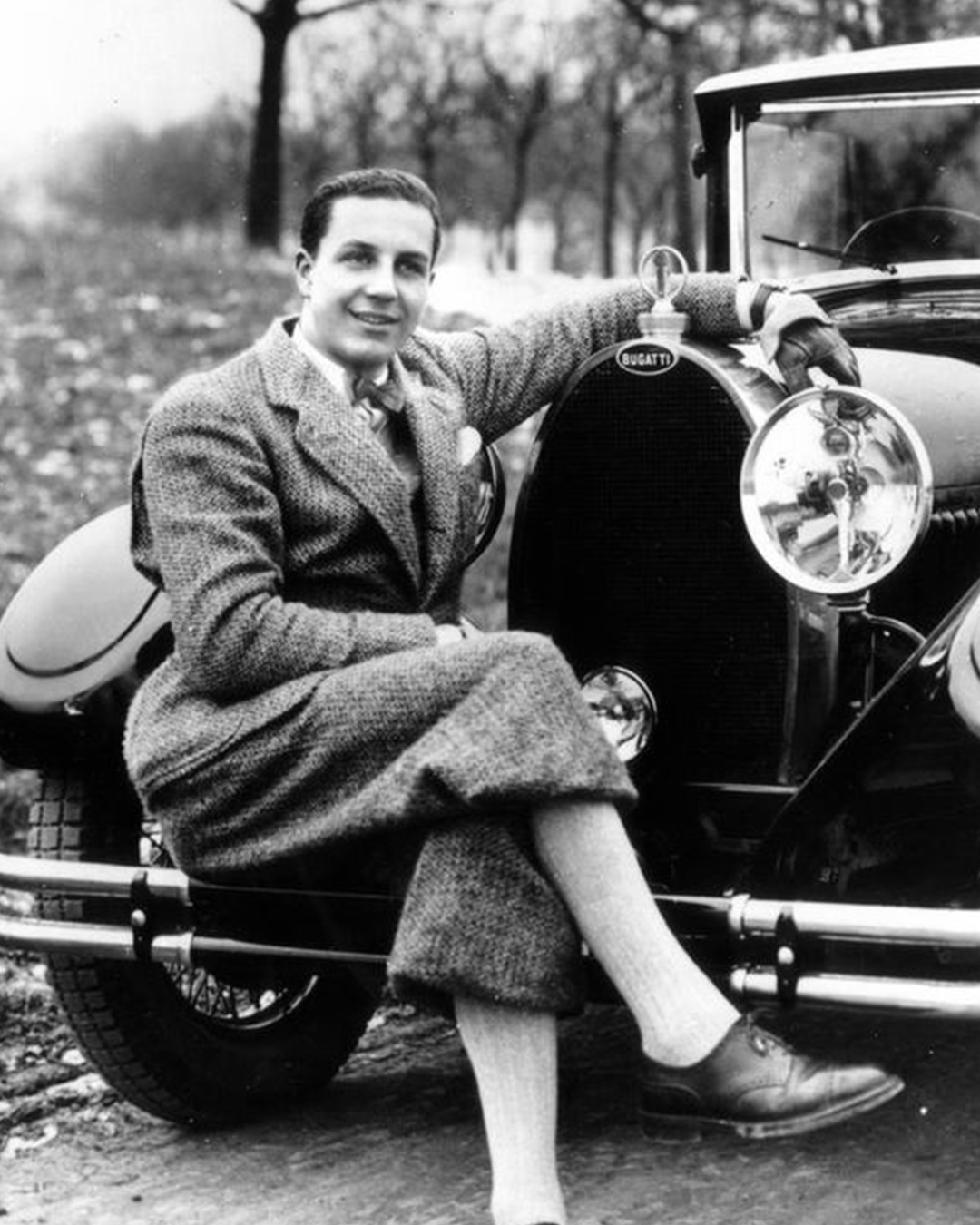
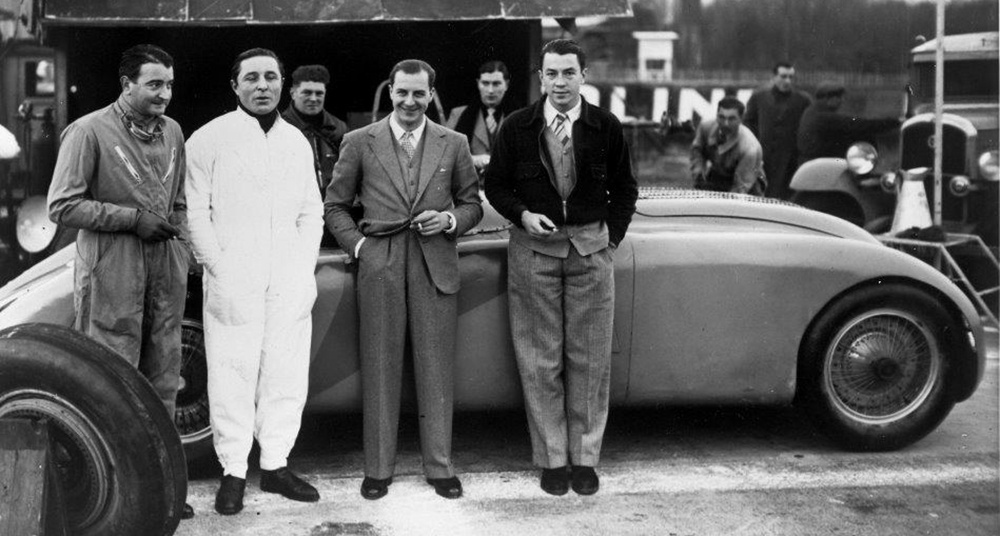
Behind the domineering shadow of Le Patron, however, a quiet revolution was taking place. The aesthetic and technological triumph of the later road cars, particularly the breathtaking Type 57 SC Atlantic with its riveted dorsal seam, belonged largely to his brilliant son, Jean Bugatti. Jean was the true stylistic force of the late 1930s, dragging his father’s marque toward modern coachbuilding and finally installing Lockheed hydraulic brakes as standard on the road-going Type 57 in 1938. But the Bugatti dynasty suffered a mortal blow in August 1939. Just weeks after Jean-Pierre Wimille and Pierre Veyron drove a magnificent Type 57C Tank to victory at the 24 Hours of Le Mans, Jean was killed instantly while testing that very same car on a closed road.
The loss utterly broke Ettore’s spirit. The vibrant atmosphere of the Molsheim atelier was already fractured by a bitter workers’ strike in 1936, which had shattered his illusion of a Renaissance guild, and Jean’s death effectively extinguished the founder’s fire. The subsequent outbreak of the Second World War and the German occupation of his beloved factory sealed the marque’s fate. Although he survived to see the cessation of hostilities, Ettore passed away in August 1947, a shattered king leaving behind an empire that could not immediately outlive him. Today, the Bugatti name remains a paragon of automotive extremity, but the original Molsheim machines stand as the ultimate testament to a flawed, brilliant artist who viewed the racetrack as his canvas and the internal combustion engine as his masterpiece.
The air in the assembly halls of Molsheim did not reek of the haphazard, frantic toil of mass production. Instead, it carried the heady scent of hot castor oil and echoed with the rhythmic, metallic whisper of craftsmen hand-scraping aluminium engine blocks. These men laboured meticulously until the metal surfaces mated with absolute perfection, achieving a flawless seal without the crude indignity of a gasket. Overseeing this cathedral of speed was Ettore Arco Isidoro Bugatti, an autocrat who demanded that even the safety wires securing engine bolts be threaded in intricate, decorative patterns. Born in Milan on 15 September 1881 into a distinguished family of sculptors, architects, and painters, Ettore initially sought to conquer the canvas and the chisel. Realising he lacked the transcendent artistic stroke of his forebears, he turned his ferocious ego toward a different medium entirely: the brutal, deafening, and visceral world of the internal combustion engine.
The zenith of this mechanical obsession materialised on the dirt and tarmac of 1924 with the introduction of the legendary Type 35. Rolling onto the grand prix grids on revolutionary cast-aluminium spoked wheels, it was an immediate masterpiece of engineering purity. To pilot a Type 35 was to endure a sensory onslaught; drivers wrestled with heavy, unyielding steering and searing cockpit heat, their faces pelted by track debris as the 2.0-litre (122 cu in) straight-eight engine howled ahead of them. At the heart of this powerplant was a phenomenal dry roller-bearing crankshaft, hand-assembled piece by piece and weighing a massive 77 kg (170 lbs). This jewel-like component allowed the engine to spin reliably to a dizzying 6000 rpm, producing a fearsome mechanical symphony.
Producing it was staggeringly expensive and fiercely difficult, yet “Le Patron” insisted upon it simply to avoid employing a conventional pressurised oil system, a technology he stubbornly detested. His solutions were a blend of madness and unmatched elegance; rather than bolting the front axle to the suspension, he had it beautifully forged with a hollow centre through which the leaf springs passed directly, reducing unsprung weight. He also ingeniously routed the engine coolant to heat the exhaust manifold, warming the block rapidly for peak efficiency—an innovation still respected in modern powertrain design. Driven to the absolute limit, variants of the Type 35 conquered gruelling events like the Targa Florio, ultimately claiming more than 2000 race victories and securing the marque’s immortality.
Yet, to command a Bugatti was to experience the unyielding, often irrational will of its creator. Ettore did not merely engineer motor cars; he sculpted them, and his arrogance was as legendary as his foresight. While rival grand prix outfits at Mercedes, Alfa Romeo, and Maserati embraced the predictable stopping power of hydraulic brakes in the early 1930s, Bugatti stubbornly clung to cable-operated drums. Conceding to hydraulics meant admitting that an aesthetically displeasing system was dynamically superior to his elegant cables. The Type 59, his final great pre-war racer, debuted in 1934 still relying on cables and solid axles, demanding superhuman bravery from its drivers when braking from speeds exceeding 205 km/h (127 mph). When challenged on this terrifying inadequacy, he purportedly delivered the immortal riposte: “I build my cars to go, not to stop”. This same haughty industrial pride birthed the legendary Type 41 Royale in 1926. Boasting a colossal 4.5-metre (15 ft) wheelbase and an earth-shattering 12.7-litre (775 cu in) straight-eight engine, it was an unparalleled statement of opulence, though it arrived tragically timed against the economic collapse of the Great Depression. His disdain for heavy machinery also extended to his rivals; surveying the thundering, heavyweight British racers shredding their tyres on the circuit, he famously dismissed W.O. Bentley’s creations as the “fastest lorries in the world”.
Behind the domineering shadow of Le Patron, however, a quiet revolution was taking place. The aesthetic and technological triumph of the later road cars, particularly the breathtaking Type 57 SC Atlantic with its riveted dorsal seam, belonged largely to his brilliant son, Jean Bugatti. Jean was the true stylistic force of the late 1930s, dragging his father’s marque toward modern coachbuilding and finally installing Lockheed hydraulic brakes as standard on the road-going Type 57 in 1938. But the Bugatti dynasty suffered a mortal blow in August 1939. Just weeks after Jean-Pierre Wimille and Pierre Veyron drove a magnificent Type 57C Tank to victory at the 24 Hours of Le Mans, Jean was killed instantly while testing that very same car on a closed road.
The loss utterly broke Ettore’s spirit. The vibrant atmosphere of the Molsheim atelier was already fractured by a bitter workers’ strike in 1936, which had shattered his illusion of a Renaissance guild, and Jean’s death effectively extinguished the founder’s fire. The subsequent outbreak of the Second World War and the German occupation of his beloved factory sealed the marque’s fate. Although he survived to see the cessation of hostilities, Ettore passed away in August 1947, a shattered king leaving behind an empire that could not immediately outlive him. Today, the Bugatti name remains a paragon of automotive extremity, but the original Molsheim machines stand as the ultimate testament to a flawed, brilliant artist who viewed the racetrack as his canvas and the internal combustion engine as his masterpiece.