
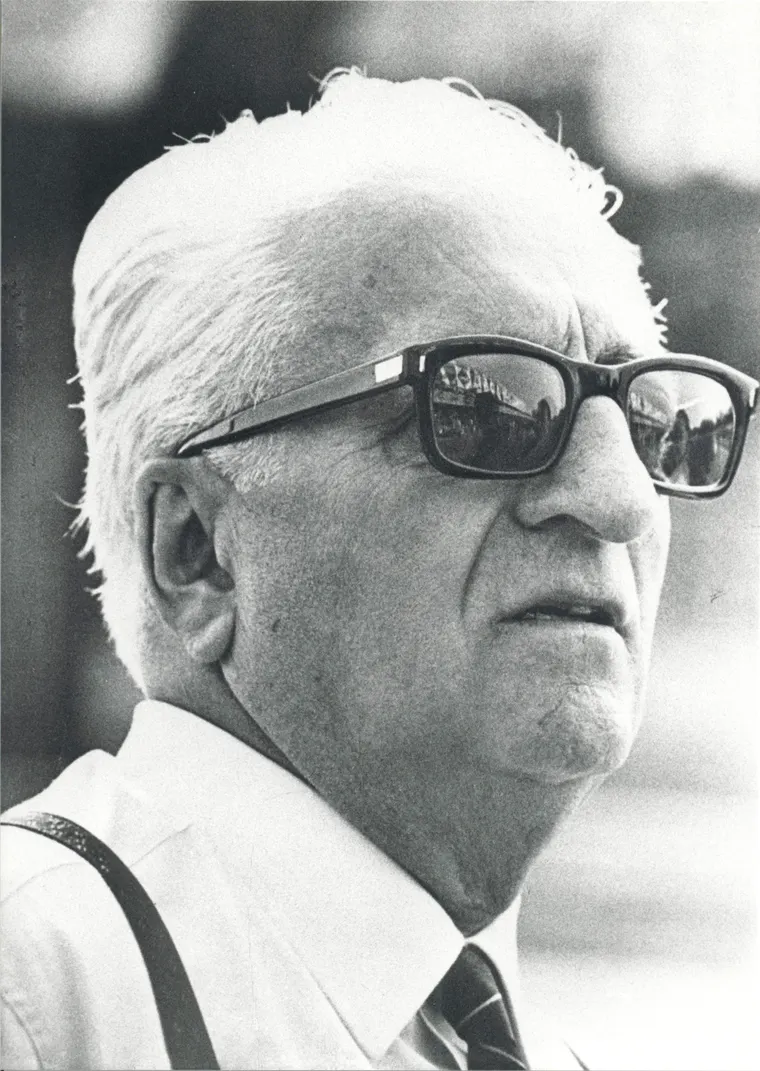
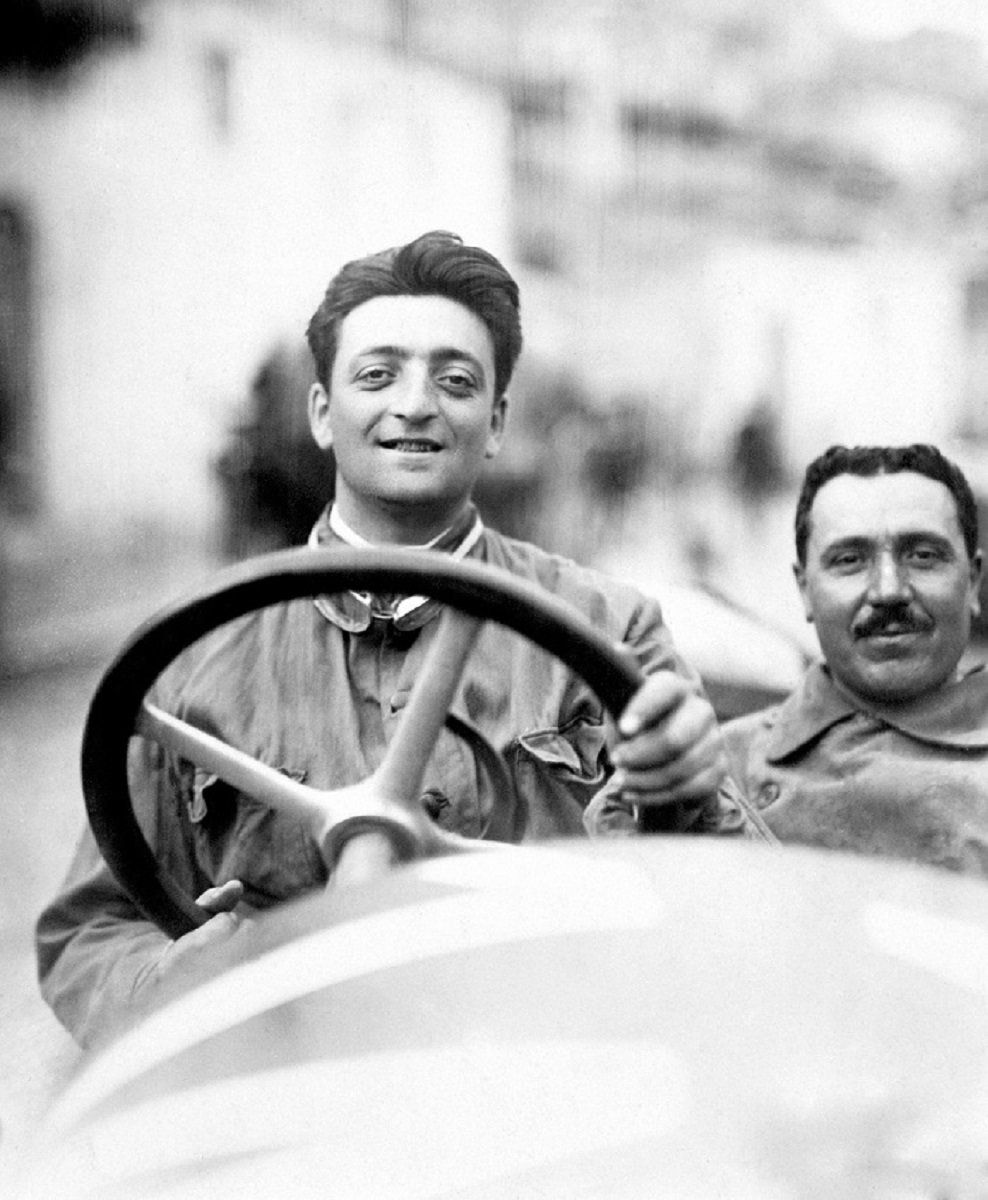
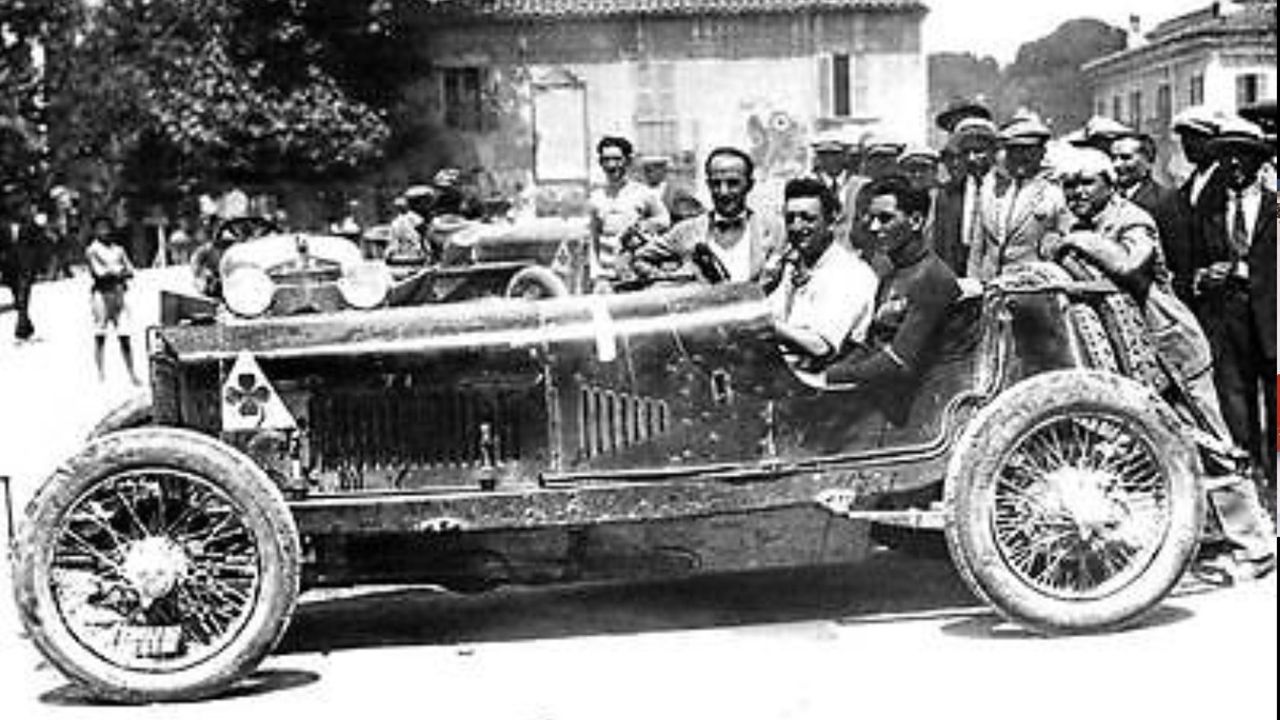
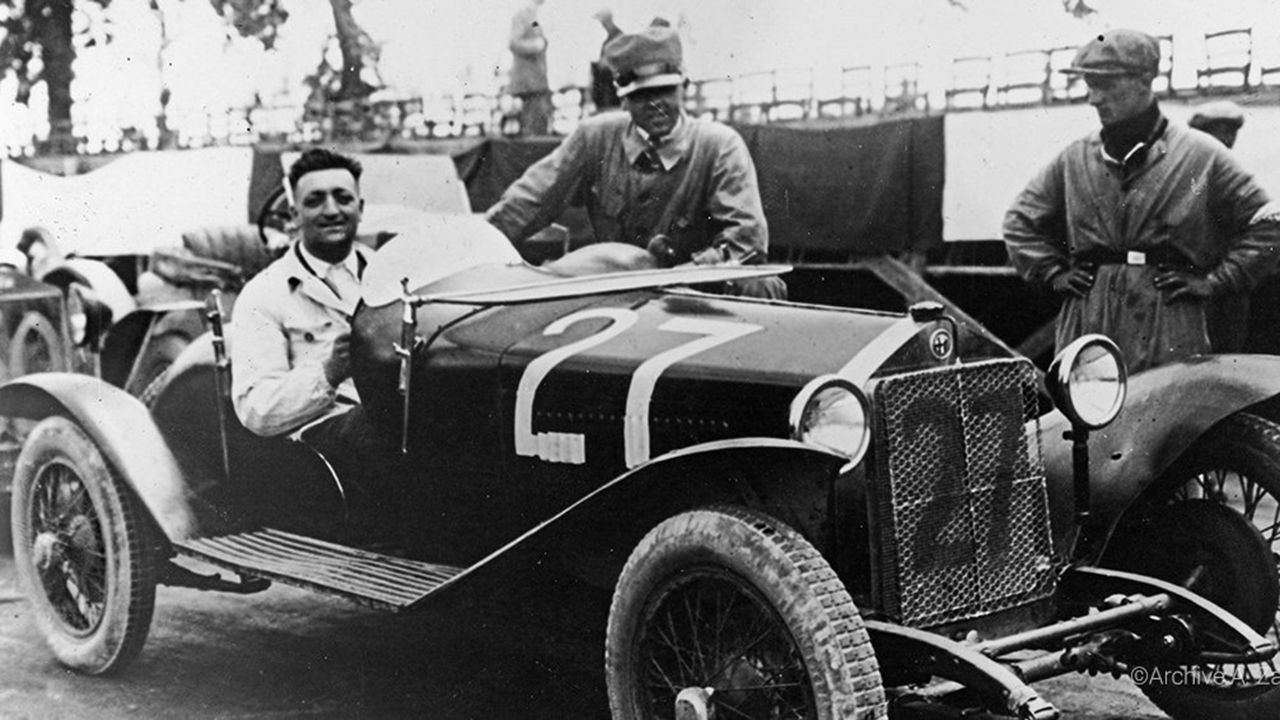
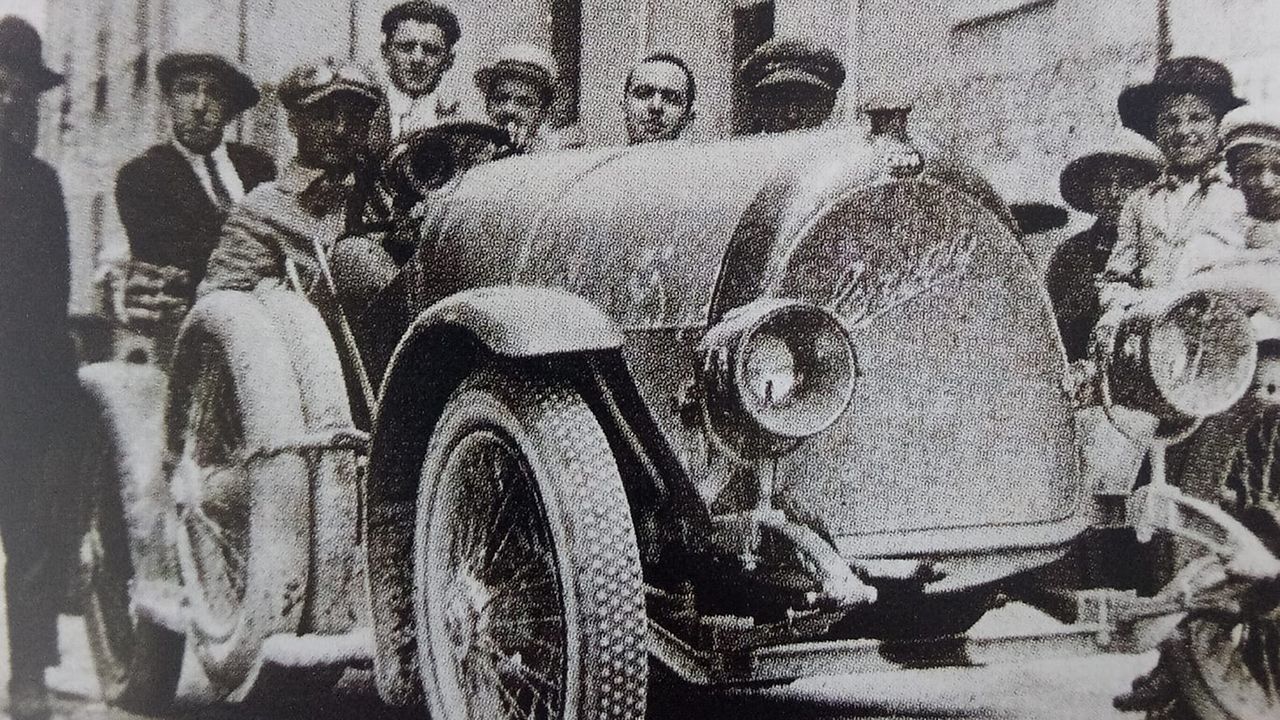
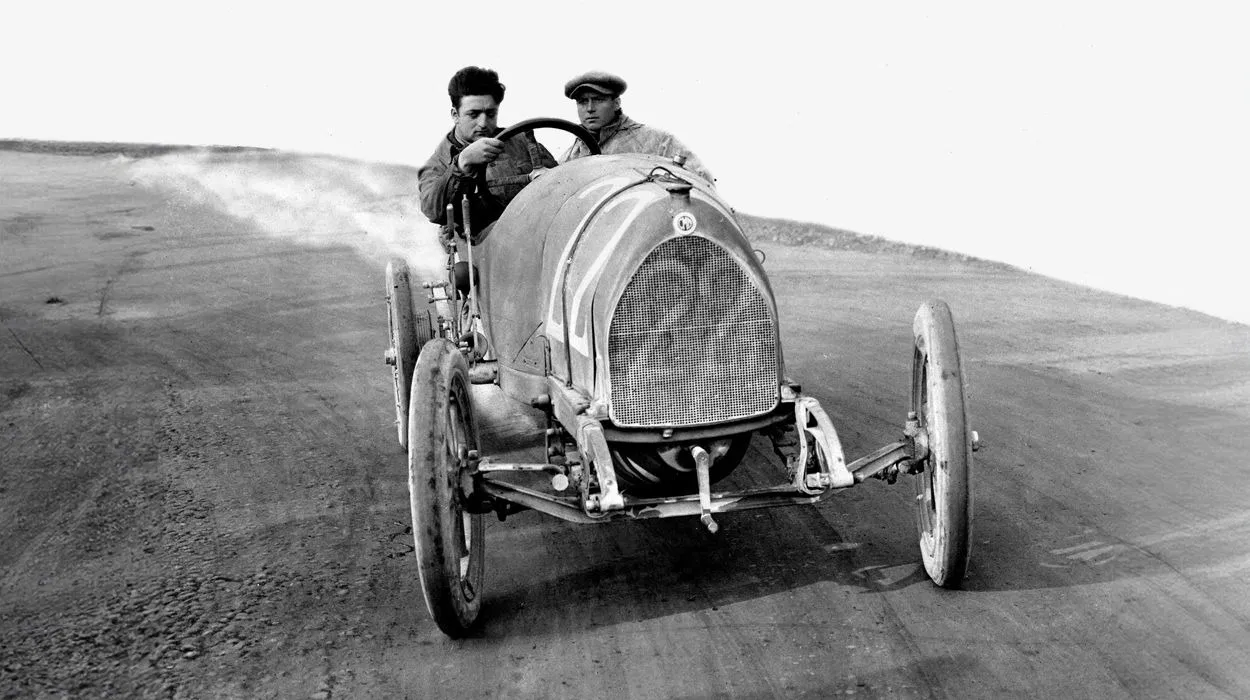
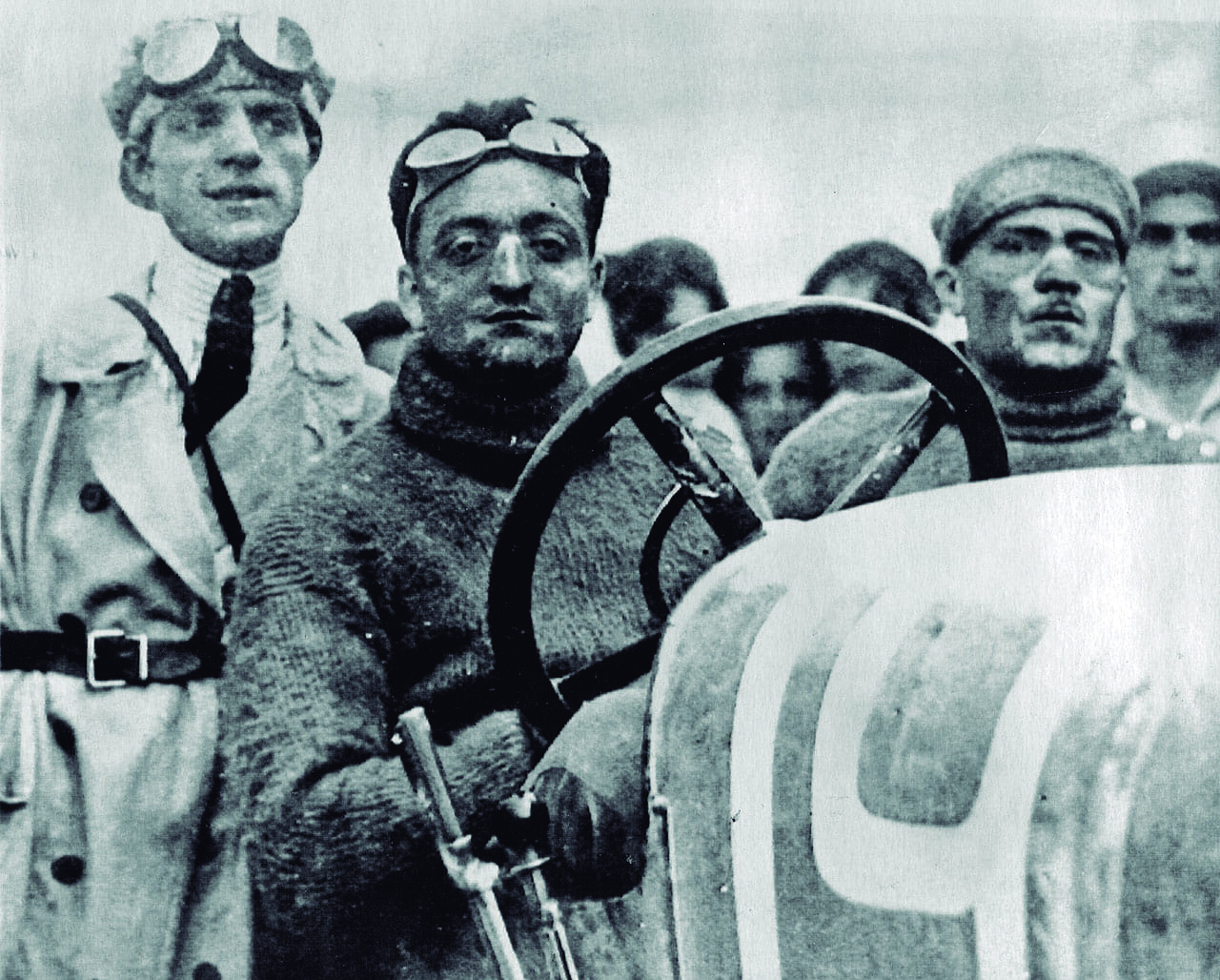
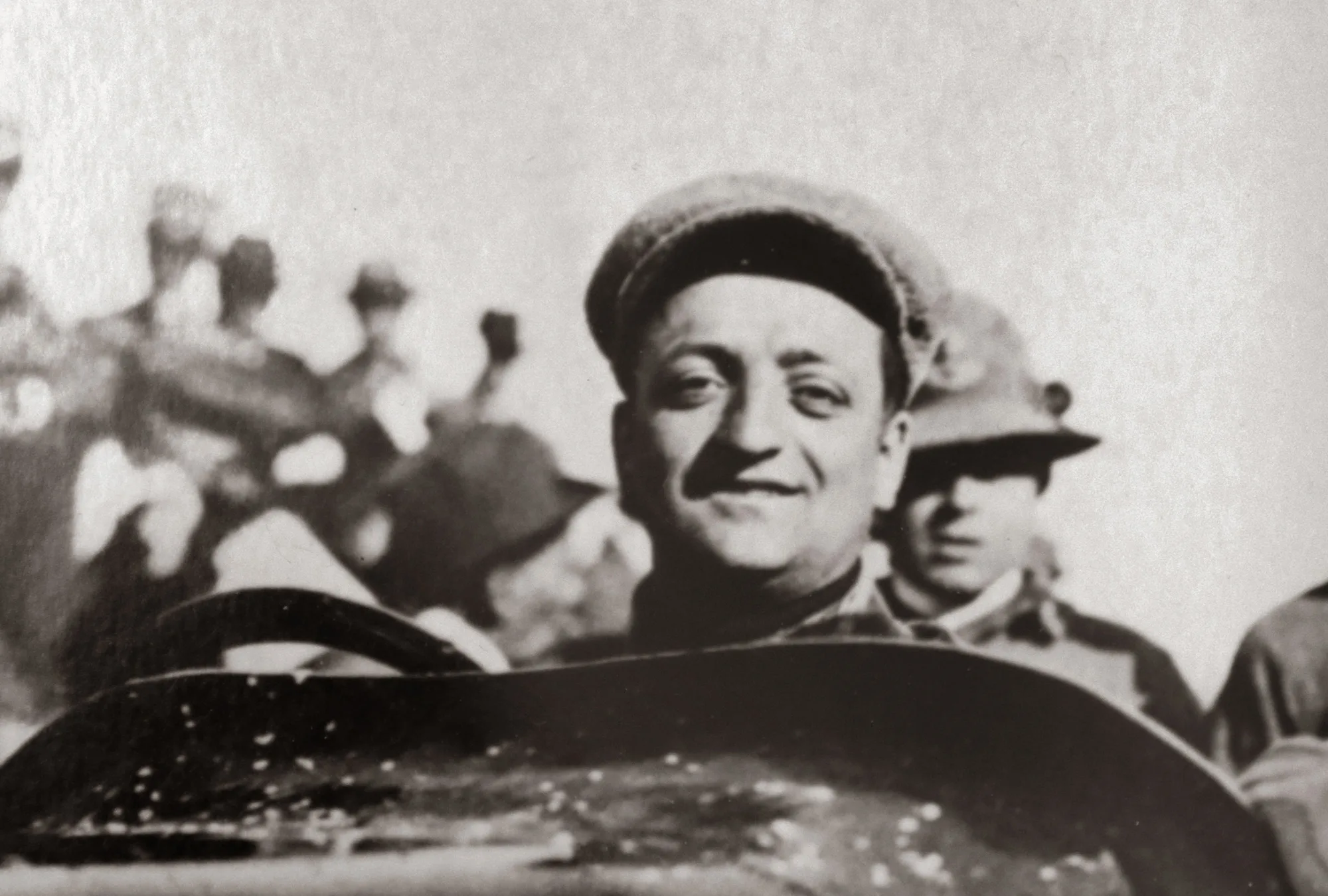
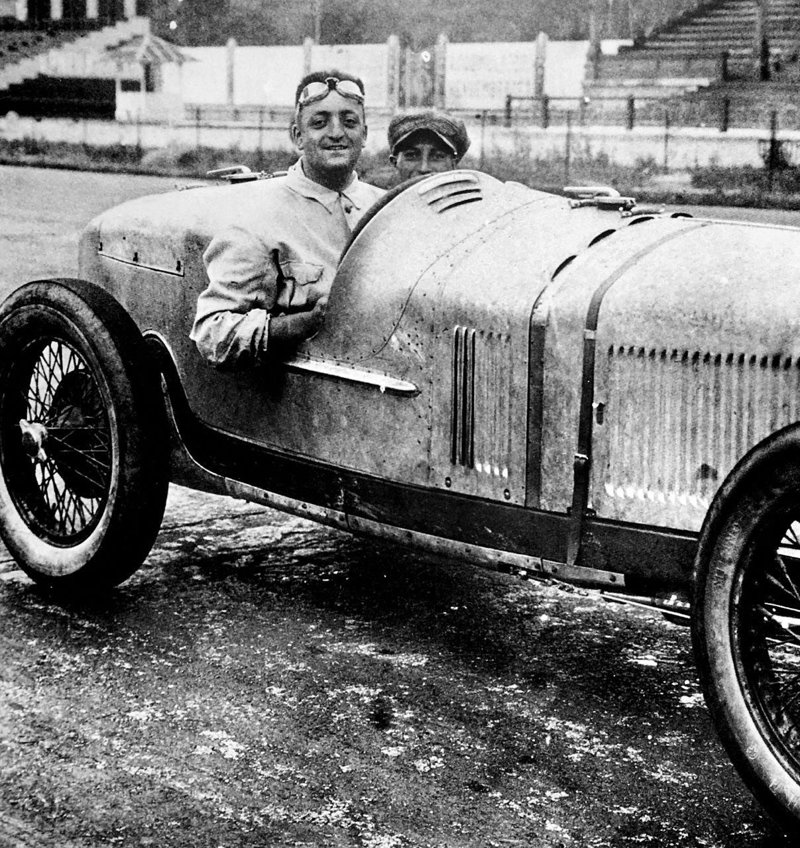
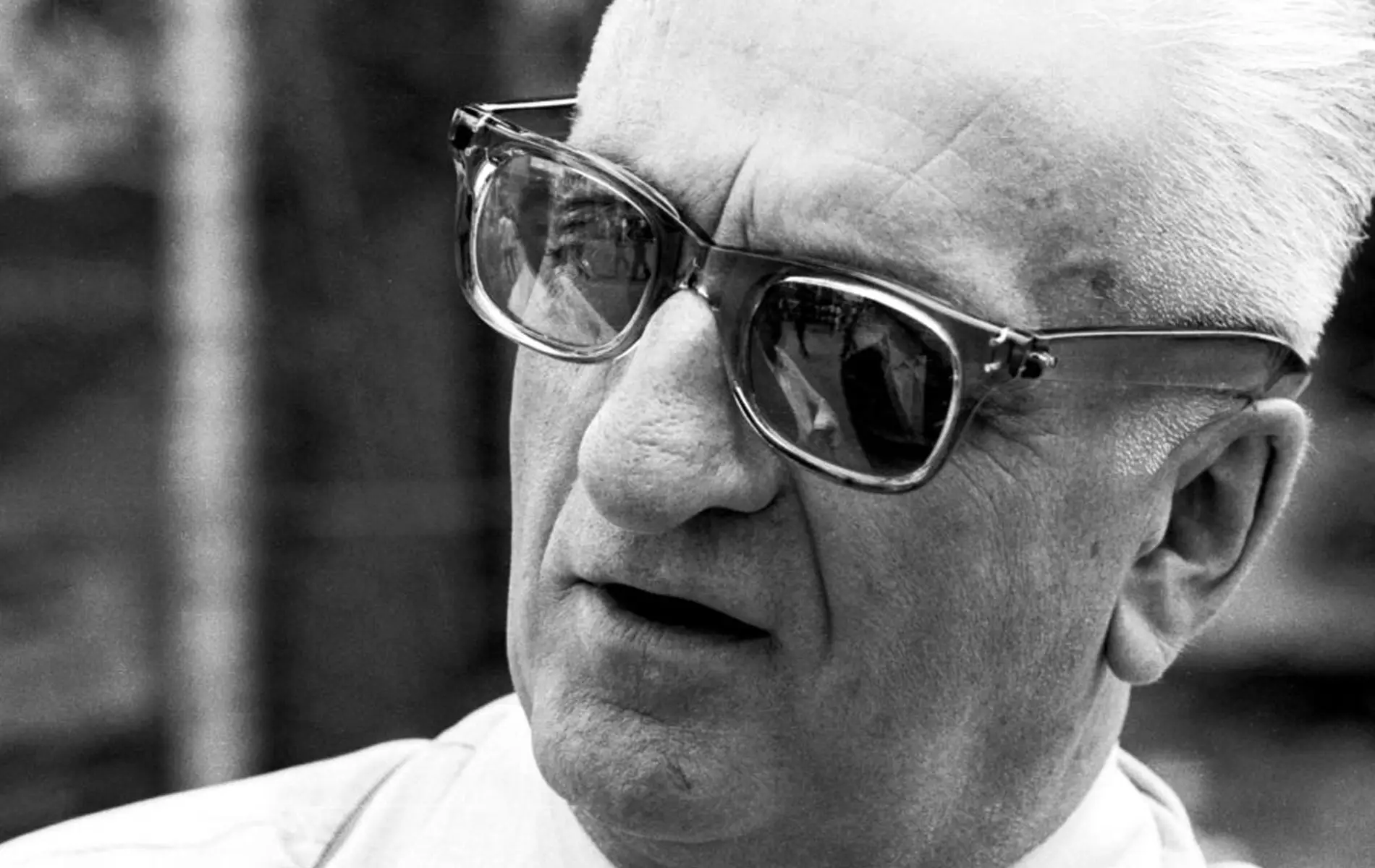
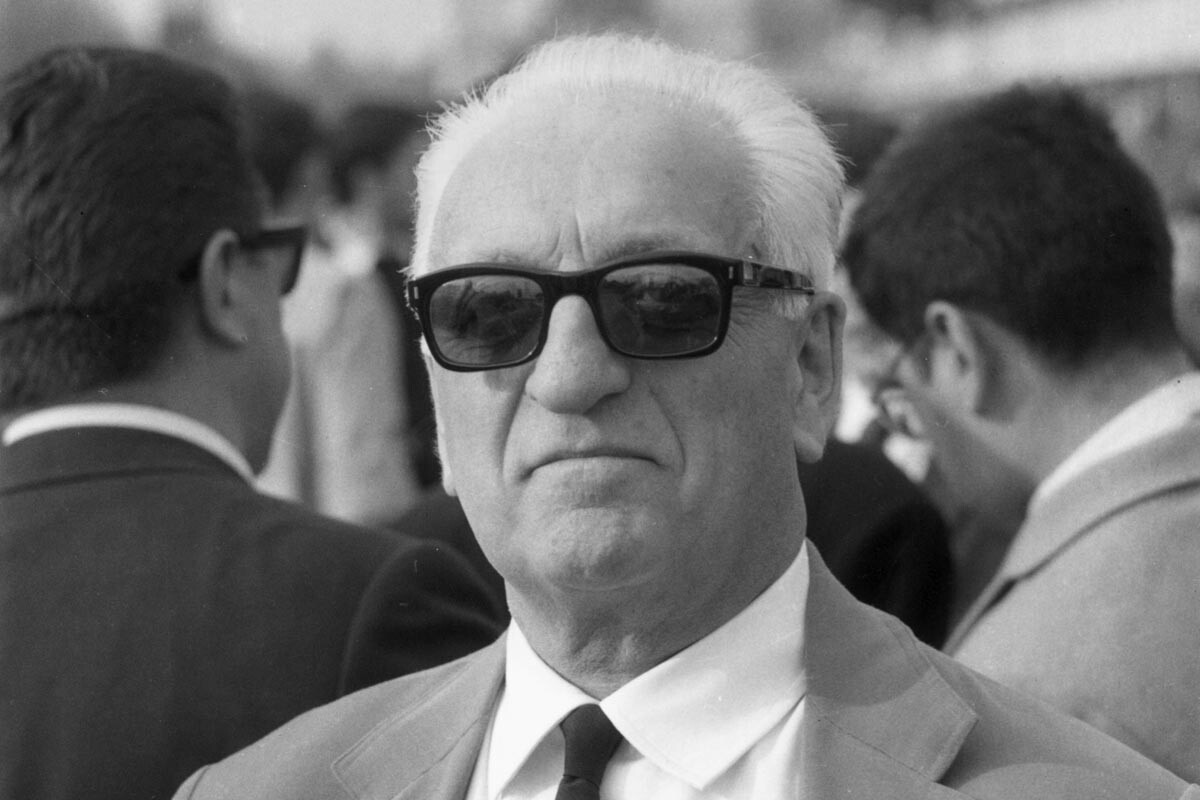
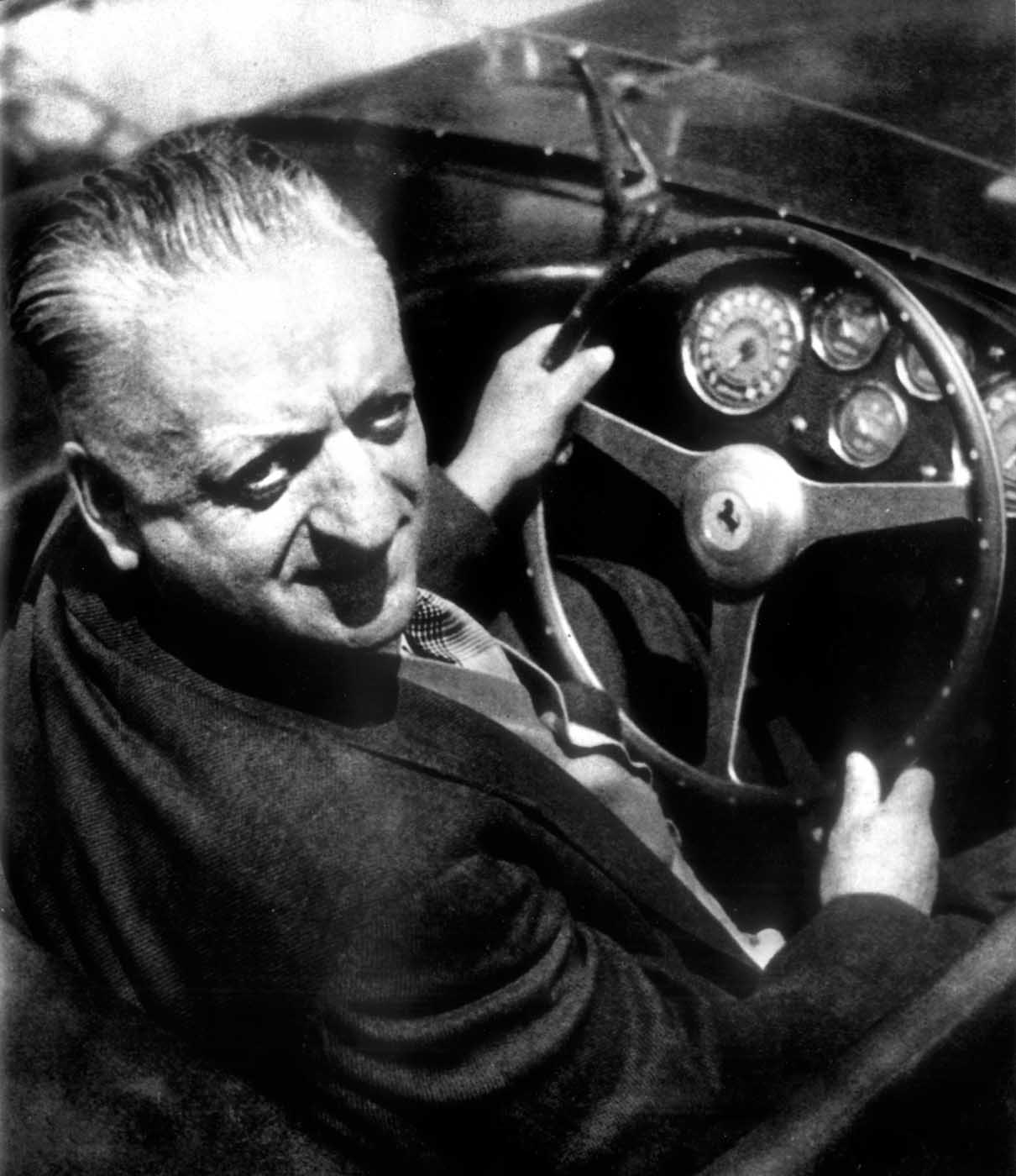
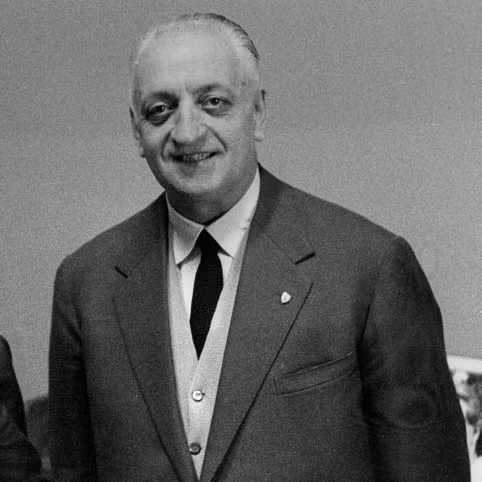
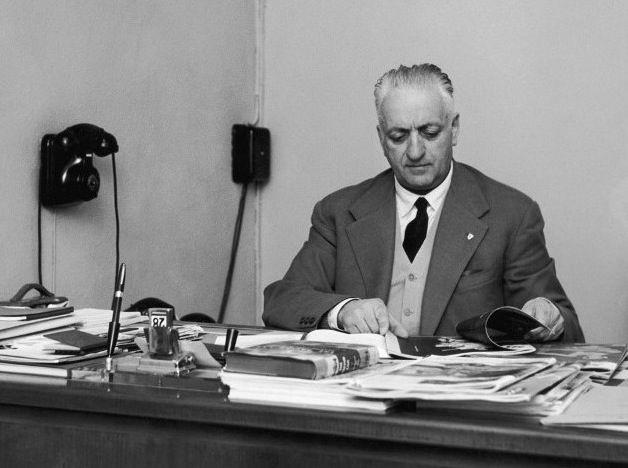
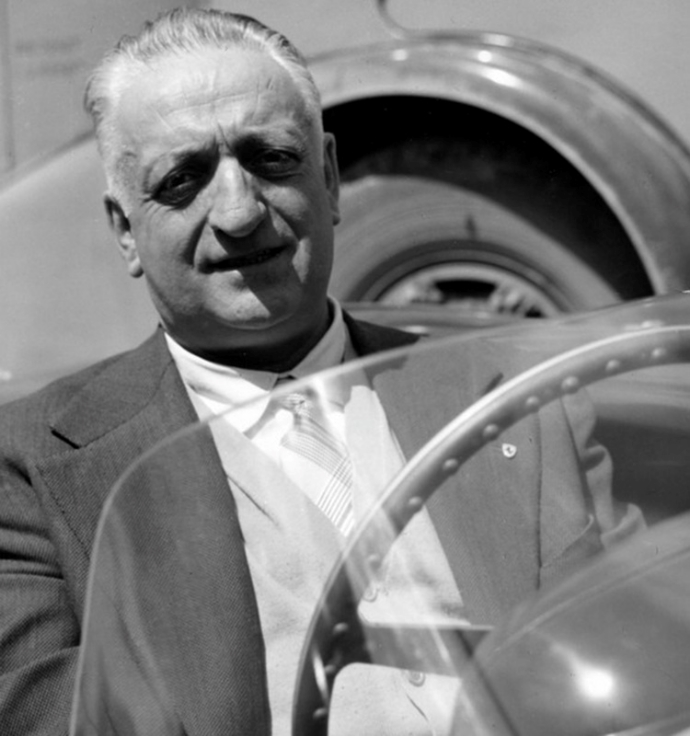
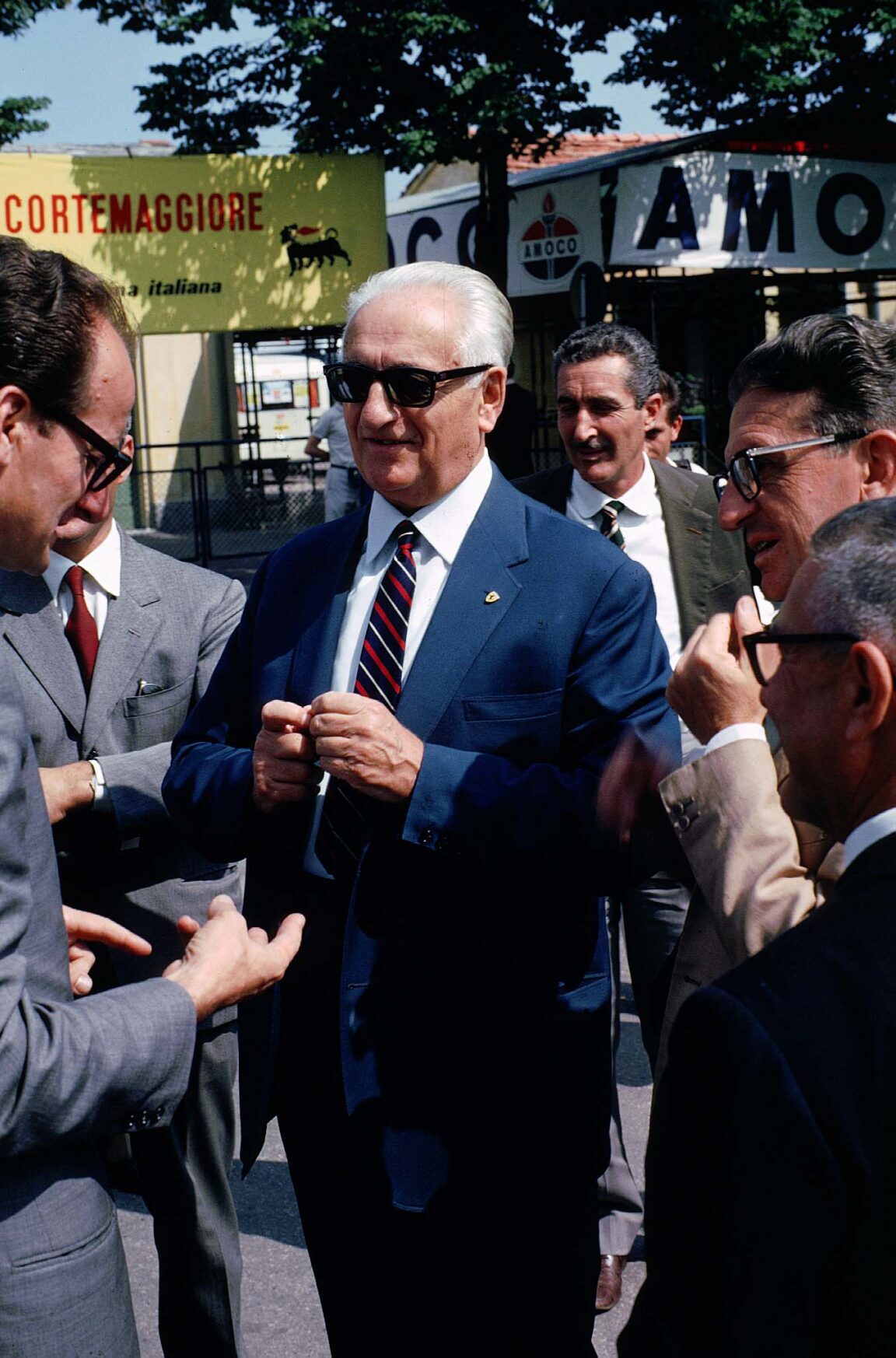
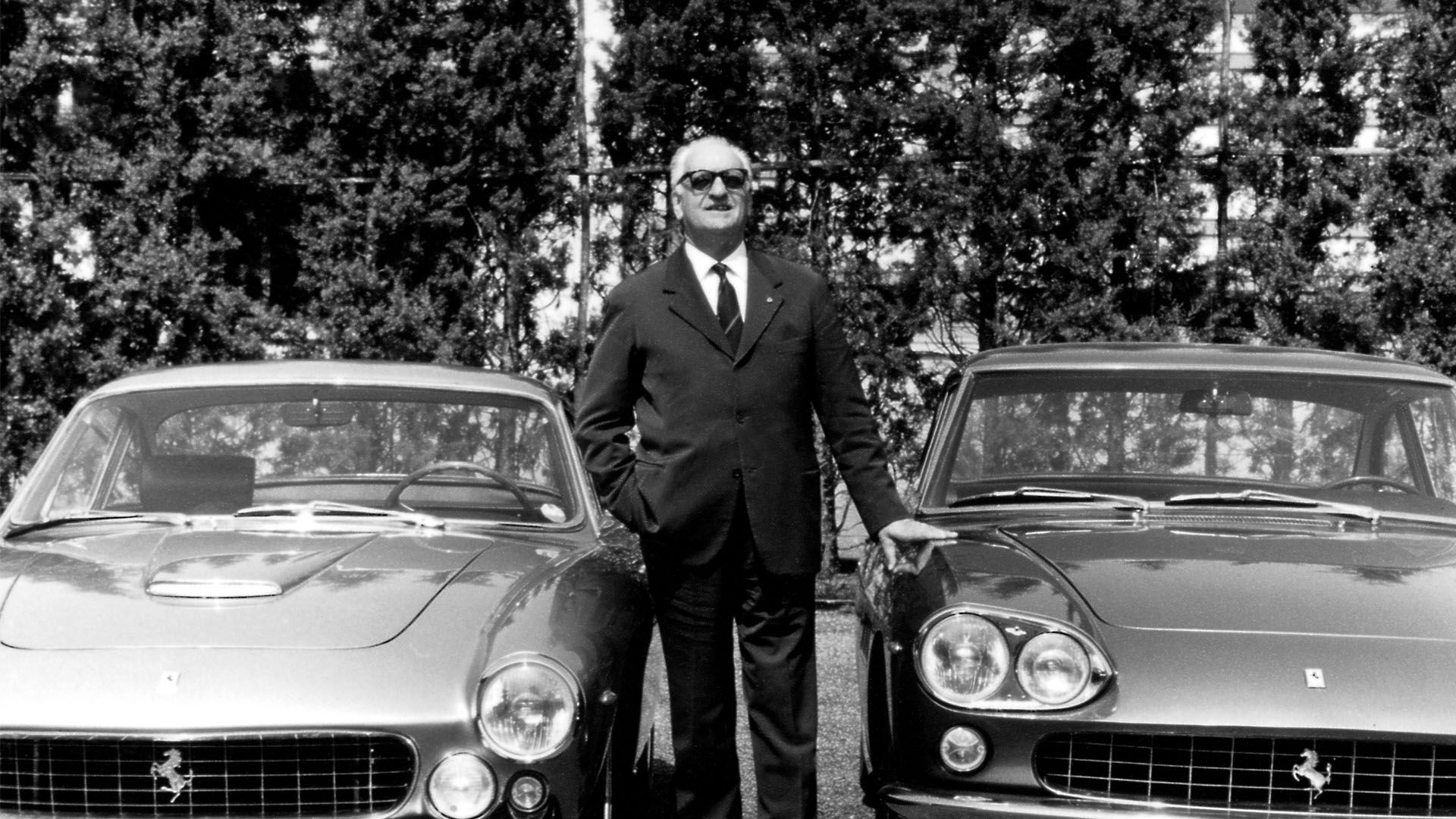
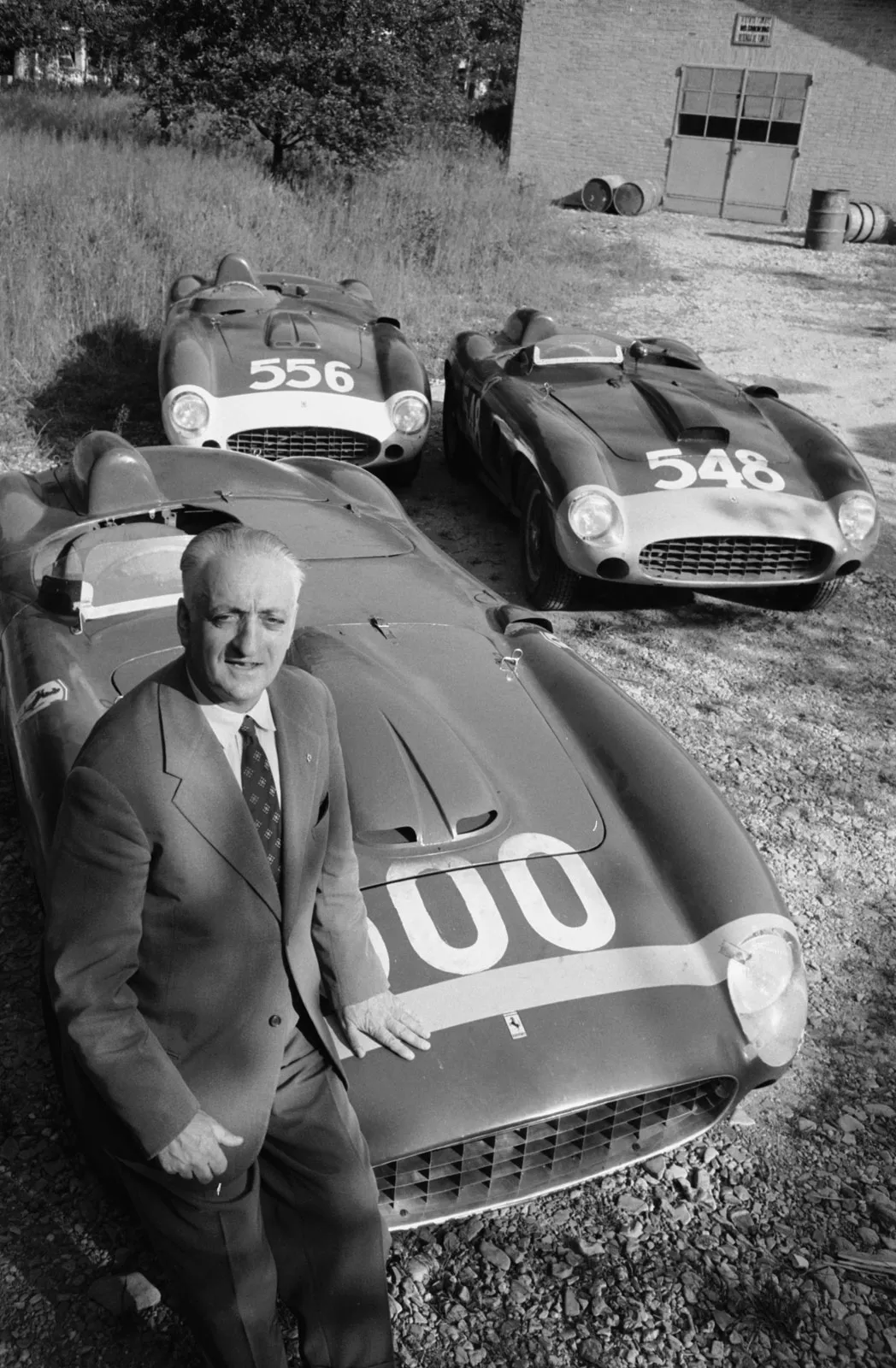
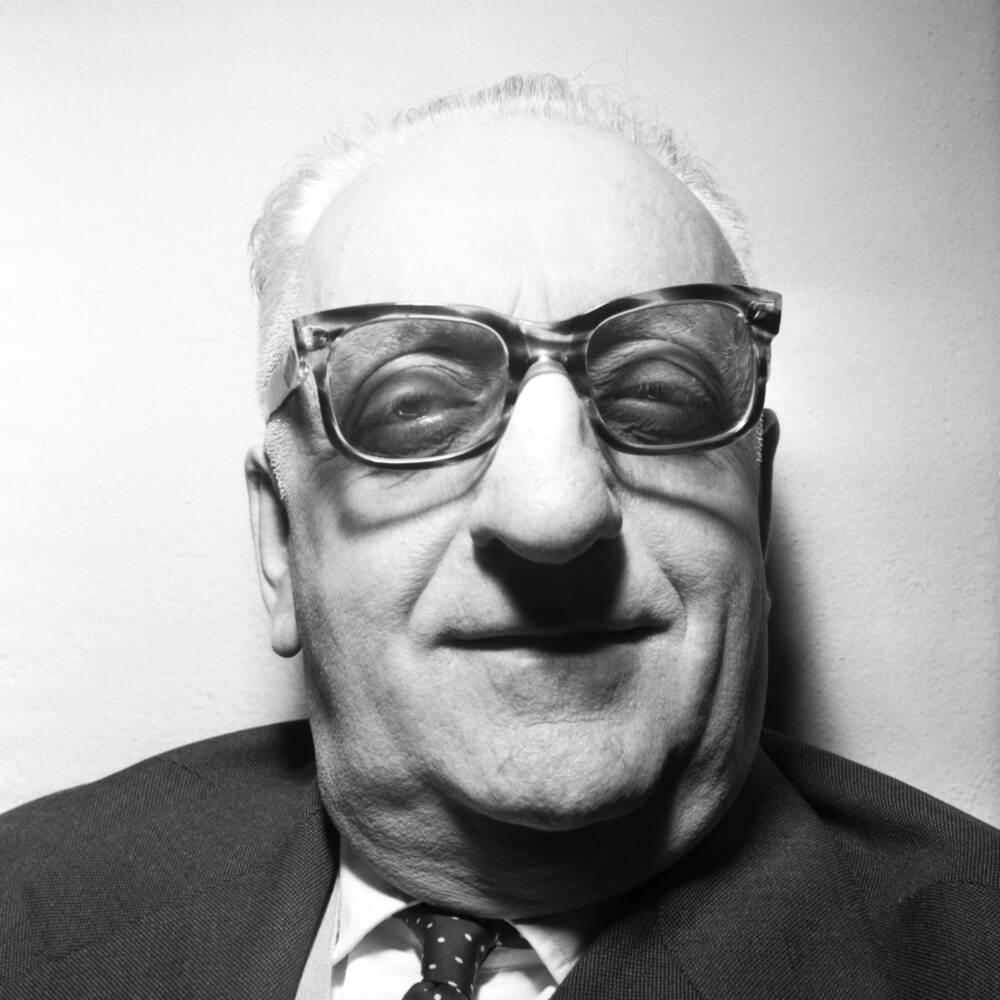
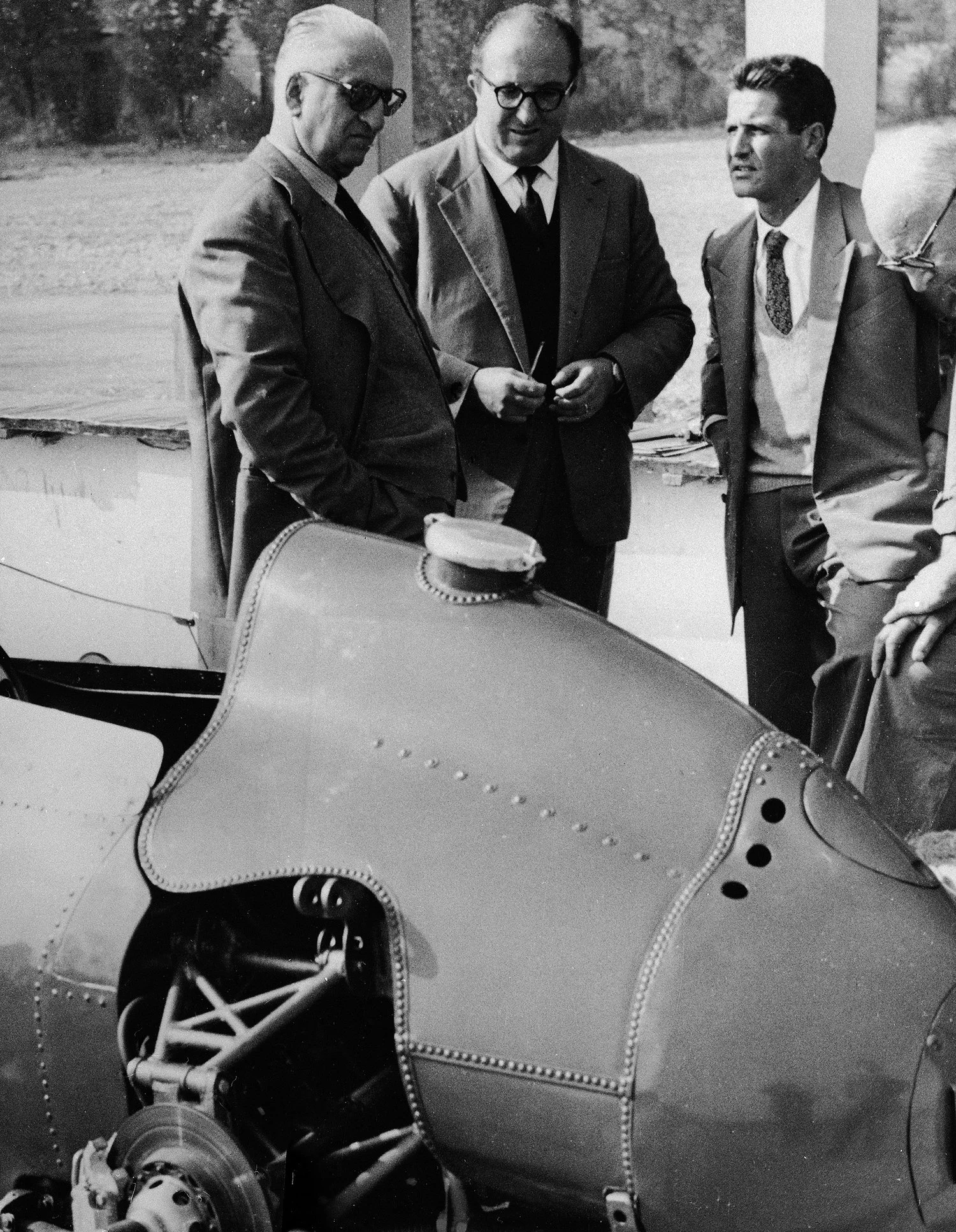
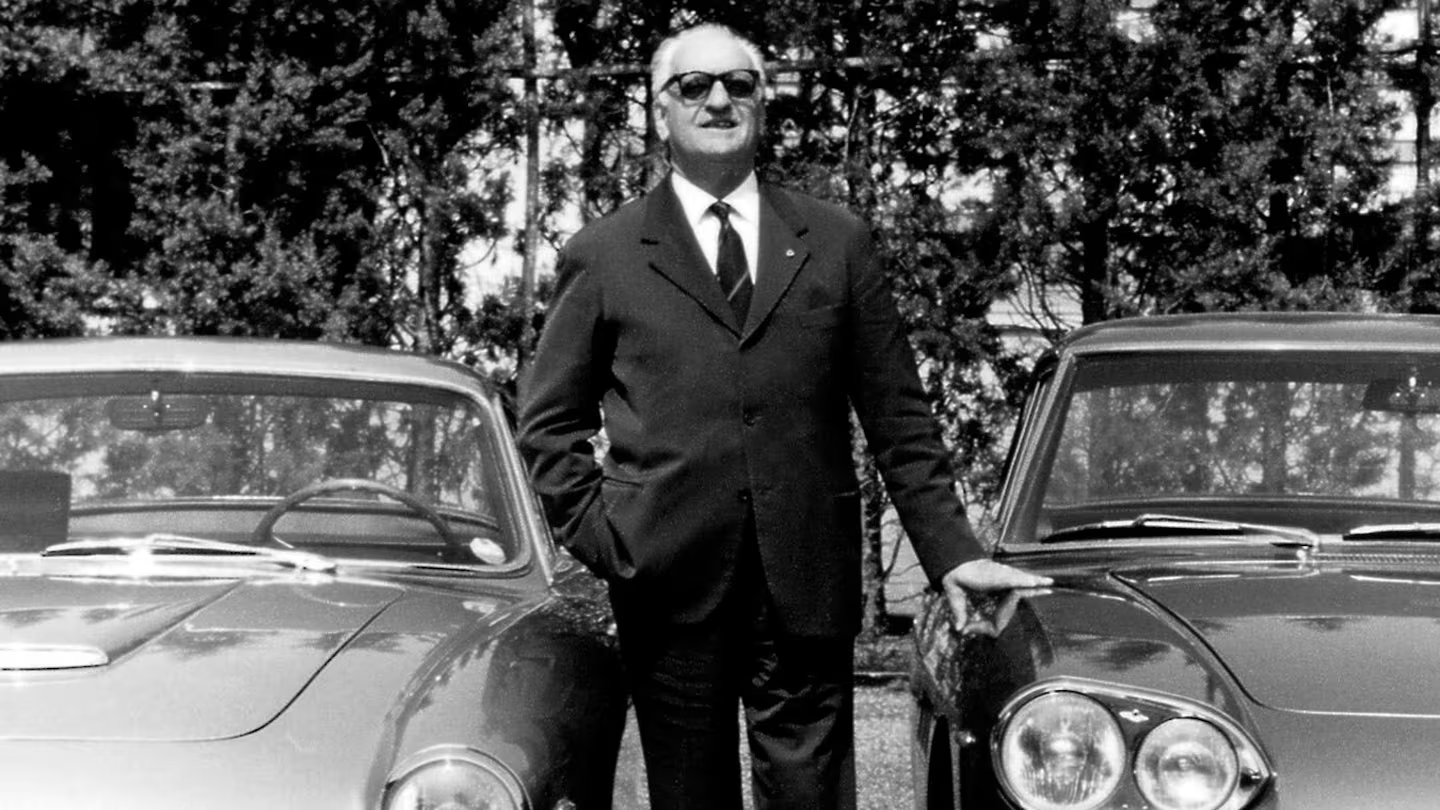
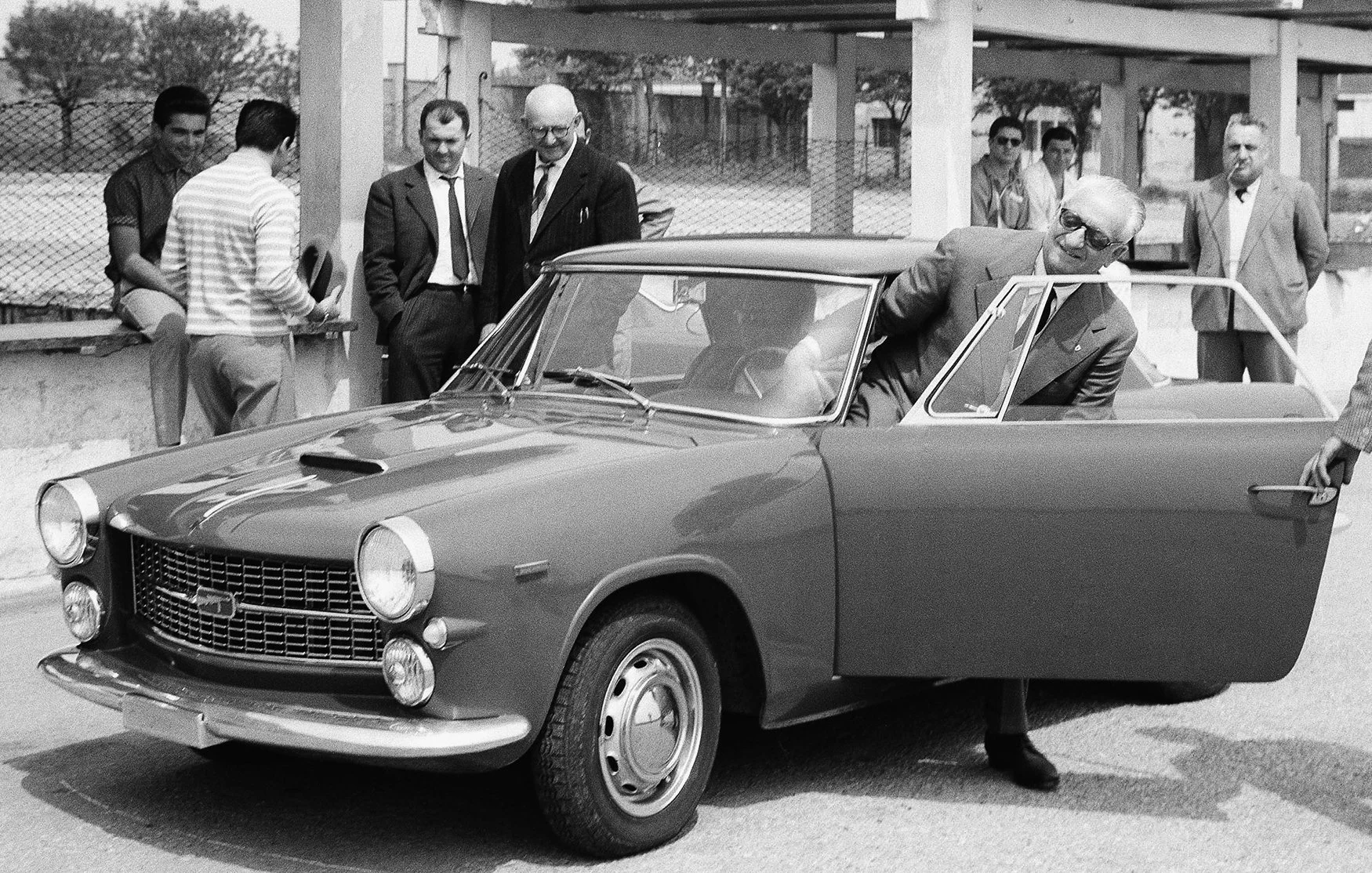
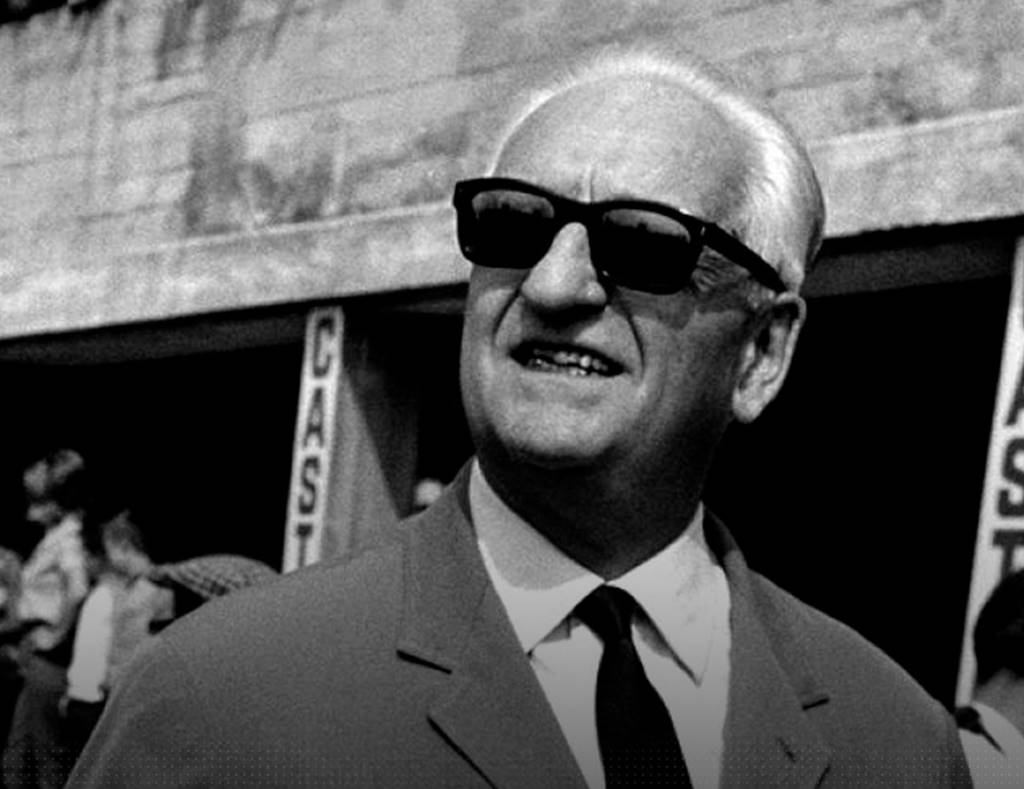
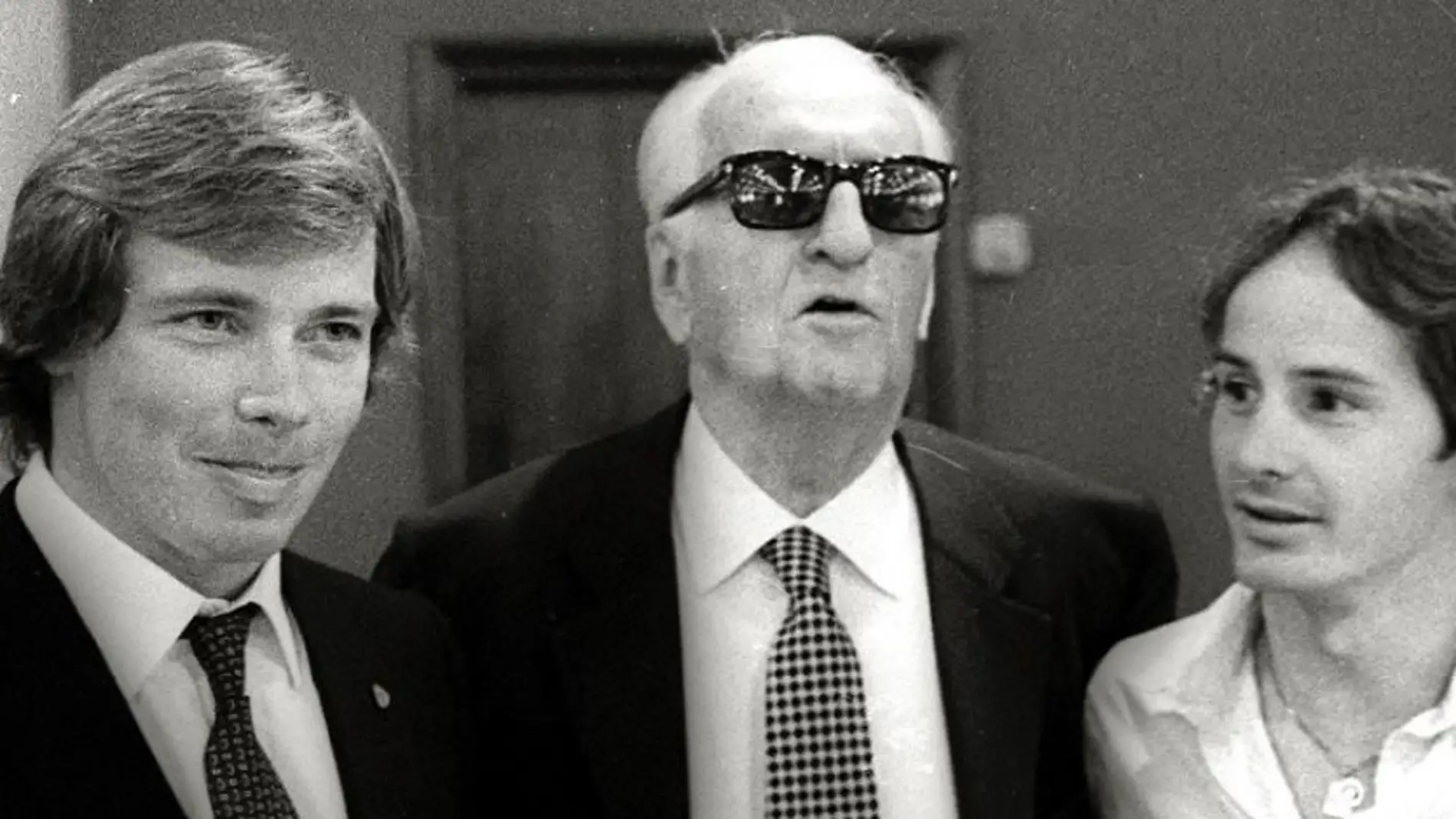
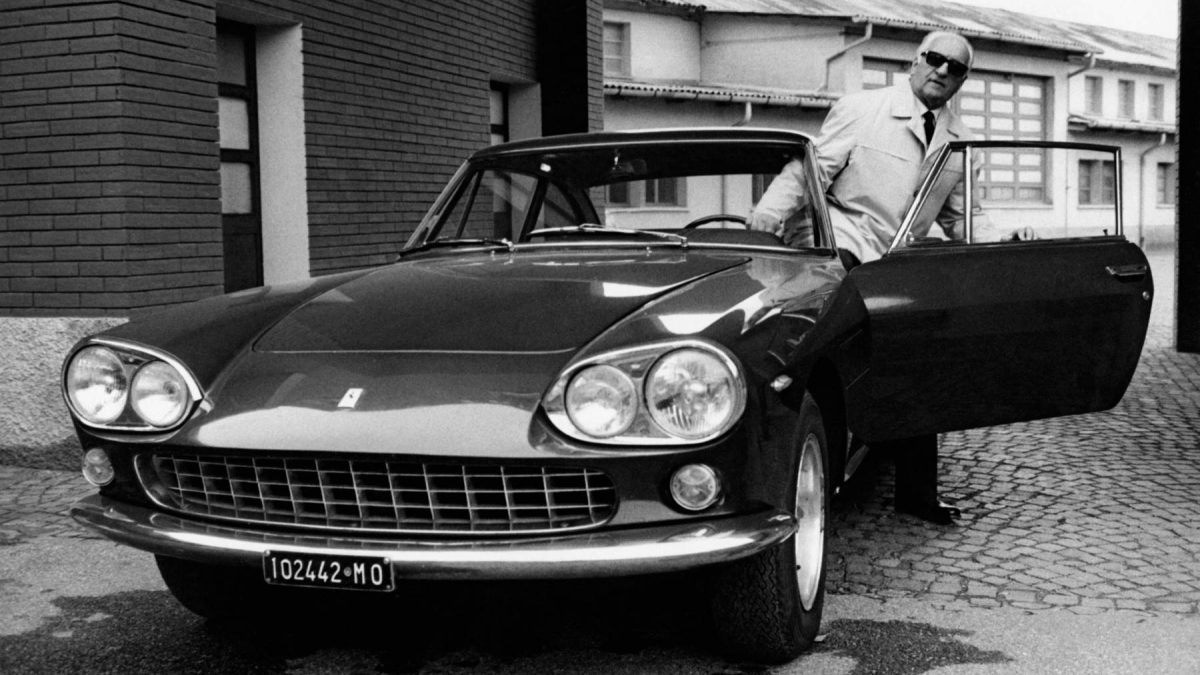
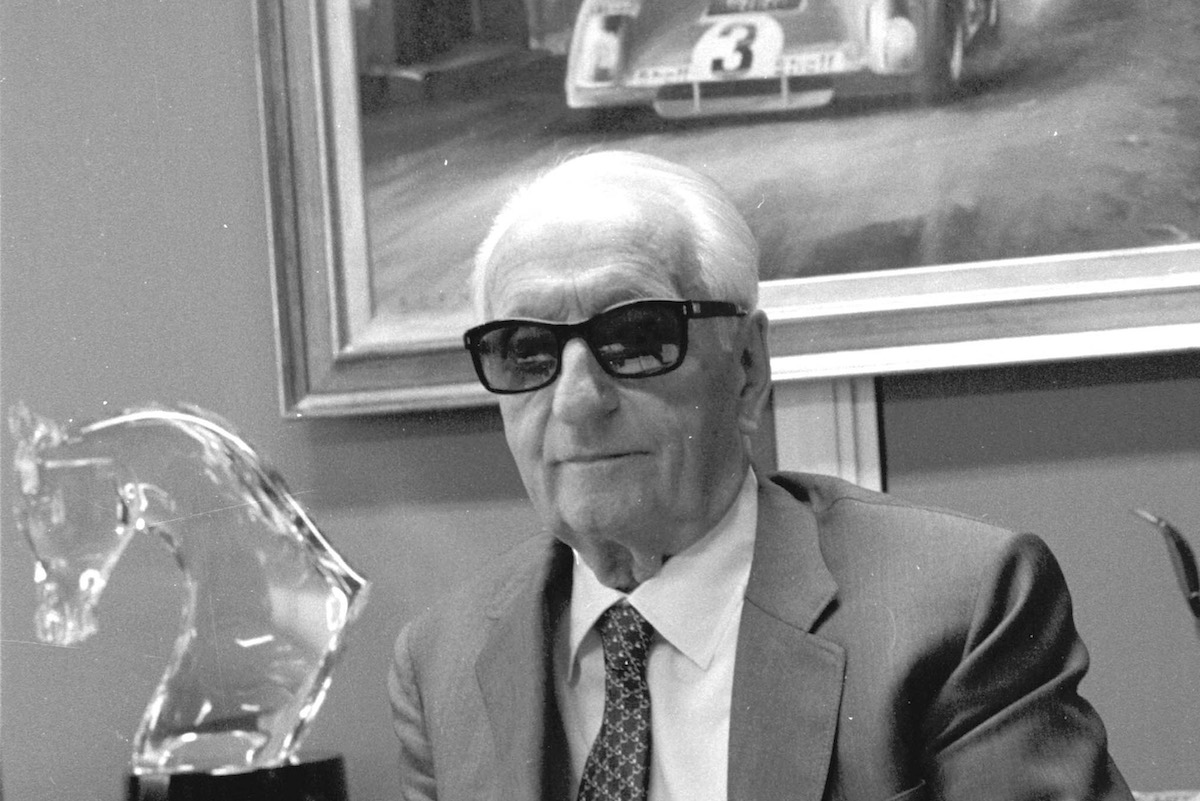
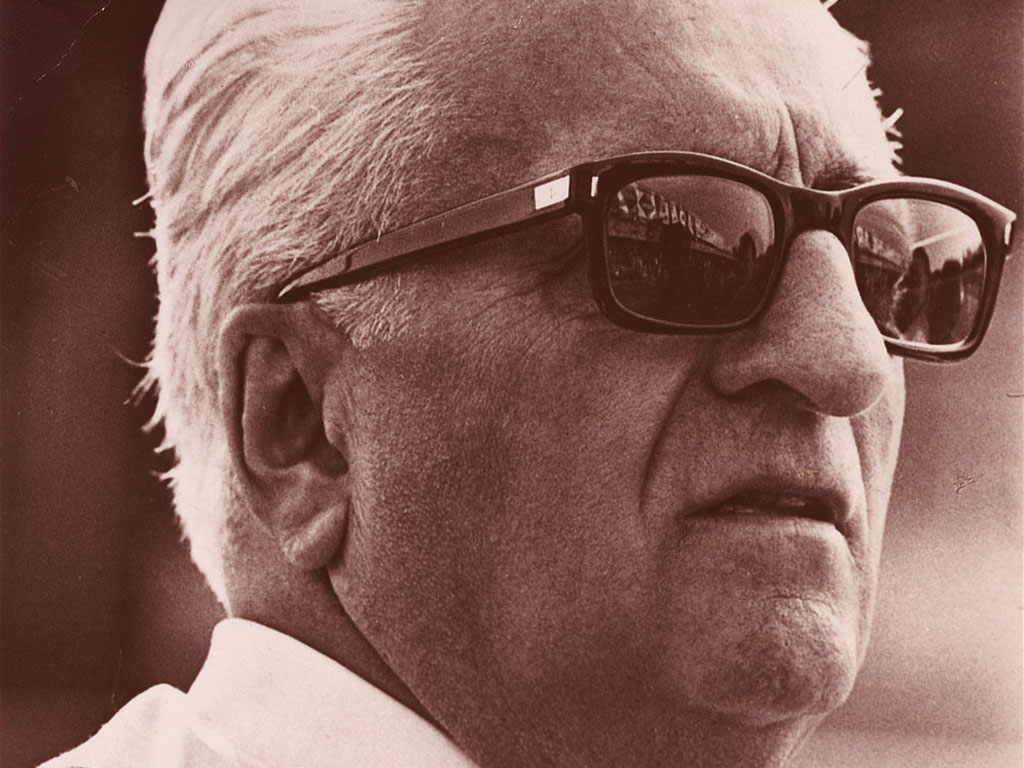
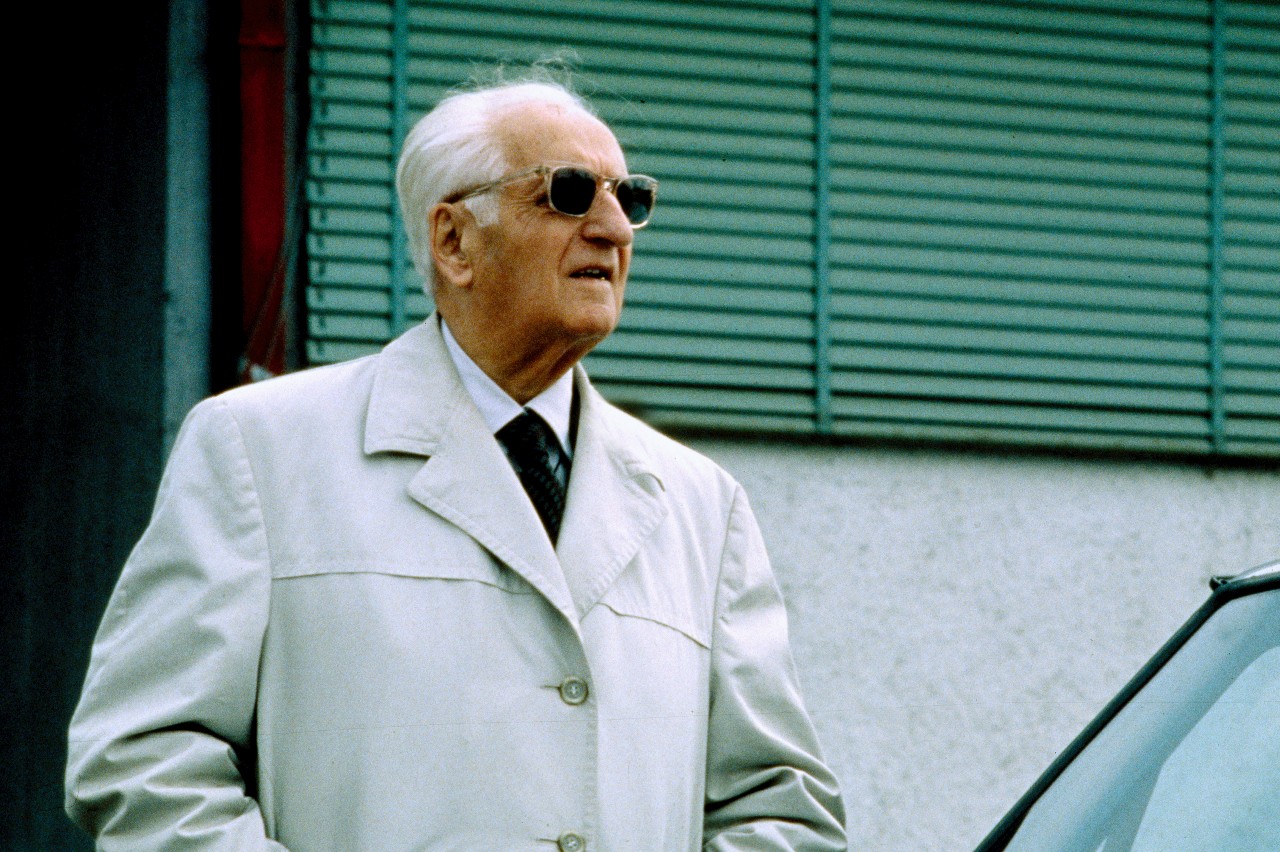
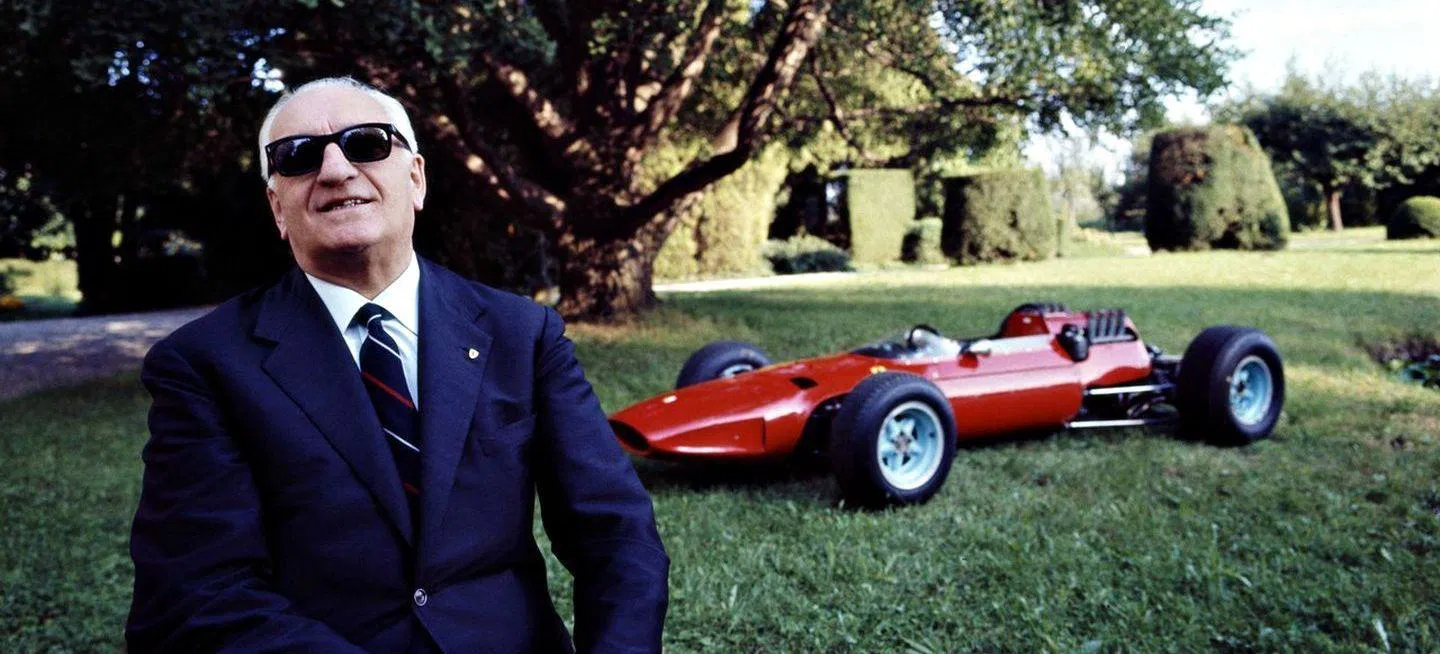
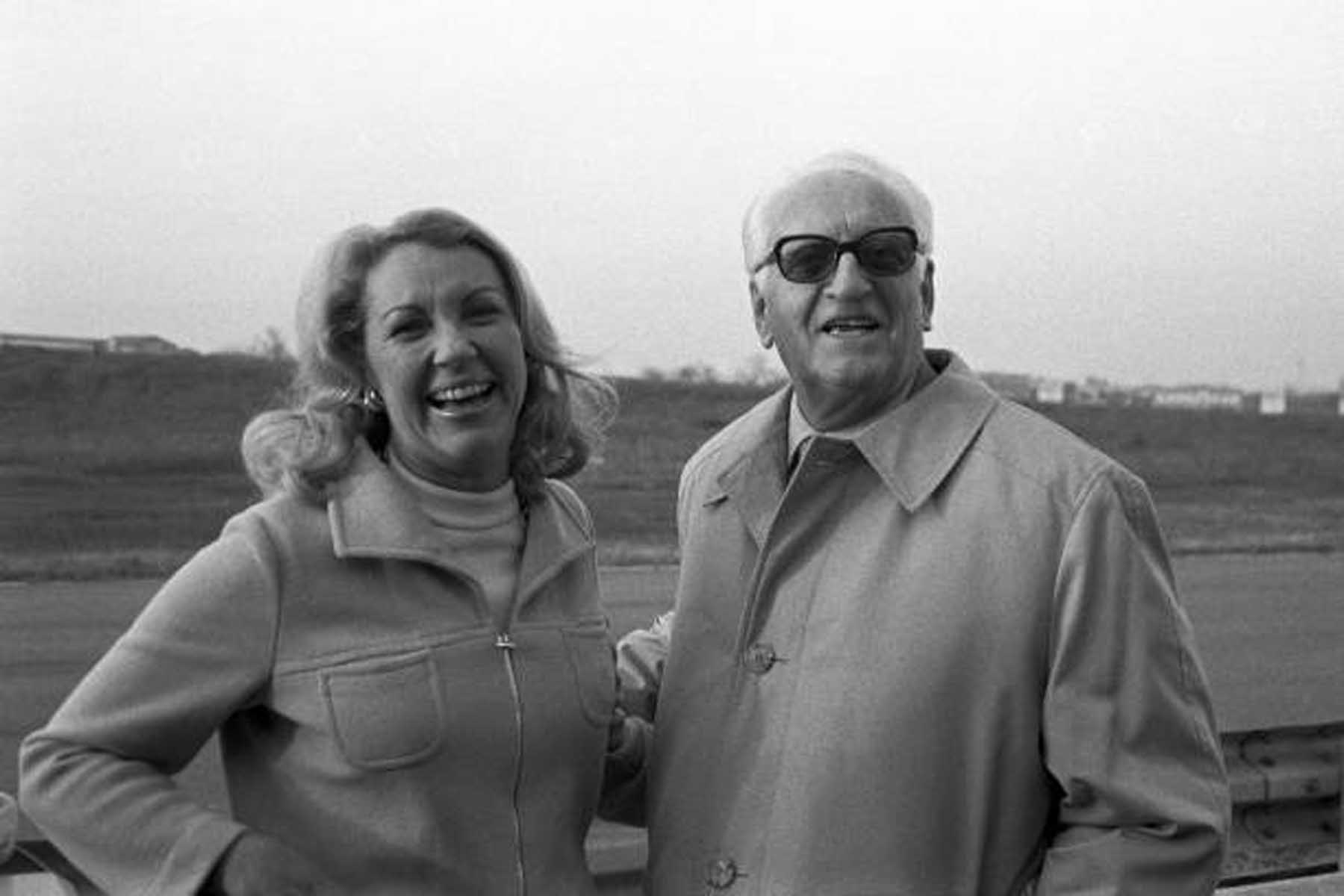
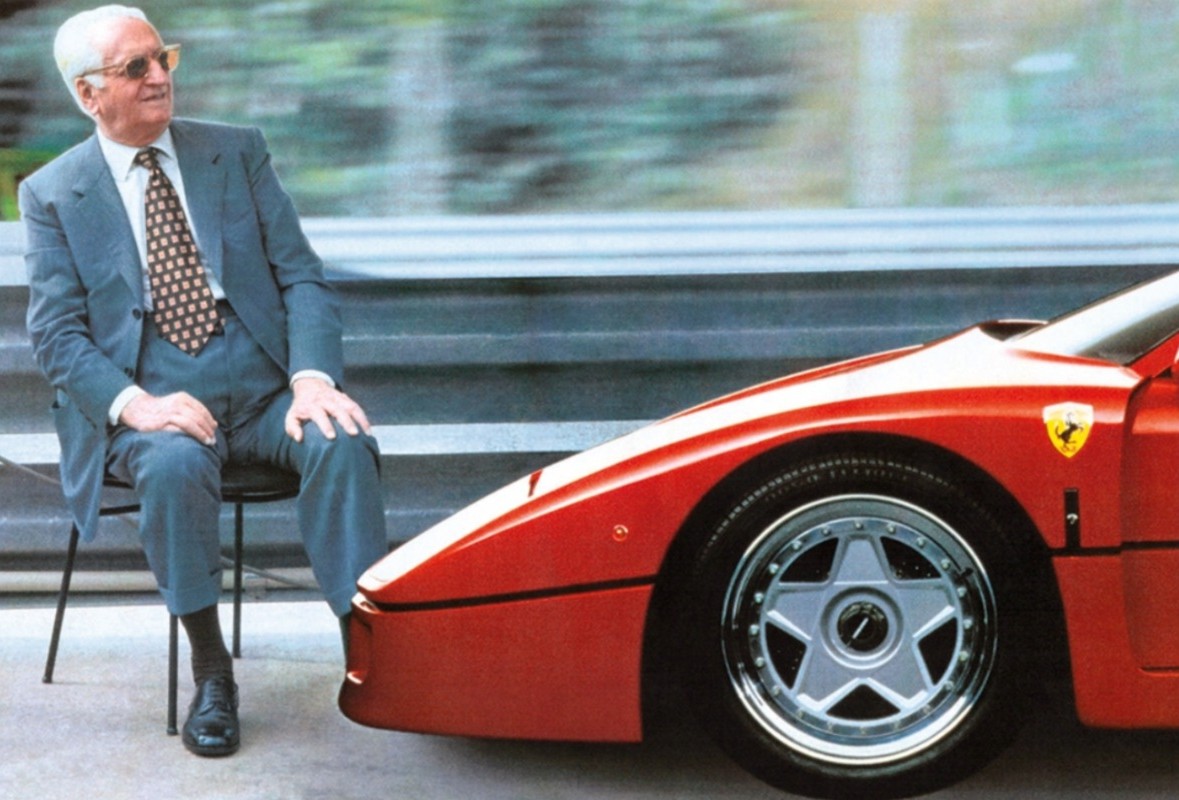
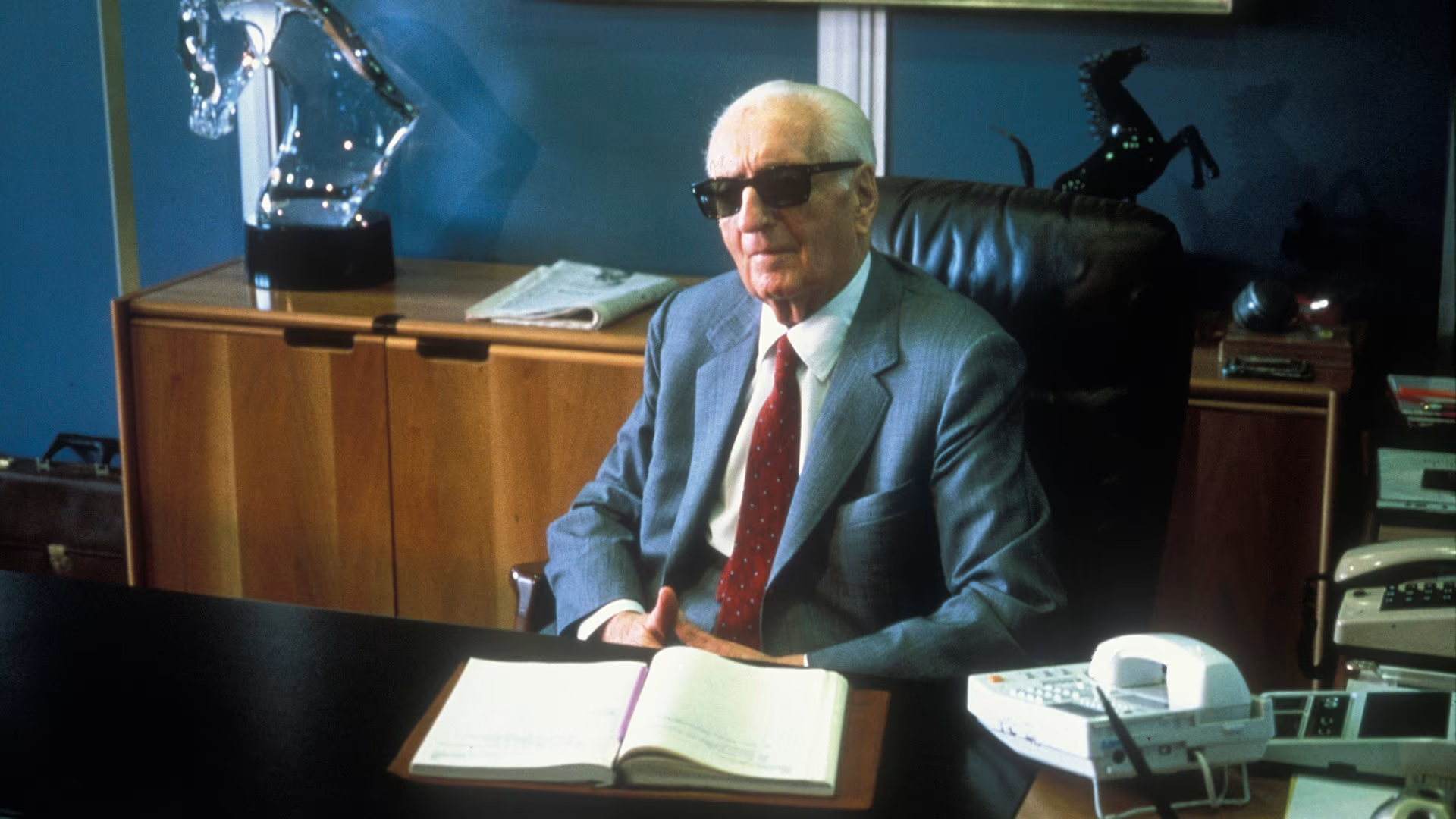
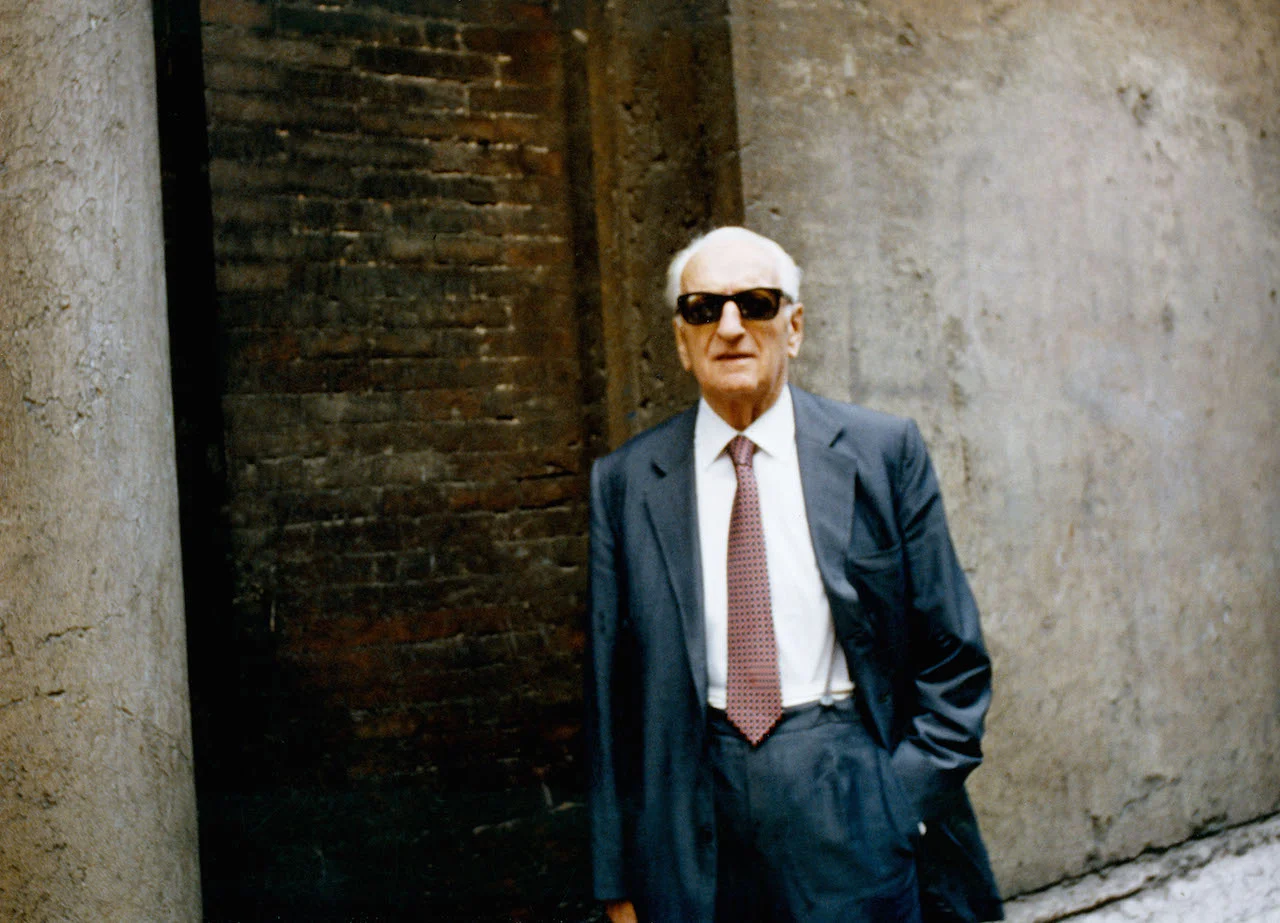
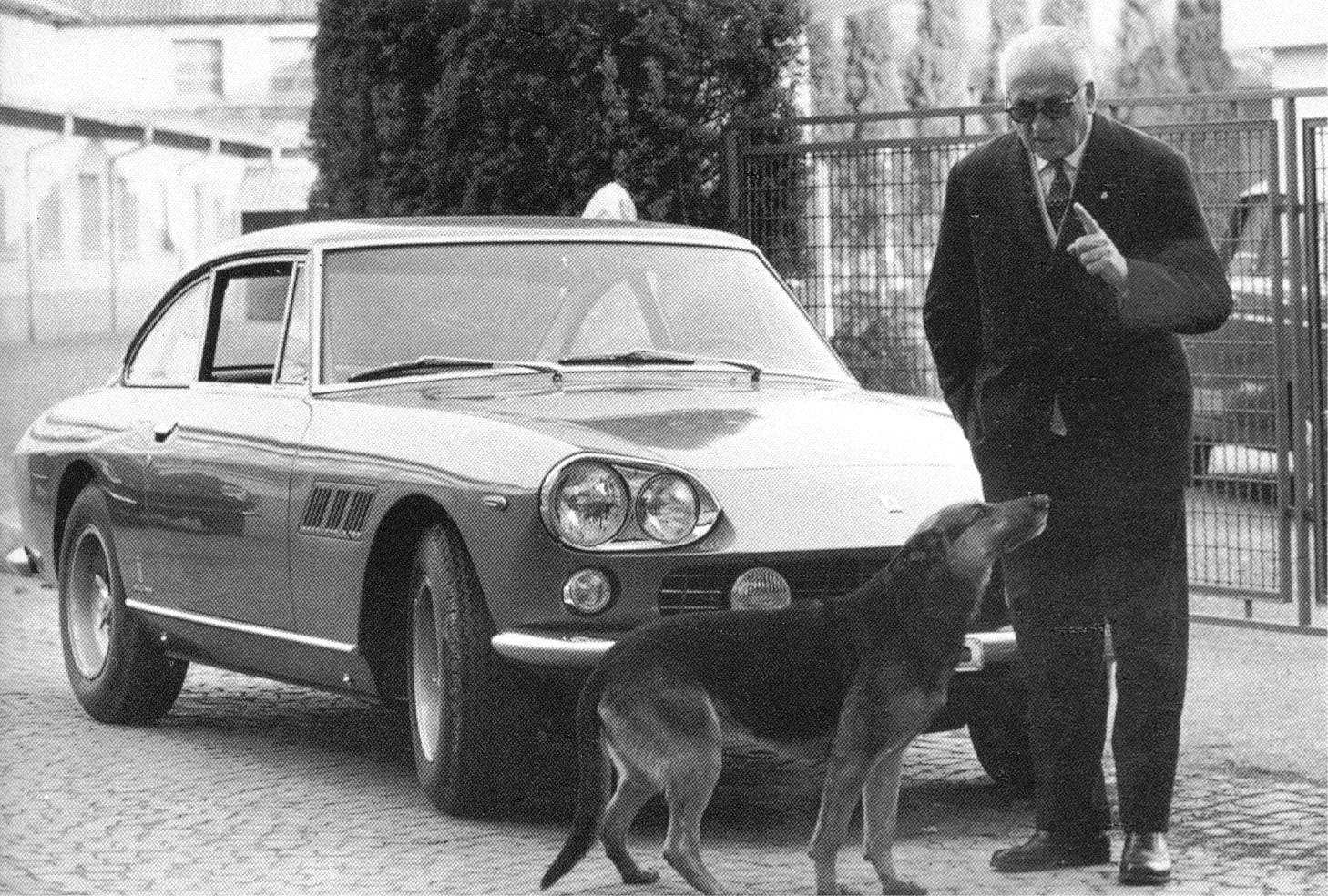
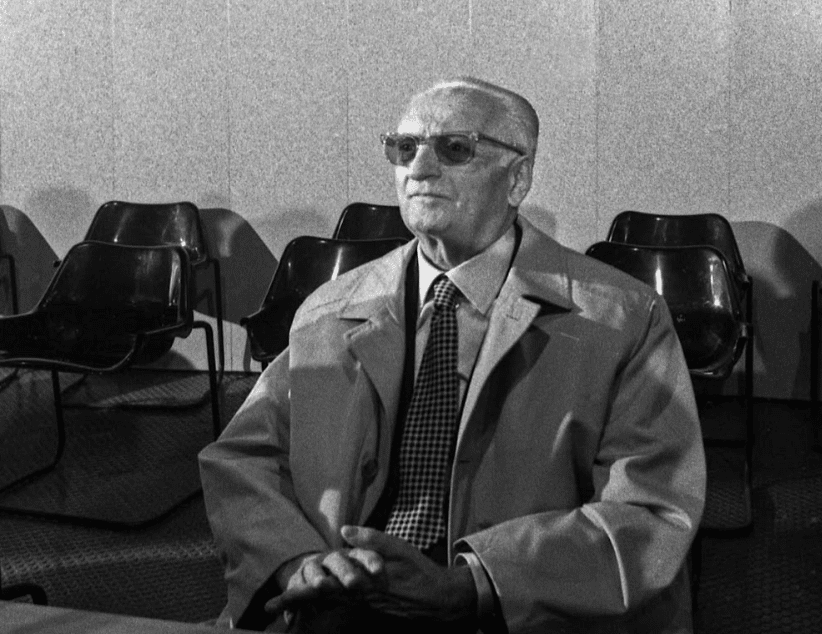
The air at the 1932 Spa 24 Hours was thick with the acrid stench of scorched rubber, hot oil, and vaporised fuel. Standing resolute by the pit wall was a stern, calculating man hidden behind dark glasses: Enzo Anselmo Ferrari. He had hung up his own racing goggles just months prior, realising his true genius lay not in dancing on the perilous edge of tyre adhesion, but in orchestrating the brave souls who did. Having founded Scuderia Ferrari in 1929, he had rapidly transformed his outfit into Alfa Romeo’s de facto racing arm. Under his iron-fisted command, the supercharged Alfa Romeo 8C 2300s were invincible.
In Belgium, Ferrari watched his drivers Antonio Brivio and Eugenio Siena wrestle their 2.3-litre (140 cu in) straight-eight machines, screaming with 165 bhp, to a crushing victory that spearheaded a 1-2-3 finish for the Scuderia. Ferrari was a man who intimately understood the visceral poetry of a perfectly tuned Memini carburettor and the absolute, unforgiving necessity of victory. He was not merely a team principal; he was a master manipulator of metal and men, demanding total devotion to the mechanical beasts that bore his beloved Prancing Horse.
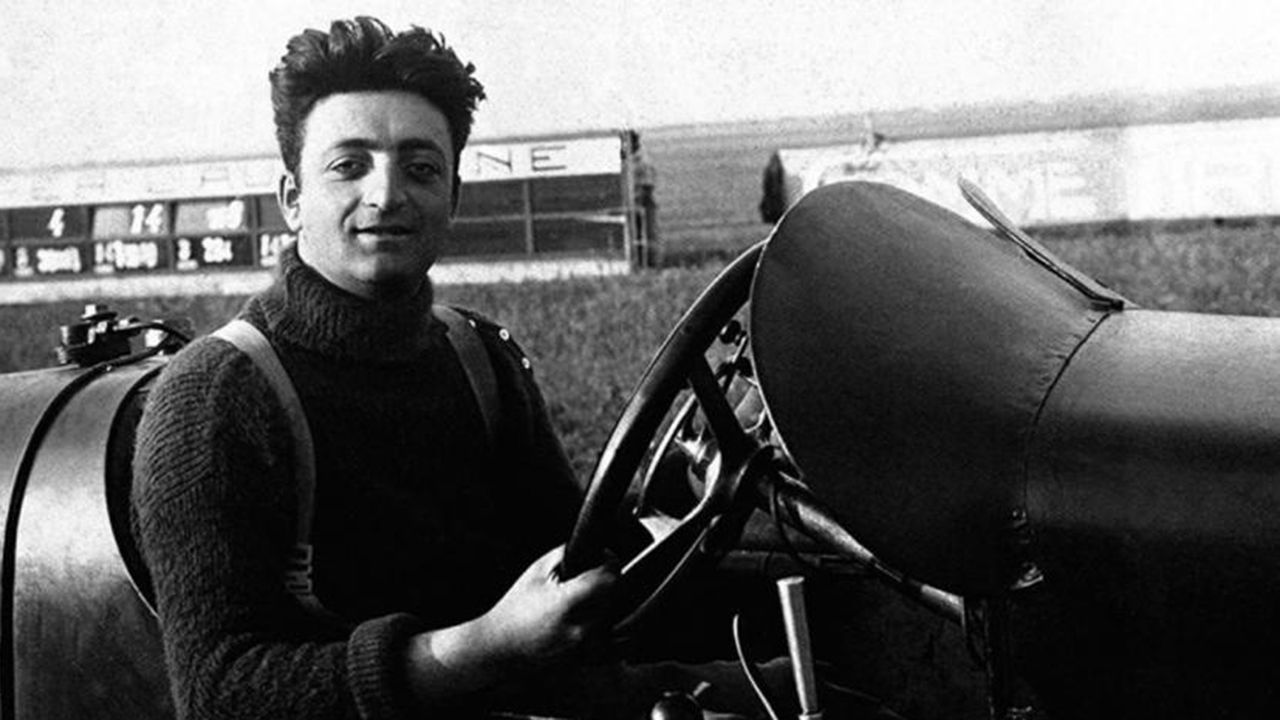
As the 1930s progressed, Ferrari’s tactical brilliance only sharpened. At the 1936 Mille Miglia, he unleashed the staggering Alfa Romeo 8C 2900A “Botticella”, a brutal machine featuring twin Roots superchargers and independent suspension. Brivio piloted this 850 kg (1874 lbs) monster across the torturous Italian roads at an average speed of 121.5 km/h (75.5 mph) to secure another legendary triumph. Yet, the ambition of “Il Commendatore” could not be forever tethered to Milan. When the ashes of the Second World War finally settled, Ferrari severed ties with Alfa Romeo to construct his own absolute destiny.
By the time the inaugural Formula One World Championship commenced in 1950—a concept championed by his former driver and Italian sporting commissioner, Marquis Antonio Brivio-Sforza, in 1949—Ferrari was a formidable independent constructor. The Scuderia skipped the very first championship round at Silverstone but made a fierce debut at the Monaco Grand Prix, where Alberto Ascari wrestled his front-engined, V12-powered brute to a valiant second place. Ascari would subsequently deliver Ferrari’s first World Championships in 1952 and 1953, cementing the marque’s ascendancy at the absolute pinnacle of motorsport.
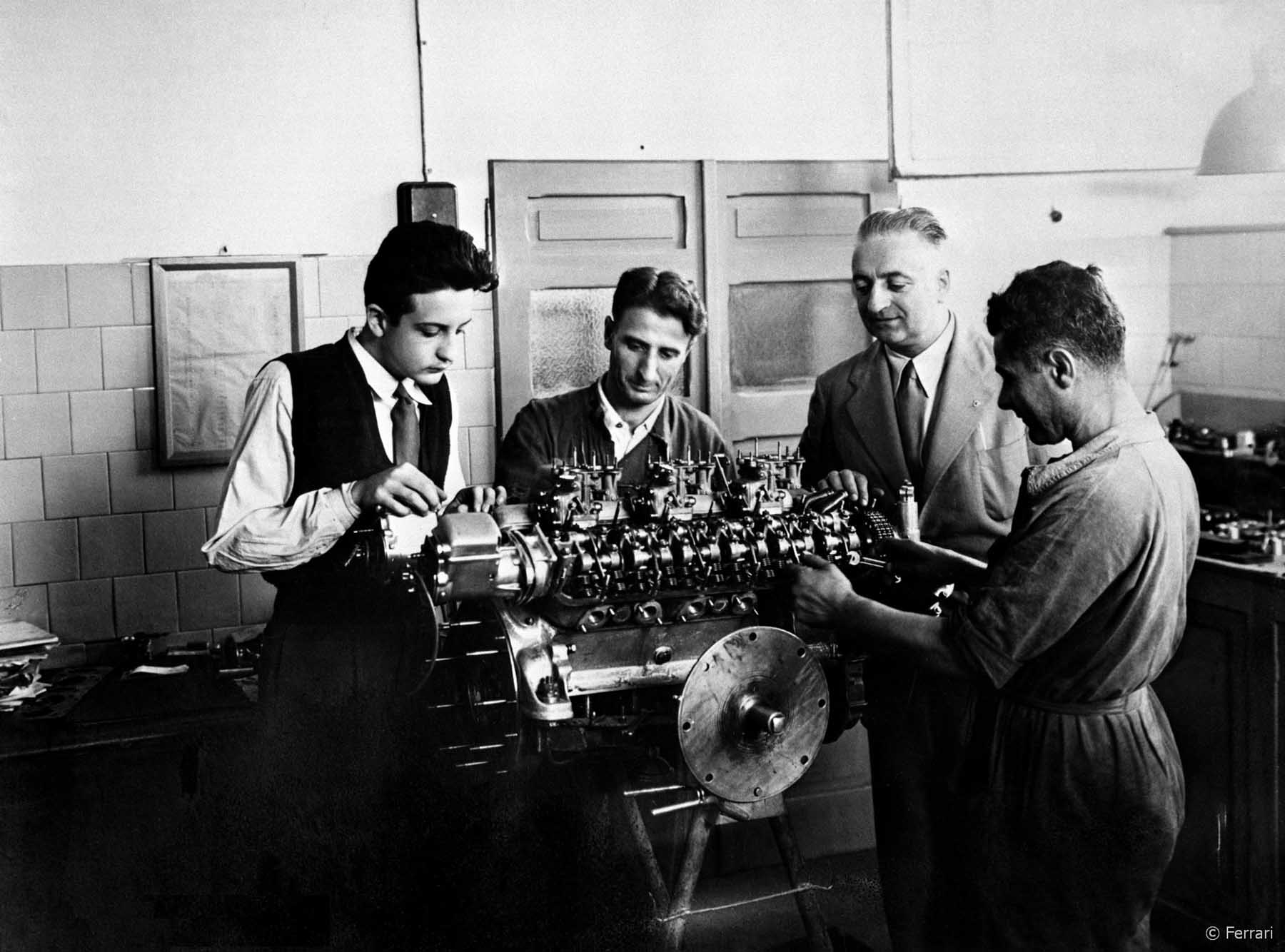
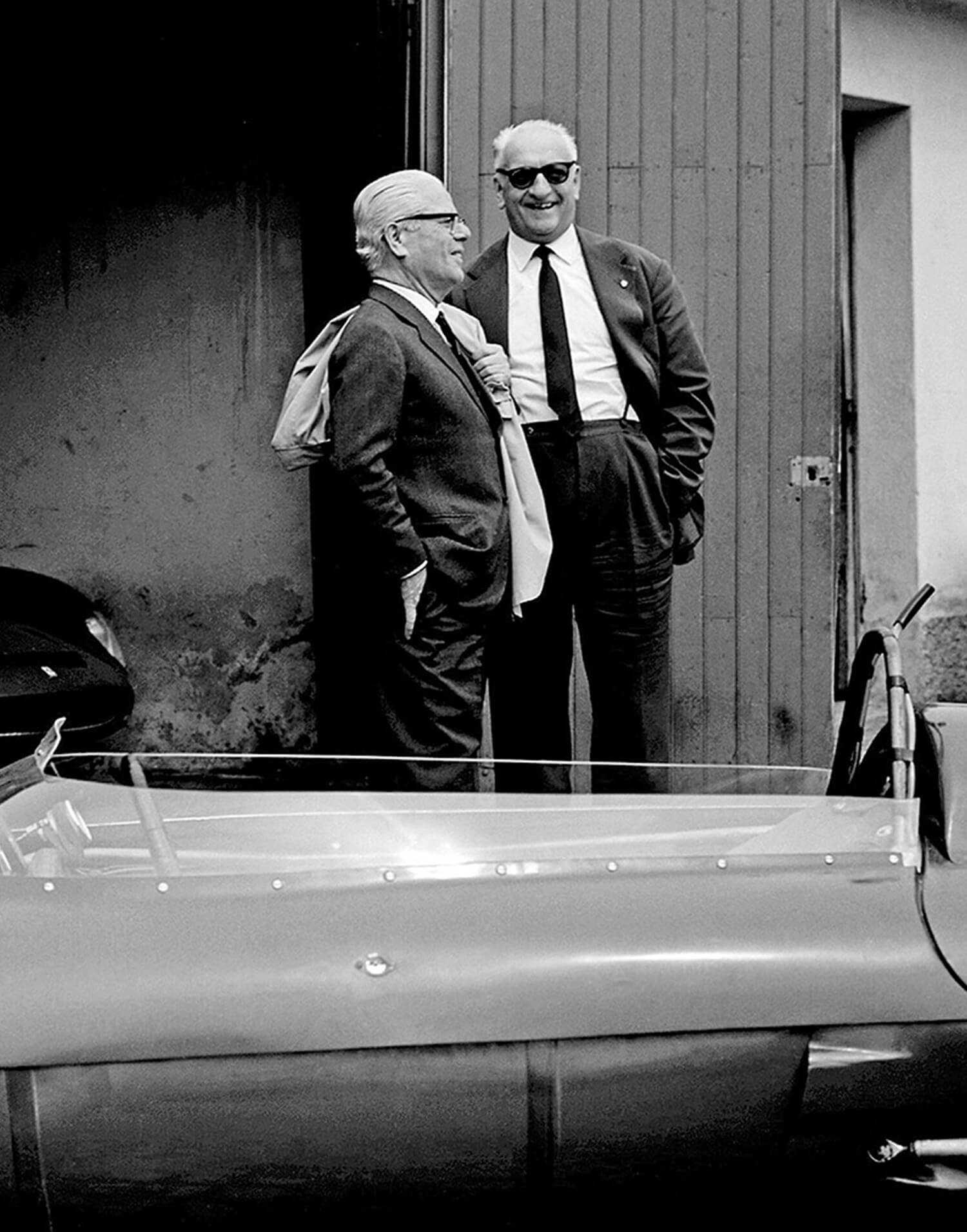
To understand Ferrari’s uncompromising philosophy is to understand his famous, defiant snarl: “Aerodynamics are for people who cannot build engines”. He viewed the wind tunnel as a distraction, a crutch for those lacking the engineering prowess to extract true power from internal combustion. For him, a car’s supremacy was forged in the fiery crucible of the foundry, cast in aluminium, and measured purely in mechanical output. He demanded cars that could annihilate straights at 280 km/h (174 mph), utterly unconcerned if their heavy steering required superhuman physical endurance to muscle through a tight hairpin. The chassis was merely a necessary steel bracket to connect the brave driver to the mighty engine. His management style was equally unyielding.
The pressure-cooker environment inside the Maranello factory was legendary; he was a paternalistic yet utterly ruthless figure who deliberately stoked the fires of internal rivalry, frequently pitting his own star drivers against one another to extract their absolute maximum. He firmly believed a driver fighting for his seat—and his master’s elusive approval—would brake five metres later and accelerate a fraction of a second earlier. This Machiavellian psychological warfare undoubtedly cost lives in an era when cars offered zero physical protection, yet the world’s most daring gladiators practically begged to sign his contracts. The allure of the blood-red machinery was simply inescapable. His fierce resentments, particularly toward the British “garagistes”, whom he despised for merely assembling bought-in components rather than crafting their own roaring engines, only fuelled his relentless drive for absolute supremacy.
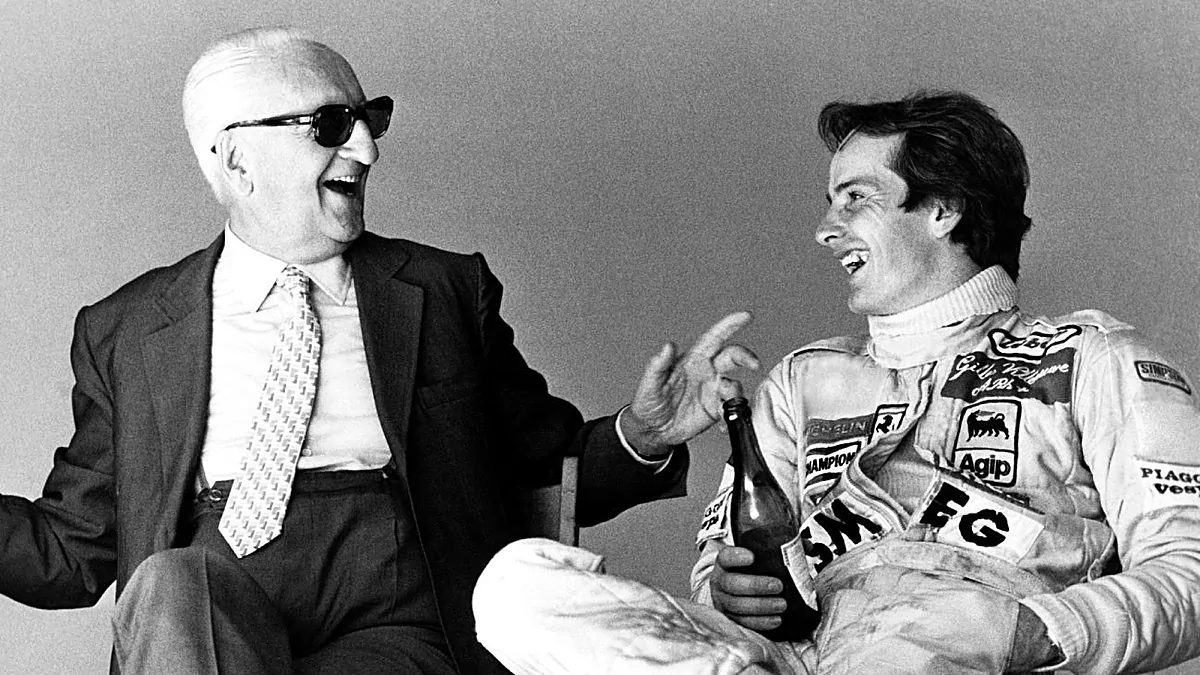
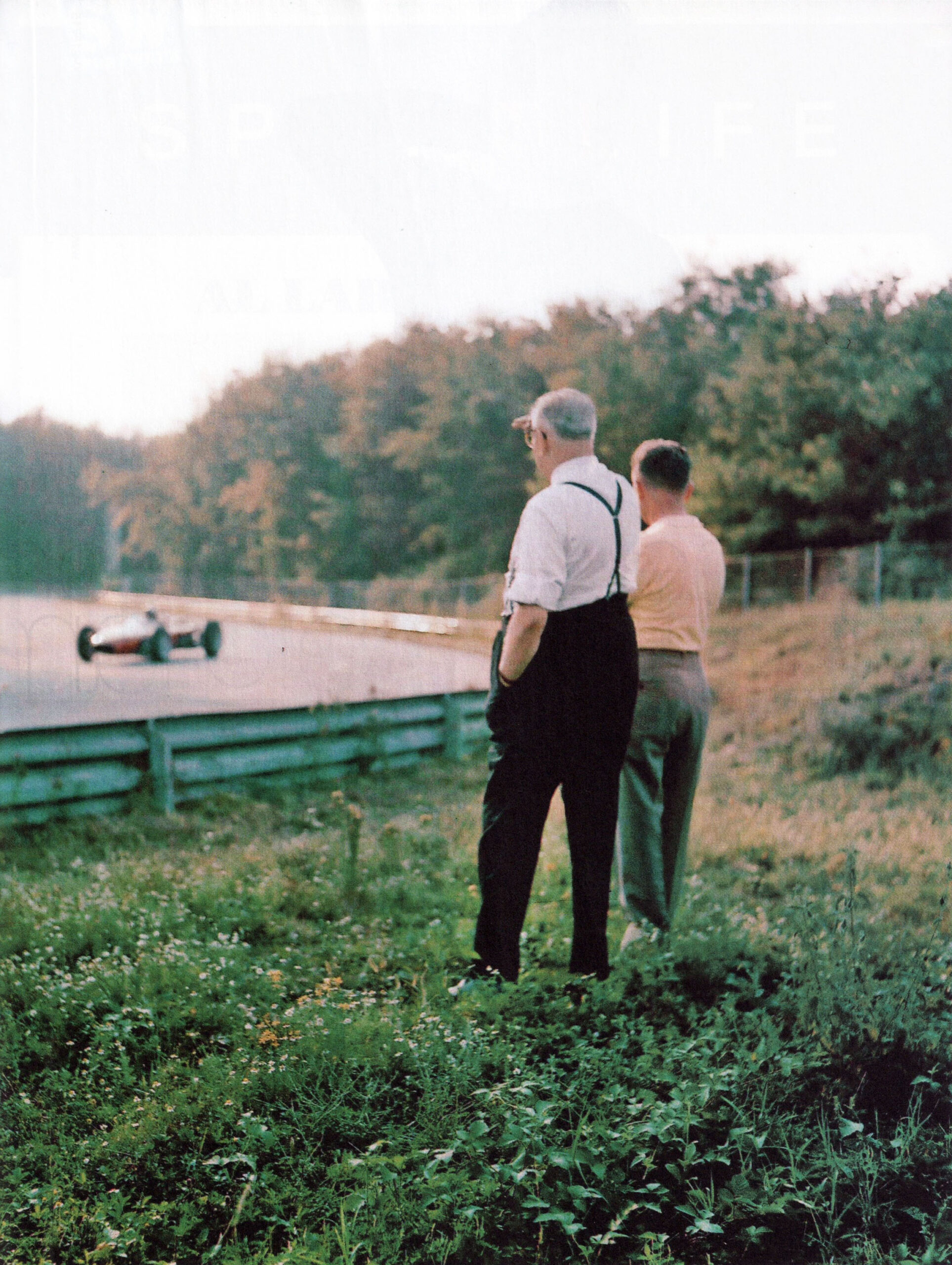
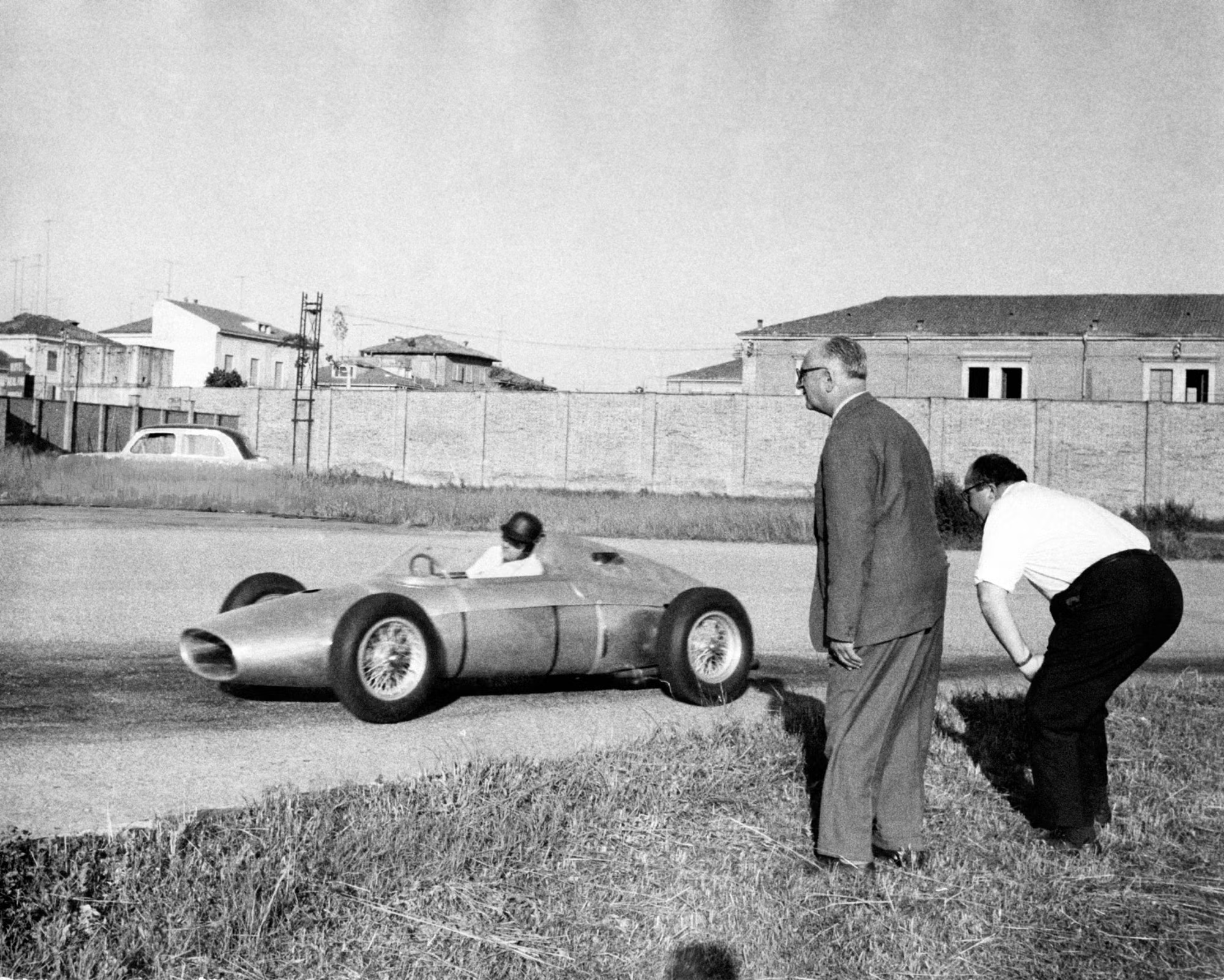
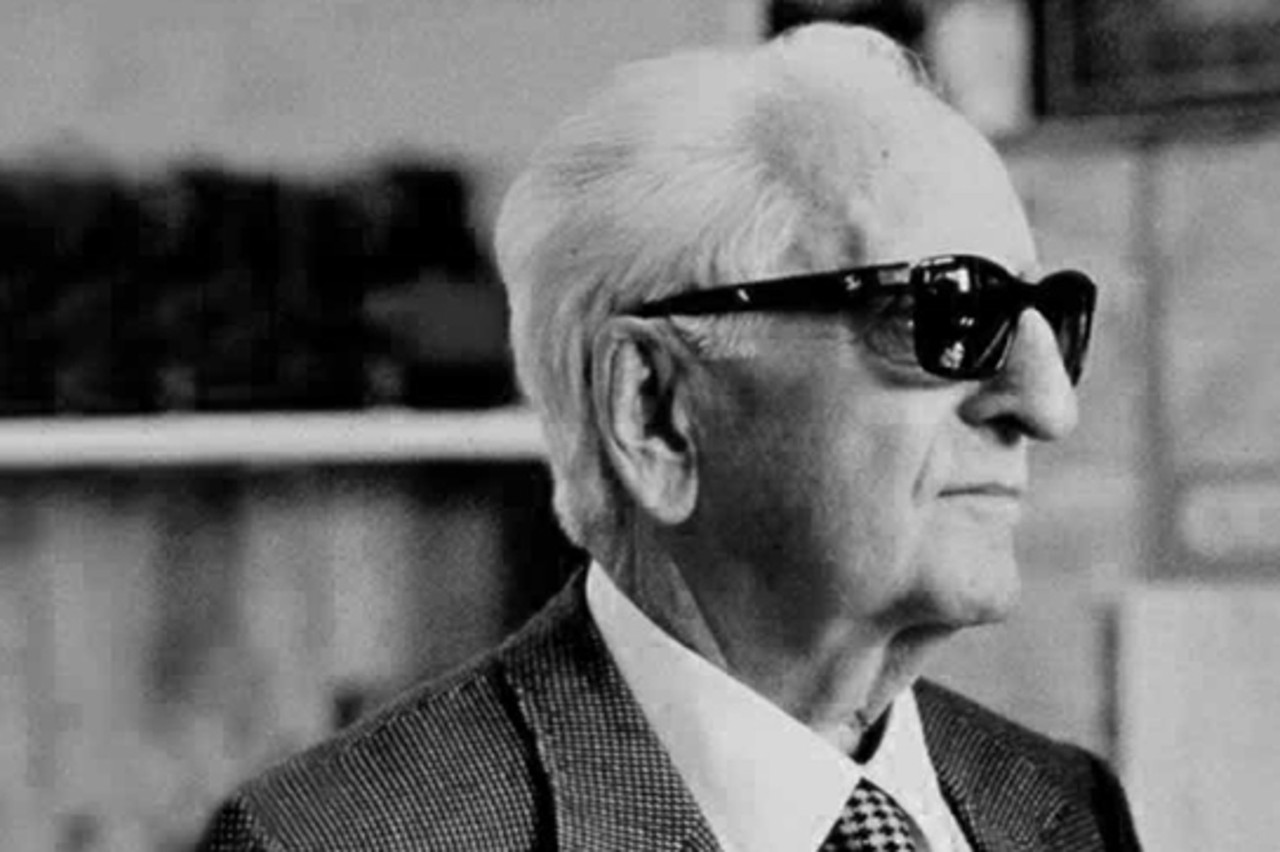
In his twilight years, the patriarch remained the undisputed monarch of motorsport, rarely leaving the hallowed confines of Maranello or the nearby Fiorano test track. He stood observing private tests in the fading Italian light, surrounded by mechanics in their iconic red jackets, as the unmistakable, deafening howl of a Ferrari V12 echoed across the Emilia-Romagna countryside.
By the time of his death in August 1988, Enzo Ferrari had elevated a mere racing team into an unassailable global religion. The tifosi did not just support a brand; they treated every red car on the grid as a matter of fierce national duty. He left behind a legacy that transcended the sport entirely, forging a lineage of 15 World Drivers’ Championships and 16 Constructors’ titles that stand as a testament to the triumph of passion, unrelenting power, and the pursuit of mechanical perfection.
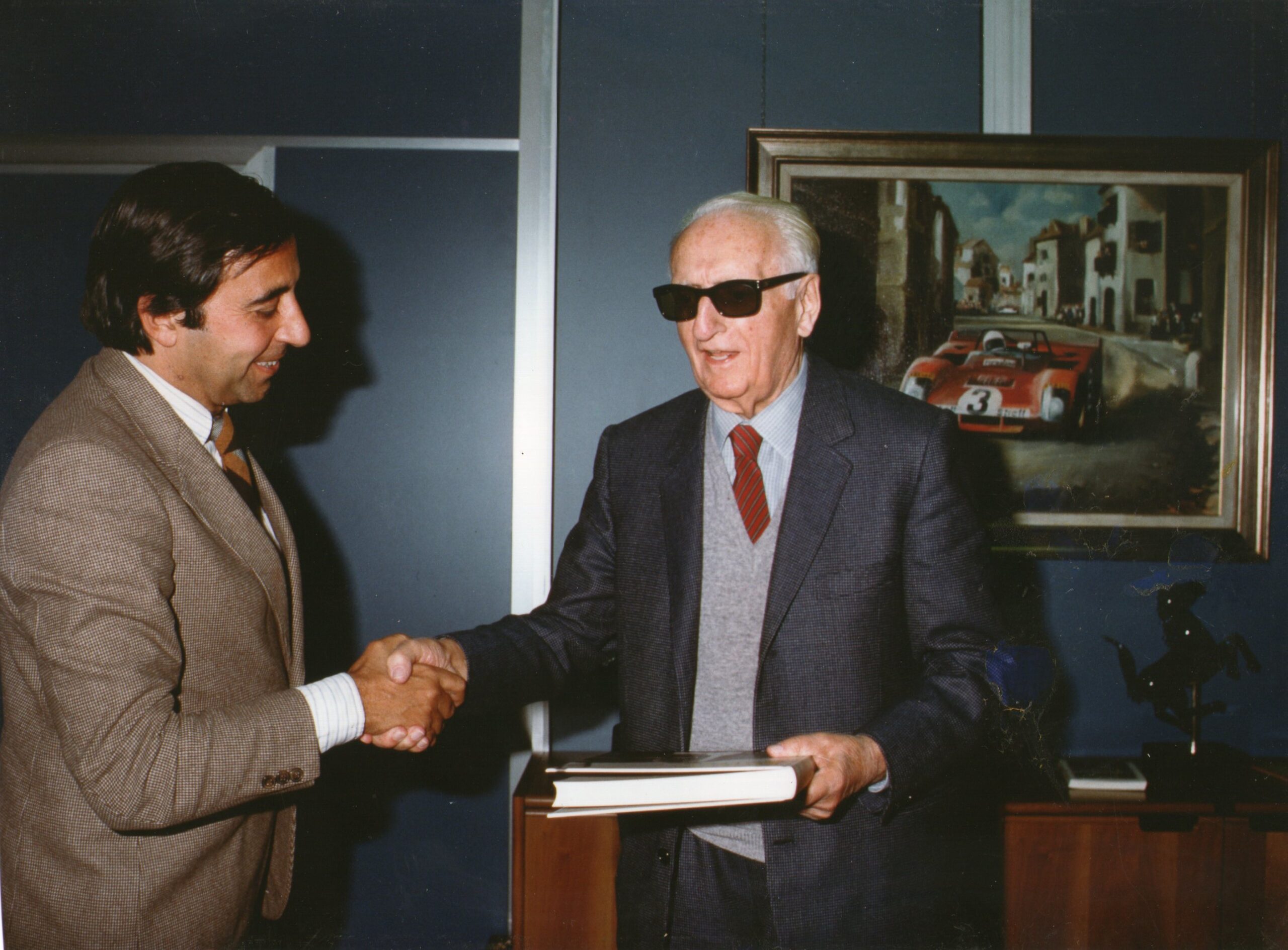
The air at the 1932 Spa 24 Hours was thick with the acrid stench of scorched rubber, hot oil, and vaporised fuel. Standing resolute by the pit wall was a stern, calculating man hidden behind dark glasses: Enzo Anselmo Ferrari. He had hung up his own racing goggles just months prior, realising his true genius lay not in dancing on the perilous edge of tyre adhesion, but in orchestrating the brave souls who did. Having founded Scuderia Ferrari in 1929, he had rapidly transformed his outfit into Alfa Romeo’s de facto racing arm. Under his iron-fisted command, the supercharged Alfa Romeo 8C 2300s were invincible.
In Belgium, Ferrari watched his drivers Antonio Brivio and Eugenio Siena wrestle their 2.3-litre (140 cu in) straight-eight machines, screaming with 165 bhp, to a crushing victory that spearheaded a 1-2-3 finish for the Scuderia. Ferrari was a man who intimately understood the visceral poetry of a perfectly tuned Memini carburettor and the absolute, unforgiving necessity of victory. He was not merely a team principal; he was a master manipulator of metal and men, demanding total devotion to the mechanical beasts that bore his beloved Prancing Horse.
As the 1930s progressed, Ferrari’s tactical brilliance only sharpened. At the 1936 Mille Miglia, he unleashed the staggering Alfa Romeo 8C 2900A “Botticella”, a brutal machine featuring twin Roots superchargers and independent suspension. Brivio piloted this 850 kg (1874 lbs) monster across the torturous Italian roads at an average speed of 121.5 km/h (75.5 mph) to secure another legendary triumph. Yet, the ambition of “Il Commendatore” could not be forever tethered to Milan. When the ashes of the Second World War finally settled, Ferrari severed ties with Alfa Romeo to construct his own absolute destiny.
By the time the inaugural Formula One World Championship commenced in 1950—a concept championed by his former driver and Italian sporting commissioner, Marquis Antonio Brivio-Sforza, in 1949—Ferrari was a formidable independent constructor. The Scuderia skipped the very first championship round at Silverstone but made a fierce debut at the Monaco Grand Prix, where Alberto Ascari wrestled his front-engined, V12-powered brute to a valiant second place. Ascari would subsequently deliver Ferrari’s first World Championships in 1952 and 1953, cementing the marque’s ascendancy at the absolute pinnacle of motorsport.
To understand Ferrari’s uncompromising philosophy is to understand his famous, defiant snarl: “Aerodynamics are for people who cannot build engines”. He viewed the wind tunnel as a distraction, a crutch for those lacking the engineering prowess to extract true power from internal combustion. For him, a car’s supremacy was forged in the fiery crucible of the foundry, cast in aluminium, and measured purely in mechanical output. He demanded cars that could annihilate straights at 280 km/h (174 mph), utterly unconcerned if their heavy steering required superhuman physical endurance to muscle through a tight hairpin. The chassis was merely a necessary steel bracket to connect the brave driver to the mighty engine. His management style was equally unyielding.
The pressure-cooker environment inside the Maranello factory was legendary; he was a paternalistic yet utterly ruthless figure who deliberately stoked the fires of internal rivalry, frequently pitting his own star drivers against one another to extract their absolute maximum. He firmly believed a driver fighting for his seat—and his master’s elusive approval—would brake five metres later and accelerate a fraction of a second earlier. This Machiavellian psychological warfare undoubtedly cost lives in an era when cars offered zero physical protection, yet the world’s most daring gladiators practically begged to sign his contracts. The allure of the blood-red machinery was simply inescapable. His fierce resentments, particularly toward the British “garagistes”, whom he despised for merely assembling bought-in components rather than crafting their own roaring engines, only fuelled his relentless drive for absolute supremacy.
In his twilight years, the patriarch remained the undisputed monarch of motorsport, rarely leaving the hallowed confines of Maranello or the nearby Fiorano test track. He stood observing private tests in the fading Italian light, surrounded by mechanics in their iconic red jackets, as the unmistakable, deafening howl of a Ferrari V12 echoed across the Emilia-Romagna countryside.
By the time of his death in August 1988, Enzo Ferrari had elevated a mere racing team into an unassailable global religion. The tifosi did not just support a brand; they treated every red car on the grid as a matter of fierce national duty. He left behind a legacy that transcended the sport entirely, forging a lineage of 15 World Drivers’ Championships and 16 Constructors’ titles that stand as a testament to the triumph of passion, unrelenting power, and the pursuit of mechanical perfection.