Alfa Romeo 8C 2300
Brand
Produced from
Vehicle category
Portal
Model line
Model generation
Generation Overview
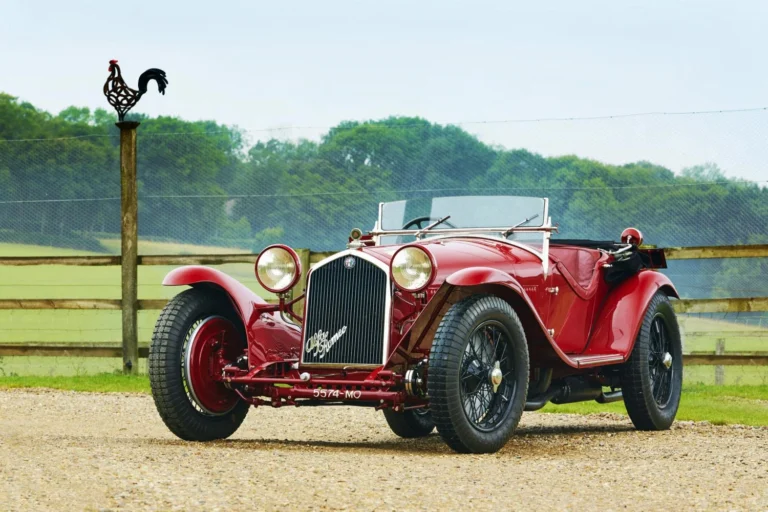
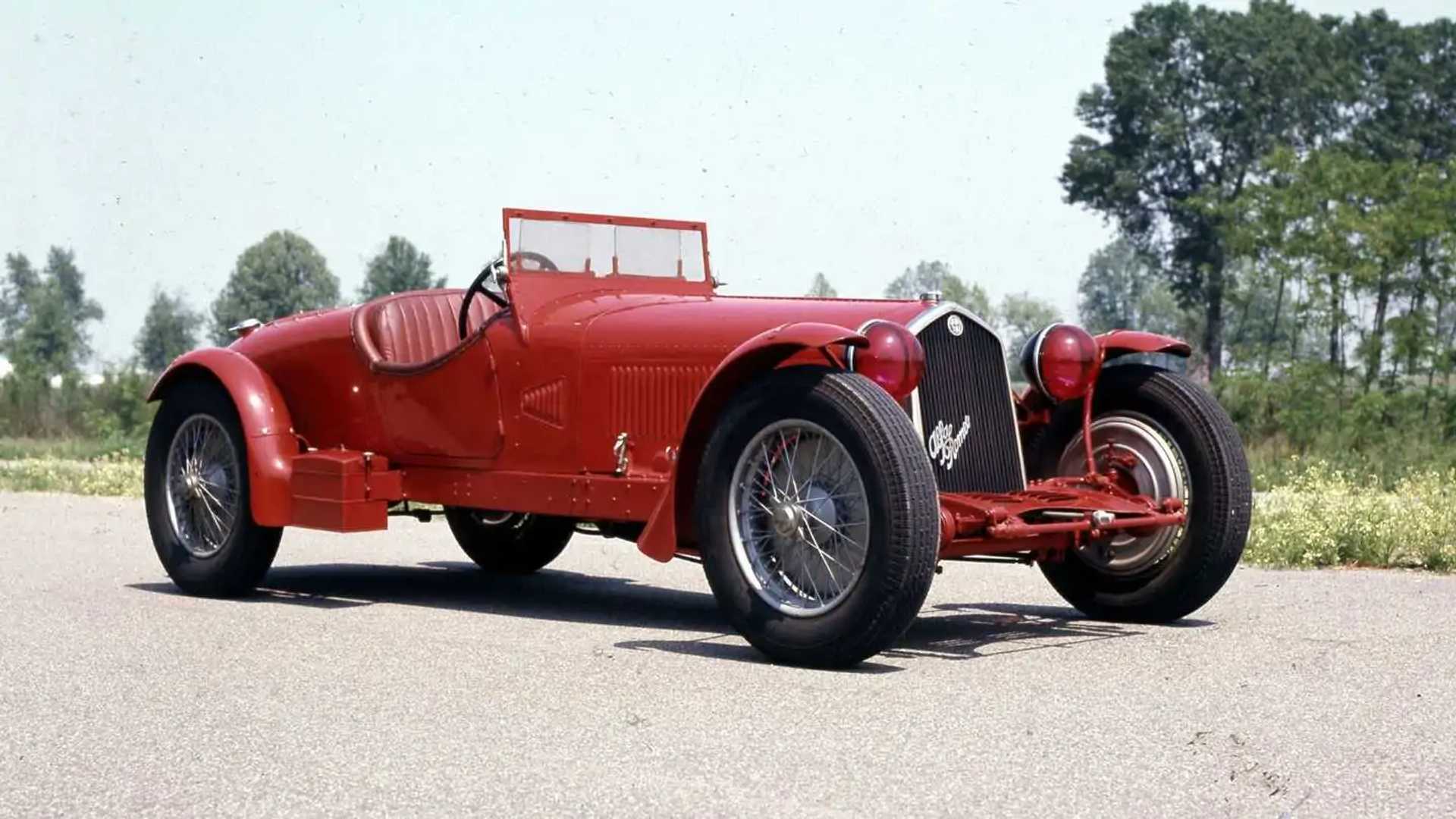
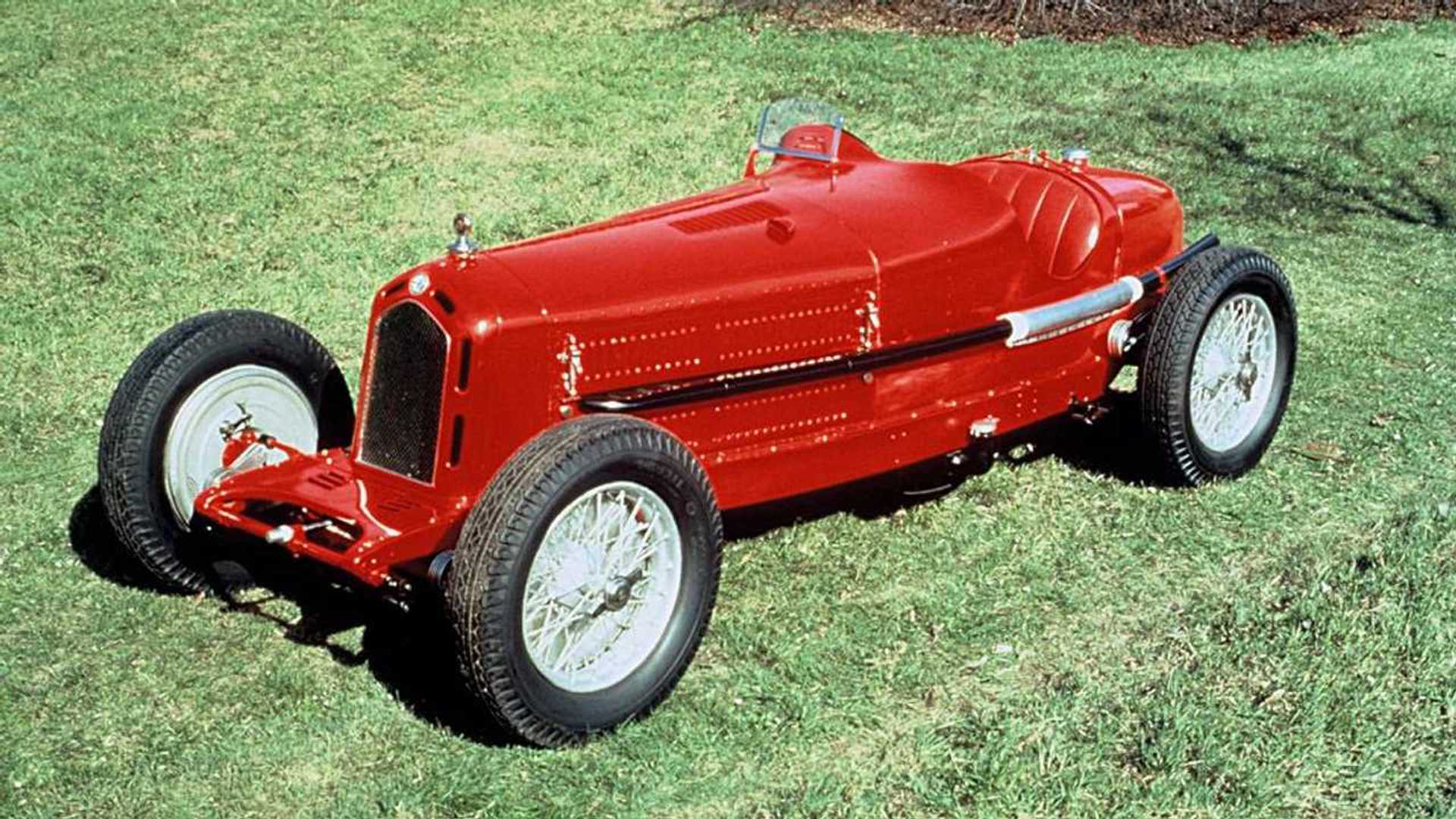
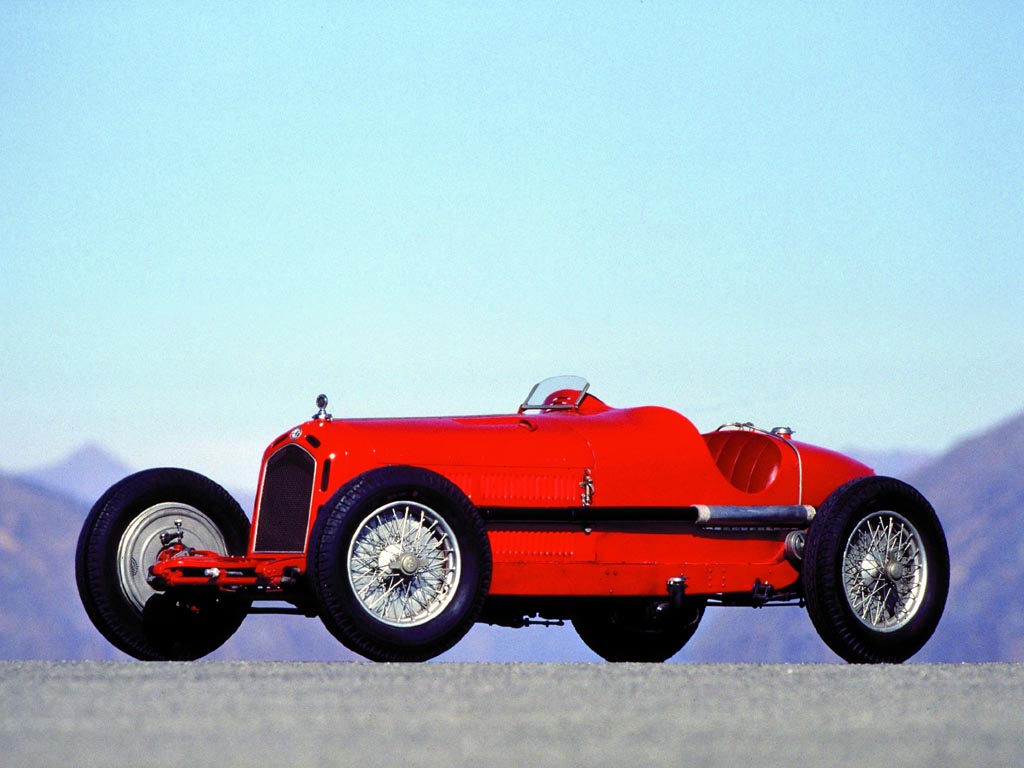
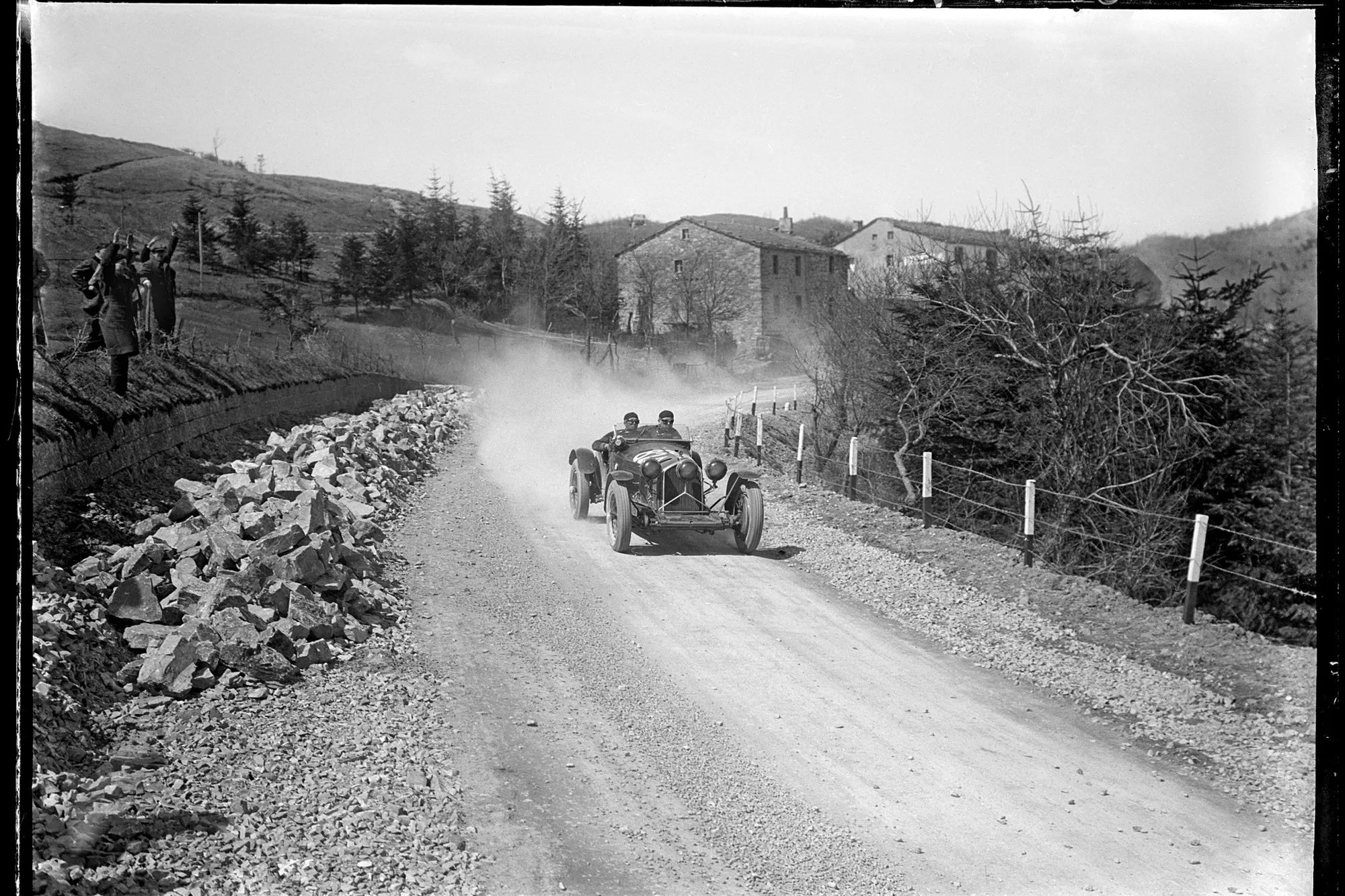
In the early 1930s, the continent of Europe was shrouded in the gloom of economic depression, yet the racetracks of the world were roaring with an unprecedented, golden era of mechanical escalation. Alfa Romeo had already cemented its reputation for producing sublime, nimble sports cars with Vittorio Jano’s legendary 6C 1750, a machine that danced across the Mille Miglia with grace. However, the international motorsport landscape was rapidly changing. The lightweight 6C was increasingly outgunned by the terrifying, supercharged brute force of the Ferdinand Porsche-designed Mercedes-Benz SSK and the exquisite, twin-cam technical perfection of Ettore Bugatti’s Type 51. Recognizing that a radical leap in firepower was essential to maintain Alfa Romeo’s absolute supremacy, Jano returned to his drafting board in Milan. In 1931, he unleashed the 8C 2300, a vehicle that didn’t just meet the competition; it utterly annihilated it. The 8C 2300 generation was not a single monolithic model, but a versatile, world-beating platform divided into specific submodels tailored for distinct automotive warfare. There was the agile Corto (short wheelbase) intended for the tortuous mountain passes of the Mille Miglia and Targa Florio, the Lungo (long wheelbase) designed for high-speed stability at Le Mans and elegant coachbuilt touring, and finally, the mythical Monza—a stripped-back, two-seater Grand Prix weapon. Together, they formed an impenetrable armada that would dominate the decade.
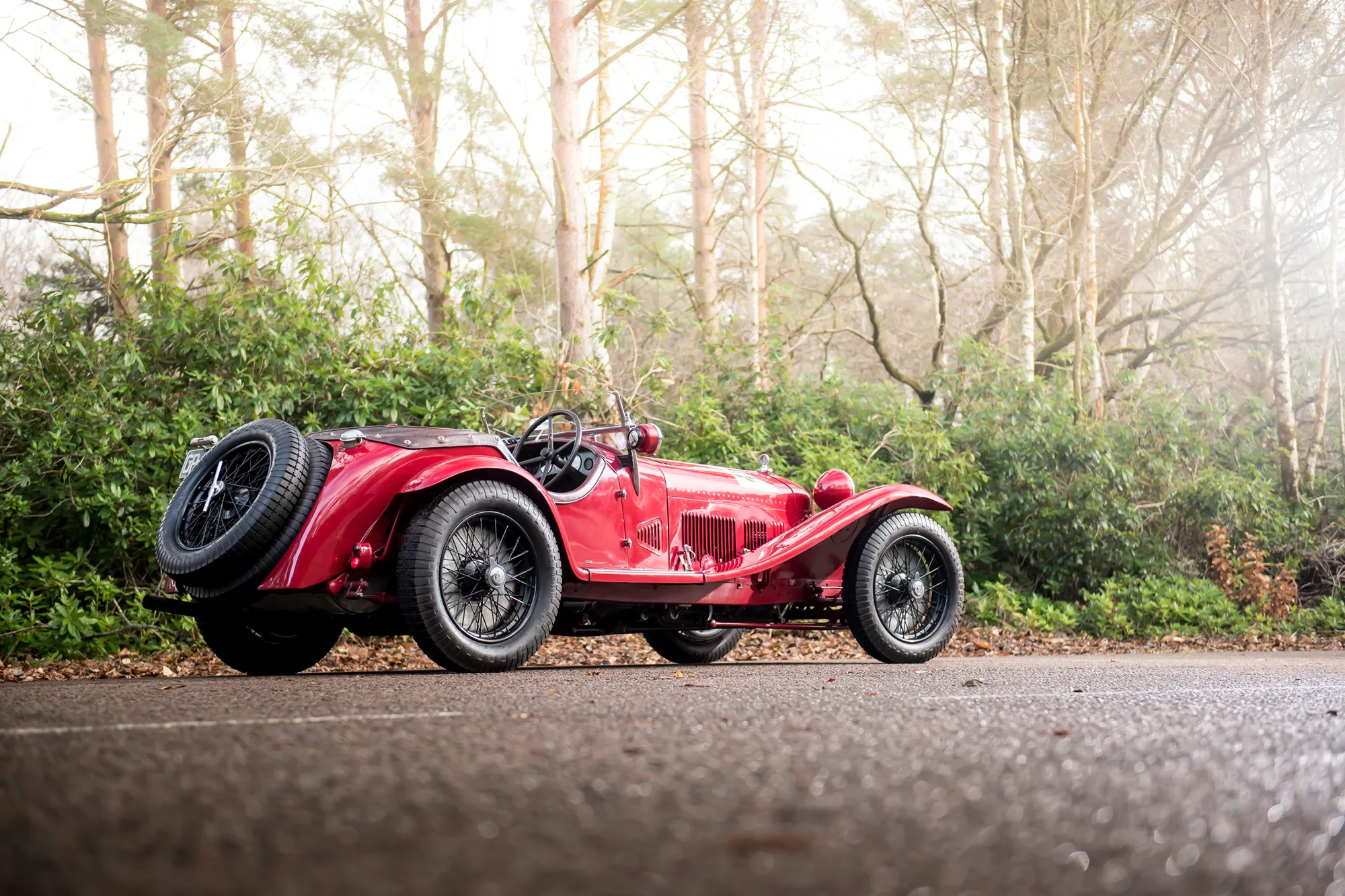
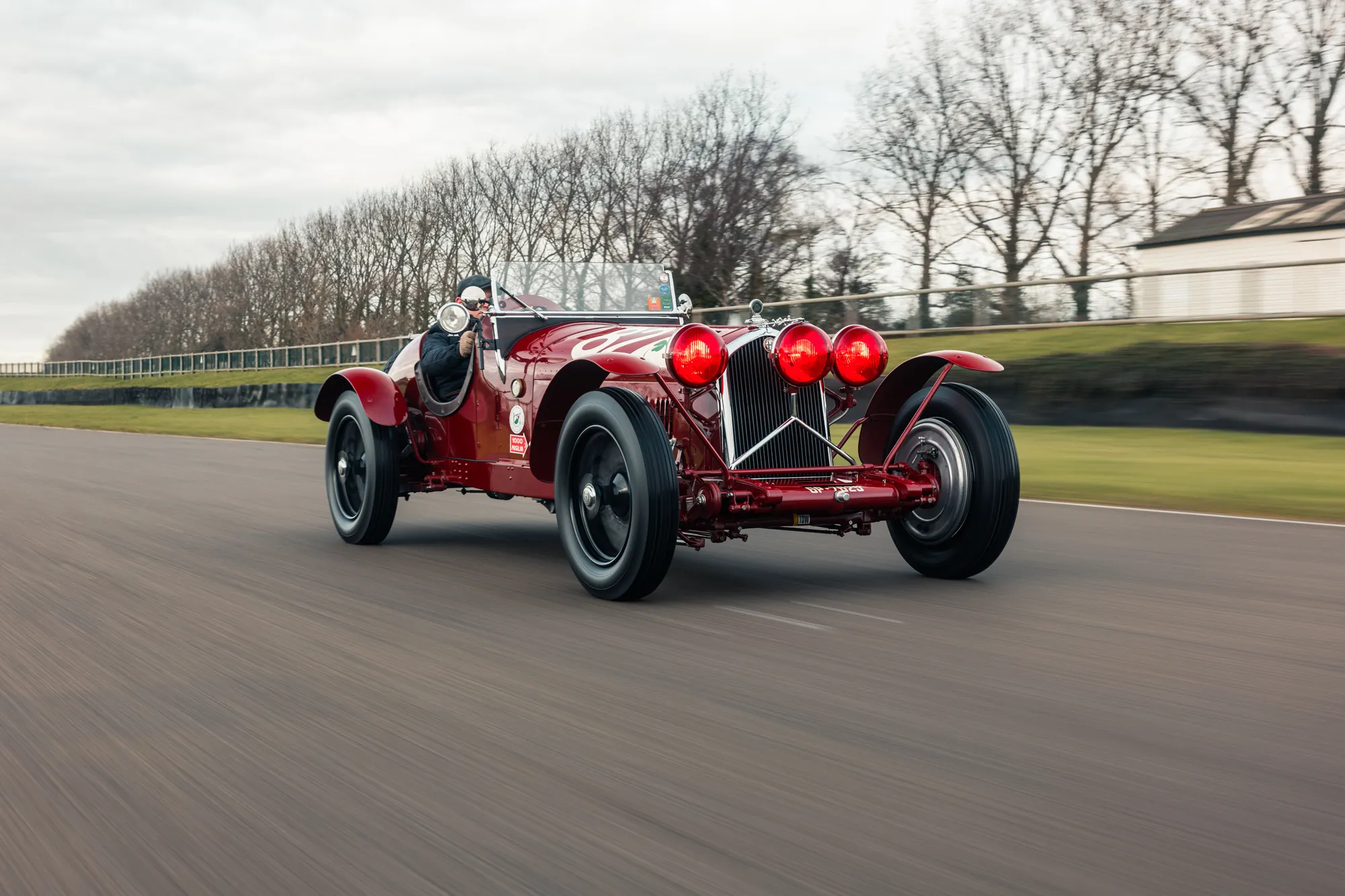
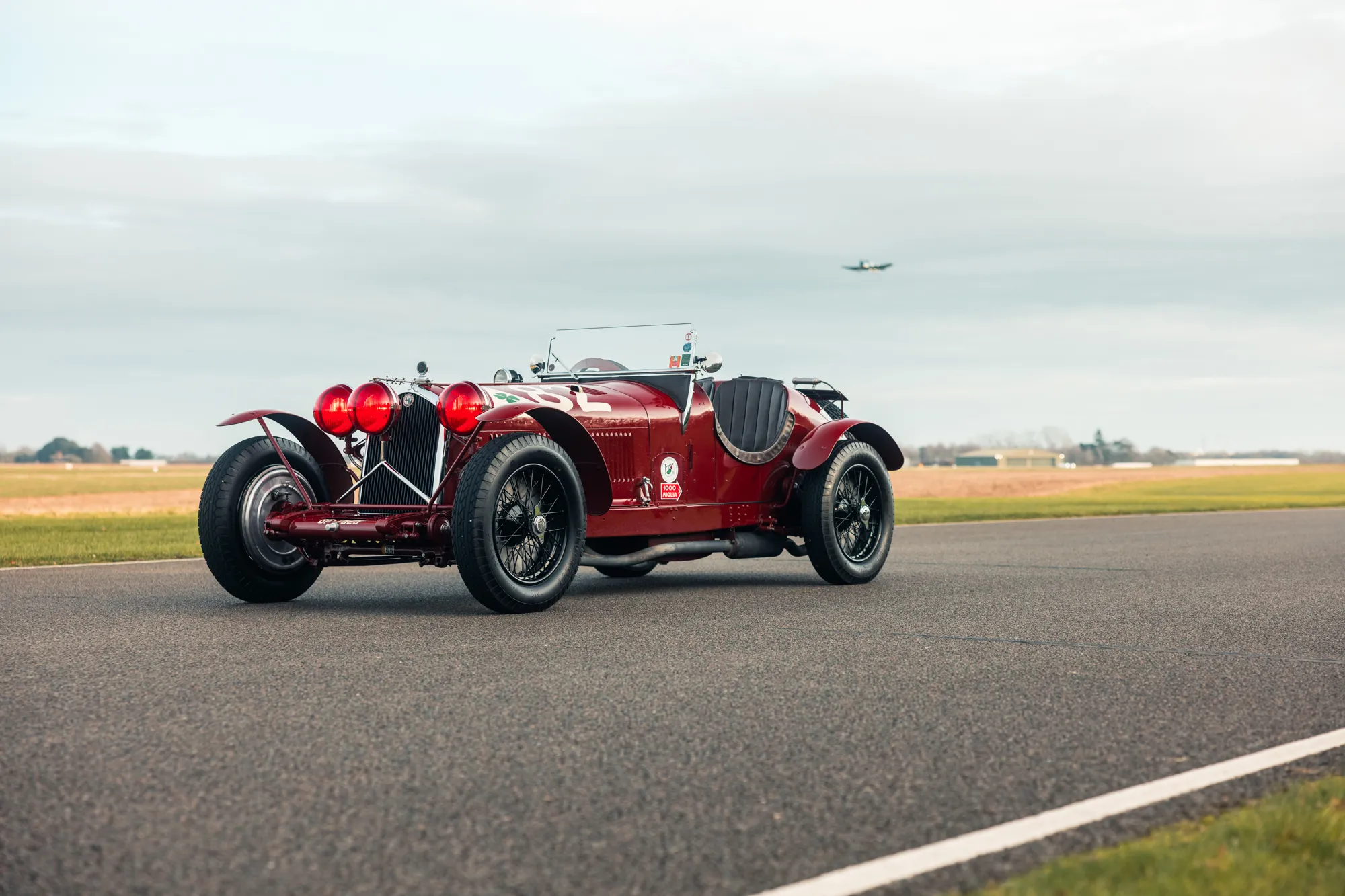
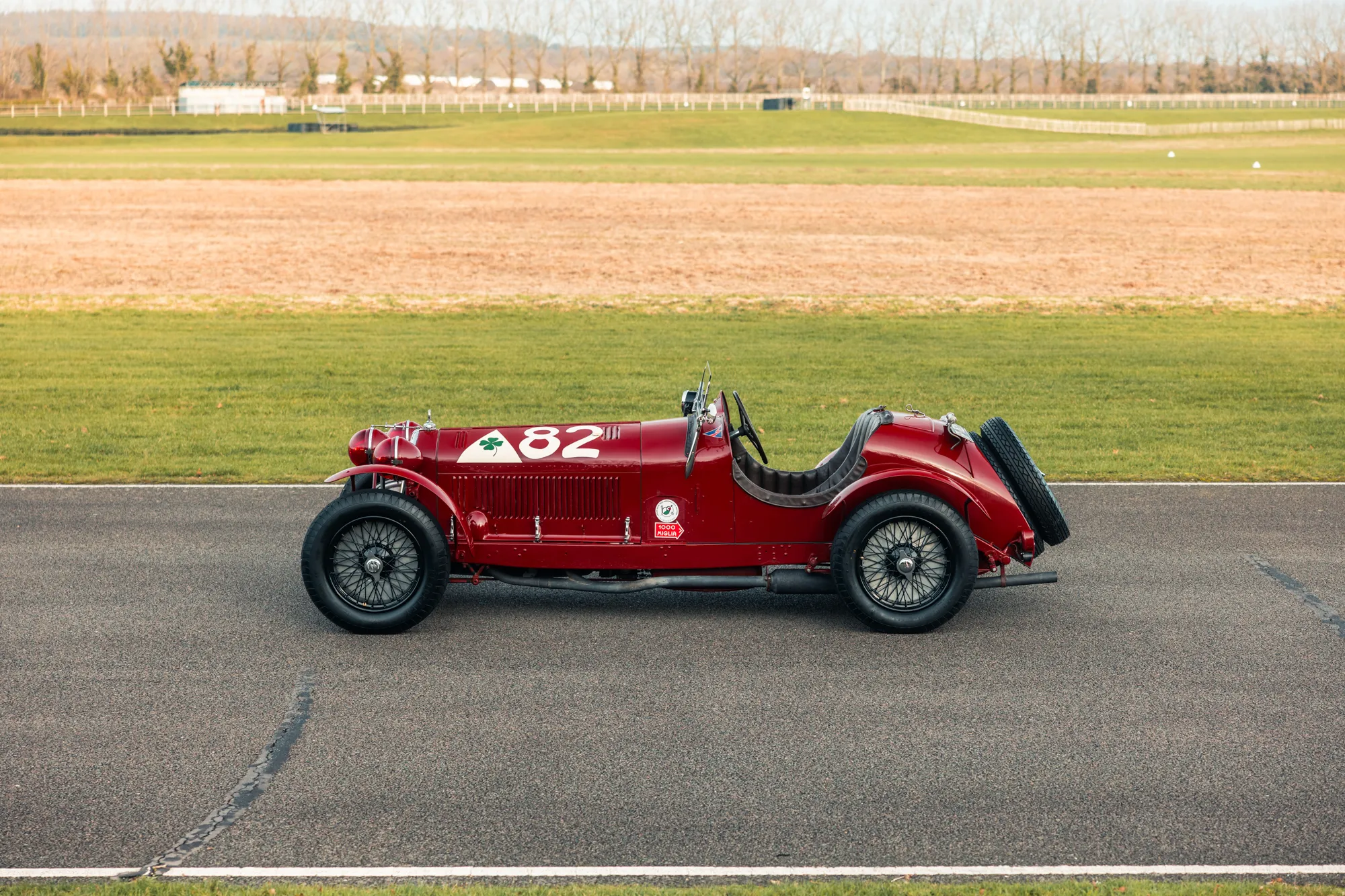
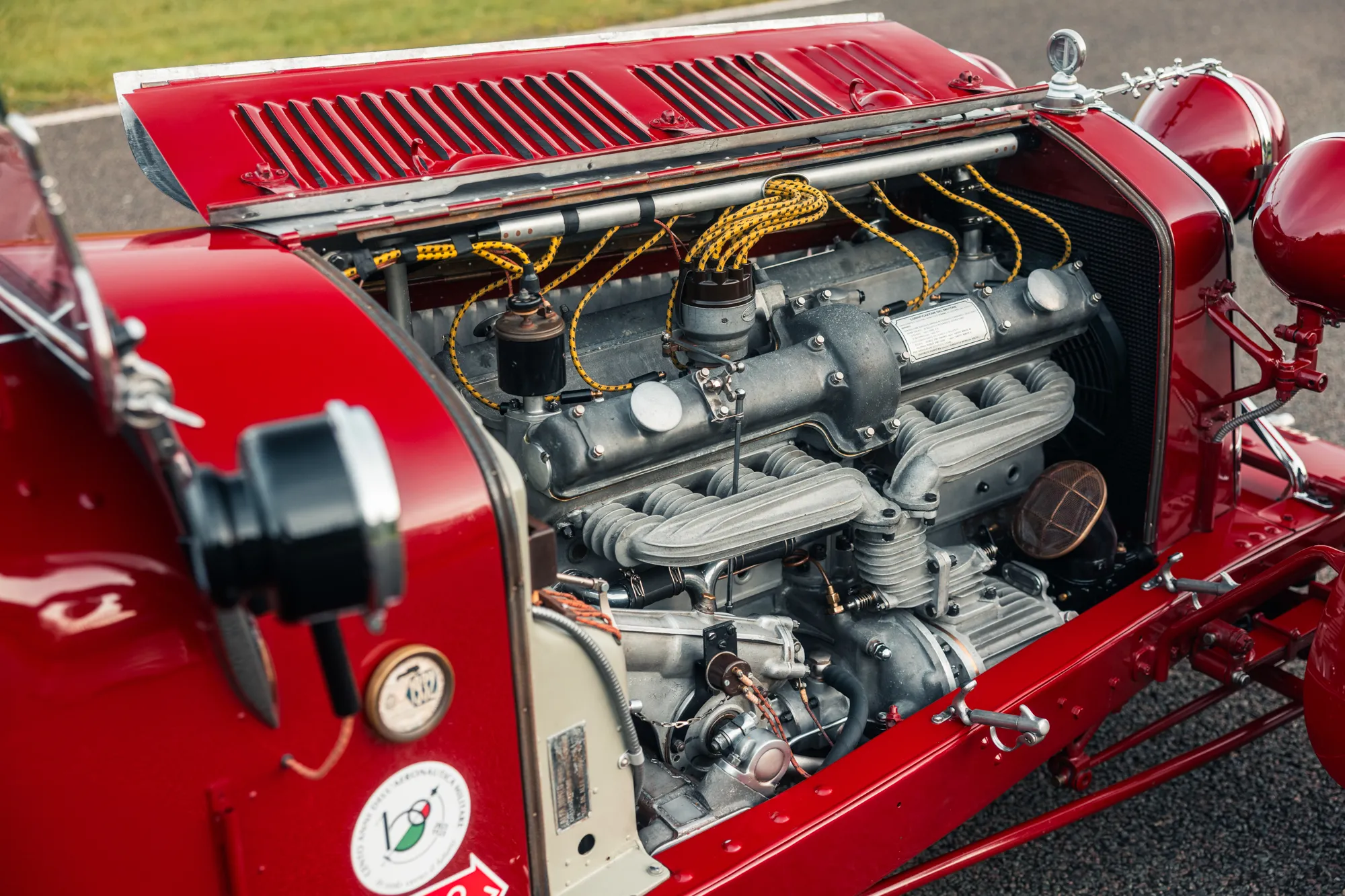
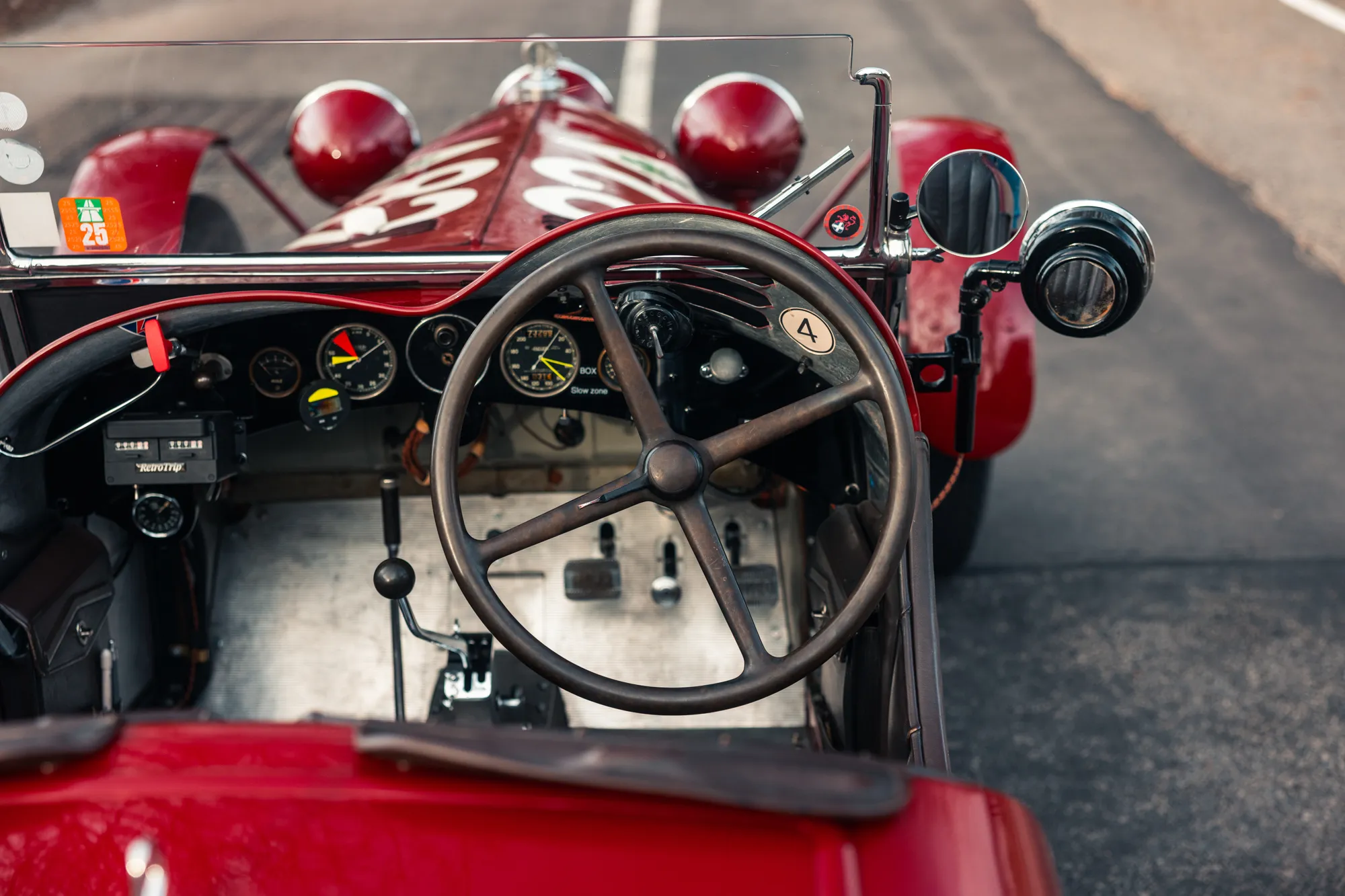
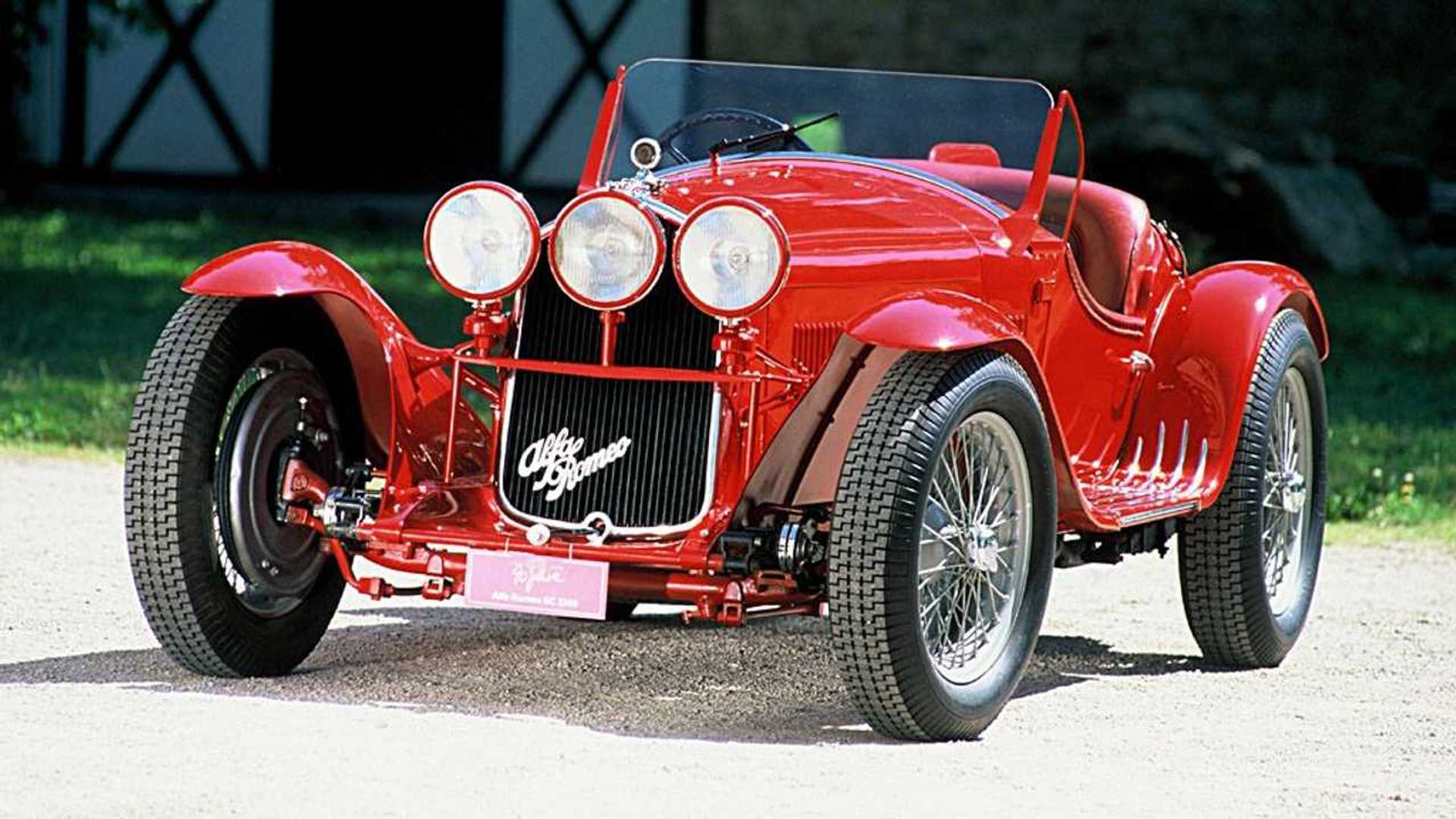
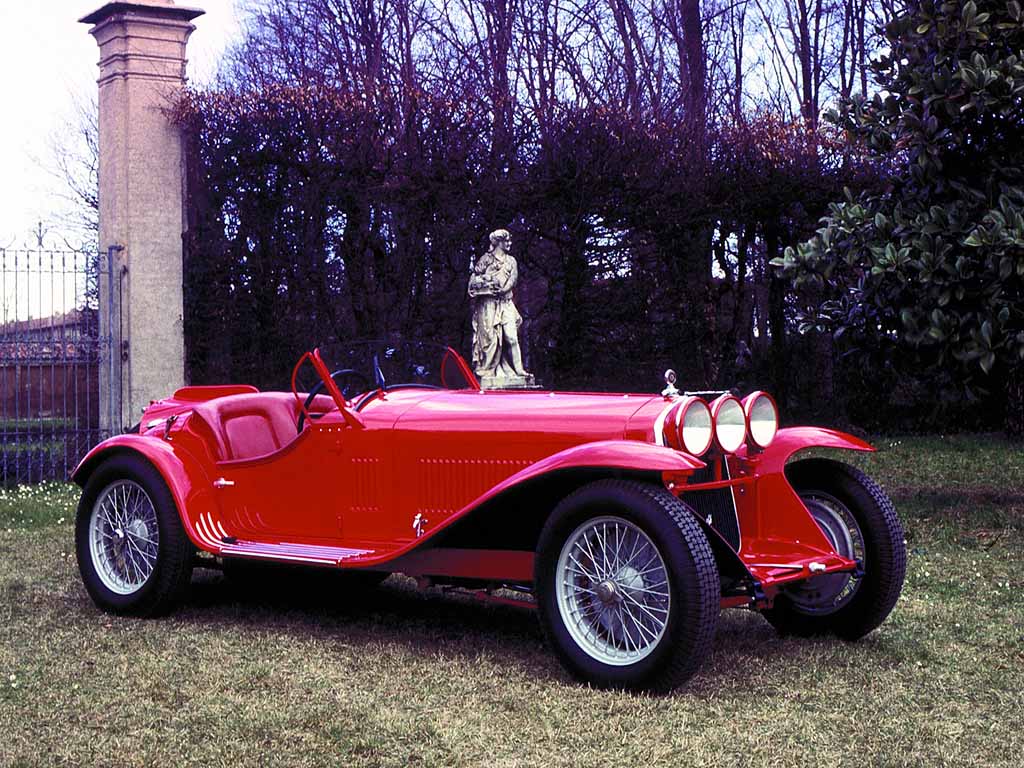
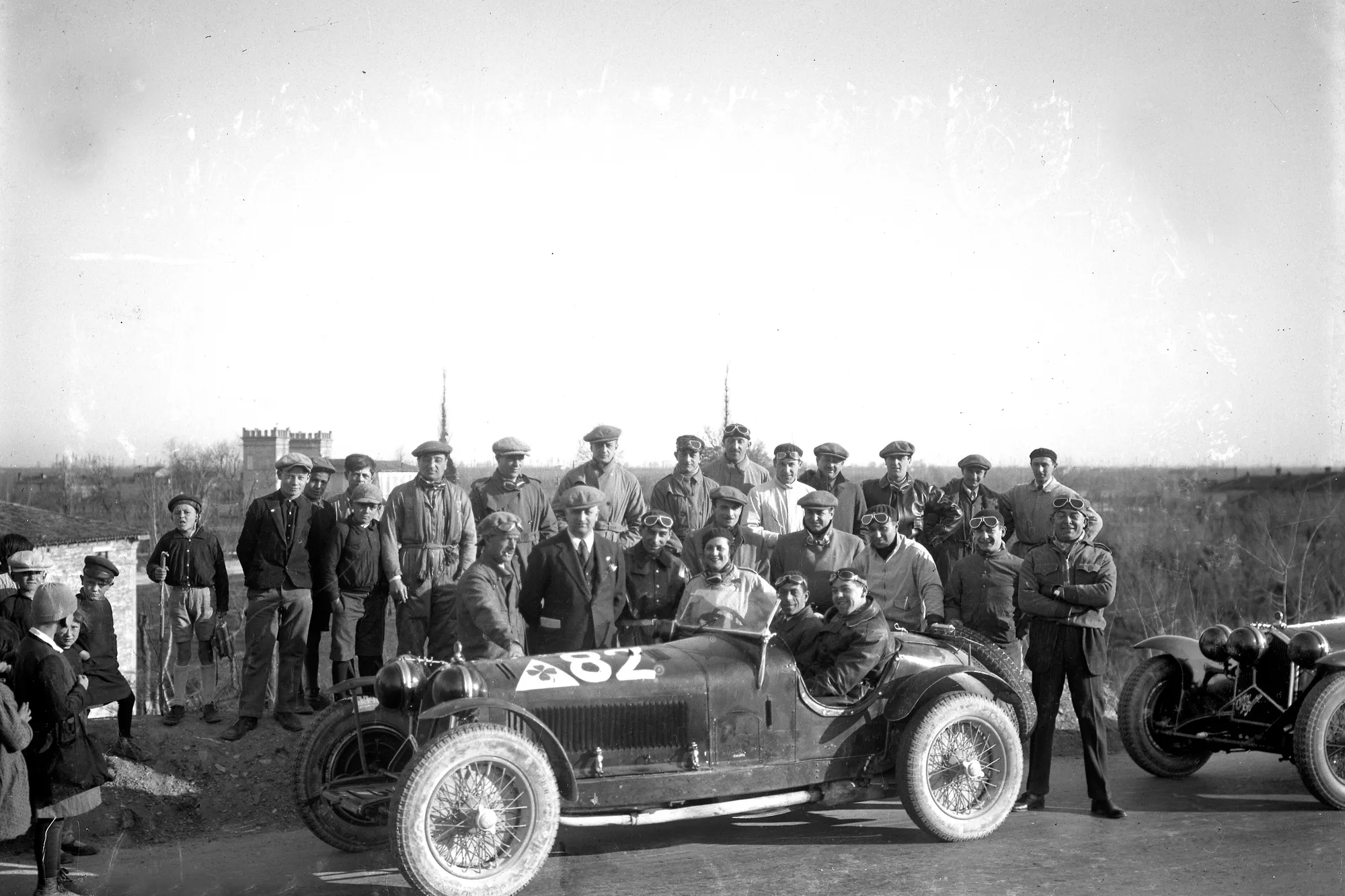
To peer beneath the long, leather-strapped, louvered bonnet of an 8C 2300 is to gaze upon one of the greatest internal combustion engines ever forged. Jano was acutely aware that traditional, long straight-eight crankshafts suffered from fatal torsional vibration at the high RPMs required for racing. His solution was an absolute masterstroke of engineering pragmatism. He essentially designed two separate four-cylinder aluminium blocks and bolted them together. Instead of driving the twin overhead camshafts and the Roots-type supercharger from the nose of the engine, he placed the complex gear train dead in the center, directly between the two blocks. This effectively split the crankshaft in two, neutralizing the destructive twisting forces and creating an engine that was unburstable. Displacing 2,336cc, this supercharged jewel produced an astonishing 140 brake horsepower in race trim, revving with a ferocious, whining mechanical crescendo. The chassis supporting this powerplant was a traditional, heavily braced steel ladder frame, suspended by rigid axles, semi-elliptic leaf springs, and damped by adjustable friction shock absorbers. Stopping the heavy machine from speeds well over 185 km/h (115 mph) relied on massive, beautifully cast, and heavily finned aluminium drum brakes operated by a complex network of rods and cables. The aesthetics of the 8C 2300 were dictated by the era’s finest carrozzerie. Carrozzeria Zagato crafted the functional, incredibly aggressive, and lightweight Spider bodies that became the definitive shape of the Corto racing cars, while Touring of Milan clothed the Lungo chassis in breathtakingly elegant coupe and four-seater Le Mans bodies, creating the ultimate status symbols for the pre-war elite.
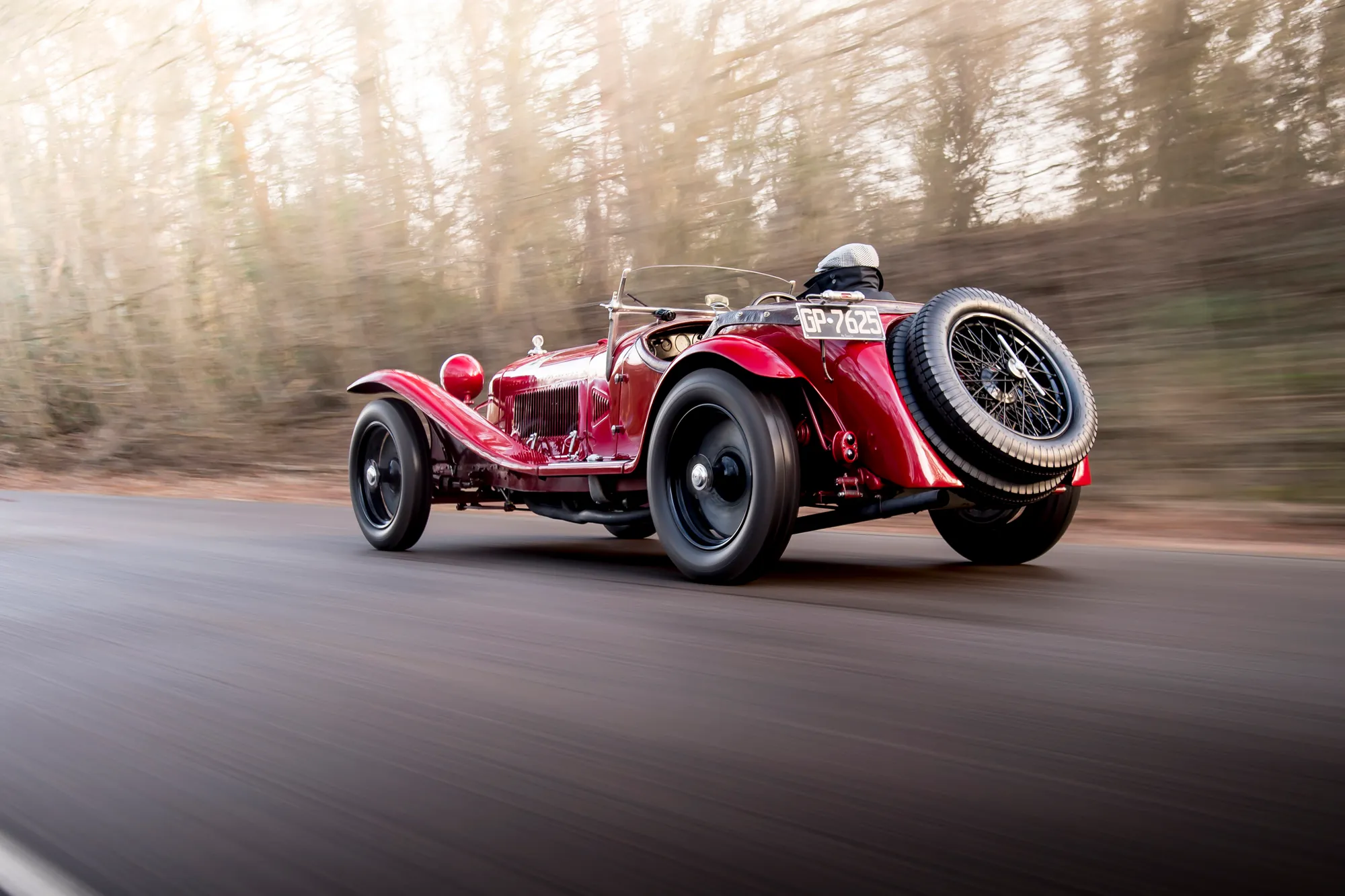
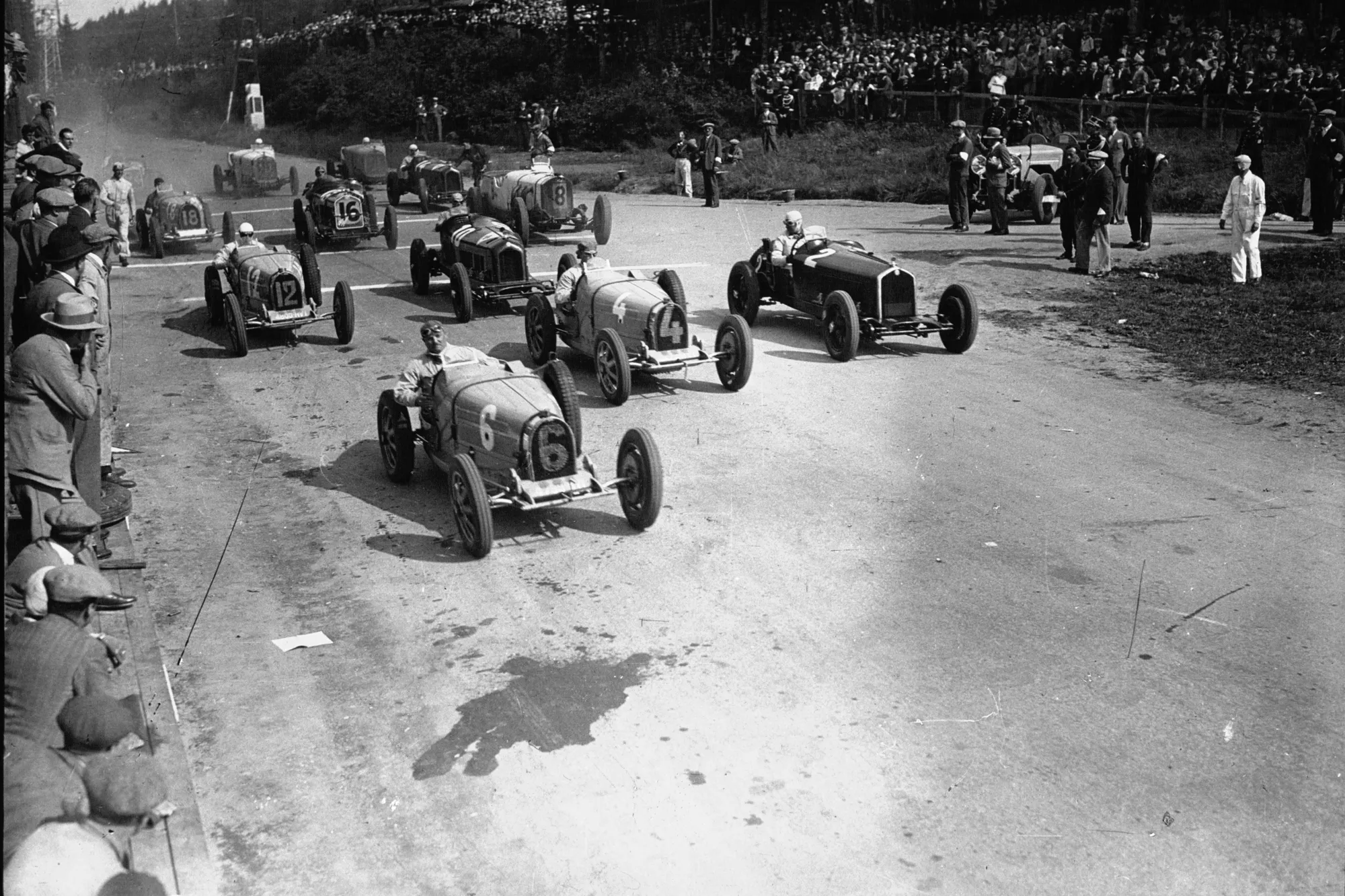
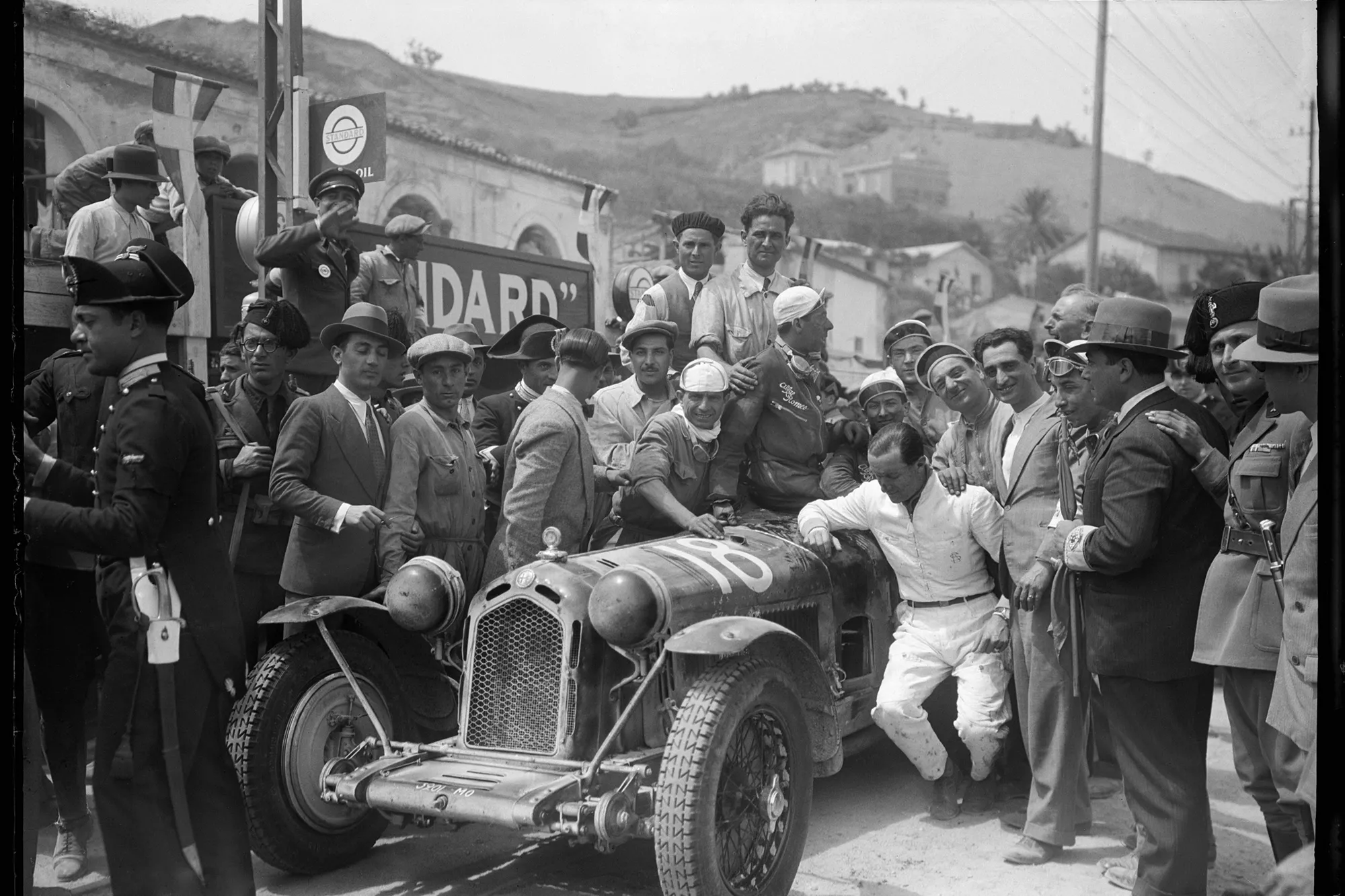
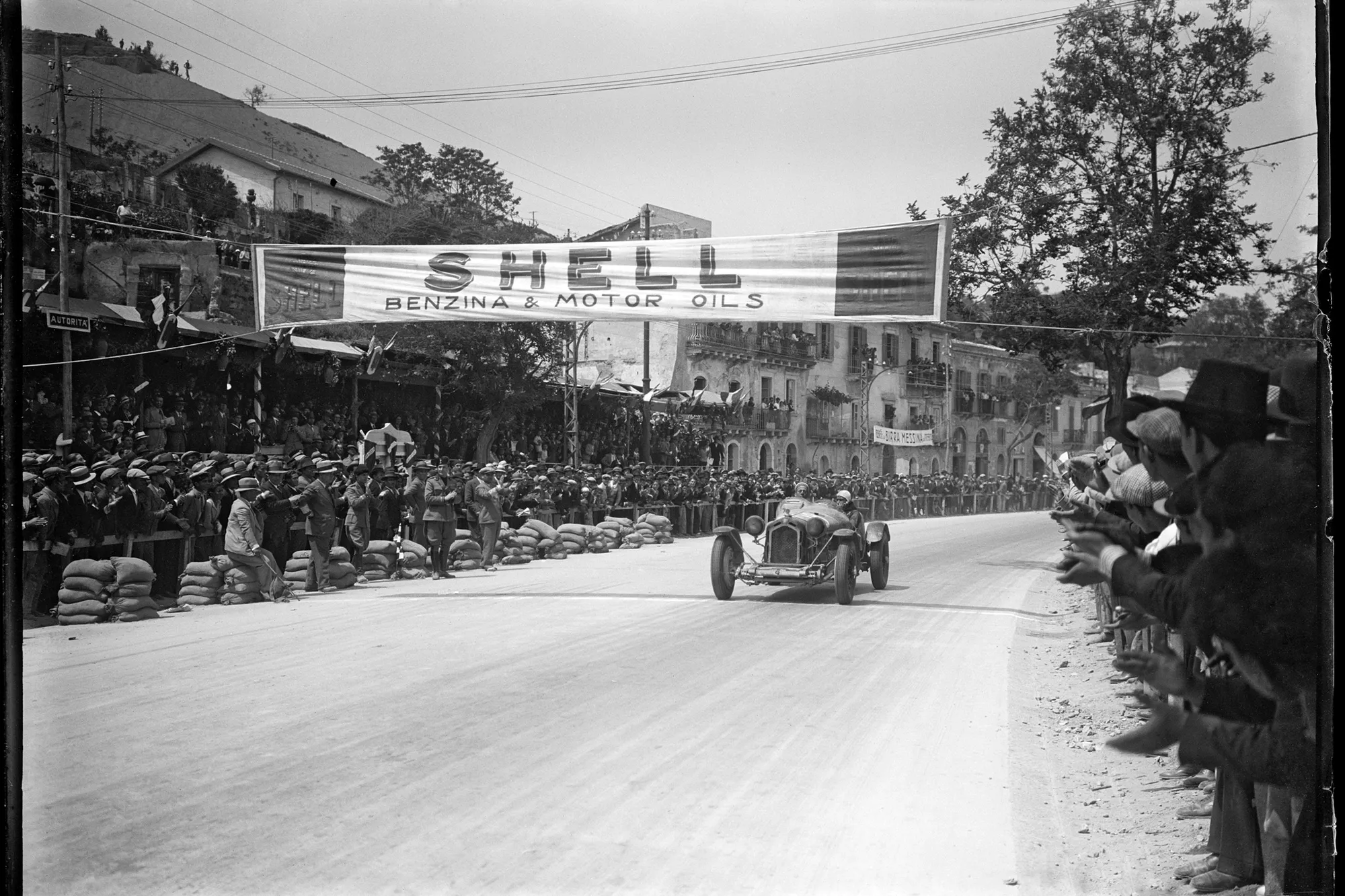
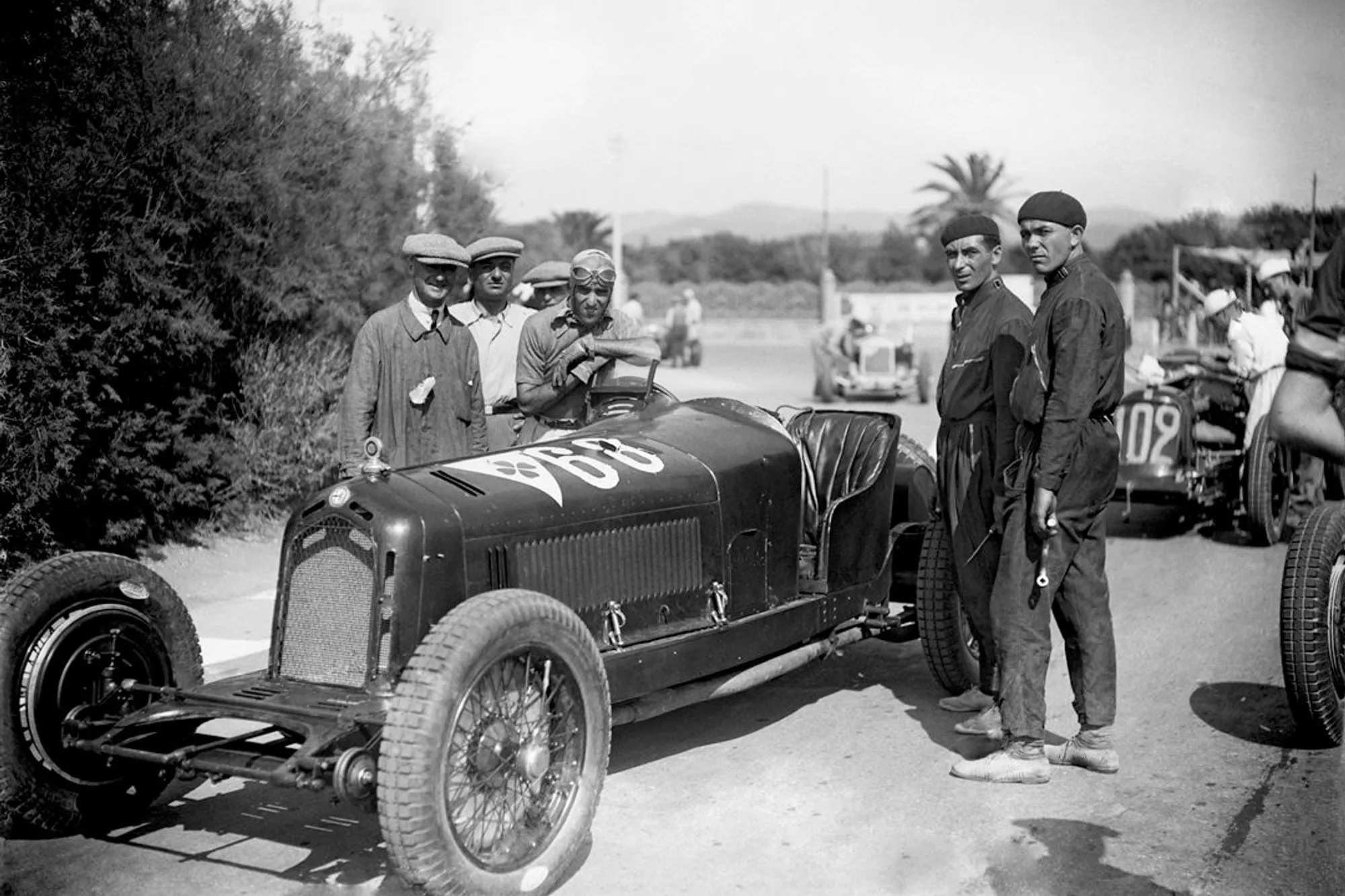
The competitive palmares of the 1931 Alfa Romeo 8C 2300 is not merely a list of victories; it is the foundational mythology of modern endurance racing. The car was a titan, arriving at the racetrack and instantly rendering its rivals obsolete. Its debut at the grueling 1931 Targa Florio resulted in a stunning outright victory, proving the ruggedness of Jano’s split-block design. But it was at the Circuit de la Sarthe where the 8C 2300 truly achieved immortality. In Lungo specification, the 8C completely conquered the 24 Hours of Le Mans, securing an unbelievable four consecutive overall victories from 1931 to 1934. It was piloted by the heroic endurance specialists of the era, including Lord Howe, Sir Henry Birkin, Raymond Sommer, and Luigi Chinetti. Back in Italy, the 8C 2300 became the weapon of choice for a man named Enzo Ferrari, who was managing Alfa Romeo’s racing efforts under his Scuderia Ferrari banner, adorning the cars with the now-legendary Prancing Horse. Under Ferrari’s watchful eye, the 8C dominated the Mille Miglia. Yet, no driver is more intrinsically linked to the 8C 2300 than the ‘Flying Mantuan’ Tazio Nuvolari. His exploits in the stripped-down, lightweight 8C 2300 Monza are legendary, highlighted by his staggering victory at the 1932 Monaco Grand Prix, where he manhandled the heavy Alfa through the tight streets to defeat the favored Bugatti Type 51s.
The legacy of the 1931 Alfa Romeo 8C 2300 occupies the absolute highest echelon of the automotive pantheon. It was the crucial evolutionary step that validated Vittorio Jano’s straight-eight architecture, directly paving the way for the larger 8C 2600 and the immortal Tipo B (P3) Monoposto that would rule Grand Prix racing before the arrival of the German Silver Arrows. It proved that a sports car could be elegant enough for the concours lawn in Paris, yet rugged enough to survive 24 hours of flat-out abuse at Le Mans. Today, the 8C 2300 is unquestionable blue-chip royalty, commanding eight-figure sums at auction and serving as the absolute centerpiece of the world’s most prestigious automotive collections. It remains a visceral, supercharged time machine, encapsulating the danger, the romance, and the unadulterated engineering brilliance of Alfa Romeo’s greatest era.
Portal
Model line
Model generation
Brand
Produced from
Vehicle category
Generation Overview
In the early 1930s, the continent of Europe was shrouded in the gloom of economic depression, yet the racetracks of the world were roaring with an unprecedented, golden era of mechanical escalation. Alfa Romeo had already cemented its reputation for producing sublime, nimble sports cars with Vittorio Jano’s legendary 6C 1750, a machine that danced across the Mille Miglia with grace. However, the international motorsport landscape was rapidly changing. The lightweight 6C was increasingly outgunned by the terrifying, supercharged brute force of the Ferdinand Porsche-designed Mercedes-Benz SSK and the exquisite, twin-cam technical perfection of Ettore Bugatti’s Type 51. Recognizing that a radical leap in firepower was essential to maintain Alfa Romeo’s absolute supremacy, Jano returned to his drafting board in Milan. In 1931, he unleashed the 8C 2300, a vehicle that didn’t just meet the competition; it utterly annihilated it. The 8C 2300 generation was not a single monolithic model, but a versatile, world-beating platform divided into specific submodels tailored for distinct automotive warfare. There was the agile Corto (short wheelbase) intended for the tortuous mountain passes of the Mille Miglia and Targa Florio, the Lungo (long wheelbase) designed for high-speed stability at Le Mans and elegant coachbuilt touring, and finally, the mythical Monza—a stripped-back, two-seater Grand Prix weapon. Together, they formed an impenetrable armada that would dominate the decade.
To peer beneath the long, leather-strapped, louvered bonnet of an 8C 2300 is to gaze upon one of the greatest internal combustion engines ever forged. Jano was acutely aware that traditional, long straight-eight crankshafts suffered from fatal torsional vibration at the high RPMs required for racing. His solution was an absolute masterstroke of engineering pragmatism. He essentially designed two separate four-cylinder aluminium blocks and bolted them together. Instead of driving the twin overhead camshafts and the Roots-type supercharger from the nose of the engine, he placed the complex gear train dead in the center, directly between the two blocks. This effectively split the crankshaft in two, neutralizing the destructive twisting forces and creating an engine that was unburstable. Displacing 2,336cc, this supercharged jewel produced an astonishing 140 brake horsepower in race trim, revving with a ferocious, whining mechanical crescendo. The chassis supporting this powerplant was a traditional, heavily braced steel ladder frame, suspended by rigid axles, semi-elliptic leaf springs, and damped by adjustable friction shock absorbers. Stopping the heavy machine from speeds well over 185 km/h (115 mph) relied on massive, beautifully cast, and heavily finned aluminium drum brakes operated by a complex network of rods and cables. The aesthetics of the 8C 2300 were dictated by the era’s finest carrozzerie. Carrozzeria Zagato crafted the functional, incredibly aggressive, and lightweight Spider bodies that became the definitive shape of the Corto racing cars, while Touring of Milan clothed the Lungo chassis in breathtakingly elegant coupe and four-seater Le Mans bodies, creating the ultimate status symbols for the pre-war elite.
The competitive palmares of the 1931 Alfa Romeo 8C 2300 is not merely a list of victories; it is the foundational mythology of modern endurance racing. The car was a titan, arriving at the racetrack and instantly rendering its rivals obsolete. Its debut at the grueling 1931 Targa Florio resulted in a stunning outright victory, proving the ruggedness of Jano’s split-block design. But it was at the Circuit de la Sarthe where the 8C 2300 truly achieved immortality. In Lungo specification, the 8C completely conquered the 24 Hours of Le Mans, securing an unbelievable four consecutive overall victories from 1931 to 1934. It was piloted by the heroic endurance specialists of the era, including Lord Howe, Sir Henry Birkin, Raymond Sommer, and Luigi Chinetti. Back in Italy, the 8C 2300 became the weapon of choice for a man named Enzo Ferrari, who was managing Alfa Romeo’s racing efforts under his Scuderia Ferrari banner, adorning the cars with the now-legendary Prancing Horse. Under Ferrari’s watchful eye, the 8C dominated the Mille Miglia. Yet, no driver is more intrinsically linked to the 8C 2300 than the ‘Flying Mantuan’ Tazio Nuvolari. His exploits in the stripped-down, lightweight 8C 2300 Monza are legendary, highlighted by his staggering victory at the 1932 Monaco Grand Prix, where he manhandled the heavy Alfa through the tight streets to defeat the favored Bugatti Type 51s.
The legacy of the 1931 Alfa Romeo 8C 2300 occupies the absolute highest echelon of the automotive pantheon. It was the crucial evolutionary step that validated Vittorio Jano’s straight-eight architecture, directly paving the way for the larger 8C 2600 and the immortal Tipo B (P3) Monoposto that would rule Grand Prix racing before the arrival of the German Silver Arrows. It proved that a sports car could be elegant enough for the concours lawn in Paris, yet rugged enough to survive 24 hours of flat-out abuse at Le Mans. Today, the 8C 2300 is unquestionable blue-chip royalty, commanding eight-figure sums at auction and serving as the absolute centerpiece of the world’s most prestigious automotive collections. It remains a visceral, supercharged time machine, encapsulating the danger, the romance, and the unadulterated engineering brilliance of Alfa Romeo’s greatest era.
Submodels