
BMW M3 GTR (PTG)

Brand
Produced from
Portal
Vehicle category
Model line
Model generation
Predecessor
Successor
Submodel Overview
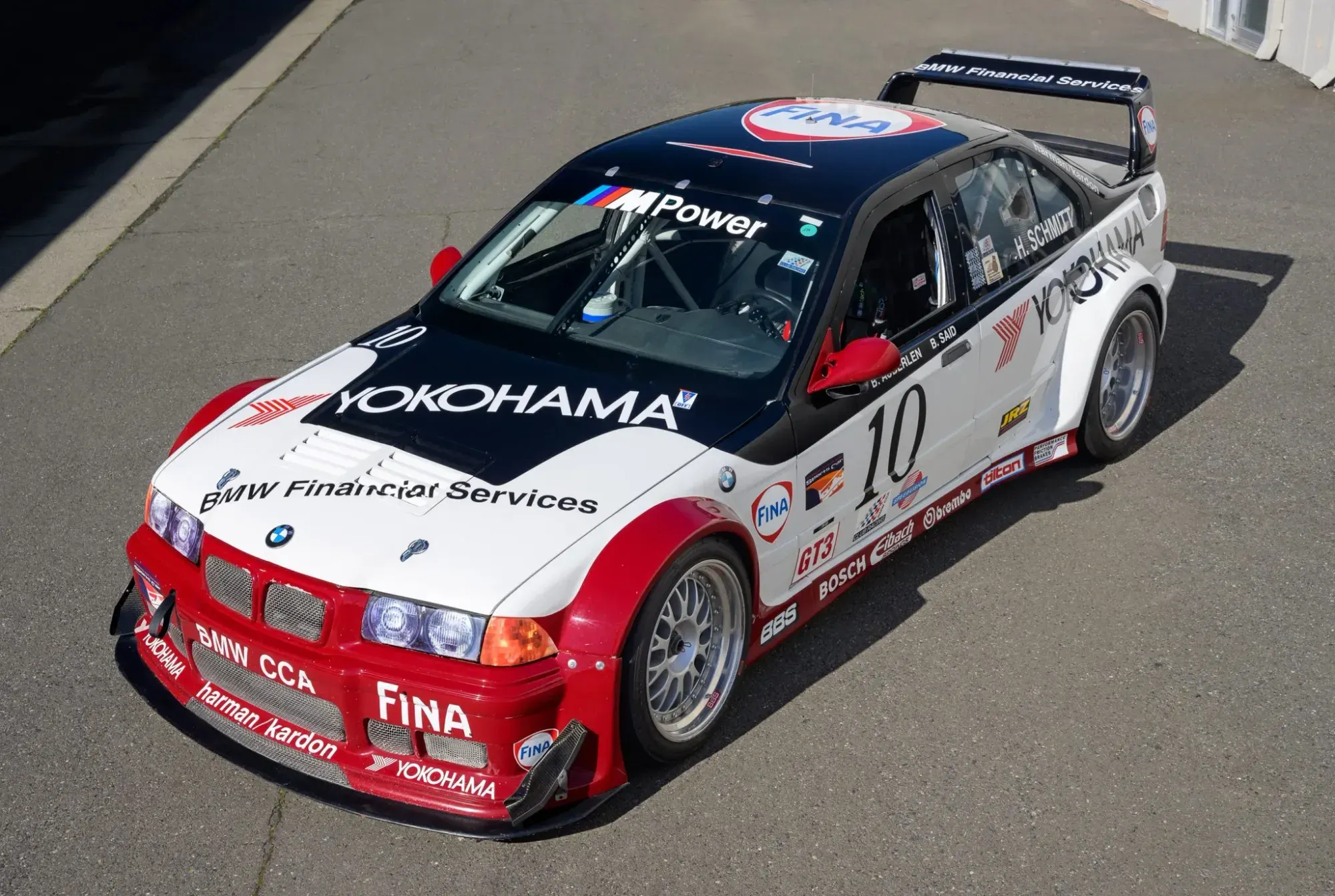
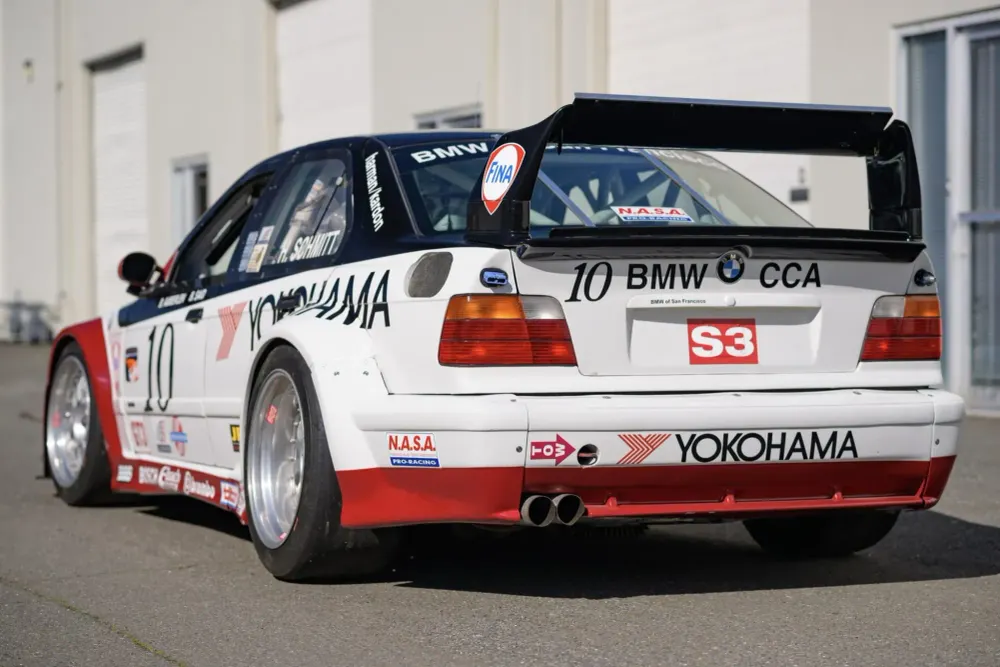
Dawn at the Daytona International Speedway, 1997. The humid Florida air shatters as a screaming, metallic howl tears through the high banking. This is no ordinary executive coupé; this is the BMW M3 GTR PTG, an unhinged Bavarian weapon forged in America. By the mid-1990s, BMW urgently needed to ignite United States sales of its new E36-generation M3. The shadow cast by its predecessor, the legendary E30 M3, was suffocatingly long; that four-cylinder homologation special had dominated global touring car championships and IMSA grids alike. Purists dismissed the heavier, six-cylinder E36 as a “bourgeois” cruiser. Munich needed to prove them wrong, forging an alliance with Tom Milner and his Prototype Technology Group (PTG) in Virginia. Their target for the 1995 IMSA GTS-2 championship was a viper’s nest. The GTR PTG was designed with a singular, ruthless objective: to destroy the absolute hegemony of the untouchable Porsche 911 (993) Carrera RSR and keep the ferociously fast rotary Mazda RX-7s at bay.
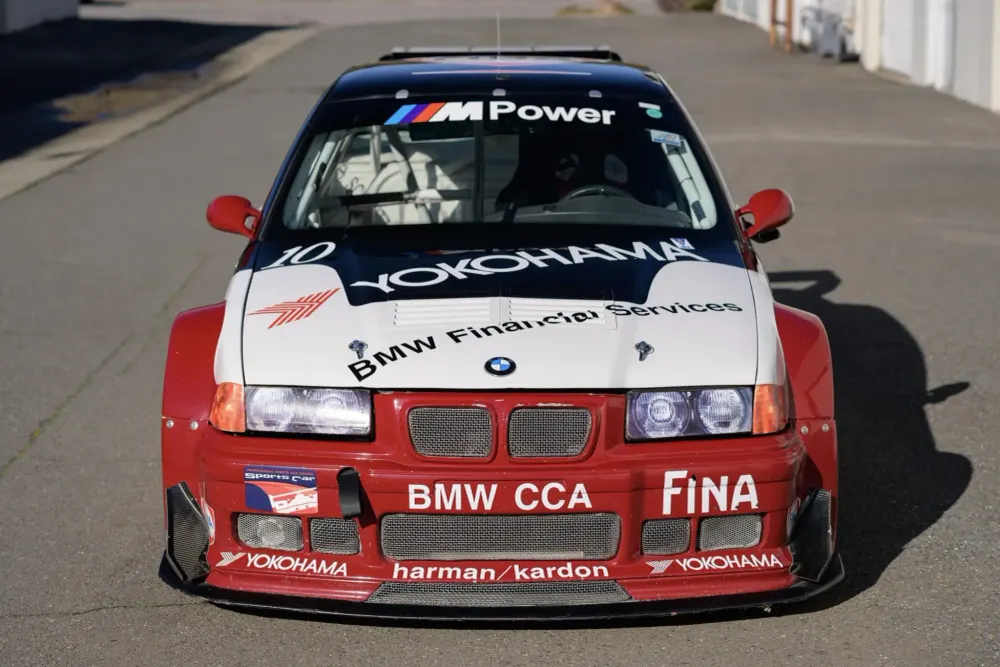
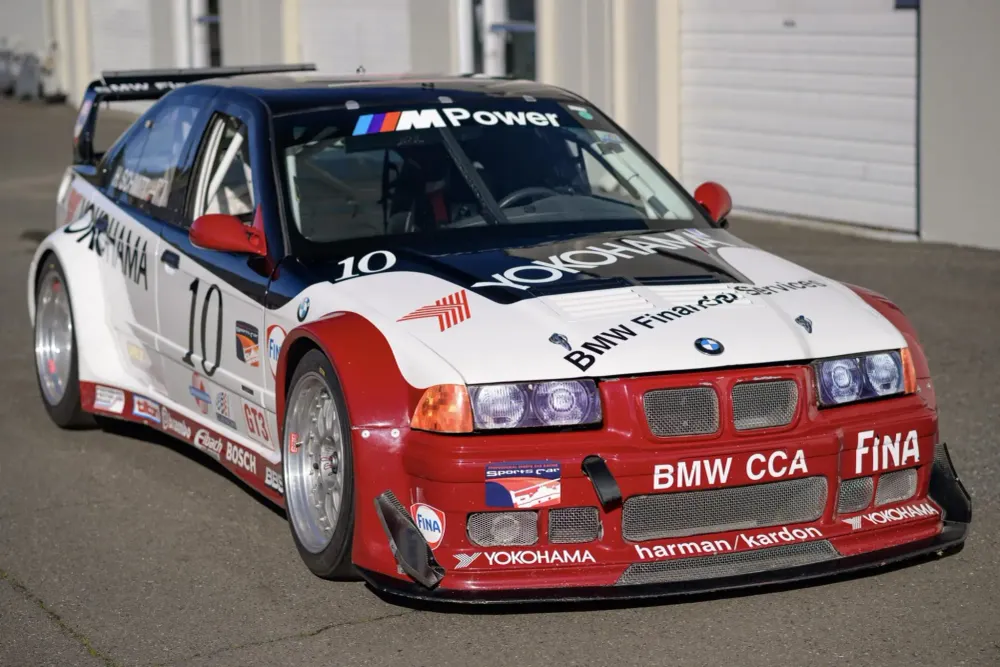
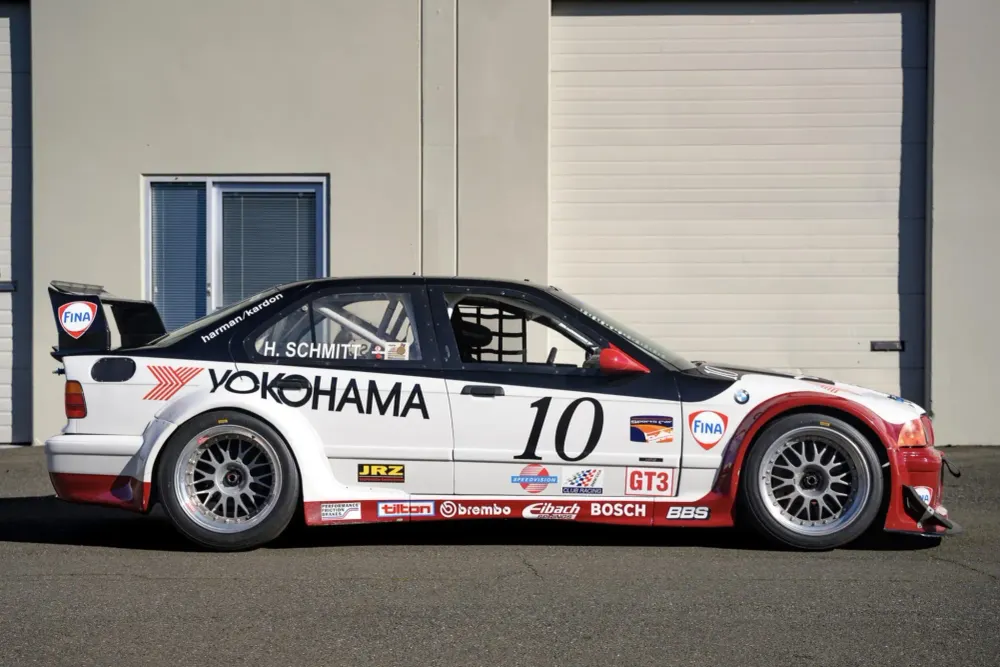
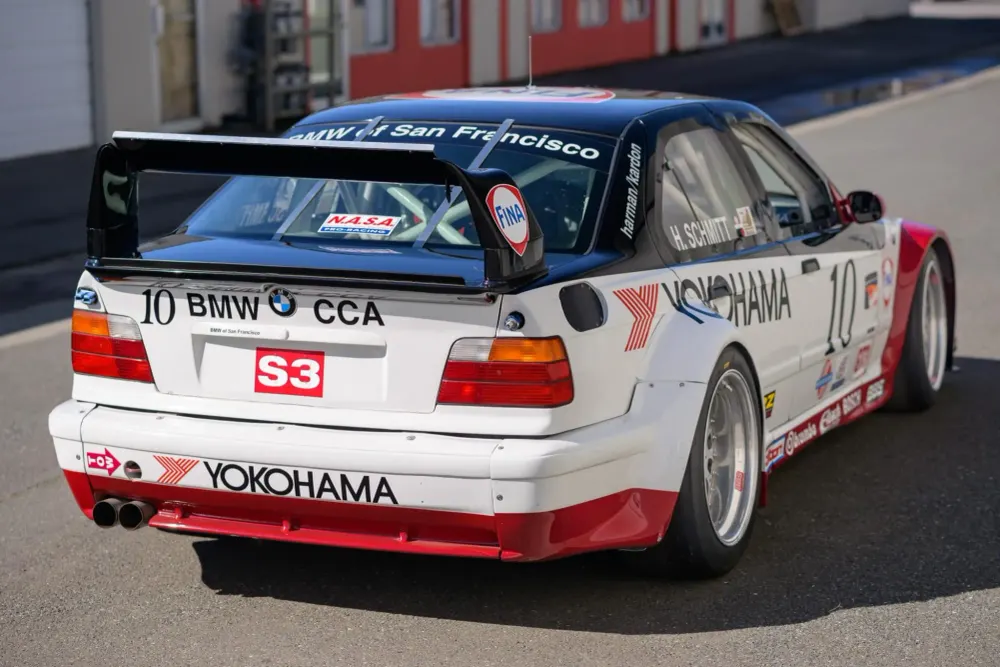
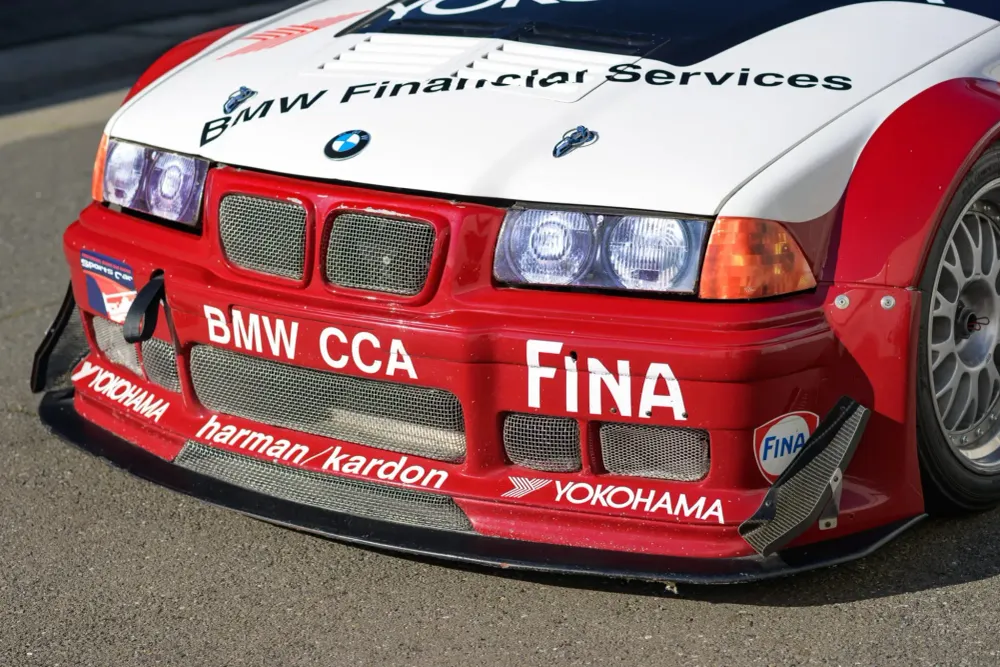
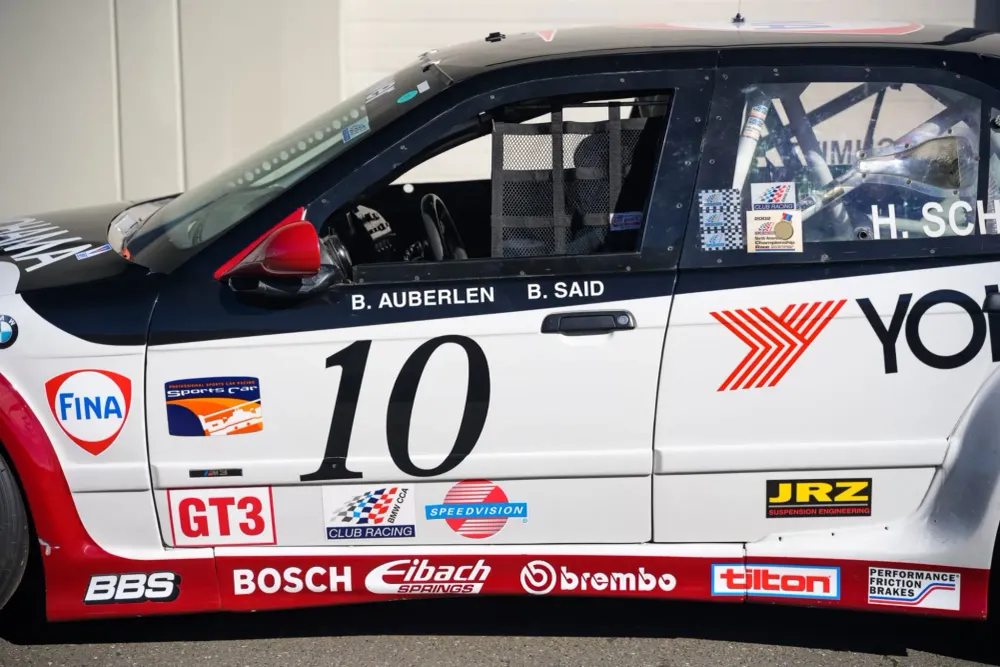
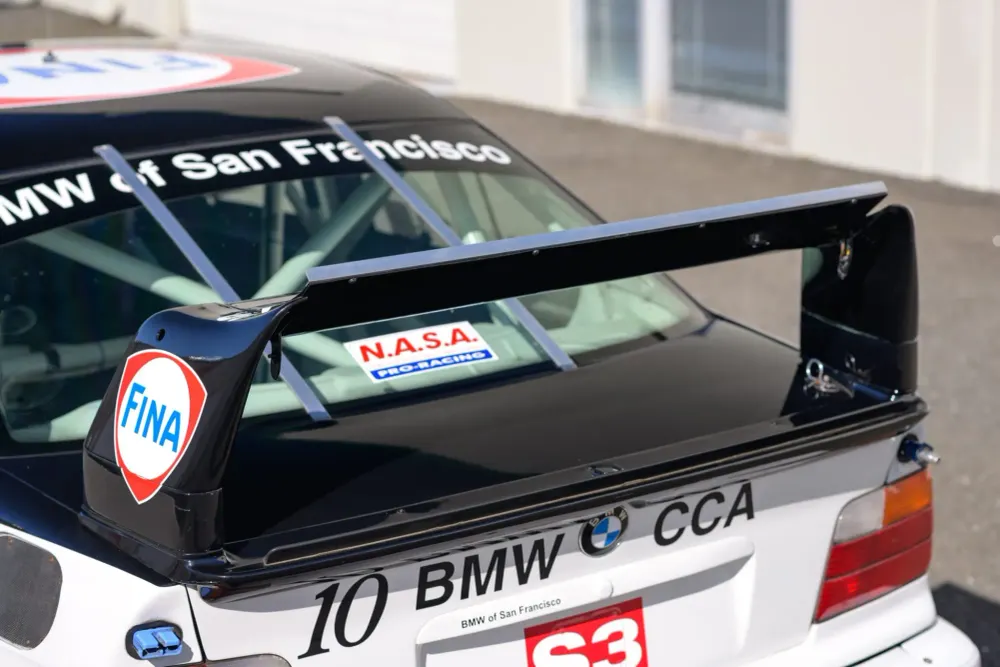
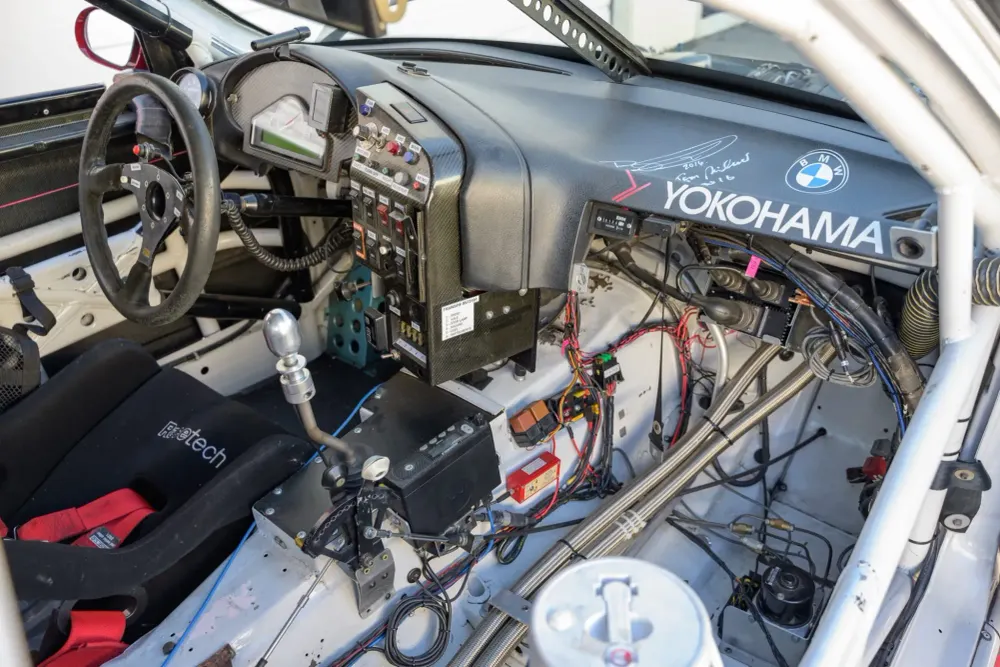
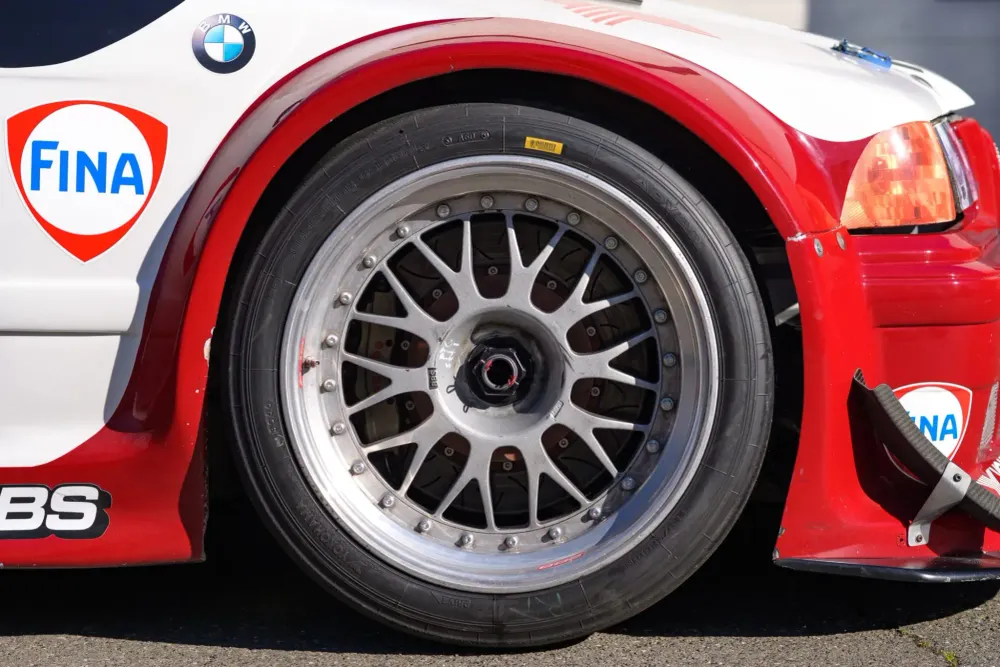
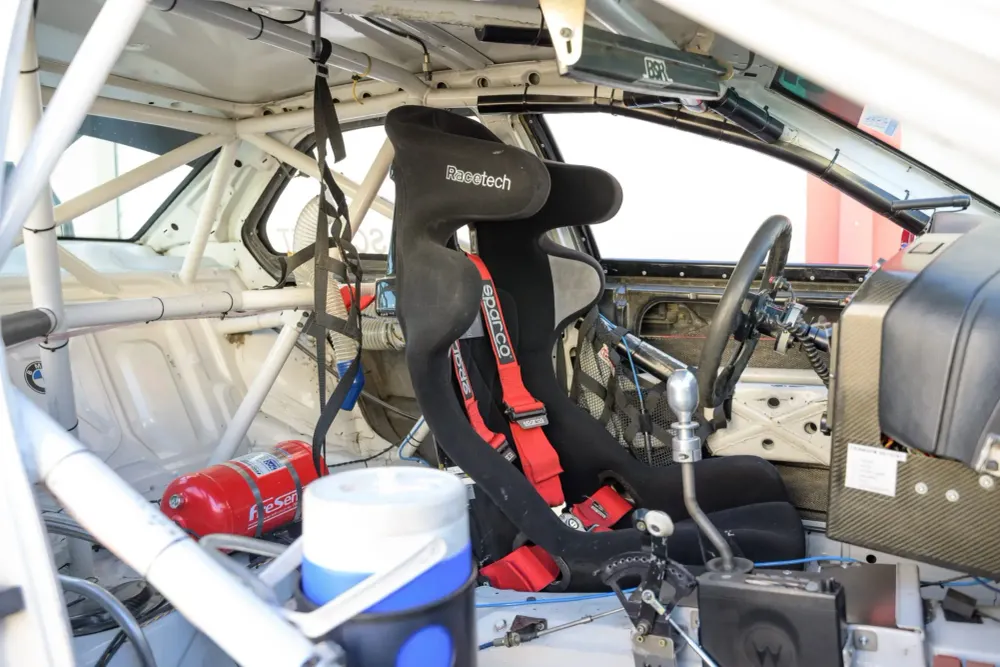
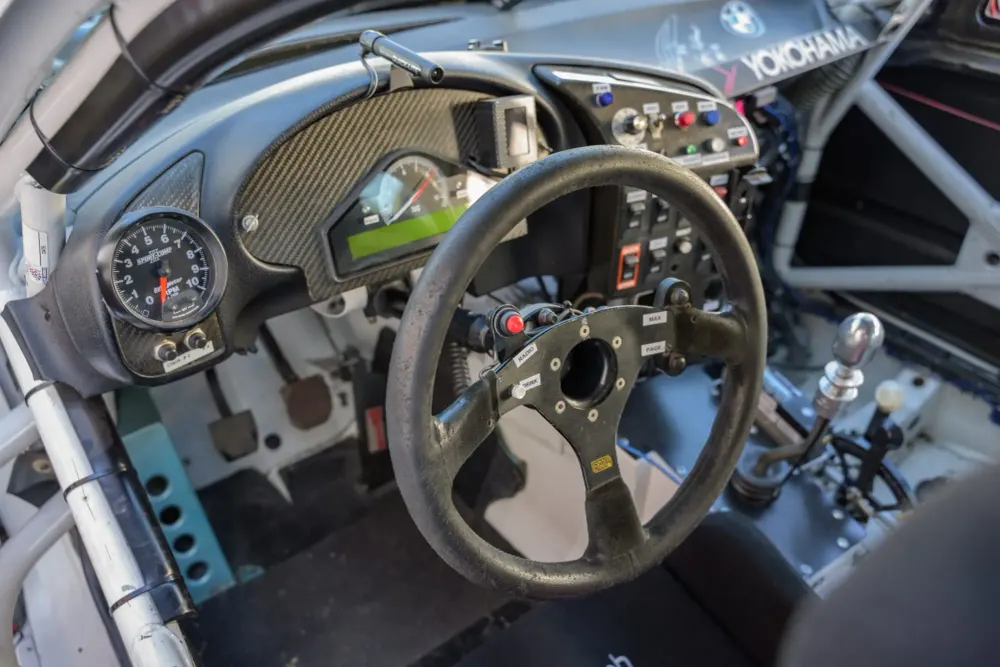
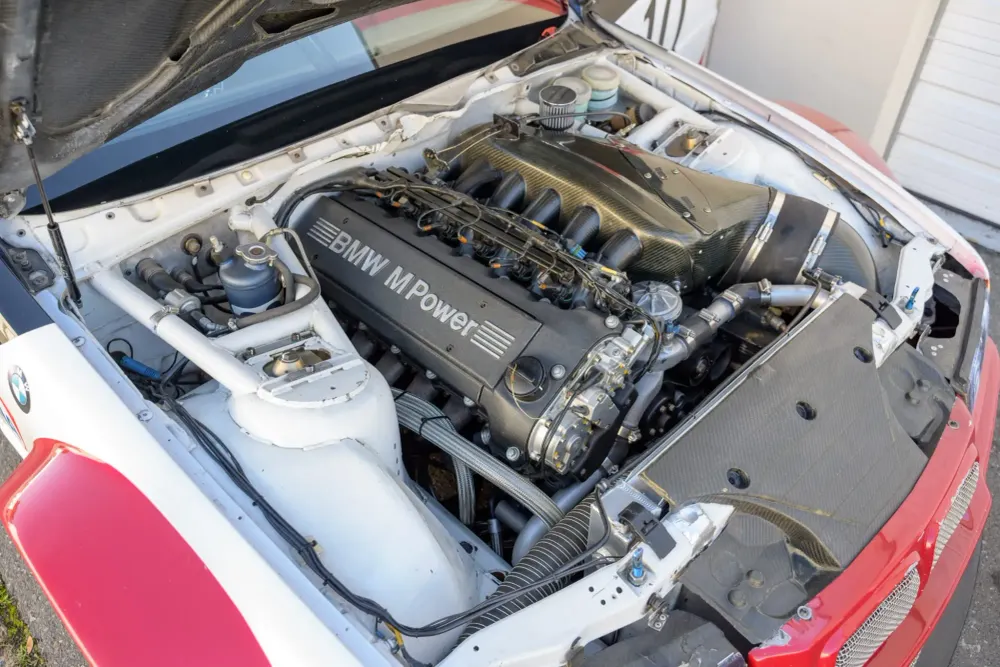
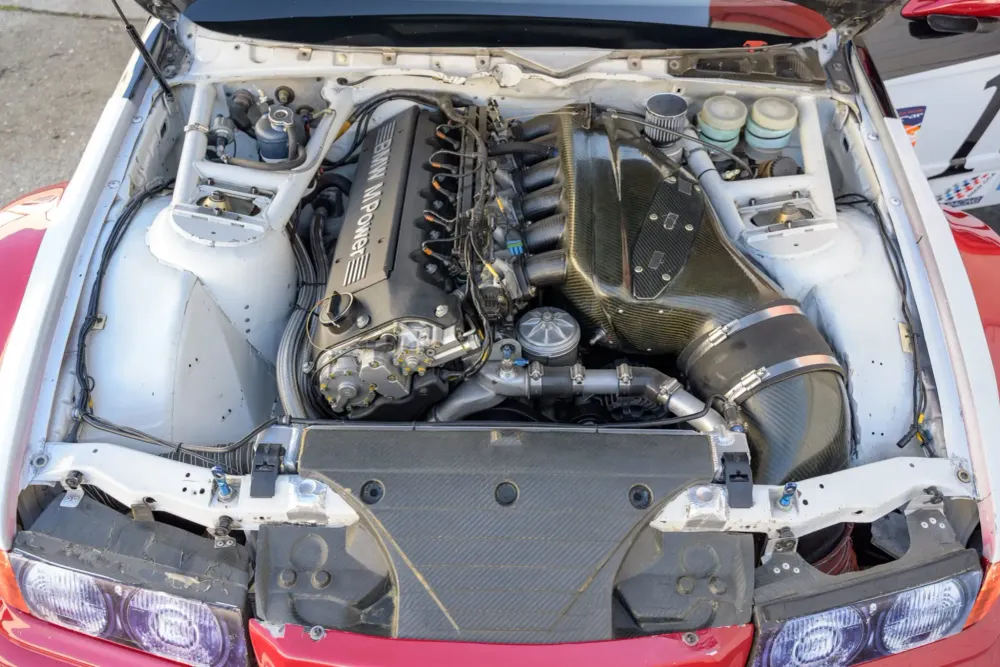
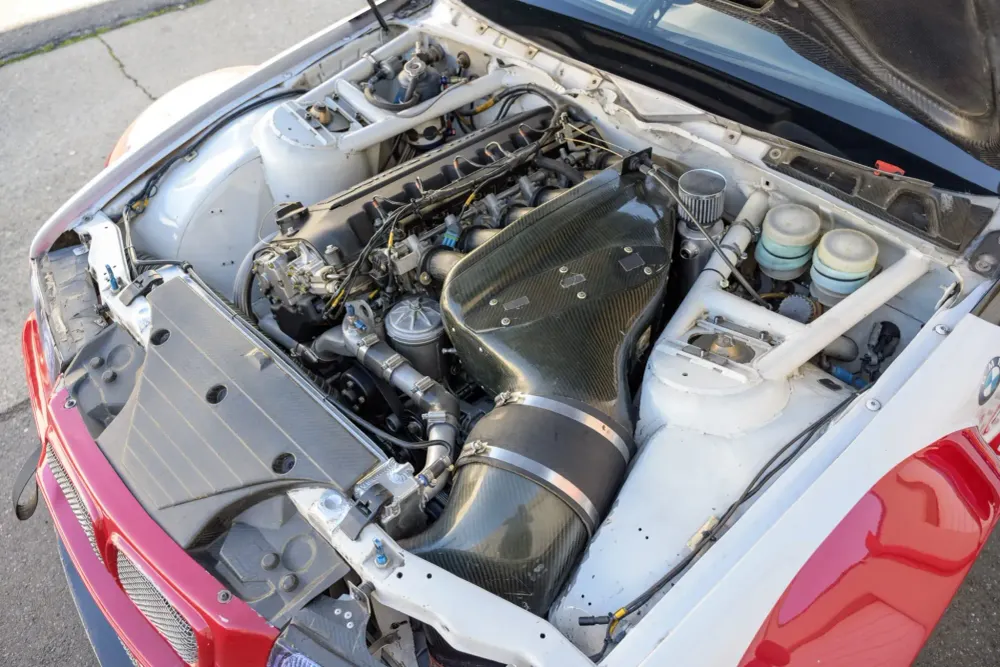
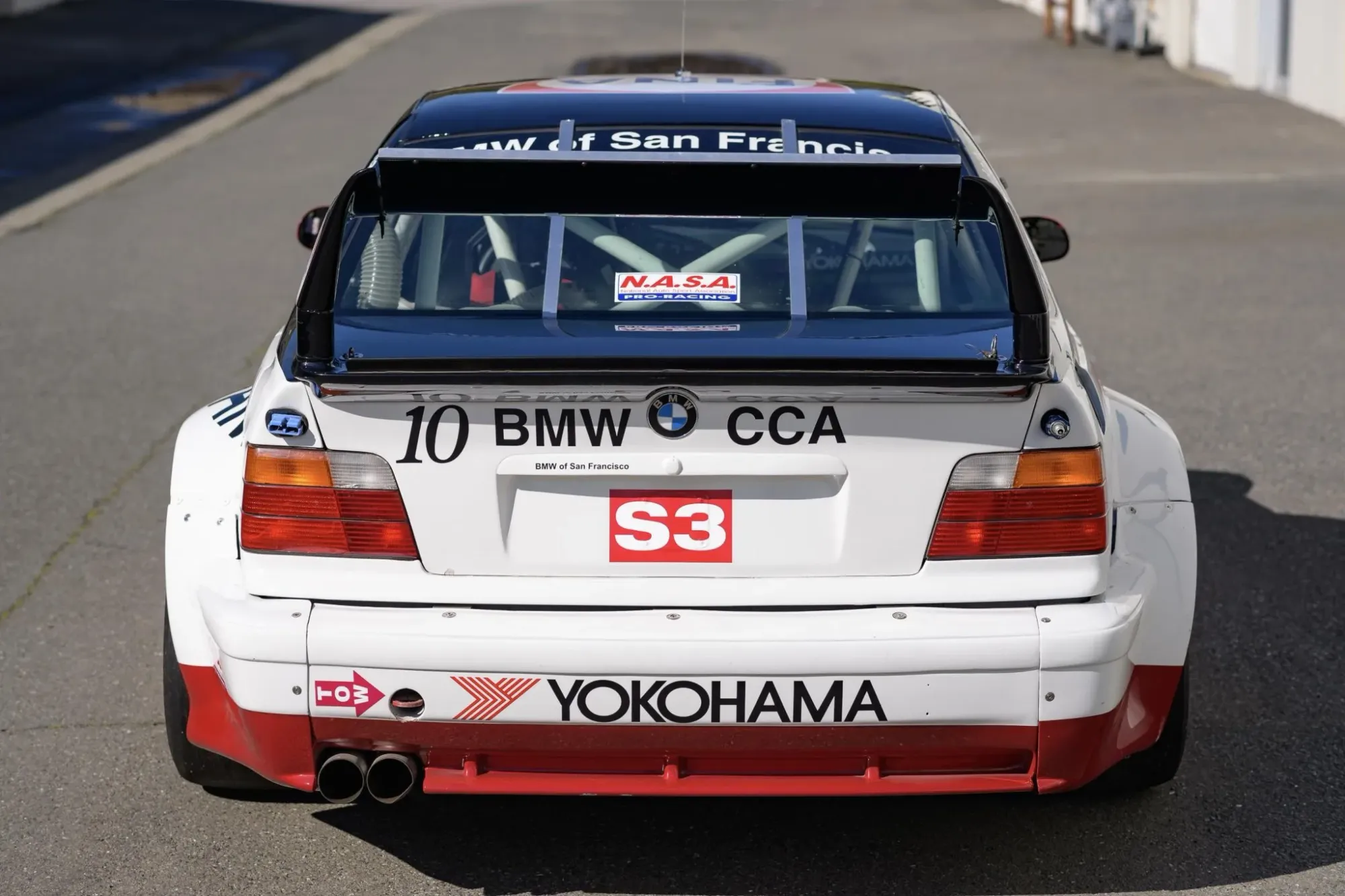
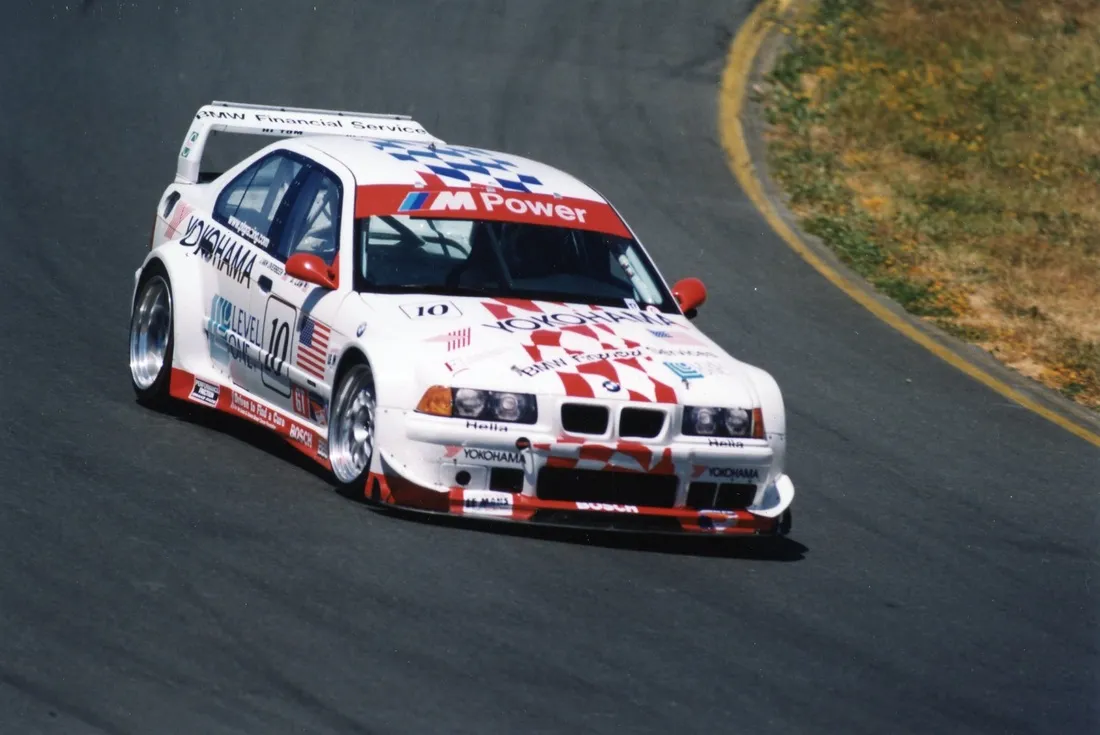
To behold the GTR PTG was to look terror in the eye. Its exterior featured an aggressive carbon-fibre and Kevlar widebody kit, absolutely necessary to shroud gigantic Yokohama slick tyres. The bonnet sloped to a massive front splitter, whilst the boot was pinned by a colossal, double-profile rear wing generating aerodynamic downforce levels unthinkable for a road-going 3 Series. Beneath throbbed the legendary S50 inline-six engine. Originally displacing 3.0-litre (183 cu in), PTG and BMW Motorsport applied extensive dark arts. Fitted with aggressive camshafts, reprogrammed fuel injection, a dry-sump system, and racing exhausts, this naturally aspirated monster hurled roughly 283 kW to 298 kW (380 to 400 bhp) to the rear wheels. It spun to 8,500 rpm with a definitive metallic shriek. The chassis was stripped to bare metal, its torsional rigidity multiplied by a welded-in roll cage. BMW’s MacPherson front suspension and rear “Z-axle” were armed with adjustable motorsport dampers, titanium anti-roll bars, and gigantic Brembo or Performance Friction ventilated discs capable of hauling the coupé down from 270 km/h (167 mph) without thermal fatigue. Traditional German refinement was eradicated; the cabin featured a solitary carbon-fibre bucket seat, an Alcantara quick-release steering wheel, aviation switches, a fire suppression system, and a rudimentary digital display for fluid temperatures.
Entering the 1995 IMSA GTS-2 class proved a harsh crucible. The GTR possessed blistering qualifying pace, but suffered from the inevitable teething problems of a nascent programme, struggling with endurance reliability against bulletproof veteran Porsches. However, this baptism of fire perfected the aerodynamics and engine cooling. By 1996, the hard work paid dividends. Piloted by a formidable roster including Boris Said, Bill Auberlen, and Dieter Quester, the PTG M3 became an unstoppable force. BMW seized the IMSA GTS-2 Manufacturers’ Championship. This era birthed the model’s most iconic liveries: whether draped in the factory FINA colours (white with blue and red M-stripes), the First Union sponsorship (white, green, and gold), or the vibrant diagonal stripes of Yokohama/Advan, these machines became bedroom posters for a generation. Total supremacy arrived in 1997. In the renamed GTS-3 class, the evolved 3.2-litre (195 cu in) M3 PTG decimated the opposition. It achieved class victories at America’s most prestigious endurance classics: the 24 Hours of Daytona and the 12 Hours of Sebring. BMW swept the manufacturers’ crown and the drivers’ title with Bill Auberlen, proving the E36 was an indestructible weapon. During 1998, as the original IMSA GT Championship reached its twilight, PTG stretched the engine to a 3.4-litre (207 cu in) displacement, pushing output past 313 kW (420 bhp). Mark Simo drove it to yet another championship sweep. However, the coupé did not retire just yet; Tom Milner’s PTG successfully campaigned the E36 M3 throughout 1999, taking multiple class victories in the inaugural American Le Mans Series and winning the USRRC GT3 Championship. It even secured a GT class win at the 2000 Rolex 24 at Daytona, only truly bowing out when the E46 generation took over during the 2000 and 2001 seasons.
The reverberations of the PTG GTR’s success were profound. The 1995 success catapulted E36 M3 showroom sales across the United States, proving to the American public that Europeans could engineer cars for punishing local endurance races. Furthermore, this model sparked a massive tuning culture, inspiring countless track-day replicas and aesthetic widebody preparations. Ultimately, the supremacy achieved by Tom Milner and his screaming inline-six marvel left an impossibly high benchmark. The E36 PTG stands as the direct, battle-hardened ancestor of the machine that would terrorise real-world circuits and video games like the “Need for Speed” franchise: the monstrous, V8-powered BMW M3 GTR E46.
Brand
Produced from
Portal
Vehicle category
Model line
Model generation
Predecessor
Sucessor
Brand
Produced from
Portal
Vehicle category
Model line
Model generation
Predecessor
Sucessor
Submodel Overview
Dawn at the Daytona International Speedway, 1997. The humid Florida air shatters as a screaming, metallic howl tears through the high banking. This is no ordinary executive coupé; this is the BMW M3 GTR PTG, an unhinged Bavarian weapon forged in America. By the mid-1990s, BMW urgently needed to ignite United States sales of its new E36-generation M3. The shadow cast by its predecessor, the legendary E30 M3, was suffocatingly long; that four-cylinder homologation special had dominated global touring car championships and IMSA grids alike. Purists dismissed the heavier, six-cylinder E36 as a “bourgeois” cruiser. Munich needed to prove them wrong, forging an alliance with Tom Milner and his Prototype Technology Group (PTG) in Virginia. Their target for the 1995 IMSA GTS-2 championship was a viper’s nest. The GTR PTG was designed with a singular, ruthless objective: to destroy the absolute hegemony of the untouchable Porsche 911 (993) Carrera RSR and keep the ferociously fast rotary Mazda RX-7s at bay.
To behold the GTR PTG was to look terror in the eye. Its exterior featured an aggressive carbon-fibre and Kevlar widebody kit, absolutely necessary to shroud gigantic Yokohama slick tyres. The bonnet sloped to a massive front splitter, whilst the boot was pinned by a colossal, double-profile rear wing generating aerodynamic downforce levels unthinkable for a road-going 3 Series. Beneath throbbed the legendary S50 inline-six engine. Originally displacing 3.0-litre (183 cu in), PTG and BMW Motorsport applied extensive dark arts. Fitted with aggressive camshafts, reprogrammed fuel injection, a dry-sump system, and racing exhausts, this naturally aspirated monster hurled roughly 283 kW to 298 kW (380 to 400 bhp) to the rear wheels. It spun to 8,500 rpm with a definitive metallic shriek. The chassis was stripped to bare metal, its torsional rigidity multiplied by a welded-in roll cage. BMW’s MacPherson front suspension and rear “Z-axle” were armed with adjustable motorsport dampers, titanium anti-roll bars, and gigantic Brembo or Performance Friction ventilated discs capable of hauling the coupé down from 270 km/h (167 mph) without thermal fatigue. Traditional German refinement was eradicated; the cabin featured a solitary carbon-fibre bucket seat, an Alcantara quick-release steering wheel, aviation switches, a fire suppression system, and a rudimentary digital display for fluid temperatures.
Entering the 1995 IMSA GTS-2 class proved a harsh crucible. The GTR possessed blistering qualifying pace, but suffered from the inevitable teething problems of a nascent programme, struggling with endurance reliability against bulletproof veteran Porsches. However, this baptism of fire perfected the aerodynamics and engine cooling. By 1996, the hard work paid dividends. Piloted by a formidable roster including Boris Said, Bill Auberlen, and Dieter Quester, the PTG M3 became an unstoppable force. BMW seized the IMSA GTS-2 Manufacturers’ Championship. This era birthed the model’s most iconic liveries: whether draped in the factory FINA colours (white with blue and red M-stripes), the First Union sponsorship (white, green, and gold), or the vibrant diagonal stripes of Yokohama/Advan, these machines became bedroom posters for a generation. Total supremacy arrived in 1997. In the renamed GTS-3 class, the evolved 3.2-litre (195 cu in) M3 PTG decimated the opposition. It achieved class victories at America’s most prestigious endurance classics: the 24 Hours of Daytona and the 12 Hours of Sebring. BMW swept the manufacturers’ crown and the drivers’ title with Bill Auberlen, proving the E36 was an indestructible weapon. During 1998, as the original IMSA GT Championship reached its twilight, PTG stretched the engine to a 3.4-litre (207 cu in) displacement, pushing output past 313 kW (420 bhp). Mark Simo drove it to yet another championship sweep. However, the coupé did not retire just yet; Tom Milner’s PTG successfully campaigned the E36 M3 throughout 1999, taking multiple class victories in the inaugural American Le Mans Series and winning the USRRC GT3 Championship. It even secured a GT class win at the 2000 Rolex 24 at Daytona, only truly bowing out when the E46 generation took over during the 2000 and 2001 seasons.
The reverberations of the PTG GTR’s success were profound. The 1995 success catapulted E36 M3 showroom sales across the United States, proving to the American public that Europeans could engineer cars for punishing local endurance races. Furthermore, this model sparked a massive tuning culture, inspiring countless track-day replicas and aesthetic widebody preparations. Ultimately, the supremacy achieved by Tom Milner and his screaming inline-six marvel left an impossibly high benchmark. The E36 PTG stands as the direct, battle-hardened ancestor of the machine that would terrorise real-world circuits and video games like the “Need for Speed” franchise: the monstrous, V8-powered BMW M3 GTR E46.
Tech Specs
Technical Specifications
Tech Specs
Technical Specifications
Engine
01
03
Internal combustion engine
Configuration
BMW S50 (S50B32 Race Prep), Inline-6
Location
Front, longitudinally mounted
Construction
Cast iron block and Aluminium alloy head
Displacement (cc)
3,201 cc
Displacement (cu in)
195.3 cu in
Compression
~12.0:1
Bore x Stroke
86.4 mm x 91.0 mm
Valvetrain
4 valves per cylinder, DOHC
Fuel feed
Electronic sequential fuel injection (Bosch Motronic / PTG race tune)
Lubrication
Dry sump
Aspiration
Naturally aspirated
Output
Power (hp)
~380 - 400 hp
Power (kW)
~283 kW
Max power at
8,000 RPM
Torque (Nm)
~380 Nm
Torque (ft lbs)
~280 ft lbs
Max torque at
6,000 RPM
Drivetrain
02
03
Chassis
Type
Monocoque unibody with integrated multi-point roll cage
Material
Steel
Body
Material
Steel with Carbon fibre and Kevlar composite widebody panels
Transmission
Gearbox
5-speed manual (ZF) or 6-speed sequential (Hewland/Xtrac depending on specific race/year)
Drive
Rear Wheel Drive (Limited Slip Differential)
Suspension
Front
Independent, MacPherson struts, coil springs over racing dampers, adjustable anti-roll bar
Rear
Independent, multi-link (Z-axle), coil springs over racing dampers, adjustable anti-roll bar
Steering
Type
Rack and pinion, power assisted
Brakes
Front
Ventilated steel discs, 4-piston or 6-piston Performance Friction / Brembo calipers
Rear
Ventilated steel discs, 4-piston Performance Friction / Brembo calipers
Wheels
Front
10" x 18" (BBS modular center-lock alloy)
Rear
11" x 18" or 12" x 18" (BBS modular center-lock alloy)
Tires
Front
-
Rear
-
Dimensions and performance
03
03
Dimensions
Length (mm)
4,433 mm
Length (in)
174.5 in
Width (mm)
~1,850 mm
Width (in)
~72.8 in
Height (mm)
~1,300 mm
Height (in)
~51.2 in
Wheelbase (mm)
2,700 mm
Wheelbase (in)
106.3 in
Weight (kg)
~1,100 kg
Weight (lbs)
~2,425 lbs
Performance
Power to weight
~0.35 hp/kg
Top speed (km/h)
~280 km/h
Top speed (mph)
~174 mph
0-100 km/h (0-60 mph)
~3.8 s