
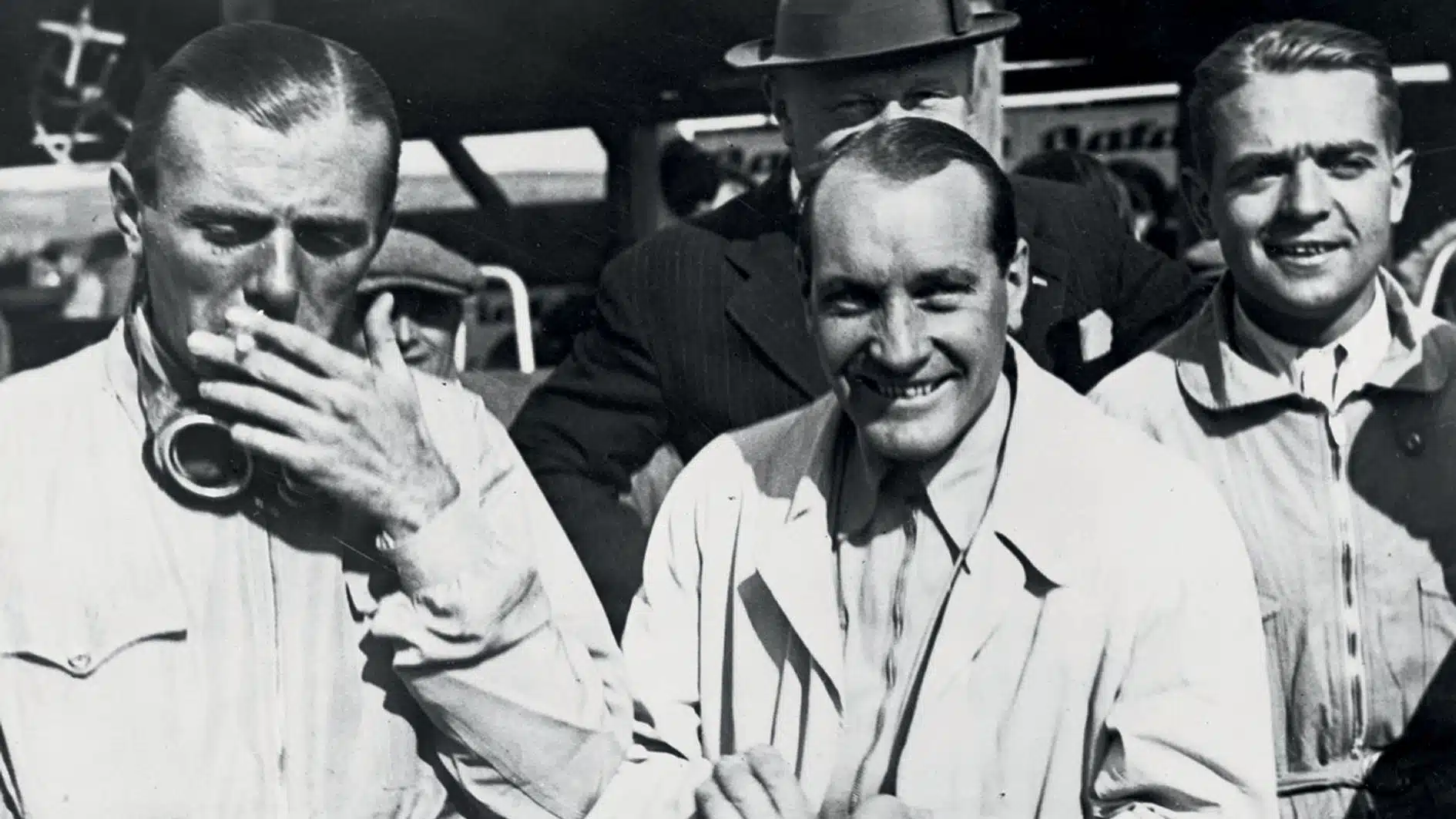
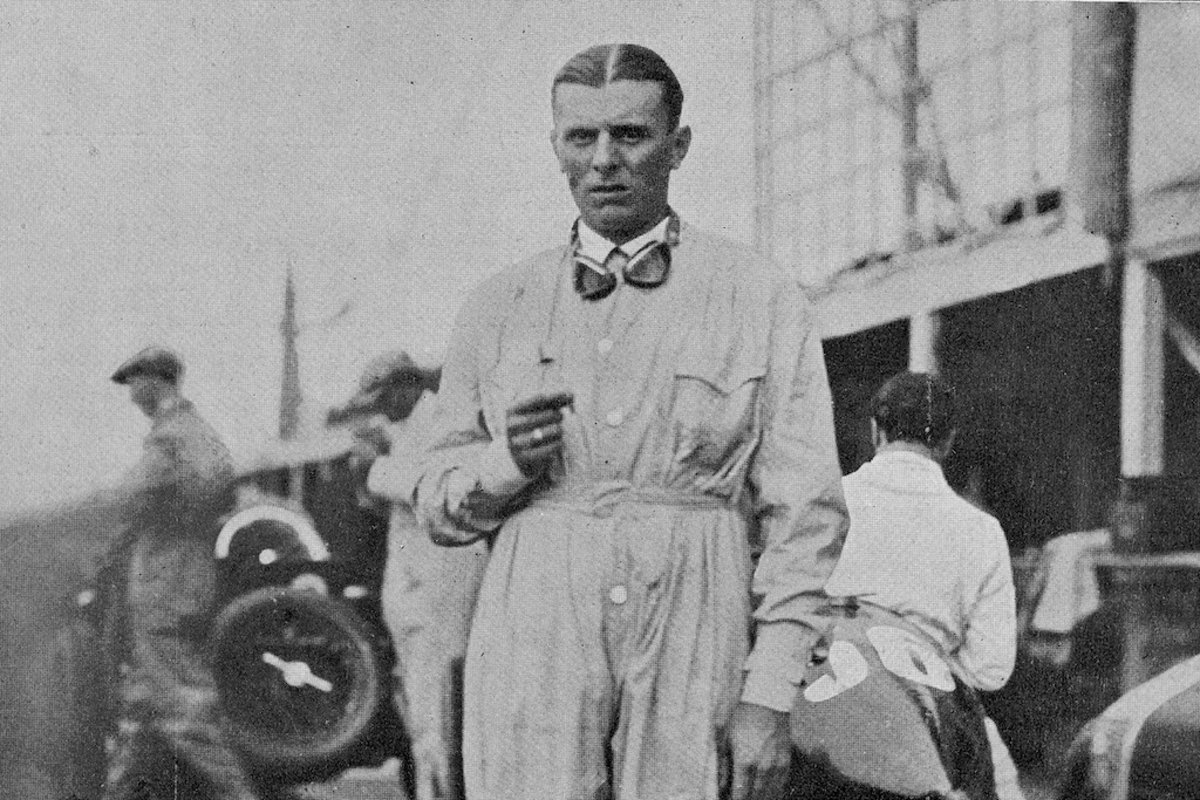
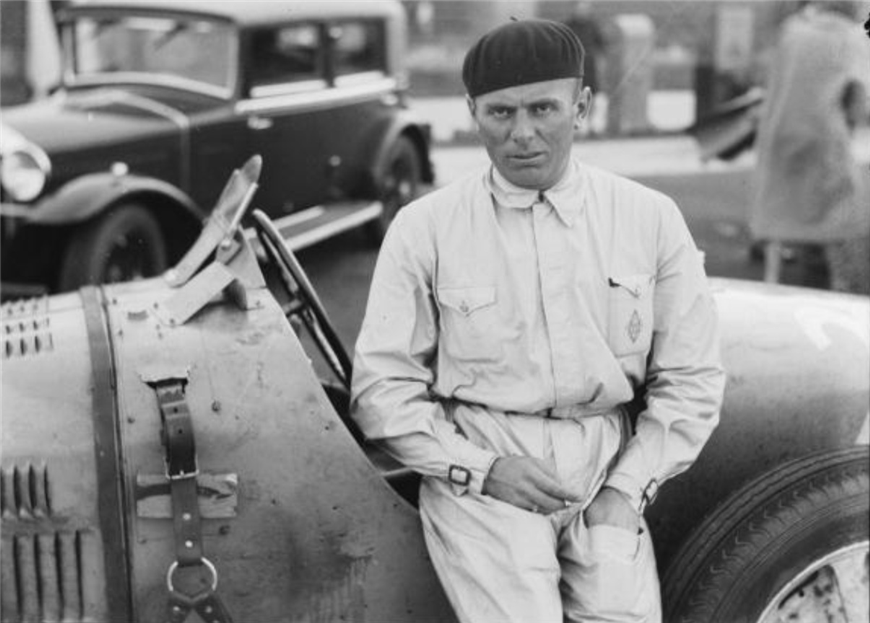
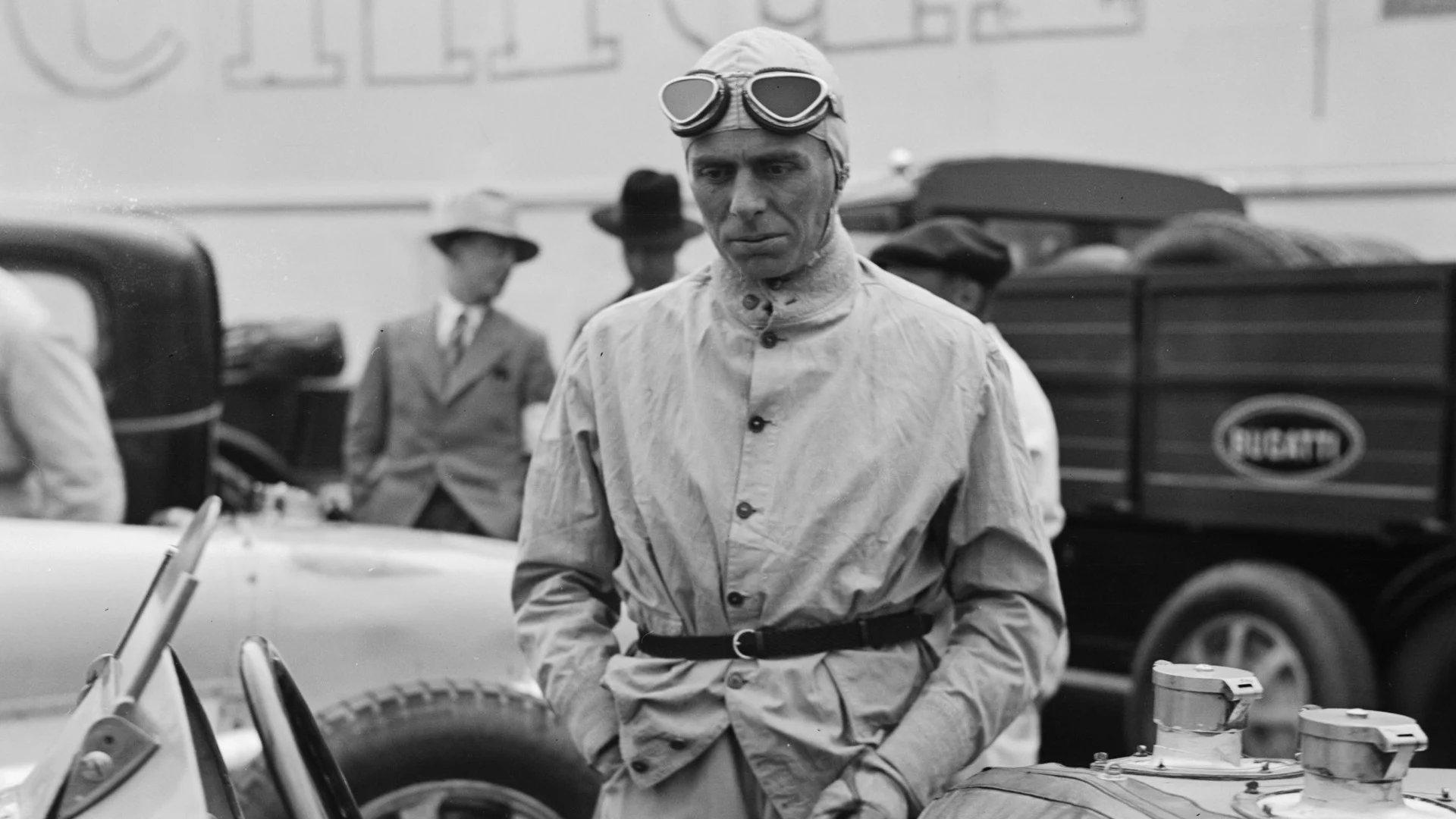
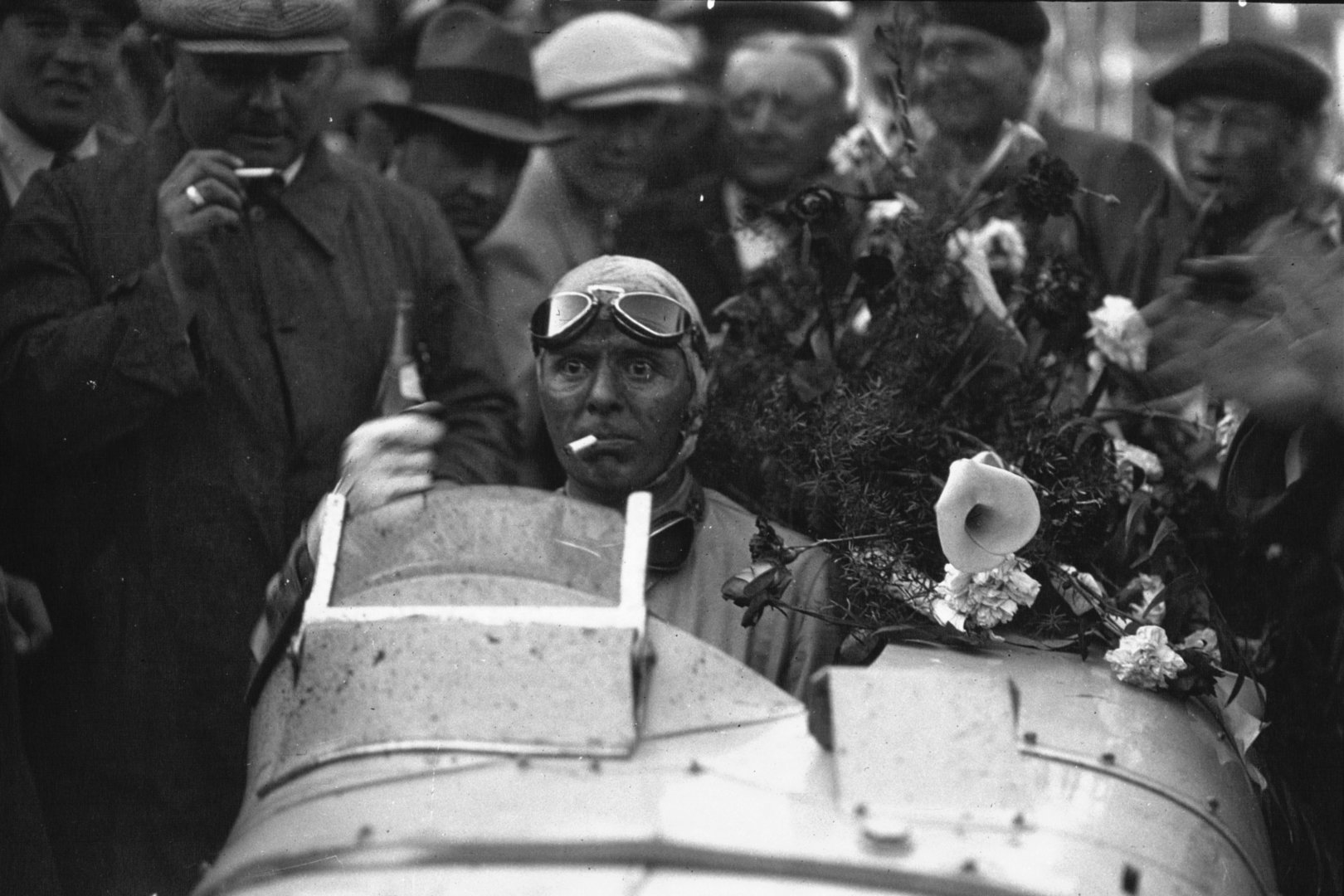
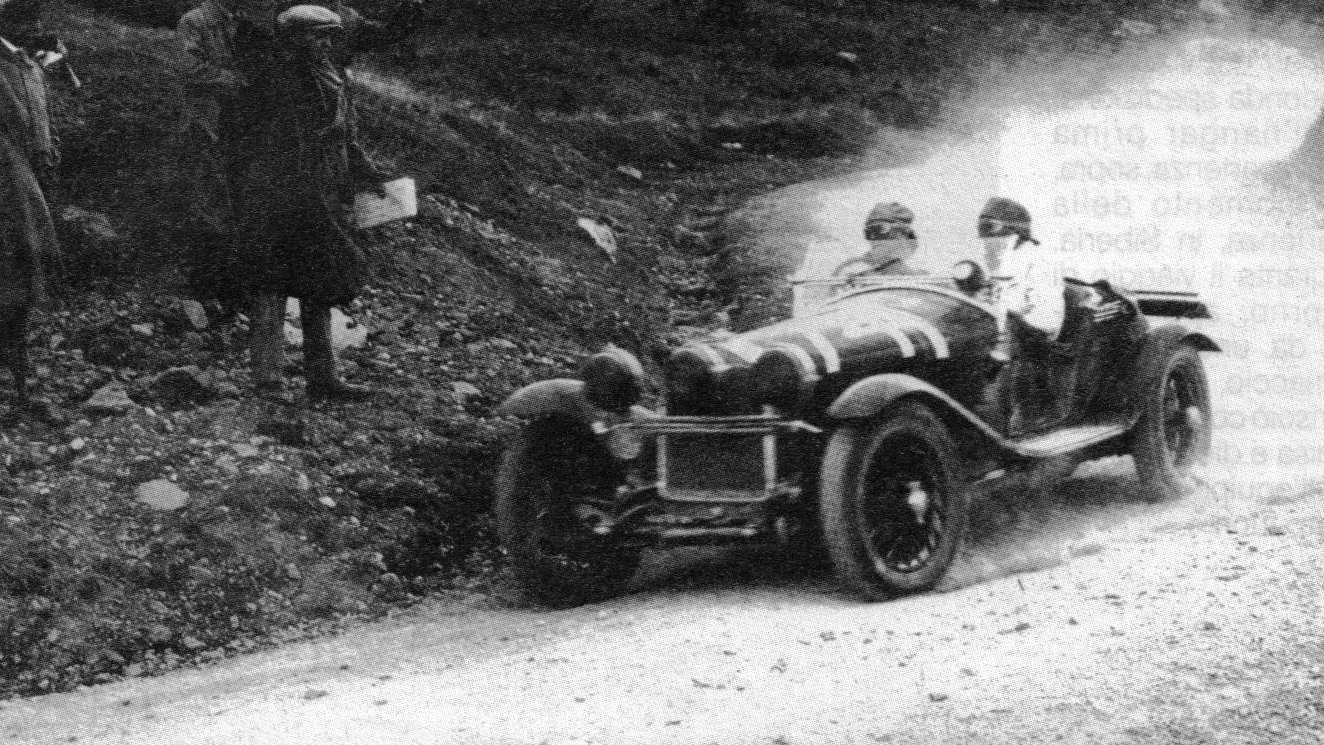
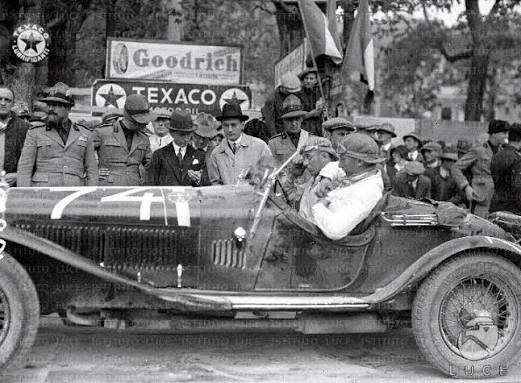
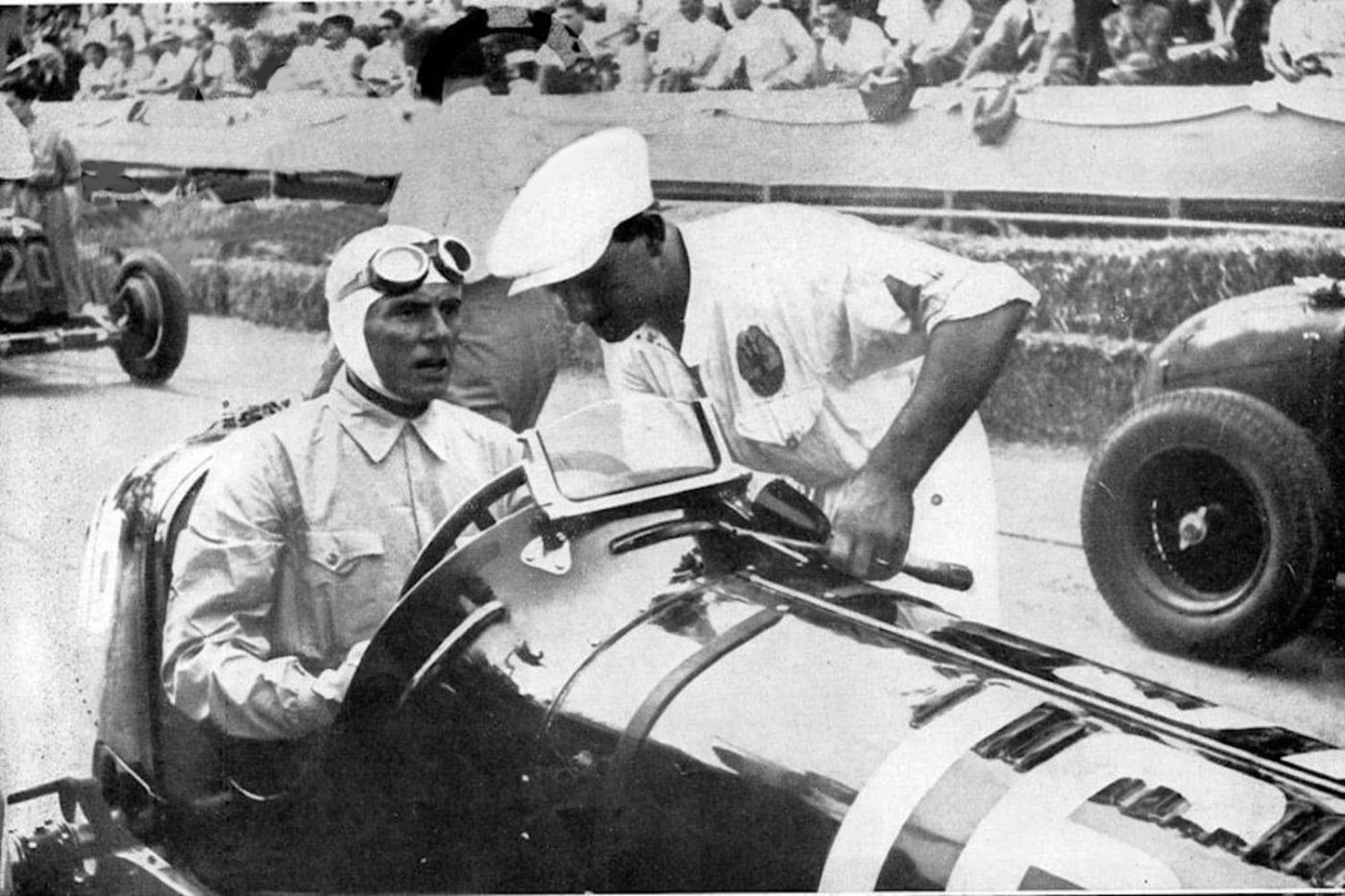
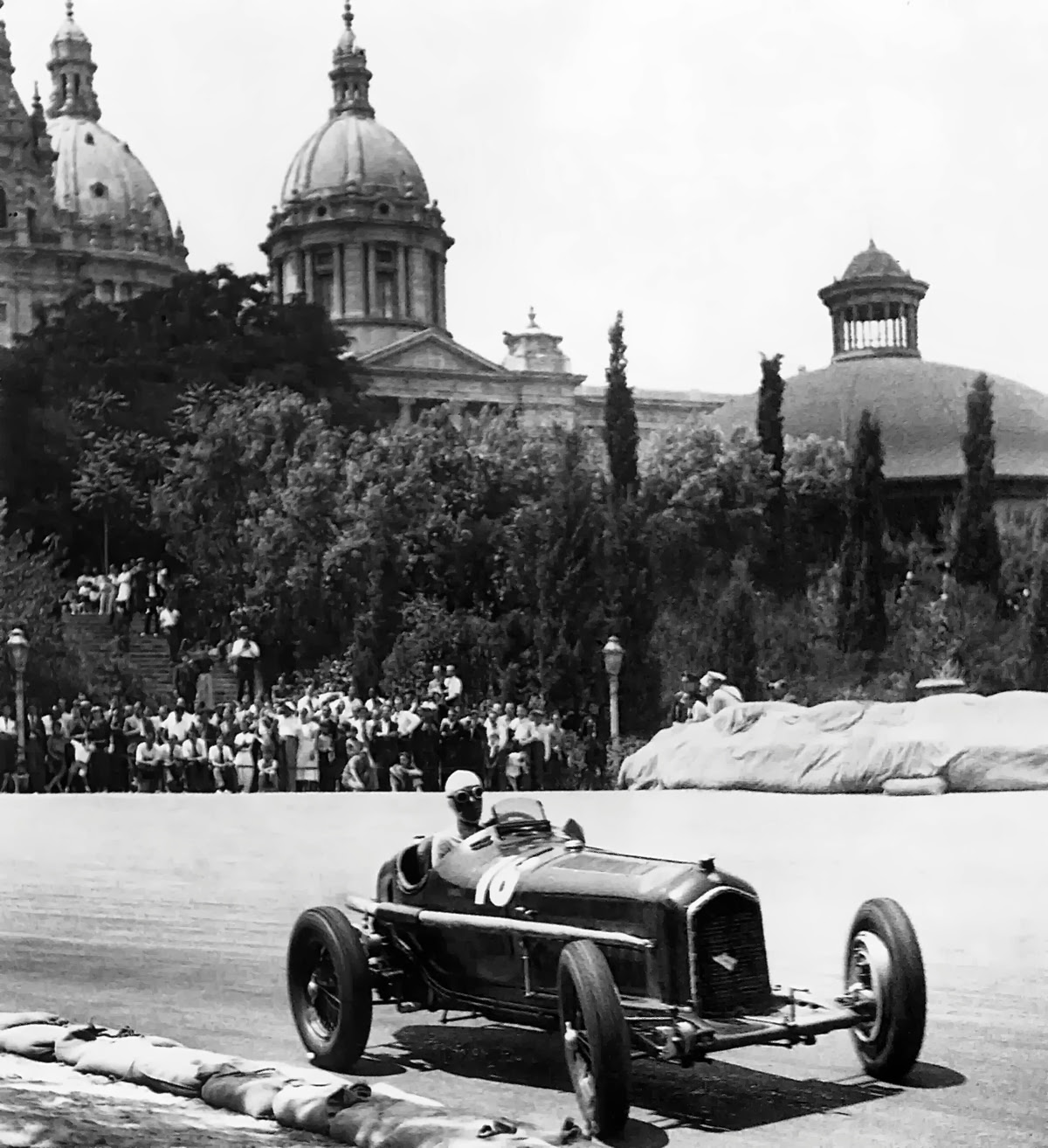
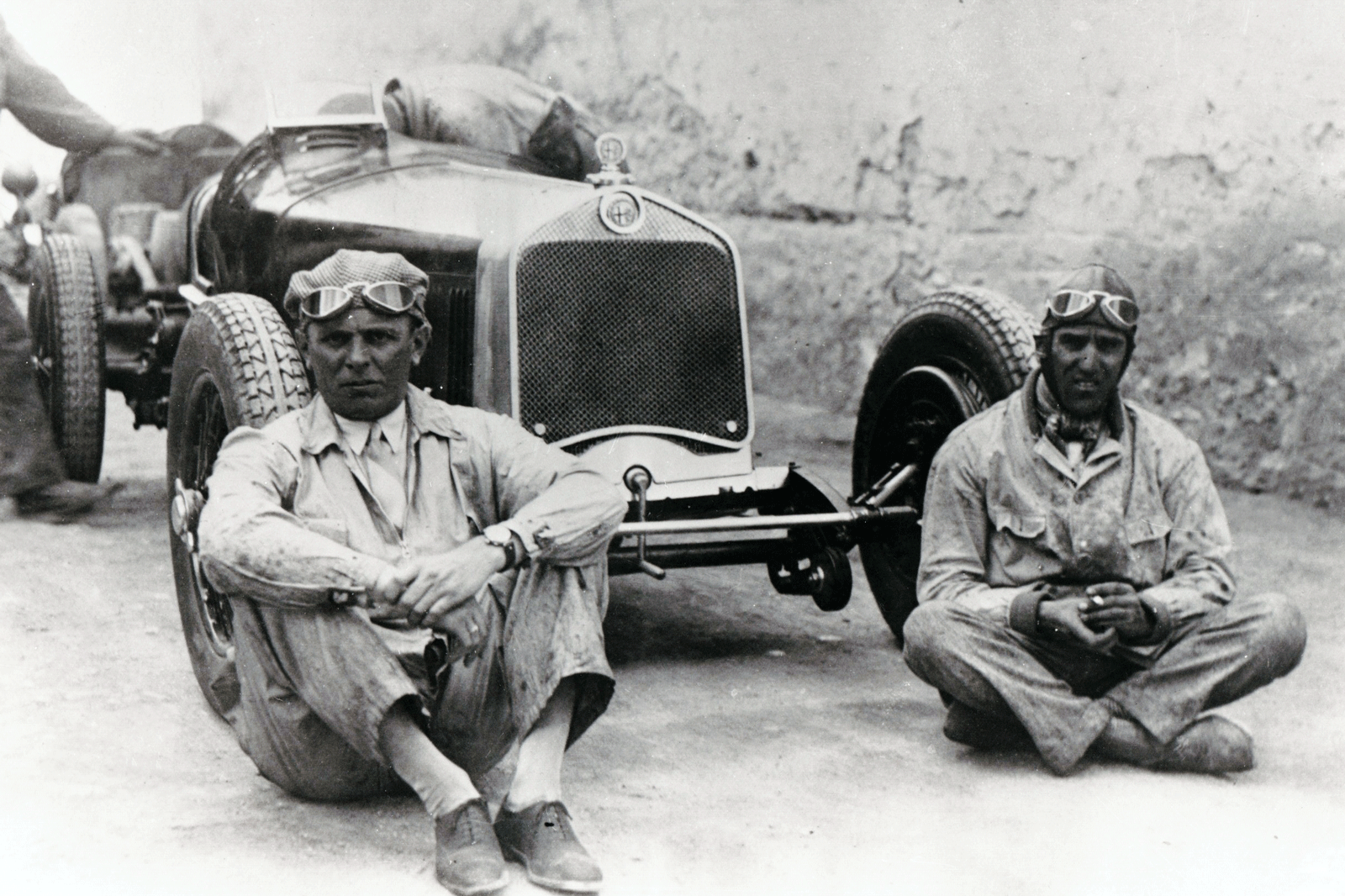
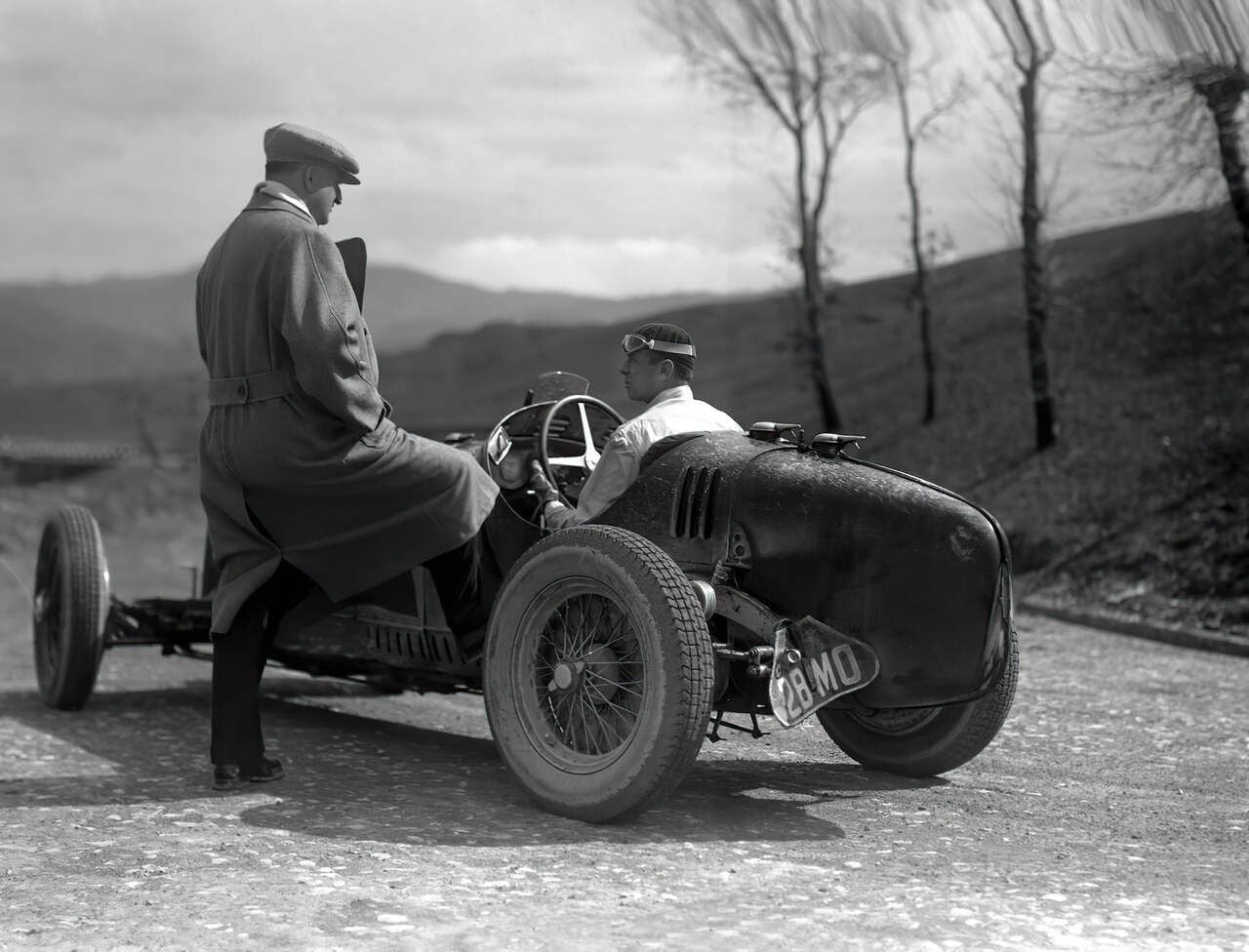
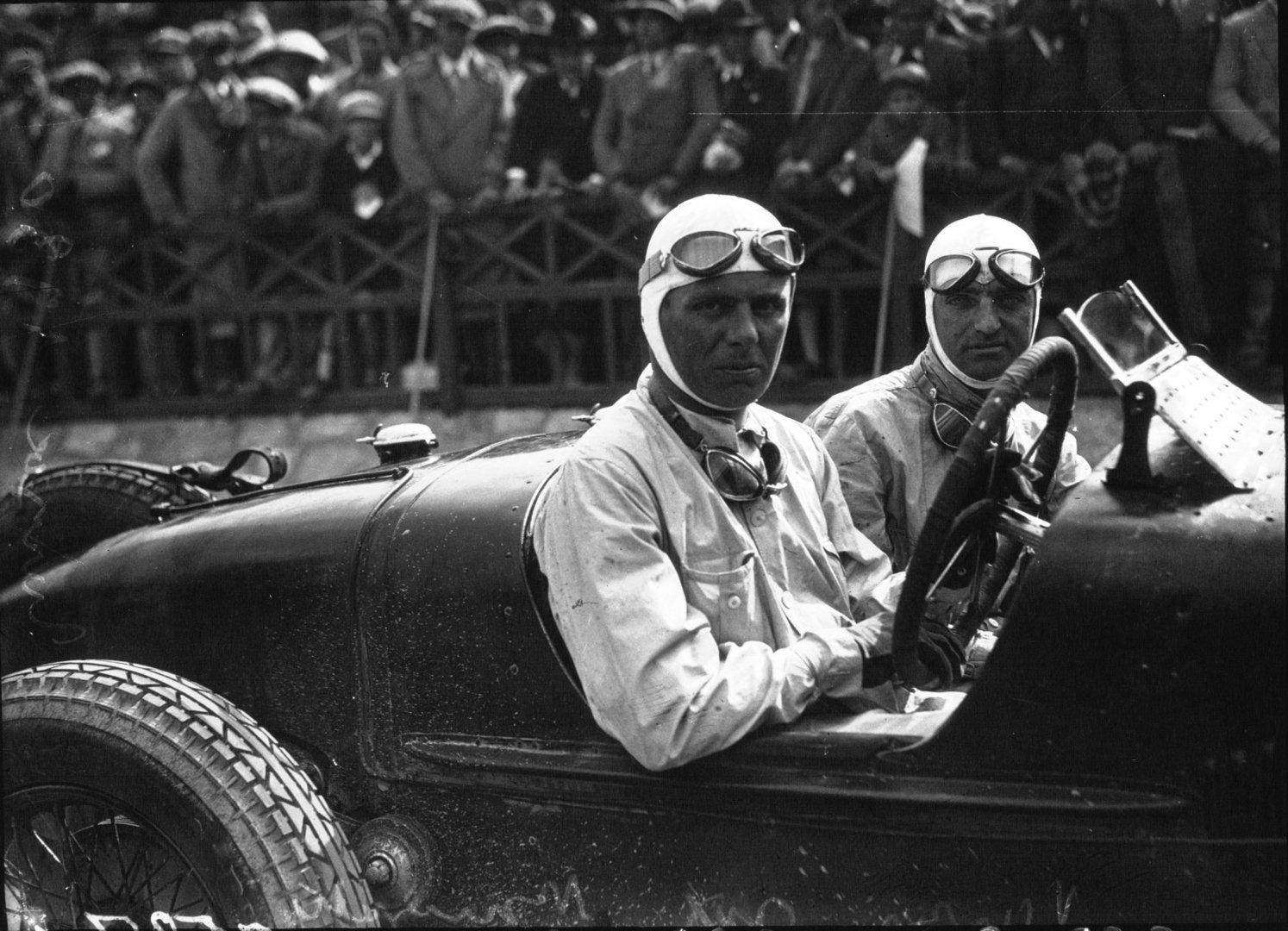
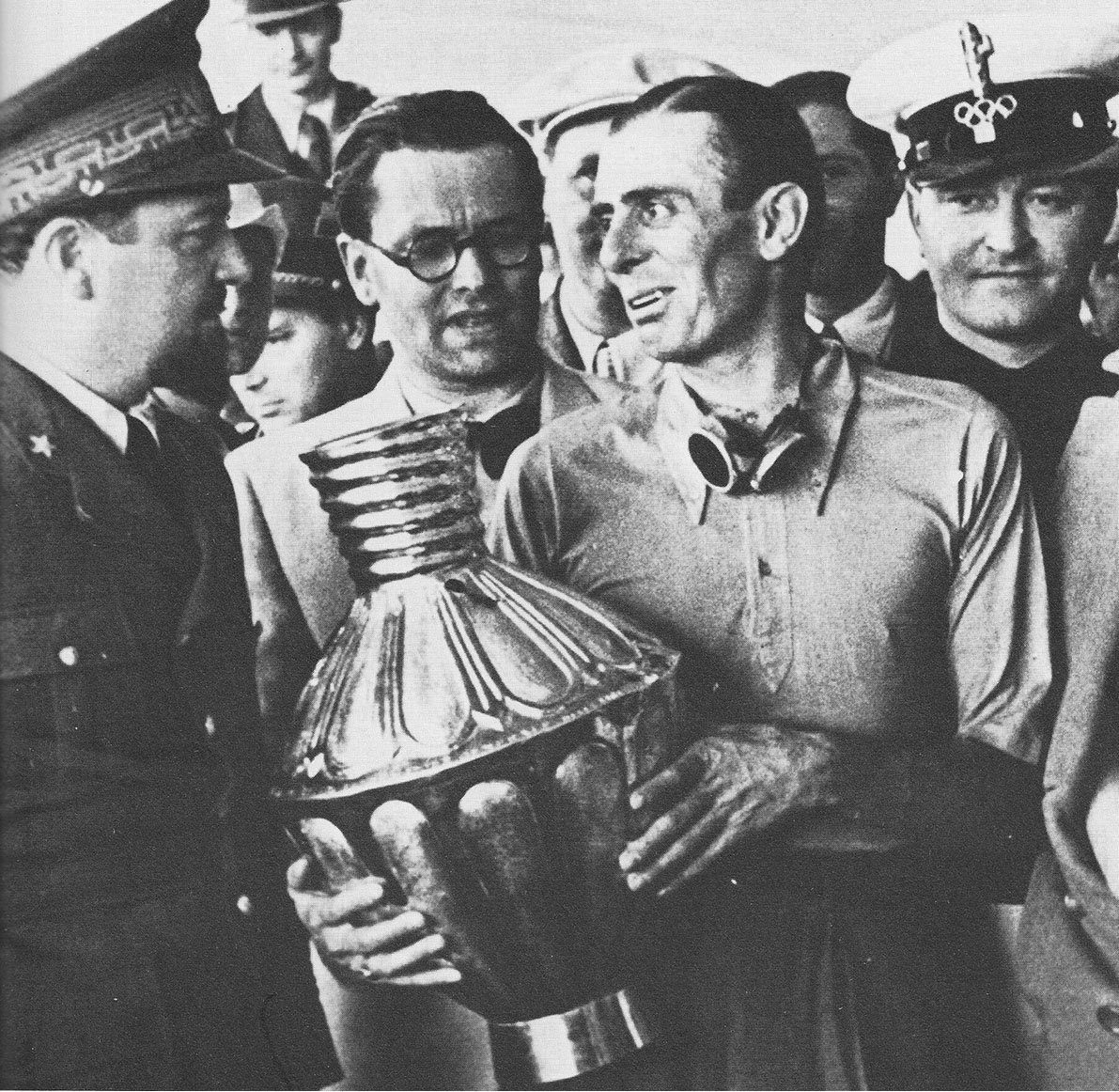
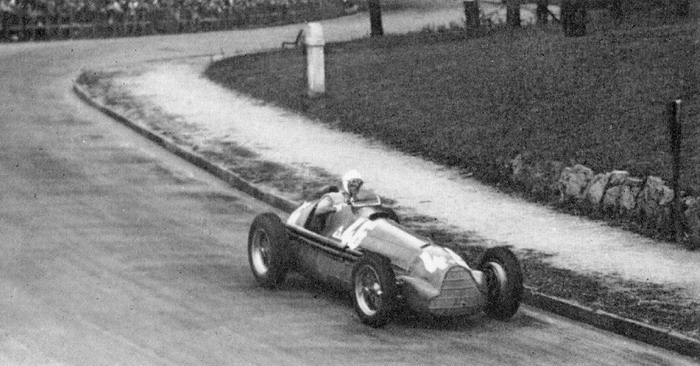
Flames licked the scuttle of the Alfa Romeo P2, feeding greedily on a fractured fuel line as the car tore across the Sicilian mountains. It was the 1930 Targa Florio, and Achille Varzi was leading, his eyes locked on the treacherous ribbon of blistering tarmac ahead. The heat in the cramped cockpit was blinding, mingling with the pungent stench of hot castor oil, raw fuel, and scorched metal. Beside him, his riding mechanic frantically beat back the blaze with a ripped-out seat cushion. Any sensible man would have parked the roaring machine and leapt to safety, but Varzi merely crouched further behind the aeroscreen, edging sideways to give his mechanic room to fight the inferno, and kept his foot pinned to the floorboards. Setting a staggering fastest lap of 1 hour, 21 minutes and 21.6 seconds across the monstrous 108 km (67 miles) circuit, he broke Louis Chiron to win by 1 minute and 48.4 seconds. It was a defining display of the terrifying, glacial resolve that made him the most formidable grand prix driver of his generation.
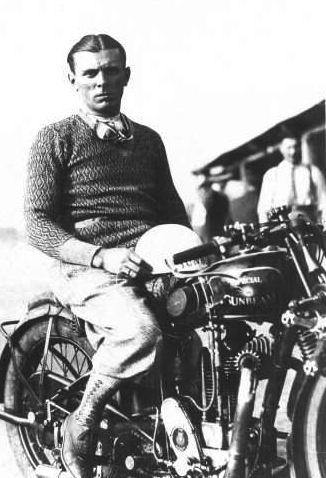
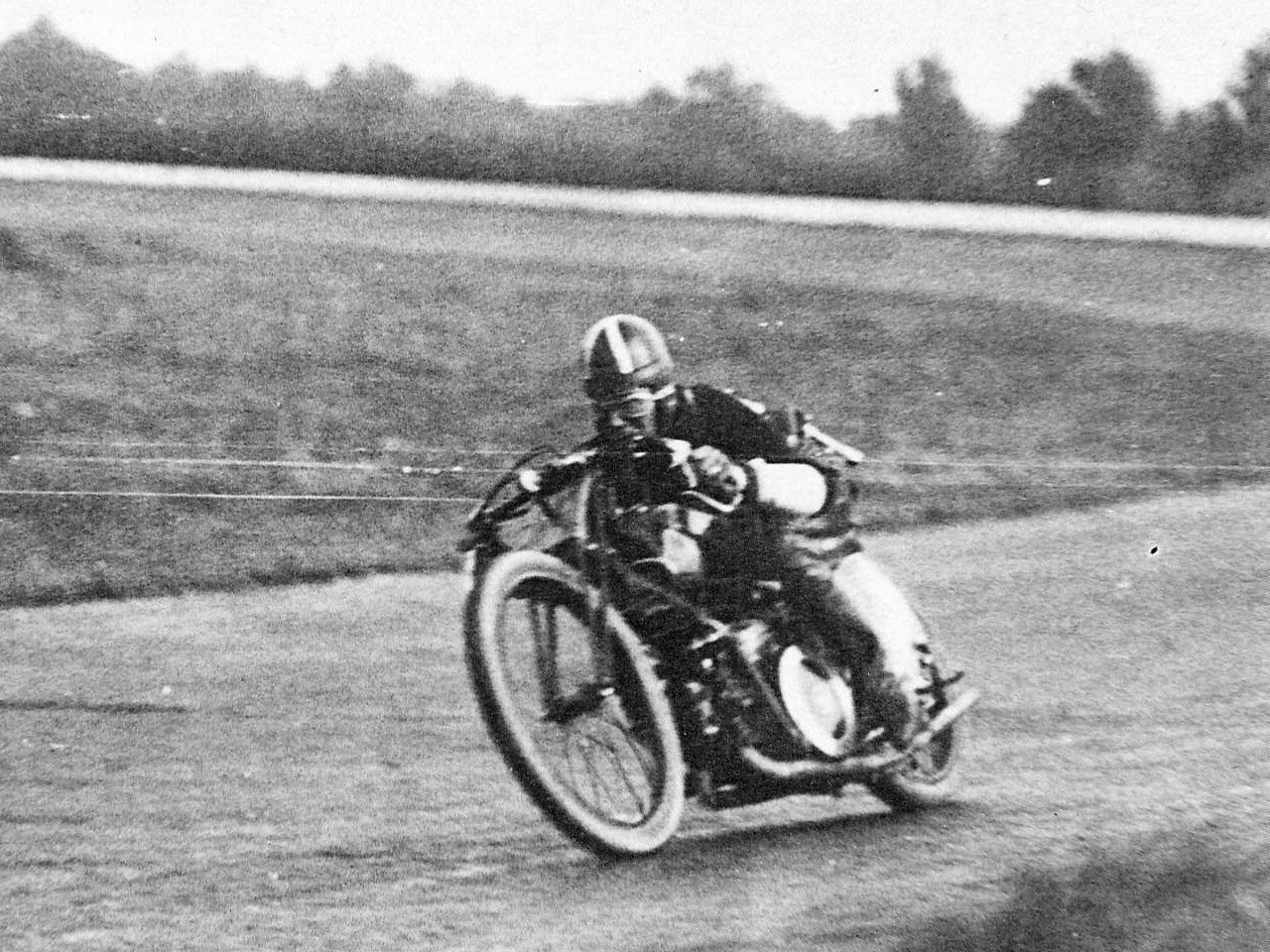
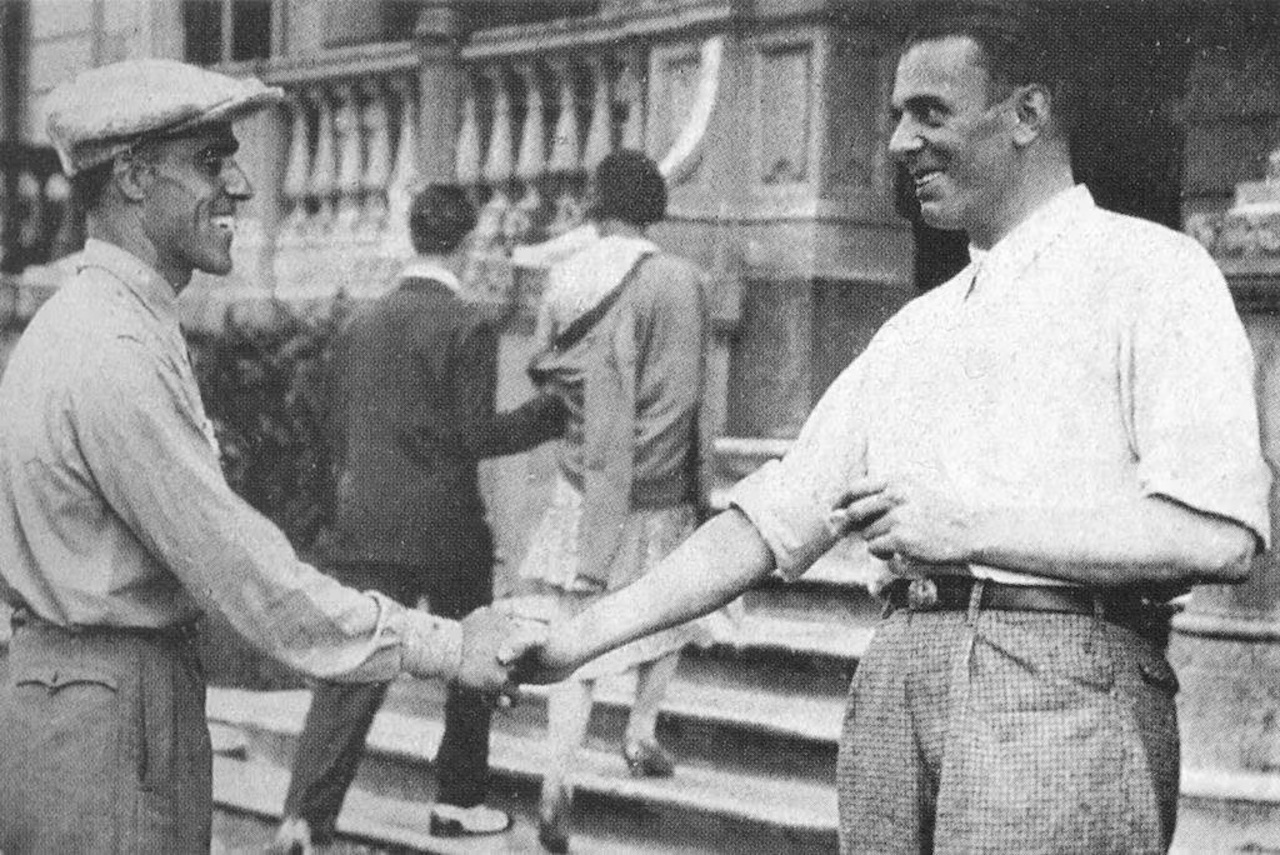
Born in 1904 to a wealthy textile manufacturer in Galliate, Piedmont, Varzi never lacked the immense financial backing required to feed his thirst for mechanised speed. His competitive genesis was on two wheels, wrestling rudimentary, violently vibrating motorcycles around the perilous curves of the Isle of Man TT throughout the 1920s. It was in this unforgiving crucible that he first crossed paths with a fiery, diminutive Mantuan named Tazio Nuvolari. The two Italians, recognising a mutual brilliance, formed a grand prix racing stable in 1928, purchasing a pair of Bugatti Type 35s. Yet, brilliance in such close proximity inevitably breeds friction; the partnership dissolved rapidly into a bitter, career-defining rivalry, prompting Varzi to strike out alone. He soon established his four-wheeled pedigree, notably clinching the 1929 Monza Grand Prix and defeating Luigi Arcangeli at the same high-speed autodrome in 1930 by a microscopic 0.2 seconds.
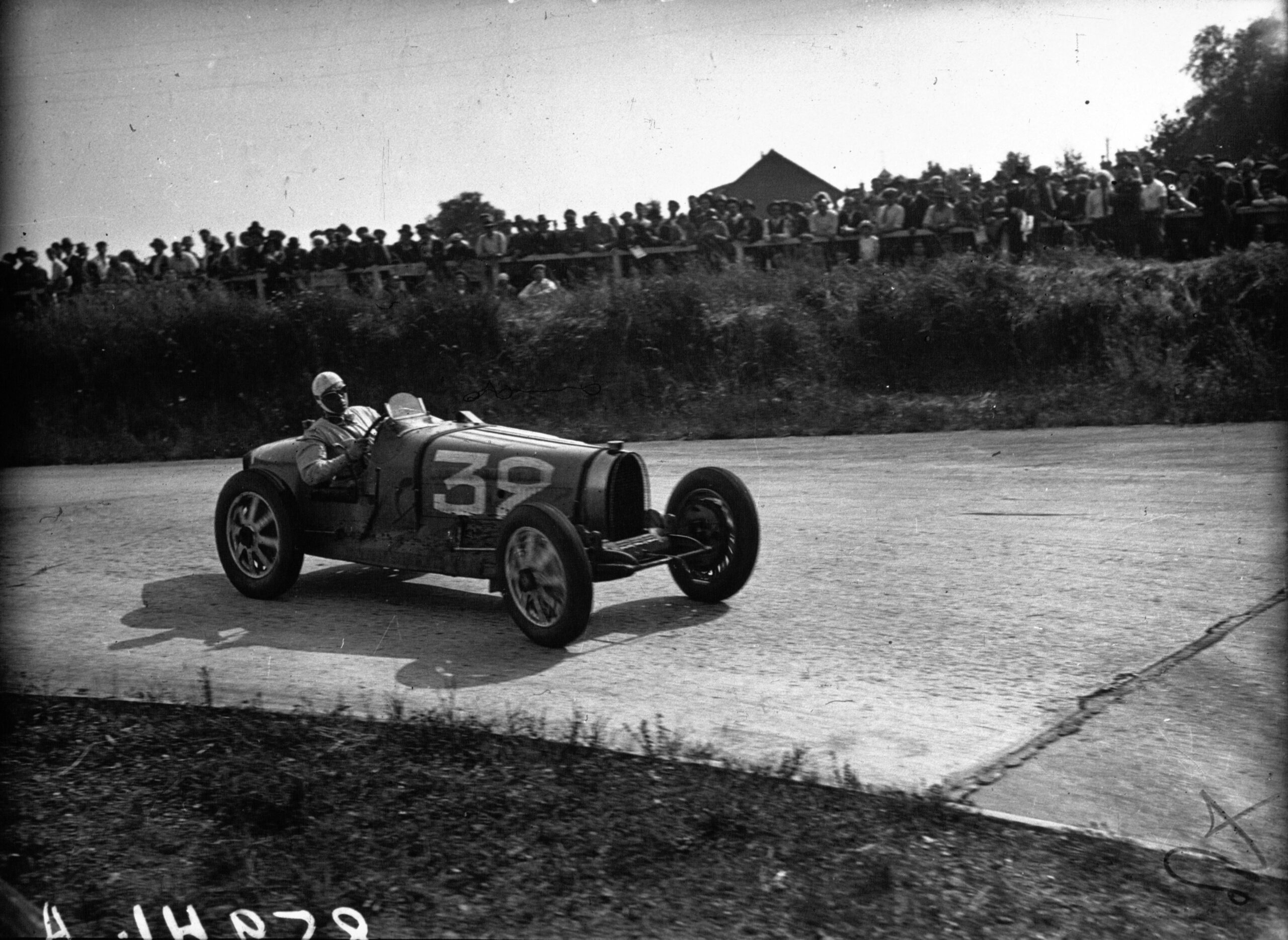
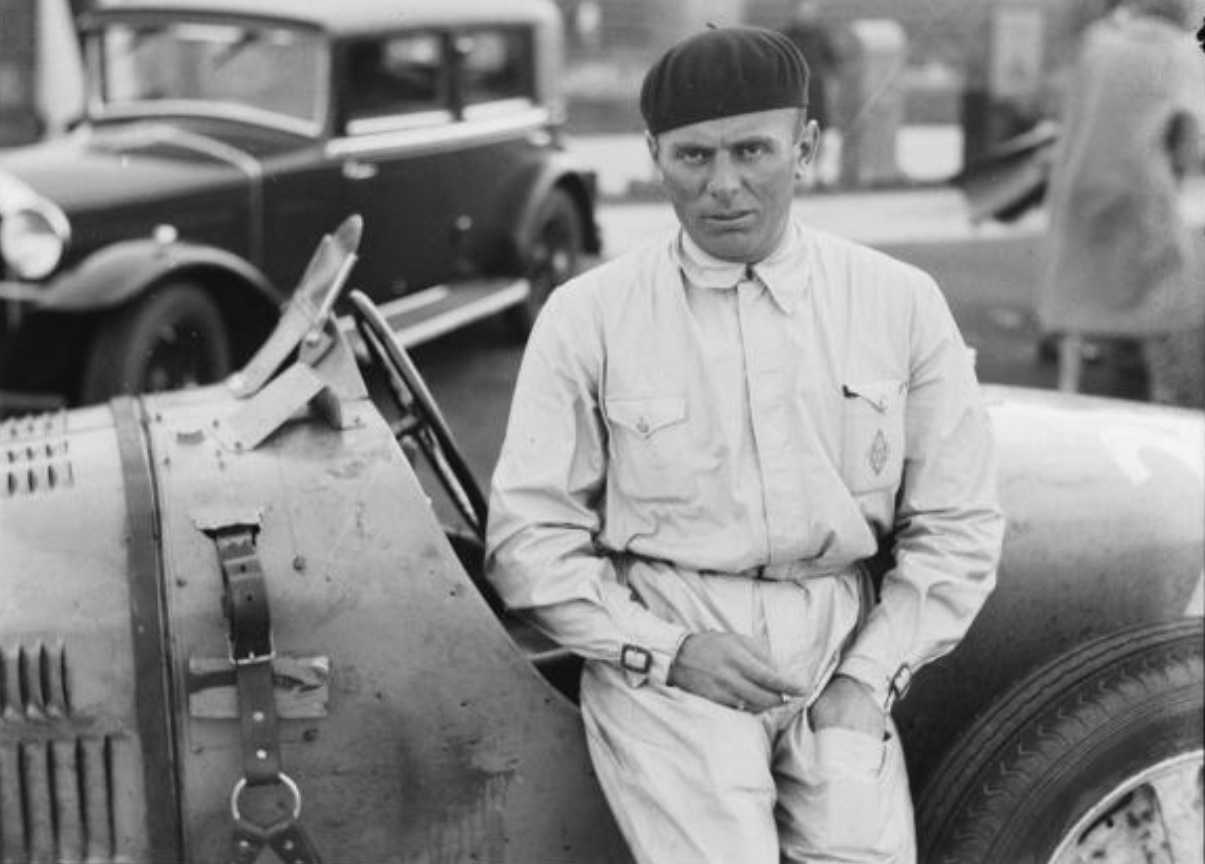
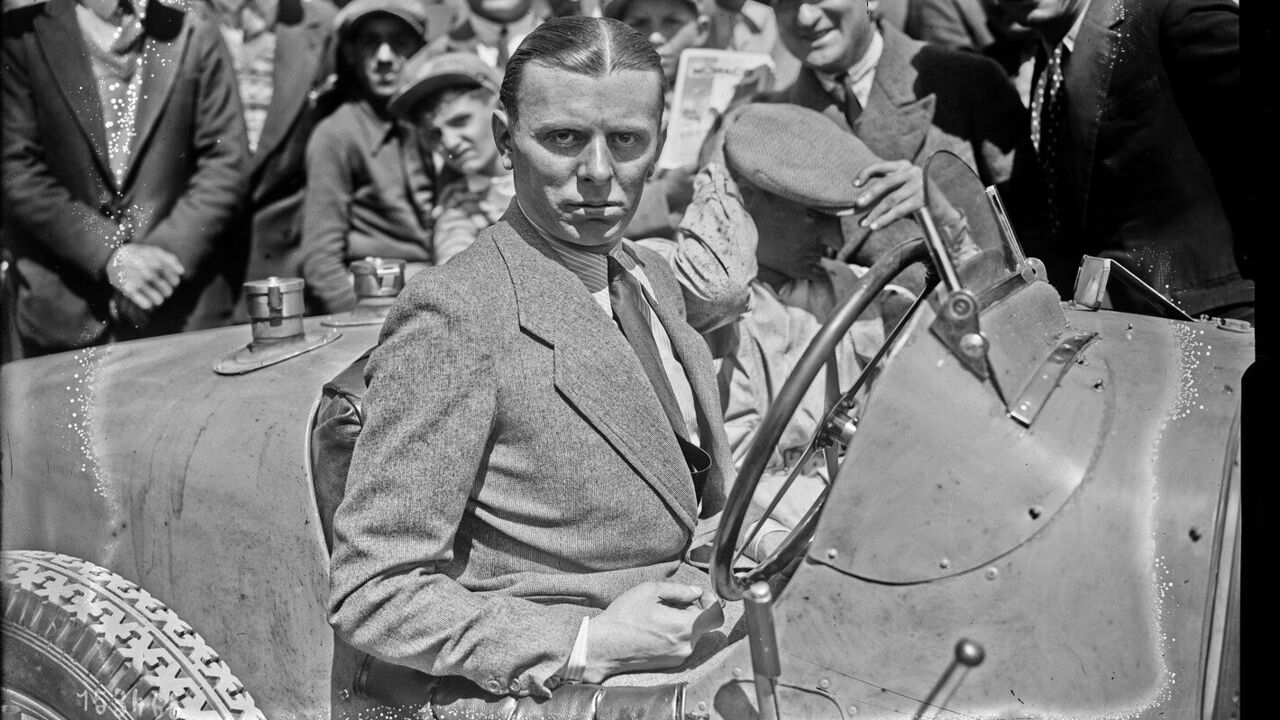
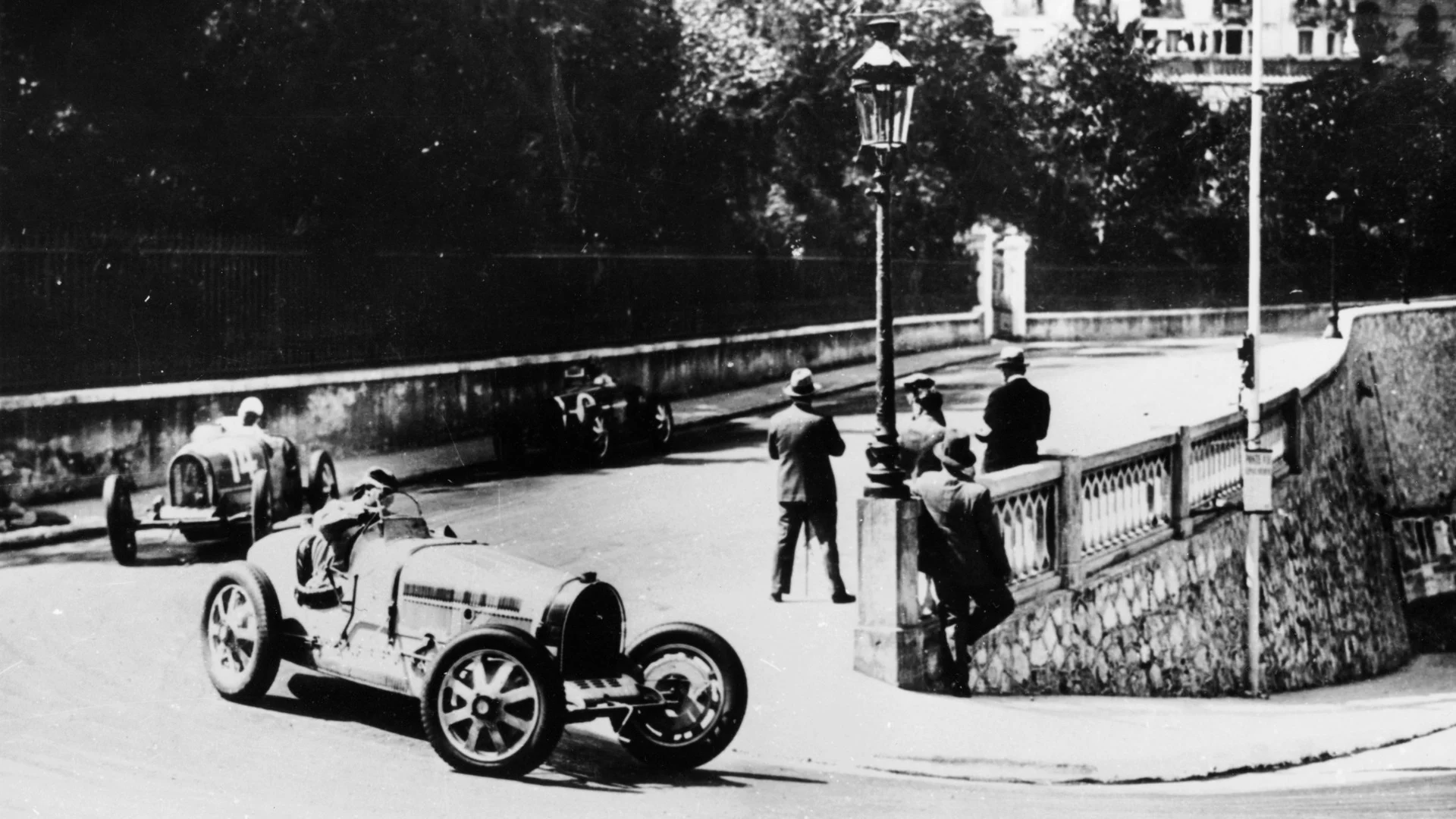
The 1930s belonged entirely to this polarised duo, and Varzi’s ascent to the absolute summit of motor racing was marked by an overarching, ruthless pragmatism. National loyalties meant nothing to him; his only requirement was the fastest car on the grid. He swapped the blood-red of Alfa Romeo for the French blue of Bugatti in 1931—a move viewed as treasonous by the emotive Italian press—only to return to Alfa in 1934 to conquer the 1600 km (1000 miles) Mille Miglia and claim his second Italian Championship. His crowning gladiatorial triumph came at the 1933 Monaco Grand Prix. Across 99 gruelling laps around the principality, Varzi and Nuvolari swapped the lead endlessly, with Nuvolari leading 66 laps to Varzi’s 34. Nuvolari’s shorter gearing gave him vicious acceleration out of the slow corners, but Varzi’s Bugatti possessed the shorter wheelbase, granting a vital advantage through the hairpins. Varzi’s clinical exactitude finally broke Nuvolari’s Alfa Romeo on the final lap. Where Nuvolari drove with his heart, wrestling machines beyond the limits of physics with dramatic opposite lock, Varzi drove purely with his head. He was precise, impeccably dressed, and seemingly emotionless—a remote, dry-witted tactician who treated cornering as an exercise in sheer geometry. This calculating nature extended well beyond the cockpit; at the 1933 Tripoli Grand Prix, an event tied to a lucrative state lottery, he allegedly conspired with a timber merchant and ticket holder named Enrico Rivio, splitting the immense prize money 50:50 after fixing the race with his rivals.
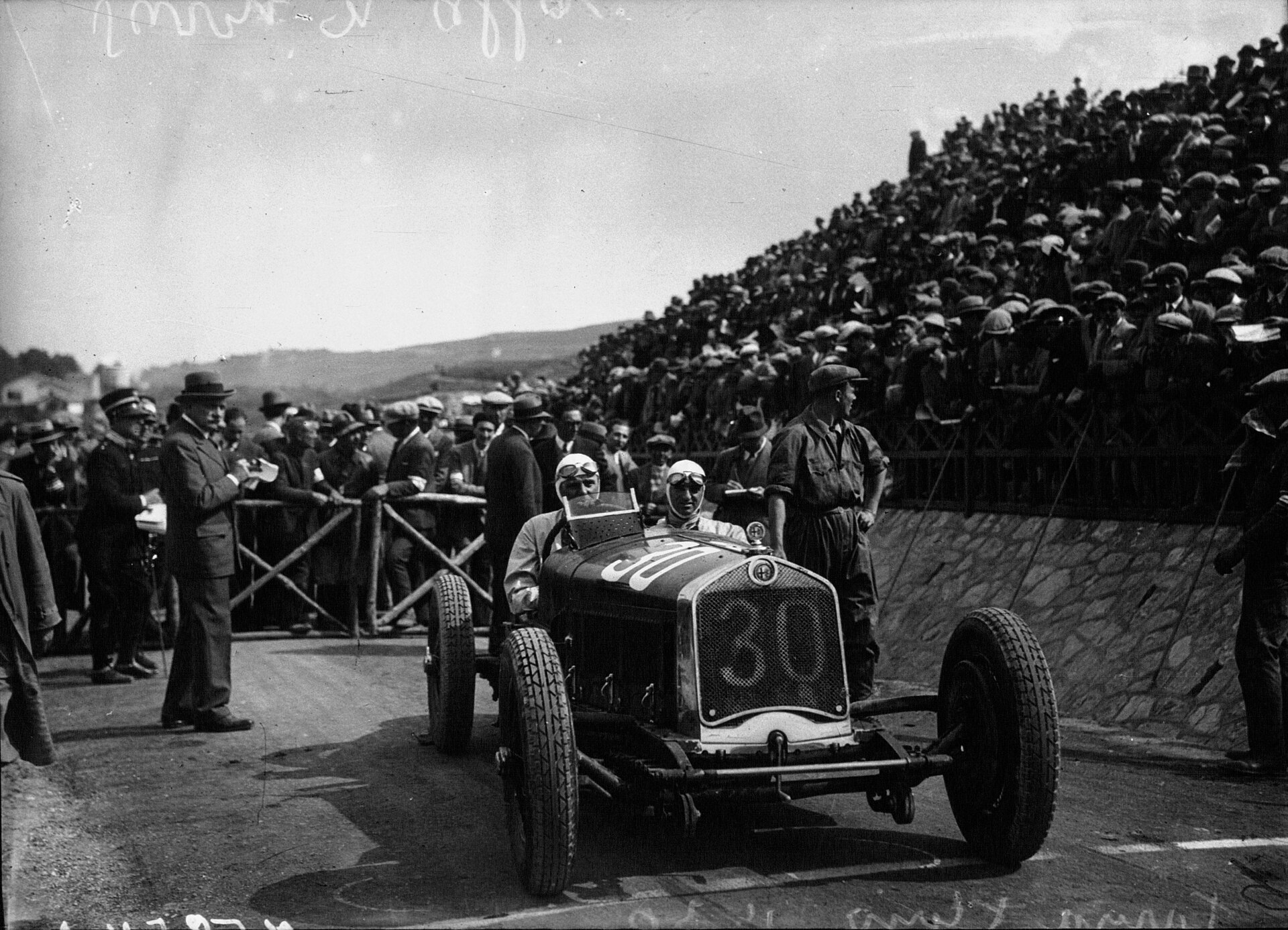
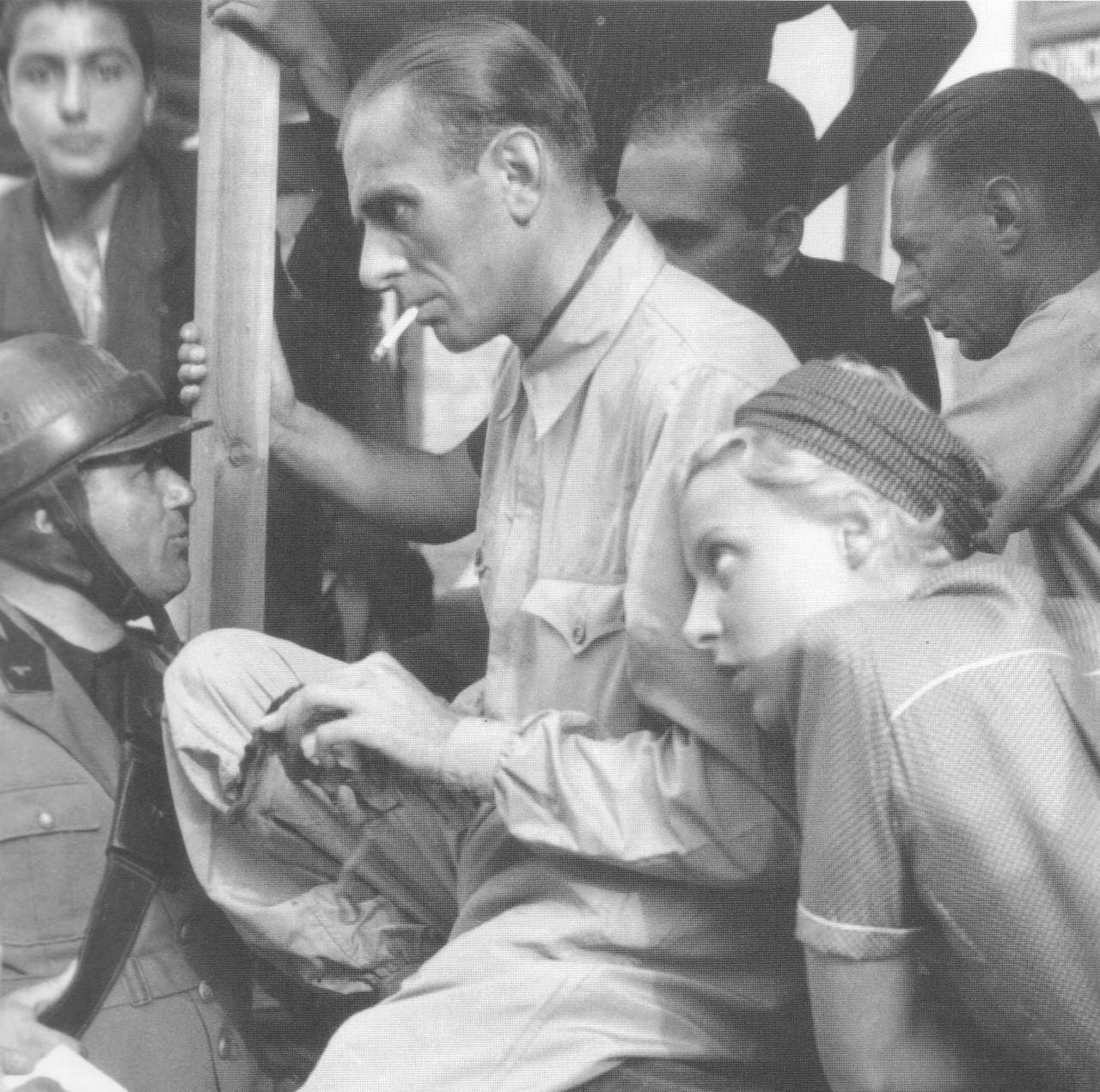
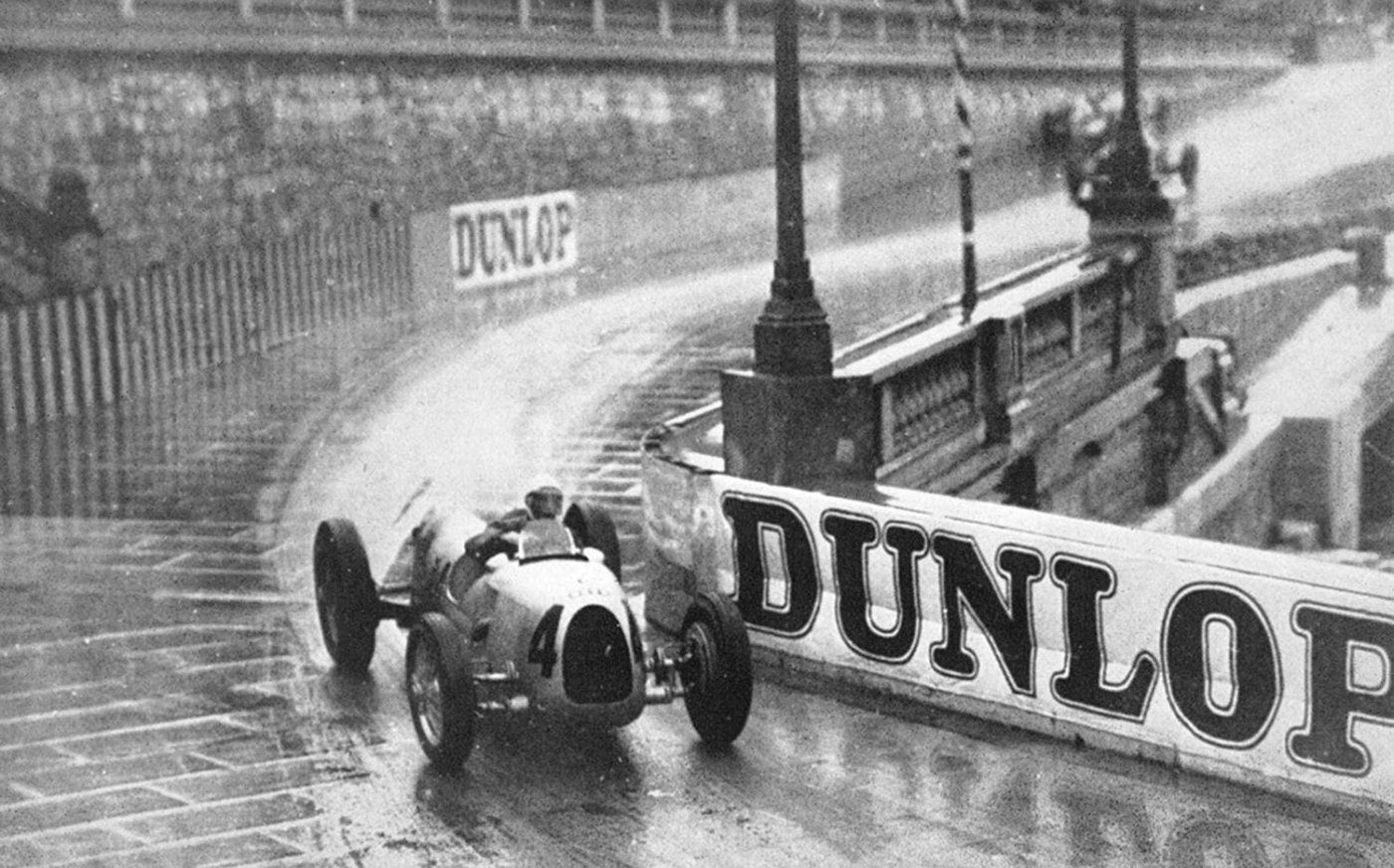
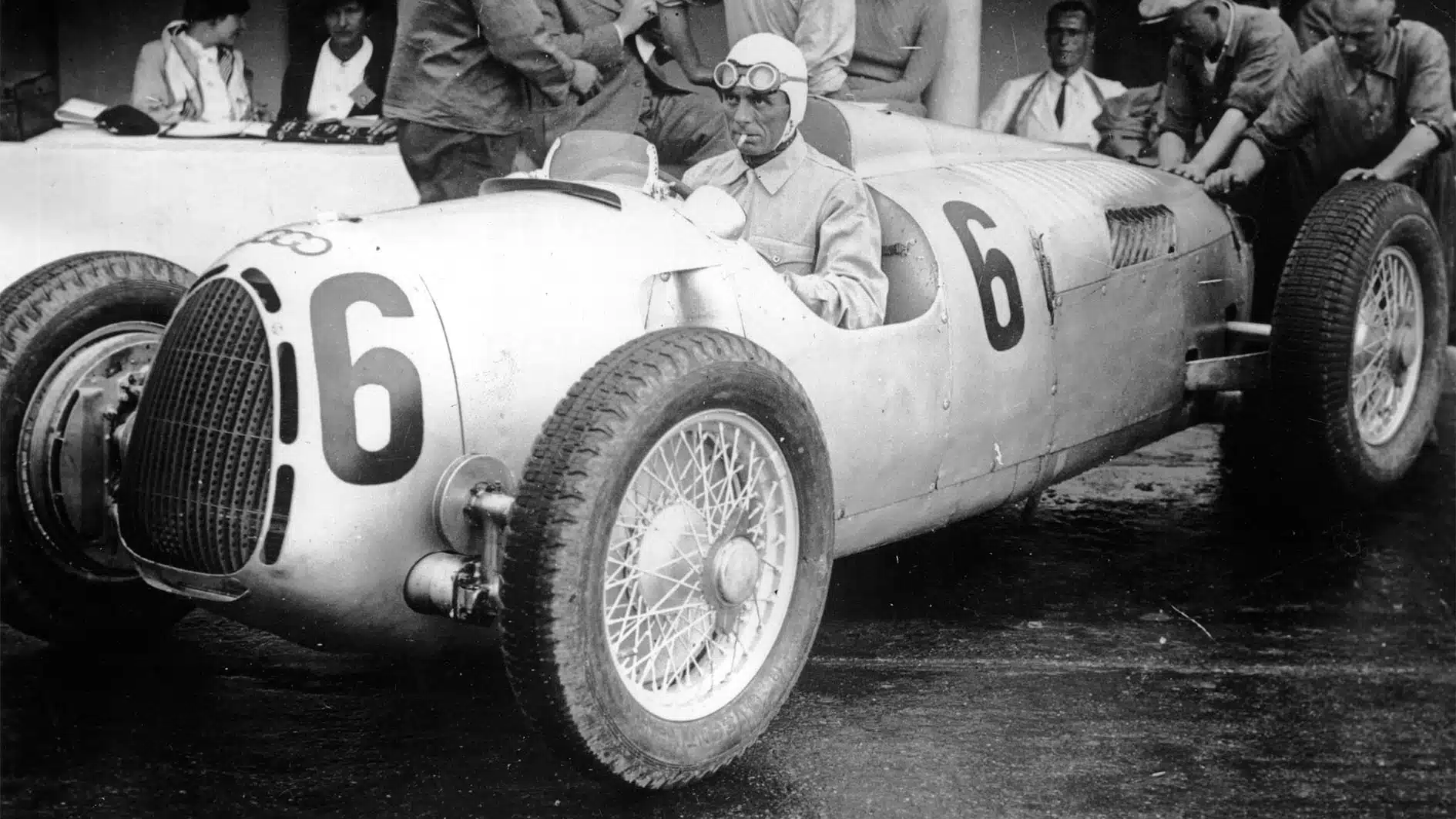
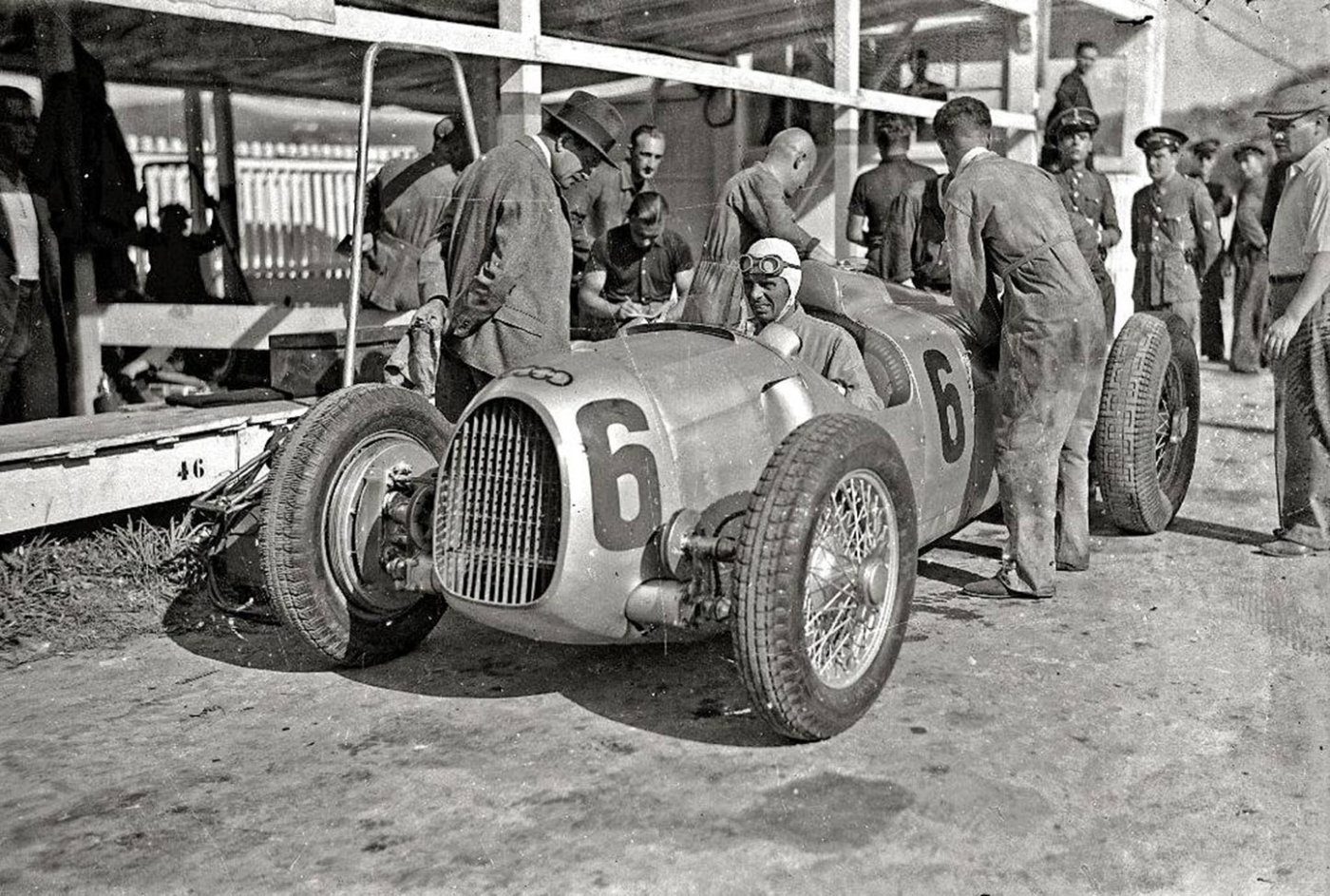
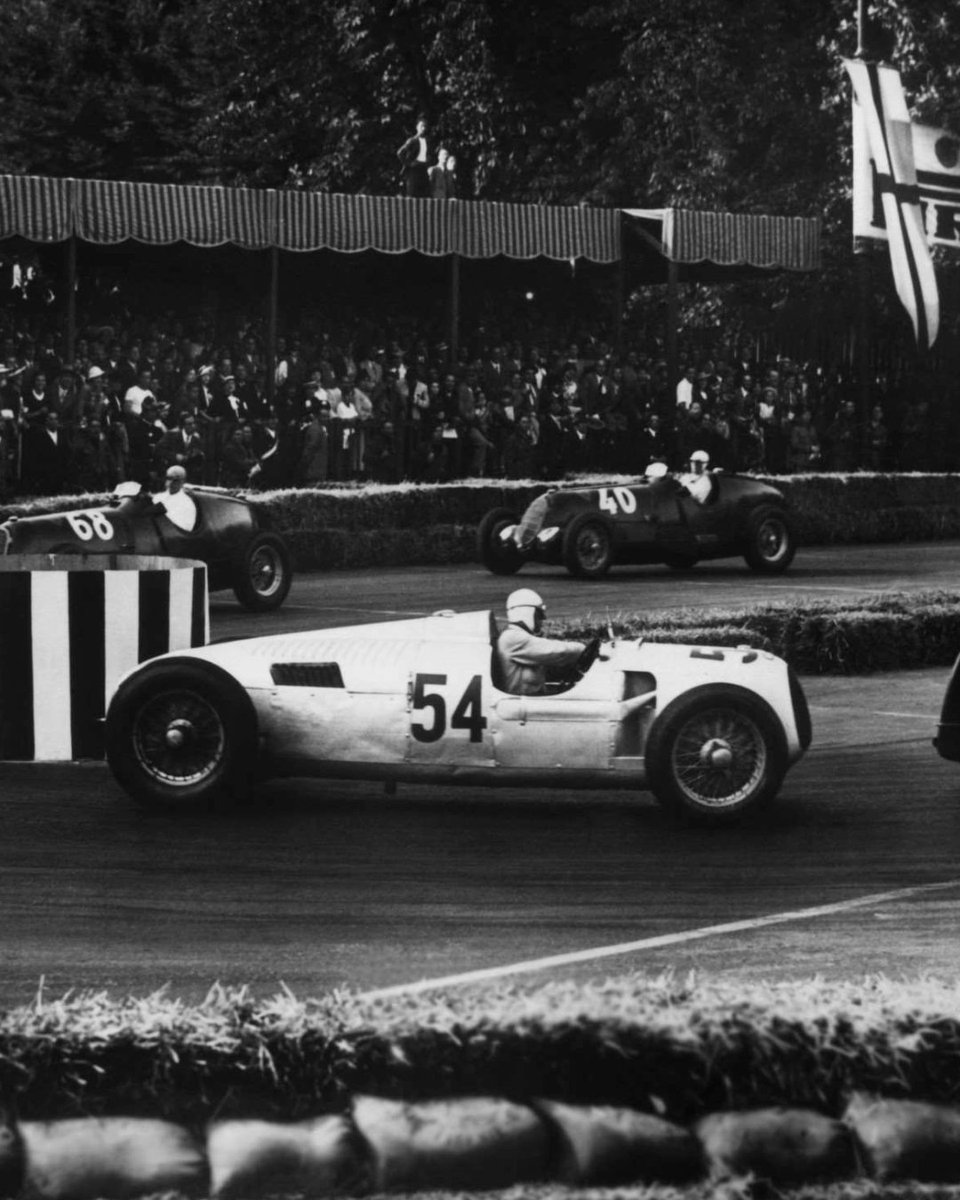
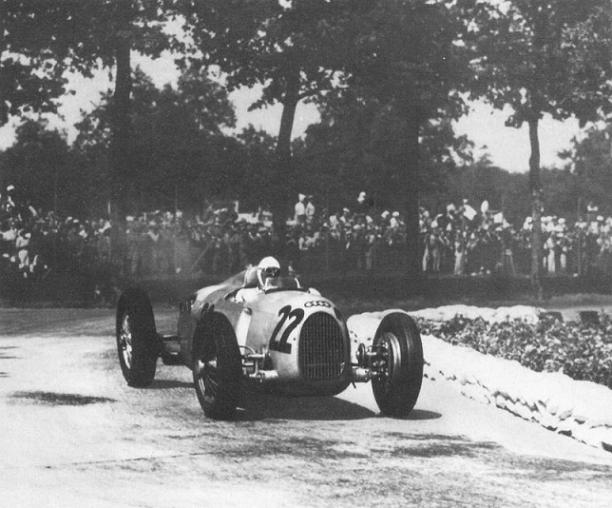
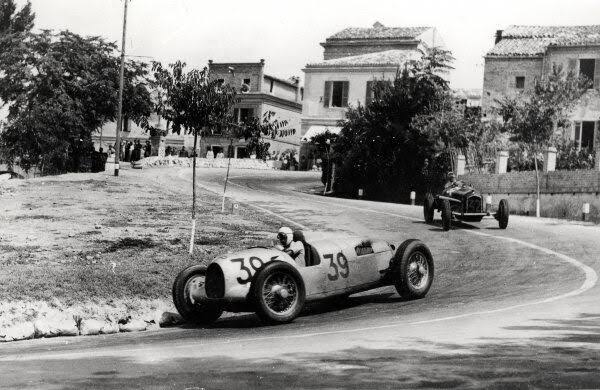
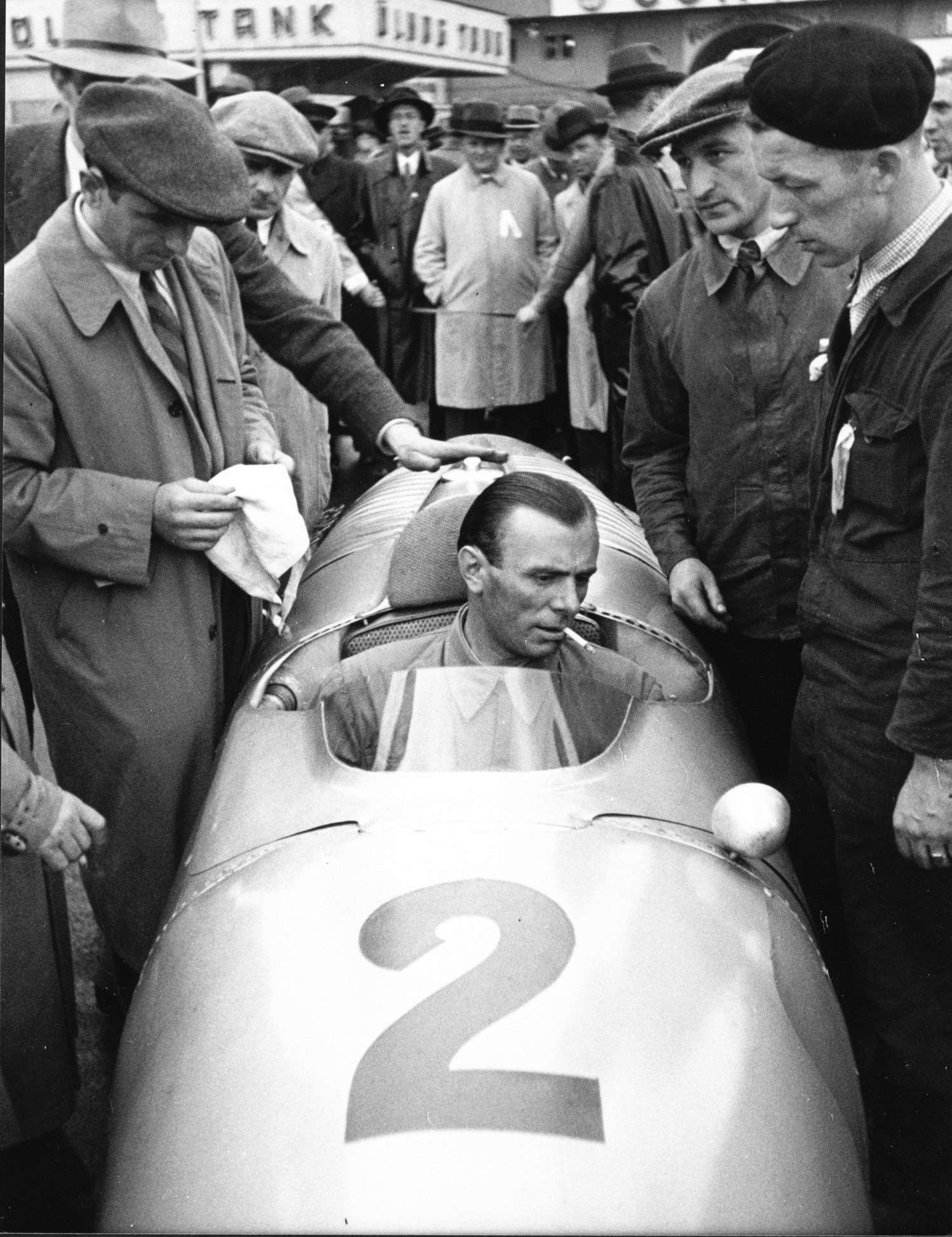
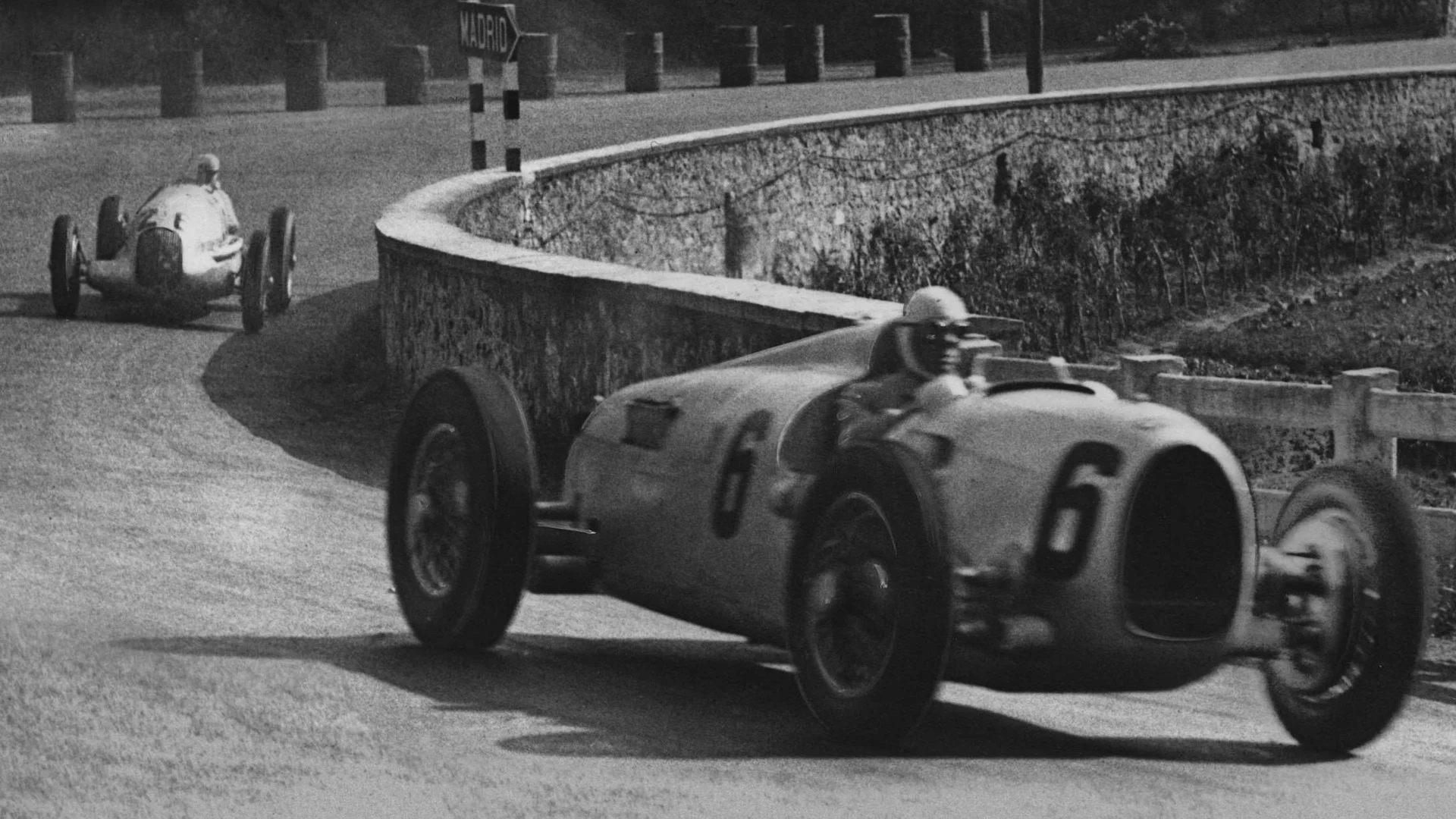
By 1935, lured by the immense power and formidable challenge of the rear-engined V16 Auto Unions, Varzi moved to Germany. He tamed the brutal, tail-heavy monsters with his customary grace, securing a stunning 226 km/h (141 mph) average-speed victory at Tripoli in 1936. However, the Auto Union years birthed a dark, devastating chapter. Varzi began a passionate affair with Ilse Pietsch, the stunning wife of reserve driver Paul Pietsch. Through her, the previously ascetic driver was introduced to morphine. The immaculate, untouchable maestro rapidly unravelled into a trembling, erratic addict. The transformation was horrifyingly abrupt. At the 1936 Tunis Grand Prix, the typically flawless Varzi made a rare, catastrophic error, rolling his Auto Union at nearly 240 km/h (150 mph). He escaped physically unhurt, but the psychological shock shattered his remaining composure. He began missing races entirely—vanishing before the German Grand Prix and the Coppa Acerbo—and wandered the paddocks in a daze with unexplained puncture wounds on his arms. He was eventually dropped by Auto Union, his supernatural talent consumed by the syringe.
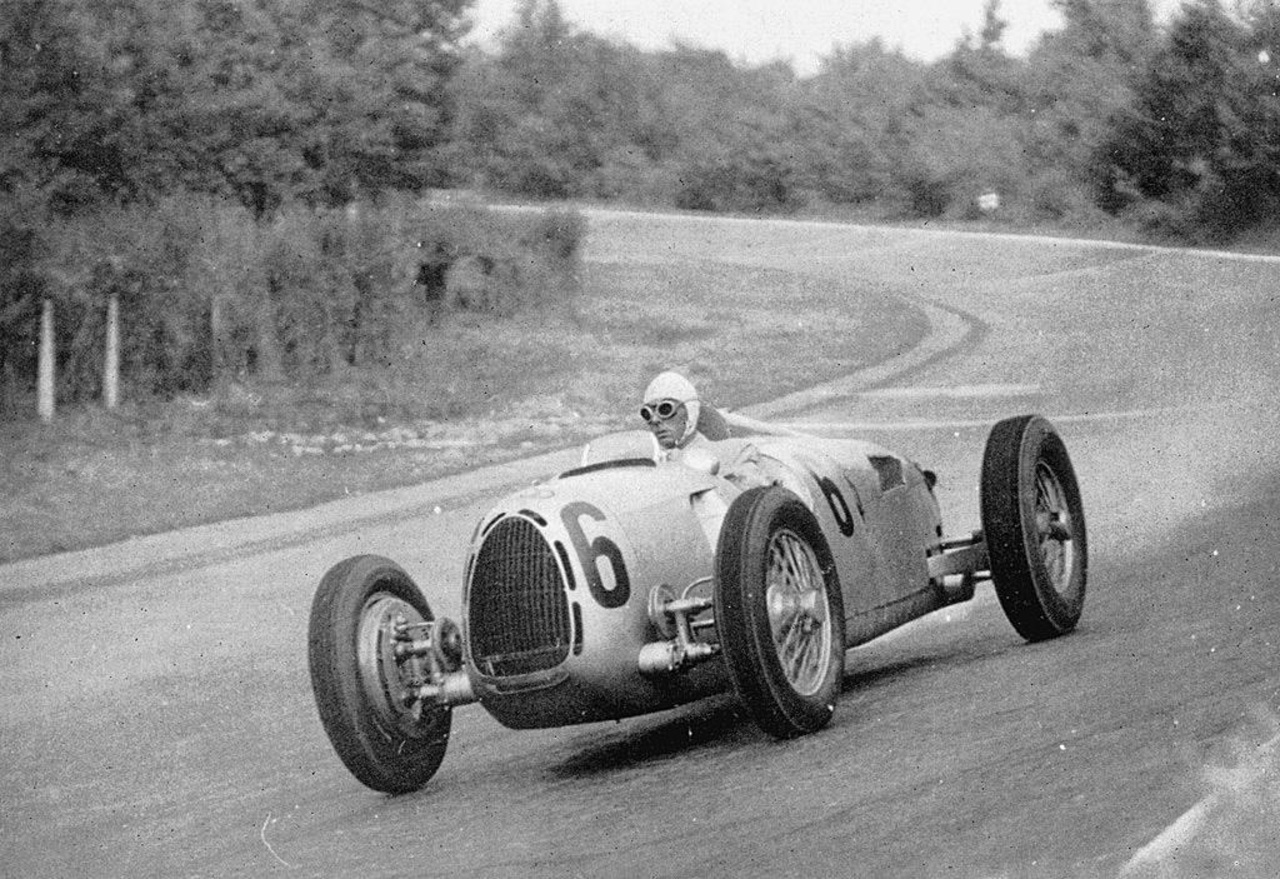
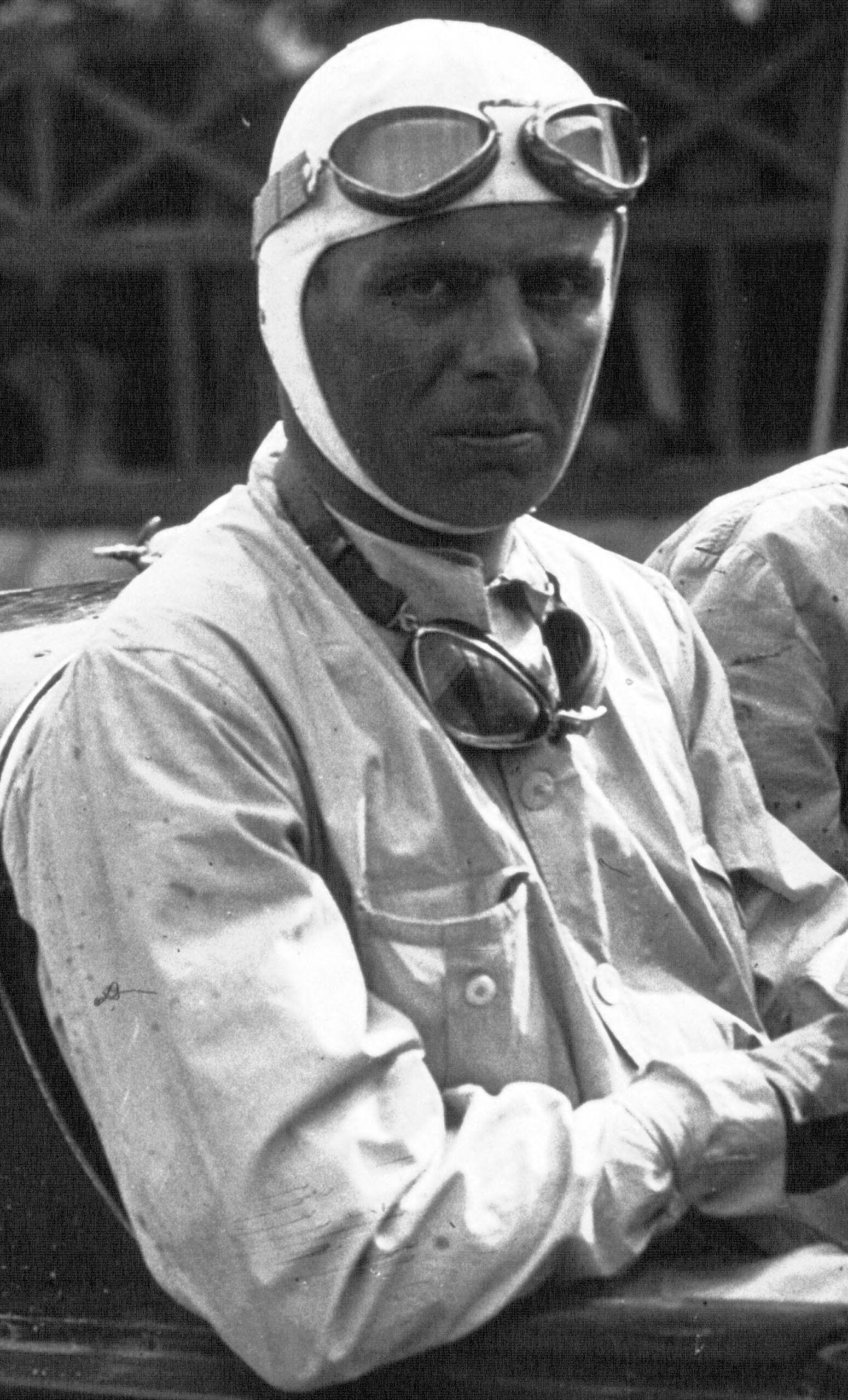
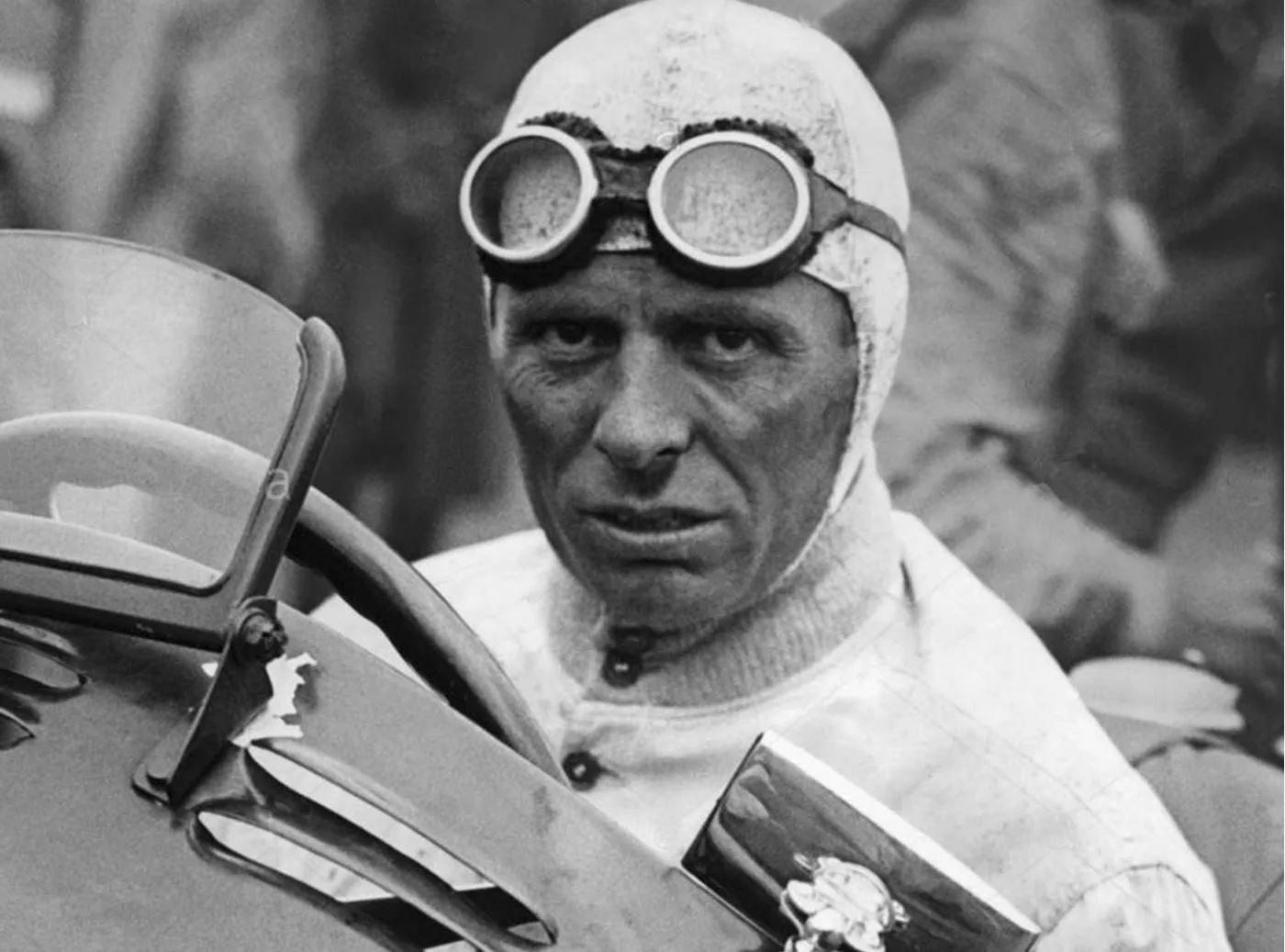
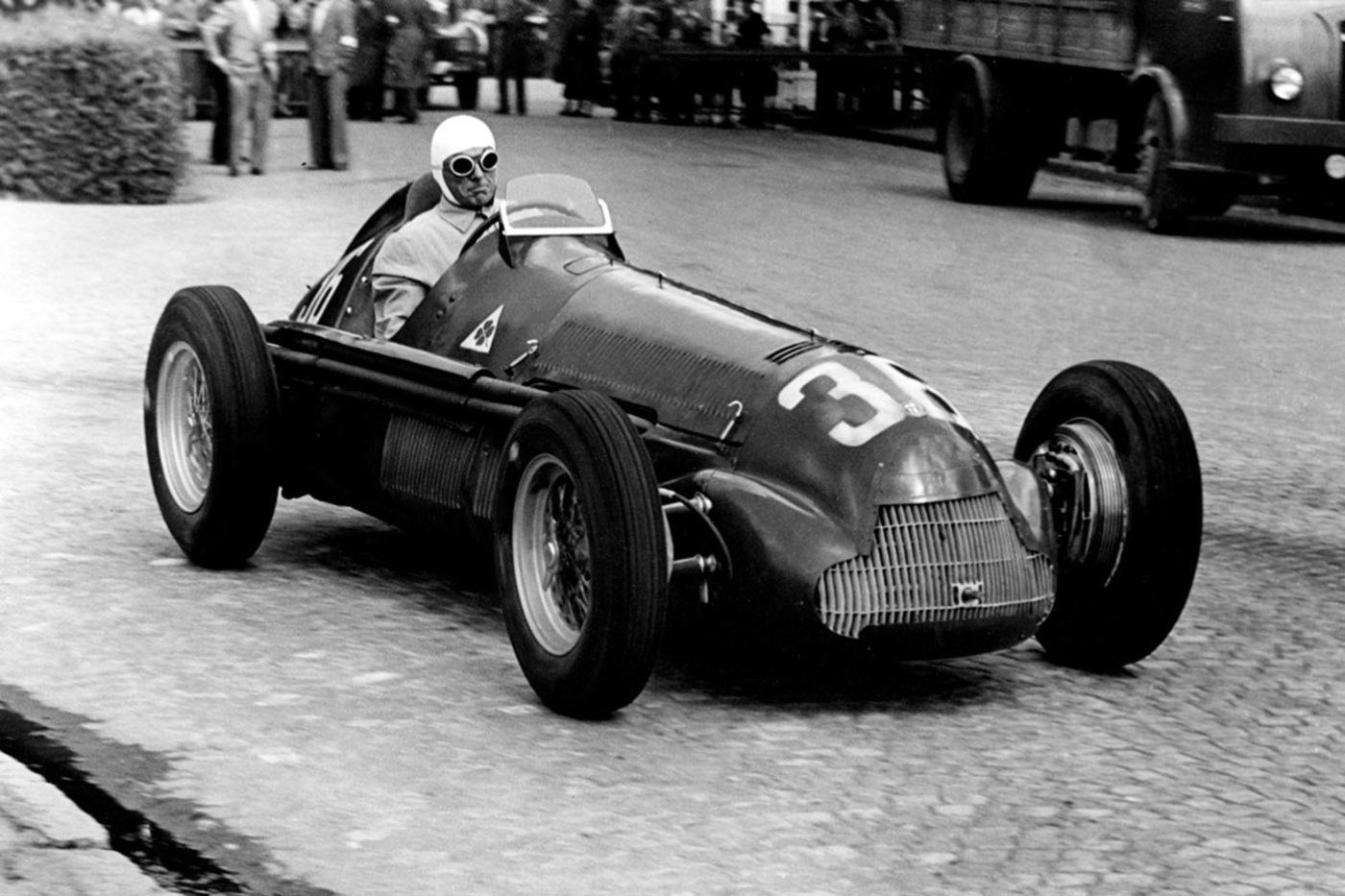
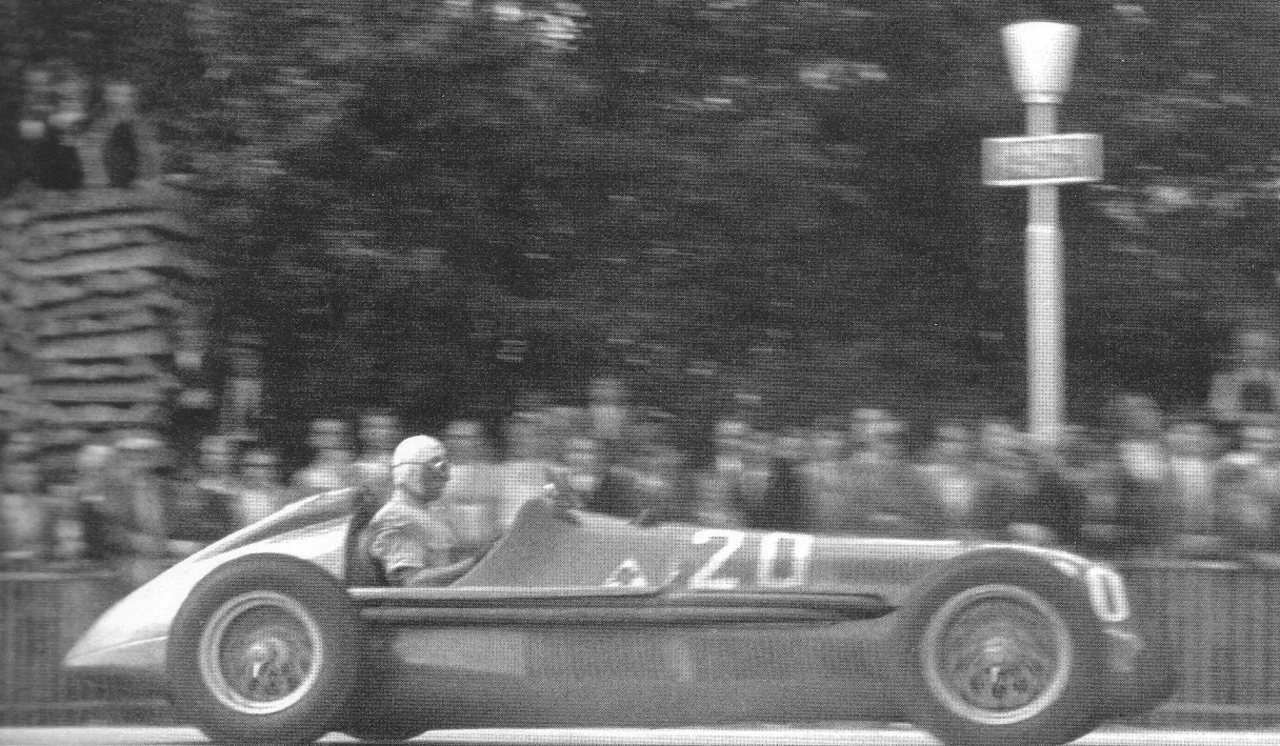
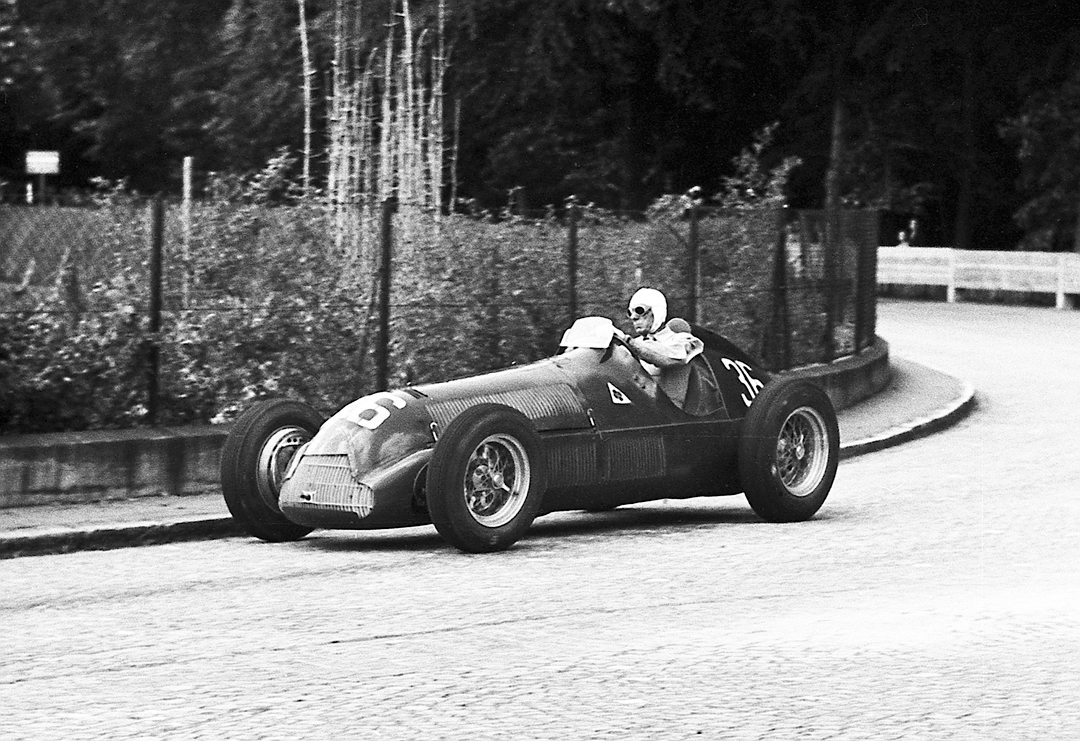
The outbreak of the Second World War provided an enforced hiatus that likely saved his life. During the dark years of the conflict, Varzi fought a brutal internal battle, conquering his morphine addiction and marrying Norma, a woman he had known before his years of tribulation. When the grand prix engines fired in anger once again in 1946, a rejuvenated 42-year-old Varzi even attempted to qualify a Maserati for the Indianapolis 500, before returning home to the Alfa Romeo factory team. Back in a 1.5-litre (92 cu in) Alfetta 158, he drove with all the grace, maturity, and balletic precision of his absolute prime. Yet, the sport remained a bloodletting arena. On 1 July 1948, during a damp, murky practice session for the Swiss Grand Prix at the Bremgarten circuit, the rear of his Alfa Romeo snapped away on the treacherous Jordenrampe corner. The car clipped a wooden barrier and somersaulted. Varzi, wearing only the traditional linen helmet he had favoured for decades, was crushed and killed instantly. His tragic end sent shockwaves through the continent, drawing 15,000 mourners to his funeral in Galliate. The loss of motor racing’s most precise genius forced the governing FIA to finally mandate the use of hard crash helmets in grand prix racing. Achille Varzi died exactly as he had lived: operating at the absolute, terrifying edge of mechanised speed.
Flames licked the scuttle of the Alfa Romeo P2, feeding greedily on a fractured fuel line as the car tore across the Sicilian mountains. It was the 1930 Targa Florio, and Achille Varzi was leading, his eyes locked on the treacherous ribbon of blistering tarmac ahead. The heat in the cramped cockpit was blinding, mingling with the pungent stench of hot castor oil, raw fuel, and scorched metal. Beside him, his riding mechanic frantically beat back the blaze with a ripped-out seat cushion. Any sensible man would have parked the roaring machine and leapt to safety, but Varzi merely crouched further behind the aeroscreen, edging sideways to give his mechanic room to fight the inferno, and kept his foot pinned to the floorboards. Setting a staggering fastest lap of 1 hour, 21 minutes and 21.6 seconds across the monstrous 108 km (67 miles) circuit, he broke Louis Chiron to win by 1 minute and 48.4 seconds. It was a defining display of the terrifying, glacial resolve that made him the most formidable grand prix driver of his generation.
Born in 1904 to a wealthy textile manufacturer in Galliate, Piedmont, Varzi never lacked the immense financial backing required to feed his thirst for mechanised speed. His competitive genesis was on two wheels, wrestling rudimentary, violently vibrating motorcycles around the perilous curves of the Isle of Man TT throughout the 1920s. It was in this unforgiving crucible that he first crossed paths with a fiery, diminutive Mantuan named Tazio Nuvolari. The two Italians, recognising a mutual brilliance, formed a grand prix racing stable in 1928, purchasing a pair of Bugatti Type 35s. Yet, brilliance in such close proximity inevitably breeds friction; the partnership dissolved rapidly into a bitter, career-defining rivalry, prompting Varzi to strike out alone. He soon established his four-wheeled pedigree, notably clinching the 1929 Monza Grand Prix and defeating Luigi Arcangeli at the same high-speed autodrome in 1930 by a microscopic 0.2 seconds.
The 1930s belonged entirely to this polarised duo, and Varzi’s ascent to the absolute summit of motor racing was marked by an overarching, ruthless pragmatism. National loyalties meant nothing to him; his only requirement was the fastest car on the grid. He swapped the blood-red of Alfa Romeo for the French blue of Bugatti in 1931—a move viewed as treasonous by the emotive Italian press—only to return to Alfa in 1934 to conquer the 1600 km (1000 miles) Mille Miglia and claim his second Italian Championship. His crowning gladiatorial triumph came at the 1933 Monaco Grand Prix. Across 99 gruelling laps around the principality, Varzi and Nuvolari swapped the lead endlessly, with Nuvolari leading 66 laps to Varzi’s 34. Nuvolari’s shorter gearing gave him vicious acceleration out of the slow corners, but Varzi’s Bugatti possessed the shorter wheelbase, granting a vital advantage through the hairpins. Varzi’s clinical exactitude finally broke Nuvolari’s Alfa Romeo on the final lap. Where Nuvolari drove with his heart, wrestling machines beyond the limits of physics with dramatic opposite lock, Varzi drove purely with his head. He was precise, impeccably dressed, and seemingly emotionless—a remote, dry-witted tactician who treated cornering as an exercise in sheer geometry. This calculating nature extended well beyond the cockpit; at the 1933 Tripoli Grand Prix, an event tied to a lucrative state lottery, he allegedly conspired with a timber merchant and ticket holder named Enrico Rivio, splitting the immense prize money 50:50 after fixing the race with his rivals.
By 1935, lured by the immense power and formidable challenge of the rear-engined V16 Auto Unions, Varzi moved to Germany. He tamed the brutal, tail-heavy monsters with his customary grace, securing a stunning 226 km/h (141 mph) average-speed victory at Tripoli in 1936. However, the Auto Union years birthed a dark, devastating chapter. Varzi began a passionate affair with Ilse Pietsch, the stunning wife of reserve driver Paul Pietsch. Through her, the previously ascetic driver was introduced to morphine. The immaculate, untouchable maestro rapidly unravelled into a trembling, erratic addict. The transformation was horrifyingly abrupt. At the 1936 Tunis Grand Prix, the typically flawless Varzi made a rare, catastrophic error, rolling his Auto Union at nearly 240 km/h (150 mph). He escaped physically unhurt, but the psychological shock shattered his remaining composure. He began missing races entirely—vanishing before the German Grand Prix and the Coppa Acerbo—and wandered the paddocks in a daze with unexplained puncture wounds on his arms. He was eventually dropped by Auto Union, his supernatural talent consumed by the syringe.
The outbreak of the Second World War provided an enforced hiatus that likely saved his life. During the dark years of the conflict, Varzi fought a brutal internal battle, conquering his morphine addiction and marrying Norma, a woman he had known before his years of tribulation. When the grand prix engines fired in anger once again in 1946, a rejuvenated 42-year-old Varzi even attempted to qualify a Maserati for the Indianapolis 500, before returning home to the Alfa Romeo factory team. Back in a 1.5-litre (92 cu in) Alfetta 158, he drove with all the grace, maturity, and balletic precision of his absolute prime. Yet, the sport remained a bloodletting arena. On 1 July 1948, during a damp, murky practice session for the Swiss Grand Prix at the Bremgarten circuit, the rear of his Alfa Romeo snapped away on the treacherous Jordenrampe corner. The car clipped a wooden barrier and somersaulted. Varzi, wearing only the traditional linen helmet he had favoured for decades, was crushed and killed instantly. His tragic end sent shockwaves through the continent, drawing 15,000 mourners to his funeral in Galliate. The loss of motor racing’s most precise genius forced the governing FIA to finally mandate the use of hard crash helmets in grand prix racing. Achille Varzi died exactly as he had lived: operating at the absolute, terrifying edge of mechanised speed.