

Alfa Romeo Giulia TZ1
Brand
Produced from
Vehicle category
Portal
Model line
Model generation
Predecessor
Sucessor
About this Model Generation
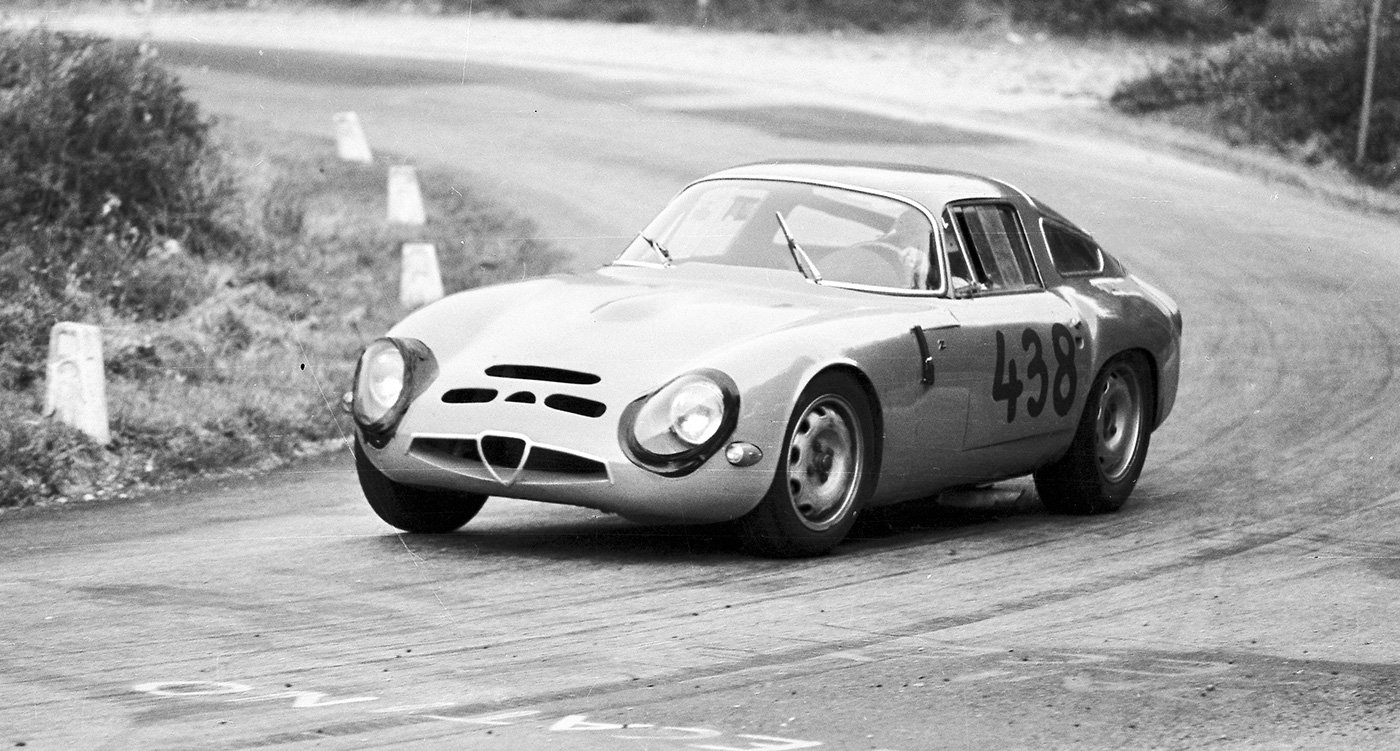
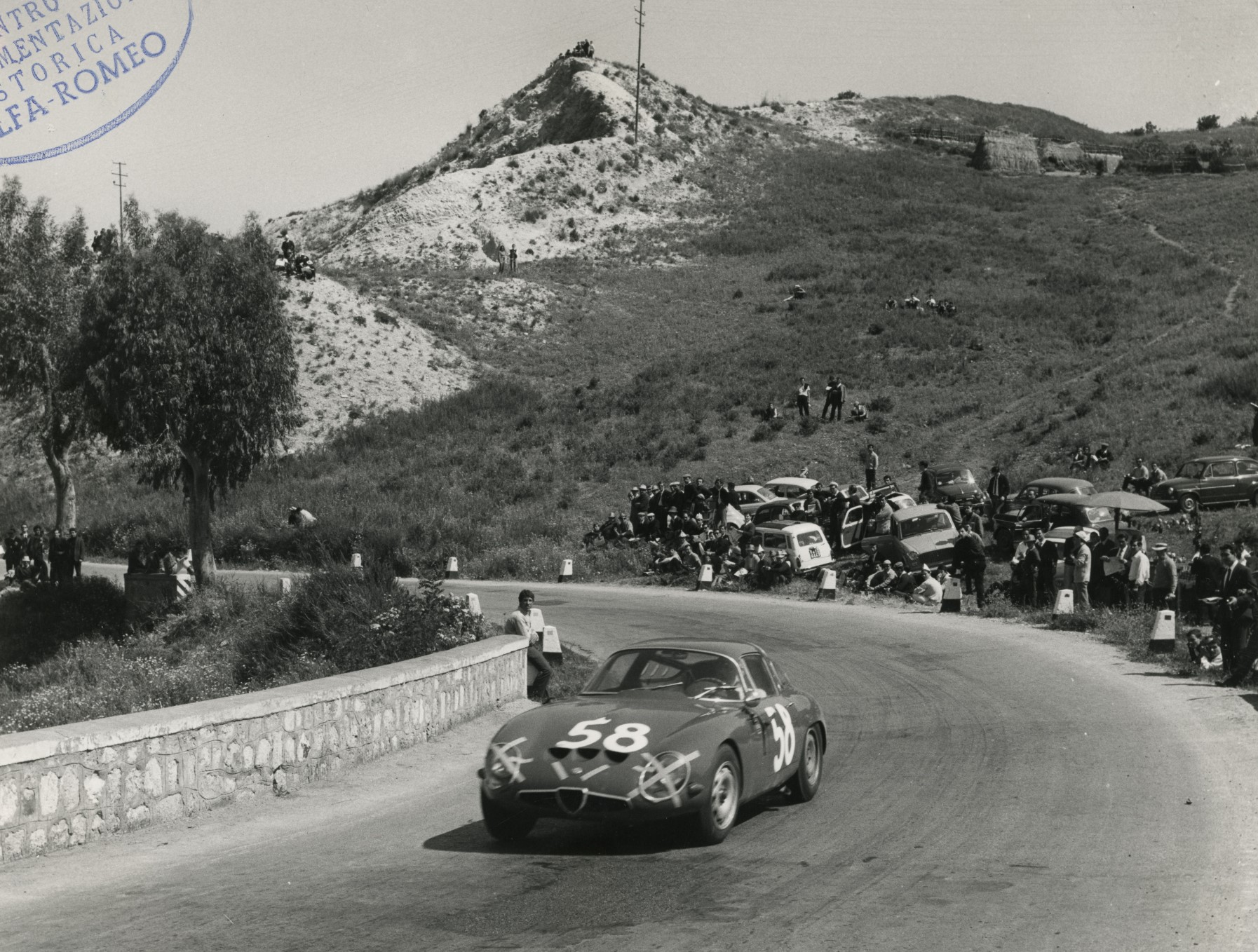
The early 1960s represented a period of intense, rapid evolution in international sports car racing. The romantic era of gentlemen drivers was giving way to ruthless, factory-backed aerodynamic warfare. Alfa Romeo, fresh off the spectacular successes of the bulbous Giulietta SZ (Sprint Zagato), realized that maintaining dominance in the fiercely contested 1.6-liter Gran Turismo class required a radical departure from traditional unibody construction. The opposition was mobilizing; Colin Chapman’s featherweight Lotus Elan 26R was rewriting handling benchmarks, while the venomous Abarth-Simcas were proving formidable on the Italian hillclimbs. In response, Milan birthed a bespoke, uncompromising weapon that would forever etch its name into the asphalt of Le Mans and the dusty roads of Sicily: the 1963 Alfa Romeo Giulia TZ. Retrospectively known as the TZ1 to distinguish it from its fiberglass-clad successor, this generation was homologated in two distinct guises—the thinly veiled Stradale for the street, and the bare-knuckle Corsa for the track. It was a machine that perfectly bridged the gap between a road-going sports car and a purebred racing prototype.
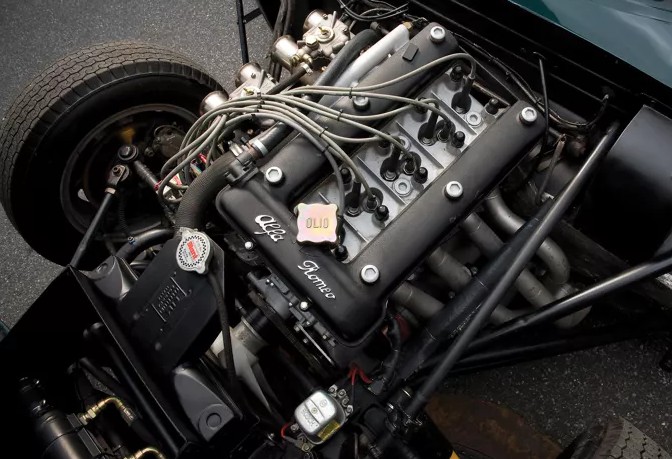
To understand the Giulia TZ is to deconstruct its very name: Tubolare Zagato. The mechanical foundation of the car was a complex, three-dimensional spaceframe woven from nickel-chrome-molybdenum steel tubes. Fabricated by Ambrosini, this skeletal masterpiece weighed a staggering 62 kilograms (roughly 137 pounds), providing immense torsional rigidity while shedding every conceivable ounce of excess mass. To ensure an impossibly low hood line for aerodynamic efficiency, Alfa Romeo’s legendary 1,570cc Bialbero (twin-cam) inline-four engine was mounted at a severe 15-degree angle. In the Stradale versions, this alloy jewel breathed through twin Weber carburetors to produce a highly spirited 112 horsepower. However, when the Corsa variants were handed over to the wizards at Autodelta—Alfa’s newly minted racing division led by the brilliant Carlo Chiti—the engine was pushed to a screaming 160 horsepower. Power was transmitted through a crisp five-speed manual gearbox to a fully independent rear suspension. In a stroke of motorsport genius, Chiti and the engineering team utilized inboard rear disc brakes, mounting them directly to the differential rather than the wheel hubs. This drastically reduced unsprung weight, allowing the TZ1 to dance over the rutted, undulating surfaces of European road courses with an agility that left heavy American V8s and larger Ferraris floundering in its wake.
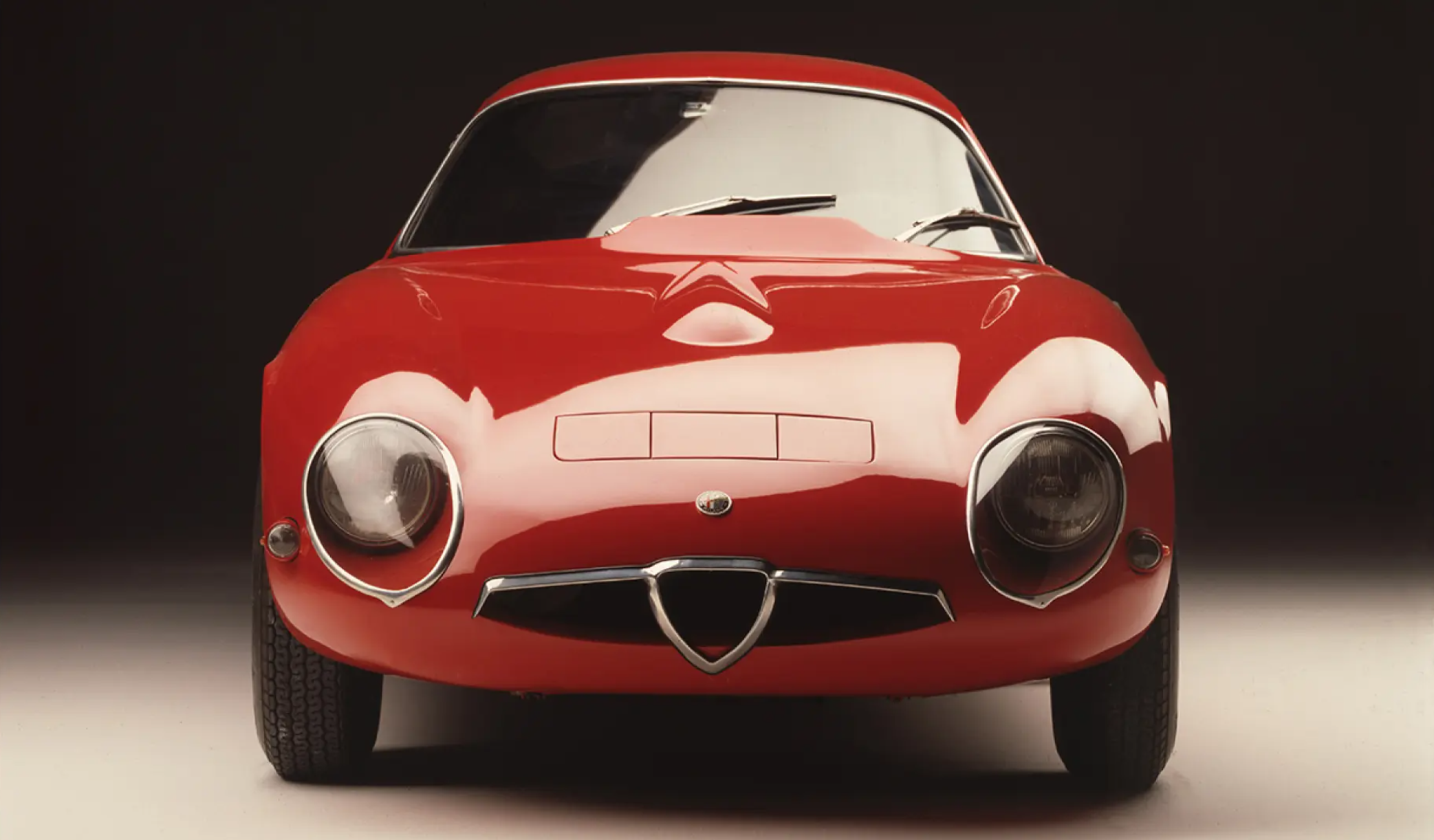
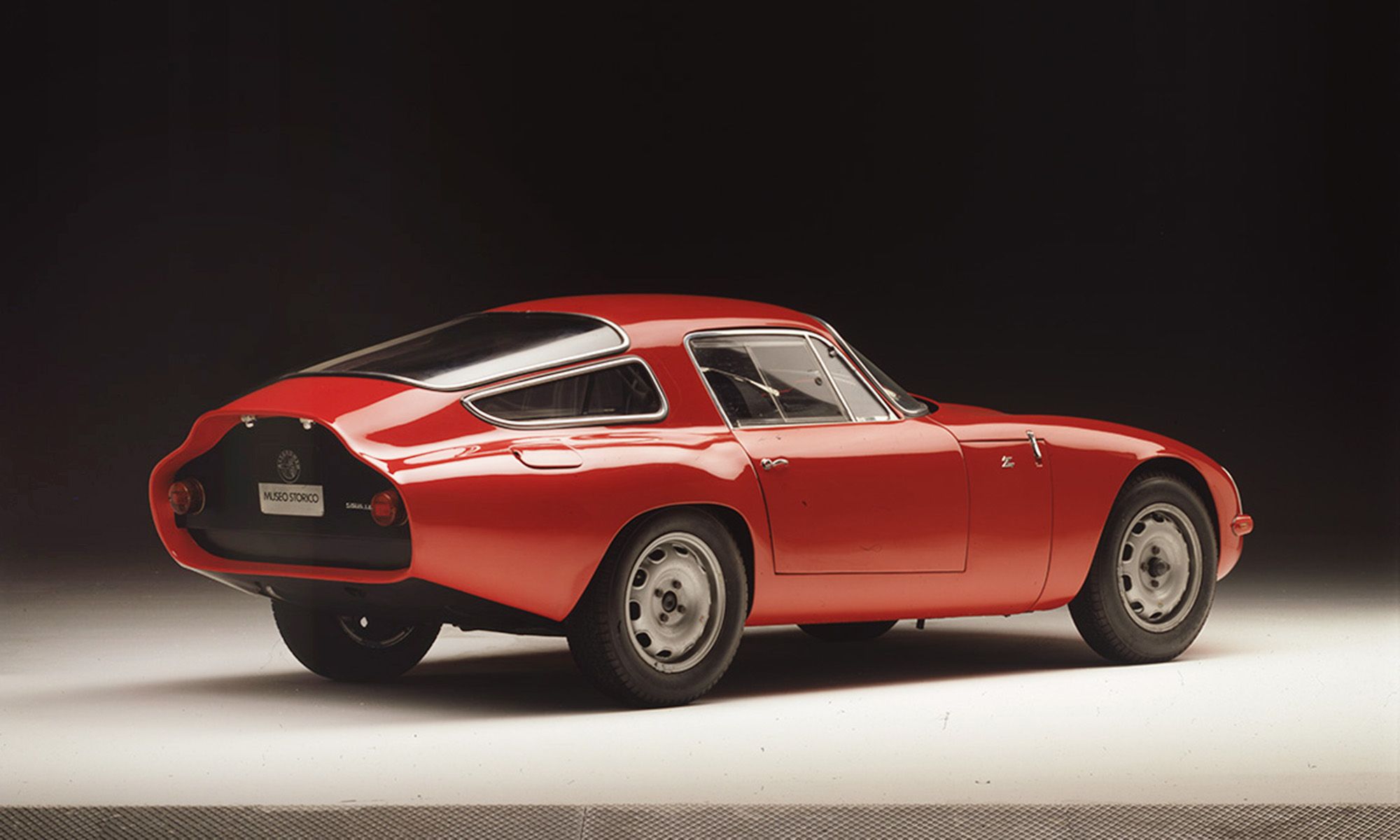
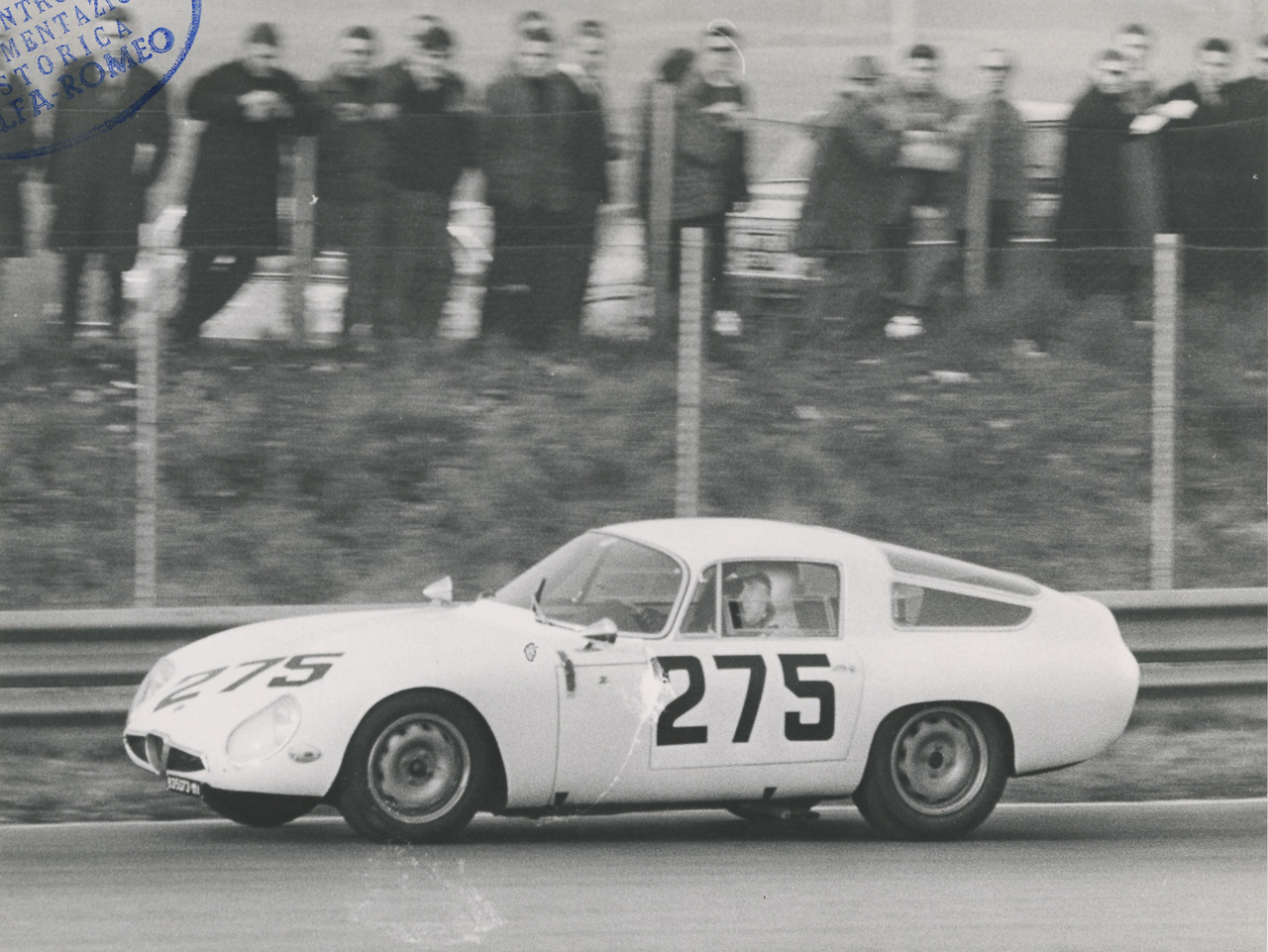
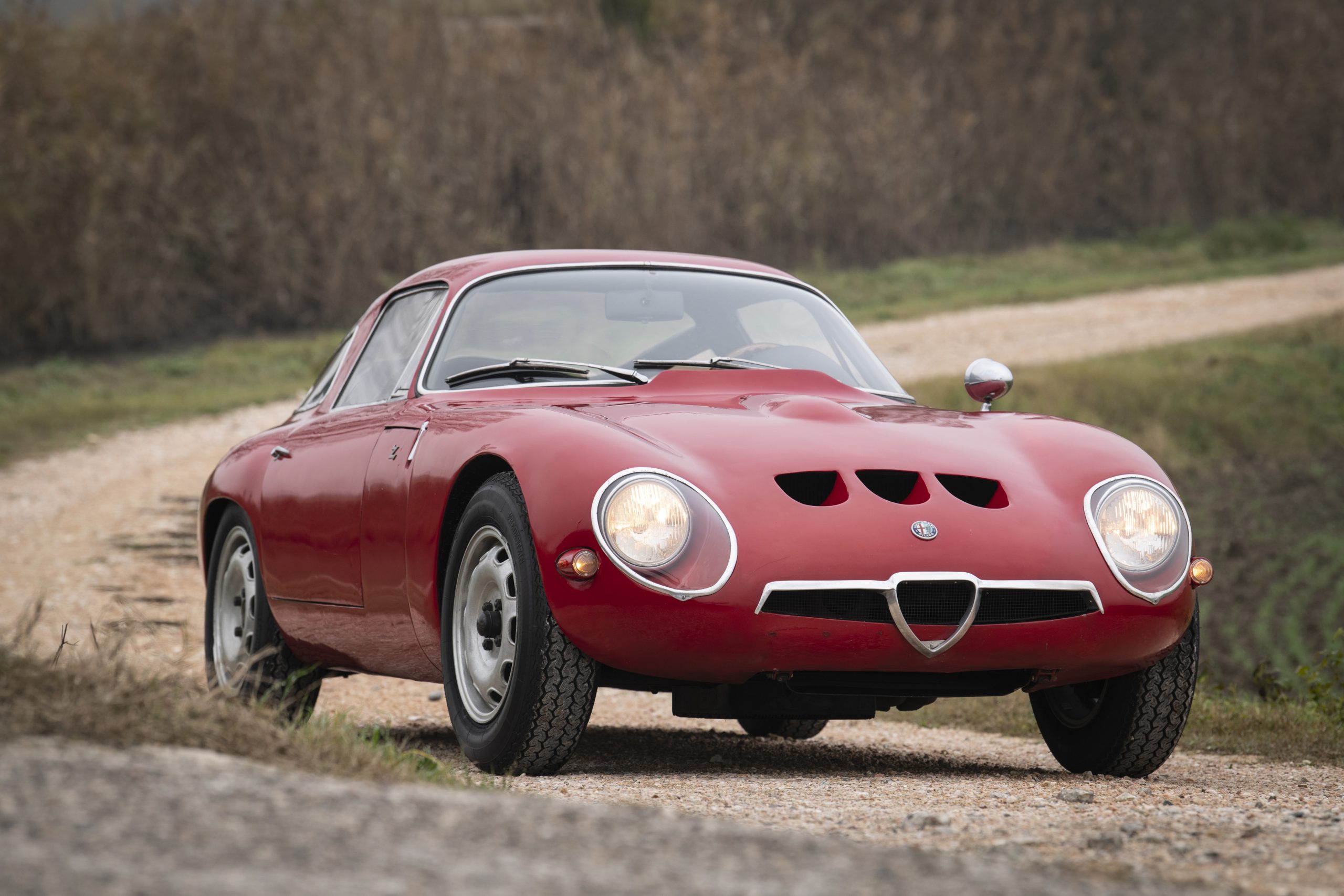
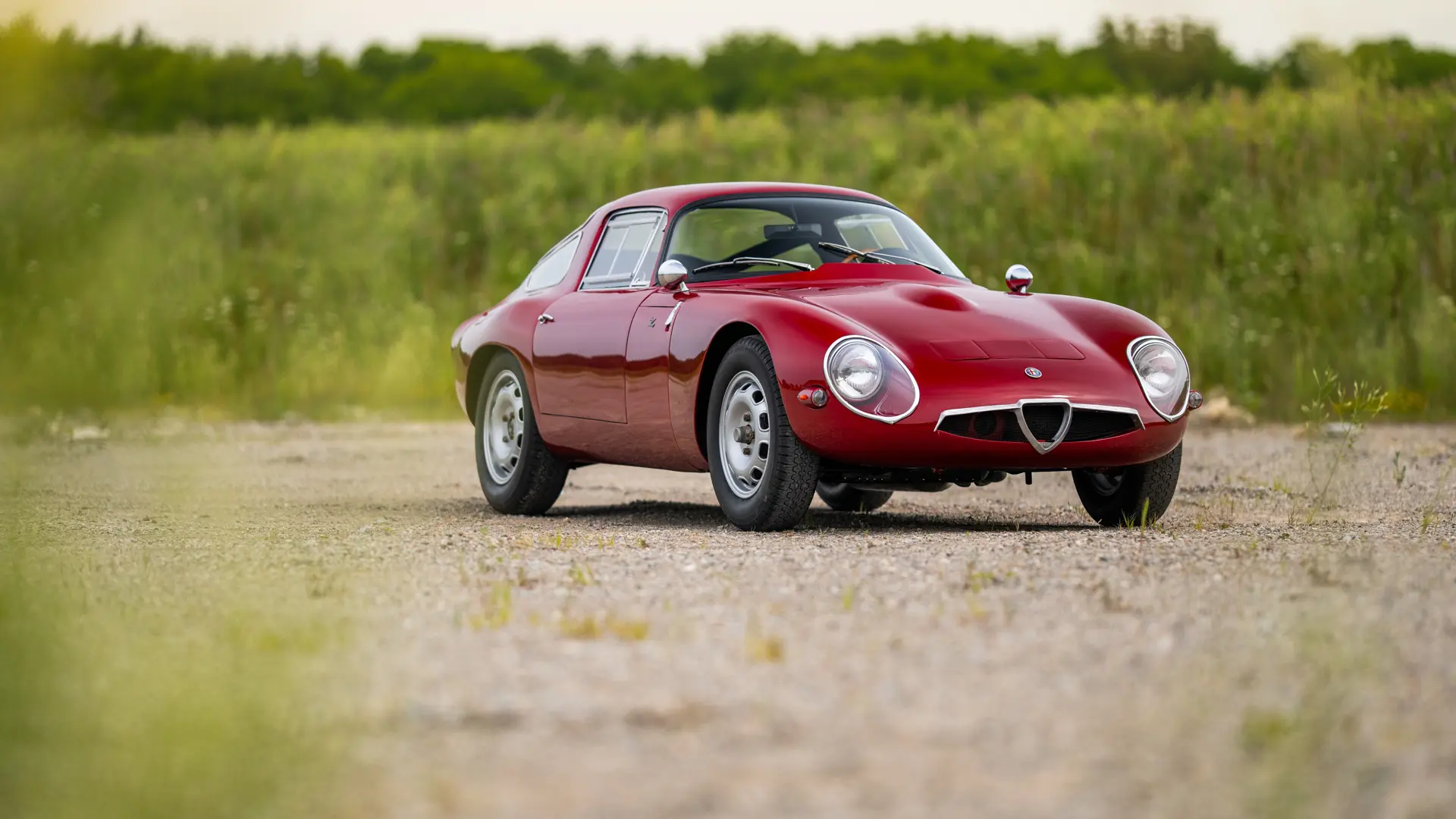
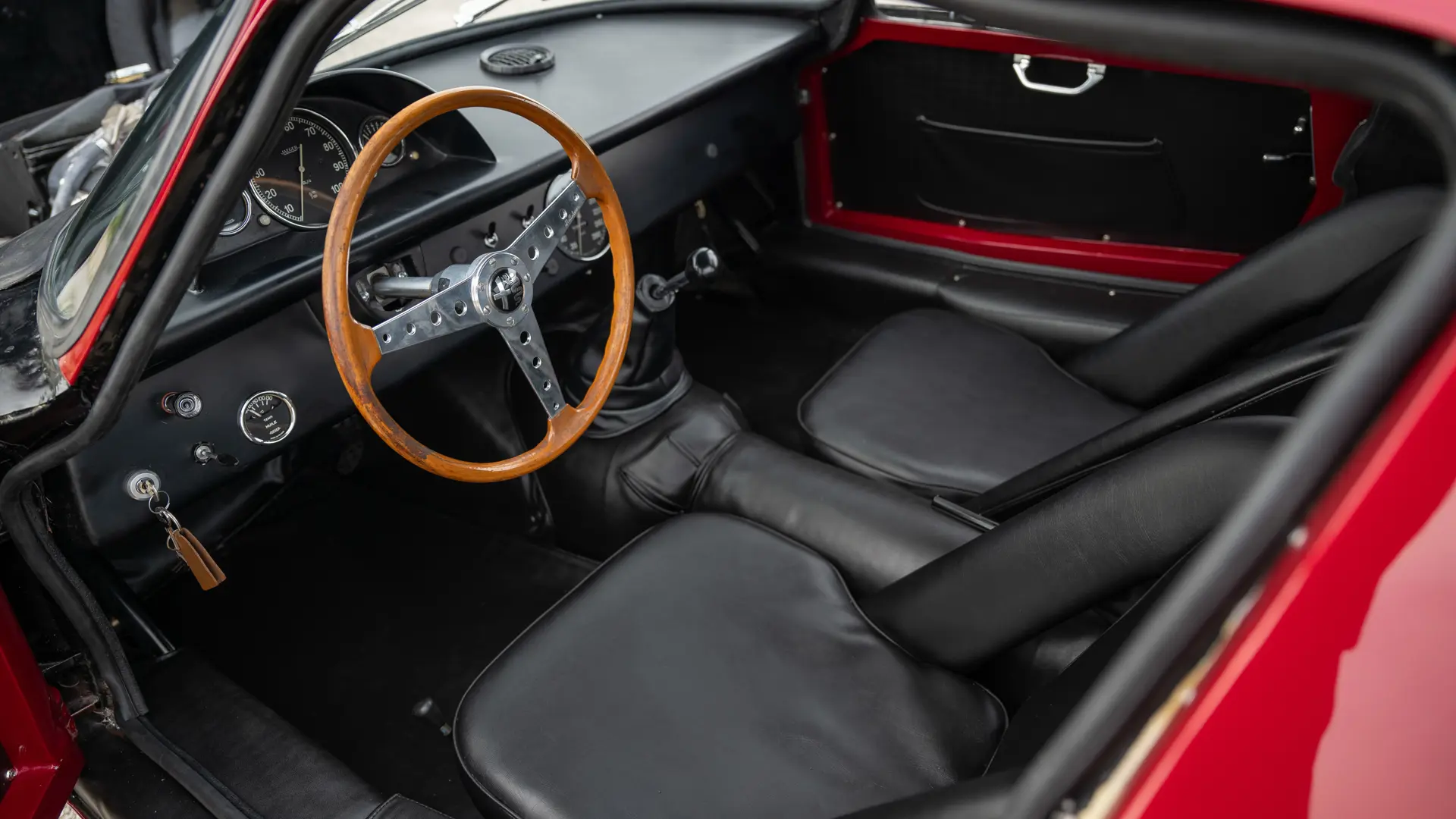
Draping this cutting-edge mechanical package was a body of breathtaking, brutalist beauty crafted by Carrozzeria Zagato. The young aerodynamicist Ercole Spada was given a singular directive: make it slip through the air. Hand-beaten from ultra-thin aluminum, the TZ1 featured a low, sweeping shark-like nose that guided the air over a compact, domed glasshouse. But Spada’s true masterstroke was located at the rear. He applied the aerodynamic theories of Dr. Wunibald Kamm, creating the Coda Tronca—a sheer, abruptly chopped-off tail section. This design tricked the airflow into behaving as if the car possessed a long, teardrop-shaped tail, drastically reducing aerodynamic drag while simultaneously enhancing high-speed stability. The interior of the TZ1, whether in Stradale or Corsa specification, was an exercise in pure functional minimalism. Deep buckets, a large wood-rimmed steering wheel, exposed tubular chassis sections, and a dashboard dominated by vital Veglia instruments reminded the pilot that this was a homologation special, designed first and foremost to conquer the stopwatch.
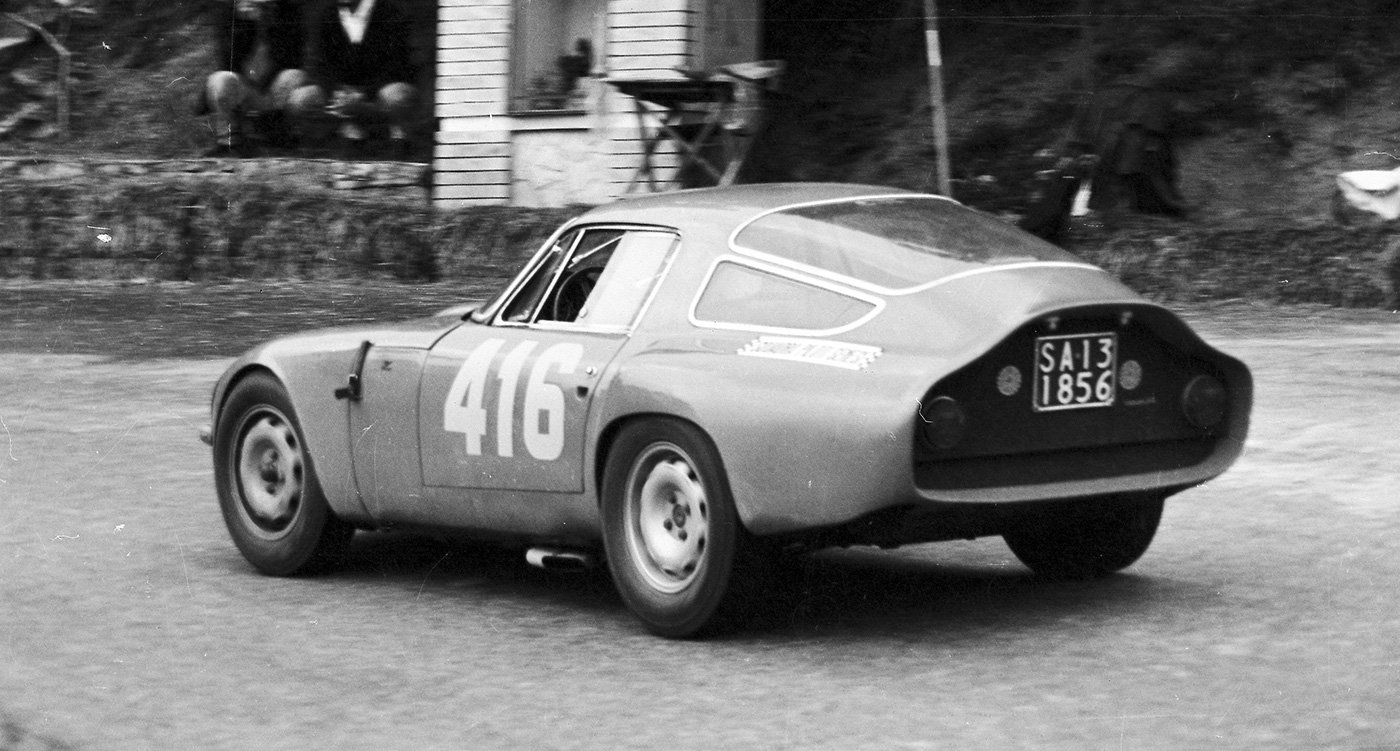
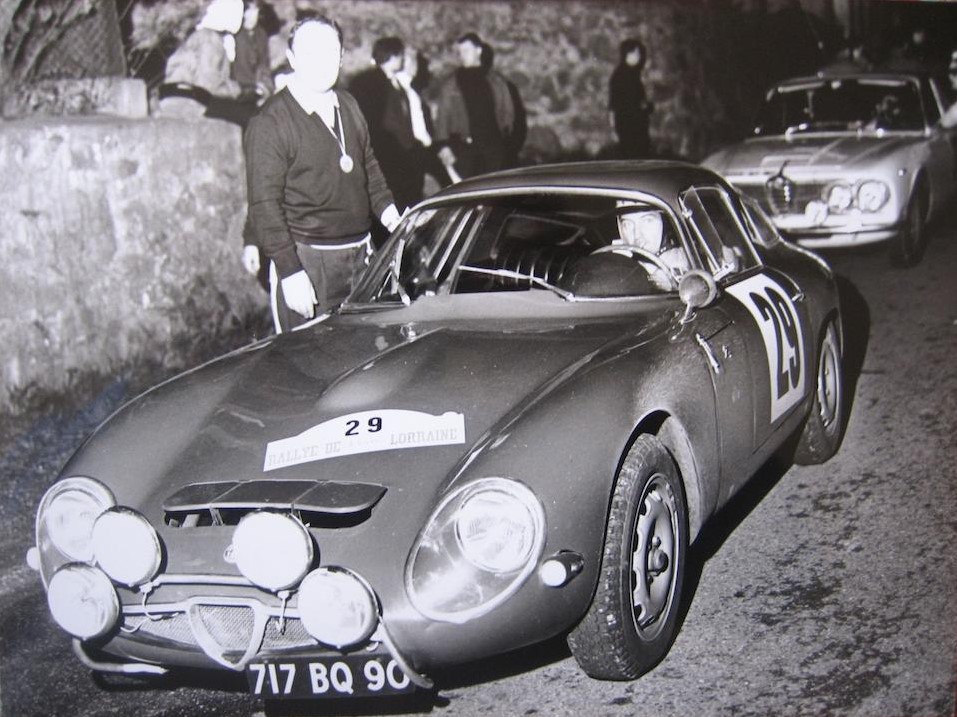
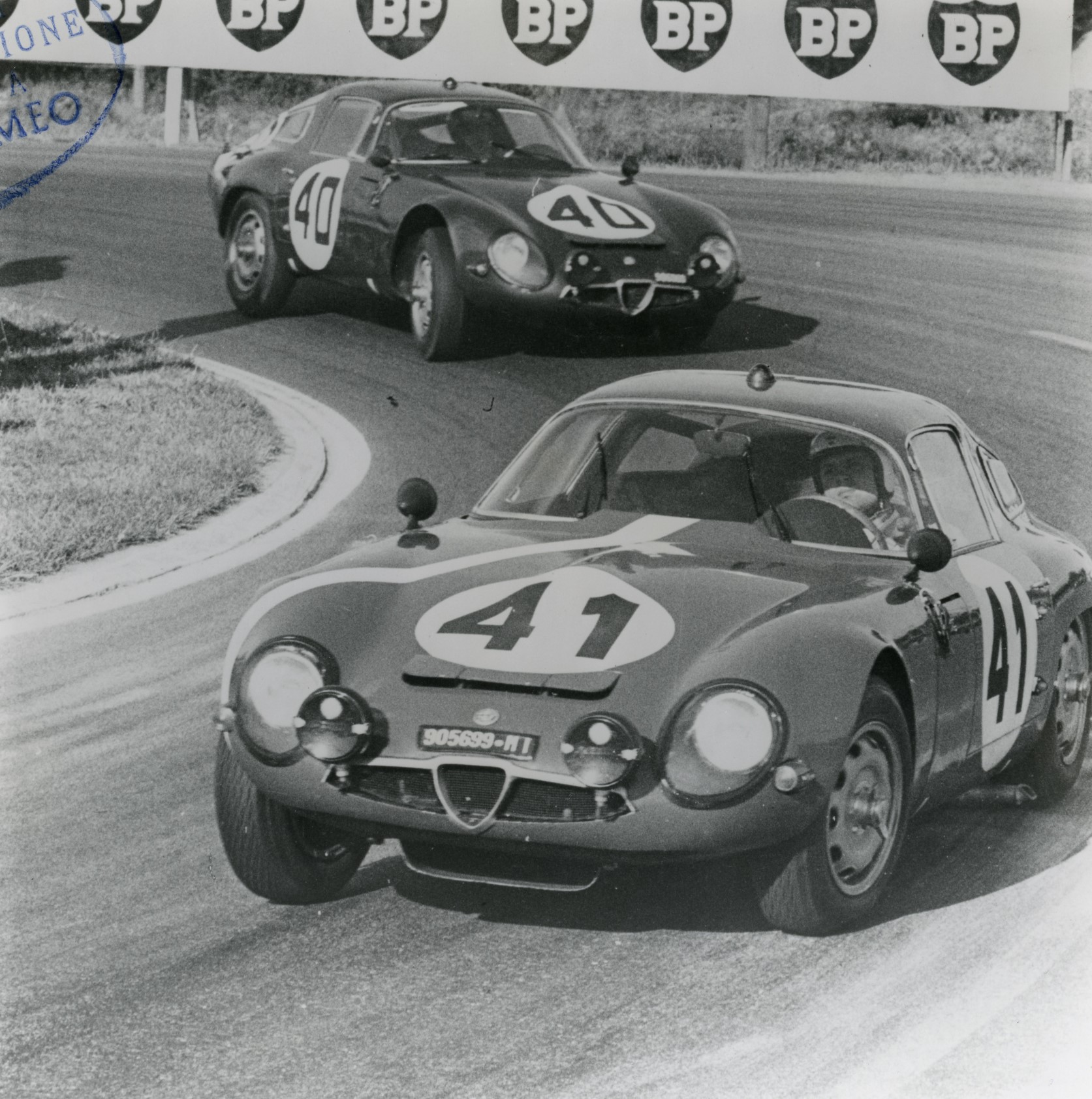
The competition history of the TZ1 is a tapestry of relentless, class-crushing domination. Alfa Romeo required 100 units to be built for FIA Gran Turismo homologation, ultimately producing around 112 examples. The car’s racing intent was violently declared at its official debut during the 1963 FISA Cup at Monza, where four TZ1s entered and utterly humiliated the opposition by sweeping the first four places in their class. From that moment, the Autodelta-prepared Corsa models embarked on a global crusade. In 1964, the TZ1 proved its indestructible nature and aerodynamic superiority by securing class victories at the grueling 12 Hours of Sebring, the legendary Targa Florio, the Nürburgring 1000km, and the 24 Hours of Le Mans. Drivers like Roberto Bussinello and Lorenzo Bandini utilized the car’s phenomenal braking and cornering grip to maintain momentum, frequently embarrassing purpose-built prototypes in the overall standings. The Stradale versions, while sold to the public, were rarely used for mere grand touring; they were eagerly snatched up by wealthy privateers who drove them to the circuit, won their local club races, and drove them home, creating an aura of untouchable prestige around the Alfa Romeo badge.
The legacy of the 1963 Alfa Romeo Giulia TZ1 is absolute. It represents the ultimate crescendo of Alfa’s front-engined, four-cylinder GT philosophy before the relentless march of physics demanded the mid-engine layout. It was the car that catalyzed the birth of Autodelta, forever changing the trajectory of Italian motorsport. When it was eventually superseded by the lower, wider, and fiberglass-bodied TZ2 in 1965, the TZ1 had already secured its immortality. Today, a genuine TZ1 is a crown jewel in any world-class collection, a highly coveted entry at the Goodwood Revival and the Tour Auto. It stands in the pantheon of motoring as a perfect storm of tubular chassis engineering, Zagato’s aerodynamic sorcery, and the howling soul of the Bialbero engine—a lightweight giant-killer that defined the golden age of 1960s sports car racing.
Brand
Produced from
Vehicle category
Portal
Model line
Model generation
Predecessor
Sucessor
Brand
Produced from
Vehicle category
Portal
Model line
Model generation
Predecessor
Sucessor
About this Model Generation
The early 1960s represented a period of intense, rapid evolution in international sports car racing. The romantic era of gentlemen drivers was giving way to ruthless, factory-backed aerodynamic warfare. Alfa Romeo, fresh off the spectacular successes of the bulbous Giulietta SZ (Sprint Zagato), realized that maintaining dominance in the fiercely contested 1.6-liter Gran Turismo class required a radical departure from traditional unibody construction. The opposition was mobilizing; Colin Chapman’s featherweight Lotus Elan 26R was rewriting handling benchmarks, while the venomous Abarth-Simcas were proving formidable on the Italian hillclimbs. In response, Milan birthed a bespoke, uncompromising weapon that would forever etch its name into the asphalt of Le Mans and the dusty roads of Sicily: the 1963 Alfa Romeo Giulia TZ. Retrospectively known as the TZ1 to distinguish it from its fiberglass-clad successor, this generation was homologated in two distinct guises—the thinly veiled Stradale for the street, and the bare-knuckle Corsa for the track. It was a machine that perfectly bridged the gap between a road-going sports car and a purebred racing prototype.
To understand the Giulia TZ is to deconstruct its very name: Tubolare Zagato. The mechanical foundation of the car was a complex, three-dimensional spaceframe woven from nickel-chrome-molybdenum steel tubes. Fabricated by Ambrosini, this skeletal masterpiece weighed a staggering 62 kilograms (roughly 137 pounds), providing immense torsional rigidity while shedding every conceivable ounce of excess mass. To ensure an impossibly low hood line for aerodynamic efficiency, Alfa Romeo’s legendary 1,570cc Bialbero (twin-cam) inline-four engine was mounted at a severe 15-degree angle. In the Stradale versions, this alloy jewel breathed through twin Weber carburetors to produce a highly spirited 112 horsepower. However, when the Corsa variants were handed over to the wizards at Autodelta—Alfa’s newly minted racing division led by the brilliant Carlo Chiti—the engine was pushed to a screaming 160 horsepower. Power was transmitted through a crisp five-speed manual gearbox to a fully independent rear suspension. In a stroke of motorsport genius, Chiti and the engineering team utilized inboard rear disc brakes, mounting them directly to the differential rather than the wheel hubs. This drastically reduced unsprung weight, allowing the TZ1 to dance over the rutted, undulating surfaces of European road courses with an agility that left heavy American V8s and larger Ferraris floundering in its wake.
Draping this cutting-edge mechanical package was a body of breathtaking, brutalist beauty crafted by Carrozzeria Zagato. The young aerodynamicist Ercole Spada was given a singular directive: make it slip through the air. Hand-beaten from ultra-thin aluminum, the TZ1 featured a low, sweeping shark-like nose that guided the air over a compact, domed glasshouse. But Spada’s true masterstroke was located at the rear. He applied the aerodynamic theories of Dr. Wunibald Kamm, creating the Coda Tronca—a sheer, abruptly chopped-off tail section. This design tricked the airflow into behaving as if the car possessed a long, teardrop-shaped tail, drastically reducing aerodynamic drag while simultaneously enhancing high-speed stability. The interior of the TZ1, whether in Stradale or Corsa specification, was an exercise in pure functional minimalism. Deep buckets, a large wood-rimmed steering wheel, exposed tubular chassis sections, and a dashboard dominated by vital Veglia instruments reminded the pilot that this was a homologation special, designed first and foremost to conquer the stopwatch.
The competition history of the TZ1 is a tapestry of relentless, class-crushing domination. Alfa Romeo required 100 units to be built for FIA Gran Turismo homologation, ultimately producing around 112 examples. The car’s racing intent was violently declared at its official debut during the 1963 FISA Cup at Monza, where four TZ1s entered and utterly humiliated the opposition by sweeping the first four places in their class. From that moment, the Autodelta-prepared Corsa models embarked on a global crusade. In 1964, the TZ1 proved its indestructible nature and aerodynamic superiority by securing class victories at the grueling 12 Hours of Sebring, the legendary Targa Florio, the Nürburgring 1000km, and the 24 Hours of Le Mans. Drivers like Roberto Bussinello and Lorenzo Bandini utilized the car’s phenomenal braking and cornering grip to maintain momentum, frequently embarrassing purpose-built prototypes in the overall standings. The Stradale versions, while sold to the public, were rarely used for mere grand touring; they were eagerly snatched up by wealthy privateers who drove them to the circuit, won their local club races, and drove them home, creating an aura of untouchable prestige around the Alfa Romeo badge.
The legacy of the 1963 Alfa Romeo Giulia TZ1 is absolute. It represents the ultimate crescendo of Alfa’s front-engined, four-cylinder GT philosophy before the relentless march of physics demanded the mid-engine layout. It was the car that catalyzed the birth of Autodelta, forever changing the trajectory of Italian motorsport. When it was eventually superseded by the lower, wider, and fiberglass-bodied TZ2 in 1965, the TZ1 had already secured its immortality. Today, a genuine TZ1 is a crown jewel in any world-class collection, a highly coveted entry at the Goodwood Revival and the Tour Auto. It stands in the pantheon of motoring as a perfect storm of tubular chassis engineering, Zagato’s aerodynamic sorcery, and the howling soul of the Bialbero engine—a lightweight giant-killer that defined the golden age of 1960s sports car racing.
Submodels
Discover all the variants of this model Generation
Submodels
Discover all the variants of this model Generation
Vehicles
Legendary Vehicles
Vehicles