
Aston Martin DB2/4 Mark I
Brand
Produced from
Vehicle category
Portal
Model line
Model generation
Generation Overview
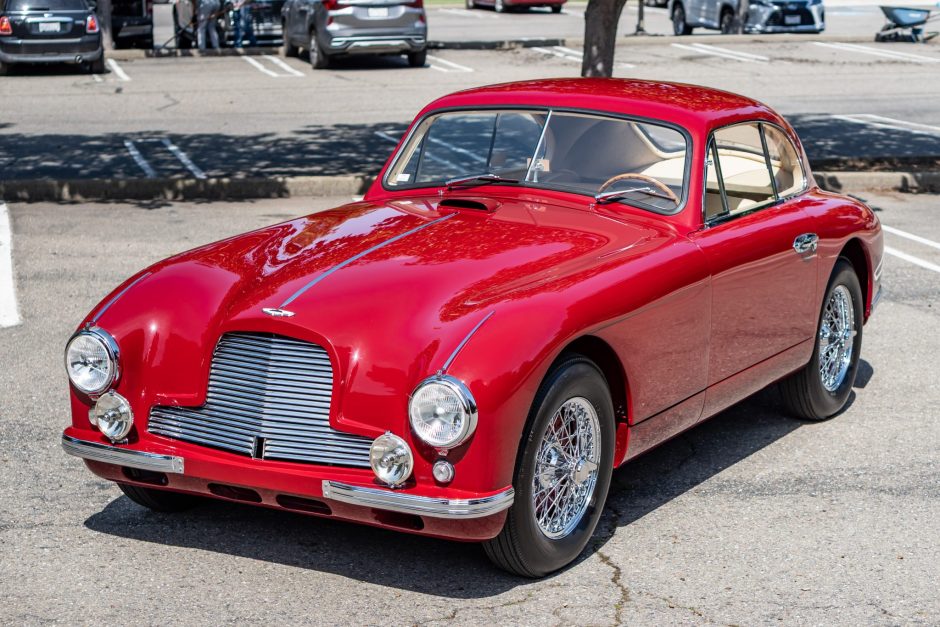
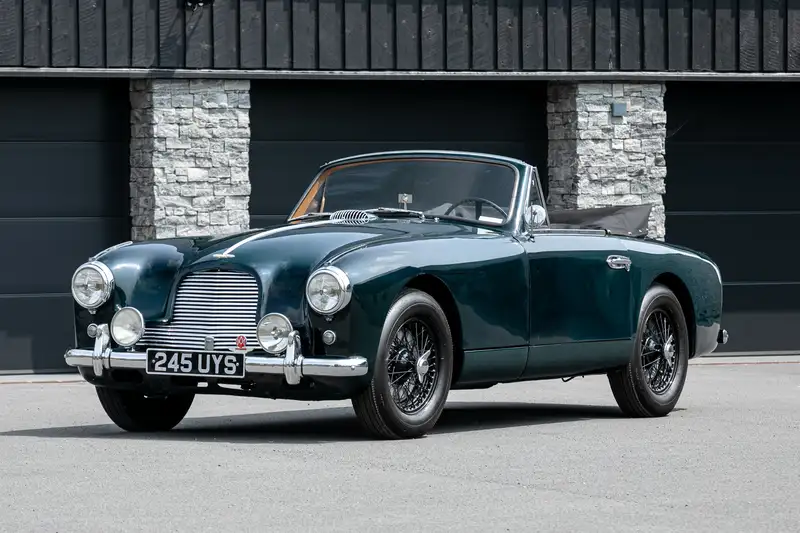
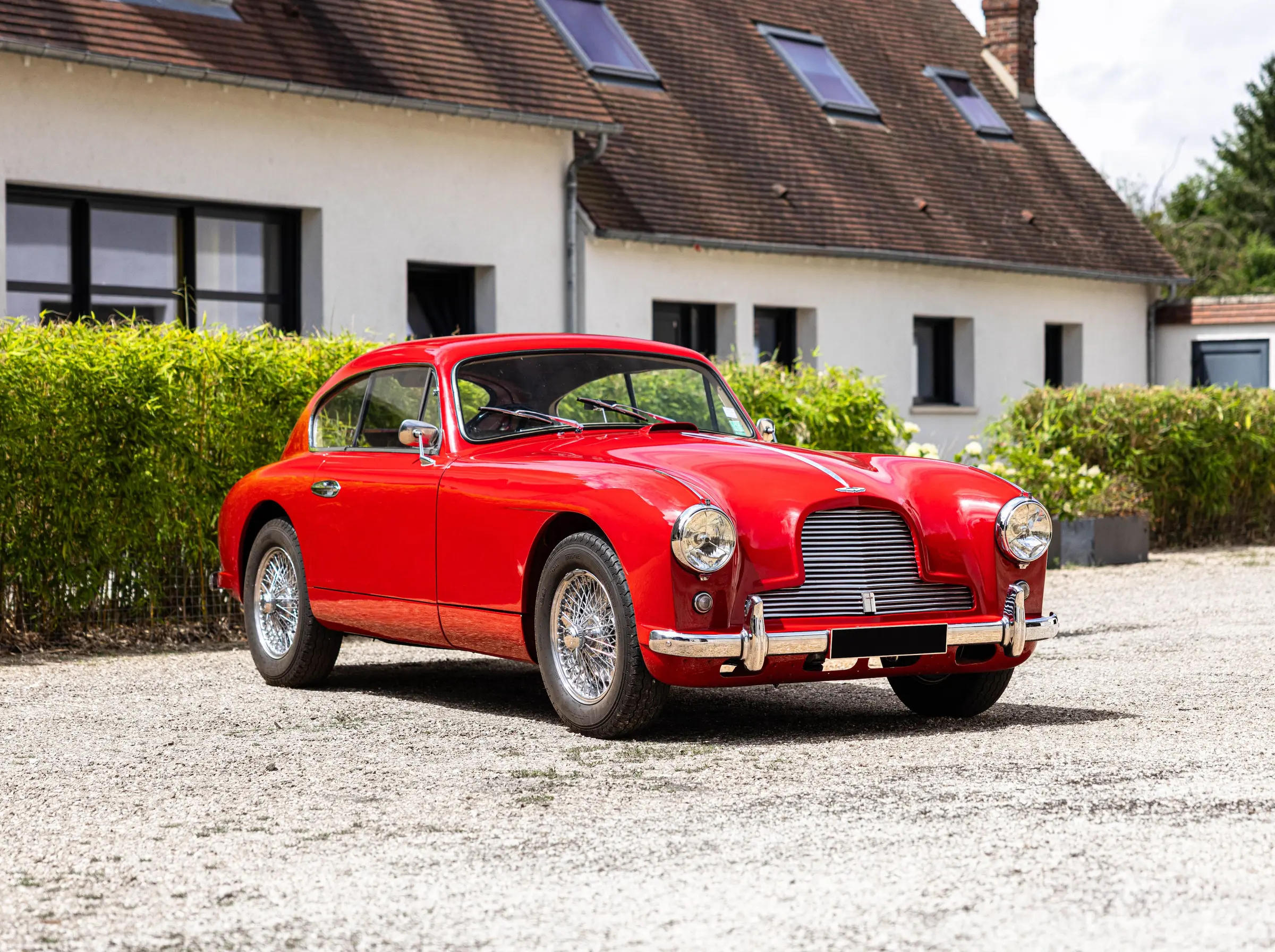
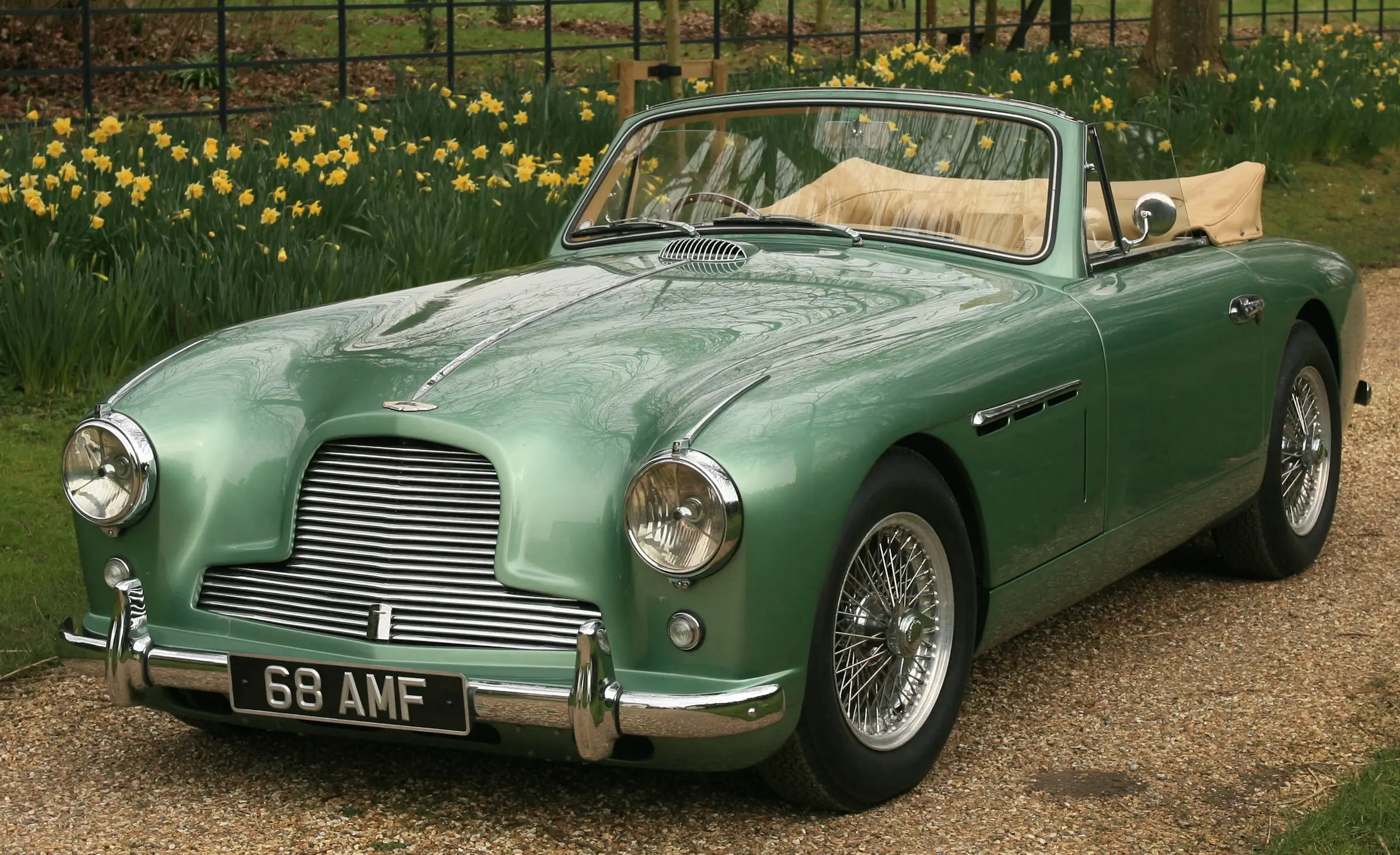
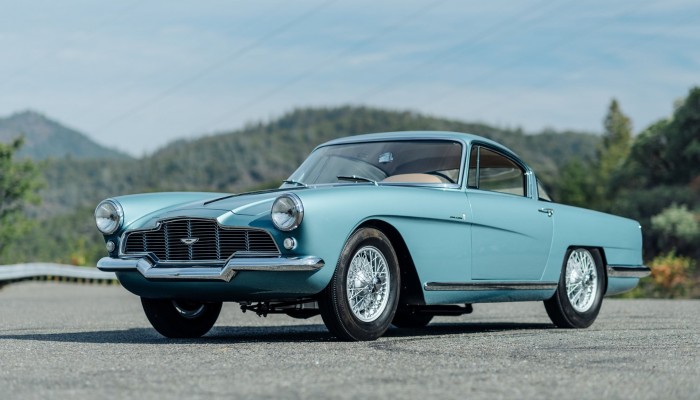
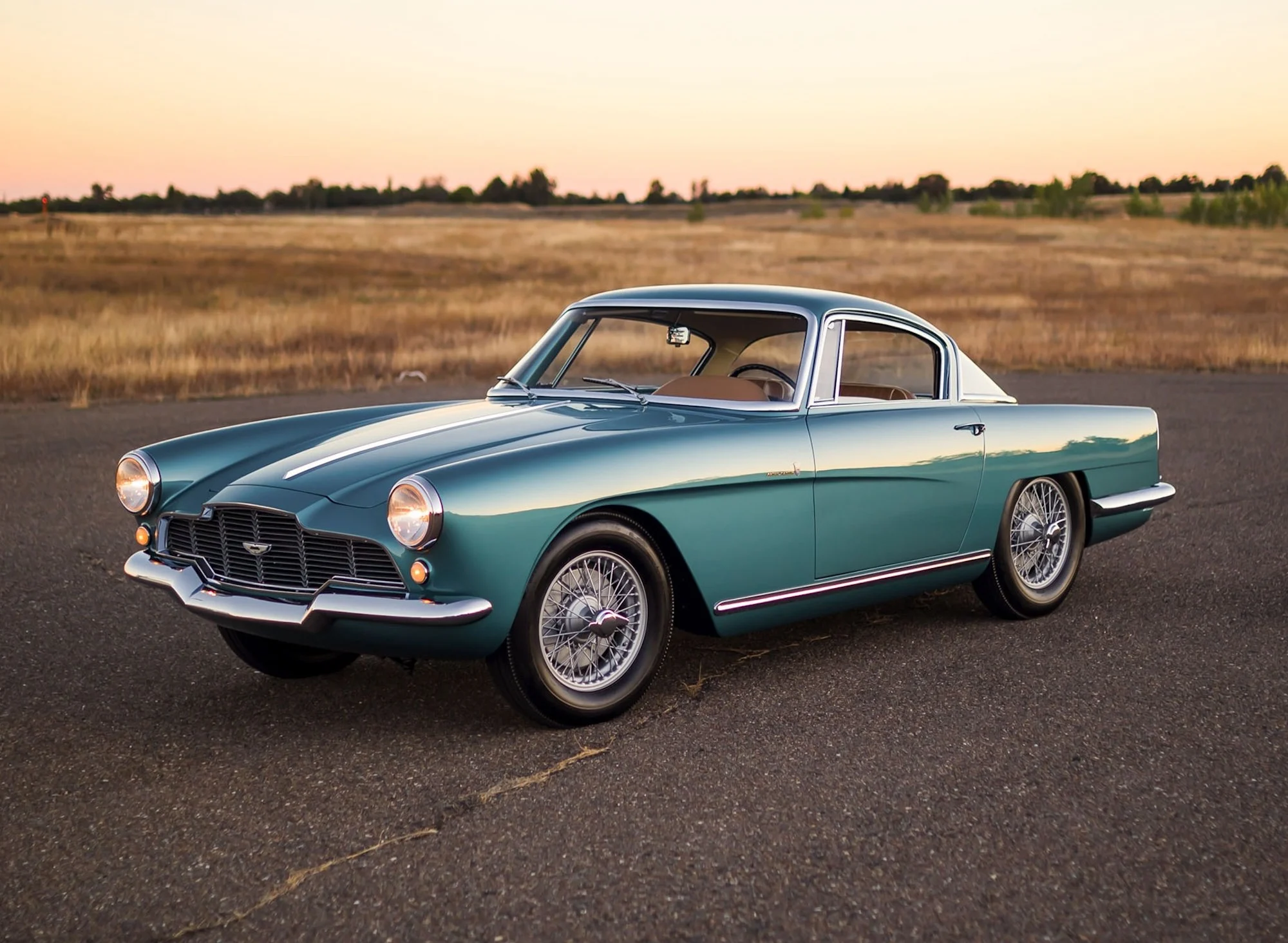
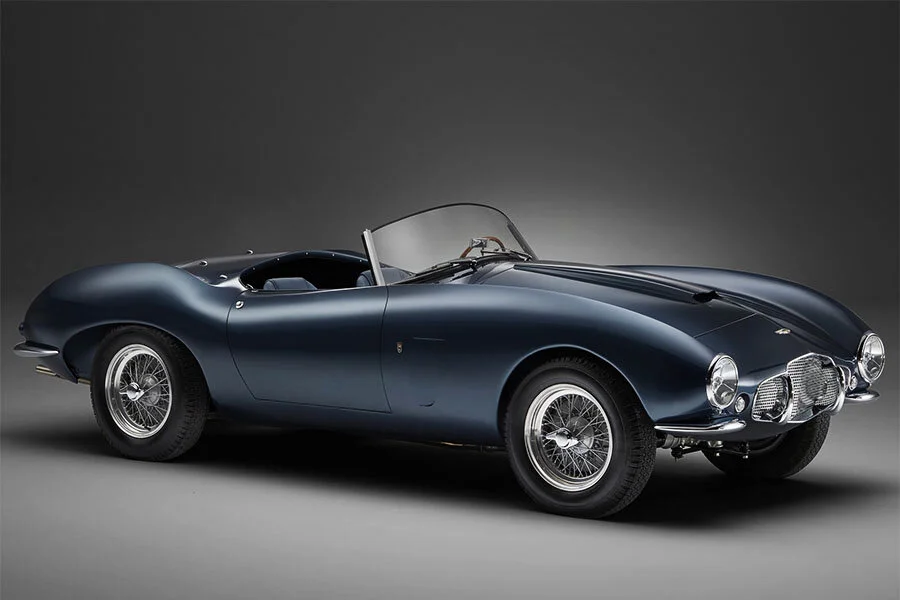
In the autumn of 1953, as the British motor industry continued its triumphant emergence from post-war austerity, Sir David Brown’s ambitious empire at Feltham reached a critical, evolutionary crossroads. The Aston Martin DB2 had already proven itself a formidable sporting weapon, effectively establishing the marque’s pedigree at the 24 Hours of Le Mans and enchanting the driving purist. However, its cramped, purely two-seater cabin severely limited its appeal to the affluent sporting gentleman who desired a machine capable of crushing continents with luggage and perhaps a pair of small passengers in tow. Recognizing this rapidly expanding market, Aston Martin arrived at the October 1953 Earls Court Motor Show with a quiet revolution: the DB2/4 Mark I. It was a vehicle that effectively rendered its DB2 predecessor obsolete while issuing a direct, sophisticated challenge to the brutish Jaguar XK120 Fixed Head Coupe, the delicate Lancia Aurelia B20 GT, and the aristocratic Bentley R-Type. Offered primarily as a sweeping “sports saloon”—and supplemented by a breathtaking, highly exclusive Drophead Coupé submodel crafted by Tickford or Mulliners—the DB2/4 Mark I did not merely add a pair of occasional rear seats. It entirely rewrote the rulebook for the high-performance GT, introducing a level of practicality that would forever alter the trajectory of the Aston Martin bloodline.
To peer beneath the elegant, handcrafted aluminium coachwork of the DB2/4 Mark I is to witness a masterpiece of British bespoke engineering, cleverly adapted for enhanced usability. The foundation remained an evolution of the brilliant rectangular-tube spaceframe chassis originally designed by Claude Hill. To accommodate the crucial “+2” seating arrangement, Aston Martin engineers ingeniously modified the rear of the frame and raised the elegant, sweeping roofline. But the true mechanical and stylistic masterstroke was the integration of a top-hinged rear tailgate that encompassed the large, wrap-around rear window. Decades before the term “hatchback” was colloquially established, Aston Martin had created a remarkably versatile sports car. When the rear seats were folded down, they revealed a cavernous, flat loading bay perfectly suited for extensive touring luggage. Inside, the cabin was an intoxicating environment of traditional British opulence, swathed in Connolly leather, rich wood veneers, and jewel-like Smiths instrumentation. Yet, despite its newfound practicality, the DB2/4 Mark I remained a thoroughbred. The beating heart of the early cars was the exquisite 2.6-liter (2,580cc) Vantage-tune straight-six, designed by the legendary W.O. Bentley during his tenure at Lagonda. Featuring twin overhead camshafts and hemispherical combustion chambers, it produced a spirited 125 brake horsepower. However, by mid-1954, David Brown recognized that the increased weight of the 2+2 coachwork demanded more urgency. The engine block was bored to 2.9 liters (2,922cc), raising output to a highly tractable 140 horsepower. Breathing through twin SU carburettors, this 2.9-liter variant—designated the VB6/J—emitted a glorious, raspy mechanical howl, propelling the hand-built coupe to 100km/h (60 mph) in roughly 11 seconds and onward to a genuine 190 km/h (120 mph) top speed. The chassis retained its independent trailing-arm front suspension and live rear axle, providing a firm, communicative ride, while massive Alfin (aluminium-finned) drum brakes hauled the heavy grand tourer down from triple-digit speeds with impressive, fade-resistant consistency.
While it was undeniably designed as a luxurious, high-speed gentlemen’s express, the DB2/4 Mark I harbored a fiercely competitive soul. It quickly became the ultimate weapon of choice for the wealthy privateer looking to conquer the grueling, transcontinental endurance rallies of the 1950s. The Aston Martin’s blend of high-speed cruising capability, immense mechanical reliability, and luggage capacity made it a formidable entrant in the punishing Monte Carlo Rally and the treacherous Alpine Rally. In 1955, a trio of specially prepared DB2/4s were even entered into the mythical Mille Miglia, thundering across the Italian countryside and further cementing the marque’s reputation for unburstable performance. Commercially, the Mark I was a resounding success for the small Feltham factory, with 565 examples produced before it was superseded in 1955. Yet, the car’s most enduring cultural impact occurred far from the rally stages. Among the affluent clientele drawn to the 2.9-liter DB2/4 Mark I was a former naval intelligence officer named Ian Fleming. Fleming purchased a pristine example in 1954, and the grand tourer left such an indelible impression on him that he wrote it directly into the literary DNA of his most famous creation. In the novel Goldfinger, James Bond is issued an Aston Martin DB Mark III—the direct descendant of Fleming’s own DB2/4—igniting an immortal association between the British spy and the winged badge that predated the cinematic DB5 by years.
The legacy of the 1953 Aston Martin DB2/4 Mark I is absolute and foundational. It was the crucial, load-bearing bridge between the uncompromising, track-focused DB2 and the luxurious, continent-crushing Grand Tourers that define Aston Martin to this day. When it was finally replaced in late 1955 by the subtly updated DB2/4 Mark II—which introduced tailfins and consolidated coachbuilding at Tickford—the Mark I had already proven that a sports car did not have to be a selfish, two-seater exercise in compromise. It stands today as a highly coveted blue-chip classic, revered not merely as the grandfather of the modern performance hatchback, but as a gloriously over-engineered, W.O. Bentley-powered aristocrat that perfectly captured the glamorous, high-speed romance of post-war continental touring.
Portal
Model line
Model generation
Brand
Produced from
Vehicle category
Generation Overview
In the autumn of 1953, as the British motor industry continued its triumphant emergence from post-war austerity, Sir David Brown’s ambitious empire at Feltham reached a critical, evolutionary crossroads. The Aston Martin DB2 had already proven itself a formidable sporting weapon, effectively establishing the marque’s pedigree at the 24 Hours of Le Mans and enchanting the driving purist. However, its cramped, purely two-seater cabin severely limited its appeal to the affluent sporting gentleman who desired a machine capable of crushing continents with luggage and perhaps a pair of small passengers in tow. Recognizing this rapidly expanding market, Aston Martin arrived at the October 1953 Earls Court Motor Show with a quiet revolution: the DB2/4 Mark I. It was a vehicle that effectively rendered its DB2 predecessor obsolete while issuing a direct, sophisticated challenge to the brutish Jaguar XK120 Fixed Head Coupe, the delicate Lancia Aurelia B20 GT, and the aristocratic Bentley R-Type. Offered primarily as a sweeping “sports saloon”—and supplemented by a breathtaking, highly exclusive Drophead Coupé submodel crafted by Tickford or Mulliners—the DB2/4 Mark I did not merely add a pair of occasional rear seats. It entirely rewrote the rulebook for the high-performance GT, introducing a level of practicality that would forever alter the trajectory of the Aston Martin bloodline.
To peer beneath the elegant, handcrafted aluminium coachwork of the DB2/4 Mark I is to witness a masterpiece of British bespoke engineering, cleverly adapted for enhanced usability. The foundation remained an evolution of the brilliant rectangular-tube spaceframe chassis originally designed by Claude Hill. To accommodate the crucial “+2” seating arrangement, Aston Martin engineers ingeniously modified the rear of the frame and raised the elegant, sweeping roofline. But the true mechanical and stylistic masterstroke was the integration of a top-hinged rear tailgate that encompassed the large, wrap-around rear window. Decades before the term “hatchback” was colloquially established, Aston Martin had created a remarkably versatile sports car. When the rear seats were folded down, they revealed a cavernous, flat loading bay perfectly suited for extensive touring luggage. Inside, the cabin was an intoxicating environment of traditional British opulence, swathed in Connolly leather, rich wood veneers, and jewel-like Smiths instrumentation. Yet, despite its newfound practicality, the DB2/4 Mark I remained a thoroughbred. The beating heart of the early cars was the exquisite 2.6-liter (2,580cc) Vantage-tune straight-six, designed by the legendary W.O. Bentley during his tenure at Lagonda. Featuring twin overhead camshafts and hemispherical combustion chambers, it produced a spirited 125 brake horsepower. However, by mid-1954, David Brown recognized that the increased weight of the 2+2 coachwork demanded more urgency. The engine block was bored to 2.9 liters (2,922cc), raising output to a highly tractable 140 horsepower. Breathing through twin SU carburettors, this 2.9-liter variant—designated the VB6/J—emitted a glorious, raspy mechanical howl, propelling the hand-built coupe to 100km/h (60 mph) in roughly 11 seconds and onward to a genuine 190 km/h (120 mph) top speed. The chassis retained its independent trailing-arm front suspension and live rear axle, providing a firm, communicative ride, while massive Alfin (aluminium-finned) drum brakes hauled the heavy grand tourer down from triple-digit speeds with impressive, fade-resistant consistency.
While it was undeniably designed as a luxurious, high-speed gentlemen’s express, the DB2/4 Mark I harbored a fiercely competitive soul. It quickly became the ultimate weapon of choice for the wealthy privateer looking to conquer the grueling, transcontinental endurance rallies of the 1950s. The Aston Martin’s blend of high-speed cruising capability, immense mechanical reliability, and luggage capacity made it a formidable entrant in the punishing Monte Carlo Rally and the treacherous Alpine Rally. In 1955, a trio of specially prepared DB2/4s were even entered into the mythical Mille Miglia, thundering across the Italian countryside and further cementing the marque’s reputation for unburstable performance. Commercially, the Mark I was a resounding success for the small Feltham factory, with 565 examples produced before it was superseded in 1955. Yet, the car’s most enduring cultural impact occurred far from the rally stages. Among the affluent clientele drawn to the 2.9-liter DB2/4 Mark I was a former naval intelligence officer named Ian Fleming. Fleming purchased a pristine example in 1954, and the grand tourer left such an indelible impression on him that he wrote it directly into the literary DNA of his most famous creation. In the novel Goldfinger, James Bond is issued an Aston Martin DB Mark III—the direct descendant of Fleming’s own DB2/4—igniting an immortal association between the British spy and the winged badge that predated the cinematic DB5 by years.
The legacy of the 1953 Aston Martin DB2/4 Mark I is absolute and foundational. It was the crucial, load-bearing bridge between the uncompromising, track-focused DB2 and the luxurious, continent-crushing Grand Tourers that define Aston Martin to this day. When it was finally replaced in late 1955 by the subtly updated DB2/4 Mark II—which introduced tailfins and consolidated coachbuilding at Tickford—the Mark I had already proven that a sports car did not have to be a selfish, two-seater exercise in compromise. It stands today as a highly coveted blue-chip classic, revered not merely as the grandfather of the modern performance hatchback, but as a gloriously over-engineered, W.O. Bentley-powered aristocrat that perfectly captured the glamorous, high-speed romance of post-war continental touring.
Submodels

