

Ferrari 250 GT SWB
Brand
Produced from
Vehicle category
Portal
Model line
Model generation
Predecessor
Sucessor
About this Model Generation
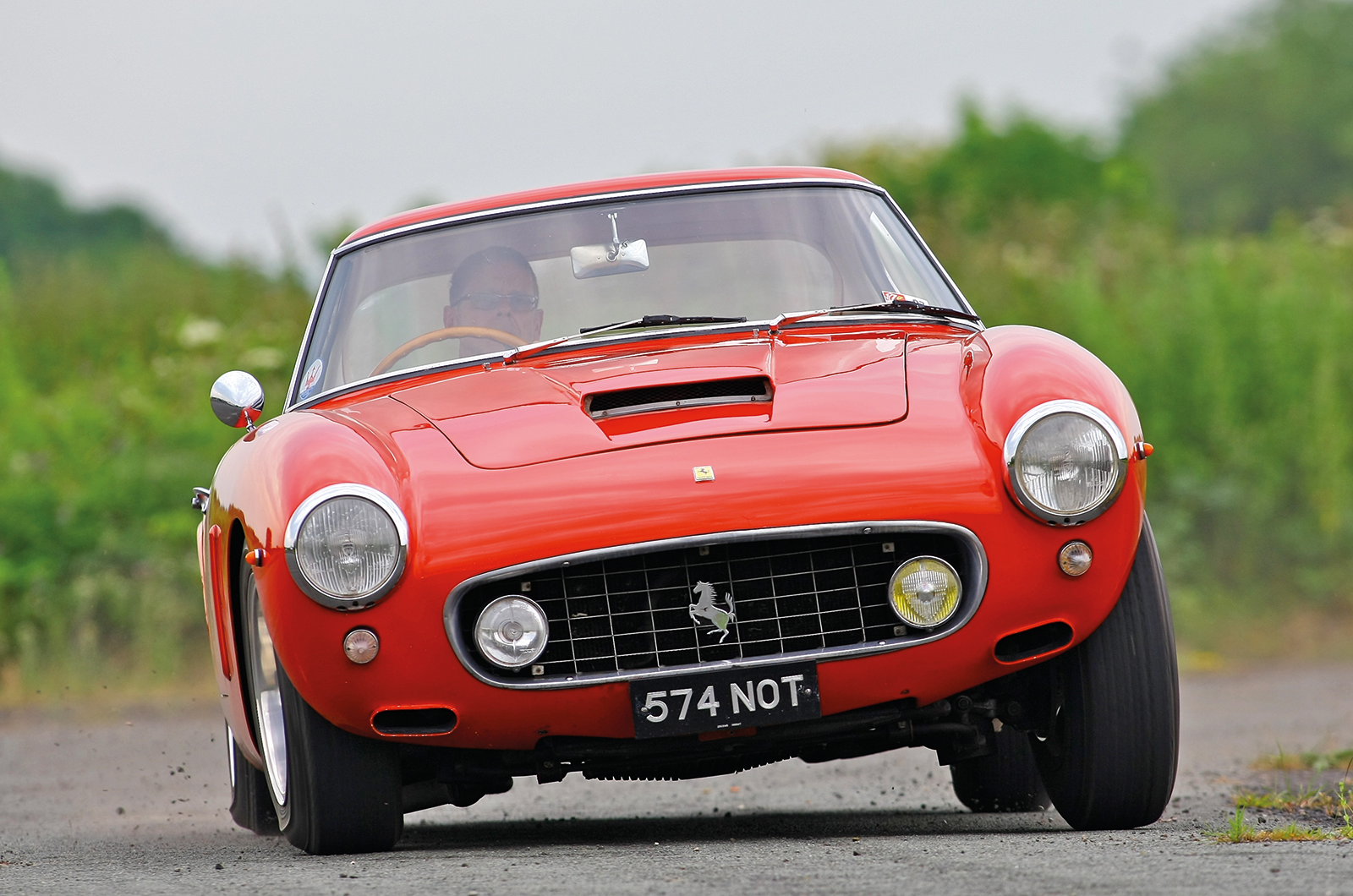
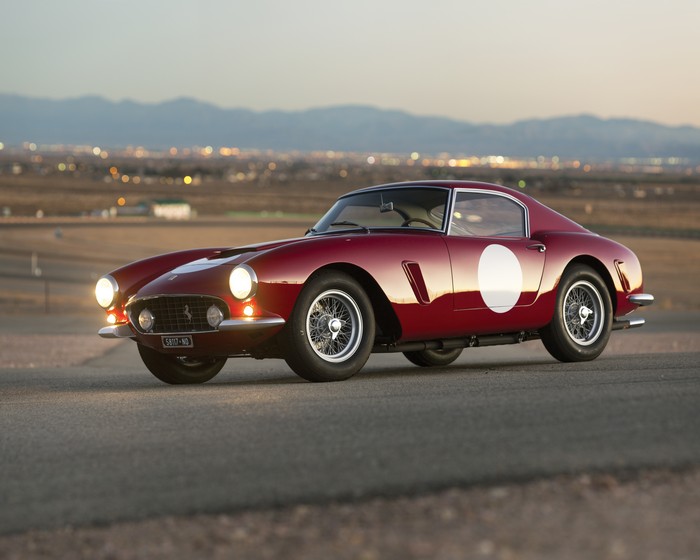
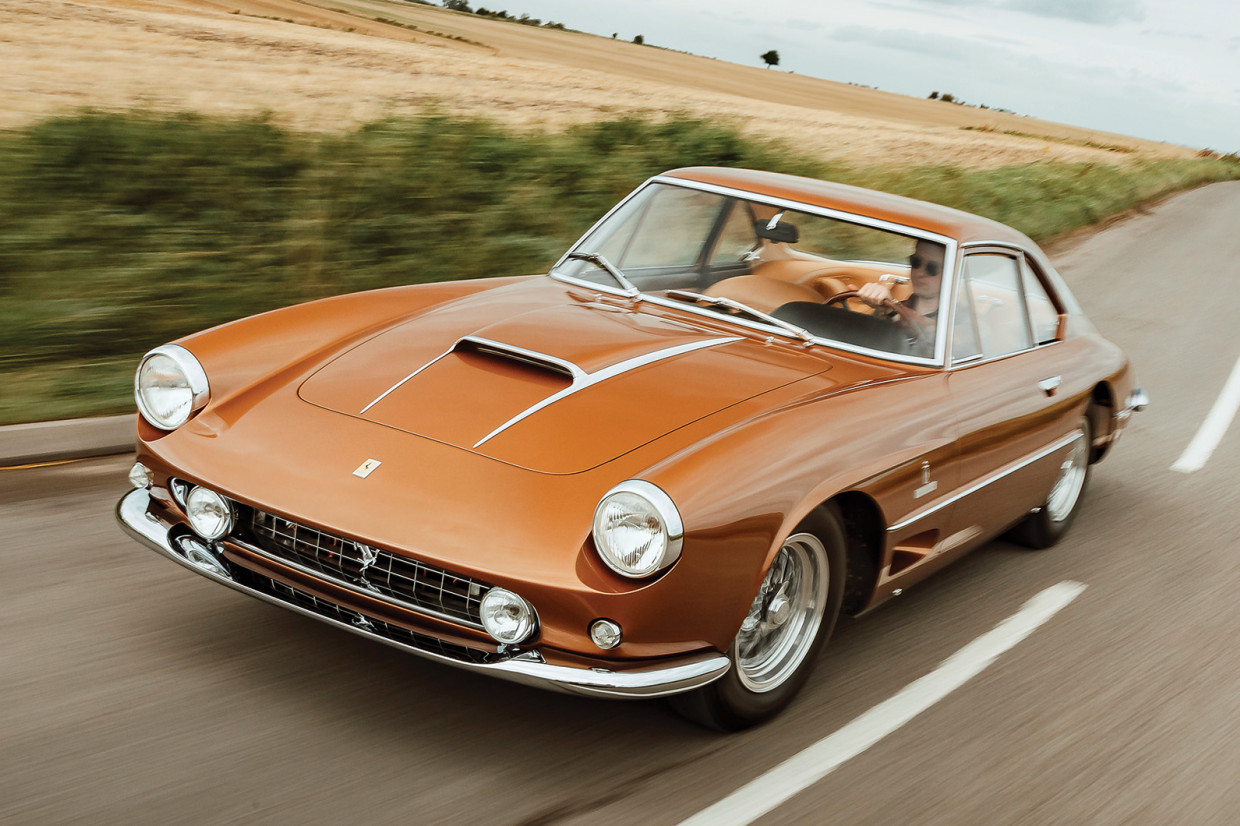
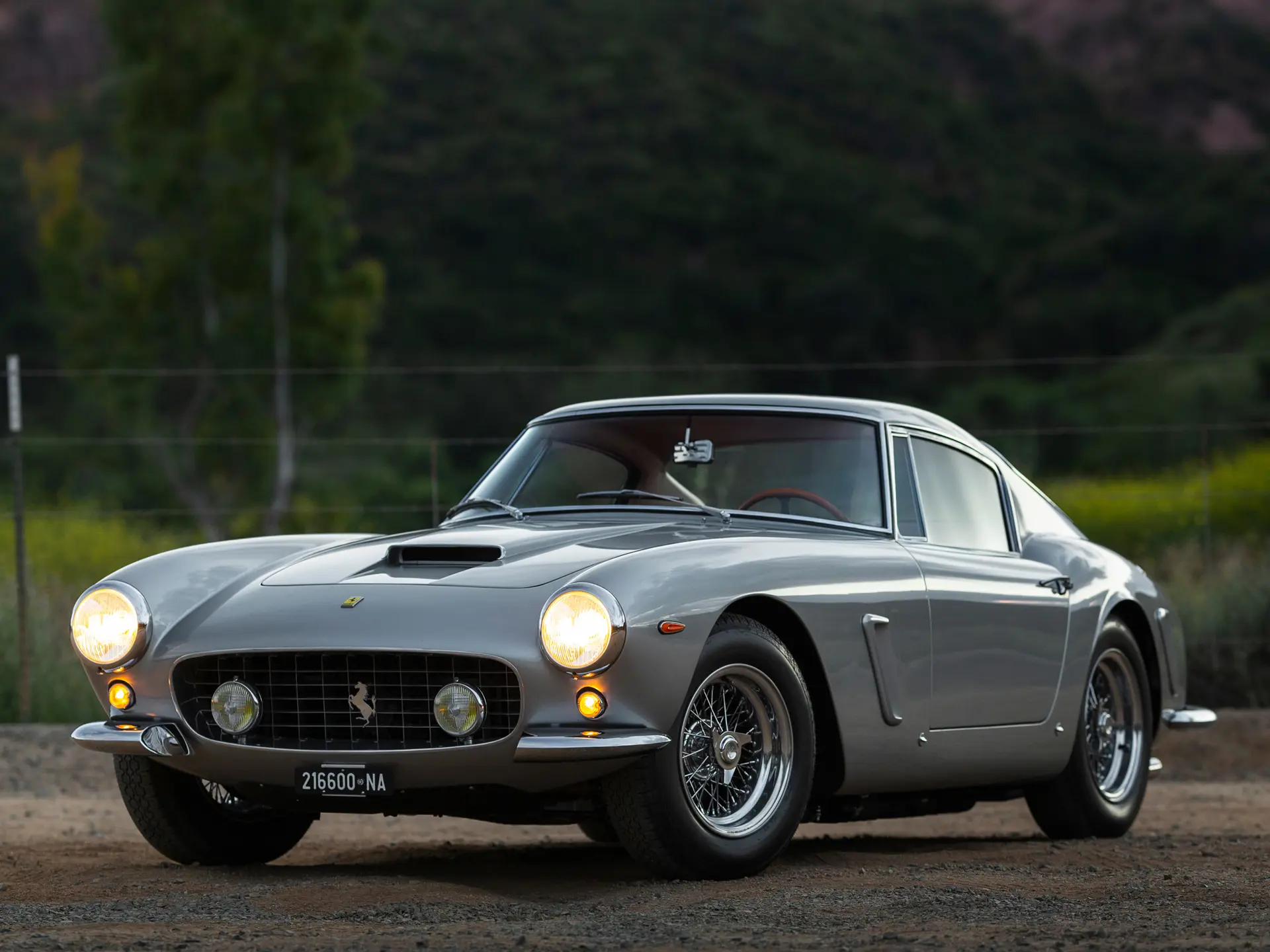
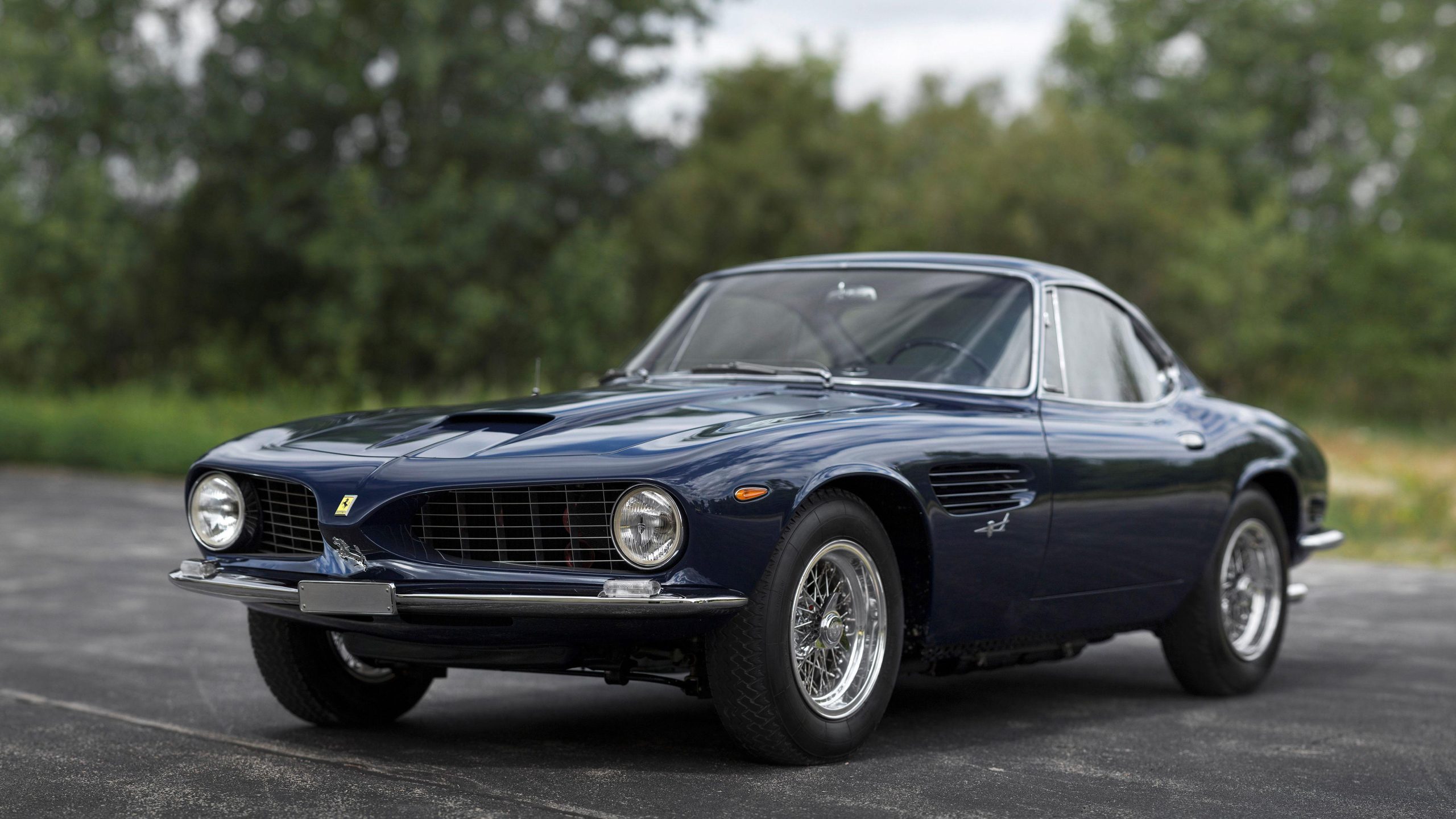
The unveiling of the Ferrari 250 GT Berlinetta SWB at the 1959 Paris Salon marked a pivotal moment in the history of Maranello, a point of inflection where the romanticism of the 1950s met the ruthless engineering precision of the coming decade. It was the answer to a specific problem: while the preceding 250 GT ‘Tour de France’ (LWB) had been a dominant force, the emergence of the agile Aston Martin DB4 GT and the revolutionary Jaguar E-Type threatened Ferrari’s supremacy on the tighter, more technical circuits of Europe. Under the guidance of Giotto Bizzarrini, Carlo Chiti, and a young Mauro Forghieri, Ferrari took a scalpel to the 250 lineage. They shortened the wheelbase from 2,600mm to 2,400mm—hence Passo Corto—creating a machine that was not merely an evolution, but the absolute apotheosis of the dual-purpose Grand Tourer. It was the last time a driver could genuinely expect to drive their car from a showroom in Milan to the Circuit de la Sarthe, win their class, and drive home again, all to the soundtrack of the finest V12 ever cast.
The technical brilliance of the SWB generation lay in its holistic balance rather than radical innovation. The chassis was a tubular steel frame, robust and now significantly stiffer thanks to the reduced length, which drastically improved cornering response and reduced the polar moment of inertia. Suspended by double wishbones at the front and a live axle with semi-elliptic leaf springs at the rear, the setup was theoretically archaic compared to the independent rear suspension concepts brewing in England, yet Ferrari had perfected this layout to a point of artistic mastery. The SWB was predictable, communicative, and capable of being steered with the throttle. Crucially, this generation introduced disc brakes to Ferrari’s road-going GT cars. The Dunlop discs replaced the fade-prone drums of the LWB, finally giving the Prancing Horse the stopping power to match its accelerative fury.
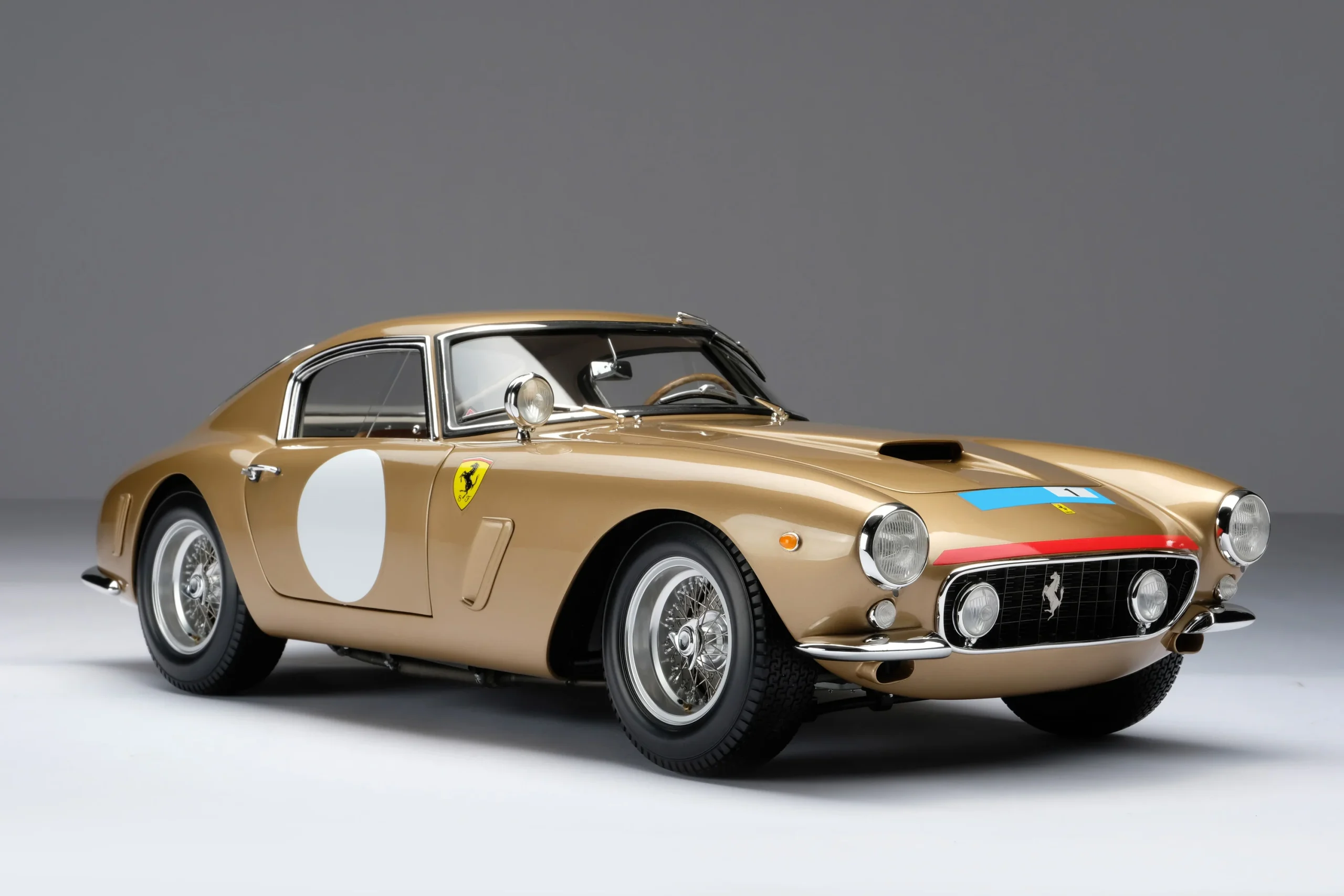
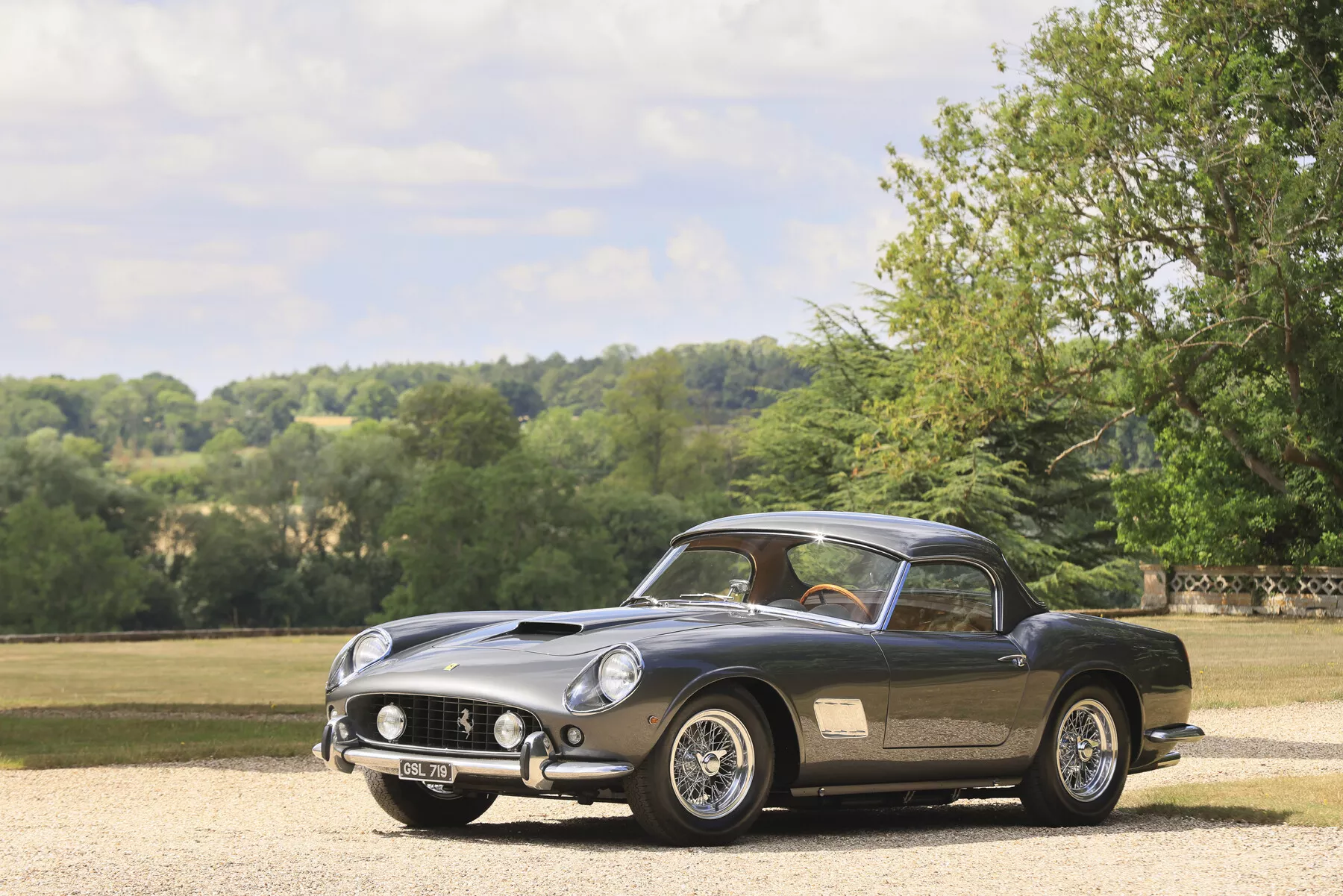
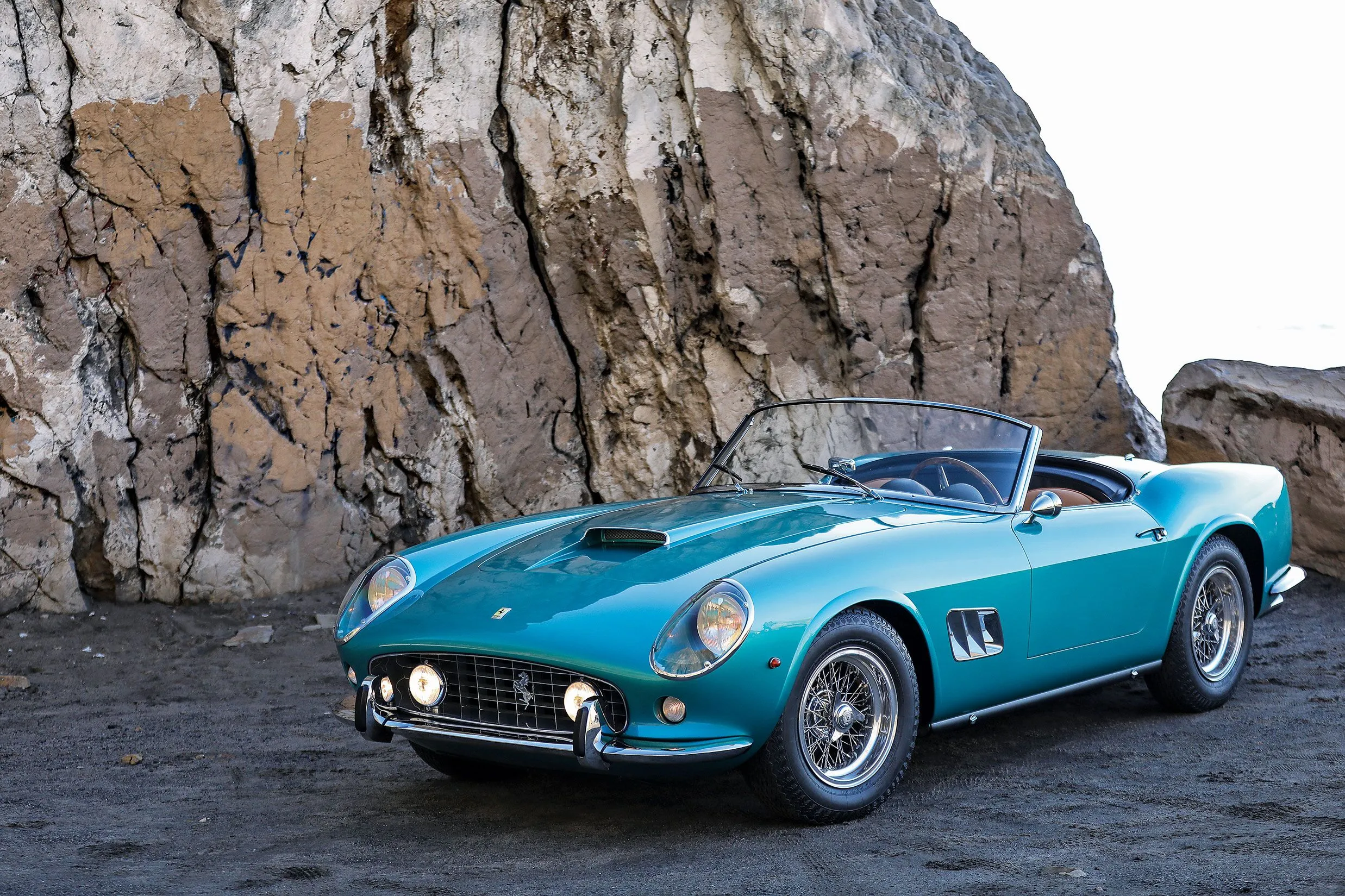
Under the bonnet sat the Colombo-designed 3.0-litre V12, specifically the Type 168. This engine is arguably the high-water mark of the single-overhead-cam lineage. In the steel-bodied ‘Lusso’ road cars, it was tuned for flexibility and torque, producing around 240 bhp. In the aluminium-bodied ‘Competizione’ variants, it breathed through larger Weber carburetors, featured higher compression, and delivered a screaming 280 bhp. This same mechanical DNA was shared with the 250 GT California Spyder SWB, a car that took the race-bred chassis and draped it in Scaglietti’s most voluptuous, open-top coachwork, creating the ultimate playboy’s express. The Berlinetta’s design, penned by Pinin Farina but realized by Scaglietti, was a masterclass in muscular restraint—taut surfaces, devoid of the superfluous fins and chrome that plagued the era, resulting in a shape that looked fast even when stationary.
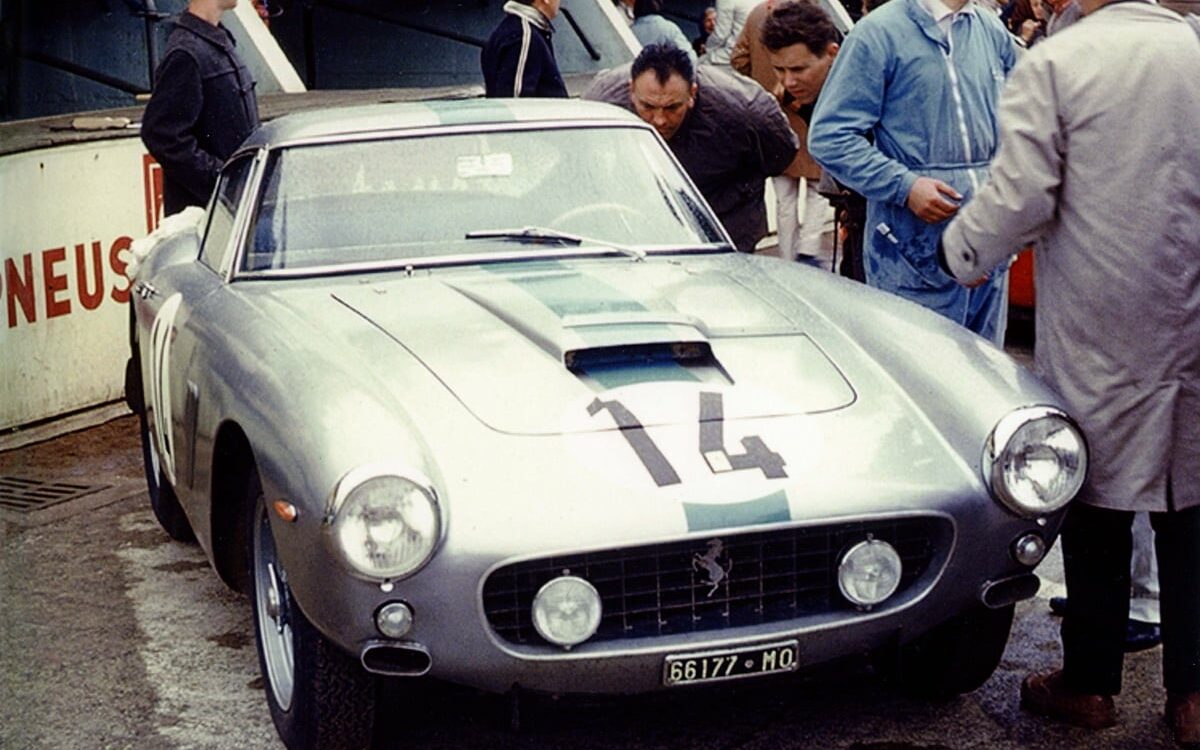
The impact of the SWB generation on motorsport was immediate and total. Upon its debut in 1960, it annihilated the competition. The SWB Competizione swept the GT class at Le Mans in 1960 and 1961 and secured the World Sportscar Championship for Ferrari. Its versatility was legendary; it could survive the brutal, car-breaking roads of the Tour de France Automobile and then dance around the tight confines of the Goodwood Motor Circuit. It was at Goodwood in 1960 that Stirling Moss famously drove the Rob Walker-entered SWB to victory while listening to the race commentary on the car’s radio, a testament to the machine’s supreme driveability and the driver’s nonchalant genius. While the Competizione models collected silverware, the steel-bodied Lusso Berlinettas and the California Spyders conquered the boulevards of Hollywood and the Riviera, establishing Ferrari as the preeminent symbol of La Dolce Vita.
The legacy of the 250 GT SWB is monumental. It serves as the direct genetic predecessor to the 250 GTO—mechanically, the GTO is essentially an SWB with a lower center of gravity, a dry-sump engine, and more aerodynamic bodywork. Yet, for many purists, the SWB remains the superior car in terms of aesthetics and road manners. It represents the “Goldilocks” moment of the 250 lineage: more refined than the TdF, yet more usable and aesthetically pure than the aggressive GTO. Whether in the form of a ferocious alloy racer or a glamorous open-top Spyder, the SWB generation stands as the zenith of the front-engined V12 Ferrari, a collection of vehicles that define the very soul of the automotive golden age.
Brand
Produced from
Vehicle category
Portal
Model line
Model generation
Predecessor
Sucessor
Brand
Produced from
Vehicle category
Portal
Model line
Model generation
Predecessor
Sucessor
About this Model Generation
The unveiling of the Ferrari 250 GT Berlinetta SWB at the 1959 Paris Salon marked a pivotal moment in the history of Maranello, a point of inflection where the romanticism of the 1950s met the ruthless engineering precision of the coming decade. It was the answer to a specific problem: while the preceding 250 GT ‘Tour de France’ (LWB) had been a dominant force, the emergence of the agile Aston Martin DB4 GT and the revolutionary Jaguar E-Type threatened Ferrari’s supremacy on the tighter, more technical circuits of Europe. Under the guidance of Giotto Bizzarrini, Carlo Chiti, and a young Mauro Forghieri, Ferrari took a scalpel to the 250 lineage. They shortened the wheelbase from 2,600mm to 2,400mm—hence Passo Corto—creating a machine that was not merely an evolution, but the absolute apotheosis of the dual-purpose Grand Tourer. It was the last time a driver could genuinely expect to drive their car from a showroom in Milan to the Circuit de la Sarthe, win their class, and drive home again, all to the soundtrack of the finest V12 ever cast.
The technical brilliance of the SWB generation lay in its holistic balance rather than radical innovation. The chassis was a tubular steel frame, robust and now significantly stiffer thanks to the reduced length, which drastically improved cornering response and reduced the polar moment of inertia. Suspended by double wishbones at the front and a live axle with semi-elliptic leaf springs at the rear, the setup was theoretically archaic compared to the independent rear suspension concepts brewing in England, yet Ferrari had perfected this layout to a point of artistic mastery. The SWB was predictable, communicative, and capable of being steered with the throttle. Crucially, this generation introduced disc brakes to Ferrari’s road-going GT cars. The Dunlop discs replaced the fade-prone drums of the LWB, finally giving the Prancing Horse the stopping power to match its accelerative fury.
Under the bonnet sat the Colombo-designed 3.0-litre V12, specifically the Type 168. This engine is arguably the high-water mark of the single-overhead-cam lineage. In the steel-bodied ‘Lusso’ road cars, it was tuned for flexibility and torque, producing around 240 bhp. In the aluminium-bodied ‘Competizione’ variants, it breathed through larger Weber carburetors, featured higher compression, and delivered a screaming 280 bhp. This same mechanical DNA was shared with the 250 GT California Spyder SWB, a car that took the race-bred chassis and draped it in Scaglietti’s most voluptuous, open-top coachwork, creating the ultimate playboy’s express. The Berlinetta’s design, penned by Pinin Farina but realized by Scaglietti, was a masterclass in muscular restraint—taut surfaces, devoid of the superfluous fins and chrome that plagued the era, resulting in a shape that looked fast even when stationary.
The impact of the SWB generation on motorsport was immediate and total. Upon its debut in 1960, it annihilated the competition. The SWB Competizione swept the GT class at Le Mans in 1960 and 1961 and secured the World Sportscar Championship for Ferrari. Its versatility was legendary; it could survive the brutal, car-breaking roads of the Tour de France Automobile and then dance around the tight confines of the Goodwood Motor Circuit. It was at Goodwood in 1960 that Stirling Moss famously drove the Rob Walker-entered SWB to victory while listening to the race commentary on the car’s radio, a testament to the machine’s supreme driveability and the driver’s nonchalant genius. While the Competizione models collected silverware, the steel-bodied Lusso Berlinettas and the California Spyders conquered the boulevards of Hollywood and the Riviera, establishing Ferrari as the preeminent symbol of La Dolce Vita.
The legacy of the 250 GT SWB is monumental. It serves as the direct genetic predecessor to the 250 GTO—mechanically, the GTO is essentially an SWB with a lower center of gravity, a dry-sump engine, and more aerodynamic bodywork. Yet, for many purists, the SWB remains the superior car in terms of aesthetics and road manners. It represents the “Goldilocks” moment of the 250 lineage: more refined than the TdF, yet more usable and aesthetically pure than the aggressive GTO. Whether in the form of a ferocious alloy racer or a glamorous open-top Spyder, the SWB generation stands as the zenith of the front-engined V12 Ferrari, a collection of vehicles that define the very soul of the automotive golden age.
Submodels
Discover all the variants of this model Generation
Submodels
Discover all the variants of this model Generation
Vehicles
Legendary Vehicles
Vehicles