

Ferrari 250 GTO
Brand
Produced from
Vehicle category
Portal
Model line
Model generation
Predecessor
Sucessor
About this Model Generation
To speak of the Ferrari 250 GTO is not merely to discuss a motor car; it is to discuss the very apex of the internal combustion engine’s romantic era. It is the Mona Lisa of the automotive world, a machine that sits at the exact intersection of mechanical brutality, aesthetic perfection, and competitive dominance. Born in the fires of Maranello’s most turbulent winter—the infamous “Palace Revolt” of 1961—the 250 GTO (Gran Turismo Omologato) was the ultimate evolution of the celebrated 250 lineage. It was created with a singular, desperate purpose: to hold the line against the rising tide of British aerodynamic sophistication from the Jaguar E-Type and the impending American V8 onslaught of the Shelby Cobra. Its predecessor, the sublime 250 GT SWB, had been the king of the Grand Tourers, but high-speed lift and aerodynamic drag were becoming liabilities on the Mulsanne Straight. The GTO was the answer, a homologation special that bent the rules of the FIA to their breaking point and, in doing so, created a legend.
The technical genesis of the GTO is a story of two halves, begun by Giotto Bizzarrini and finished by Mauro Forghieri. The chassis, designated Type 539/62, was an evolution of the SWB’s tubular steel frame, but refined with lighter tubing, a lower center of gravity, and stiffer bracing. The suspension retained the live rear axle with a Watts linkage—an archaic setup on paper compared to the independent rear suspensions emerging from England—but one that Ferrari had perfected into a predictable, slide-happy art form. The heart of the beast was the Tipo 168/62 Comp V12. This 3.0-liter masterpiece was essentially a Testa Rossa race engine dropped into a GT car. Featuring a dry-sump lubrication system, which allowed the engine to sit lower in the chassis, and breathing through six twin-choke Weber 38 DCN carburetors, it produced a piercing, reliable 300 bhp at 7,500 rpm.
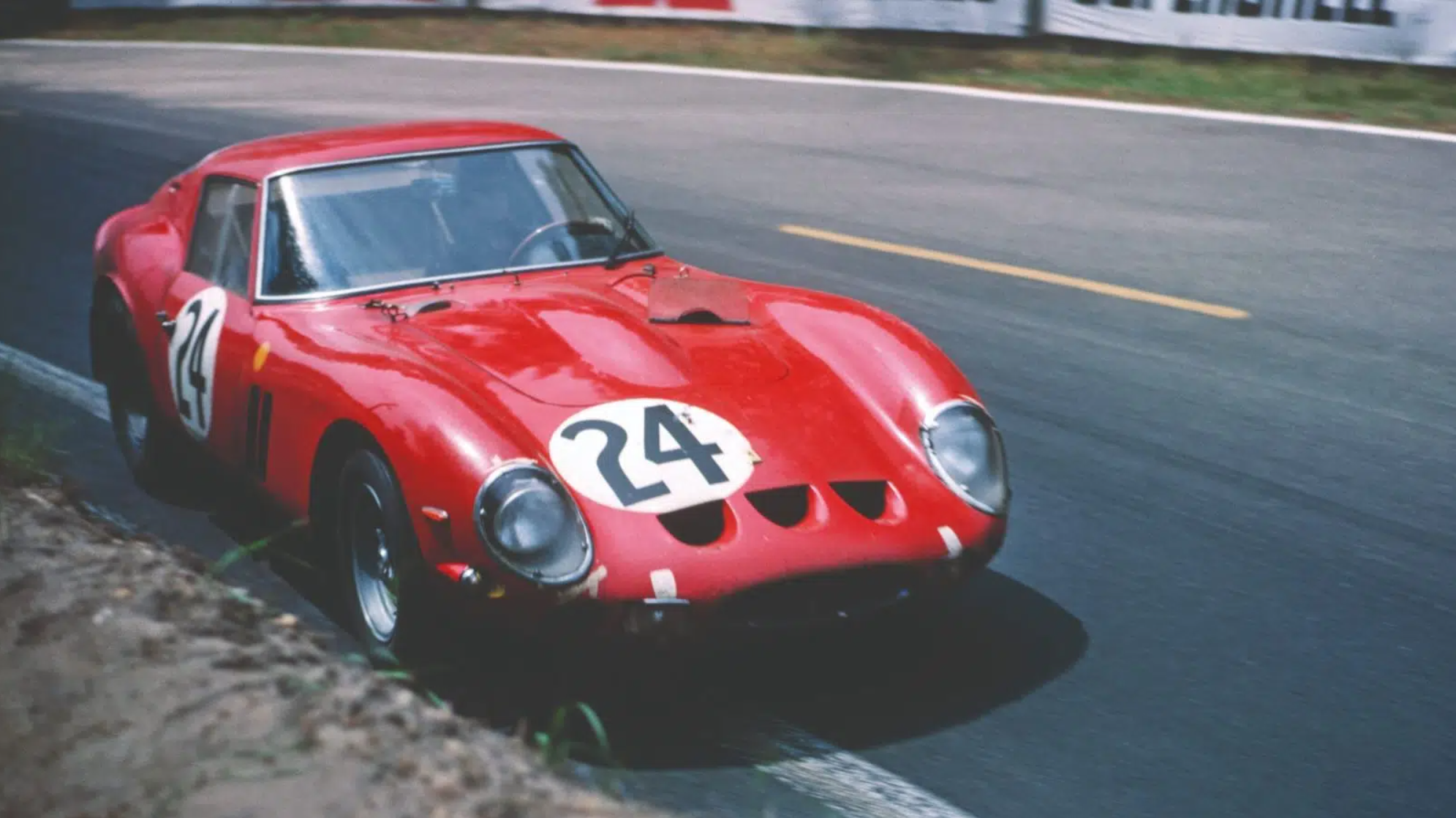
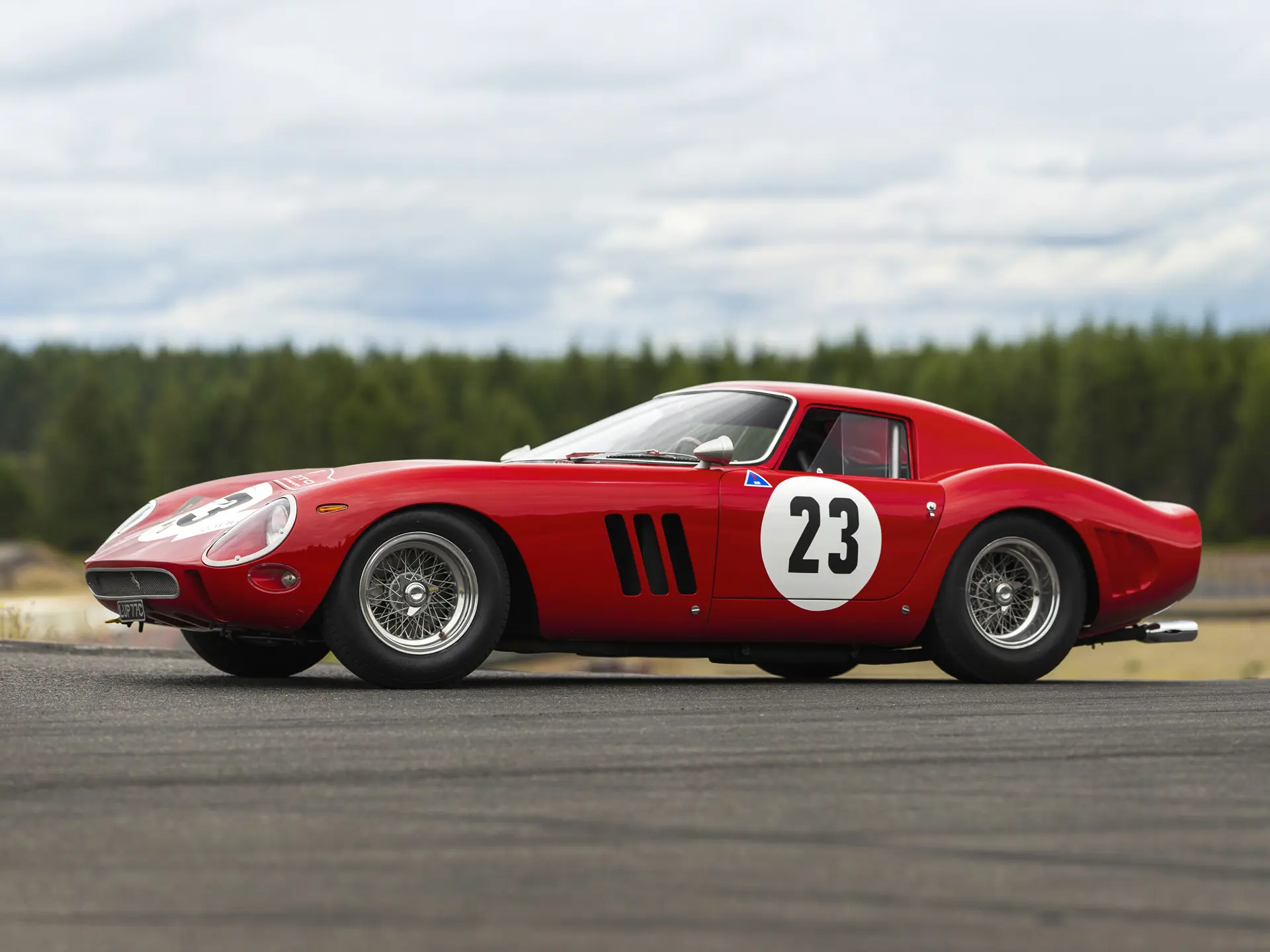
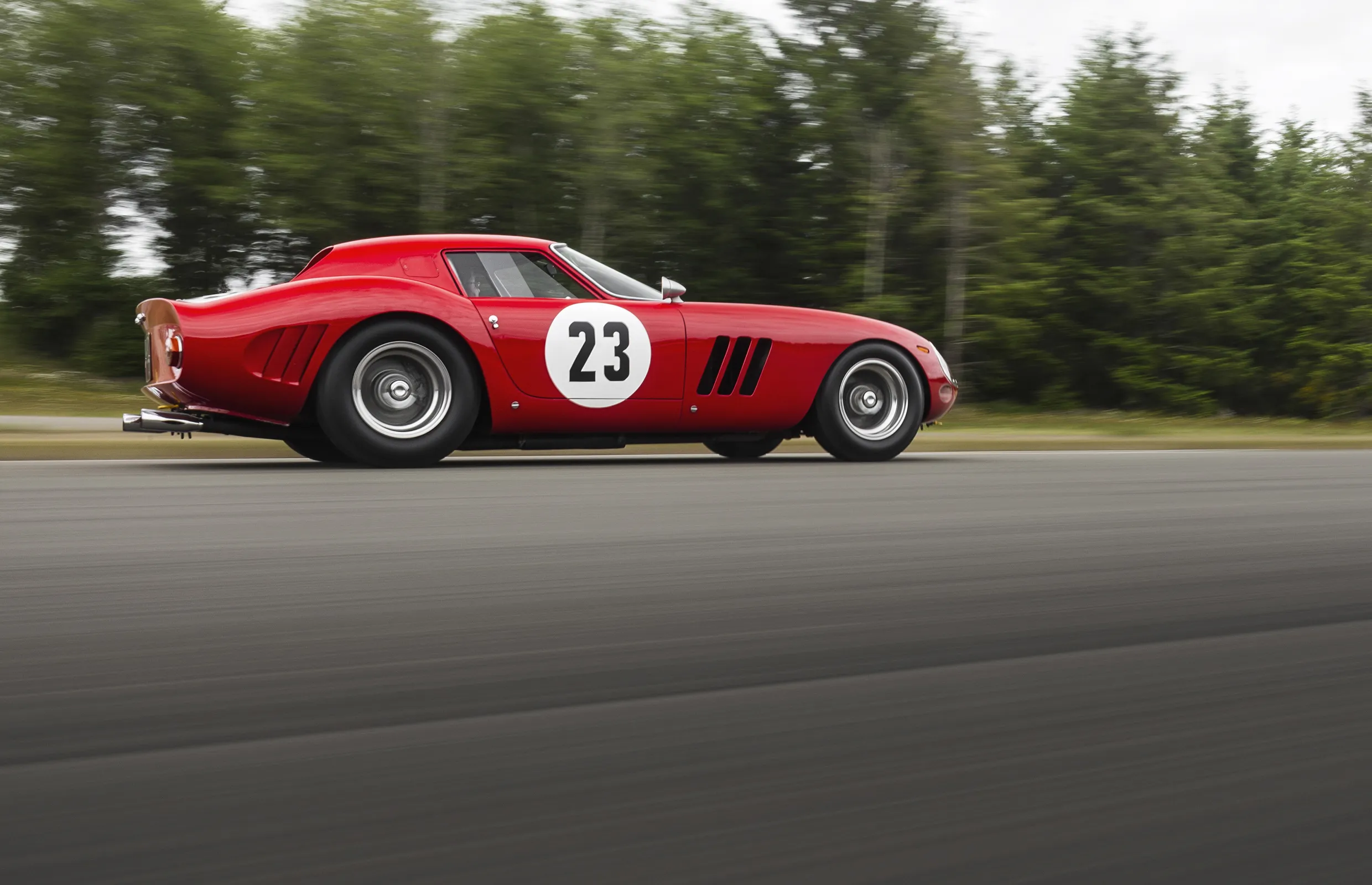
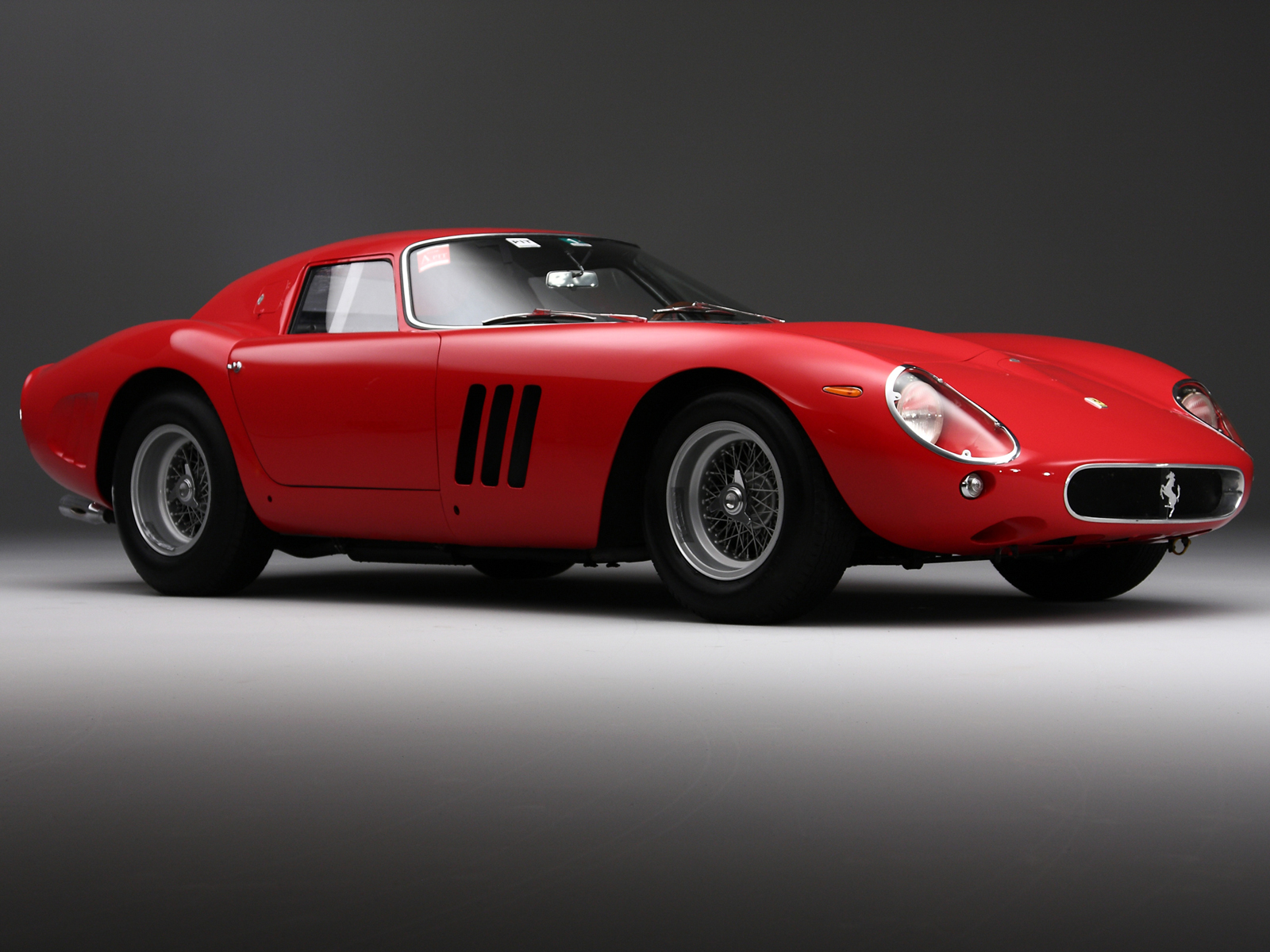
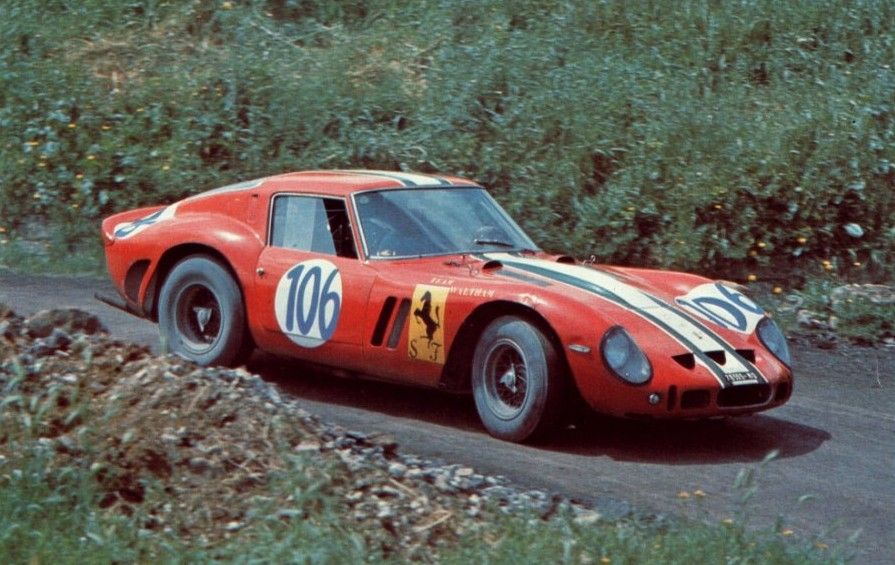
However, the GTO’s defining characteristic was its bodywork. Developed in the wind tunnel—a rarity for Ferrari at the time—the shape was dictated by mathematics rather than pure styling. The low, penetrating nose with its distinctive triple vents (on later Series I cars), the covered headlights, and the abrupt Kamm tail were all designed to reduce drag and increase stability. The body, hand-beaten in ultra-thin aluminium by Scaglietti, was functional beauty incarnate. The 1964 Series II cars took this aerodynamic philosophy even further, adopting a roofline and rear treatment similar to the mid-engined 250 LM, proving that the GTO was a constantly evolving weapon.
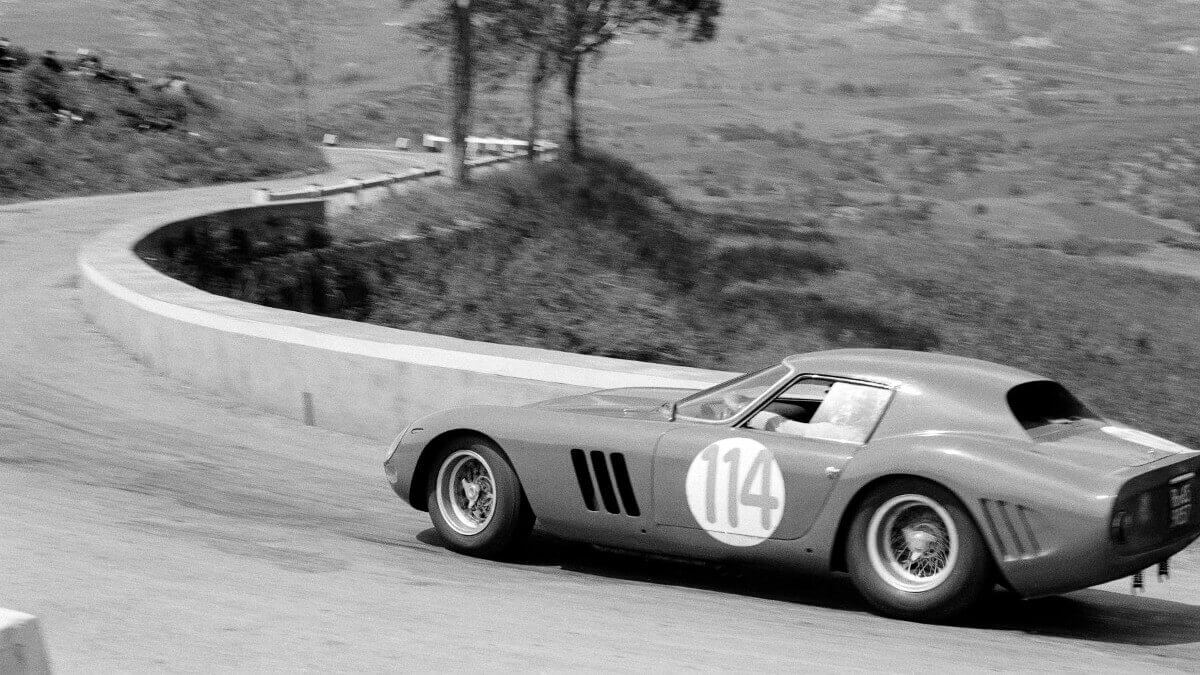
On the race track, the 250 GTO didn’t just compete; it suffocated the opposition. From its debut at the 1962 12 Hours of Sebring, where Phil Hill and Olivier Gendebien drove the chassis 3223GT (technically the Sperimentale prototype class) to second overall behind a pure sports prototype, the car’s potential was undeniable. The GTO secured the International Championship for GT Manufacturers for Ferrari in 1962, 1963, and 1964. It was a machine of incredible versatility. It could conquer the rough, public roads of the Tour de France Automobile, dance through the tight switchbacks of the Targa Florio, and sit comfortably at 170 mph on the straights of Le Mans. It was the last of the true dual-purpose racers; a car that a privateer could drive to the track, tape up the headlights, win the GT class, and arguably drive home—though with a ringing in their ears that would last for days. The interior reflected this singular focus: no speedometer, no upholstery, just the bare aluminium transmission tunnel, a gated shifter, and the iconic Nardi wheel framing a oversized tachometer.
The GTO’s history is peppered with the kind of drama that fuels legends. The Series I cars, with their classic long-nose silhouette, are the most recognizable, but the three 1964 Series II bodies (and four re-bodied Series I cars) represent the ultimate aerodynamic refinement of the front-engine platform. Then there is the “homologation” itself—Enzo Ferrari famously convinced the FIA that the GTO was merely an evolution of the SWB, thus bypassing the requirement to build 100 examples. In reality, only 36 (or 39, depending on how one counts) were ever made. This scarcity, combined with the fact that every single chassis has a racing history and seemingly survived the era, has created the modern mystique of the GTO.
The Ferrari 250 GTO is the closing chapter of the front-engine dominance in motorsport. It held off the mid-engine revolution just long enough to secure its place in history. It was not the most technologically advanced car of its time—the Lotus Elan was cleverer, and the 250 LM was faster—but the GTO was the most complete. It was a perfect storm of a screaming V12, a balanced chassis, and a body that looked like it was moving at speed even when parked. Today, it stands not just as the most valuable automobile in existence, but as a monument to the golden age of Maranello, a tangible reminder of a time when a GT car was a racing car, and a racing car was a work of art.
Brand
Produced from
Vehicle category
Portal
Model line
Model generation
Predecessor
Sucessor
Brand
Produced from
Vehicle category
Portal
Model line
Model generation
Predecessor
Sucessor
About this Model Generation
To speak of the Ferrari 250 GTO is not merely to discuss a motor car; it is to discuss the very apex of the internal combustion engine’s romantic era. It is the Mona Lisa of the automotive world, a machine that sits at the exact intersection of mechanical brutality, aesthetic perfection, and competitive dominance. Born in the fires of Maranello’s most turbulent winter—the infamous “Palace Revolt” of 1961—the 250 GTO (Gran Turismo Omologato) was the ultimate evolution of the celebrated 250 lineage. It was created with a singular, desperate purpose: to hold the line against the rising tide of British aerodynamic sophistication from the Jaguar E-Type and the impending American V8 onslaught of the Shelby Cobra. Its predecessor, the sublime 250 GT SWB, had been the king of the Grand Tourers, but high-speed lift and aerodynamic drag were becoming liabilities on the Mulsanne Straight. The GTO was the answer, a homologation special that bent the rules of the FIA to their breaking point and, in doing so, created a legend.
The technical genesis of the GTO is a story of two halves, begun by Giotto Bizzarrini and finished by Mauro Forghieri. The chassis, designated Type 539/62, was an evolution of the SWB’s tubular steel frame, but refined with lighter tubing, a lower center of gravity, and stiffer bracing. The suspension retained the live rear axle with a Watts linkage—an archaic setup on paper compared to the independent rear suspensions emerging from England—but one that Ferrari had perfected into a predictable, slide-happy art form. The heart of the beast was the Tipo 168/62 Comp V12. This 3.0-liter masterpiece was essentially a Testa Rossa race engine dropped into a GT car. Featuring a dry-sump lubrication system, which allowed the engine to sit lower in the chassis, and breathing through six twin-choke Weber 38 DCN carburetors, it produced a piercing, reliable 300 bhp at 7,500 rpm.
However, the GTO’s defining characteristic was its bodywork. Developed in the wind tunnel—a rarity for Ferrari at the time—the shape was dictated by mathematics rather than pure styling. The low, penetrating nose with its distinctive triple vents (on later Series I cars), the covered headlights, and the abrupt Kamm tail were all designed to reduce drag and increase stability. The body, hand-beaten in ultra-thin aluminium by Scaglietti, was functional beauty incarnate. The 1964 Series II cars took this aerodynamic philosophy even further, adopting a roofline and rear treatment similar to the mid-engined 250 LM, proving that the GTO was a constantly evolving weapon.
On the race track, the 250 GTO didn’t just compete; it suffocated the opposition. From its debut at the 1962 12 Hours of Sebring, where Phil Hill and Olivier Gendebien drove the chassis 3223GT (technically the Sperimentale prototype class) to second overall behind a pure sports prototype, the car’s potential was undeniable. The GTO secured the International Championship for GT Manufacturers for Ferrari in 1962, 1963, and 1964. It was a machine of incredible versatility. It could conquer the rough, public roads of the Tour de France Automobile, dance through the tight switchbacks of the Targa Florio, and sit comfortably at 170 mph on the straights of Le Mans. It was the last of the true dual-purpose racers; a car that a privateer could drive to the track, tape up the headlights, win the GT class, and arguably drive home—though with a ringing in their ears that would last for days. The interior reflected this singular focus: no speedometer, no upholstery, just the bare aluminium transmission tunnel, a gated shifter, and the iconic Nardi wheel framing a oversized tachometer.
The GTO’s history is peppered with the kind of drama that fuels legends. The Series I cars, with their classic long-nose silhouette, are the most recognizable, but the three 1964 Series II bodies (and four re-bodied Series I cars) represent the ultimate aerodynamic refinement of the front-engine platform. Then there is the “homologation” itself—Enzo Ferrari famously convinced the FIA that the GTO was merely an evolution of the SWB, thus bypassing the requirement to build 100 examples. In reality, only 36 (or 39, depending on how one counts) were ever made. This scarcity, combined with the fact that every single chassis has a racing history and seemingly survived the era, has created the modern mystique of the GTO.
The Ferrari 250 GTO is the closing chapter of the front-engine dominance in motorsport. It held off the mid-engine revolution just long enough to secure its place in history. It was not the most technologically advanced car of its time—the Lotus Elan was cleverer, and the 250 LM was faster—but the GTO was the most complete. It was a perfect storm of a screaming V12, a balanced chassis, and a body that looked like it was moving at speed even when parked. Today, it stands not just as the most valuable automobile in existence, but as a monument to the golden age of Maranello, a tangible reminder of a time when a GT car was a racing car, and a racing car was a work of art.
Submodels
Discover all the variants of this model Generation
Submodels
Discover all the variants of this model Generation
Vehicles
Legendary Vehicles
Vehicles