Fiat 124 Spider (Tipo 348)
Brand
Produced from
Vehicle category
Portal
Model line
Model generation
Generation Overview
In the mid-2010s, the global automotive landscape was undergoing a seismic shift, pivoting heavily towards electrification and ubiquitous crossover utility vehicles. The market for affordable, lightweight, two-seater sports cars was shrinking at an alarming rate, making the ground-up development of a bespoke rear-wheel-drive roadster an act of financial suicide for almost any manufacturer. Yet, Fiat Chrysler Automobiles’ pragmatic and visionary CEO, Sergio Marchionne, recognized that the Fiat brand desperately needed a halo car to inject passion into its lineup and revive a nameplate that had lain dormant for three decades. The solution was a masterstroke of cross-cultural automotive diplomacy. Fiat partnered with Mazda, leveraging the brilliant, ultra-lightweight ND-generation MX-5 Miata chassis, to create the 2016 Fiat 124 Spider. Affectionately and immediately dubbed the “Fiata” by the motoring press, this transcontinental marriage was far from a lazy exercise in badge engineering. It arrived to challenge not only its Japanese sibling but also the Toyota 86, Subaru BRZ, and the Mini Convertible, bringing a wave of turbocharged Italian flair to a naturally aspirated segment.
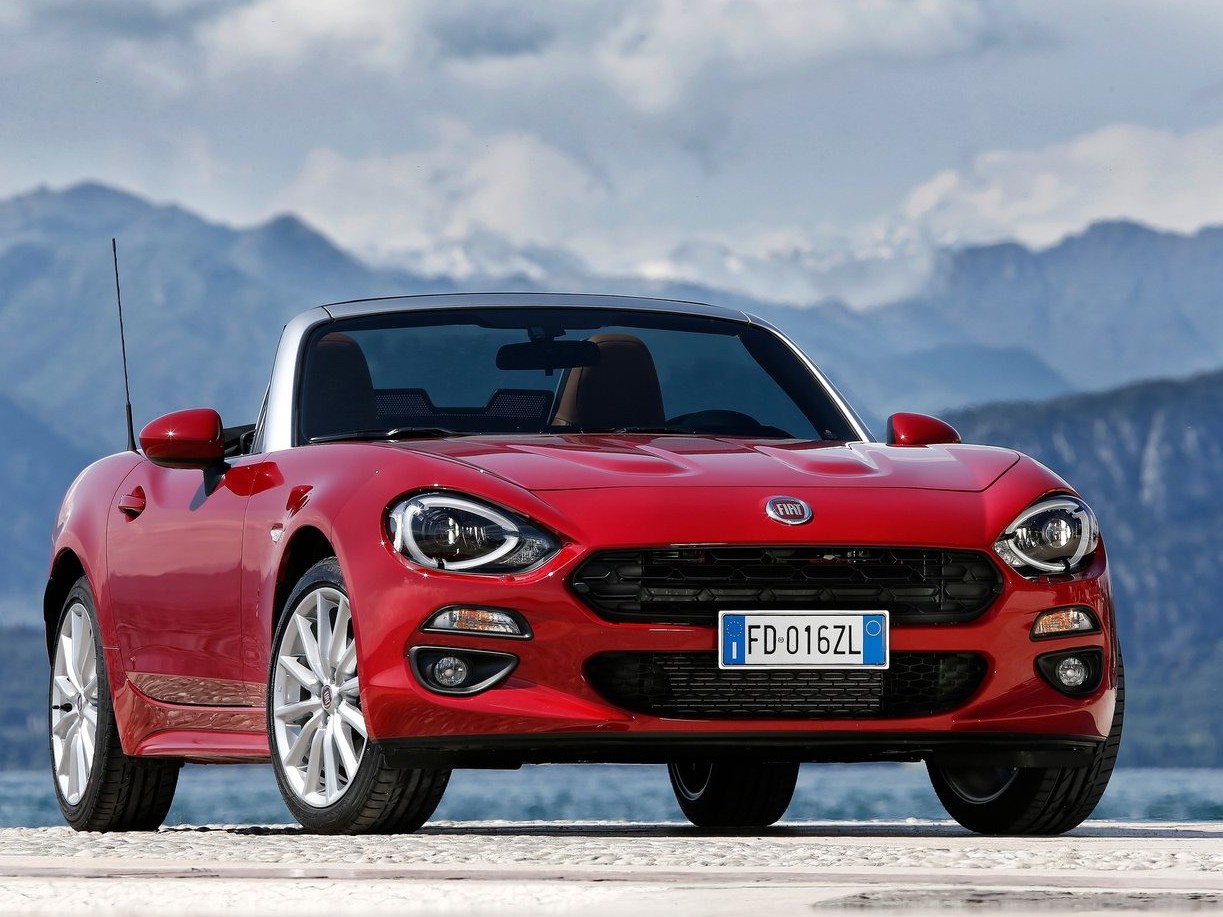
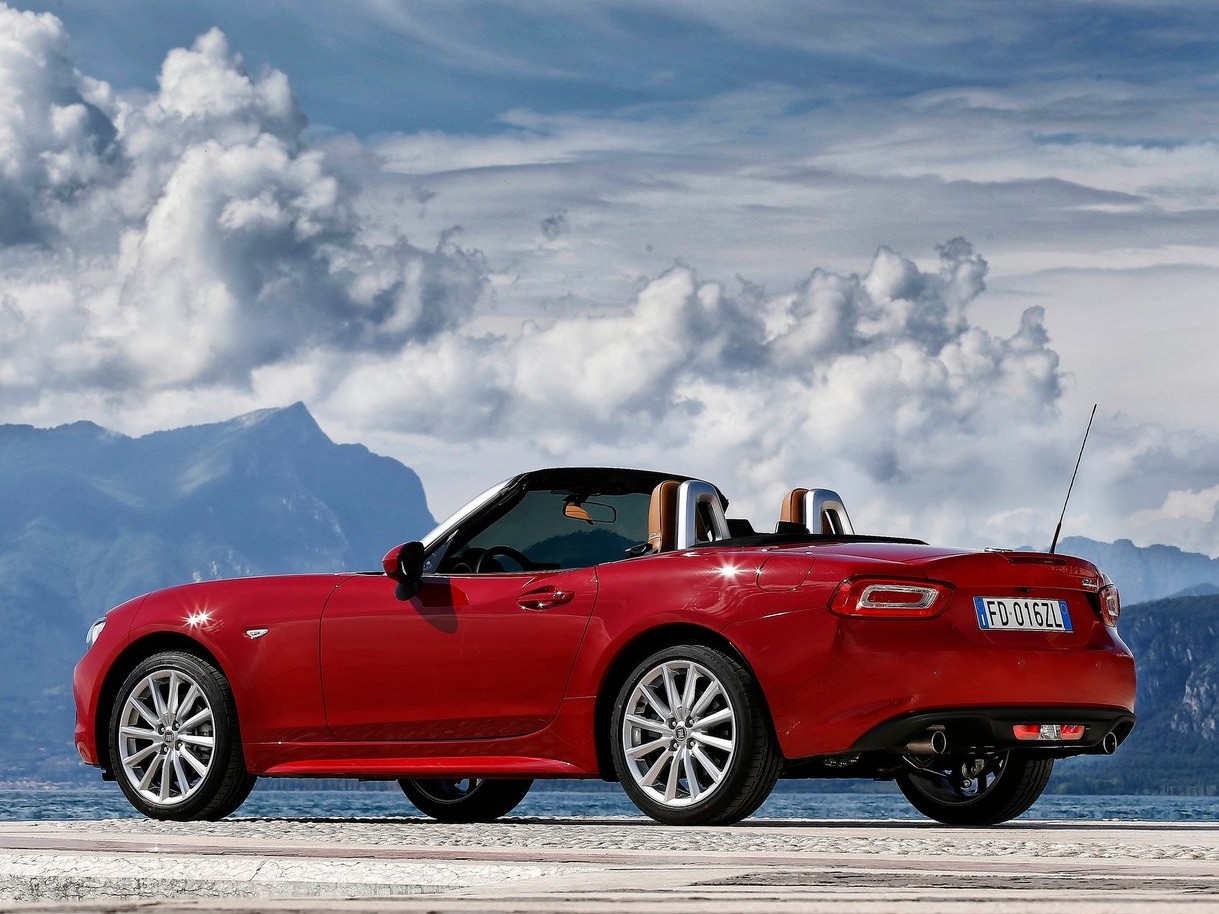
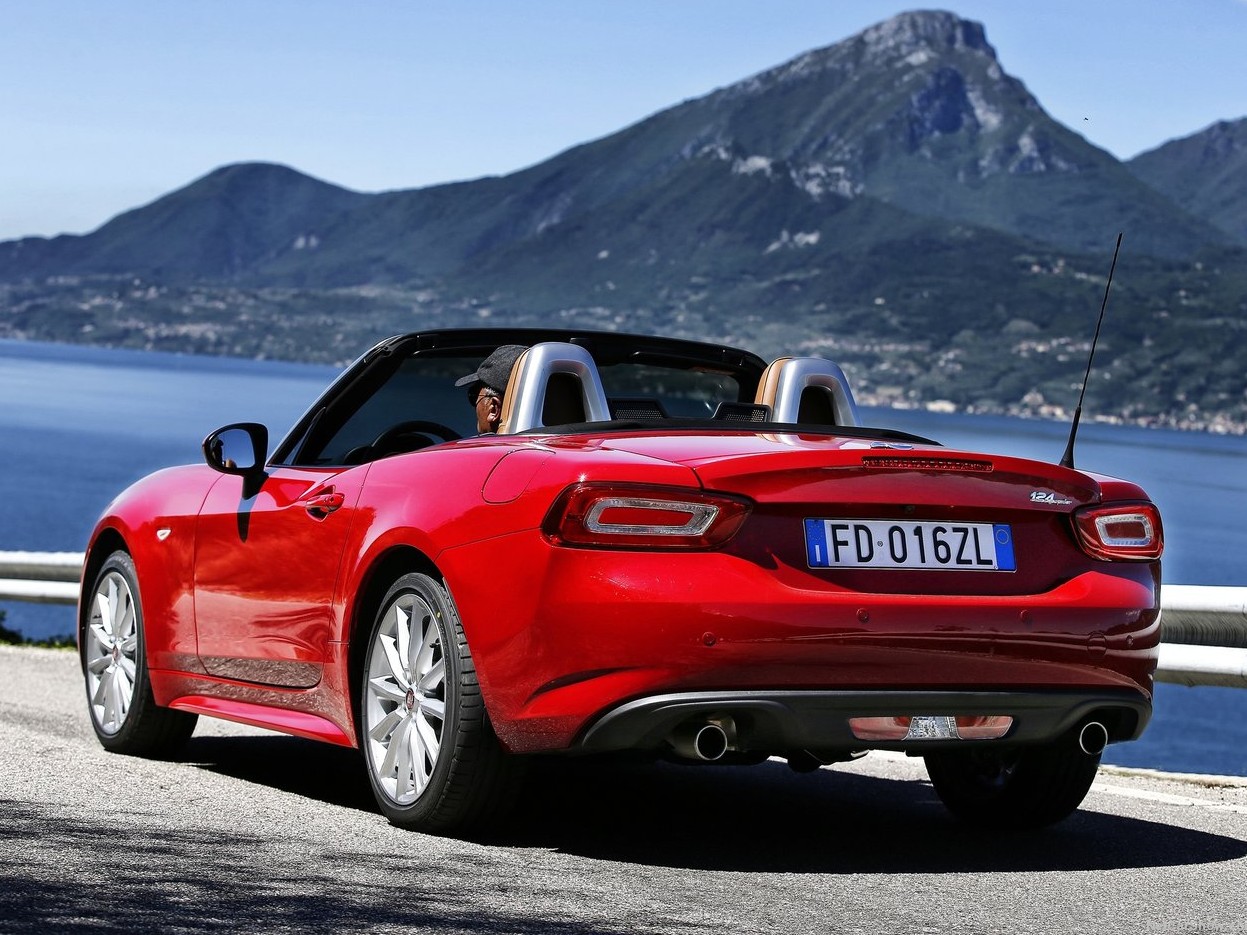
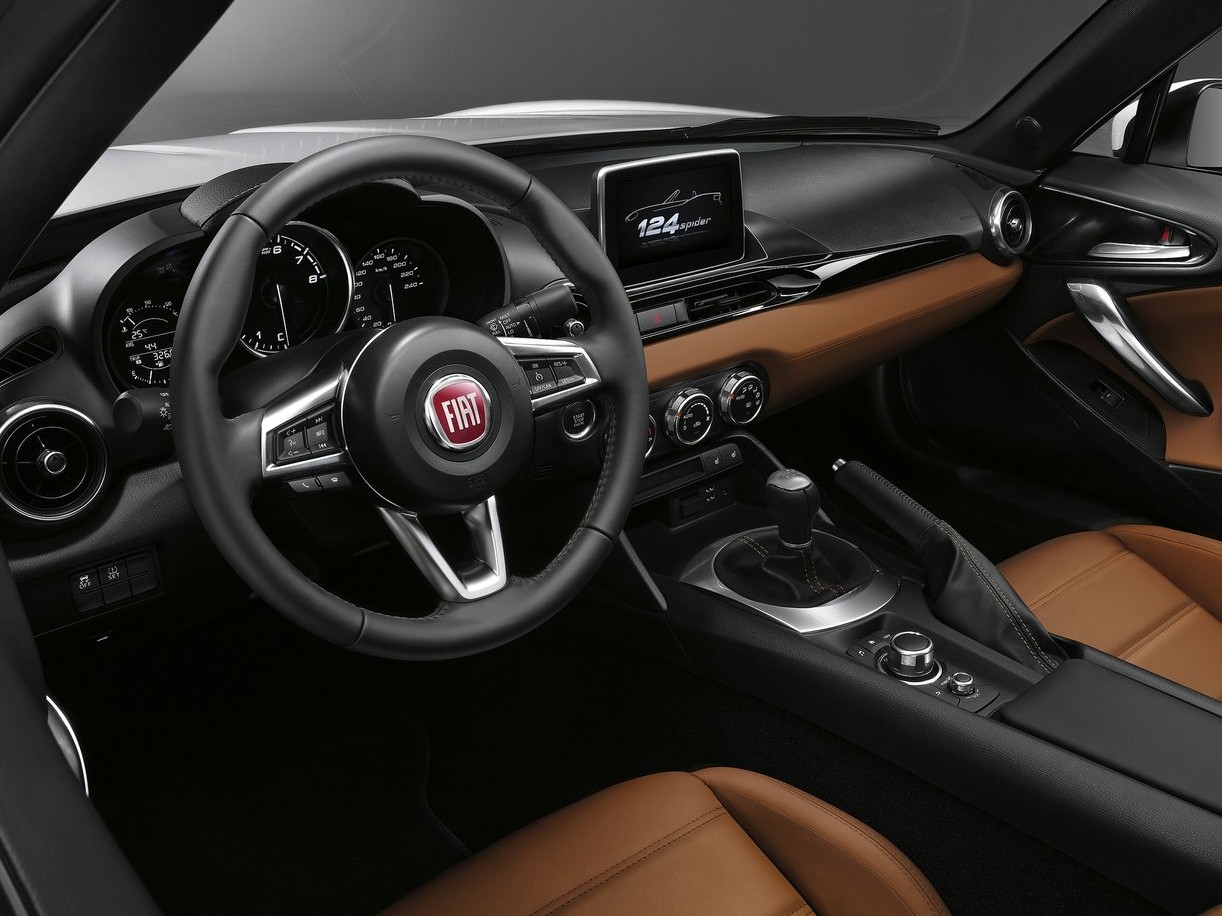
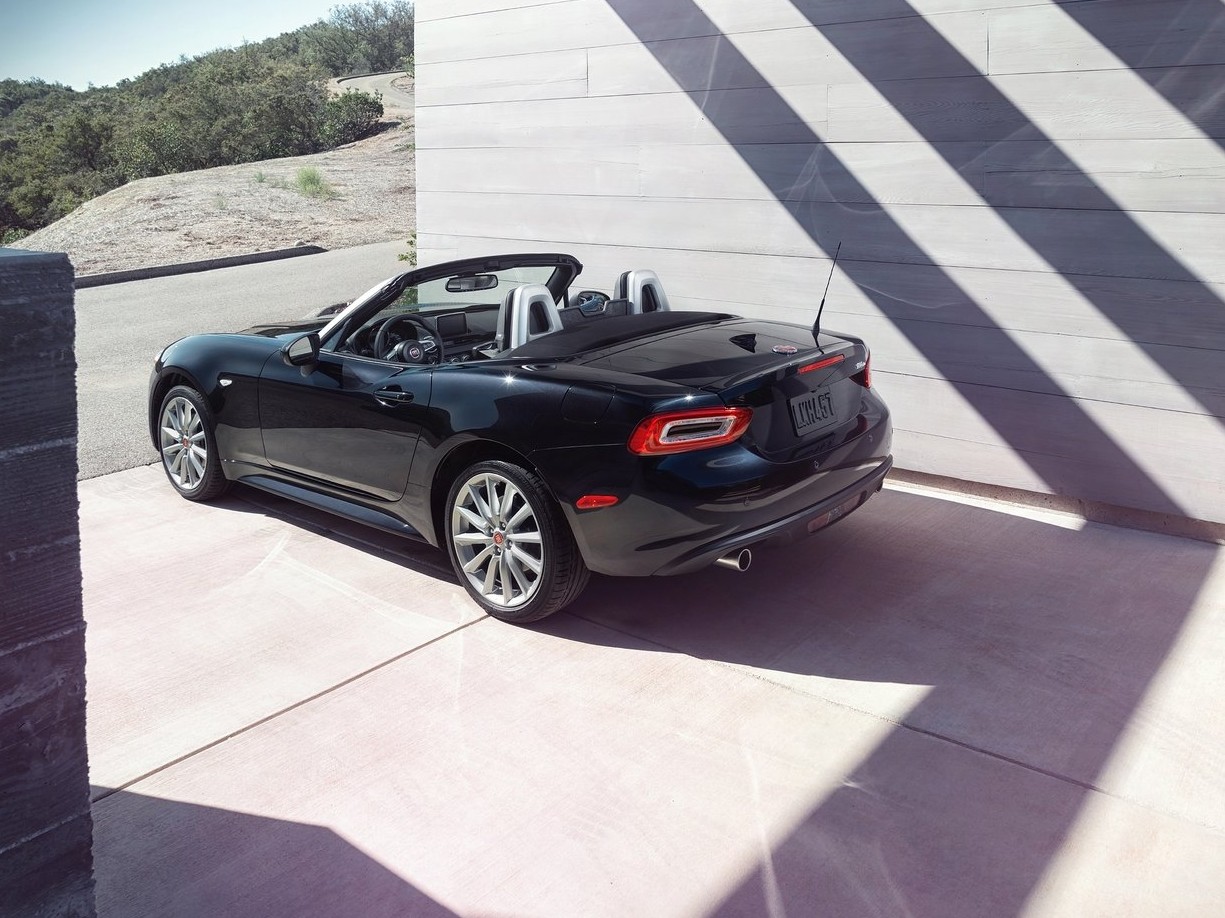
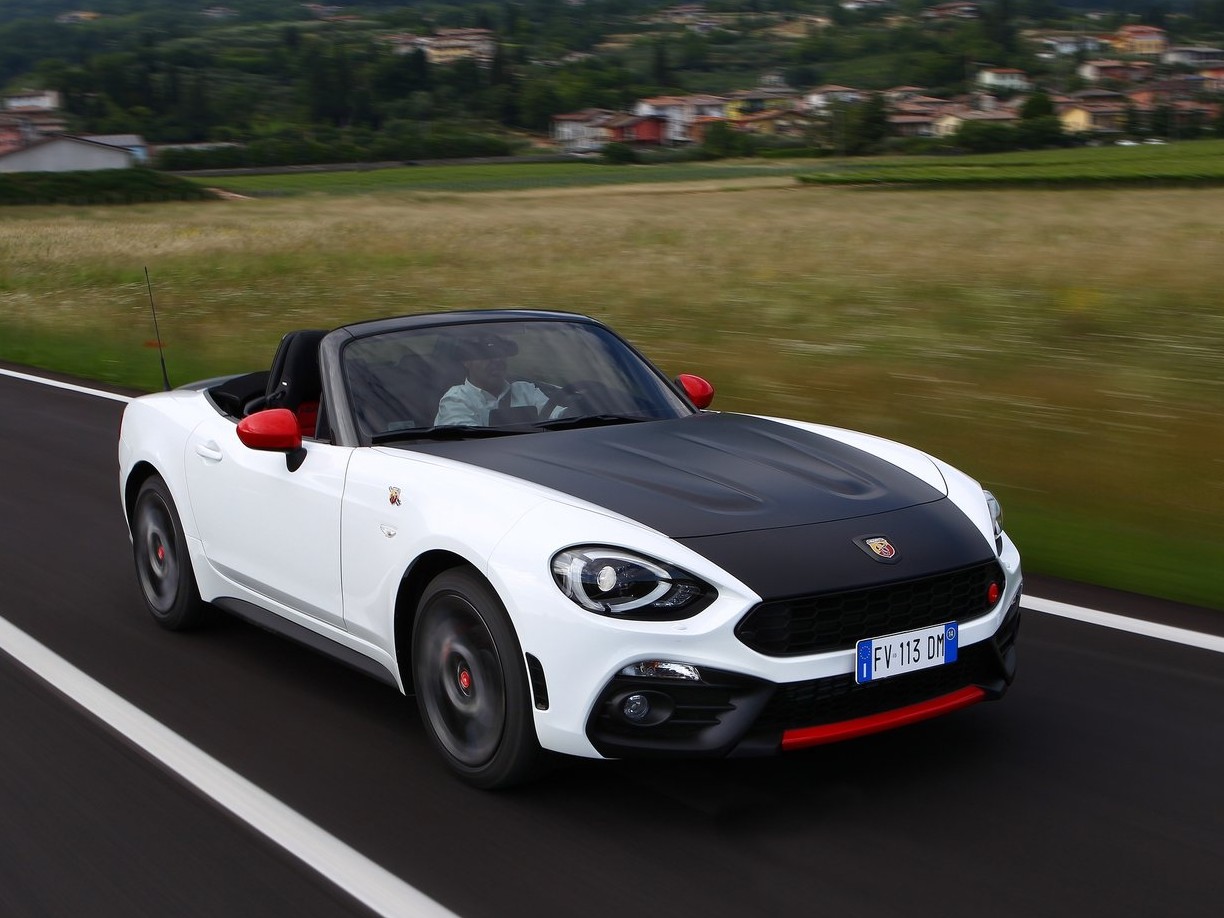
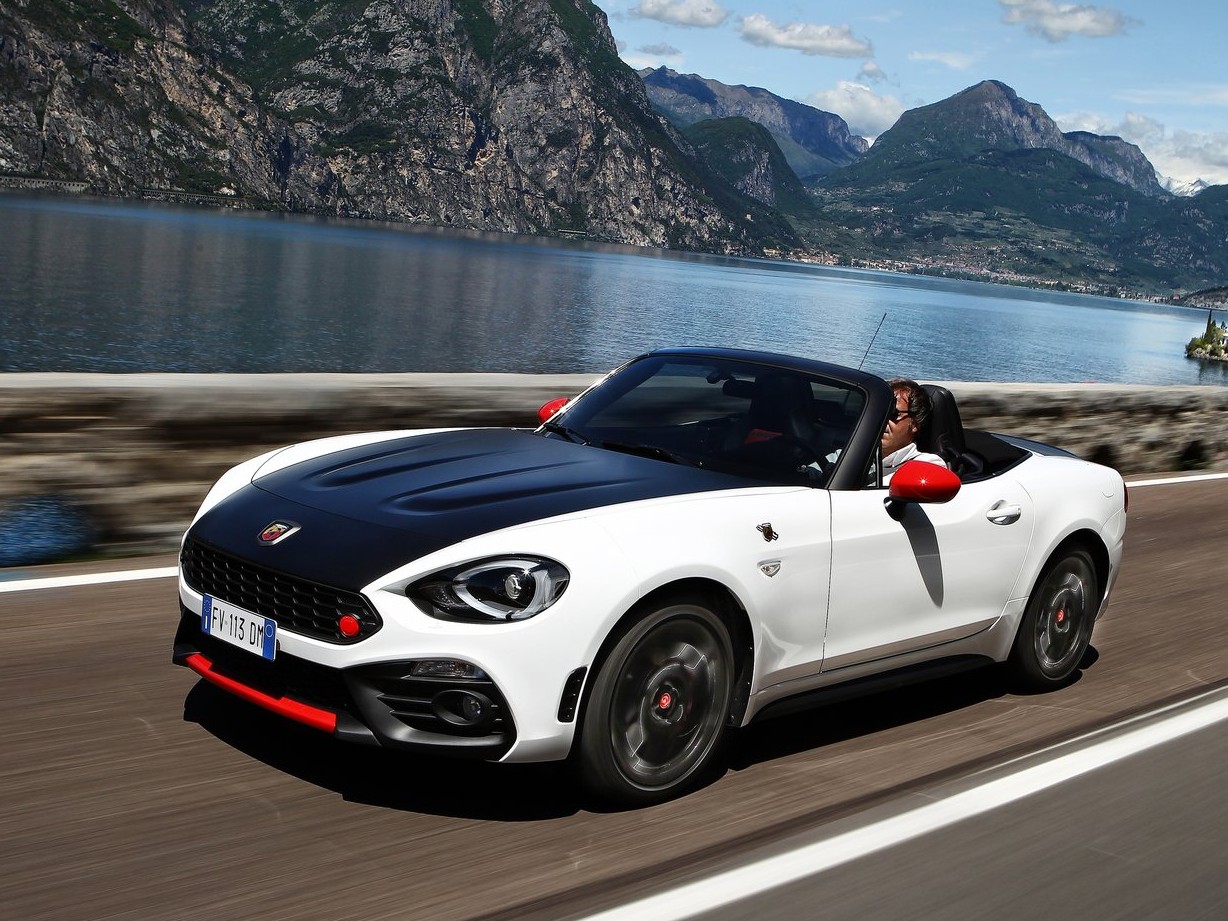
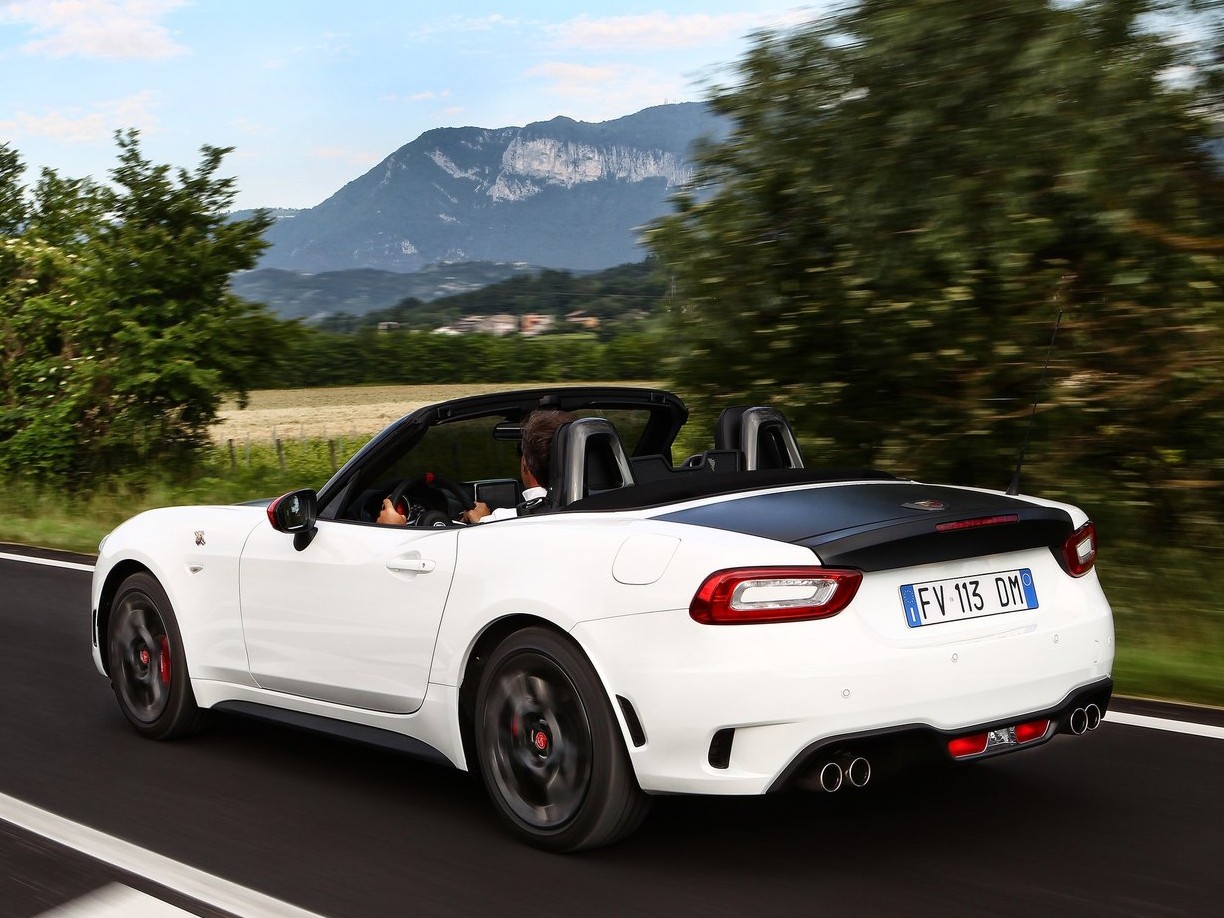
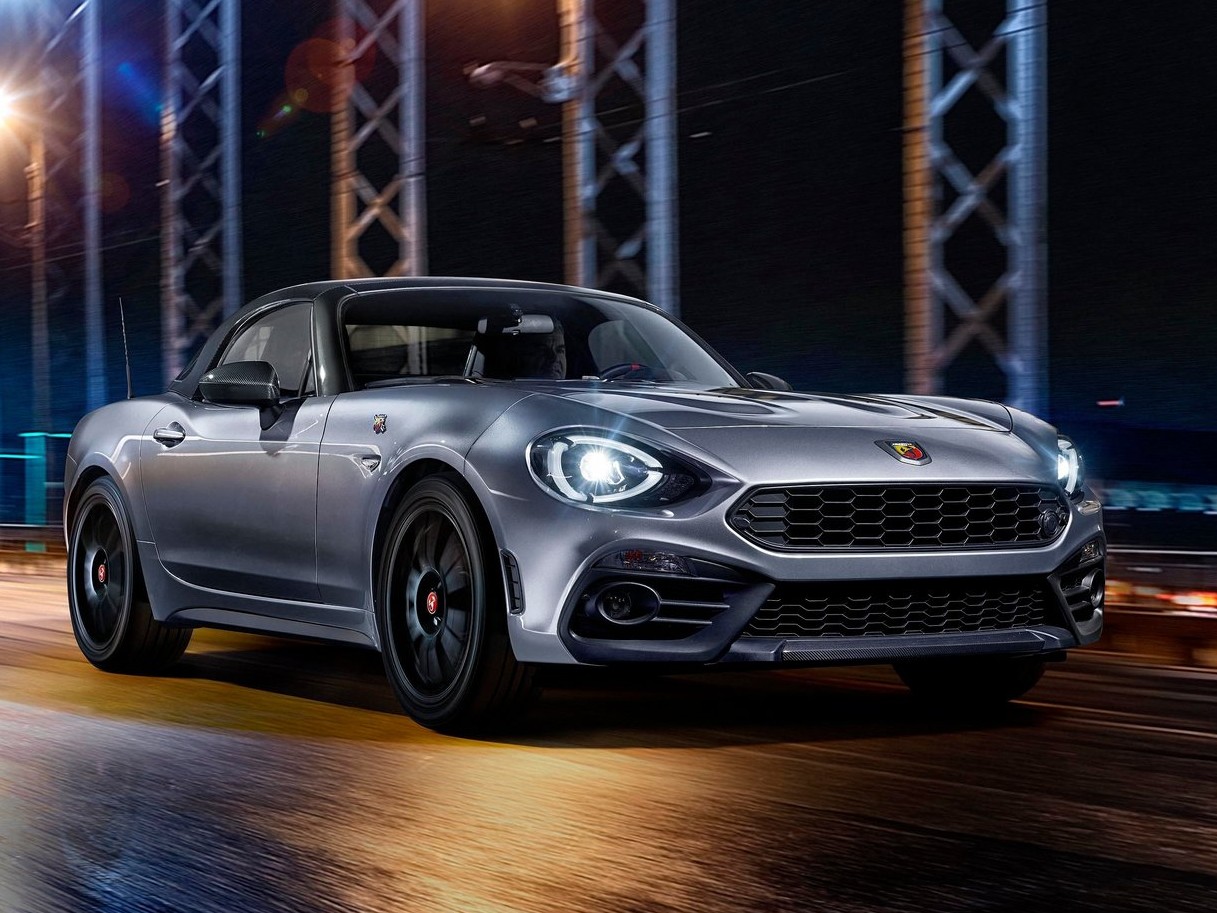
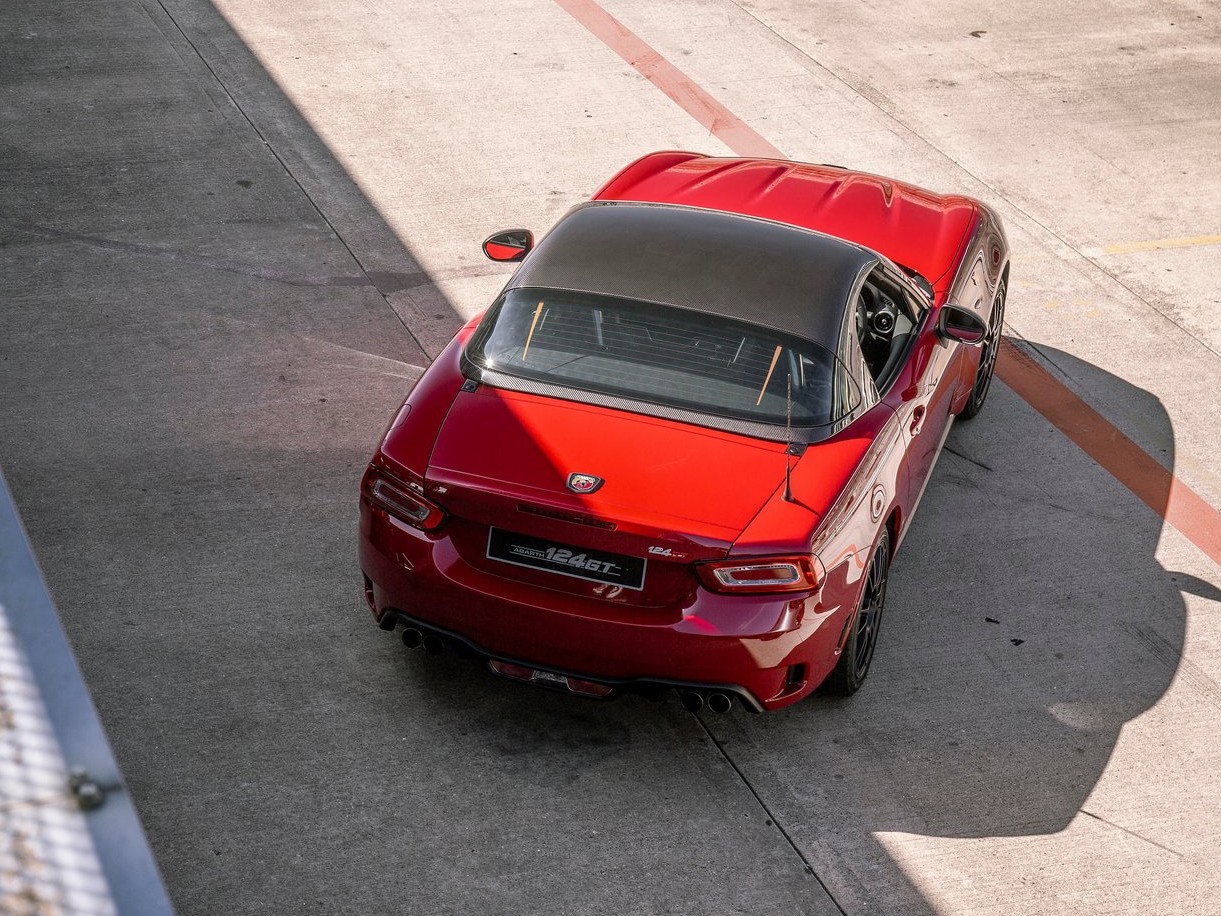
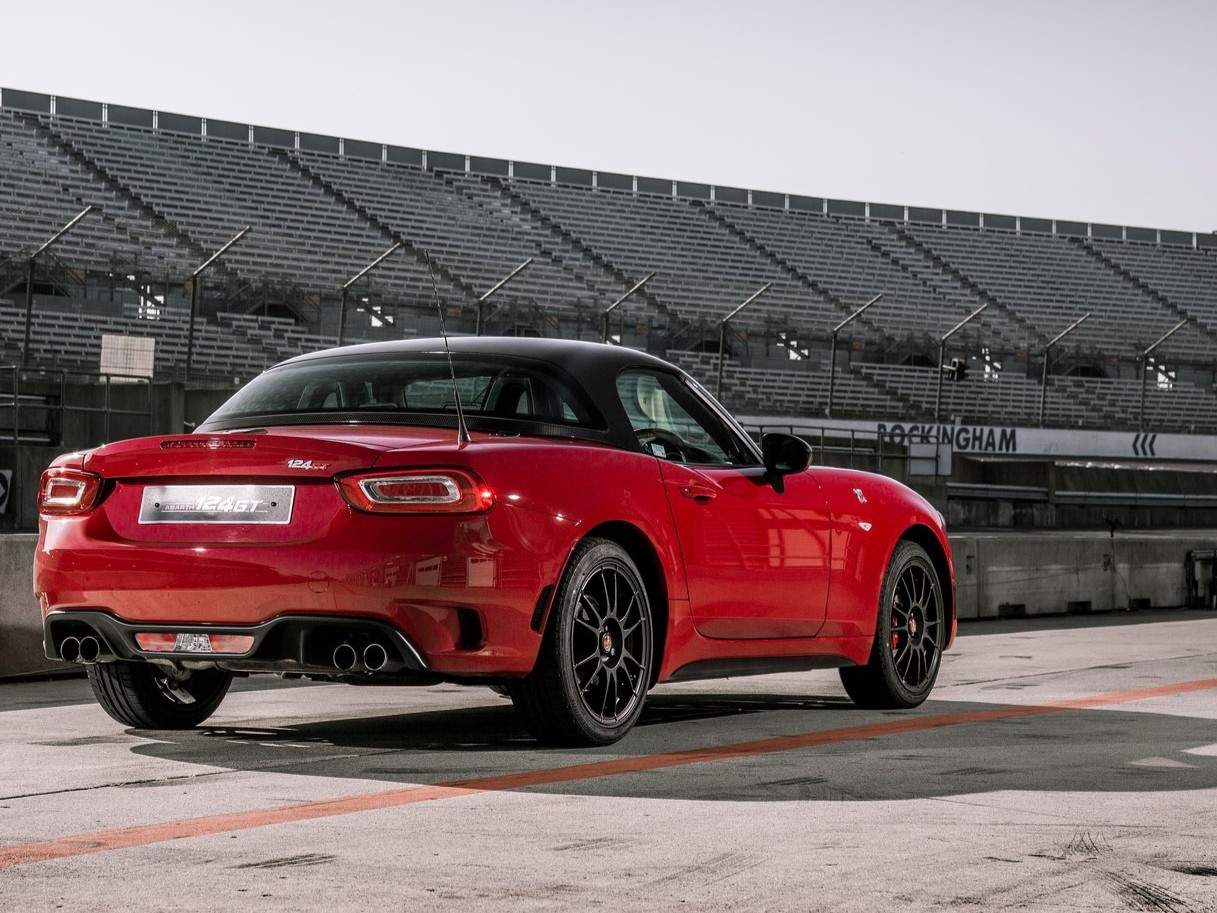
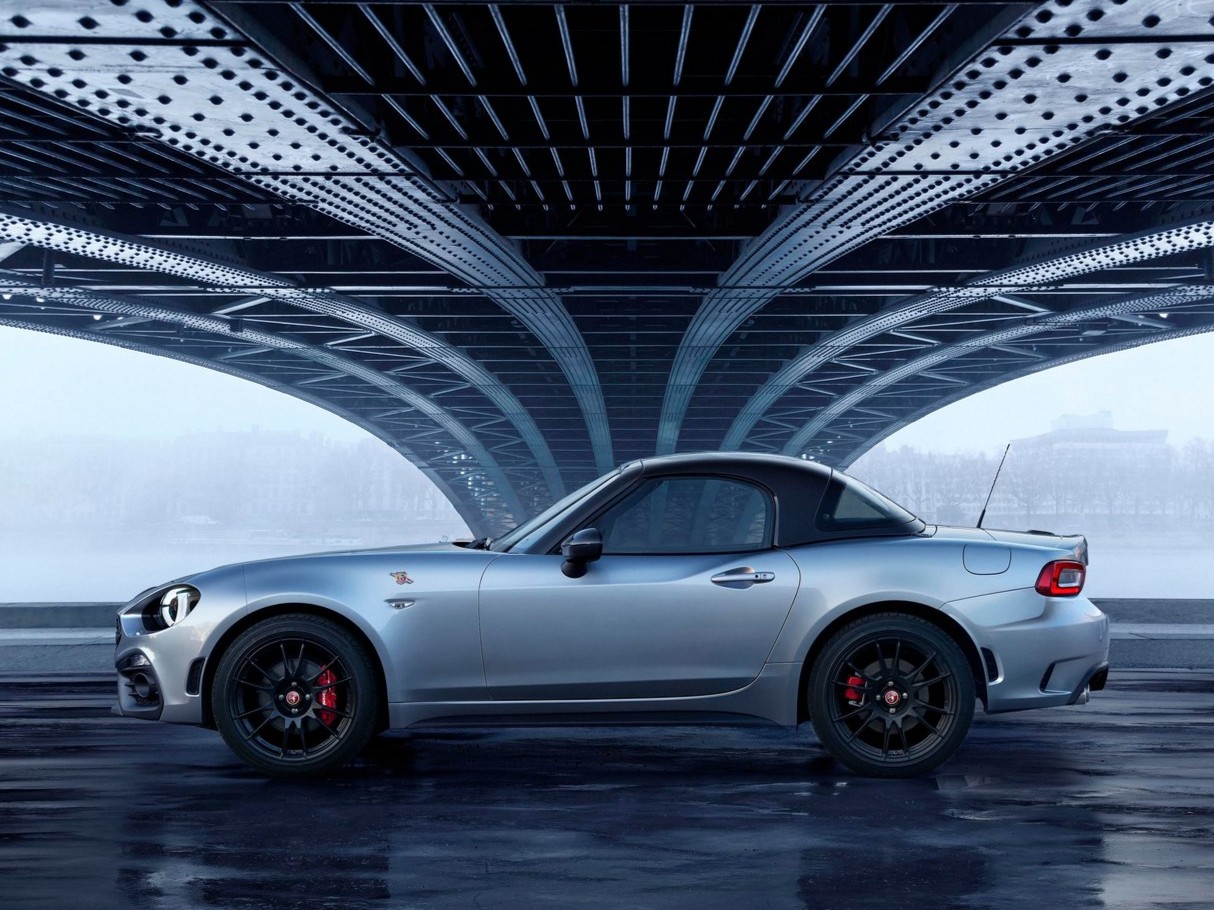
To examine the 2016 Fiat 124 Spider is to witness a surprisingly successful translation of 1960s design cues onto a modern architecture. Fiat’s Centro Stile in Turin completely redesigned the exterior sheet metal, leaving only the windshield frame and the fabric roof shared with the Mazda. The 124 was stretched by nearly five inches, granting it a longer, more elegant profile with a pronounced nose and a squared-off tail that perfectly echoed Tom Tjaarda’s original Pininfarina masterpiece from 1966. The twin hexagonal front grilles and the distinctive power bulges on the hood were unapologetic homages to the classic roadster. However, the true alchemy occurred beneath that elongated hood. Fiat discarded Mazda’s high-revving, naturally aspirated engines and instead shipped its own 1.4-liter MultiAir turbocharged inline-four engines from Termoli, Italy, directly to the assembly line in Hiroshima, Japan. In the standard models, this engine produced 160 horsepower and a healthy 184 lb-ft of torque. This torque delivery fundamentally altered the car’s dynamic character. Where the Miata demanded that the driver wring its neck to find the powerband, the 124 Spider rode a thick, effortless wave of mid-range boost. For the enthusiast, however, the Abarth 124 Spider was the true revelation. It bumped horsepower to 170 (in Europe) and featured a mechanical limited-slip differential, stiffened Bilstein sport dampers, and potent Brembo brakes. Visually distinguished by aggressive fascias and an optional matte-black anti-glare hood, the Abarth also featured the raucous Record Monza dual-mode exhaust system, which emitted a raspy, popping staccato that perfectly suited the scorpion badge. In 2018, the Abarth 124 GT elevated the formula further, adding ultralight forged OZ Racing wheels and a rigid, 16-kilogram carbon-fiber hardtop that transformed the roadster into a focused coupe.
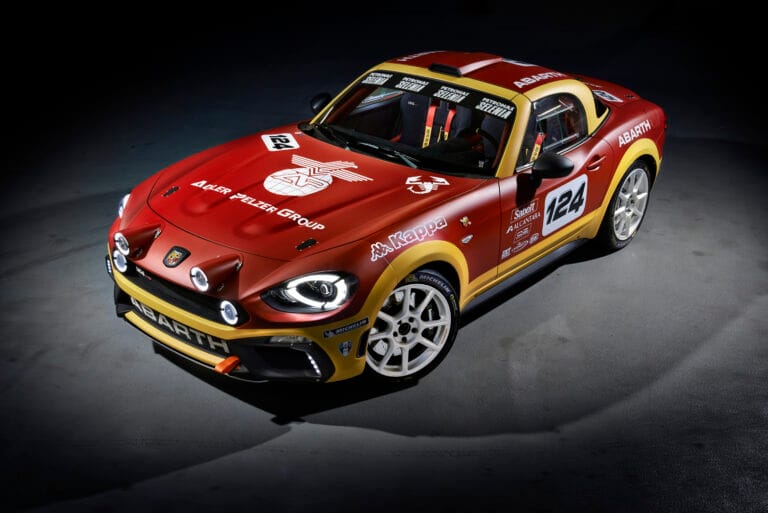
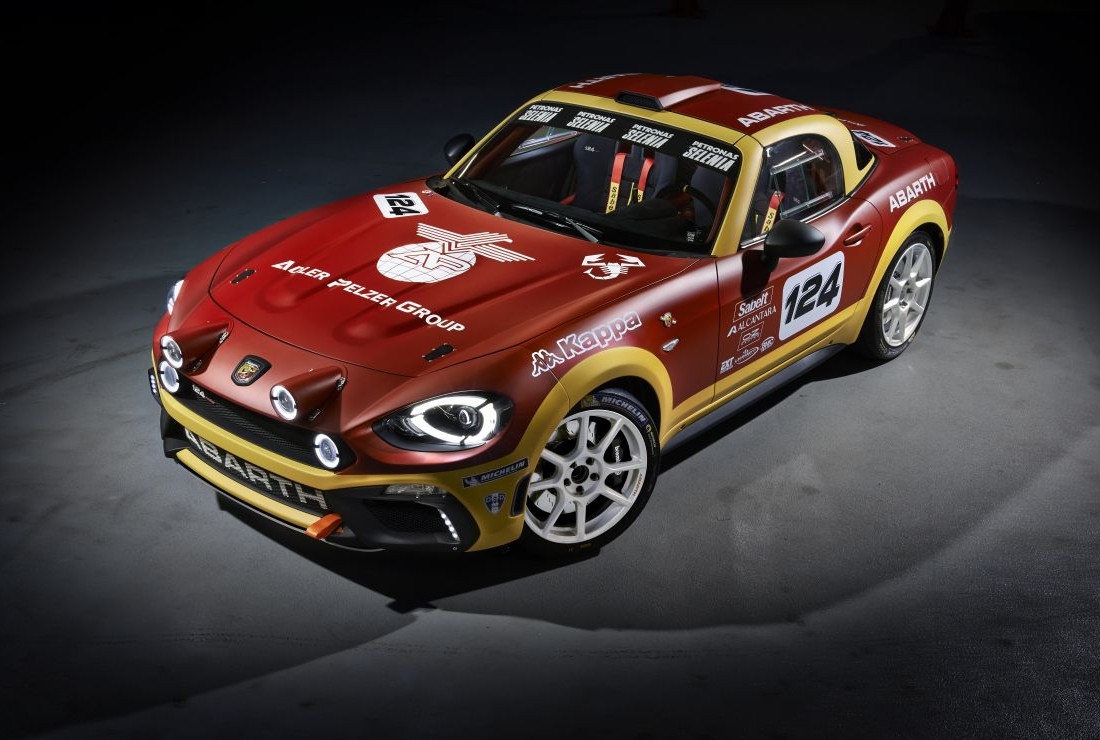
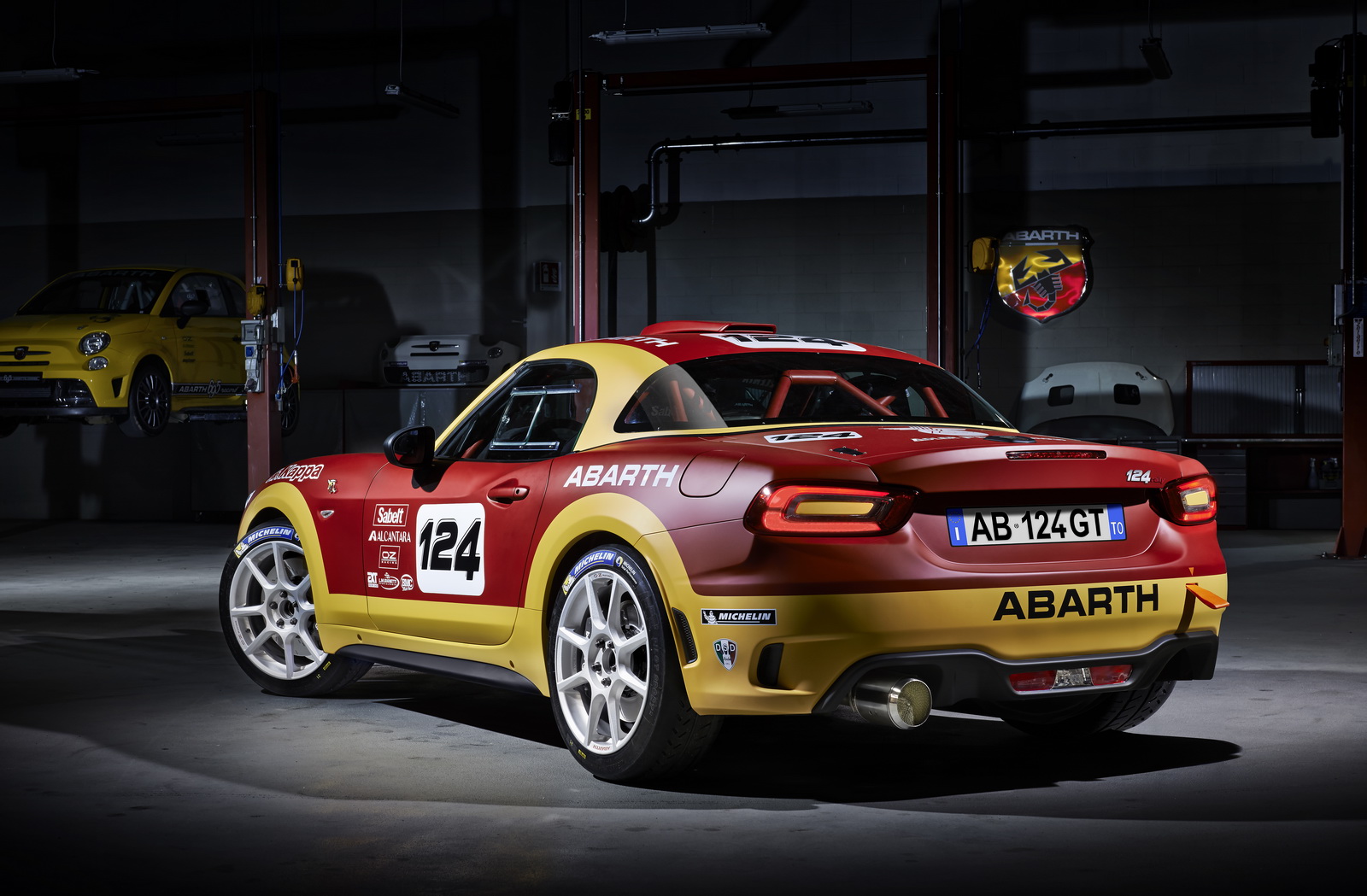
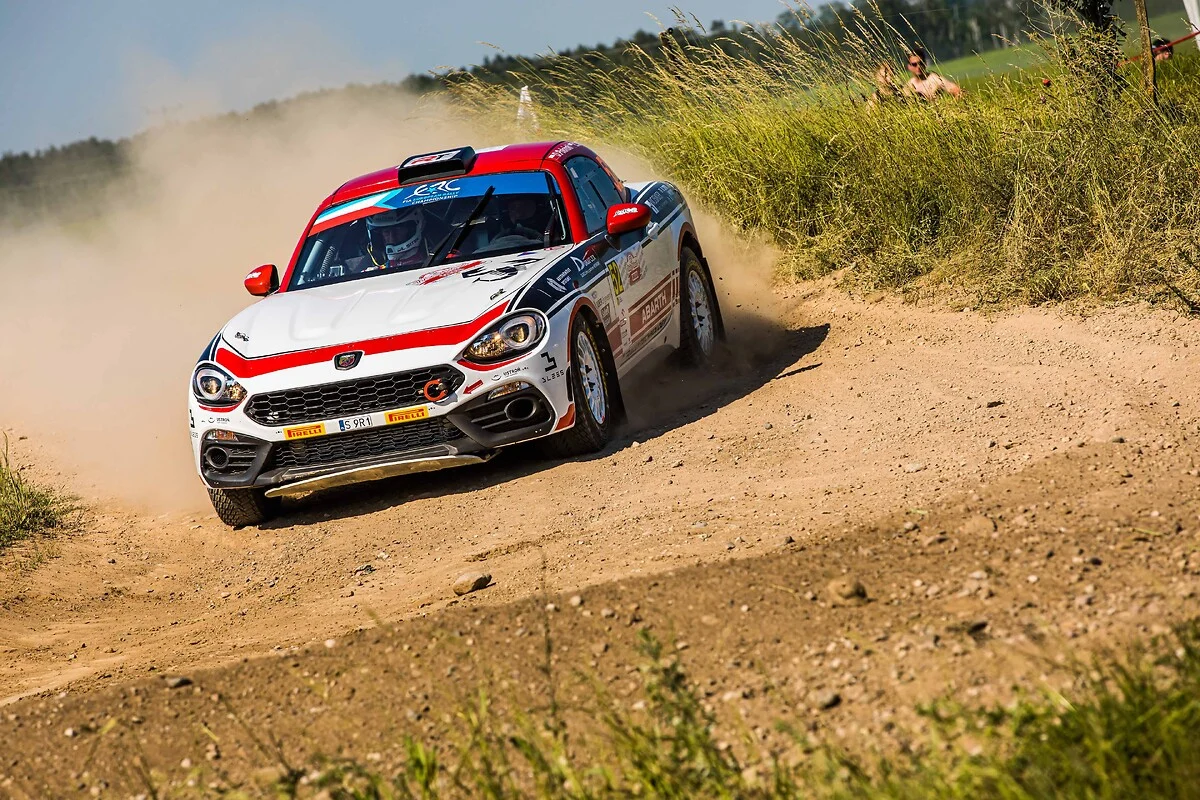
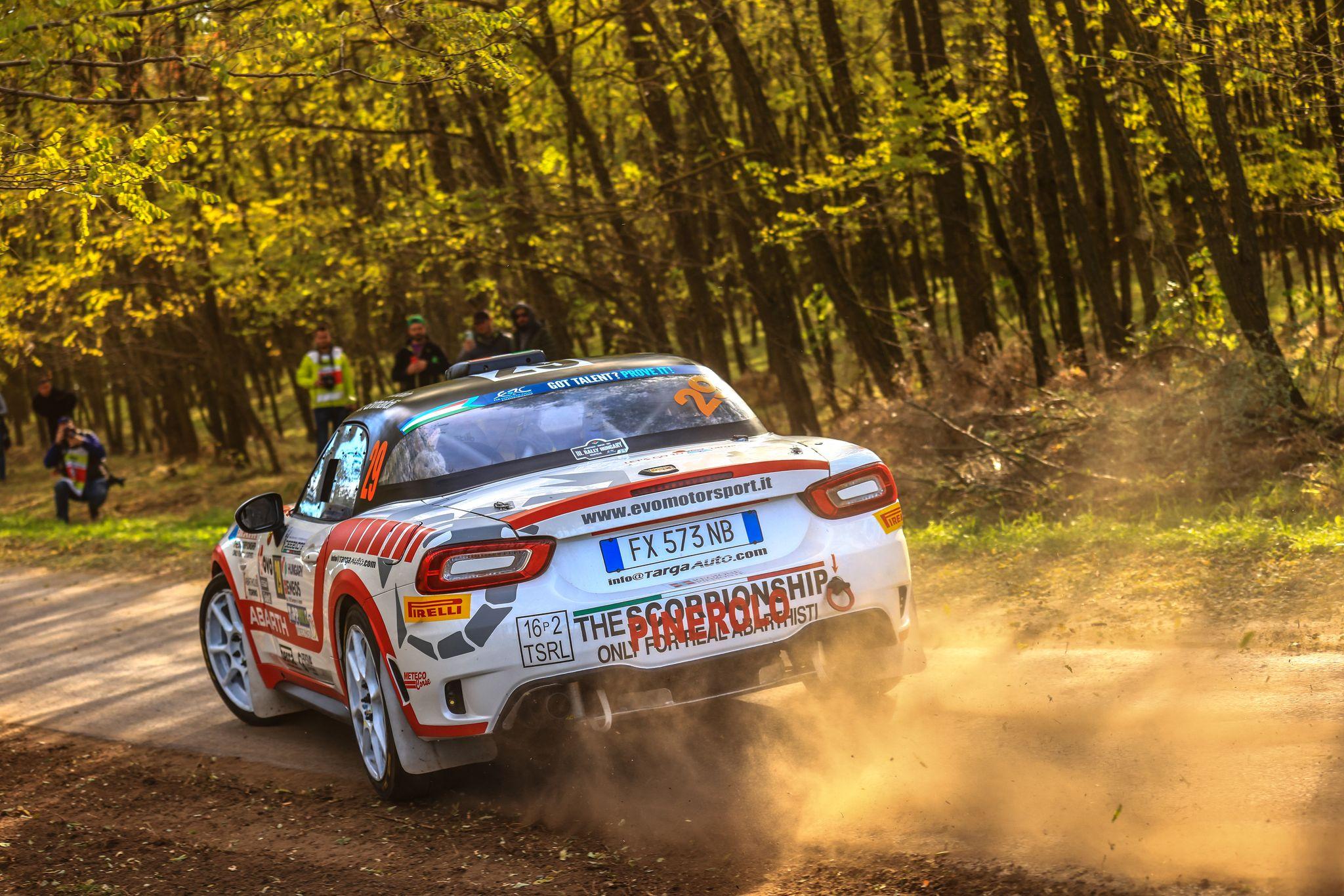
The cultural impact of the modern 124 Spider was deeply intertwined with the nostalgia it evoked, but its true validation came on the international rally stages. The limited-run Anniversary 50 edition, restricted to just 124 units in Europe, sold out instantly, proving the public hunger for the returning icon. But honoring the legacy of the legendary Group 4 cars of the 1970s required more than just a street car. Abarth developed the 124 Spider Rally, a spectacular, 300-horsepower, sequential-gearbox racing machine designed to compete in the FIA R-GT Cup. Driven by the likes of François Delecour and Raphael Astier, the hardtop Abarth 124 brought the glorious, crowd-pleasing spectacle of rear-wheel-drive oversteer back to the World Rally Championship. Watching the howling, flame-spitting Abarth dance sideways across the icy tarmac of the Col de Turini during the Monte Carlo Rally was a potent reminder of Fiat’s rich motorsport heritage. The R-GT program proved that the modern chassis possessed a phenomenal, race-winning balance, conquering its class and revitalizing interest in rear-wheel-drive rallying across Europe.
Ultimately, the 2016 Fiat 124 Spider generation was a beautiful, fleeting experiment. Production ceased in 2020 as the newly formed Stellantis conglomerate streamlined its lineup and tightened its focus on electrification. The expiration of the Mazda contract closed the book on this transcontinental roadster after only a few years. Yet, its brief existence secures it a highly respected place in the modern automotive pantheon. It proved that cross-pollination between rival manufacturers could yield a car with a genuinely distinct soul. The modern 124 Spider, particularly in its aggressive Abarth and GT guises, remains a charismatic, torque-rich love letter to the golden era of the Italian sports car. It was a machine that prioritized joy, sound, and style over pure lap times, offering one last sun-drenched blast of analogue driving pleasure before the silent electric era took full hold.
Portal
Model line
Model generation
Brand
Produced from
Vehicle category
Generation Overview
In the mid-2010s, the global automotive landscape was undergoing a seismic shift, pivoting heavily towards electrification and ubiquitous crossover utility vehicles. The market for affordable, lightweight, two-seater sports cars was shrinking at an alarming rate, making the ground-up development of a bespoke rear-wheel-drive roadster an act of financial suicide for almost any manufacturer. Yet, Fiat Chrysler Automobiles’ pragmatic and visionary CEO, Sergio Marchionne, recognized that the Fiat brand desperately needed a halo car to inject passion into its lineup and revive a nameplate that had lain dormant for three decades. The solution was a masterstroke of cross-cultural automotive diplomacy. Fiat partnered with Mazda, leveraging the brilliant, ultra-lightweight ND-generation MX-5 Miata chassis, to create the 2016 Fiat 124 Spider. Affectionately and immediately dubbed the “Fiata” by the motoring press, this transcontinental marriage was far from a lazy exercise in badge engineering. It arrived to challenge not only its Japanese sibling but also the Toyota 86, Subaru BRZ, and the Mini Convertible, bringing a wave of turbocharged Italian flair to a naturally aspirated segment.
To examine the 2016 Fiat 124 Spider is to witness a surprisingly successful translation of 1960s design cues onto a modern architecture. Fiat’s Centro Stile in Turin completely redesigned the exterior sheet metal, leaving only the windshield frame and the fabric roof shared with the Mazda. The 124 was stretched by nearly five inches, granting it a longer, more elegant profile with a pronounced nose and a squared-off tail that perfectly echoed Tom Tjaarda’s original Pininfarina masterpiece from 1966. The twin hexagonal front grilles and the distinctive power bulges on the hood were unapologetic homages to the classic roadster. However, the true alchemy occurred beneath that elongated hood. Fiat discarded Mazda’s high-revving, naturally aspirated engines and instead shipped its own 1.4-liter MultiAir turbocharged inline-four engines from Termoli, Italy, directly to the assembly line in Hiroshima, Japan. In the standard models, this engine produced 160 horsepower and a healthy 184 lb-ft of torque. This torque delivery fundamentally altered the car’s dynamic character. Where the Miata demanded that the driver wring its neck to find the powerband, the 124 Spider rode a thick, effortless wave of mid-range boost. For the enthusiast, however, the Abarth 124 Spider was the true revelation. It bumped horsepower to 170 (in Europe) and featured a mechanical limited-slip differential, stiffened Bilstein sport dampers, and potent Brembo brakes. Visually distinguished by aggressive fascias and an optional matte-black anti-glare hood, the Abarth also featured the raucous Record Monza dual-mode exhaust system, which emitted a raspy, popping staccato that perfectly suited the scorpion badge. In 2018, the Abarth 124 GT elevated the formula further, adding ultralight forged OZ Racing wheels and a rigid, 16-kilogram carbon-fiber hardtop that transformed the roadster into a focused coupe.
The cultural impact of the modern 124 Spider was deeply intertwined with the nostalgia it evoked, but its true validation came on the international rally stages. The limited-run Anniversary 50 edition, restricted to just 124 units in Europe, sold out instantly, proving the public hunger for the returning icon. But honoring the legacy of the legendary Group 4 cars of the 1970s required more than just a street car. Abarth developed the 124 Spider Rally, a spectacular, 300-horsepower, sequential-gearbox racing machine designed to compete in the FIA R-GT Cup. Driven by the likes of François Delecour and Raphael Astier, the hardtop Abarth 124 brought the glorious, crowd-pleasing spectacle of rear-wheel-drive oversteer back to the World Rally Championship. Watching the howling, flame-spitting Abarth dance sideways across the icy tarmac of the Col de Turini during the Monte Carlo Rally was a potent reminder of Fiat’s rich motorsport heritage. The R-GT program proved that the modern chassis possessed a phenomenal, race-winning balance, conquering its class and revitalizing interest in rear-wheel-drive rallying across Europe.
Ultimately, the 2016 Fiat 124 Spider generation was a beautiful, fleeting experiment. Production ceased in 2020 as the newly formed Stellantis conglomerate streamlined its lineup and tightened its focus on electrification. The expiration of the Mazda contract closed the book on this transcontinental roadster after only a few years. Yet, its brief existence secures it a highly respected place in the modern automotive pantheon. It proved that cross-pollination between rival manufacturers could yield a car with a genuinely distinct soul. The modern 124 Spider, particularly in its aggressive Abarth and GT guises, remains a charismatic, torque-rich love letter to the golden era of the Italian sports car. It was a machine that prioritized joy, sound, and style over pure lap times, offering one last sun-drenched blast of analogue driving pleasure before the silent electric era took full hold.
Submodels