Fiat Modern 500 (Tipo 312)
Generation Overview
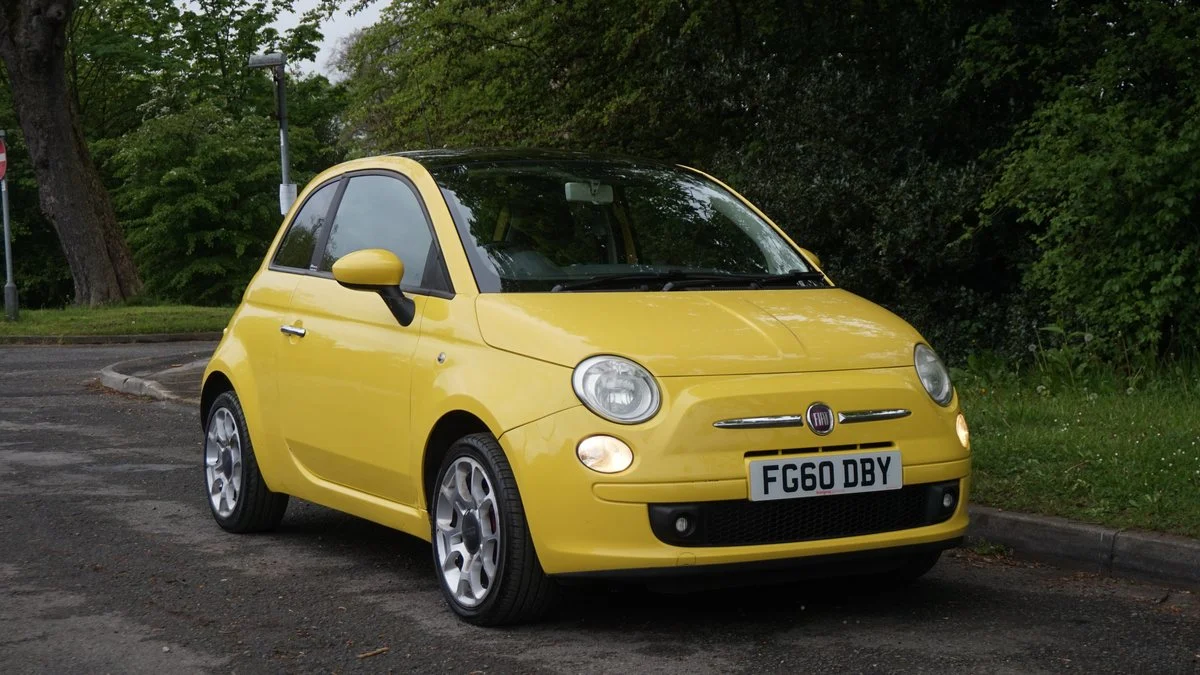
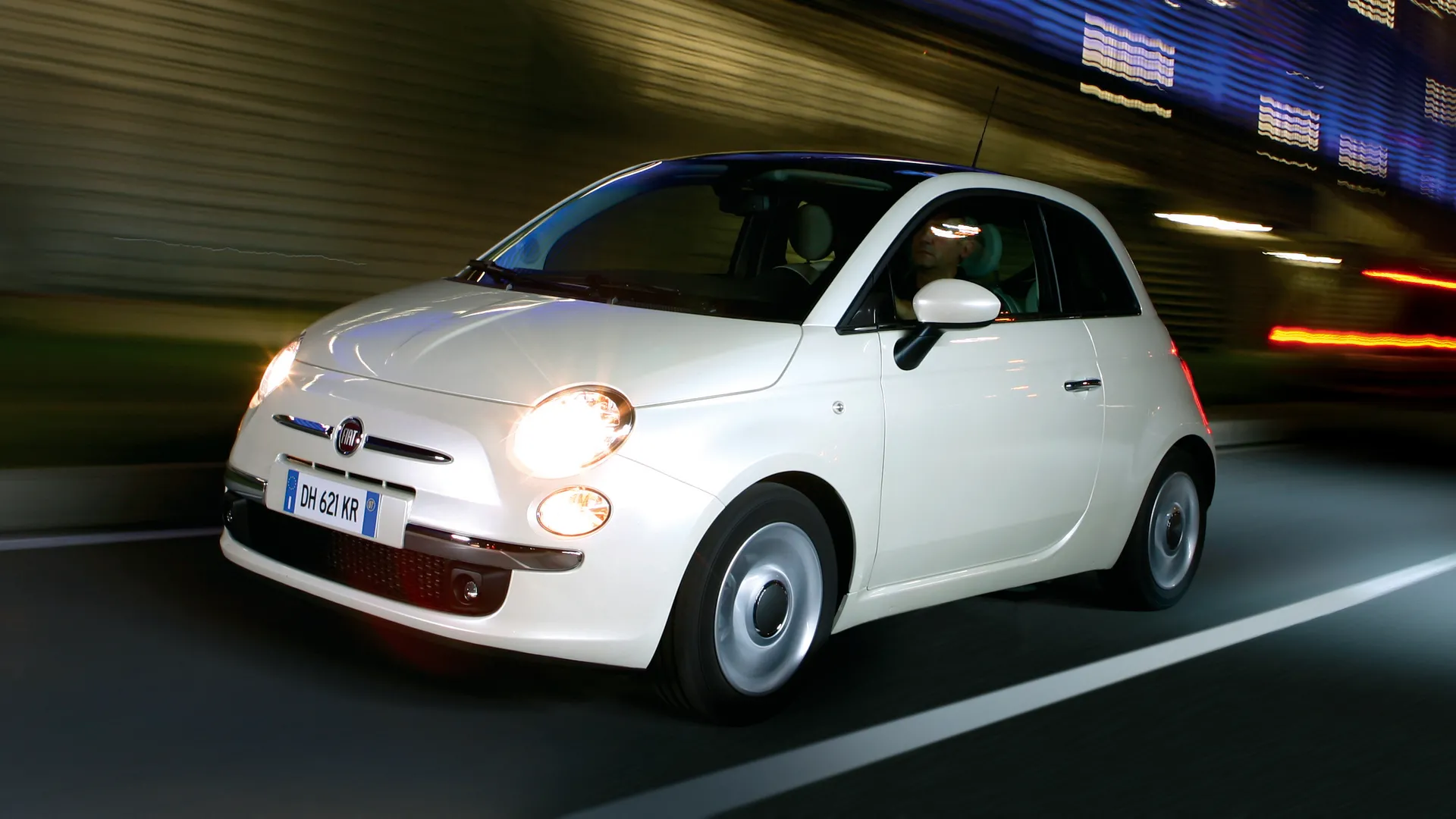
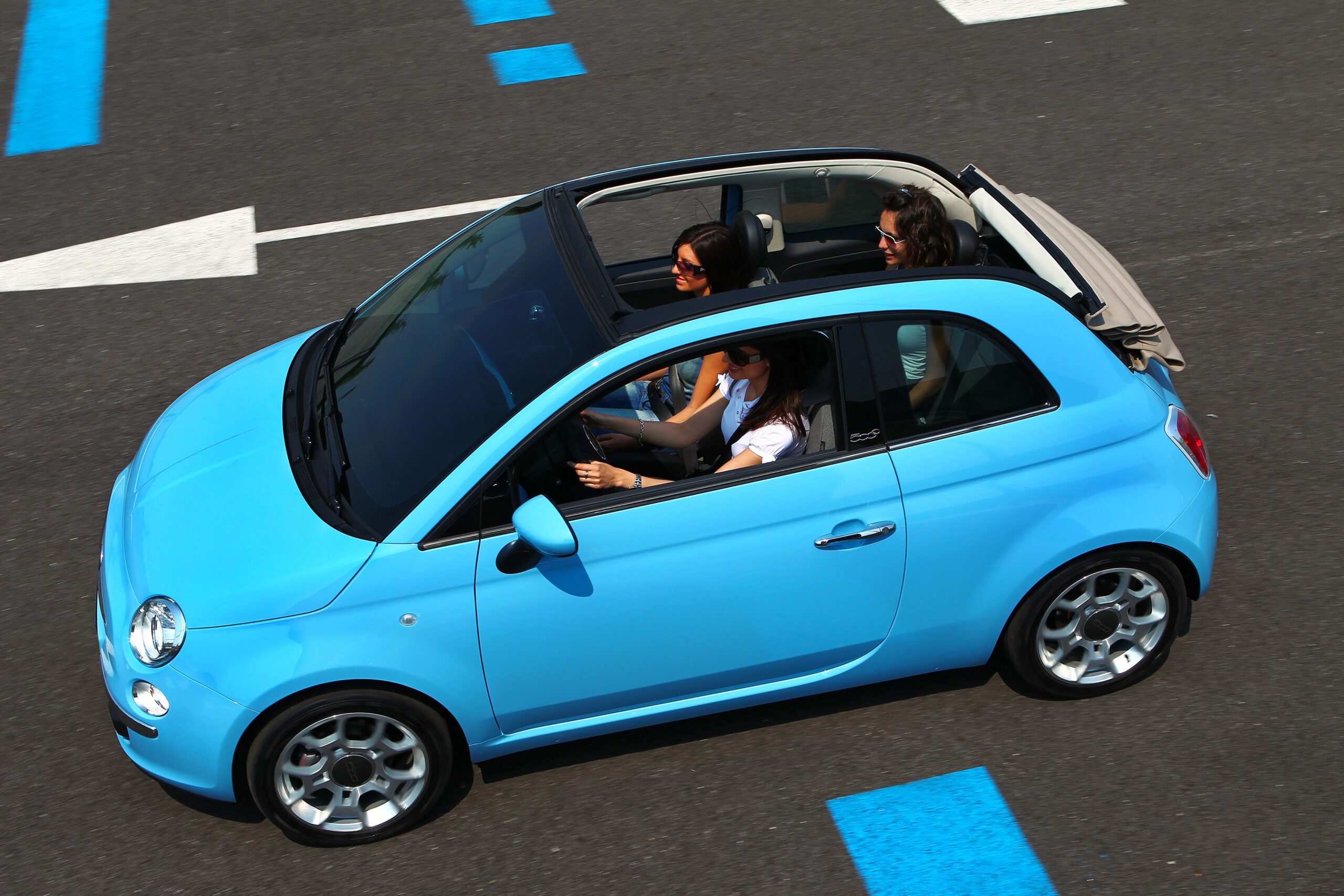
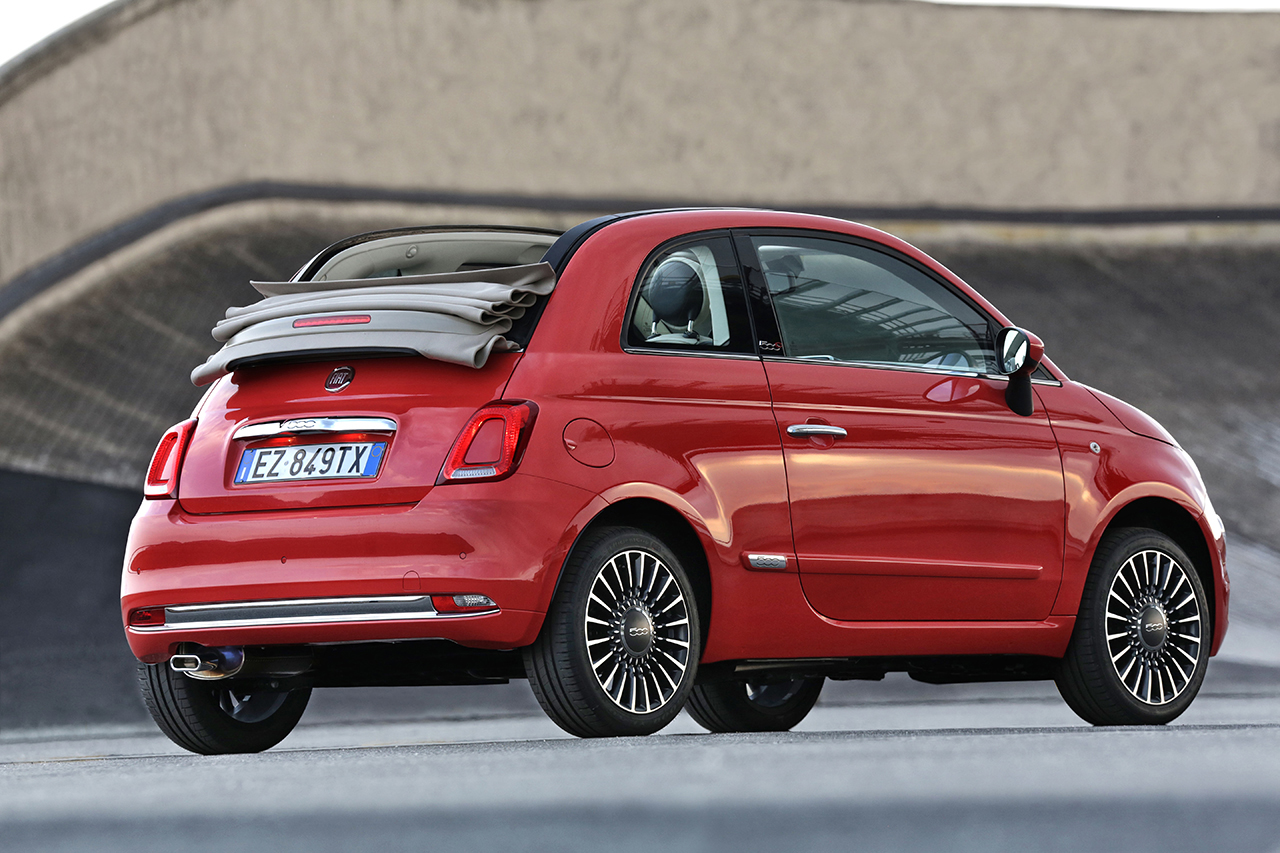
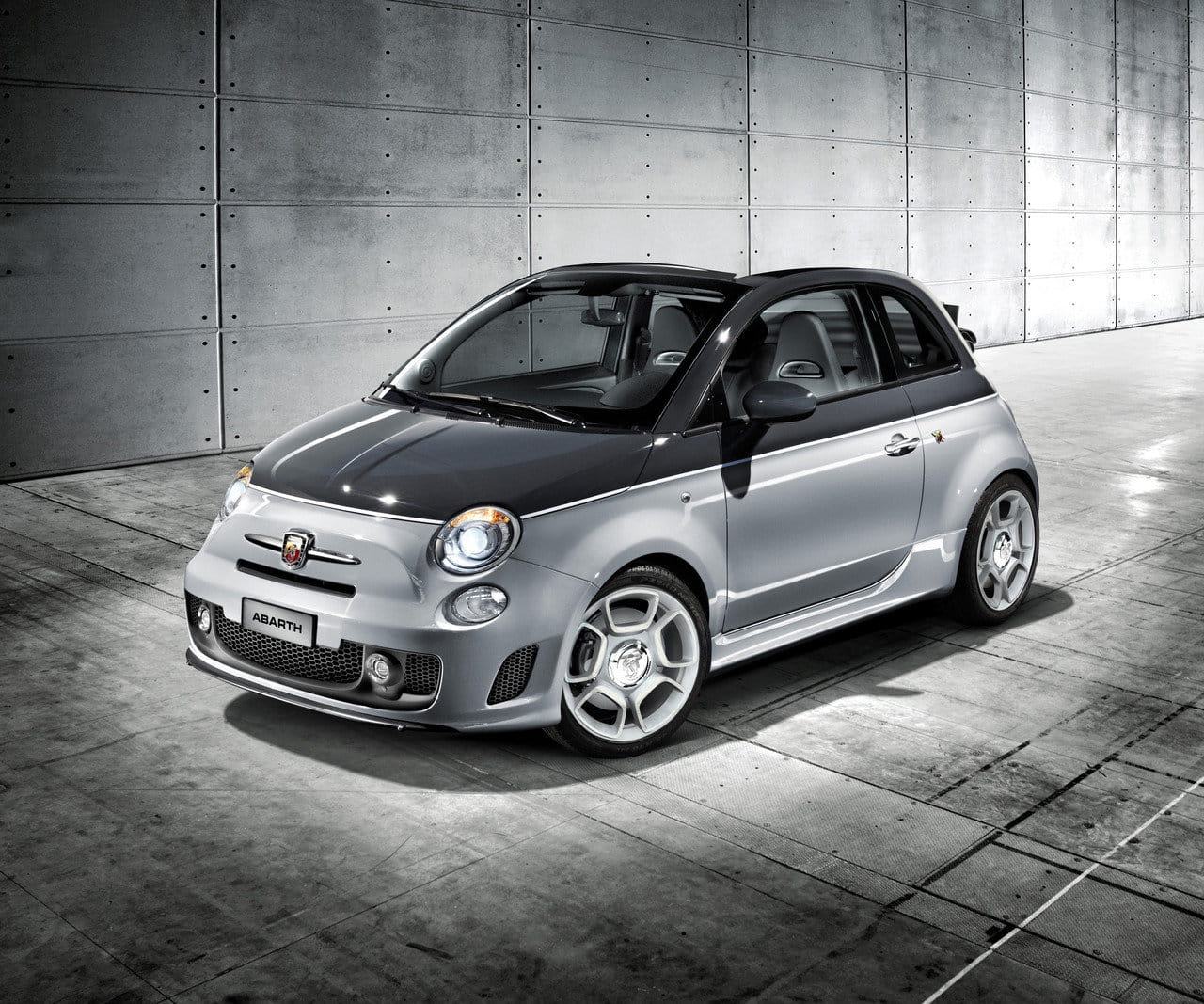
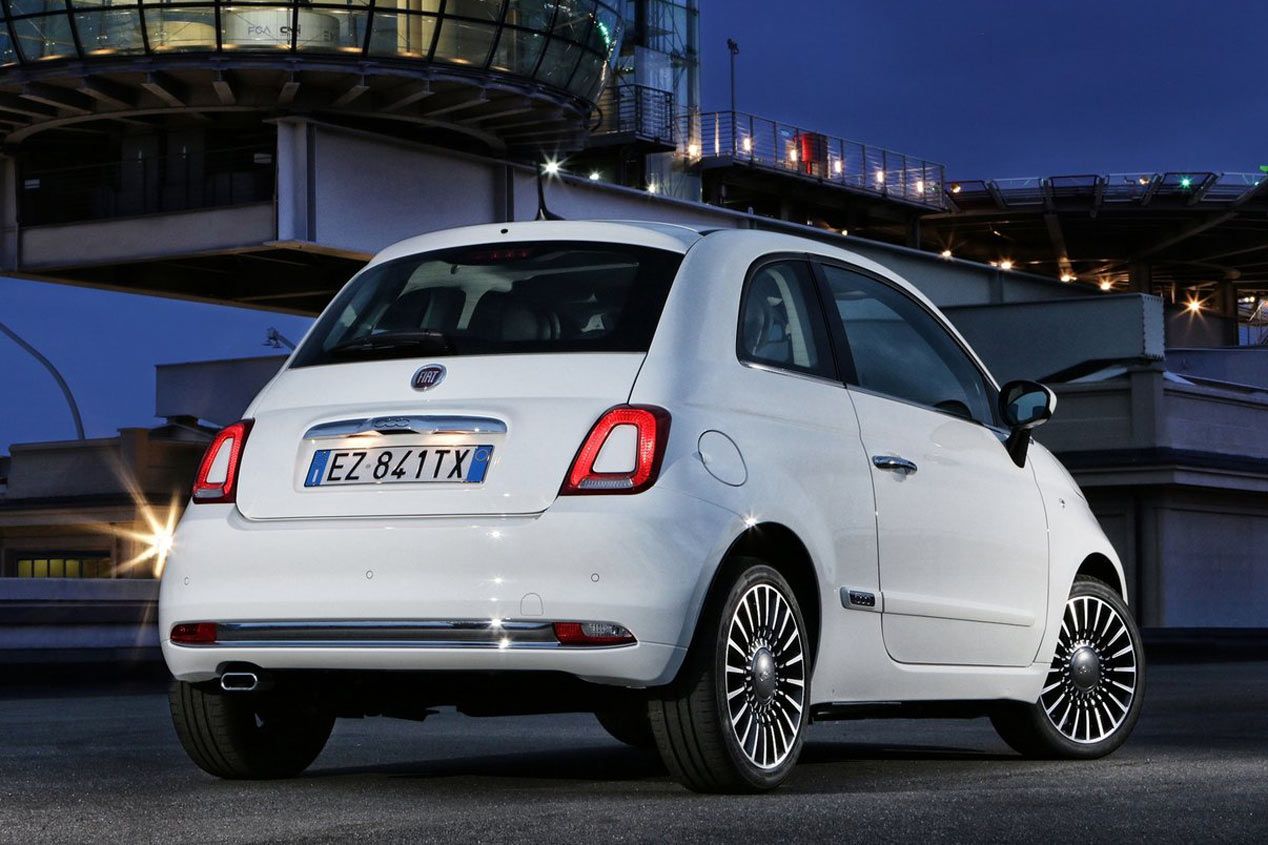
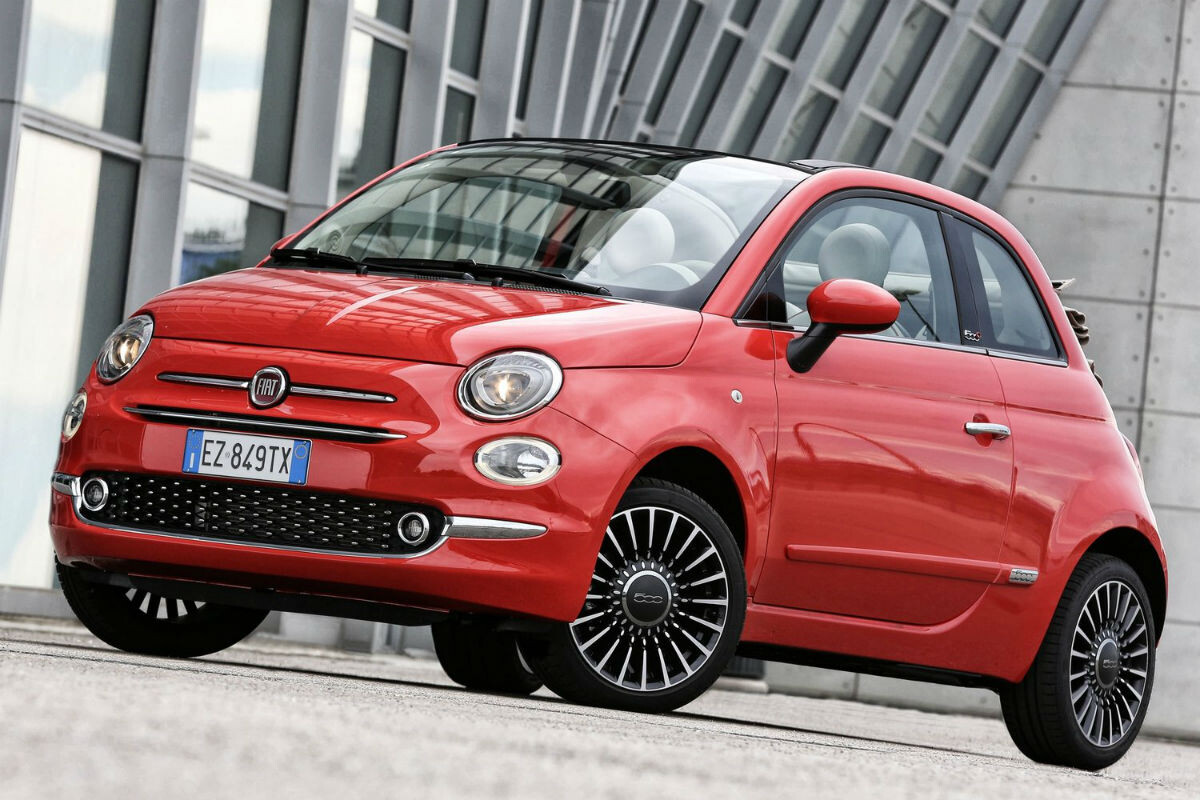
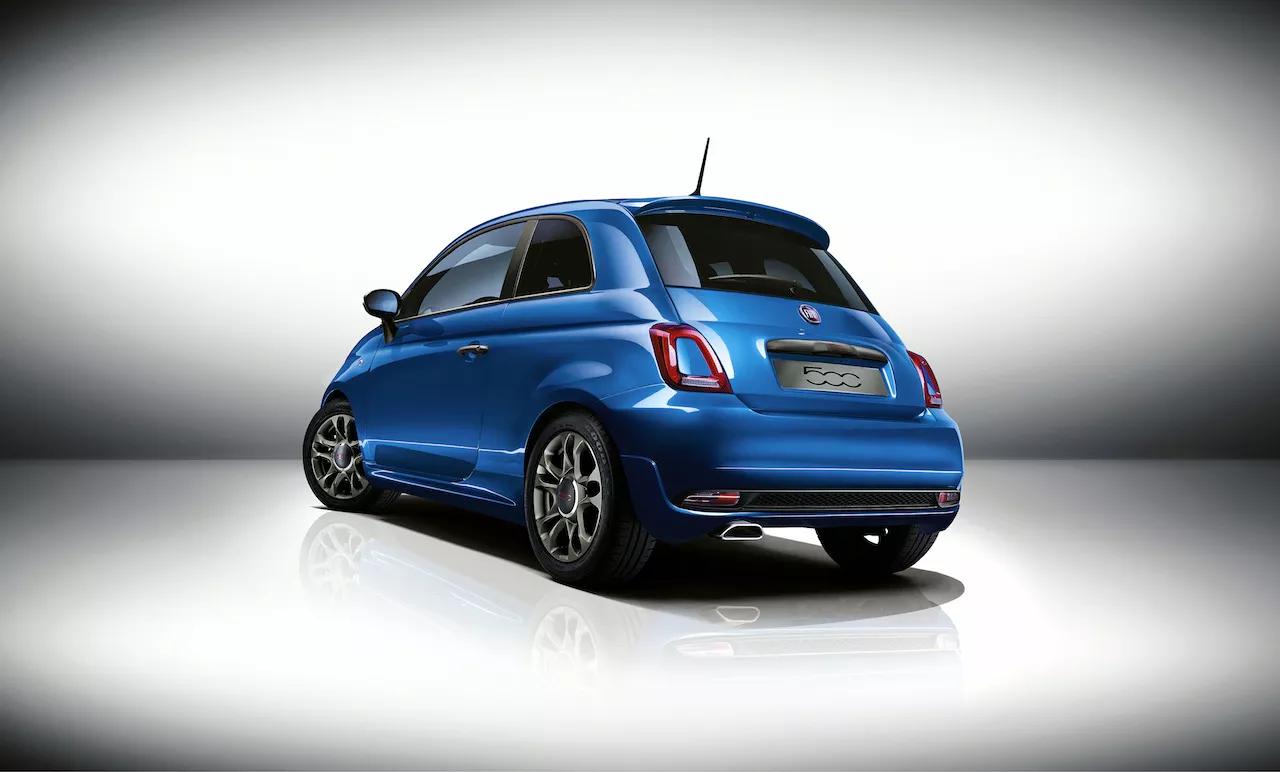
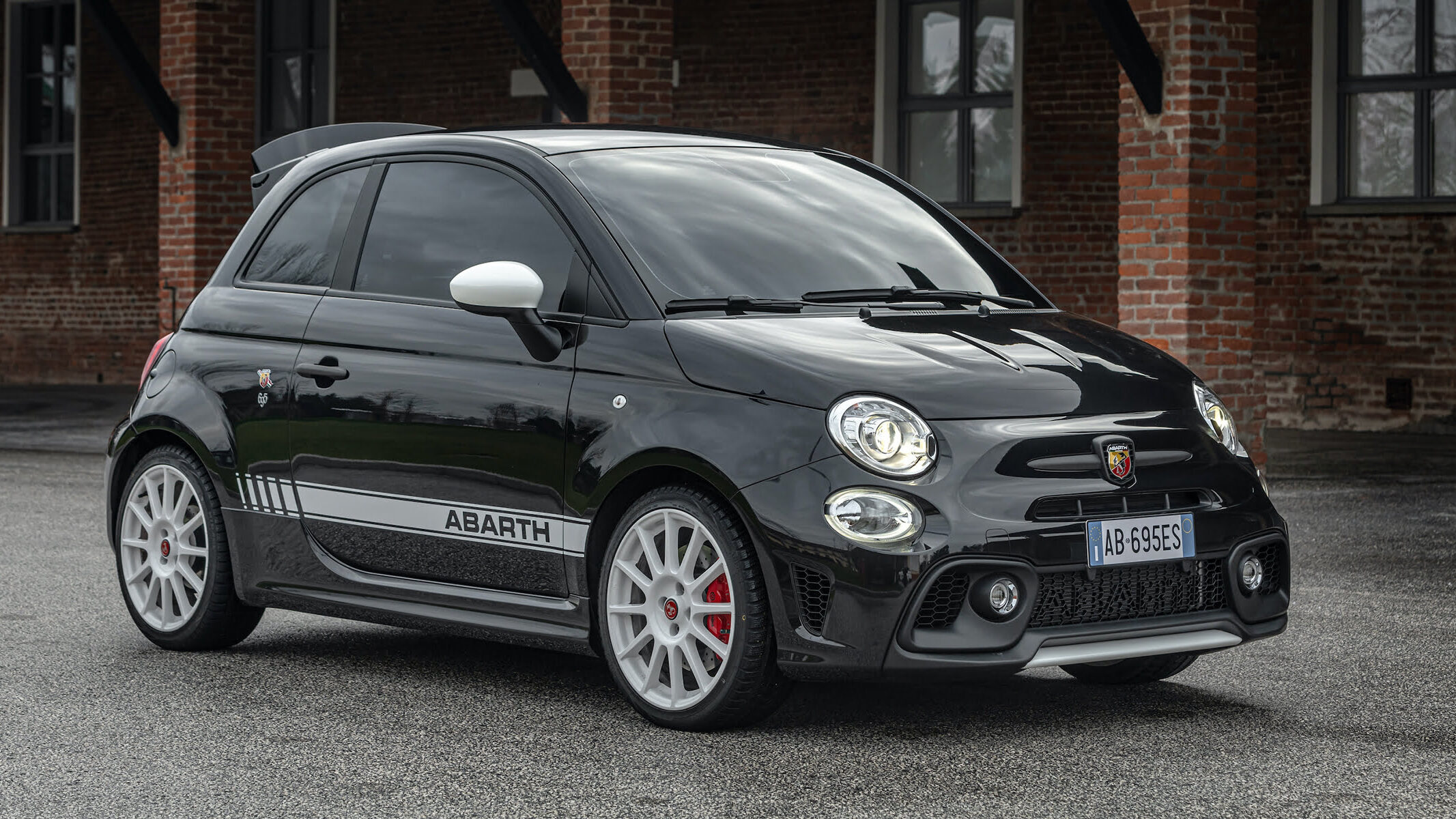
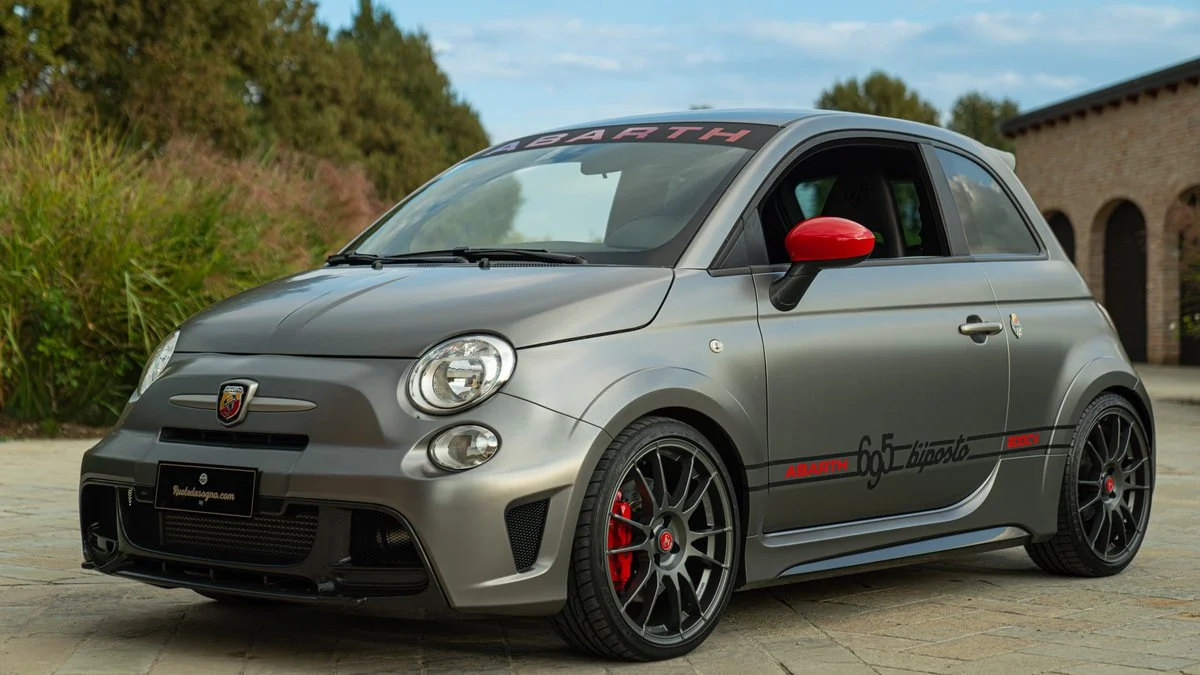
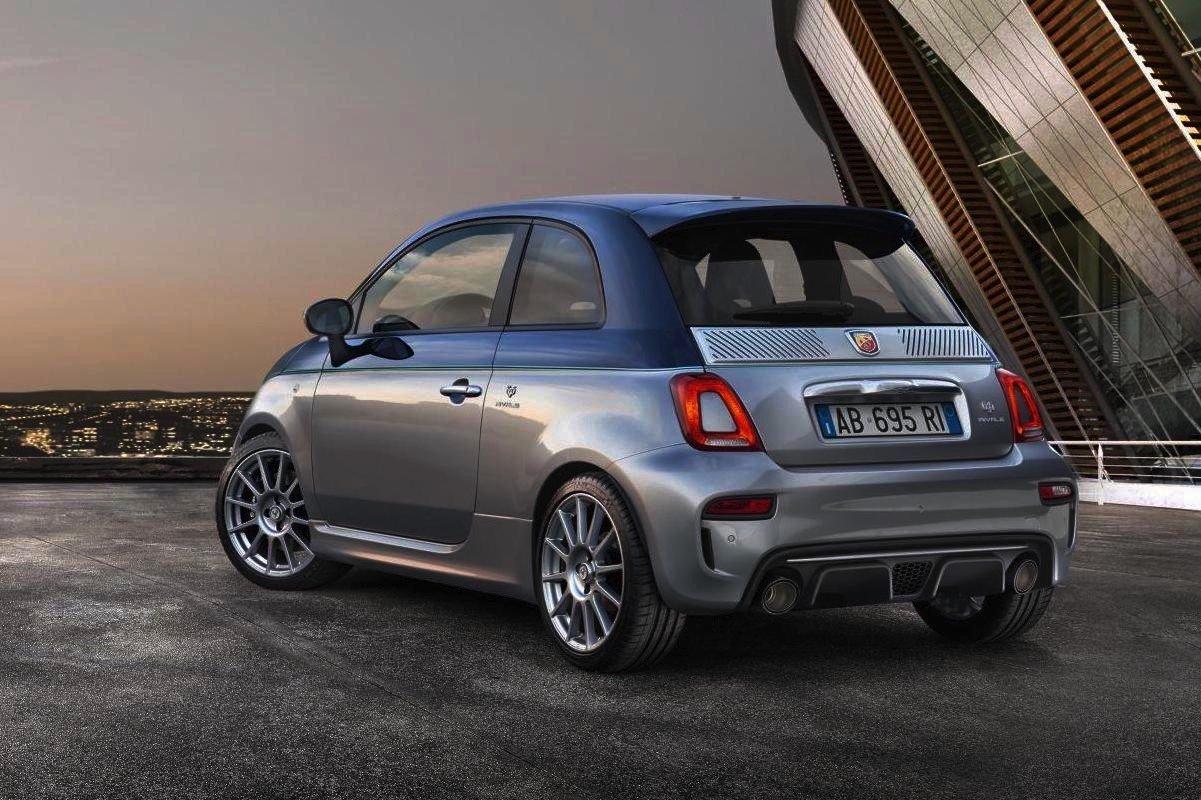
On the sweltering evening of July 4, 2007, the River Po in Turin was illuminated by a spectacle of unprecedented grandeur. Exactly fifty years to the day after Dante Giacosa unveiled the original Nuova 500, Fiat hosted a massive, emotional launch party for its spiritual successor. The Italian giant had been teetering on the edge of a financial abyss during the early 2000s, and pragmatic CEO Sergio Marchionne desperately needed a halo car to reignite the brand’s soul. The spark was Roberto Giolito’s brilliant 2004 Trepiùno concept, which was fast-tracked into production as the Type 312 Fiat 500. It arrived in a market where the BMW-engineered MINI had already proven that retro-futurism could be a highly lucrative segment. Yet, where the MINI was unapologetically premium and inherently Germanic in its dynamic execution, the modern Fiat 500 offered sunny, classless, and utterly irresistible Italian charm. The model line blossomed into a sprawling ecosystem: from the chic, chrome-accented Lounge and the breezy 500C convertible, to the spectacular resurrection of the scorpion badge. The Abarth 500, and the increasingly venomous 595 and 695 submodels, transformed the stylish city car into a barking, apex-hunting pocket rocket, battling the likes of the Renault Twingo RS, the Suzuki Swift Sport, and the MINI Cooper S.
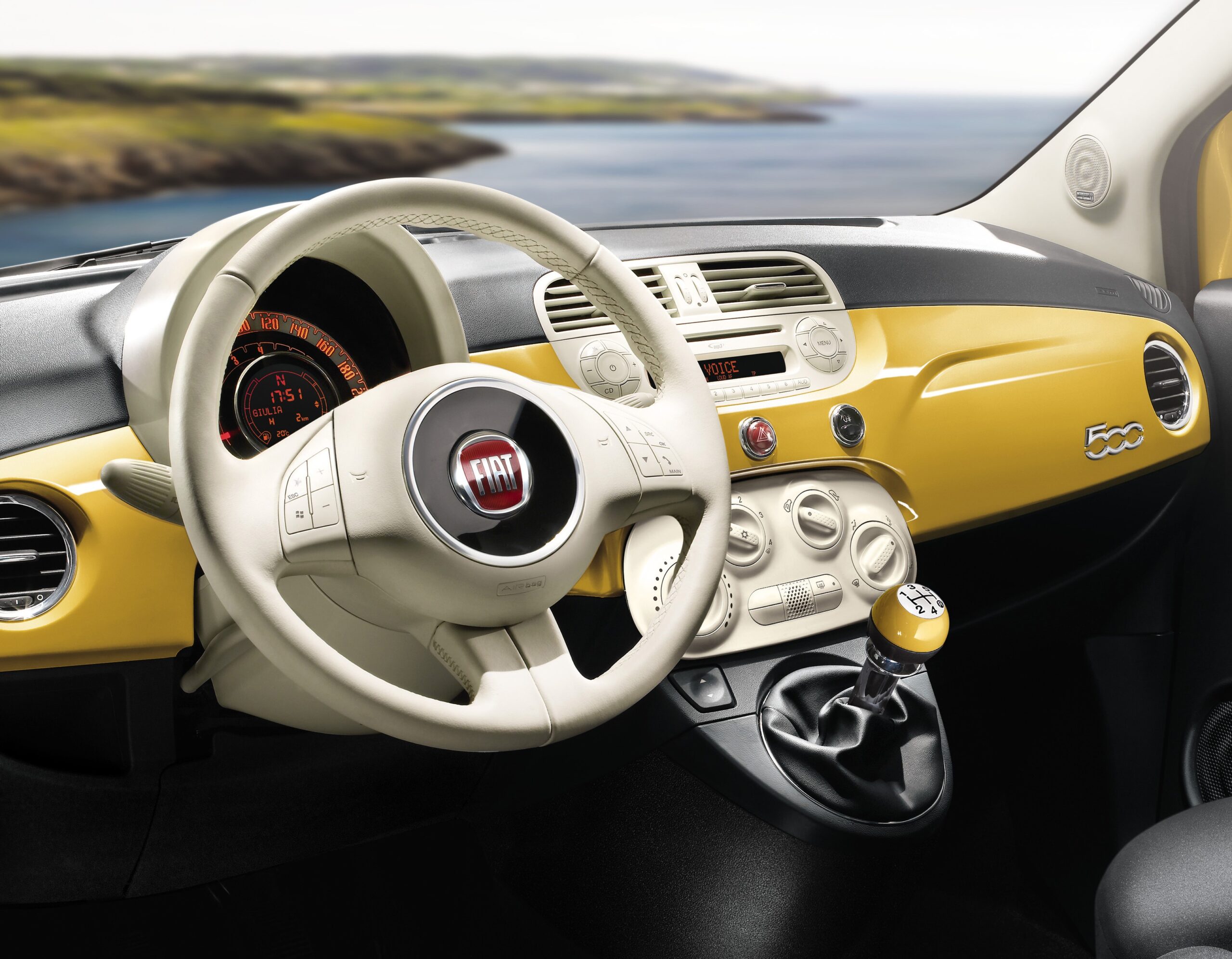
To peel back the retro sheet metal of the Type 312 is to discover a masterclass in corporate pragmatism. Developing a bespoke rear-engine, rear-wheel-drive platform to mimic the 1957 original was financially impossible. Instead, Fiat utilized the highly successful, front-wheel-drive “Mini” platform borrowed from the second-generation Fiat Panda. The suspension architecture was entirely conventional, employing McPherson struts at the front and a twist-beam axle at the rear. However, the brilliance of the 500 lay in how it disguised its humble underpinnings. The engine lineup initially featured the bulletproof 1.2-liter and 1.4-liter FIRE four-cylinders, alongside the frugal 1.3-liter MultiJet diesel. But the true mechanical homage arrived in 2010 with the 0.9-liter TwinAir. This microscopic, turbocharged two-cylinder engine was an engineering marvel, possessing a thrumming, off-beat staccato soundtrack that instantly transported drivers back to the air-cooled era. For the Abarth variants, however, Fiat deployed the robust 1.4-liter T-Jet turbocharged four-cylinder. In standard guise it produced 135 horsepower, but it was capable of being pushed to a frantic 190 horsepower in the ultimate iteration: the Abarth 695 Biposto. Inside, the 500’s cabin was a triumph of industrial design. By utilizing a body-colored plastic dashboard fascia and a brilliant, concentric single-dial instrument cluster that housed both the speedometer and tachometer, Fiat created an interior that felt infinitely more special than its price tag suggested.
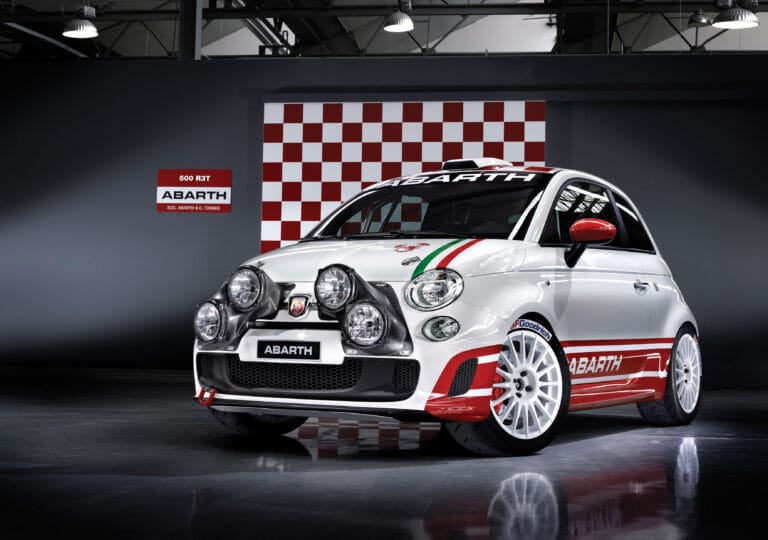
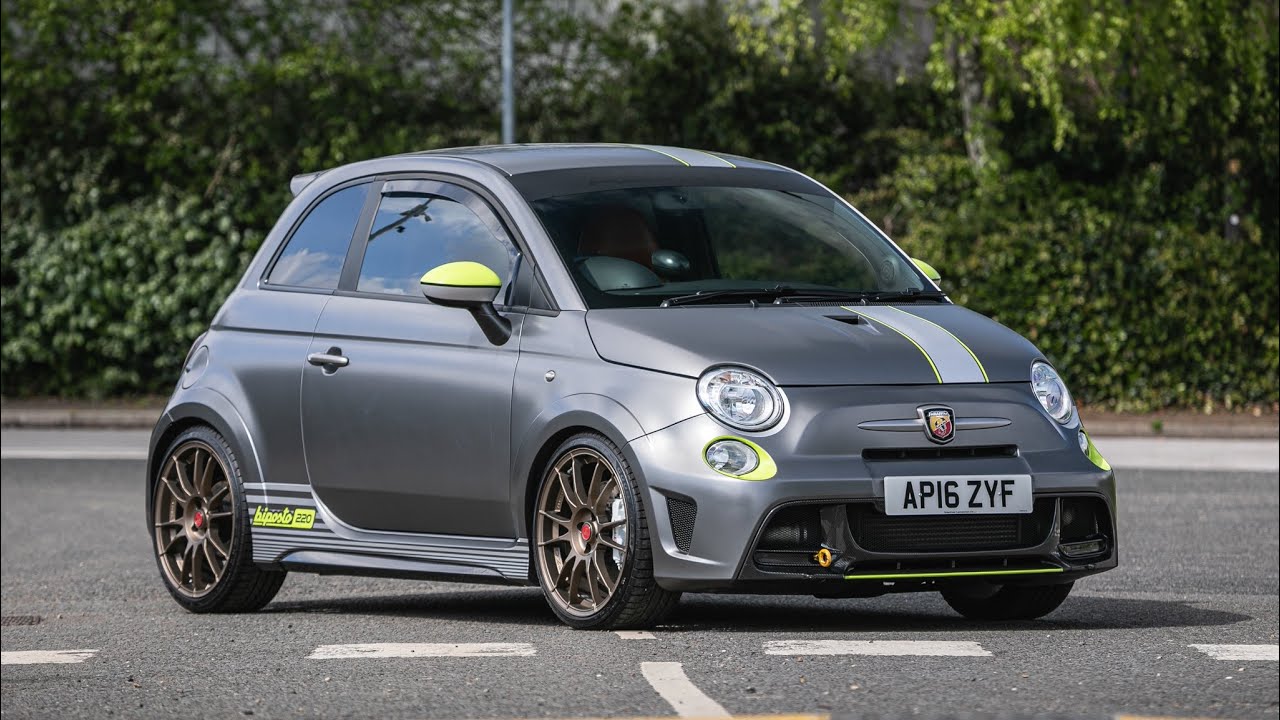
The cultural and commercial impact of the modern 500 was staggering, eventually surpassing 2.5 million units sold globally over a remarkably prolonged production run. It became the ultimate automotive fashion accessory, a status cemented by a dizzying array of high-profile collaborations. There was the 500 by Gucci, featuring the iconic green-red-green web stripe; the 500 Riva, trimmed in genuine mahogany wood like an Italian speedboat; and the 695 Tributo Ferrari. But beneath the fashionista veneer, the Abarth variants forged a legitimate motorsport legacy. The Abarth 500 Assetto Corse and the Trofeo Abarth series brought the screaming little cars to the racetracks of Europe, providing incredibly close, door-banging one-make racing. In rallying, the Abarth 500 R3T became a turbocharged terror on the tarmac stages. Yet, the absolute zenith of the Type 312’s history was the street-legal Abarth 695 Biposto. Stripped of its rear seats, fitted with a titanium roll bar, Lexan polycarbonate sliding windows, Extreme Shox dampers, and a spectacular exposed-linkage dog-ring gearbox by Bacci Romano, the Biposto was a front-wheel-drive GT3 RS—an utterly unhinged track weapon trapped in the body of a city car.
When Fiat finally transitioned its focus to the all-new, purely electric Fiat 500e (Type 332) in 2020, the traditional internal-combustion Type 312 stubbornly refused to die, soldiering on as a mild-hybrid well into 2024. Its sheer longevity is a testament to the absolute perfection of its original design. The 2007 Fiat Modern 500 did not merely save the Fiat Motor Company; it redefined the boutique city car segment. It proved that affordable, mass-market platforms could be cloaked in emotionally resonant design to create an object of genuine desire. It successfully balanced on the razor-sharp wire between a chic urban accessory and, in Abarth guise, a legitimate, fire-spitting homage to Italy’s rich tuning heritage. It sits proudly in the pantheon of motoring as one of the greatest and most successful retro-revivals in automotive history.
Generation Overview
On the sweltering evening of July 4, 2007, the River Po in Turin was illuminated by a spectacle of unprecedented grandeur. Exactly fifty years to the day after Dante Giacosa unveiled the original Nuova 500, Fiat hosted a massive, emotional launch party for its spiritual successor. The Italian giant had been teetering on the edge of a financial abyss during the early 2000s, and pragmatic CEO Sergio Marchionne desperately needed a halo car to reignite the brand’s soul. The spark was Roberto Giolito’s brilliant 2004 Trepiùno concept, which was fast-tracked into production as the Type 312 Fiat 500. It arrived in a market where the BMW-engineered MINI had already proven that retro-futurism could be a highly lucrative segment. Yet, where the MINI was unapologetically premium and inherently Germanic in its dynamic execution, the modern Fiat 500 offered sunny, classless, and utterly irresistible Italian charm. The model line blossomed into a sprawling ecosystem: from the chic, chrome-accented Lounge and the breezy 500C convertible, to the spectacular resurrection of the scorpion badge. The Abarth 500, and the increasingly venomous 595 and 695 submodels, transformed the stylish city car into a barking, apex-hunting pocket rocket, battling the likes of the Renault Twingo RS, the Suzuki Swift Sport, and the MINI Cooper S.
To peel back the retro sheet metal of the Type 312 is to discover a masterclass in corporate pragmatism. Developing a bespoke rear-engine, rear-wheel-drive platform to mimic the 1957 original was financially impossible. Instead, Fiat utilized the highly successful, front-wheel-drive “Mini” platform borrowed from the second-generation Fiat Panda. The suspension architecture was entirely conventional, employing McPherson struts at the front and a twist-beam axle at the rear. However, the brilliance of the 500 lay in how it disguised its humble underpinnings. The engine lineup initially featured the bulletproof 1.2-liter and 1.4-liter FIRE four-cylinders, alongside the frugal 1.3-liter MultiJet diesel. But the true mechanical homage arrived in 2010 with the 0.9-liter TwinAir. This microscopic, turbocharged two-cylinder engine was an engineering marvel, possessing a thrumming, off-beat staccato soundtrack that instantly transported drivers back to the air-cooled era. For the Abarth variants, however, Fiat deployed the robust 1.4-liter T-Jet turbocharged four-cylinder. In standard guise it produced 135 horsepower, but it was capable of being pushed to a frantic 190 horsepower in the ultimate iteration: the Abarth 695 Biposto. Inside, the 500’s cabin was a triumph of industrial design. By utilizing a body-colored plastic dashboard fascia and a brilliant, concentric single-dial instrument cluster that housed both the speedometer and tachometer, Fiat created an interior that felt infinitely more special than its price tag suggested.
The cultural and commercial impact of the modern 500 was staggering, eventually surpassing 2.5 million units sold globally over a remarkably prolonged production run. It became the ultimate automotive fashion accessory, a status cemented by a dizzying array of high-profile collaborations. There was the 500 by Gucci, featuring the iconic green-red-green web stripe; the 500 Riva, trimmed in genuine mahogany wood like an Italian speedboat; and the 695 Tributo Ferrari. But beneath the fashionista veneer, the Abarth variants forged a legitimate motorsport legacy. The Abarth 500 Assetto Corse and the Trofeo Abarth series brought the screaming little cars to the racetracks of Europe, providing incredibly close, door-banging one-make racing. In rallying, the Abarth 500 R3T became a turbocharged terror on the tarmac stages. Yet, the absolute zenith of the Type 312’s history was the street-legal Abarth 695 Biposto. Stripped of its rear seats, fitted with a titanium roll bar, Lexan polycarbonate sliding windows, Extreme Shox dampers, and a spectacular exposed-linkage dog-ring gearbox by Bacci Romano, the Biposto was a front-wheel-drive GT3 RS—an utterly unhinged track weapon trapped in the body of a city car.
When Fiat finally transitioned its focus to the all-new, purely electric Fiat 500e (Type 332) in 2020, the traditional internal-combustion Type 312 stubbornly refused to die, soldiering on as a mild-hybrid well into 2024. Its sheer longevity is a testament to the absolute perfection of its original design. The 2007 Fiat Modern 500 did not merely save the Fiat Motor Company; it redefined the boutique city car segment. It proved that affordable, mass-market platforms could be cloaked in emotionally resonant design to create an object of genuine desire. It successfully balanced on the razor-sharp wire between a chic urban accessory and, in Abarth guise, a legitimate, fire-spitting homage to Italy’s rich tuning heritage. It sits proudly in the pantheon of motoring as one of the greatest and most successful retro-revivals in automotive history.
Submodels