
Ford Escort II
Brand
Produced from
Vehicle category
Portal
Model line
Model generation
Predecessor
Sucessor
About this Model Generation
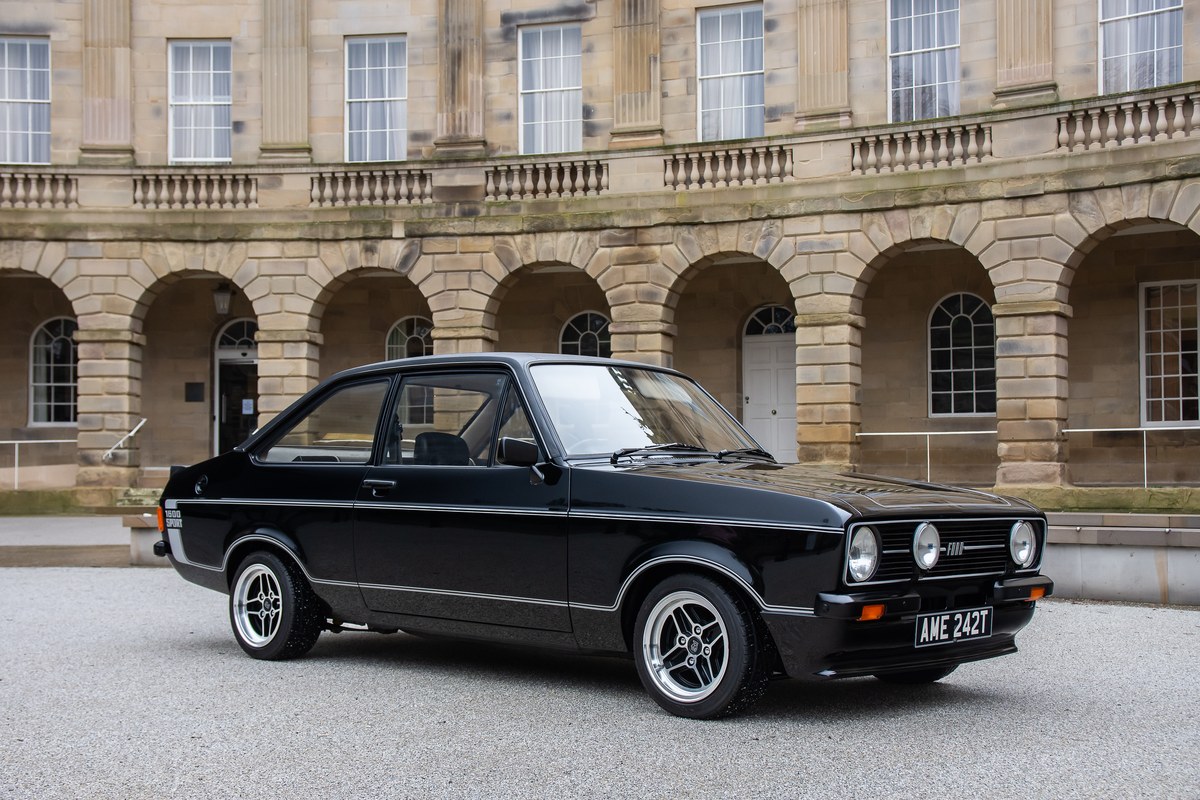
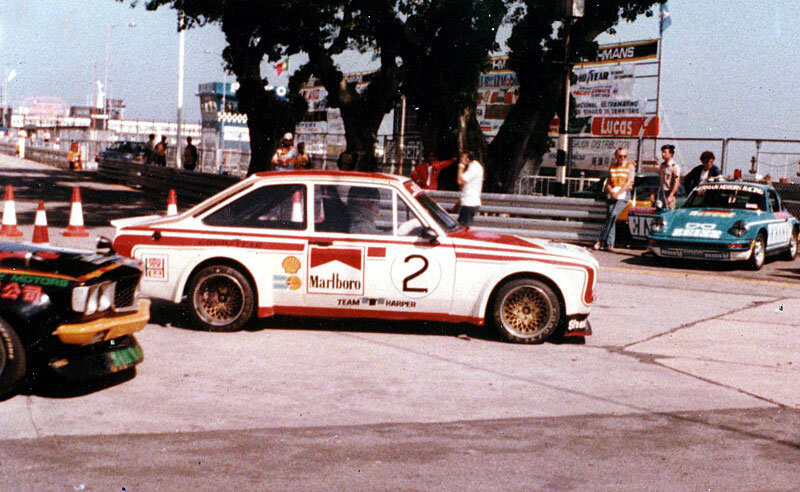
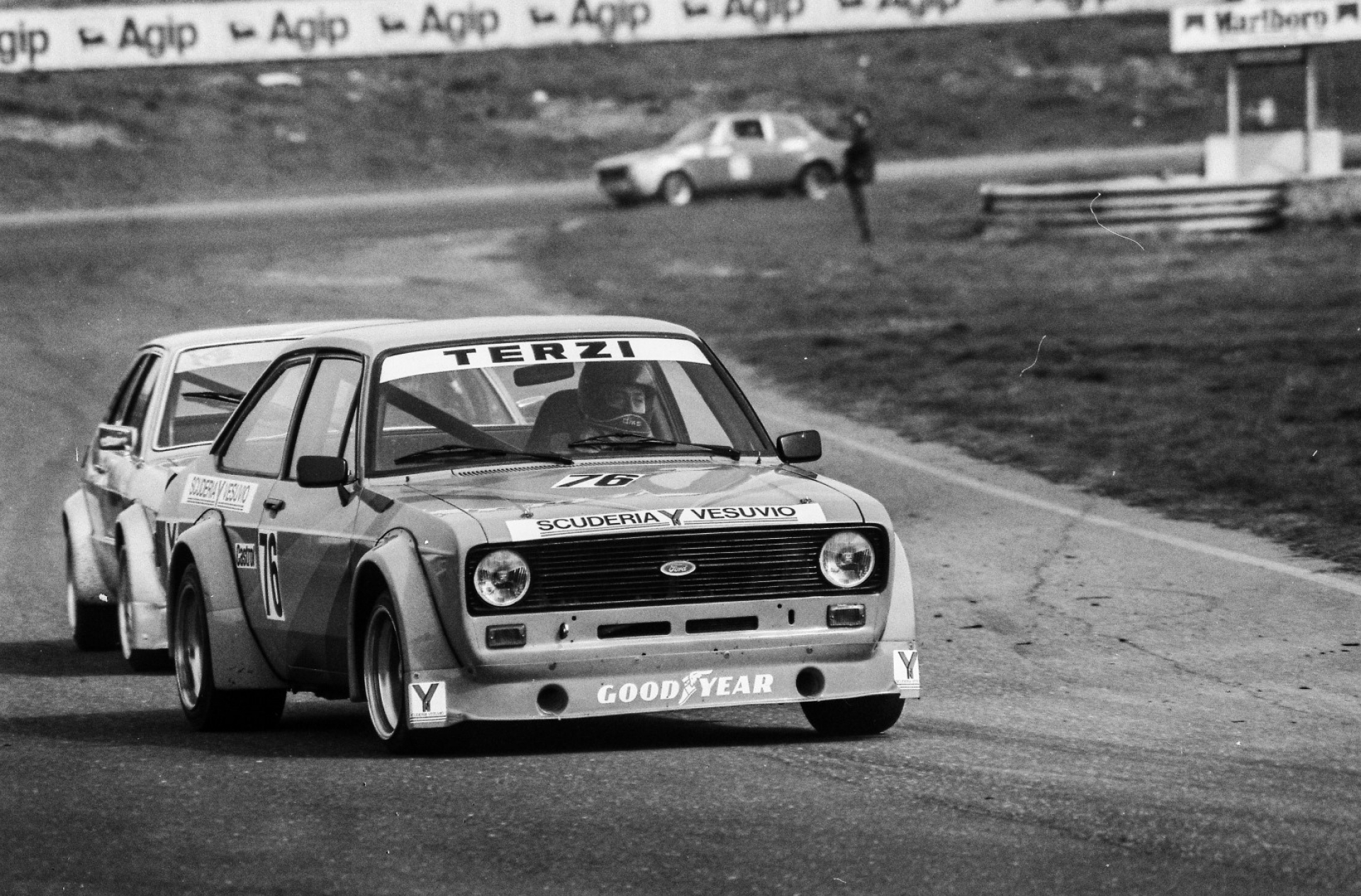
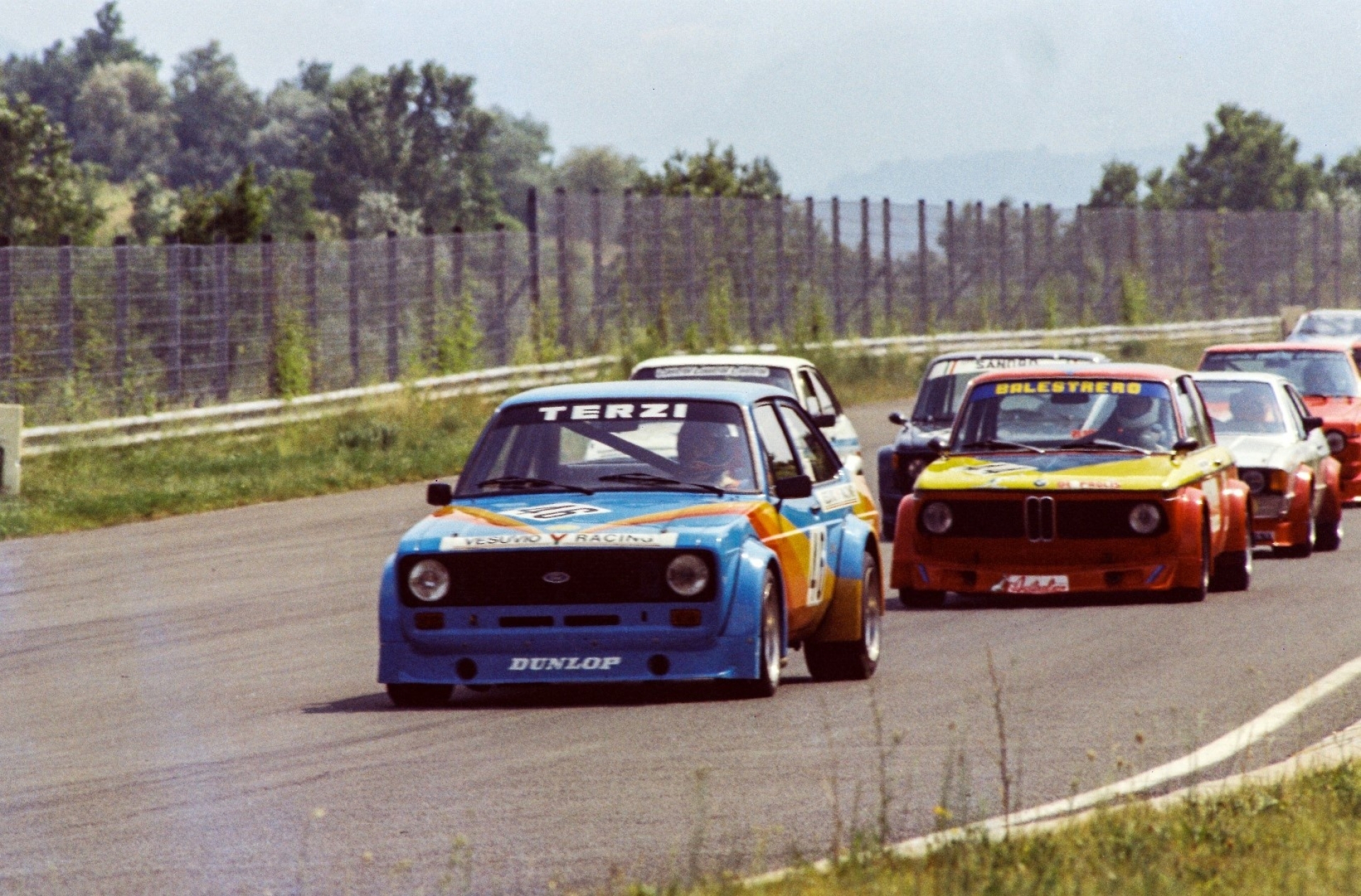
When the automotive world gathered its collective breath in the twilight of 1974, Ford of Europe was faced with a seemingly insurmountable task: how do you replace a legend? The Mk I Escort had not only mobilized millions but had also cemented the Blue Oval’s absolute supremacy in international rallying. The answer came in the form of the 1974 Ford Escort Mk II. Arriving exactly as the industry was grappling with the aftermath of the 1973 oil crisis and the incoming wave of front-wheel-drive hatchbacks like the Volkswagen Golf, the Mk II Escort was a defiant, brilliantly executed exercise in traditional engineering. It was a sharp, squared-off sartorial update over the curvy “coke-bottle” Mk I, designed to do battle with the Vauxhall Chevette and the Opel Kadett C. The genius of the Mk II lay in its vast, modular ecosystem. A buyer could walk into a dealership and purchase a painfully spartan ‘Popular’, a wood-veneered ‘Ghia’, or delve into the mythological realm of the Rallye Sport (RS) division. Here, the Mk II fractured into three distinct performance deities: the Pinto-powered RS Mexico, the razor-sharp, Cosworth-engined RS1800 homologation special, and the undisputed street-king of the 1970s, the “droop snoot” RS2000.
Beneath the crisp, modernist sheet metal penned under the direction of Uwe Bahnsen, the mechanical architecture of the Mk II was unashamedly orthodox. Ford’s engineers adopted a philosophy of “if it isn’t broken, don’t fix it,” carrying over the entire floorpan, McPherson strut front suspension, and leaf-sprung live rear axle from the Mk I. While critics scoffed at the archaic rear suspension in an era of encroaching front-wheel-drive sophistication, the rally drivers rejoiced. This layout endowed the Mk II with an inherently predictable, throttle-adjustable chassis that thrived on being driven sideways. The engine bay housed everything from the unkillable, wheezy 1.1-liter Valencia crossflow to the torquey 2.0-liter Pinto overhead-cam unit in the RS2000. However, the absolute crown jewel was nestled under the bonnet of the flat-fronted RS1800: the 1.8-liter, 16-valve Cosworth BDA (Belt Drive A-Series). In street trim, it offered a lively 115 horsepower, but when uncorked by Ford’s Boreham motorsport division, it revved to the heavens, producing upwards of 250 brake horsepower and a raspy, chainsaw-like induction howl that became the definitive soundtrack of the Welsh forests. To complement the power, the RS models were treated to stiffened and lowered suspension, widened track widths, and upgraded front disc brakes, turning a pedestrian family saloon into a visceral, communicative back-road weapon. Visually, the RS2000 broke away from the pack with its bespoke, aerodynamically slanted polyurethane front nose—the iconic “droop snoot”—and quad halogen headlamps, perfectly matched with aggressively bolstered Recaro seats inside the cabin.
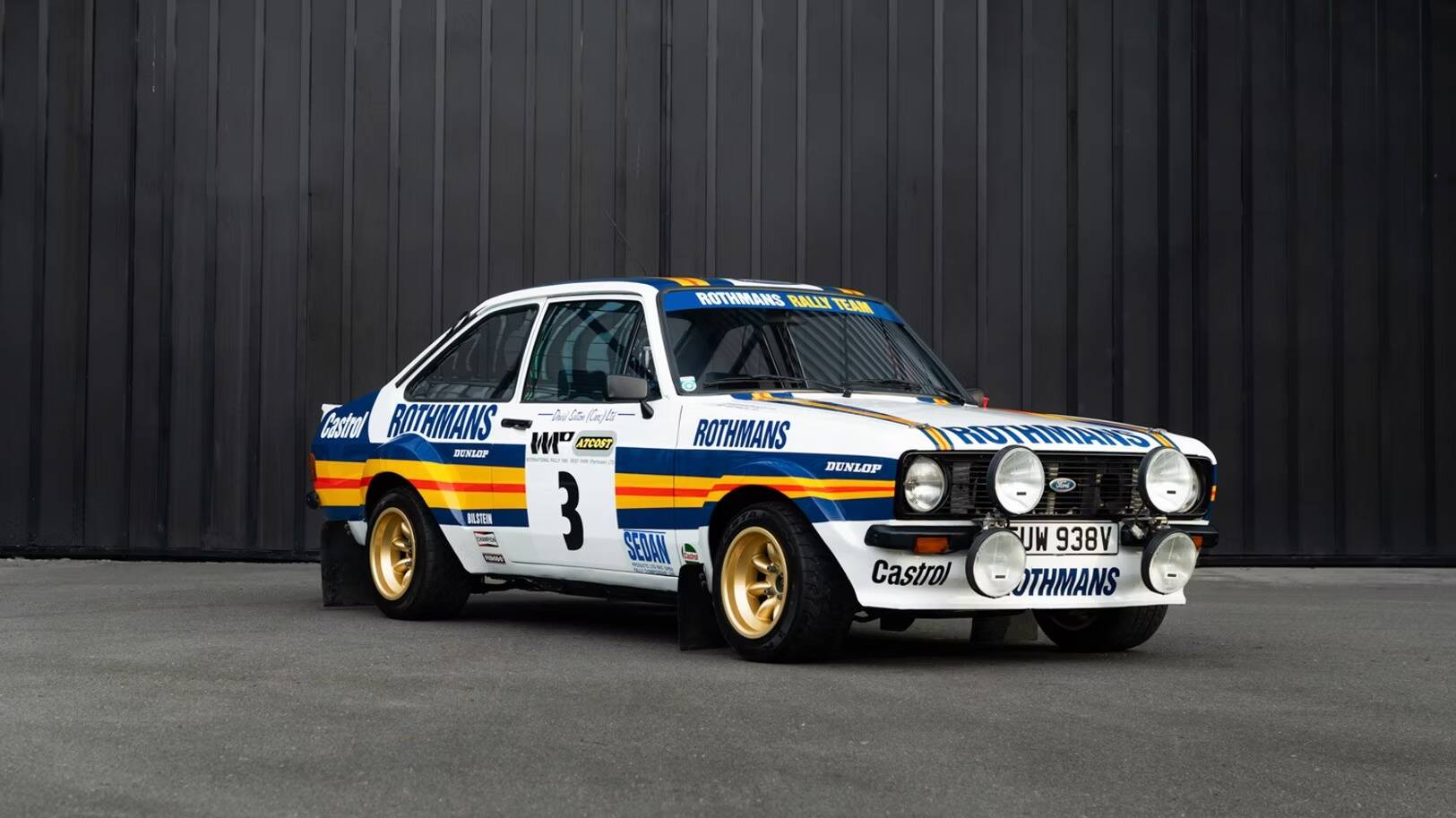
If the Mk I Escort established Ford’s rallying credentials, the Mk II turned them into an unstoppable, world-conquering empire. From 1975 to 1979, the Ford Escort RS1800 won the grueling RAC Rally an unprecedented five consecutive times. Draped in iconic liveries—from the yellow and black of Allied Polymer to the legendary blue, white, and gold of Rothmans—the Mk II was the absolute weapon of choice for the era’s greatest drivers. Björn Waldegård manhandled the works Escort to the inaugural World Rally Championship drivers’ title in 1979, while Ford secured the Manufacturers’ crown the same year. The Mk II’s rallying swan song was perhaps its most romantic: in 1981, the brilliant, flamboyant Ari Vatanen won the World Rally Championship drivers’ title in a privately entered Rothmans Mk II prepared by David Sutton Cars, beating the factory teams and proving the fundamental brilliance of the aging rear-wheel-drive platform. On the street, the Mk II’s cultural impact was equally massive. It was the quintessential blue-collar hero. The RS2000 became the poster car for 1970s British cool, a status eternally cemented when it was cast as the screeching, tail-happy pursuit vehicle for the character Bodie in the hit British television series The Professionals.
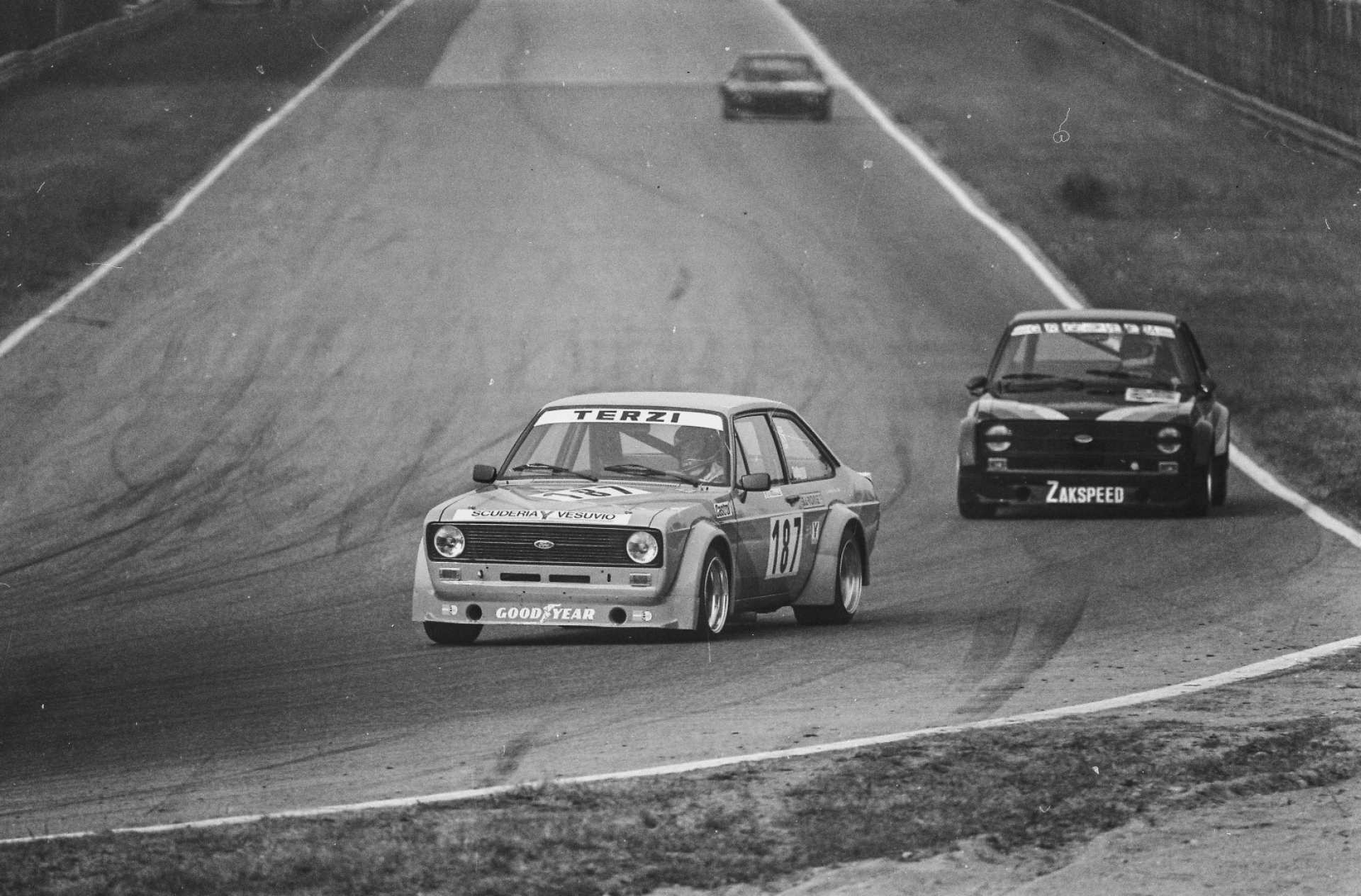
When the assembly lines finally halted in 1980 to make way for the transverse-engined, front-wheel-drive Escort Mk III, it marked the bittersweet end of an era. The Mk III would go on to spawn its own legends, such as the RS Turbo and the RS Cosworth, but the Mk II remains the absolute zenith of the analogue, naturally aspirated, rear-wheel-drive Ford. Today, it occupies a sovereign position in the global motorsport pantheon. It is arguably the most successful and beloved rally car of all time, remaining the default, gold-standard weapon for historic rallying worldwide. The 1974 Ford Escort II proved that you didn’t need complex engineering or an exotic badge to conquer the world; you simply needed a stiff shell, a rev-happy engine, and a chassis that danced perfectly on the edge of adhesion.
Brand
Produced from
Vehicle category
Portal
Model line
Model generation
Predecessor
Sucessor
Brand
Produced from
Vehicle category
Portal
Model line
Model generation
Predecessor
Sucessor
About this Model Generation
When the automotive world gathered its collective breath in the twilight of 1974, Ford of Europe was faced with a seemingly insurmountable task: how do you replace a legend? The Mk I Escort had not only mobilized millions but had also cemented the Blue Oval’s absolute supremacy in international rallying. The answer came in the form of the 1974 Ford Escort Mk II. Arriving exactly as the industry was grappling with the aftermath of the 1973 oil crisis and the incoming wave of front-wheel-drive hatchbacks like the Volkswagen Golf, the Mk II Escort was a defiant, brilliantly executed exercise in traditional engineering. It was a sharp, squared-off sartorial update over the curvy “coke-bottle” Mk I, designed to do battle with the Vauxhall Chevette and the Opel Kadett C. The genius of the Mk II lay in its vast, modular ecosystem. A buyer could walk into a dealership and purchase a painfully spartan ‘Popular’, a wood-veneered ‘Ghia’, or delve into the mythological realm of the Rallye Sport (RS) division. Here, the Mk II fractured into three distinct performance deities: the Pinto-powered RS Mexico, the razor-sharp, Cosworth-engined RS1800 homologation special, and the undisputed street-king of the 1970s, the “droop snoot” RS2000.
Beneath the crisp, modernist sheet metal penned under the direction of Uwe Bahnsen, the mechanical architecture of the Mk II was unashamedly orthodox. Ford’s engineers adopted a philosophy of “if it isn’t broken, don’t fix it,” carrying over the entire floorpan, McPherson strut front suspension, and leaf-sprung live rear axle from the Mk I. While critics scoffed at the archaic rear suspension in an era of encroaching front-wheel-drive sophistication, the rally drivers rejoiced. This layout endowed the Mk II with an inherently predictable, throttle-adjustable chassis that thrived on being driven sideways. The engine bay housed everything from the unkillable, wheezy 1.1-liter Valencia crossflow to the torquey 2.0-liter Pinto overhead-cam unit in the RS2000. However, the absolute crown jewel was nestled under the bonnet of the flat-fronted RS1800: the 1.8-liter, 16-valve Cosworth BDA (Belt Drive A-Series). In street trim, it offered a lively 115 horsepower, but when uncorked by Ford’s Boreham motorsport division, it revved to the heavens, producing upwards of 250 brake horsepower and a raspy, chainsaw-like induction howl that became the definitive soundtrack of the Welsh forests. To complement the power, the RS models were treated to stiffened and lowered suspension, widened track widths, and upgraded front disc brakes, turning a pedestrian family saloon into a visceral, communicative back-road weapon. Visually, the RS2000 broke away from the pack with its bespoke, aerodynamically slanted polyurethane front nose—the iconic “droop snoot”—and quad halogen headlamps, perfectly matched with aggressively bolstered Recaro seats inside the cabin.
If the Mk I Escort established Ford’s rallying credentials, the Mk II turned them into an unstoppable, world-conquering empire. From 1975 to 1979, the Ford Escort RS1800 won the grueling RAC Rally an unprecedented five consecutive times. Draped in iconic liveries—from the yellow and black of Allied Polymer to the legendary blue, white, and gold of Rothmans—the Mk II was the absolute weapon of choice for the era’s greatest drivers. Björn Waldegård manhandled the works Escort to the inaugural World Rally Championship drivers’ title in 1979, while Ford secured the Manufacturers’ crown the same year. The Mk II’s rallying swan song was perhaps its most romantic: in 1981, the brilliant, flamboyant Ari Vatanen won the World Rally Championship drivers’ title in a privately entered Rothmans Mk II prepared by David Sutton Cars, beating the factory teams and proving the fundamental brilliance of the aging rear-wheel-drive platform. On the street, the Mk II’s cultural impact was equally massive. It was the quintessential blue-collar hero. The RS2000 became the poster car for 1970s British cool, a status eternally cemented when it was cast as the screeching, tail-happy pursuit vehicle for the character Bodie in the hit British television series The Professionals.
When the assembly lines finally halted in 1980 to make way for the transverse-engined, front-wheel-drive Escort Mk III, it marked the bittersweet end of an era. The Mk III would go on to spawn its own legends, such as the RS Turbo and the RS Cosworth, but the Mk II remains the absolute zenith of the analogue, naturally aspirated, rear-wheel-drive Ford. Today, it occupies a sovereign position in the global motorsport pantheon. It is arguably the most successful and beloved rally car of all time, remaining the default, gold-standard weapon for historic rallying worldwide. The 1974 Ford Escort II proved that you didn’t need complex engineering or an exotic badge to conquer the world; you simply needed a stiff shell, a rev-happy engine, and a chassis that danced perfectly on the edge of adhesion.
Submodels
Discover all the variants of this model Generation
Submodels
Discover all the variants of this model Generation
Vehicles
Legendary Vehicles
Vehicles