

Ford Mustang I ‘Early’
Brand
Produced from
Vehicle category
Portal
Model line
Model generation
Predecessor
Sucessor
About this Model Generation
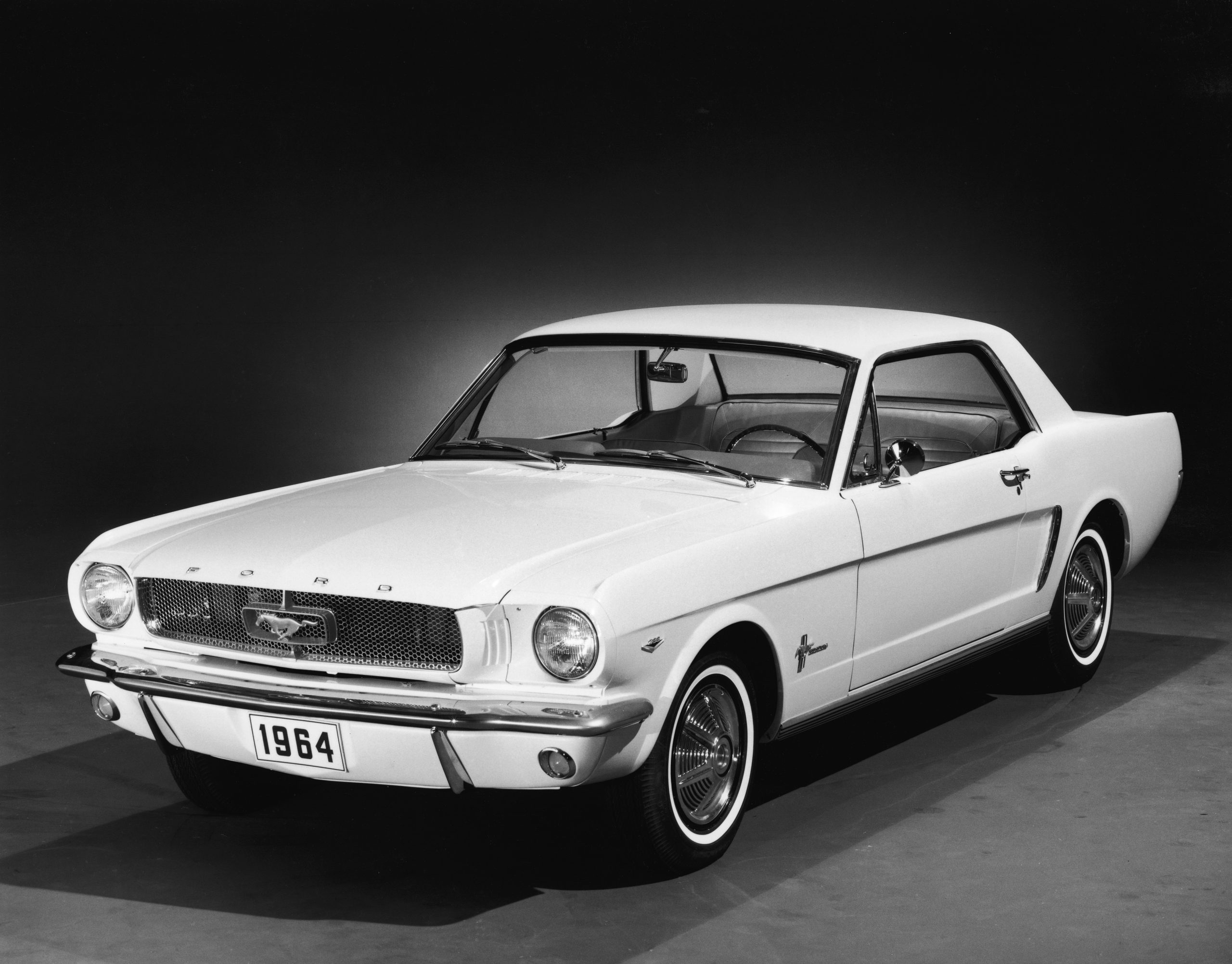
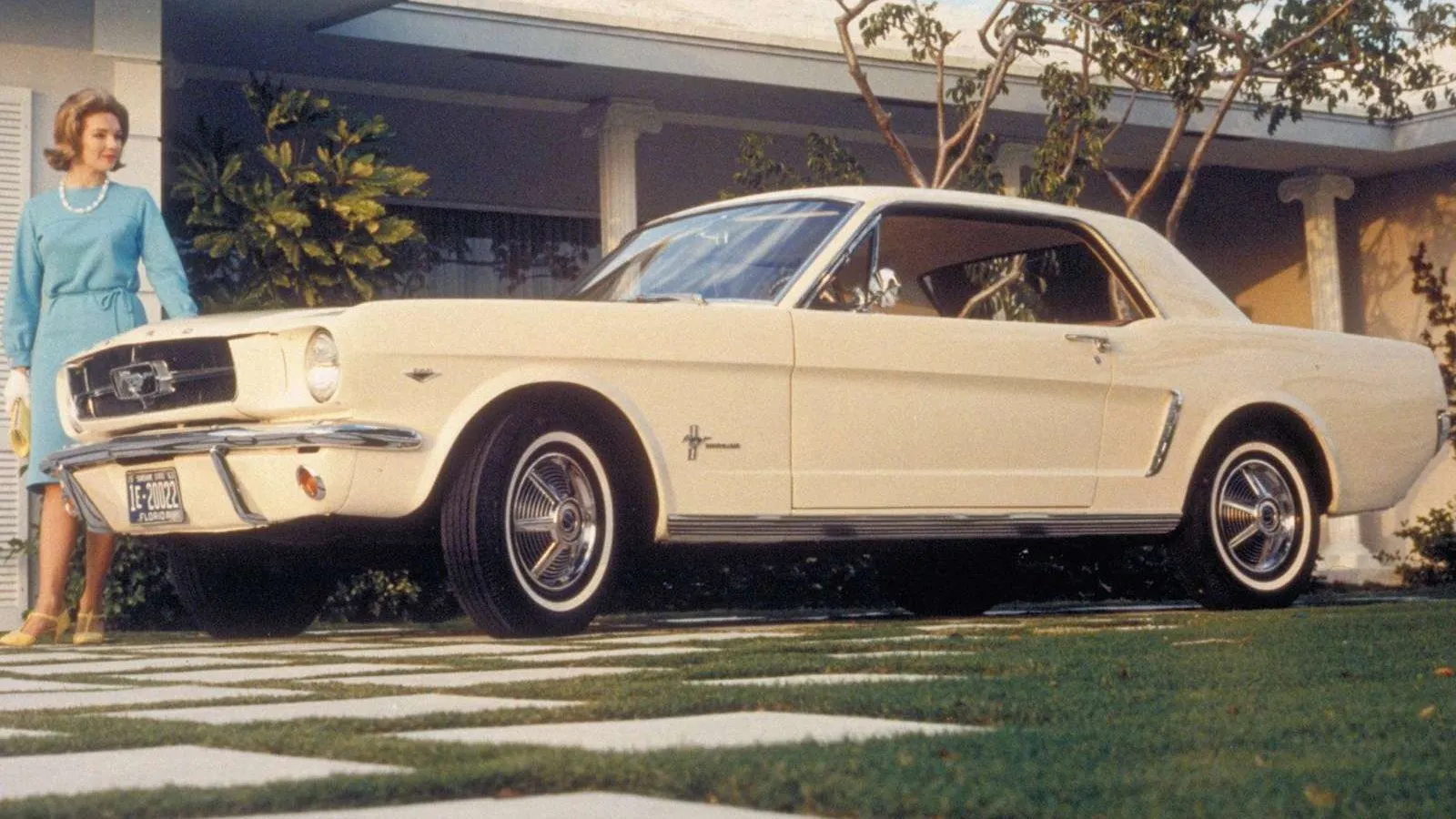
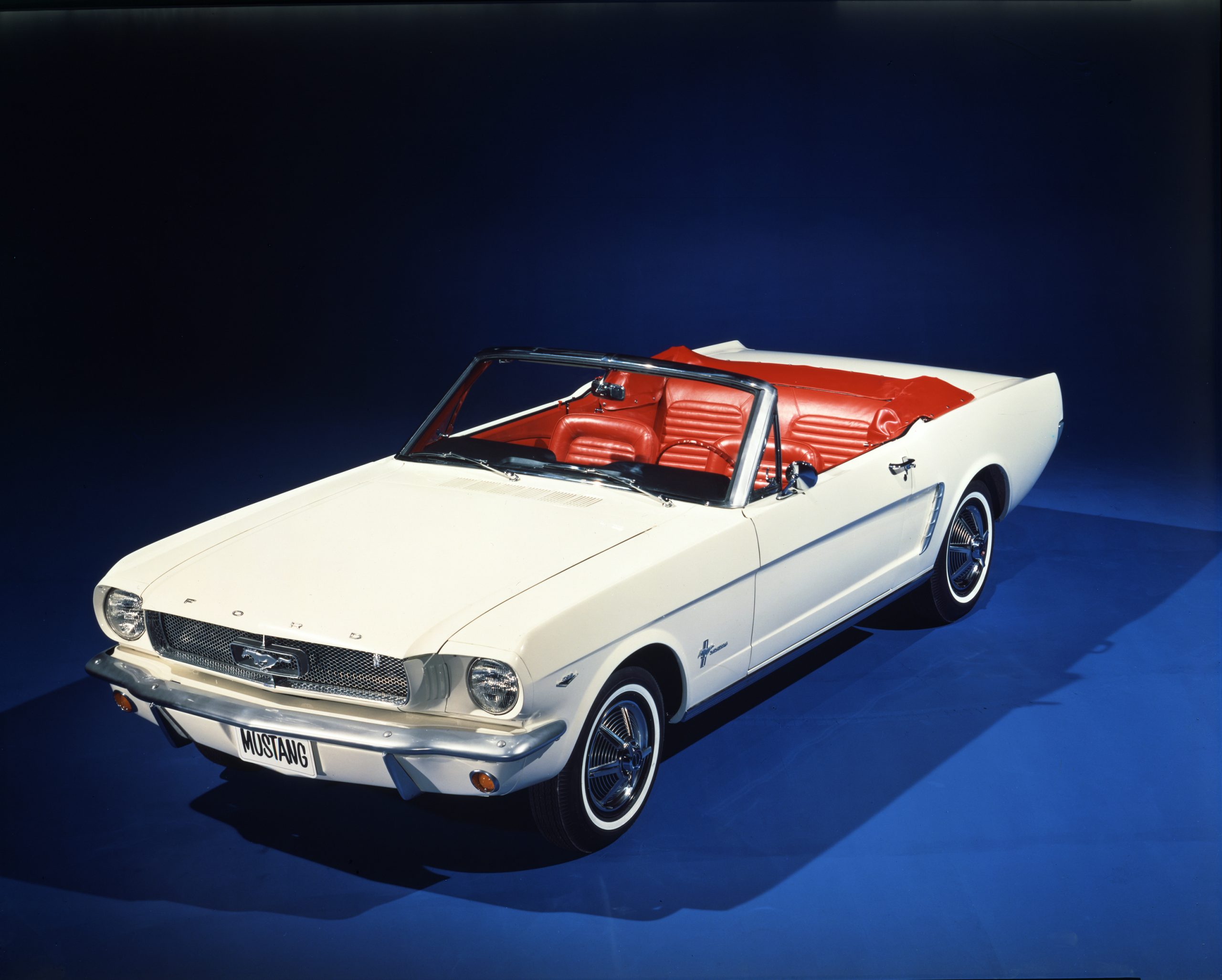
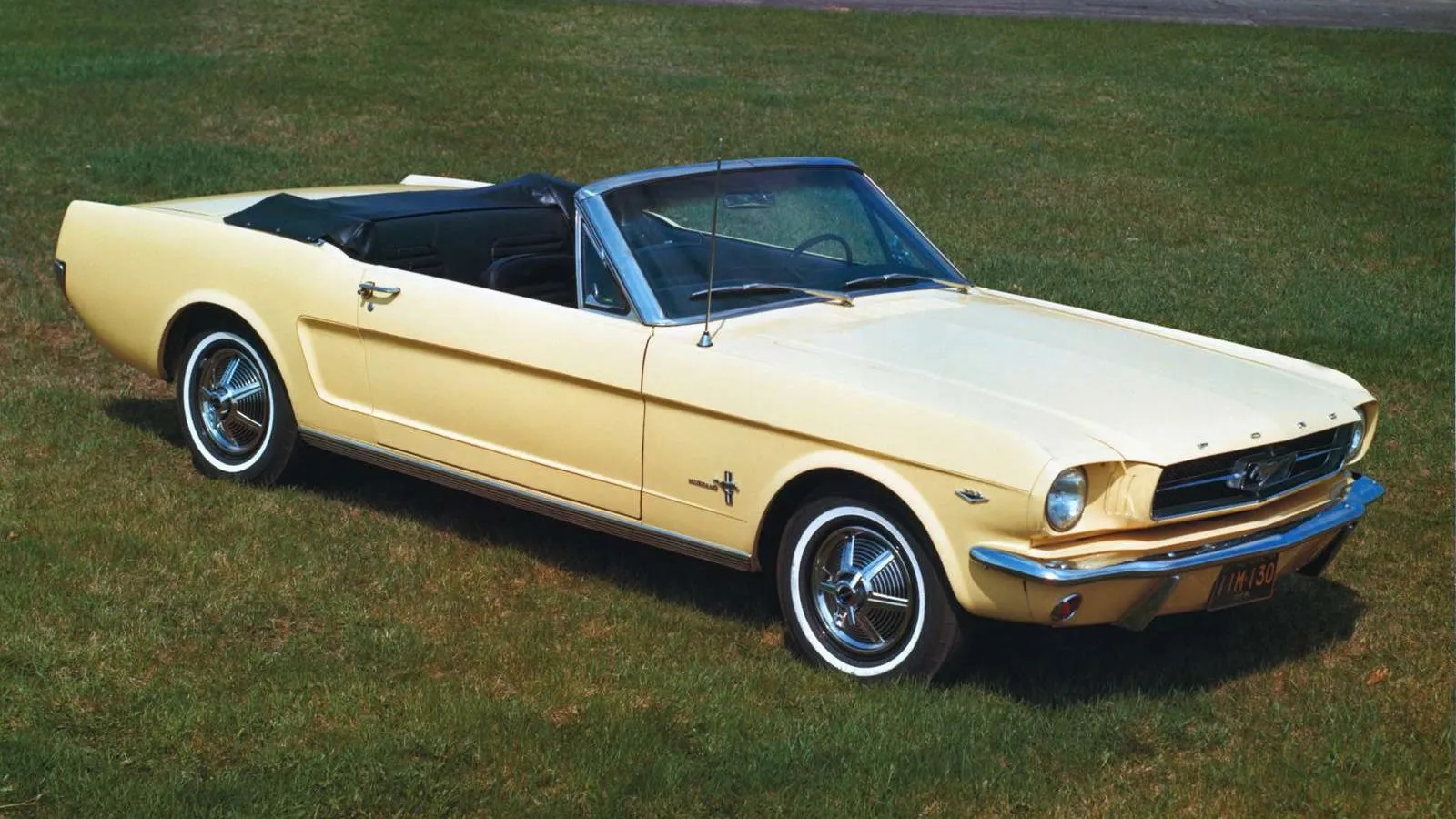
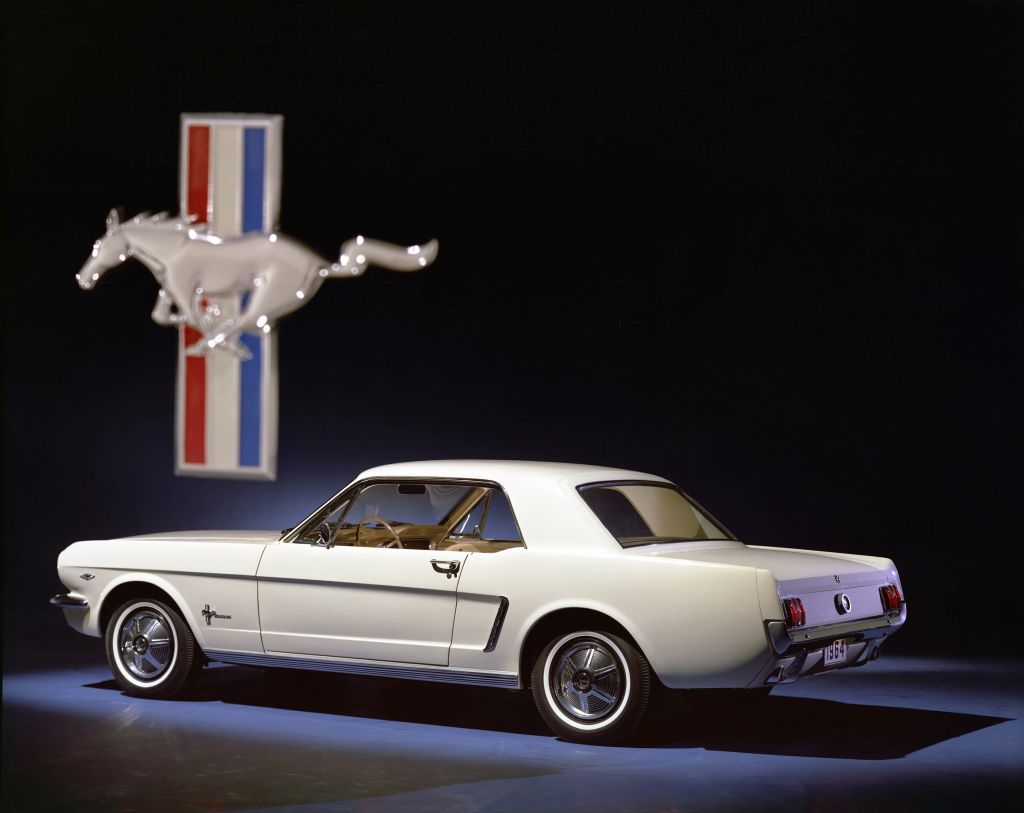
The spring of 1964 witnessed a cultural and industrial earthquake that fundamentally rearranged the American automotive landscape. The post-war baby boom had birthed a new generation of buyers who possessed disposable income but entirely rejected the chrome-laden, floaty land yachts of their parents. Ford’s general manager, the razor-sharp Lee Iacocca, recognized this demographic shift and demanded a car that was youthful, sporty, and above all, affordable. Unveiled on April 17 at the New York World’s Fair, the 1964 Ford Mustang was not merely a new model; it was the genesis of an entirely new species: the Pony Car. It arrived to combat the Chevrolet Corvair Monza and technically shared its launch window with the Plymouth Barracuda, which had debuted two weeks prior. However, where the Barracuda looked like a Plymouth Valiant with a glass fishbowl grafted onto the rear, the Mustang possessed a bespoke, devastatingly handsome silhouette. The “Early” Mustang generation, encompassing the 1964½, 1965, and 1966 model years, fractured into three distinct body styles: the crisp notchback Hardtop, the glamorous Convertible, and, introduced slightly later for 1965, the breathtaking 2+2 Fastback.
To achieve its tantalizingly low base price of $2,368, the Mustang was a masterpiece of corporate parts-bin alchemy. Beneath its gorgeous “long hood, short deck” proportions—penned under the guidance of Joe Oros, David Ash, and Gale Halderman—the Mustang was essentially a humble Ford Falcon. It utilized a unitized welded body, a conventional independent front suspension with coils mounted on the upper arms, and a live rear axle slung on semi-elliptic leaf springs. However, the Mustang disguised its pedestrian roots with an unparalleled options list that allowed buyers to tailor the car from a docile straight-six commuter to a fire-breathing weekend racer. The engine lineup evolved rapidly. Early cars made do with a 170-cubic-inch inline-six or a 260-cubic-inch V8, but the legend was truly forged with the introduction of the 289-cubic-inch (4.7-liter) Windsor V8. The absolute zenith of factory performance was the legendary “K-Code” High-Performance 289. Featuring solid lifters, a wilder camshaft, an autothermic piston design, and a four-barrel carburetor, this high-revving jewel produced a spectacular 271 brake horsepower. Stopping power was initially a weak point, relying on unassisted four-wheel drum brakes that faded alarmingly under hard use, though Kelsey-Hayes front disc brakes quickly became an essential option for the sporting driver, eventually bundled into the coveted GT Equipment Group. Inside, the twin-cowl dashboard, deep bucket seats, and optional floor-mounted manual shifter created an intimate, sports-car-like cockpit that utterly seduced the American public.
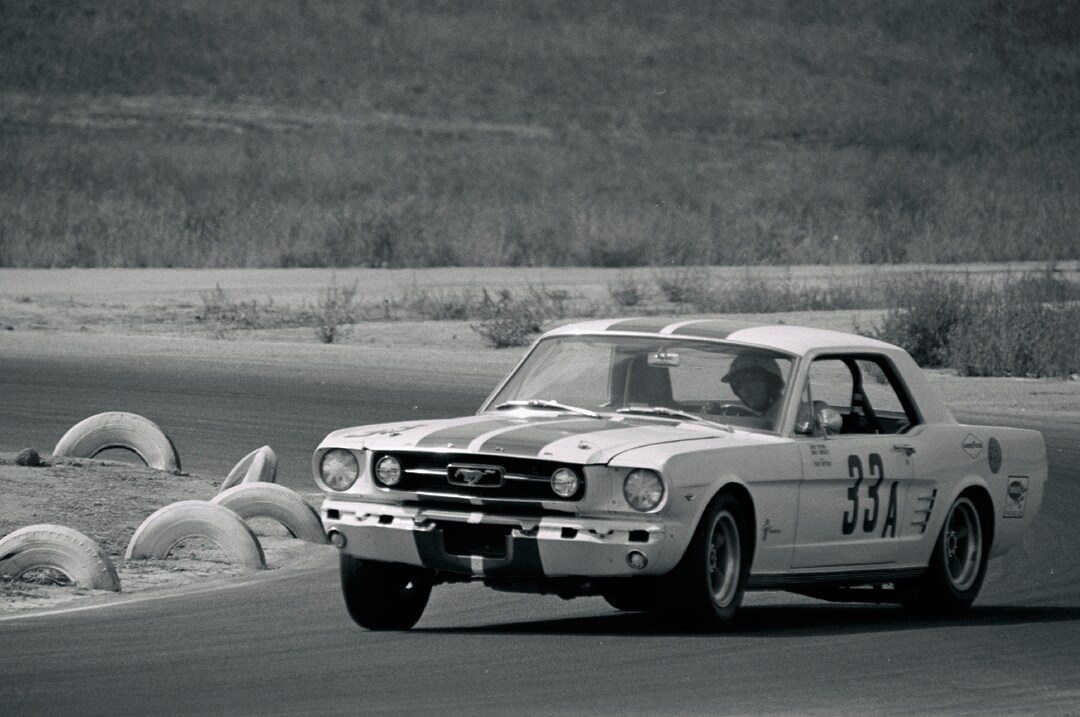
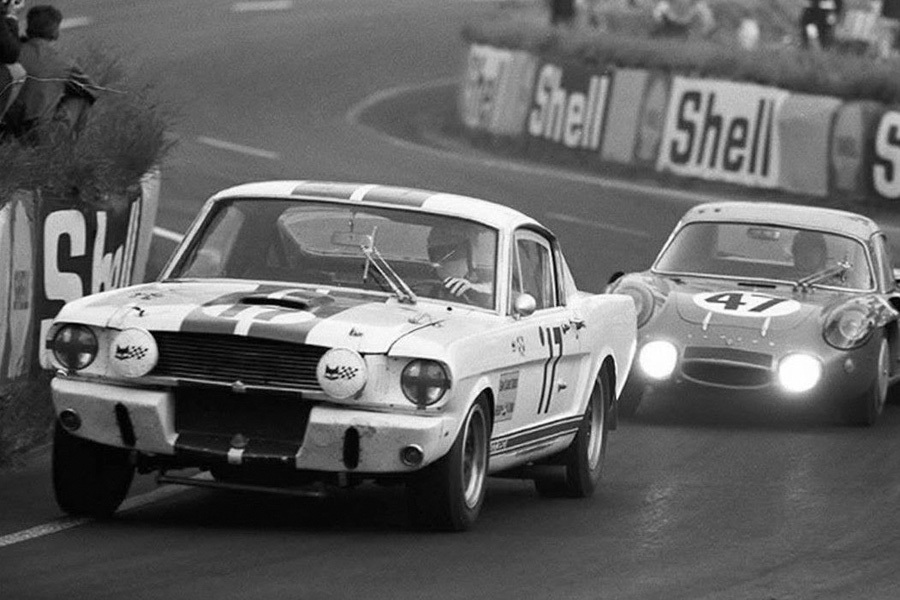
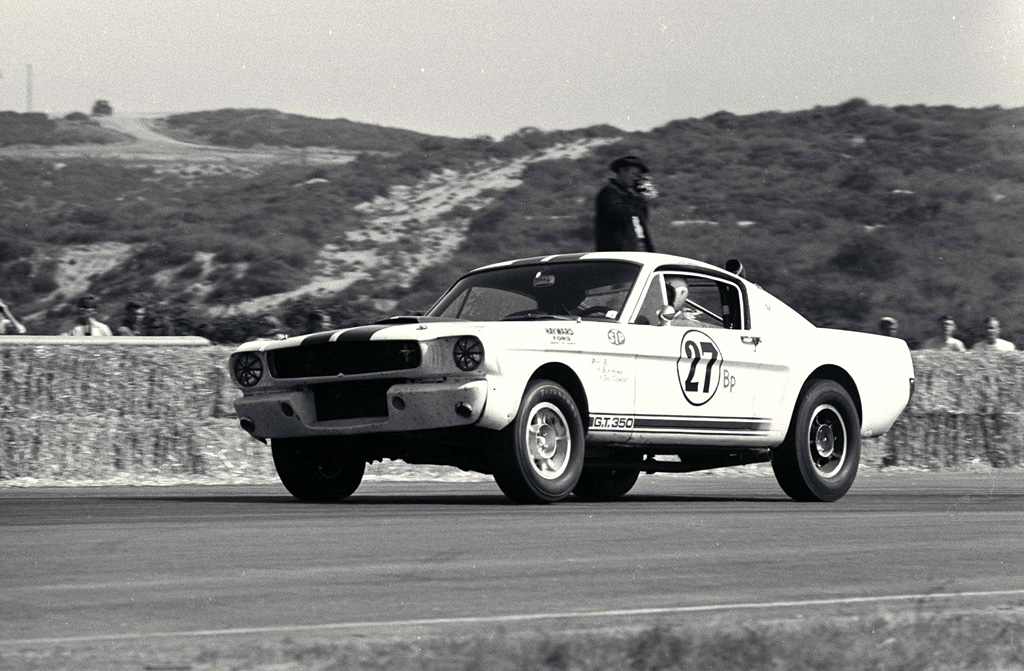
The commercial impact of the early Mustang was unprecedented and staggering. Ford projected 100,000 sales in its first year; they sold over 400,000, and crossed the one-million mark within 18 months. It became an instant pop-culture icon, cementing its cool factor when a white convertible was famously chased by James Bond’s Aston Martin DB5 in the 1964 film Goldfinger. But Lee Iacocca knew that true sports car credibility required motorsport success. To cure the Mustang of its “secretary’s car” image, Ford turned to the charismatic Texan, Carroll Shelby. Shelby took the K-Code Fastback, stripped out the rear seats to classify it as a two-seater sports car, heavily revised the suspension geometry, added larger brakes, and coaxed 306 horsepower out of the 289 V8. The resulting 1965 Shelby GT350, and its track-only sibling, the GT350R, became a holy terror on the race track. Driven by absolute legends like Ken Miles, the GT350R decimated the SCCA B-Production class, routinely humiliating the heavier Chevrolet Corvettes. Across the Atlantic, the Mustang proved its immense durability when Alan Mann Racing campaigned heavily modified notchbacks in the grueling Tour de France Automobile, proving the American pony could hustle through European mountain passes with brutal efficiency.
The 1964-1966 Ford Mustang I ‘Early’ generation stands as one of the most significant triumphs in the history of the automobile. It created the Pony Car class out of thin air, triggering a Detroit arms race that forced General Motors to scramble and develop the Chevrolet Camaro and Pontiac Firebird. When this first generation bowed out to make way for the larger, wider 1967 ‘Mid’ generation—which was swelled to accommodate massive big-block engines—it left behind a legacy of perfect, uncorrupted purity. The early Mustang remains the ultimate symbol of 1960s optimism and accessible performance. It is a true cornerstone of the global motoring pantheon, a car that democratized style and speed, ensuring that the roar of a small-block V8 would forever be the soundtrack of the American dream.
Brand
Produced from
Vehicle category
Portal
Model line
Model generation
Predecessor
Sucessor
Brand
Produced from
Vehicle category
Portal
Model line
Model generation
Predecessor
Sucessor
About this Model Generation
The spring of 1964 witnessed a cultural and industrial earthquake that fundamentally rearranged the American automotive landscape. The post-war baby boom had birthed a new generation of buyers who possessed disposable income but entirely rejected the chrome-laden, floaty land yachts of their parents. Ford’s general manager, the razor-sharp Lee Iacocca, recognized this demographic shift and demanded a car that was youthful, sporty, and above all, affordable. Unveiled on April 17 at the New York World’s Fair, the 1964 Ford Mustang was not merely a new model; it was the genesis of an entirely new species: the Pony Car. It arrived to combat the Chevrolet Corvair Monza and technically shared its launch window with the Plymouth Barracuda, which had debuted two weeks prior. However, where the Barracuda looked like a Plymouth Valiant with a glass fishbowl grafted onto the rear, the Mustang possessed a bespoke, devastatingly handsome silhouette. The “Early” Mustang generation, encompassing the 1964½, 1965, and 1966 model years, fractured into three distinct body styles: the crisp notchback Hardtop, the glamorous Convertible, and, introduced slightly later for 1965, the breathtaking 2+2 Fastback.
To achieve its tantalizingly low base price of $2,368, the Mustang was a masterpiece of corporate parts-bin alchemy. Beneath its gorgeous “long hood, short deck” proportions—penned under the guidance of Joe Oros, David Ash, and Gale Halderman—the Mustang was essentially a humble Ford Falcon. It utilized a unitized welded body, a conventional independent front suspension with coils mounted on the upper arms, and a live rear axle slung on semi-elliptic leaf springs. However, the Mustang disguised its pedestrian roots with an unparalleled options list that allowed buyers to tailor the car from a docile straight-six commuter to a fire-breathing weekend racer. The engine lineup evolved rapidly. Early cars made do with a 170-cubic-inch inline-six or a 260-cubic-inch V8, but the legend was truly forged with the introduction of the 289-cubic-inch (4.7-liter) Windsor V8. The absolute zenith of factory performance was the legendary “K-Code” High-Performance 289. Featuring solid lifters, a wilder camshaft, an autothermic piston design, and a four-barrel carburetor, this high-revving jewel produced a spectacular 271 brake horsepower. Stopping power was initially a weak point, relying on unassisted four-wheel drum brakes that faded alarmingly under hard use, though Kelsey-Hayes front disc brakes quickly became an essential option for the sporting driver, eventually bundled into the coveted GT Equipment Group. Inside, the twin-cowl dashboard, deep bucket seats, and optional floor-mounted manual shifter created an intimate, sports-car-like cockpit that utterly seduced the American public.
The commercial impact of the early Mustang was unprecedented and staggering. Ford projected 100,000 sales in its first year; they sold over 400,000, and crossed the one-million mark within 18 months. It became an instant pop-culture icon, cementing its cool factor when a white convertible was famously chased by James Bond’s Aston Martin DB5 in the 1964 film Goldfinger. But Lee Iacocca knew that true sports car credibility required motorsport success. To cure the Mustang of its “secretary’s car” image, Ford turned to the charismatic Texan, Carroll Shelby. Shelby took the K-Code Fastback, stripped out the rear seats to classify it as a two-seater sports car, heavily revised the suspension geometry, added larger brakes, and coaxed 306 horsepower out of the 289 V8. The resulting 1965 Shelby GT350, and its track-only sibling, the GT350R, became a holy terror on the race track. Driven by absolute legends like Ken Miles, the GT350R decimated the SCCA B-Production class, routinely humiliating the heavier Chevrolet Corvettes. Across the Atlantic, the Mustang proved its immense durability when Alan Mann Racing campaigned heavily modified notchbacks in the grueling Tour de France Automobile, proving the American pony could hustle through European mountain passes with brutal efficiency.
The 1964-1966 Ford Mustang I ‘Early’ generation stands as one of the most significant triumphs in the history of the automobile. It created the Pony Car class out of thin air, triggering a Detroit arms race that forced General Motors to scramble and develop the Chevrolet Camaro and Pontiac Firebird. When this first generation bowed out to make way for the larger, wider 1967 ‘Mid’ generation—which was swelled to accommodate massive big-block engines—it left behind a legacy of perfect, uncorrupted purity. The early Mustang remains the ultimate symbol of 1960s optimism and accessible performance. It is a true cornerstone of the global motoring pantheon, a car that democratized style and speed, ensuring that the roar of a small-block V8 would forever be the soundtrack of the American dream.
Submodels
Discover all the variants of this model Generation
Submodels
Discover all the variants of this model Generation
Vehicles
Legendary Vehicles
Vehicles