

Lola T70 Mk III
Brand
Produced from
Vehicle category
Portal
Model line
Model generation
Predecessor
Sucessor
About this Model Generation
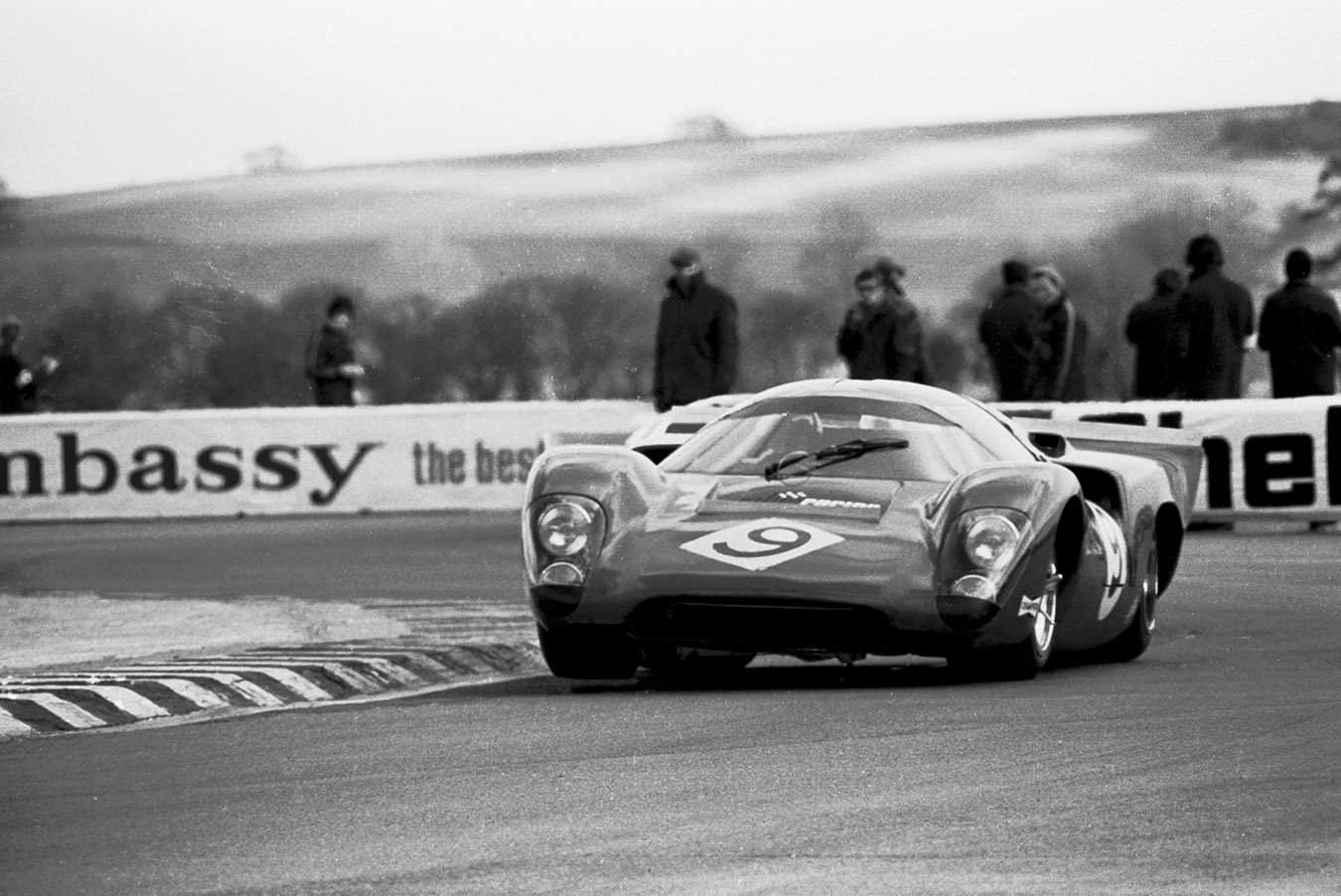
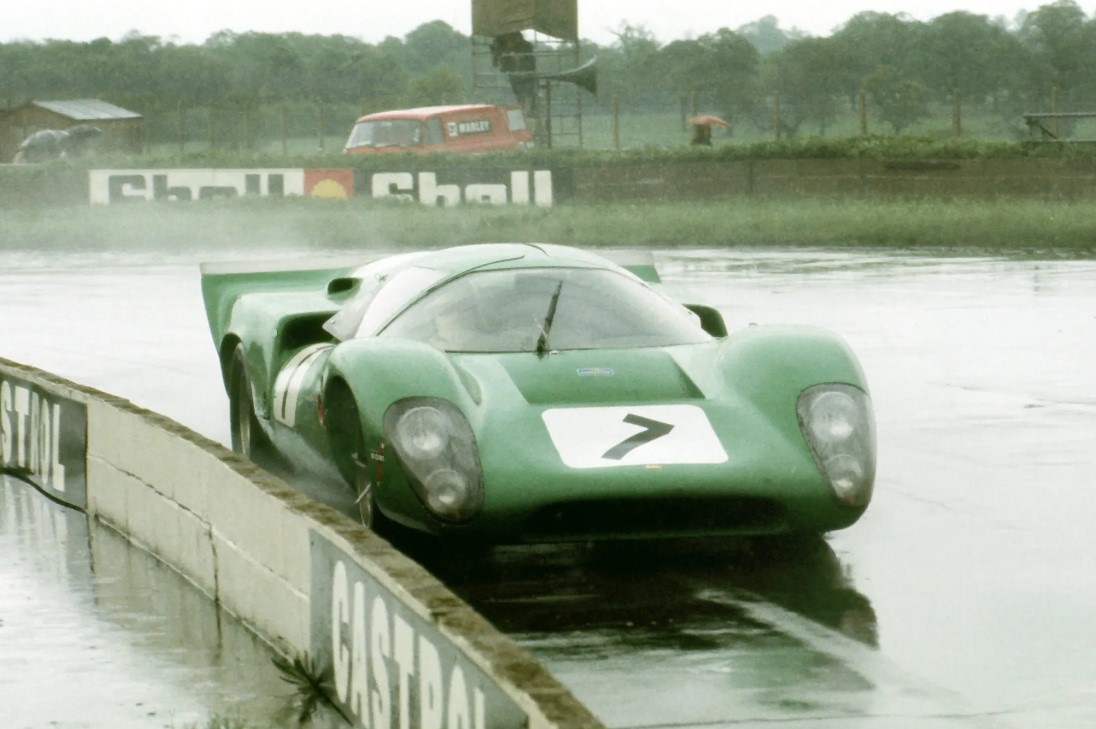
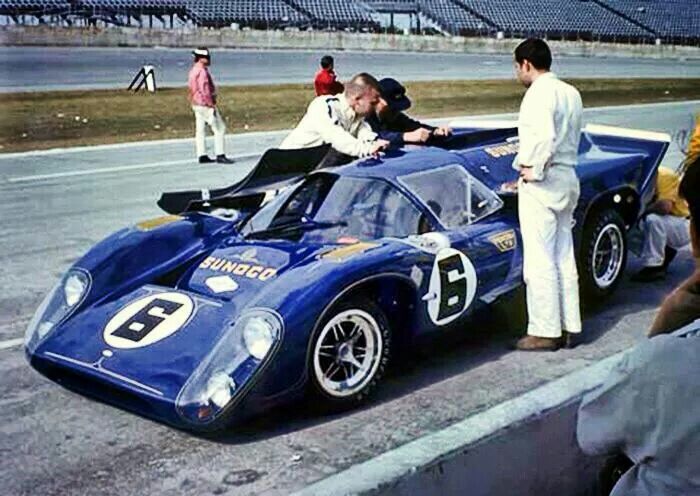
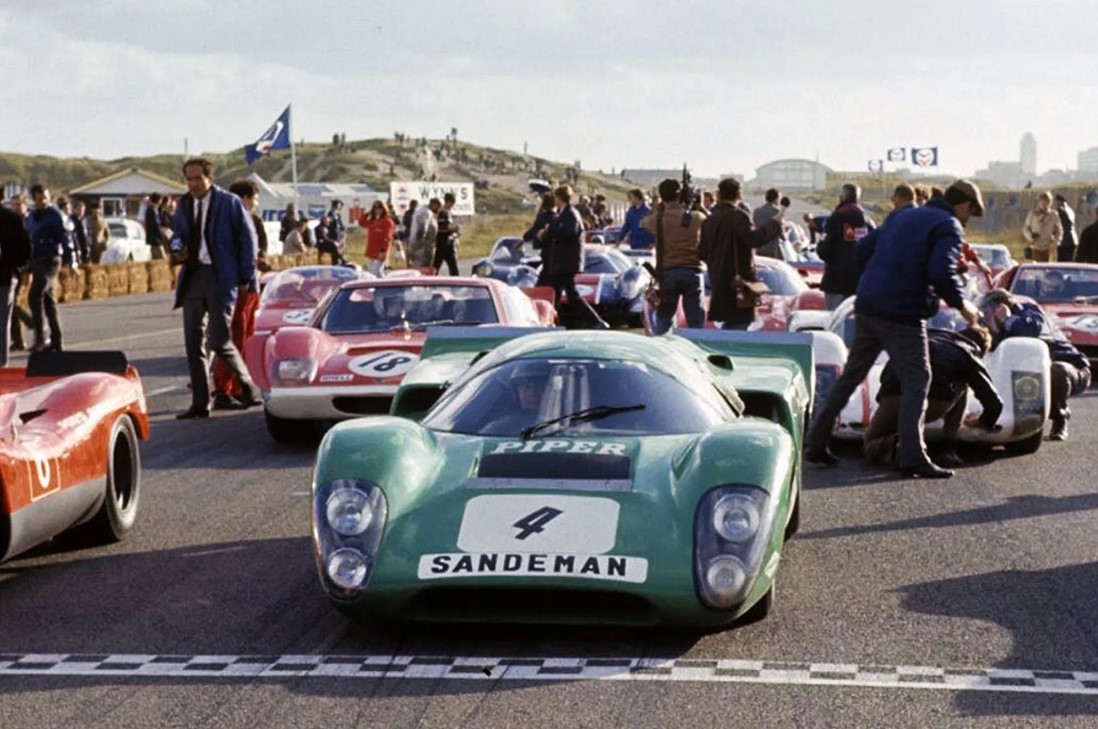
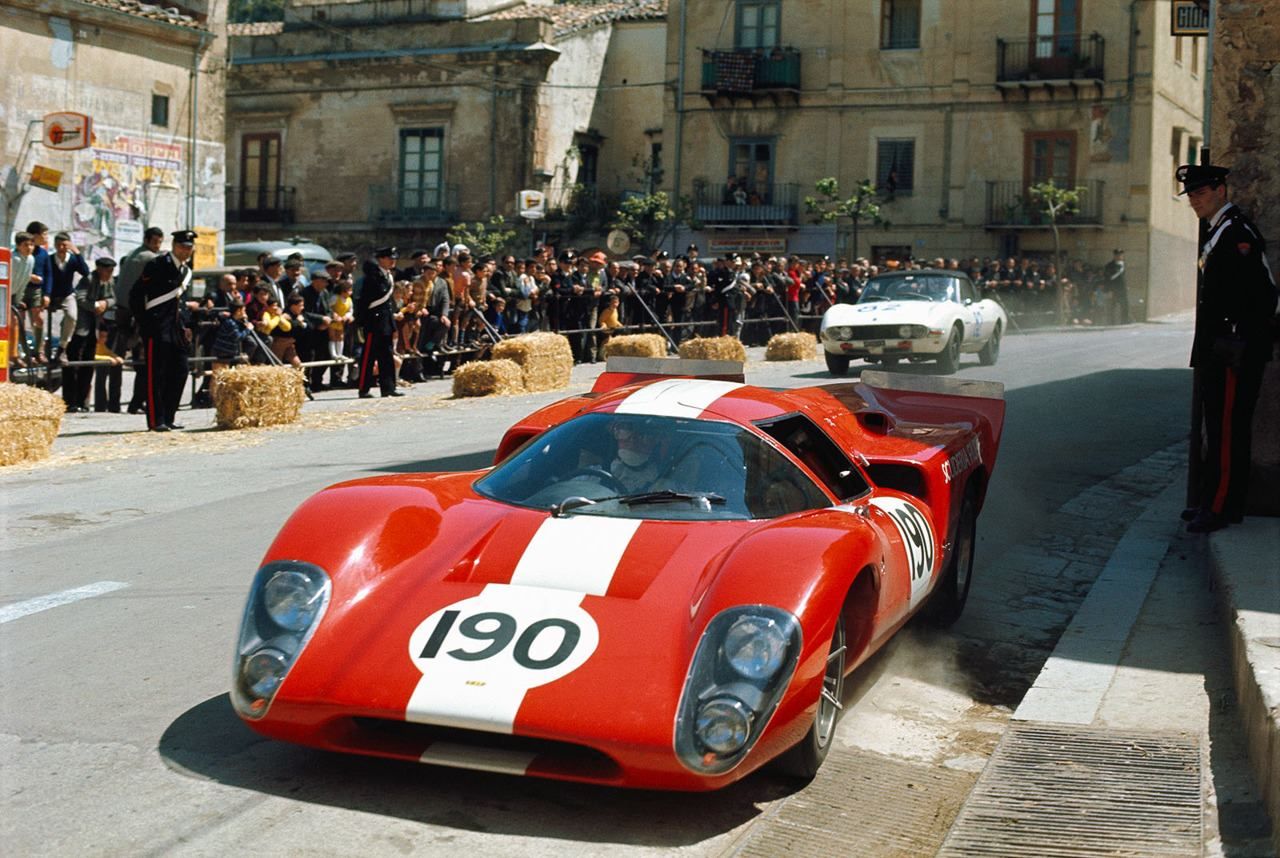
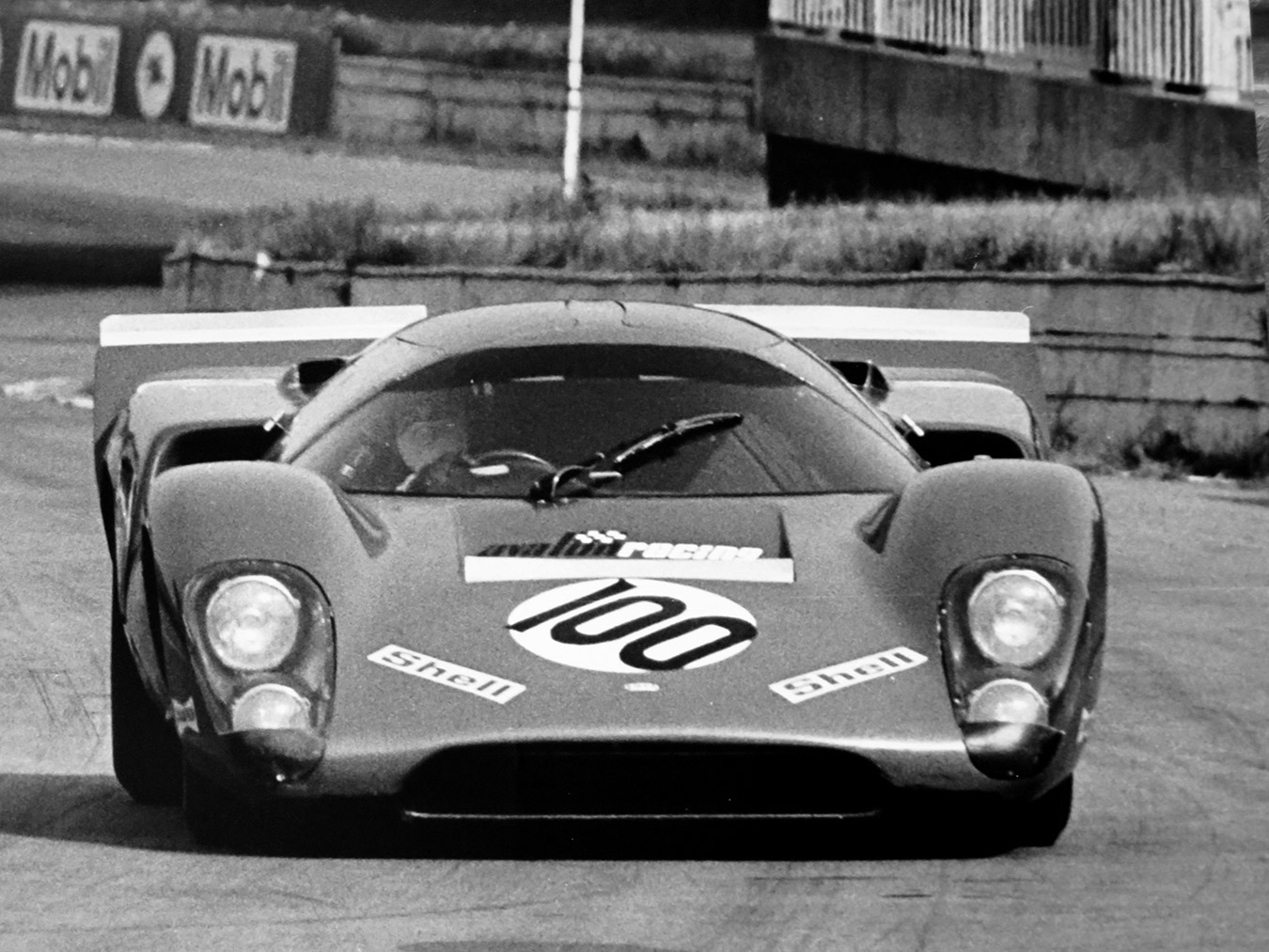
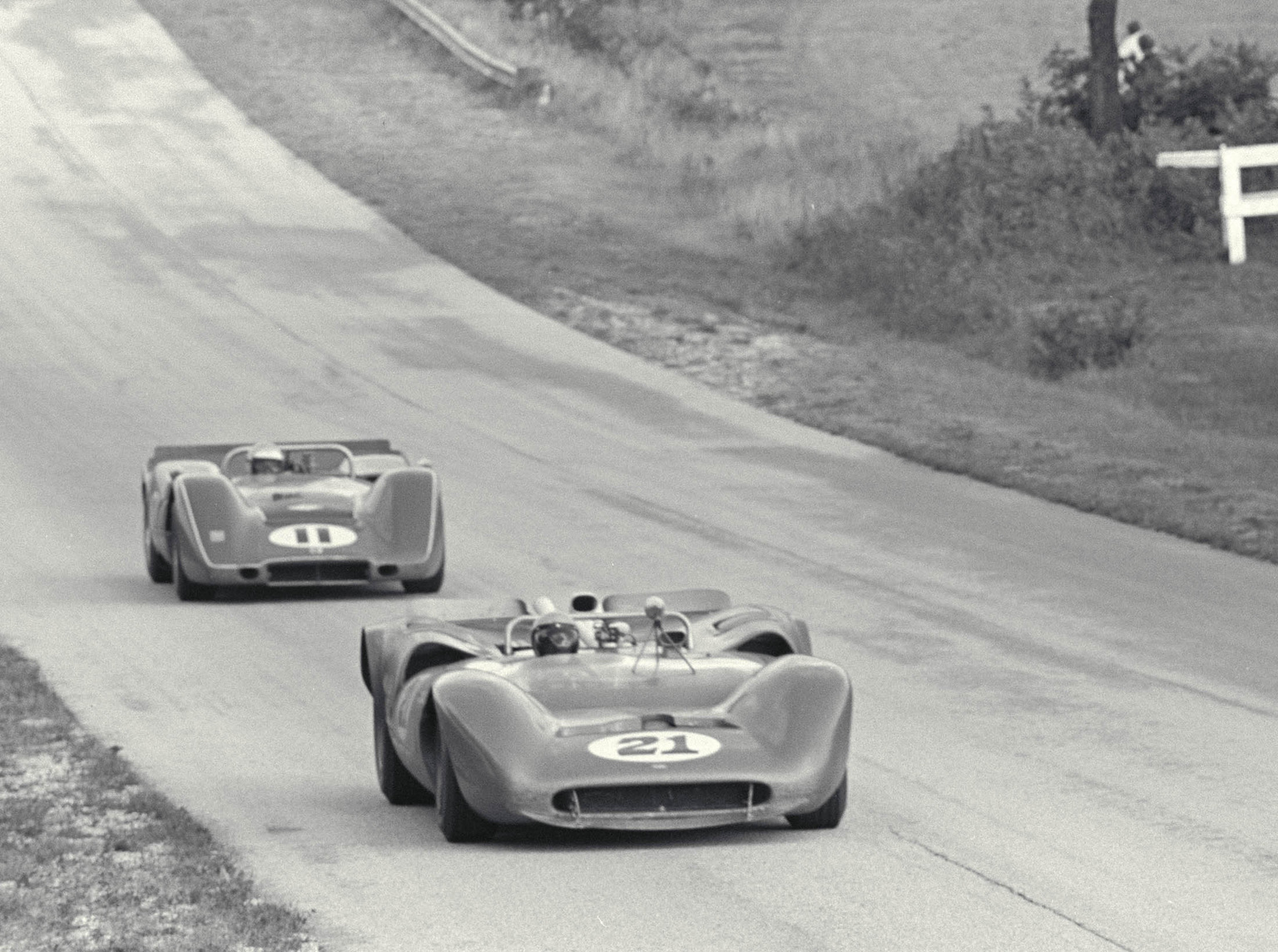
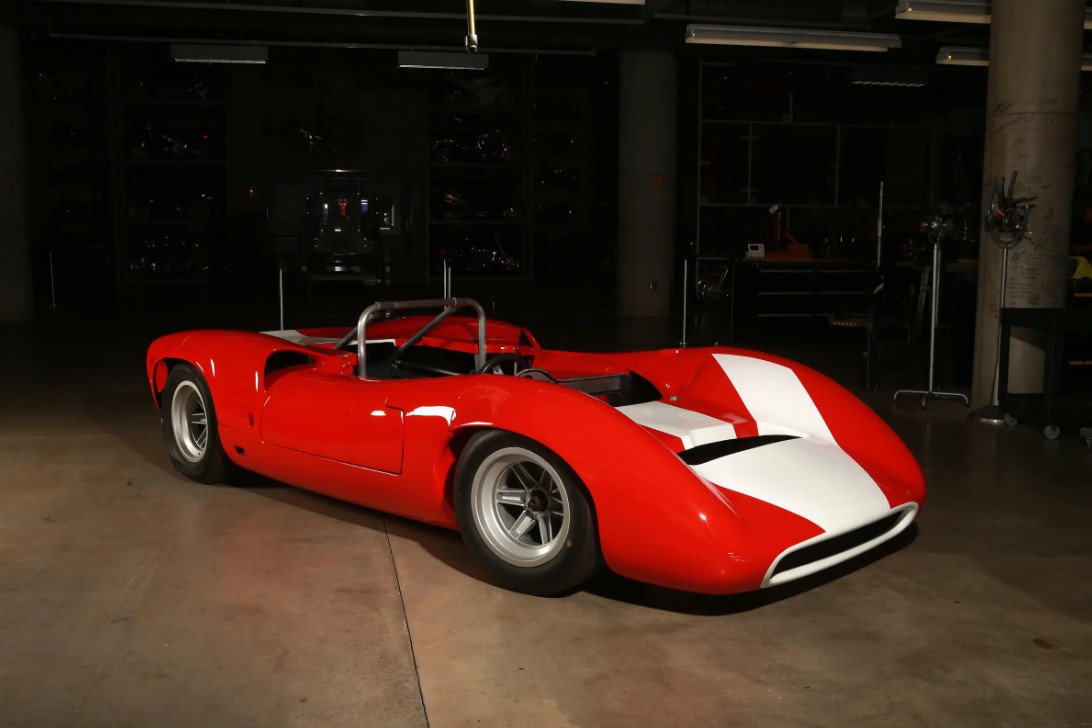
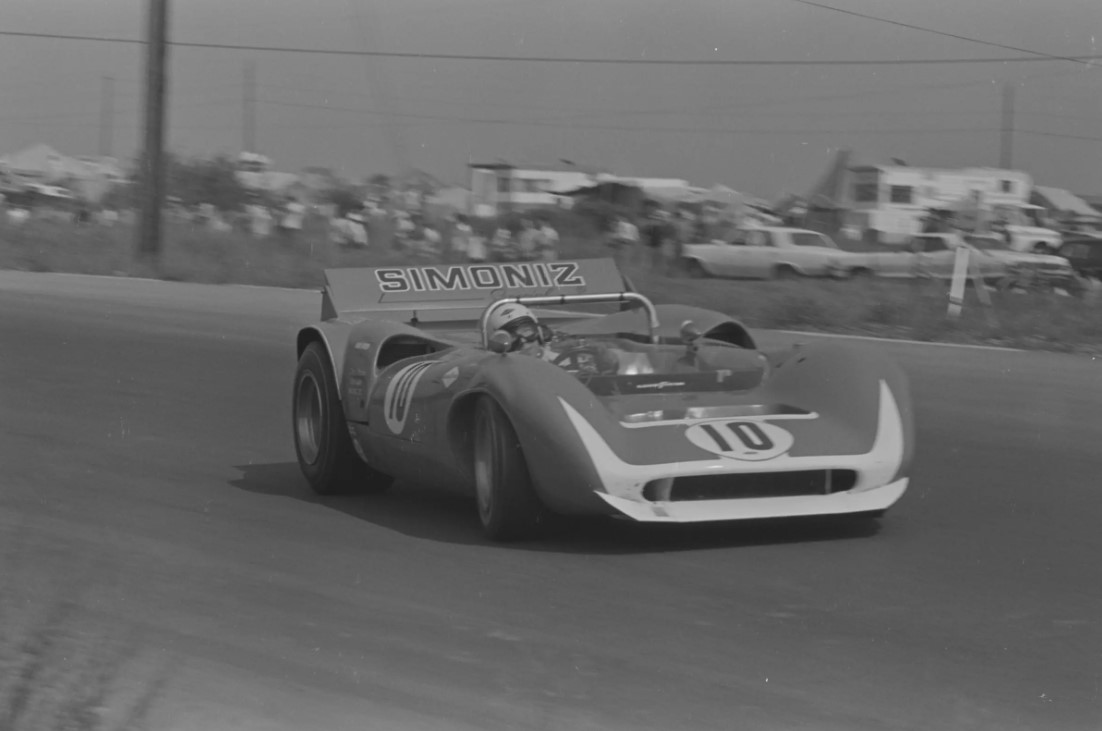
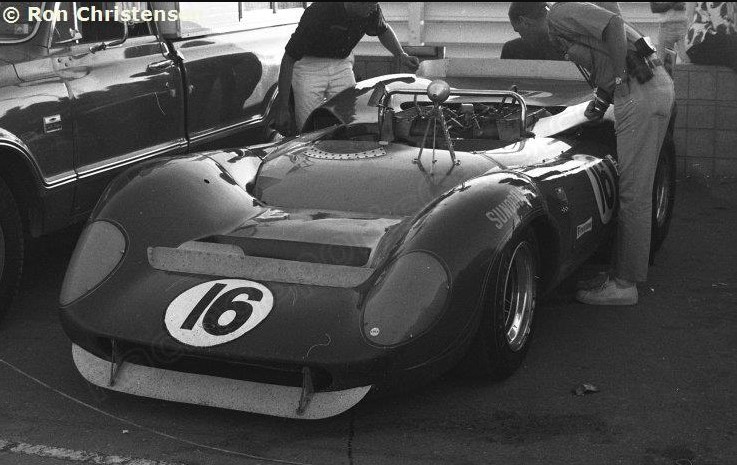
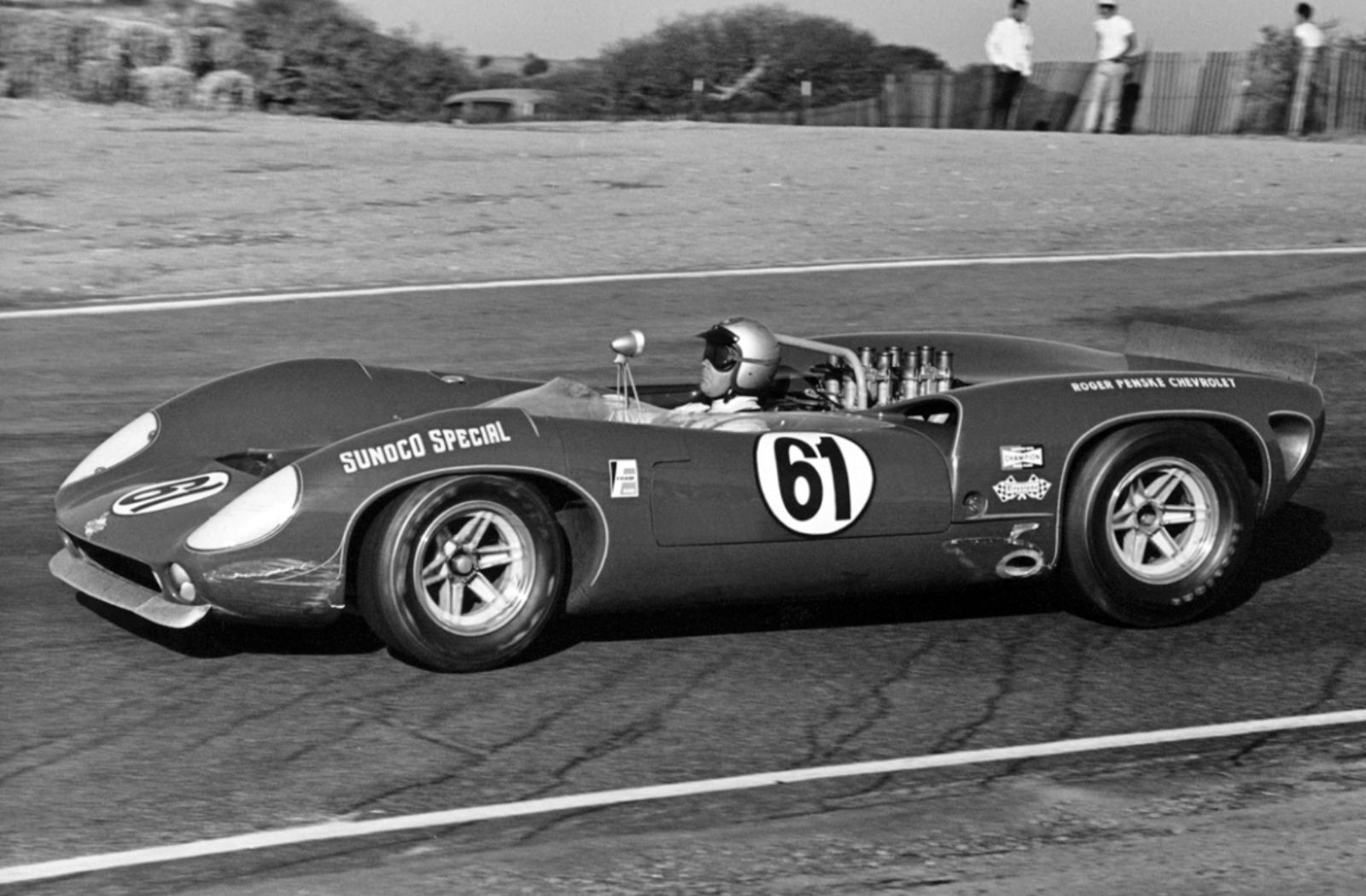
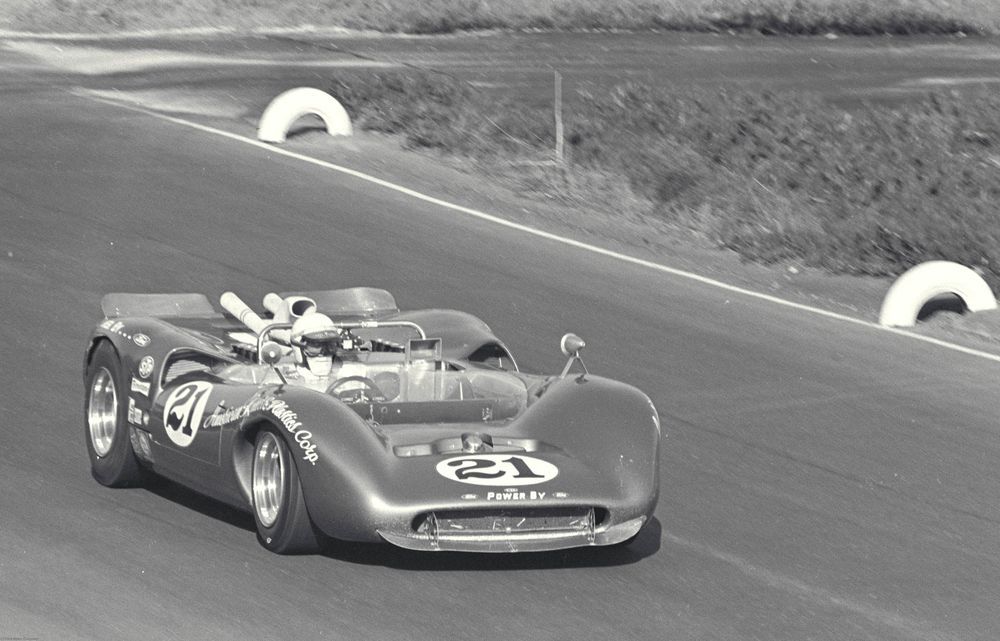
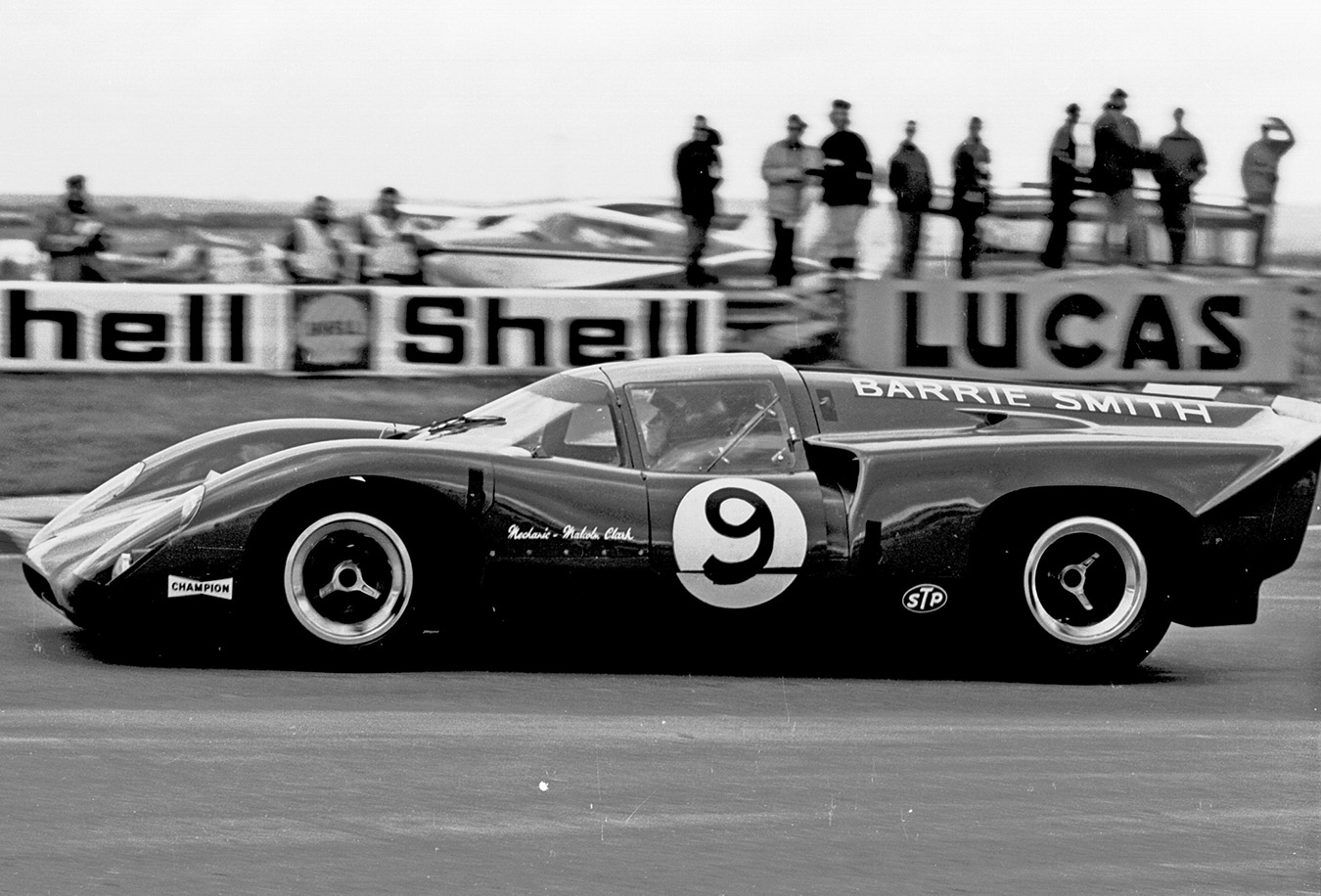
If the summer of 1966 belonged to the open-cockpit Lola T70 Mk II Spyder dominating the sun-drenched Can-Am circuits of North America, the dawn of 1967 demanded a different kind of weapon. Eric Broadley, the fiercely independent engineering genius behind Lola Cars, recognized that to conquer the grueling, high-speed cathedrals of European endurance racing—circuits like Le Mans, Spa, and Monza—aerodynamic efficiency and high-speed stability were paramount. The era of the big-banger sports car was transitioning, and the FIA regulations for the World Sportscar Championship mandated closed cockpits for the fastest prototype and sports car classes. Broadley’s response was the 1967 Lola T70 Mk III. While a Spyder version remained available for domestic and Can-Am sprint racing, it was the sensational Mk III Coupe that stopped the automotive world in its tracks. Born to wage war against the monolithic, factory-backed might of the Ford GT40, the mythical Ferrari 330 P4, and the emerging, surgically precise Porsche 907 prototypes, the Mk III Coupe was intended to be the ultimate off-the-shelf customer racing car. It offered well-heeled privateers the tantalizing promise of genuine, giant-killing pace in a package that was undeniably one of the most breathtakingly beautiful machines ever to turn a wheel in anger.
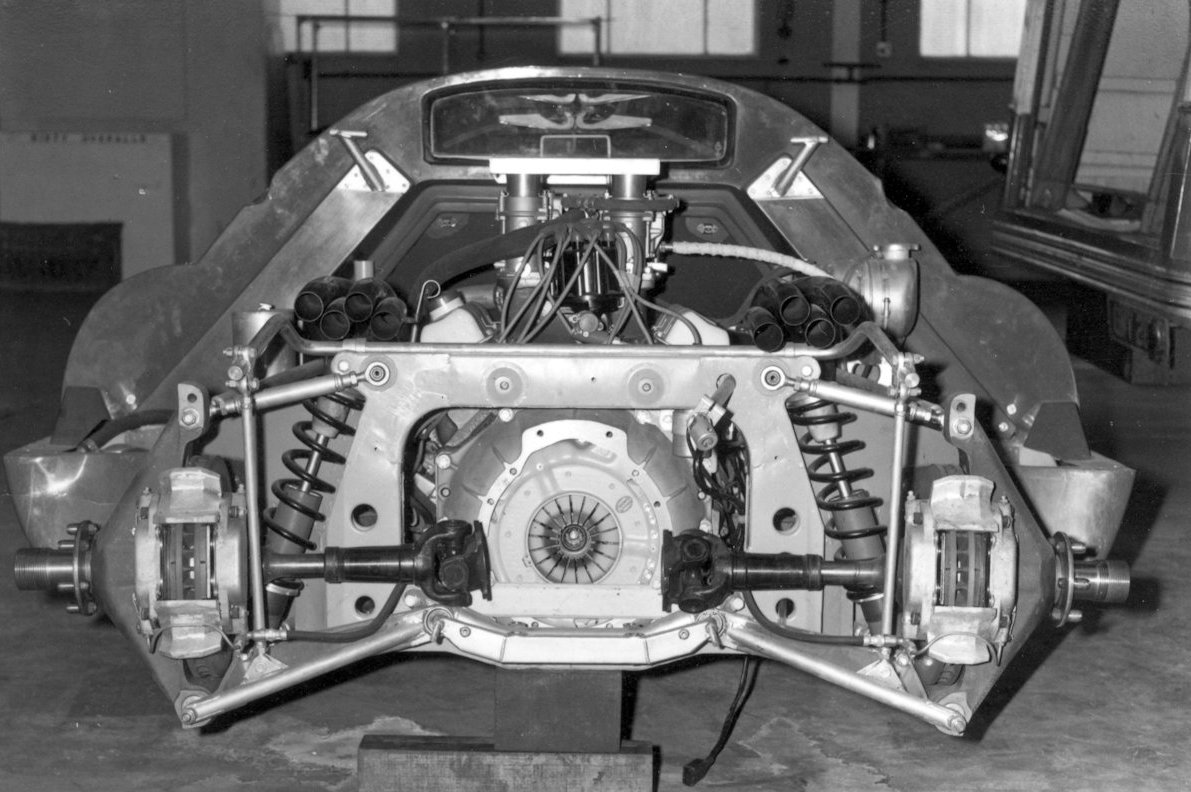
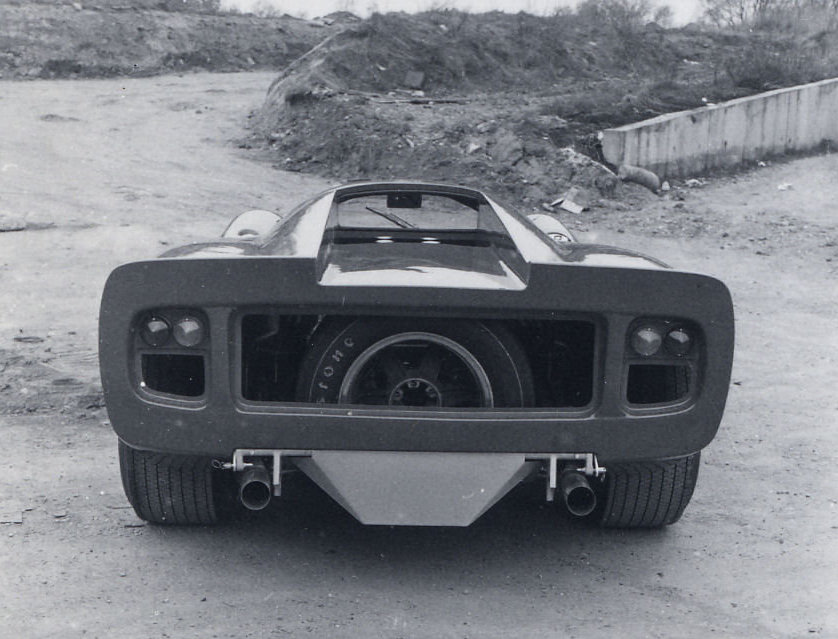
Beneath the mesmerizing fiberglass coachwork—molded by the British firm Specialised Mouldings and featuring voluptuous, sweeping fenders, dramatic gullwing doors, and a severe Kamm tail to cheat the wind—lay a masterpiece of pragmatism and chassis rigidity. Broadley evolved the Mk II’s riveted Duralumin monocoque, strengthening the tub and beefing up the suspension pickup points to handle the punishing vertical loads of 24-hour endurance racing and the immense downforce generated by the new body. The suspension utilized a conventional but perfectly tuned double-wishbone layout, while stopping power was provided by massive outboard Girling disc brakes. But the true soul of the Mk III, and occasionally its curse, lay within its cavernous engine bay. The chassis was designed to accept a variety of powerplants. John Surtees patriotically, but disastrously, attempted to utilize a quad-cam, 5.0-liter Aston Martin V8 at the 1967 24 Hours of Le Mans; the engine suffered catastrophic failures early in the race, ending a highly anticipated British dream. Consequently, the definitive, most successful heartbeat for the Mk III was the ubiquitous Chevrolet small-block V8. Breathing through quadruple Weber downdraft carburettors and mated to a beefy Hewland LG500 four-speed transaxle, the 5.7-liter (327 cubic inch) Chevy pushrod engine provided a reliable 500 horsepower, giving the svelte Coupe an effortless top speed approaching 200 mph on the Mulsanne Straight.
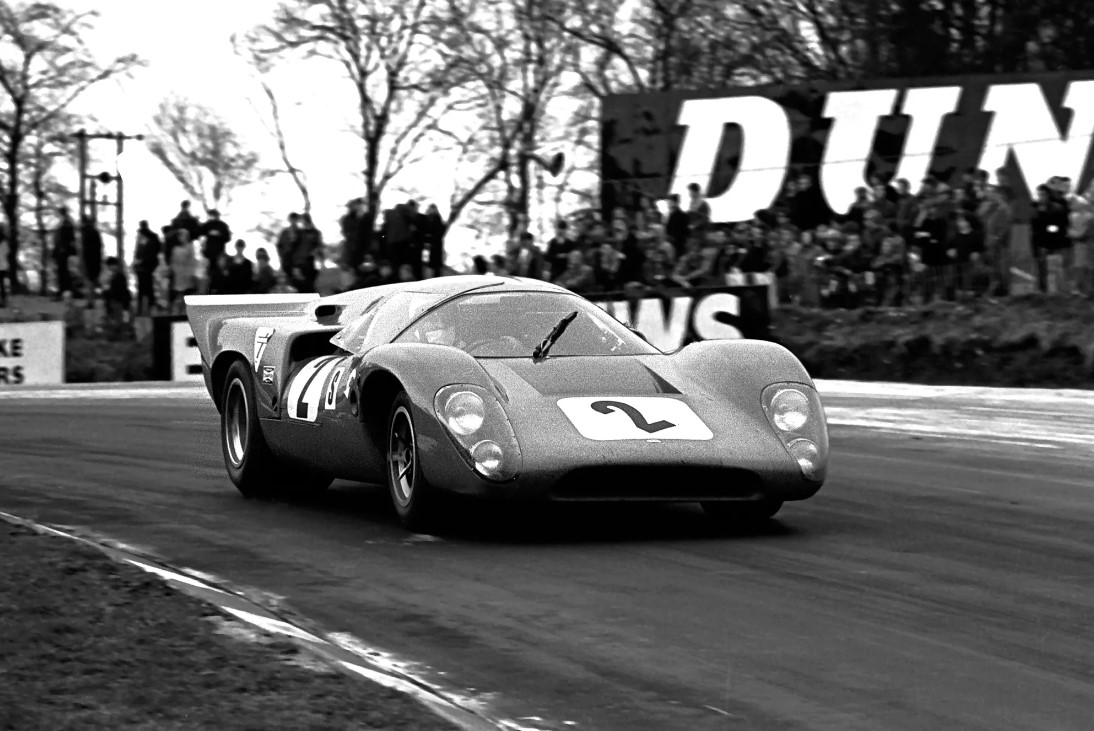
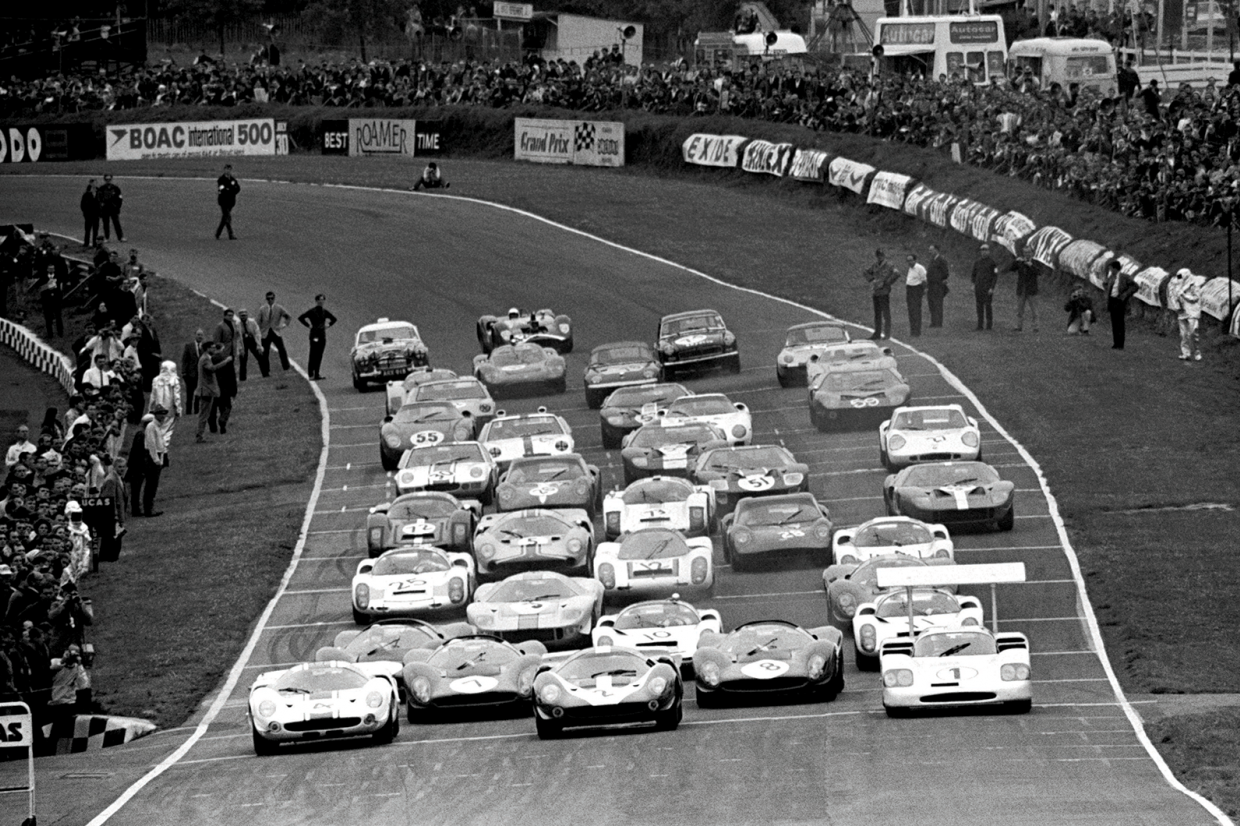
The racing history of the 1967 Mk III Coupe is a deeply romantic, often heartbreaking saga of blistering speed betrayed by fragile peripheral components. In the hands of talented privateers, the Lola possessed the raw pace to out-qualify the factory Fords and Ferraris. However, in the brutal crucible of endurance racing, the enormous, twisting torque of the American V8 frequently shattered gearboxes, while suspension uprights sometimes wilted under the immense aerodynamic and mechanical loads. Despite these Achilles’ heels, the Mk III was a force of nature in shorter sprint events and domestic championships. The legendary Denny Hulme famously wrestled a Sid Taylor-entered Mk III Coupe to a spectacular victory at the 1967 RAC Tourist Trophy at Oulton Park, proving the chassis’s inherent brilliance on twisting tarmac. Culturally, the Mk III achieved a curious, immortal pop-culture status thanks to Hollywood. During the filming of Steve McQueen’s 1971 cinematic epic Le Mans, a Lola T70 Mk III chassis was notoriously dressed in a sacrificial fiberglass replica body of a Porsche 917 and destroyed in the film’s spectacular, slow-motion crash sequence, forever linking the British bruiser to cinematic history.
The 1967 Lola T70 Mk III bridged a crucial gap in international motorsport history. It took the brutish, sledgehammer ethos of the Can-Am series and tailored it into a Savile Row aerodynamic suit, creating what is widely considered the most aesthetically perfect sports racing car of the 1960s. When it was succeeded by the highly refined, homologated Mk IIIB in 1969—which finally resolved the reliability issues and delivered a historic overall victory at the 24 Hours of Daytona—the original Mk III was not overshadowed. Today, it stands at the absolute zenith of historic racing, a crown jewel of grids at the Goodwood Revival and the Le Mans Classic. It is the definitive Anglo-American endurance epic, an unforgettable, thunderous monument to Eric Broadley’s genius that allowed the privateer David to wage a deafening, V8-powered war against the factory Goliaths.
Brand
Produced from
Vehicle category
Portal
Model line
Model generation
Predecessor
Sucessor
Brand
Produced from
Vehicle category
Portal
Model line
Model generation
Predecessor
Sucessor
About this Model Generation
If the summer of 1966 belonged to the open-cockpit Lola T70 Mk II Spyder dominating the sun-drenched Can-Am circuits of North America, the dawn of 1967 demanded a different kind of weapon. Eric Broadley, the fiercely independent engineering genius behind Lola Cars, recognized that to conquer the grueling, high-speed cathedrals of European endurance racing—circuits like Le Mans, Spa, and Monza—aerodynamic efficiency and high-speed stability were paramount. The era of the big-banger sports car was transitioning, and the FIA regulations for the World Sportscar Championship mandated closed cockpits for the fastest prototype and sports car classes. Broadley’s response was the 1967 Lola T70 Mk III. While a Spyder version remained available for domestic and Can-Am sprint racing, it was the sensational Mk III Coupe that stopped the automotive world in its tracks. Born to wage war against the monolithic, factory-backed might of the Ford GT40, the mythical Ferrari 330 P4, and the emerging, surgically precise Porsche 907 prototypes, the Mk III Coupe was intended to be the ultimate off-the-shelf customer racing car. It offered well-heeled privateers the tantalizing promise of genuine, giant-killing pace in a package that was undeniably one of the most breathtakingly beautiful machines ever to turn a wheel in anger.
Beneath the mesmerizing fiberglass coachwork—molded by the British firm Specialised Mouldings and featuring voluptuous, sweeping fenders, dramatic gullwing doors, and a severe Kamm tail to cheat the wind—lay a masterpiece of pragmatism and chassis rigidity. Broadley evolved the Mk II’s riveted Duralumin monocoque, strengthening the tub and beefing up the suspension pickup points to handle the punishing vertical loads of 24-hour endurance racing and the immense downforce generated by the new body. The suspension utilized a conventional but perfectly tuned double-wishbone layout, while stopping power was provided by massive outboard Girling disc brakes. But the true soul of the Mk III, and occasionally its curse, lay within its cavernous engine bay. The chassis was designed to accept a variety of powerplants. John Surtees patriotically, but disastrously, attempted to utilize a quad-cam, 5.0-liter Aston Martin V8 at the 1967 24 Hours of Le Mans; the engine suffered catastrophic failures early in the race, ending a highly anticipated British dream. Consequently, the definitive, most successful heartbeat for the Mk III was the ubiquitous Chevrolet small-block V8. Breathing through quadruple Weber downdraft carburettors and mated to a beefy Hewland LG500 four-speed transaxle, the 5.7-liter (327 cubic inch) Chevy pushrod engine provided a reliable 500 horsepower, giving the svelte Coupe an effortless top speed approaching 200 mph on the Mulsanne Straight.
The racing history of the 1967 Mk III Coupe is a deeply romantic, often heartbreaking saga of blistering speed betrayed by fragile peripheral components. In the hands of talented privateers, the Lola possessed the raw pace to out-qualify the factory Fords and Ferraris. However, in the brutal crucible of endurance racing, the enormous, twisting torque of the American V8 frequently shattered gearboxes, while suspension uprights sometimes wilted under the immense aerodynamic and mechanical loads. Despite these Achilles’ heels, the Mk III was a force of nature in shorter sprint events and domestic championships. The legendary Denny Hulme famously wrestled a Sid Taylor-entered Mk III Coupe to a spectacular victory at the 1967 RAC Tourist Trophy at Oulton Park, proving the chassis’s inherent brilliance on twisting tarmac. Culturally, the Mk III achieved a curious, immortal pop-culture status thanks to Hollywood. During the filming of Steve McQueen’s 1971 cinematic epic Le Mans, a Lola T70 Mk III chassis was notoriously dressed in a sacrificial fiberglass replica body of a Porsche 917 and destroyed in the film’s spectacular, slow-motion crash sequence, forever linking the British bruiser to cinematic history.
The 1967 Lola T70 Mk III bridged a crucial gap in international motorsport history. It took the brutish, sledgehammer ethos of the Can-Am series and tailored it into a Savile Row aerodynamic suit, creating what is widely considered the most aesthetically perfect sports racing car of the 1960s. When it was succeeded by the highly refined, homologated Mk IIIB in 1969—which finally resolved the reliability issues and delivered a historic overall victory at the 24 Hours of Daytona—the original Mk III was not overshadowed. Today, it stands at the absolute zenith of historic racing, a crown jewel of grids at the Goodwood Revival and the Le Mans Classic. It is the definitive Anglo-American endurance epic, an unforgettable, thunderous monument to Eric Broadley’s genius that allowed the privateer David to wage a deafening, V8-powered war against the factory Goliaths.
Submodels
Discover all the variants of this model Generation
Submodels
Discover all the variants of this model Generation
Vehicles
Legendary Vehicles
Vehicles