
Lotus XI (Eleven) Series 1
Brand
Produced from
Vehicle category
Portal
Model line
Model generation
Generation Overview
The mid-1950s marked a pivotal intersection in motorsport history, a moment when the blunt-force trauma of large-displacement engines was finally outwitted by the surgical precision of lightweight aerodynamics. Operating out of a modest facility in Hornsey, London, Colin Chapman had already established a reputation for building incredibly light, uncompromising sports racers with his Mark VIII, IX, and X chassis. But in 1956, Chapman sought to distill his engineering philosophies into a single, definitive package. The result was the Lotus Eleven Series 1. It was a machine that not only redefined the 1100cc and 1500cc sports car classes but also established the iconic “E” naming convention that Lotus employs to this day. Entering a fiercely contested arena, the Series 1 Eleven was built to hunt down domestic rivals like John Cooper’s brilliant, mid-engined T39 ‘Bobtail’ and the Elva Mk I, while simultaneously targeting the continental might of the Porsche 550 Spyder and the Maserati 150S. To satisfy both well-heeled privateers and budget-conscious amateurs, Chapman brilliantly offered the Series 1 in three distinct submodels: the ultimate ‘Le Mans’ specification, the intermediate ‘Club’ trim, and the entry-level ‘Sport’ version.
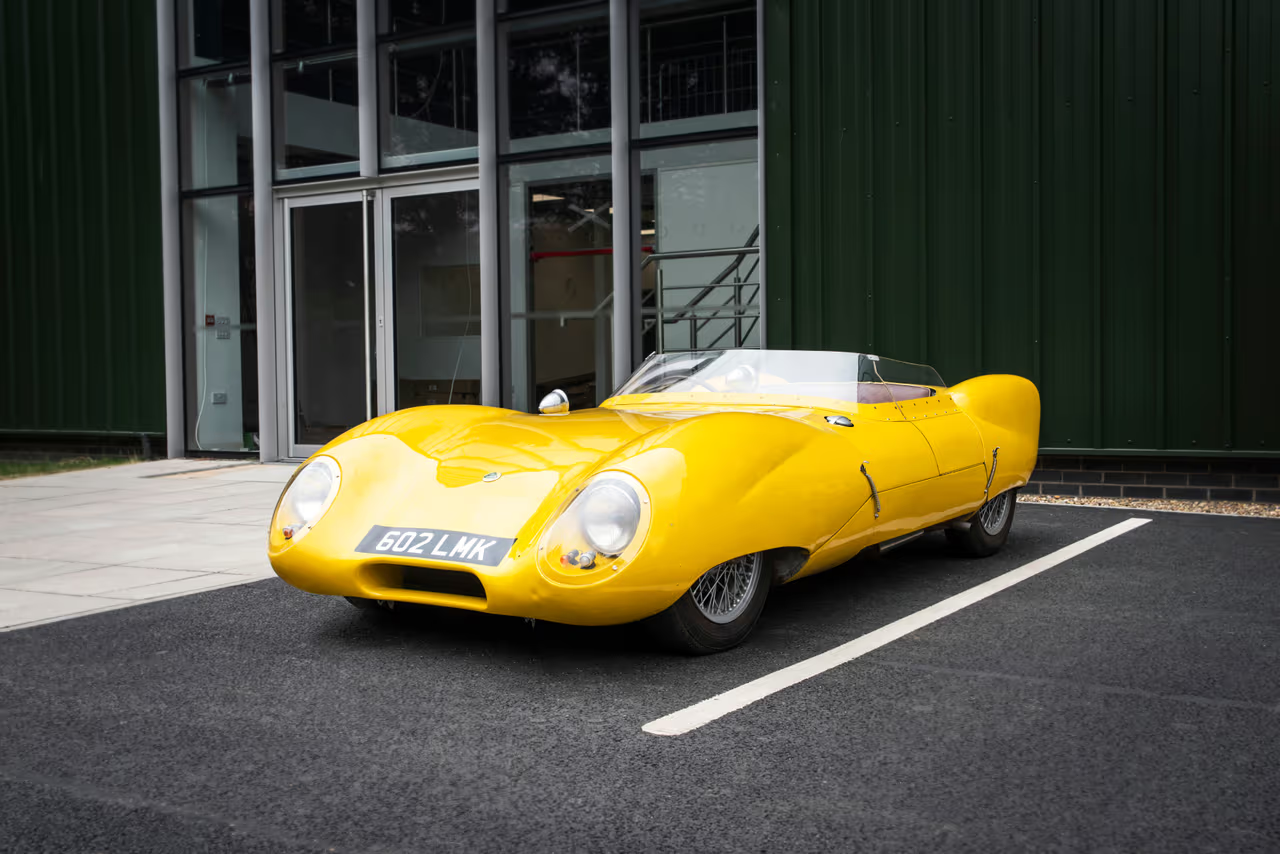
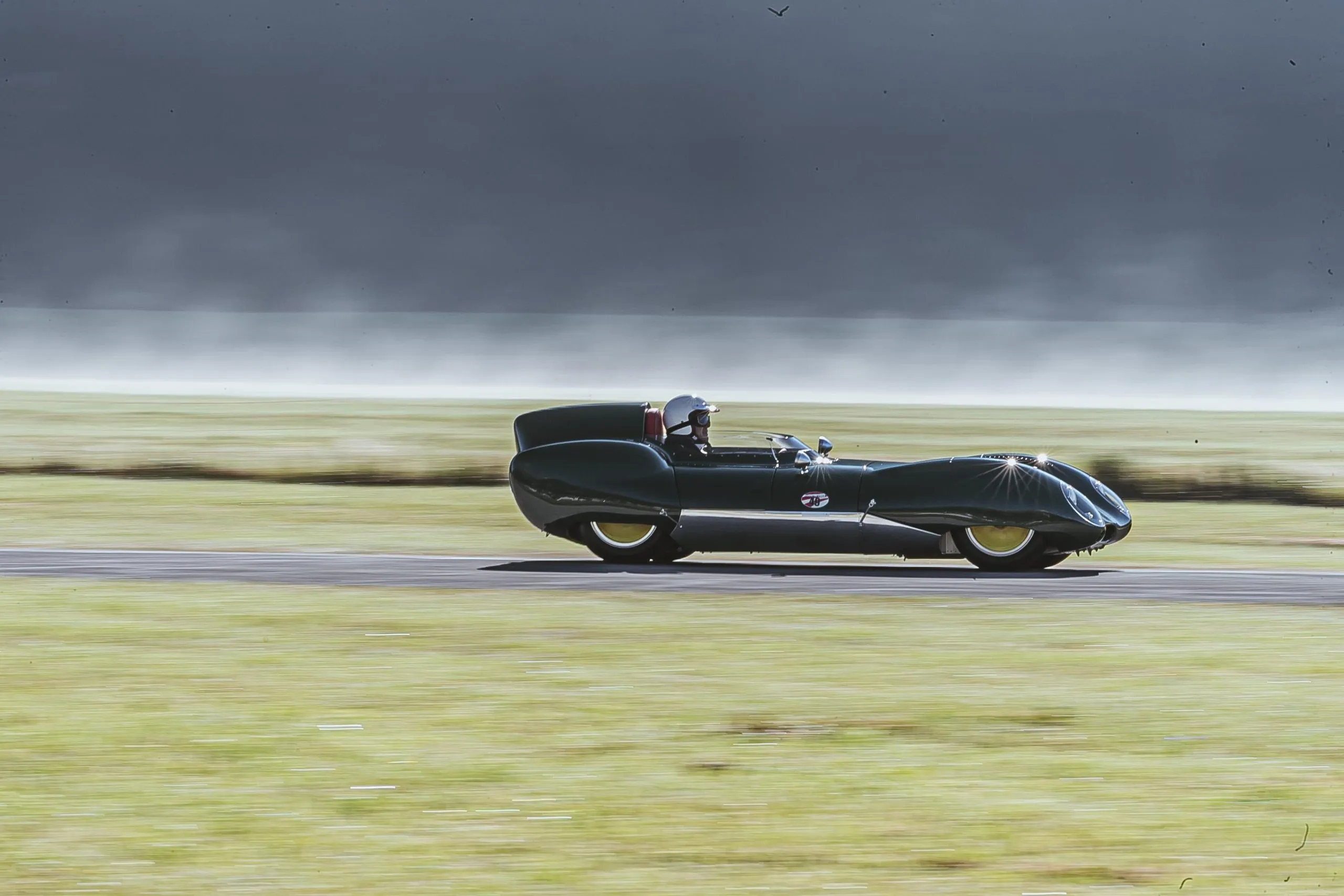
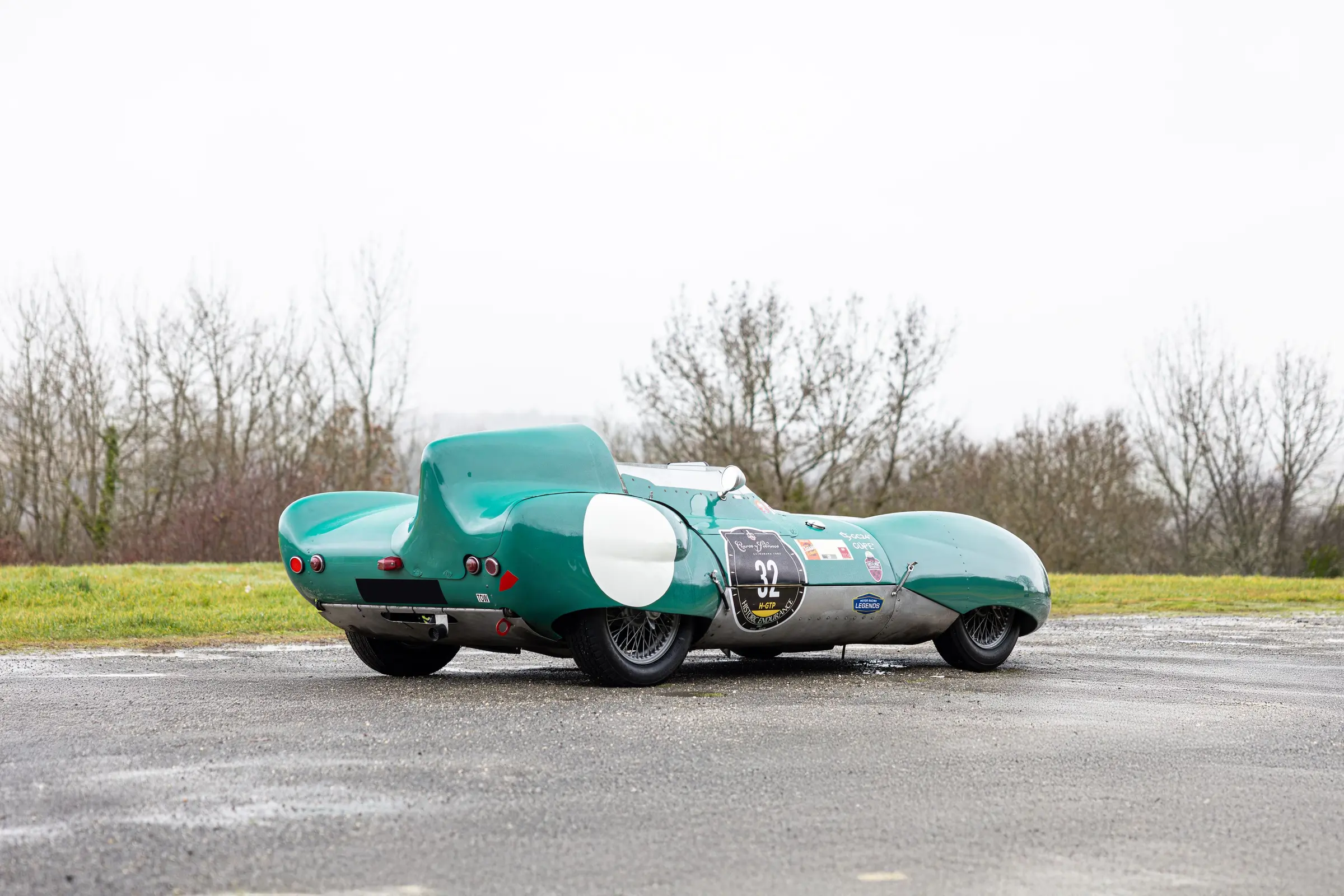
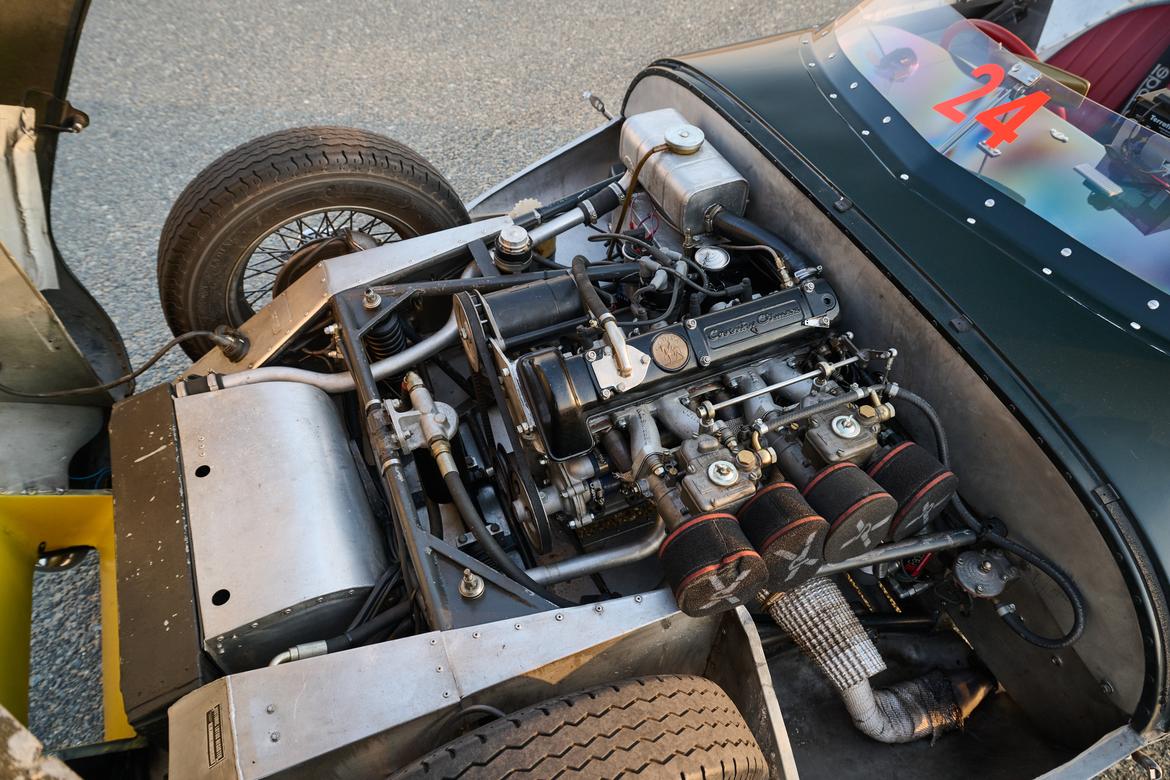
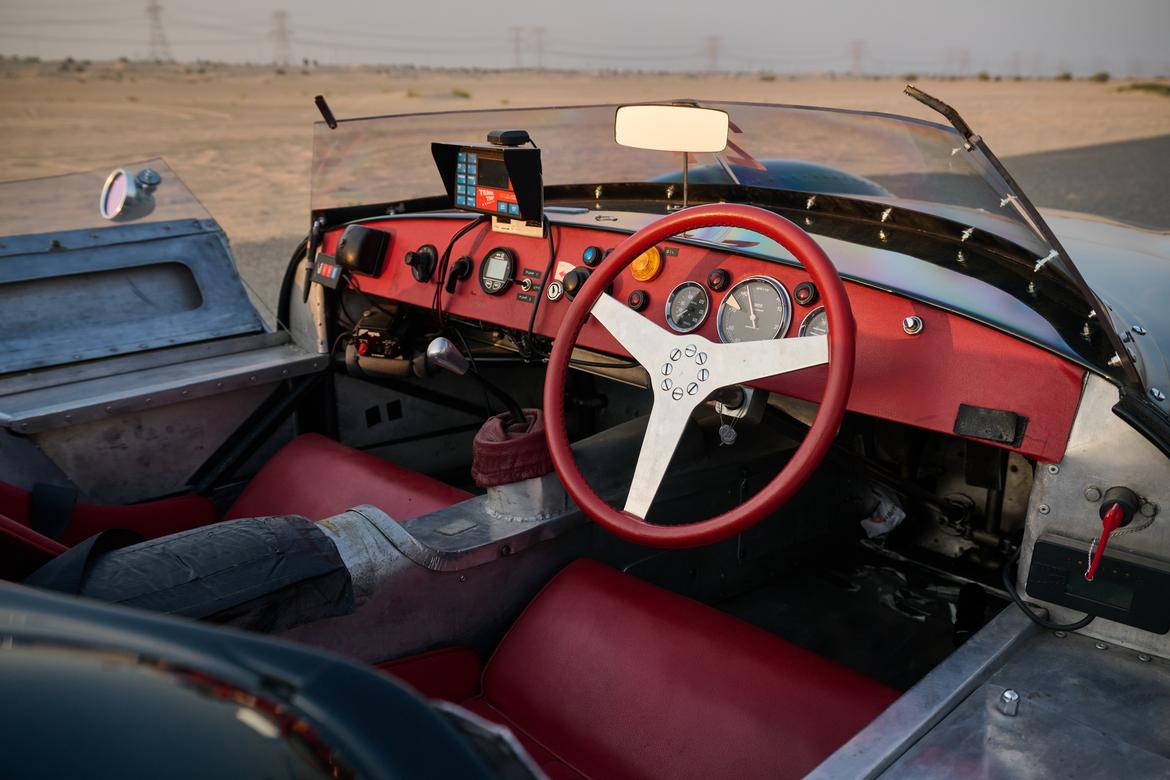
To gaze upon the Lotus Eleven Series 1 is to view mid-century aerodynamics in its purest, most unadulterated form. The bodywork, crafted by De Havilland aviation aerodynamicist Frank Costin, was an exercise in mathematical airflow rather than traditional styling. Formed from ultra-thin aluminium, the silhouette featured a low, probing nose, beautifully faired-in headlamps, and a sweeping rear tail section, punching a microscopic hole in the wind. Beneath this breathtaking skin lay a multi-tubular spaceframe chassis constructed from one-inch and three-quarter-inch steel tubes. It weighed an astonishingly scant 70 pounds (31 kg), yet possessed remarkable torsional rigidity. The defining mechanical characteristic of the Series 1—and the key differentiator from its successor—was its front suspension. Chapman utilized a heavily modified, split Ford beam axle that functioned as a swing-axle setup. While incredibly light, it was notoriously unpredictable, inducing massive camber changes under heavy cornering loads that required a brave and highly skilled driver to master. In the top-tier ‘Le Mans’ specification, the rear featured a sophisticated De Dion tube with inboard Girling disc brakes, drastically reducing unsprung mass. The heart of the serious race cars was the Coventry Climax FWA 1098cc overhead-cam engine, a featherweight aluminium jewel producing around 75 horsepower. The ‘Club’ versions retained the Climax engine but utilized a live rear axle and drum brakes, while the budget ‘Sport’ models were fitted with a humble 1172cc Ford side-valve engine, allowing amateur club racers entry into the Chapman ecosystem. Inside, the cockpit was a stark, aluminum-clad workspace devoid of any luxury, featuring only essential Smiths instrumentation and a slim, wood-rimmed steering wheel.
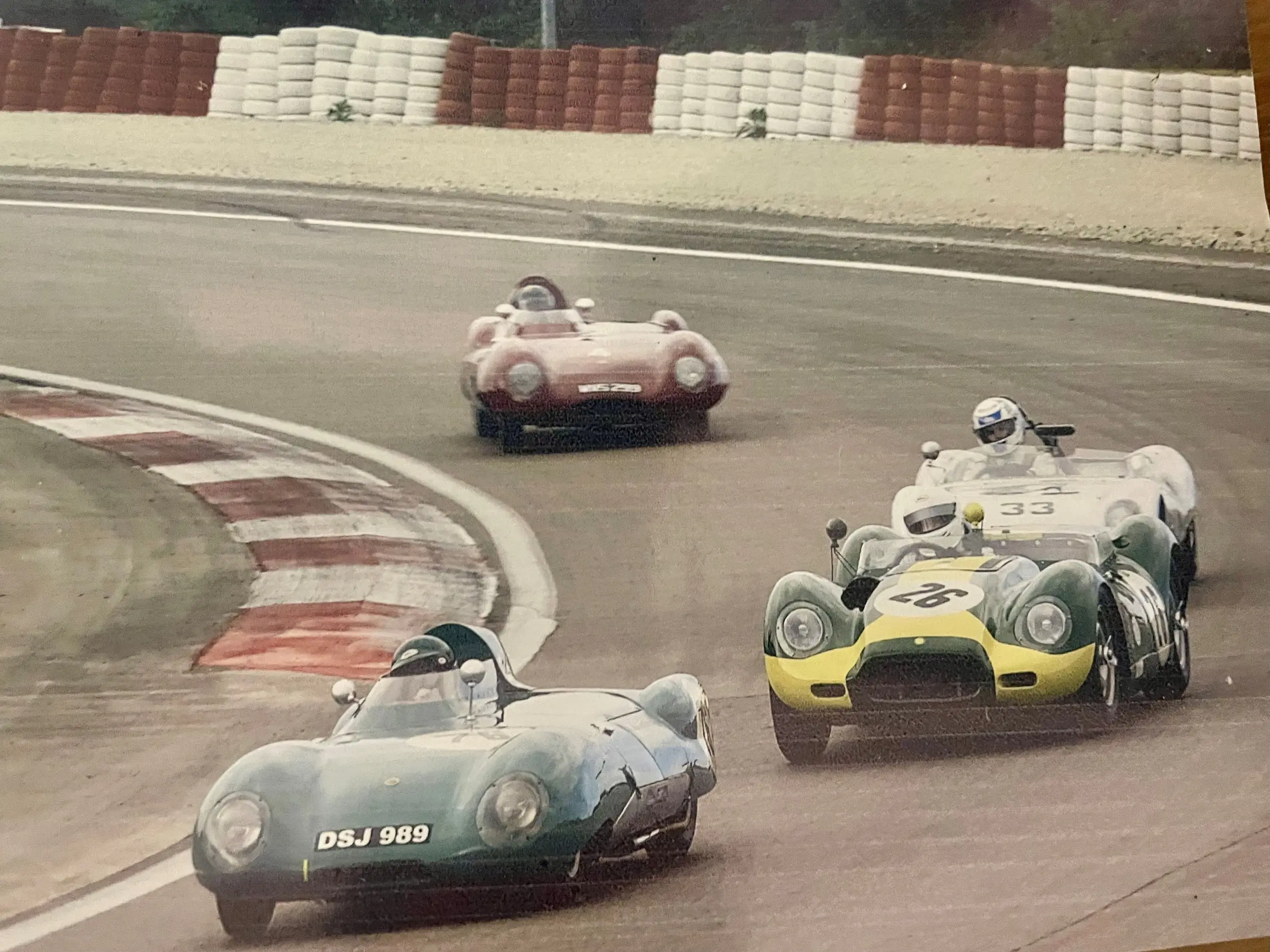
The competitive impact of the Series 1 Eleven was both immediate and devastating. In the hands of factory drivers and privateers alike, it became the ultimate giant-killer. The car’s crowning achievement during its debut year occurred at the grueling 1956 24 Hours of Le Mans. Piloted by Peter Jopp and Reg Bicknell, a Coventry Climax-powered Series 1 dominated the 1100cc class and finished an incredible seventh overall, humiliating machines with vastly superior displacement and factory budgets. This global validation triggered an explosion in sales. Chapman, demonstrating his shrewd business acumen, offered the Eleven in kit form to bypass the punishing British Purchase Tax. Suddenly, enthusiastic amateurs could assemble a world-beating prototype in their own garages. The grids of the British Autosport Championship and the American SCCA modified classes were absolutely flooded with Series 1 Elevens. Furthermore, the legendary Stirling Moss utilized a specially prepared, enclosed-bubble-canopy Series 1 at the high-banked Monza circuit to shatter a raft of international endurance speed records, cementing the car’s aerodynamic superiority on the world stage.
The legacy of the 1956 Lotus Eleven Series 1 is fundamentally tied to the genesis of Lotus as a global motorsport superpower. It proved beyond any shadow of a doubt that Colin Chapman’s mantra—”simplify, then add lightness”—could reliably defeat the engineering might of Porsche and Maserati. While its quirky swing-axle front suspension was ultimately its Achilles’ heel, prompting Chapman to introduce the double-wishbone-equipped Series 2 in 1957, the Series 1 was the crucial breakthrough. It democratized top-tier sports car racing, funded the expansion of the Lotus empire, and gifted the world one of the most beautiful aerodynamic shapes ever hammered out of aluminium. Today, the Series 1 stands in the absolute highest echelons of 1950s historic racing, a featherweight monument to British ingenuity and the romantic golden age of the privateer racer.
Portal
Model line
Model generation
Brand
Produced from
Vehicle category
Generation Overview
The mid-1950s marked a pivotal intersection in motorsport history, a moment when the blunt-force trauma of large-displacement engines was finally outwitted by the surgical precision of lightweight aerodynamics. Operating out of a modest facility in Hornsey, London, Colin Chapman had already established a reputation for building incredibly light, uncompromising sports racers with his Mark VIII, IX, and X chassis. But in 1956, Chapman sought to distill his engineering philosophies into a single, definitive package. The result was the Lotus Eleven Series 1. It was a machine that not only redefined the 1100cc and 1500cc sports car classes but also established the iconic “E” naming convention that Lotus employs to this day. Entering a fiercely contested arena, the Series 1 Eleven was built to hunt down domestic rivals like John Cooper’s brilliant, mid-engined T39 ‘Bobtail’ and the Elva Mk I, while simultaneously targeting the continental might of the Porsche 550 Spyder and the Maserati 150S. To satisfy both well-heeled privateers and budget-conscious amateurs, Chapman brilliantly offered the Series 1 in three distinct submodels: the ultimate ‘Le Mans’ specification, the intermediate ‘Club’ trim, and the entry-level ‘Sport’ version.
To gaze upon the Lotus Eleven Series 1 is to view mid-century aerodynamics in its purest, most unadulterated form. The bodywork, crafted by De Havilland aviation aerodynamicist Frank Costin, was an exercise in mathematical airflow rather than traditional styling. Formed from ultra-thin aluminium, the silhouette featured a low, probing nose, beautifully faired-in headlamps, and a sweeping rear tail section, punching a microscopic hole in the wind. Beneath this breathtaking skin lay a multi-tubular spaceframe chassis constructed from one-inch and three-quarter-inch steel tubes. It weighed an astonishingly scant 70 pounds (31 kg), yet possessed remarkable torsional rigidity. The defining mechanical characteristic of the Series 1—and the key differentiator from its successor—was its front suspension. Chapman utilized a heavily modified, split Ford beam axle that functioned as a swing-axle setup. While incredibly light, it was notoriously unpredictable, inducing massive camber changes under heavy cornering loads that required a brave and highly skilled driver to master. In the top-tier ‘Le Mans’ specification, the rear featured a sophisticated De Dion tube with inboard Girling disc brakes, drastically reducing unsprung mass. The heart of the serious race cars was the Coventry Climax FWA 1098cc overhead-cam engine, a featherweight aluminium jewel producing around 75 horsepower. The ‘Club’ versions retained the Climax engine but utilized a live rear axle and drum brakes, while the budget ‘Sport’ models were fitted with a humble 1172cc Ford side-valve engine, allowing amateur club racers entry into the Chapman ecosystem. Inside, the cockpit was a stark, aluminum-clad workspace devoid of any luxury, featuring only essential Smiths instrumentation and a slim, wood-rimmed steering wheel.
The competitive impact of the Series 1 Eleven was both immediate and devastating. In the hands of factory drivers and privateers alike, it became the ultimate giant-killer. The car’s crowning achievement during its debut year occurred at the grueling 1956 24 Hours of Le Mans. Piloted by Peter Jopp and Reg Bicknell, a Coventry Climax-powered Series 1 dominated the 1100cc class and finished an incredible seventh overall, humiliating machines with vastly superior displacement and factory budgets. This global validation triggered an explosion in sales. Chapman, demonstrating his shrewd business acumen, offered the Eleven in kit form to bypass the punishing British Purchase Tax. Suddenly, enthusiastic amateurs could assemble a world-beating prototype in their own garages. The grids of the British Autosport Championship and the American SCCA modified classes were absolutely flooded with Series 1 Elevens. Furthermore, the legendary Stirling Moss utilized a specially prepared, enclosed-bubble-canopy Series 1 at the high-banked Monza circuit to shatter a raft of international endurance speed records, cementing the car’s aerodynamic superiority on the world stage.
The legacy of the 1956 Lotus Eleven Series 1 is fundamentally tied to the genesis of Lotus as a global motorsport superpower. It proved beyond any shadow of a doubt that Colin Chapman’s mantra—”simplify, then add lightness”—could reliably defeat the engineering might of Porsche and Maserati. While its quirky swing-axle front suspension was ultimately its Achilles’ heel, prompting Chapman to introduce the double-wishbone-equipped Series 2 in 1957, the Series 1 was the crucial breakthrough. It democratized top-tier sports car racing, funded the expansion of the Lotus empire, and gifted the world one of the most beautiful aerodynamic shapes ever hammered out of aluminium. Today, the Series 1 stands in the absolute highest echelons of 1950s historic racing, a featherweight monument to British ingenuity and the romantic golden age of the privateer racer.
Submodels