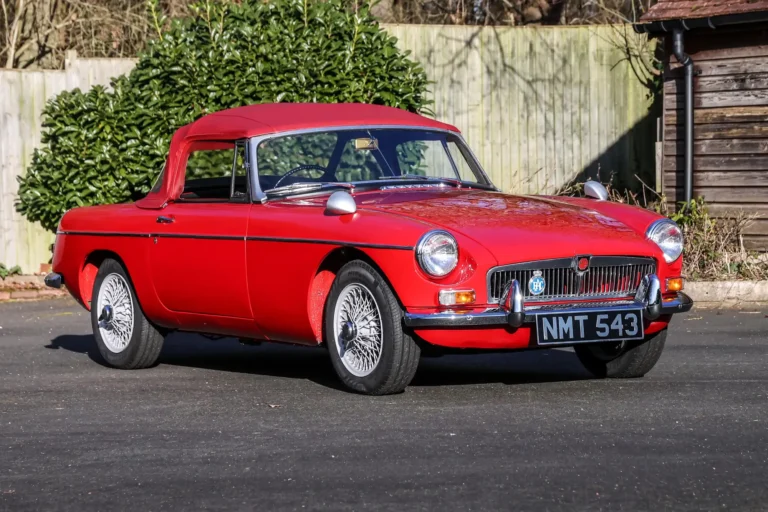
MG MGB Mark I
Generation Overview
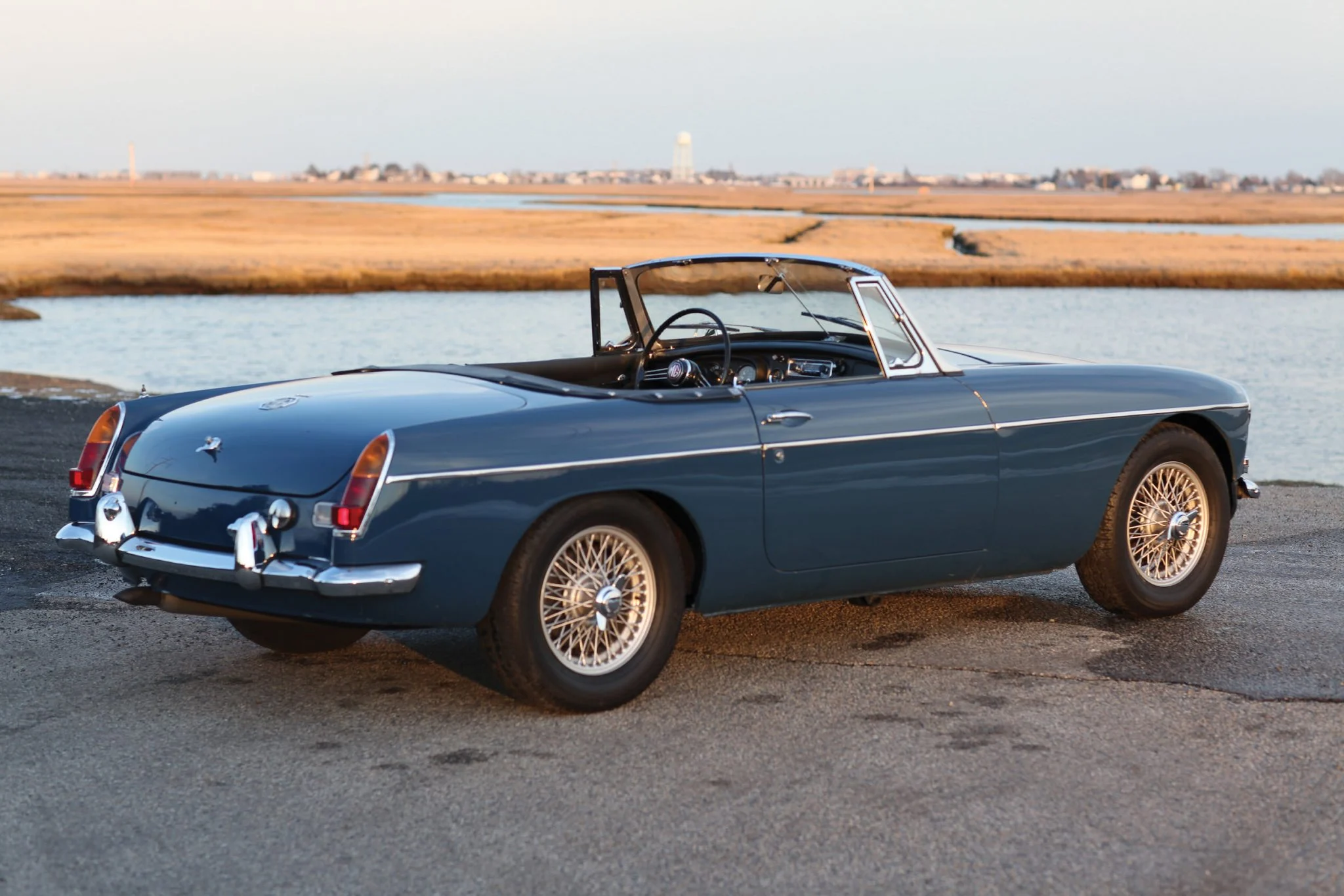
By the early 1960s, the engineers at Abingdon knew they were living on borrowed time. Their beloved MGA, though possessed of a beauty that could stop a heart mid-beat, was a dinosaur beneath its skin, relying on a separate chassis architecture that traced its roots back to the pre-war era. To survive in a world captivated by the technical audacity of the Jaguar E-Type and the impending threat of the Triumph TR4, MG needed a clean-sheet revolution. In September 1962, they delivered it in the form of the MGB Mark I. This wasn’t merely a facelift; it was the birth of the modern sports car for the common man. While the “Mark I”’moniker is a retrospective title used by enthusiasts to distinguish it from the later, synchromesh-heavy Mark II and the safety-mandated rubber-bumper cars, this first generation (1962–1967) represents the MGB in its purest, most delicate form. It arrived to face a diverse field of rivals, from the slightly more agricultural Triumph and the sophisticated Sunbeam Alpine to the nimble, twin-cam Italian exotics from Alfa Romeo, yet it managed to out-sell and out-charm them all.
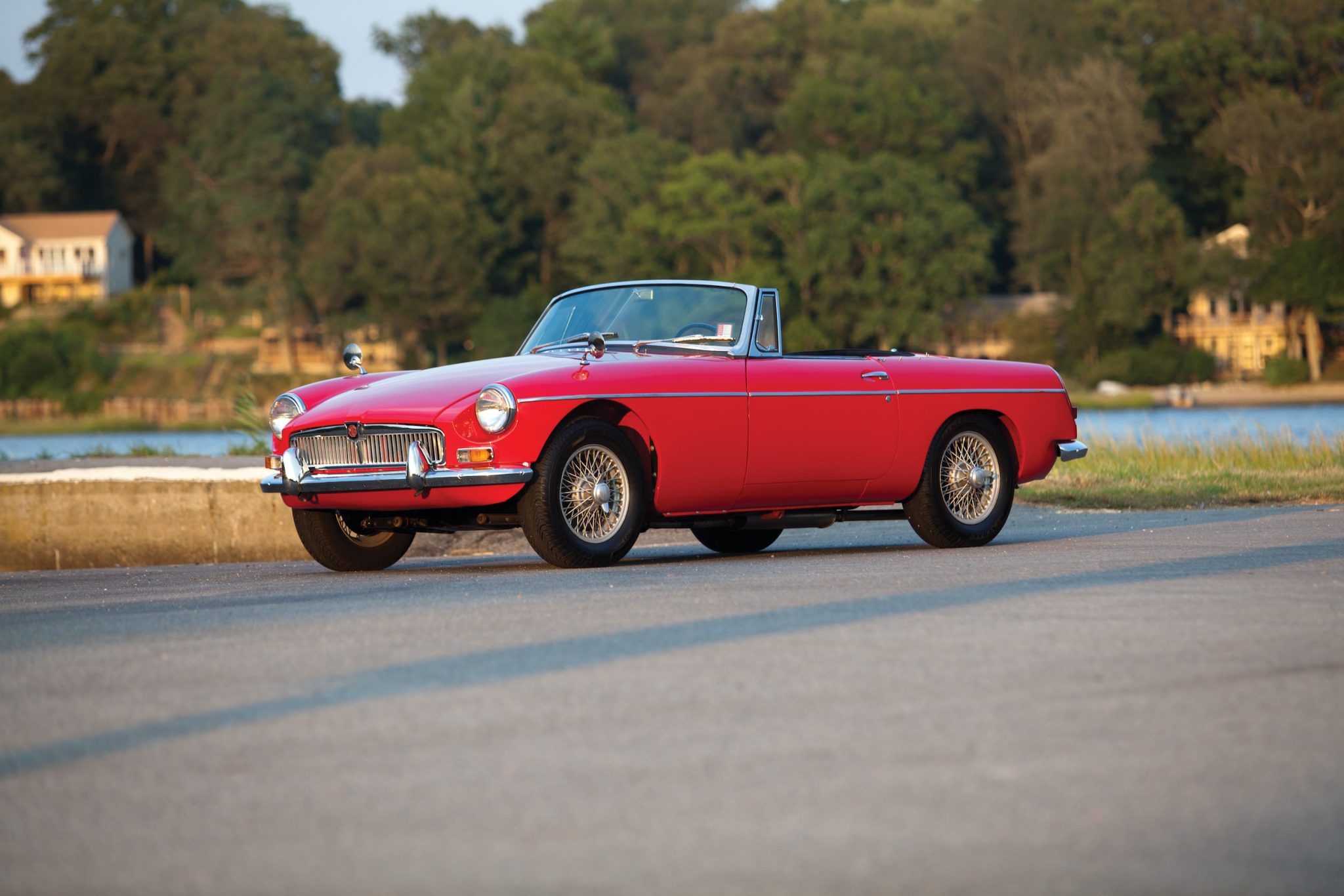
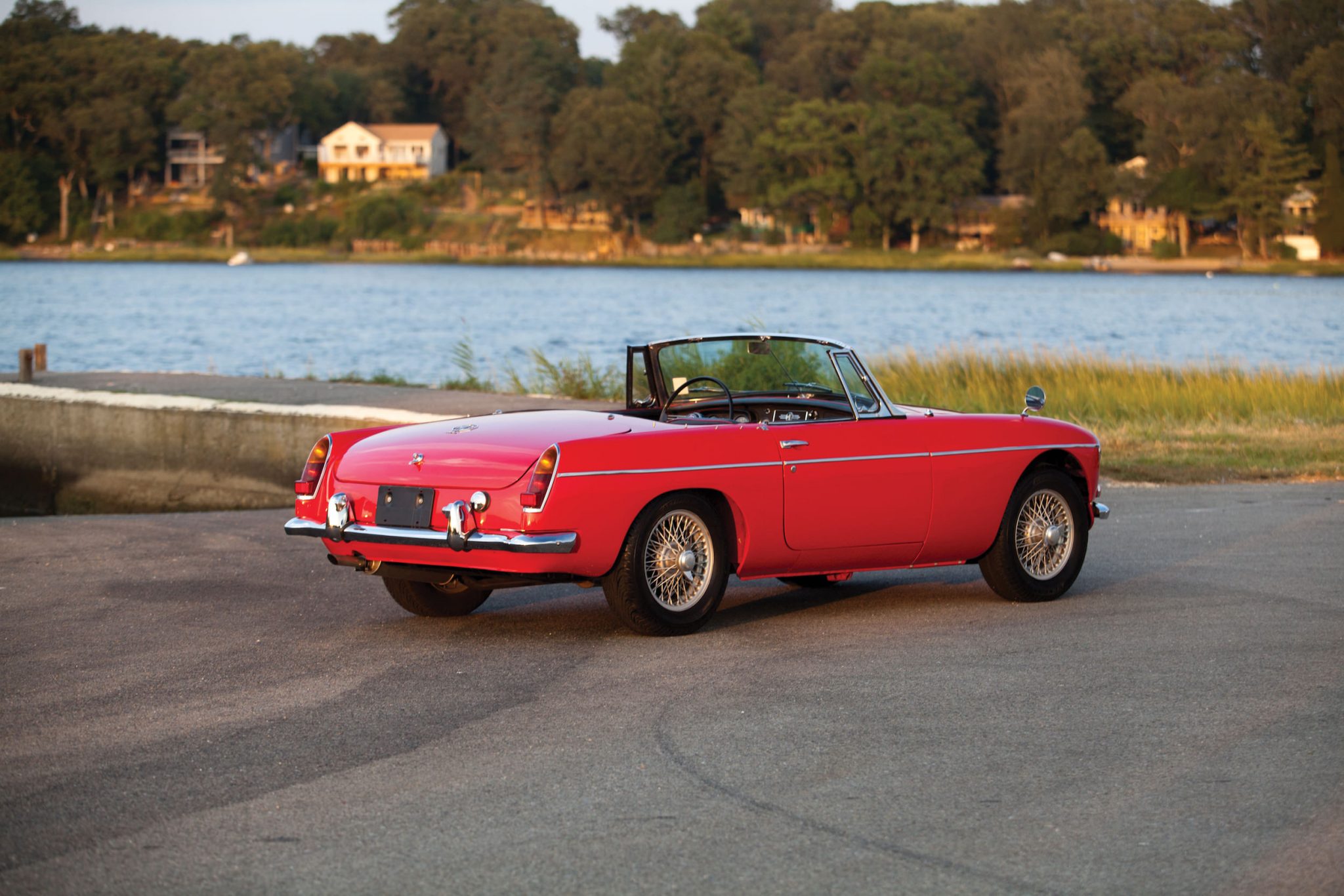
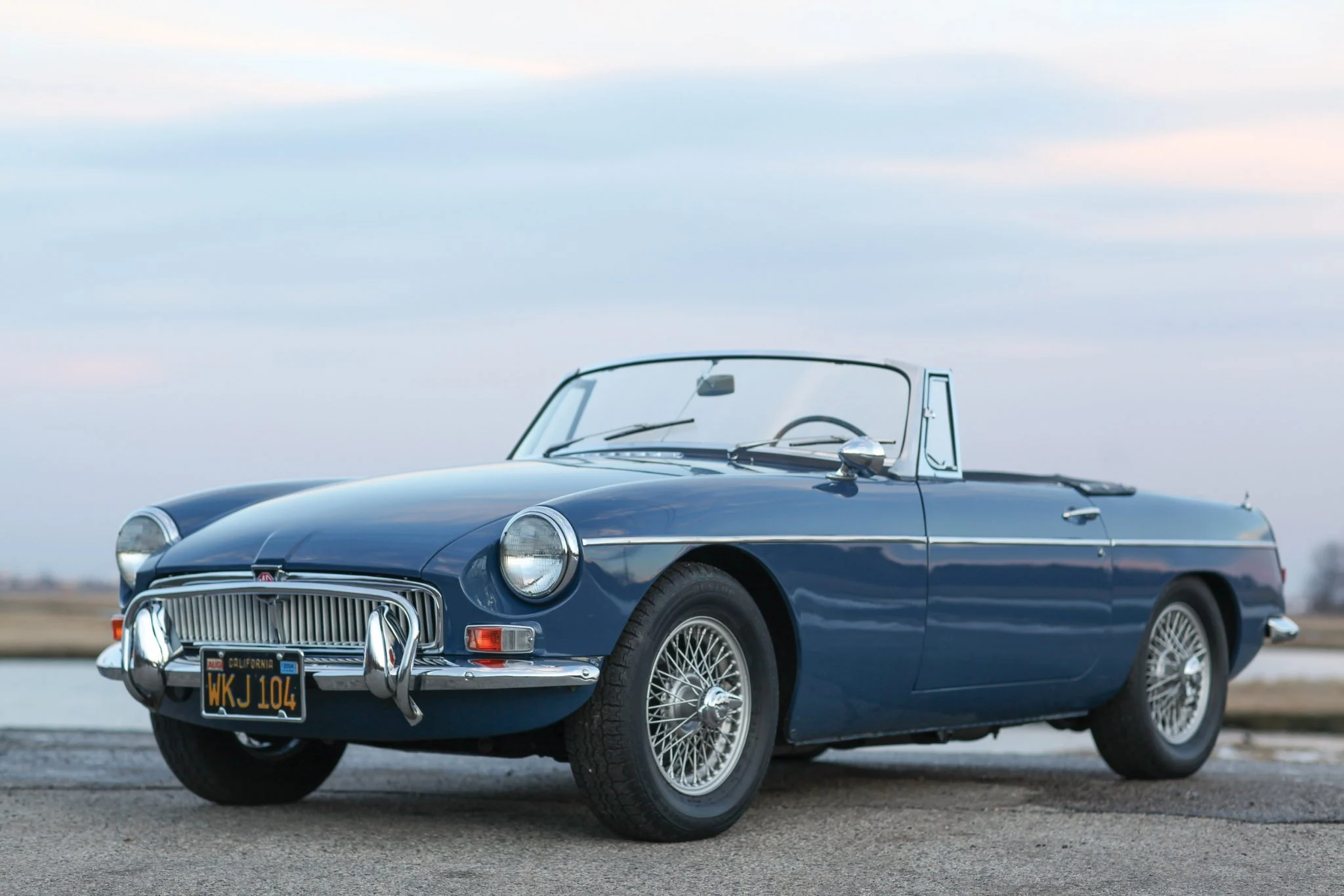
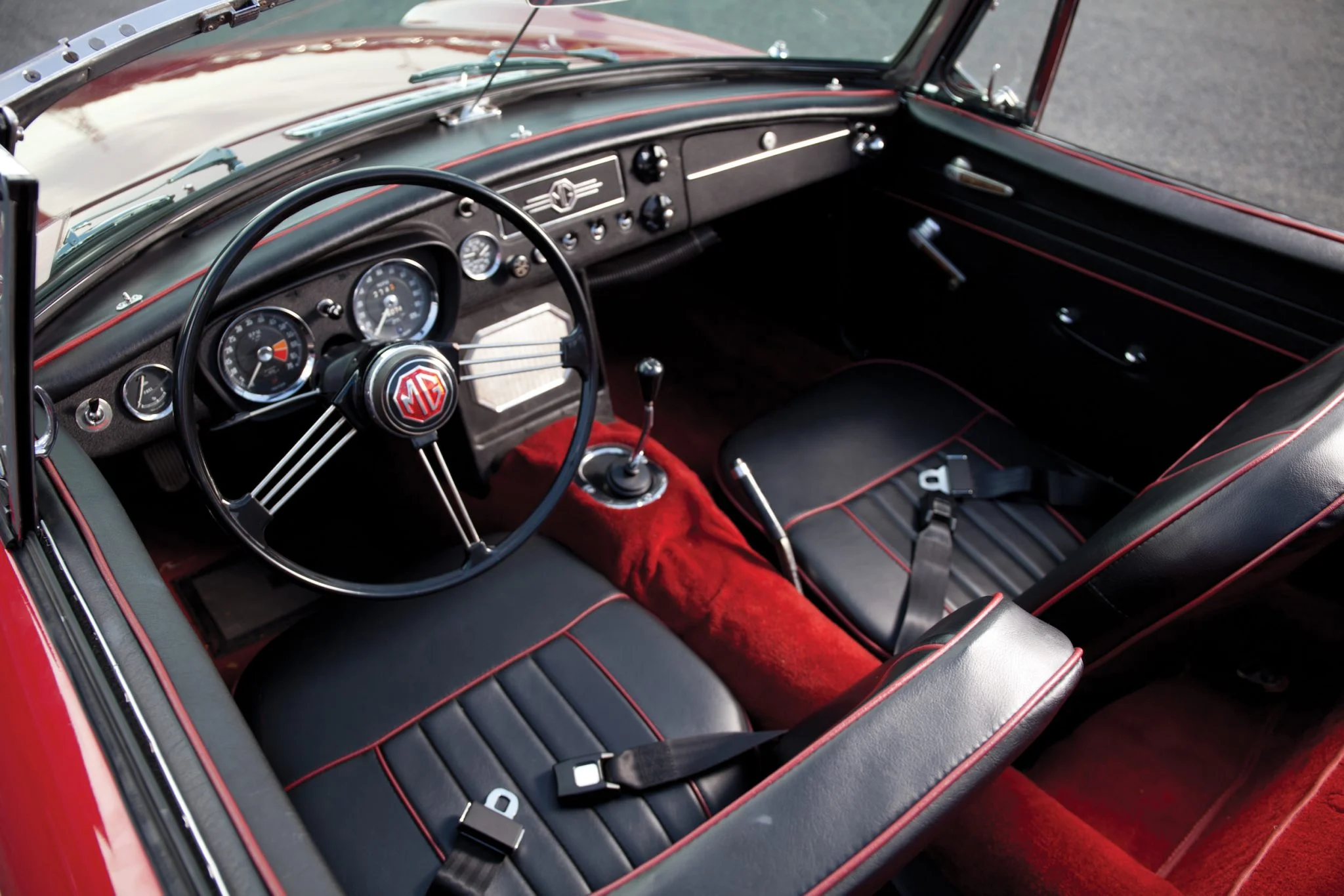
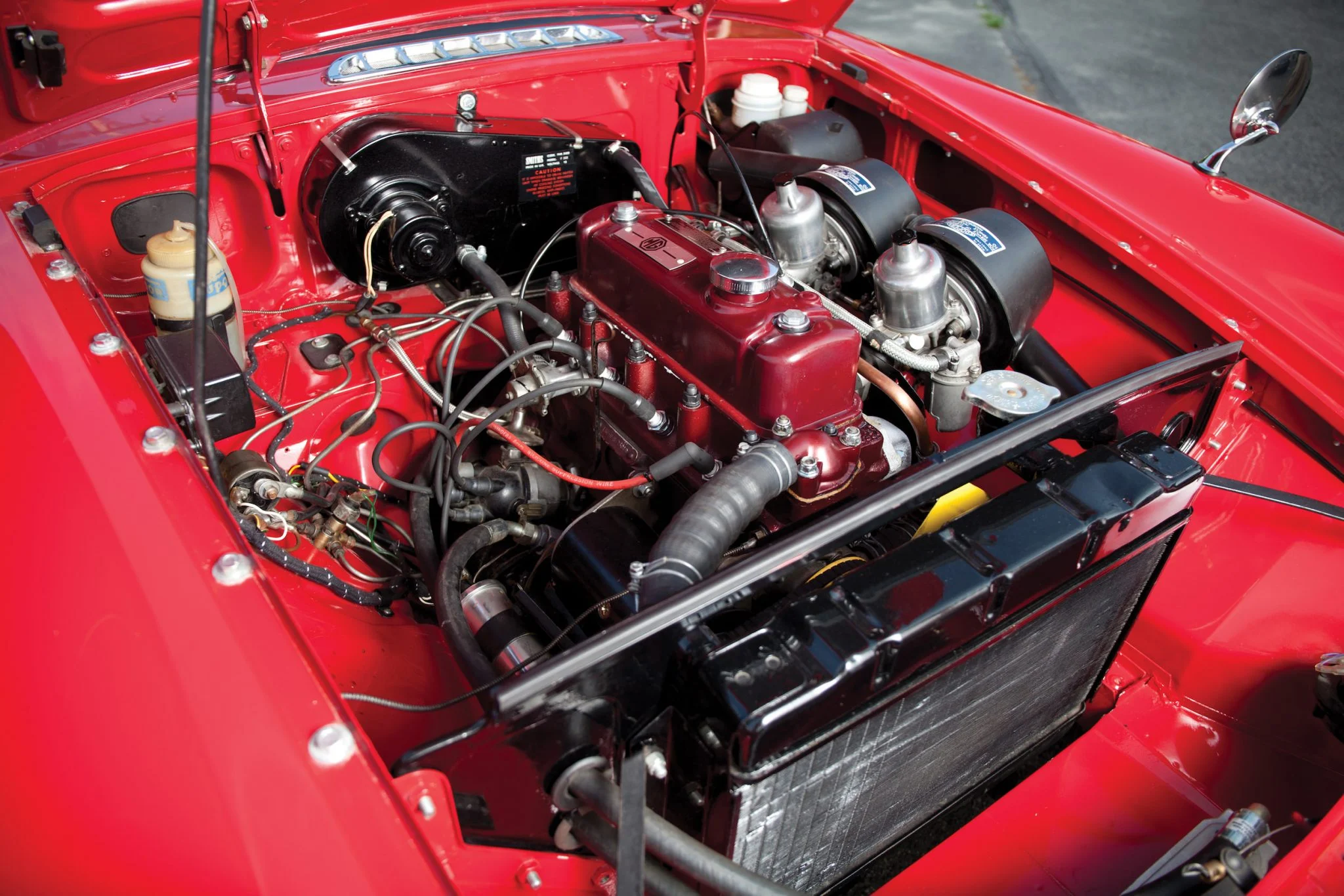
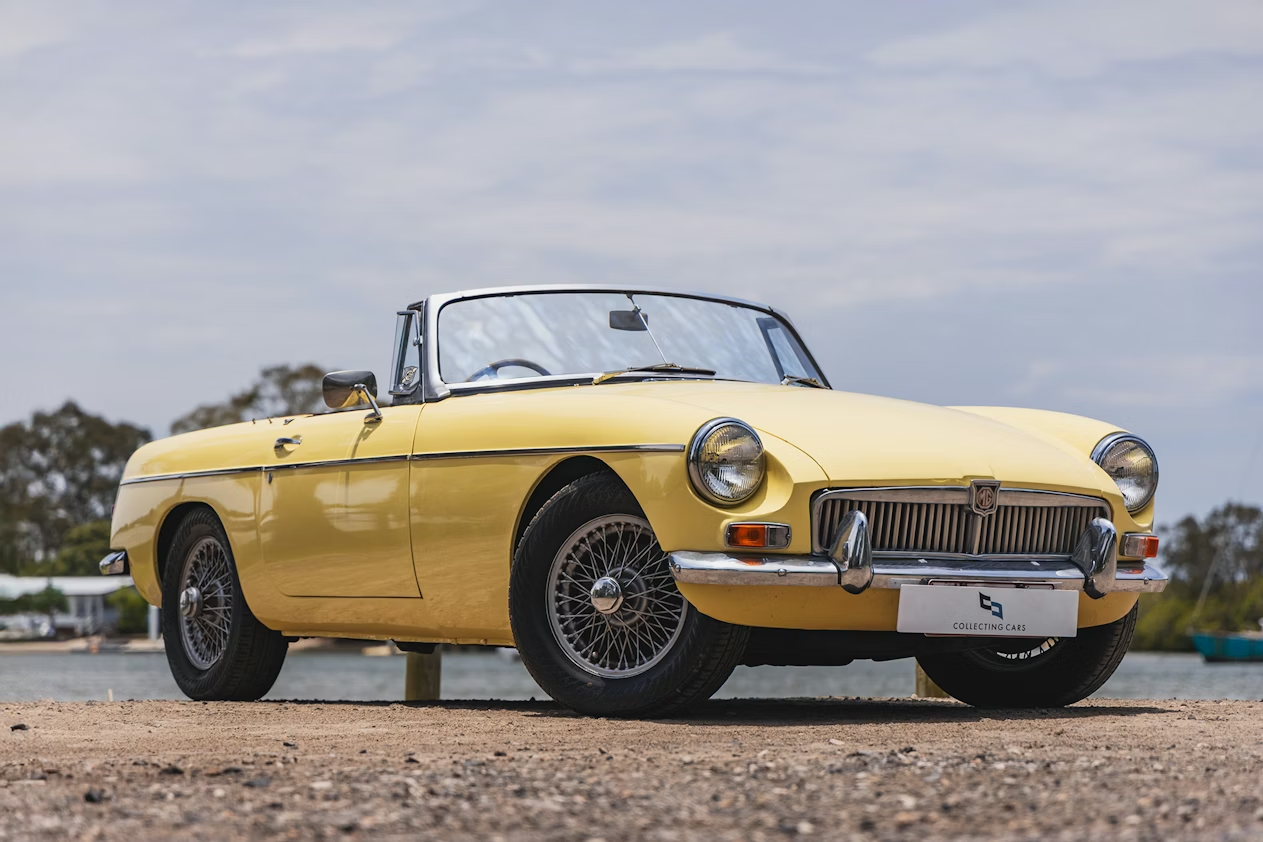
Technically, the MGB Mark I was a masterstroke of pragmatic innovation. The most significant leap was the adoption of a monocoque, or unitary, body structure. This discarded the heavy separate chassis of the MGA, resulting in a significantly stiffer platform that allowed for much larger doors and a far more spacious cockpit. Under the expansive, front-hinged bonnet sat the B-Series engine, bored out to 1,798cc. This iron-block, overhead-valve four-cylinder was the very definition of “unburstable”. Breathing through twin SU HS4 carburetors, it produced a healthy 95 horsepower and a surprisingly flat torque curve that made the MGB an effortless cruiser. Early Mark I cars are famously known as “pull-handle” models due to their dioor hardware, and they featured a three-bearing crankshaft engine, which was later upgraded to a more robust five-main-bearing unit in 1964. The gearbox was a four-speed unit that—true to the era’s purist expectations—lacked synchromesh on first gear, requiring a deft double-declutch that served as a secret handshake among true drivers. The suspension was classic Abingdon: independent at the front with coil springs and wishbones, and a live axle at the rear on semi-elliptic leaf springs. While simple, it was tuned with a brilliance that gave the MGB a predictable, exploitable balance that invited the driver to push harder through every apex.
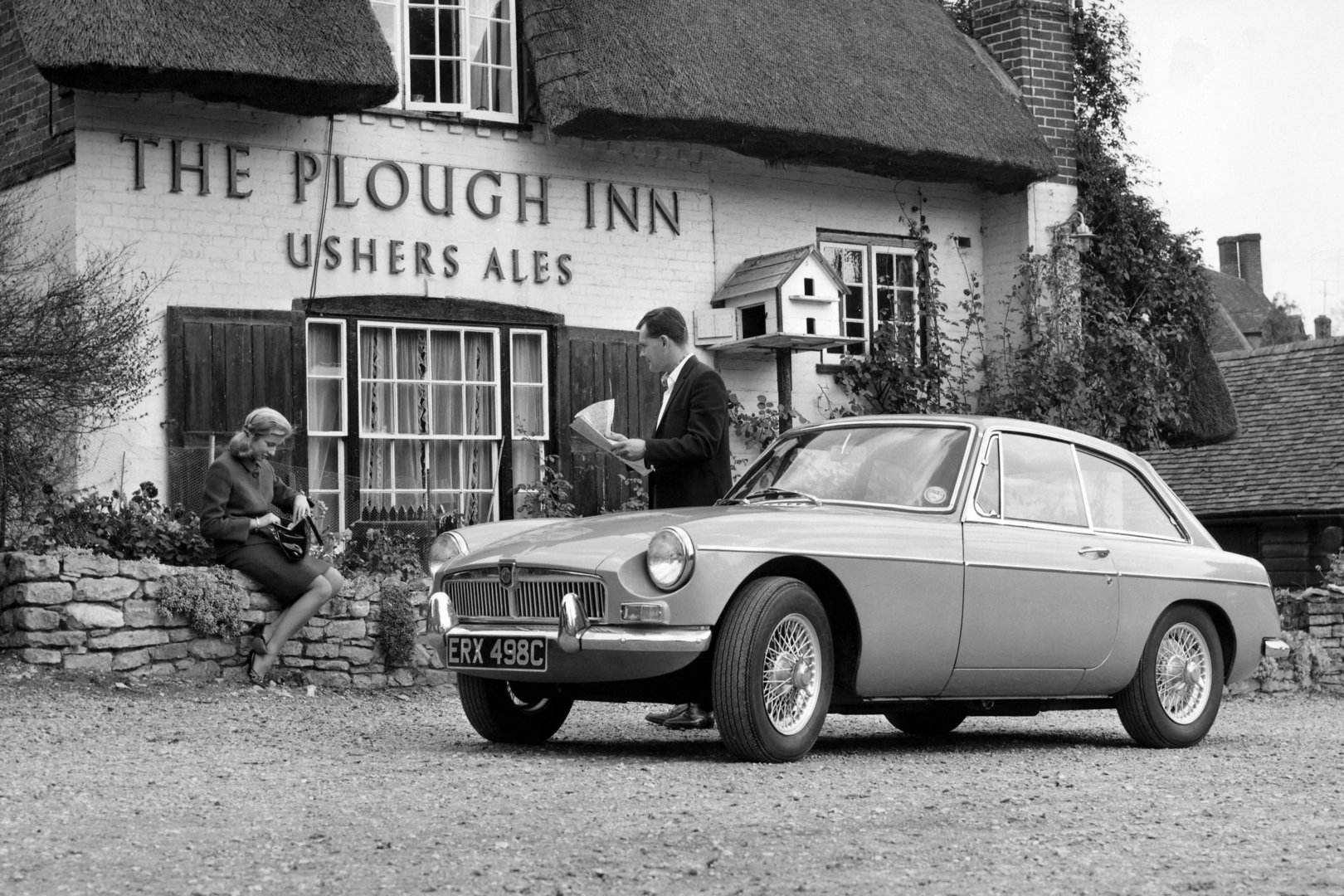
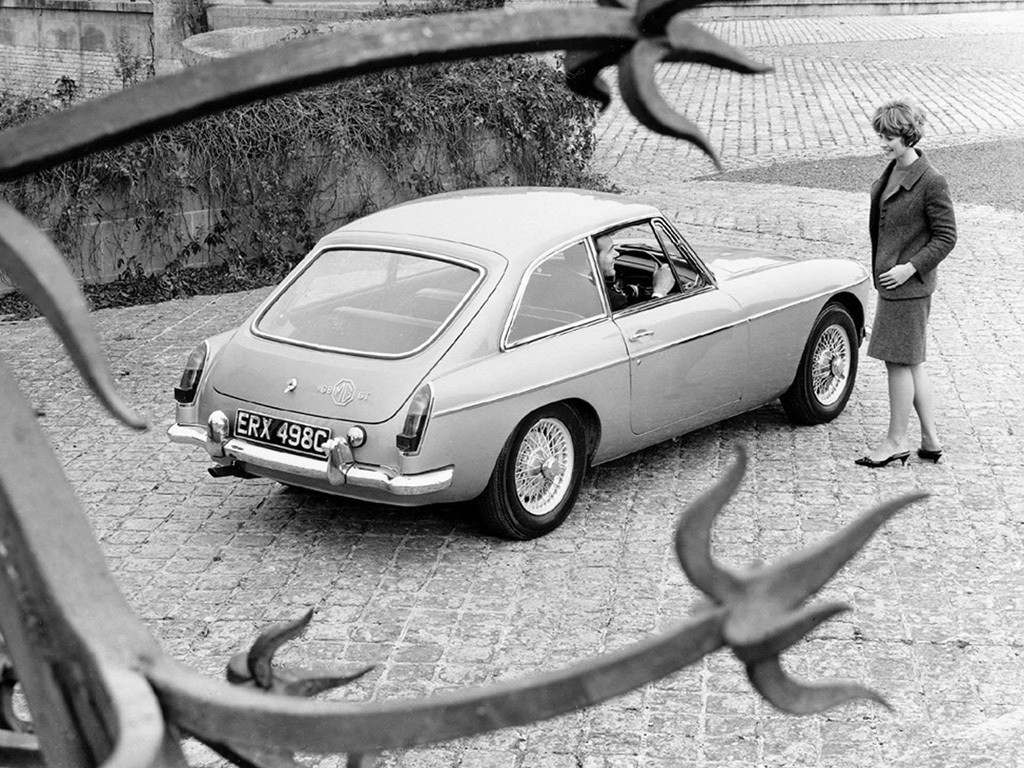
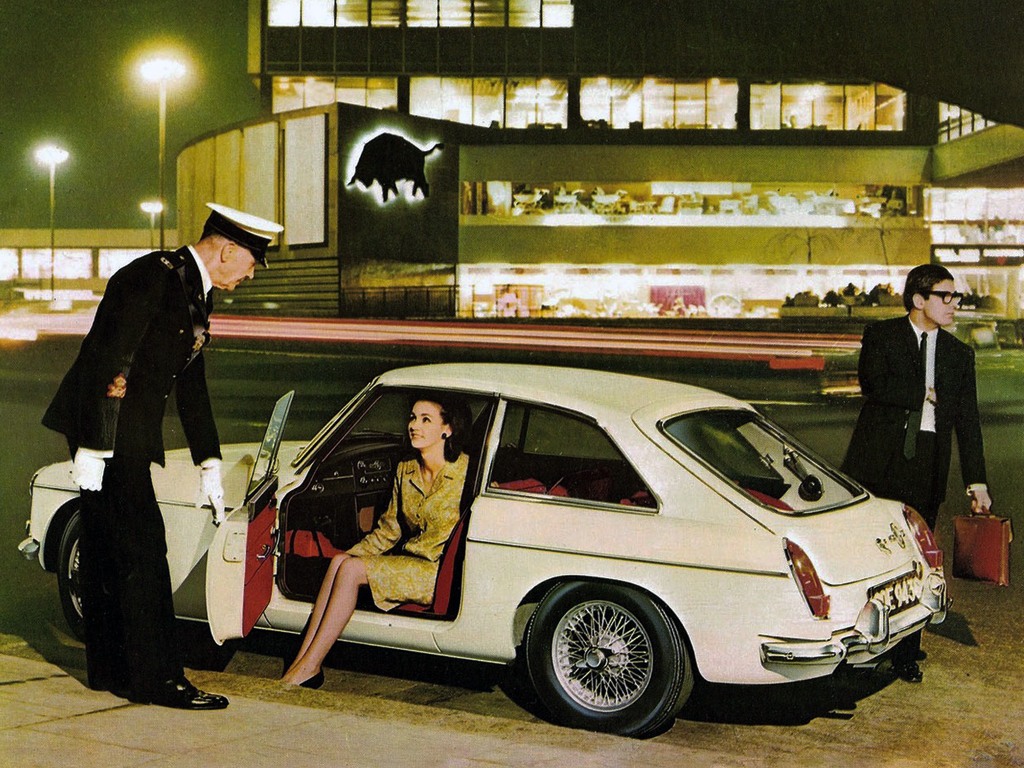
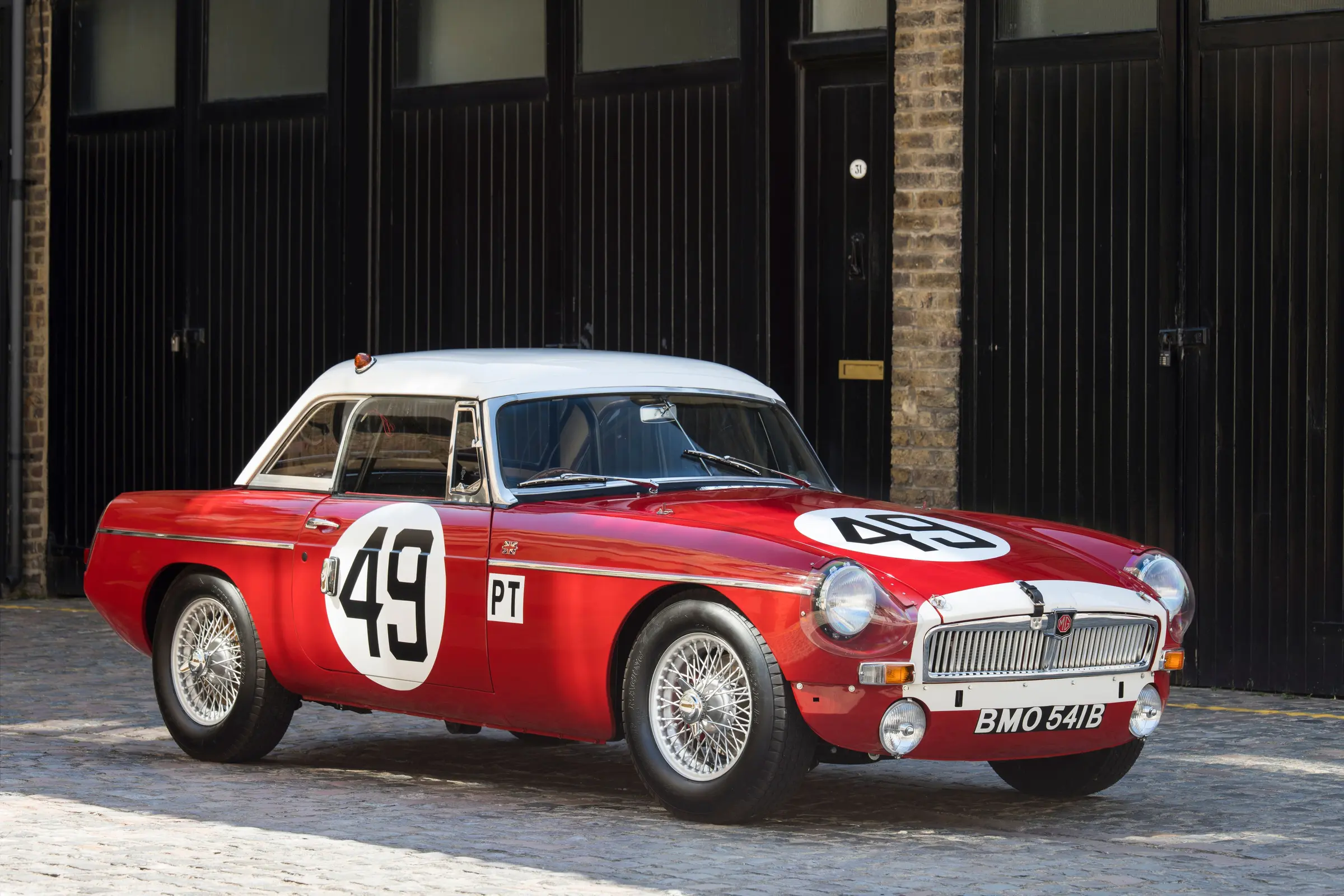
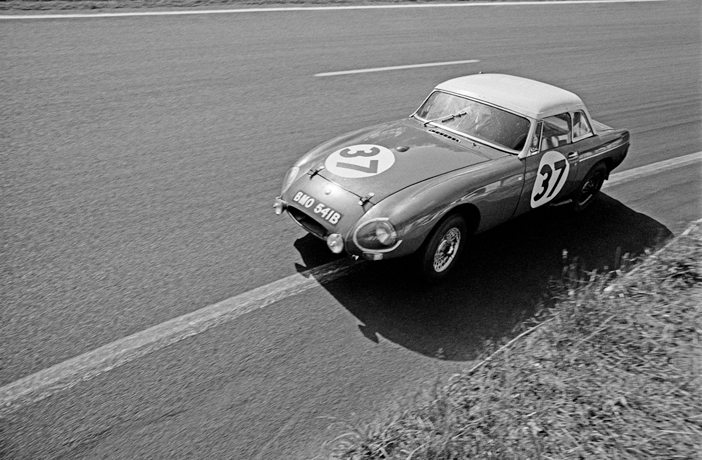
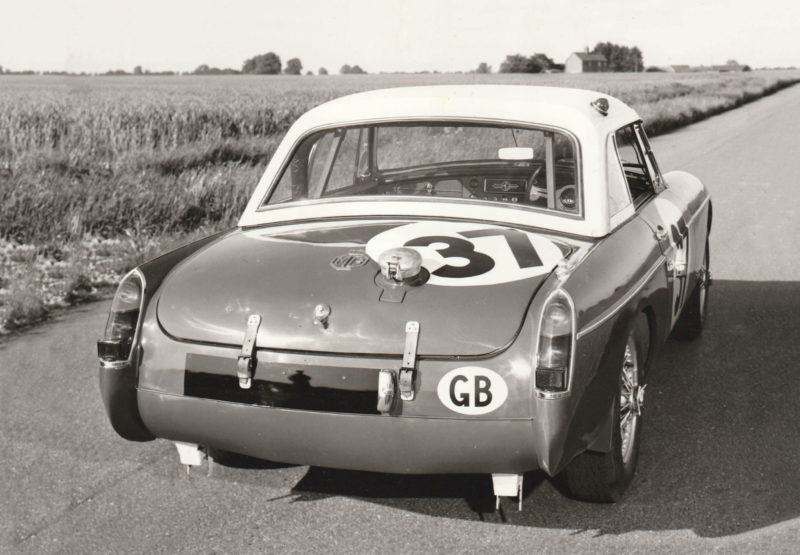
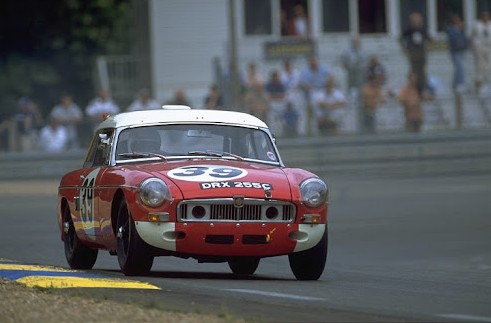
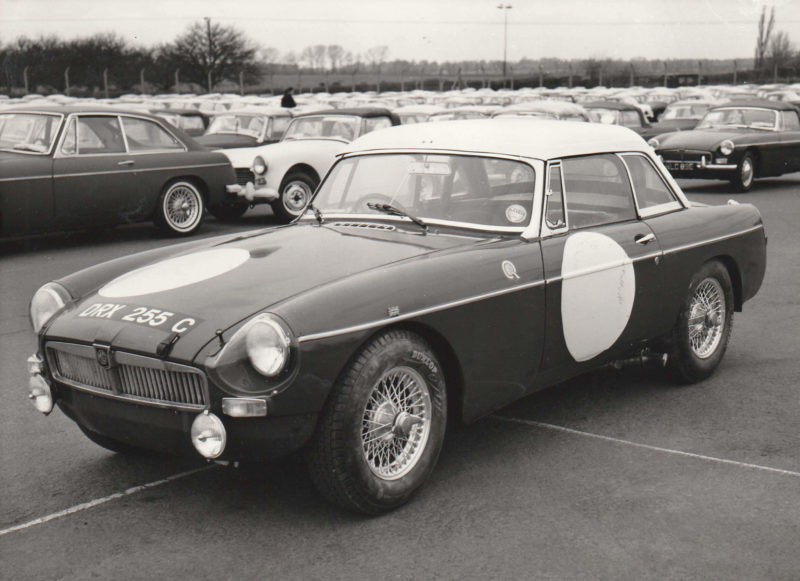
The impact of the Mark I was felt immediately, both on the High Street and the world’s most grueling circuits. Commercially, it was a juggernaut; the United States fell in love with its blend of British “wind-in-the-hair” romance and relative mechanical simplicity. But for the enthusiast, the MGB’s true legend was forged in the heat of competition. The BMC Competitions Department at Abingdon realized that the stiff monocoque and robust B-Series engine made for a formidable endurance racer. In 1964, a works MGB took a staggering class win at the 24 Hours of Le Mans, proving that reliability was a performance metric all its own. In 1966, the MGB achieved a legendary podium finish at the 84-hour Marathon de la Route at the Nürburgring, outlasting almost every exotic European rival. On the street, the Mark I evolved further in 1965 with the introduction of the GT submodel—a stunning “greenhouse” fastback designed by Pininfarina that transformed the roadster into a sophisticated 2+2 grand tourer, arguably one of the most beautiful shapes to ever wear the MG Octagon.
The legacy of the MGB Mark I is foundational to the very concept of the modern roadster. It proved that a sports car could be accessible, structurally rigid, and genuinely practical without losing its soul. When the Mark II replaced it in 1967 with a fully synchronized gearbox and an alternator, the template for the best-selling sports car of all time had already been set in stone. Today, the Mark I remains the most coveted generation among collectors, particularly the early pull-handle examples with their clean, steel dashboards and lack of side-marker lights. It is the definitive British roadster, the car that saved the genre in the 60s and eventually inspired the creation of the Mazda MX-5. It sits in the pantheon of motoring as an honest, hardworking thoroughbred that invited everyone to join the “Safety Fast” club.
Generation Overview
By the early 1960s, the engineers at Abingdon knew they were living on borrowed time. Their beloved MGA, though possessed of a beauty that could stop a heart mid-beat, was a dinosaur beneath its skin, relying on a separate chassis architecture that traced its roots back to the pre-war era. To survive in a world captivated by the technical audacity of the Jaguar E-Type and the impending threat of the Triumph TR4, MG needed a clean-sheet revolution. In September 1962, they delivered it in the form of the MGB Mark I. This wasn’t merely a facelift; it was the birth of the modern sports car for the common man. While the “Mark I”’moniker is a retrospective title used by enthusiasts to distinguish it from the later, synchromesh-heavy Mark II and the safety-mandated rubber-bumper cars, this first generation (1962–1967) represents the MGB in its purest, most delicate form. It arrived to face a diverse field of rivals, from the slightly more agricultural Triumph and the sophisticated Sunbeam Alpine to the nimble, twin-cam Italian exotics from Alfa Romeo, yet it managed to out-sell and out-charm them all.
Technically, the MGB Mark I was a masterstroke of pragmatic innovation. The most significant leap was the adoption of a monocoque, or unitary, body structure. This discarded the heavy separate chassis of the MGA, resulting in a significantly stiffer platform that allowed for much larger doors and a far more spacious cockpit. Under the expansive, front-hinged bonnet sat the B-Series engine, bored out to 1,798cc. This iron-block, overhead-valve four-cylinder was the very definition of “unburstable”. Breathing through twin SU HS4 carburetors, it produced a healthy 95 horsepower and a surprisingly flat torque curve that made the MGB an effortless cruiser. Early Mark I cars are famously known as “pull-handle” models due to their dioor hardware, and they featured a three-bearing crankshaft engine, which was later upgraded to a more robust five-main-bearing unit in 1964. The gearbox was a four-speed unit that—true to the era’s purist expectations—lacked synchromesh on first gear, requiring a deft double-declutch that served as a secret handshake among true drivers. The suspension was classic Abingdon: independent at the front with coil springs and wishbones, and a live axle at the rear on semi-elliptic leaf springs. While simple, it was tuned with a brilliance that gave the MGB a predictable, exploitable balance that invited the driver to push harder through every apex.
The impact of the Mark I was felt immediately, both on the High Street and the world’s most grueling circuits. Commercially, it was a juggernaut; the United States fell in love with its blend of British “wind-in-the-hair” romance and relative mechanical simplicity. But for the enthusiast, the MGB’s true legend was forged in the heat of competition. The BMC Competitions Department at Abingdon realized that the stiff monocoque and robust B-Series engine made for a formidable endurance racer. In 1964, a works MGB took a staggering class win at the 24 Hours of Le Mans, proving that reliability was a performance metric all its own. In 1966, the MGB achieved a legendary podium finish at the 84-hour Marathon de la Route at the Nürburgring, outlasting almost every exotic European rival. On the street, the Mark I evolved further in 1965 with the introduction of the GT submodel—a stunning “greenhouse” fastback designed by Pininfarina that transformed the roadster into a sophisticated 2+2 grand tourer, arguably one of the most beautiful shapes to ever wear the MG Octagon.
The legacy of the MGB Mark I is foundational to the very concept of the modern roadster. It proved that a sports car could be accessible, structurally rigid, and genuinely practical without losing its soul. When the Mark II replaced it in 1967 with a fully synchronized gearbox and an alternator, the template for the best-selling sports car of all time had already been set in stone. Today, the Mark I remains the most coveted generation among collectors, particularly the early pull-handle examples with their clean, steel dashboards and lack of side-marker lights. It is the definitive British roadster, the car that saved the genre in the 60s and eventually inspired the creation of the Mazda MX-5. It sits in the pantheon of motoring as an honest, hardworking thoroughbred that invited everyone to join the “Safety Fast” club.
Submodels