

MG MGB Roadster
Brand
Produced from
Portal
Vehicle category
Model line
Model generation
Predecessor
Sucessor
About this submodel
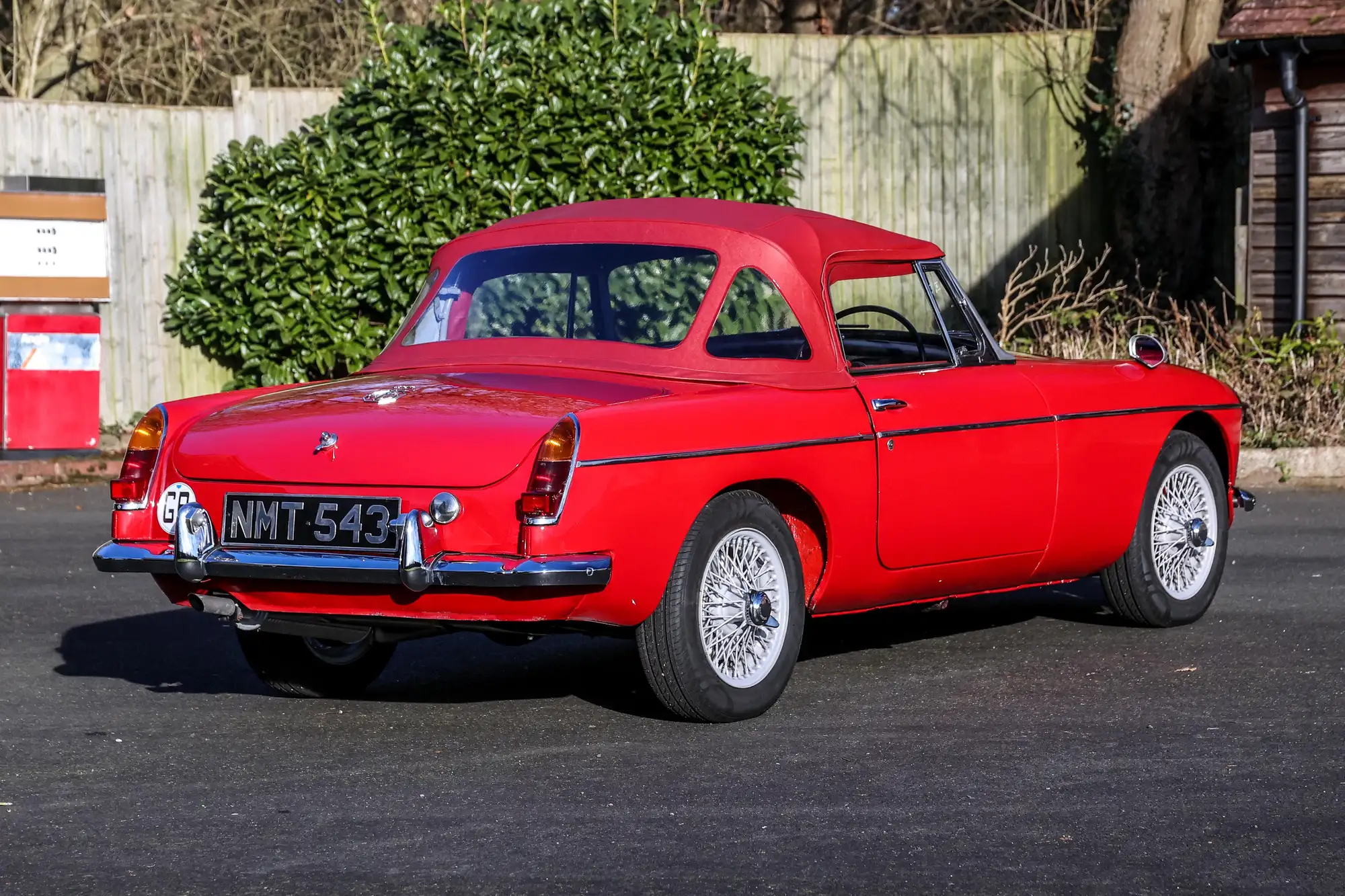
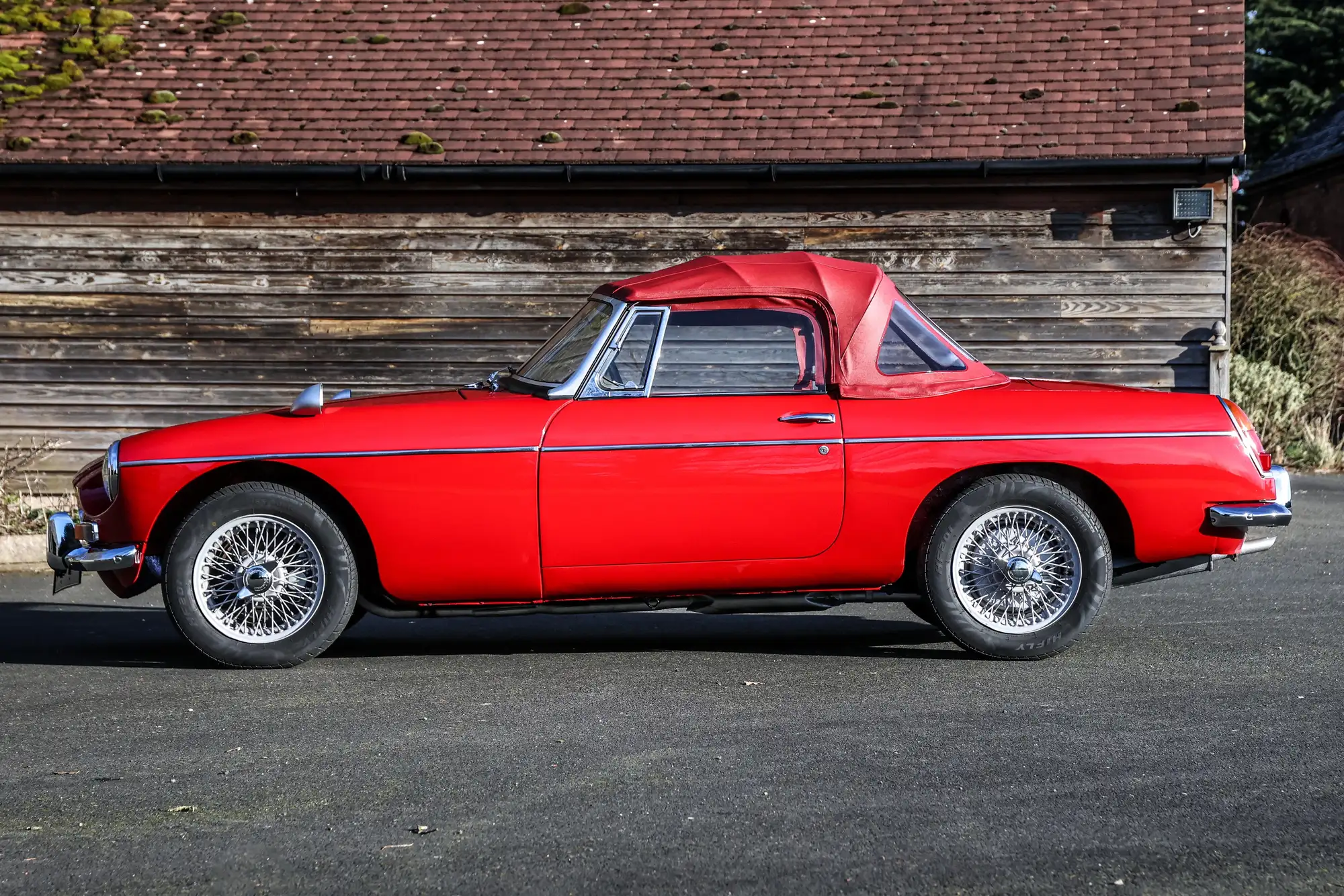
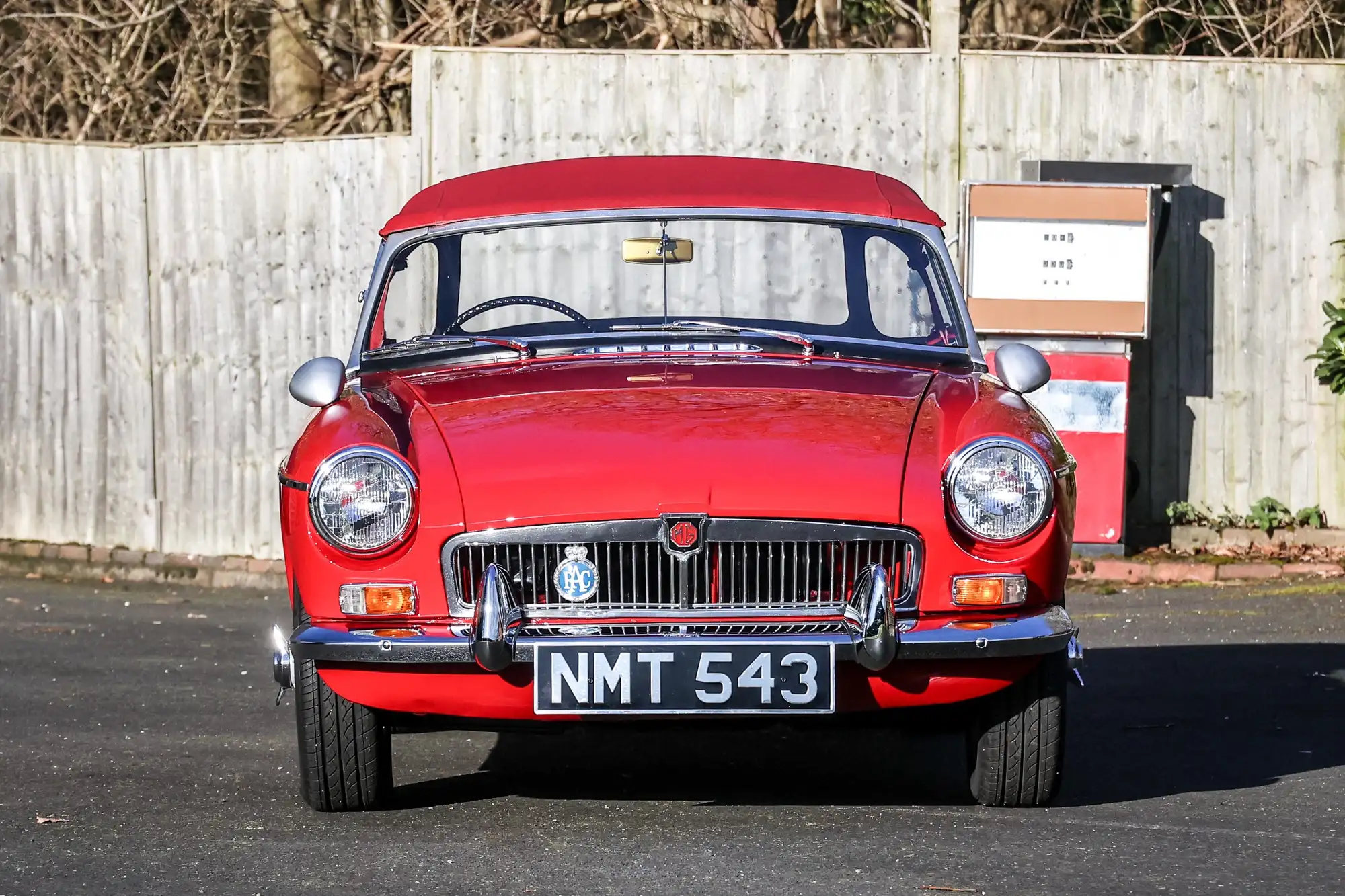
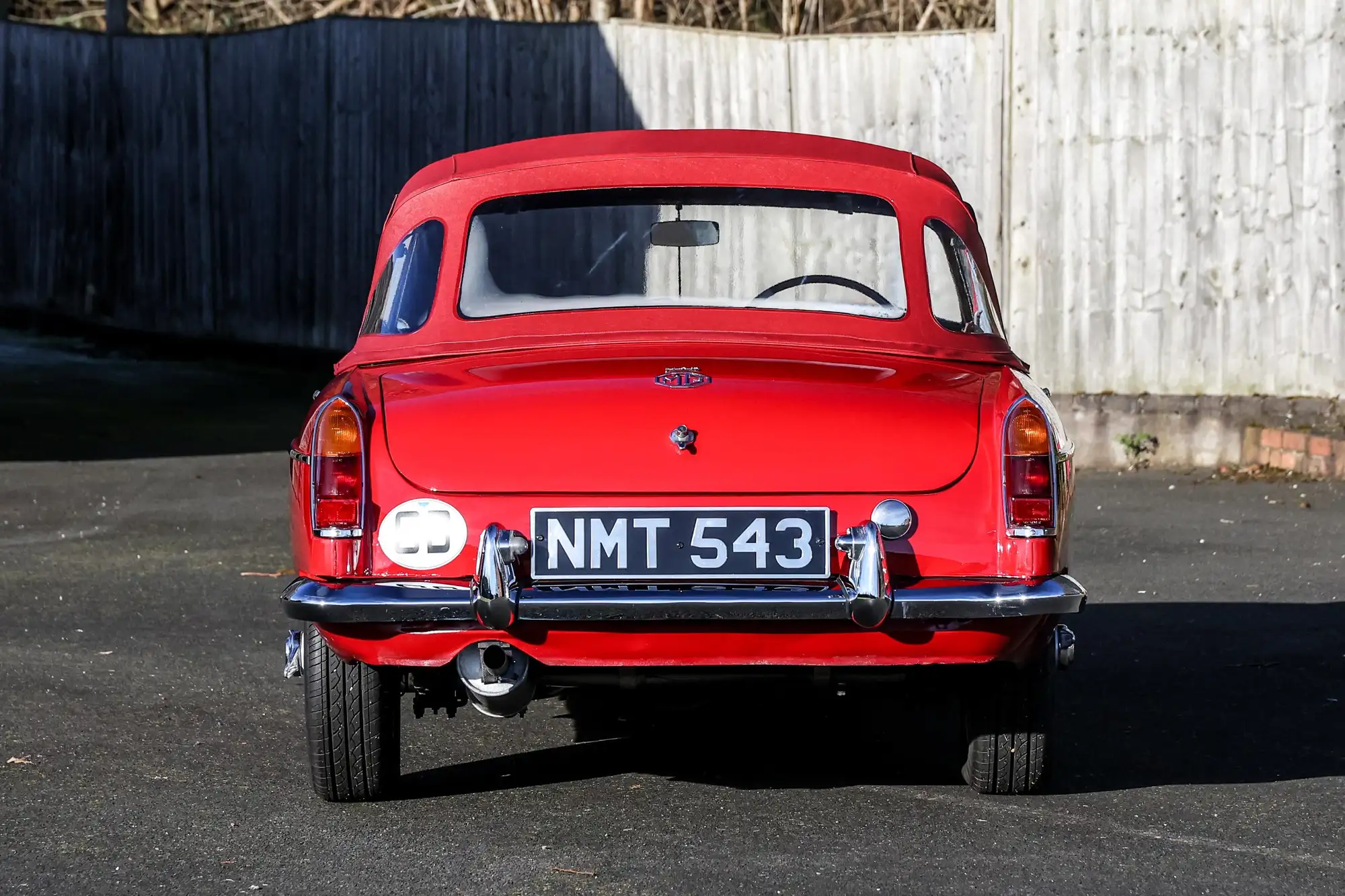
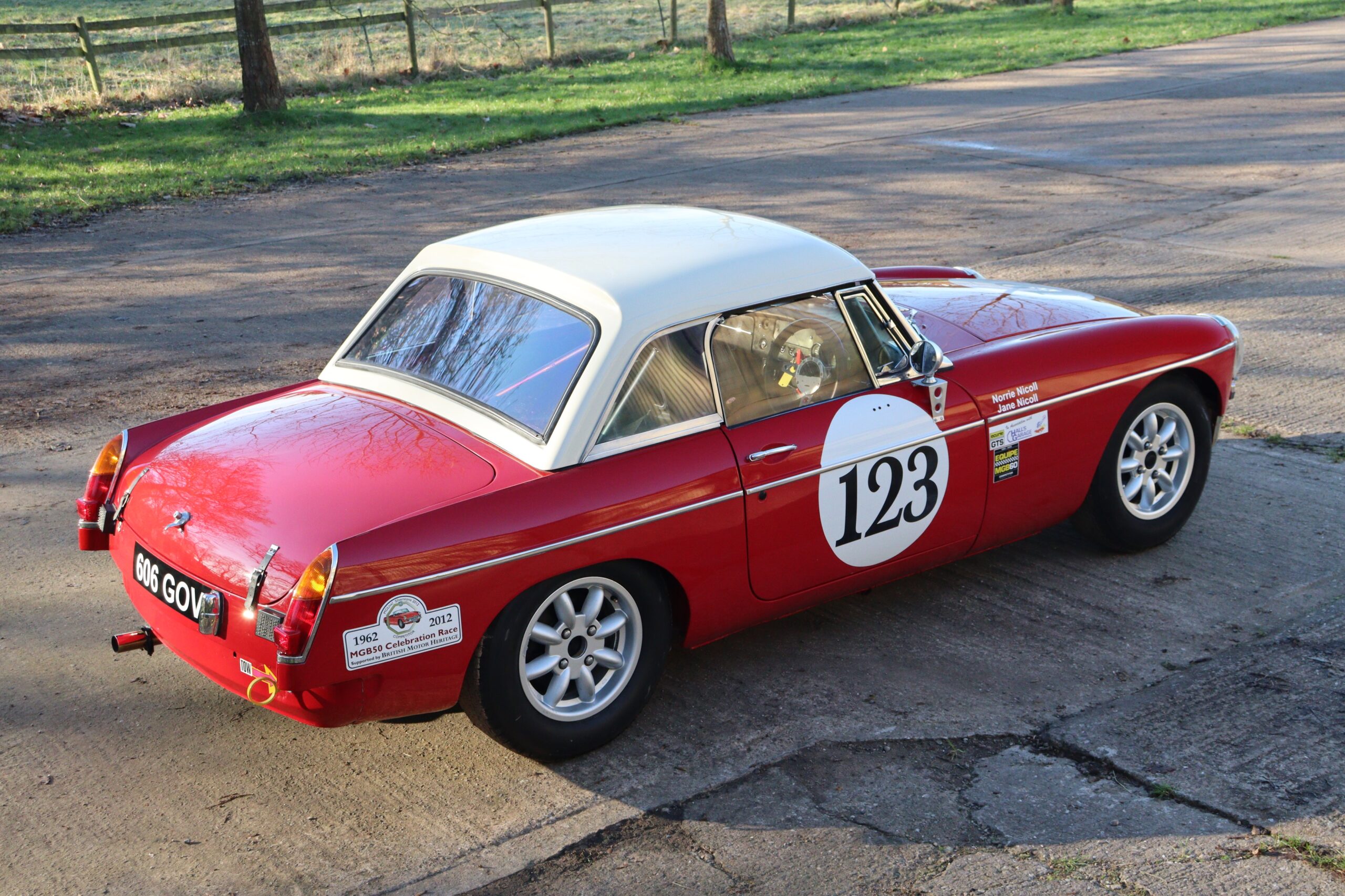
In the autumn of 1962, the air at the Earls Court Motor Show was thick with a sense of impending change. While the Jaguar E-Type had already stolen the world’s breath a year prior, the real revolution for the everyman was brewing at the MG stand. The aging MGA, a car of sublime curves but archaic body-on-frame construction, had reached the end of its evolutionary line. Its successor, the 1962 MG MGB Roadster Mark I, arrived not as a mere update, but as a bold manifesto for the modern era. In an age where the Triumph TR4 offered more muscle and the Sunbeam Alpine more luxury, the MGB struck a balance so perfect it would remain the world’s best-selling sports car for nearly two decades. It was the car that brought monocoque rigidity and genuine usability to the masses, successfully bridging the gap between the spartan post-war roadsters and the more sophisticated GTs of the late sixties.
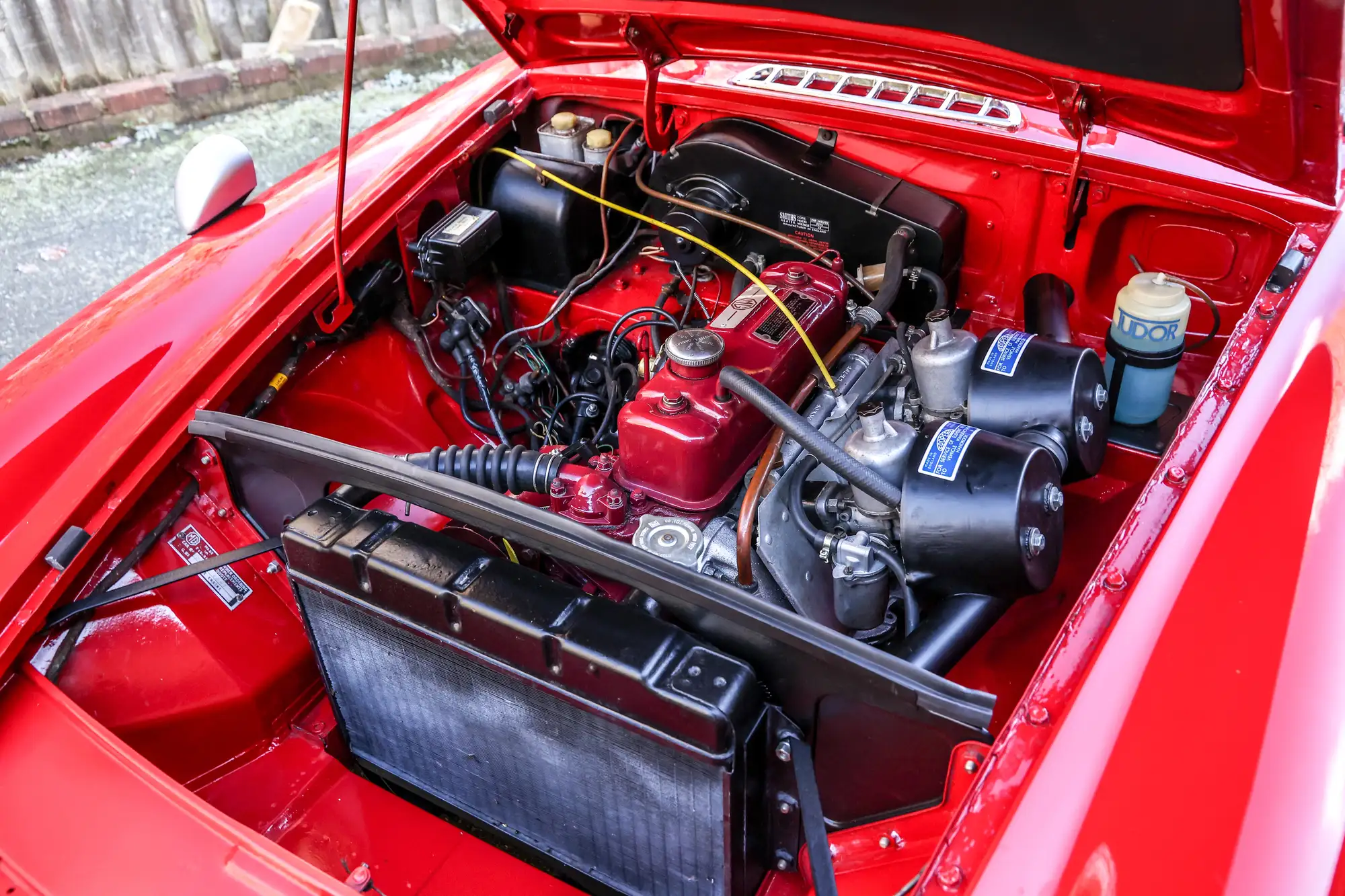
To understand the Mark I is to appreciate the brilliance of its unitary construction. By ditching the traditional separate chassis, Abingdon’s engineers—led by the likes of Syd Enever and Don Hayter—created a car that was structurally superior and significantly more spacious than its predecessor. The styling was a masterclass in restrained elegance. The early Mark I is most famously identified by its “pull-handle” door openers and its clean, uncluttered flanks, free from the side markers and chunky trim that would later clutter its silhouette. Under the hood sat the now-legendary B-Series engine, initially in its three-main-bearing, 1,798cc form. This iron-block heart, fed by twin SU HS4 carburettors, was an exercise in “unburstable” reliability. With 95 horsepower on tap, it wasn’t a speed demon, but its torquey delivery and rhythmic exhaust note made it a joy to hustle through a series of B-road bends. The four-speed manual gearbox, which famously lacked synchromesh on first gear in these early models, demanded a driver’s touch—a double-declutch that served as a secret handshake among the motoring cognoscenti.
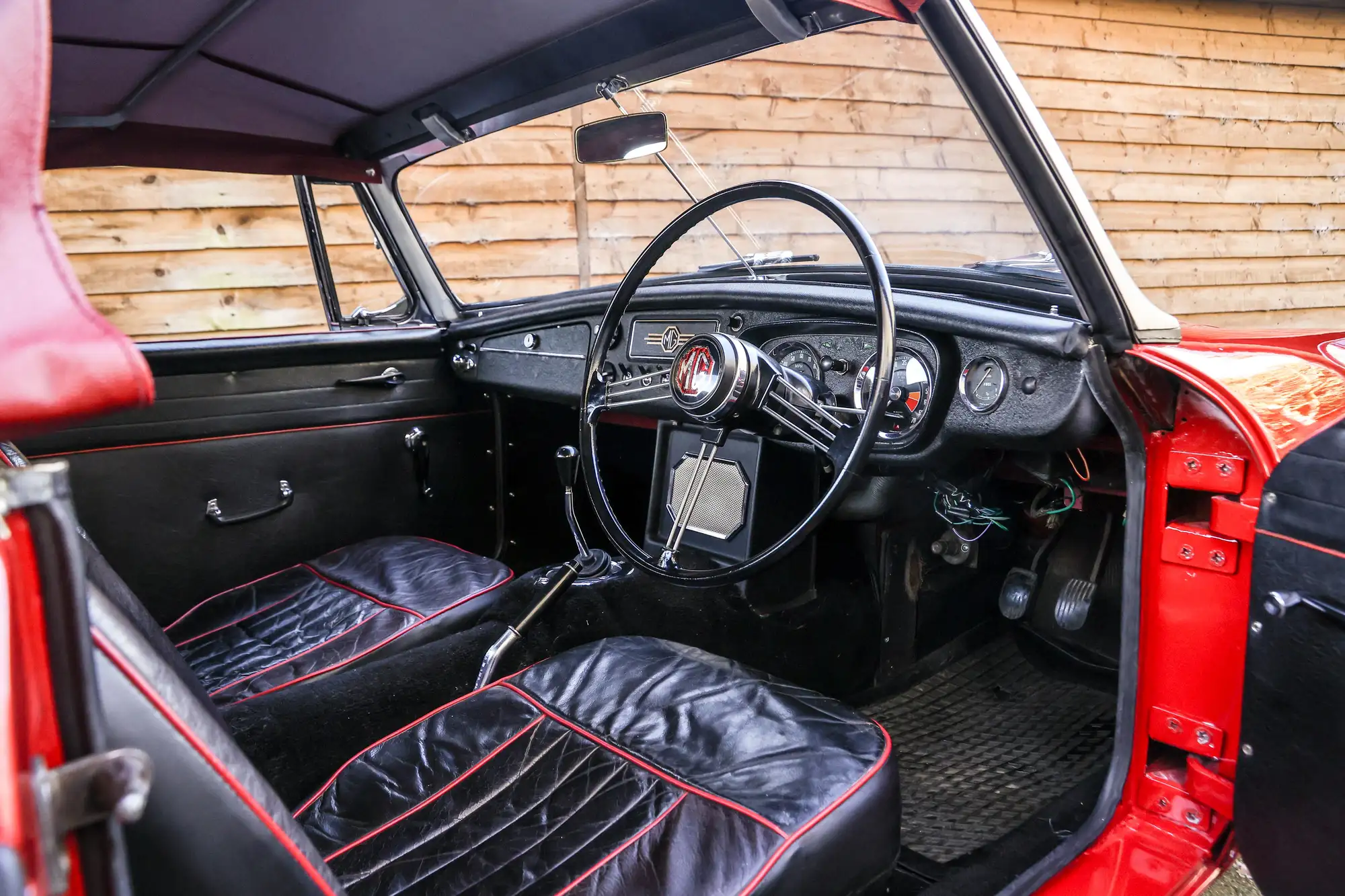
Inside, the Mark I was a revelation of ergonomics compared to the cramped MGA. The metal dashboard, painted in a crinkle-finish black, housed a beautiful array of Smiths gauges that glowed with a warm, amber hue during night drives. It offered wind-up windows and a level of weather protection that made cross-continental touring a viable reality rather than a heroic ordeal. Mechanically, it remained traditional where it mattered: front disc brakes were standard, a necessary addition for a car capable of a genuine 100 mph, while the rack-and-pinion steering provided a level of tactile feedback that modern electronically assisted racks can only dream of mimicking. It was a car that felt connected to the road, transmitting every ripple and texture through the thin-rimmed steering wheel directly to the driver’s palms.
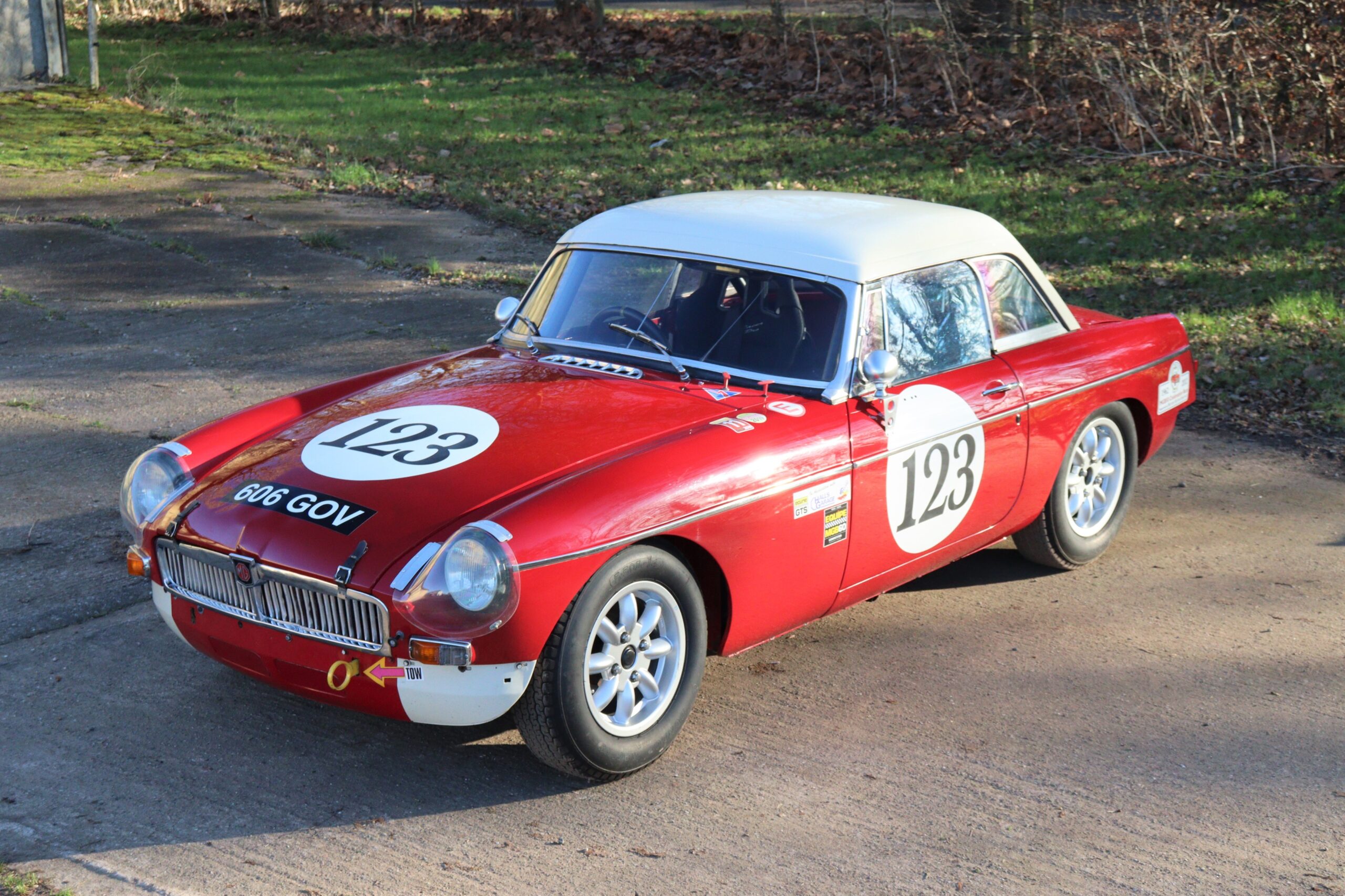
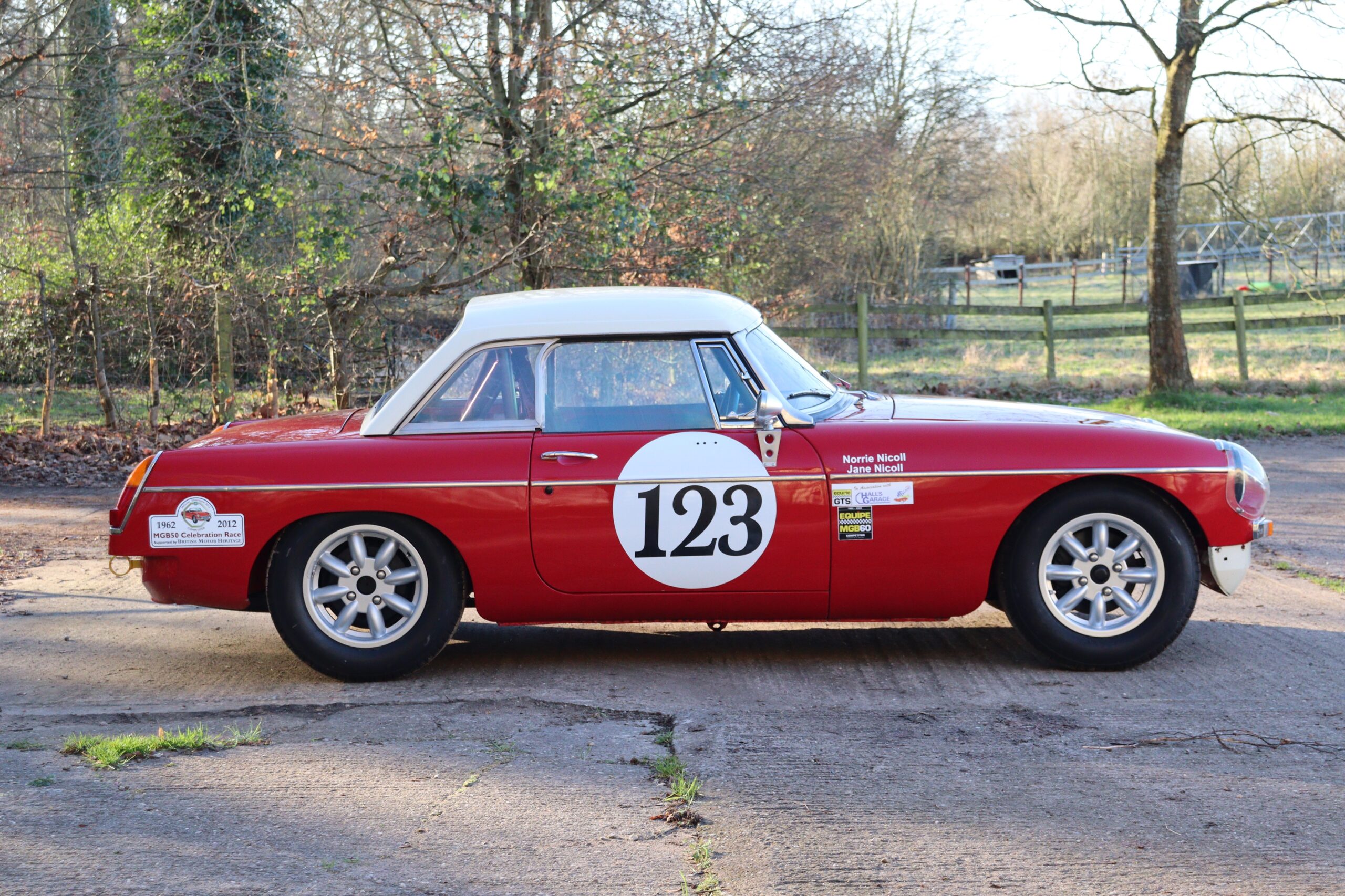
The historical impact of the 1962 Roadster was immediate and global. While it found great success in the UK, it was the North American market that truly fell under its spell, cementing the image of the British roadster as the ultimate symbol of freedom and youthful exuberance. But the MGB’s story wasn’t just written on sunny coastal highways; it was forged in the heat of competition. In 1963, a lightly modified MGB Roadster took a stunning class win at the Monte Carlo Rally, proving that its new monocoque chassis could handle the most punishing conditions imaginable. Later that same year, at the 24 Hours of Le Mans, the works MGBs showed the world that British reliability could outlast high-strung Italian exotics. These early racing successes gave the Mark I a “giant-killer” reputation that endeared it to privateers across the globe.
As the Mark I transitioned into the Mark II in 1967, it left behind a legacy that is nothing short of foundational. Today, the 1962 “pull-handle” Roadster is the most coveted of all MGBs by collectors, prized for its purity of line and its mechanical honesty. It represents a moment in time when the British motor industry was at its zenith—innovative, stylish, and utterly dominant in the hearts of enthusiasts. It didn’t just replace the MGA; it set a template for the modern sports car that influenced everything from the Alfa Romeo Spider to the Mazda MX-5. To drive a Mark I Roadster today is to step back into that golden autumn of 1962, where the road ahead was open, the V12s were for the elite, but the “Octagon” badge offered the rest of us a seat at the table.
Brand
Produced from
Portal
Vehicle category
Model line
Model generation
Predecessor
Sucessor
Brand
Produced from
Portal
Vehicle category
Model line
Model generation
Predecessor
Sucessor
About this submodel
In the autumn of 1962, the air at the Earls Court Motor Show was thick with a sense of impending change. While the Jaguar E-Type had already stolen the world’s breath a year prior, the real revolution for the everyman was brewing at the MG stand. The aging MGA, a car of sublime curves but archaic body-on-frame construction, had reached the end of its evolutionary line. Its successor, the 1962 MG MGB Roadster Mark I, arrived not as a mere update, but as a bold manifesto for the modern era. In an age where the Triumph TR4 offered more muscle and the Sunbeam Alpine more luxury, the MGB struck a balance so perfect it would remain the world’s best-selling sports car for nearly two decades. It was the car that brought monocoque rigidity and genuine usability to the masses, successfully bridging the gap between the spartan post-war roadsters and the more sophisticated GTs of the late sixties.
To understand the Mark I is to appreciate the brilliance of its unitary construction. By ditching the traditional separate chassis, Abingdon’s engineers—led by the likes of Syd Enever and Don Hayter—created a car that was structurally superior and significantly more spacious than its predecessor. The styling was a masterclass in restrained elegance. The early Mark I is most famously identified by its “pull-handle” door openers and its clean, uncluttered flanks, free from the side markers and chunky trim that would later clutter its silhouette. Under the hood sat the now-legendary B-Series engine, initially in its three-main-bearing, 1,798cc form. This iron-block heart, fed by twin SU HS4 carburettors, was an exercise in “unburstable” reliability. With 95 horsepower on tap, it wasn’t a speed demon, but its torquey delivery and rhythmic exhaust note made it a joy to hustle through a series of B-road bends. The four-speed manual gearbox, which famously lacked synchromesh on first gear in these early models, demanded a driver’s touch—a double-declutch that served as a secret handshake among the motoring cognoscenti.
Inside, the Mark I was a revelation of ergonomics compared to the cramped MGA. The metal dashboard, painted in a crinkle-finish black, housed a beautiful array of Smiths gauges that glowed with a warm, amber hue during night drives. It offered wind-up windows and a level of weather protection that made cross-continental touring a viable reality rather than a heroic ordeal. Mechanically, it remained traditional where it mattered: front disc brakes were standard, a necessary addition for a car capable of a genuine 100 mph, while the rack-and-pinion steering provided a level of tactile feedback that modern electronically assisted racks can only dream of mimicking. It was a car that felt connected to the road, transmitting every ripple and texture through the thin-rimmed steering wheel directly to the driver’s palms.
The historical impact of the 1962 Roadster was immediate and global. While it found great success in the UK, it was the North American market that truly fell under its spell, cementing the image of the British roadster as the ultimate symbol of freedom and youthful exuberance. But the MGB’s story wasn’t just written on sunny coastal highways; it was forged in the heat of competition. In 1963, a lightly modified MGB Roadster took a stunning class win at the Monte Carlo Rally, proving that its new monocoque chassis could handle the most punishing conditions imaginable. Later that same year, at the 24 Hours of Le Mans, the works MGBs showed the world that British reliability could outlast high-strung Italian exotics. These early racing successes gave the Mark I a “giant-killer” reputation that endeared it to privateers across the globe.
As the Mark I transitioned into the Mark II in 1967, it left behind a legacy that is nothing short of foundational. Today, the 1962 “pull-handle” Roadster is the most coveted of all MGBs by collectors, prized for its purity of line and its mechanical honesty. It represents a moment in time when the British motor industry was at its zenith—innovative, stylish, and utterly dominant in the hearts of enthusiasts. It didn’t just replace the MGA; it set a template for the modern sports car that influenced everything from the Alfa Romeo Spider to the Mazda MX-5. To drive a Mark I Roadster today is to step back into that golden autumn of 1962, where the road ahead was open, the V12s were for the elite, but the “Octagon” badge offered the rest of us a seat at the table.
Tech Specs
Discover the technical specifications
Tech Specs