Porsche 908/03
Brand
Produced from
Vehicle category
Portal
Model line
Model generation
Generation Overview
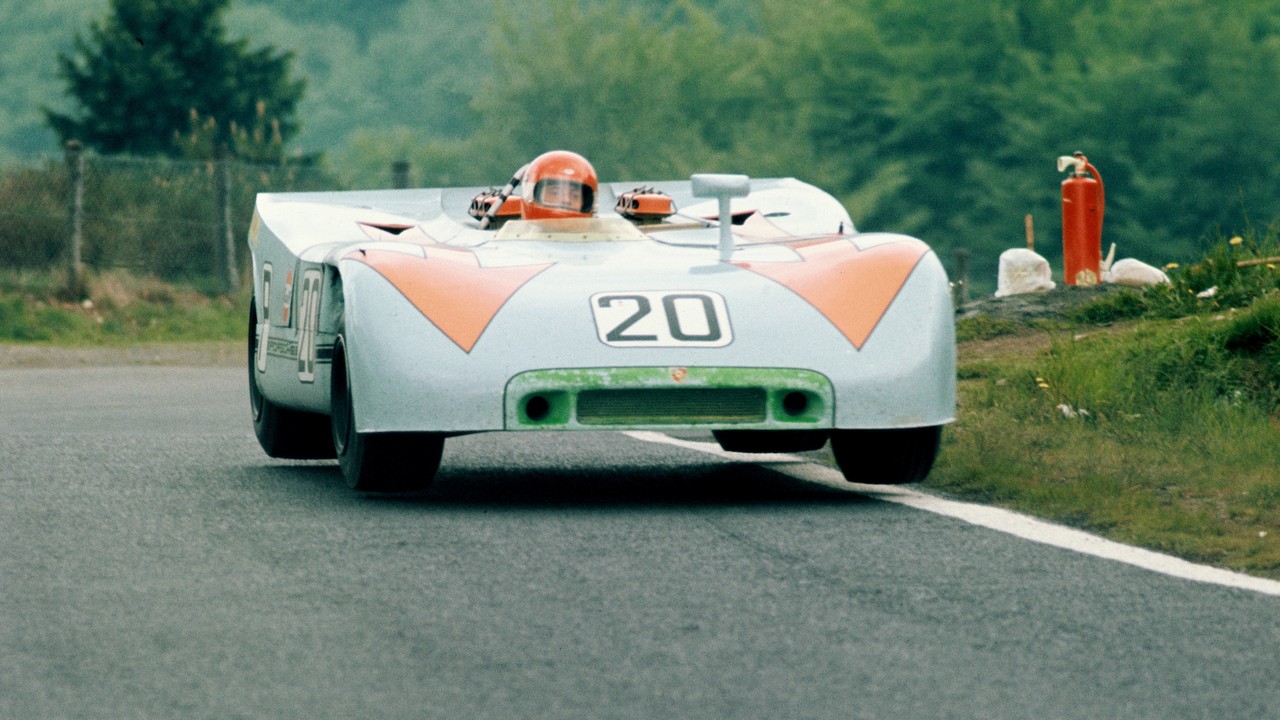
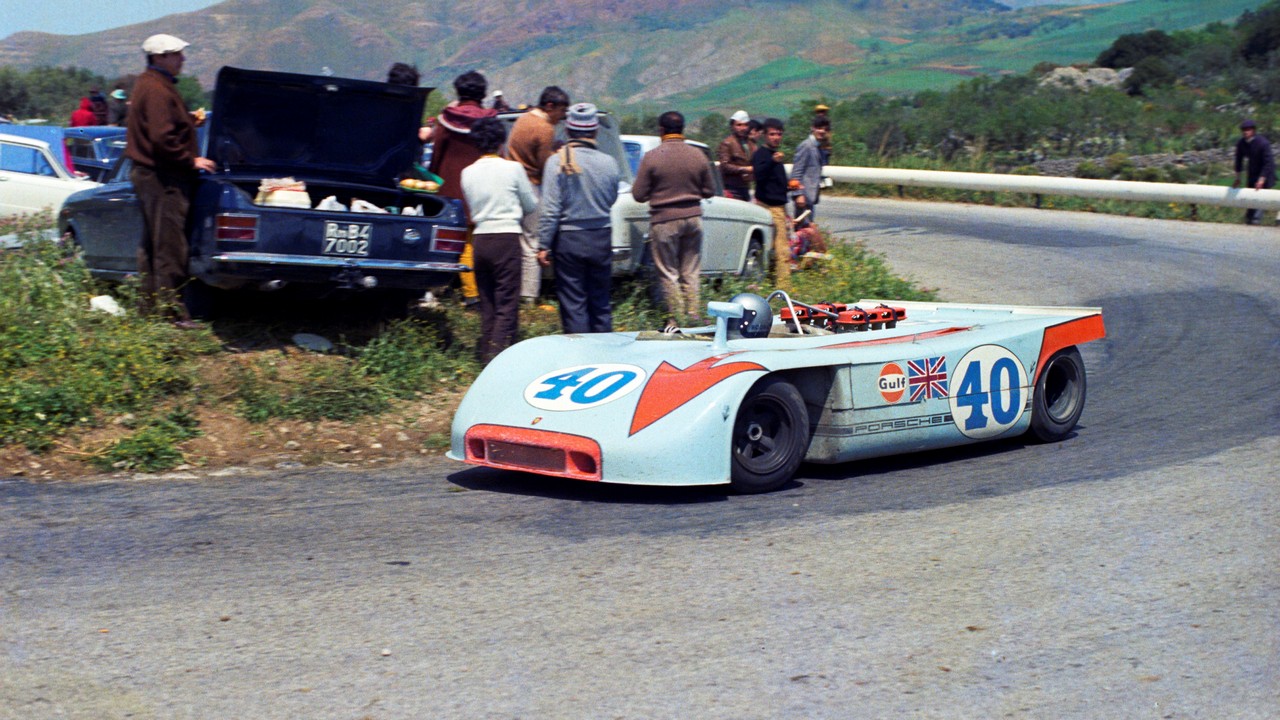
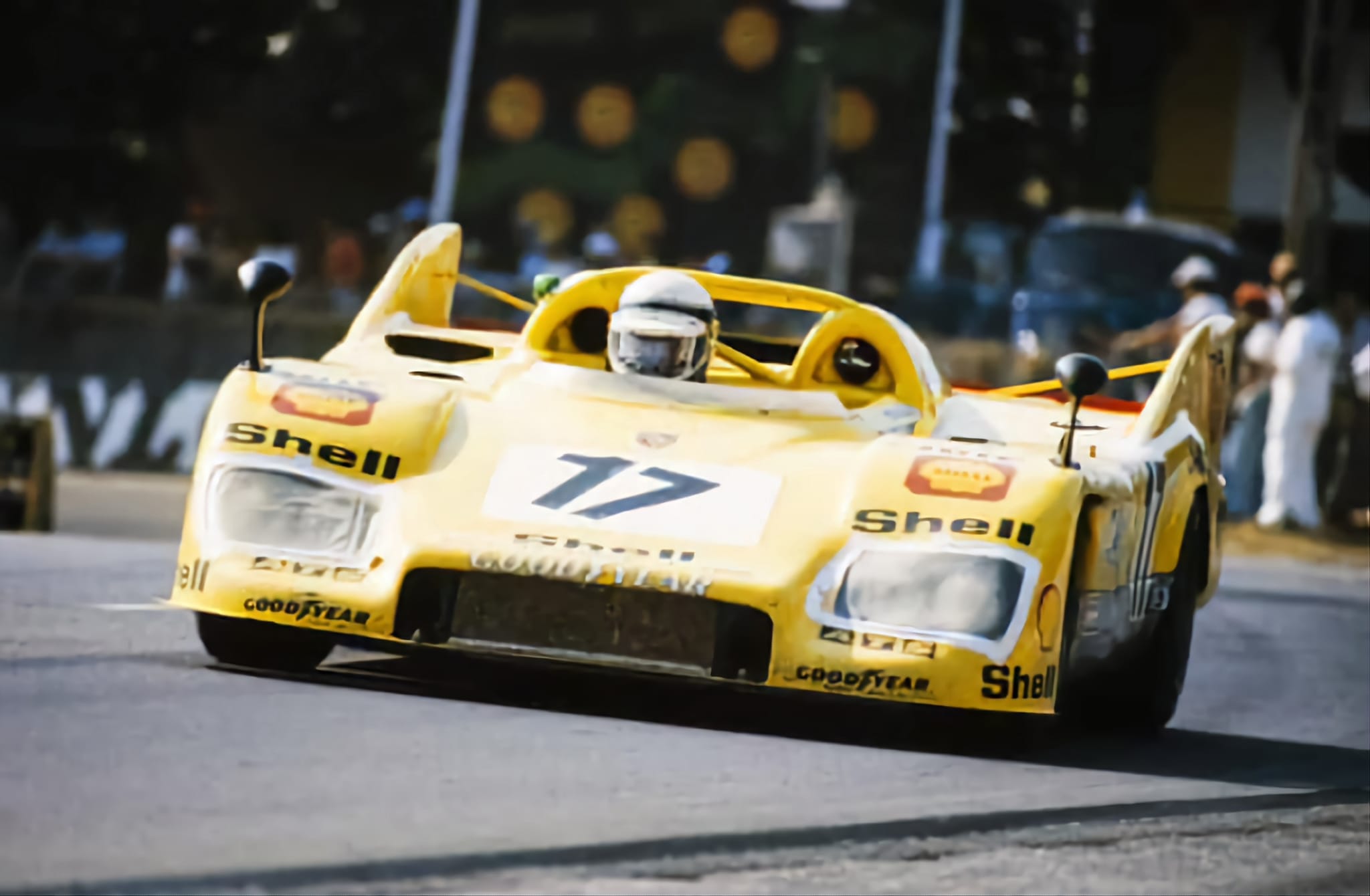
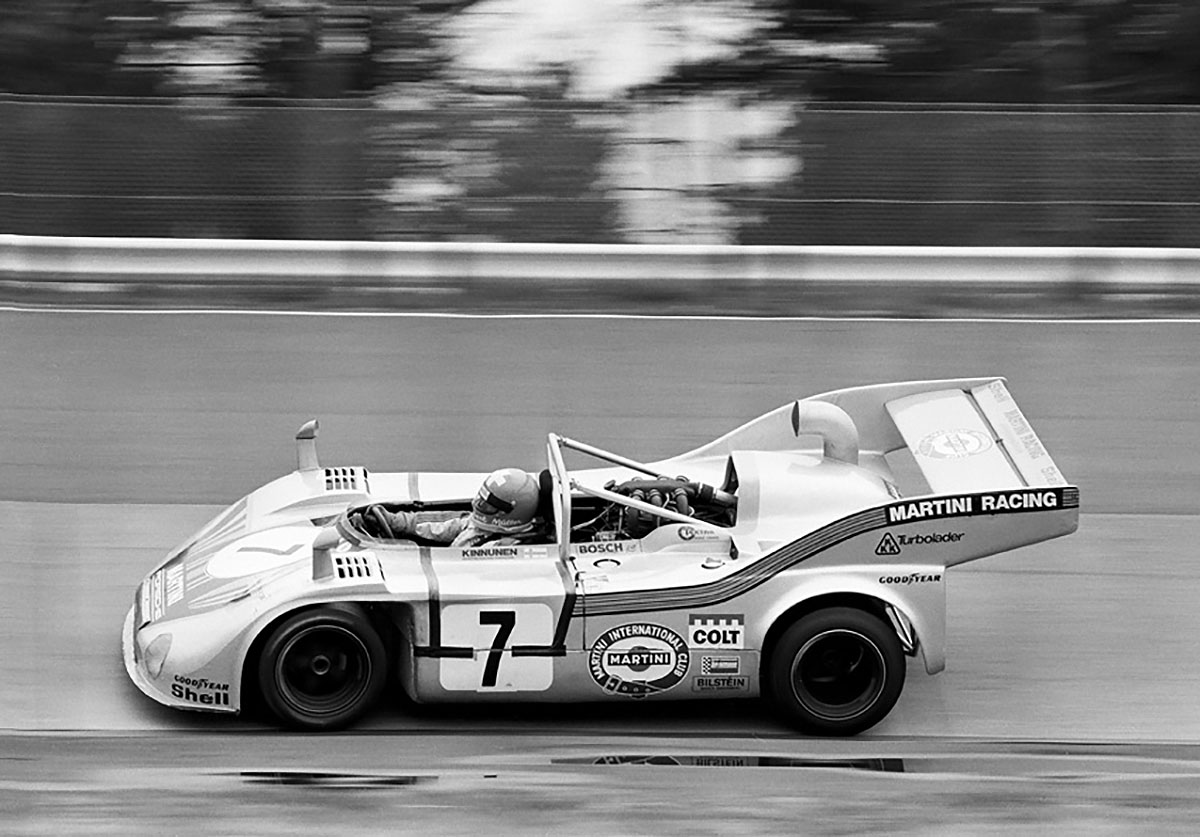
In the glorious, high-octane theater of the 1970 World Sportscar Championship, Porsche wielded the mighty, 5.0-liter 917 to bludgeon the opposition on high-speed circuits like Le Mans, Spa, and Monza. However, Ferdinand Piëch, Porsche’s ruthless and brilliantly pragmatic technical director, recognized a glaring vulnerability. The massive 917 was a blunt instrument, utterly ill-suited for the tortuous, twisting mountain passes of the Targa Florio or the endlessly undulating carousel of the Nürburgring Nordschleife. Rather than forcing a heavy car to dance, Piëch commissioned a bespoke scalpel. The result was the Porsche 908/03, the ultimate “horses for courses” racing prototype. Evolving from the successful 908/02 “Flunder”, the /03 was an entirely new, incredibly focused generation. It was engineered strictly for agility, designed to humiliate the larger Ferrari 512 S and outmaneuver the visceral Alfa Romeo Tipo 33/3 on technical tracks. The generation spanned the initial, bluff-nosed 1970 factory cars, the aerodynamically tweaked 1971 models with rear fins, and, miraculously, a sprawling secondary lifespan in the mid-to-late 1970s and early 1980s. During this twilight era, brilliant privateer outfits—most notably Reinhold Joest’s team—radically modified the aging chassis, bolting turbochargers to flat-six engines to create the monstrous 908/03 Turbo, keeping the featherweight weapon relevant against modern Group 6 machinery.
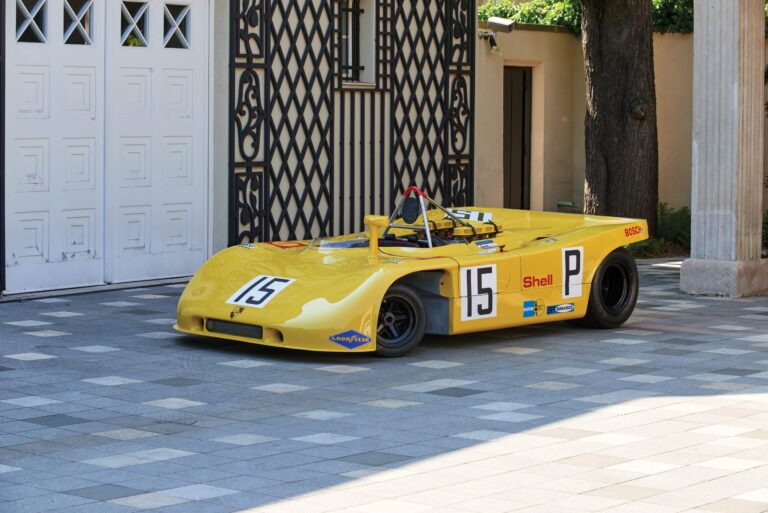
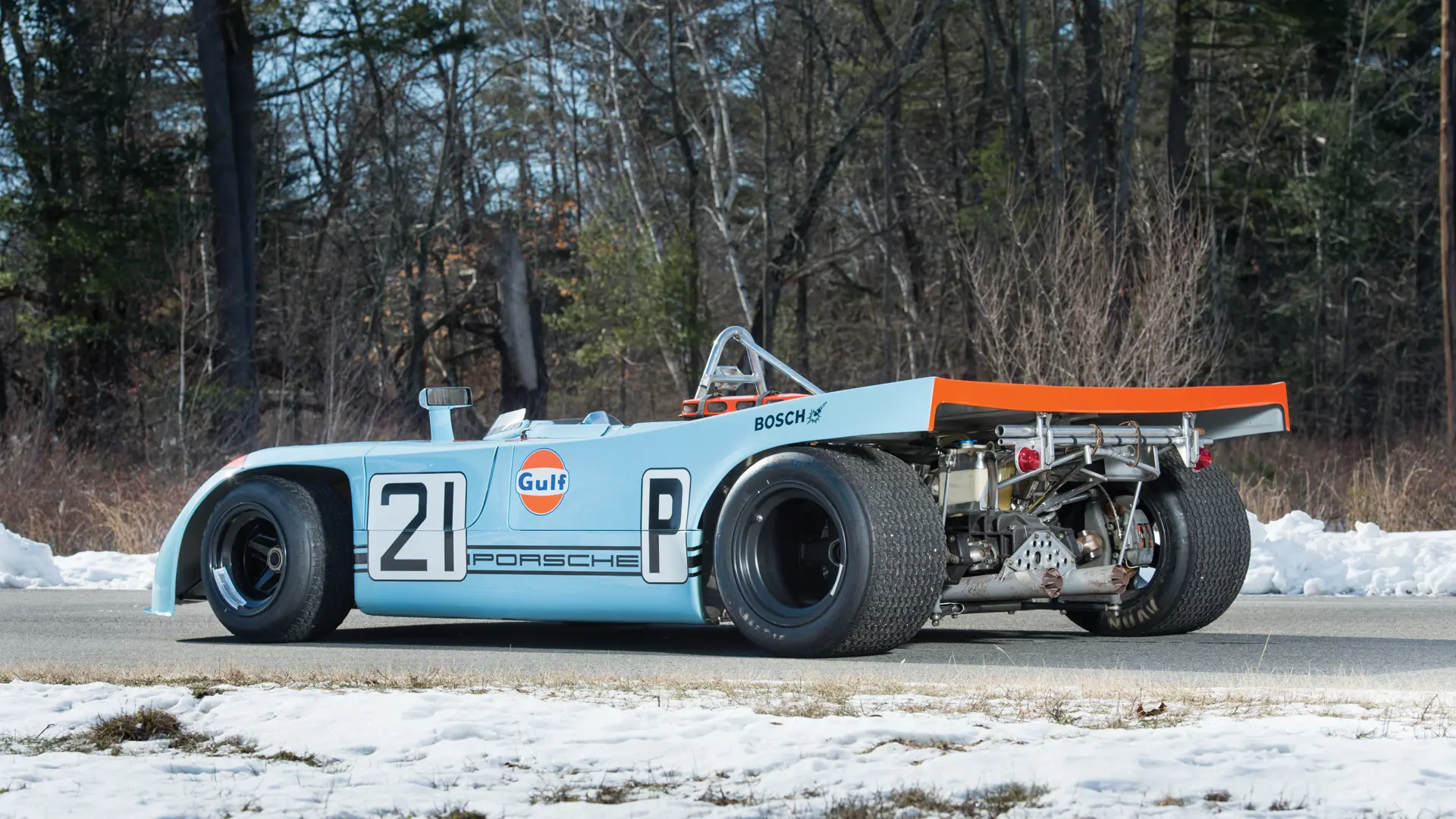
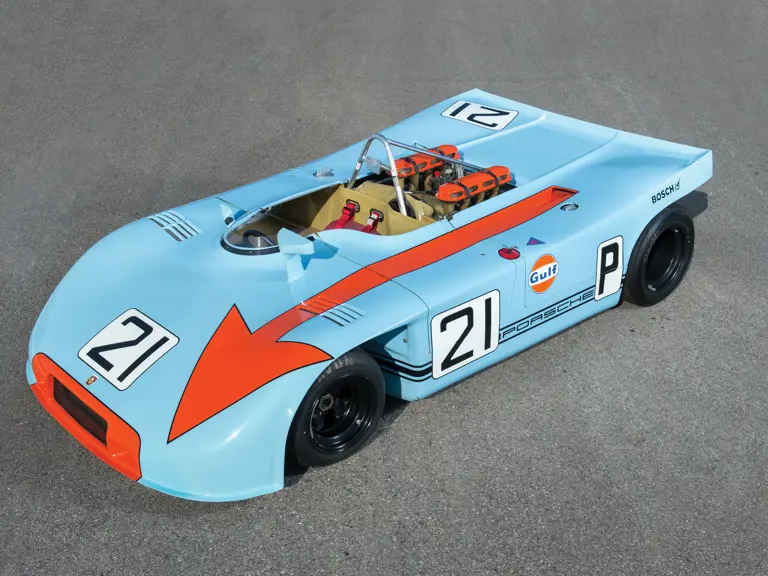
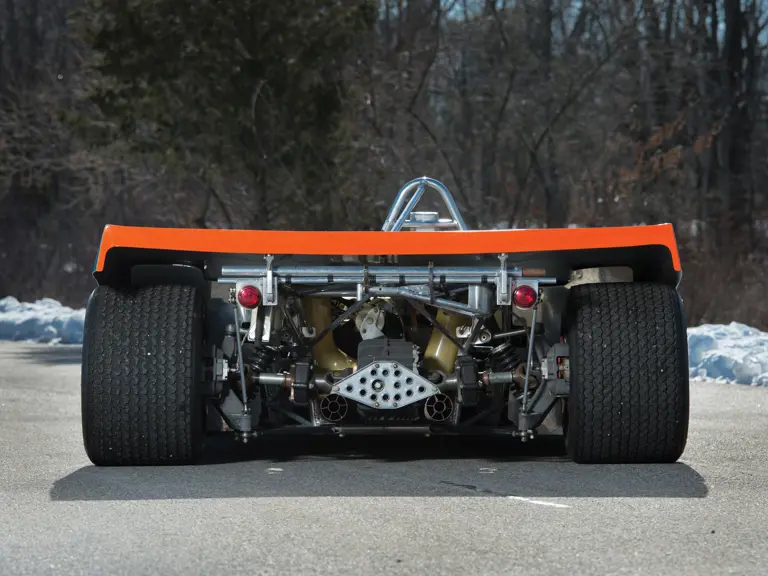
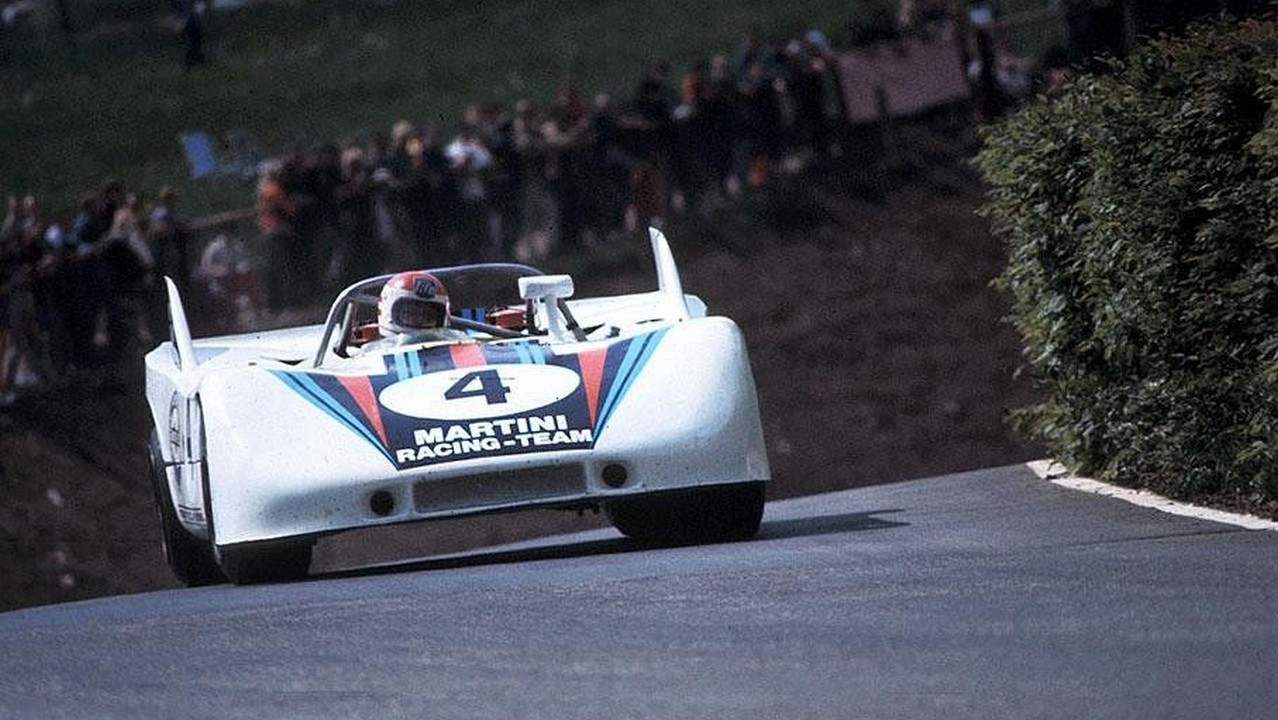
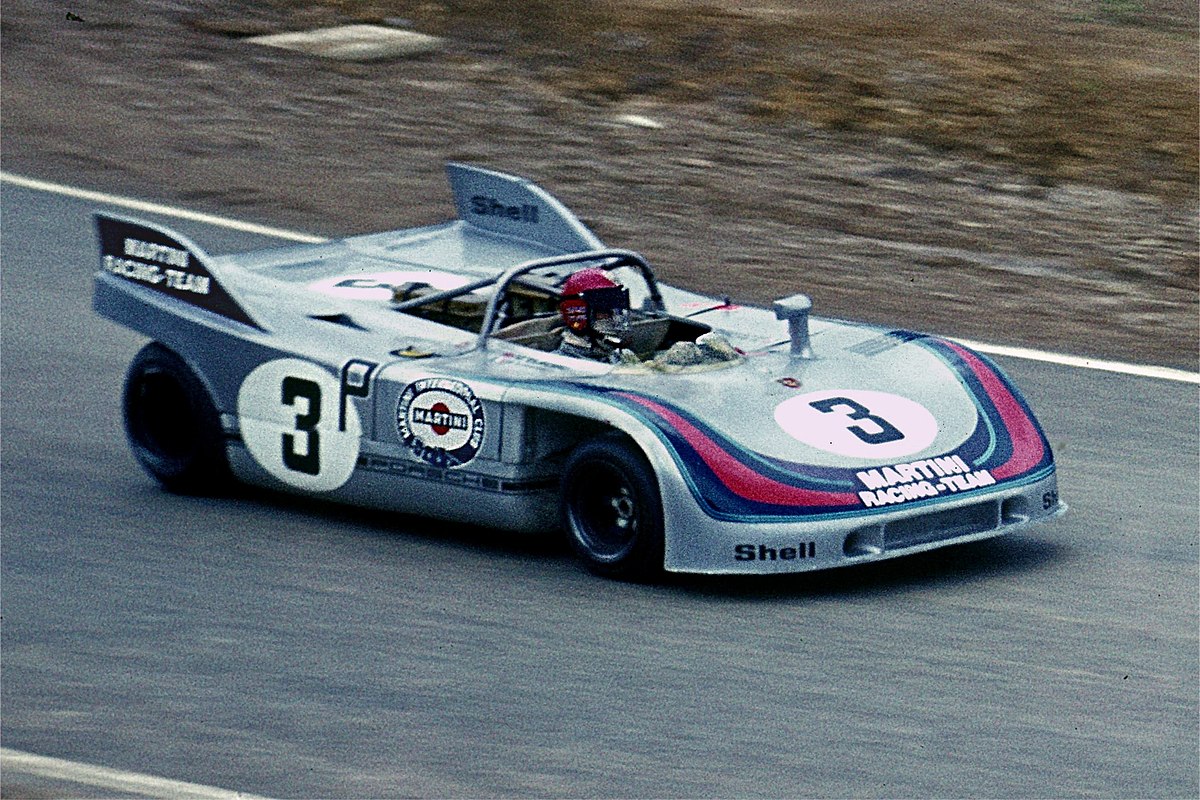
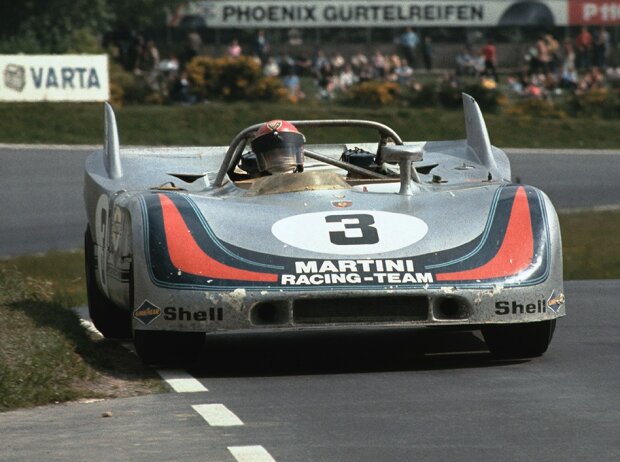
To peer beneath the shockingly brief, fiberglass-foam skin of the 908/03 is to witness an obsessive exercise in mass centralization and weight reduction, heavily inspired by Porsche’s 909 Bergspyder hill-climb car. Piëch’s engineers pushed the driver so far forward that their feet actually rested ahead of the front axle centerline, serving, terrifyingly, as the car’s primary crash structure. By moving the driver forward, the team was able to place the transmission ahead of the final drive, rather than hanging it out the rear. This completely centralized the mass of the 3.0-liter, naturally aspirated flat-eight engine. Breathing through Bosch mechanical fuel injection, the air-cooled Type 908 powerplant produced roughly 350 brake horsepower. While that figure seemed modest against a 917, the 908/03 weighed a scarcely believable 500 kilograms (around 1,100 pounds). The power-to-weight ratio was staggering. The chassis was a delicate, pressurized aluminum tubular spaceframe, riding on 15-inch wheels in 1970 and dropping to smaller 13-inch wheels in 1971 to further lower the center of gravity. Visually, the factory cars were characterized by their utter lack of overhangs, acting as little more than a motorized surfboard. Inside, the right-hand-drive cockpit was entirely devoid of comfort, a claustrophobic, exposed aluminum bathtub where the driver wrestled a tiny steering wheel while seated practically over the front tires.
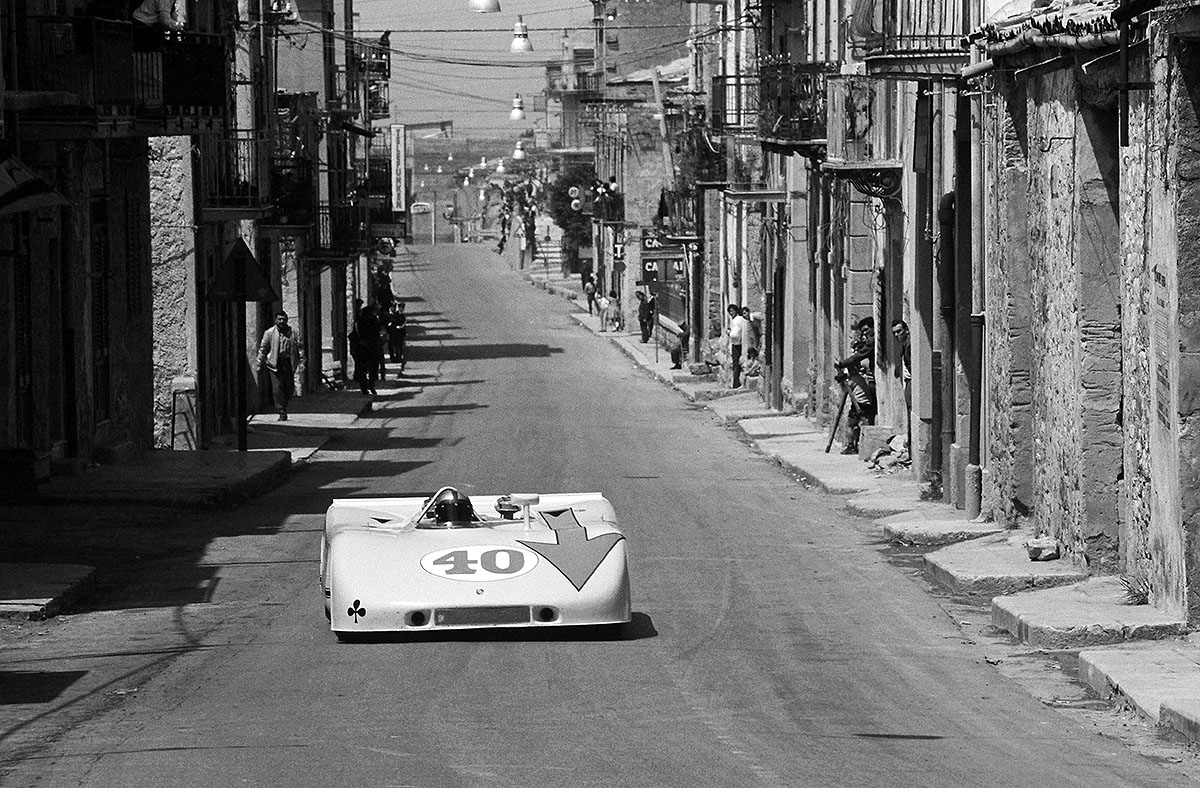
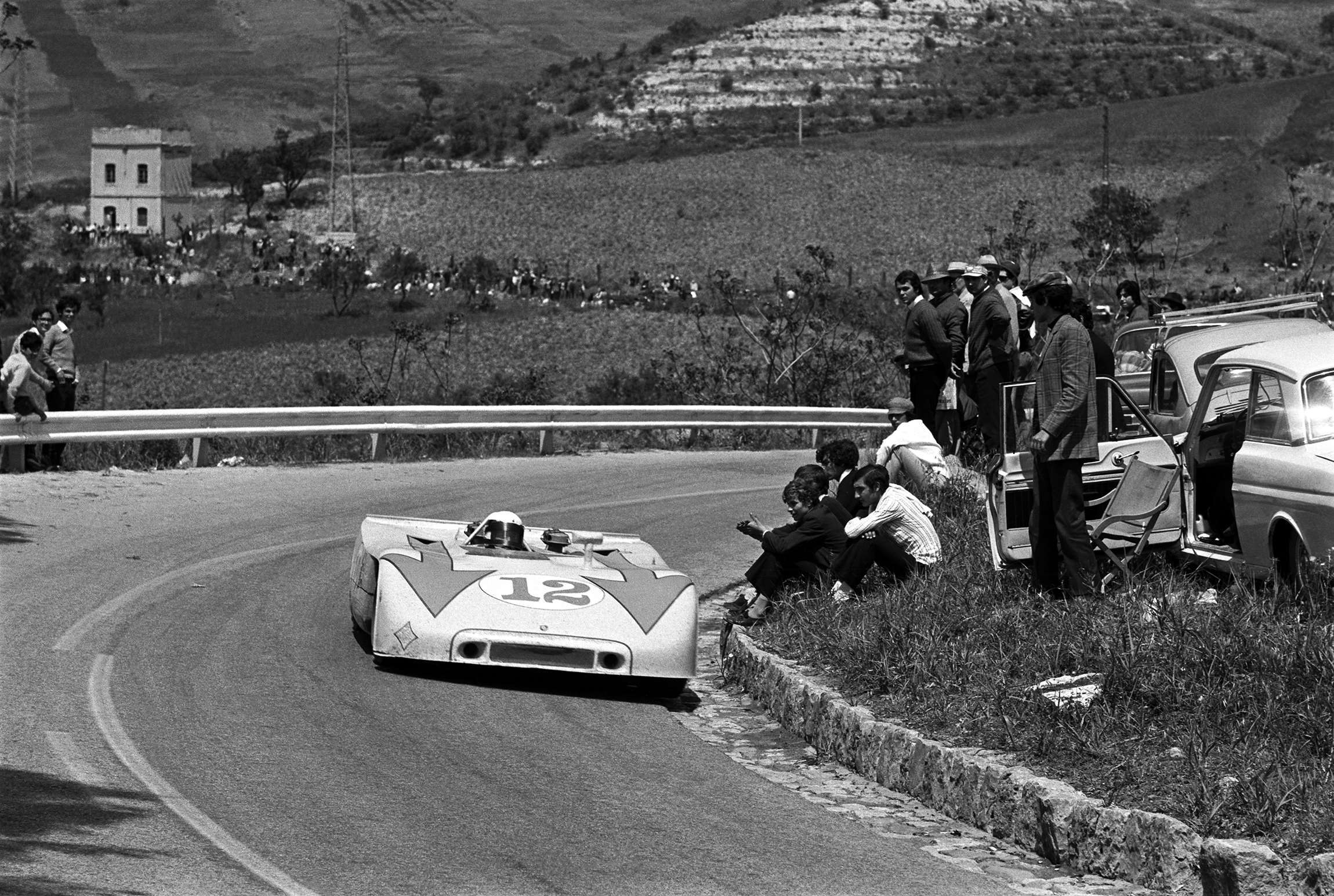
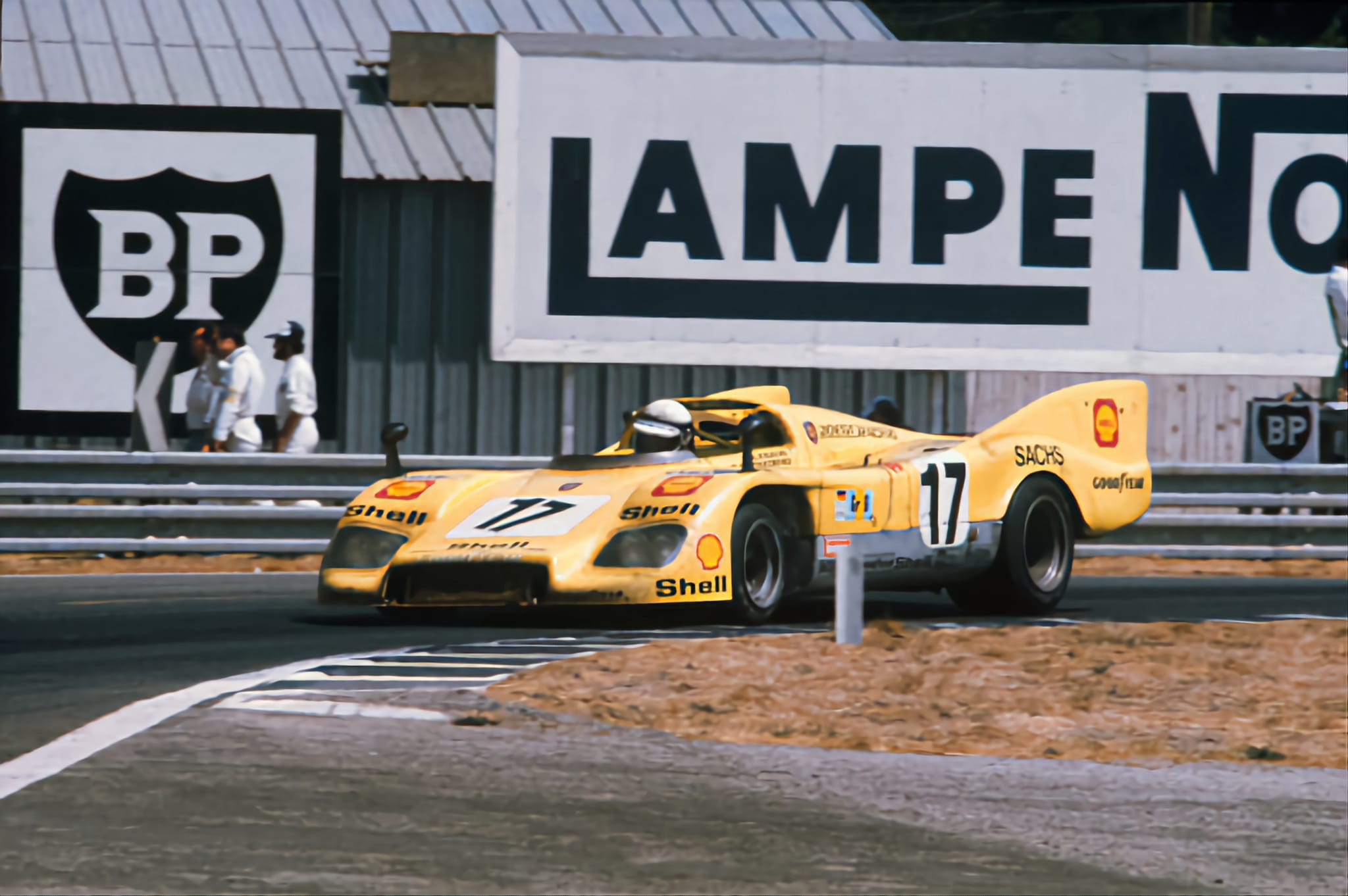
The competitive debut of the 908/03 in 1970 is the stuff of pure motorsport mythology. Porsche deployed the cars to just two races that year: the 1970 Targa Florio and the 1970 Nürburgring 1000km. Adorned in the legendary Gulf powder blue and orange, and the psychedelic Martini Racing “arrows” liveries, they utterly decimated the competition. At the Targa Florio, the nimble 908/03s danced around the heavy Ferraris. The sheer pace of the car was perfectly summarized by the “Flying Finn”, Leo Kinnunen, who laid down a mythological, lap-record-shattering run through the Sicilian mountains that stands to this day. A 1-2 victory at the Targa was immediately followed by a 1-2 sweep at the Nürburgring. In 1971, against the vastly improved Ferrari 312 PB, the 908/03 repeated its Nürburgring victory. After the factory effectively retired the model, its history took a fascinating turn. Porsche sold the chassis to privateers, inadvertently sparking a glorious second act. In the late 1970s, teams like Joest Racing realized the ultra-light spaceframe could handle vastly more power. They discarded the N/A flat-eight and shoehorned in heavily turbocharged, 2.1-liter flat-six engines (and later, twin-turbo flat-eights), creating the 908/03 Turbo. Sporting massive rear wings and aggressively flared bodywork, these privateer Frankensteins terrorized the European Interserie and even secured overall podiums in the World Sportscar Championship, routinely embarrassing Porsche’s own factory-backed 936s well into the 1980s.
The legacy of the Porsche 908/03 generation is defined by its unparalleled, unyielding focus. It proved that in endurance racing, a highly specialized tool will always triumph over a compromised generalist. The original 1970 and 1971 factory works cars remain the ultimate expression of Porsche’s lightweight ethos—the absolute antithesis of brute force. Meanwhile, the privateer Turbo era stands as a monumental testament to the sheer brilliance and over-engineering of the original Piëch-era spaceframe. The 908/03 served as the spiritual and technical bridge to the legendary 936, passing on its lessons in agility and open-cockpit dynamics. Today, whether dressed in its blunt-nosed, naturally aspirated 1970 Gulf livery or its massively winged, turbocharged Joest configuration, the 908/03 is revered as the most nimble, visceral, and longest-serving prototype in Porsche’s illustrious racing history.
Portal
Model line
Model generation
Brand
Produced from
Vehicle category
Generation Overview
In the glorious, high-octane theater of the 1970 World Sportscar Championship, Porsche wielded the mighty, 5.0-liter 917 to bludgeon the opposition on high-speed circuits like Le Mans, Spa, and Monza. However, Ferdinand Piëch, Porsche’s ruthless and brilliantly pragmatic technical director, recognized a glaring vulnerability. The massive 917 was a blunt instrument, utterly ill-suited for the tortuous, twisting mountain passes of the Targa Florio or the endlessly undulating carousel of the Nürburgring Nordschleife. Rather than forcing a heavy car to dance, Piëch commissioned a bespoke scalpel. The result was the Porsche 908/03, the ultimate “horses for courses” racing prototype. Evolving from the successful 908/02 “Flunder”, the /03 was an entirely new, incredibly focused generation. It was engineered strictly for agility, designed to humiliate the larger Ferrari 512 S and outmaneuver the visceral Alfa Romeo Tipo 33/3 on technical tracks. The generation spanned the initial, bluff-nosed 1970 factory cars, the aerodynamically tweaked 1971 models with rear fins, and, miraculously, a sprawling secondary lifespan in the mid-to-late 1970s and early 1980s. During this twilight era, brilliant privateer outfits—most notably Reinhold Joest’s team—radically modified the aging chassis, bolting turbochargers to flat-six engines to create the monstrous 908/03 Turbo, keeping the featherweight weapon relevant against modern Group 6 machinery.
To peer beneath the shockingly brief, fiberglass-foam skin of the 908/03 is to witness an obsessive exercise in mass centralization and weight reduction, heavily inspired by Porsche’s 909 Bergspyder hill-climb car. Piëch’s engineers pushed the driver so far forward that their feet actually rested ahead of the front axle centerline, serving, terrifyingly, as the car’s primary crash structure. By moving the driver forward, the team was able to place the transmission ahead of the final drive, rather than hanging it out the rear. This completely centralized the mass of the 3.0-liter, naturally aspirated flat-eight engine. Breathing through Bosch mechanical fuel injection, the air-cooled Type 908 powerplant produced roughly 350 brake horsepower. While that figure seemed modest against a 917, the 908/03 weighed a scarcely believable 500 kilograms (around 1,100 pounds). The power-to-weight ratio was staggering. The chassis was a delicate, pressurized aluminum tubular spaceframe, riding on 15-inch wheels in 1970 and dropping to smaller 13-inch wheels in 1971 to further lower the center of gravity. Visually, the factory cars were characterized by their utter lack of overhangs, acting as little more than a motorized surfboard. Inside, the right-hand-drive cockpit was entirely devoid of comfort, a claustrophobic, exposed aluminum bathtub where the driver wrestled a tiny steering wheel while seated practically over the front tires.
The competitive debut of the 908/03 in 1970 is the stuff of pure motorsport mythology. Porsche deployed the cars to just two races that year: the 1970 Targa Florio and the 1970 Nürburgring 1000km. Adorned in the legendary Gulf powder blue and orange, and the psychedelic Martini Racing “arrows” liveries, they utterly decimated the competition. At the Targa Florio, the nimble 908/03s danced around the heavy Ferraris. The sheer pace of the car was perfectly summarized by the “Flying Finn”, Leo Kinnunen, who laid down a mythological, lap-record-shattering run through the Sicilian mountains that stands to this day. A 1-2 victory at the Targa was immediately followed by a 1-2 sweep at the Nürburgring. In 1971, against the vastly improved Ferrari 312 PB, the 908/03 repeated its Nürburgring victory. After the factory effectively retired the model, its history took a fascinating turn. Porsche sold the chassis to privateers, inadvertently sparking a glorious second act. In the late 1970s, teams like Joest Racing realized the ultra-light spaceframe could handle vastly more power. They discarded the N/A flat-eight and shoehorned in heavily turbocharged, 2.1-liter flat-six engines (and later, twin-turbo flat-eights), creating the 908/03 Turbo. Sporting massive rear wings and aggressively flared bodywork, these privateer Frankensteins terrorized the European Interserie and even secured overall podiums in the World Sportscar Championship, routinely embarrassing Porsche’s own factory-backed 936s well into the 1980s.
The legacy of the Porsche 908/03 generation is defined by its unparalleled, unyielding focus. It proved that in endurance racing, a highly specialized tool will always triumph over a compromised generalist. The original 1970 and 1971 factory works cars remain the ultimate expression of Porsche’s lightweight ethos—the absolute antithesis of brute force. Meanwhile, the privateer Turbo era stands as a monumental testament to the sheer brilliance and over-engineering of the original Piëch-era spaceframe. The 908/03 served as the spiritual and technical bridge to the legendary 936, passing on its lessons in agility and open-cockpit dynamics. Today, whether dressed in its blunt-nosed, naturally aspirated 1970 Gulf livery or its massively winged, turbocharged Joest configuration, the 908/03 is revered as the most nimble, visceral, and longest-serving prototype in Porsche’s illustrious racing history.
Submodels