Porsche 908
Brand
Produced from
Vehicle category
Portal
Model line
Model generation
Predecessor
Sucessor
Model Overview
To fully grasp the historical magnitude of the Porsche 908, one must examine the seismic shift that rocked the international motorsport landscape at the end of the 1967 season. The FIA, desperate to curb the terrifying, 200-mph-plus (320 km/h) speeds of the 7.0-liter Ford GT40 Mk IVs and the 4.0-liter Ferrari 330 P4s, abruptly announced a rule change for the World Sportscar Championship: Group 6 prototypes would henceforth be limited to a maximum engine capacity of 3.0 liters. For the titans in Dearborn and Maranello, this was a devastating blow. But in Zuffenhausen, an ambitious young engineer named Ferdinand Piëch saw an unprecedented opportunity. Porsche had spent the previous decade as the ultimate “giant-killer”, utilizing small-displacement cars like the 906 and 907 to win their class and occasionally steal an overall victory on tight circuits. With the engine ceiling lowered to meet their wheelhouse, Piëch realized Porsche didn’t just have to be the giant-killer anymore; they could become the giant. The result of this ruthless, singular vision was the Porsche 908. Introduced in 1968, it was the first Porsche specifically designed to exploit the absolute maximum limits of the premier prototype regulations, setting the stage for an all-out war against the V12-powered Ferrari 312 P, the Matra MS650, the Alfa Romeo Tipo 33/3, and the aging but reliable 5.0-liter Group 4 Ford GT40s.
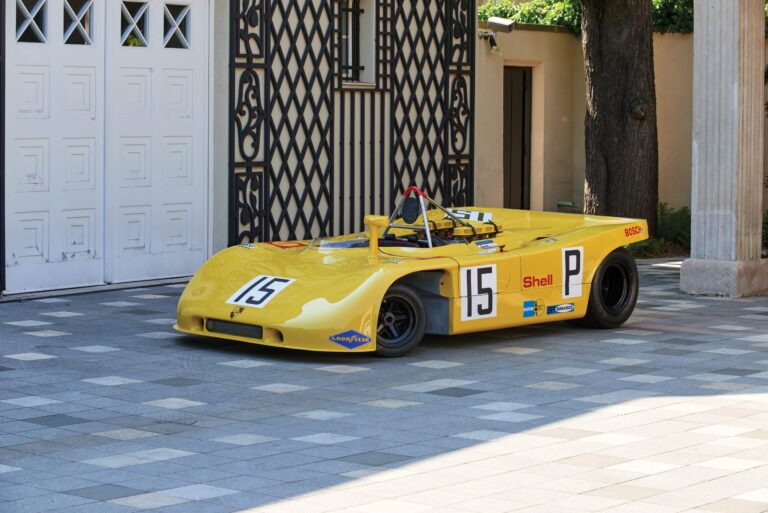
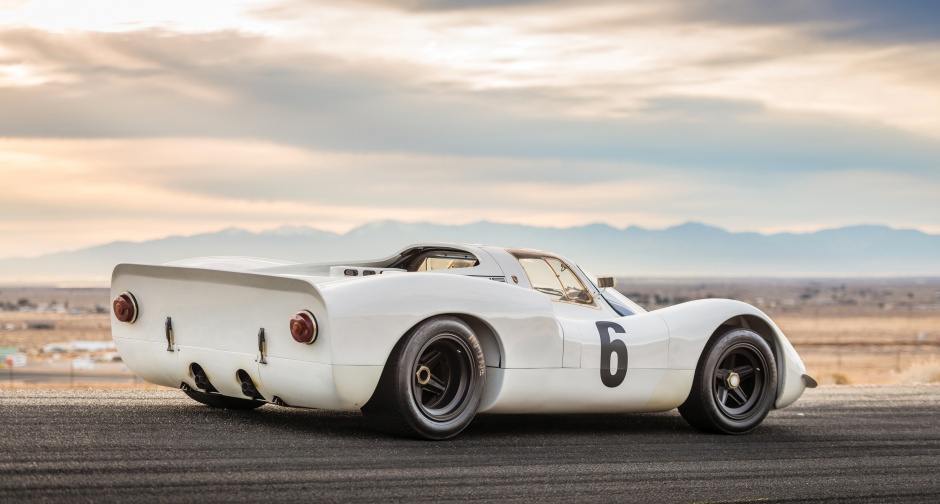
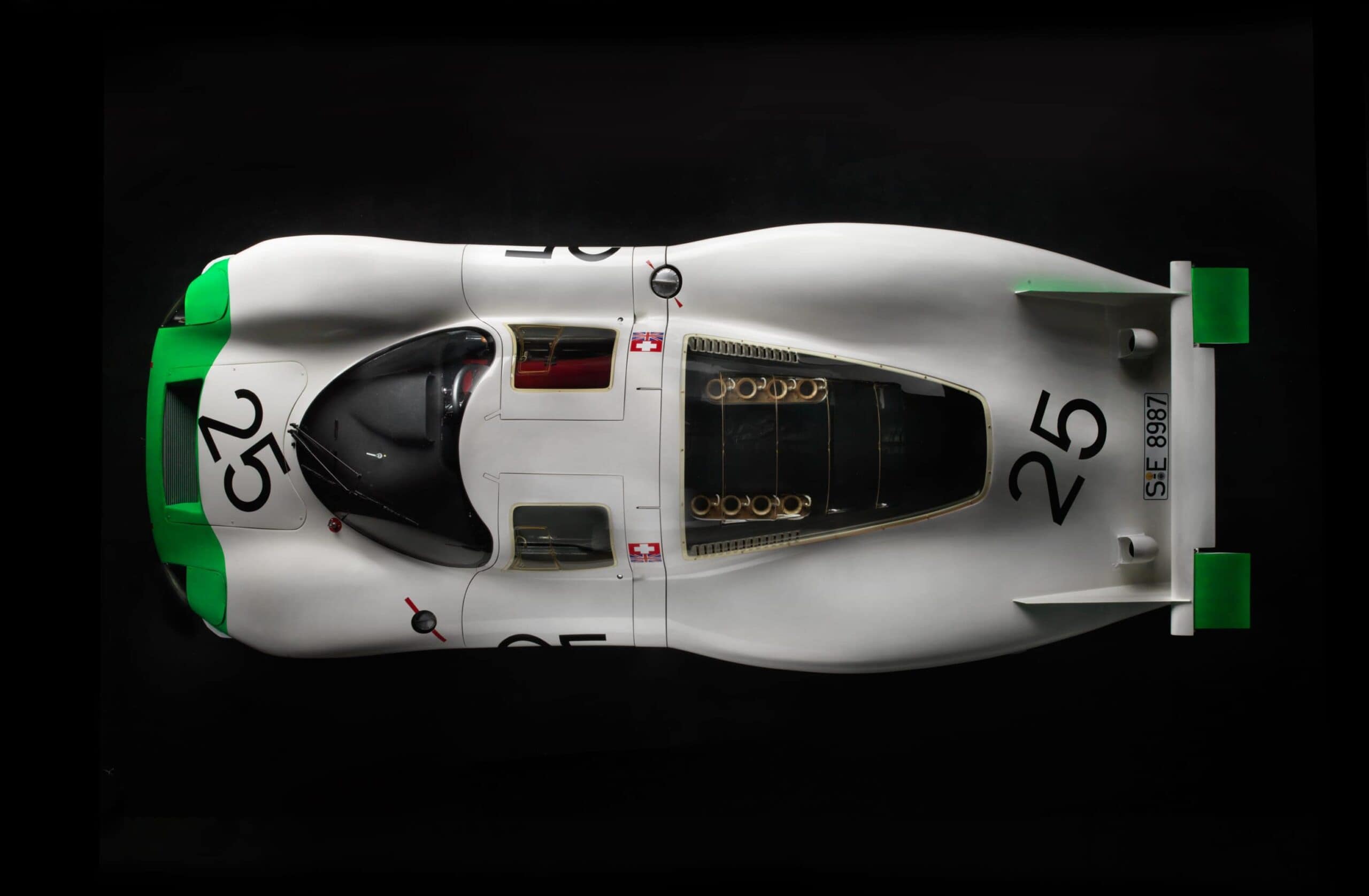
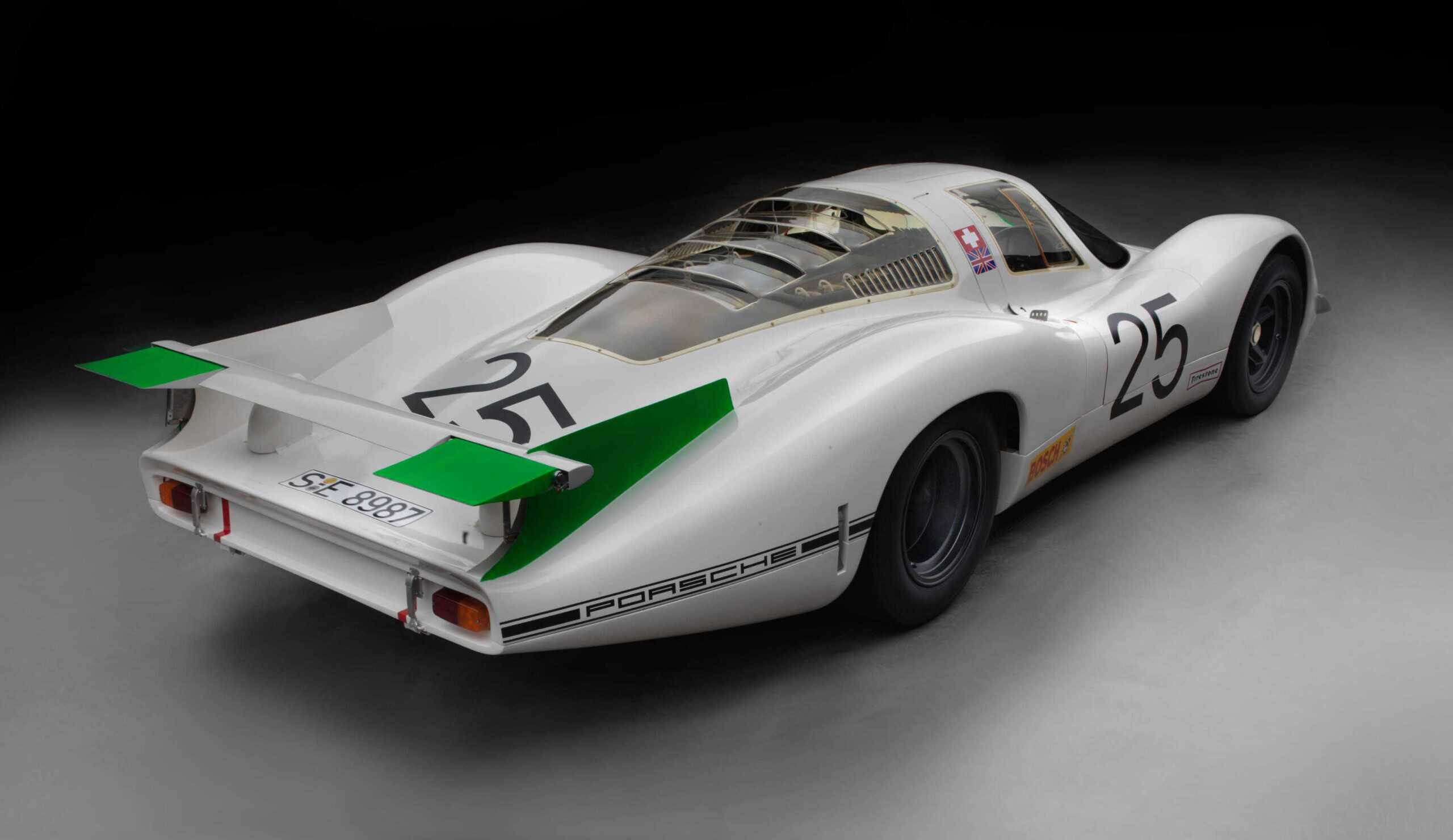
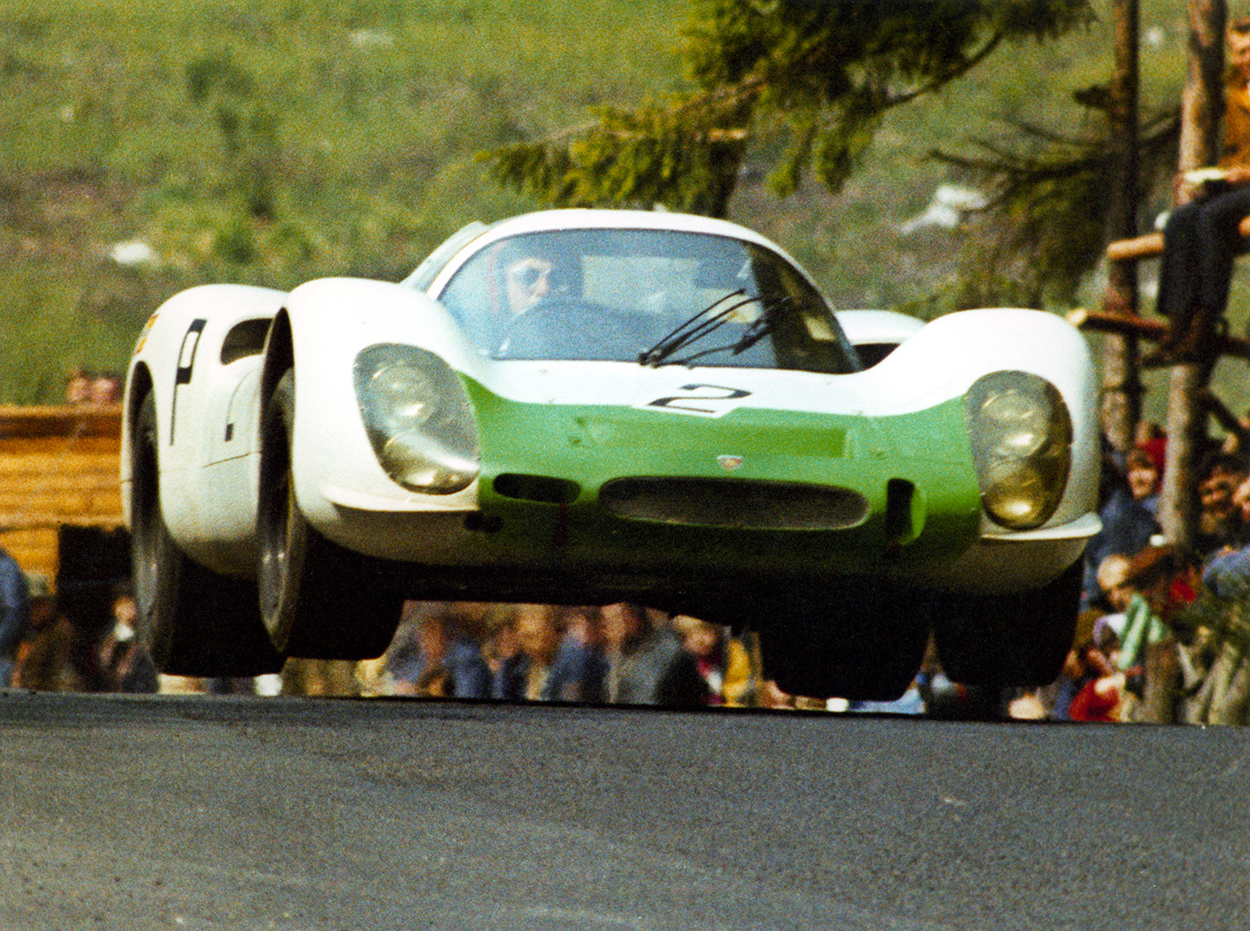
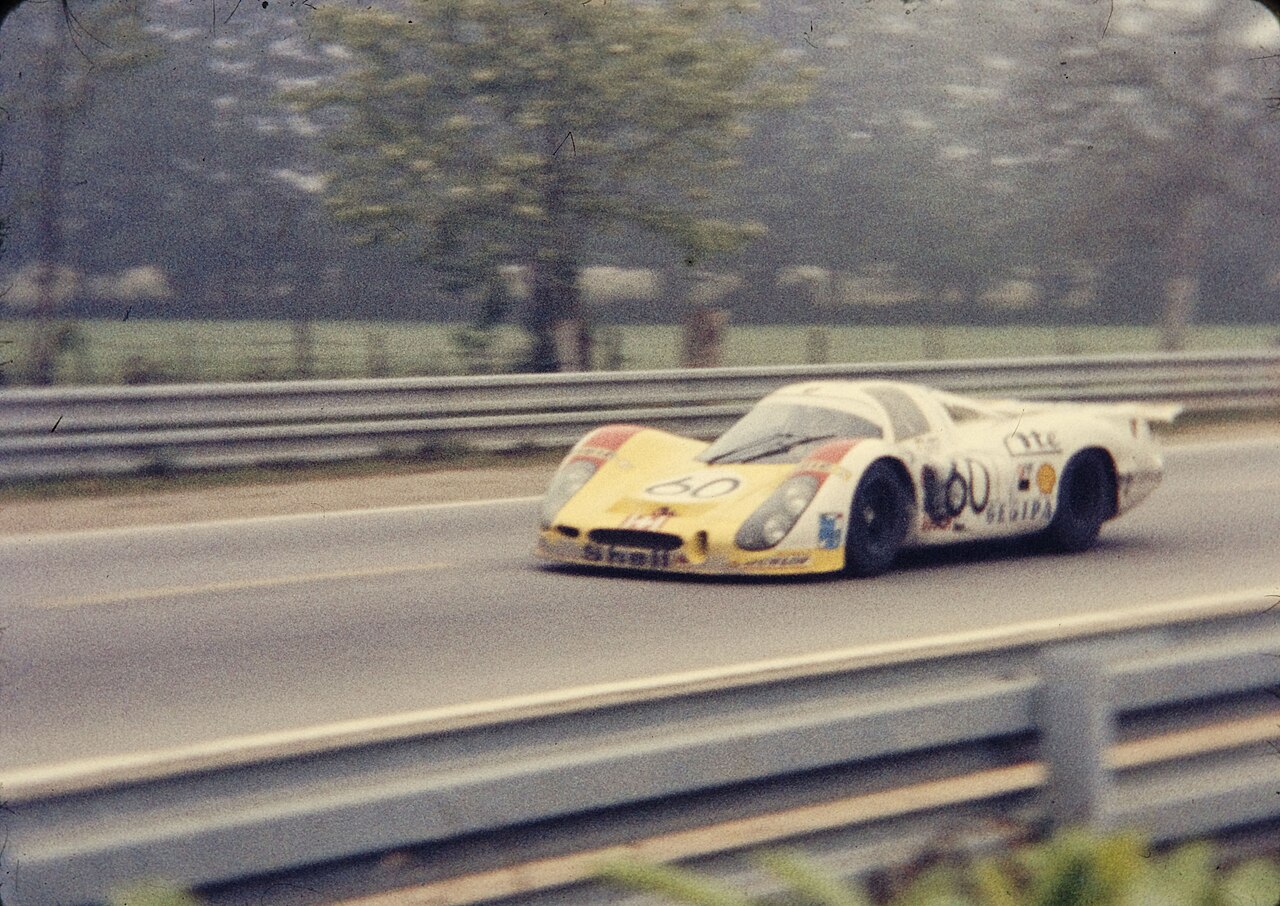
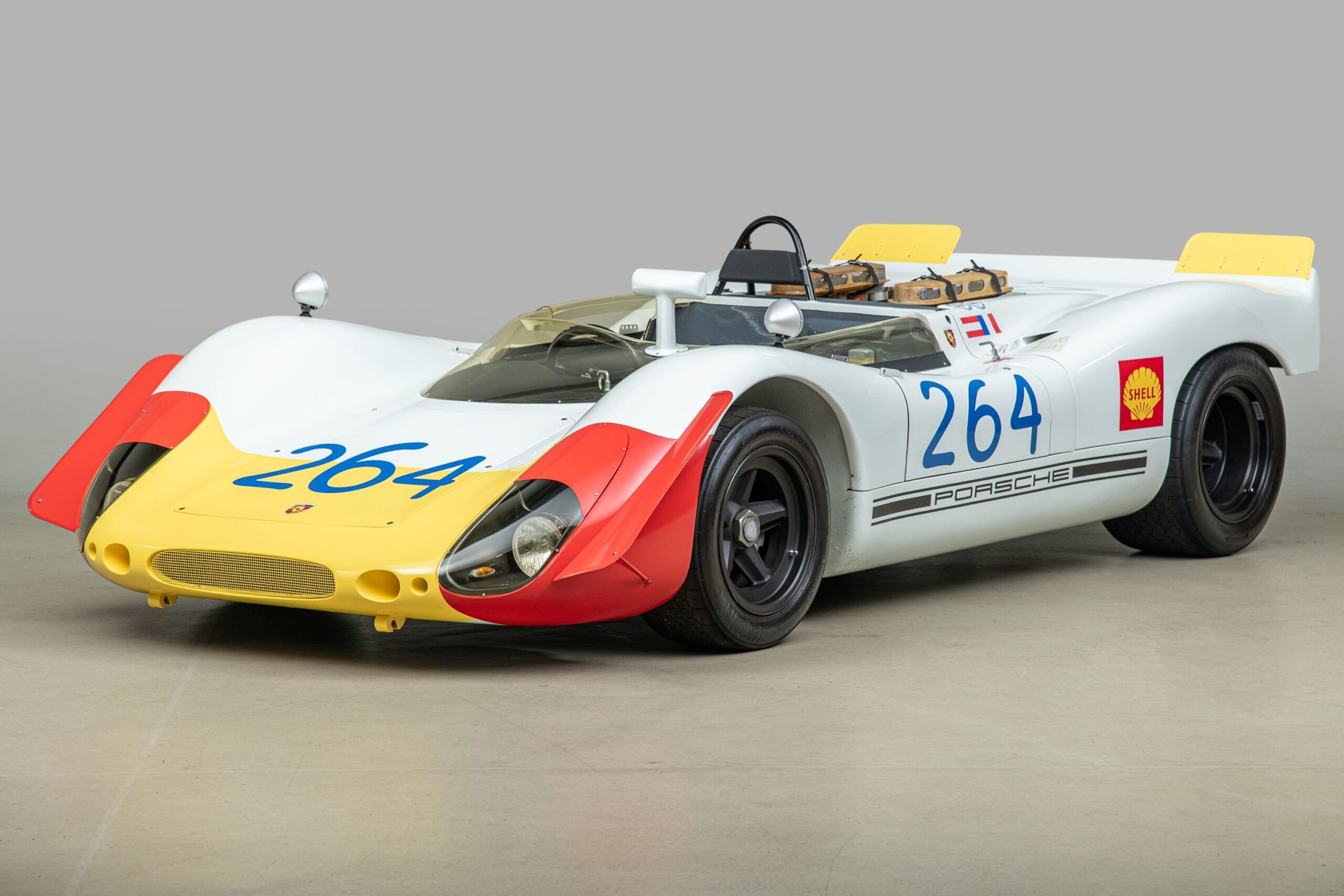
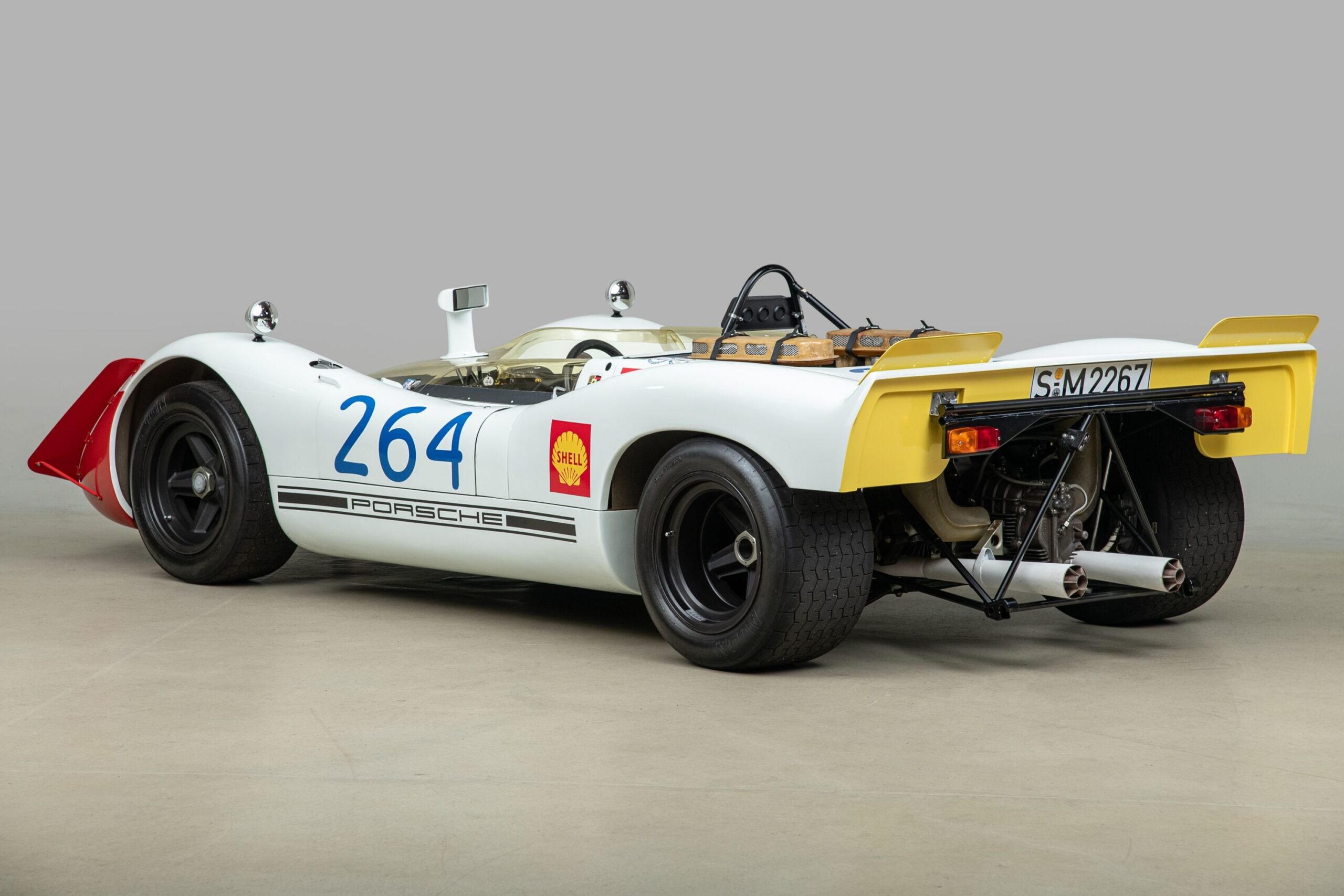
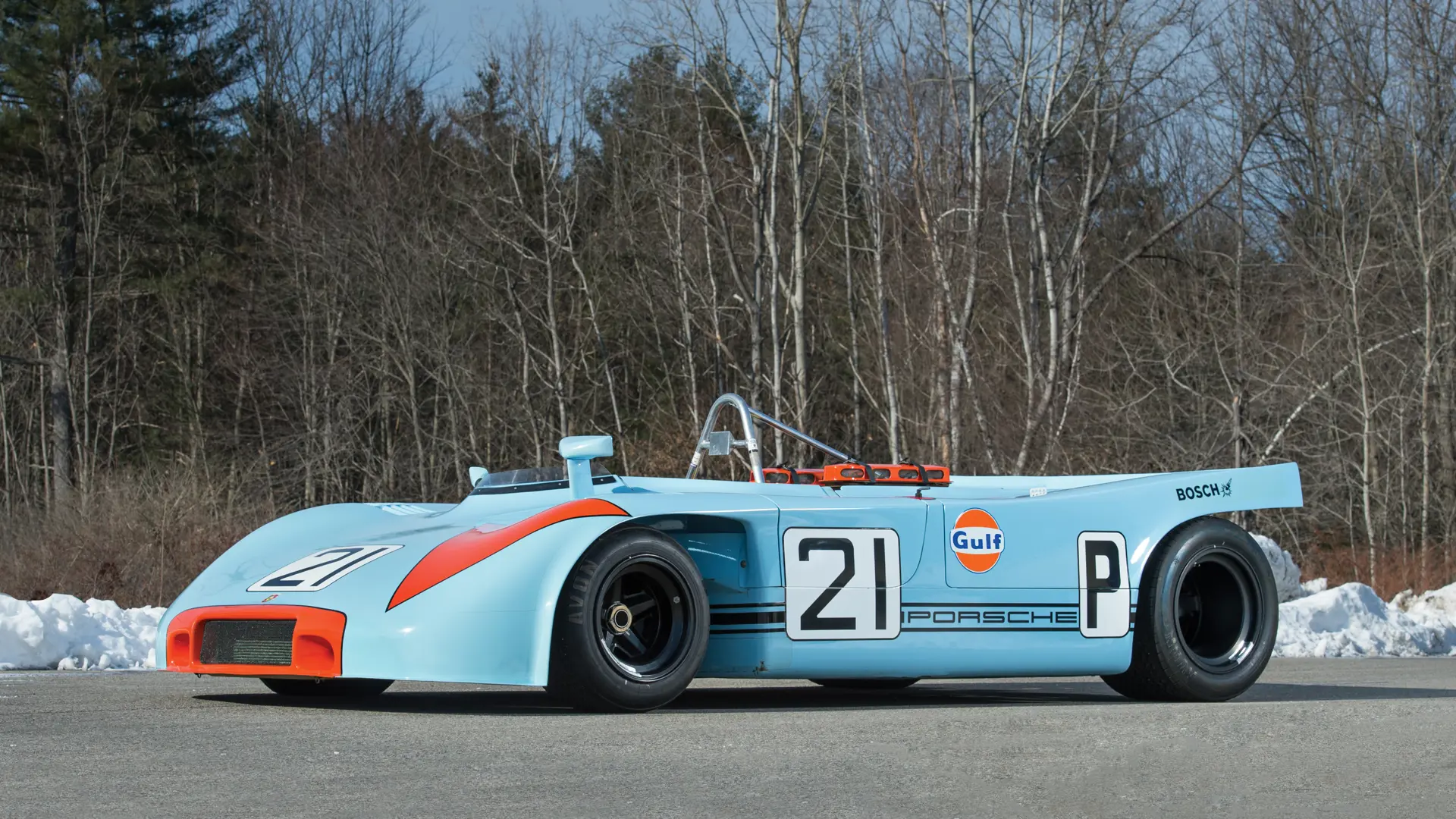
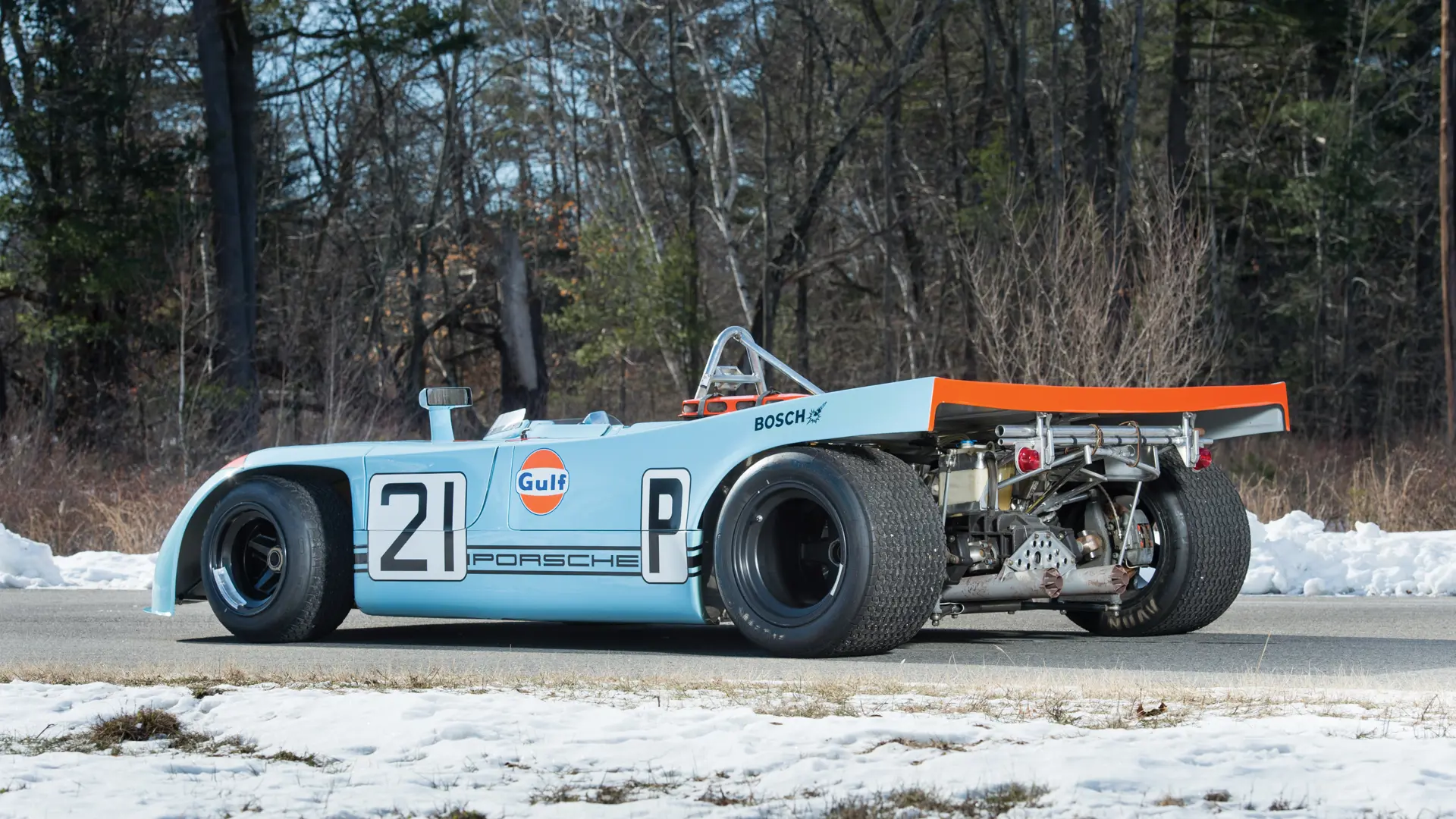
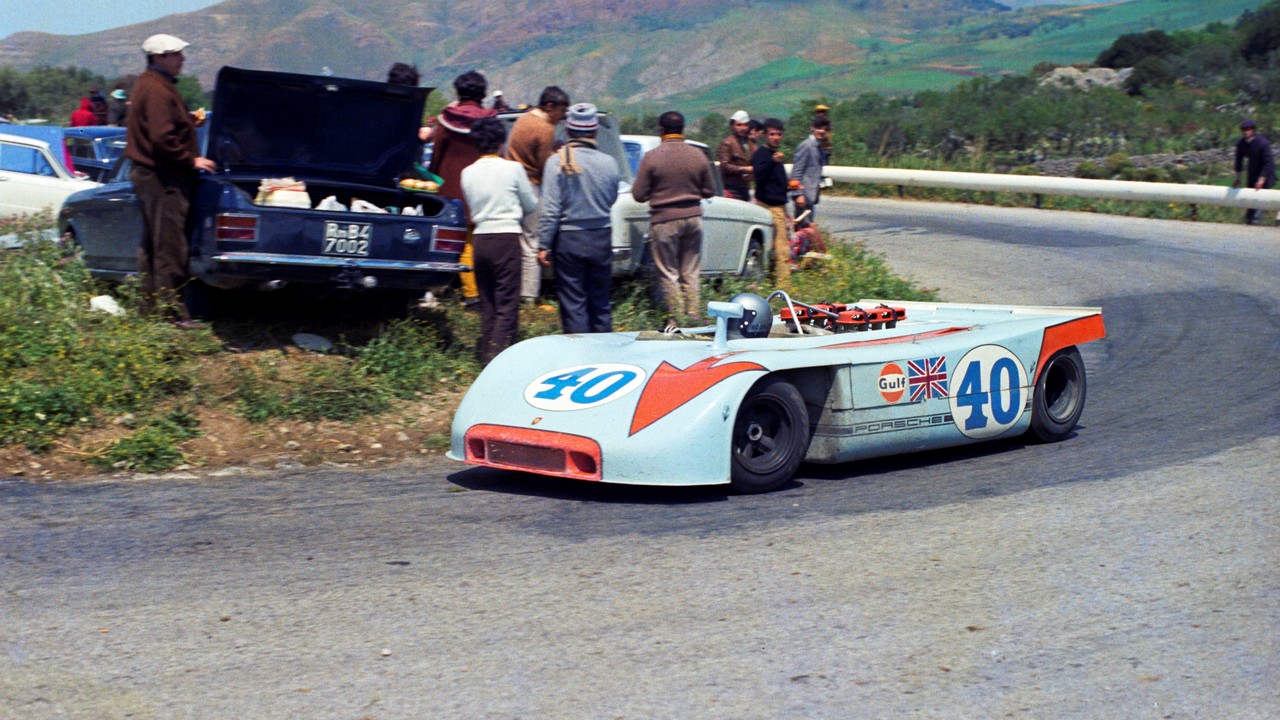
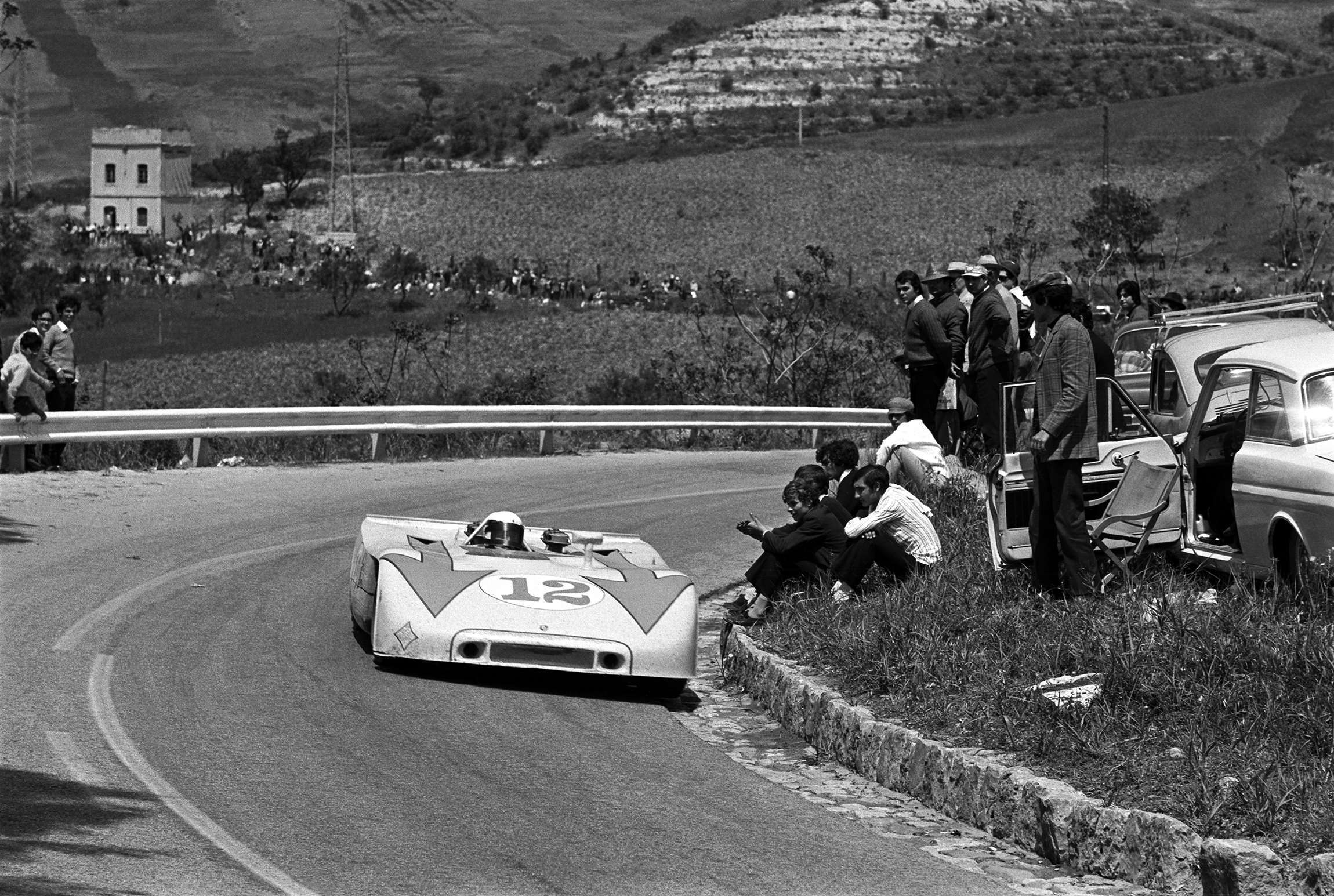
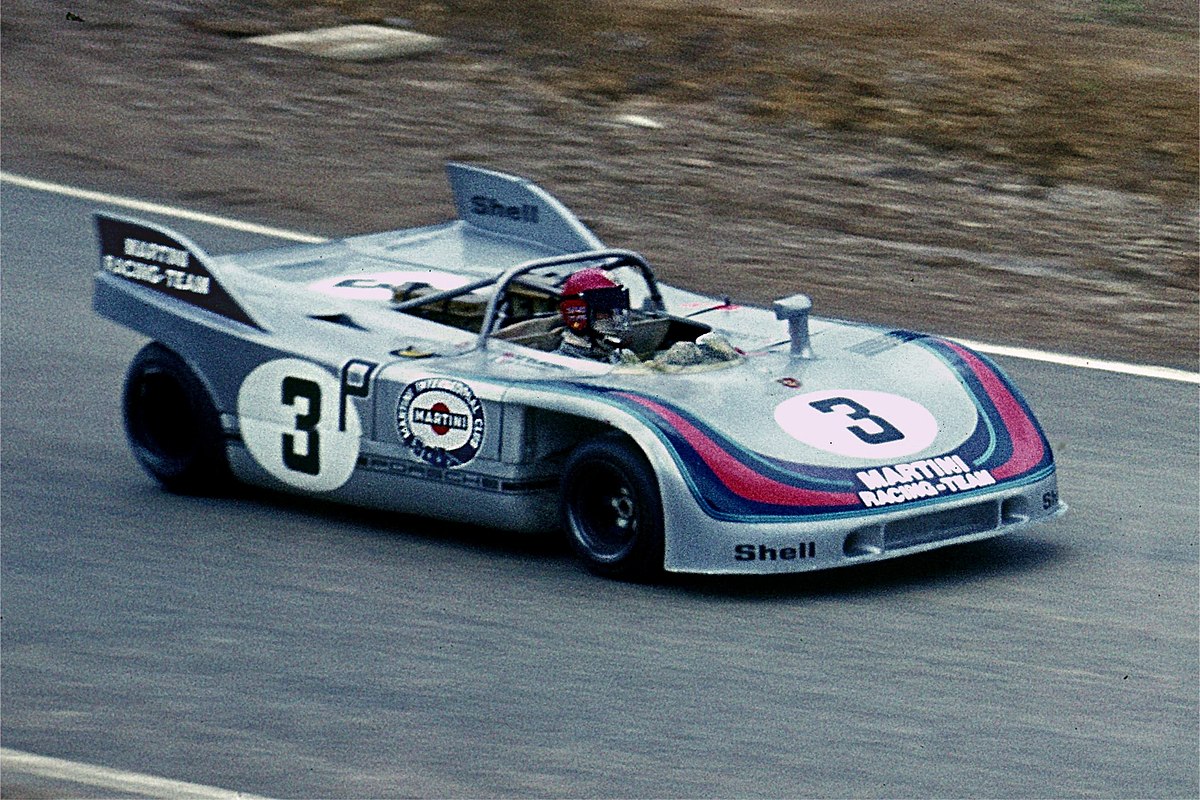
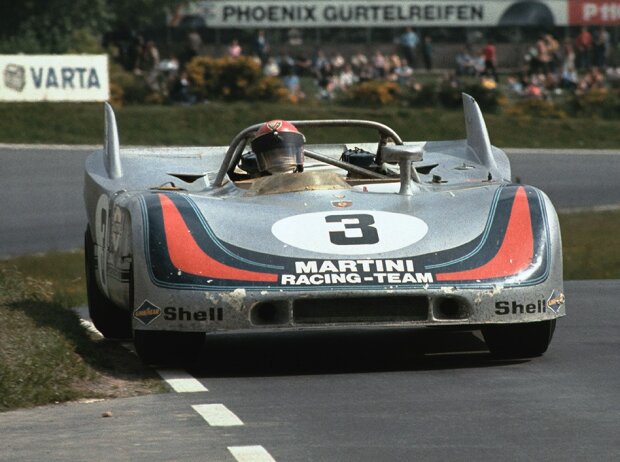
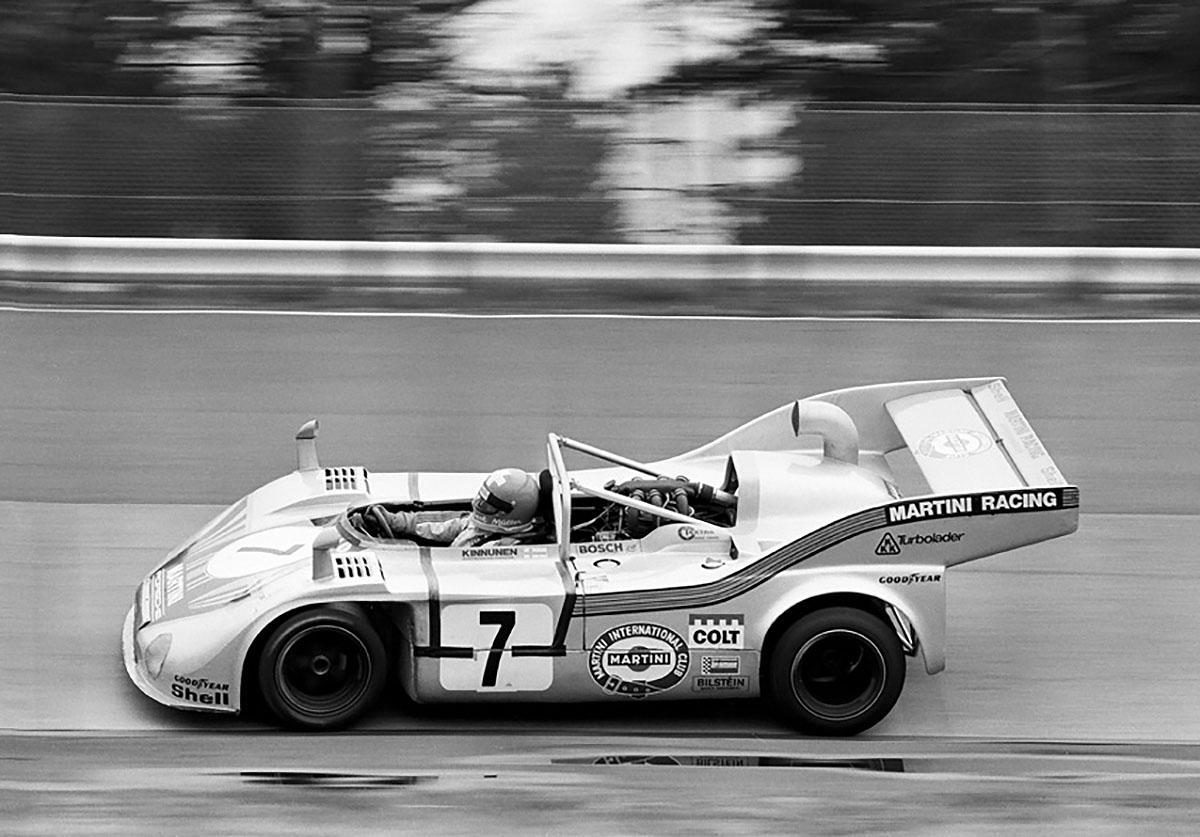
To peel away the gossamer-thin fiberglass bodywork of the 908 is to witness an uncompromising obsession with weight reduction and mechanical pragmatism. The foundation of the car was a delicate, incredibly complex tubular spaceframe, initially constructed from aluminum and later from magnesium. To ensure structural integrity, the chassis tubes were pressurized with gas and fitted with a dashboard gauge; if the pressure dropped, the driver knew a weld had cracked. Yet, the undisputed soul of the 908 was its all-new Type 908 powerplant. This 3.0-liter, naturally aspirated, air-cooled flat-eight engine was essentially a maximized evolution of the earlier 2.2-liter 907 engine. Breathing through a Bosch mechanical fuel injection system, it initially produced around 350 brake horsepower. In its earliest 1968 iterations, the 908/01 Coupe—available in both Kurzheck (short-tail) for tight tracks and Langheck (long-tail) for Le Mans—suffered from severe teething issues, primarily a destructive secondary vibration in the flat-eight’s crankshaft that wreaked havoc on alternators and gearboxes. However, Piëch’s engineers relentlessly refined the firing order and crankshaft phasing, transforming the engine into an unburstable, howling masterpiece. By 1969, the heavy roof was sheared off to create the open-cockpit 908/02 Spyder (affectionately known as the ‘Flunder’). But the absolute zenith of this lineage was the 1970 908/03. Designed exclusively for the twisting, punishing tarmac of the Targa Florio and the Nürburgring Nordschleife, the /03 was radically compact. The transmission was moved ahead of the final drive, and the driver was pushed so far forward their feet were practically ahead of the front axle. Weighing a scarcely believable 500 kilograms, the 908/03 possessed a power-to-weight ratio that made it an untouchable, darting weapon on technical circuits, while the mighty 917 handled the high-speed duties. Inside, the cockpit of any 908 was a terrifyingly spartan, right-hand-drive bathtub of exposed metal and fiberglass, offering zero protection but absolute, unfiltered connection to the tarmac.
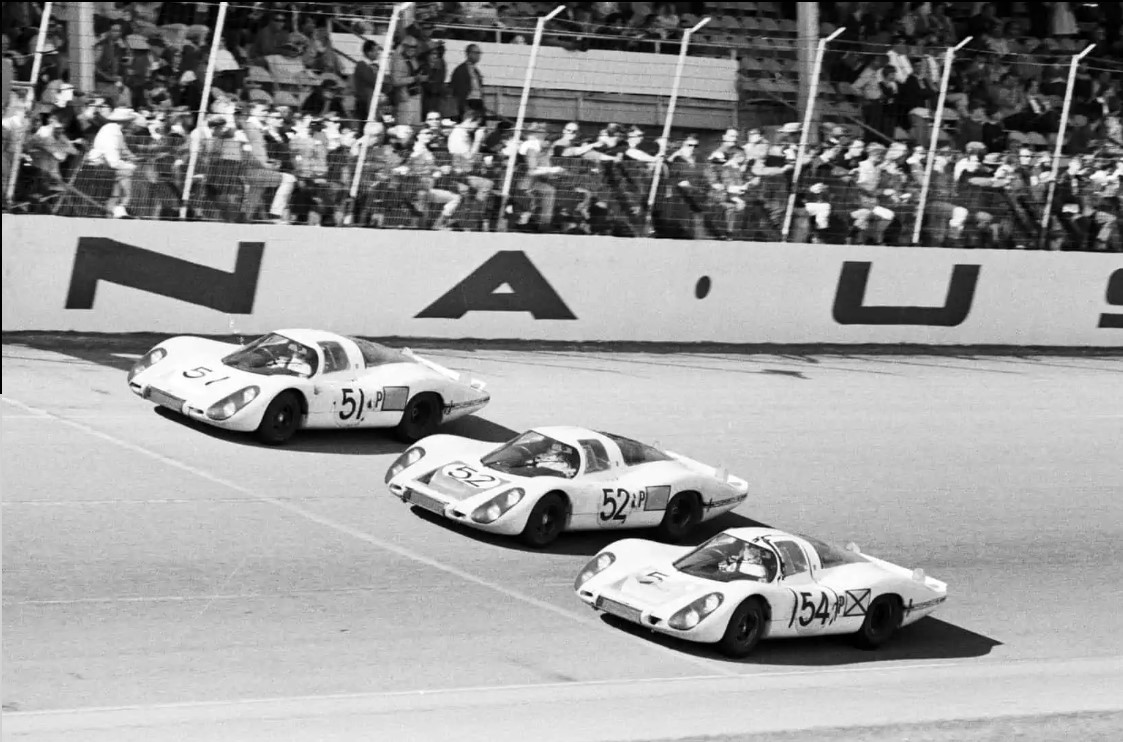
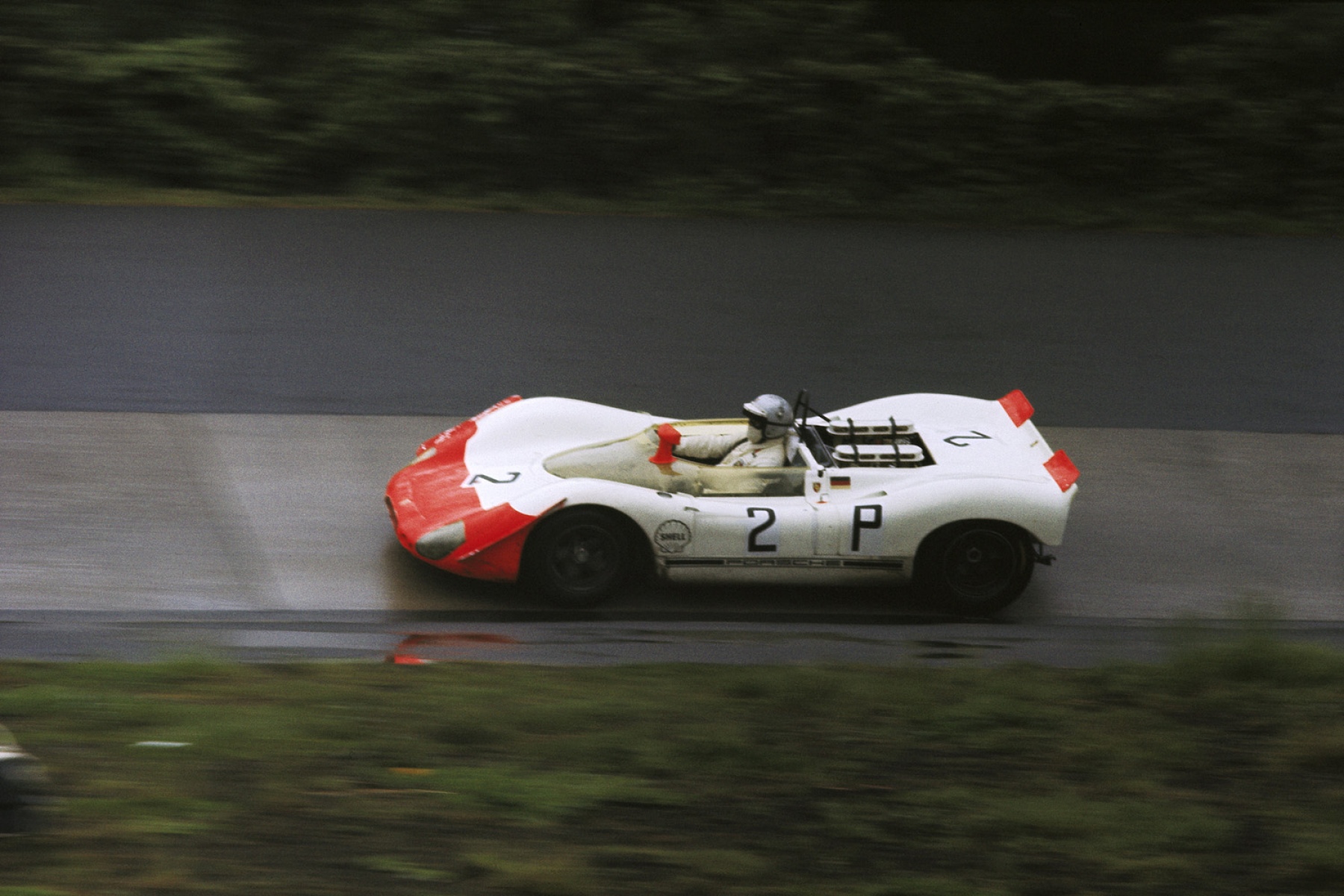
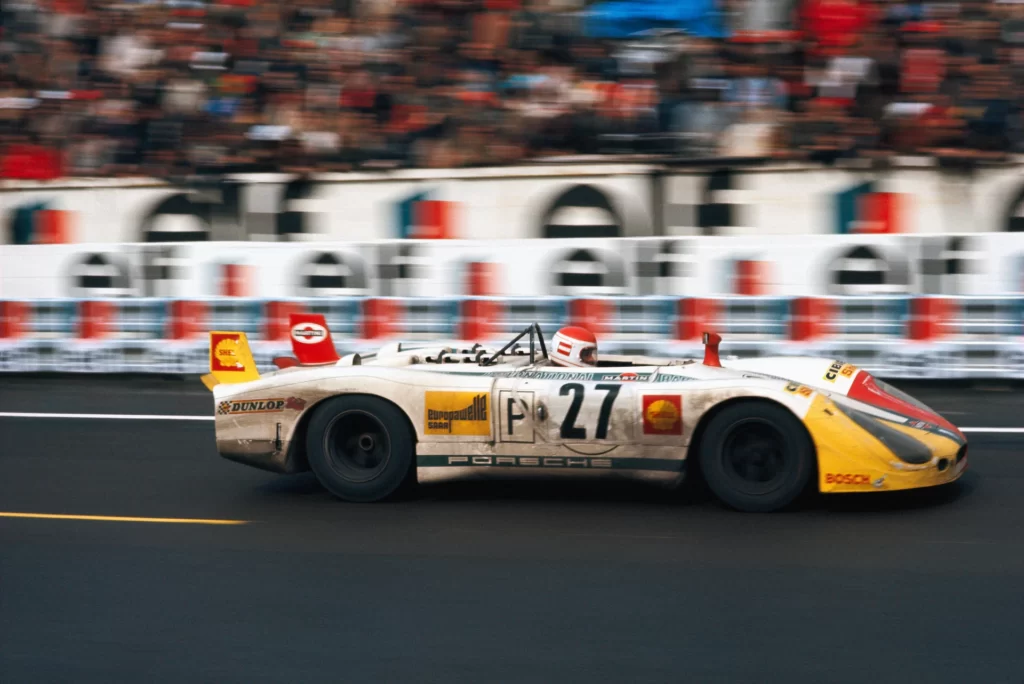
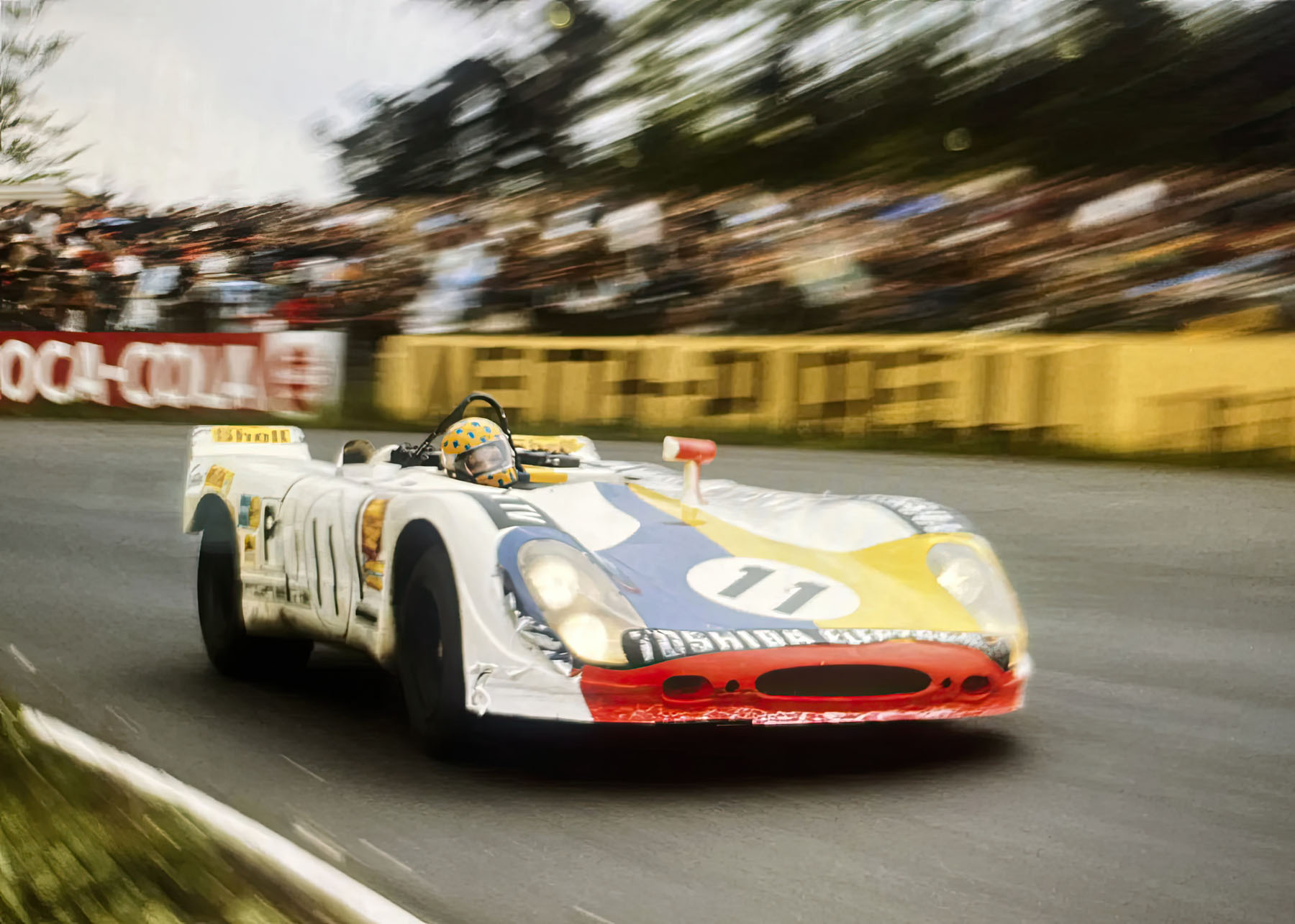
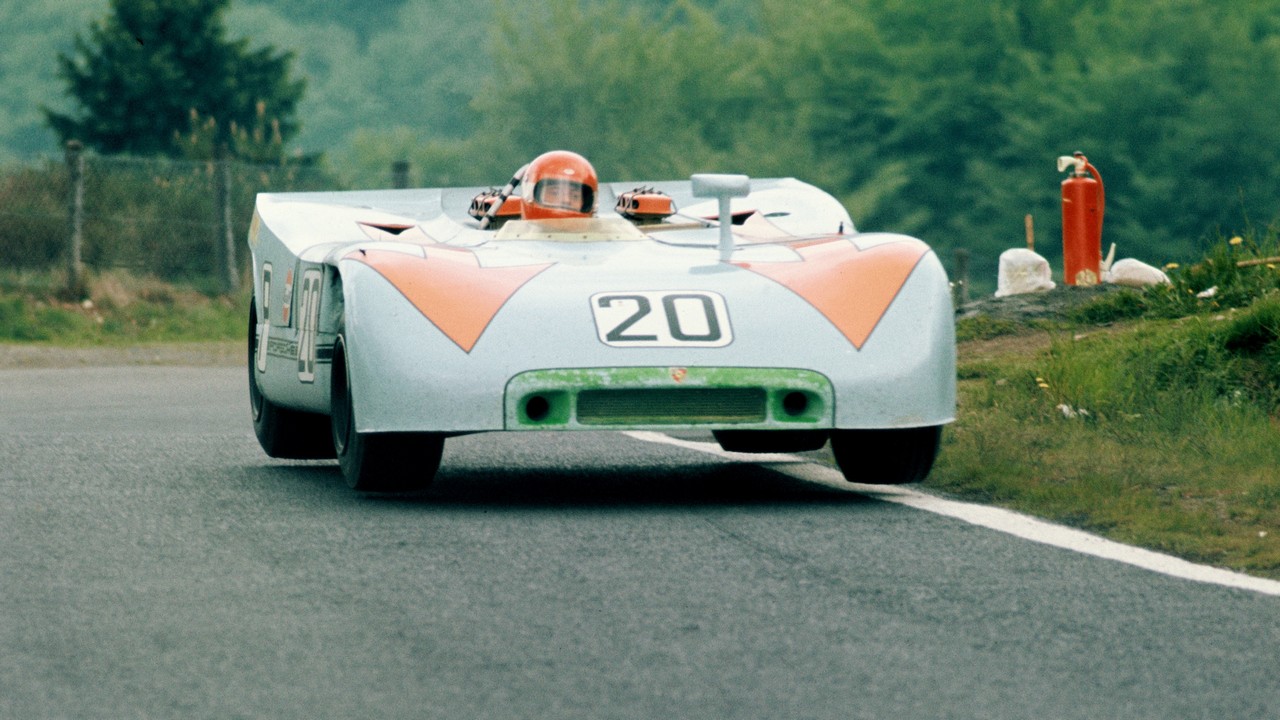
The competitive history of the Porsche 908 is a sprawling epic of triumph, heartbreak, and overwhelming dominance. While 1968 was a developmental crucible, the 908 still managed to secure an overall victory at the grueling Nürburgring 1000km. However, 1969 belonged entirely to the 908/02 Spyder, which brought Porsche its first-ever World Sportscar Championship for Makes. The 908s utterly crushed the opposition, famously taking the top five positions at the Nürburgring. Yet, the 908’s most famous moment is undoubtedly a defeat. At the 1969 24 Hours of Le Mans, Hans Herrmann piloted a 908 Langheck in a legendary, nail-biting three-hour duel against Jacky Ickx in a Ford GT40. Despite the Porsche’s superior braking and cornering, the Ford’s V8 grunt on the Mulsanne straight allowed Ickx to snatch victory by a mere 120 meters after 24 hours of racing. Beyond the factory campaigns, the 908 permeated popular culture via the “King of Cool”, Steve McQueen. McQueen successfully raced a 908/02 in the United States, most notably finishing a spectacular second overall at the 1970 12 Hours of Sebring while driving with a cast on his broken foot. He later utilized that exact same 908/02 as a high-speed camera car during the actual 1970 24 Hours of Le Mans to film his cinematic masterpiece, Le Mans, proving the unparalleled reliability and pace of the chassis even when burdened with heavy cinematic equipment.
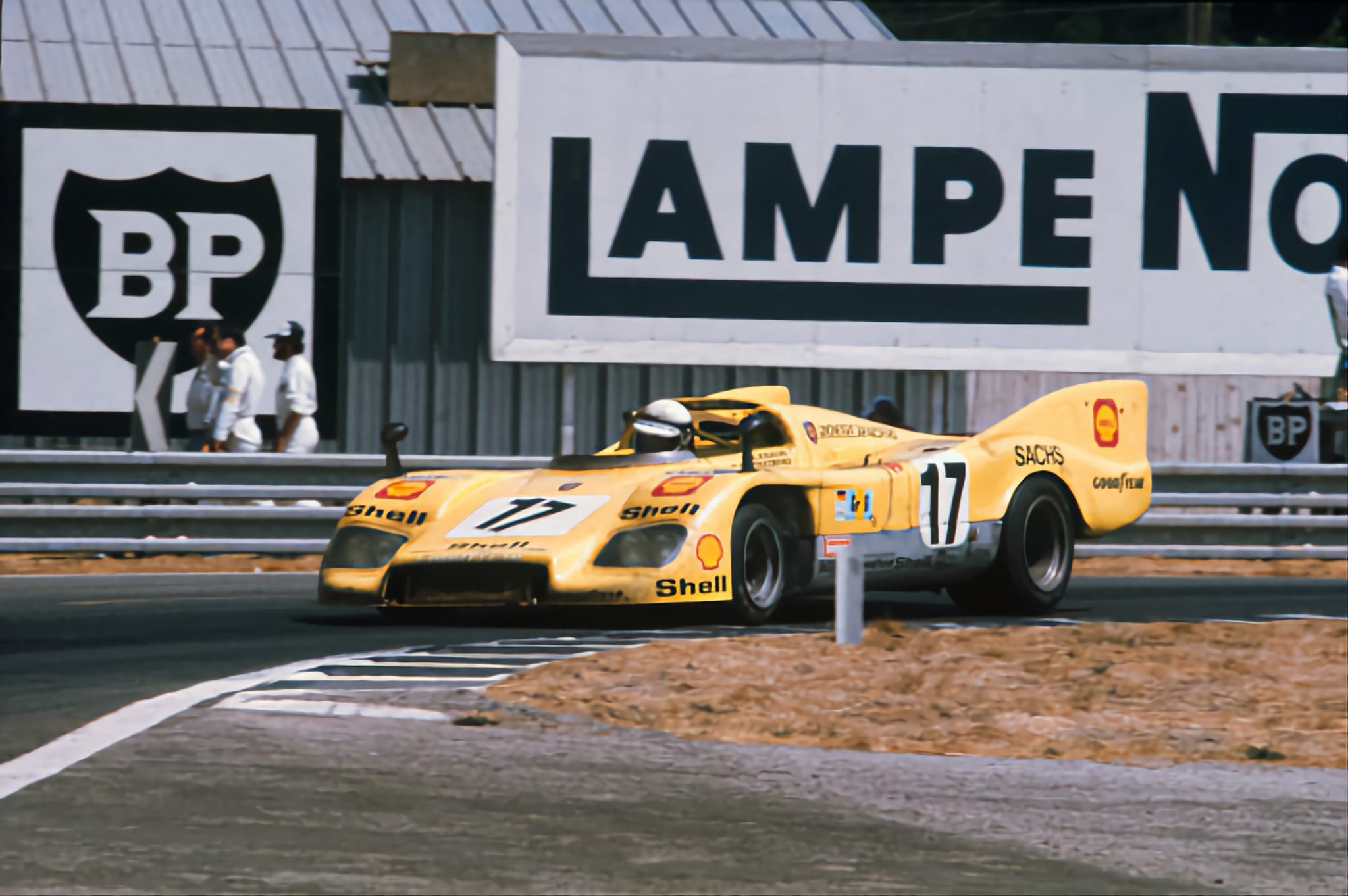
The legacy of the Porsche 908 model line is sovereign and far-reaching. It was the crucial, indispensable stepping stone that taught Porsche how to build, manage, and win with a maximum-capacity prototype. The hard-learned lessons regarding aerodynamics, chassis rigidity, and pit-wall strategy were directly applied to the legendary 12-cylinder 917, which ultimately conquered Le Mans. However, the 908 refused to die gracefully. Long after the factory moved on, privateer teams continued to develop the chassis. In the late 1970s and early 1980s, heavily modified, turbocharged variants—most notably the 908/3 Turbos built by Reinhold Joest—continued to fight for overall podiums against modern Group 6 machinery, a staggering testament to the brilliance of the original tubular spaceframe. The Porsche 908 remains immortal in the pantheon of motorsport. It is remembered not just as a dominant championship winner, but as the absolute physical manifestation of Ferdinand Piëch’s uncompromising engineering will—the lightweight, flat-eight weapon that finally allowed Porsche to stop slaying giants and become one.
Portal
Model line
Model generation
Predecessor
Sucessor
Brand
Produced from
Vehicle category
Portal
Model line
Model generation
Predecessor
Sucessor
Model Overview
To fully grasp the historical magnitude of the Porsche 908, one must examine the seismic shift that rocked the international motorsport landscape at the end of the 1967 season. The FIA, desperate to curb the terrifying, 200-mph-plus (320 km/h) speeds of the 7.0-liter Ford GT40 Mk IVs and the 4.0-liter Ferrari 330 P4s, abruptly announced a rule change for the World Sportscar Championship: Group 6 prototypes would henceforth be limited to a maximum engine capacity of 3.0 liters. For the titans in Dearborn and Maranello, this was a devastating blow. But in Zuffenhausen, an ambitious young engineer named Ferdinand Piëch saw an unprecedented opportunity. Porsche had spent the previous decade as the ultimate “giant-killer”, utilizing small-displacement cars like the 906 and 907 to win their class and occasionally steal an overall victory on tight circuits. With the engine ceiling lowered to meet their wheelhouse, Piëch realized Porsche didn’t just have to be the giant-killer anymore; they could become the giant. The result of this ruthless, singular vision was the Porsche 908. Introduced in 1968, it was the first Porsche specifically designed to exploit the absolute maximum limits of the premier prototype regulations, setting the stage for an all-out war against the V12-powered Ferrari 312 P, the Matra MS650, the Alfa Romeo Tipo 33/3, and the aging but reliable 5.0-liter Group 4 Ford GT40s.
To peel away the gossamer-thin fiberglass bodywork of the 908 is to witness an uncompromising obsession with weight reduction and mechanical pragmatism. The foundation of the car was a delicate, incredibly complex tubular spaceframe, initially constructed from aluminum and later from magnesium. To ensure structural integrity, the chassis tubes were pressurized with gas and fitted with a dashboard gauge; if the pressure dropped, the driver knew a weld had cracked. Yet, the undisputed soul of the 908 was its all-new Type 908 powerplant. This 3.0-liter, naturally aspirated, air-cooled flat-eight engine was essentially a maximized evolution of the earlier 2.2-liter 907 engine. Breathing through a Bosch mechanical fuel injection system, it initially produced around 350 brake horsepower. In its earliest 1968 iterations, the 908/01 Coupe—available in both Kurzheck (short-tail) for tight tracks and Langheck (long-tail) for Le Mans—suffered from severe teething issues, primarily a destructive secondary vibration in the flat-eight’s crankshaft that wreaked havoc on alternators and gearboxes. However, Piëch’s engineers relentlessly refined the firing order and crankshaft phasing, transforming the engine into an unburstable, howling masterpiece. By 1969, the heavy roof was sheared off to create the open-cockpit 908/02 Spyder (affectionately known as the ‘Flunder’). But the absolute zenith of this lineage was the 1970 908/03. Designed exclusively for the twisting, punishing tarmac of the Targa Florio and the Nürburgring Nordschleife, the /03 was radically compact. The transmission was moved ahead of the final drive, and the driver was pushed so far forward their feet were practically ahead of the front axle. Weighing a scarcely believable 500 kilograms, the 908/03 possessed a power-to-weight ratio that made it an untouchable, darting weapon on technical circuits, while the mighty 917 handled the high-speed duties. Inside, the cockpit of any 908 was a terrifyingly spartan, right-hand-drive bathtub of exposed metal and fiberglass, offering zero protection but absolute, unfiltered connection to the tarmac.
The competitive history of the Porsche 908 is a sprawling epic of triumph, heartbreak, and overwhelming dominance. While 1968 was a developmental crucible, the 908 still managed to secure an overall victory at the grueling Nürburgring 1000km. However, 1969 belonged entirely to the 908/02 Spyder, which brought Porsche its first-ever World Sportscar Championship for Makes. The 908s utterly crushed the opposition, famously taking the top five positions at the Nürburgring. Yet, the 908’s most famous moment is undoubtedly a defeat. At the 1969 24 Hours of Le Mans, Hans Herrmann piloted a 908 Langheck in a legendary, nail-biting three-hour duel against Jacky Ickx in a Ford GT40. Despite the Porsche’s superior braking and cornering, the Ford’s V8 grunt on the Mulsanne straight allowed Ickx to snatch victory by a mere 120 meters after 24 hours of racing. Beyond the factory campaigns, the 908 permeated popular culture via the “King of Cool”, Steve McQueen. McQueen successfully raced a 908/02 in the United States, most notably finishing a spectacular second overall at the 1970 12 Hours of Sebring while driving with a cast on his broken foot. He later utilized that exact same 908/02 as a high-speed camera car during the actual 1970 24 Hours of Le Mans to film his cinematic masterpiece, Le Mans, proving the unparalleled reliability and pace of the chassis even when burdened with heavy cinematic equipment.
The legacy of the Porsche 908 model line is sovereign and far-reaching. It was the crucial, indispensable stepping stone that taught Porsche how to build, manage, and win with a maximum-capacity prototype. The hard-learned lessons regarding aerodynamics, chassis rigidity, and pit-wall strategy were directly applied to the legendary 12-cylinder 917, which ultimately conquered Le Mans. However, the 908 refused to die gracefully. Long after the factory moved on, privateer teams continued to develop the chassis. In the late 1970s and early 1980s, heavily modified, turbocharged variants—most notably the 908/3 Turbos built by Reinhold Joest—continued to fight for overall podiums against modern Group 6 machinery, a staggering testament to the brilliance of the original tubular spaceframe. The Porsche 908 remains immortal in the pantheon of motorsport. It is remembered not just as a dominant championship winner, but as the absolute physical manifestation of Ferdinand Piëch’s uncompromising engineering will—the lightweight, flat-eight weapon that finally allowed Porsche to stop slaying giants and become one.
Generations
Model Generations

Submodels