
Alfa Romeo Giulia Ti Super


Brand
Produced from
Portal
Vehicle category
Model line
Model generation
Predecessor
Successor
Submodel Overview
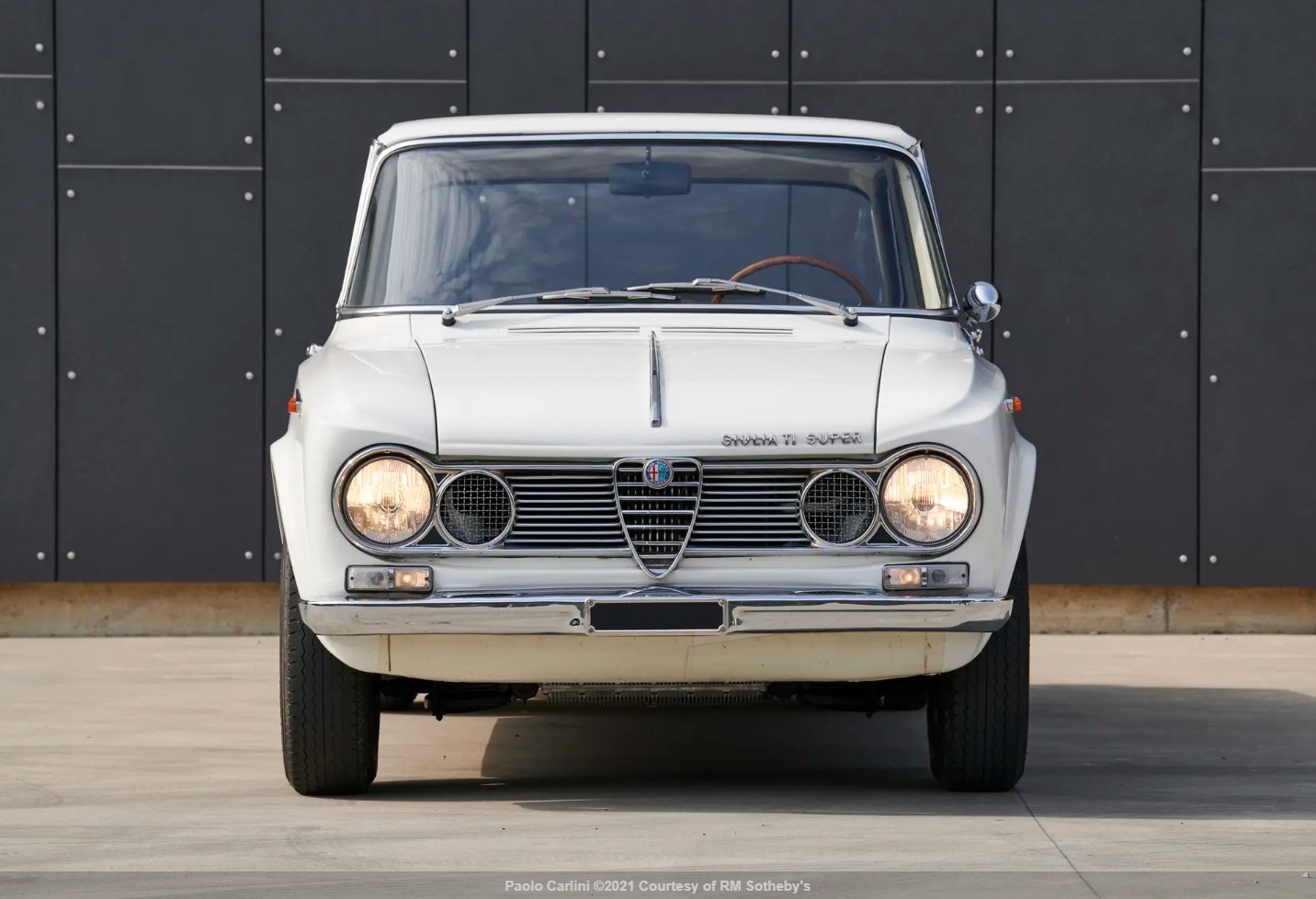
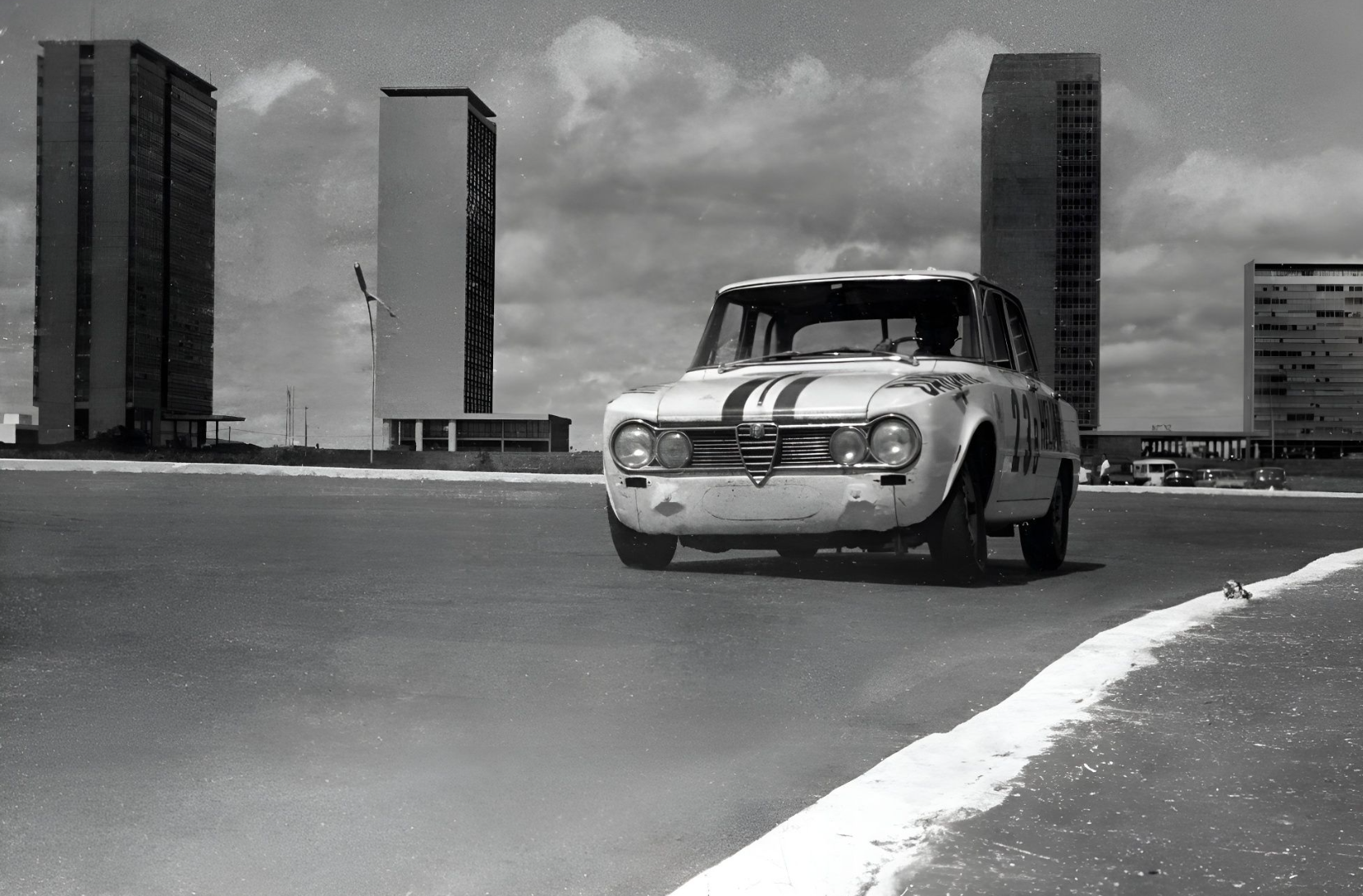
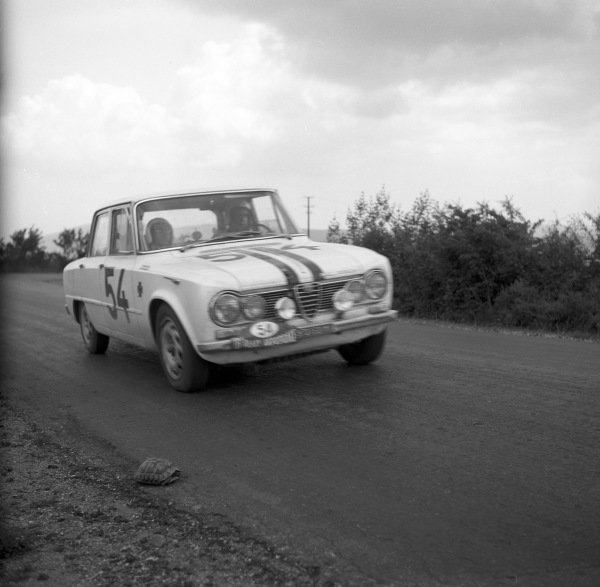
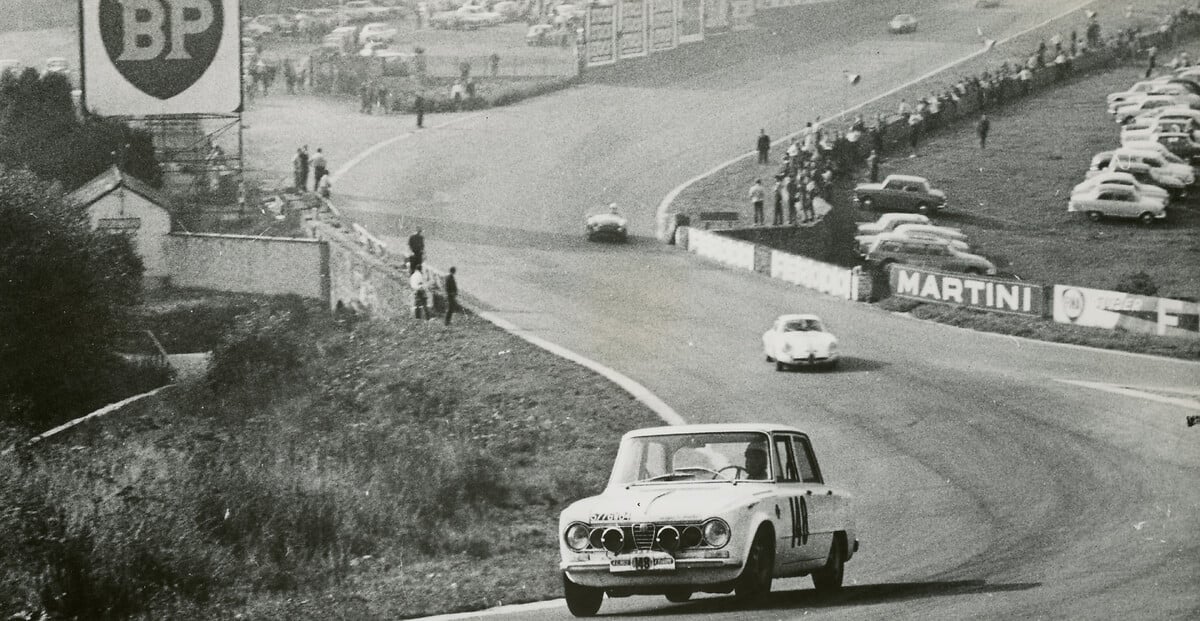
Forget every ‘normal’ Giulia sedan you think you know. This is not just a trim level; it’s a revolution. The 1963 Alfa Romeo Giulia Ti Super, known by its sacred internal designation Tipo 105.16, is the car that cemented the Berlina Sportiva (sports sedan) legend. It is a pure, unadulterated “homologation special,” a machine built with the singular, ruthless purpose of dominating the European Touring Car Championship. This car wasn’t just meant for racing; it was a race car barely disguised for the road.
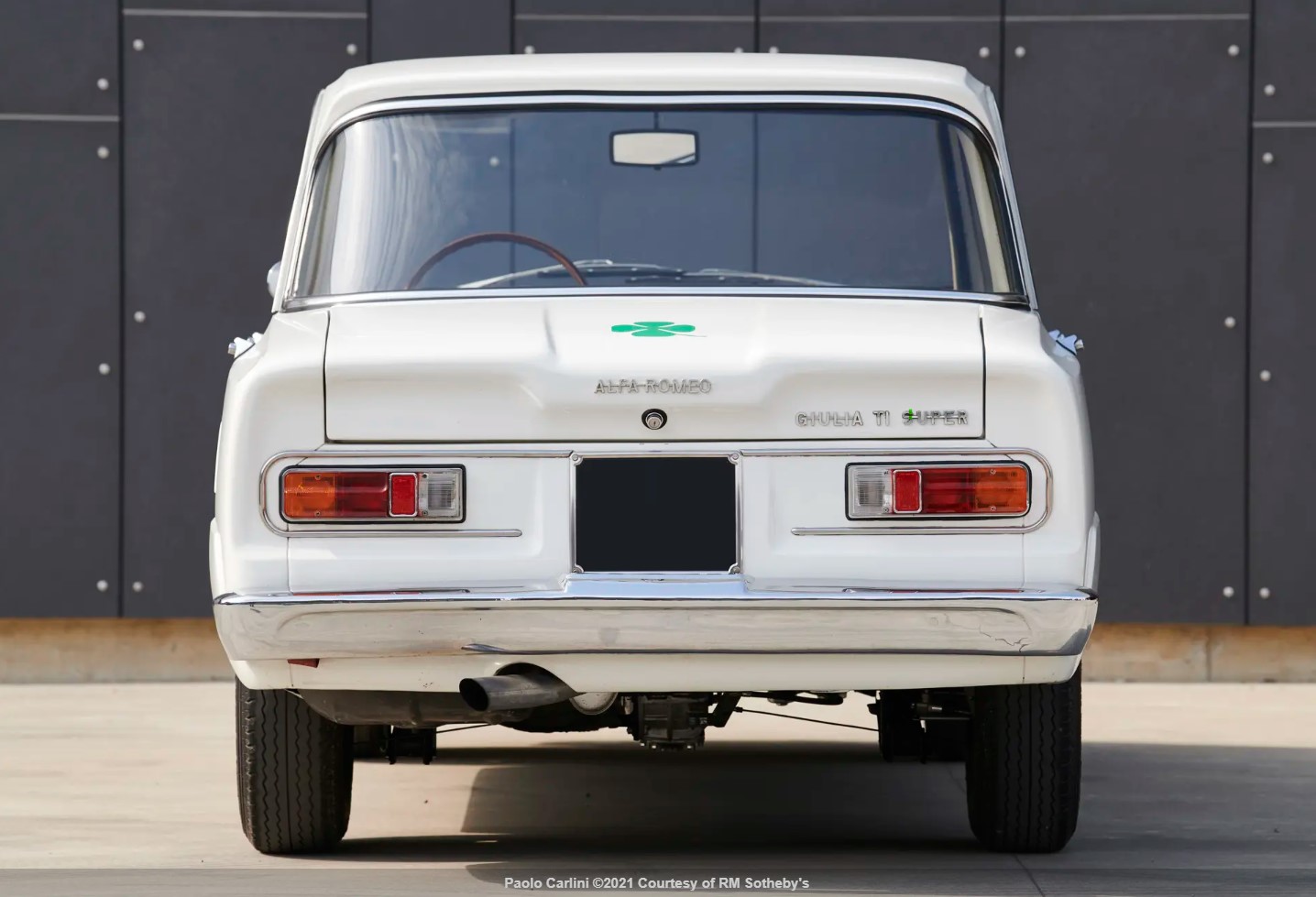
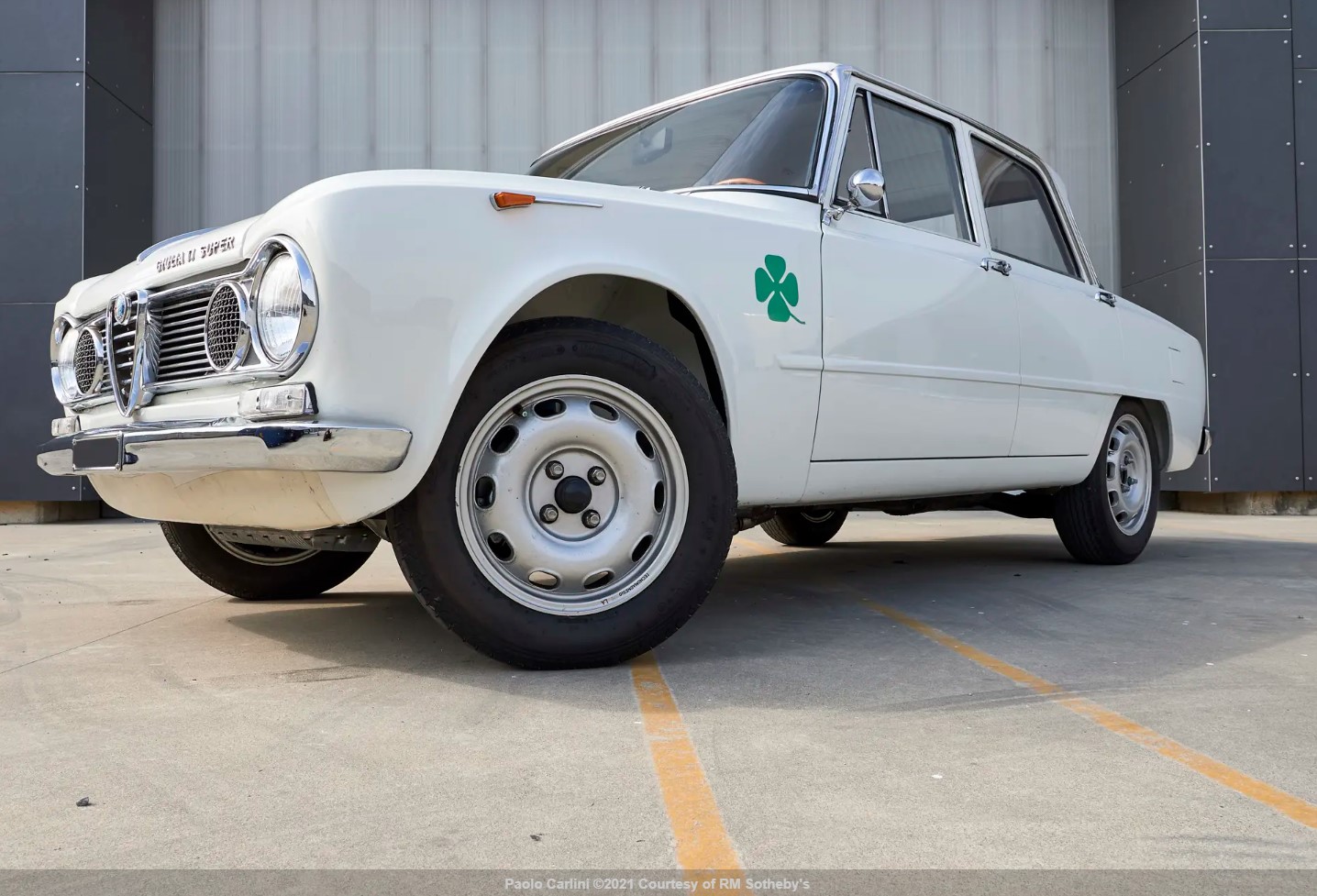
This is a car of immense historical significance for Alfa Romeo. It was the very first saloon car ever to wear the legendary Quadrifoglio Verde—the four-leaf clover that had previously been reserved only for Alfa’s purebred Grand Prix and sports racing cars. Placing it on the wings of this boxy sedan was a shocking, bold declaration of intent. Alfa’s racing arm, Autodelta, took the already advanced, wind-tunnel-designed Giulia and subjected it to a brutal lightweighting program. The standard steel bonnet, boot lid, and doors were replaced with featherweight aluminum panels. The side and rear windows were swapped for lighter perspex, and all unnecessary sound-deadening and trim were ripped out.
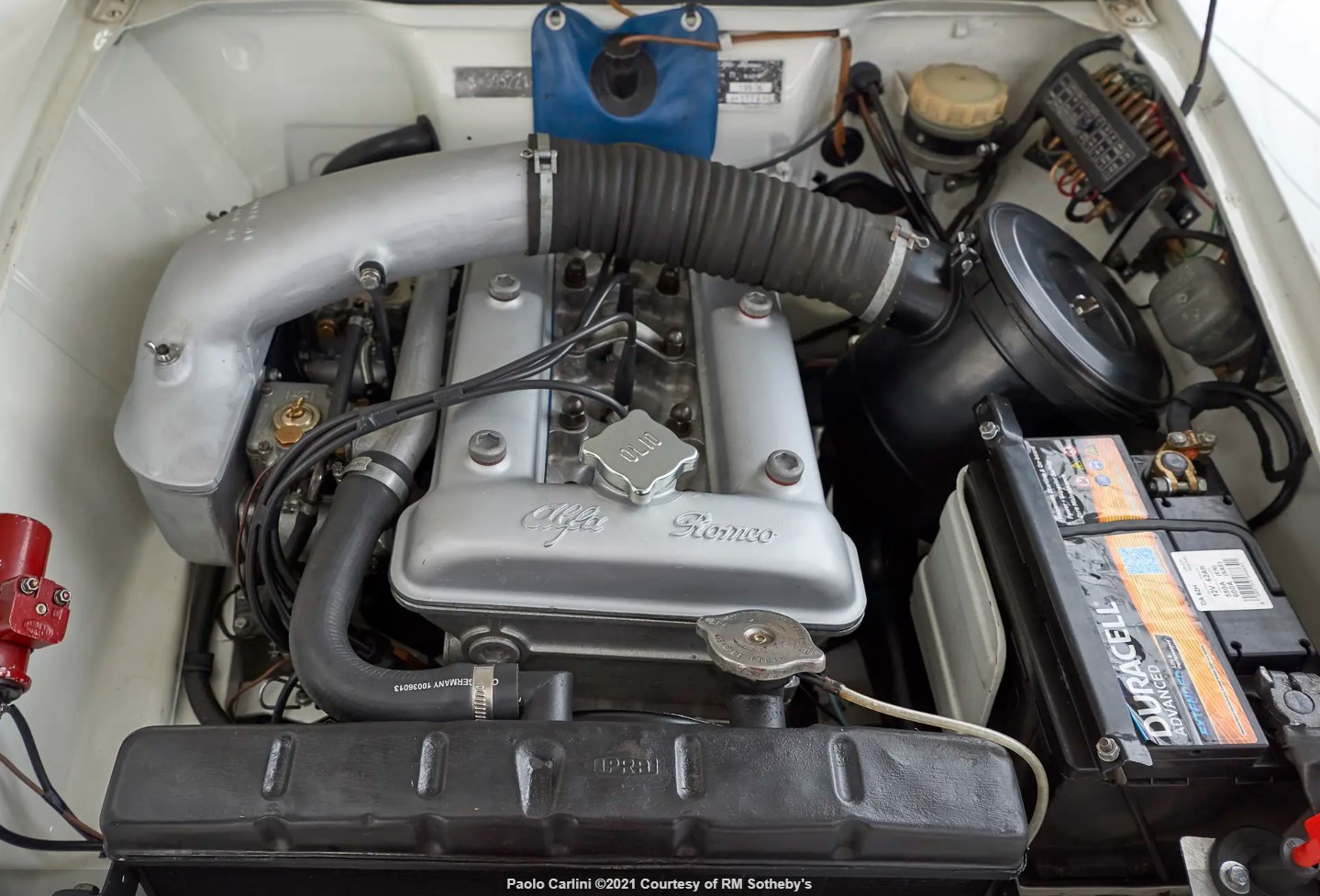
The transformation continued inside. The standard car’s plush bench seat was tossed aside for a pair of purposeful, competition-style bucket seats. The standard Ti’s column-mounted gearchange was hurled into the bin, replaced by a proper, floor-mounted, five-speed “joystick” shifter that snicked through the gears. But the soul of the Ti Super was its engine. The 1.6-liter all-alloy, twin-cam four-cylinder—already a jewel—was given the full Autodelta treatment. A lighter flywheel, higher compression, and hotter camshafts were added, but the crown jewels were the two massive, side-draught Weber 45 DCOE carburetors. This was hardware reserved for purebred GTs, not family saloons. The factory conservatively claimed 112 bhp, but everyone knew the real figure was much higher.
Externally, the Ti Super screamed its intent. Aside from the green clovers, it wore ultra-light, sand-cast Elektron magnesium wheels. But the most iconic cue? The front end. The inner pair of headlamps were deleted and replaced with simple mesh grilles, a functional modification to ram cold air directly into the hungry Webers. With four-wheel disc brakes to haul it down, this was a 1.6-liter sedan that could top 115 mph (185 km/h) and hunt down contemporary sports cars. Only 501 were ever built, just enough to satisfy the FIA’s Group 2 homologation rules. It’s not just a submodel; it’s the genesis, the blueprint for every great performance sedan that followed.
Brand
Produced from
Portal
Vehicle category
Model line
Predecessor
Sucessor
Brand
Produced from
Portal
Vehicle category
Model line
Model generation
Predecessor
Sucessor
Submodel Overview
Forget every ‘normal’ Giulia sedan you think you know. This is not just a trim level; it’s a revolution. The 1963 Alfa Romeo Giulia Ti Super, known by its sacred internal designation Tipo 105.16, is the car that cemented the Berlina Sportiva (sports sedan) legend. It is a pure, unadulterated “homologation special,” a machine built with the singular, ruthless purpose of dominating the European Touring Car Championship. This car wasn’t just meant for racing; it was a race car barely disguised for the road.
This is a car of immense historical significance for Alfa Romeo. It was the very first saloon car ever to wear the legendary Quadrifoglio Verde—the four-leaf clover that had previously been reserved only for Alfa’s purebred Grand Prix and sports racing cars. Placing it on the wings of this boxy sedan was a shocking, bold declaration of intent. Alfa’s racing arm, Autodelta, took the already advanced, wind-tunnel-designed Giulia and subjected it to a brutal lightweighting program. The standard steel bonnet, boot lid, and doors were replaced with featherweight aluminum panels. The side and rear windows were swapped for lighter perspex, and all unnecessary sound-deadening and trim were ripped out.
The transformation continued inside. The standard car’s plush bench seat was tossed aside for a pair of purposeful, competition-style bucket seats. The standard Ti’s column-mounted gearchange was hurled into the bin, replaced by a proper, floor-mounted, five-speed “joystick” shifter that snicked through the gears. But the soul of the Ti Super was its engine. The 1.6-liter all-alloy, twin-cam four-cylinder—already a jewel—was given the full Autodelta treatment. A lighter flywheel, higher compression, and hotter camshafts were added, but the crown jewels were the two massive, side-draught Weber 45 DCOE carburetors. This was hardware reserved for purebred GTs, not family saloons. The factory conservatively claimed 112 bhp, but everyone knew the real figure was much higher.
Externally, the Ti Super screamed its intent. Aside from the green clovers, it wore ultra-light, sand-cast Elektron magnesium wheels. But the most iconic cue? The front end. The inner pair of headlamps were deleted and replaced with simple mesh grilles, a functional modification to ram cold air directly into the hungry Webers. With four-wheel disc brakes to haul it down, this was a 1.6-liter sedan that could top 115 mph (185 km/h) and hunt down contemporary sports cars. Only 501 were ever built, just enough to satisfy the FIA’s Group 2 homologation rules. It’s not just a submodel; it’s the genesis, the blueprint for every great performance sedan that followed.
Tech Specs
Technical Specifications
Tech Specs
Technical Specifications
Engine
01
03
Internal combustion engine
Configuration
Straight-4
Location
Front, longitudinally mounted
Construction
Aluminium alloy block and head
Displacement (cc)
1,570 cc
Displacement (cu in)
95.8 cu in
Compression
9.7:1
Bore x Stroke
78.0 mm x 82.0 mm
Valvetrain
2 valves per cylinder, DOHC
Fuel feed
2 Weber 45 DCOE 14 Carburettors
Lubrication
-
Aspiration
Naturally aspirated
Output
Power (hp)
110 hp
Power (kW)
82 kW
Max power at
6,500 RPM
Torque (Nm)
132 Nm
Torque (ft lbs)
97 ft lbs
Max torque at
4,200 RPM
Drivetrain
02
03
Chassis
Type
Monocoque unibody
Material
Steel
Body
Material
Aluminium alloy and steel
Transmission
Gearbox
5-speed manual
Drive
Rear Wheel Drive
Suspension
Front
Double wishbones, coil springs, anti-roll bar
Rear
Solid axle, trailing arms, coil springs, anti-roll bar
Steering
Type
Recirculating ball
Brakes
Front
Discs, all-round
Rear
Discs, all-round
Wheels
Front
-
Rear
-
Tires
Front
-
Rear
-
Dimensions and performance
03
03
Dimensions
Length (mm)
4,140 mm
Length (in)
163 in
Width (mm)
1,560 mm
Width (in)
61.4 in
Height (mm)
1,430 mm
Height (in)
56.3 in
Wheelbase (mm)
2,510 mm
Wheelbase (in)
98.8 in
Weight (kg)
910 kg
Weight (lbs)
2,006 lbs
Performance
Power to weight
0.12 hp/kg
Top speed (km/h)
189 km/h
Top speed (mph)
118 mph
0-100 km/h (0-60 mph)
9.6 s