
Alfa Romeo Giulia 1750 GTAm
Brand
Produced from
Portal
Vehicle category
Model line
Model generation
Predecessor
Successor
Submodel Overview
By the twilight of the 1960s, the European Touring Car Championship had transformed from a gentleman’s pursuit into a theater of all-out, brass-knuckle corporate warfare. Alfa Romeo, through its legendary Autodelta racing division, had already tasted immense success with the lightweight Giulia Sprint GTA. However, the relentless march of progress meant that rivals like the agile Ford Escort Twin Cam and the muscular BMW 2002 TI were beginning to close the gap in the sub-2.0-liter category. Carlo Chiti, the mercurial mastermind behind Autodelta, realized that to maintain Alfa’s dominance, a more brutal, uncompromising weapon was required. Enter the 1969 Alfa Romeo Giulia 1750 GTAm. It was a vehicle that discarded the delicate, jewel-like finesse of the original aluminium GTA in favor of aggressive, wide-arched mechanical hostility. The GTAm was not built to look pretty; it was built to violently command the apex and bludgeon the opposition into submission, cementing the 105-series coupe as the ultimate touring car of its era.
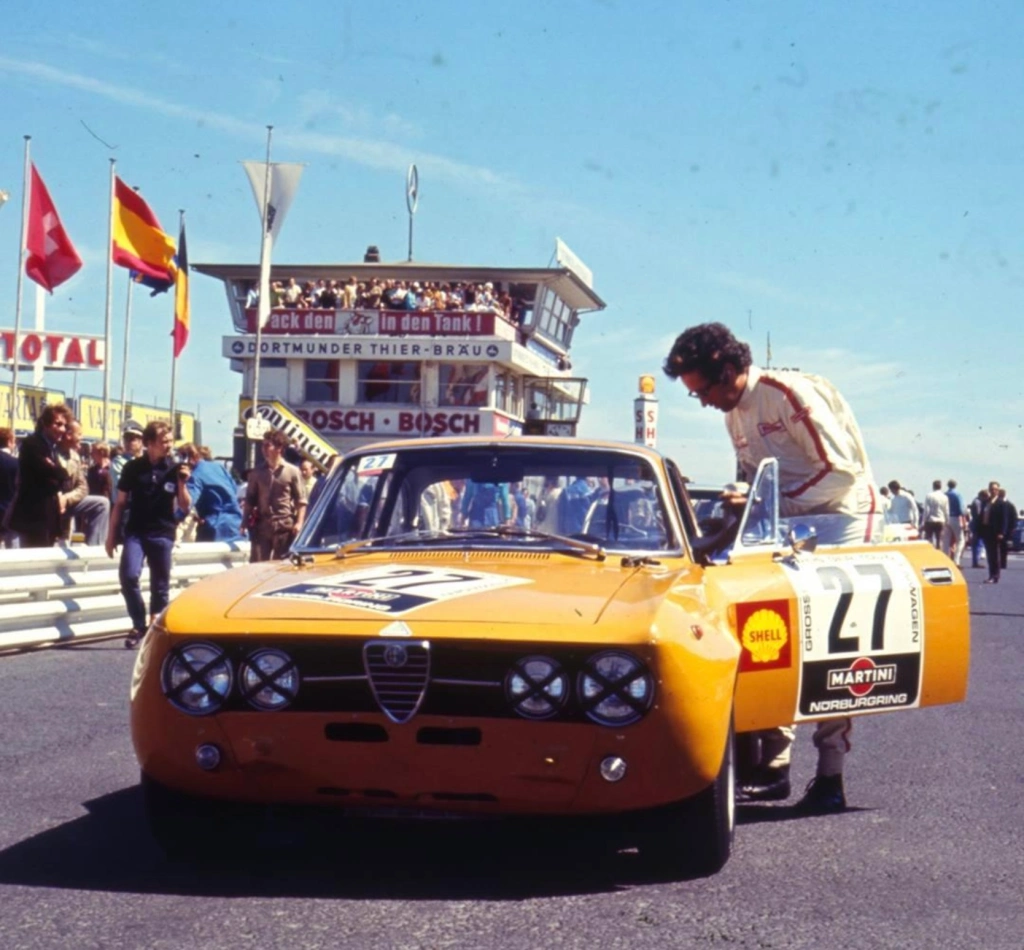
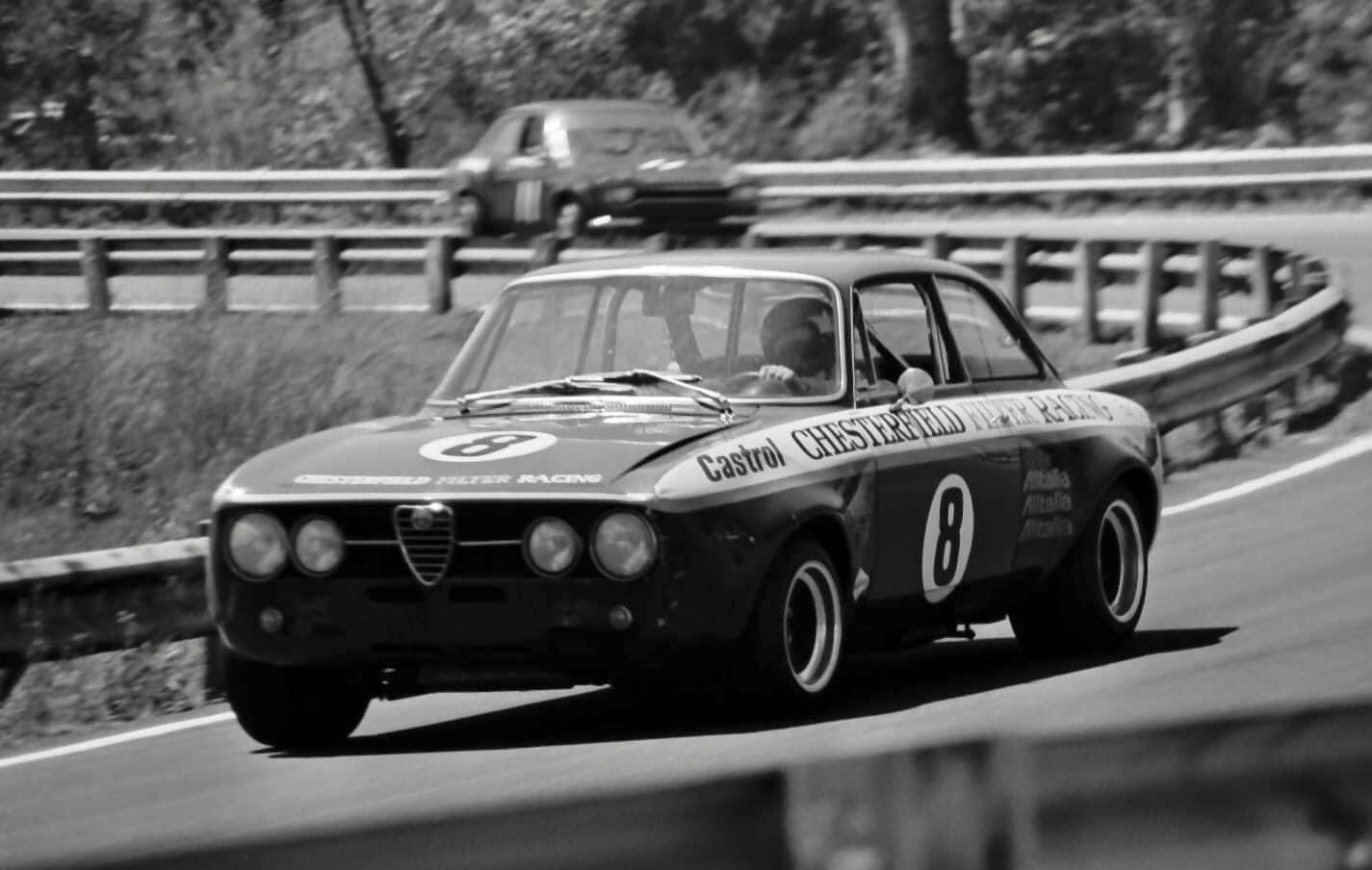
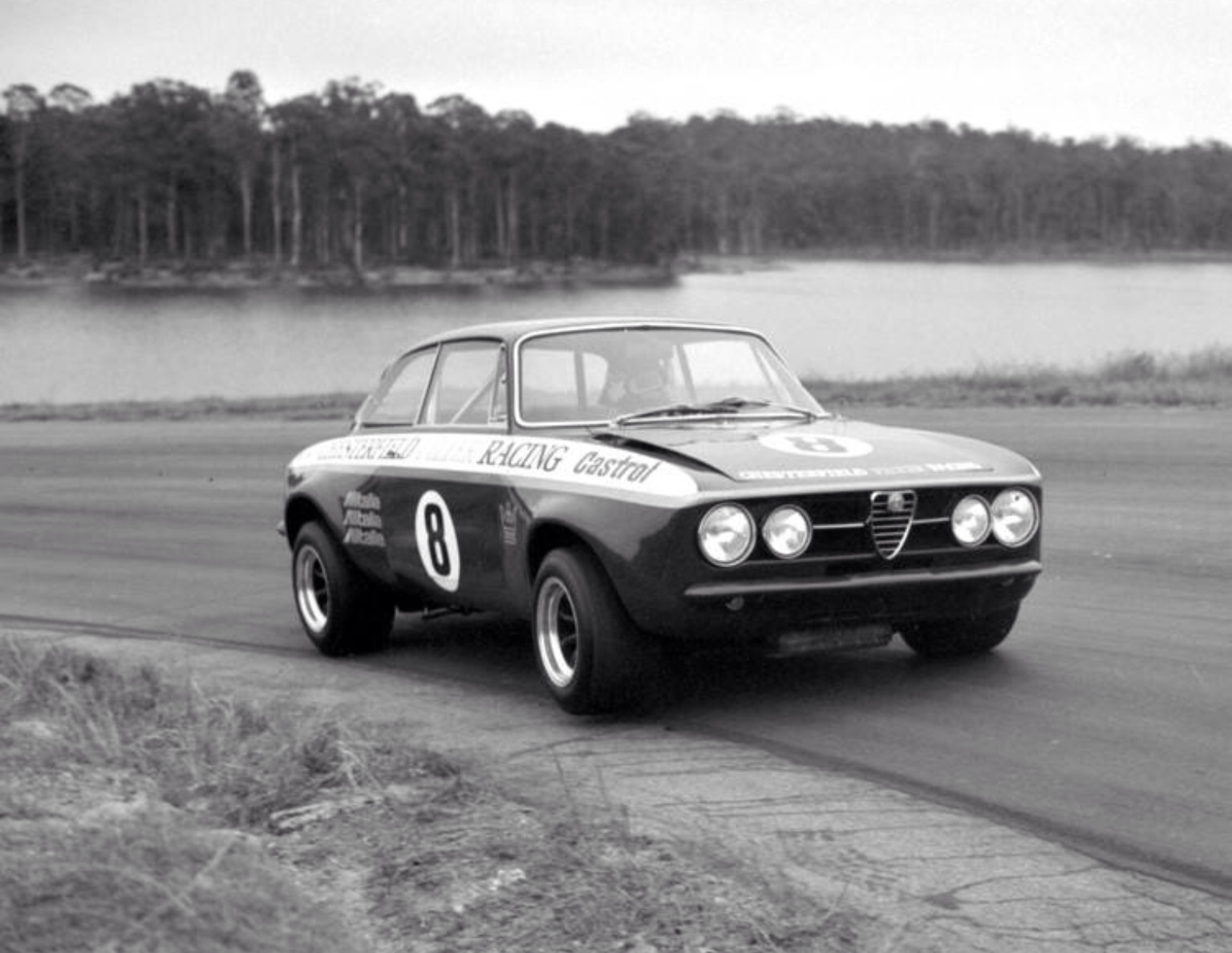
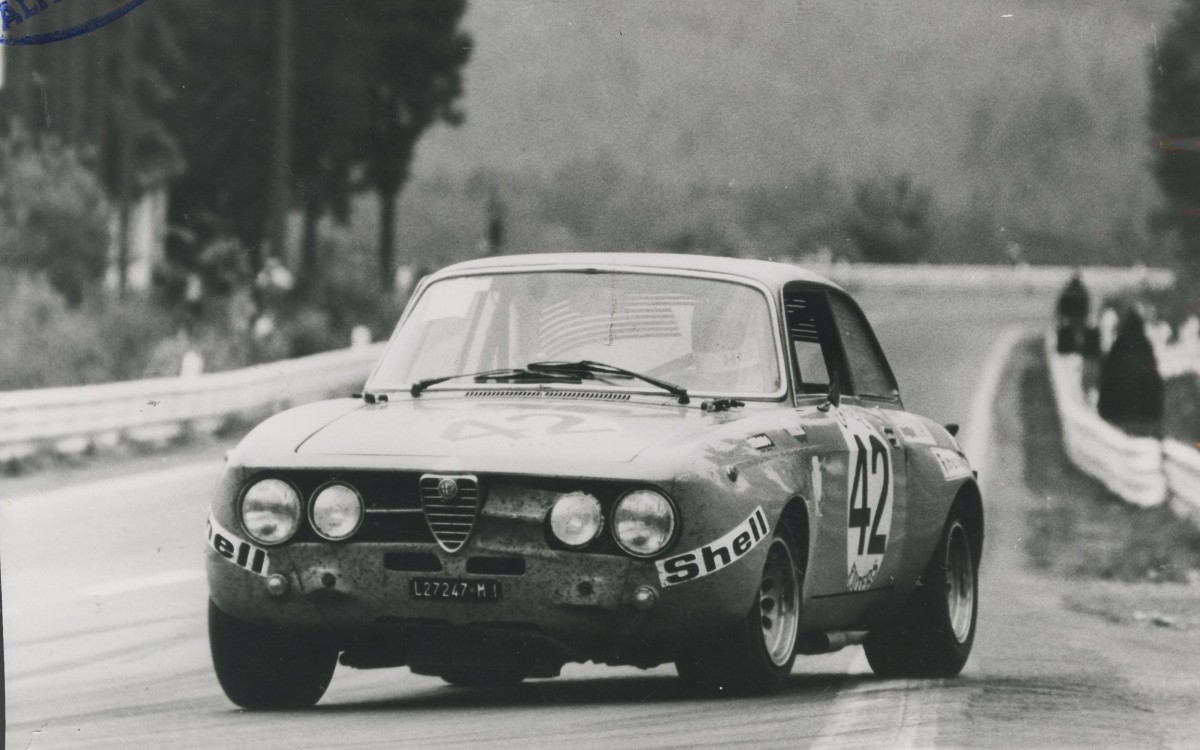
The engineering narrative of the 1750 GTAm is shrouded in a delightful blend of Italian pragmatism and homologation trickery. The ‘Am’ suffix has been the subject of decades of debate among the Alfisti; some claim it stands for Alleggerita Maggiorata (lightened and enlarged), but the official Autodelta documentation often referred to it as “America”. This is because the race car was homologated using the US-market 1750 GTV steel chassis. Why? Because the American version came equipped with Spica mechanical fuel injection to pass emissions, providing a vital loophole for Autodelta to utilize fuel injection in Group 2 racing. Unlike the original GTA, the GTAm retained its steel central tub but shaved weight by fitting fiberglass or aluminium doors, bonnet, and boot lid. Visually, the car was defined by its massive, riveted-on fiberglass overfenders, necessary to house the colossal 13-inch Campagnolo magnesium alloy wheels wrapped in ultra-wide Dunlop racing rubber. Beneath the hood lay a masterpiece: the legendary Alfa twin-cam engine, equipped with a bespoke twin-spark cylinder head. Utilizing the 1750 block but bored out to 1985cc (sitting just underneath the 2.0-liter class limit) and fed by a precision Lucas mechanical fuel injection system, this glorious inline-four screamed to 7500 rpm, producing a staggering 240 brake horsepower. Power was routed through a close-ratio five-speed gearbox and a heavy-duty limited-slip differential. Inside, the cabin was a stripped, brutalist workspace—devoid of the road car’s wood veneer, featuring a single racing bucket, an integrated roll cage, and a prominent tachometer dictating the driver’s every move.
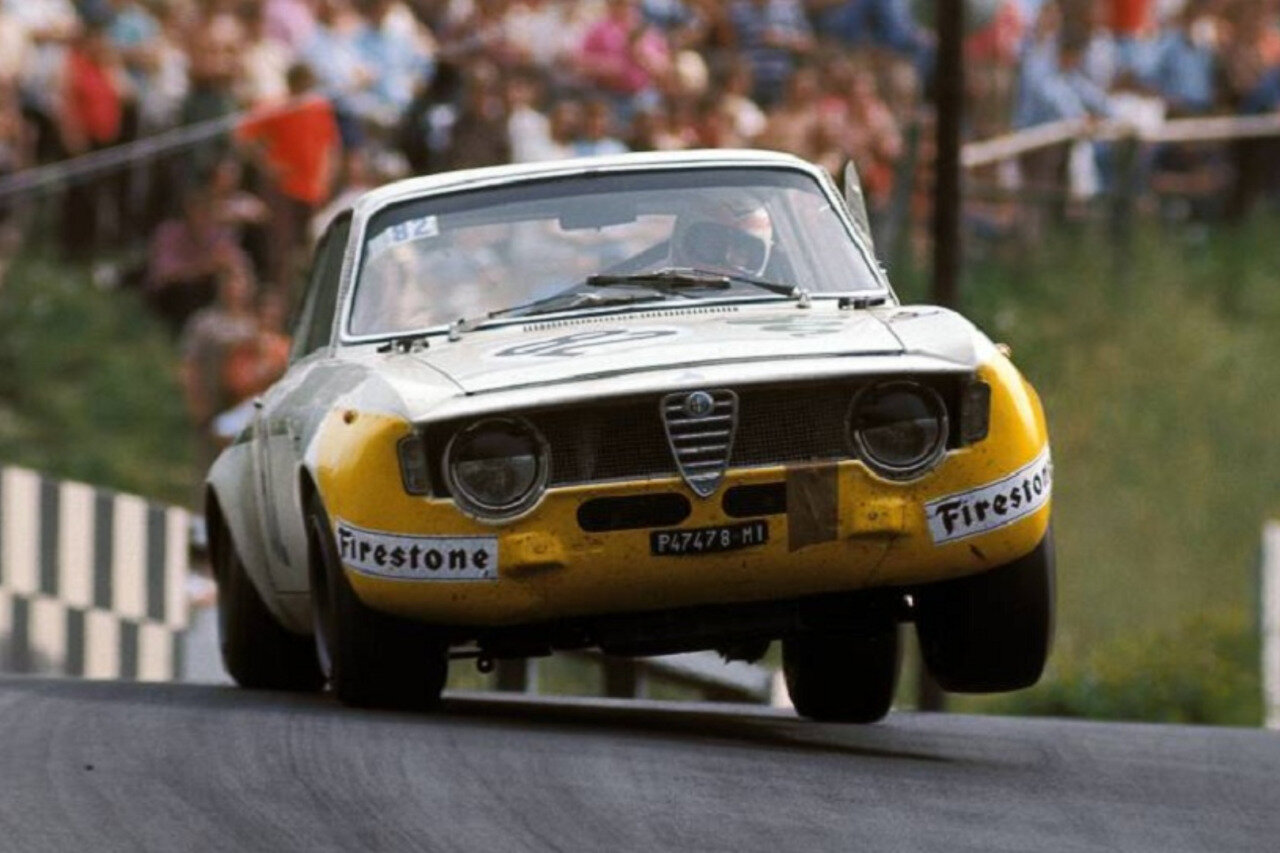
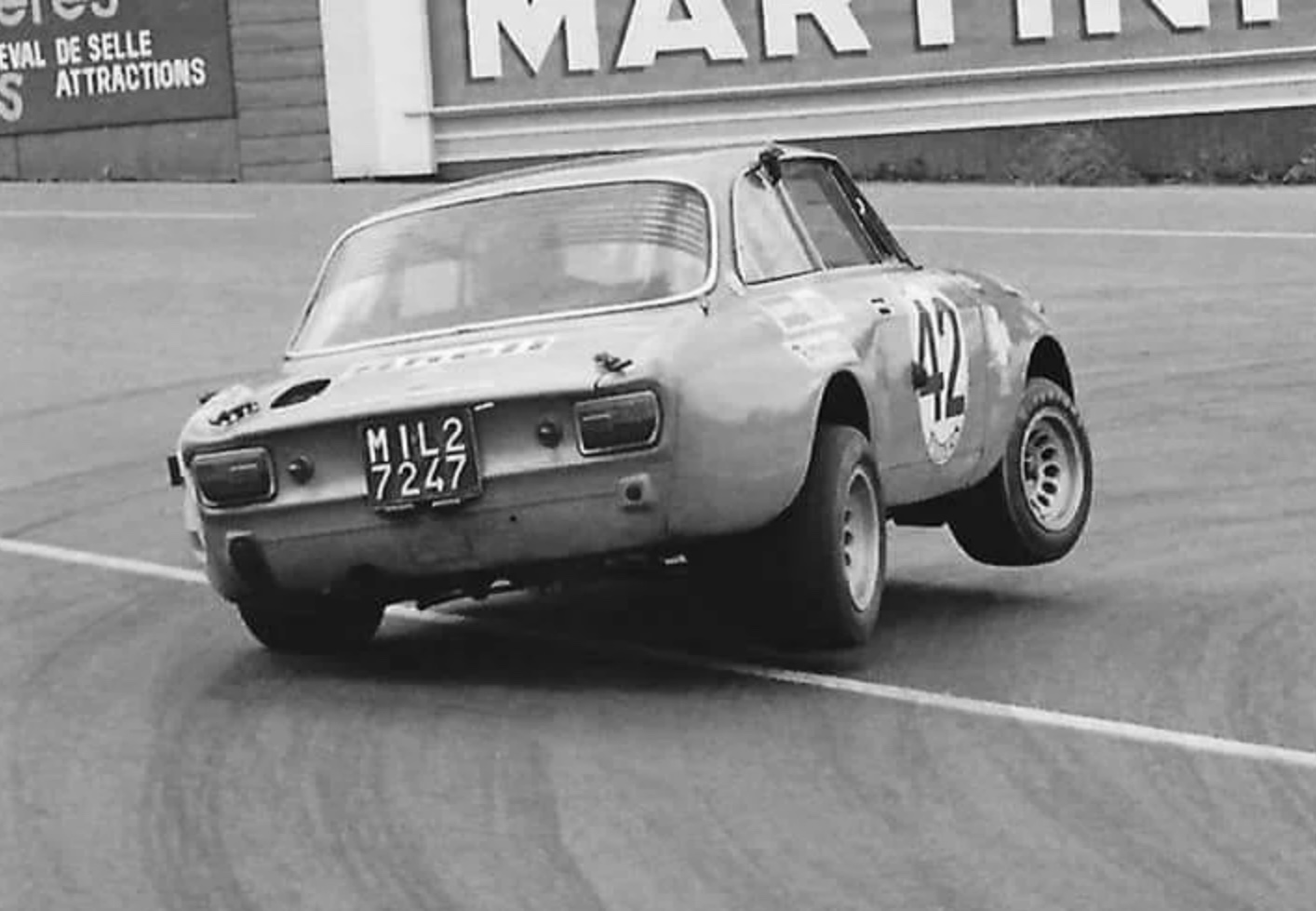
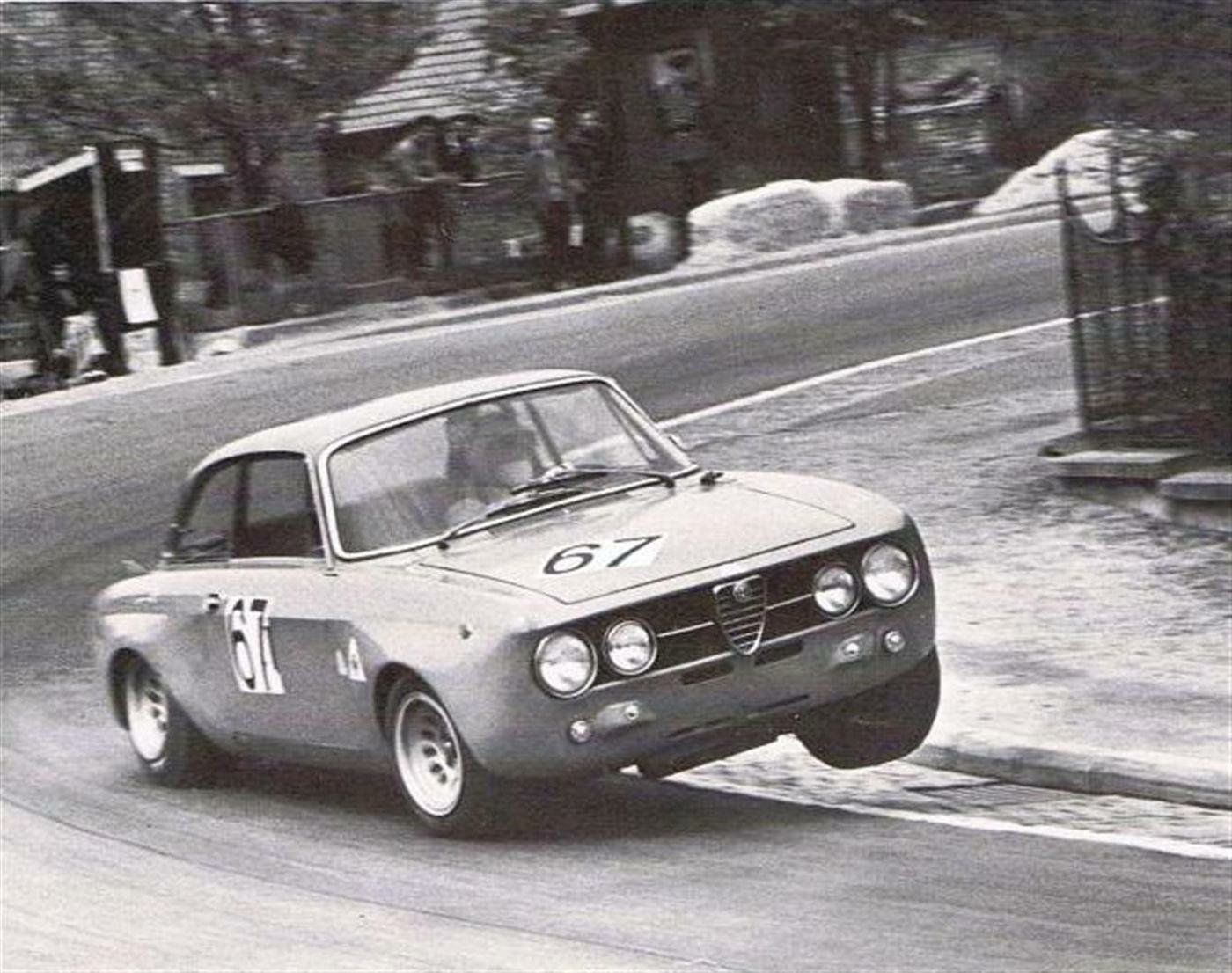
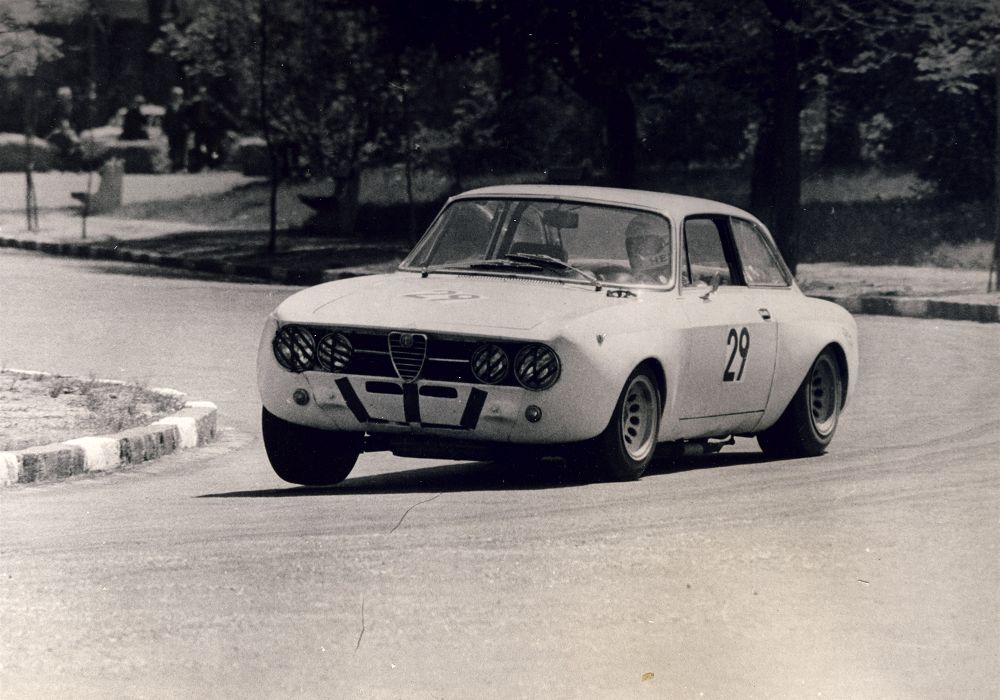
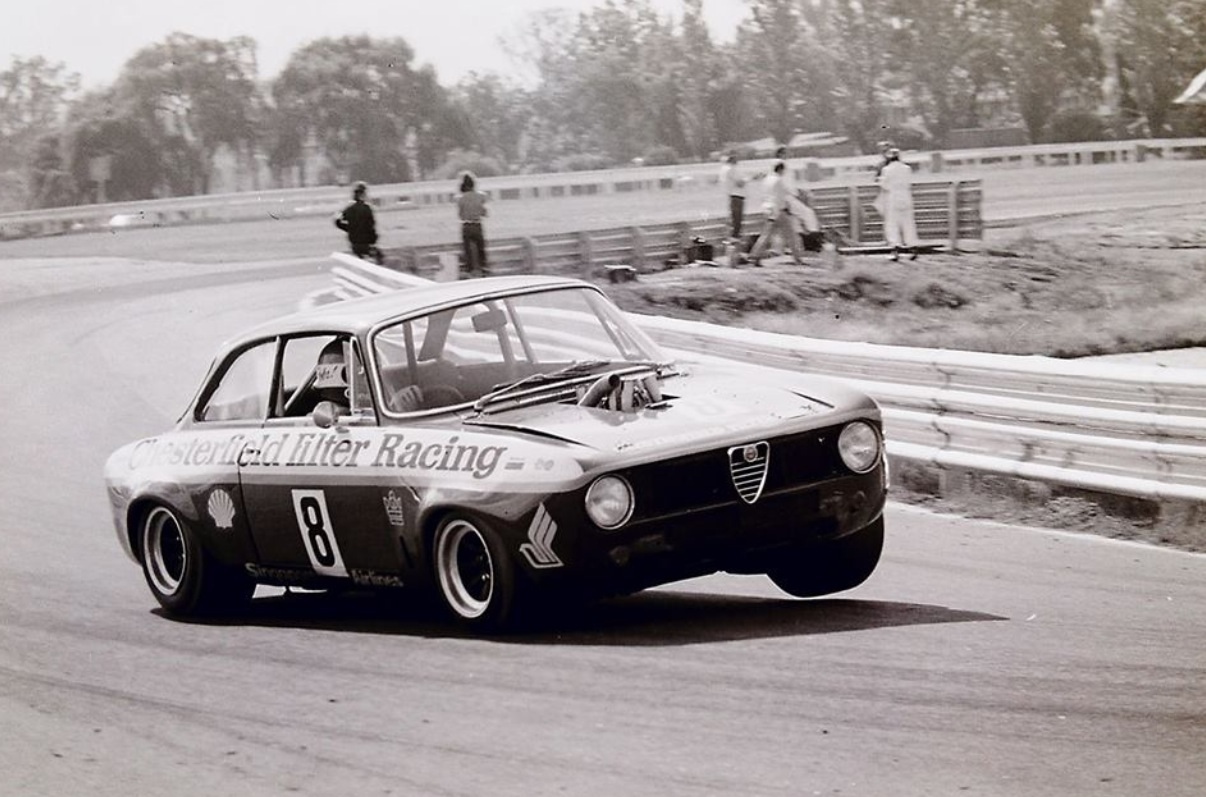
When Autodelta unleashed the 1750 GTAm onto the tracks of Europe in 1970, it was nothing short of an absolute revelation. Driven by a stable of exceptionally talented wheelmen—most notably the fearless Dutchman Toine Hezemans and the precise Italian Gian Luigi Picchi—the GTAm tore through the ETCC grid. It was an incredibly visceral machine, famous for lifting its inside front wheel high into the air as it bounded over the curbs at Monza and Zandvoort. Hezemans drove the GTAm to the 1970 European Touring Car Championship title, utterly vanquishing the works BMWs. The car repeated this monumental feat in 1971, proving its reliability and immense pace in grueling endurance events like the 4 Hours of Monza and the 24 Hours of Spa. In the United States, the GTAm also proved its mettle in the fiercely competitive Under 2.0-Liter Trans-Am class, engaging in door-banging, paint-trading duels with factory Datsuns and BMWs. The public, watching these screaming, wide-arched monsters dominate on Sunday, flocked to Alfa Romeo dealerships on Monday, cementing the 1750 and subsequent 2000 GTVs as monumental commercial successes.
The legacy of the 1969 Alfa Romeo Giulia 1750 GTAm is etched in stone at the very peak of the touring car pantheon. It represents the ultimate, highly evolved zenith of the legendary 105-series chassis. When it was eventually superseded by the Alfetta-based racers, the racing world mourned the loss of its classic, aggressive silhouette and its unmistakable twin-cam howl. Today, original Autodelta-built GTAms are the absolute crown jewels of historic touring car racing, commanding astronomical prices and continuing to thrill crowds at the Goodwood Members’ Meeting and the Le Mans Classic. It was a machine that perfectly captured the fiery, uncompromising spirit of Autodelta—a street-brawler in a tailored Italian suit that taught the world exactly what a modified Alfa Romeo could do.
Brand
Produced from
Portal
Vehicle category
Model line
Model generation
Predecessor
Sucessor
Brand
Produced from
Portal
Vehicle category
Model line
Model generation
Predecessor
Sucessor
Submodel Overview
By the twilight of the 1960s, the European Touring Car Championship had transformed from a gentleman’s pursuit into a theater of all-out, brass-knuckle corporate warfare. Alfa Romeo, through its legendary Autodelta racing division, had already tasted immense success with the lightweight Giulia Sprint GTA. However, the relentless march of progress meant that rivals like the agile Ford Escort Twin Cam and the muscular BMW 2002 TI were beginning to close the gap in the sub-2.0-liter category. Carlo Chiti, the mercurial mastermind behind Autodelta, realized that to maintain Alfa’s dominance, a more brutal, uncompromising weapon was required. Enter the 1969 Alfa Romeo Giulia 1750 GTAm. It was a vehicle that discarded the delicate, jewel-like finesse of the original aluminium GTA in favor of aggressive, wide-arched mechanical hostility. The GTAm was not built to look pretty; it was built to violently command the apex and bludgeon the opposition into submission, cementing the 105-series coupe as the ultimate touring car of its era.
The engineering narrative of the 1750 GTAm is shrouded in a delightful blend of Italian pragmatism and homologation trickery. The ‘Am’ suffix has been the subject of decades of debate among the Alfisti; some claim it stands for Alleggerita Maggiorata (lightened and enlarged), but the official Autodelta documentation often referred to it as “America”. This is because the race car was homologated using the US-market 1750 GTV steel chassis. Why? Because the American version came equipped with Spica mechanical fuel injection to pass emissions, providing a vital loophole for Autodelta to utilize fuel injection in Group 2 racing. Unlike the original GTA, the GTAm retained its steel central tub but shaved weight by fitting fiberglass or aluminium doors, bonnet, and boot lid. Visually, the car was defined by its massive, riveted-on fiberglass overfenders, necessary to house the colossal 13-inch Campagnolo magnesium alloy wheels wrapped in ultra-wide Dunlop racing rubber. Beneath the hood lay a masterpiece: the legendary Alfa twin-cam engine, equipped with a bespoke twin-spark cylinder head. Utilizing the 1750 block but bored out to 1985cc (sitting just underneath the 2.0-liter class limit) and fed by a precision Lucas mechanical fuel injection system, this glorious inline-four screamed to 7500 rpm, producing a staggering 240 brake horsepower. Power was routed through a close-ratio five-speed gearbox and a heavy-duty limited-slip differential. Inside, the cabin was a stripped, brutalist workspace—devoid of the road car’s wood veneer, featuring a single racing bucket, an integrated roll cage, and a prominent tachometer dictating the driver’s every move.
When Autodelta unleashed the 1750 GTAm onto the tracks of Europe in 1970, it was nothing short of an absolute revelation. Driven by a stable of exceptionally talented wheelmen—most notably the fearless Dutchman Toine Hezemans and the precise Italian Gian Luigi Picchi—the GTAm tore through the ETCC grid. It was an incredibly visceral machine, famous for lifting its inside front wheel high into the air as it bounded over the curbs at Monza and Zandvoort. Hezemans drove the GTAm to the 1970 European Touring Car Championship title, utterly vanquishing the works BMWs. The car repeated this monumental feat in 1971, proving its reliability and immense pace in grueling endurance events like the 4 Hours of Monza and the 24 Hours of Spa. In the United States, the GTAm also proved its mettle in the fiercely competitive Under 2.0-Liter Trans-Am class, engaging in door-banging, paint-trading duels with factory Datsuns and BMWs. The public, watching these screaming, wide-arched monsters dominate on Sunday, flocked to Alfa Romeo dealerships on Monday, cementing the 1750 and subsequent 2000 GTVs as monumental commercial successes.
The legacy of the 1969 Alfa Romeo Giulia 1750 GTAm is etched in stone at the very peak of the touring car pantheon. It represents the ultimate, highly evolved zenith of the legendary 105-series chassis. When it was eventually superseded by the Alfetta-based racers, the racing world mourned the loss of its classic, aggressive silhouette and its unmistakable twin-cam howl. Today, original Autodelta-built GTAms are the absolute crown jewels of historic touring car racing, commanding astronomical prices and continuing to thrill crowds at the Goodwood Members’ Meeting and the Le Mans Classic. It was a machine that perfectly captured the fiery, uncompromising spirit of Autodelta—a street-brawler in a tailored Italian suit that taught the world exactly what a modified Alfa Romeo could do.
Tech Specs
Technical Specifications
Tech Specs
Technical Specifications
Engine
01
03
Internal combustion engine
Configuration
Alfa Romeo Twin Spark, Inline-4
Location
Front, longitudinally mounted
Construction
Aluminium alloy block and head
Displacement (cc)
1,985 cc
Displacement (cu in)
121.1 cu in
Compression
11.0:1
Bore x Stroke
84.5 mm x 88.5 mm
Valvetrain
2 valves per cylinder, DOHC
Fuel feed
Lucas mechanical fuel injection (Spica was also used)
Lubrication
Wet sump with oil cooler
Aspiration
Naturally aspirated
Output
Power (hp)
240 hp
Power (kW)
179 kW
Max power at
7,500 RPM
Torque (Nm)
260 Nm
Torque (ft lbs)
192 ft lbs
Max torque at
5,500 RPM
Drivetrain
02
03
Chassis
Type
Monocoque unibody
Material
Steel
Body
Material
Steel with riveted fibreglass (GRP) wheel arch extensions and aluminium/plastic lightweight doors and hood
Transmission
Gearbox
Alfa Romeo, 5-speed manual
Drive
Rear Wheel Drive (Limited Slip Differential)
Suspension
Front
Independent, double wishbones, coil springs, telescopic dampers, anti-roll bar
Rear
Live axle, trailing arms, upper reaction trunnion, coil springs, telescopic dampers, anti-roll bar
Steering
Type
Recirculating ball
Brakes
Front
Solid discs Ø267 mm, 2-piston calipers
Rear
Solid discs Ø267 mm, 2-piston calipers
Wheels
Front
9" x 13" (Campagnolo Magnesium alloy)
Rear
9" x 13" or 10" x 13" (Campagnolo Magnesium alloy
Tires
Front
9.0/20.0-13
Rear
9.0/20.0-13
Dimensions and performance
03
03
Dimensions
Length (mm)
4,080 mm
Length (in)
160.6 in
Width (mm)
1,680 mm
Width (in)
66.1 in
Height (mm)
1,310 mm
Height (in)
51.6 in
Wheelbase (mm)
2,350 mm
Wheelbase (in)
92.5 in
Weight (kg)
920 kg
Weight (lbs)
2,028 lbs
Performance
Power to weight
0.26 hp/kg
Top speed (km/h)
~230 km/h
Top speed (mph)
~143 mph
0-100 km/h (0-60 mph)
~5.5 s