
Alfa Romeo GTV6 Group A
Brand
Produced from
Portal
Vehicle category
Model line
Predecessor
Successor
Submodel Overview
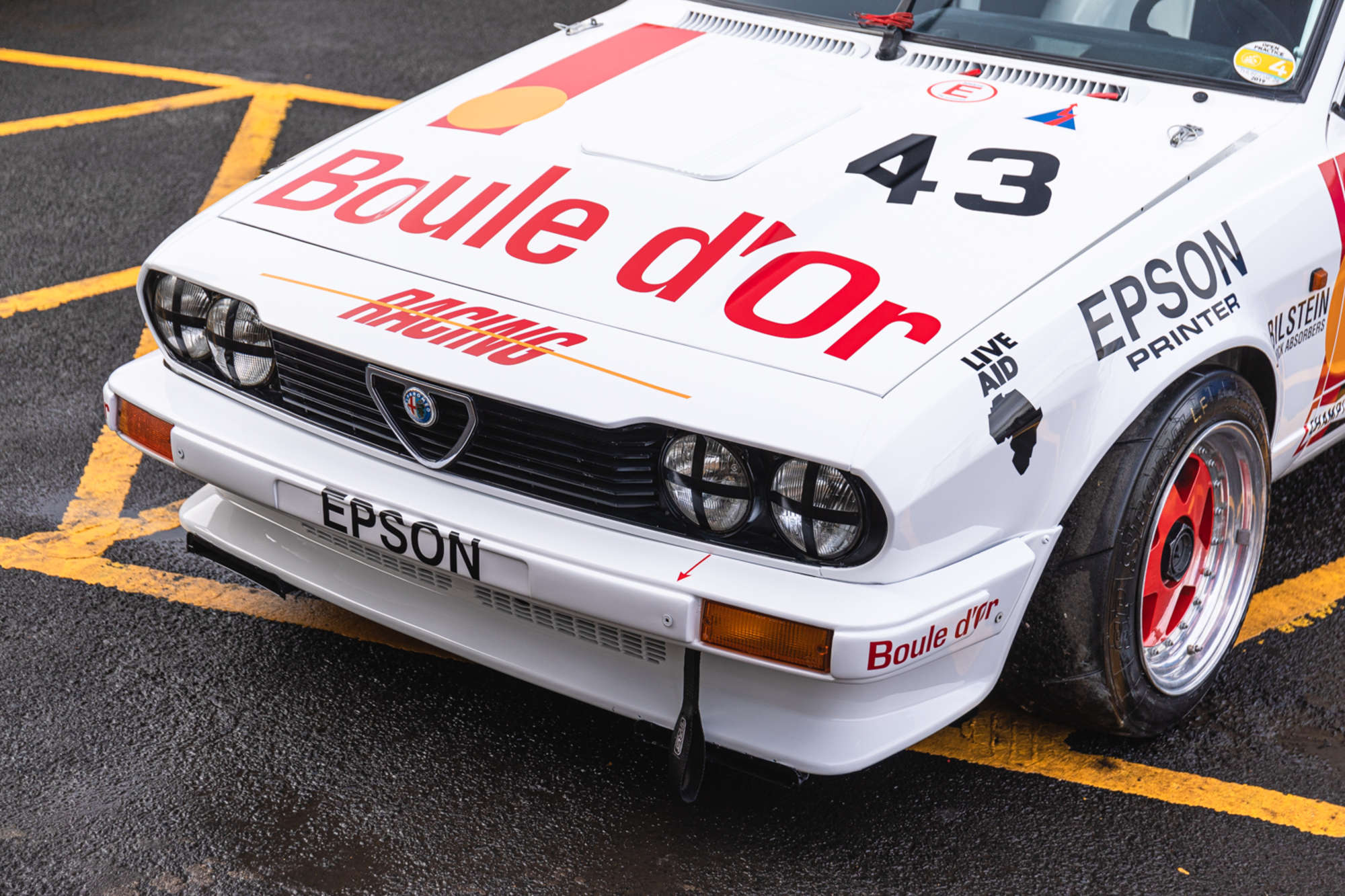
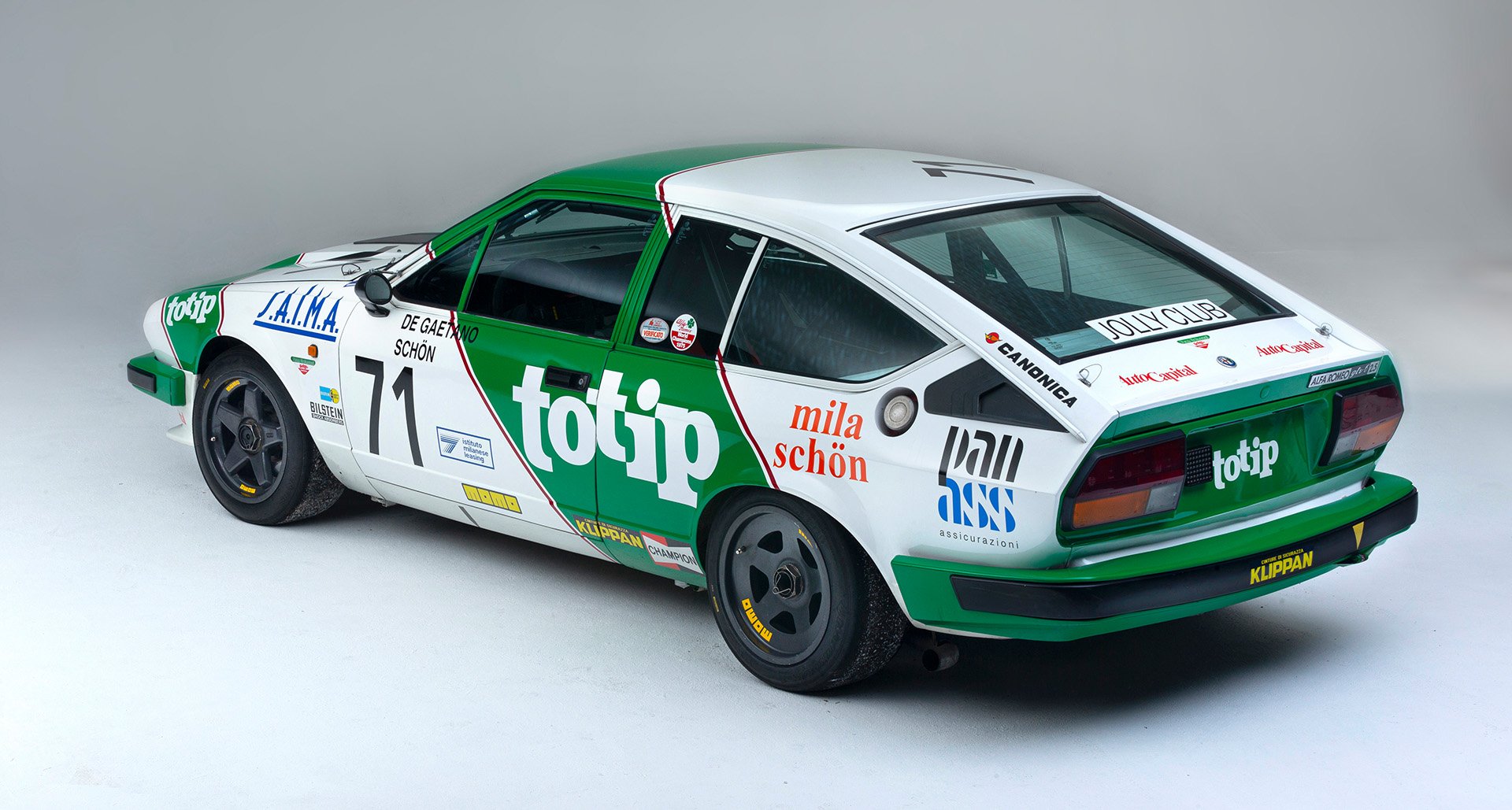
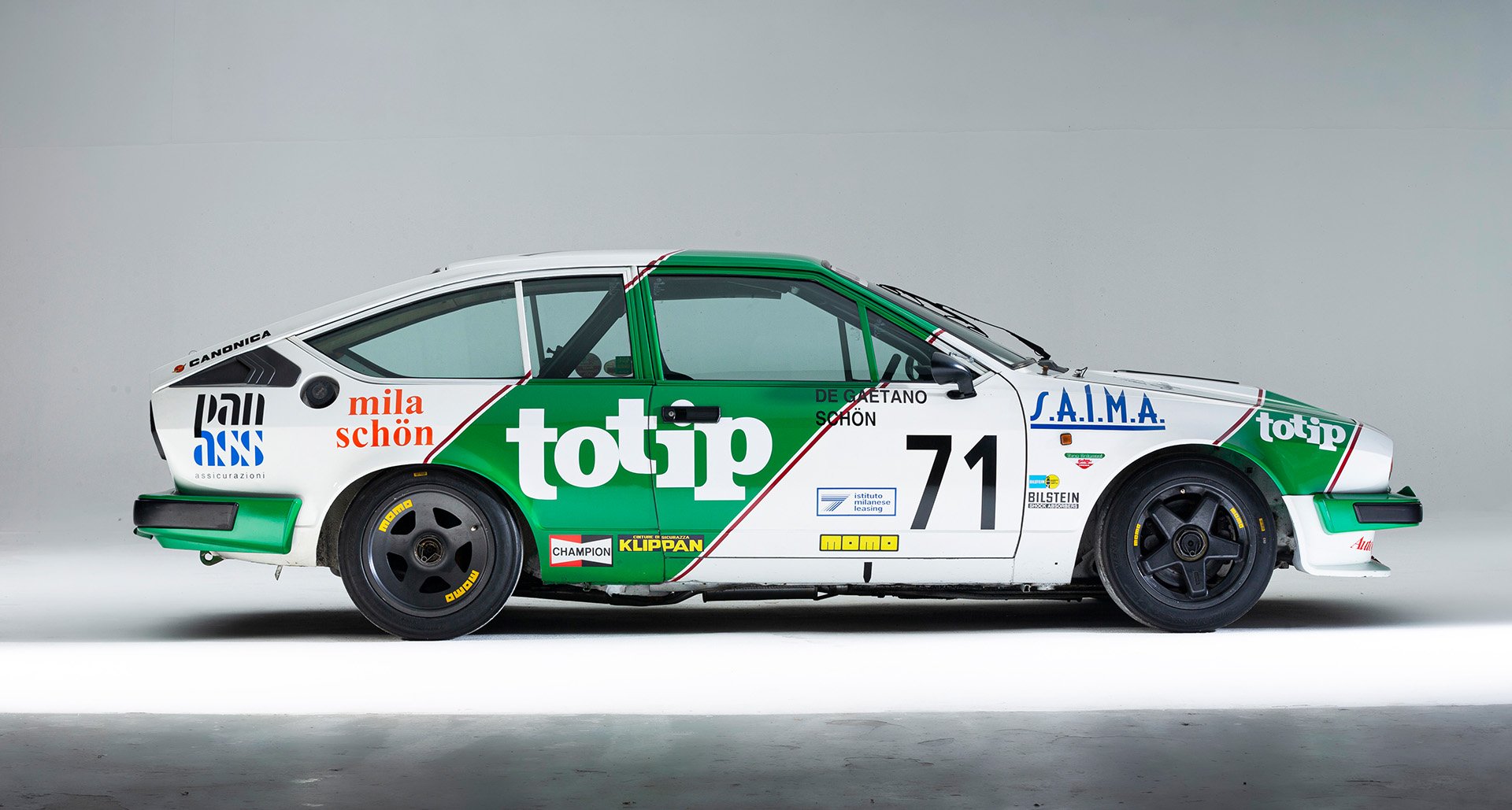
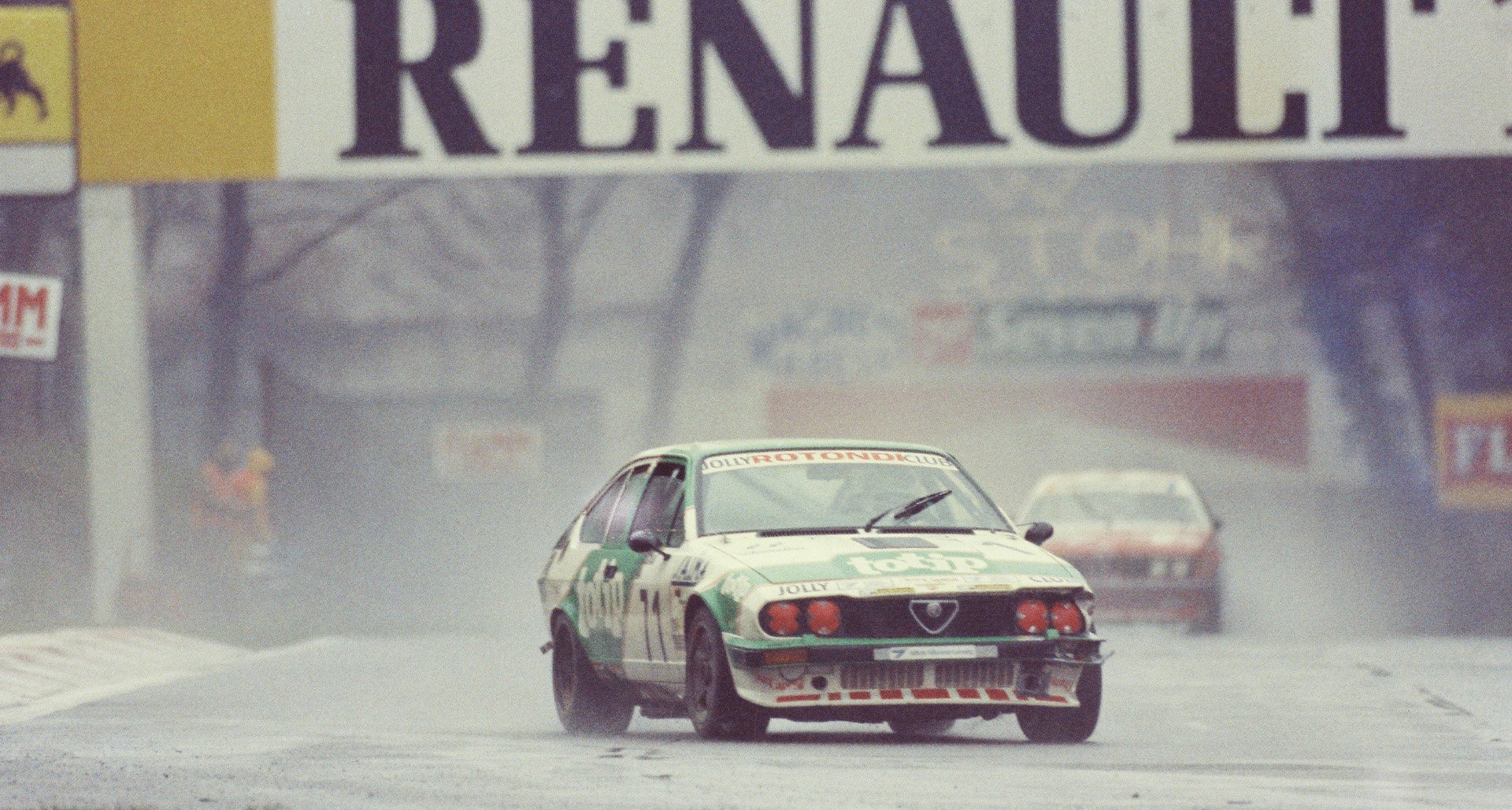
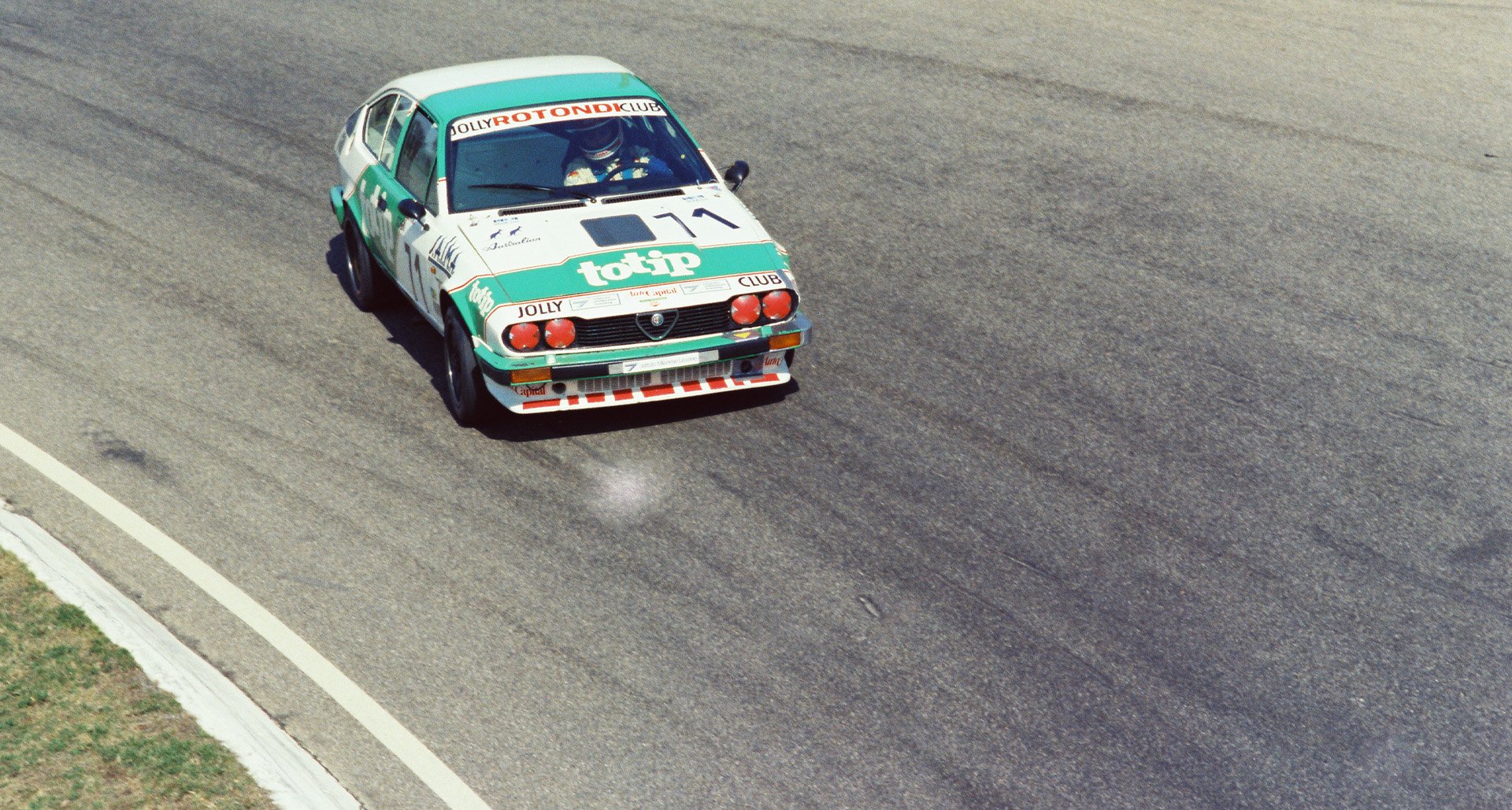
The dawn of the 1982 motorsport season heralded a tectonic shift in the landscape of international touring car racing. The FIA officially introduced the Group A regulations, sweeping away the wild, flame-spitting, heavily modified silhouette racers of Group 2 and Group 5 in favor of cars that closely resembled the metal sitting in dealership showrooms. For manufacturers, it was the ultimate “win on Sunday, sell on Monday” battleground. Alfa Romeo, armed with their Giugiaro-designed wedge and the mechanical genius of the Autodelta racing division, recognized that their road-going Alfetta GTV6 was the perfect foundational weapon. With its production-based architecture boasting an inherent, exotic advantage, the 1982 Alfa Romeo GTV6 Group A was born. It stepped into the fiercely competitive Division 2 (up to 2.5 liters) of the European Touring Car Championship (ETCC), preparing to cross swords with the remarkably capable BMW 528i, while occasionally punching upward to harass the heavyweights of Division 3, such as the Rover Vitesse and the Jaguar XJS.
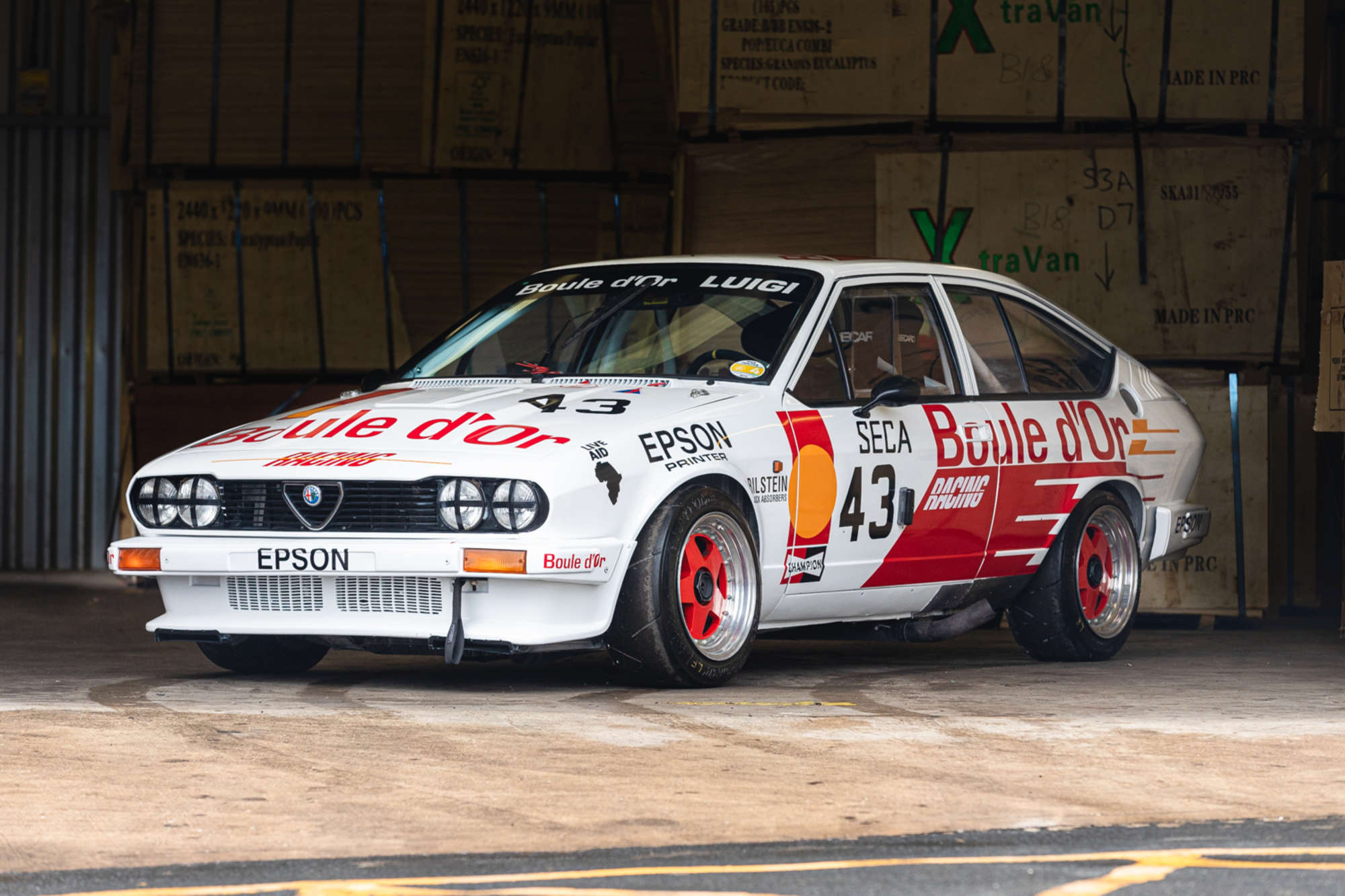
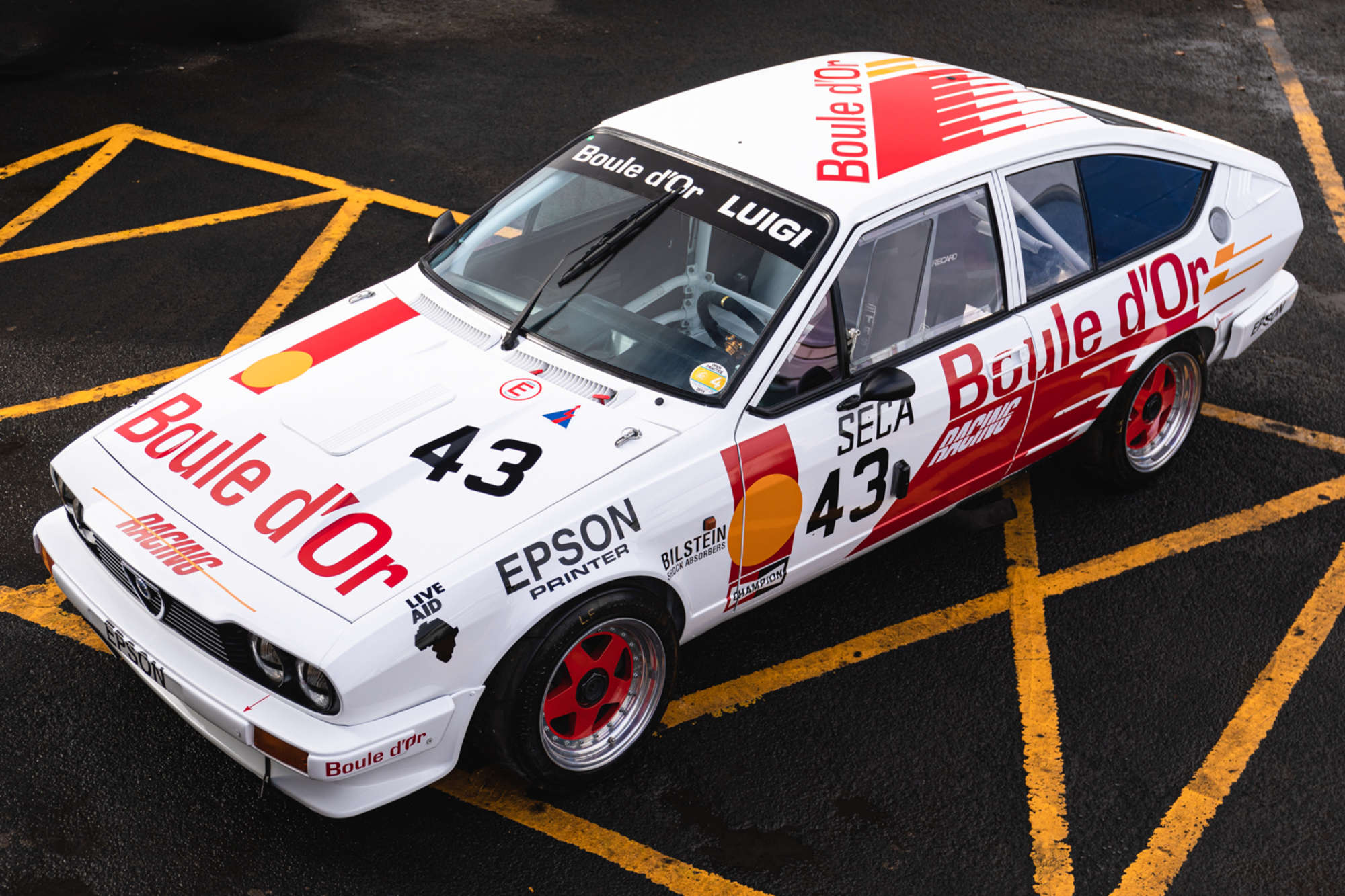
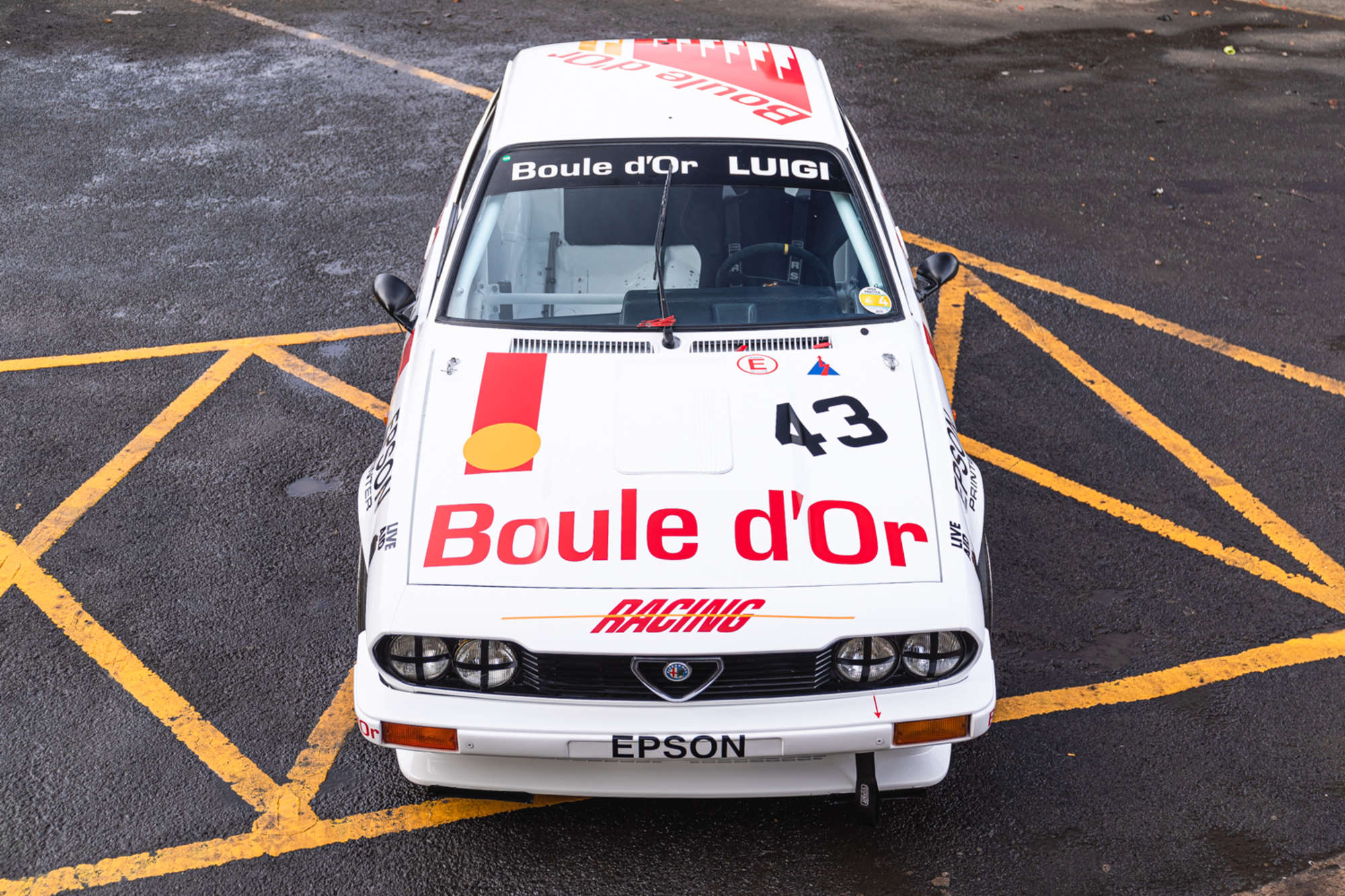
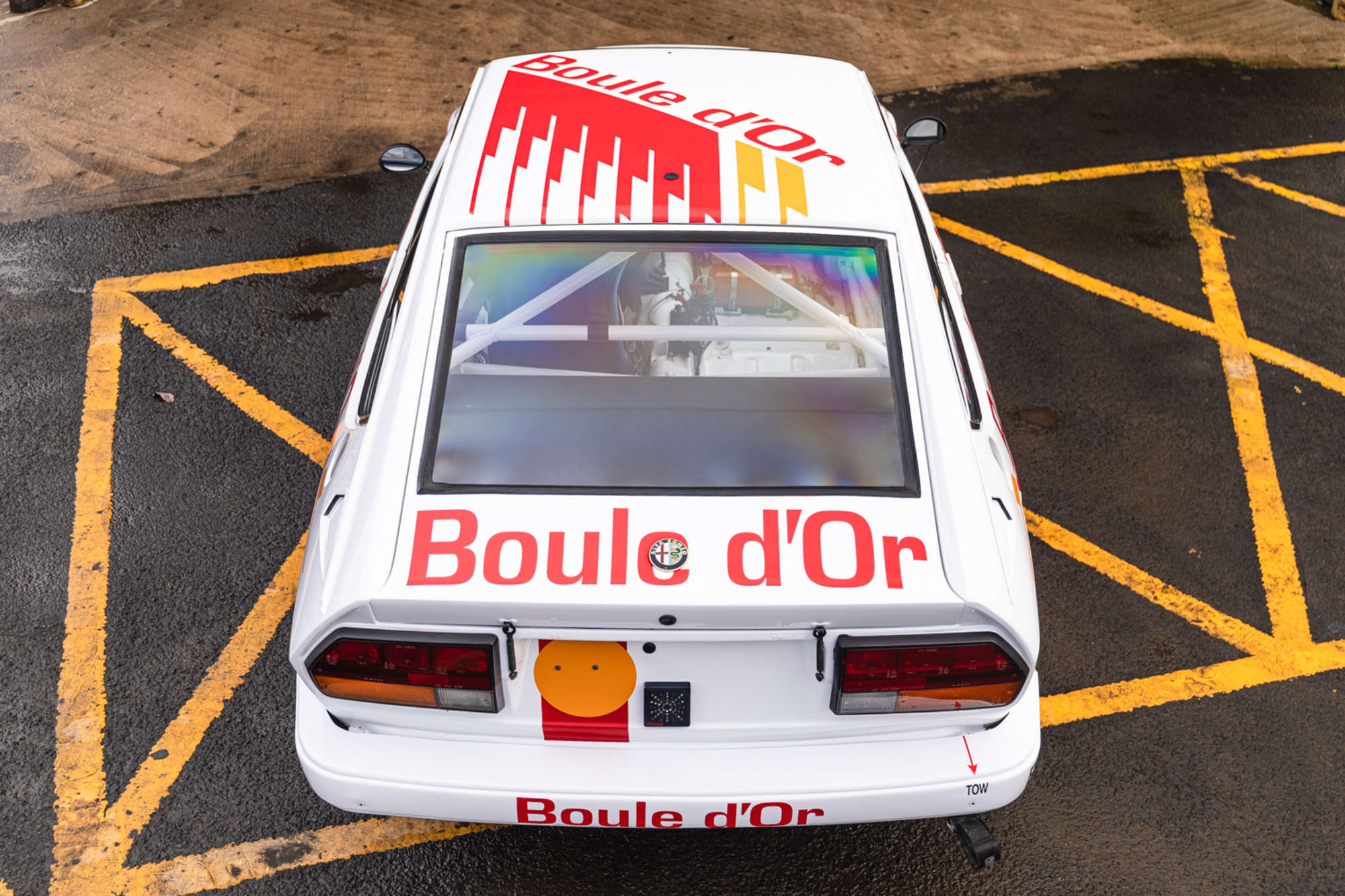
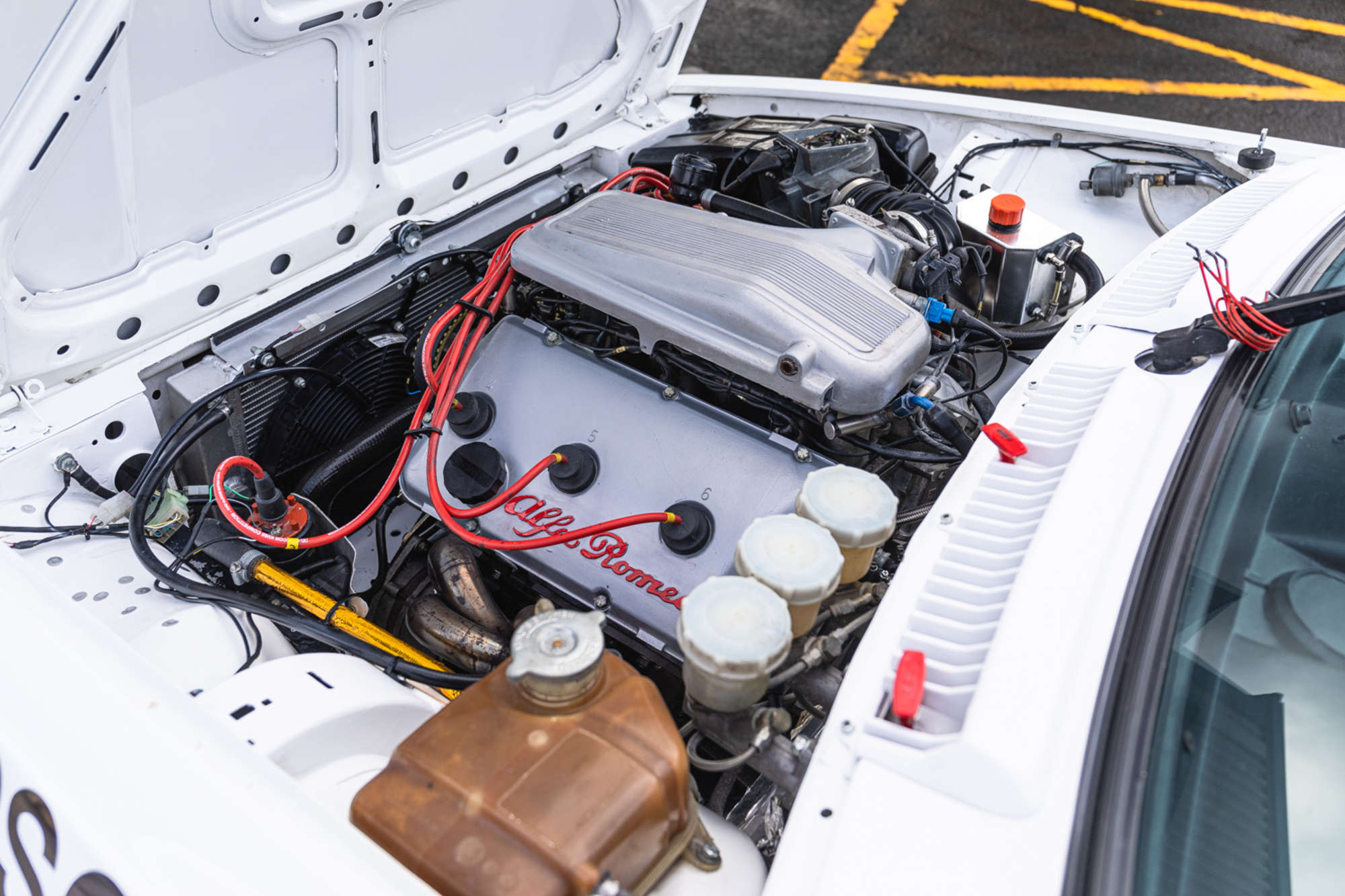
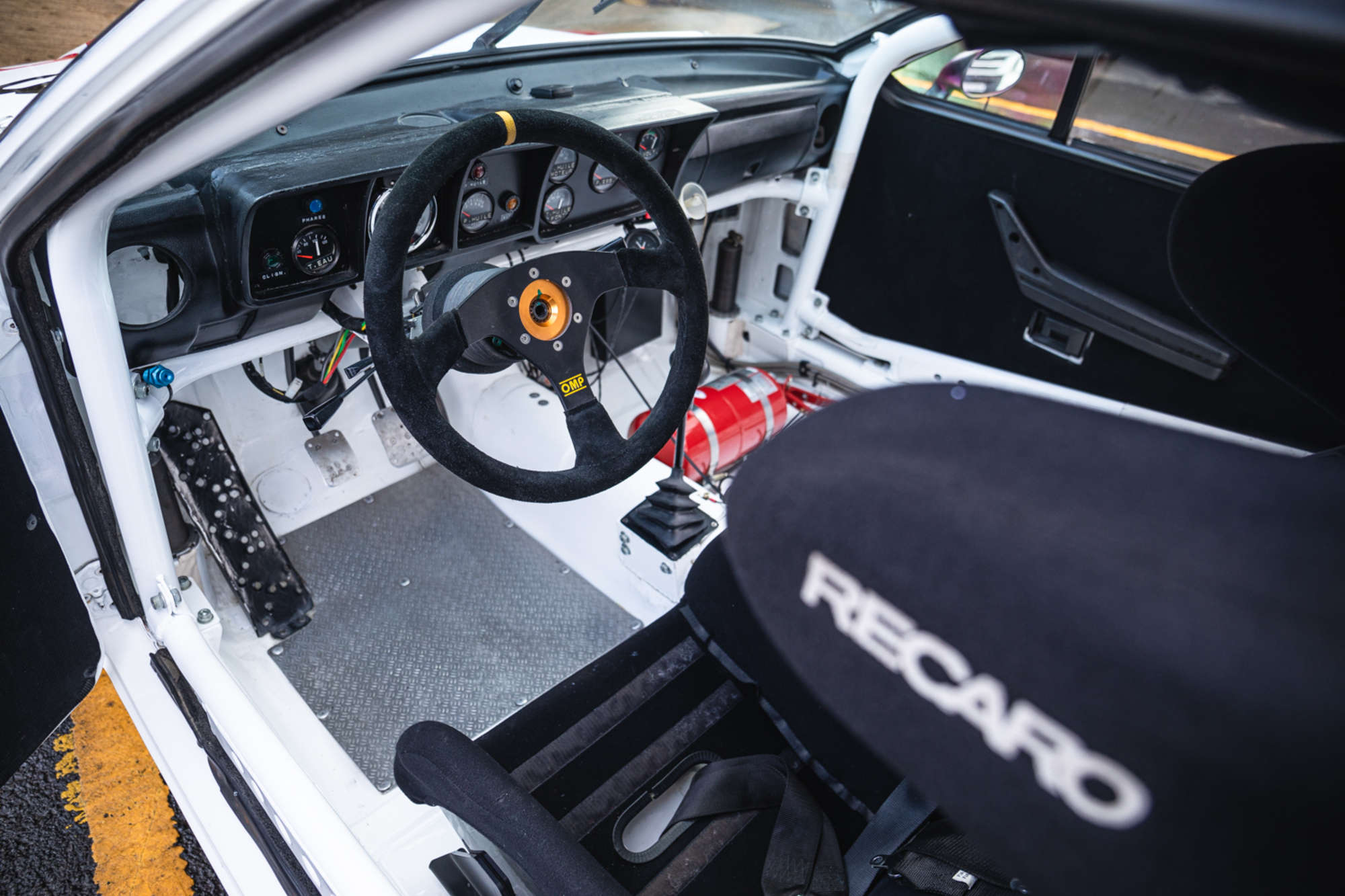
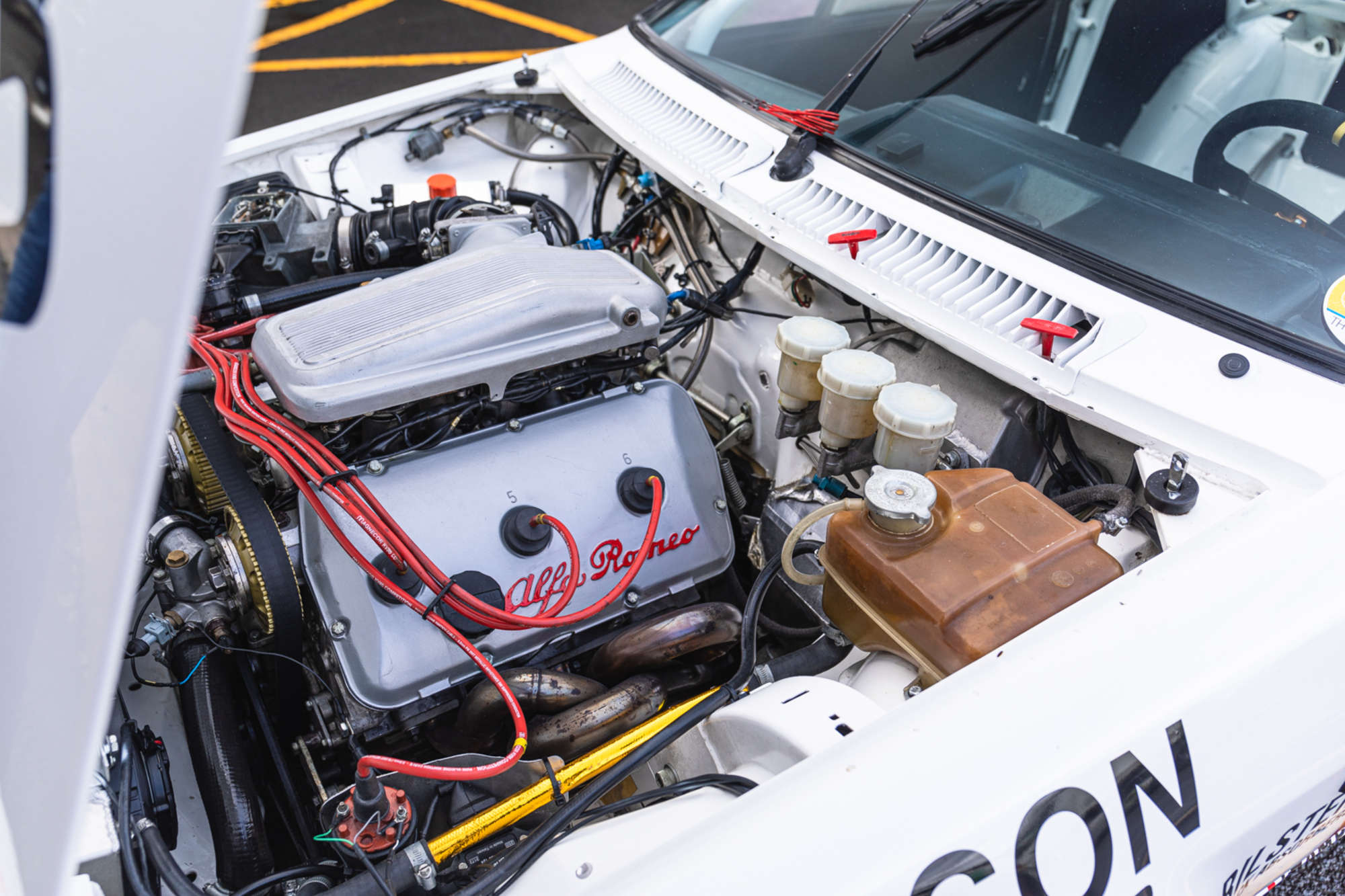
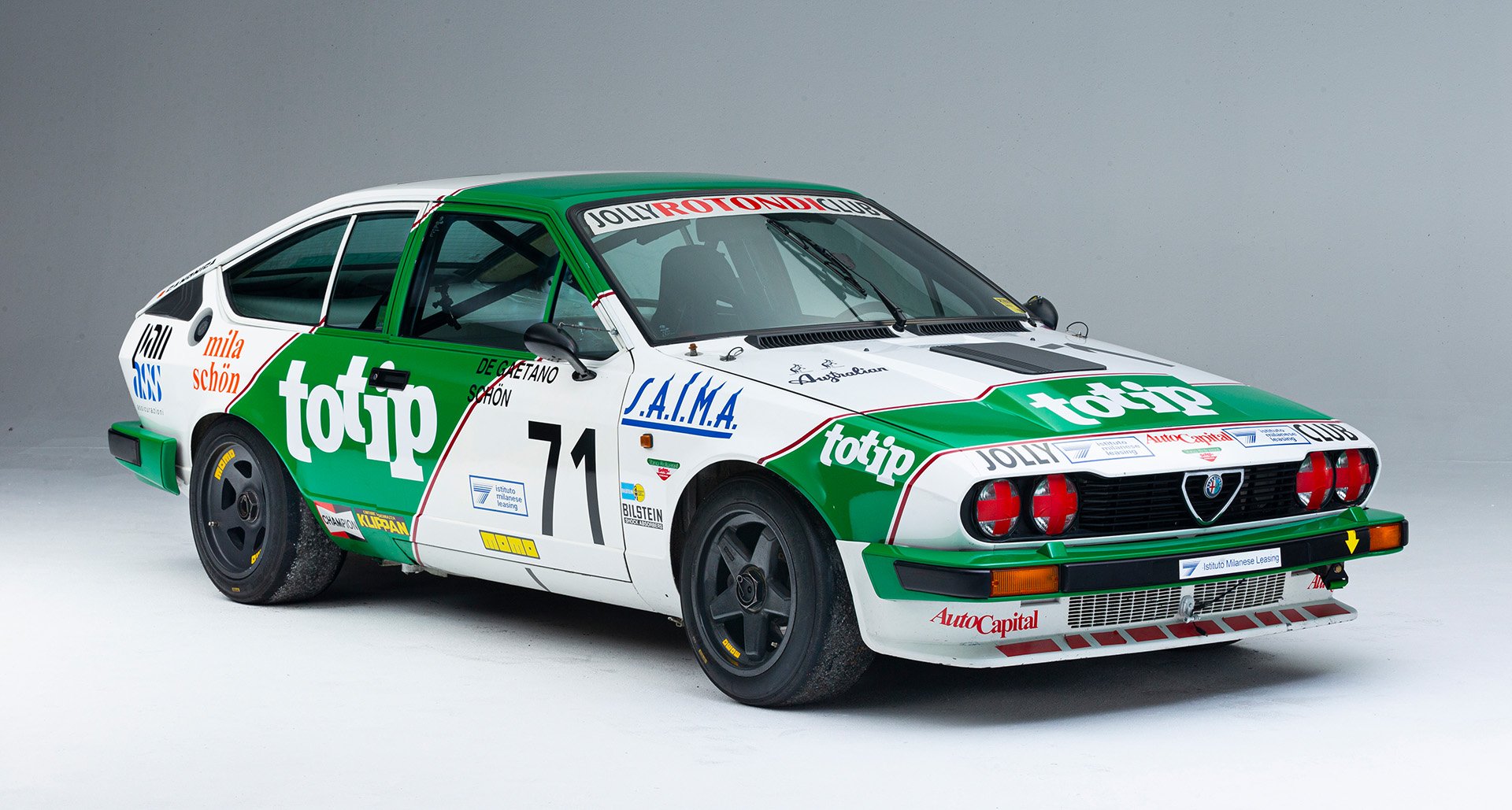
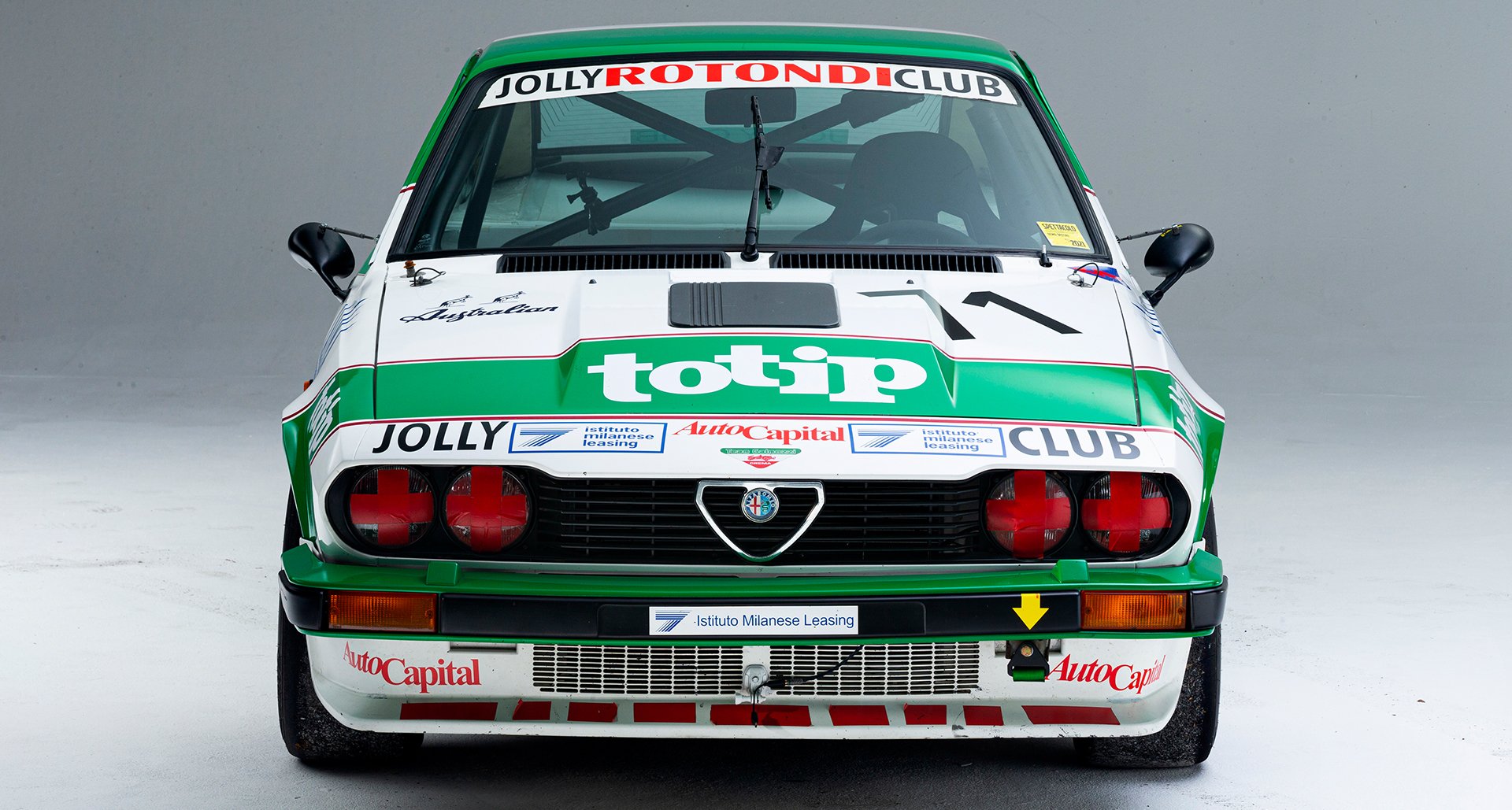
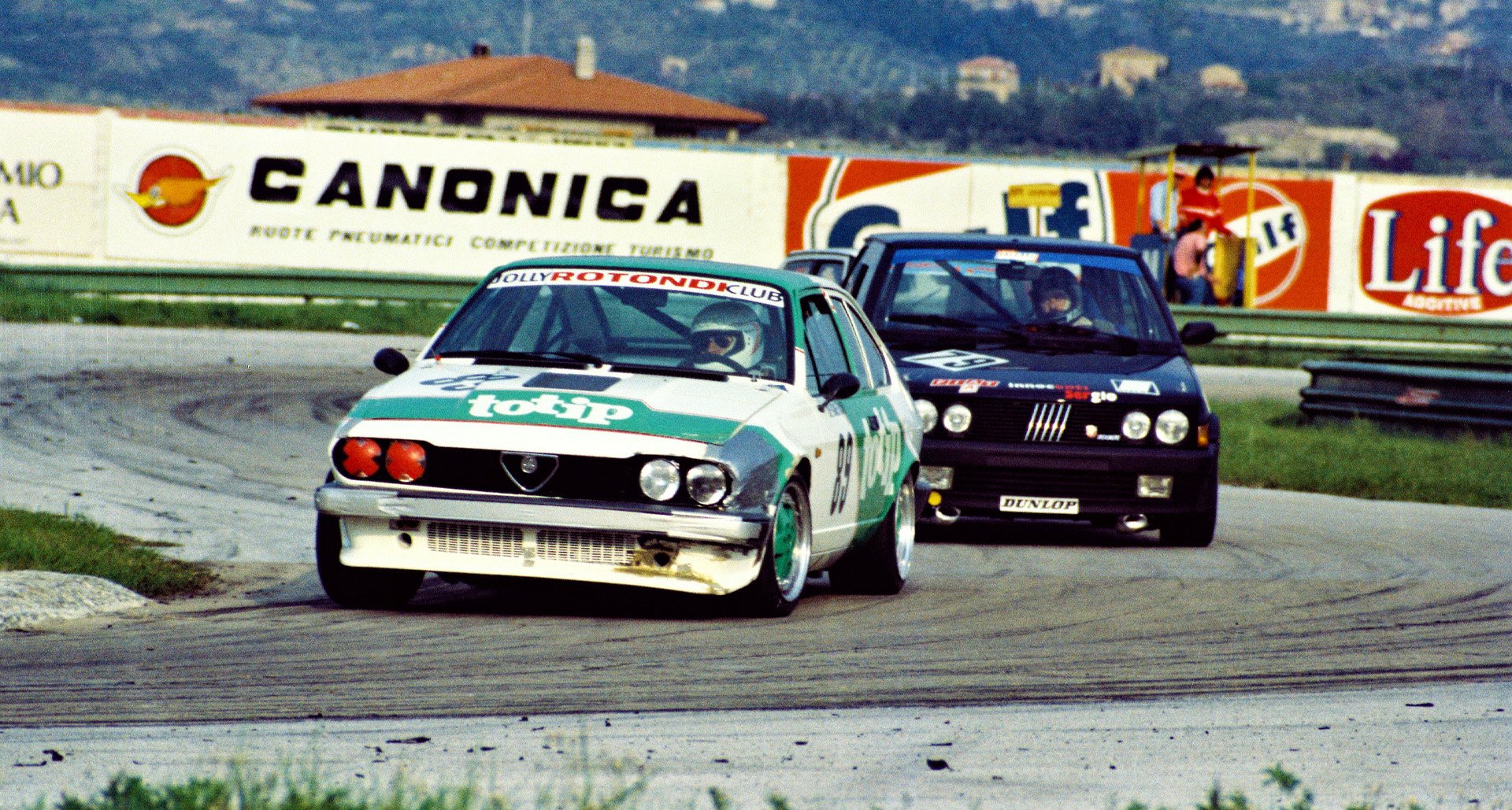
To examine the anatomy of the GTV6 Group A is to understand how Alfa Romeo turned a quirky grand tourer into an unassailable track weapon without violating the strict homologation rules. Because Group A mandated that the original suspension pickup points, aerodynamic profile, and engine block remain stock, the GTV6’s transaxle layout became its ultimate trump card. With the clutch and gearbox mounted at the rear alongside the differential, the car possessed a near-perfect 50/50 weight distribution. In the crucible of endurance races, this meant the Alfa Romeo treated its tires with a gentle touch that the nose-heavy BMWs and Rovers could only dream of. Under the signature bulging hood lay the glorious 2.5-liter, single-overhead-cam Busso V6. Freed from the restrictive emissions equipment of the road car, Autodelta and legendary privateer preparers like Luigi Racing pushed the naturally aspirated V6 from 160 to well over 220 horsepower, culminating in later years closer to 250 horsepower. The suspension, featuring a complex De Dion rear tube and inboard disc brakes, was stiffened and lowered to the absolute limits of the rulebook. Inside, the luxurious GT cabin was violently stripped bare. Only a single racing bucket seat, a rudimentary dashboard housing essential tachometer and temperature gauges, and an extensive, chassis-stiffening aluminium roll cage remained, immersing the pilot in the deafening, metallic symphony of the racing V6.
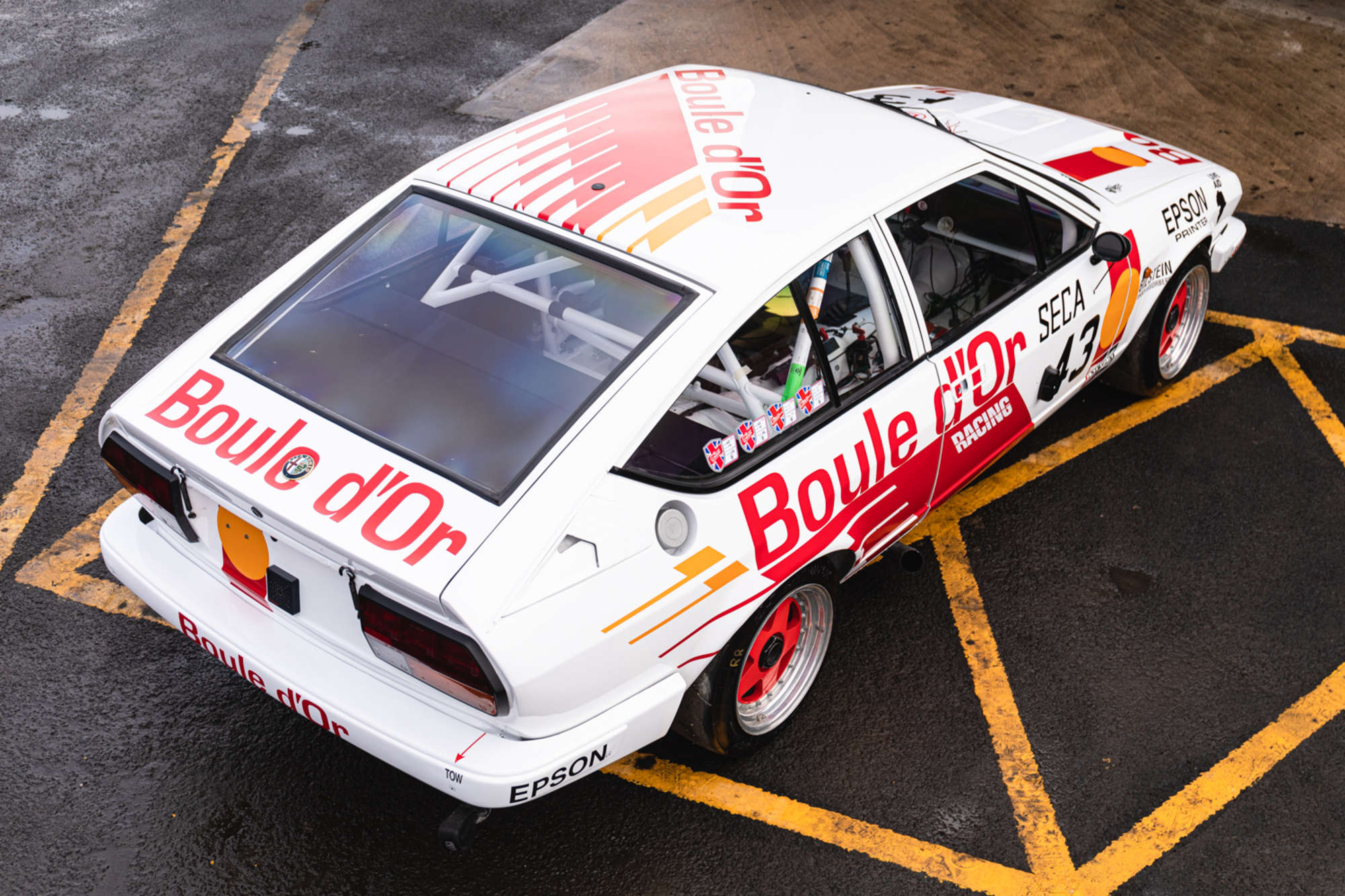
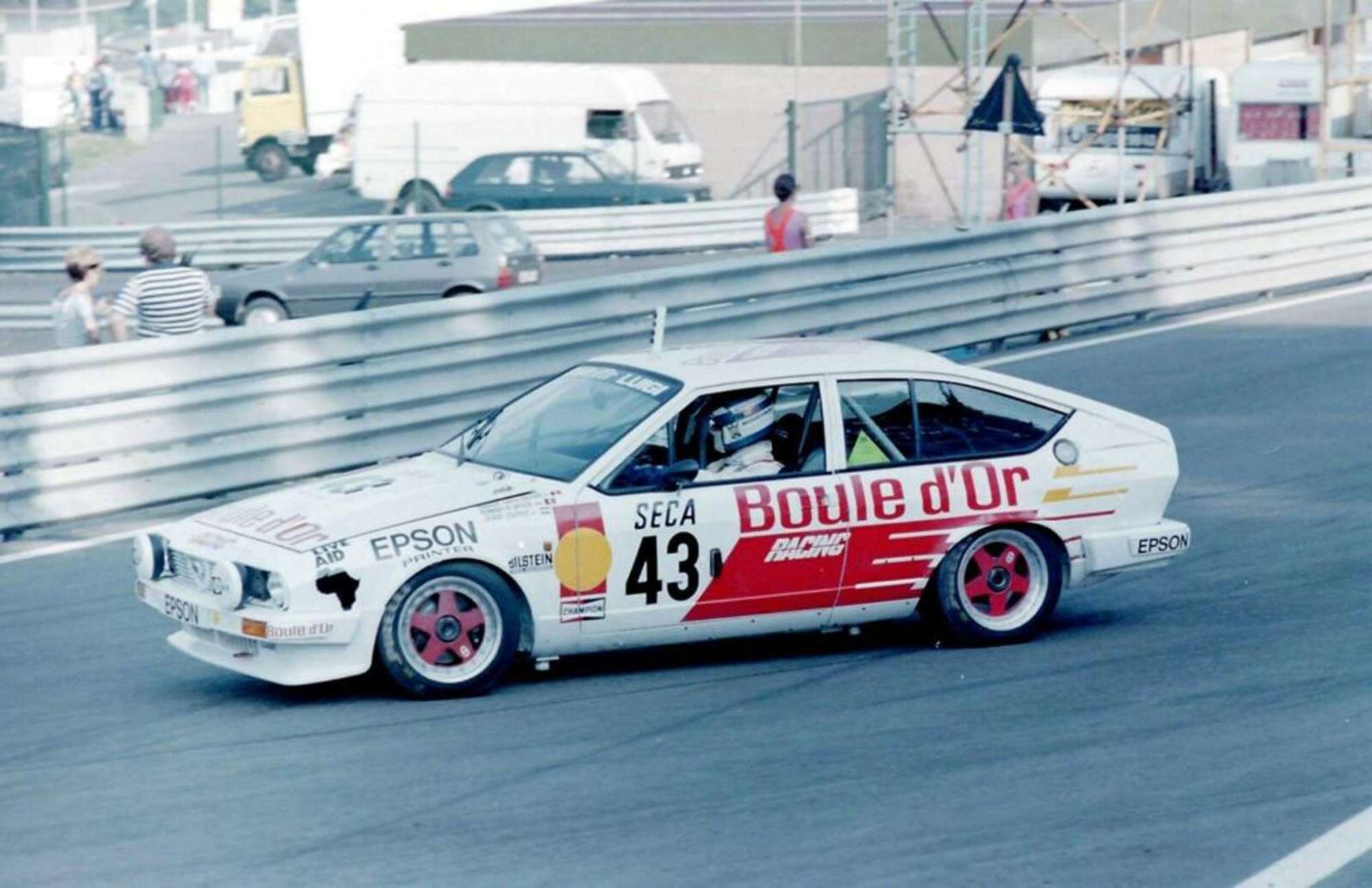
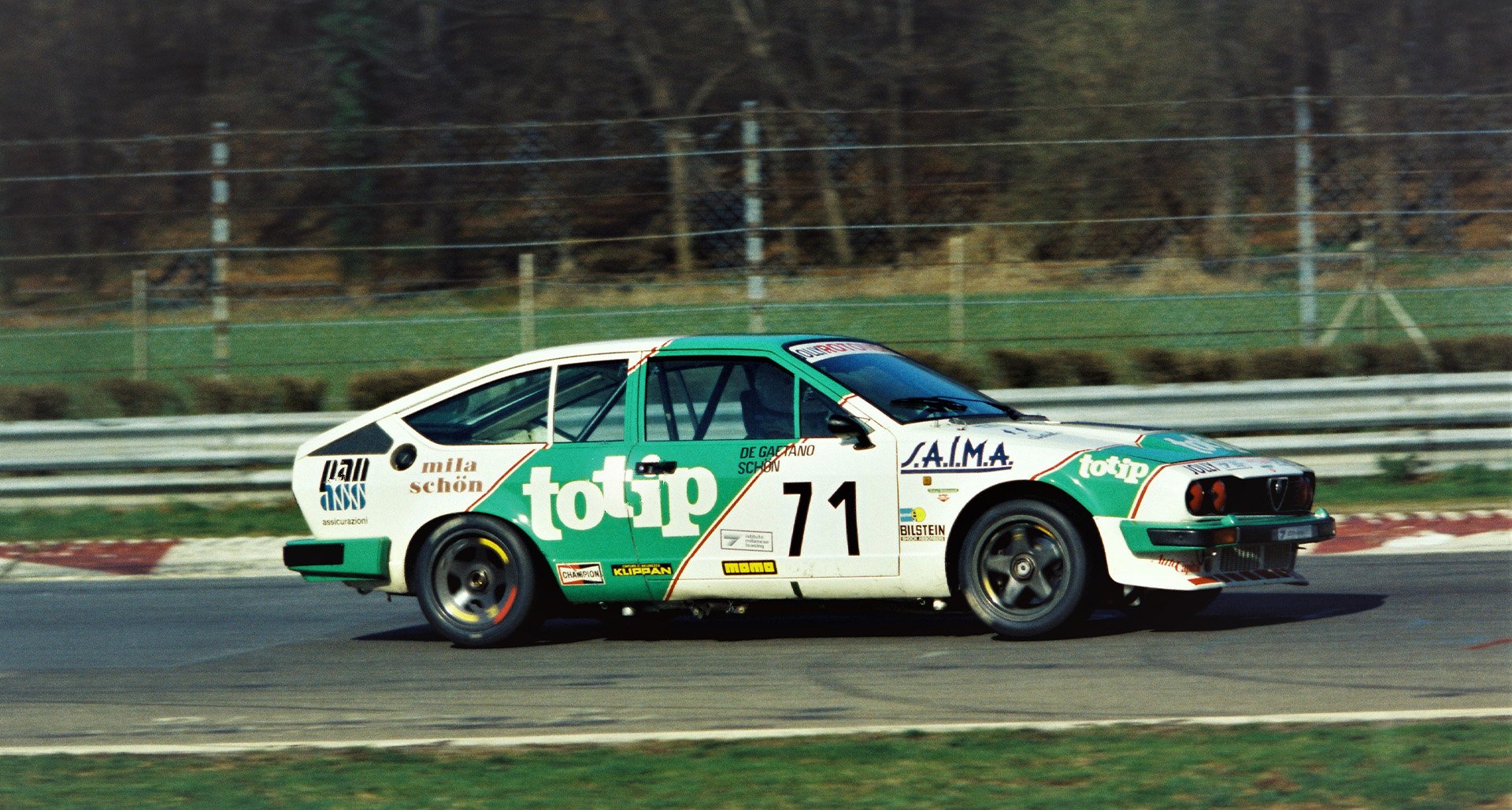
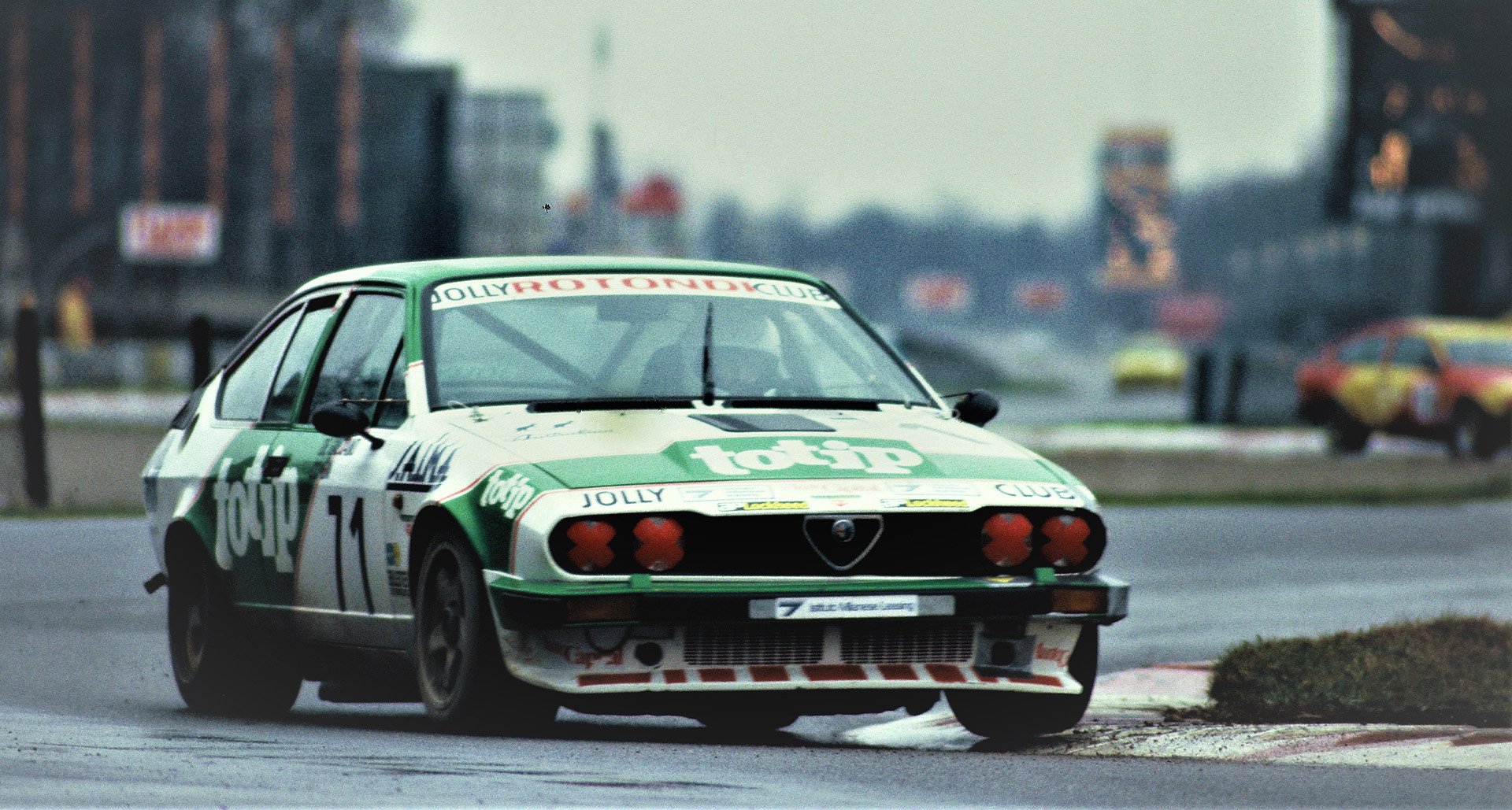
The competitive palmares of the GTV6 Group A is nothing short of dictatorial. Upon its entry into the ETCC, it simply locked out its class. The raspy, howling Italian coupes captured the European Touring Car Championship title in their division for four astonishing, consecutive years, from 1982 through 1985. Driven by touring car masters such as Umberto Grano, Giorgio Francia, and Andy Rouse, the GTV6 was an absolute menace. While it dominated the 2.5-liter category, its superior balance and tire longevity frequently allowed it to secure overall podiums, embarrassing the massive 3.5-liter BMW 635 CSis on tighter tracks or in the rain. At the grueling 24 Hours of Spa, fleets of GTV6s, often sporting the iconic red and white liveries of Luigi Racing, ran like absolute clockwork. Beyond Europe, the car achieved cult status in Australia, where local hero Colin Bond fearlessly threw the red Italian wedge around Mount Panorama against the massive, V8-powered Holden Commodores and Ford Falcons in the Australian Touring Car Championship. The GTV6 also proved highly effective on tarmac rally stages, further cementing its versatility and structural ruggedness.
The legacy of the 1982 Alfa Romeo GTV6 Group A is that of the ultimate, giant-killing touring car of the early 1980s. It was the absolute vindication of Alfa Romeo’s complex transaxle engineering philosophy, proving that balance and tire management could conquer sheer horsepower over an endurance distance. When the aging GTV6 was finally retired from frontline duty in 1986, it passed the baton to the Alfa Romeo 75 Turbo—a car that utilized the exact same transaxle underpinnings to wage war against the Ford Sierra RS500 and the BMW M3. Today, the GTV6 Group A is one of the most beloved sights and sounds in historic touring car racing. To stand at the apex of Eau Rouge or Copse corner and hear the banshee wail of a Group A Busso V6 at 7,500 rpm is to experience one of the greatest auditory thrills in motorsport. It remains an immortal icon—the car that proved a beautiful Italian grand tourer possessed the soul of a merciless street fighter.
Brand
Produced from
Portal
Vehicle category
Model line
Predecessor
Sucessor
Brand
Produced from
Portal
Vehicle category
Model line
Model generation
Predecessor
Sucessor
Submodel Overview
The dawn of the 1982 motorsport season heralded a tectonic shift in the landscape of international touring car racing. The FIA officially introduced the Group A regulations, sweeping away the wild, flame-spitting, heavily modified silhouette racers of Group 2 and Group 5 in favor of cars that closely resembled the metal sitting in dealership showrooms. For manufacturers, it was the ultimate “win on Sunday, sell on Monday” battleground. Alfa Romeo, armed with their Giugiaro-designed wedge and the mechanical genius of the Autodelta racing division, recognized that their road-going Alfetta GTV6 was the perfect foundational weapon. With its production-based architecture boasting an inherent, exotic advantage, the 1982 Alfa Romeo GTV6 Group A was born. It stepped into the fiercely competitive Division 2 (up to 2.5 liters) of the European Touring Car Championship (ETCC), preparing to cross swords with the remarkably capable BMW 528i, while occasionally punching upward to harass the heavyweights of Division 3, such as the Rover Vitesse and the Jaguar XJS.
To examine the anatomy of the GTV6 Group A is to understand how Alfa Romeo turned a quirky grand tourer into an unassailable track weapon without violating the strict homologation rules. Because Group A mandated that the original suspension pickup points, aerodynamic profile, and engine block remain stock, the GTV6’s transaxle layout became its ultimate trump card. With the clutch and gearbox mounted at the rear alongside the differential, the car possessed a near-perfect 50/50 weight distribution. In the crucible of endurance races, this meant the Alfa Romeo treated its tires with a gentle touch that the nose-heavy BMWs and Rovers could only dream of. Under the signature bulging hood lay the glorious 2.5-liter, single-overhead-cam Busso V6. Freed from the restrictive emissions equipment of the road car, Autodelta and legendary privateer preparers like Luigi Racing pushed the naturally aspirated V6 from 160 to well over 220 horsepower, culminating in later years closer to 250 horsepower. The suspension, featuring a complex De Dion rear tube and inboard disc brakes, was stiffened and lowered to the absolute limits of the rulebook. Inside, the luxurious GT cabin was violently stripped bare. Only a single racing bucket seat, a rudimentary dashboard housing essential tachometer and temperature gauges, and an extensive, chassis-stiffening aluminium roll cage remained, immersing the pilot in the deafening, metallic symphony of the racing V6.
The competitive palmares of the GTV6 Group A is nothing short of dictatorial. Upon its entry into the ETCC, it simply locked out its class. The raspy, howling Italian coupes captured the European Touring Car Championship title in their division for four astonishing, consecutive years, from 1982 through 1985. Driven by touring car masters such as Umberto Grano, Giorgio Francia, and Andy Rouse, the GTV6 was an absolute menace. While it dominated the 2.5-liter category, its superior balance and tire longevity frequently allowed it to secure overall podiums, embarrassing the massive 3.5-liter BMW 635 CSis on tighter tracks or in the rain. At the grueling 24 Hours of Spa, fleets of GTV6s, often sporting the iconic red and white liveries of Luigi Racing, ran like absolute clockwork. Beyond Europe, the car achieved cult status in Australia, where local hero Colin Bond fearlessly threw the red Italian wedge around Mount Panorama against the massive, V8-powered Holden Commodores and Ford Falcons in the Australian Touring Car Championship. The GTV6 also proved highly effective on tarmac rally stages, further cementing its versatility and structural ruggedness.
The legacy of the 1982 Alfa Romeo GTV6 Group A is that of the ultimate, giant-killing touring car of the early 1980s. It was the absolute vindication of Alfa Romeo’s complex transaxle engineering philosophy, proving that balance and tire management could conquer sheer horsepower over an endurance distance. When the aging GTV6 was finally retired from frontline duty in 1986, it passed the baton to the Alfa Romeo 75 Turbo—a car that utilized the exact same transaxle underpinnings to wage war against the Ford Sierra RS500 and the BMW M3. Today, the GTV6 Group A is one of the most beloved sights and sounds in historic touring car racing. To stand at the apex of Eau Rouge or Copse corner and hear the banshee wail of a Group A Busso V6 at 7,500 rpm is to experience one of the greatest auditory thrills in motorsport. It remains an immortal icon—the car that proved a beautiful Italian grand tourer possessed the soul of a merciless street fighter.
Tech Specs
Technical Specifications
Tech Specs
Technical Specifications
Engine
01
03
Internal combustion engine
Configuration
Alfa Romeo "Busso" V6 - 60º
Location
Front, longitudinally mounted
Construction
Aluminium alloy block and heads
Displacement (cc)
2,492 cc
Displacement (cu in)
152.1 cu in
Compression
11.0:1
Bore x Stroke
88.0 mm x 68.3 mm
Valvetrain
2 valves per cylinder, SOHC
Fuel feed
Bosch L-Jetronic fuel injection
Lubrication
Wet sump
Aspiration
Naturally aspirated
Output
Power (hp)
~250 hp
Power (kW)
~186 kW
Max power at
7,500 RPM
Torque (Nm)
~260 Nm
Torque (ft lbs)
~192 ft lbs
Max torque at
5,500 RPM
Drivetrain
02
03
Chassis
Type
Monocoque unibody
Material
Steel
Body
Material
Steel
Transmission
Gearbox
5-speed manual (Transaxle)
Drive
Rear Wheel Drive (Limited Slip Differential)
Suspension
Front
Independent, double wishbones, longitudinal torsion bars, telescopic dampers, anti-roll bar
Rear
De Dion tube, Watt's linkage, coil springs, telescopic dampers, anti-roll bar
Steering
Type
Rack and pinion, unassisted
Brakes
Front
Ventilated steel discs Ø260 mm, 4-piston Brembo calipers
Rear
Solid steel discs, 2-piston calipers
Wheels
Front
8" x 15" or 9" x 15" (Ronal or Campagnolo Magnesium alloy)
Rear
8" x 15" or 9" x 15" (Ronal or Campagnolo Magnesium alloy)
Tires
Front
-
Rear
-
Dimensions and performance
03
03
Dimensions
Length (mm)
4,260 mm
Length (in)
167.7 in
Width (mm)
1,664 mm
Width (in)
65.5 in
Height (mm)
~1,300 mm
Height (in)
~51.2 in
Wheelbase (mm)
2,400 mm
Wheelbase (in)
94.5 in
Weight (kg)
~1,080 kg
Weight (lbs)
~2,381 lbs
Performance
Power to weight
~0.23 hp/kg
Top speed (km/h)
~250 km/h
Top speed (mph)
~155 mph
0-100 km/h (0-60 mph)
~5.5 s