

Alfa Romeo Alfetta GT
Brand
Produced from
Vehicle category
Portal
Model line
Model generation
Predecessor
Sucessor
About this model
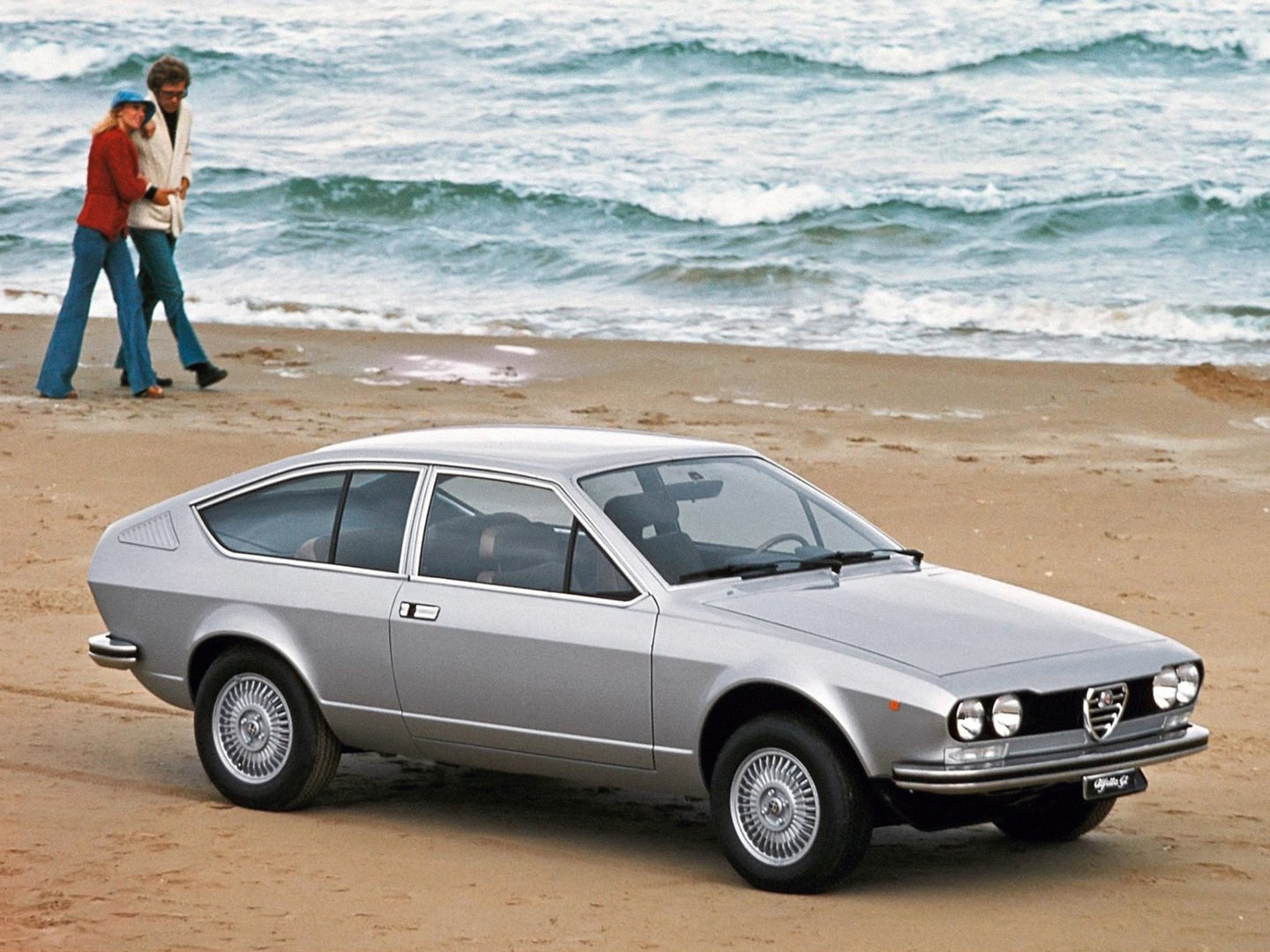
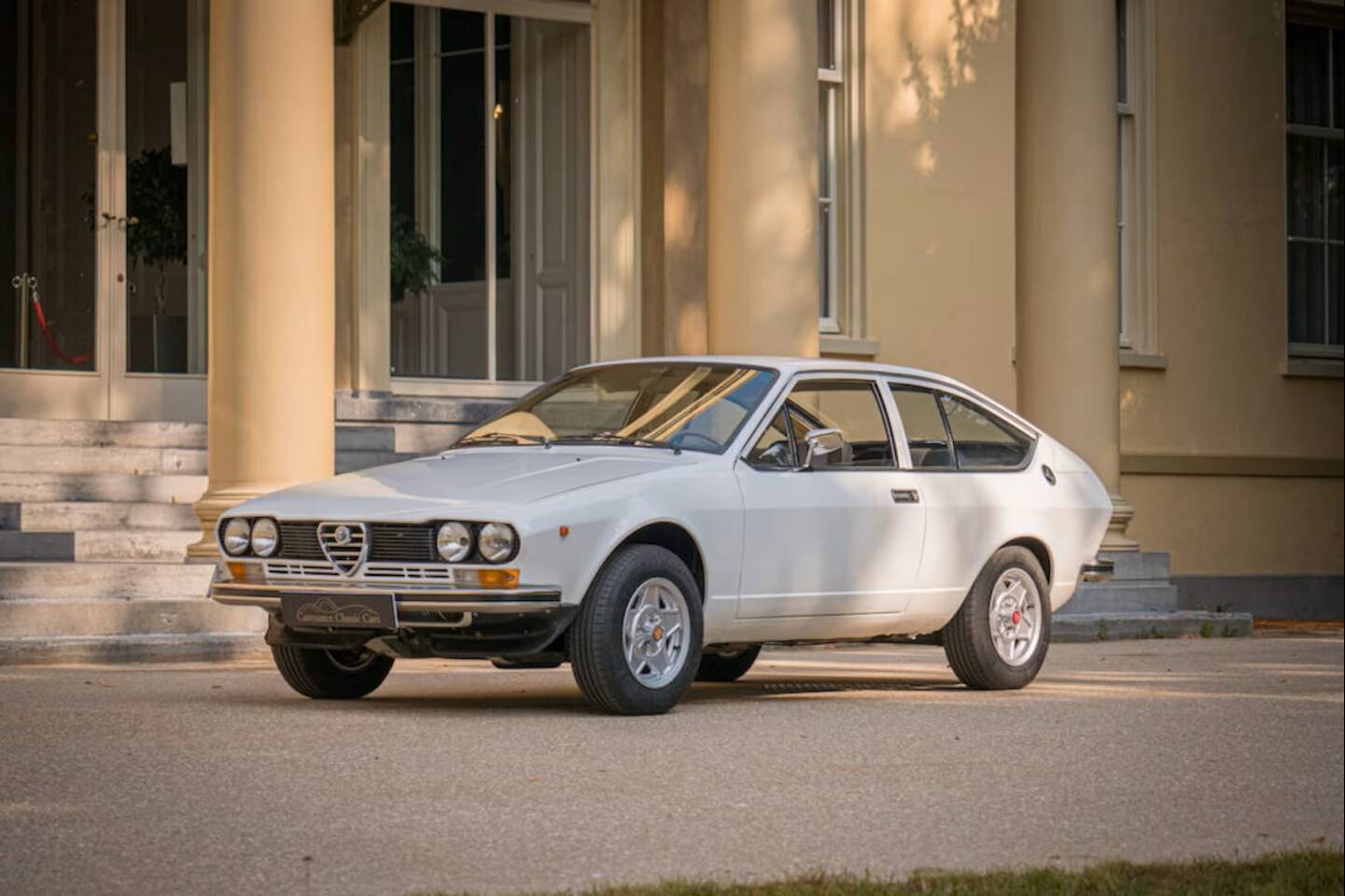
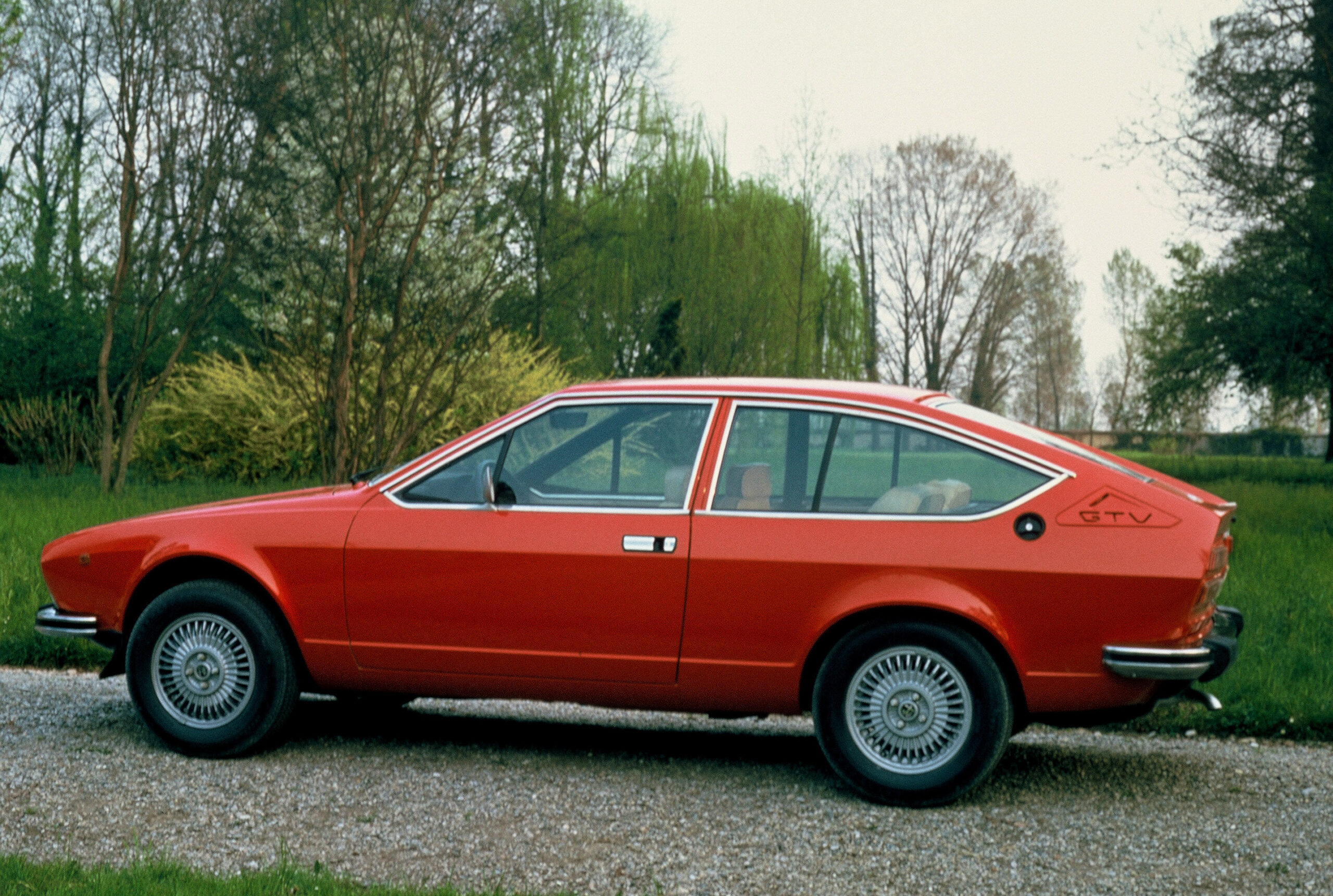
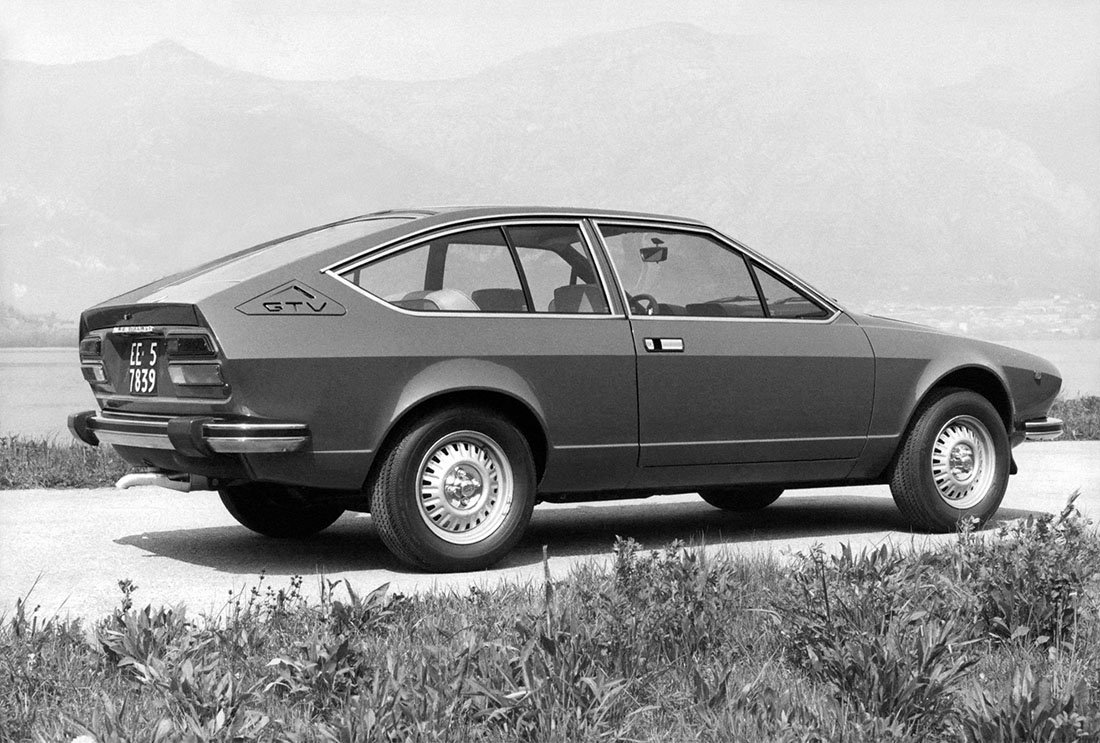
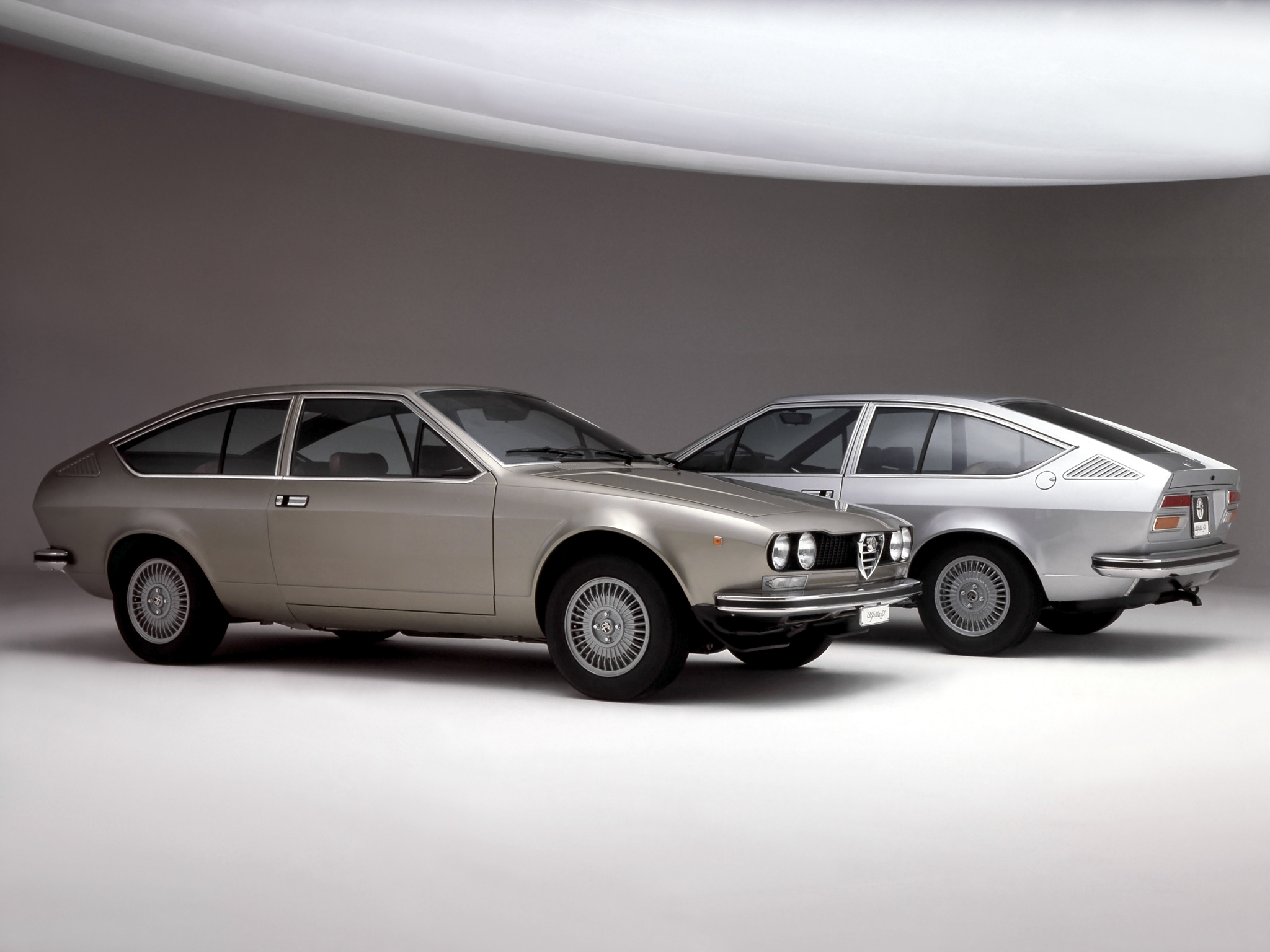
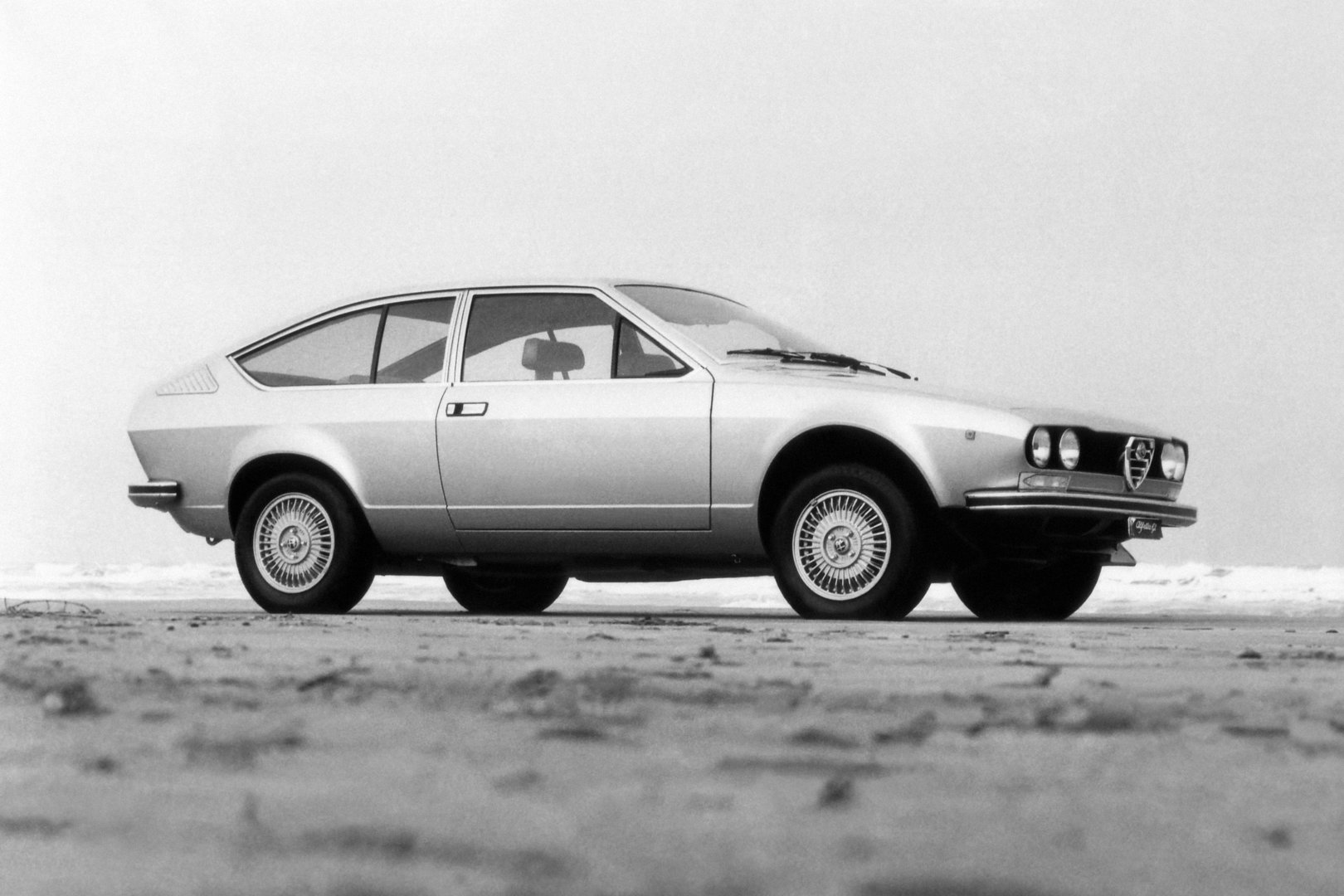
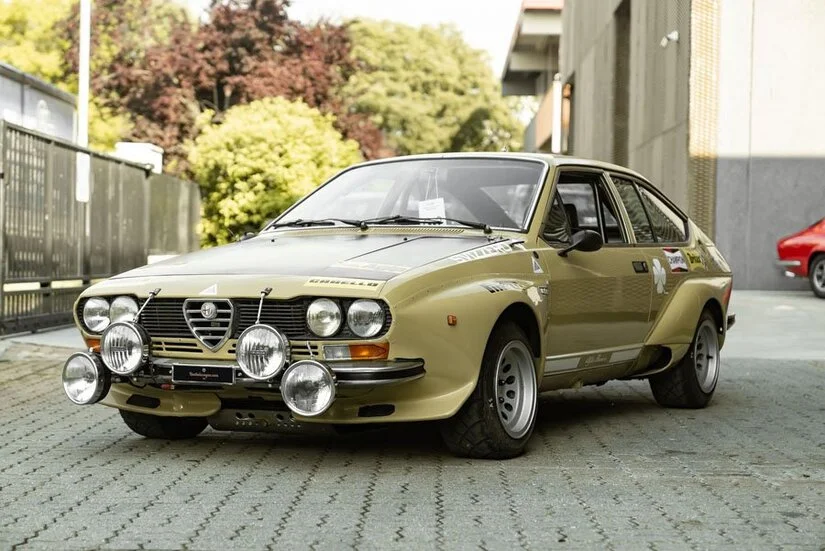
In the early 1970s, the engineers and executives at Alfa Romeo faced an unenviable, almost terrifying task: replacing a legend. The 105-series Giulia sprint coupes, penned by a youthful Giorgetto Giugiaro during his tenure at Bertone, had achieved a state of automotive immortality. To follow such a beloved, curvaceous icon in an era suddenly obsessed with safety regulations, oil crises, and shifting aesthetic paradigms required a radical departure. Enter Giugiaro once again, now at the helm of his own newly minted firm, Italdesign. In 1974, he presented the world with the Alfa Romeo Alfetta GT. It was a visual shock to the system, an aggressive, folded-paper fastback wedge that violently severed stylistic ties with the rounded 1960s. The Alfetta GT stepped into a highly volatile European market, trading paint and showroom sales with the newly launched Lancia Beta Coupe, the venerable Ford Capri, the refined BMW 3 Series (E21), and soon, the transaxle Porsche 924. Yet, beneath its avant-garde skin, the Alfetta harbored a chassis architecture so ambitious and exotic that it made its competitors look decidedly agricultural. It was a car that demanded a driver’s full attention, rewarding commitment with a dynamically brilliant, if occasionally flawed, Italian symphony.
To strip away the fastback sheet metal of the Alfetta GT is to reveal a mechanical layout directly descended from Alfa Romeo’s most hallowed Grand Prix traditions—specifically, the legendary Type 158/159 ‘Alfetta’ Formula 1 car of the early 1950s. Rather than bolting the gearbox directly to the engine, Alfa engineers utilized a transaxle layout. The clutch and gearbox were relocated to the rear of the car, sitting just ahead of the rear axle alongside the differential. This incredibly sophisticated arrangement yielded a near-perfect 50/50 weight distribution. At the rear, the engineers employed a complex De Dion tube suspension system, complemented by inboard disc brakes to significantly reduce unsprung mass at the wheels. Up front, independent double wishbones with longitudinal torsion bars kept the nose planted. Under the expansive hood, the Alfetta GT initially relied on the venerable all-alloy Bialbero (Nord) twin-cam four-cylinder engine, displacing 1.8 liters. Breathing through twin side-draft carburetors (often Webers or Dell’Ortos), it produced a spirited 122 horsepower. The model rapidly evolved into the 1.6 GT and the gutsier 2.0 GTV. However, the true apotheosis of this chassis arrived in 1980 with the introduction of the GTV6. Alfa Romeo shoehorned Giuseppe Busso’s magnificent 2.5-liter, single-overhead-cam V6 into the engine bay, necessitating a menacing, sculptural bulge on the hood to clear the intake plenum. Boasting Bosch L-Jetronic fuel injection and 160 horsepower, the Busso V6 transformed the car into a genuine +200 km/h (+130 mph) exotic, emitting a guttural, operatic howl that remains one of the greatest automotive soundtracks ever recorded.
Inside the cabin, the early Alfetta GT was as radically idiosyncratic as its exterior. Giugiaro, prioritizing the driver’s immediate line of sight, placed only the tachometer directly behind the heavily dished, wood-rimmed steering wheel. The speedometer and auxiliary gauges were relegated to a central pod in the middle of the dashboard. While eccentric, it explicitly communicated the car’s priorities: engine speed was paramount, road speed was secondary. This quirky layout was eventually normalized in the later GTV and GTV6 models, moving to a more conventional, albeit plasticky, binnacle. Driving the Alfetta required mastering its unique quirks. The rear-mounted transaxle necessitated a long shift linkage running the length of the car, resulting in a notoriously rubbery, imprecise gearshift that required a deliberate, unhurried hand, especially when engaging the non-synchronized reverse or a cold second gear. Yet, once the road opened up and the Busso V6 cleared its throat, the chassis balance was sublime. The transaxle architecture endowed the GTV6 with a high polar moment of inertia, making it incredibly stable through high-speed sweepers and delightfully adjustable on the throttle.
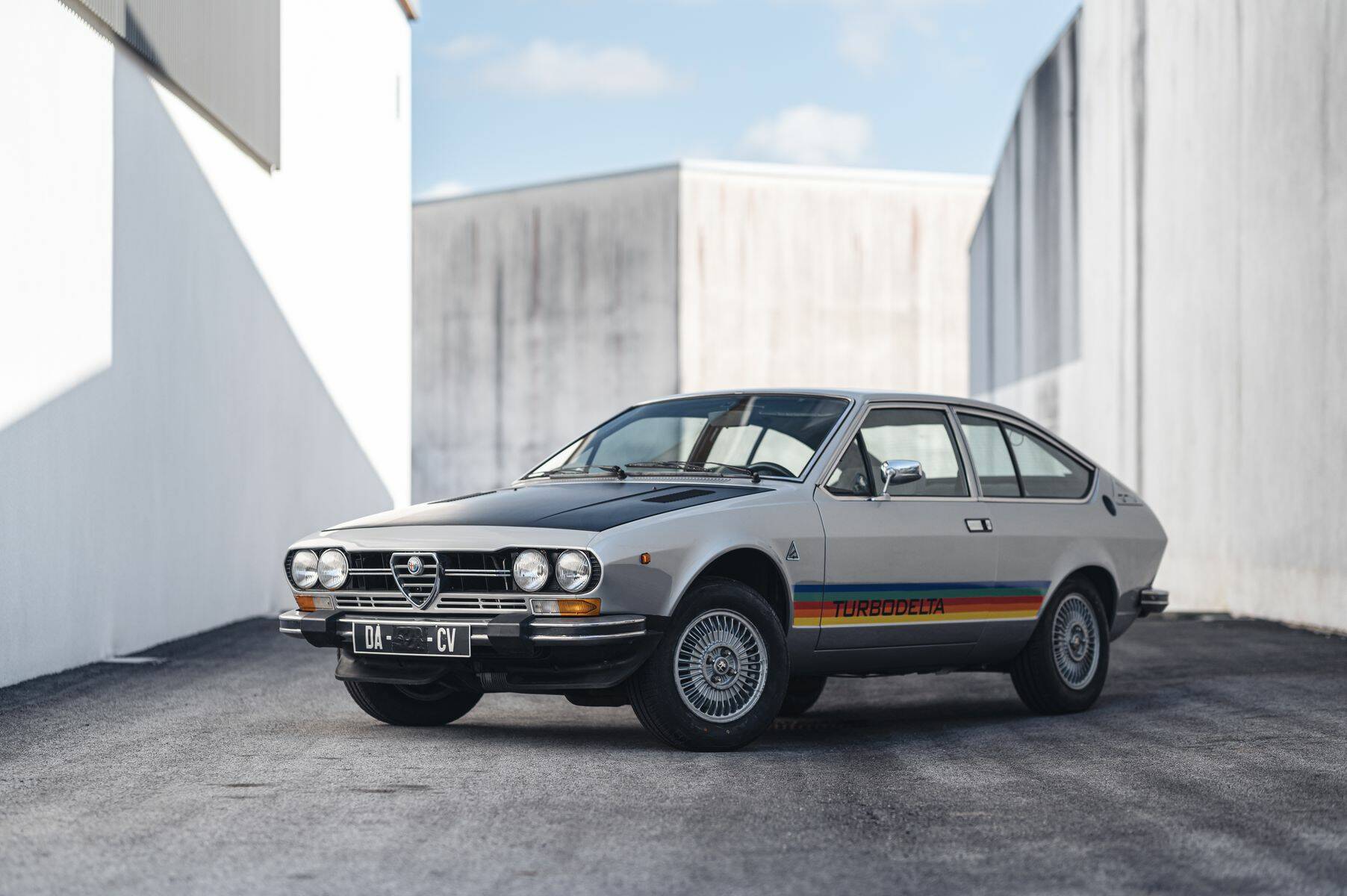
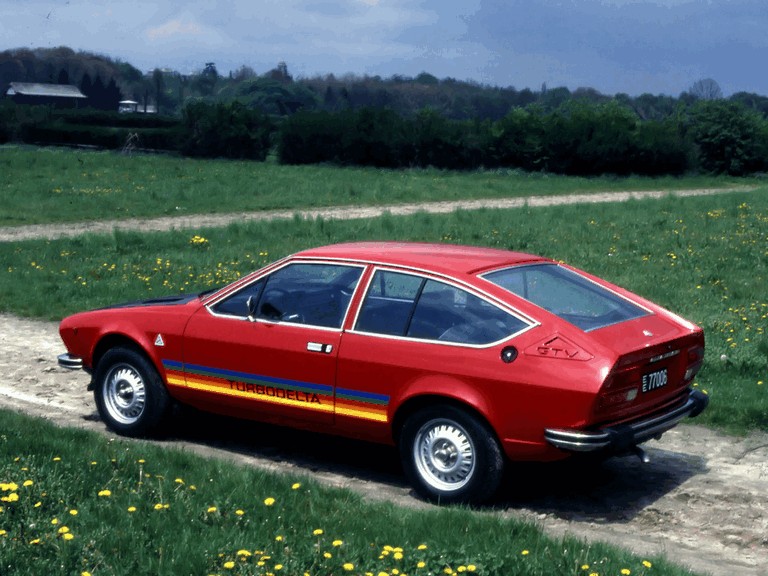
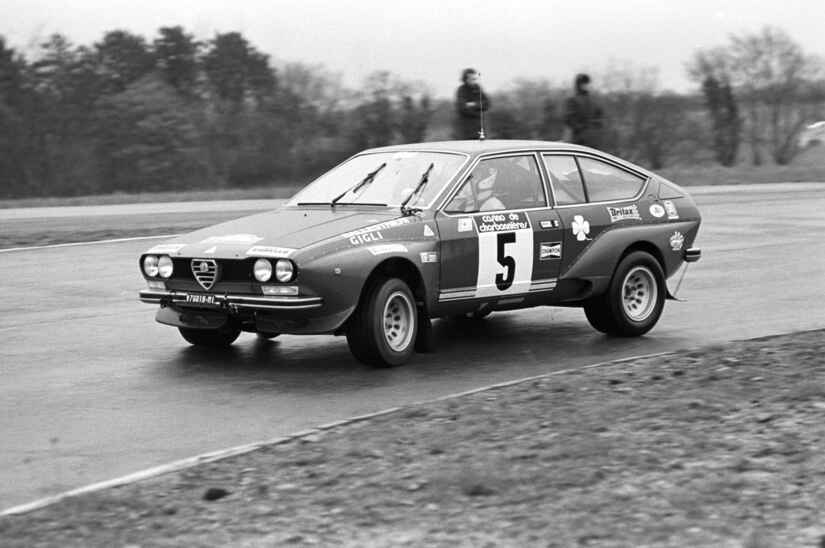
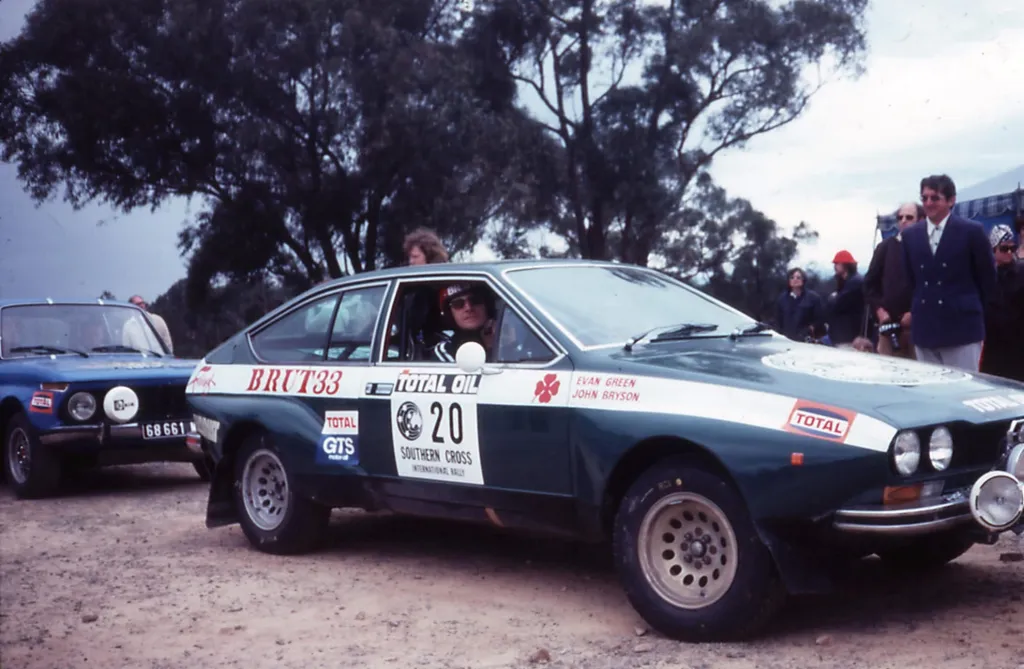
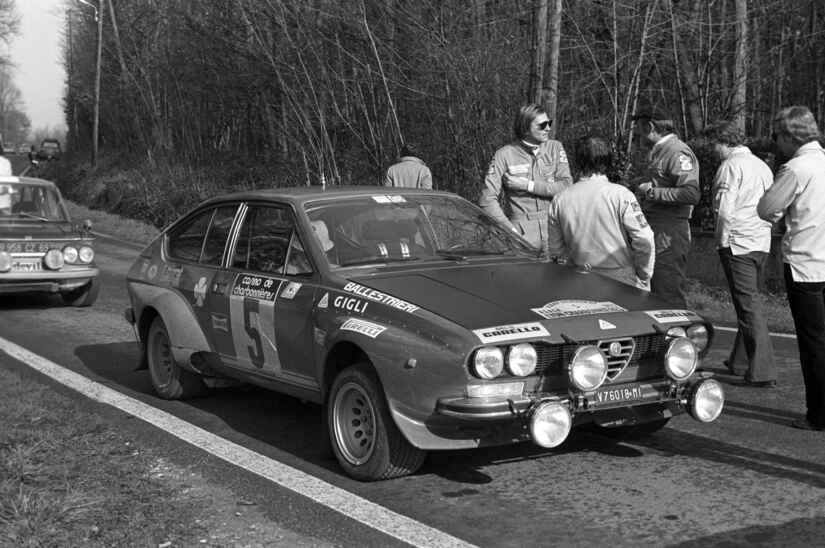
The competitive history of the Alfetta GT lineage is an epoch of touring car absolute dominance. While the four-cylinder cars cut their teeth in European rallying—including the ultra-rare, Group 4 homologated Alfetta GTV Turbodelta—it was the GTV6 that truly terrorized the racetracks of the 1980s. Homologated for Group A touring car racing, the GTV6 became the undisputed king of the 2.5-liter class in the European Touring Car Championship (ETCC). Prepared by legendary outfits like Autodelta and Luigi Racing, the raspy V6 coupes won the ETCC title for an incredible four consecutive years from 1982 to 1985, routinely harassing the larger-displacement BMW 635 CSis and Jaguar XJSs for overall victories. Drivers like Giorgio Francia and Andy Rouse exploited the car’s superior weight distribution to conserve tires over endurance distances. The GTV6 also proved fearsome on tarmac rally stages, notably winning its class at the Tour de Corse in the hands of Yves Loubet. On the street, the car’s cultural impact was cemented by Hollywood. In the 1983 James Bond film Octopussy, Roger Moore famously steals a stolen Alfa Romeo GTV6, engaging in a spectacular, tire-smoking pursuit with the West German police. The director wisely allowed the glorious sound of the Busso V6 to dominate the audio mix, forever immortalizing the car’s rakish charm on the silver screen.
The legacy of the 1974 Alfa Romeo Alfetta GT and its GTV/GTV6 evolutions is that of a glorious, flawed masterpiece. It represented the absolute zenith of Alfa Romeo’s rear-wheel-drive, transaxle era before the financial realities of the late 1980s forced the marque into the front-wheel-drive architecture of the Fiat empire. When production ceased in 1987, the automotive world lost a uniquely charismatic grand tourer. It would take decades for Alfa Romeo to return to a dedicated rear-wheel-drive platform. Today, the Alfetta GT and particularly the GTV6 sit in the pantheon of automobilism as highly coveted modern classics. They are cherished not for clinical perfection, but for their mechanical soul. To drive an Alfetta is to engage in a physical, analogue conversation with the tarmac, accompanied by the unmatched aria of a Busso V6—a beautiful, wedge-shaped reminder of an era when Italian engineers dared to put the gearbox in the trunk simply to make a coupe handle like a racing car.
Portal
Model line
Model generation
Predecessor
Sucessor
Brand
Produced from
Vehicle category
Portal
Model line
Model generation
Predecessor
Sucessor
About this model
In the early 1970s, the engineers and executives at Alfa Romeo faced an unenviable, almost terrifying task: replacing a legend. The 105-series Giulia sprint coupes, penned by a youthful Giorgetto Giugiaro during his tenure at Bertone, had achieved a state of automotive immortality. To follow such a beloved, curvaceous icon in an era suddenly obsessed with safety regulations, oil crises, and shifting aesthetic paradigms required a radical departure. Enter Giugiaro once again, now at the helm of his own newly minted firm, Italdesign. In 1974, he presented the world with the Alfa Romeo Alfetta GT. It was a visual shock to the system, an aggressive, folded-paper fastback wedge that violently severed stylistic ties with the rounded 1960s. The Alfetta GT stepped into a highly volatile European market, trading paint and showroom sales with the newly launched Lancia Beta Coupe, the venerable Ford Capri, the refined BMW 3 Series (E21), and soon, the transaxle Porsche 924. Yet, beneath its avant-garde skin, the Alfetta harbored a chassis architecture so ambitious and exotic that it made its competitors look decidedly agricultural. It was a car that demanded a driver’s full attention, rewarding commitment with a dynamically brilliant, if occasionally flawed, Italian symphony.
To strip away the fastback sheet metal of the Alfetta GT is to reveal a mechanical layout directly descended from Alfa Romeo’s most hallowed Grand Prix traditions—specifically, the legendary Type 158/159 ‘Alfetta’ Formula 1 car of the early 1950s. Rather than bolting the gearbox directly to the engine, Alfa engineers utilized a transaxle layout. The clutch and gearbox were relocated to the rear of the car, sitting just ahead of the rear axle alongside the differential. This incredibly sophisticated arrangement yielded a near-perfect 50/50 weight distribution. At the rear, the engineers employed a complex De Dion tube suspension system, complemented by inboard disc brakes to significantly reduce unsprung mass at the wheels. Up front, independent double wishbones with longitudinal torsion bars kept the nose planted. Under the expansive hood, the Alfetta GT initially relied on the venerable all-alloy Bialbero (Nord) twin-cam four-cylinder engine, displacing 1.8 liters. Breathing through twin side-draft carburetors (often Webers or Dell’Ortos), it produced a spirited 122 horsepower. The model rapidly evolved into the 1.6 GT and the gutsier 2.0 GTV. However, the true apotheosis of this chassis arrived in 1980 with the introduction of the GTV6. Alfa Romeo shoehorned Giuseppe Busso’s magnificent 2.5-liter, single-overhead-cam V6 into the engine bay, necessitating a menacing, sculptural bulge on the hood to clear the intake plenum. Boasting Bosch L-Jetronic fuel injection and 160 horsepower, the Busso V6 transformed the car into a genuine +200 km/h (+130 mph) exotic, emitting a guttural, operatic howl that remains one of the greatest automotive soundtracks ever recorded.
Inside the cabin, the early Alfetta GT was as radically idiosyncratic as its exterior. Giugiaro, prioritizing the driver’s immediate line of sight, placed only the tachometer directly behind the heavily dished, wood-rimmed steering wheel. The speedometer and auxiliary gauges were relegated to a central pod in the middle of the dashboard. While eccentric, it explicitly communicated the car’s priorities: engine speed was paramount, road speed was secondary. This quirky layout was eventually normalized in the later GTV and GTV6 models, moving to a more conventional, albeit plasticky, binnacle. Driving the Alfetta required mastering its unique quirks. The rear-mounted transaxle necessitated a long shift linkage running the length of the car, resulting in a notoriously rubbery, imprecise gearshift that required a deliberate, unhurried hand, especially when engaging the non-synchronized reverse or a cold second gear. Yet, once the road opened up and the Busso V6 cleared its throat, the chassis balance was sublime. The transaxle architecture endowed the GTV6 with a high polar moment of inertia, making it incredibly stable through high-speed sweepers and delightfully adjustable on the throttle.
The competitive history of the Alfetta GT lineage is an epoch of touring car absolute dominance. While the four-cylinder cars cut their teeth in European rallying—including the ultra-rare, Group 4 homologated Alfetta GTV Turbodelta—it was the GTV6 that truly terrorized the racetracks of the 1980s. Homologated for Group A touring car racing, the GTV6 became the undisputed king of the 2.5-liter class in the European Touring Car Championship (ETCC). Prepared by legendary outfits like Autodelta and Luigi Racing, the raspy V6 coupes won the ETCC title for an incredible four consecutive years from 1982 to 1985, routinely harassing the larger-displacement BMW 635 CSis and Jaguar XJSs for overall victories. Drivers like Giorgio Francia and Andy Rouse exploited the car’s superior weight distribution to conserve tires over endurance distances. The GTV6 also proved fearsome on tarmac rally stages, notably winning its class at the Tour de Corse in the hands of Yves Loubet. On the street, the car’s cultural impact was cemented by Hollywood. In the 1983 James Bond film Octopussy, Roger Moore famously steals a stolen Alfa Romeo GTV6, engaging in a spectacular, tire-smoking pursuit with the West German police. The director wisely allowed the glorious sound of the Busso V6 to dominate the audio mix, forever immortalizing the car’s rakish charm on the silver screen.
The legacy of the 1974 Alfa Romeo Alfetta GT and its GTV/GTV6 evolutions is that of a glorious, flawed masterpiece. It represented the absolute zenith of Alfa Romeo’s rear-wheel-drive, transaxle era before the financial realities of the late 1980s forced the marque into the front-wheel-drive architecture of the Fiat empire. When production ceased in 1987, the automotive world lost a uniquely charismatic grand tourer. It would take decades for Alfa Romeo to return to a dedicated rear-wheel-drive platform. Today, the Alfetta GT and particularly the GTV6 sit in the pantheon of automobilism as highly coveted modern classics. They are cherished not for clinical perfection, but for their mechanical soul. To drive an Alfetta is to engage in a physical, analogue conversation with the tarmac, accompanied by the unmatched aria of a Busso V6—a beautiful, wedge-shaped reminder of an era when Italian engineers dared to put the gearbox in the trunk simply to make a coupe handle like a racing car.
Submodels