
Chevrolet Corvette C1 Competition Coupé
Brand
Produced from
Portal
Vehicle category
Model line
Model generation
Predecessor
Successor
Submodel Overview
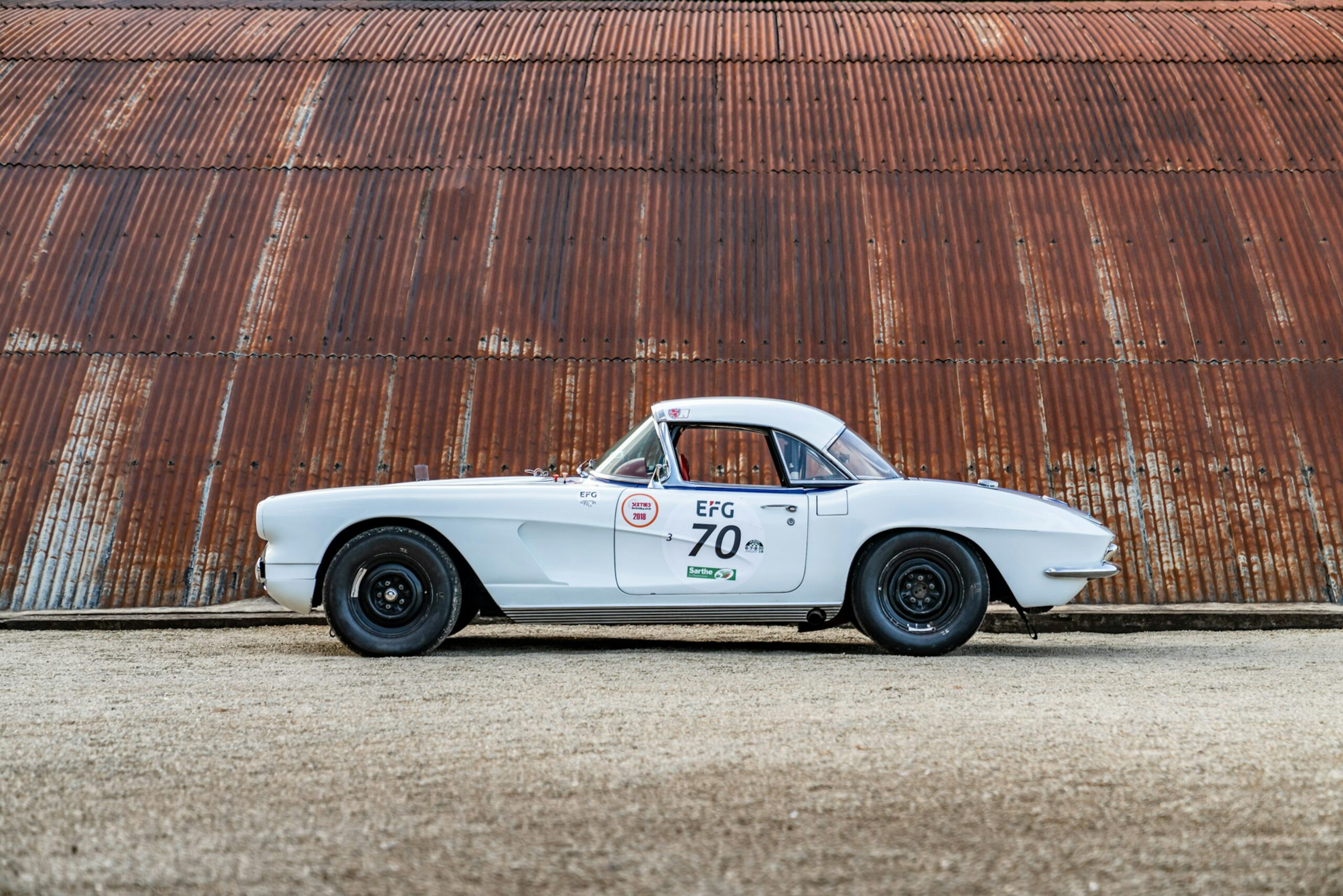
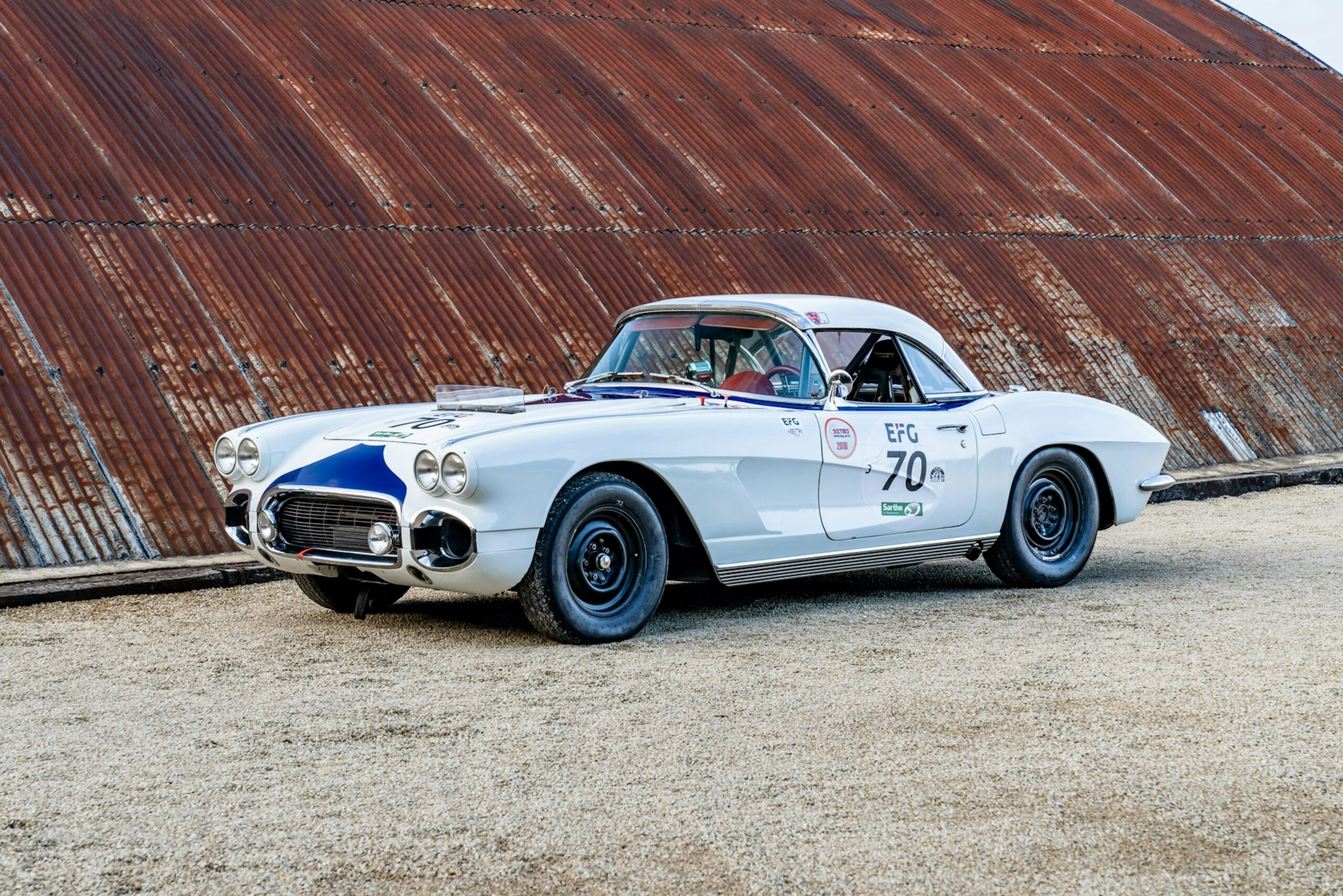
The deafening roar of a 4.6-litre (283 cu in) V8 engine shattering the damp French air in 1960 signalled a violent rebellion against the European motorsport establishment. At the close of the 1950s, the American Automobile Manufacturers Association (AMA) had strictly banned factory-backed racing, meaning Chevrolet was politically paralysed and explicitly forbidden from officially entering the 24 Hours of Le Mans. Enter Briggs Cunningham, a vastly wealthy American sportsman and privateer constructor absolutely obsessed with conquering the Circuit de la Sarthe using domestic machinery. Recognising the raw potential of the fibreglass sports car, Cunningham purchased three 1960 Corvettes entirely out of his own pocket to contest the FIA Group 3 Grand Touring class. However, he was not operating completely alone. Zora Arkus-Duntov, the legendary father of the Corvette, orchestrated a shadow campaign, quietly slipping experimental, heavy-duty racing components out the back door of the General Motors factory to Cunningham’s team. This clandestine alliance was essential, as the heavy American machines were set to battle European motorsport royalty, namely the featherweight Ferrari 250 GT SWB and the aristocratic Aston Martin DB4 GT.
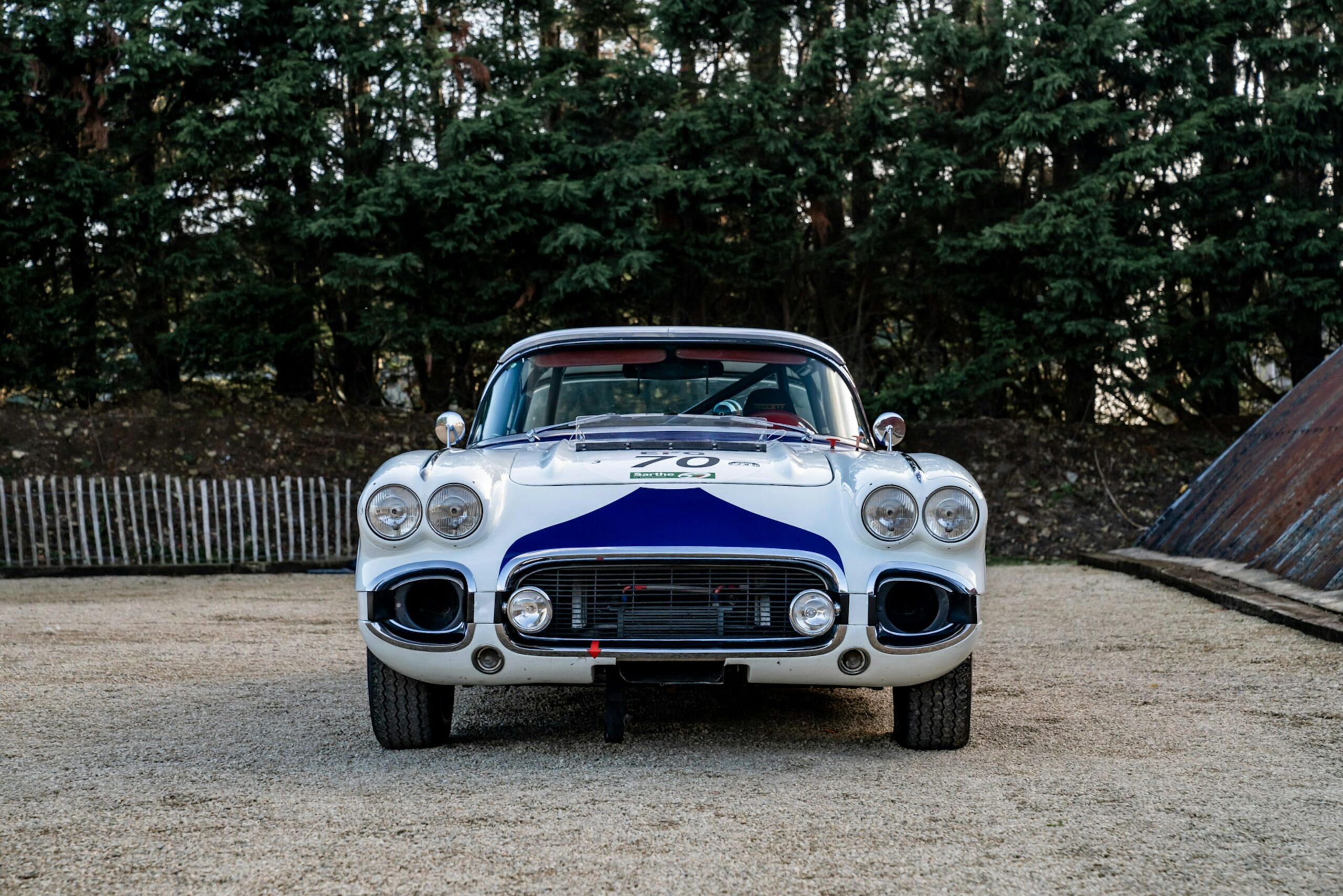
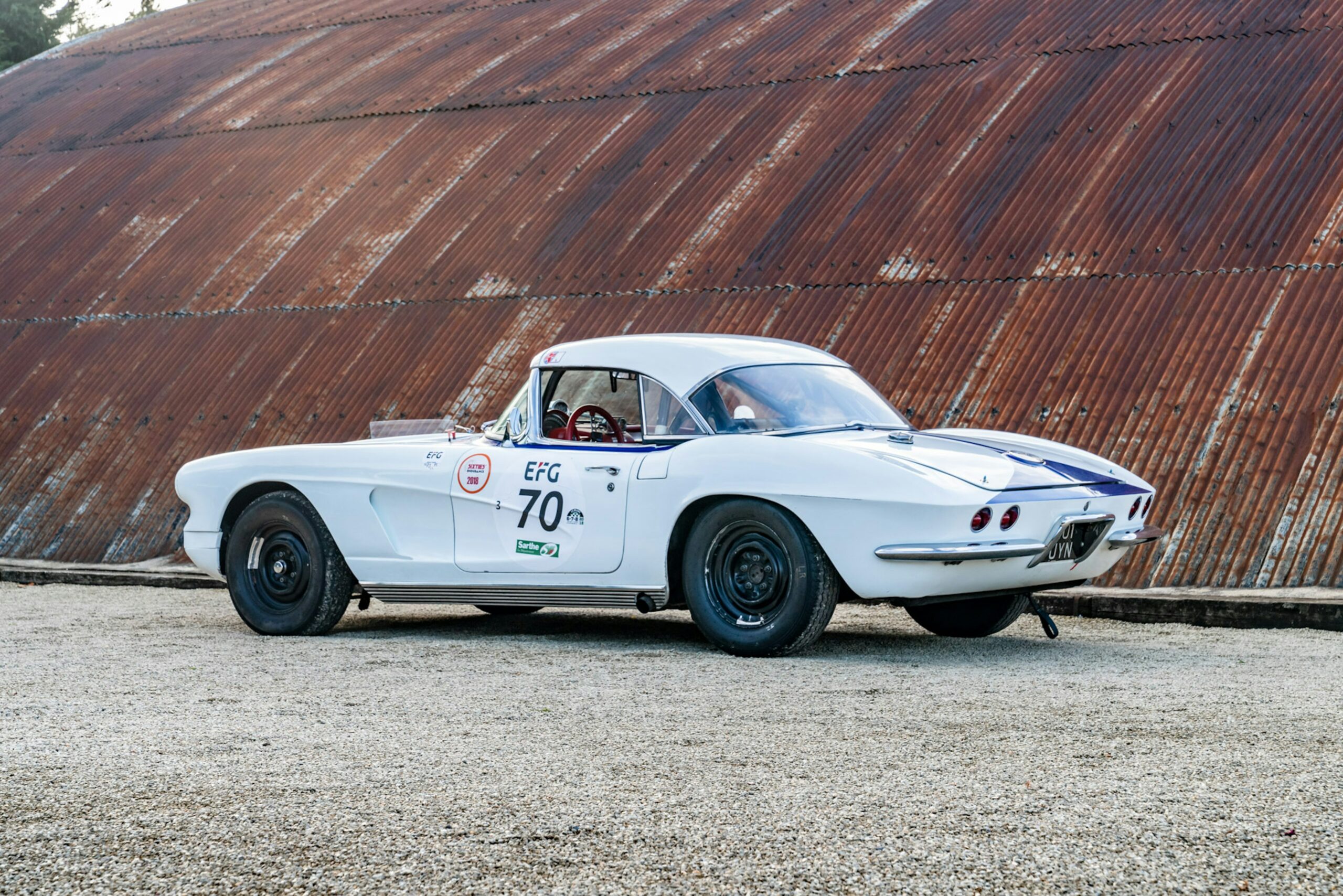
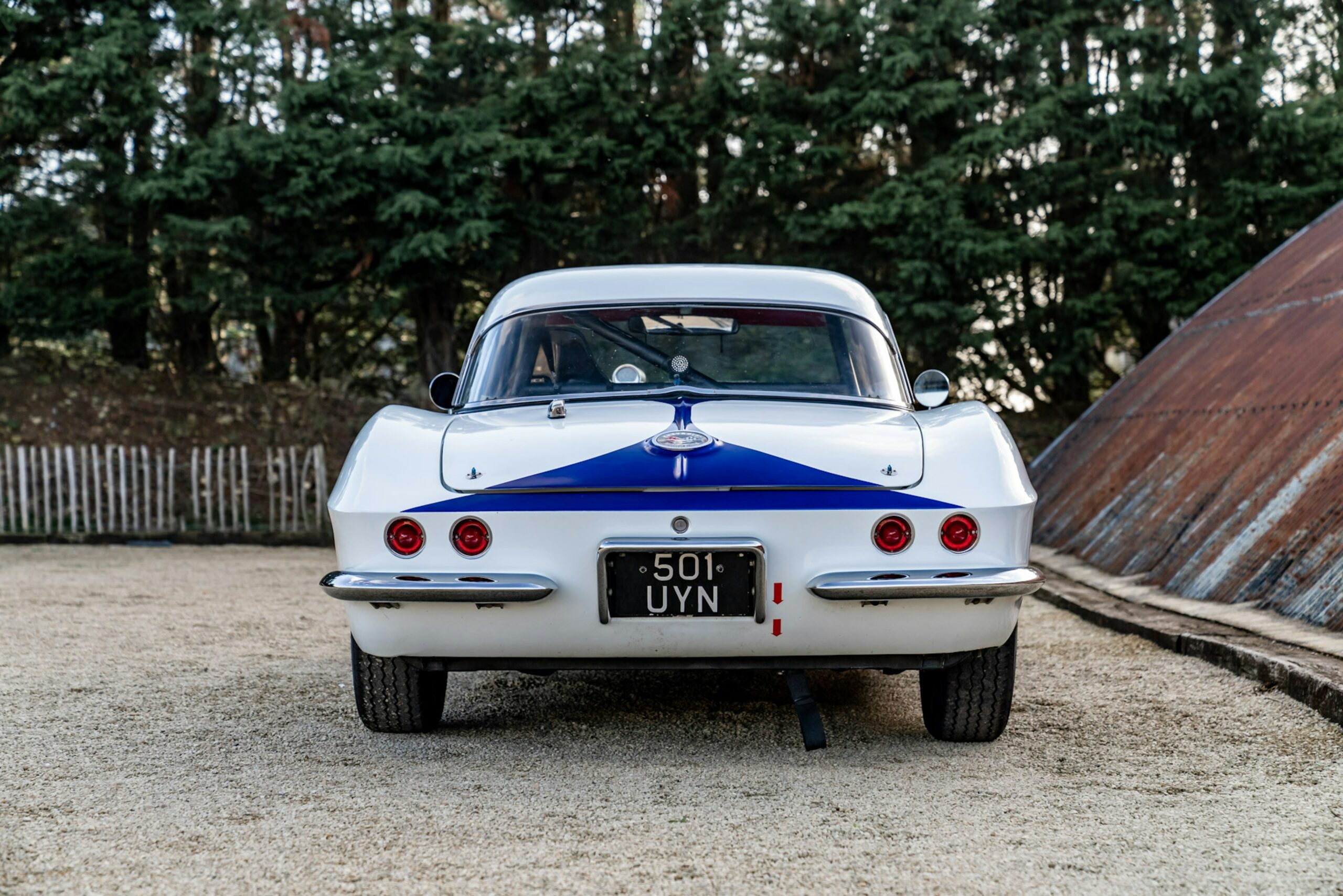
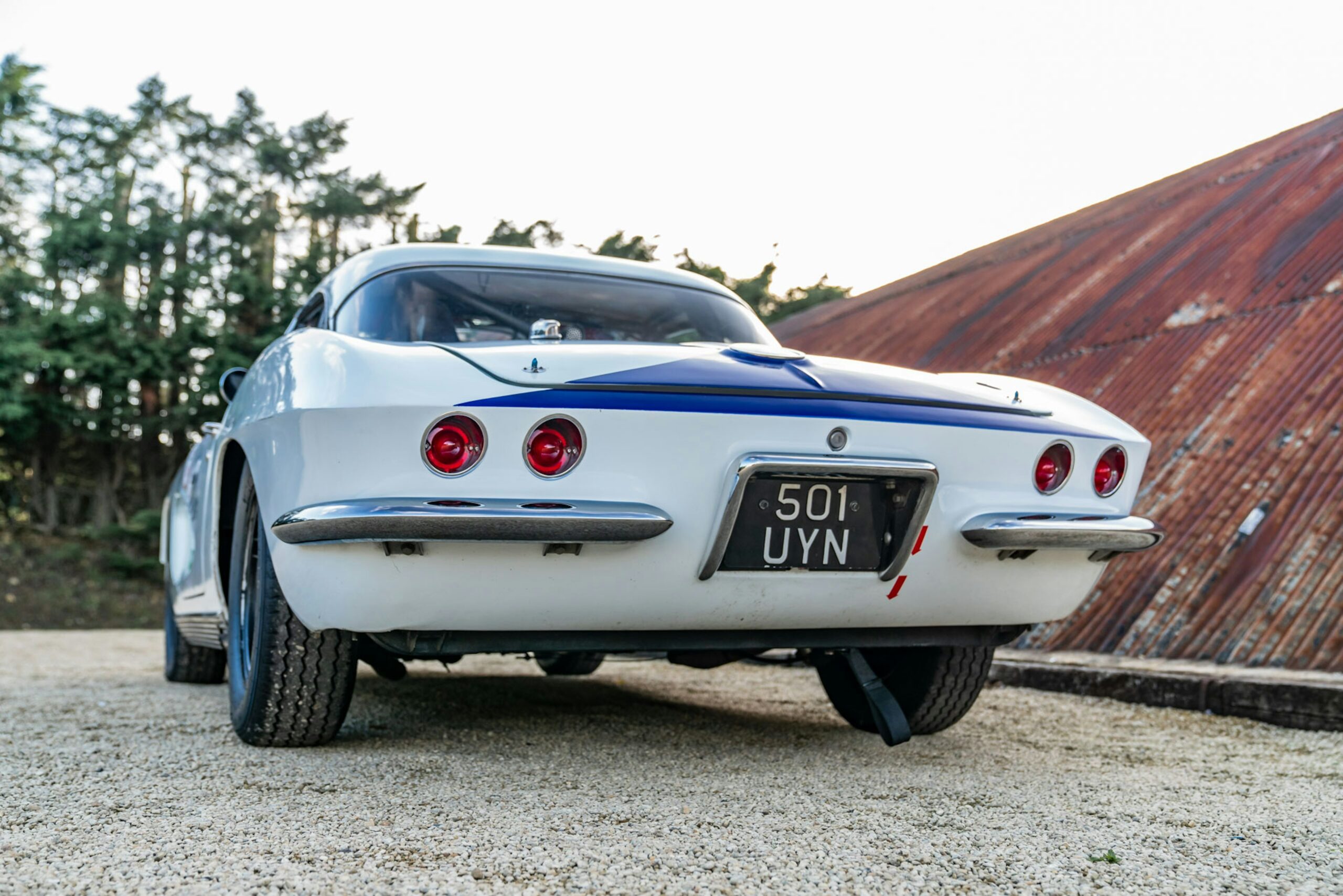
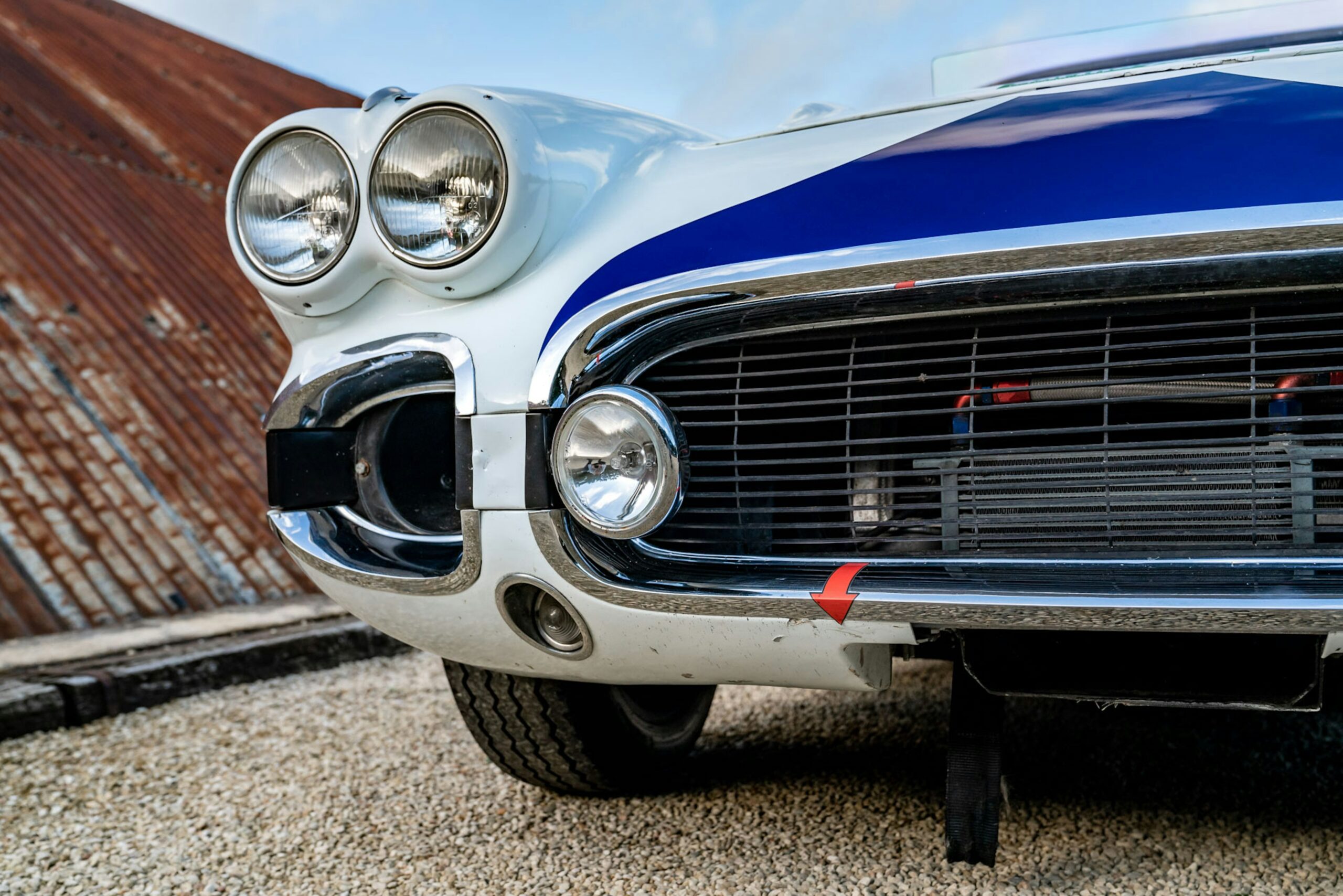
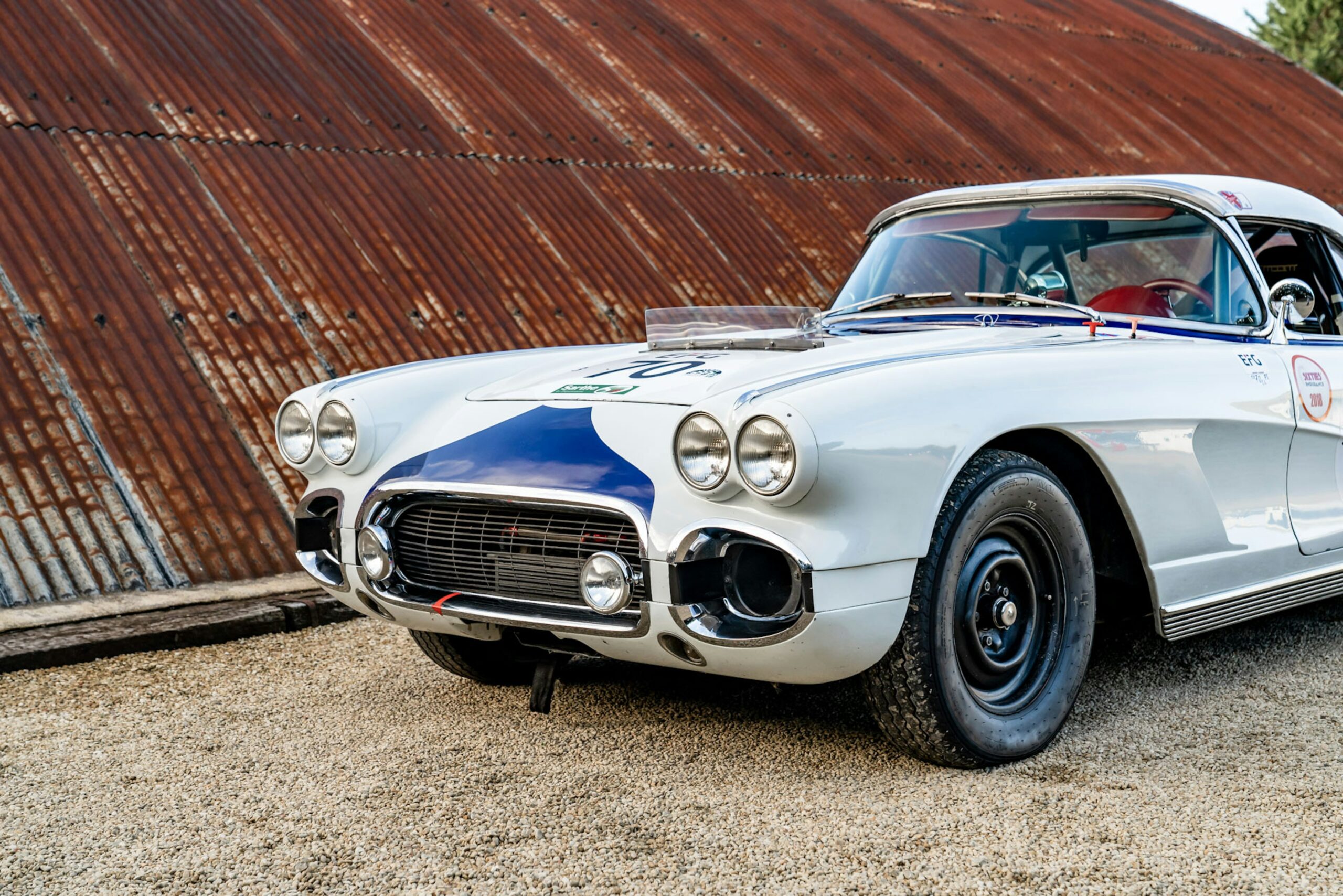
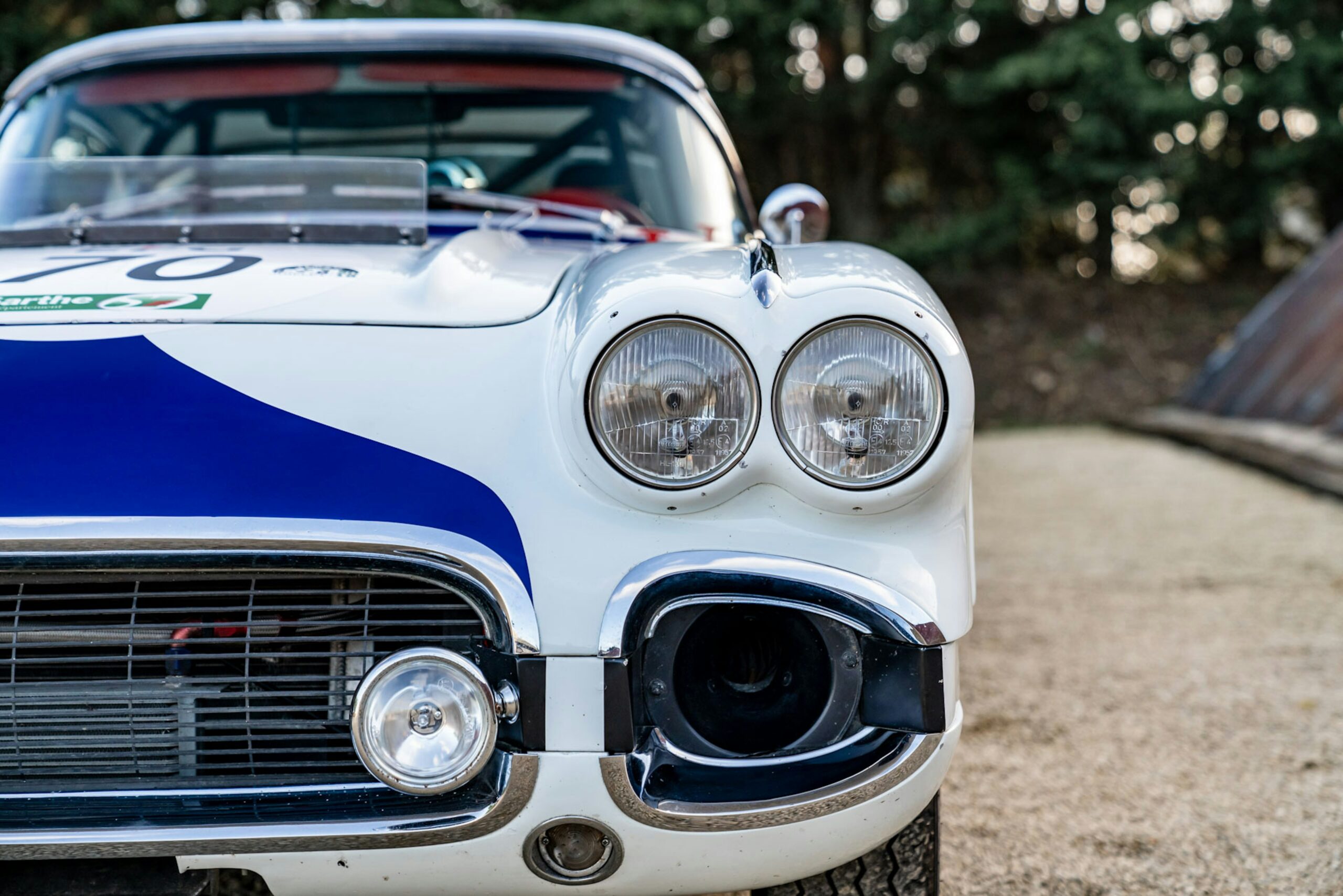
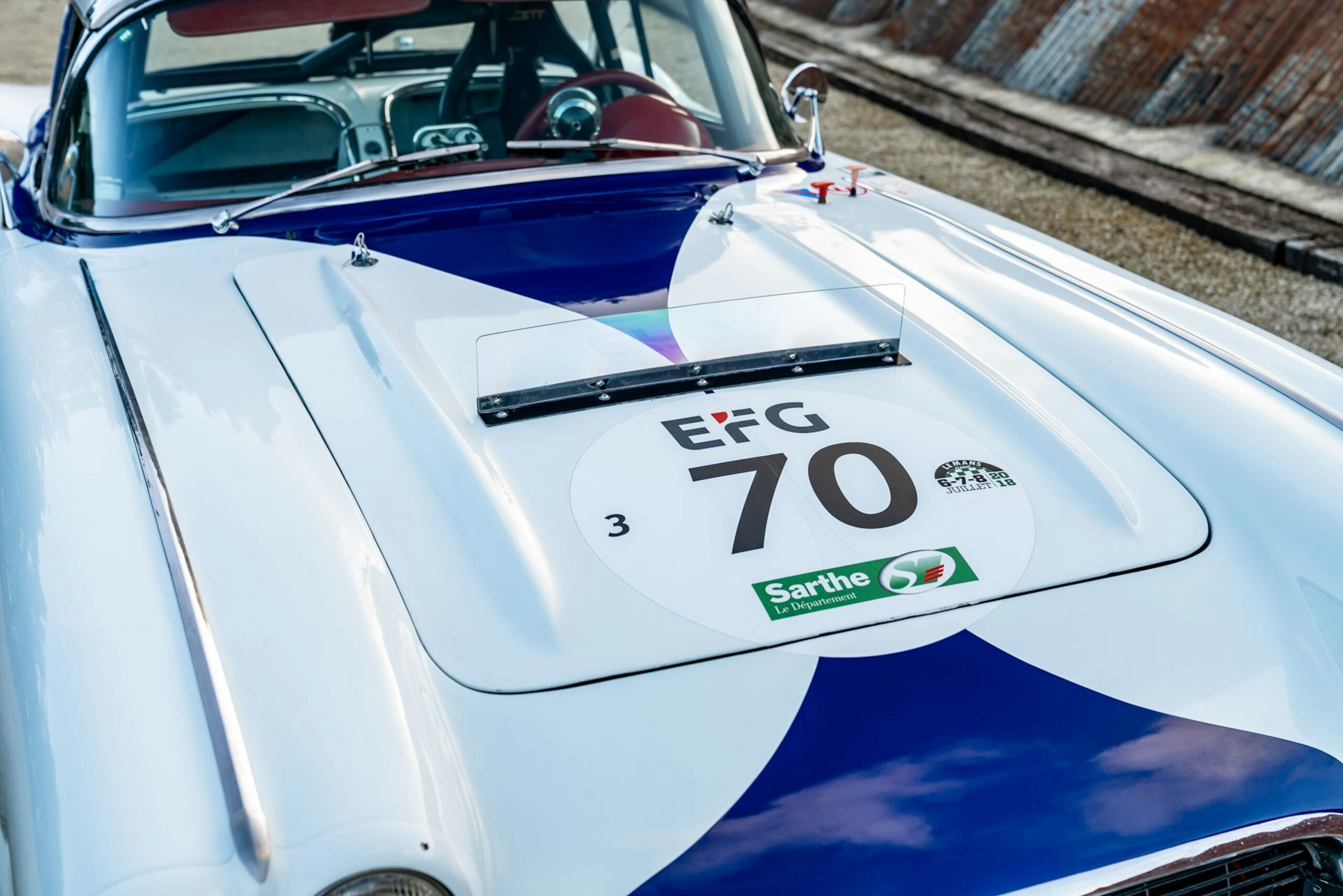
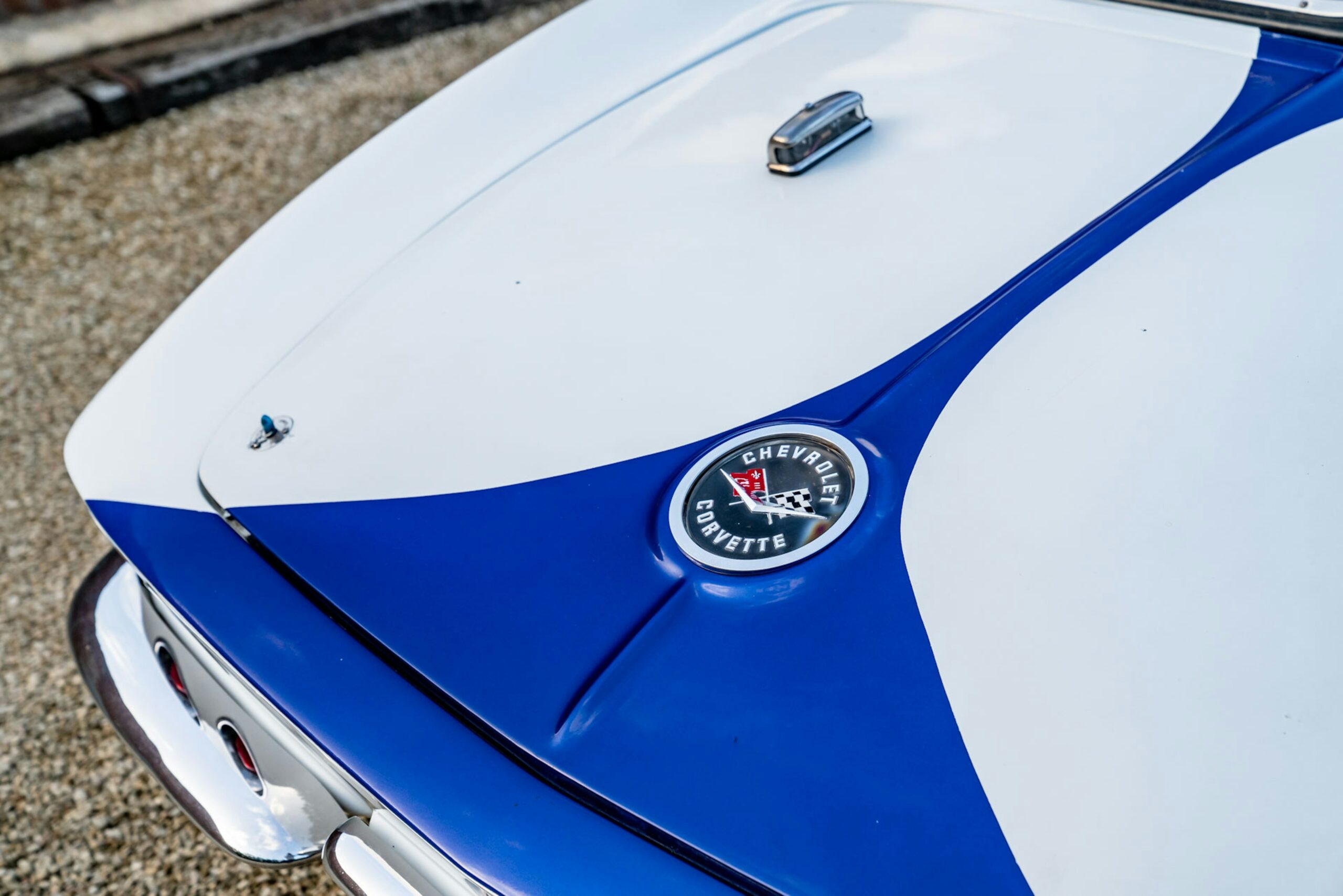
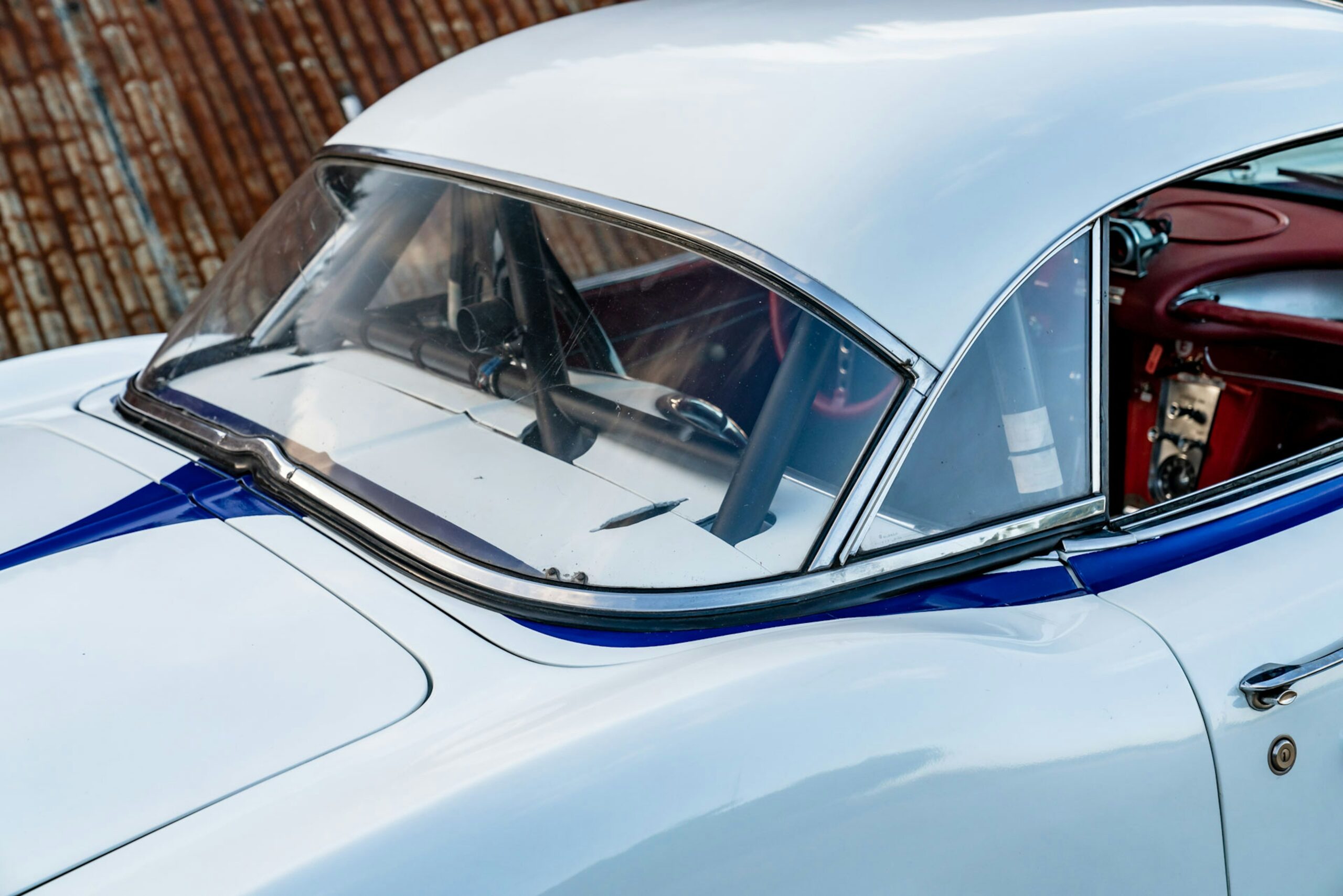
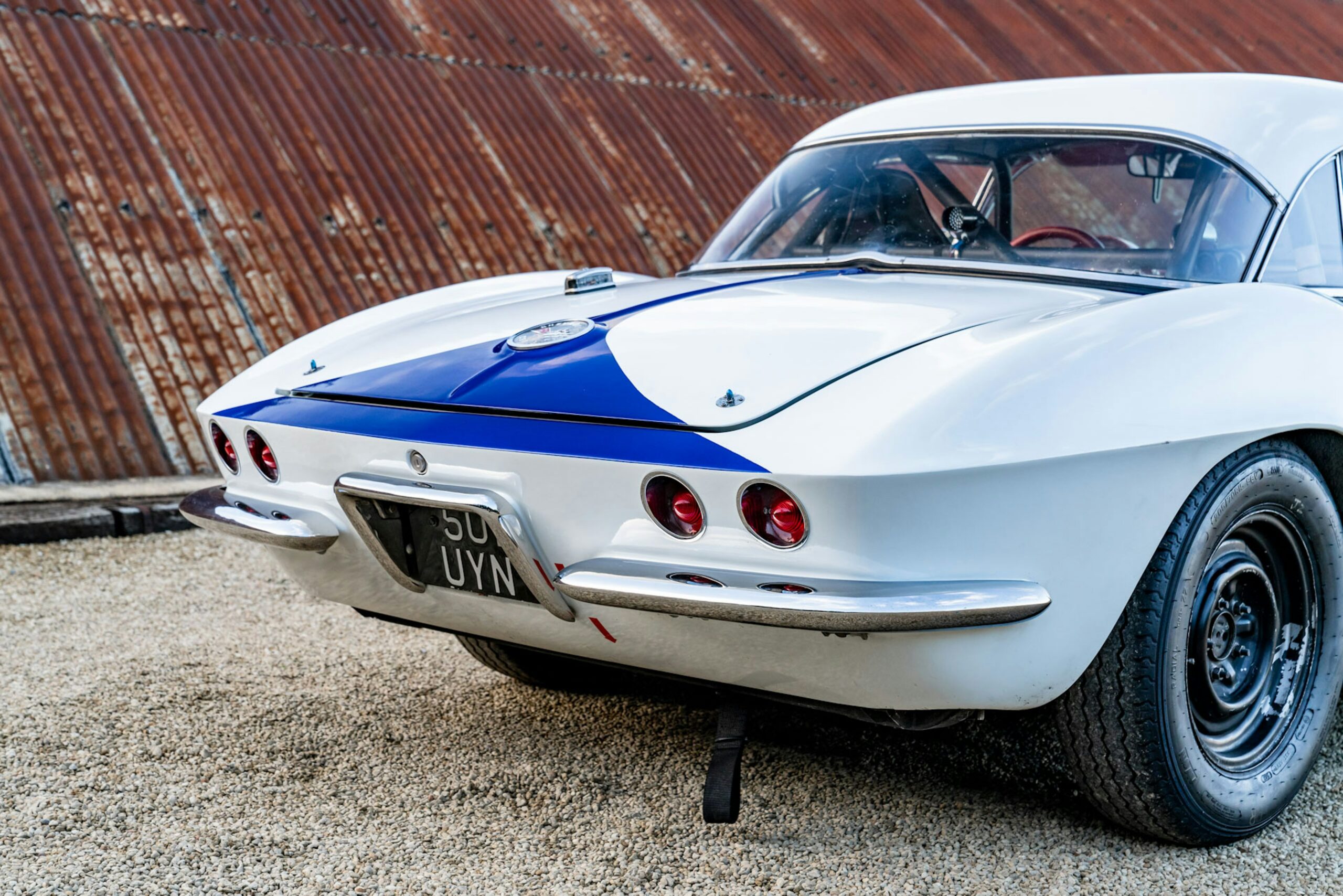
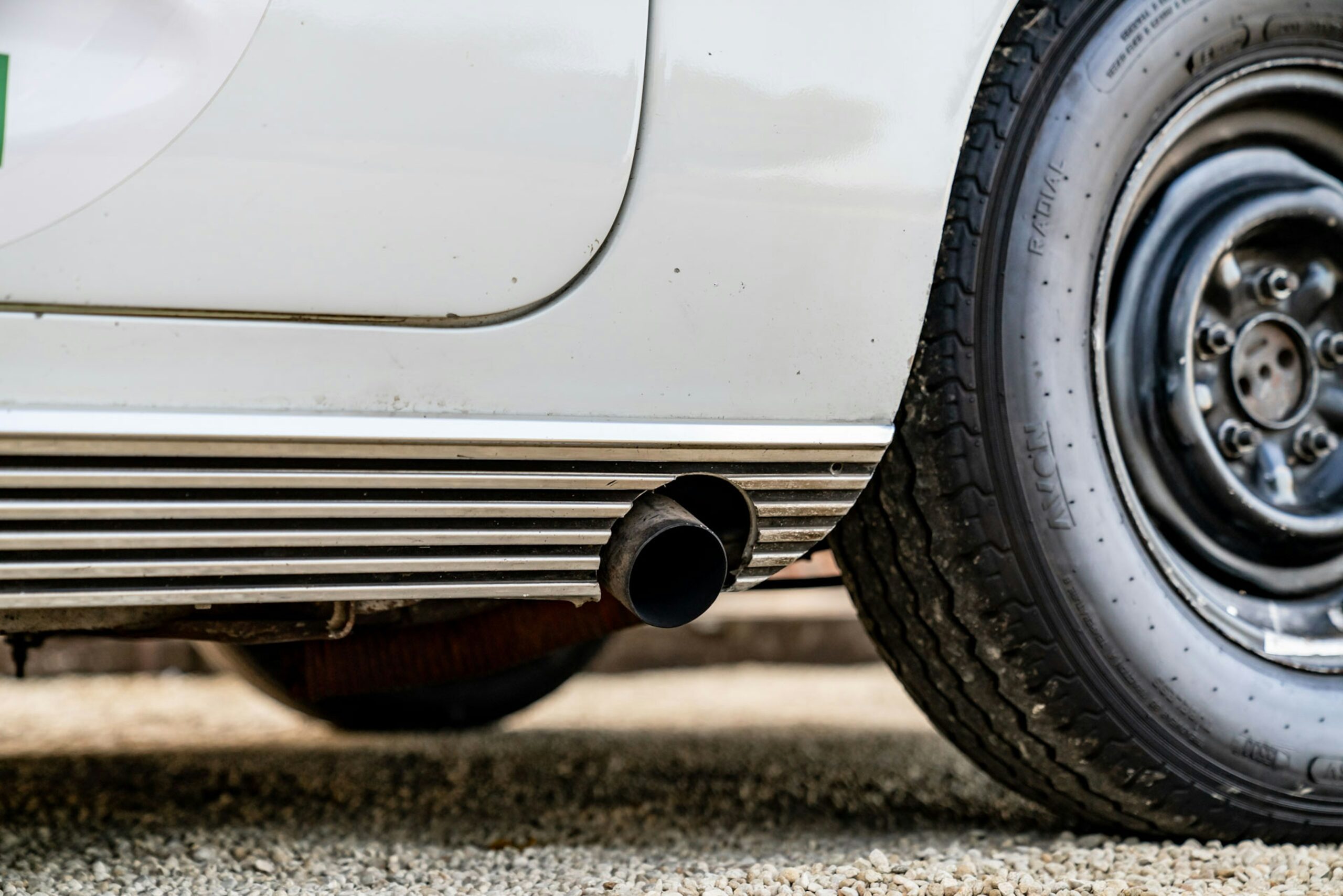
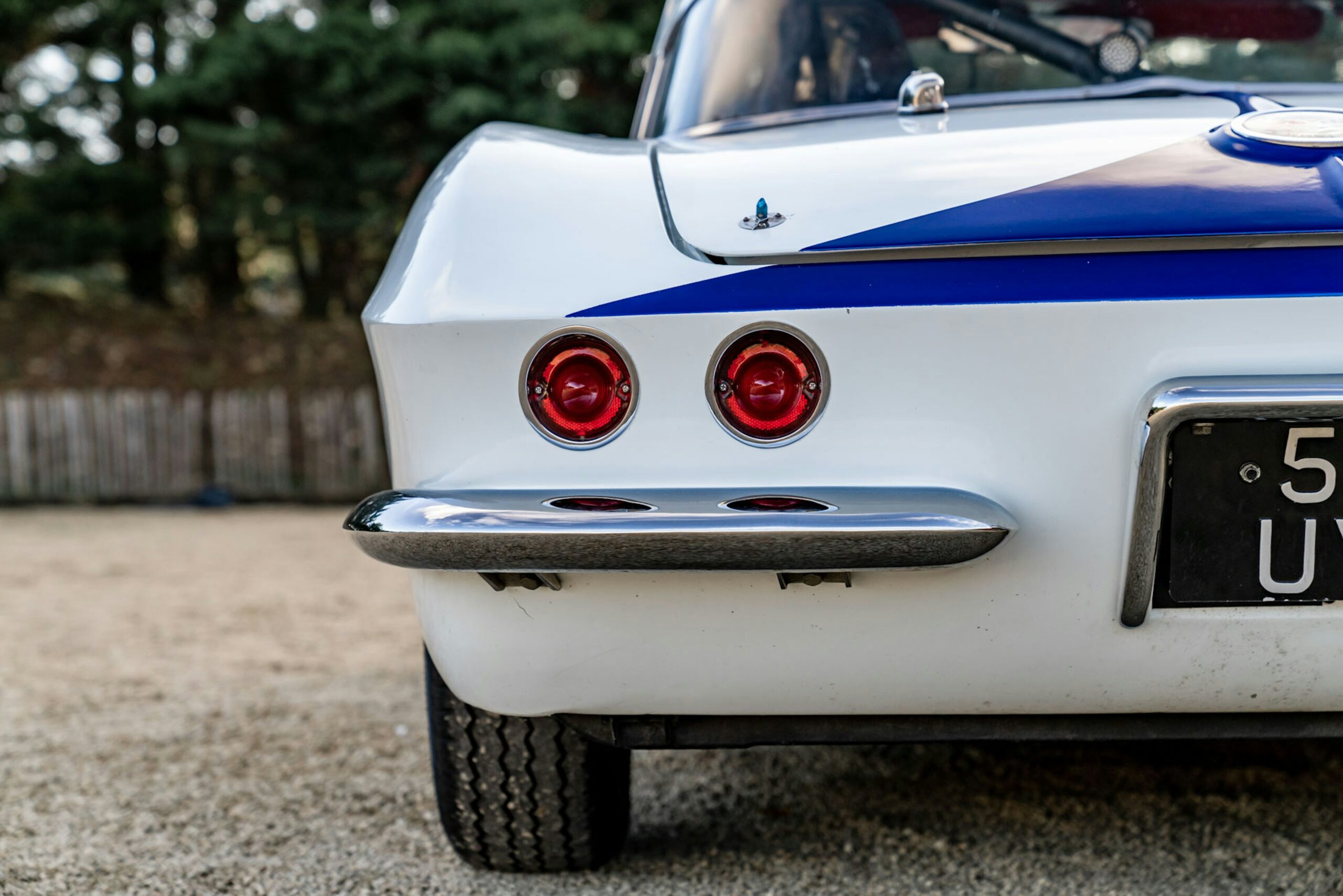
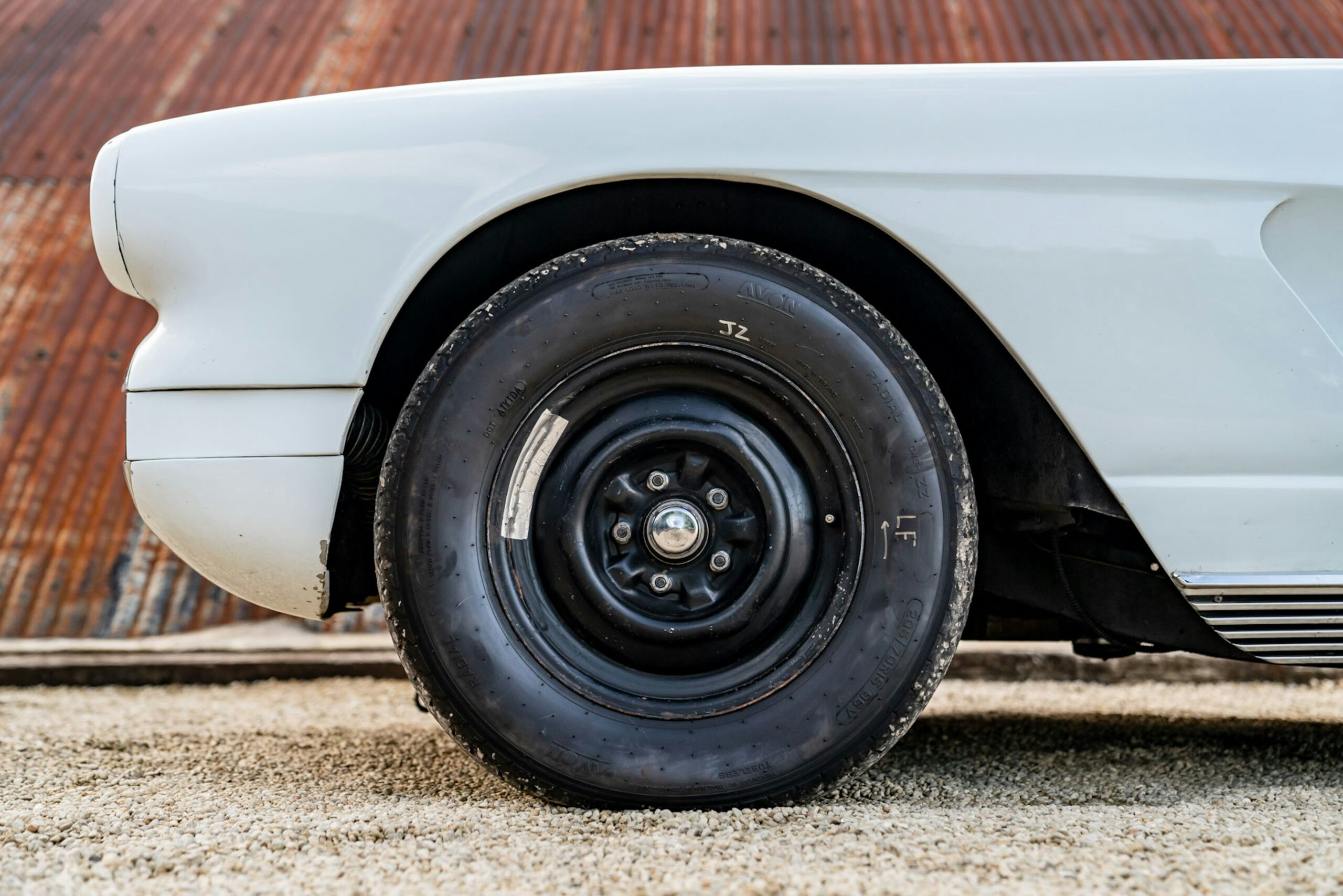
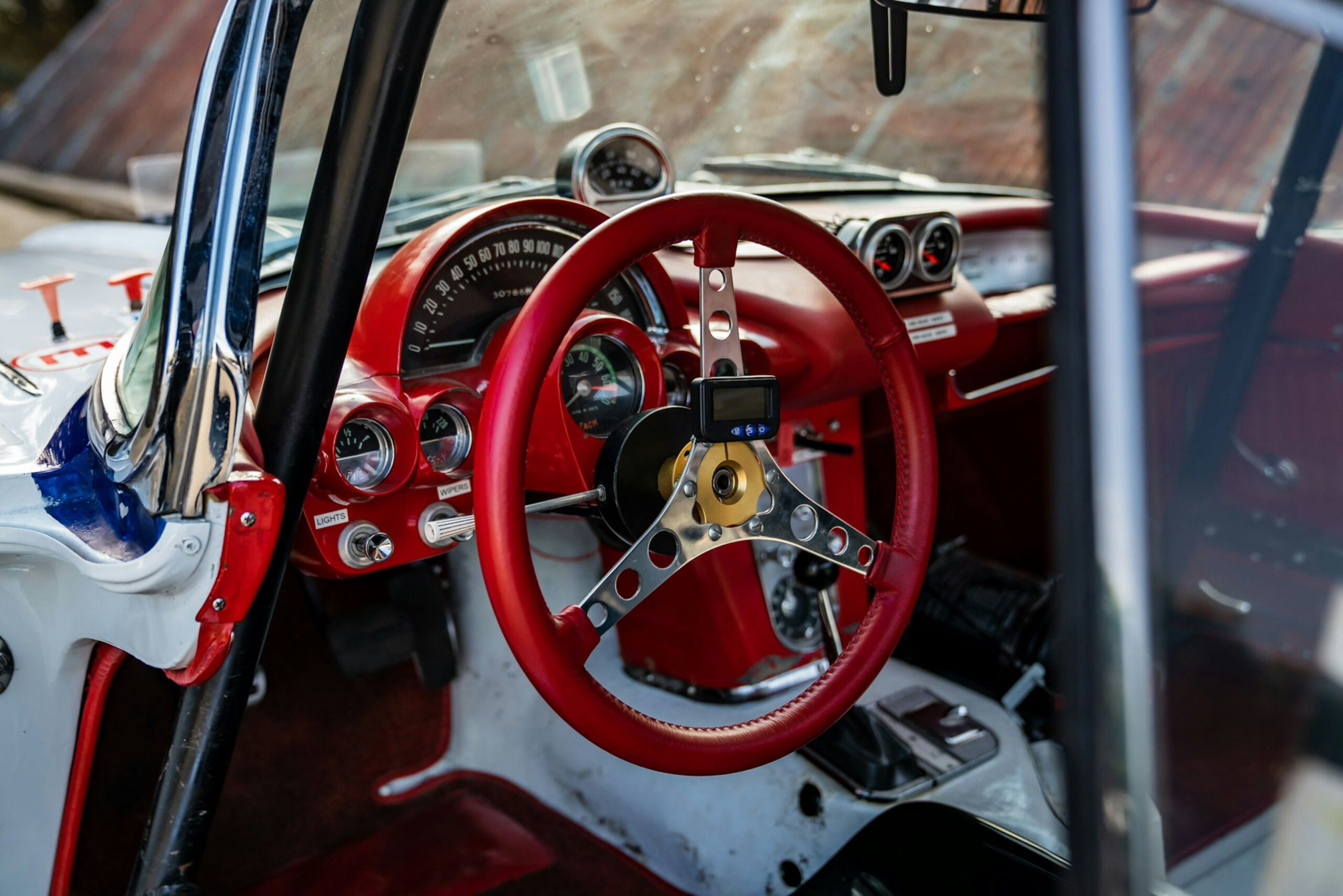
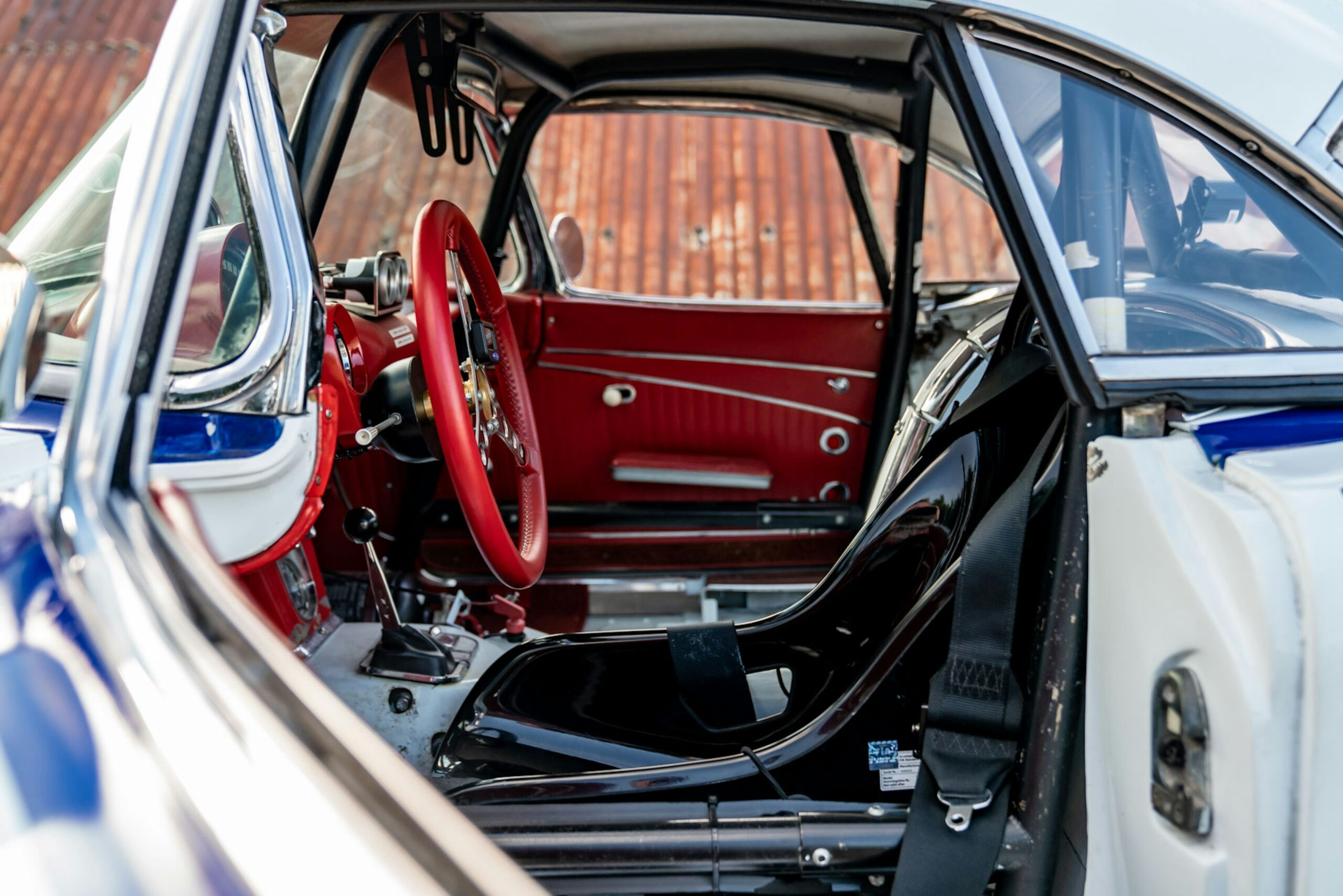
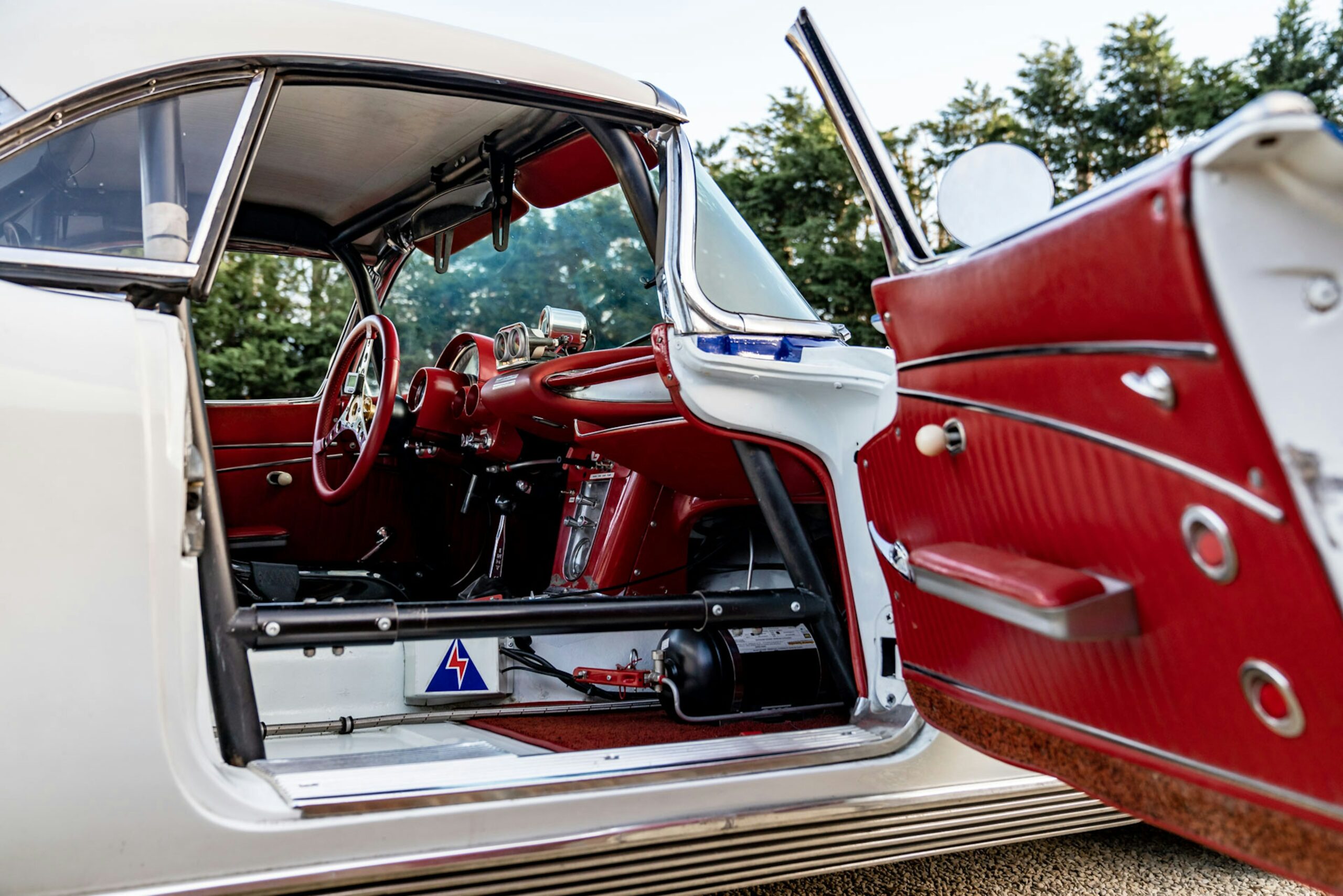
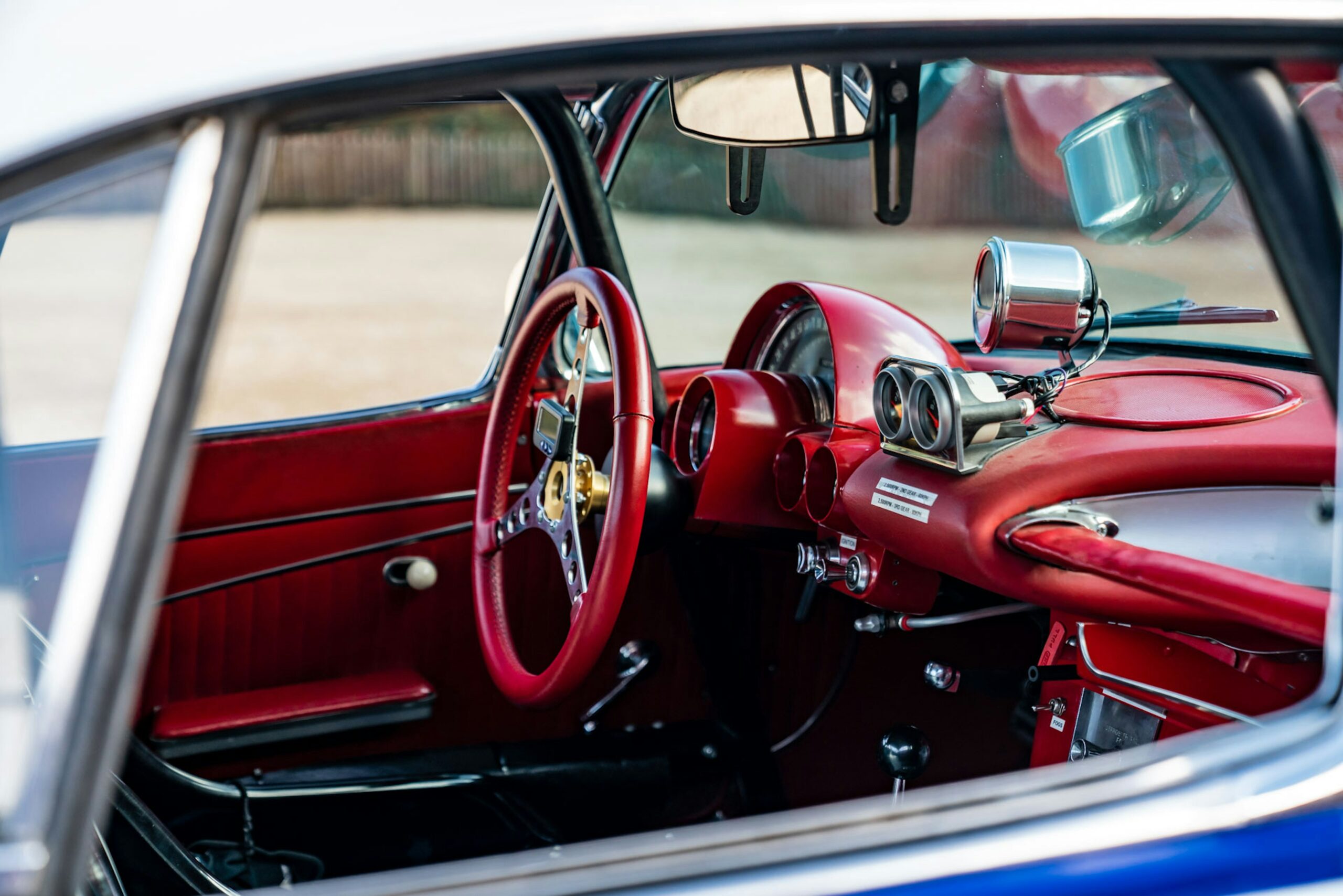
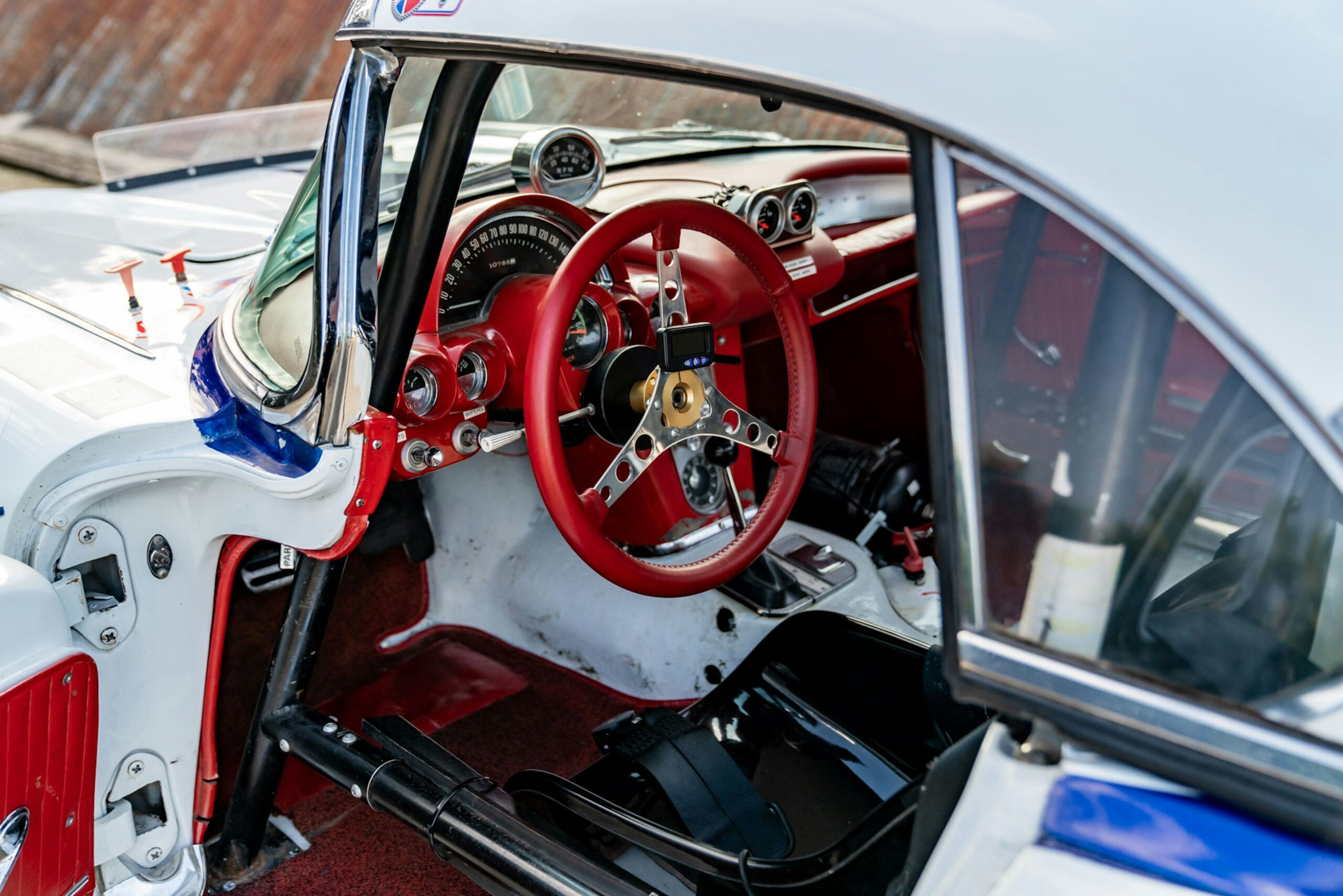
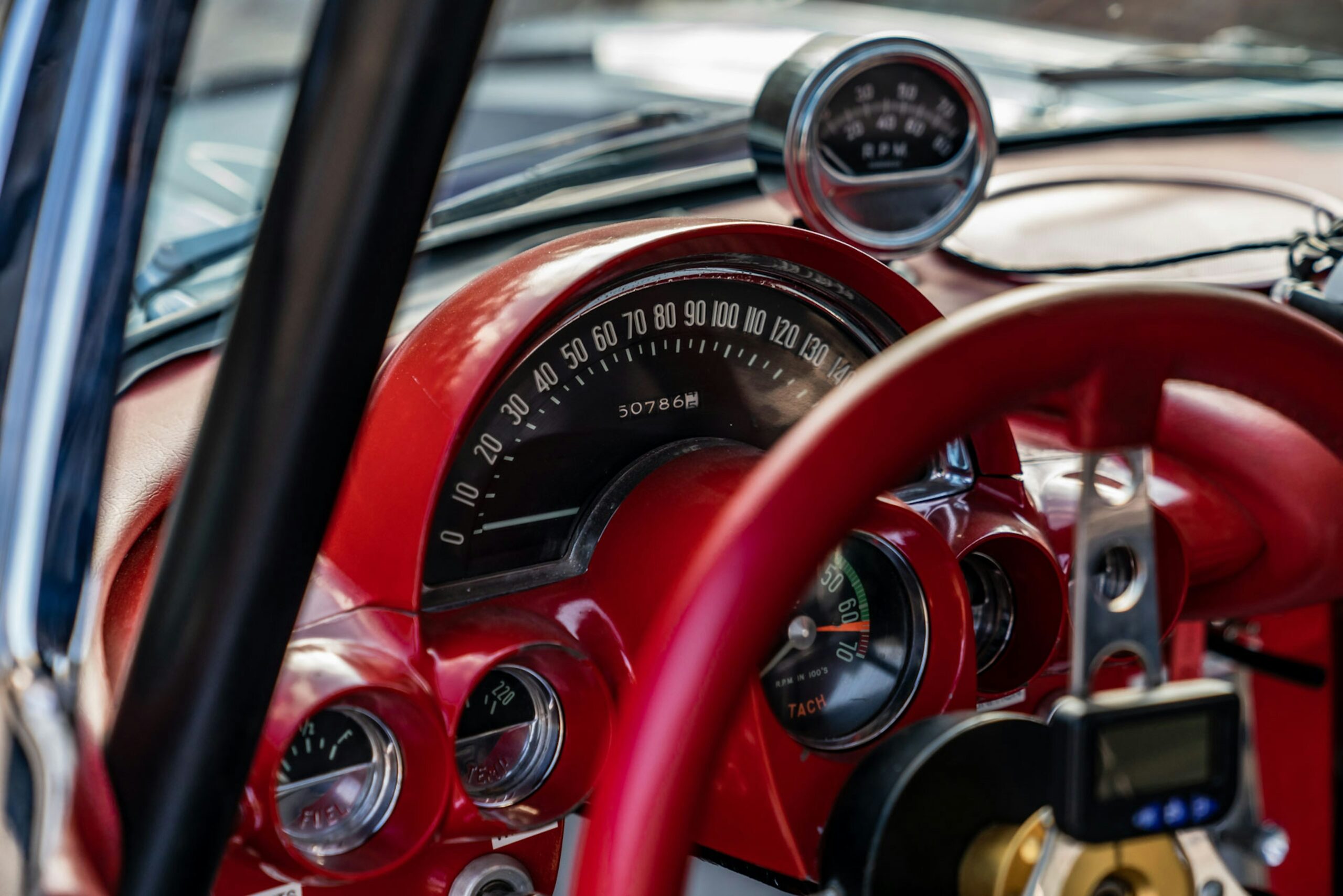
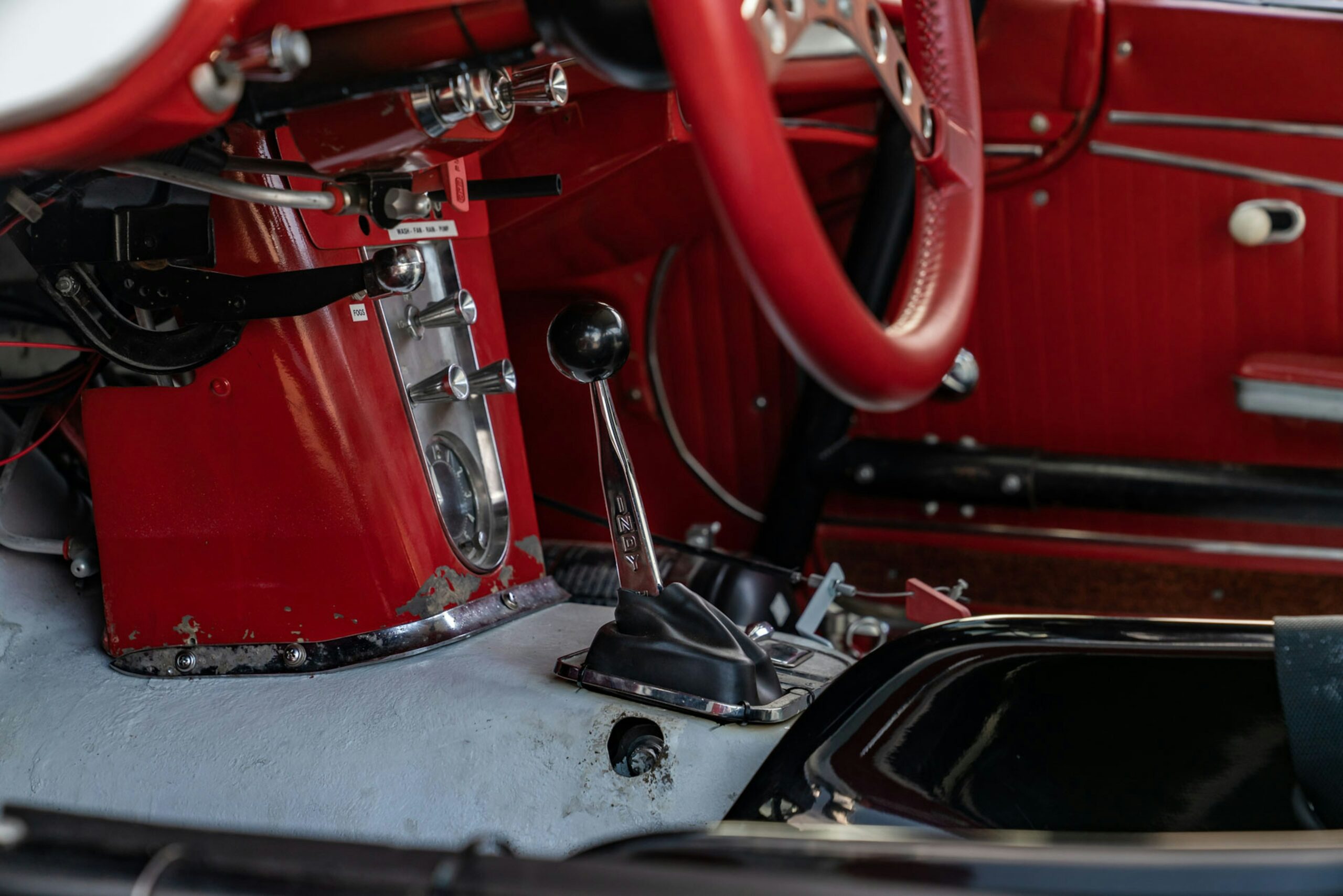
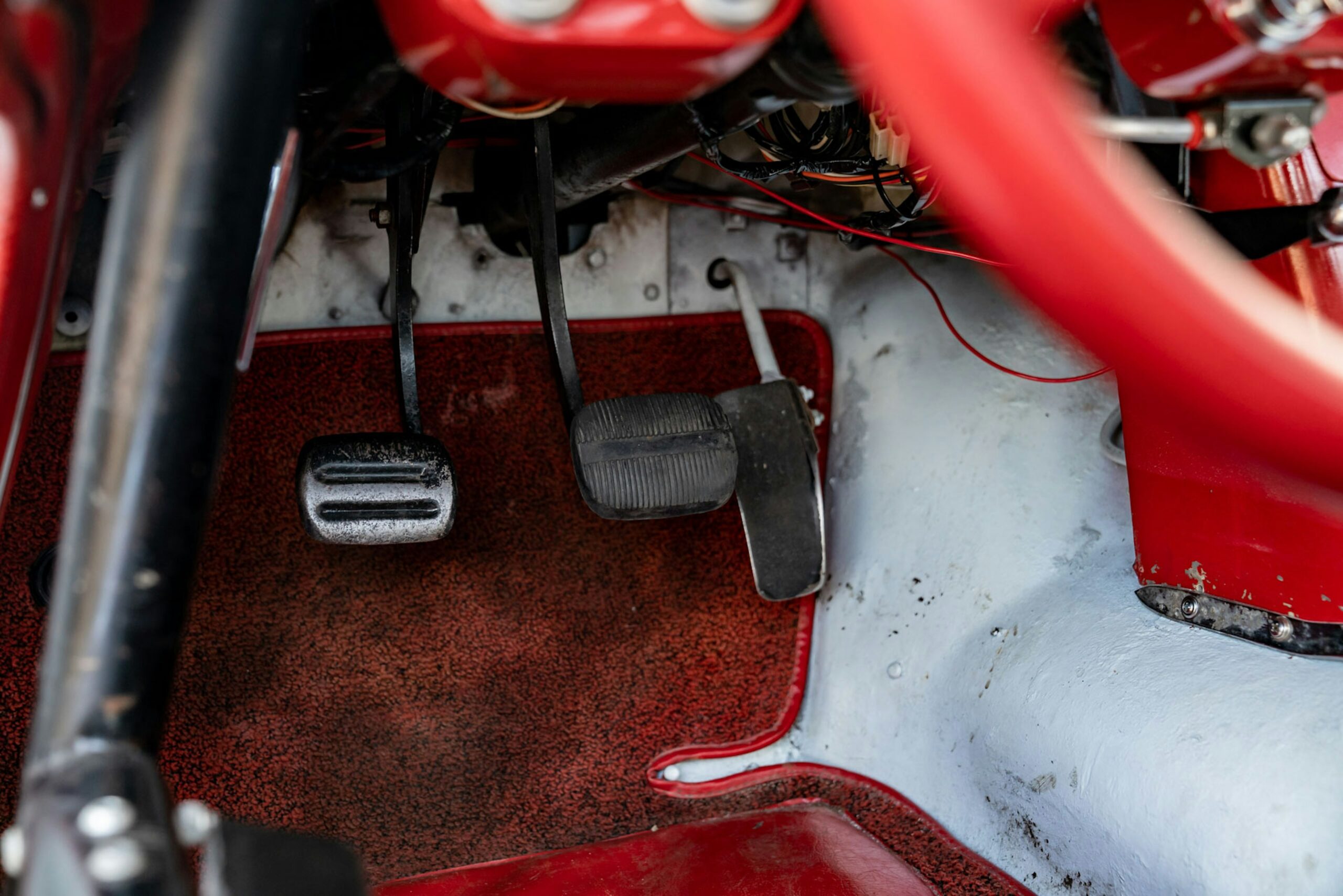
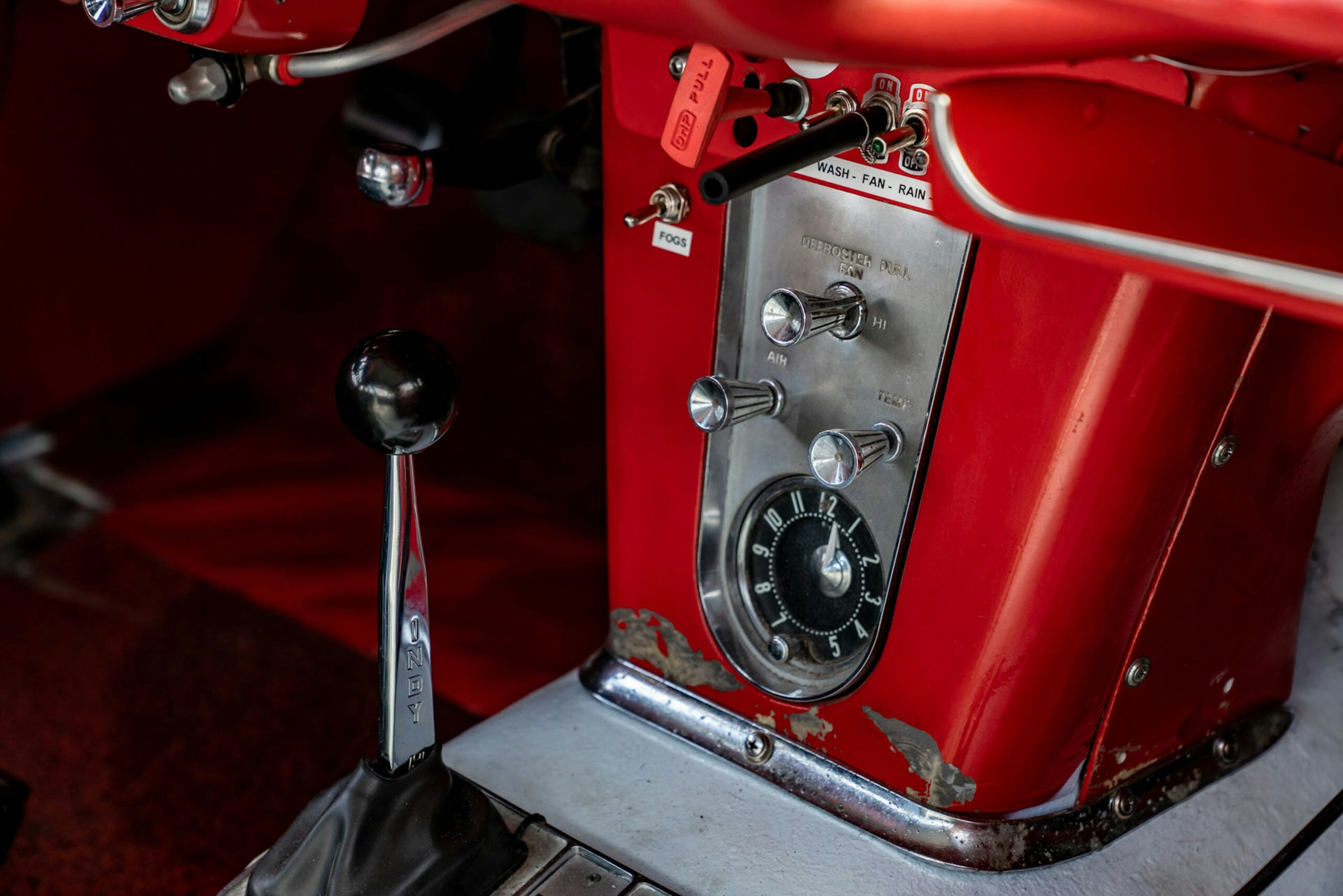
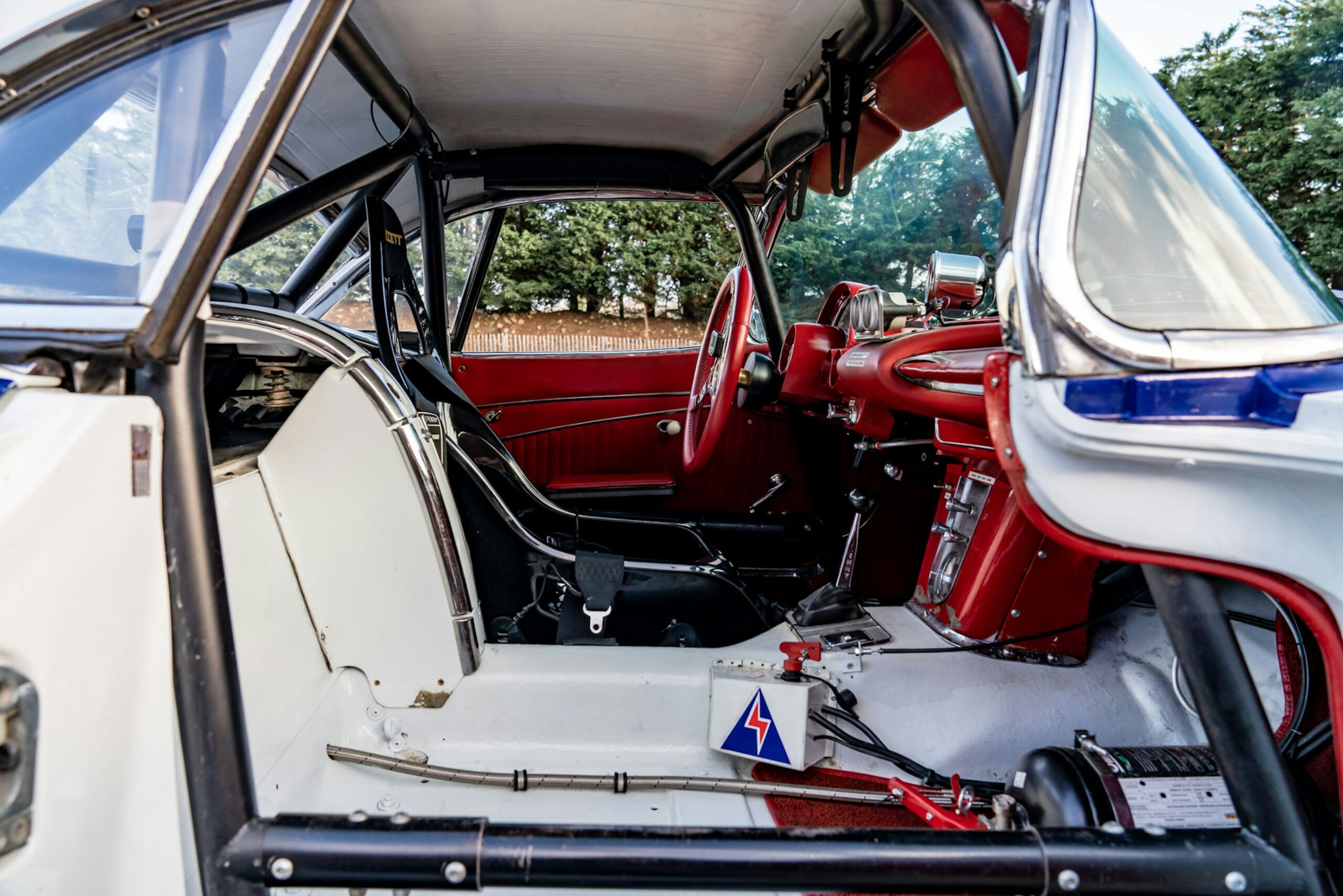
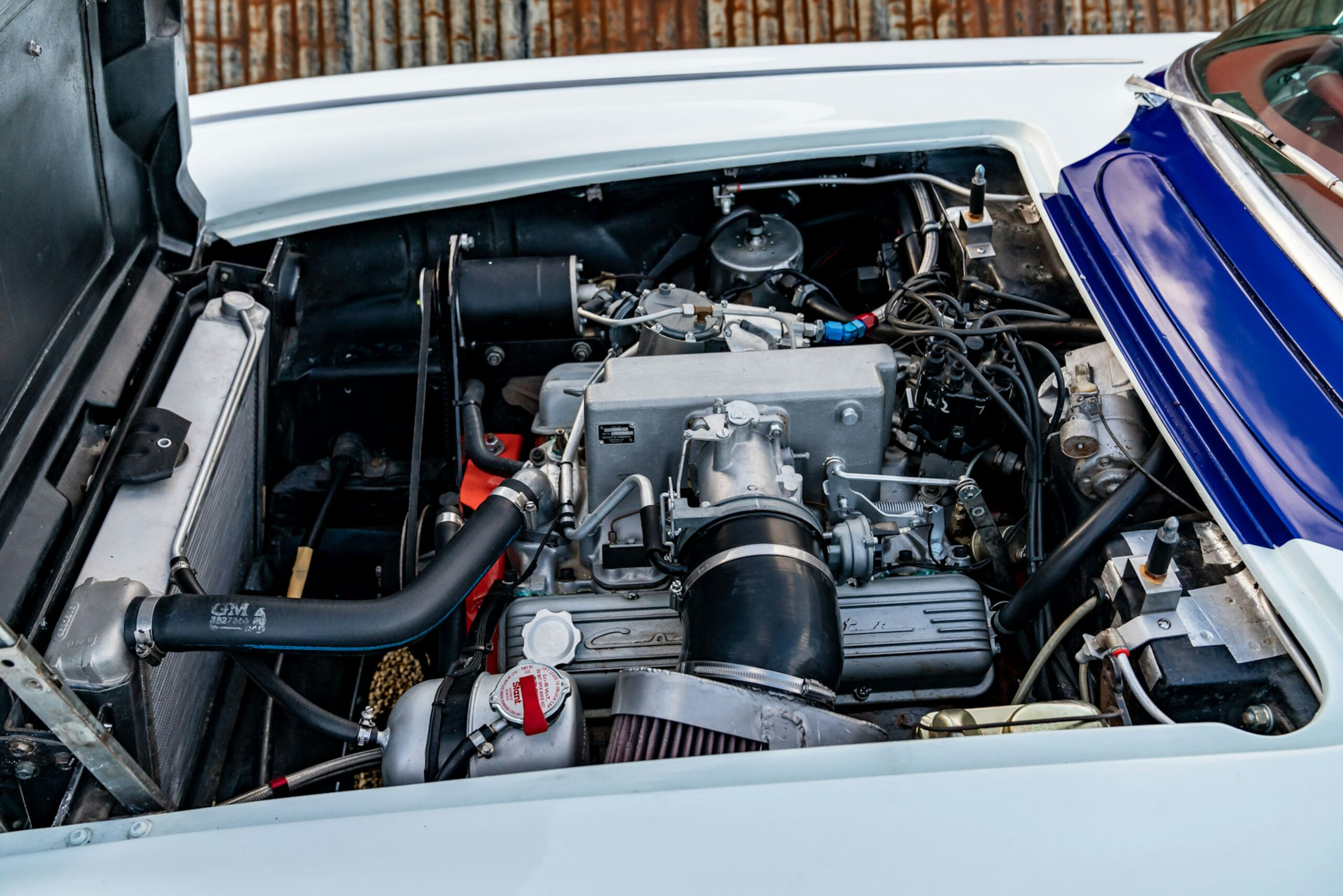
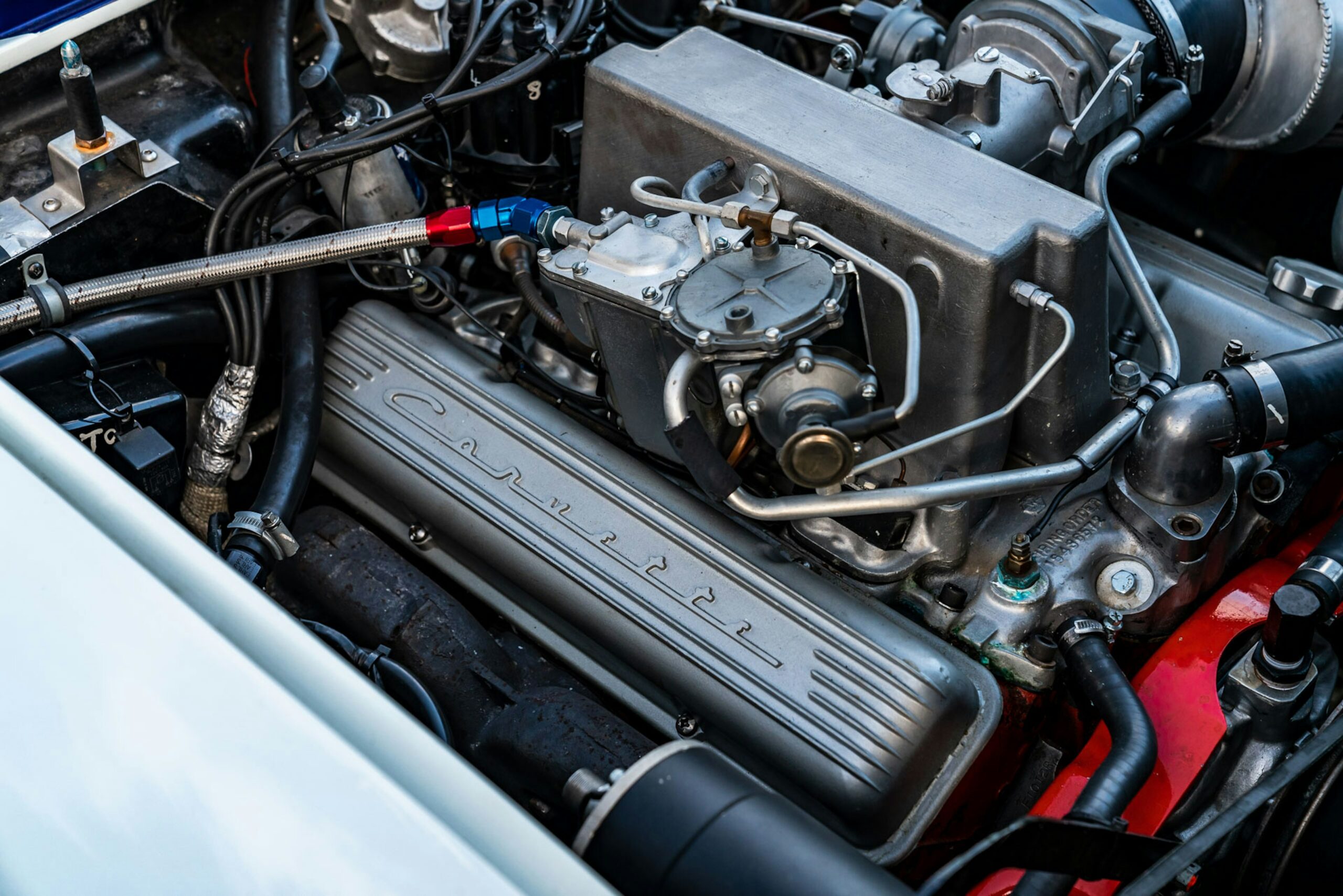
Transforming a boulevard cruiser into a 24-hour endurance weapon required ruthless engineering. Officially, the C1 was a convertible roadster, but to maximise terminal velocity on the daunting Mulsanne Straight, Cunningham’s chief mechanic, Alfred Momo, permanently bolted and sealed the optional factory hardtops into place, effectively creating the “Competition Coupé”. Beneath the bonnet lurked the mythical 4.6-litre (283 cu in) Small-Block V8, fed by a Rochester Ramjet mechanical fuel injection system. Duntov and Momo painstakingly tuned these iron-block monoliths to deliver a sustained 216 to 235 kW (290 to 315 bhp), routed to the rear wheels via a robust Borg-Warner four-speed manual gearbox. The chassis was fundamentally transformed by the covert RPO 687 heavy-duty racing package, which featured a quicker steering ratio, brutally stiff springs and dampers, and massive finned drum brakes equipped with Cerametallic linings. These sintered metallic shoes shrieked violently and offered virtually zero stopping power when cold, but at speeds of 250 km/h (155 mph), they hauled the heavy car down without succumbing to thermal fade. The boot was entirely consumed by a colossal 140-litre (37 gal) endurance fuel tank mated to aviation-style quick-fill caps protruding through the wings, whilst the standard steel rims were discarded in favour of lightweight, heavy-duty Halibrand magnesium wheels shod in racing tyres and secured by central knock-off spinners for rapid pit stops.
When Cunningham’s trio arrived in France in June 1960, the European contingent viewed the bulky, fibreglass American cars with deep scepticism. Their mockery was soon severely tested. Shortly after the race commenced, a torrential downpour flooded the track, plunging the event into absolute chaos. Tragedy struck first for car #1, piloted by William Kimberly and Briggs Cunningham himself. Aquaplaning on the saturated tarmac, the Corvette violently rolled and burst into flames. However, track marshals quickly extinguished the blaze, meaning that whilst the fibreglass body was ruined, the underlying chassis and drivetrain remained remarkably intact, and Kimberly thankfully escaped unhurt. Hours later, car #2 suffered a catastrophic engine failure and was forced to retire, placing the entire weight of American ambition squarely upon a single surviving machine. By Sunday morning, car #3, driven by John Fitch and Bob Grossman, was miraculously leading its class. However, with just hours remaining, the blistering V8 engine began to brutally overheat and boil its coolant. FIA regulations strictly prohibited replenishing radiator fluids between prescribed intervals. Facing absolute disaster, Alfred Momo deployed a stroke of desperate genius; he commanded his mechanics to raid the team’s VIP catering tent for beverage ice. During every pit stop, the frantic crew packed solid blocks of ice directly into the engine bay to cool the pulsating V8. Limping along, violently coughing steam, and trailing a puddle of melted ice, the #3 Corvette miraculously crossed the finish line. It secured an astonishing 8th place overall and 1st in the GT 5.0 class, utterly humiliating the European paddock and cementing the Corvette’s name in Le Mans history.
The impossible victory of the Group 3 Competition Coupé proved to General Motors that the Corvette possessed the inherent pedigree to conquer global endurance racing. Although it would take decades for a fully official factory team to return, Cunningham’s heroic 1960 effort directly inspired the legendary C2 Grand Sport programme of 1963 and laid the bedrock for the modern Corvette Racing empire that would dominate Le Mans in the 2000s. Intriguingly, the story of the 1960 cars did not end at the chequered flag. Upon returning to America, Cunningham reverted the surviving cars to street specification and sold them as second-hand vehicles, whilst the wrecked #1 car was shipped back alongside them and sold as a damaged rolling chassis. It was subsequently re-bodied by private owners and changed hands multiple times. For half a century, the legendary crashed #1 car was considered permanently lost. Astonishingly, in late 2011, its dusty remains and original chassis were discovered hidden inside a St. Petersburg, Florida, warehouse, where its VIN was finally verified. Valued at millions of dollars, the “lost” chassis triggered a ferocious, multi-year legal battle over its rightful ownership that exploded into the public eye in 2012, adding a final, dramatic layer of mystique to the legend of the 1960 Le Mans Corvettes.
Brand
Produced from
Portal
Vehicle category
Model line
Model generation
Predecessor
Sucessor
Brand
Produced from
Portal
Vehicle category
Model line
Model generation
Predecessor
Sucessor
Submodel Overview
The deafening roar of a 4.6-litre (283 cu in) V8 engine shattering the damp French air in 1960 signalled a violent rebellion against the European motorsport establishment. At the close of the 1950s, the American Automobile Manufacturers Association (AMA) had strictly banned factory-backed racing, meaning Chevrolet was politically paralysed and explicitly forbidden from officially entering the 24 Hours of Le Mans. Enter Briggs Cunningham, a vastly wealthy American sportsman and privateer constructor absolutely obsessed with conquering the Circuit de la Sarthe using domestic machinery. Recognising the raw potential of the fibreglass sports car, Cunningham purchased three 1960 Corvettes entirely out of his own pocket to contest the FIA Group 3 Grand Touring class. However, he was not operating completely alone. Zora Arkus-Duntov, the legendary father of the Corvette, orchestrated a shadow campaign, quietly slipping experimental, heavy-duty racing components out the back door of the General Motors factory to Cunningham’s team. This clandestine alliance was essential, as the heavy American machines were set to battle European motorsport royalty, namely the featherweight Ferrari 250 GT SWB and the aristocratic Aston Martin DB4 GT.
Transforming a boulevard cruiser into a 24-hour endurance weapon required ruthless engineering. Officially, the C1 was a convertible roadster, but to maximise terminal velocity on the daunting Mulsanne Straight, Cunningham’s chief mechanic, Alfred Momo, permanently bolted and sealed the optional factory hardtops into place, effectively creating the “Competition Coupé”. Beneath the bonnet lurked the mythical 4.6-litre (283 cu in) Small-Block V8, fed by a Rochester Ramjet mechanical fuel injection system. Duntov and Momo painstakingly tuned these iron-block monoliths to deliver a sustained 216 to 235 kW (290 to 315 bhp), routed to the rear wheels via a robust Borg-Warner four-speed manual gearbox. The chassis was fundamentally transformed by the covert RPO 687 heavy-duty racing package, which featured a quicker steering ratio, brutally stiff springs and dampers, and massive finned drum brakes equipped with Cerametallic linings. These sintered metallic shoes shrieked violently and offered virtually zero stopping power when cold, but at speeds of 250 km/h (155 mph), they hauled the heavy car down without succumbing to thermal fade. The boot was entirely consumed by a colossal 140-litre (37 gal) endurance fuel tank mated to aviation-style quick-fill caps protruding through the wings, whilst the standard steel rims were discarded in favour of lightweight, heavy-duty Halibrand magnesium wheels shod in racing tyres and secured by central knock-off spinners for rapid pit stops.
When Cunningham’s trio arrived in France in June 1960, the European contingent viewed the bulky, fibreglass American cars with deep scepticism. Their mockery was soon severely tested. Shortly after the race commenced, a torrential downpour flooded the track, plunging the event into absolute chaos. Tragedy struck first for car #1, piloted by William Kimberly and Briggs Cunningham himself. Aquaplaning on the saturated tarmac, the Corvette violently rolled and burst into flames. However, track marshals quickly extinguished the blaze, meaning that whilst the fibreglass body was ruined, the underlying chassis and drivetrain remained remarkably intact, and Kimberly thankfully escaped unhurt. Hours later, car #2 suffered a catastrophic engine failure and was forced to retire, placing the entire weight of American ambition squarely upon a single surviving machine. By Sunday morning, car #3, driven by John Fitch and Bob Grossman, was miraculously leading its class. However, with just hours remaining, the blistering V8 engine began to brutally overheat and boil its coolant. FIA regulations strictly prohibited replenishing radiator fluids between prescribed intervals. Facing absolute disaster, Alfred Momo deployed a stroke of desperate genius; he commanded his mechanics to raid the team’s VIP catering tent for beverage ice. During every pit stop, the frantic crew packed solid blocks of ice directly into the engine bay to cool the pulsating V8. Limping along, violently coughing steam, and trailing a puddle of melted ice, the #3 Corvette miraculously crossed the finish line. It secured an astonishing 8th place overall and 1st in the GT 5.0 class, utterly humiliating the European paddock and cementing the Corvette’s name in Le Mans history.
The impossible victory of the Group 3 Competition Coupé proved to General Motors that the Corvette possessed the inherent pedigree to conquer global endurance racing. Although it would take decades for a fully official factory team to return, Cunningham’s heroic 1960 effort directly inspired the legendary C2 Grand Sport programme of 1963 and laid the bedrock for the modern Corvette Racing empire that would dominate Le Mans in the 2000s. Intriguingly, the story of the 1960 cars did not end at the chequered flag. Upon returning to America, Cunningham reverted the surviving cars to street specification and sold them as second-hand vehicles, whilst the wrecked #1 car was shipped back alongside them and sold as a damaged rolling chassis. It was subsequently re-bodied by private owners and changed hands multiple times. For half a century, the legendary crashed #1 car was considered permanently lost. Astonishingly, in late 2011, its dusty remains and original chassis were discovered hidden inside a St. Petersburg, Florida, warehouse, where its VIN was finally verified. Valued at millions of dollars, the “lost” chassis triggered a ferocious, multi-year legal battle over its rightful ownership that exploded into the public eye in 2012, adding a final, dramatic layer of mystique to the legend of the 1960 Le Mans Corvettes.
Tech Specs
Technical Specifications
Tech Specs
Technical Specifications
Engine
01
03
Internal combustion engine
Configuration
Chevrolet Small Block 283, V8 - 90º
Location
Front, longitudinally mounted
Construction
Cast iron block and heads
Displacement (cc)
4,638 cc
Displacement (cu in)
283.0 cu in
Compression
11.0:1
Bore x Stroke
98.4 mm x 76.2 mm
Valvetrain
2 valves per cylinder, OHV (Pushrod, solid lifters)
Fuel feed
Rochester mechanical fuel injection (Ramjet)
Lubrication
Wet sump (Baffled for competition)
Aspiration
Naturally aspirated
Output
Power (hp)
~315 hp
Power (kW)
~235 kW
Max power at
6,200 RPM
Torque (Nm)
~400 Nm
Torque (ft lbs)
~295 ft lbs
Max torque at
4,700 RPM
Drivetrain
02
03
Chassis
Type
Ladder frame with X-member cross brace
Material
Steel
Body
Material
Fibreglass (GRP)
Transmission
Gearbox
Borg-Warner T-10, 4-speed manual
Drive
Rear Wheel Drive (Positraction Limited Slip Differential)
Suspension
Front
Independent, unequal length A-arms, heavy-duty coil springs, telescopic shock absorbers, heavy-duty anti-roll bar
Rear
Live axle, heavy-duty semi-elliptic leaf springs, telescopic shock absorbers, radius rods
Steering
Type
Worm and sector, unassisted
Brakes
Front
Finned cast iron drum brakes with Cerametalix linings and cooling scoops Ø279 mm (11 in)
Rear
Finned cast iron drum brakes with Cerametalix linings and cooling scoops Ø279 mm (11 in)
Wheels
Front
5.5" x 15"
Rear
5.5" x 15"
Tires
Front
6.70-15 or 7.00-15
Rear
6.70-15 or 7.00-15
Dimensions and performance
03
03
Dimensions
Length (mm)
4,501 mm
Length (in)
177.2 in
Width (mm)
1,852 mm
Width (in)
72.9 in
Height (mm)
~1,300 mm
Height (in)
~51.2 in
Wheelbase (mm)
2,591 mm
Wheelbase (in)
102.0 in
Weight (kg)
~1,350 kg
Weight (lbs)
~2,976 lbs
Performance
Power to weight
0.23 hp/kg
Top speed (km/h)
~250 km/h
Top speed (mph)
~155 mph
0-100 km/h (0-60 mph)
~5.5 s