
Lotus Esprit S1 Group 5
Brand
Produced from
Portal
Vehicle category
Model line
Model generation
Predecessor
Successor
Submodel Overview
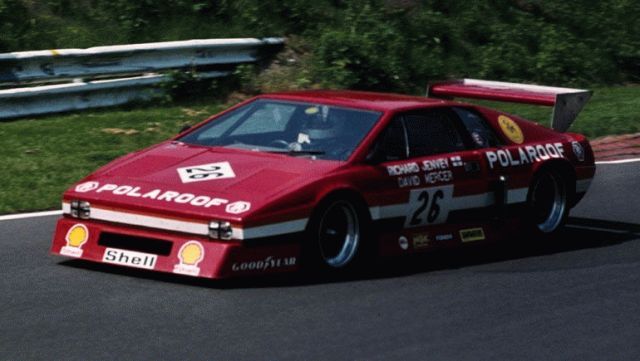
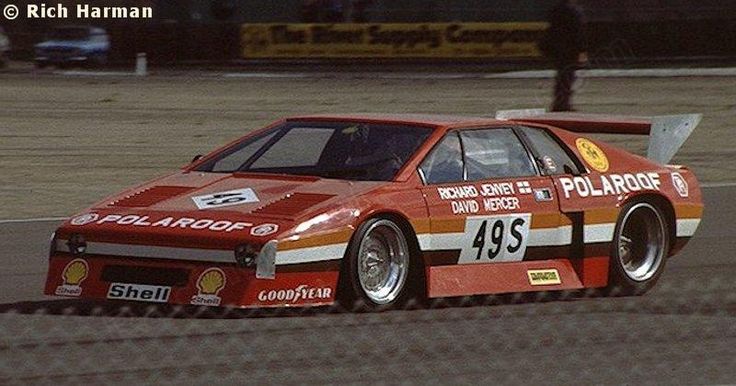
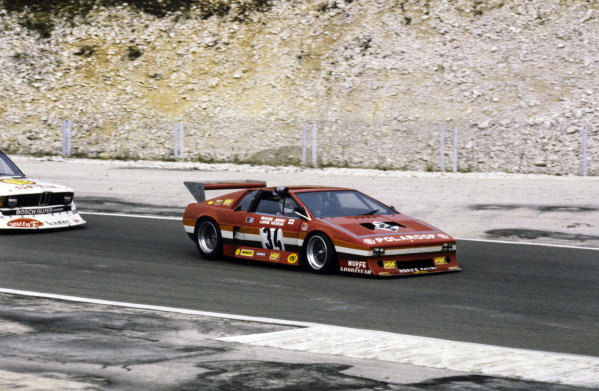
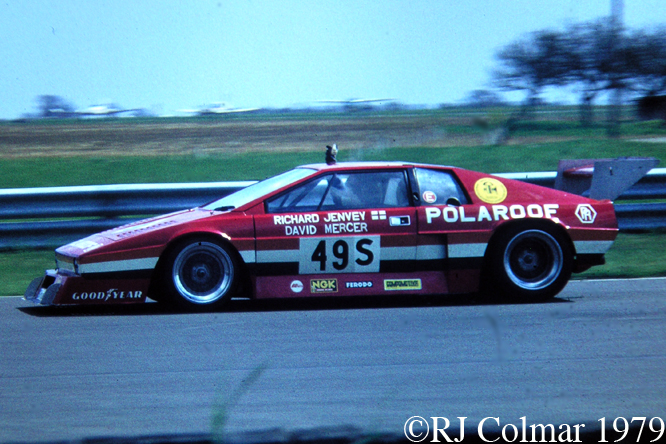
In the late 1970s, the FIA Group 5 “Special Production Car” regulations—colloquially known as the Silhouette era—birthed some of the most outrageous, fire-spitting racing machines ever to assault the senses. While factory-backed titans like the Porsche 935 and the Zakspeed Ford Capri dominated the global circuits with massive budgets and volatile turbochargers, a distinctly British, grassroots rebellion was quietly being forged. The original Lotus Esprit S1, possessing a severe, unadorned Giorgetto Giugiaro wedge profile, was an undeniably breathtaking road car. Yet, its naturally aspirated Lotus 907 engine lacked the sheer ballistic firepower required for top-tier international endurance racing. Enter the 1979 Lotus Esprit S1 Group 5, an uncompromising, wide-arched monster engineered by incredibly ambitious privateers. Built explicitly to take the fight to the German Goliaths in the World Sportscar Championship, this specific submodel represents the absolute, brutal extreme of the Esprit’s early racing evolution, discarding Hethel’s showroom civility in favor of raw, screaming, Cosworth-powered hostility.
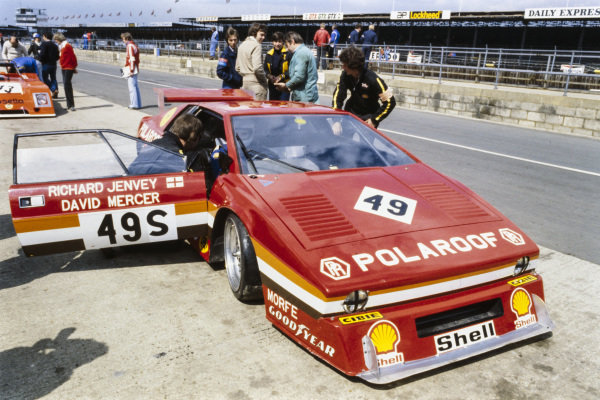
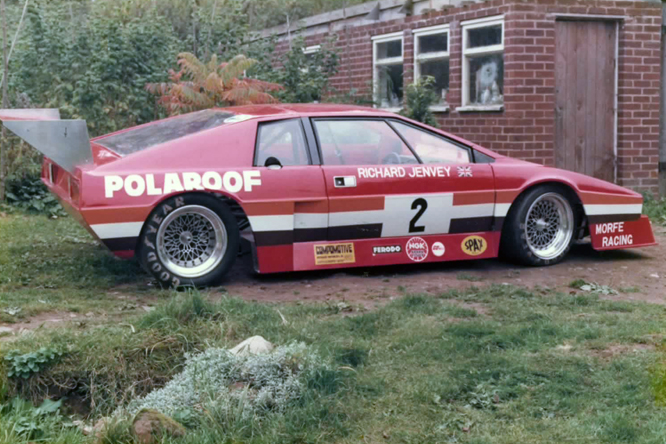
To strip away the pop-culture elegance of the James Bond submarine car is to discover a masterpiece of shed-built, uncompromising motorsport engineering. While the fundamental Lotus folded-steel backbone chassis remained intact, its suspension pick-up points were radically modified to accept Formula 2-derived March open-wheeler uprights. The svelte fiberglass body was violently stretched, featuring massive, riveted box flares, a gaping front air dam to feed the radiators, and a towering rear wing designed to manipulate the airflow at 150 mph. Nestled amidships, the original 2.0-liter Lotus powerplant was frequently discarded in favor of a true, purebred racing heart: a 2.0-liter Cosworth BDG or BDX inline-four. Breathing through a pair of gaping Weber 48 DCOE carburetors, this 16-valve, naturally aspirated jewel screamed to nearly 9,000 rpm, producing a ferocious, ear-splitting induction howl. Power was routed to the rear wheels through a bulletproof Hewland FG400 five-speed manual transaxle. To rein in the lightweight, sub-900-kilogram wedge, engineers fitted massive AP Racing ventilated disc brakes and wrapped the widened, staggered Youngblood alloy wheels in colossal Goodyear racing slicks. Inside the cockpit, the iconic, vibrant tartan cloth of the road car was utterly banished, replaced by a stripped, claustrophobic cage of tubular steel that dominated a spartan aluminium dashboard equipped solely with vital mechanical telemetry.
The competition history of the Group 5 Esprit S1 is a deeply romantic saga of privateer bravery facing insurmountable factory odds. Spearheaded by passionate British racers and visionary builders like Richard Jenvey and Chris Meek, these dramatically widened Esprits were entered into grueling endurance events like the Silverstone 6 Hours. Sharing the grid with the monolithic, 800-horsepower Porsche 935 “Moby Dick” and the screaming BMW 320 Turbos, the naturally aspirated Lotus was heavily outgunned on the long, sweeping straights. However, through the twisting, highly technical sectors of European circuits, the Esprit’s incredibly low center of gravity, advanced F2-derived suspension, and instantaneous throttle response allowed drivers like Martin Birrane to fiercely hassle the turbocharged giants. It was an absolute crowd favorite—a low, wide, heavily winged dart that spat unburnt fuel from its exhaust on the over-run and danced on the absolute ragged edge of adhesion. While it never achieved the outright global dominance of its German rivals, its heroic presence in the 1979 and 1980 World Sportscar Championships proved the inherent capability of Colin Chapman’s mid-engine architecture when pushed to the absolute extreme edge of the rulebook.
The 1979 Lotus Esprit S1 Group 5 remains one of the most fascinating, visceral, and obscure chapters in the marque’s illustrious motorsport history. It was the ultimate, analogue manifestation of the early Esprit, a vehicle that existed long before Lotus itself embraced factory-supported turbocharging with the later Essex and X180R racing variants. Today, surviving Group 5 Esprits are deeply revered, mythological unicorns in historic racing paddocks across Europe. They are celebrated not for possessing a glittering, world-beating trophy cabinet, but for the sheer, unapologetic audacity of their existence. The car stands immortal in the pantheon of British motorsport as a thunderous monument to the privateer spirit—a breathtaking, Cosworth-powered silhouette that took Giugiaro’s most elegant origami wedge and permanently transformed it into a howling, flame-spitting track weapon.
Brand
Produced from
Portal
Vehicle category
Model line
Model generation
Predecessor
Sucessor
Brand
Produced from
Portal
Vehicle category
Model line
Model generation
Predecessor
Sucessor
Submodel Overview
In the late 1970s, the FIA Group 5 “Special Production Car” regulations—colloquially known as the Silhouette era—birthed some of the most outrageous, fire-spitting racing machines ever to assault the senses. While factory-backed titans like the Porsche 935 and the Zakspeed Ford Capri dominated the global circuits with massive budgets and volatile turbochargers, a distinctly British, grassroots rebellion was quietly being forged. The original Lotus Esprit S1, possessing a severe, unadorned Giorgetto Giugiaro wedge profile, was an undeniably breathtaking road car. Yet, its naturally aspirated Lotus 907 engine lacked the sheer ballistic firepower required for top-tier international endurance racing. Enter the 1979 Lotus Esprit S1 Group 5, an uncompromising, wide-arched monster engineered by incredibly ambitious privateers. Built explicitly to take the fight to the German Goliaths in the World Sportscar Championship, this specific submodel represents the absolute, brutal extreme of the Esprit’s early racing evolution, discarding Hethel’s showroom civility in favor of raw, screaming, Cosworth-powered hostility.
To strip away the pop-culture elegance of the James Bond submarine car is to discover a masterpiece of shed-built, uncompromising motorsport engineering. While the fundamental Lotus folded-steel backbone chassis remained intact, its suspension pick-up points were radically modified to accept Formula 2-derived March open-wheeler uprights. The svelte fiberglass body was violently stretched, featuring massive, riveted box flares, a gaping front air dam to feed the radiators, and a towering rear wing designed to manipulate the airflow at 150 mph. Nestled amidships, the original 2.0-liter Lotus powerplant was frequently discarded in favor of a true, purebred racing heart: a 2.0-liter Cosworth BDG or BDX inline-four. Breathing through a pair of gaping Weber 48 DCOE carburetors, this 16-valve, naturally aspirated jewel screamed to nearly 9,000 rpm, producing a ferocious, ear-splitting induction howl. Power was routed to the rear wheels through a bulletproof Hewland FG400 five-speed manual transaxle. To rein in the lightweight, sub-900-kilogram wedge, engineers fitted massive AP Racing ventilated disc brakes and wrapped the widened, staggered Youngblood alloy wheels in colossal Goodyear racing slicks. Inside the cockpit, the iconic, vibrant tartan cloth of the road car was utterly banished, replaced by a stripped, claustrophobic cage of tubular steel that dominated a spartan aluminium dashboard equipped solely with vital mechanical telemetry.
The competition history of the Group 5 Esprit S1 is a deeply romantic saga of privateer bravery facing insurmountable factory odds. Spearheaded by passionate British racers and visionary builders like Richard Jenvey and Chris Meek, these dramatically widened Esprits were entered into grueling endurance events like the Silverstone 6 Hours. Sharing the grid with the monolithic, 800-horsepower Porsche 935 “Moby Dick” and the screaming BMW 320 Turbos, the naturally aspirated Lotus was heavily outgunned on the long, sweeping straights. However, through the twisting, highly technical sectors of European circuits, the Esprit’s incredibly low center of gravity, advanced F2-derived suspension, and instantaneous throttle response allowed drivers like Martin Birrane to fiercely hassle the turbocharged giants. It was an absolute crowd favorite—a low, wide, heavily winged dart that spat unburnt fuel from its exhaust on the over-run and danced on the absolute ragged edge of adhesion. While it never achieved the outright global dominance of its German rivals, its heroic presence in the 1979 and 1980 World Sportscar Championships proved the inherent capability of Colin Chapman’s mid-engine architecture when pushed to the absolute extreme edge of the rulebook.
The 1979 Lotus Esprit S1 Group 5 remains one of the most fascinating, visceral, and obscure chapters in the marque’s illustrious motorsport history. It was the ultimate, analogue manifestation of the early Esprit, a vehicle that existed long before Lotus itself embraced factory-supported turbocharging with the later Essex and X180R racing variants. Today, surviving Group 5 Esprits are deeply revered, mythological unicorns in historic racing paddocks across Europe. They are celebrated not for possessing a glittering, world-beating trophy cabinet, but for the sheer, unapologetic audacity of their existence. The car stands immortal in the pantheon of British motorsport as a thunderous monument to the privateer spirit—a breathtaking, Cosworth-powered silhouette that took Giugiaro’s most elegant origami wedge and permanently transformed it into a howling, flame-spitting track weapon.
Tech Specs
Technical Specifications
Tech Specs
Technical Specifications
Engine
01
03
Internal combustion engine
Configuration
Ford Cosworth BDG, Inline-4
Location
Mid, longitudinally mounted
Construction
Aluminium alloy block and head
Displacement (cc)
1,975 cc
Displacement (cu in)
120.5 cu in
Compression
12.0:1
Bore x Stroke
90.0 mm x 77.6 mm
Valvetrain
4 valves per cylinder, DOHC
Fuel feed
2 x Weber 48 DCOE carburetors
Lubrication
Dry sump
Aspiration
Naturally aspirated
Output
Power (hp)
280 hp
Power (kW)
209 kW
Max power at
9,000 RPM
Torque (Nm)
237 Nm
Torque (ft lbs)
175 ft lbs
Max torque at
7,000 RPM
Drivetrain
02
03
Chassis
Type
Backbone chassis with tubular roll cage
Material
Steel
Body
Material
Fibreglass
Transmission
Gearbox
Hewland FG400, 5-speed manual
Drive
Rear Wheel Drive (Limited Slip Differential)
Suspension
Front
Independent, double wishbones, coil springs over telescopic dampers, anti-roll bar
Rear
Independent, trailing arms, lower transverse links, coil springs over telescopic dampers, anti-roll bar
Steering
Type
Rack and pinion, unassisted
Brakes
Front
Ventilated discs Ø280 mm, 4-piston calipers
Rear
Solid discs Ø267 mm, 2-piston calipers
Wheels
Front
10" x 16"
Rear
14" x 16"
Tires
Front
250/570-16
Rear
350/650-16
Dimensions and performance
03
03
Dimensions
Length (mm)
4,191 mm
Length (in)
165.0 in
Width (mm)
1,980 mm
Width (in)
78.0 in
Height (mm)
1,090 mm
Height (in)
42.9 in
Wheelbase (mm)
2,438 mm
Wheelbase (in)
96.0 in
Weight (kg)
~850 kg
Weight (lbs)
~1,874 lbs
Performance
Power to weight
~0.33 hp/kg
Top speed (km/h)
~275 km/h
Top speed (mph)
~171 mph
0-100 km/h (0-60 mph)
~3.8 s