Lotus Esprit
Brand
Produced from
Vehicle category
Portal
Model line
Model generation
Predecessor
Sucessor
Model Overview
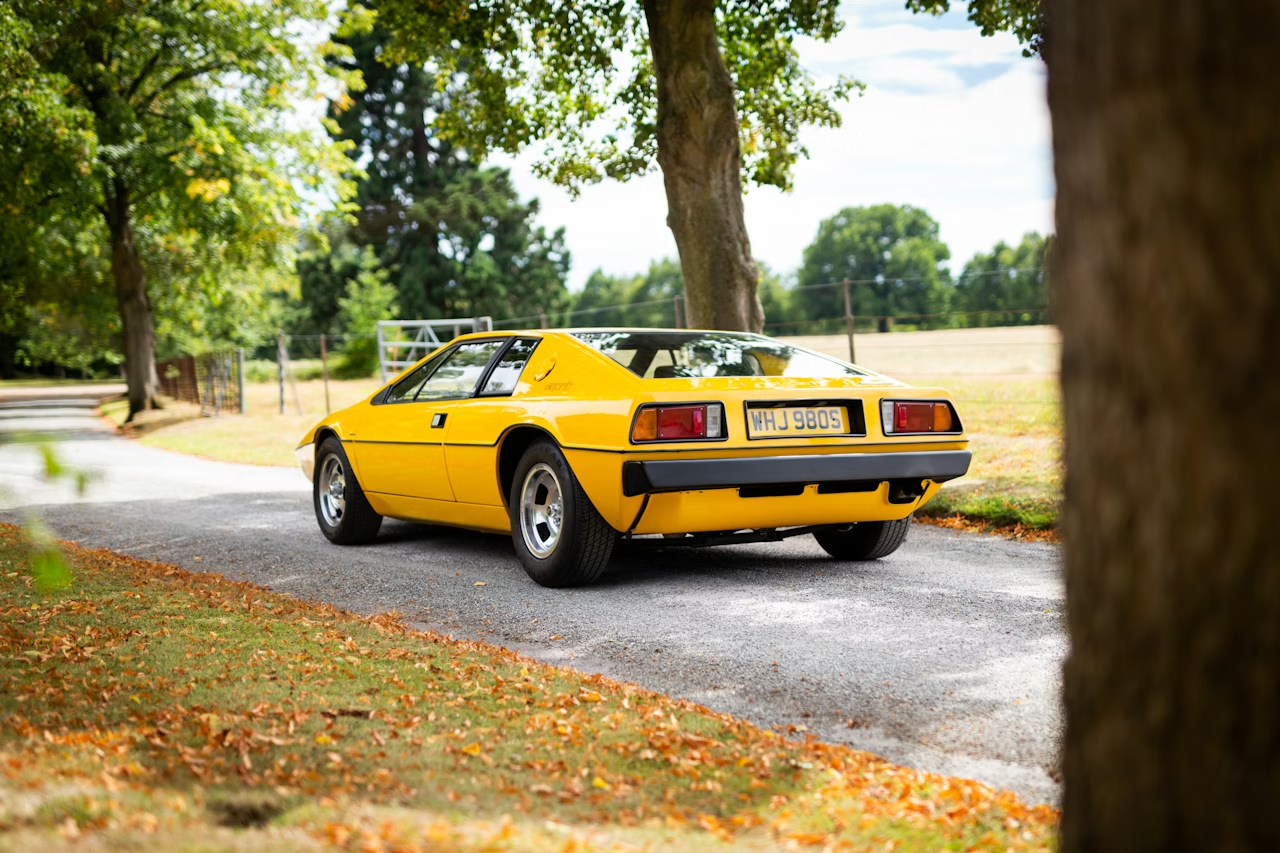
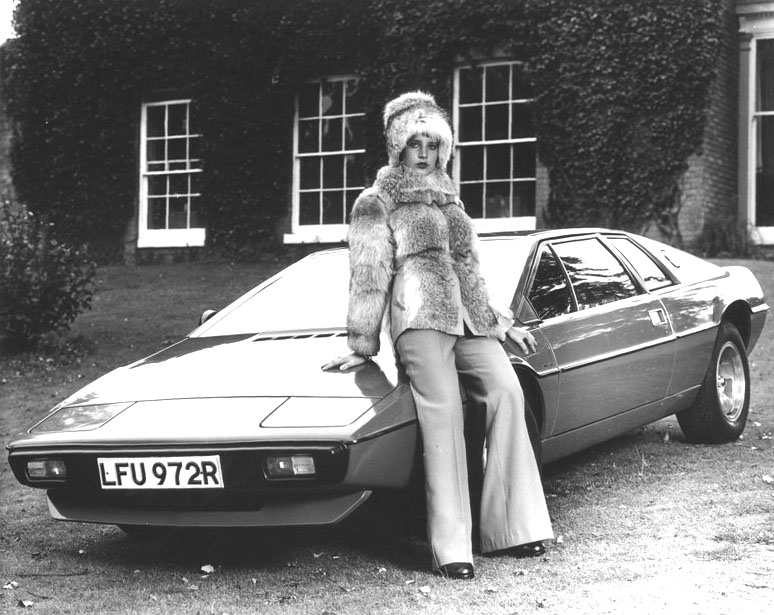
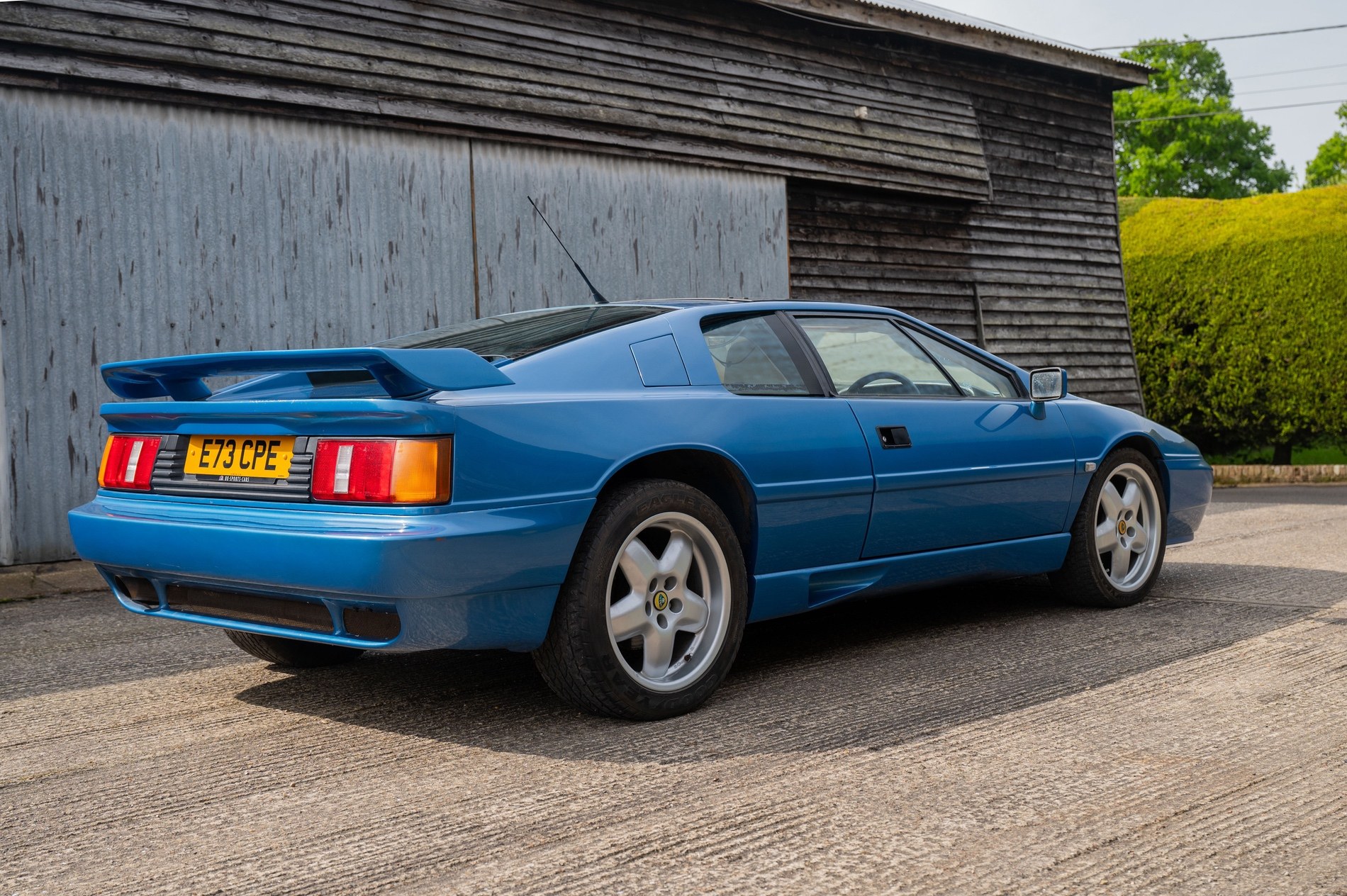
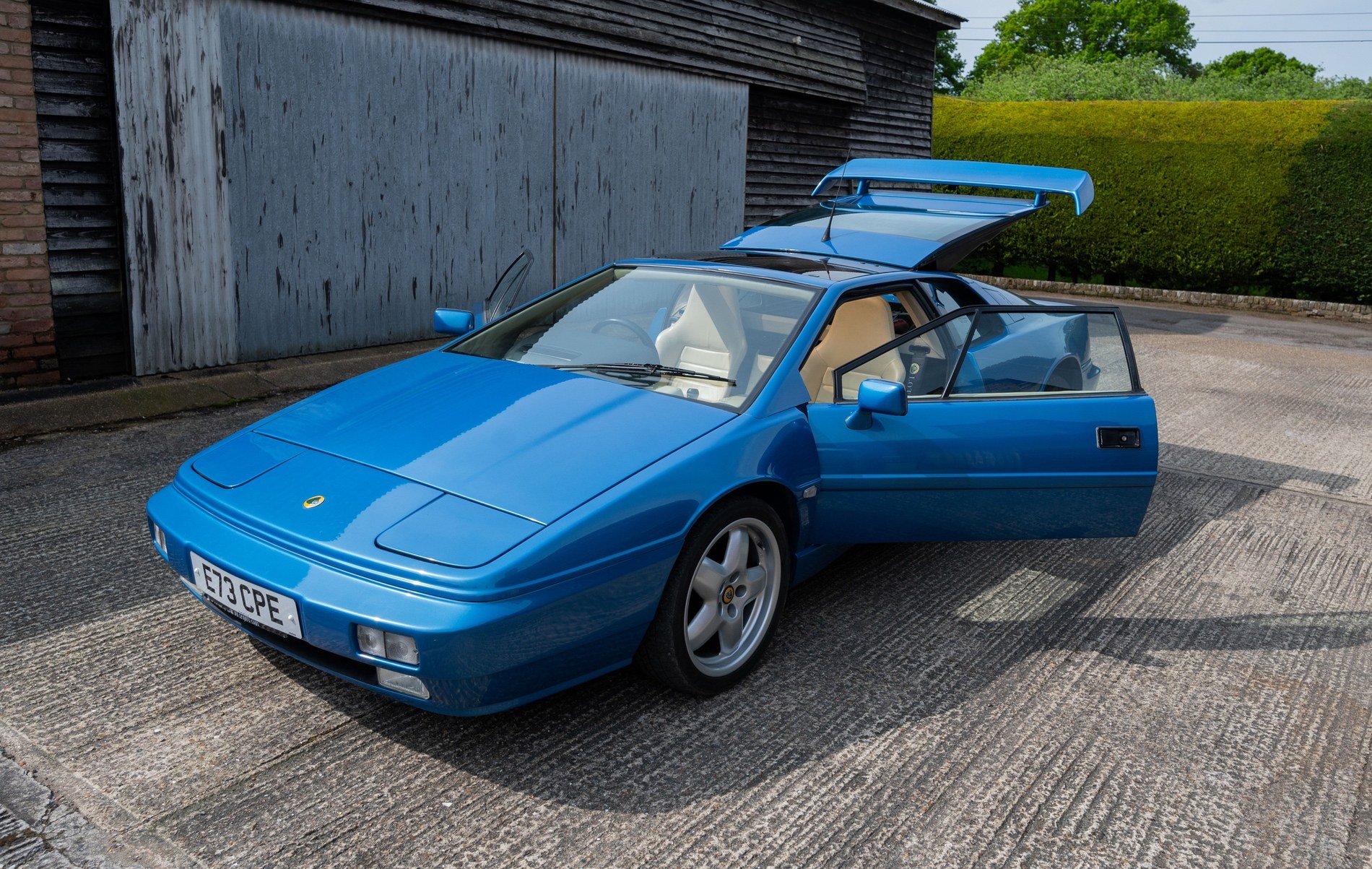
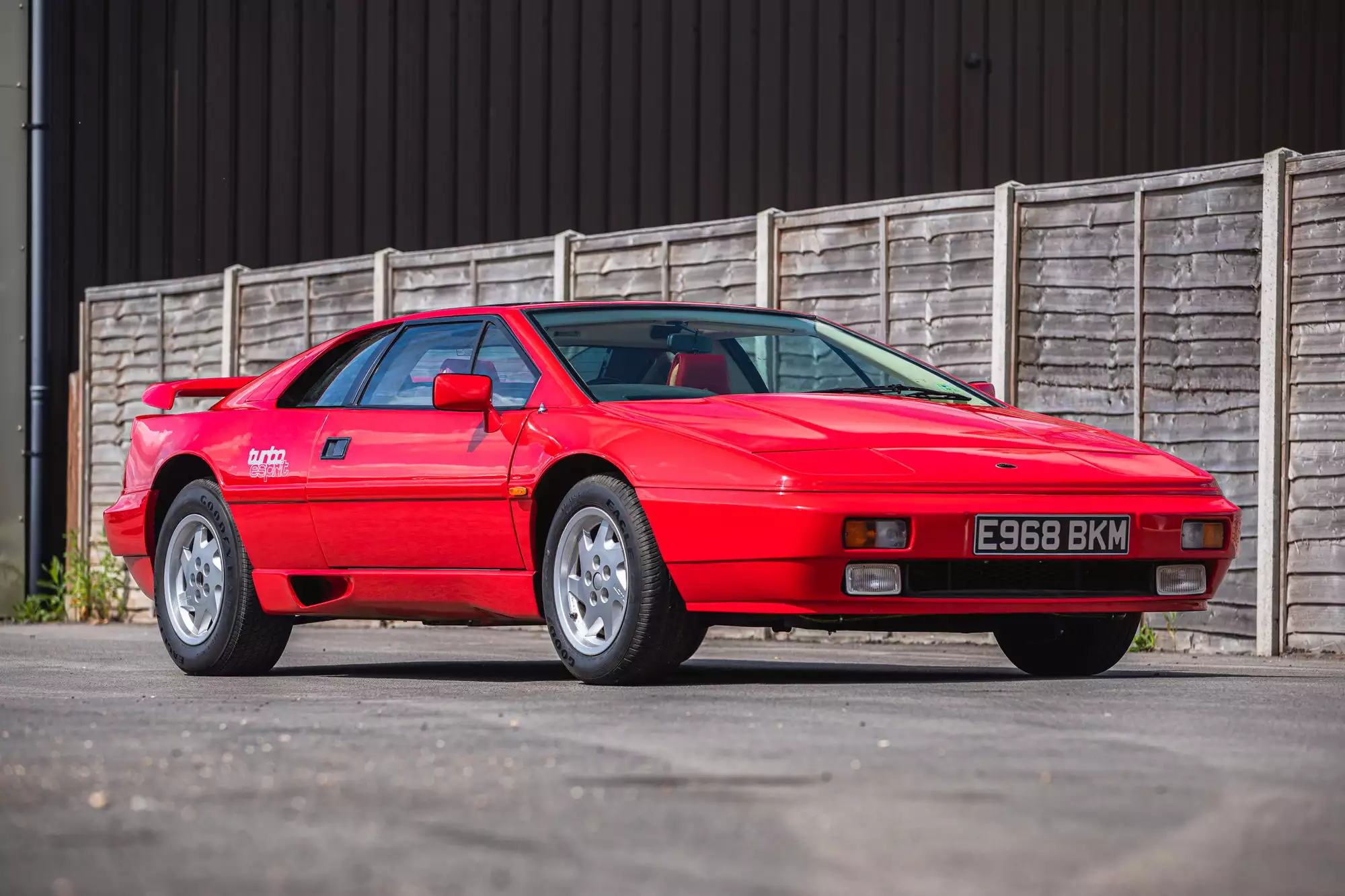
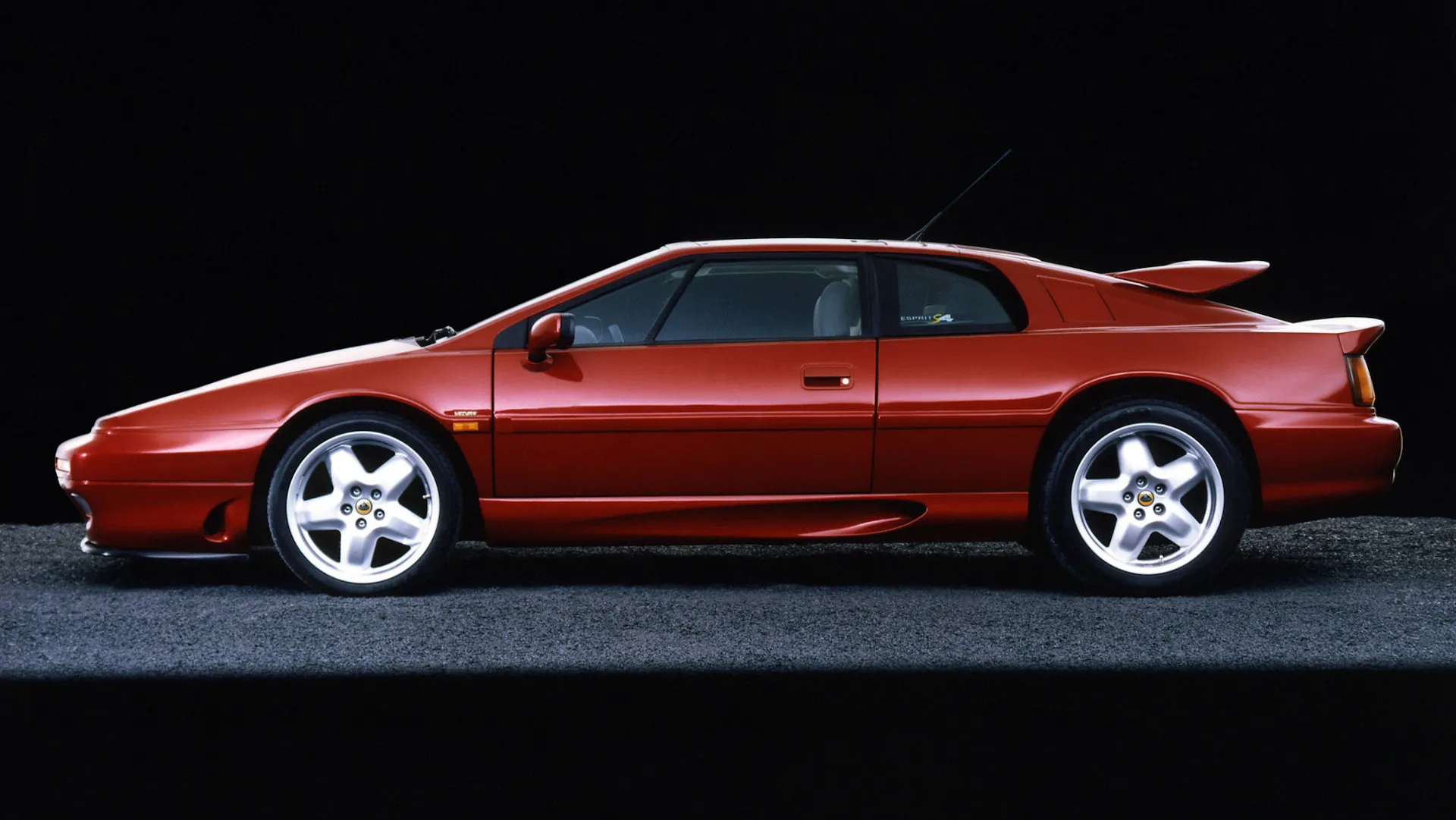
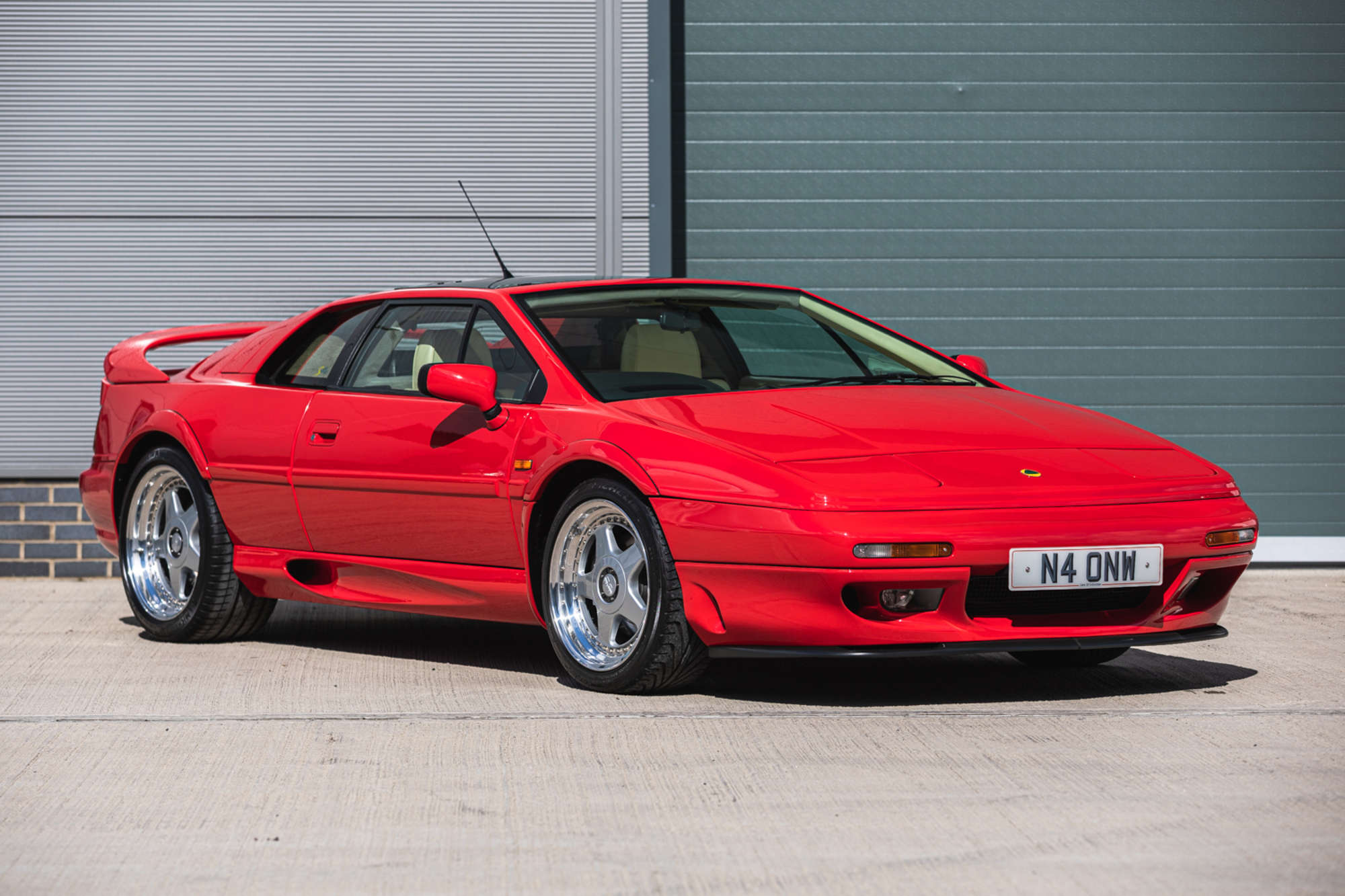
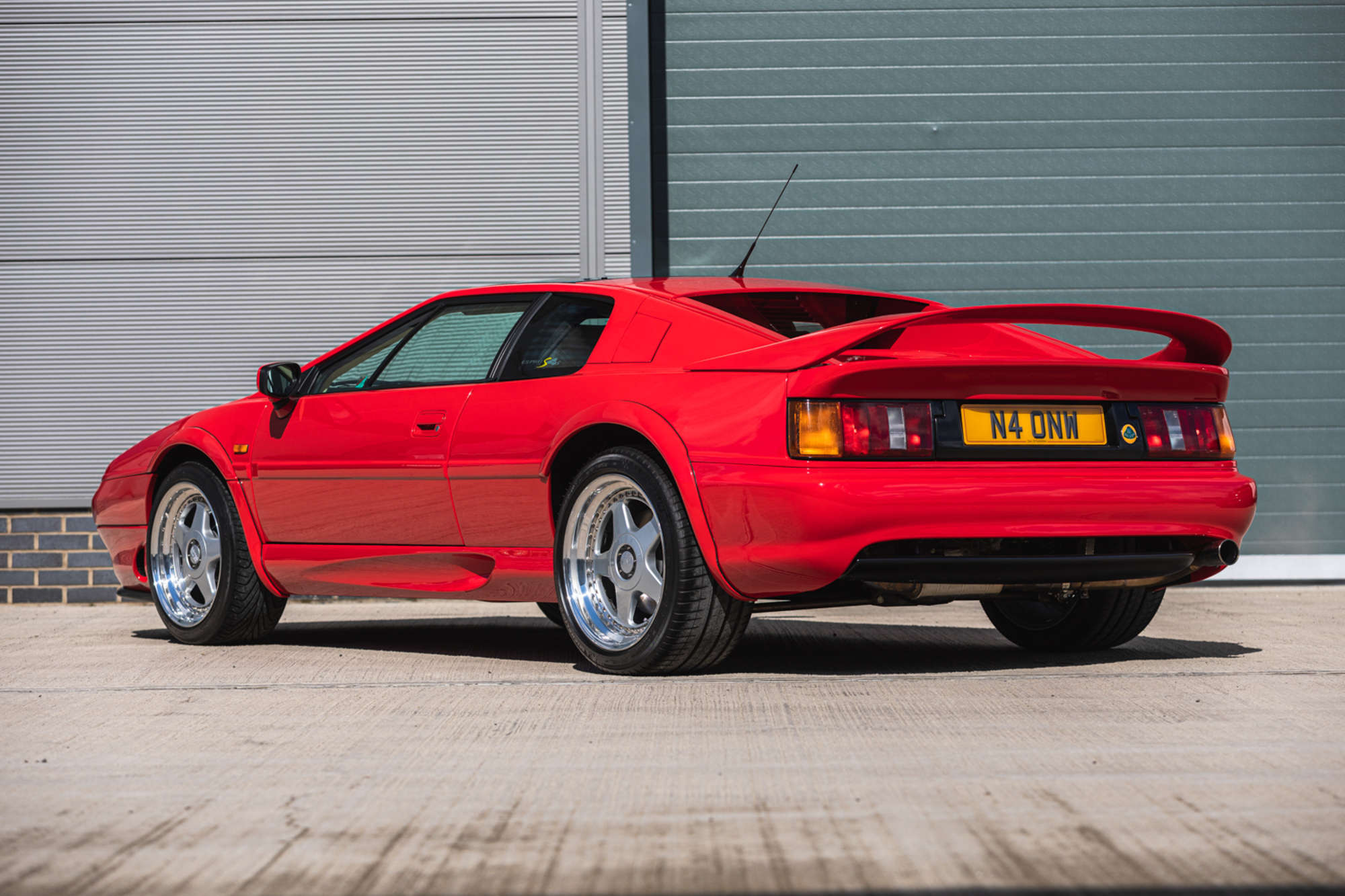
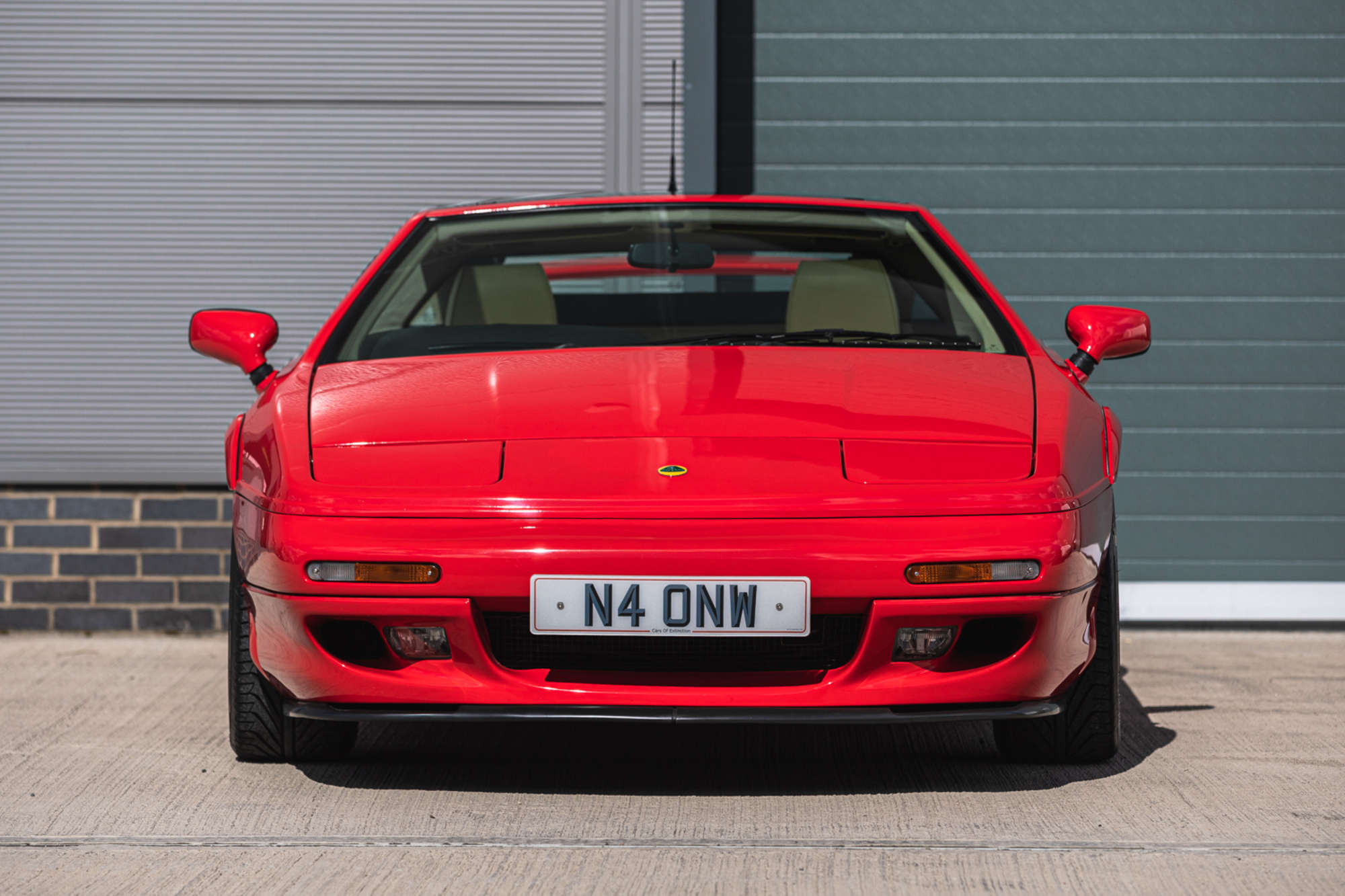
To fully comprehend the magnitude of the Lotus Esprit, one must transport themselves back to the early 1970s, a period when Colin Chapman’s brilliant but idiosyncratic firm was at a crossroads. Lotus had conquered Formula 1, yet its road cars—like the delicate Elan and the quirky, breadvan-profiled Europa—were still perceived as fragile, kit-car-esque enthusiast playthings. Chapman desired a machine that could march directly into the showrooms of Maranello and Stuttgart and demand absolute respect. He needed a bona fide, mid-engined supercar to challenge the upcoming Ferrari 308 GTB, the Maserati Merak, and the Porsche 911. Unveiled as an astonishing silver concept at the 1972 Turin Auto Show, the Lotus Esprit finally reached production in 1976. Over an astonishing 28-year lifespan, the Esprit evolved through multiple, distinct generations. It transitioned from a delicate, naturally aspirated 2.0-liter four-cylinder wedge in the Series 1 (S1), to the muscular, turbocharged Giugiaro cars of the 1980s, the softened Peter Stevens redesign (the X180), and ultimately culminated in the aggressive, twin-turbo V8-powered Series 4 generation. It was a singular, enduring chassis architecture that constantly reinvented itself, elevating Lotus from a brilliant boutique outfit to a global supercar titan.
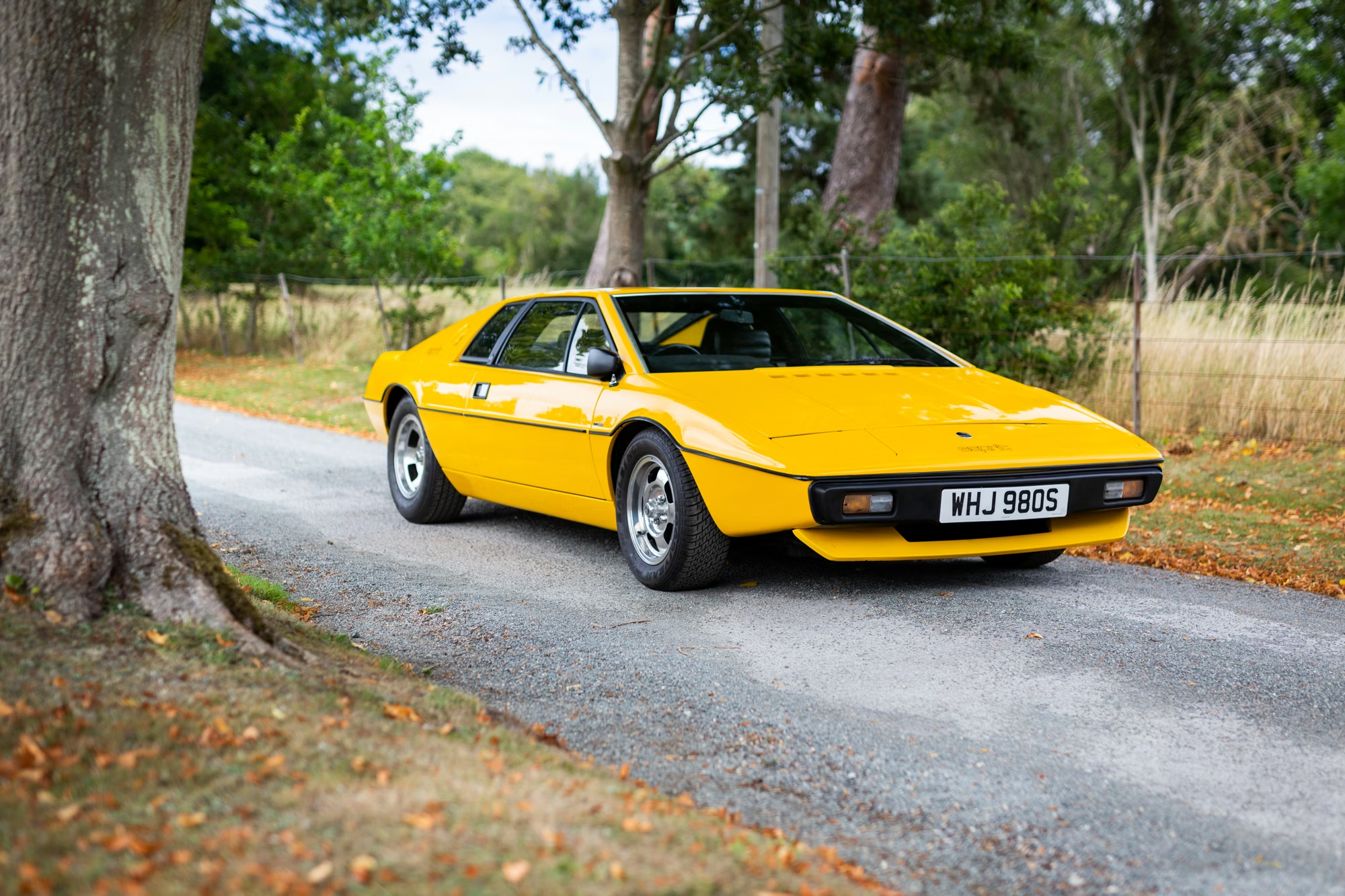
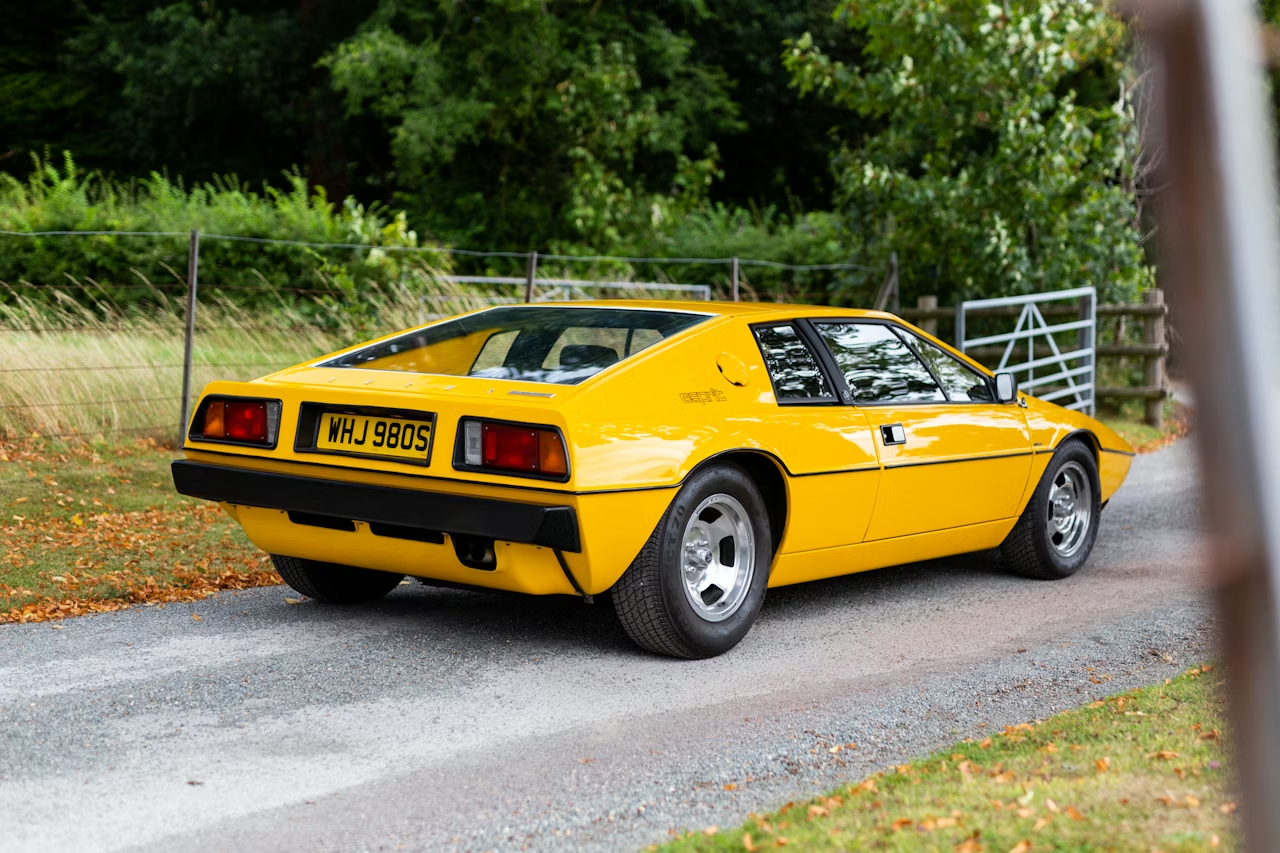
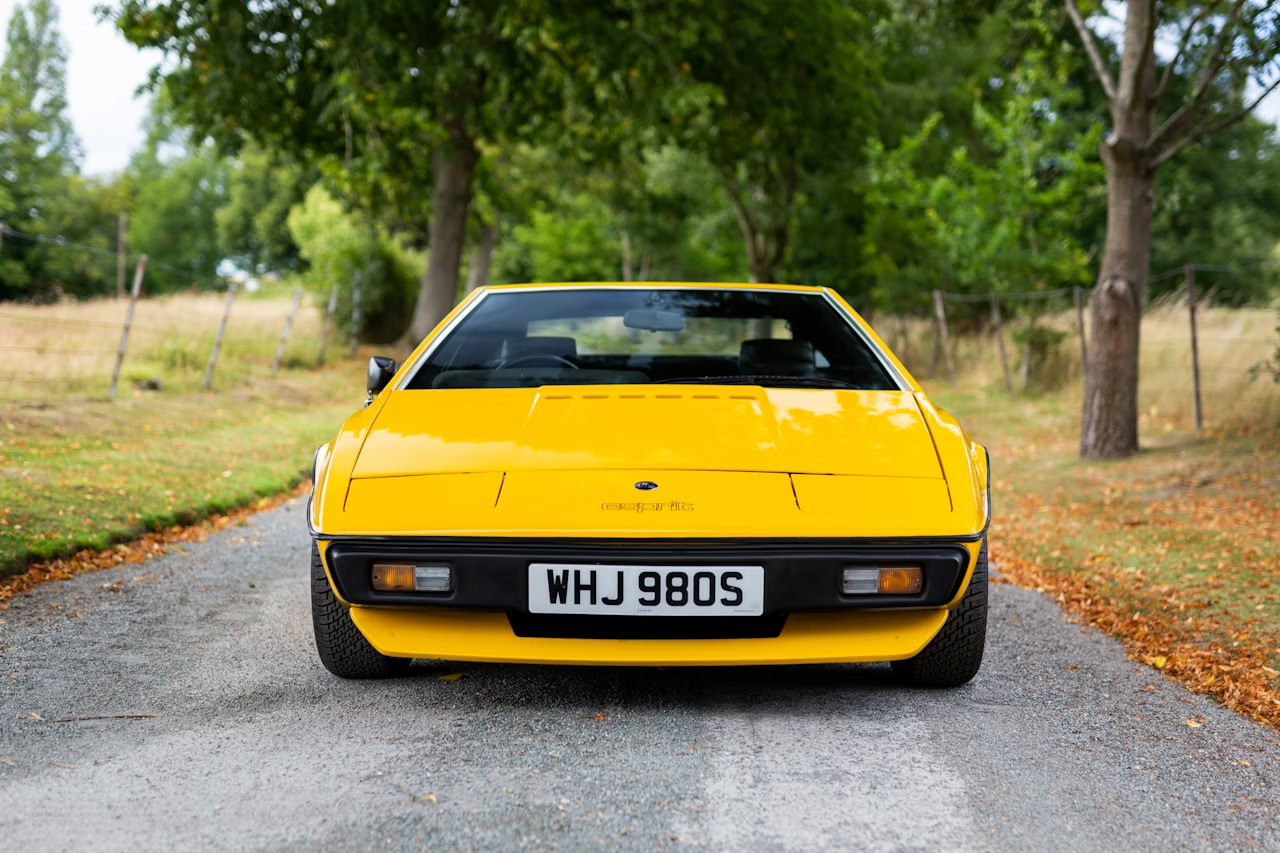
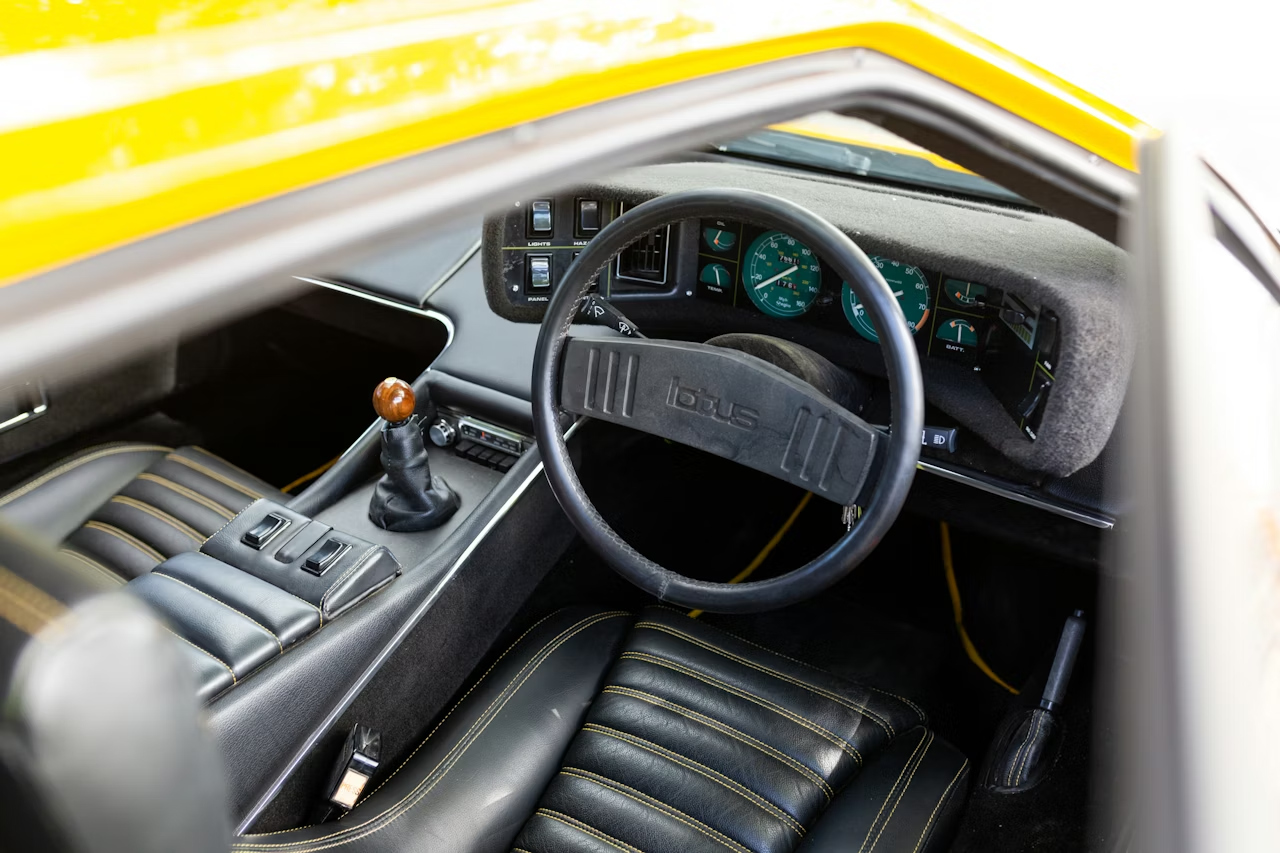
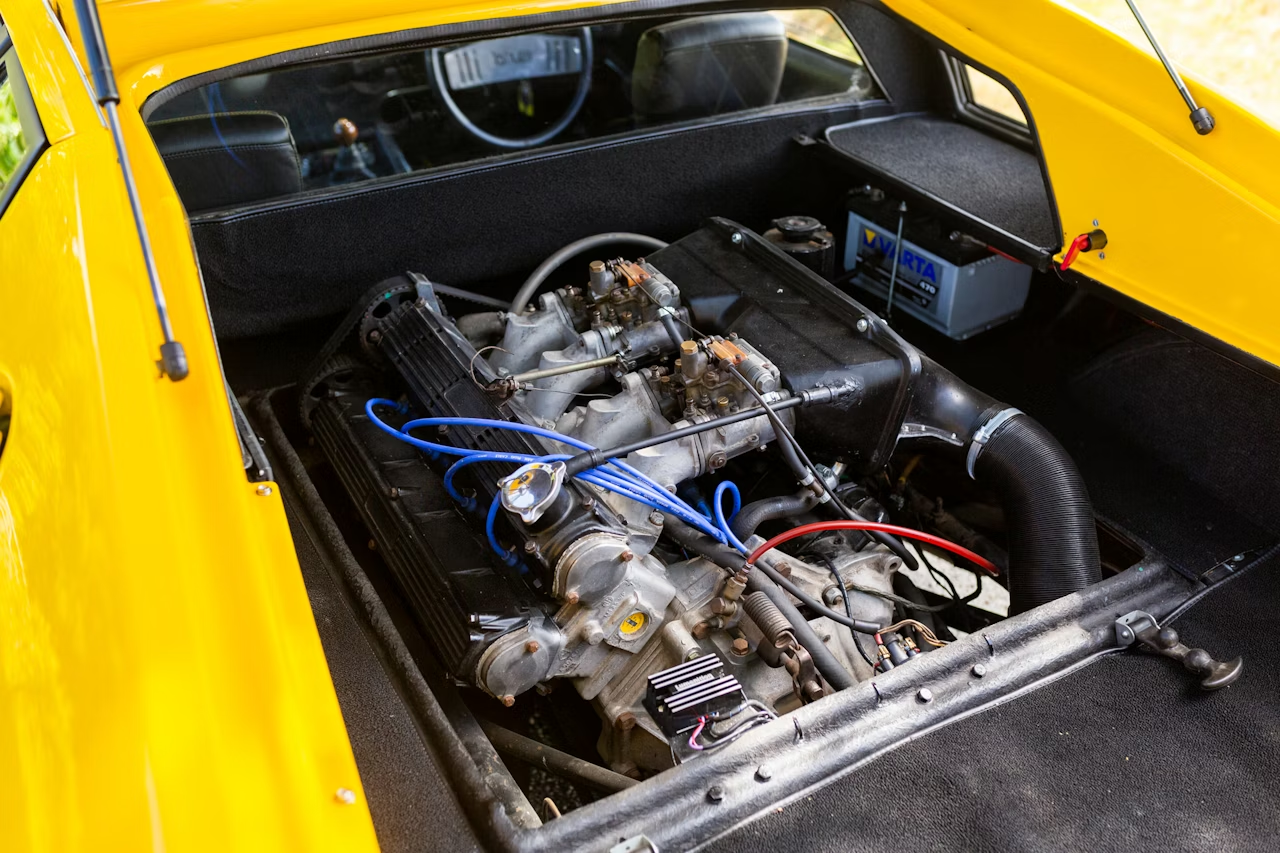
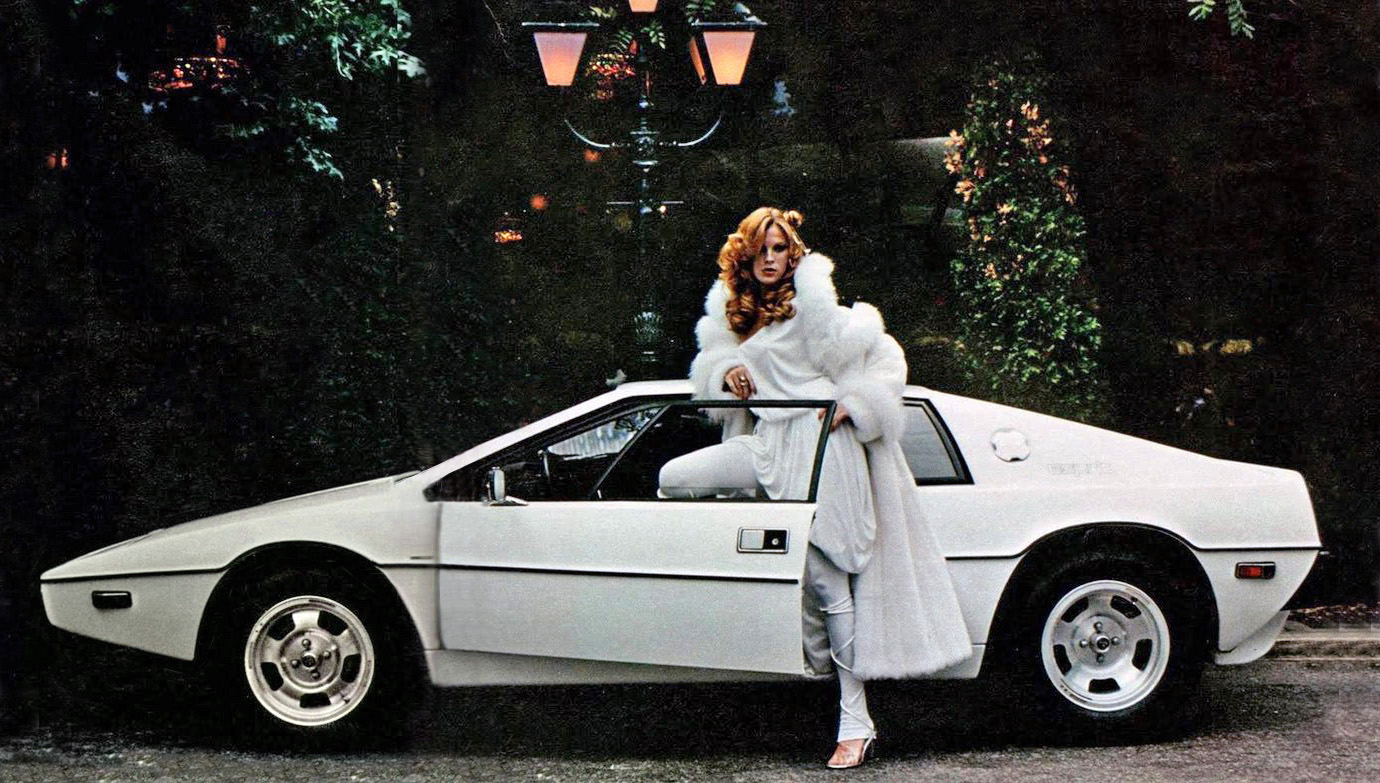
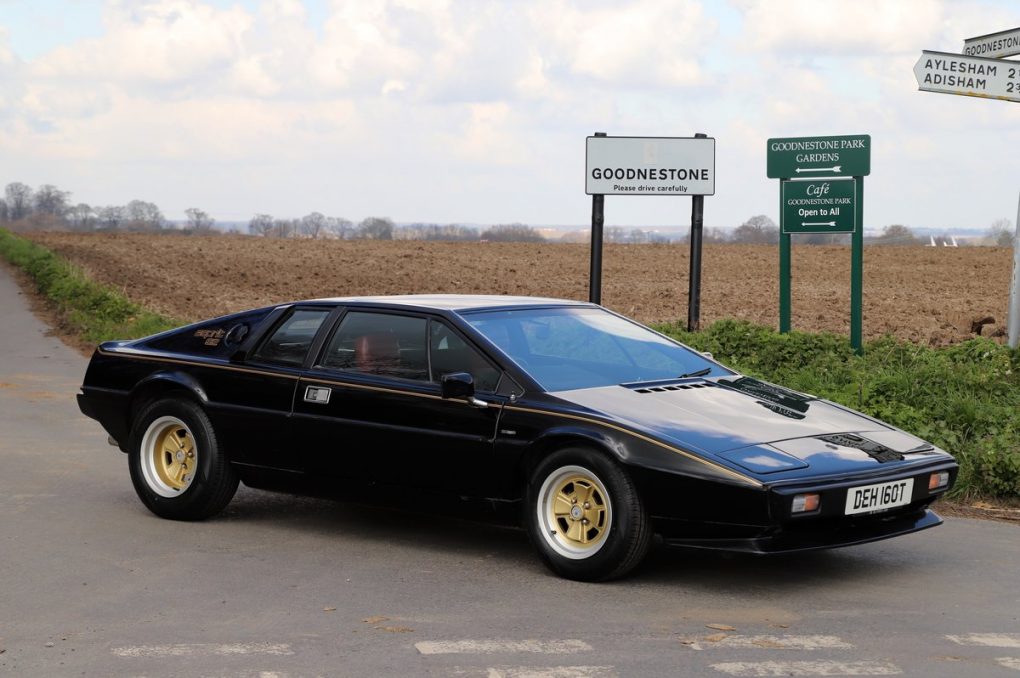
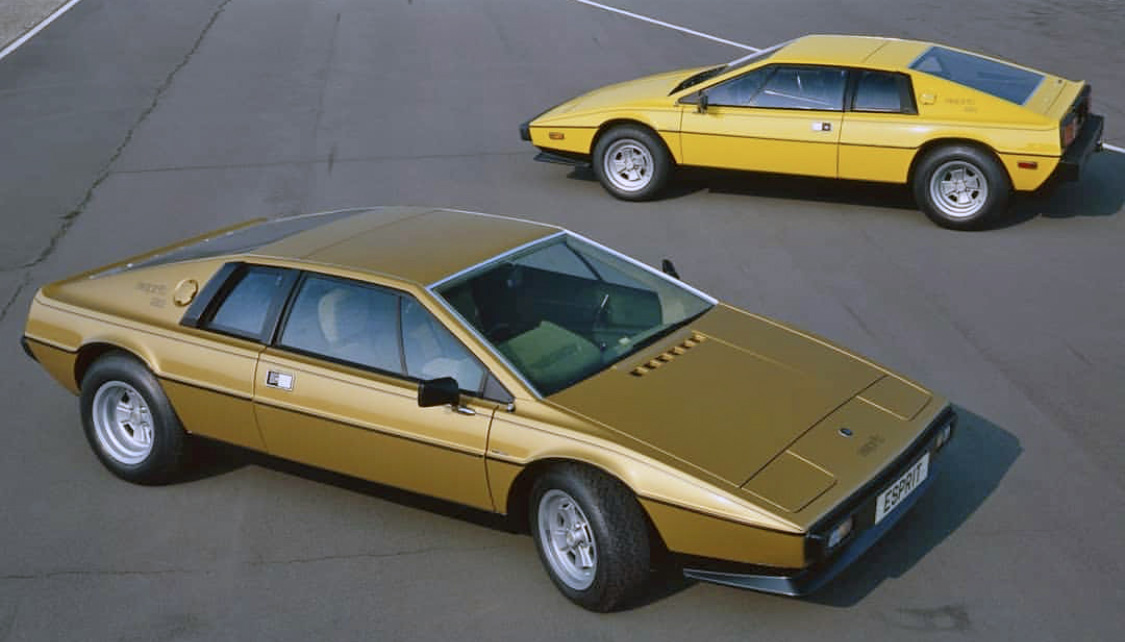
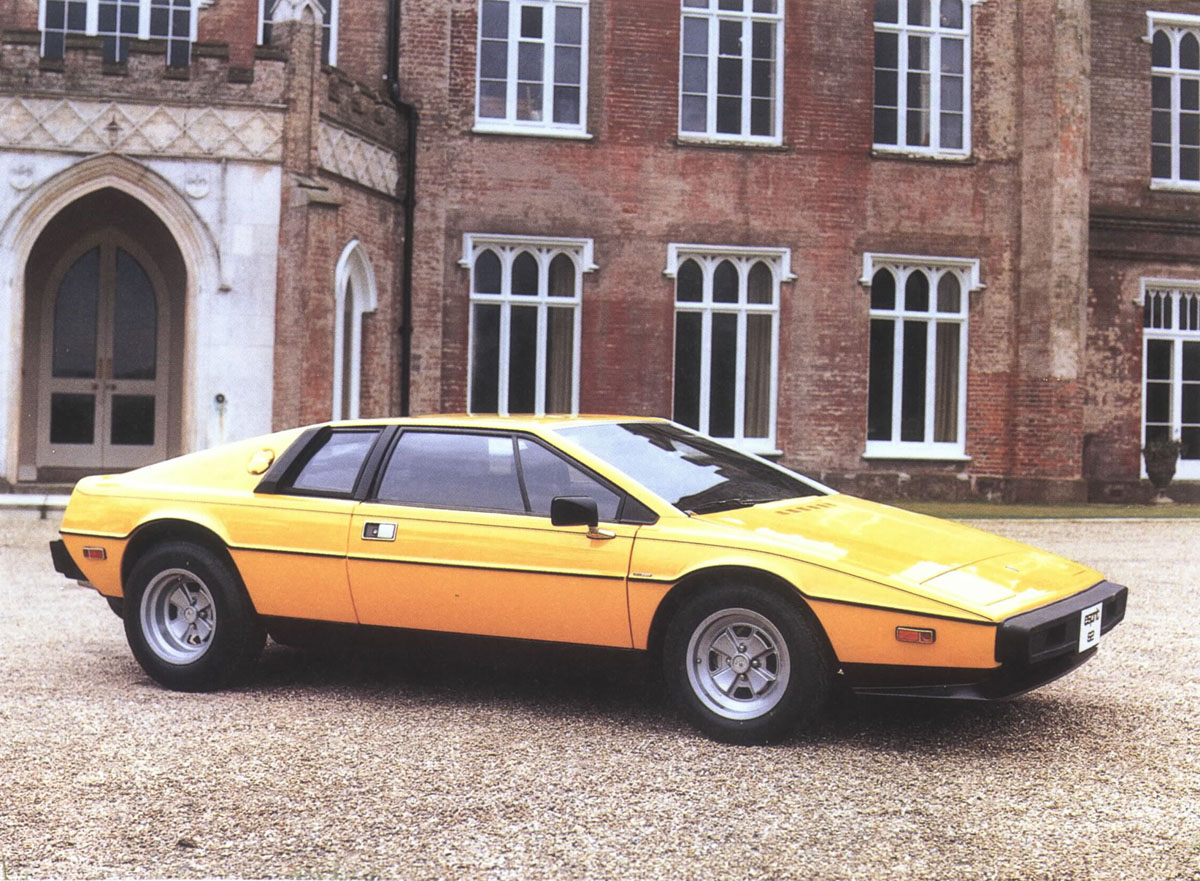
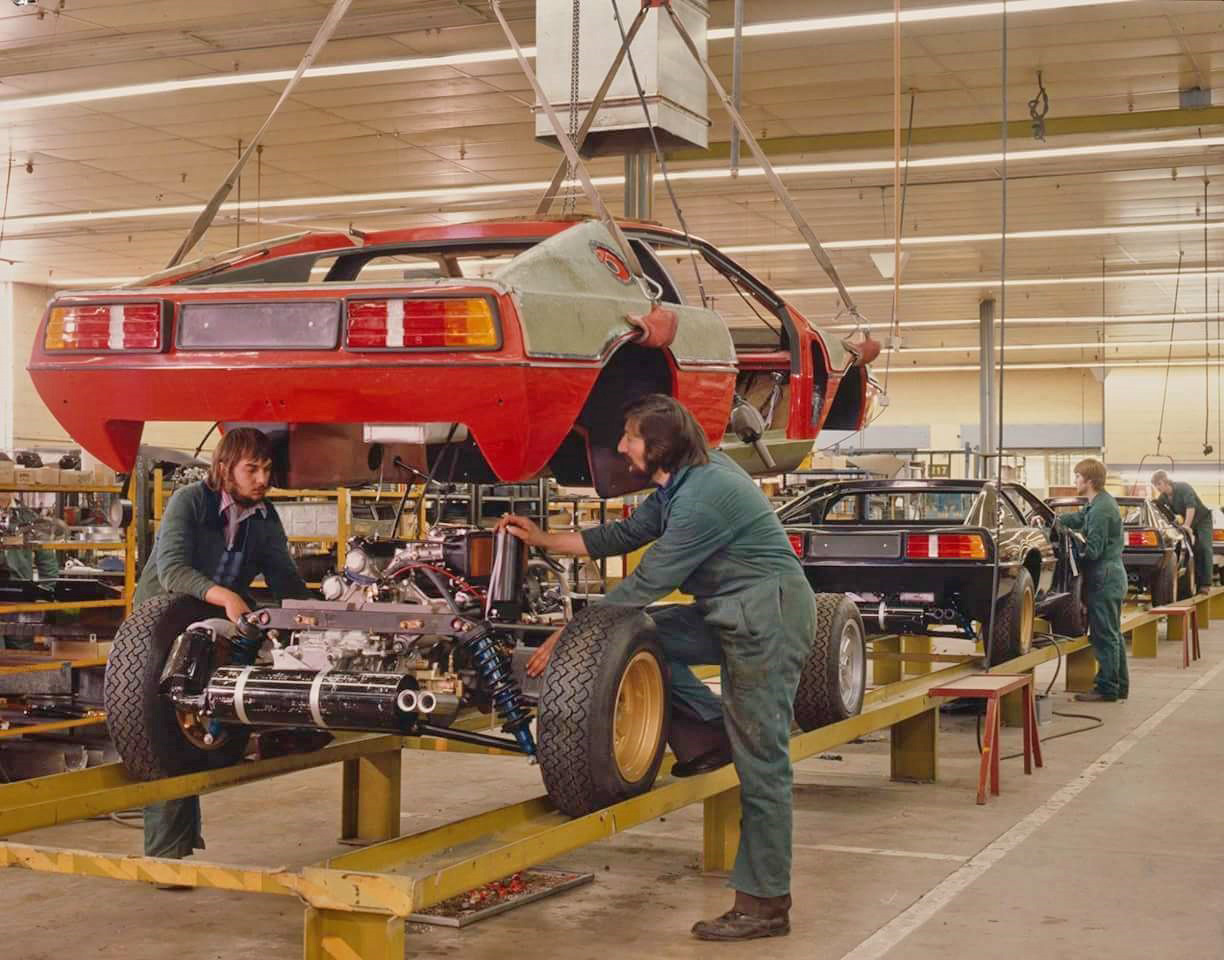
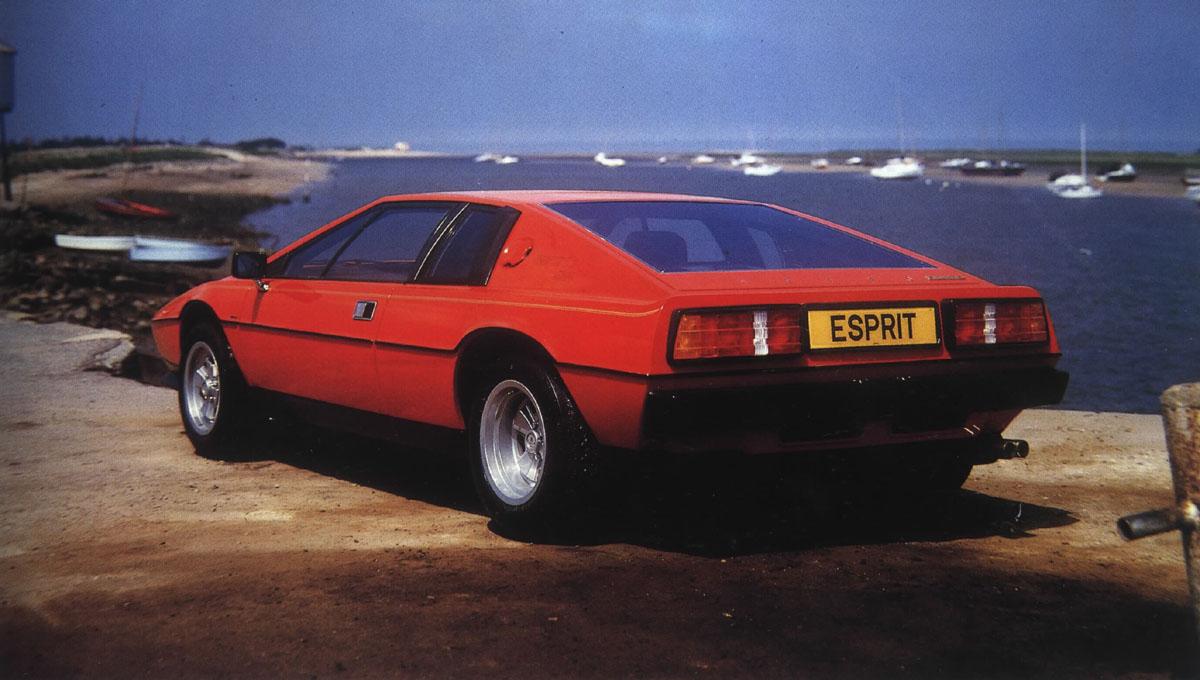
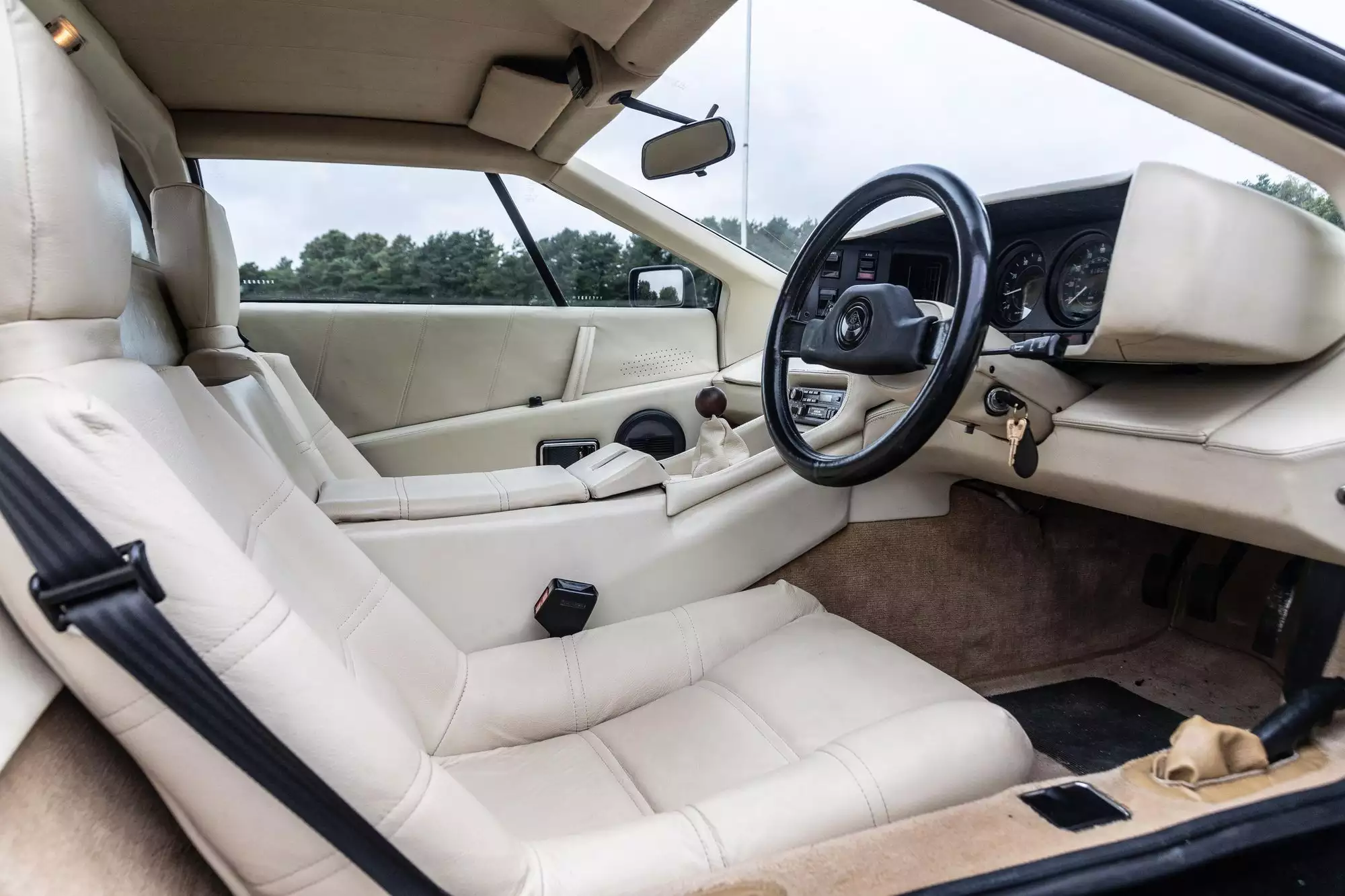
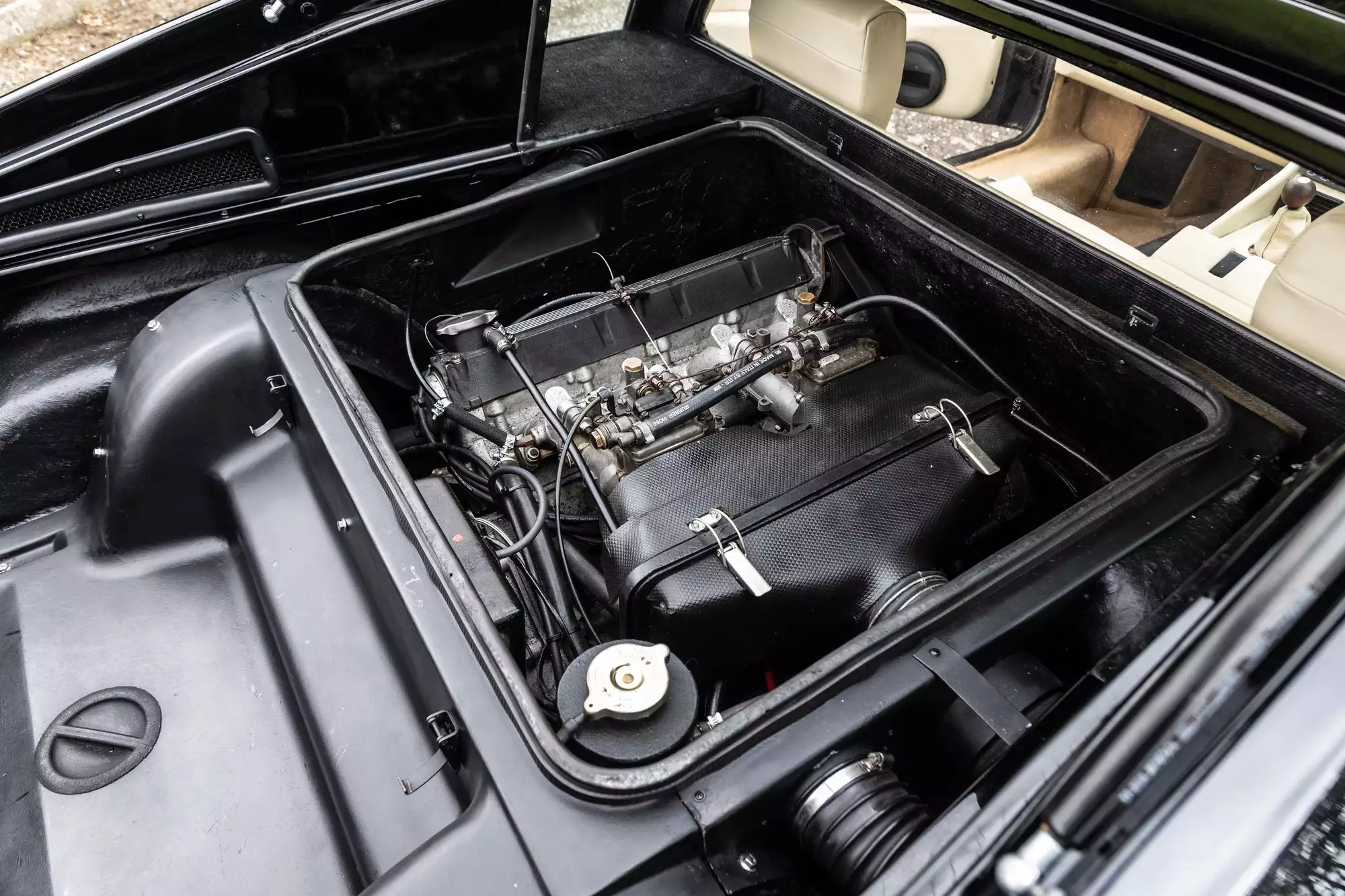
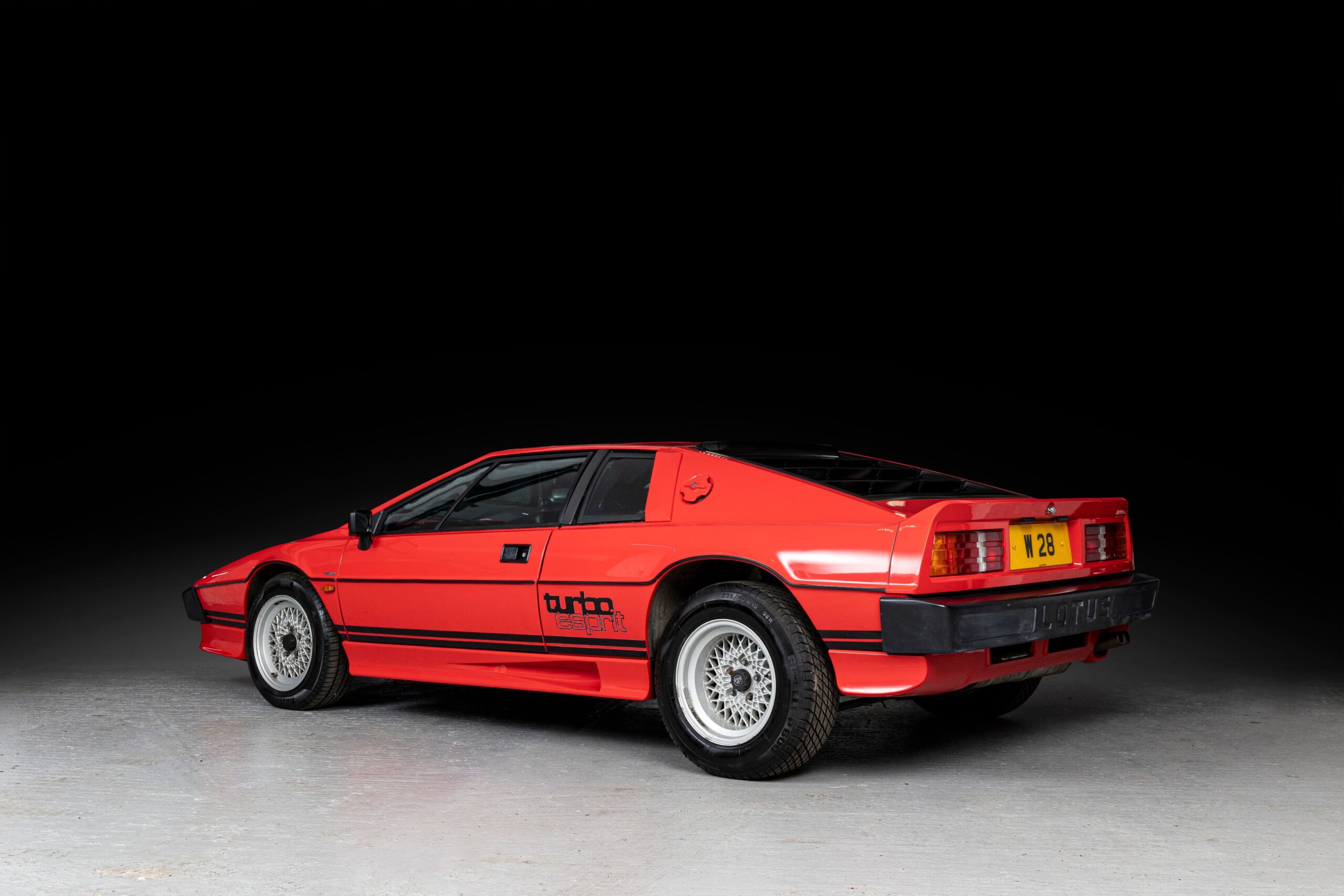
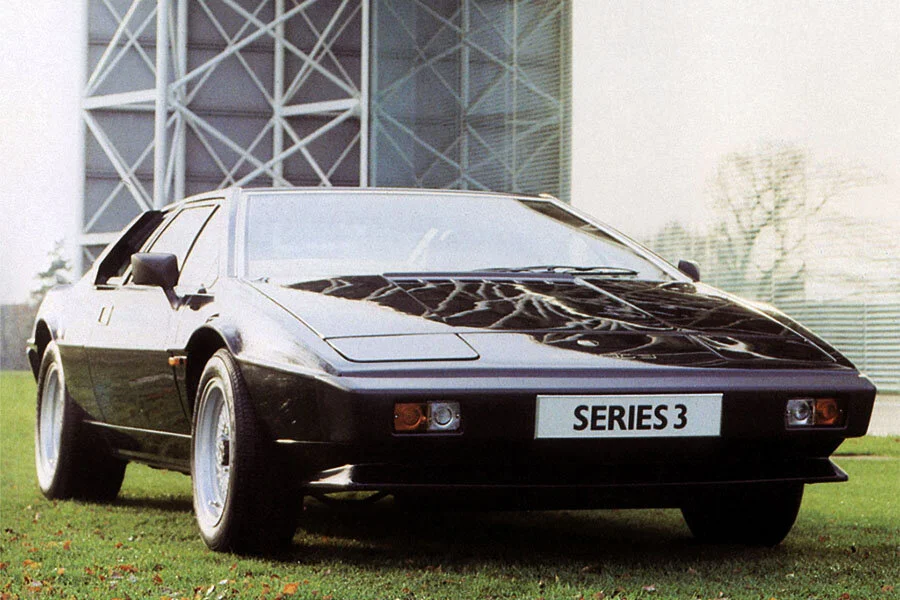
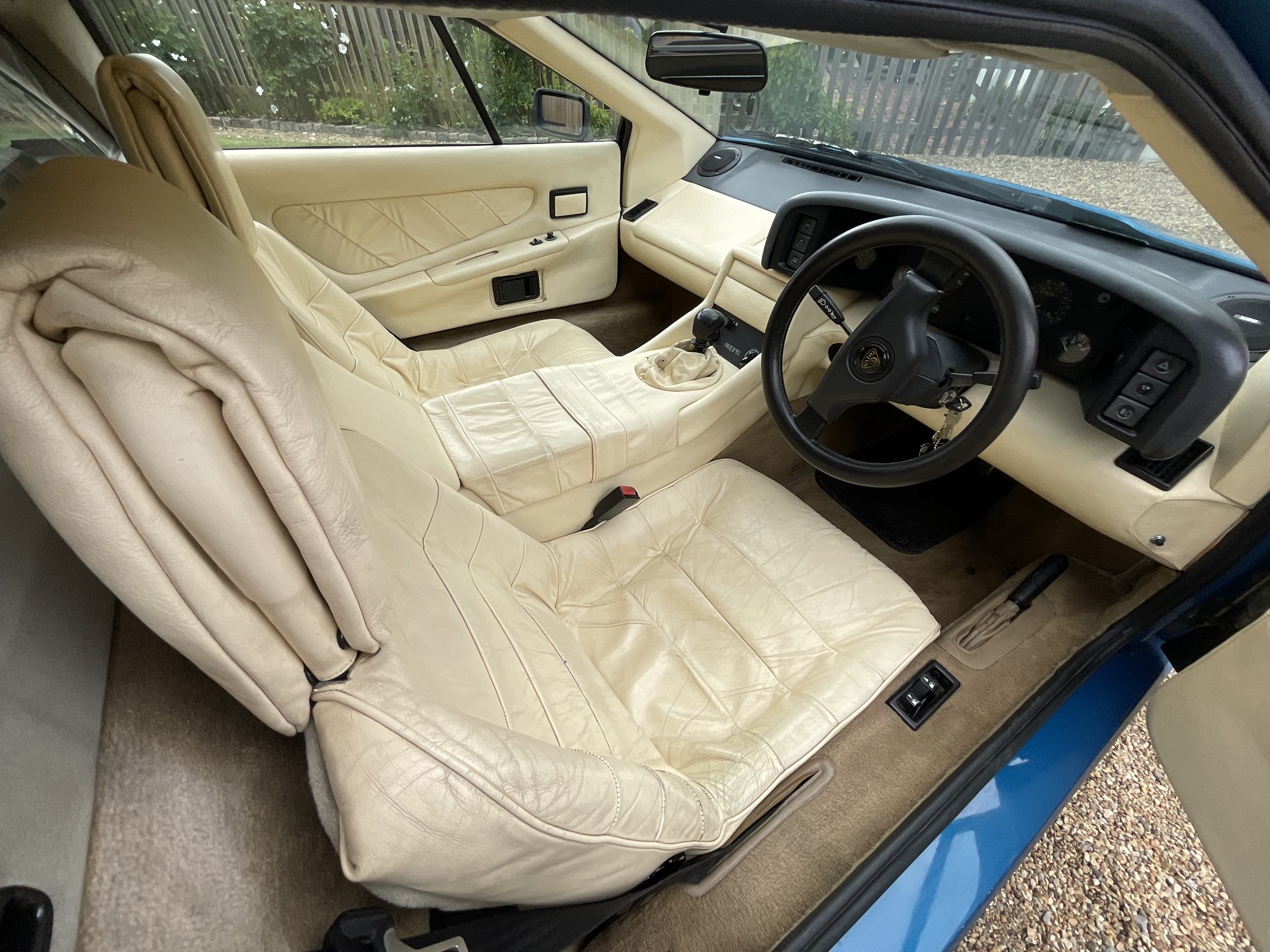
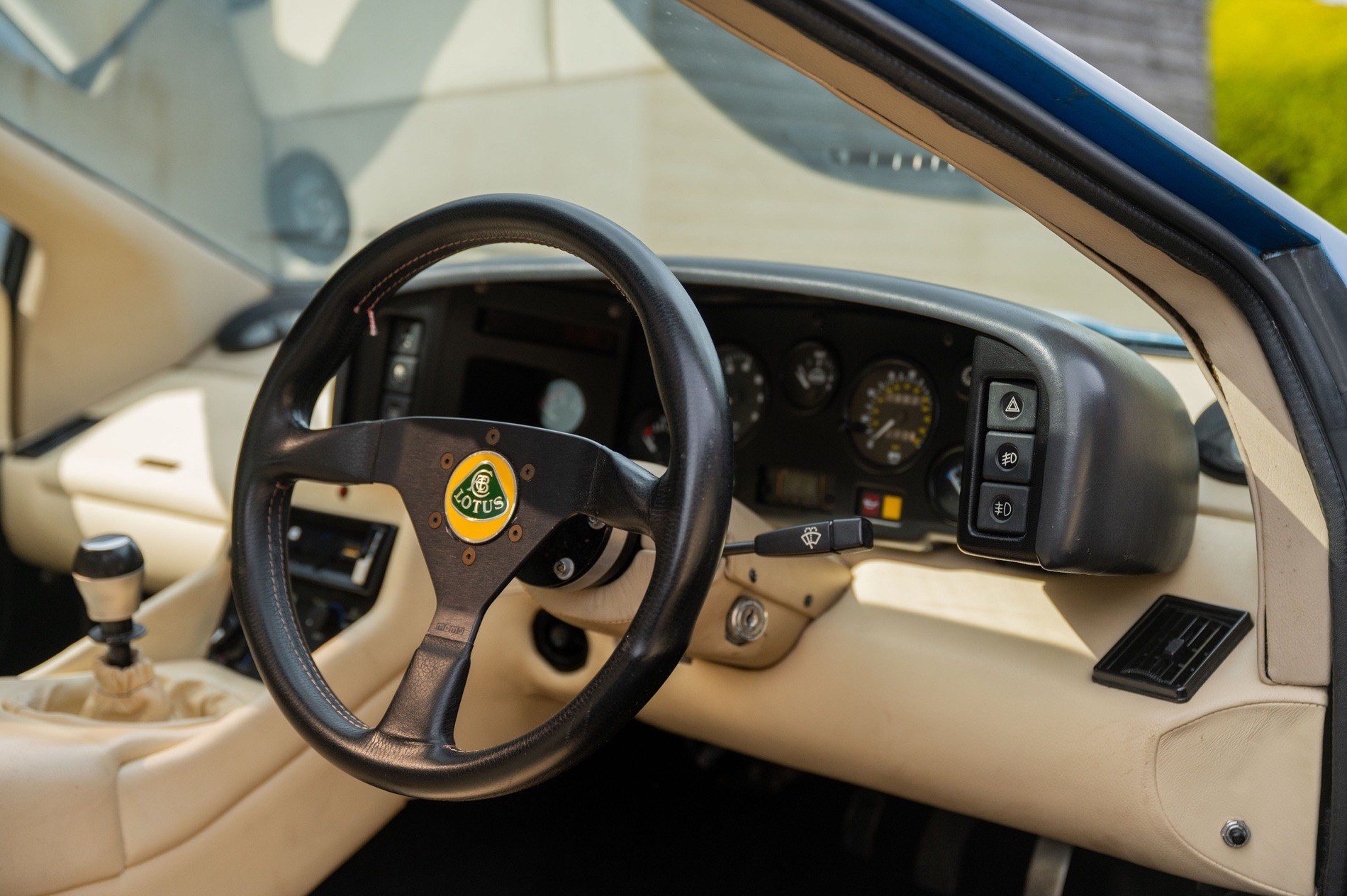
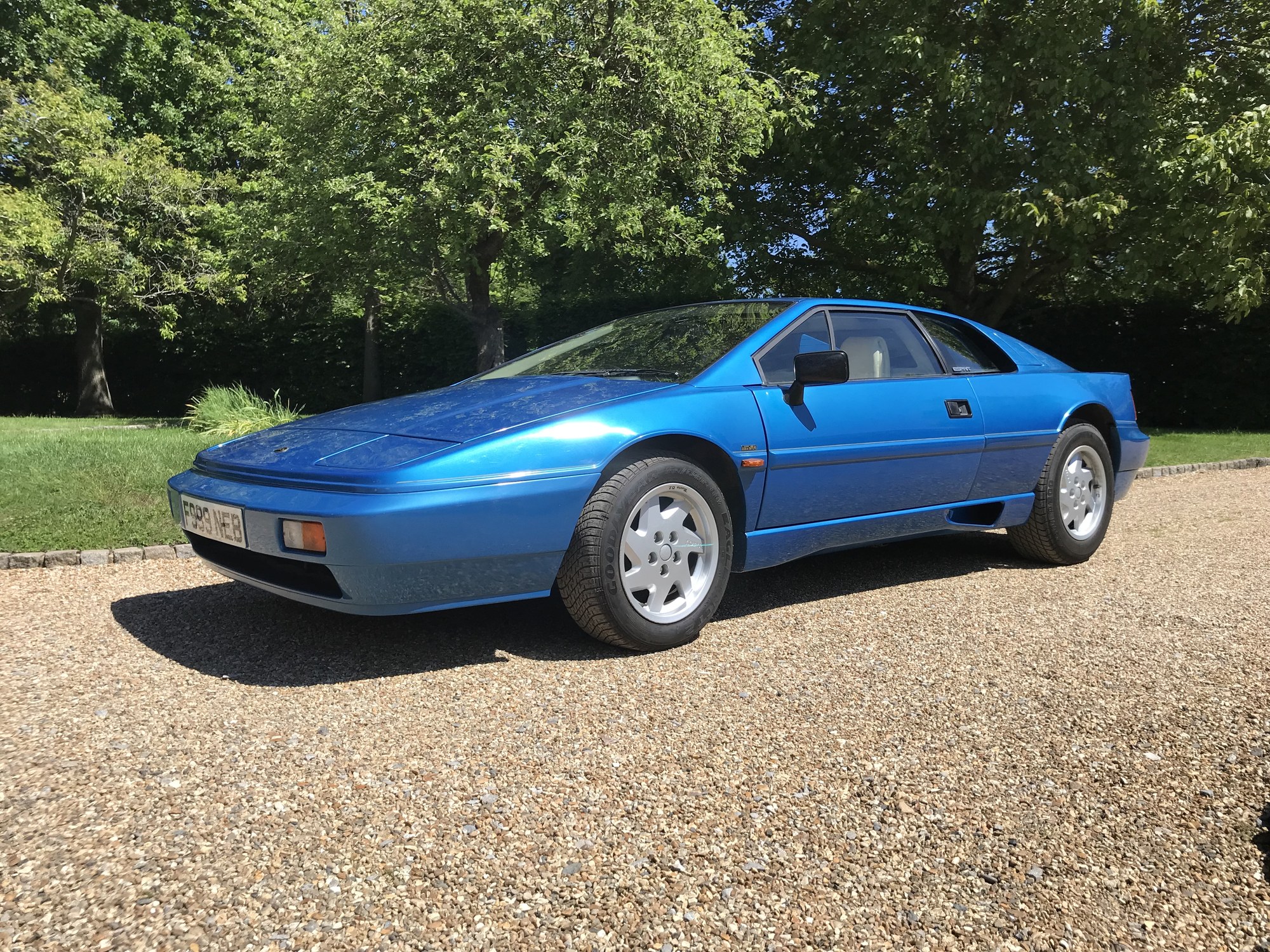
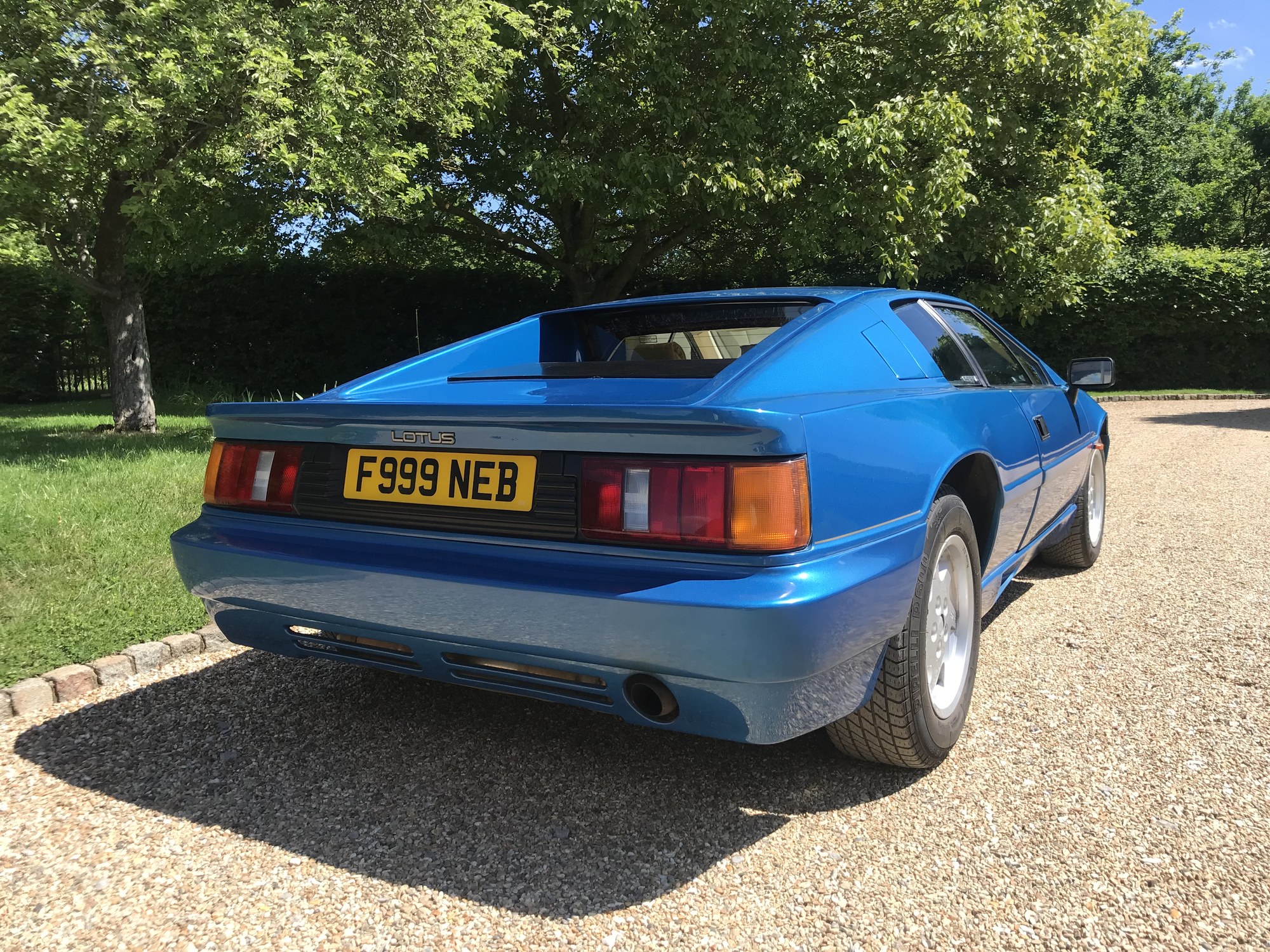
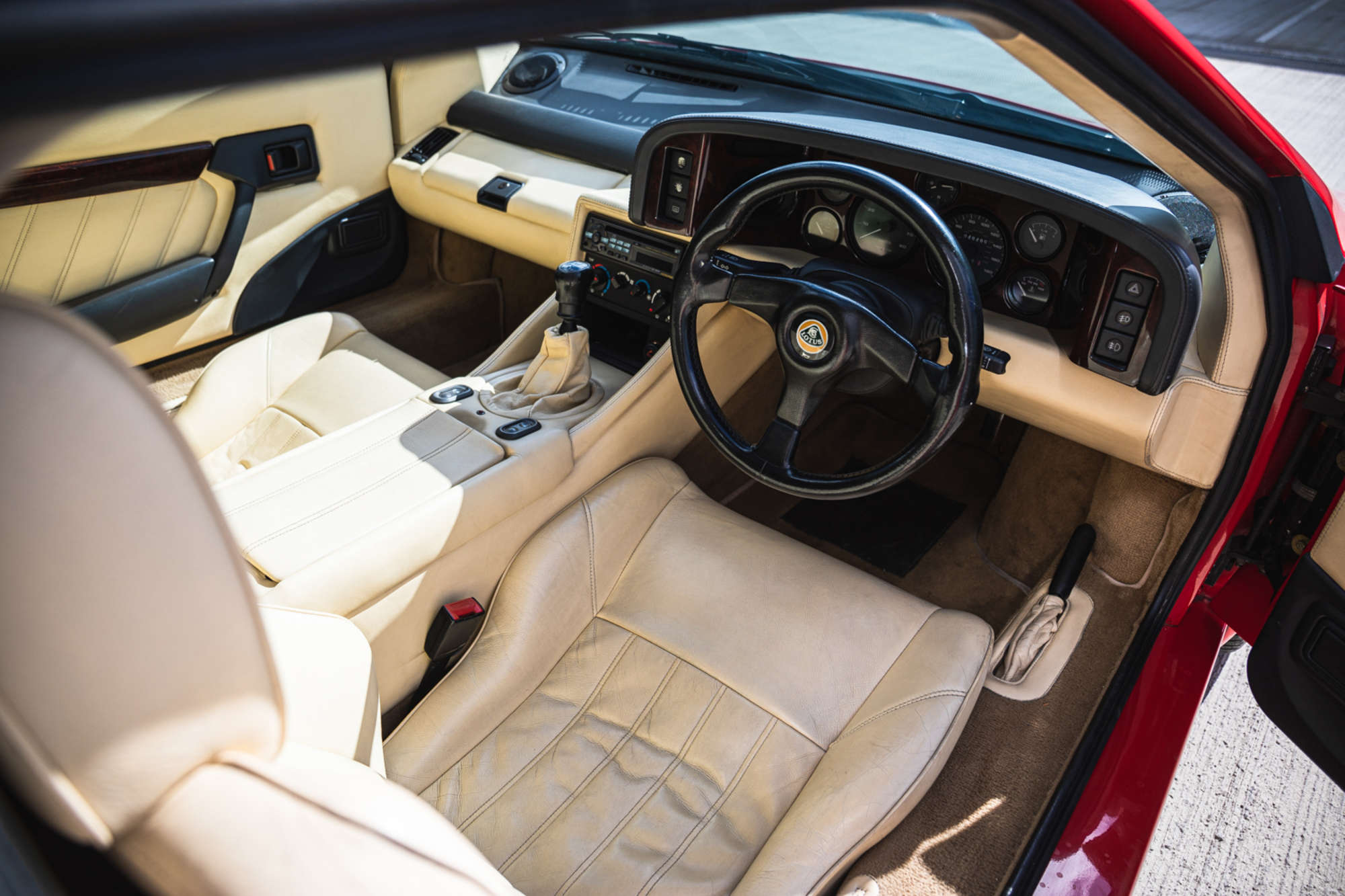
The mechanical anatomy of the Esprit, regardless of the generation, was an ongoing masterclass in Chapman’s “simplify, then add lightness” philosophy, albeit scaled up for supercar duty. Beneath the dramatic fiberglass bodywork lay a folded-steel backbone chassis, a direct evolution of the structure pioneered in the Elan, but widened and heavily reinforced. The breathtaking exterior of the original S1 was penned by the maestro Giorgetto Giugiaro at Italdesign. It was the ultimate expression of the “folded paper” origami design language—a severe, uncompromised wedge featuring a raked windshield, pop-up headlamps, and a shockingly low roofline. Tucked amidships was the Type 907 engine, an all-aluminum, naturally aspirated 2.0-liter slant-four producing 160 horsepower. Mated to a five-speed Citroën/Maserati transaxle, the lightweight S1 boasted handling that was utterly telepathic. In traditional Lotus fashion, early models featured inboard rear brakes to drastically reduce unsprung mass, allowing the independent suspension to keep the tires perfectly keyed to the tarmac. Inside, the early cars were a riot of 1970s futurism, featuring a wrap-around instrument binnacle and vivid, unmistakable tartan cloth upholstery.
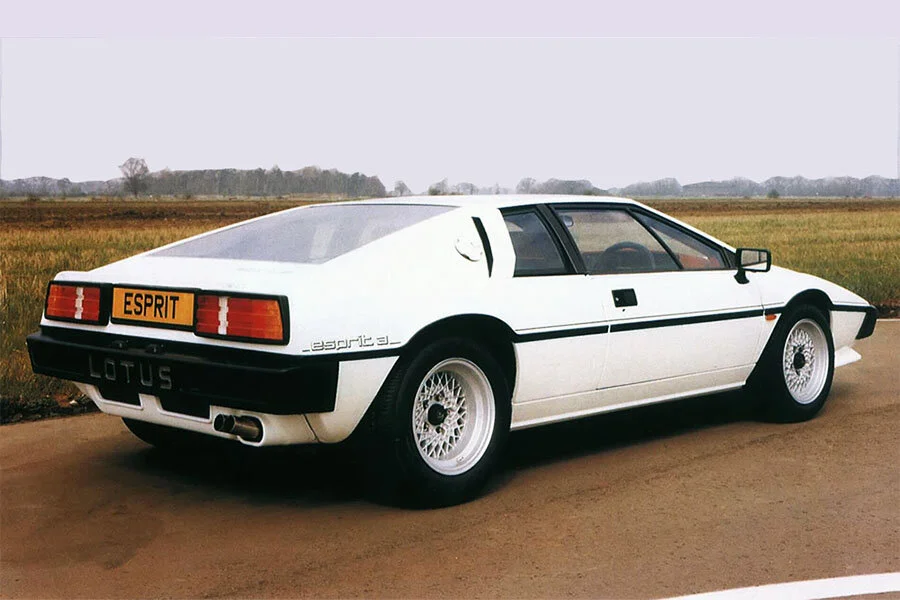
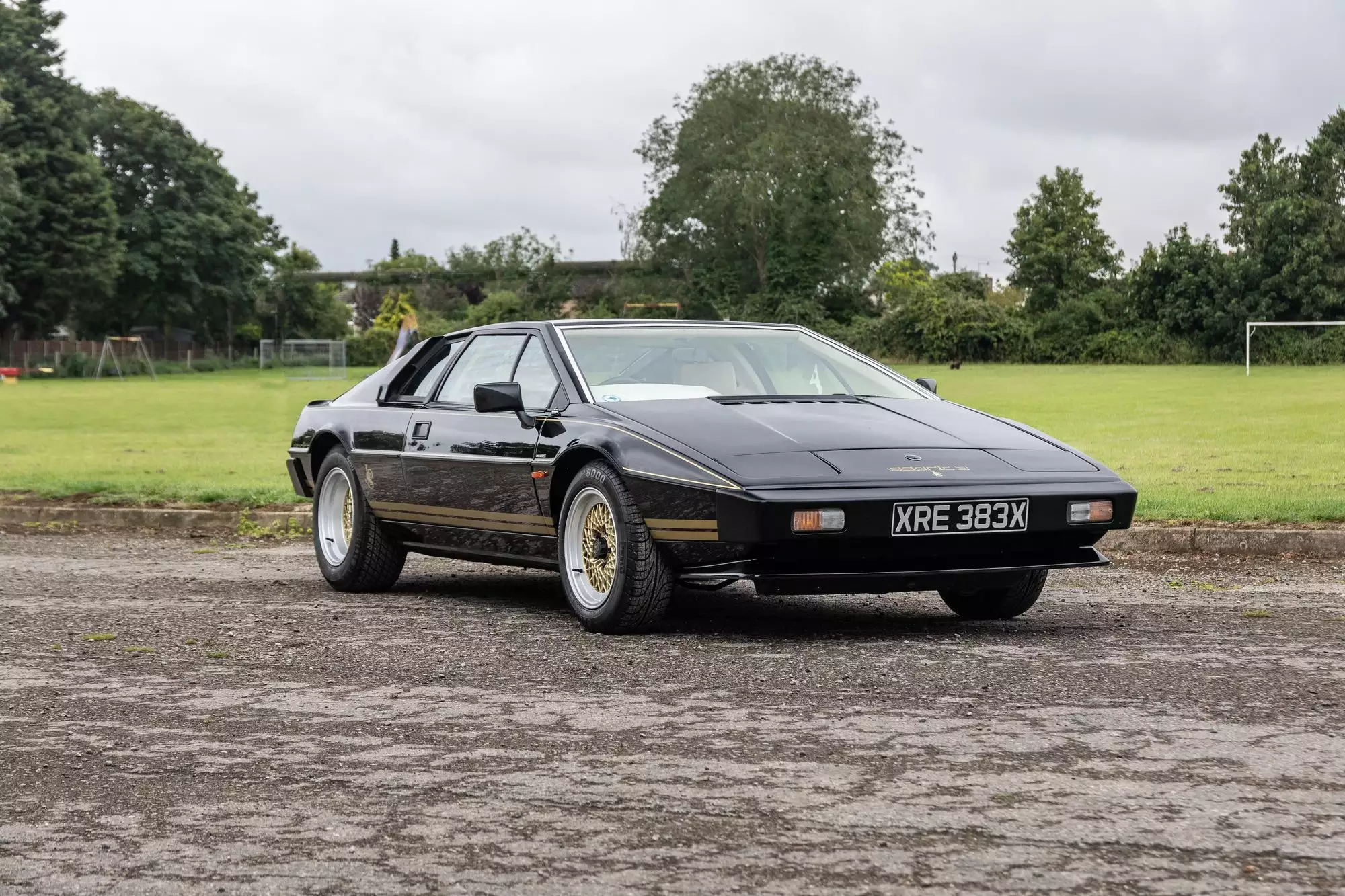
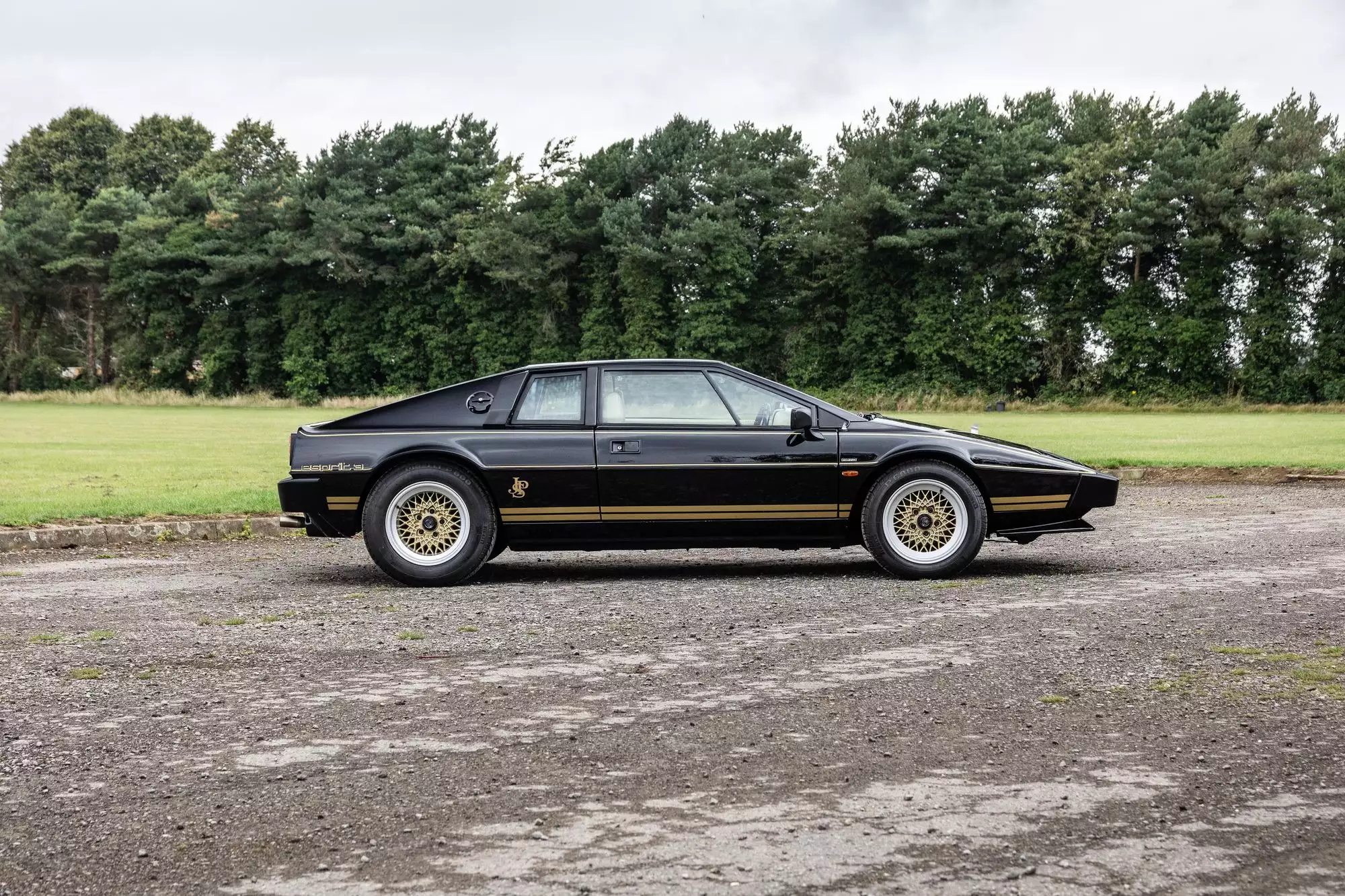
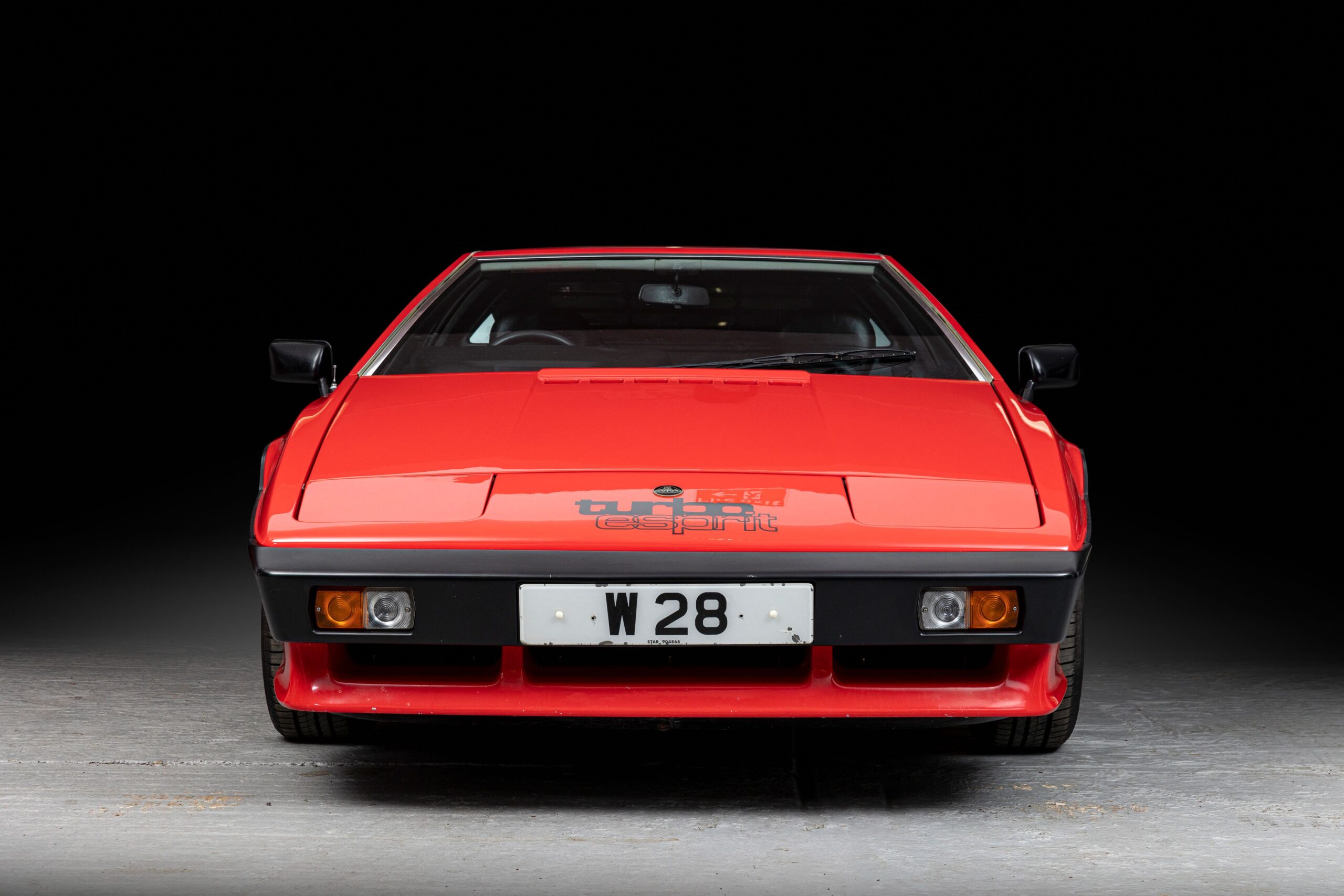
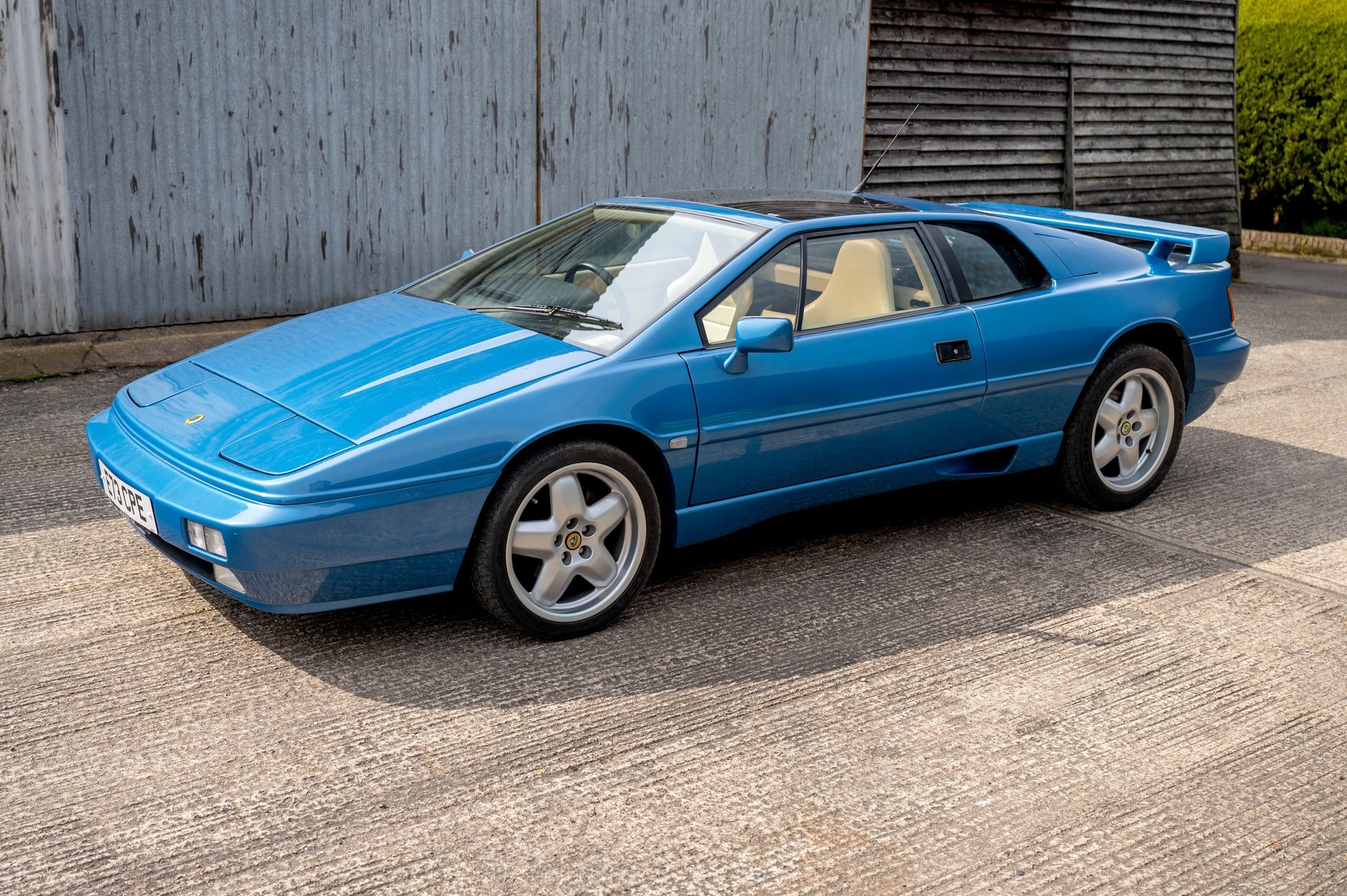
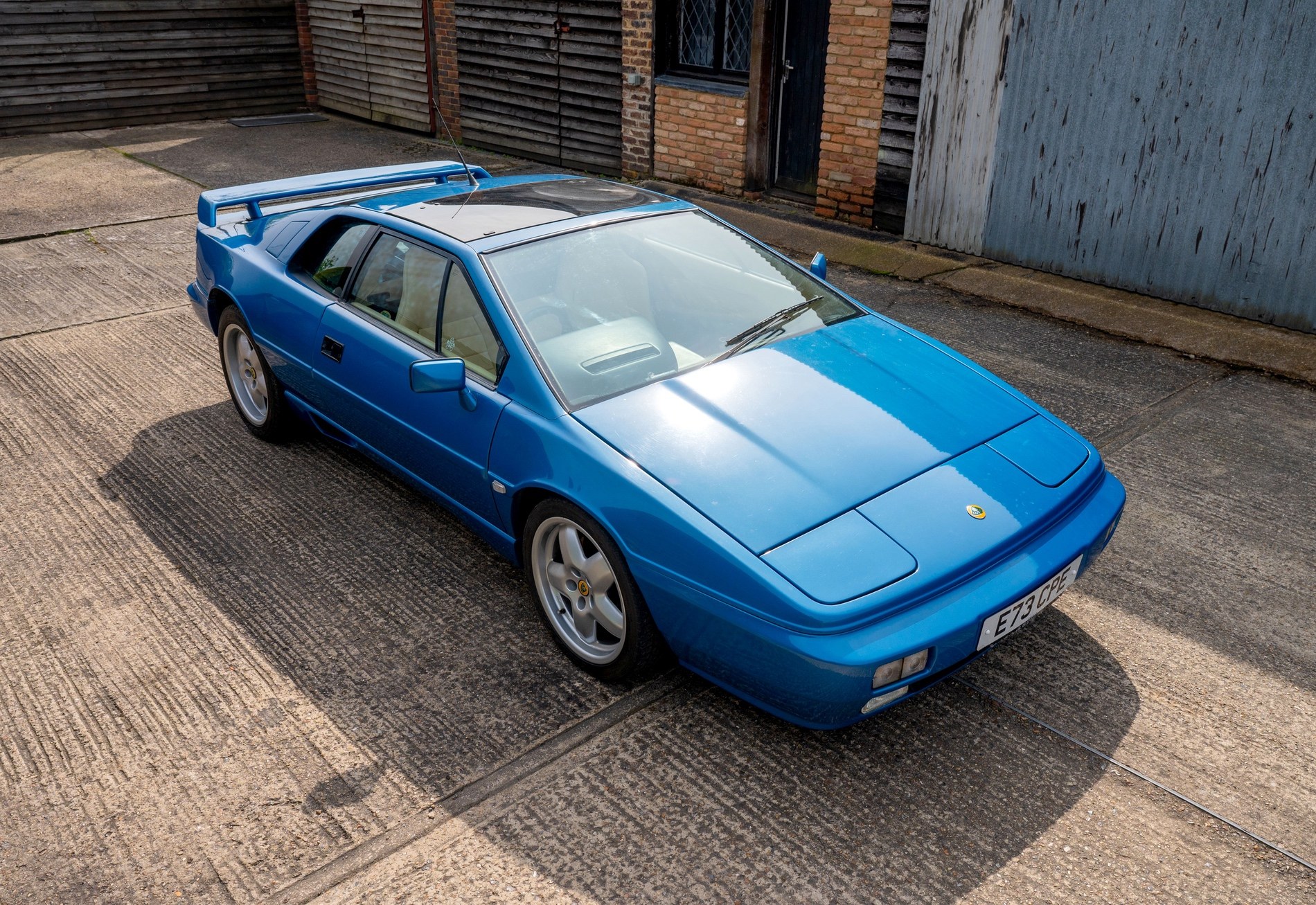
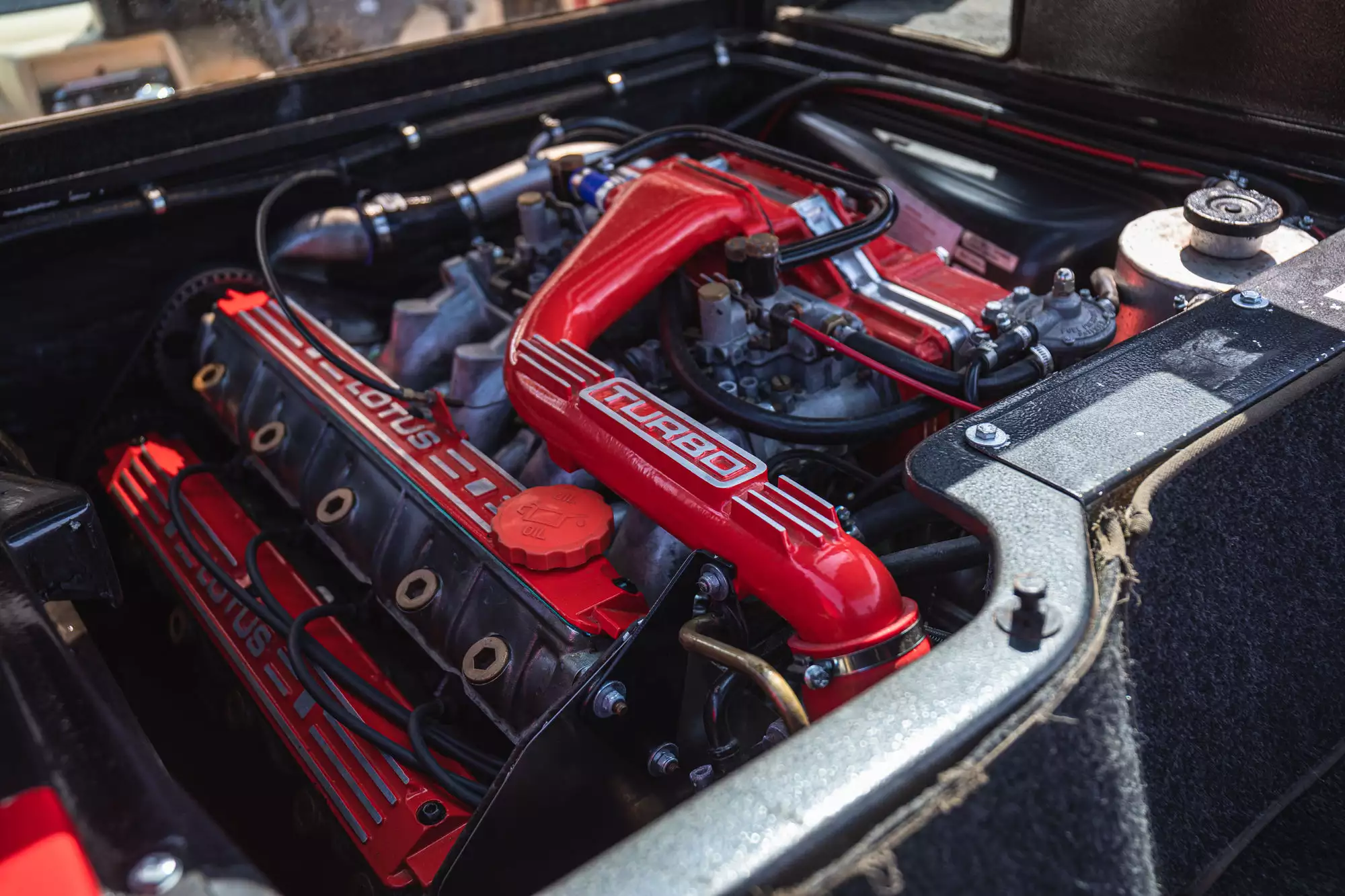
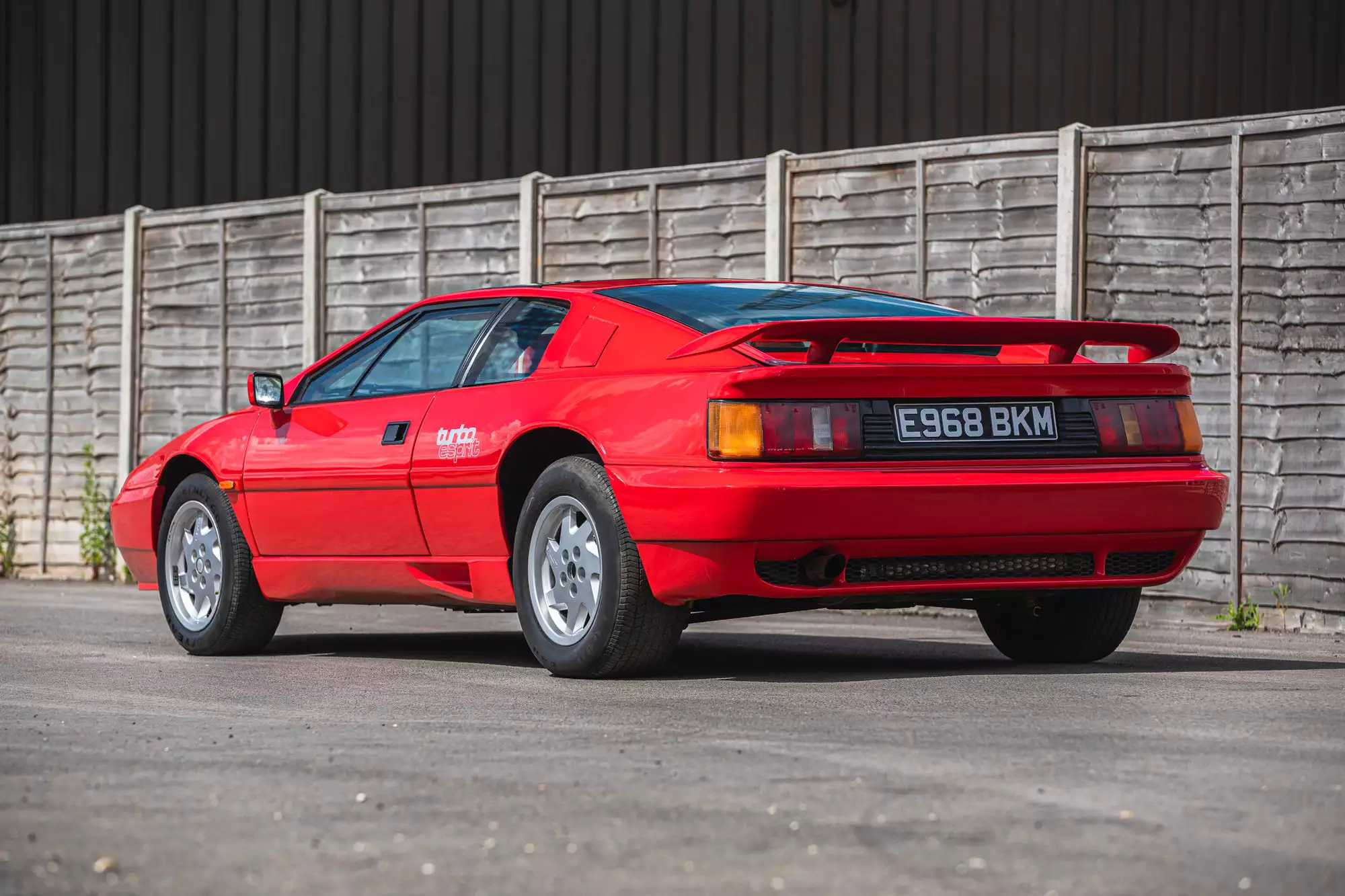
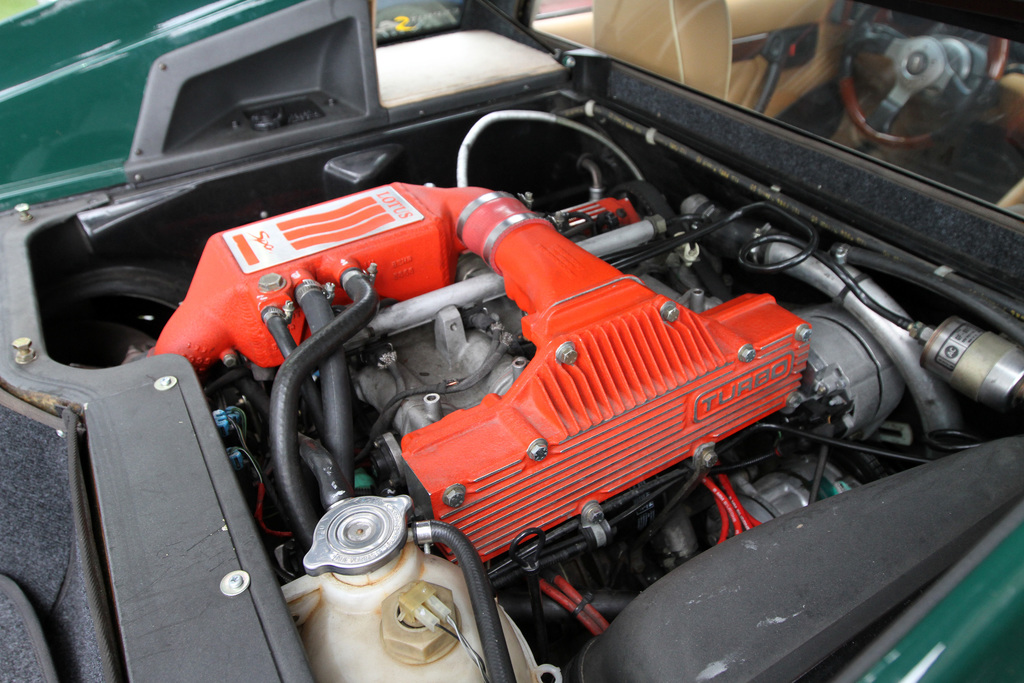
As the 1980s approached, the Esprit required more firepower to match its exotic silhouette. The chassis was stiffened, the aerodynamics refined with integrated spoilers in the S2 and S3, and crucially, forced induction arrived. The Essex Turbo Esprit and subsequent Turbo models utilized a 2.2-liter dry-sump engine (Type 910) pushing well over 210 horsepower, accompanied by a booming, wastegate-fluttering soundtrack. In 1987, the Esprit underwent its first massive visual transformation. Designer Peter Stevens—who would later pen the McLaren F1—rounded the sharp Giugiaro edges, utilizing a patented Vacuum Resin Injection process to create a Kevlar-reinforced body that was both stiffer and aerodynamically superior. This X180 generation introduced Renault-sourced transaxles and pushed the four-cylinder turbo to a staggering 264 horsepower in the SE model, complete with a charge-cooling system. By the time the Series 4 arrived in 1993 under the design direction of Julian Thomson, the Esprit featured power steering, ABS, and aggressive, contemporary aero kits. The absolute mechanical zenith of the lineage arrived in 1996 with the Esprit V8. Lotus engineered a bespoke, incredibly compact 3.5-liter, twin-turbocharged, flat-plane crank V8 (the Type 918) that produced 350 horsepower, propelling the aging backbone chassis to 60 mph in under 4.5 seconds and on to a top speed of 175 mph.
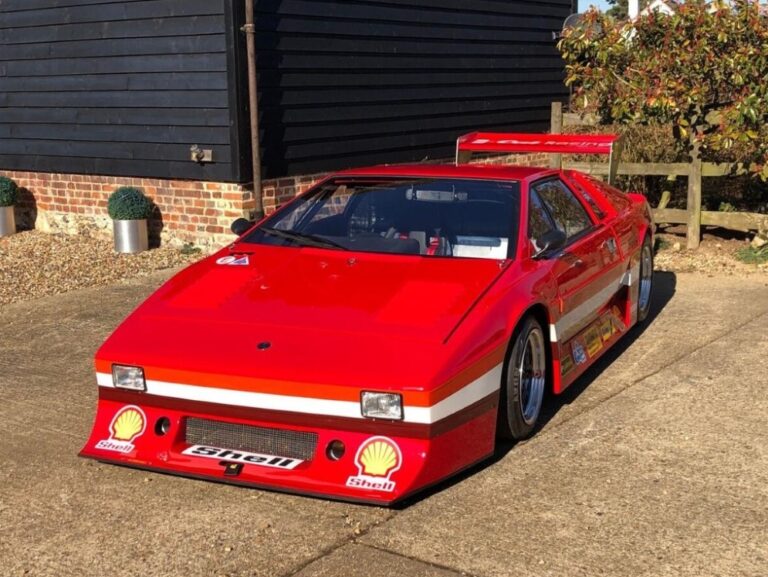
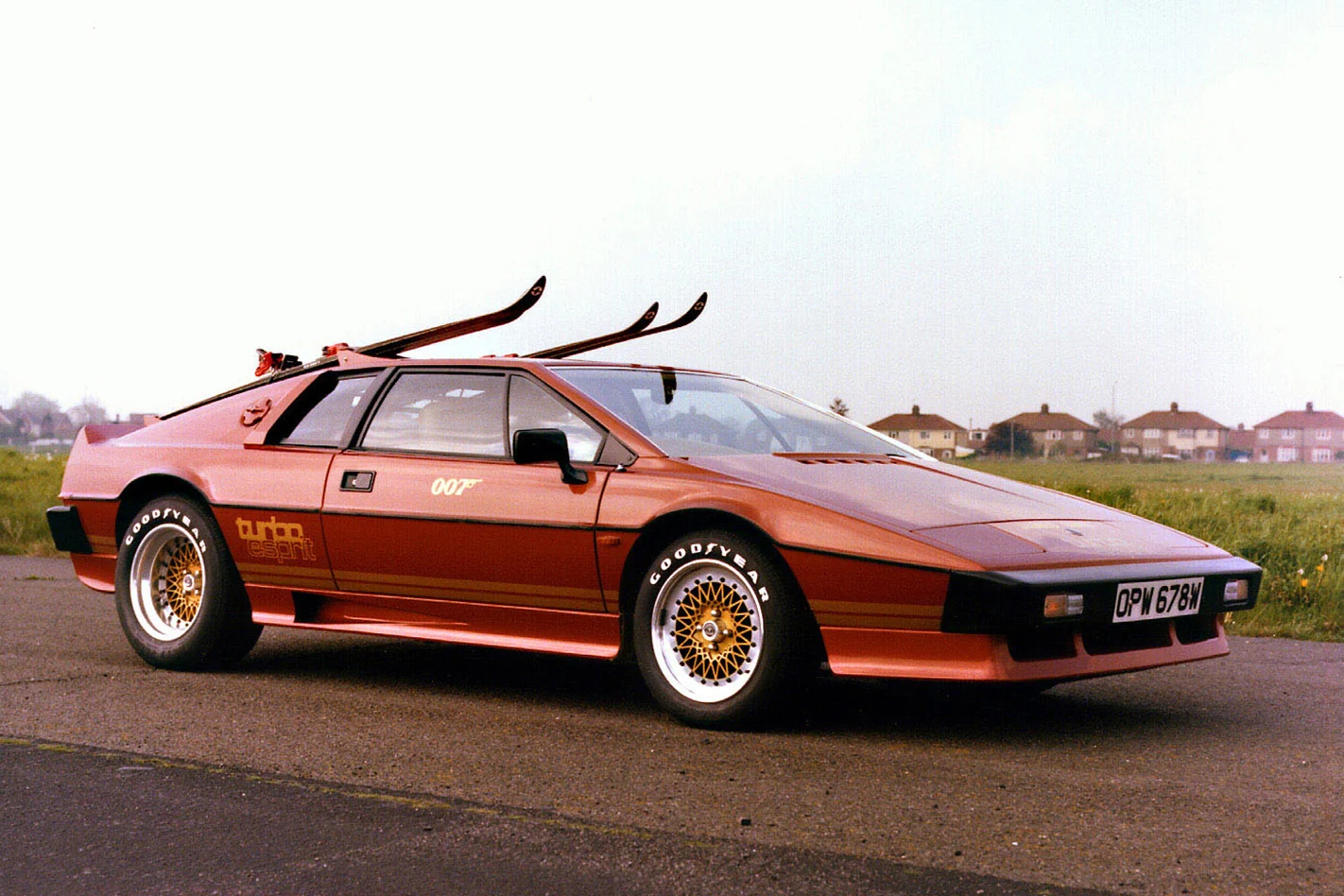
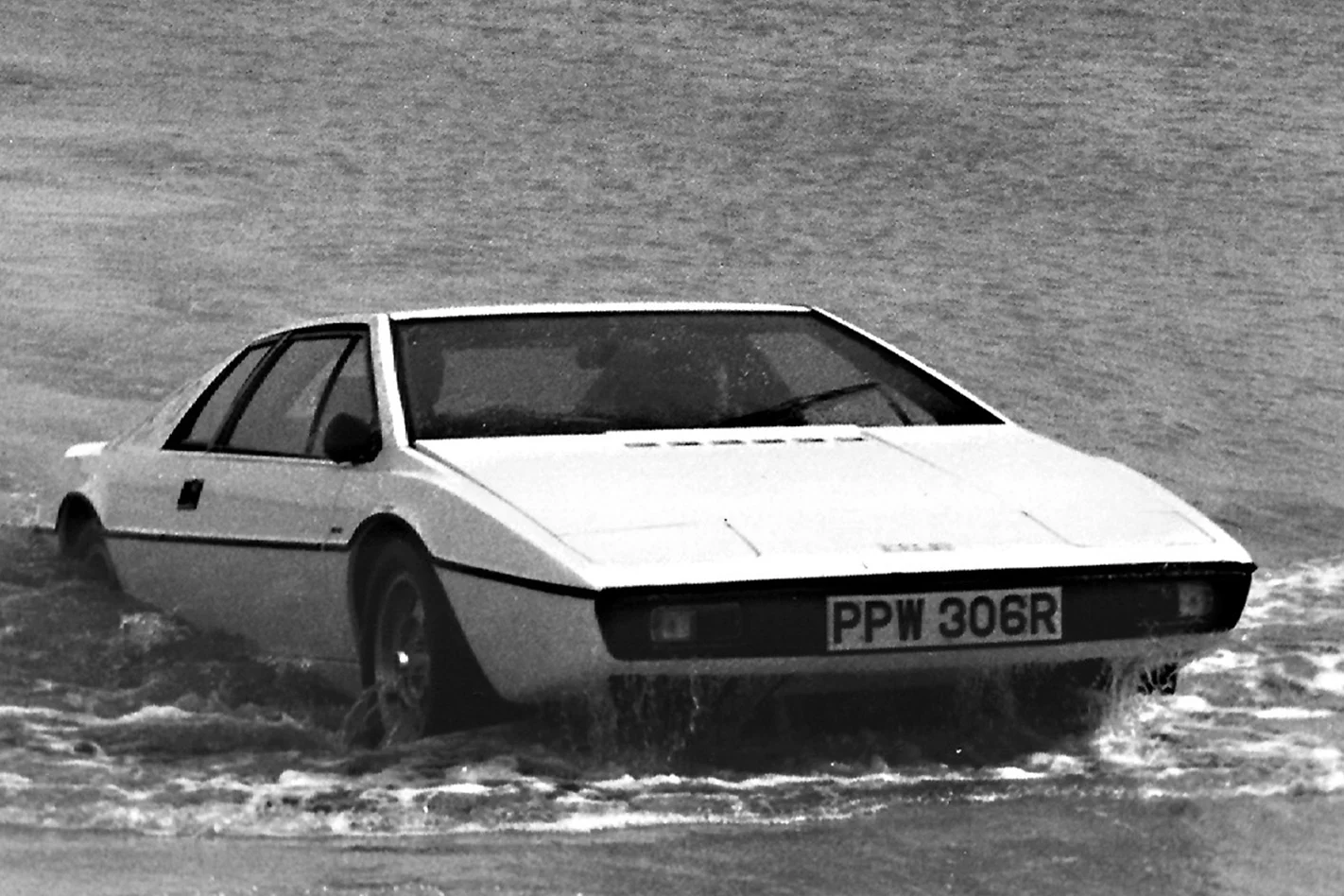
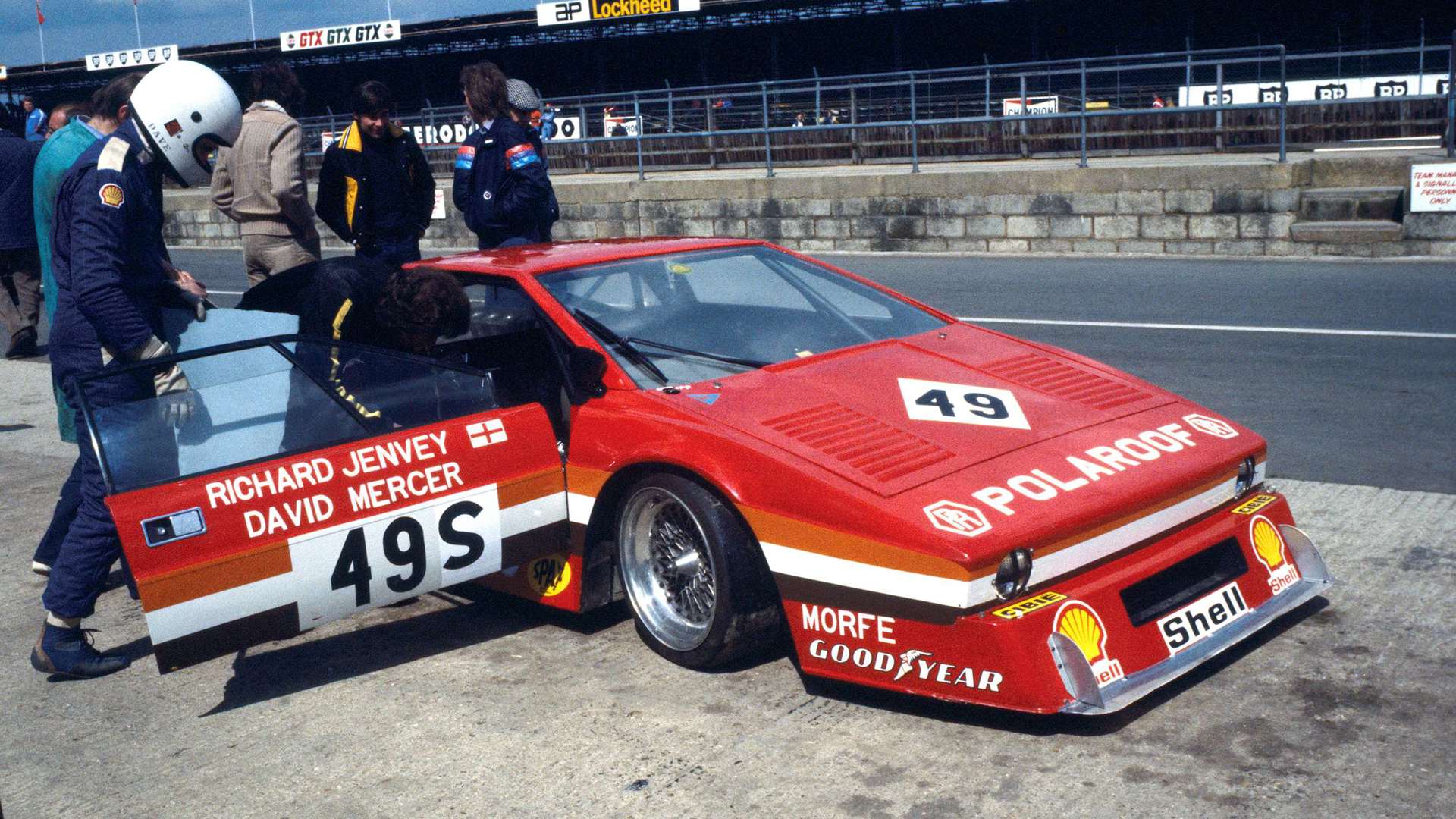
The cultural and motorsport impact of the Lotus Esprit is legendary. On the silver screen, it achieved immortal pop-culture status in 1977 when a pristine white S1 transformed into the “Wet Nellie” submarine in the James Bond epic The Spy Who Loved Me. A copper-hued Essex Turbo later appeared in For Your Eyes Only, complete with explosive anti-theft devices, cementing the Esprit as the quintessential cool-Britannia supercar. But beneath the Hollywood glamour, the Esprit harbored a ferocious racing soul. In the early 1990s, Lotus developed the Esprit X180R and the stripped-out Sport 300—frequently dubbed the “British F40″—which devastated the competition in the SCCA World Challenge series in the United States. Driven by the fearless Doc Bundy, the turbocharged four-cylinder Esprits routinely humiliated larger-displacement Corvettes and Porsches on circuits like Road Atlanta and Sebring. As the decade progressed, Lotus unleashed the Esprit V8 GT1 into the BPR Global GT Series and the 24 Hours of Le Mans. While it faced immense struggles against purpose-built homologation specials like the Porsche 911 GT1 and McLaren F1 GTR, the sight and sound of the screaming, flared Esprit GT1 battling on the global stage proved that Norfolk’s underdog could stand shoulder-to-shoulder with motorsport royalty.
When production finally ceased in 2004, after roughly 10,675 examples had been hand-built in Hethel, it marked the bittersweet end of a monumental era. The Lotus Esprit had outlived multiple generations of the Ferrari 308, 328, 348, and F355. It proved that a lightweight fiberglass body and a steel backbone could be continually evolved to conquer three distinct decades of supercar development. It bridged the gap between Colin Chapman’s raw, featherweight track cars and the modern era of the luxurious grand tourer. While Lotus would pivot toward the brilliant, minimalist Elise and Exige architectures in the 21st century, the Esprit remains the marque’s definitive flagship. It occupies a sovereign, highly romanticized place in the automotive pantheon as the ultimate giant-killer—a wedge-shaped manifesto of British engineering that proved you didn’t need a V12 or a prancing horse to captivate the world.
Portal
Model line
Model generation
Predecessor
Sucessor
Brand
Produced from
Vehicle category
Portal
Model line
Model generation
Predecessor
Sucessor
Model Overview
To fully comprehend the magnitude of the Lotus Esprit, one must transport themselves back to the early 1970s, a period when Colin Chapman’s brilliant but idiosyncratic firm was at a crossroads. Lotus had conquered Formula 1, yet its road cars—like the delicate Elan and the quirky, breadvan-profiled Europa—were still perceived as fragile, kit-car-esque enthusiast playthings. Chapman desired a machine that could march directly into the showrooms of Maranello and Stuttgart and demand absolute respect. He needed a bona fide, mid-engined supercar to challenge the upcoming Ferrari 308 GTB, the Maserati Merak, and the Porsche 911. Unveiled as an astonishing silver concept at the 1972 Turin Auto Show, the Lotus Esprit finally reached production in 1976. Over an astonishing 28-year lifespan, the Esprit evolved through multiple, distinct generations. It transitioned from a delicate, naturally aspirated 2.0-liter four-cylinder wedge in the Series 1 (S1), to the muscular, turbocharged Giugiaro cars of the 1980s, the softened Peter Stevens redesign (the X180), and ultimately culminated in the aggressive, twin-turbo V8-powered Series 4 generation. It was a singular, enduring chassis architecture that constantly reinvented itself, elevating Lotus from a brilliant boutique outfit to a global supercar titan.
The mechanical anatomy of the Esprit, regardless of the generation, was an ongoing masterclass in Chapman’s “simplify, then add lightness” philosophy, albeit scaled up for supercar duty. Beneath the dramatic fiberglass bodywork lay a folded-steel backbone chassis, a direct evolution of the structure pioneered in the Elan, but widened and heavily reinforced. The breathtaking exterior of the original S1 was penned by the maestro Giorgetto Giugiaro at Italdesign. It was the ultimate expression of the “folded paper” origami design language—a severe, uncompromised wedge featuring a raked windshield, pop-up headlamps, and a shockingly low roofline. Tucked amidships was the Type 907 engine, an all-aluminum, naturally aspirated 2.0-liter slant-four producing 160 horsepower. Mated to a five-speed Citroën/Maserati transaxle, the lightweight S1 boasted handling that was utterly telepathic. In traditional Lotus fashion, early models featured inboard rear brakes to drastically reduce unsprung mass, allowing the independent suspension to keep the tires perfectly keyed to the tarmac. Inside, the early cars were a riot of 1970s futurism, featuring a wrap-around instrument binnacle and vivid, unmistakable tartan cloth upholstery.
As the 1980s approached, the Esprit required more firepower to match its exotic silhouette. The chassis was stiffened, the aerodynamics refined with integrated spoilers in the S2 and S3, and crucially, forced induction arrived. The Essex Turbo Esprit and subsequent Turbo models utilized a 2.2-liter dry-sump engine (Type 910) pushing well over 210 horsepower, accompanied by a booming, wastegate-fluttering soundtrack. In 1987, the Esprit underwent its first massive visual transformation. Designer Peter Stevens—who would later pen the McLaren F1—rounded the sharp Giugiaro edges, utilizing a patented Vacuum Resin Injection process to create a Kevlar-reinforced body that was both stiffer and aerodynamically superior. This X180 generation introduced Renault-sourced transaxles and pushed the four-cylinder turbo to a staggering 264 horsepower in the SE model, complete with a charge-cooling system. By the time the Series 4 arrived in 1993 under the design direction of Julian Thomson, the Esprit featured power steering, ABS, and aggressive, contemporary aero kits. The absolute mechanical zenith of the lineage arrived in 1996 with the Esprit V8. Lotus engineered a bespoke, incredibly compact 3.5-liter, twin-turbocharged, flat-plane crank V8 (the Type 918) that produced 350 horsepower, propelling the aging backbone chassis to 60 mph in under 4.5 seconds and on to a top speed of 175 mph.
The cultural and motorsport impact of the Lotus Esprit is legendary. On the silver screen, it achieved immortal pop-culture status in 1977 when a pristine white S1 transformed into the “Wet Nellie” submarine in the James Bond epic The Spy Who Loved Me. A copper-hued Essex Turbo later appeared in For Your Eyes Only, complete with explosive anti-theft devices, cementing the Esprit as the quintessential cool-Britannia supercar. But beneath the Hollywood glamour, the Esprit harbored a ferocious racing soul. In the early 1990s, Lotus developed the Esprit X180R and the stripped-out Sport 300—frequently dubbed the “British F40″—which devastated the competition in the SCCA World Challenge series in the United States. Driven by the fearless Doc Bundy, the turbocharged four-cylinder Esprits routinely humiliated larger-displacement Corvettes and Porsches on circuits like Road Atlanta and Sebring. As the decade progressed, Lotus unleashed the Esprit V8 GT1 into the BPR Global GT Series and the 24 Hours of Le Mans. While it faced immense struggles against purpose-built homologation specials like the Porsche 911 GT1 and McLaren F1 GTR, the sight and sound of the screaming, flared Esprit GT1 battling on the global stage proved that Norfolk’s underdog could stand shoulder-to-shoulder with motorsport royalty.
When production finally ceased in 2004, after roughly 10,675 examples had been hand-built in Hethel, it marked the bittersweet end of a monumental era. The Lotus Esprit had outlived multiple generations of the Ferrari 308, 328, 348, and F355. It proved that a lightweight fiberglass body and a steel backbone could be continually evolved to conquer three distinct decades of supercar development. It bridged the gap between Colin Chapman’s raw, featherweight track cars and the modern era of the luxurious grand tourer. While Lotus would pivot toward the brilliant, minimalist Elise and Exige architectures in the 21st century, the Esprit remains the marque’s definitive flagship. It occupies a sovereign, highly romanticized place in the automotive pantheon as the ultimate giant-killer—a wedge-shaped manifesto of British engineering that proved you didn’t need a V12 or a prancing horse to captivate the world.
Generations
Model Generations

Submodels