
Mercedes-Benz W125
Brand
Produced from
Portal
Vehicle category
Model line
Predecessor
Successor
Submodel Overview
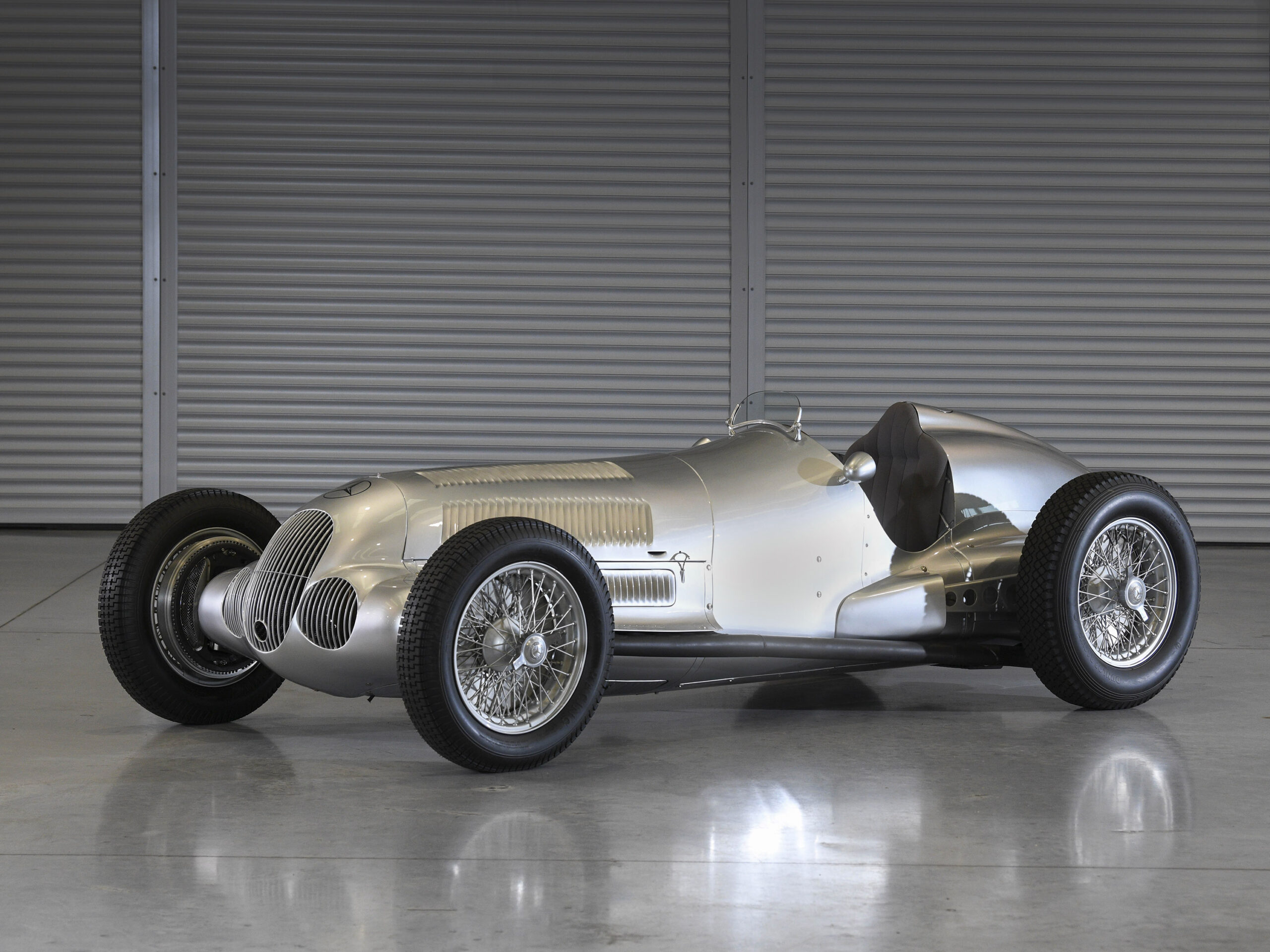
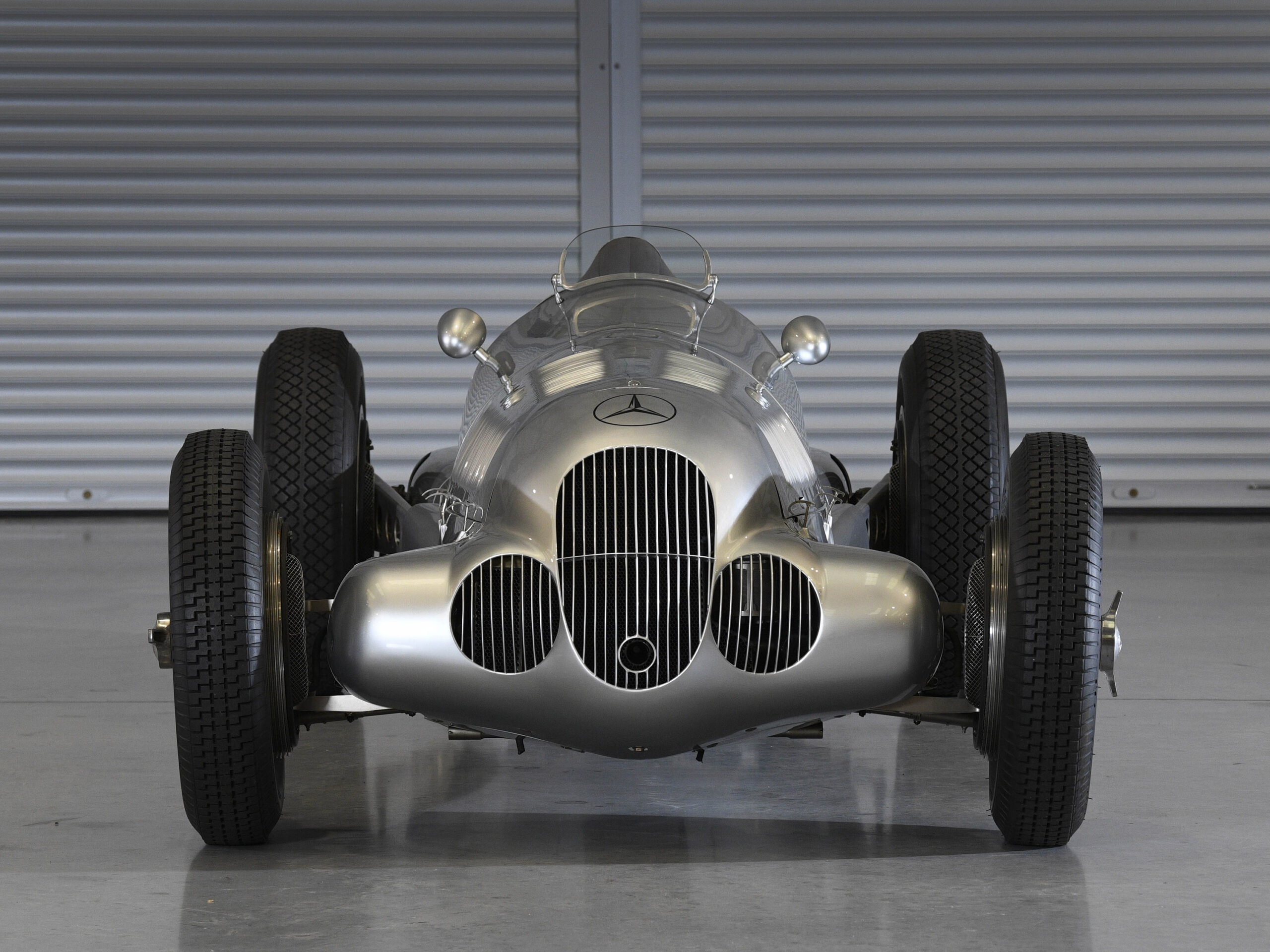
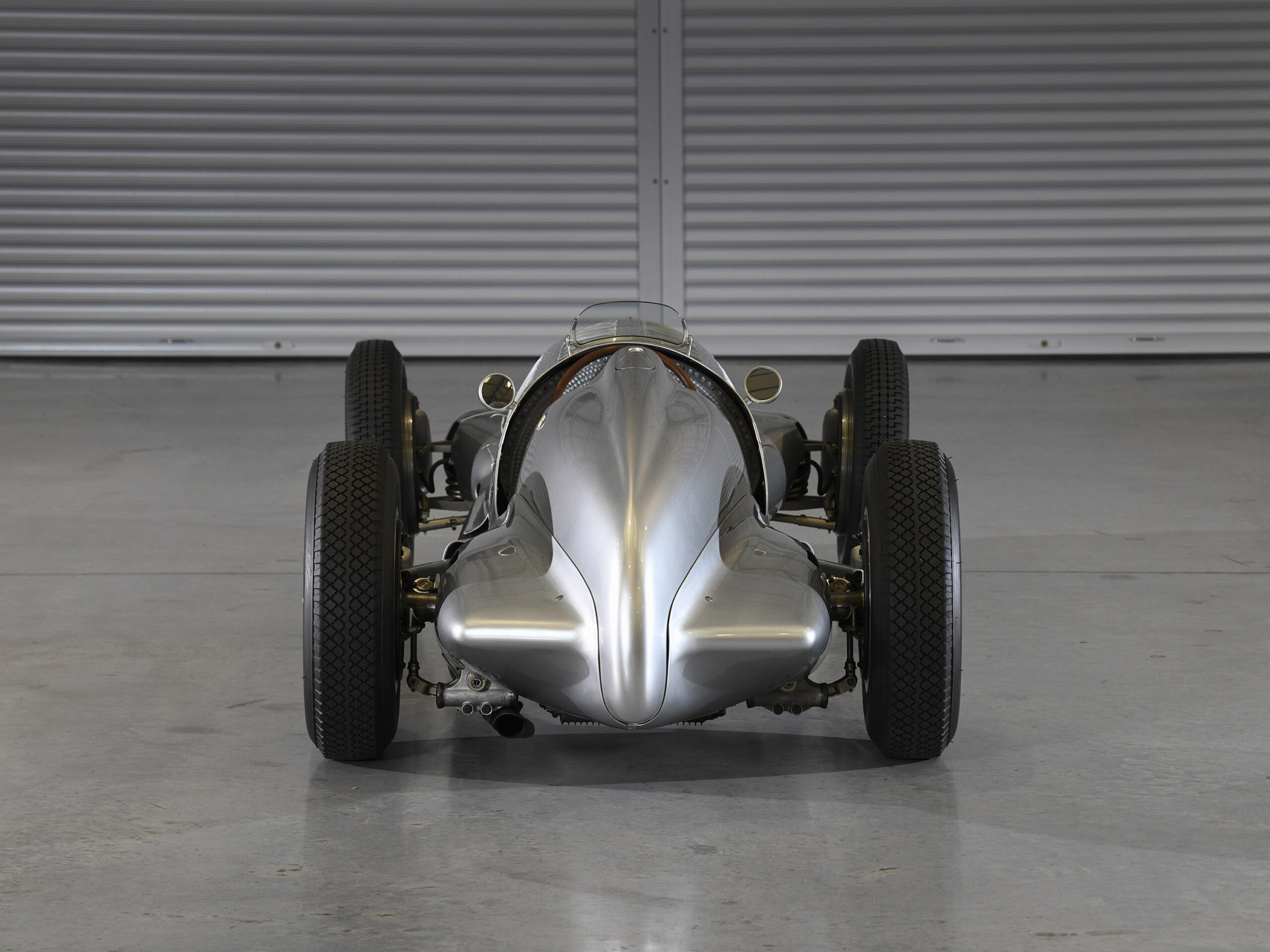
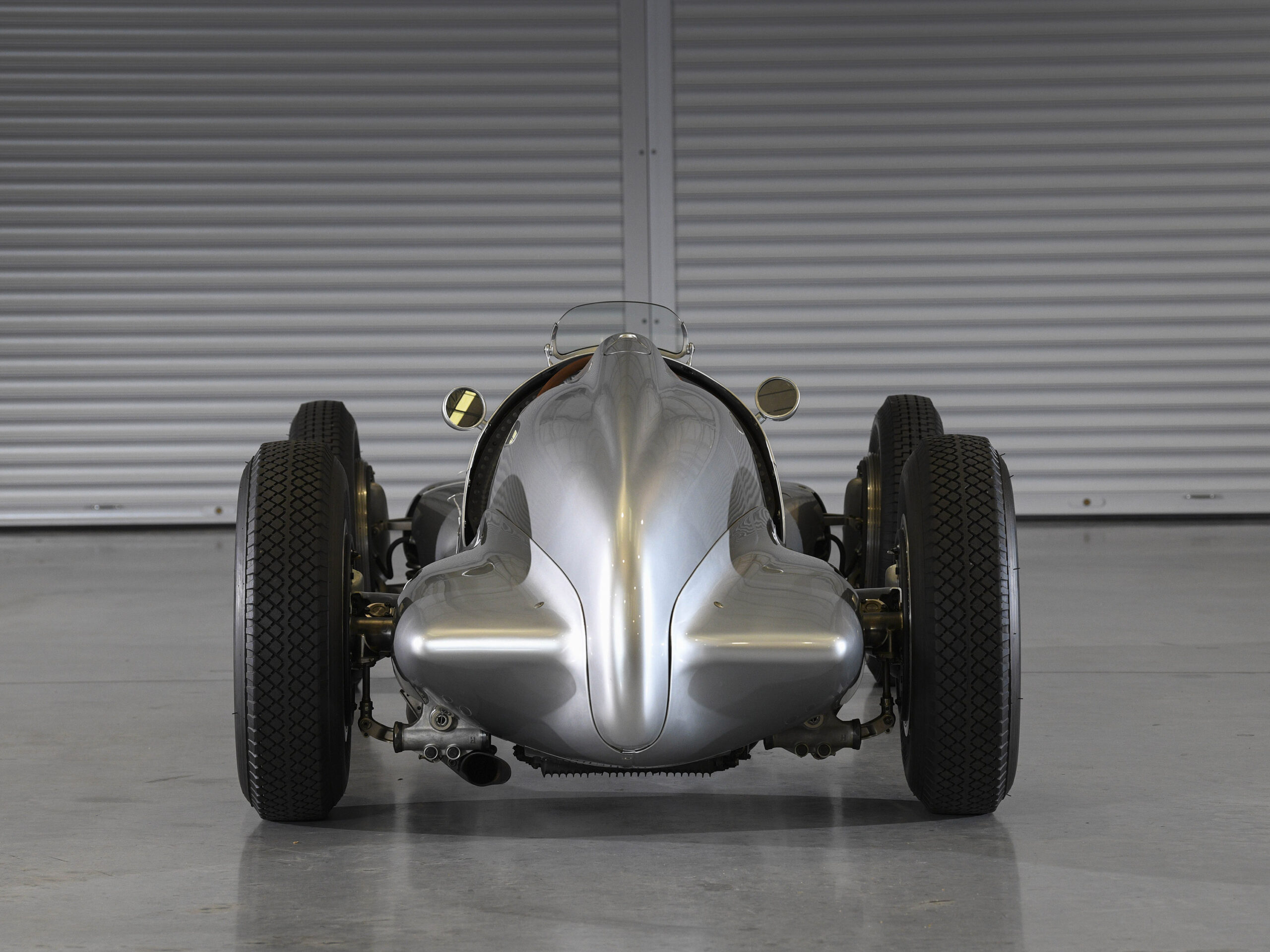
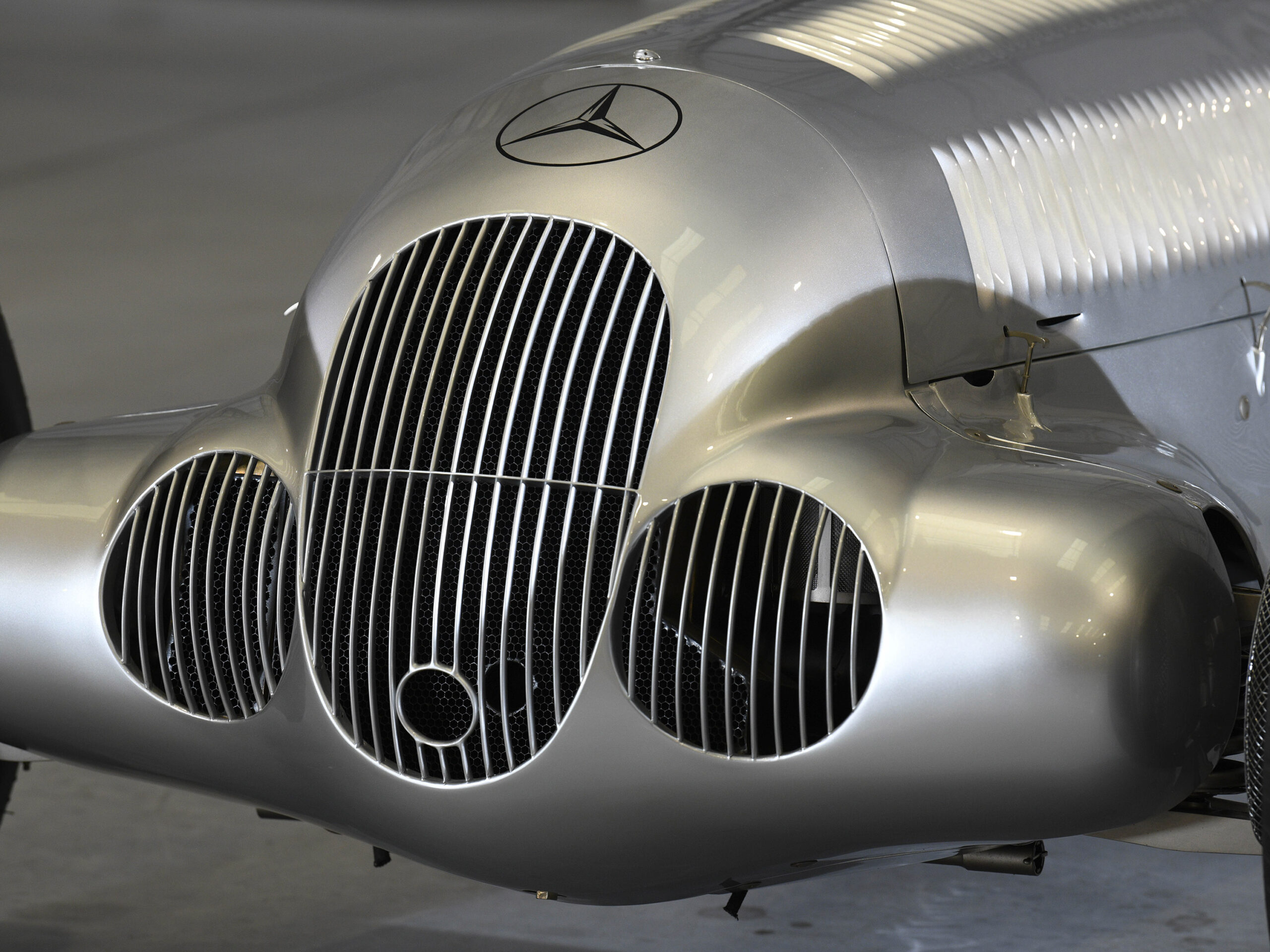
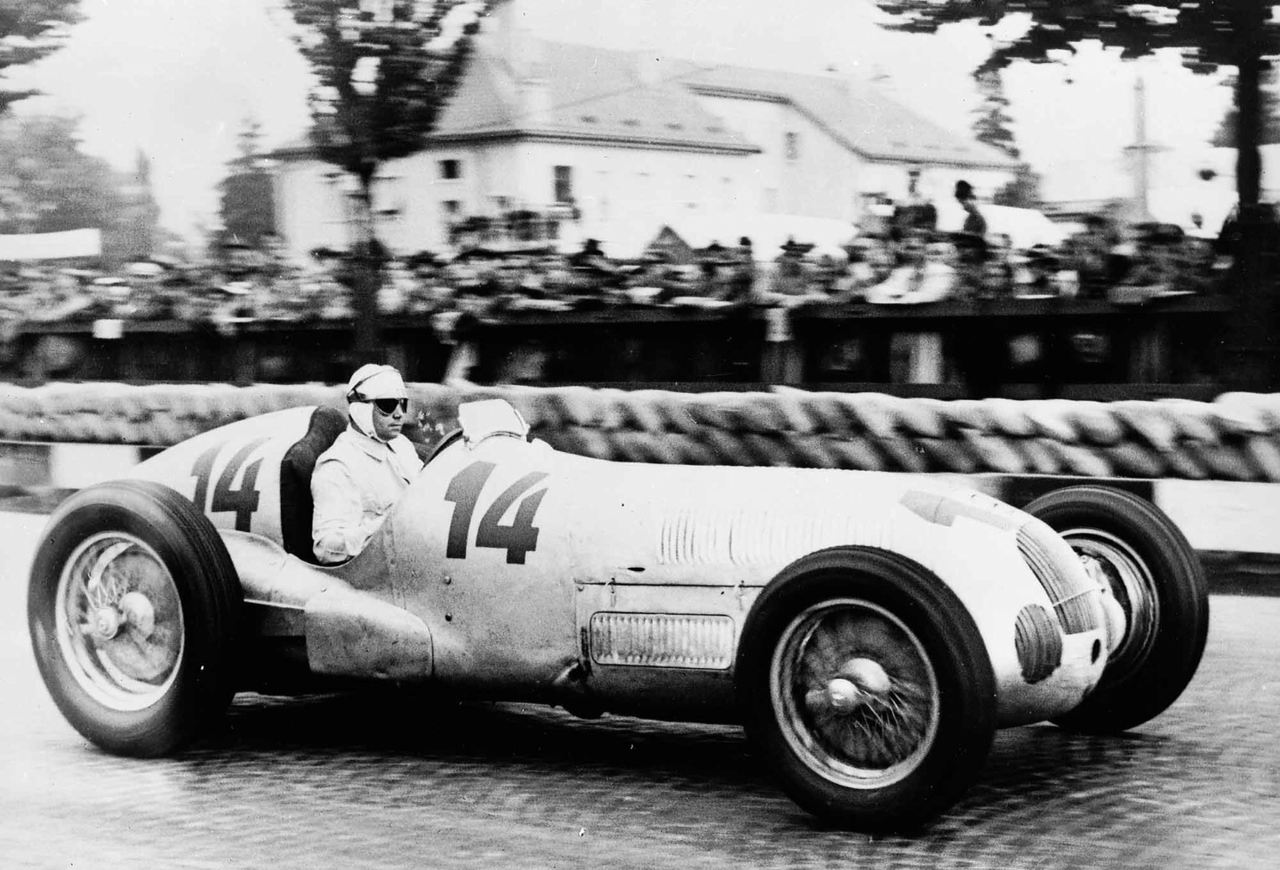
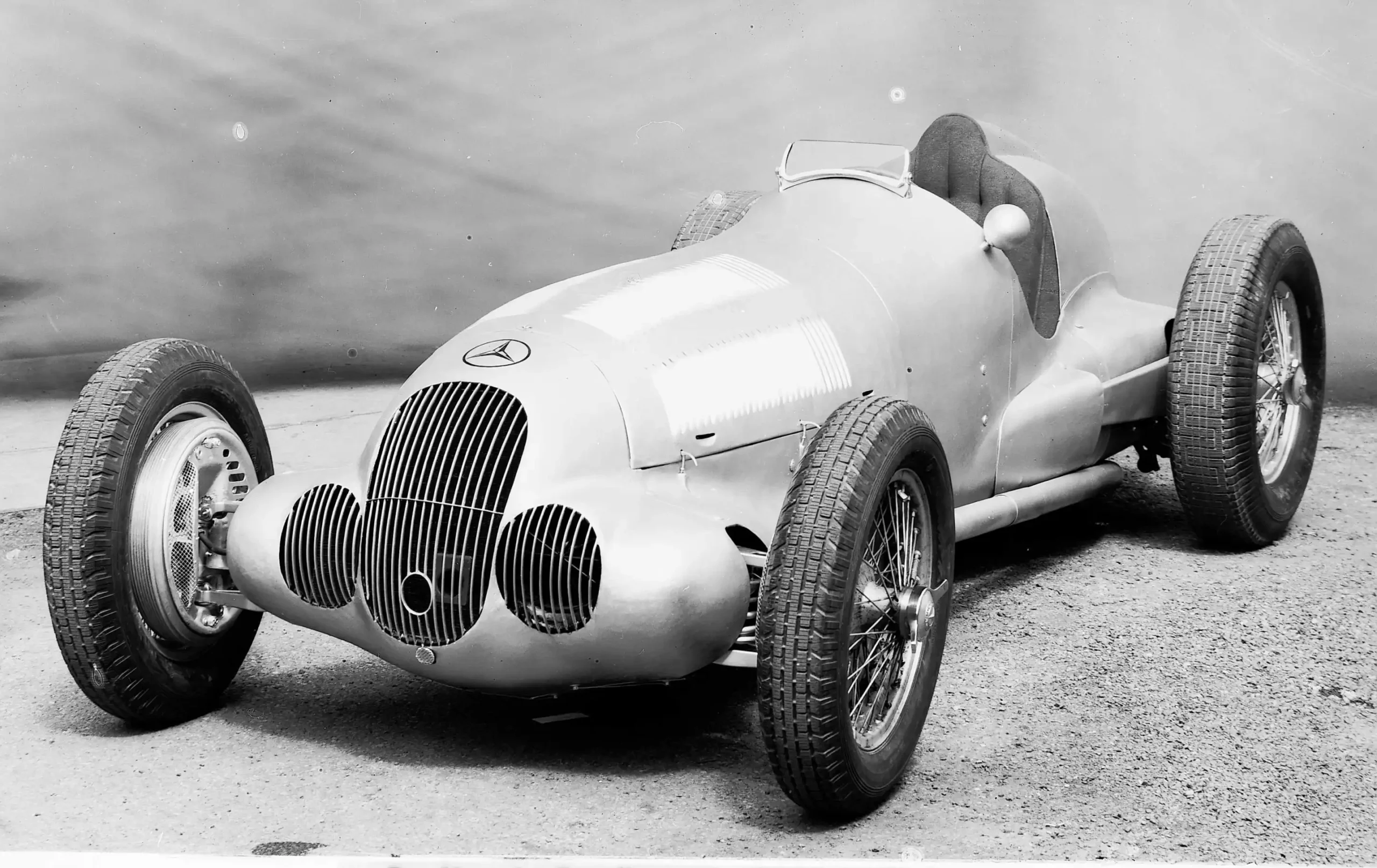
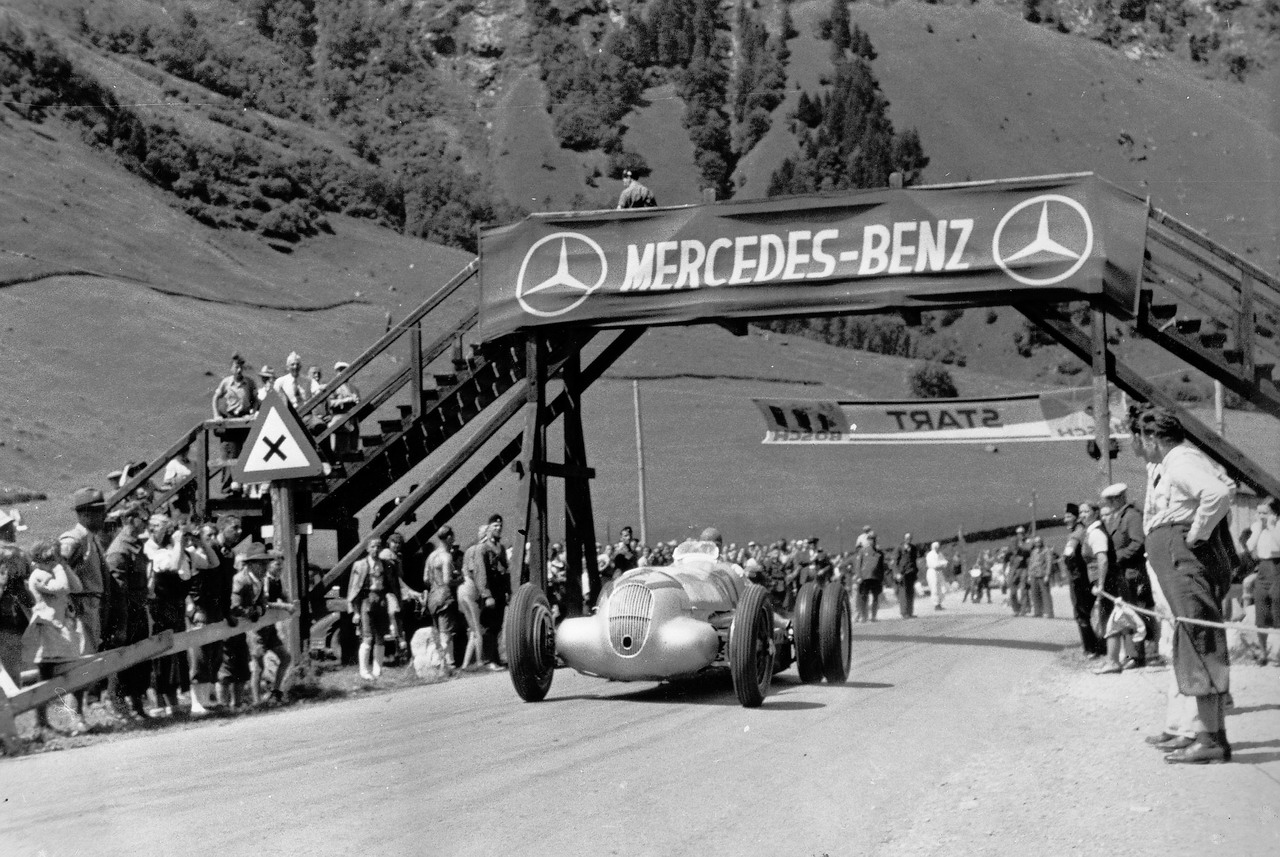
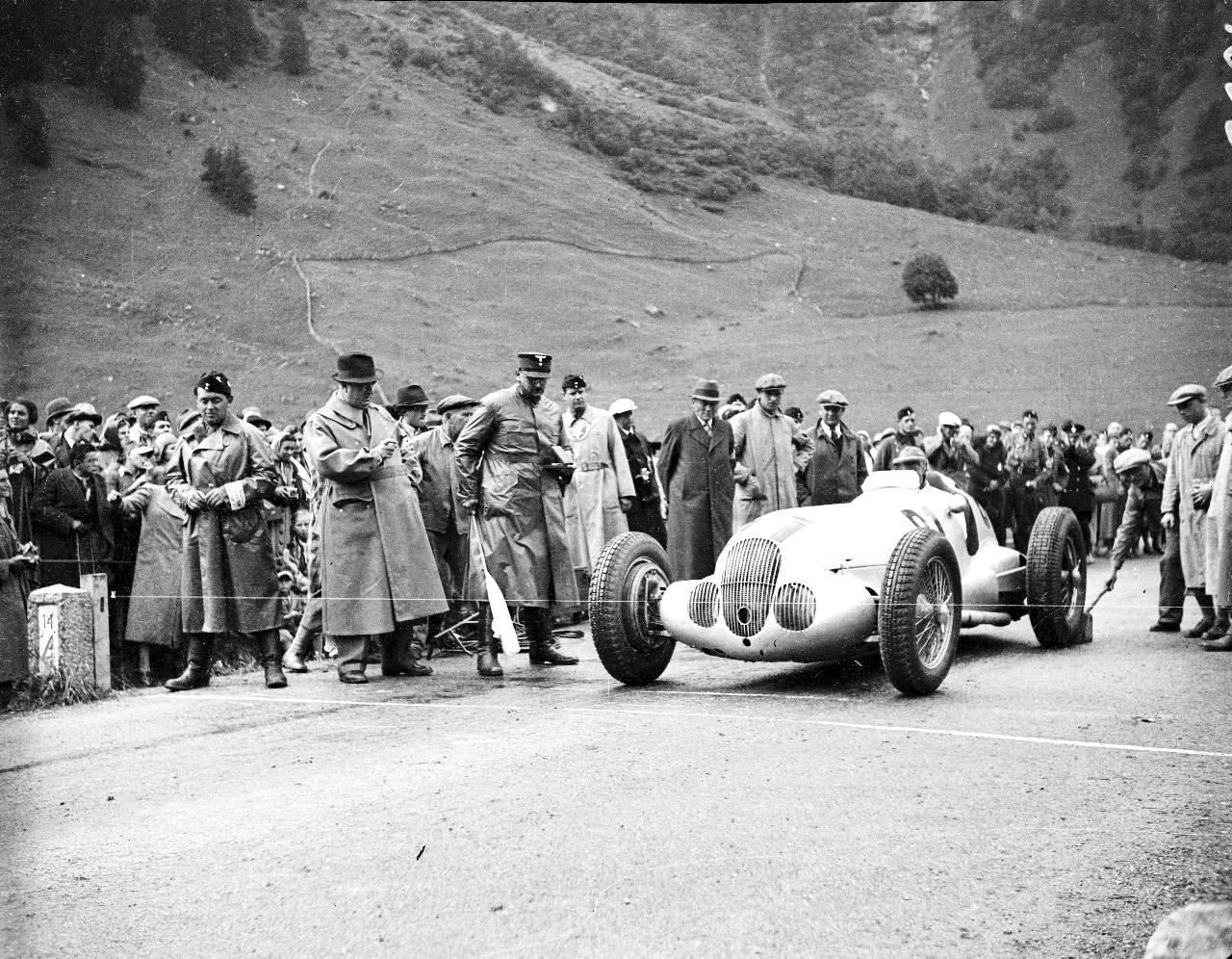
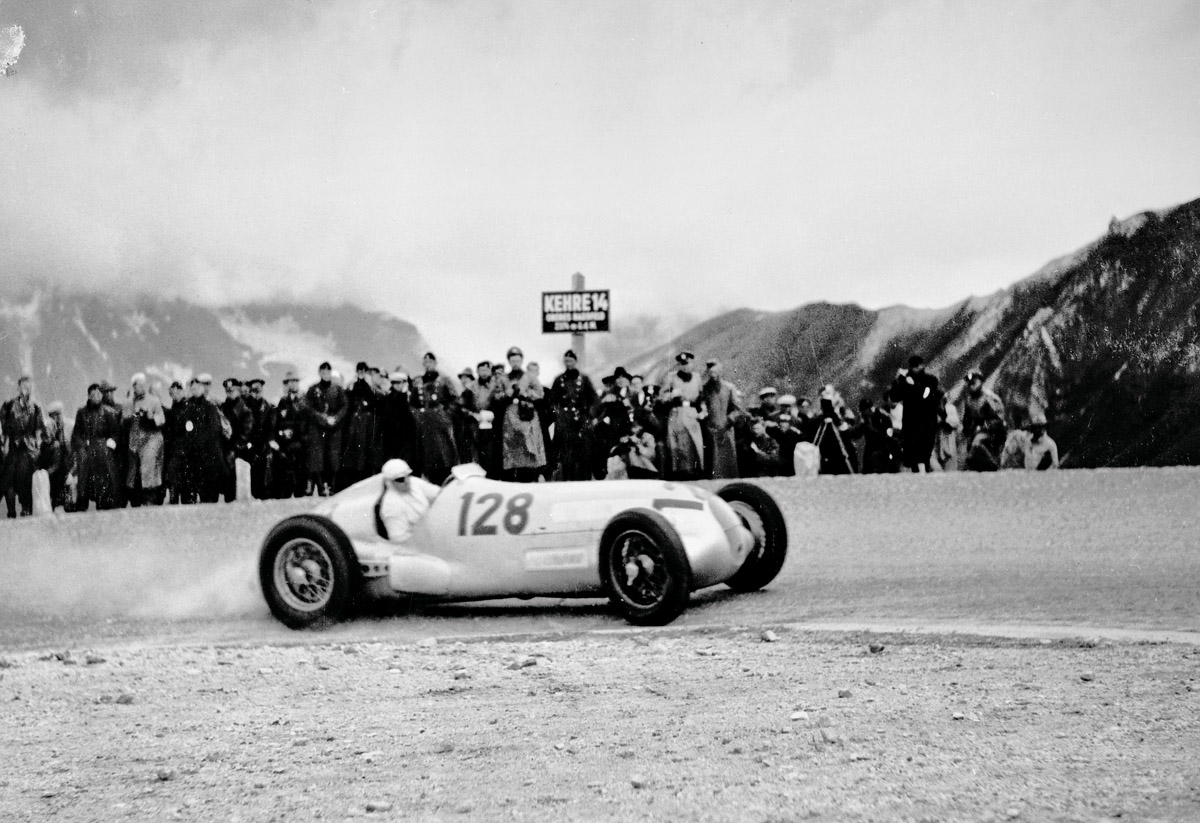
The bitter humiliation of the 1936 Grand Prix season stung the corridors of Stuttgart like a physical blow. Mercedes-Benz had watched helplessly as their ageing W25 was systematically dismantled by Bernd Rosemeyer and the mid-engined Auto Union Type C. In response, a brilliant young engineer named Rudolf Uhlenhaut was granted absolute authority to rectify this catastrophic failure. What emerged for the 1937 season—the final, glorious crescendo of the unrestricted 750 kg (1653 lbs) weight formula—was the Mercedes-Benz W125 Monoposto. It was not merely a racing car; it was a 595 bhp declaration of total war, engineered to obliterate the Auto Unions and the hopelessly outgunned Italian machinery from Alfa Romeo and Maserati, cementing a legend of Teutonic dominance.
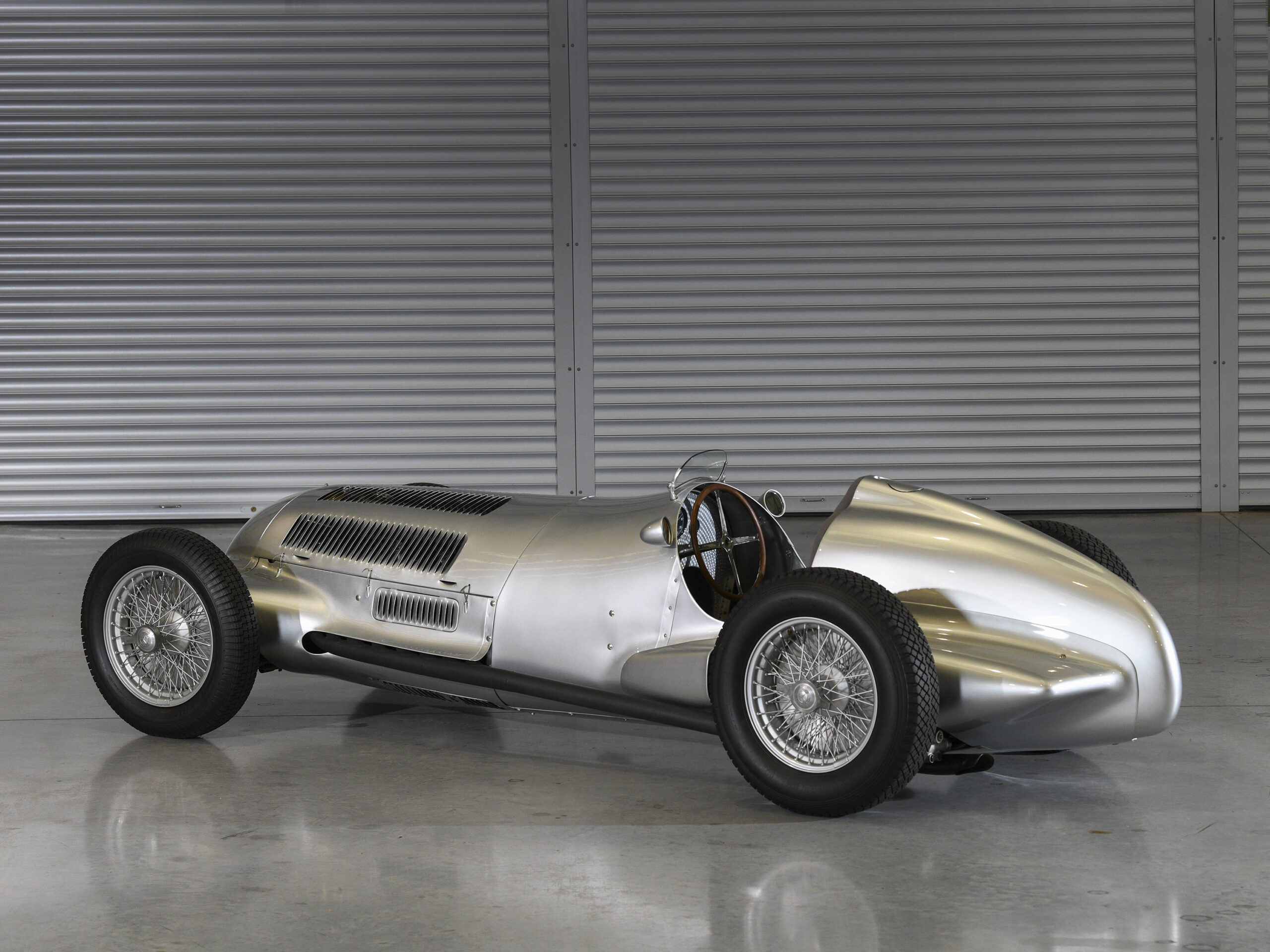
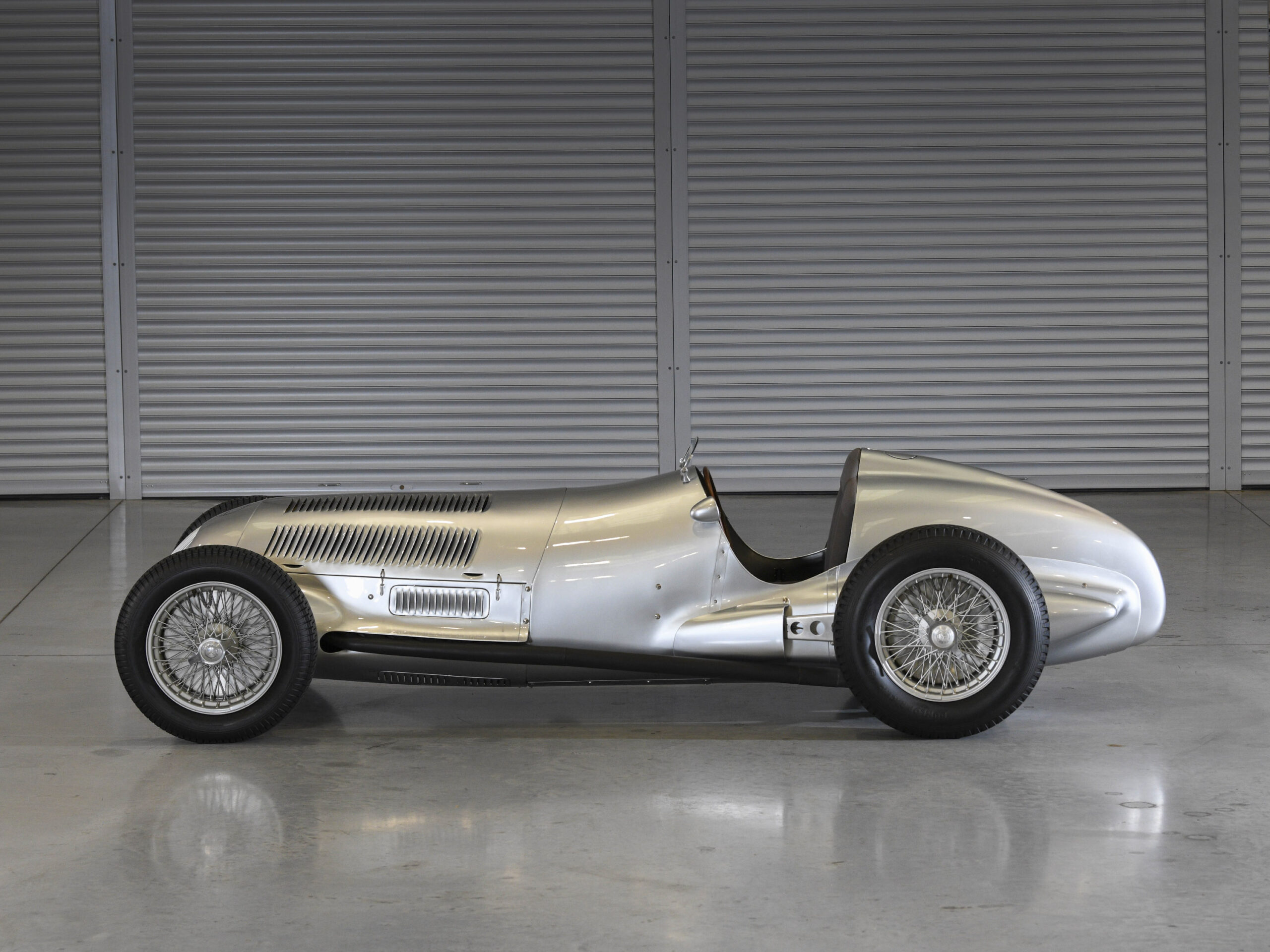
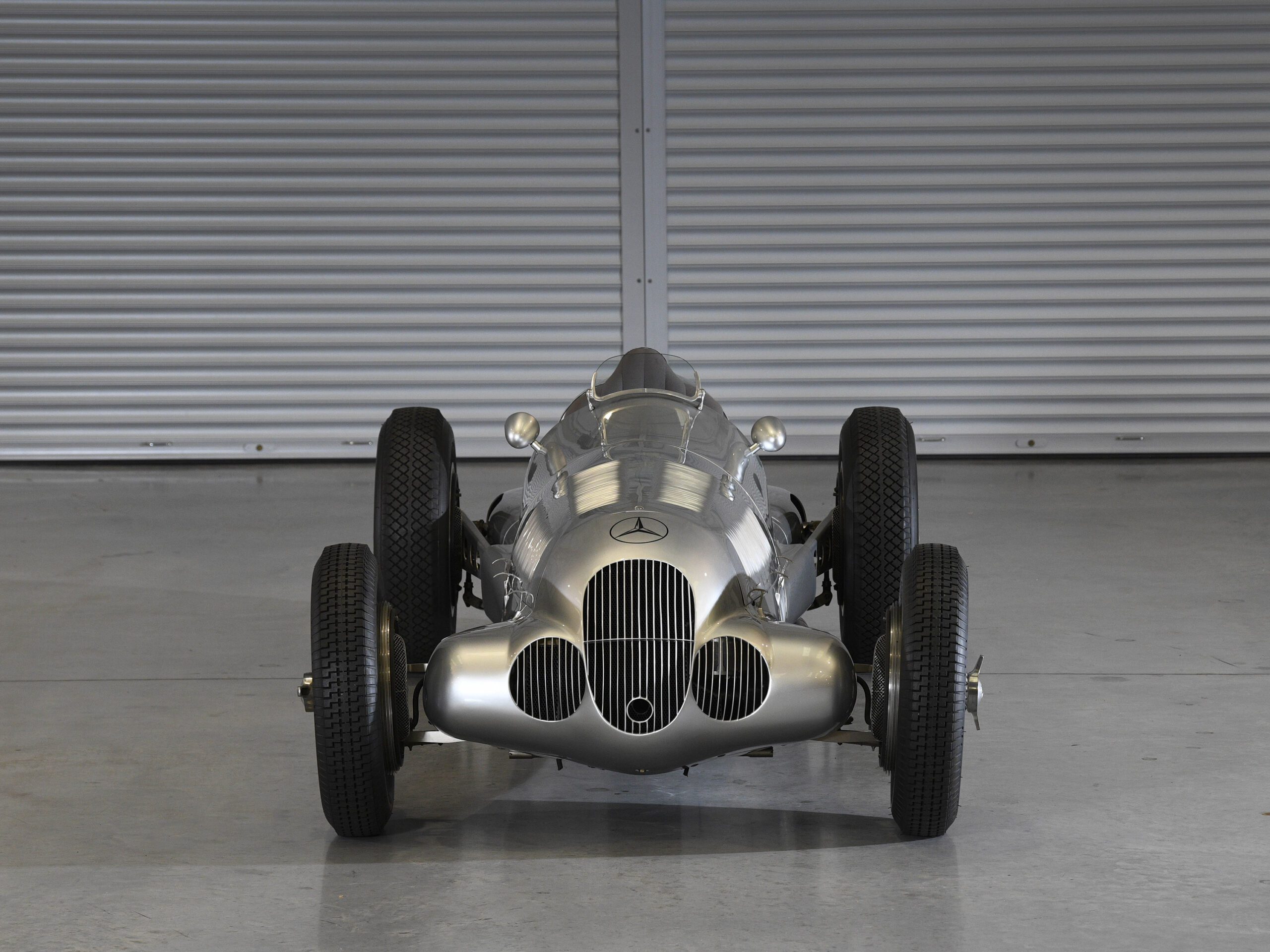
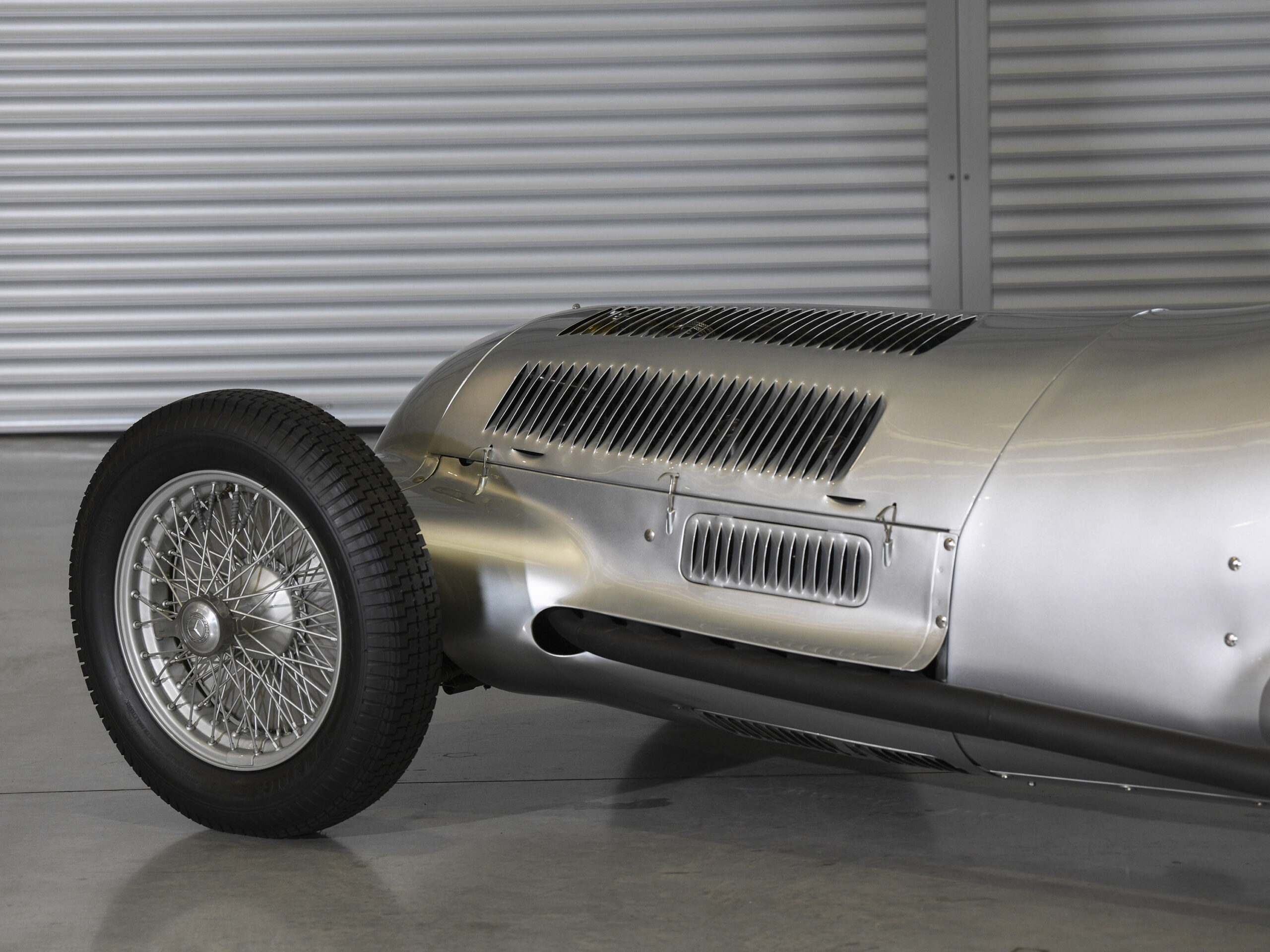
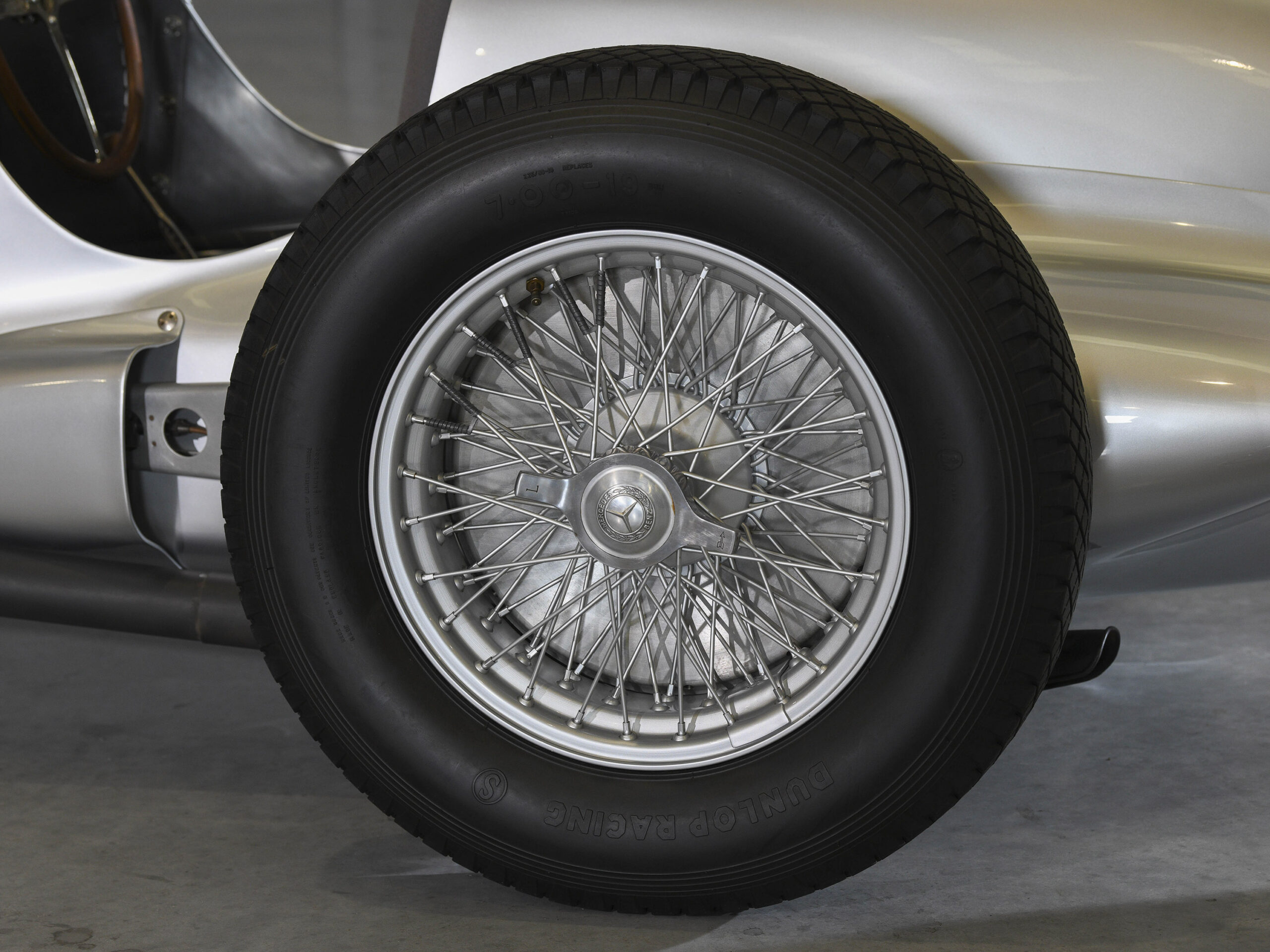
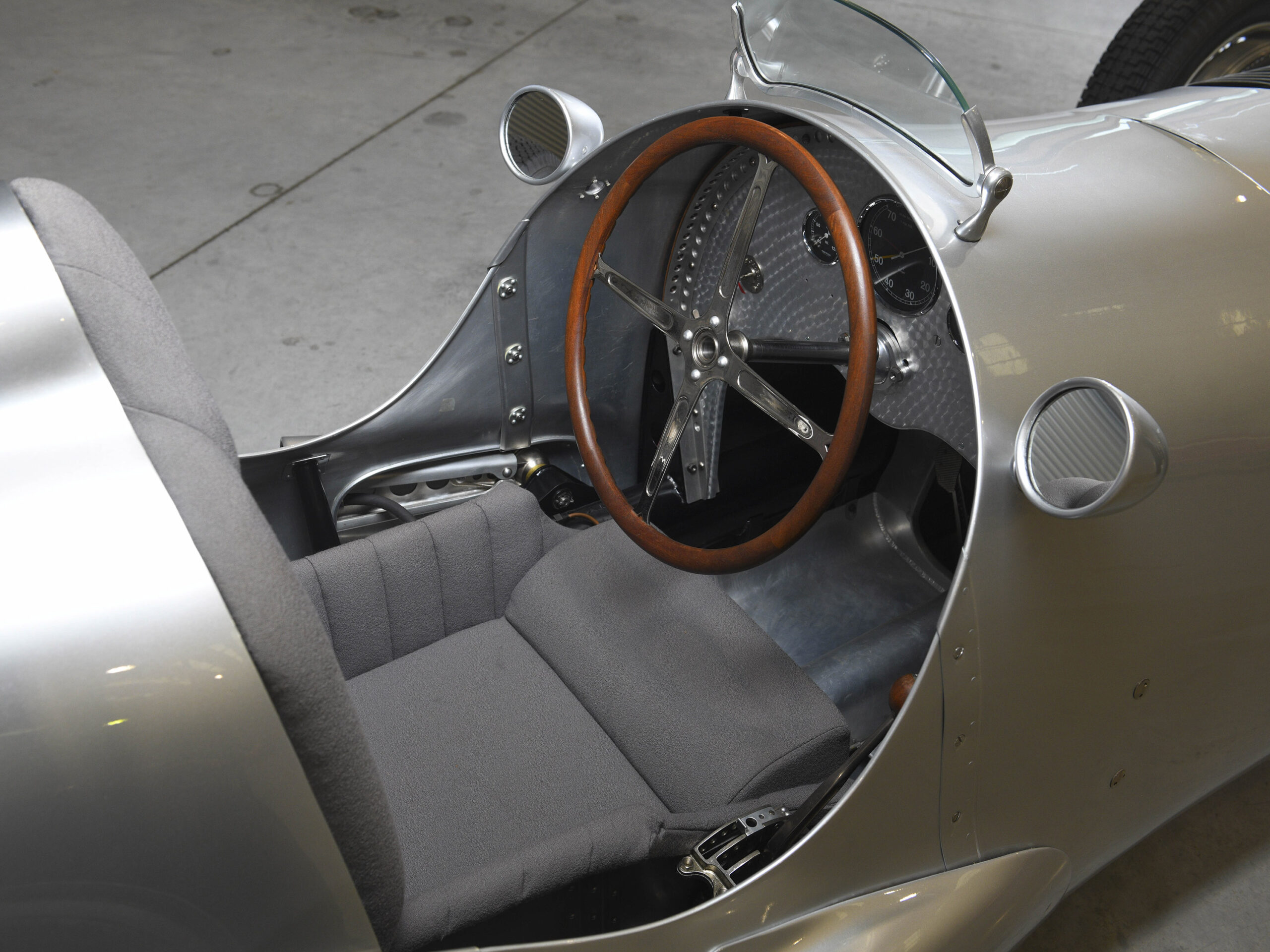
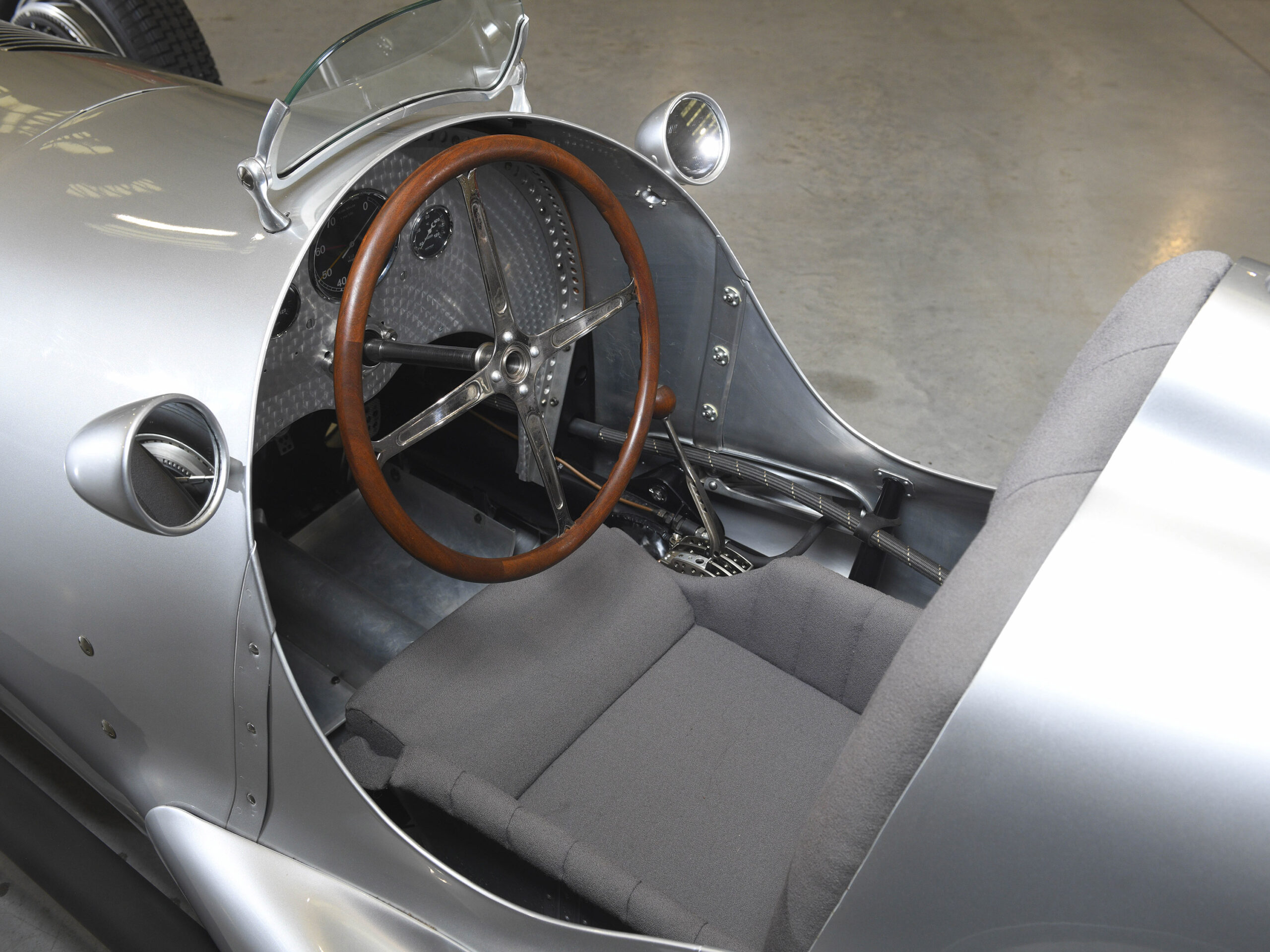
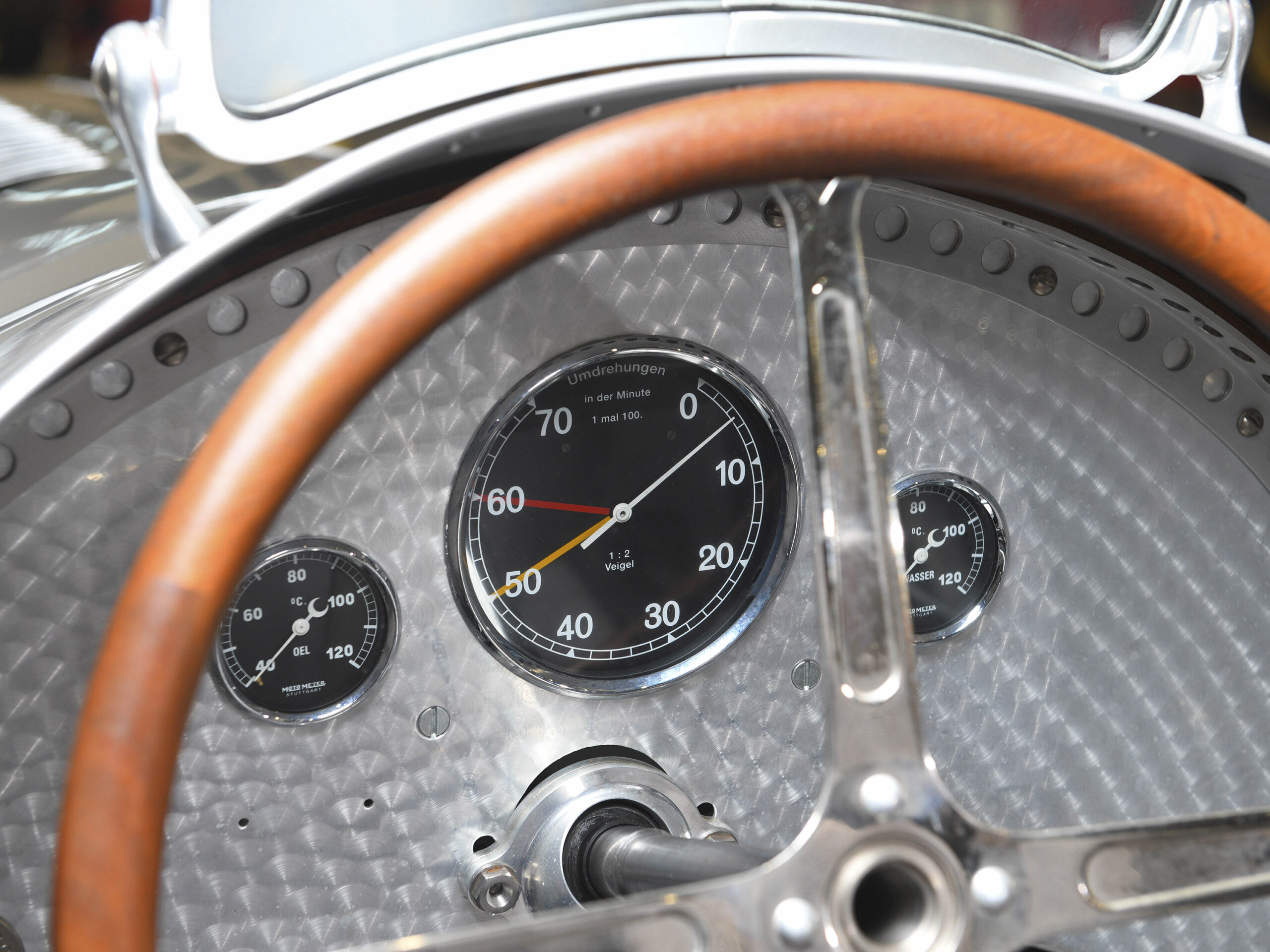
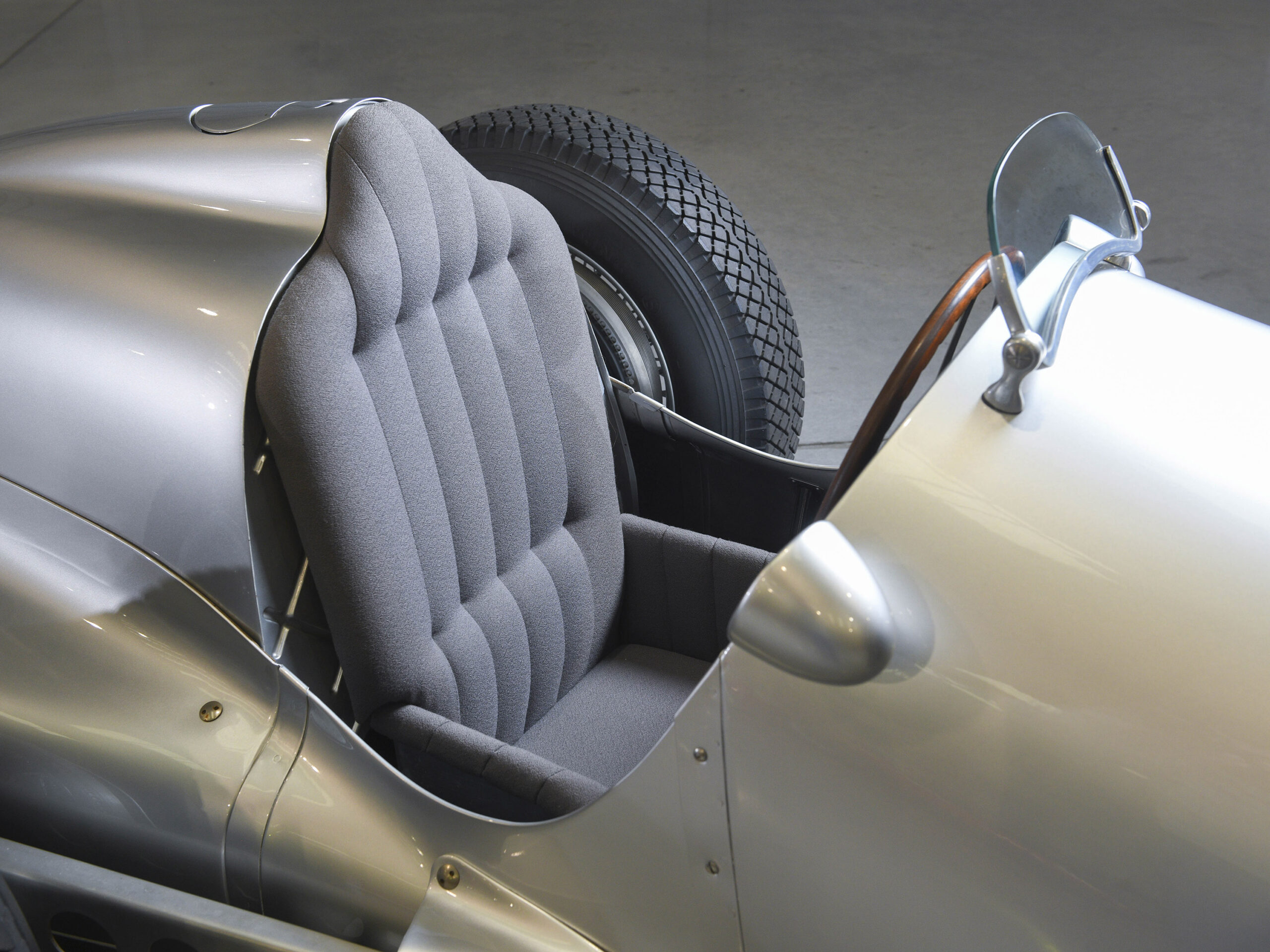
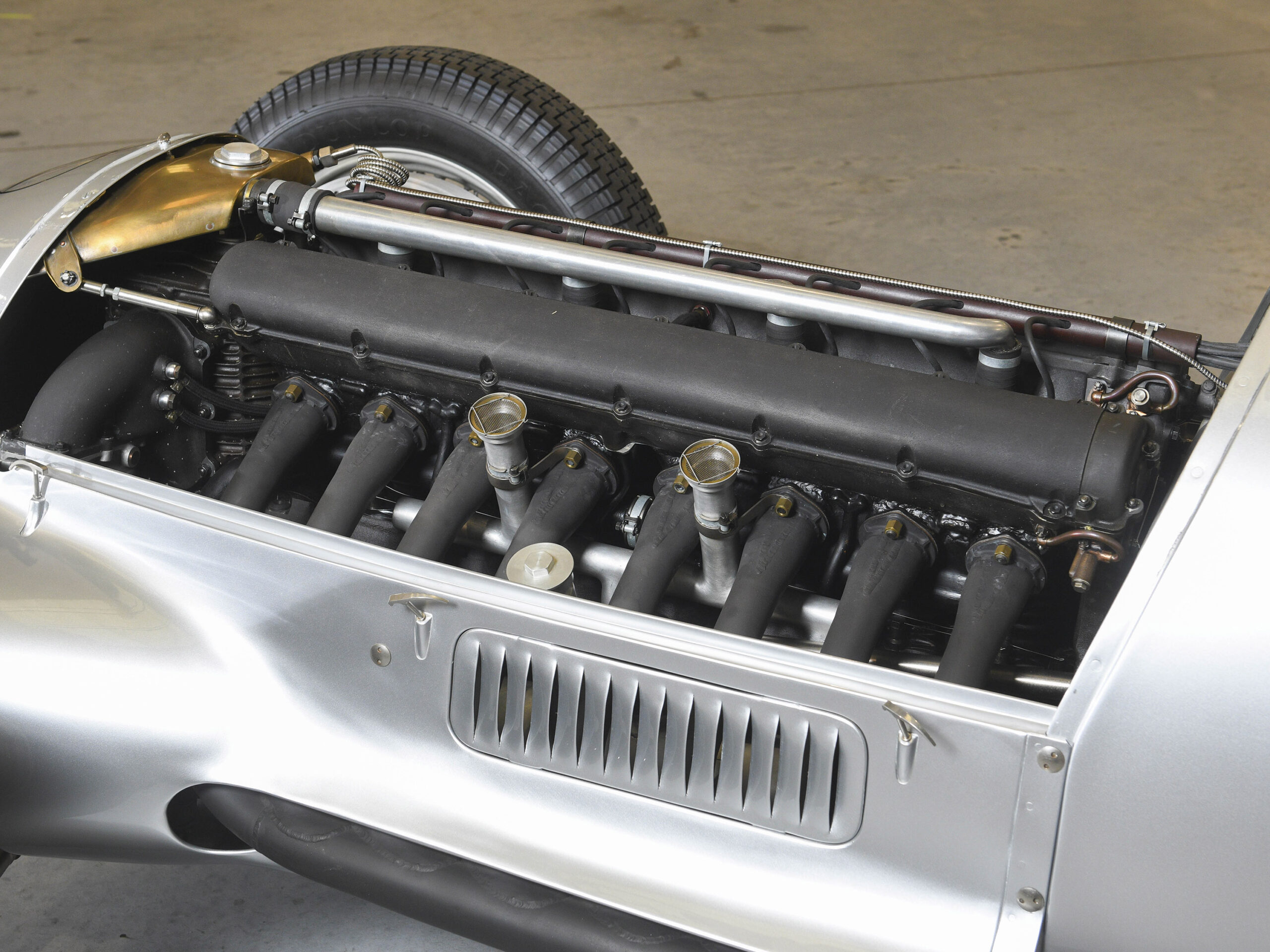
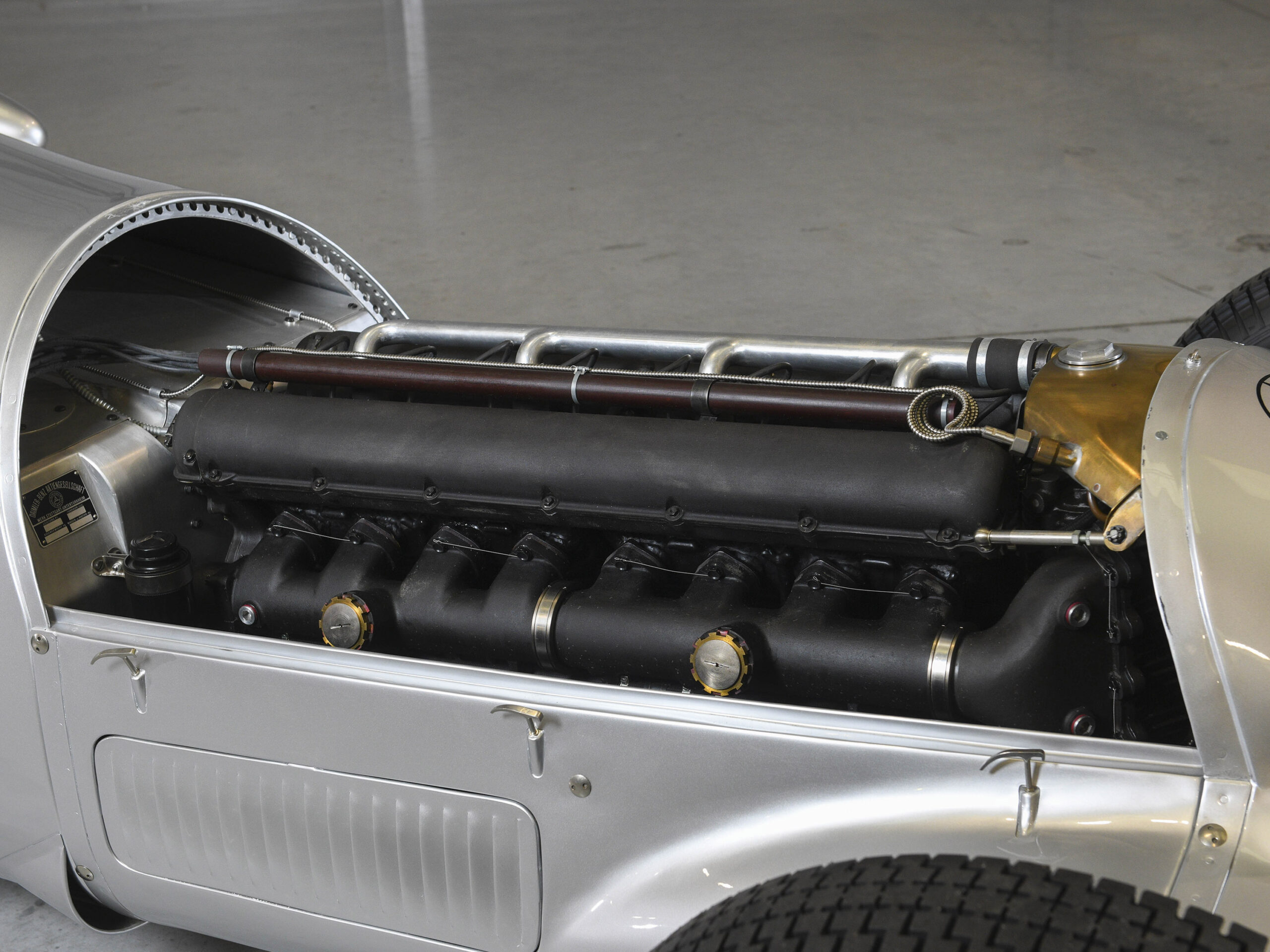
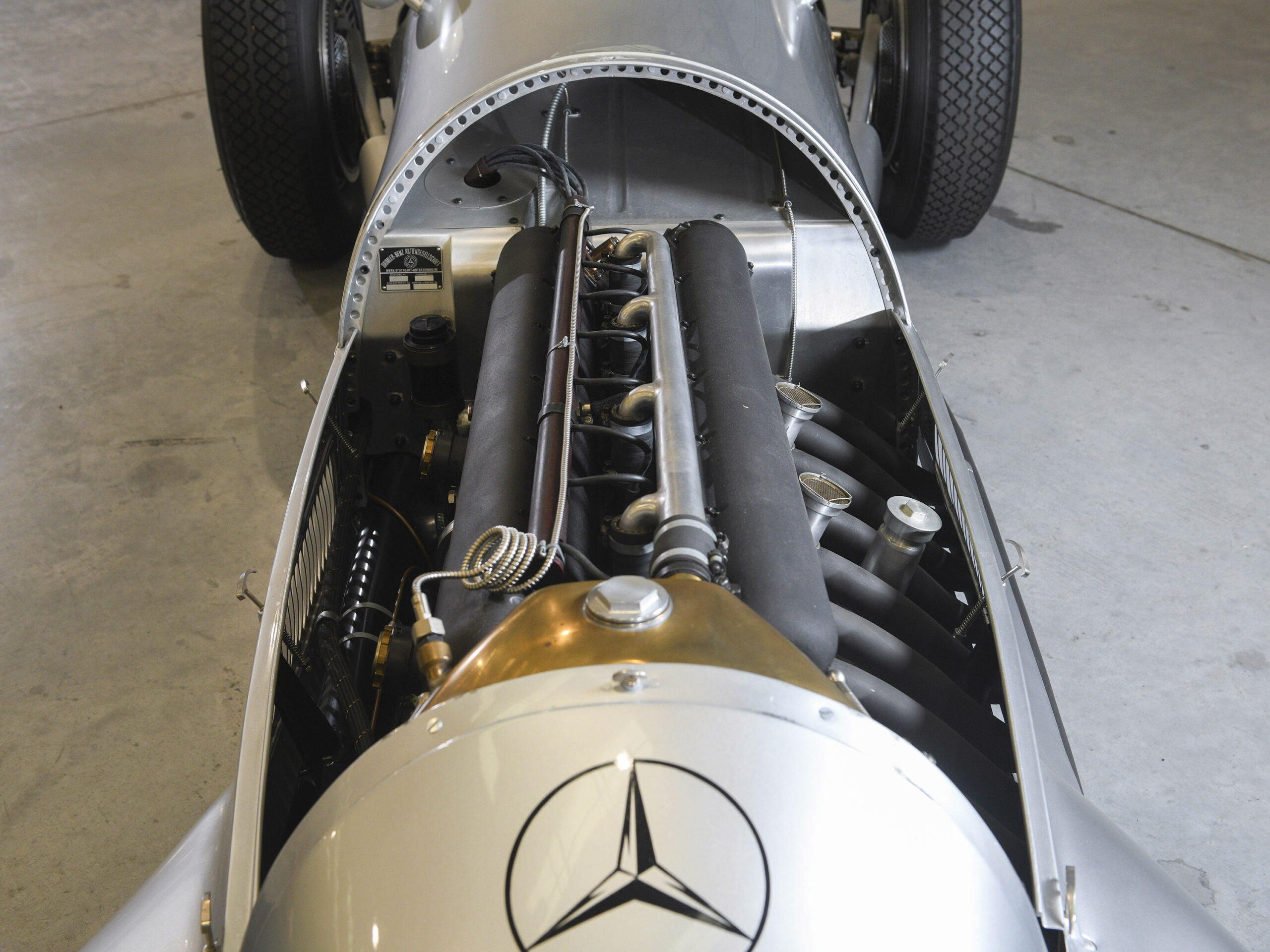
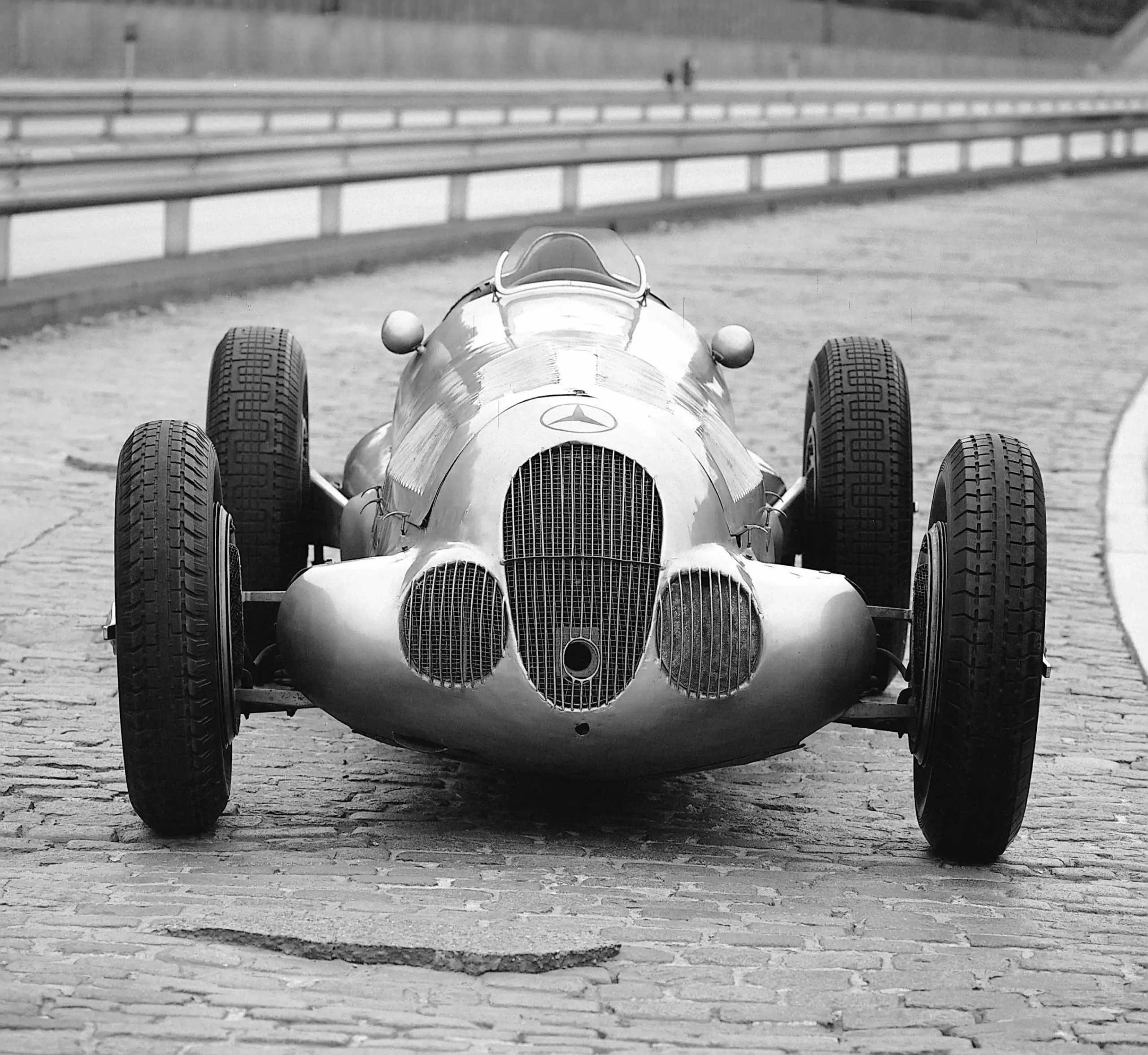
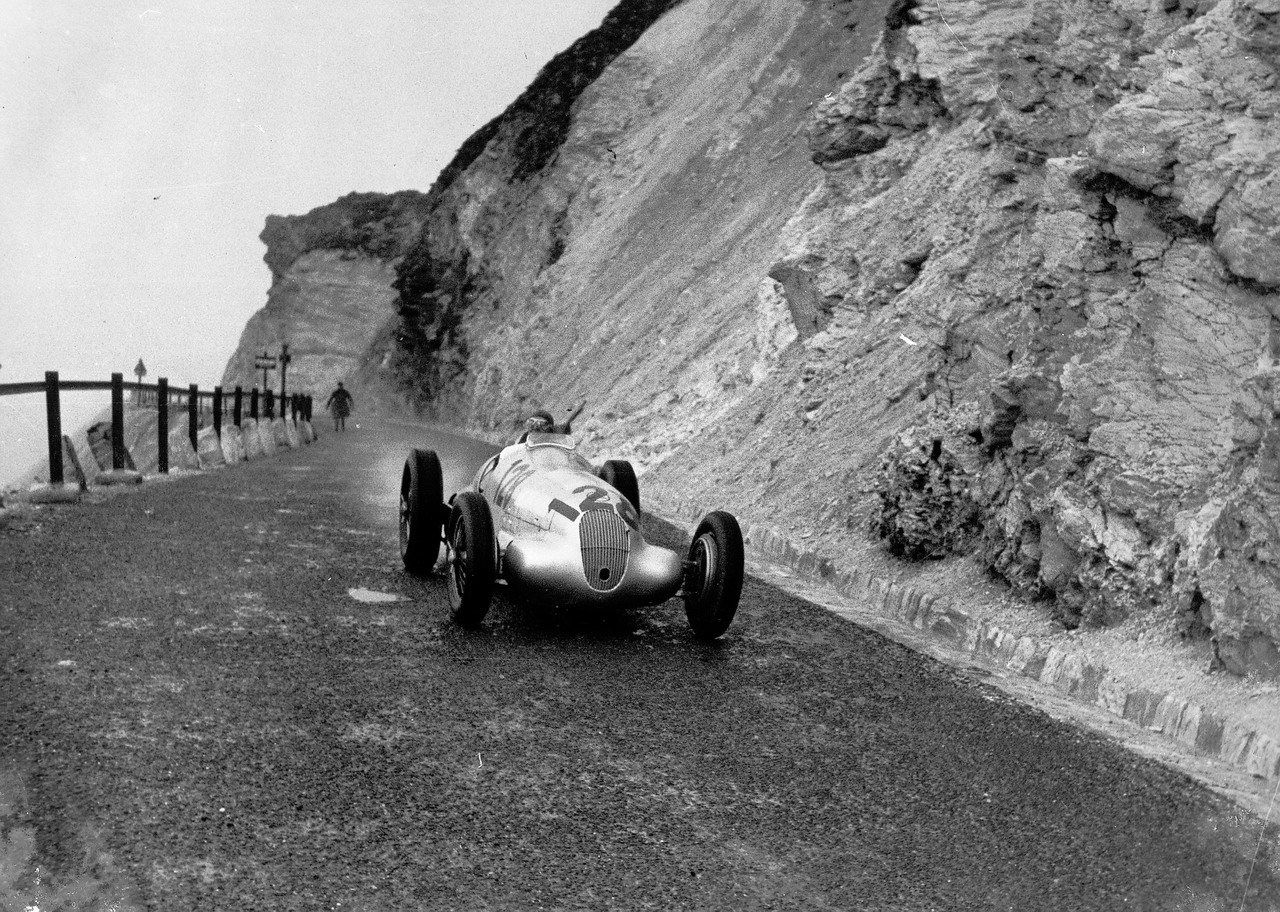
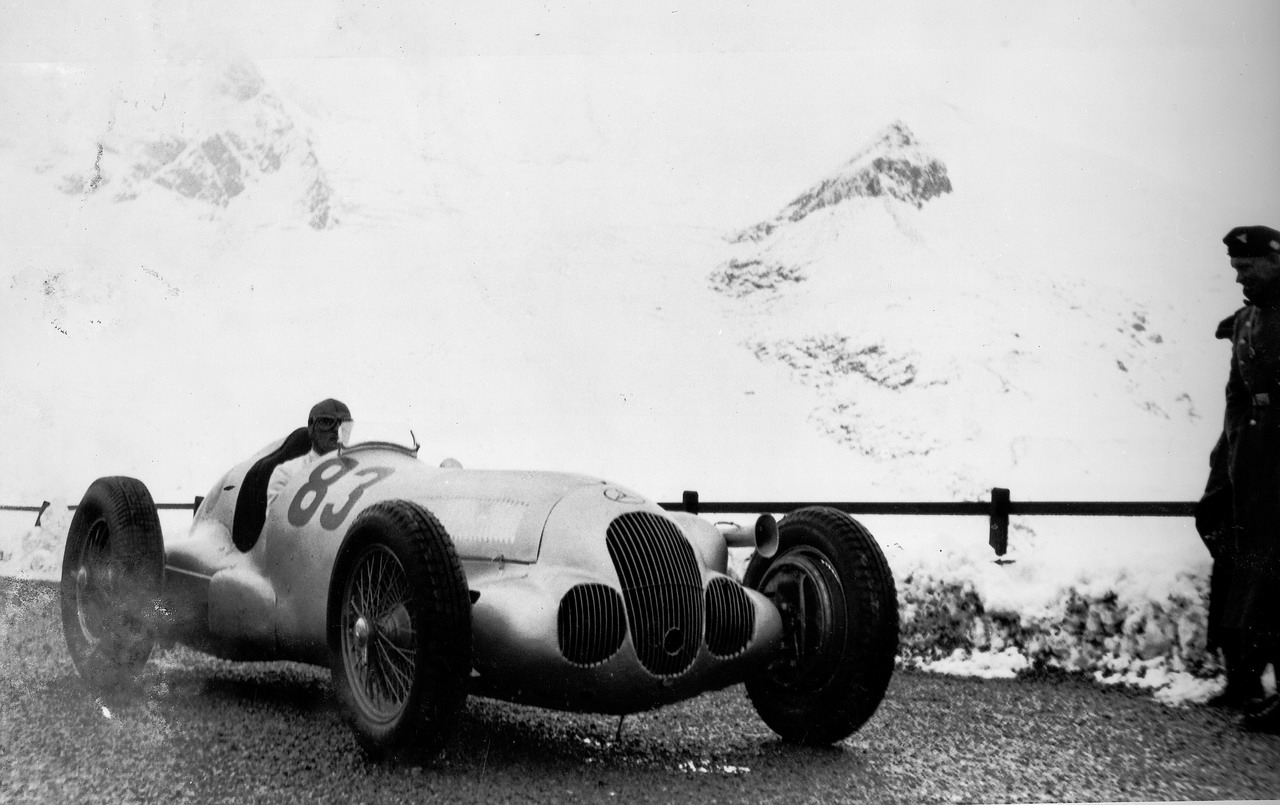
Uhlenhaut’s genius lay in diagnosing the fatal flaw of the outgoing cars: a flexible chassis suspended on overly stiff springs. For the W125, he reversed this paradigm entirely. He engineered a phenomenally rigid frame constructed from nickel-chrome-molybdenum oval tubes, pairing it with soft, long-travel front coil springs and a sophisticated De Dion rear axle. This allowed the chassis to maintain tyre contact while absorbing the biblical violence of the powertrain. Beneath the beautifully louvred, unpainted aluminium bonnet lay the M125 engine, a 5.6-litre (345 cu in) inline-eight. Uhlenhaut revolutionised its breathing by placing the carburettors ahead of the Roots-type supercharger, force-feeding a highly volatile cocktail into the cylinders under immense pressure. This screaming monolith generated an earth-shattering 595 bhp—a figure that would remain unequalled in Grand Prix racing until the turbocharged era of the 1980s. When the throttle was pinned, the W125 erupted with an ear-splitting, metallic shriek, incinerating its narrow rear cross-ply tyres and violently breaking traction even at 160 km/h (100 mph). The driver, straddling the four-speed manual transaxle in a cramped, heat-soaked cockpit, fought a breathless battle against oversteer, relying on massive, hydraulically actuated aluminium drum brakes that faded alarmingly under the relentless kinetic onslaught.
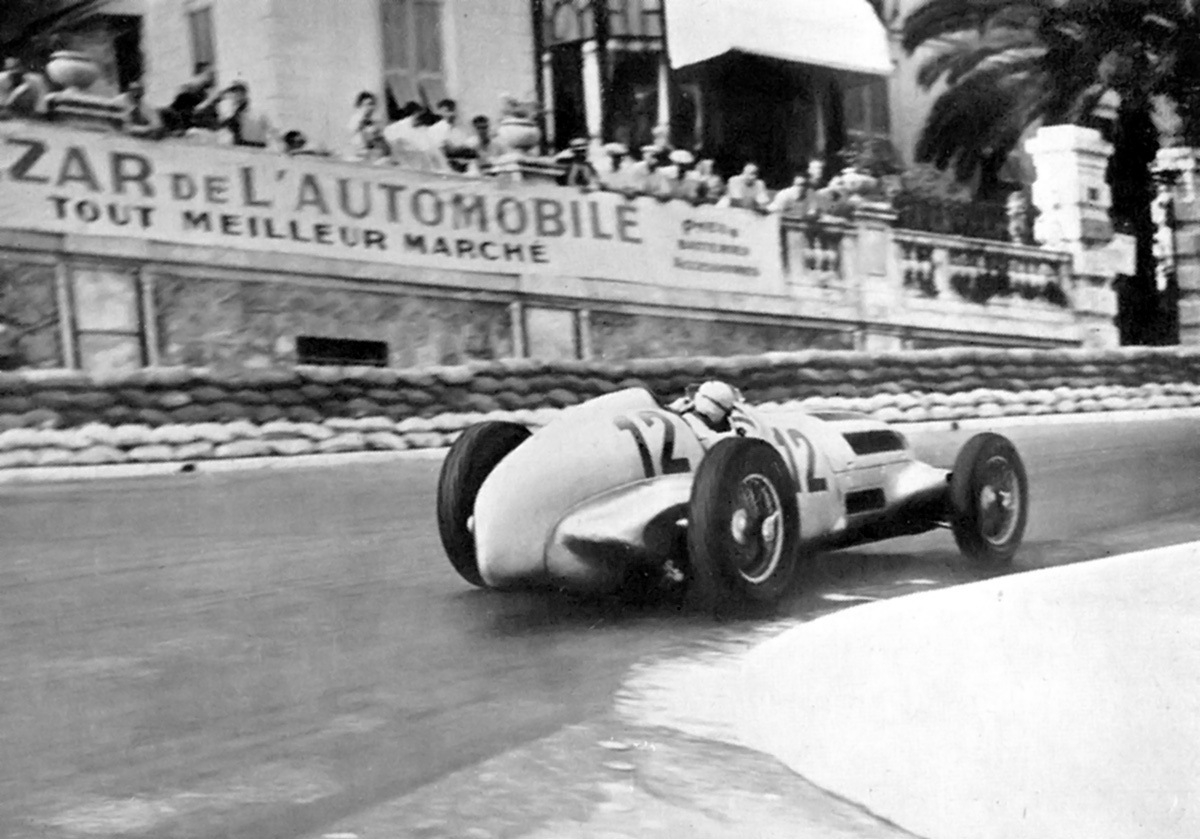
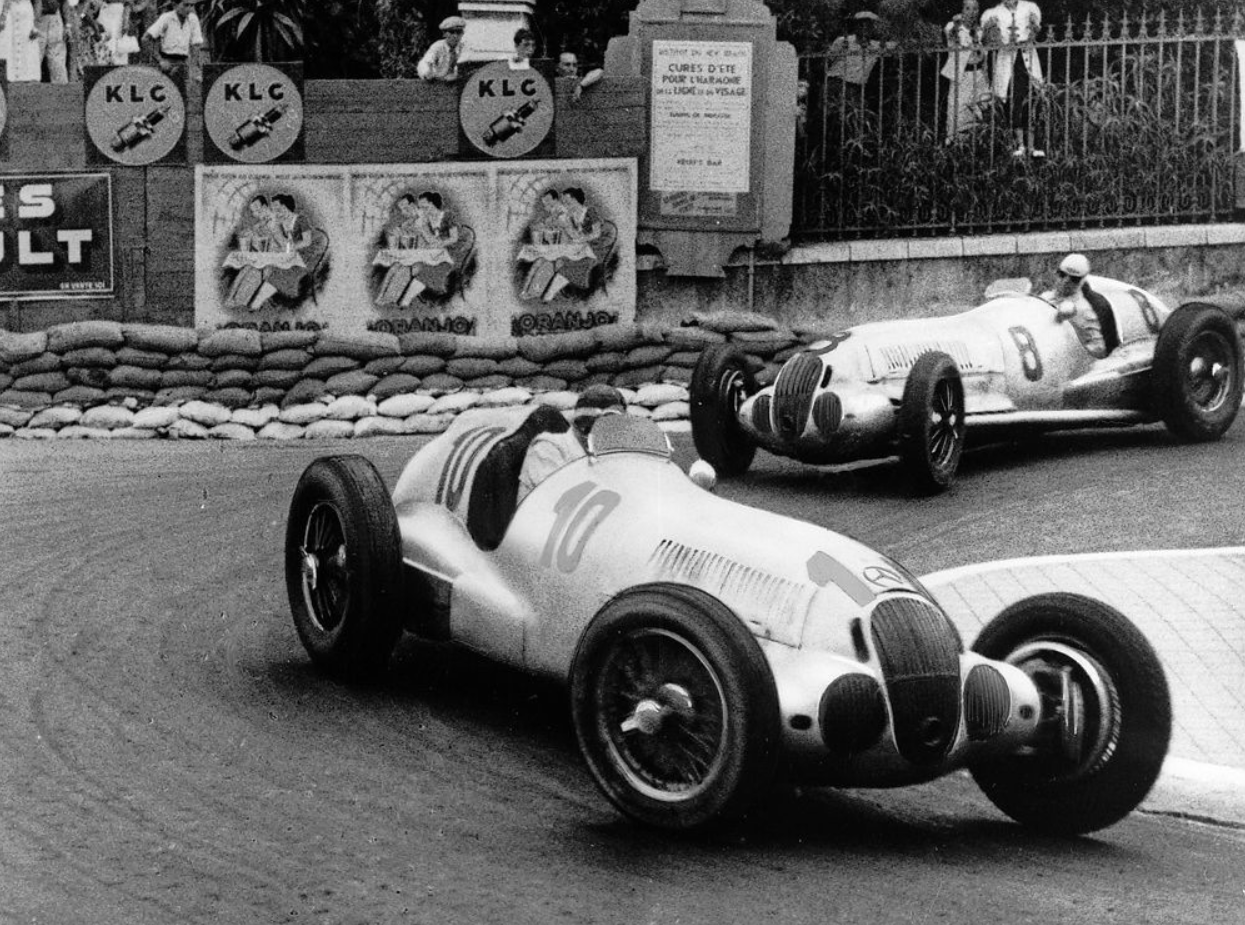
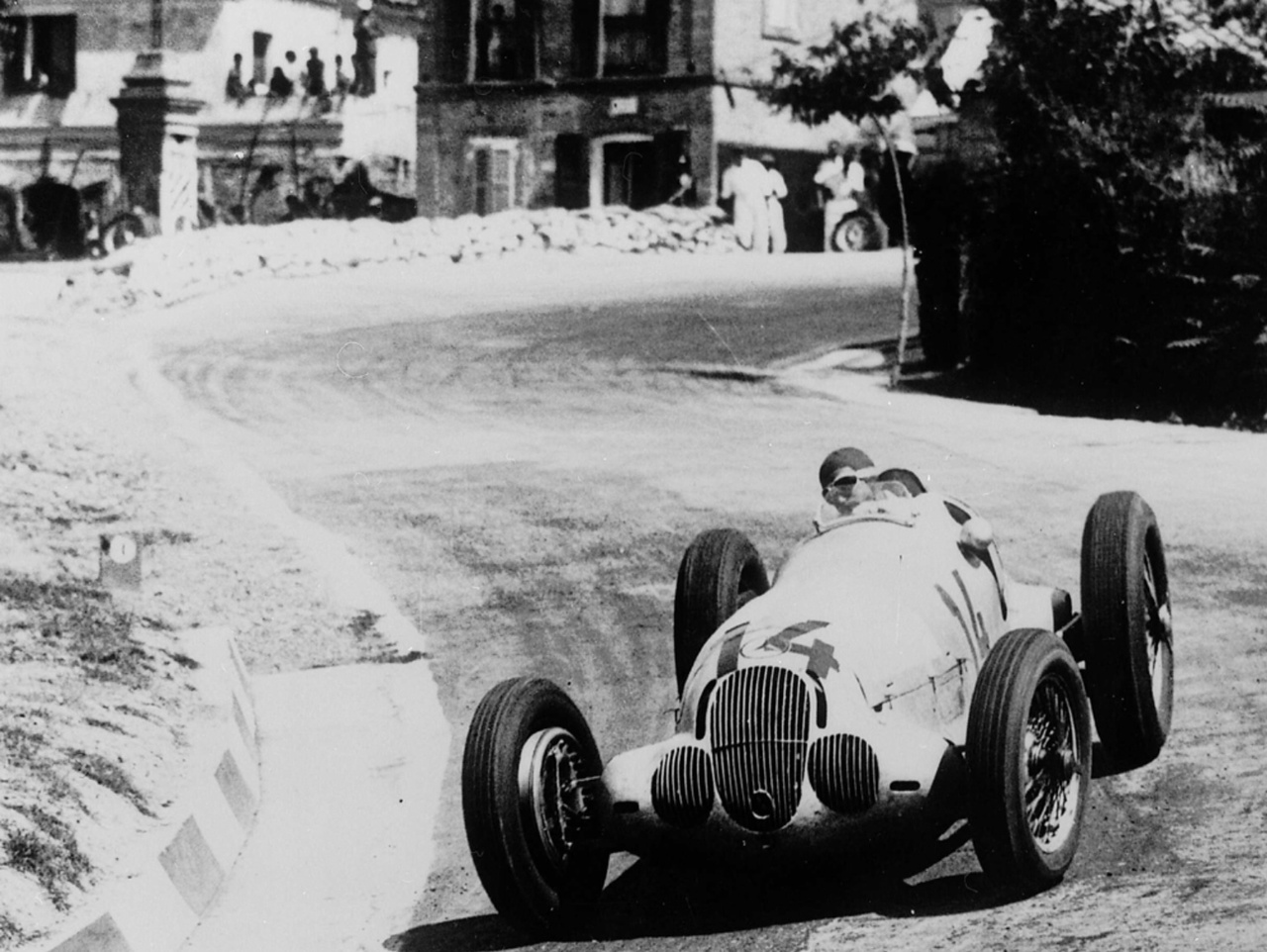
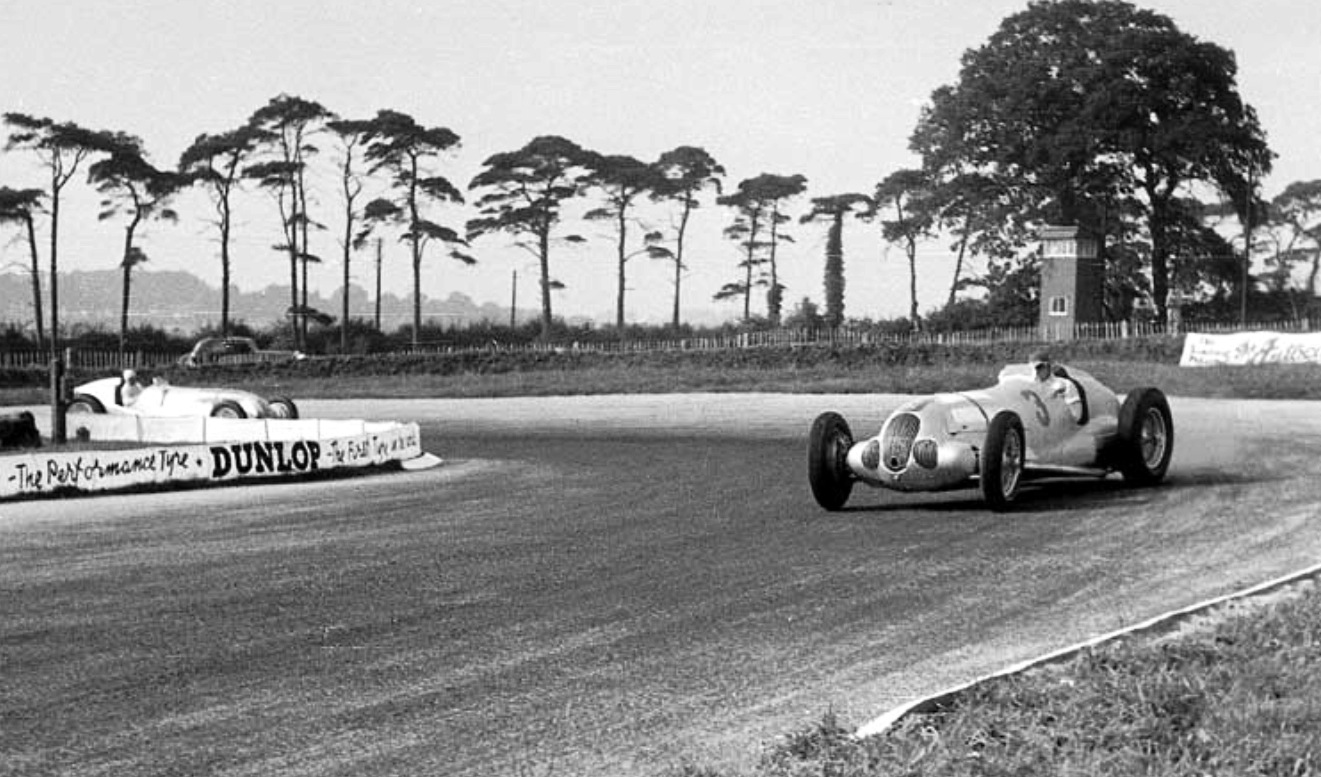
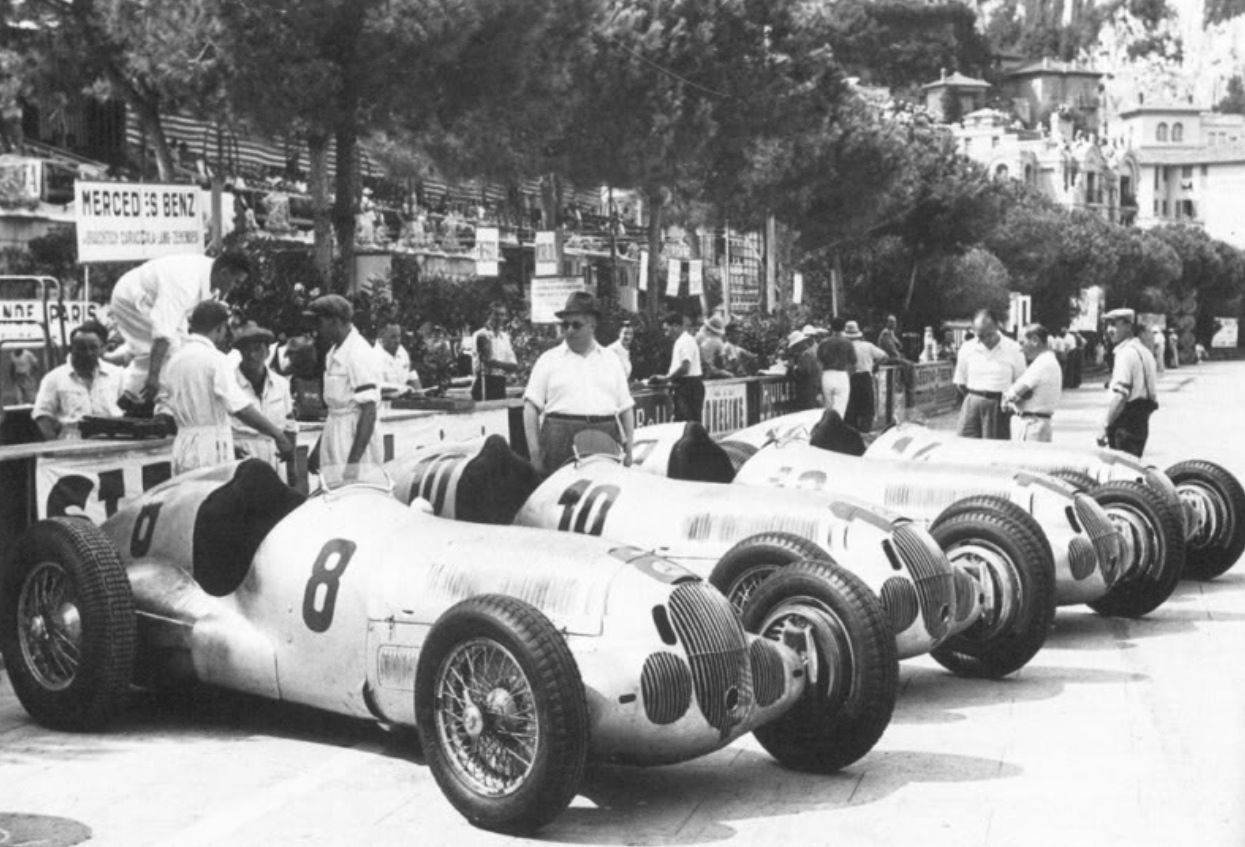
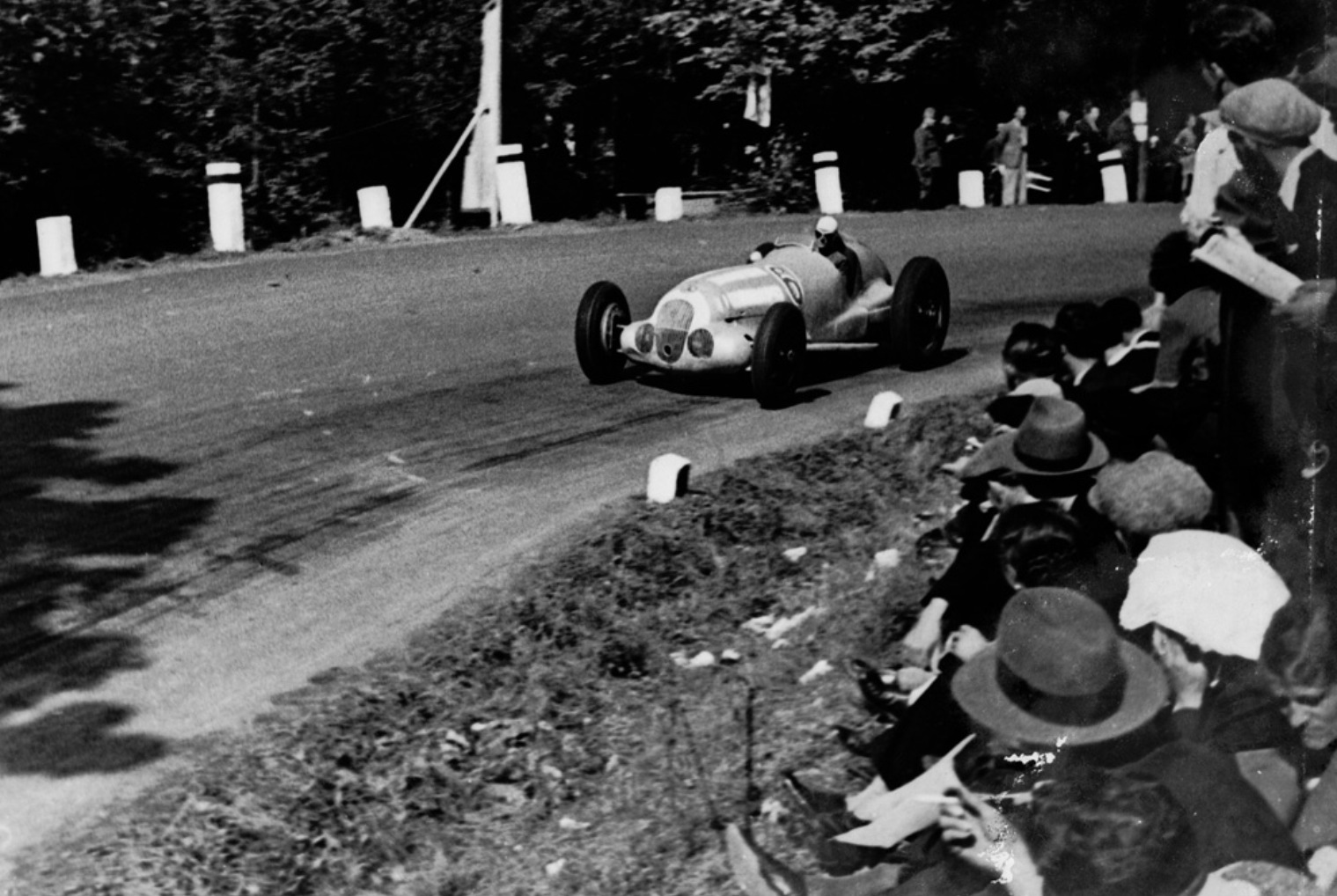
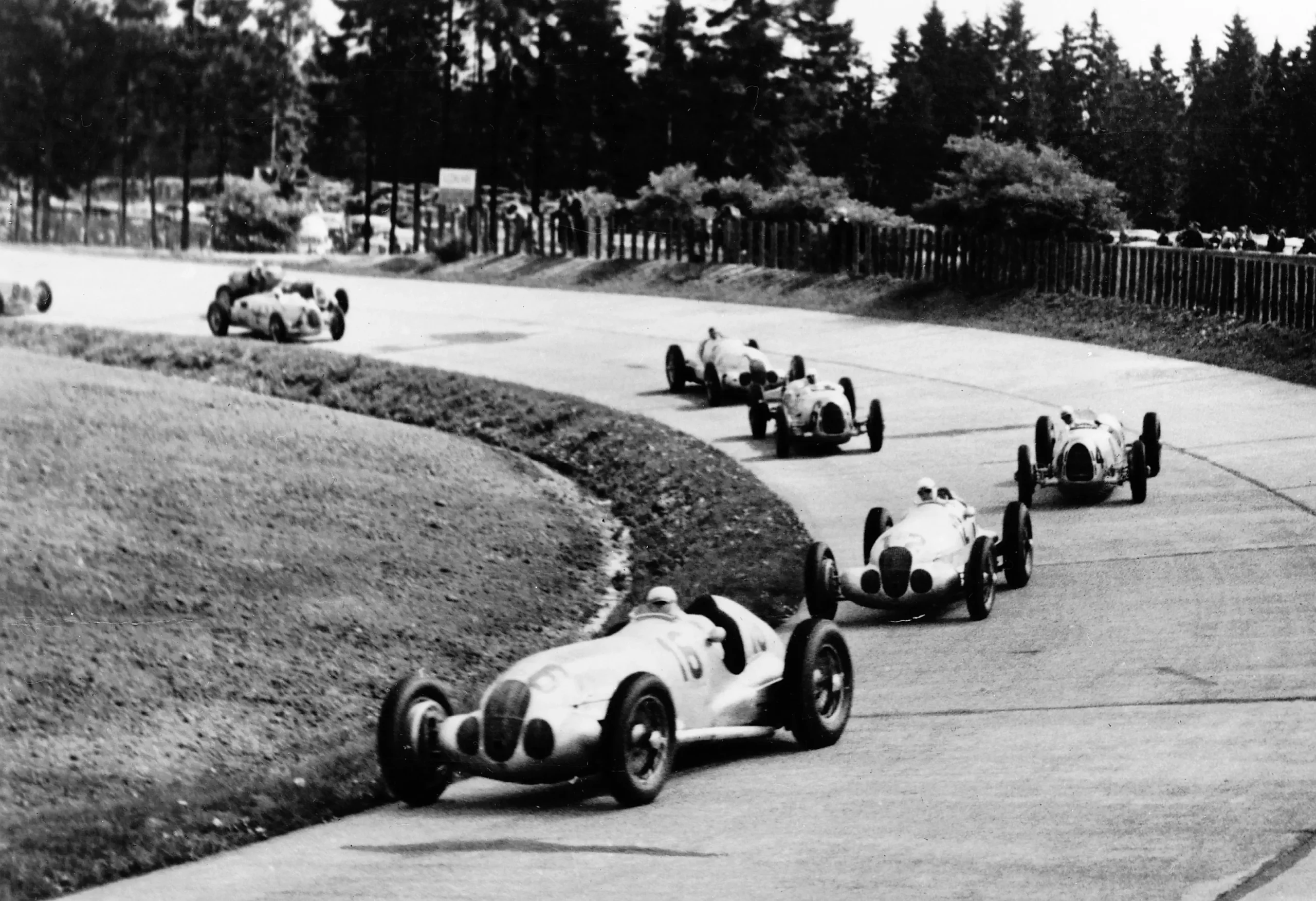
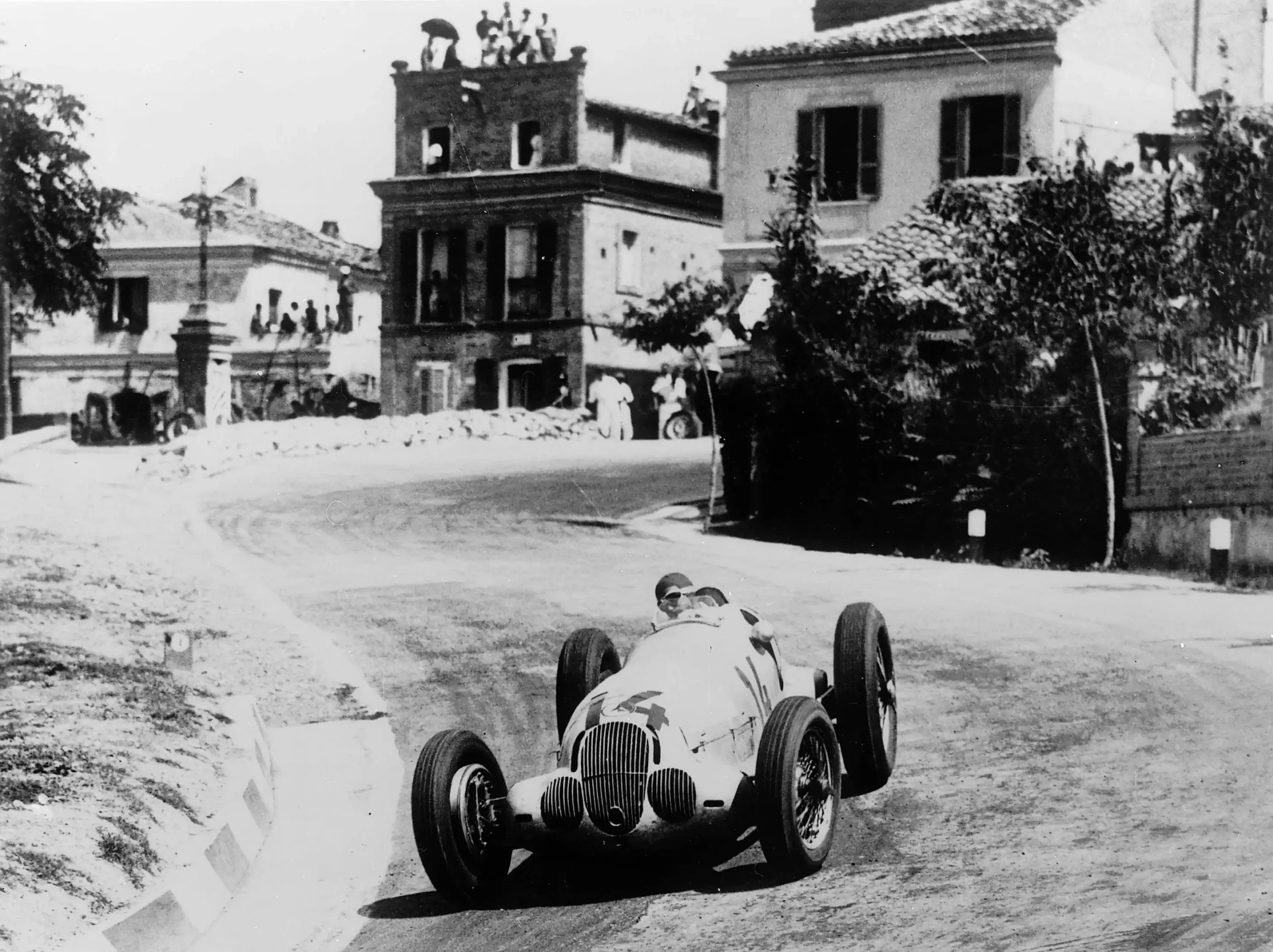
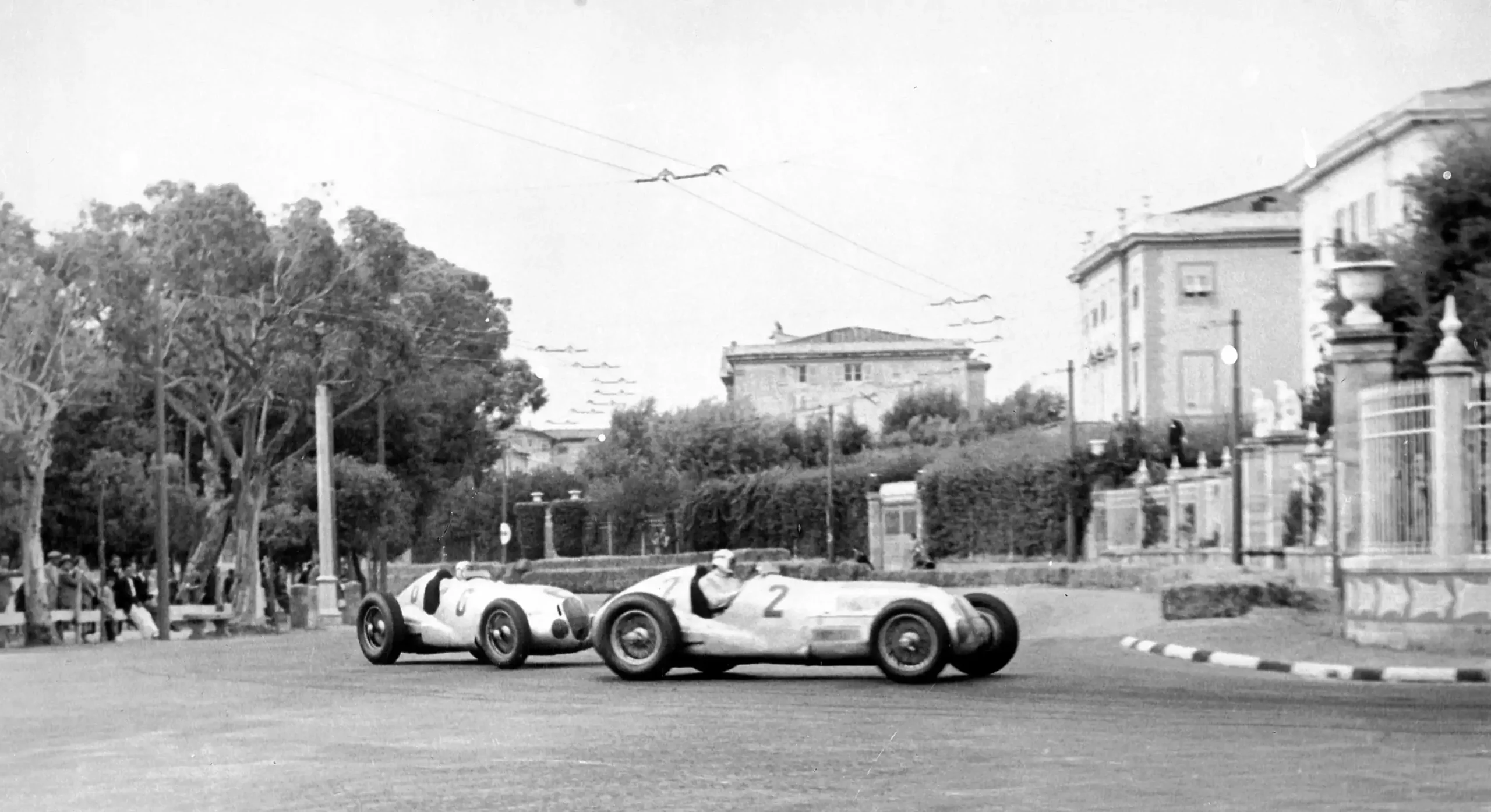
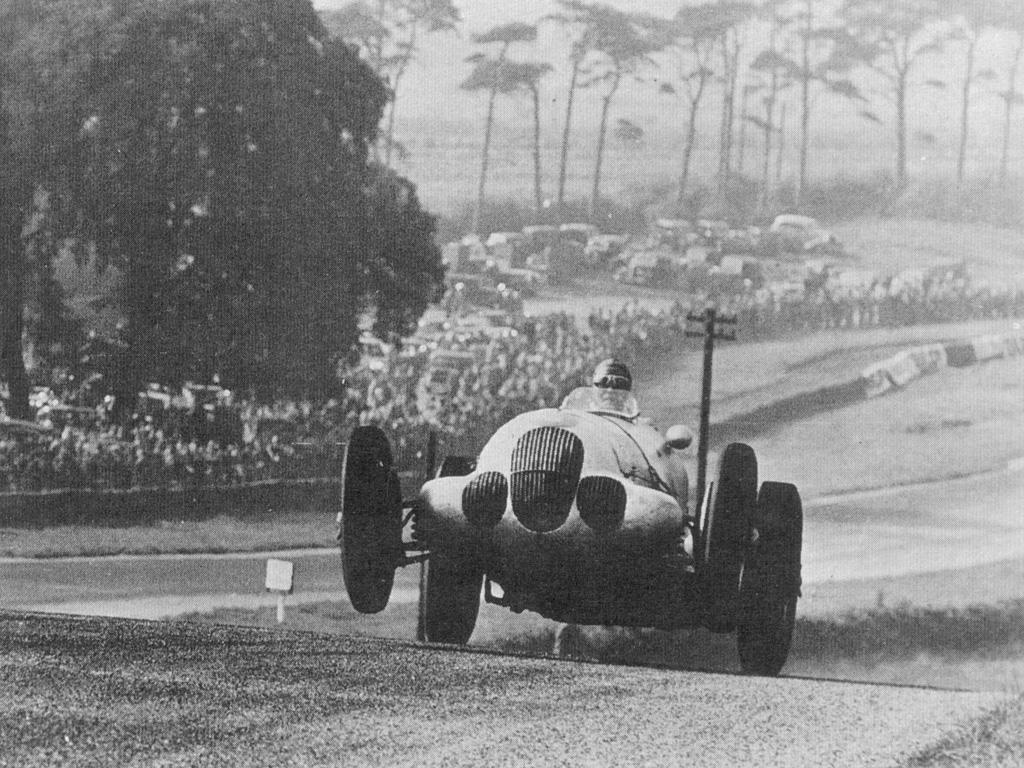
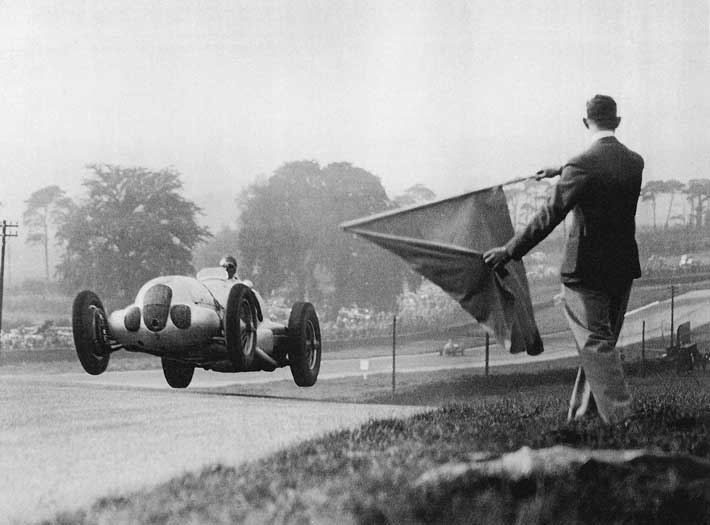
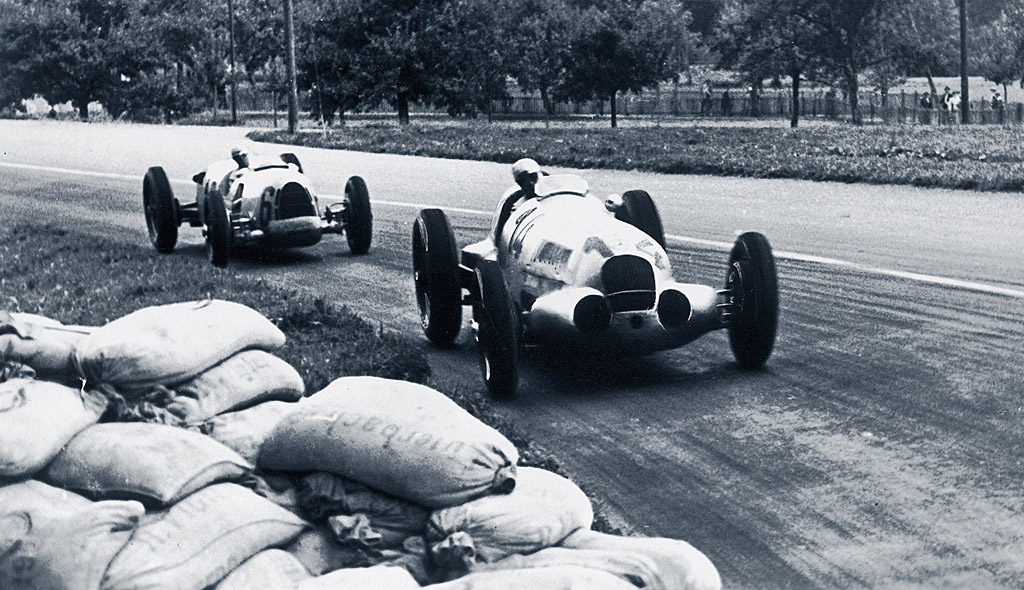
Unleashed upon the European circuits, the W125 Monoposto proved utterly devastating. The 1937 season became a magnificent, high-stakes duel between Auto Union’s fearless Rosemeyer and the Mercedes-Benz triumvirate of Rudolf Caracciola, Hermann Lang, and Manfred von Brauchitsch. The W125 demanded immense physical strength and a supernatural sensitivity to impending slides, rewarding bravery with speeds approaching 320 km/h (198 mph) on the long, tree-lined straights of the era. Caracciola, the undisputed rain master, utilised his smooth, metronomic brilliance to secure the European Championship, with the W125 claiming victory in four of the five major Grands Prix, including triumphant displays at the Nürburgring, Monaco, and Bremgarten. It was a season of sensory overload, defined by the acrid stench of methanol and the sight of silver leviathans sliding four-wheel drifts through corners, their drivers visibly wrestling the heavy, cord-bound steering wheels. The W125 did not just beat the opposition; it battered them into submission through sheer, unadulterated horsepower and vastly superior chassis dynamics.
The reign of this supercharged titan was as brief as it was spectacular. Appalled by the terrifying speeds achieved during the 1937 season, the governing body drastically altered the regulations for 1938, mandating a maximum engine capacity of just 3.0-litre (183 cu in) for supercharged cars. Consequently, the mighty 5.6-litre W125 was forced into immediate retirement, making way for the highly successful, yet vastly less powerful, Mercedes-Benz W154.
Brand
Produced from
Portal
Vehicle category
Model line
Predecessor
Sucessor
Brand
Produced from
Portal
Vehicle category
Model line
Model generation
Predecessor
Sucessor
Submodel Overview
The bitter humiliation of the 1936 Grand Prix season stung the corridors of Stuttgart like a physical blow. Mercedes-Benz had watched helplessly as their ageing W25 was systematically dismantled by Bernd Rosemeyer and the mid-engined Auto Union Type C. In response, a brilliant young engineer named Rudolf Uhlenhaut was granted absolute authority to rectify this catastrophic failure. What emerged for the 1937 season—the final, glorious crescendo of the unrestricted 750 kg (1653 lbs) weight formula—was the Mercedes-Benz W125 Monoposto. It was not merely a racing car; it was a 595 bhp declaration of total war, engineered to obliterate the Auto Unions and the hopelessly outgunned Italian machinery from Alfa Romeo and Maserati, cementing a legend of Teutonic dominance.
Uhlenhaut’s genius lay in diagnosing the fatal flaw of the outgoing cars: a flexible chassis suspended on overly stiff springs. For the W125, he reversed this paradigm entirely. He engineered a phenomenally rigid frame constructed from nickel-chrome-molybdenum oval tubes, pairing it with soft, long-travel front coil springs and a sophisticated De Dion rear axle. This allowed the chassis to maintain tyre contact while absorbing the biblical violence of the powertrain. Beneath the beautifully louvred, unpainted aluminium bonnet lay the M125 engine, a 5.6-litre (345 cu in) inline-eight. Uhlenhaut revolutionised its breathing by placing the carburettors ahead of the Roots-type supercharger, force-feeding a highly volatile cocktail into the cylinders under immense pressure. This screaming monolith generated an earth-shattering 595 bhp—a figure that would remain unequalled in Grand Prix racing until the turbocharged era of the 1980s. When the throttle was pinned, the W125 erupted with an ear-splitting, metallic shriek, incinerating its narrow rear cross-ply tyres and violently breaking traction even at 160 km/h (100 mph). The driver, straddling the four-speed manual transaxle in a cramped, heat-soaked cockpit, fought a breathless battle against oversteer, relying on massive, hydraulically actuated aluminium drum brakes that faded alarmingly under the relentless kinetic onslaught.
Unleashed upon the European circuits, the W125 Monoposto proved utterly devastating. The 1937 season became a magnificent, high-stakes duel between Auto Union’s fearless Rosemeyer and the Mercedes-Benz triumvirate of Rudolf Caracciola, Hermann Lang, and Manfred von Brauchitsch. The W125 demanded immense physical strength and a supernatural sensitivity to impending slides, rewarding bravery with speeds approaching 320 km/h (198 mph) on the long, tree-lined straights of the era. Caracciola, the undisputed rain master, utilised his smooth, metronomic brilliance to secure the European Championship, with the W125 claiming victory in four of the five major Grands Prix, including triumphant displays at the Nürburgring, Monaco, and Bremgarten. It was a season of sensory overload, defined by the acrid stench of methanol and the sight of silver leviathans sliding four-wheel drifts through corners, their drivers visibly wrestling the heavy, cord-bound steering wheels. The W125 did not just beat the opposition; it battered them into submission through sheer, unadulterated horsepower and vastly superior chassis dynamics.
The reign of this supercharged titan was as brief as it was spectacular. Appalled by the terrifying speeds achieved during the 1937 season, the governing body drastically altered the regulations for 1938, mandating a maximum engine capacity of just 3.0-litre (183 cu in) for supercharged cars. Consequently, the mighty 5.6-litre W125 was forced into immediate retirement, making way for the highly successful, yet vastly less powerful, Mercedes-Benz W154.
Tech Specs
Technical Specifications
Tech Specs
Technical Specifications
Engine
01
03
Internal combustion engine
Configuration
Mercedes-Benz M 125, Straight-8
Location
Front, longitudinally mounted
Construction
Steel block and head (with Elektron crankcase)
Displacement (cc)
5,660 cc
Displacement (cu in)
345.4 cu in
Compression
8.8:1
Bore x Stroke
94.0 mm x 102.0 mm
Valvetrain
4 valves per cylinder, DOHC
Fuel feed
2 x Mercedes-Benz Suction Carburettors
Lubrication
Dry sump
Aspiration
Supercharged (Roots-Type Supercharger)
Output
Power (hp)
~595 hp
Power (kW)
~442 kW
Max power at
5,800 RPM
Torque (Nm)
926 Nm
Torque (ft lbs)
683 ft lbs
Max torque at
3,000 RPM
Drivetrain
02
03
Chassis
Type
Oval tube frame
Material
Nickel-chrome molybdenum steel
Body
Material
Aluminium
Transmission
Gearbox
Mercedes-Benz 4-speed manual transaxle
Drive
Rear Wheel Drive (ZF Limited Slip Differential)
Suspension
Front
Independent, unequal length double wishbones, coil springs, hydraulic friction dampers
Rear
De Dion axle, longitudinal torsion bars, hydraulic shock absorbers
Steering
Type
Worm and nut, unassisted
Brakes
Front
Hydraulic drum brakes Ø400 mm
Rear
Hydraulic drum brakes Ø400 mm
Wheels
Front
19" (Wire spoke wheels)
Rear
19" (Wire spoke wheels)
Tires
Front
5.25-19
Rear
7.00-19
Dimensions and performance
03
03
Dimensions
Length (mm)
4,200 mm
Length (in)
165.4 in
Width (mm)
1,750 mm
Width (in)
68.9 in
Height (mm)
1,200 mm
Height (in)
47.2 in
Wheelbase (mm)
2,798 mm
Wheelbase (in)
110.2 in
Weight (kg)
750 kg
Weight (lbs)
1,654 lbs
Performance
Power to weight
0.79 hp/kg
Top speed (km/h)
330 km/h
Top speed (mph)
205 mph
0-100 km/h (0-60 mph)
-