
Panoz Esperante GTR-1
Brand
Produced from
Portal
Vehicle category
Model line
Predecessor
Successor
Submodel Overview
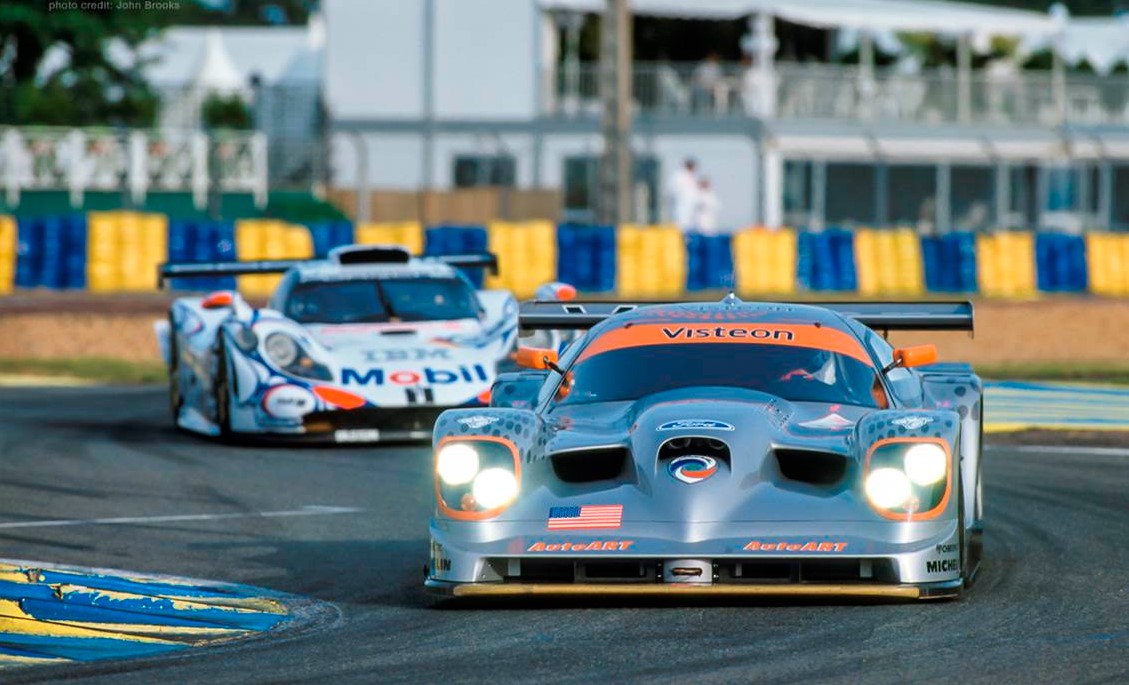
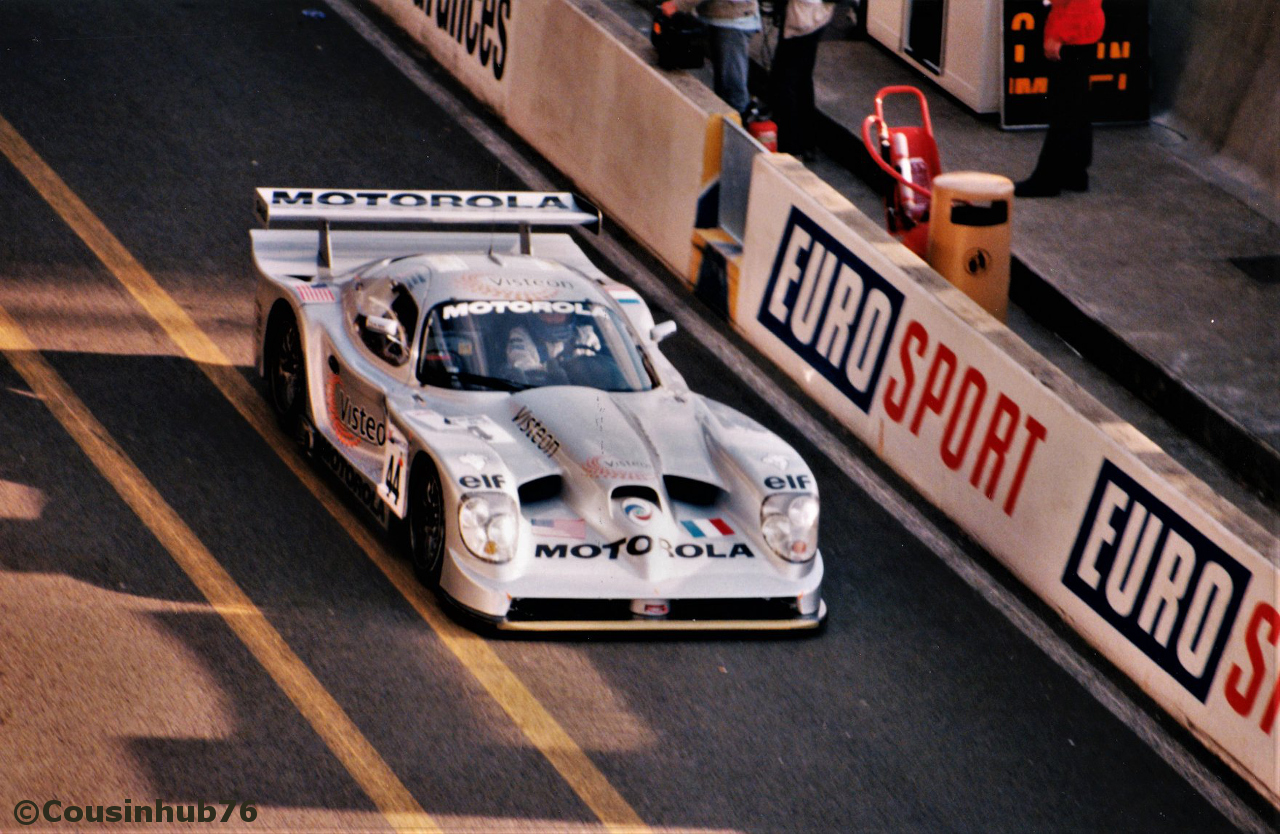
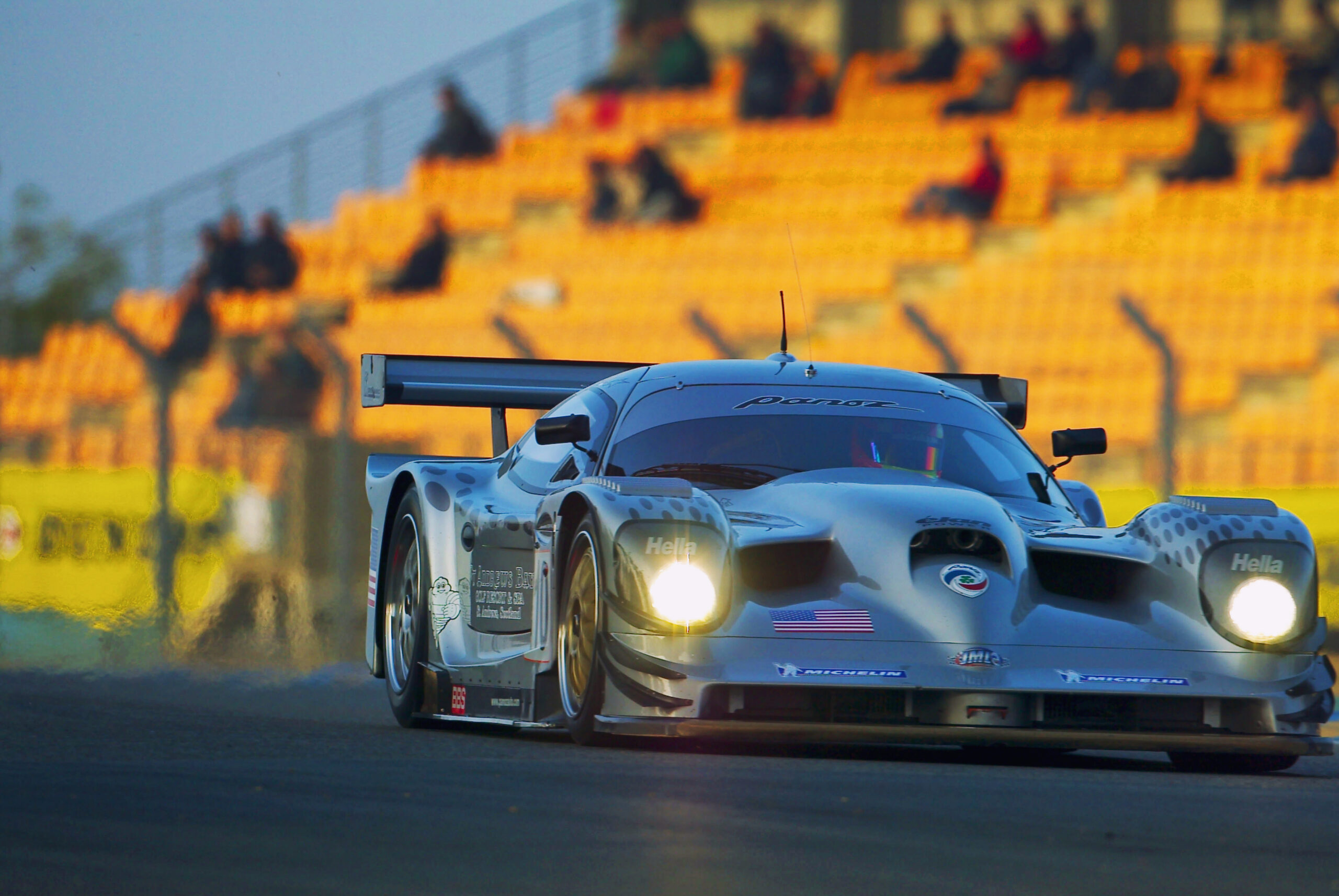
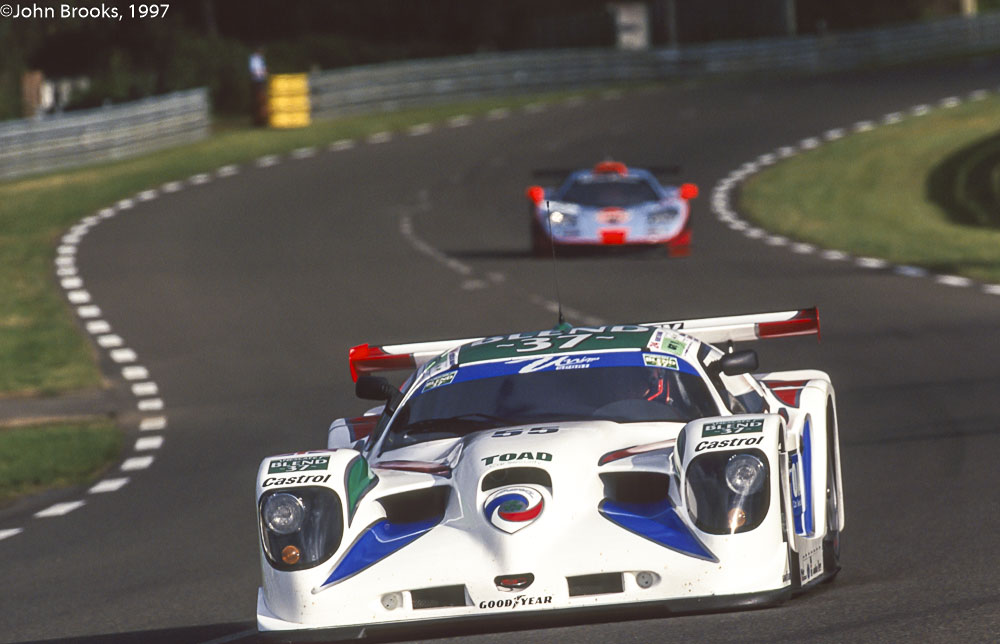
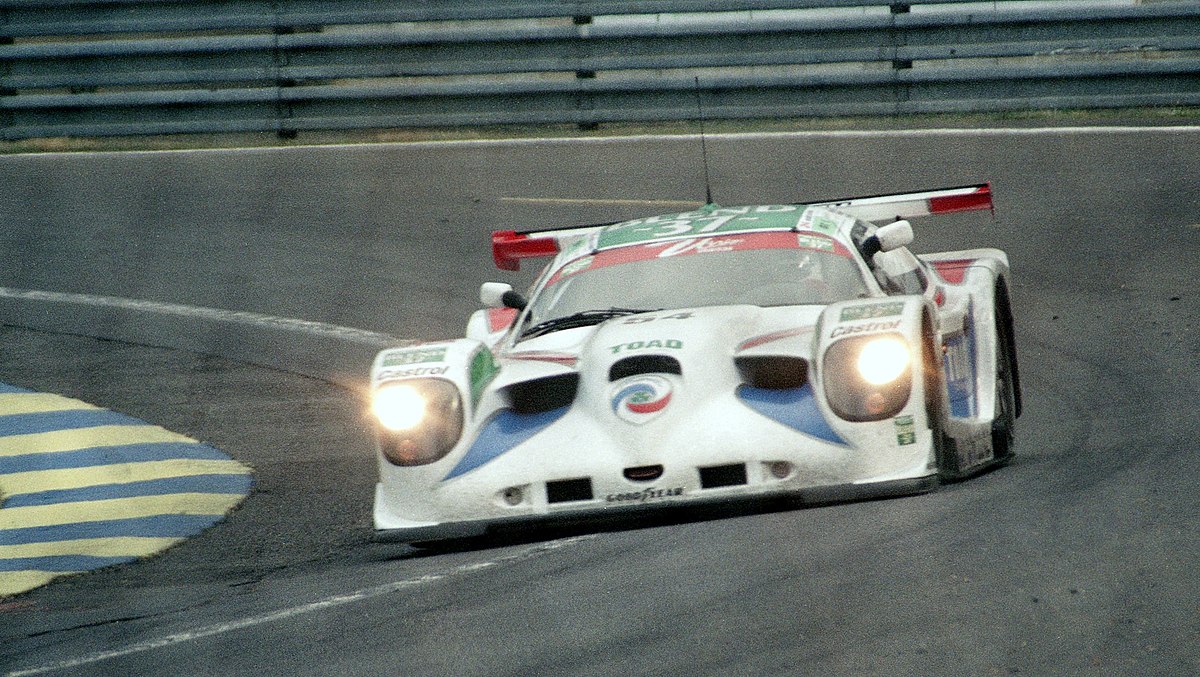
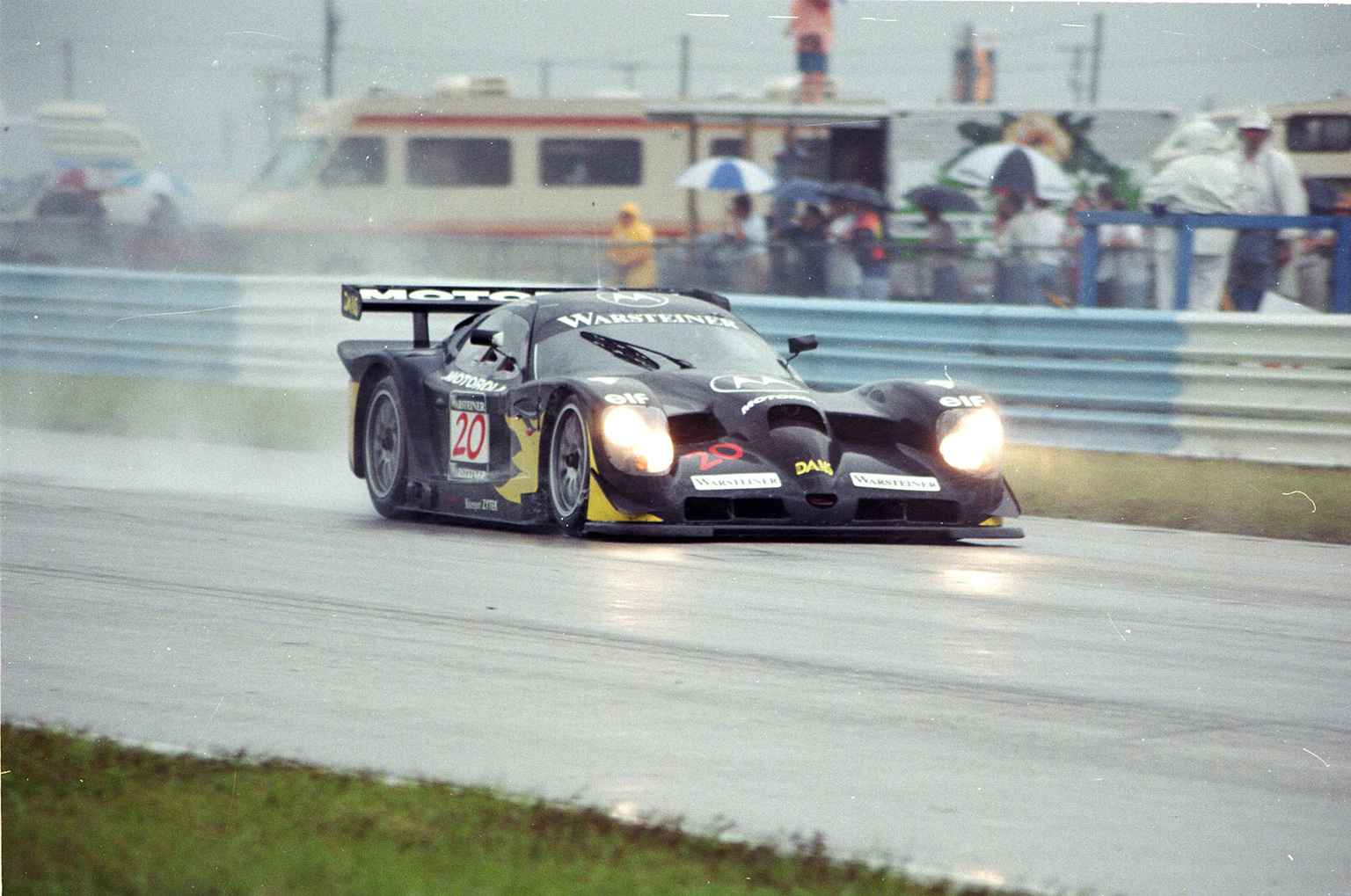
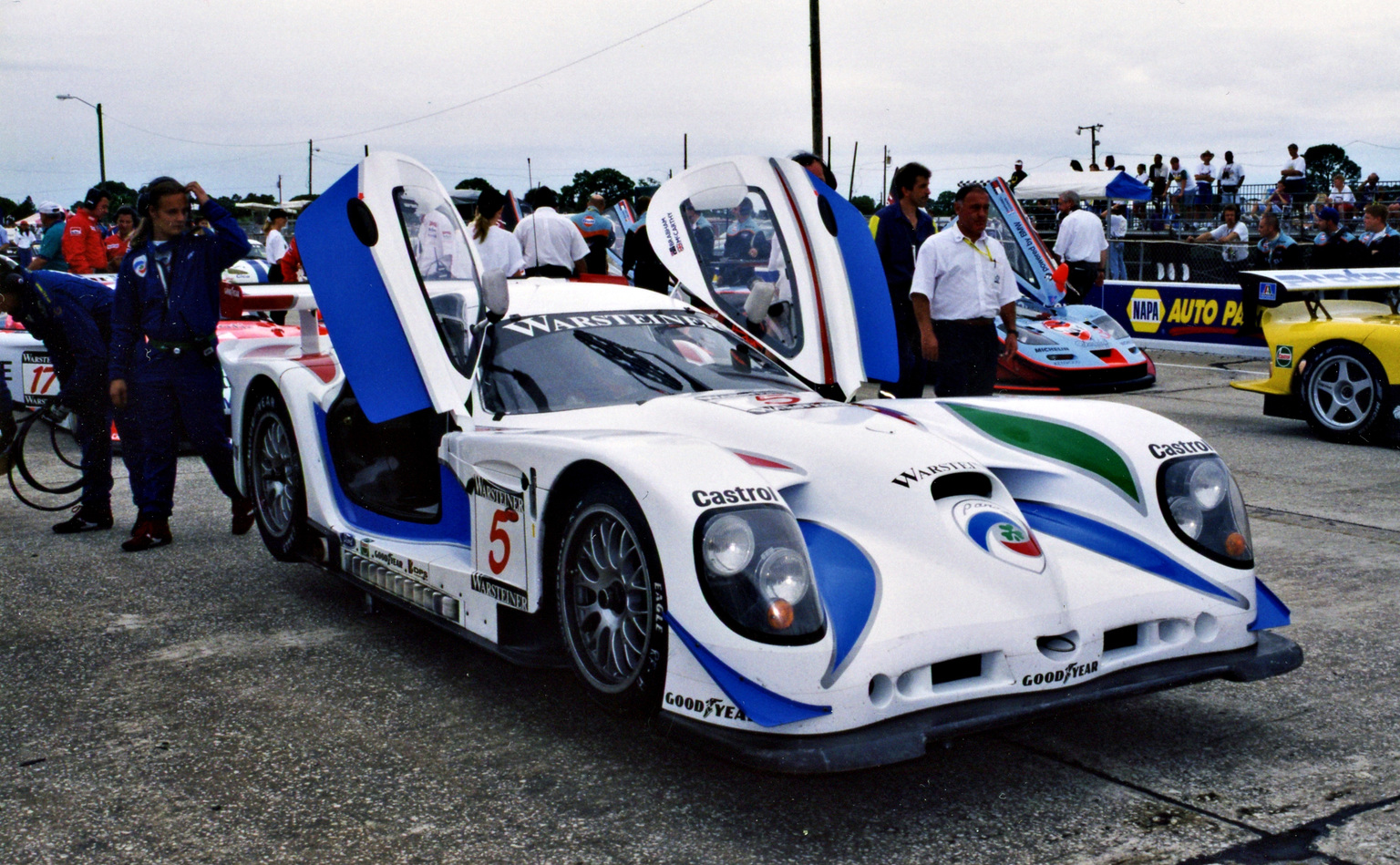
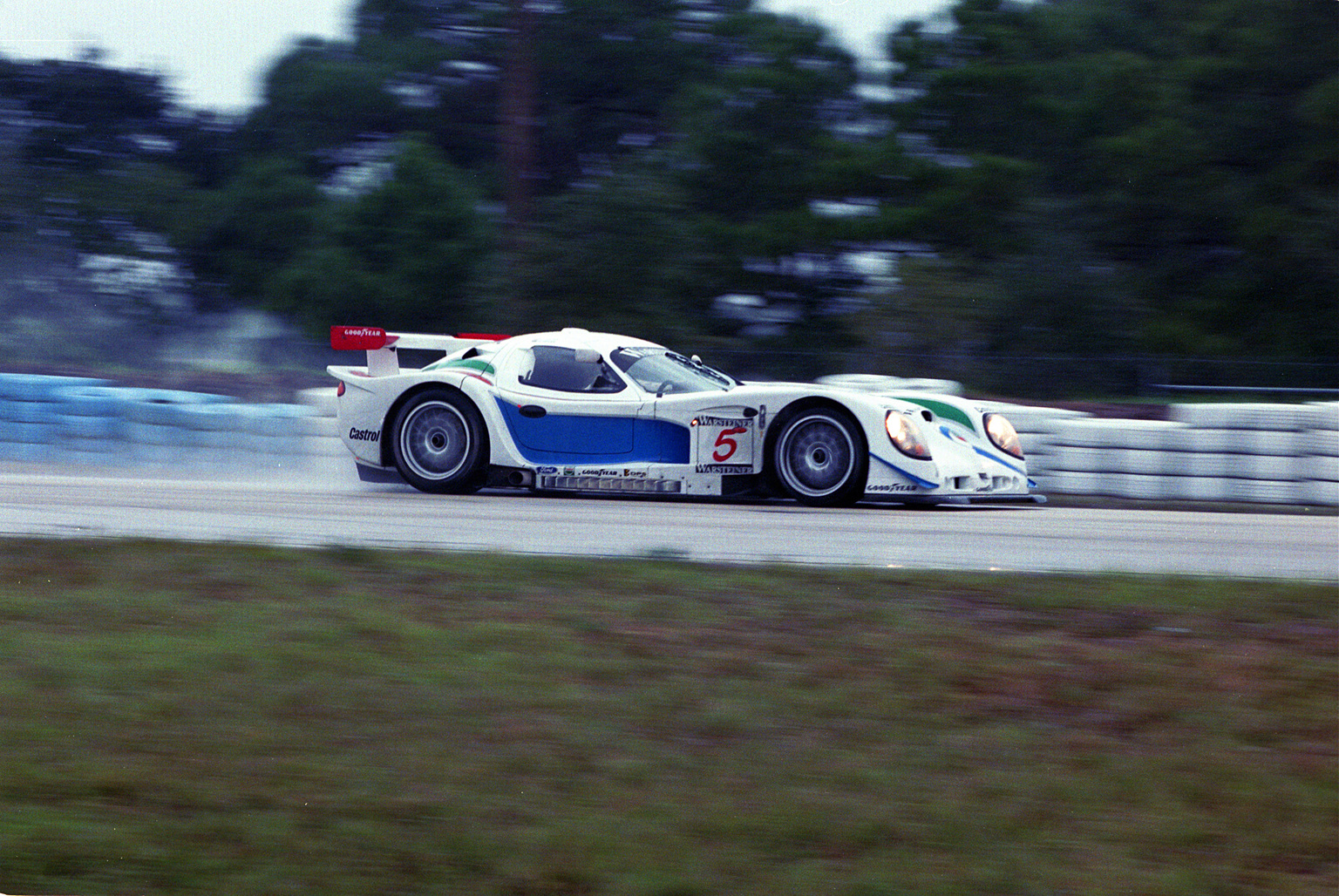
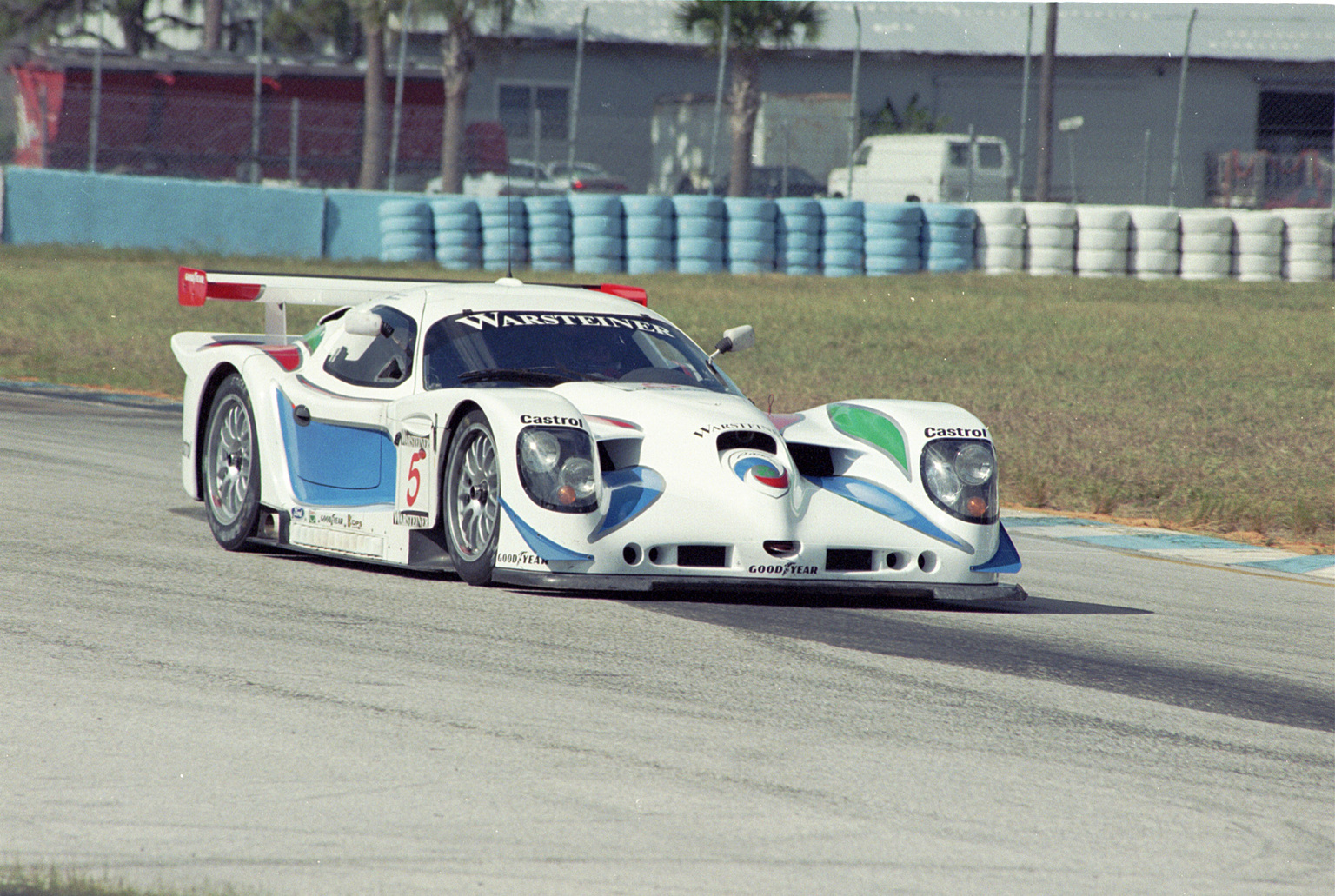
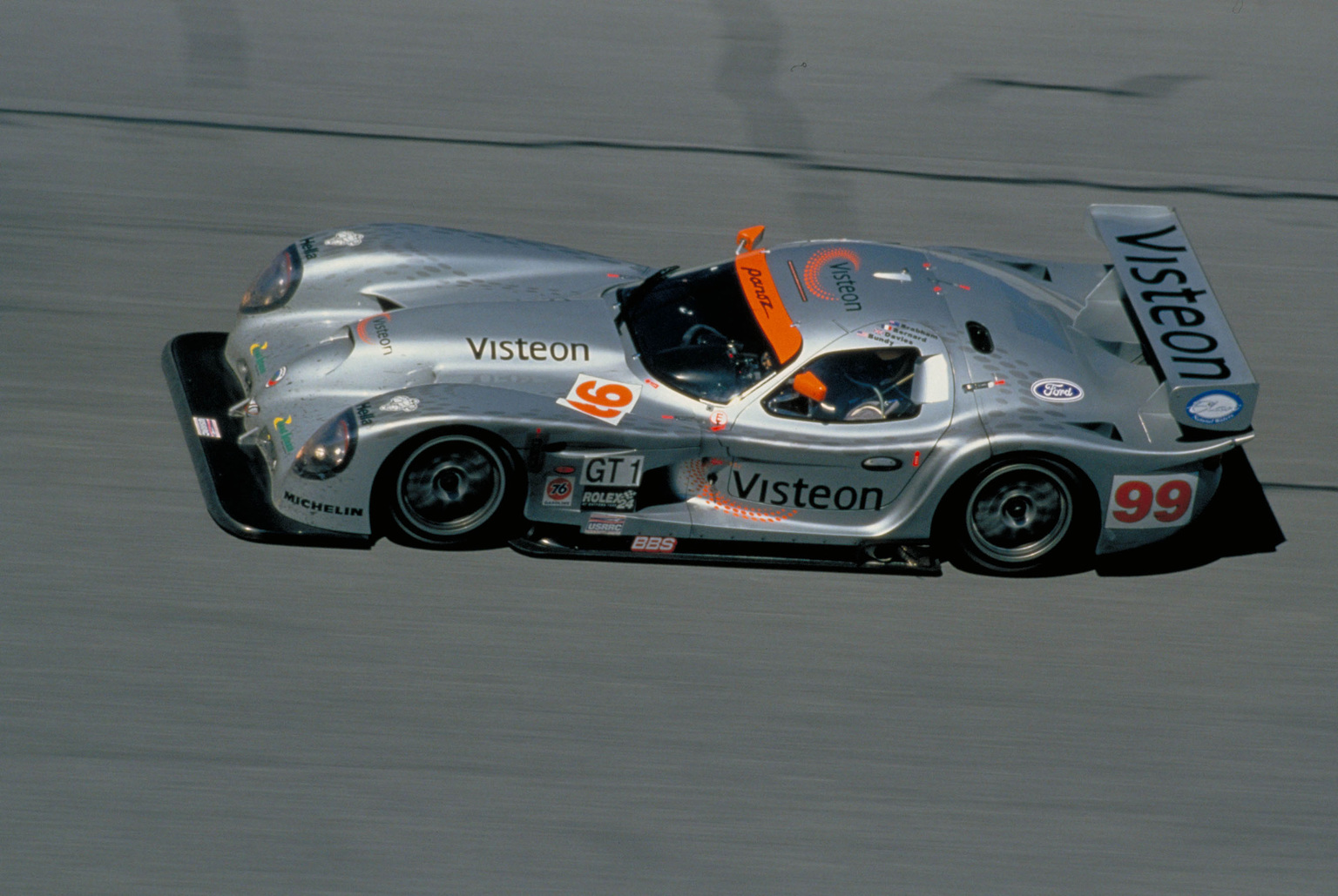
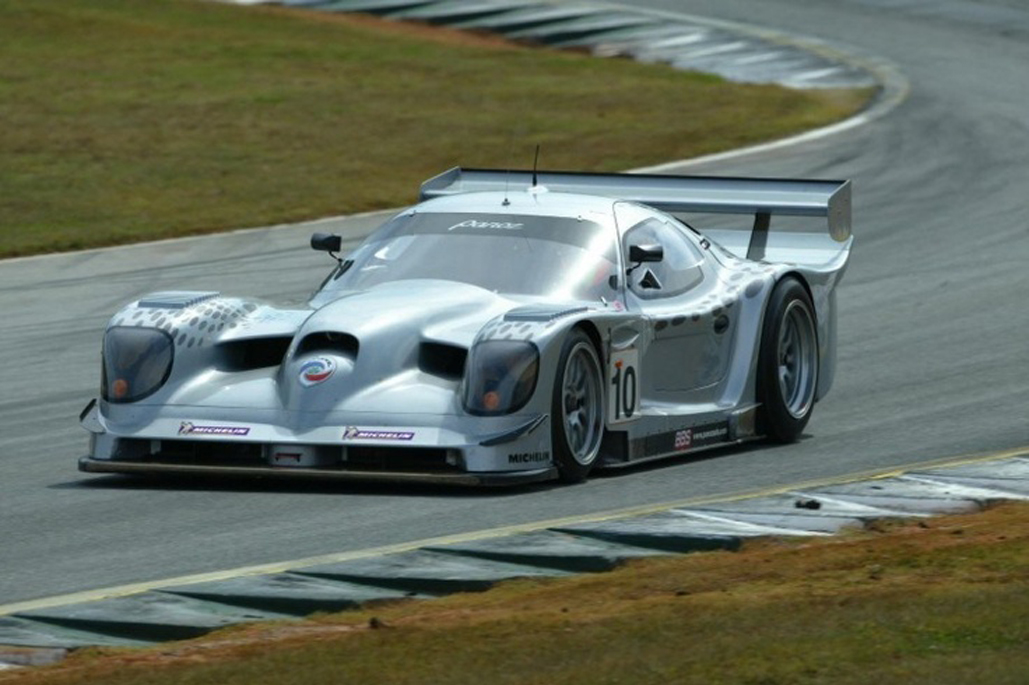
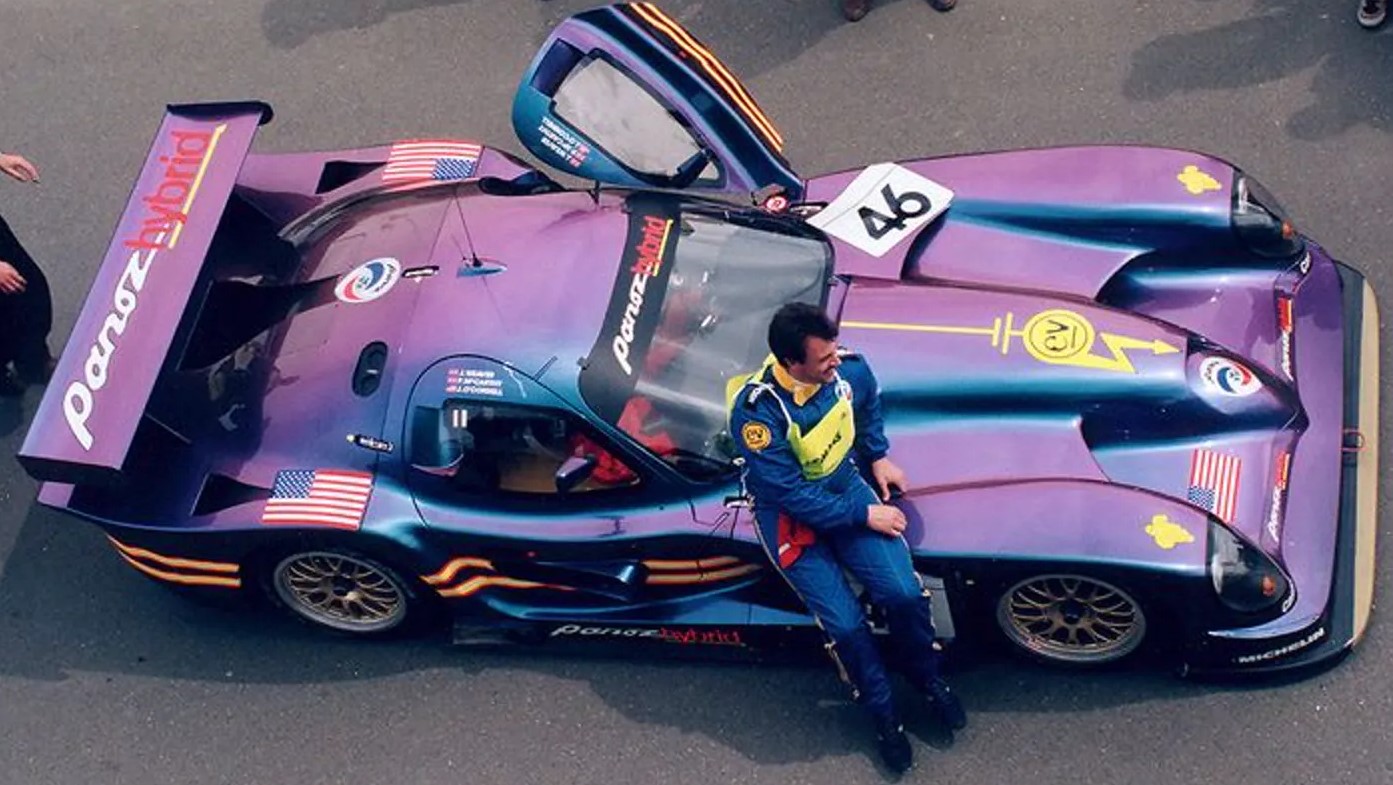
In the late 1990s, the landscape of top-tier sports car racing was gripped by a mid-engine madness. The FIA GT1 category had evolved into a playground for “homologation specials”—thinly disguised prototypes like the Porsche 911 GT1 and the Mercedes-Benz CLK GTR. Conventional wisdom dictated that to be competitive, the engine had to sit behind the driver. Don Panoz, the American pharmaceutical magnate and motorsport visionary, viewed this consensus with a characteristic grin and a puff of his cigarette. He believed that a race car should look like a car, with the power out front and the driver wrestling it from the rear. To prove it, he commissioned Reynard Motorsport and designer Tony Southgate to create the 1997 Panoz Esperante GTR-1. It was a visceral, thundering anomaly that arrived on the world stage to challenge the European establishment, sporting a silhouette so aggressive and elongated that the fans immediately christened it ‘The Batmobile’.
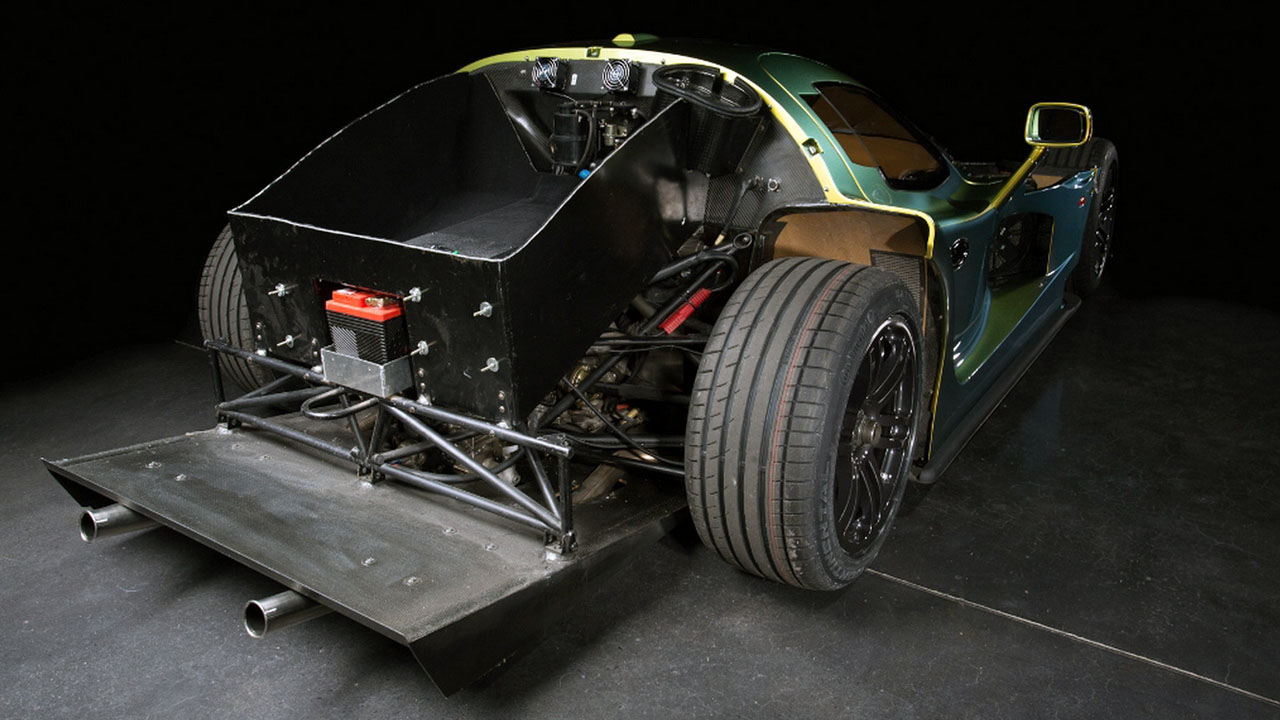
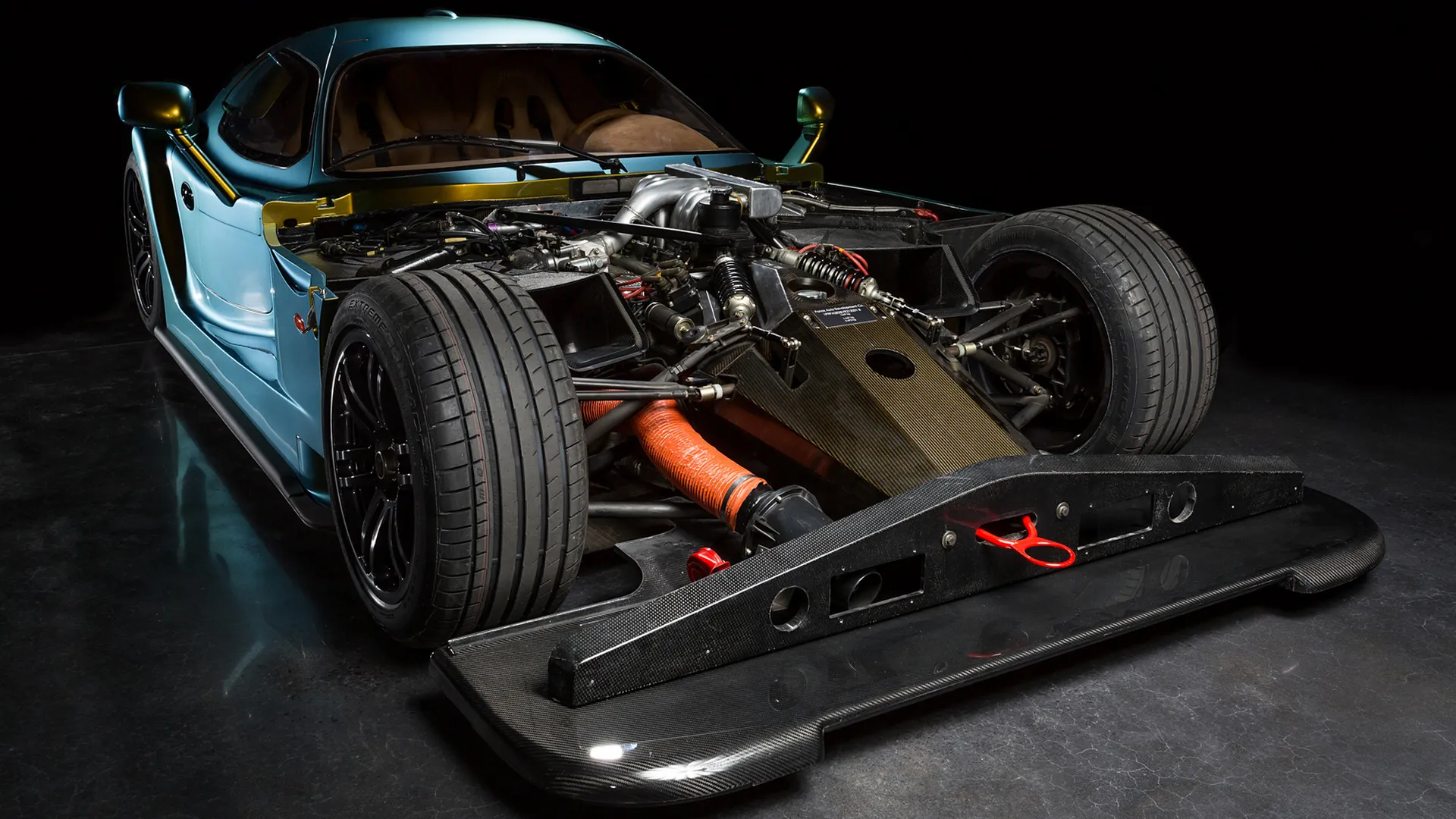
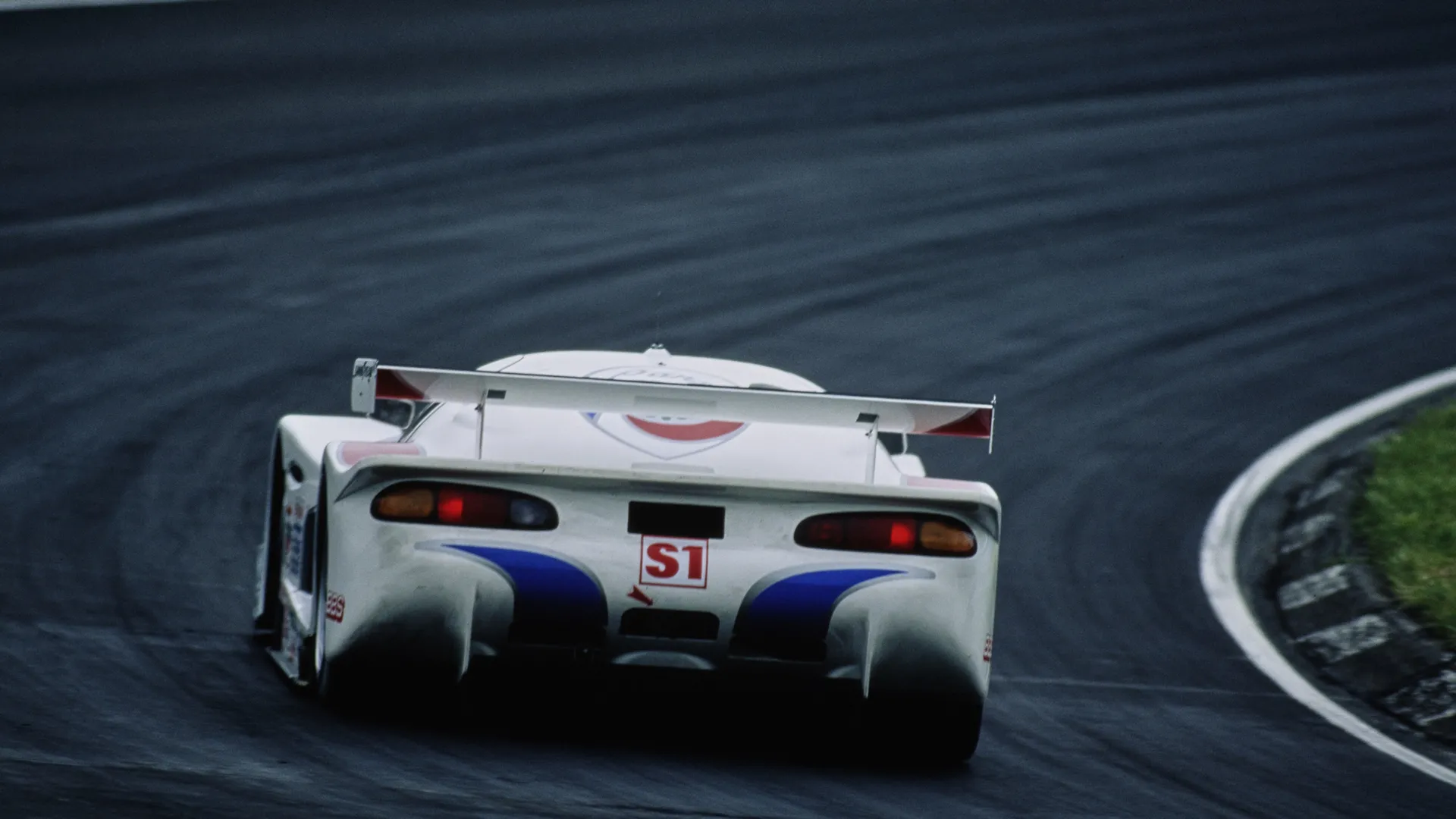
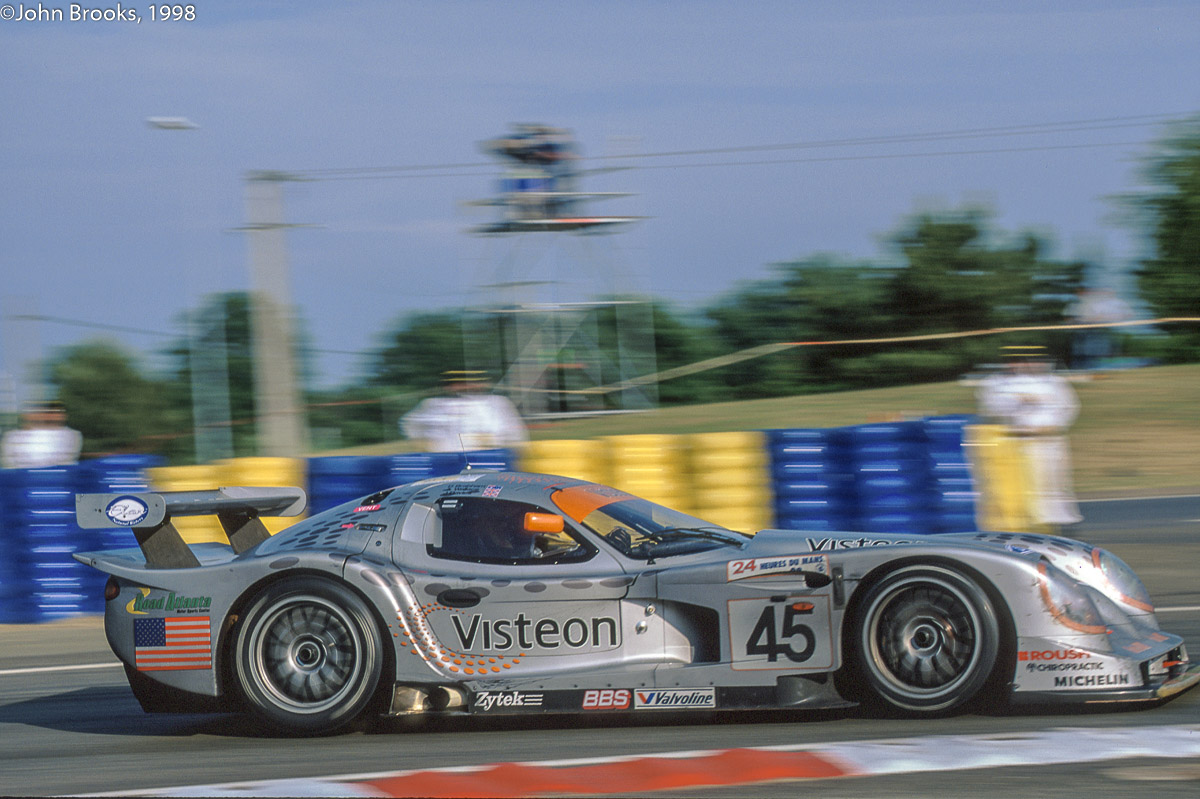
To understand the technical audacity of the GTR-1 is to appreciate the engineering gymnastics required to make a front-engine car compete with mid-engine supercars. The chassis was a carbon-fiber monocoque, but unlike its rivals, the engine was nestled deep within the nose in a “front-mid” configuration. By pushing the massive 6.0-liter Ford V8 as far back as possible, Reynard achieved a near-perfect weight distribution, though it forced the driver to sit almost over the rear axle, peering down a hood that seemed to stretch into the next zip code. The engine, a Roush-prepared pushrod V8 derived from NASCAR architecture, was a masterclass in American brute force, producing upwards of 600 horsepower and an ear-splitting, baritone roar that made the high-pitched screams of the European V12s sound delicate. Side-exit exhausts and massive cooling vents dominated the flanks, while a sophisticated underbody and a towering rear wing managed the airflow. The cockpit was a cramped, heat-soaked crucible, where pilots like David Brabham and Jan Magnussen battled not just the opposition, but the immense thermal energy radiating from the firewall.
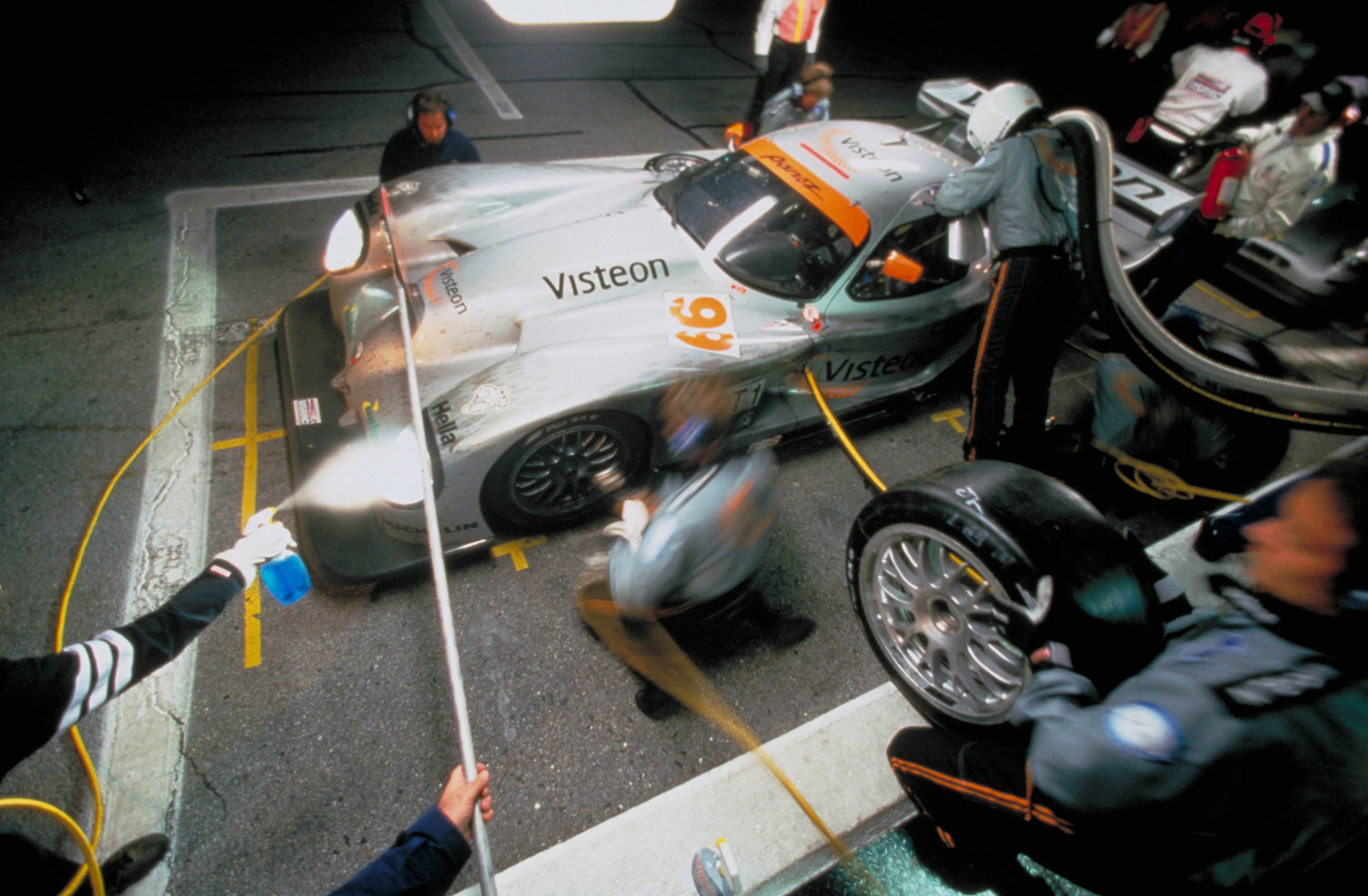
The GTR-1 made its competitive debut at the 1997 12 Hours of Sebring, and while it initially struggled with reliability and cooling—problems inherent to such a radical packaging—its raw pace was undeniable. It quickly became the star of the IMSA GT Championship and the newly formed Professional SportsCar Racing series. The car’s most iconic moments, however, were forged in the high-stakes furnace of the 24 Hours of Le Mans. While the GTR-1 never managed to secure an overall victory at La Sarthe against the might of Porsche and Mercedes, it won the hearts of the fans. It was the underdog with the loudest voice. In 1998, Panoz even pushed the envelope of innovation by creating ‘Sparky’, a hybrid version of the GTR-1 that predated the modern era of electrified endurance racing by nearly fifteen years. Across the Atlantic, the car found success in the United States, taking overall wins at Road Atlanta and Watkins Glen, proving that Don Panoz’s defiance of mid-engine orthodoxy wasn’t just a marketing stunt—it was a viable racing philosophy.
The legacy of the 1997 Panoz Esperante GTR-1 is one of uncompromising character. It was the vehicle that established Panoz as a legitimate manufacturer and paved the way for the LMP-1 Roadster S, which would eventually go on to beat the world’s best on home soil. More importantly, the GTR-1 represents the final, glorious flourish of the front-engine prototype era at the highest level of the sport. In an age where racing cars were becoming increasingly homogenized by wind tunnels and computer simulations, the GTR-1 was a physical, roaring testament to independent American spirit. It remains an immortal icon in the pantheon of motorsport—a carbon-fiber brute that dared to put the cart before the horse and nearly conquered the world in the process.
Brand
Produced from
Portal
Vehicle category
Model line
Predecessor
Sucessor
Brand
Produced from
Portal
Vehicle category
Model line
Model generation
Predecessor
Sucessor
Submodel Overview
In the late 1990s, the landscape of top-tier sports car racing was gripped by a mid-engine madness. The FIA GT1 category had evolved into a playground for “homologation specials”—thinly disguised prototypes like the Porsche 911 GT1 and the Mercedes-Benz CLK GTR. Conventional wisdom dictated that to be competitive, the engine had to sit behind the driver. Don Panoz, the American pharmaceutical magnate and motorsport visionary, viewed this consensus with a characteristic grin and a puff of his cigarette. He believed that a race car should look like a car, with the power out front and the driver wrestling it from the rear. To prove it, he commissioned Reynard Motorsport and designer Tony Southgate to create the 1997 Panoz Esperante GTR-1. It was a visceral, thundering anomaly that arrived on the world stage to challenge the European establishment, sporting a silhouette so aggressive and elongated that the fans immediately christened it ‘The Batmobile’.
To understand the technical audacity of the GTR-1 is to appreciate the engineering gymnastics required to make a front-engine car compete with mid-engine supercars. The chassis was a carbon-fiber monocoque, but unlike its rivals, the engine was nestled deep within the nose in a “front-mid” configuration. By pushing the massive 6.0-liter Ford V8 as far back as possible, Reynard achieved a near-perfect weight distribution, though it forced the driver to sit almost over the rear axle, peering down a hood that seemed to stretch into the next zip code. The engine, a Roush-prepared pushrod V8 derived from NASCAR architecture, was a masterclass in American brute force, producing upwards of 600 horsepower and an ear-splitting, baritone roar that made the high-pitched screams of the European V12s sound delicate. Side-exit exhausts and massive cooling vents dominated the flanks, while a sophisticated underbody and a towering rear wing managed the airflow. The cockpit was a cramped, heat-soaked crucible, where pilots like David Brabham and Jan Magnussen battled not just the opposition, but the immense thermal energy radiating from the firewall.
The GTR-1 made its competitive debut at the 1997 12 Hours of Sebring, and while it initially struggled with reliability and cooling—problems inherent to such a radical packaging—its raw pace was undeniable. It quickly became the star of the IMSA GT Championship and the newly formed Professional SportsCar Racing series. The car’s most iconic moments, however, were forged in the high-stakes furnace of the 24 Hours of Le Mans. While the GTR-1 never managed to secure an overall victory at La Sarthe against the might of Porsche and Mercedes, it won the hearts of the fans. It was the underdog with the loudest voice. In 1998, Panoz even pushed the envelope of innovation by creating ‘Sparky’, a hybrid version of the GTR-1 that predated the modern era of electrified endurance racing by nearly fifteen years. Across the Atlantic, the car found success in the United States, taking overall wins at Road Atlanta and Watkins Glen, proving that Don Panoz’s defiance of mid-engine orthodoxy wasn’t just a marketing stunt—it was a viable racing philosophy.
The legacy of the 1997 Panoz Esperante GTR-1 is one of uncompromising character. It was the vehicle that established Panoz as a legitimate manufacturer and paved the way for the LMP-1 Roadster S, which would eventually go on to beat the world’s best on home soil. More importantly, the GTR-1 represents the final, glorious flourish of the front-engine prototype era at the highest level of the sport. In an age where racing cars were becoming increasingly homogenized by wind tunnels and computer simulations, the GTR-1 was a physical, roaring testament to independent American spirit. It remains an immortal icon in the pantheon of motorsport—a carbon-fiber brute that dared to put the cart before the horse and nearly conquered the world in the process.
Tech Specs
Technical Specifications
Tech Specs
Technical Specifications
Engine
01
03
Internal combustion engine
Configuration
Ford / Roush Racing V8 - 90º
Location
Front-Mid, longitudinally mounted
Construction
Aluminium alloy block and heads
Displacement (cc)
5,990 cc
Displacement (cu in)
365.5 cu in
Compression
~12.0:1
Bore x Stroke
104.8 mm x 86.9 mm
Valvetrain
2 valves per cylinder, OHV
Fuel feed
Electronic sequential fuel injection
Lubrication
Dry sump
Aspiration
Naturally aspirated
Output
Power (hp)
~600 hp
Power (kW)
~447 kW
Max power at
7,000 RPM
Torque (Nm)
~718 Nm
Torque (ft lbs)
~530 ft lbs
Max torque at
5,500 RPM
Drivetrain
02
03
Chassis
Type
Monocoque unibody
Material
Carbon fibre composite and aluminium honeycomb
Body
Material
Carbon fibre and Kevlar composite
Transmission
Gearbox
Xtrac 6-speed sequential manual
Drive
Rear Wheel Drive (Limited Slip Differential)
Suspension
Front
Independent, double wishbones, pushrod-actuated inboard coil springs over dampers, anti-roll bar
Rear
Independent, double wishbones, pushrod-actuated inboard coil springs over dampers, anti-roll bar
Steering
Type
Rack and pinion, power assisted
Brakes
Front
Ventilated carbon-carbon discs Ø380 mm, 6-piston Brembo racing calipers
Rear
Ventilated carbon-carbon discs Ø356 mm, 4-piston Brembo racing calipers
Wheels
Front
12" x 18" (BBS center-lock forged magnesium)
Rear
13" x 18" (BBS center-lock forged magnesium)
Tires
Front
290/650-18
Rear
330/710-18
Dimensions and performance
03
03
Dimensions
Length (mm)
4,550 mm
Length (in)
179.1 in
Width (mm)
1,980 mm
Width (in)
78.0 in
Height (mm)
1,120 mm
Height (in)
44.1 in
Wheelbase (mm)
2,756 mm
Wheelbase (in)
108.5 in
Weight (kg)
960 kg
Weight (lbs)
2,116 lbs
Performance
Power to weight
~0.62 hp/kg
Top speed (km/h)
~320 km/h
Top speed (mph)
~199 mph
0-100 km/h (0-60 mph)
~3.3 s