
Porsche 911 GT3 RS
Brand
Produced from
Portal
Vehicle category
Model line
Model generation
Predecessor
Successor
Submodel Overview
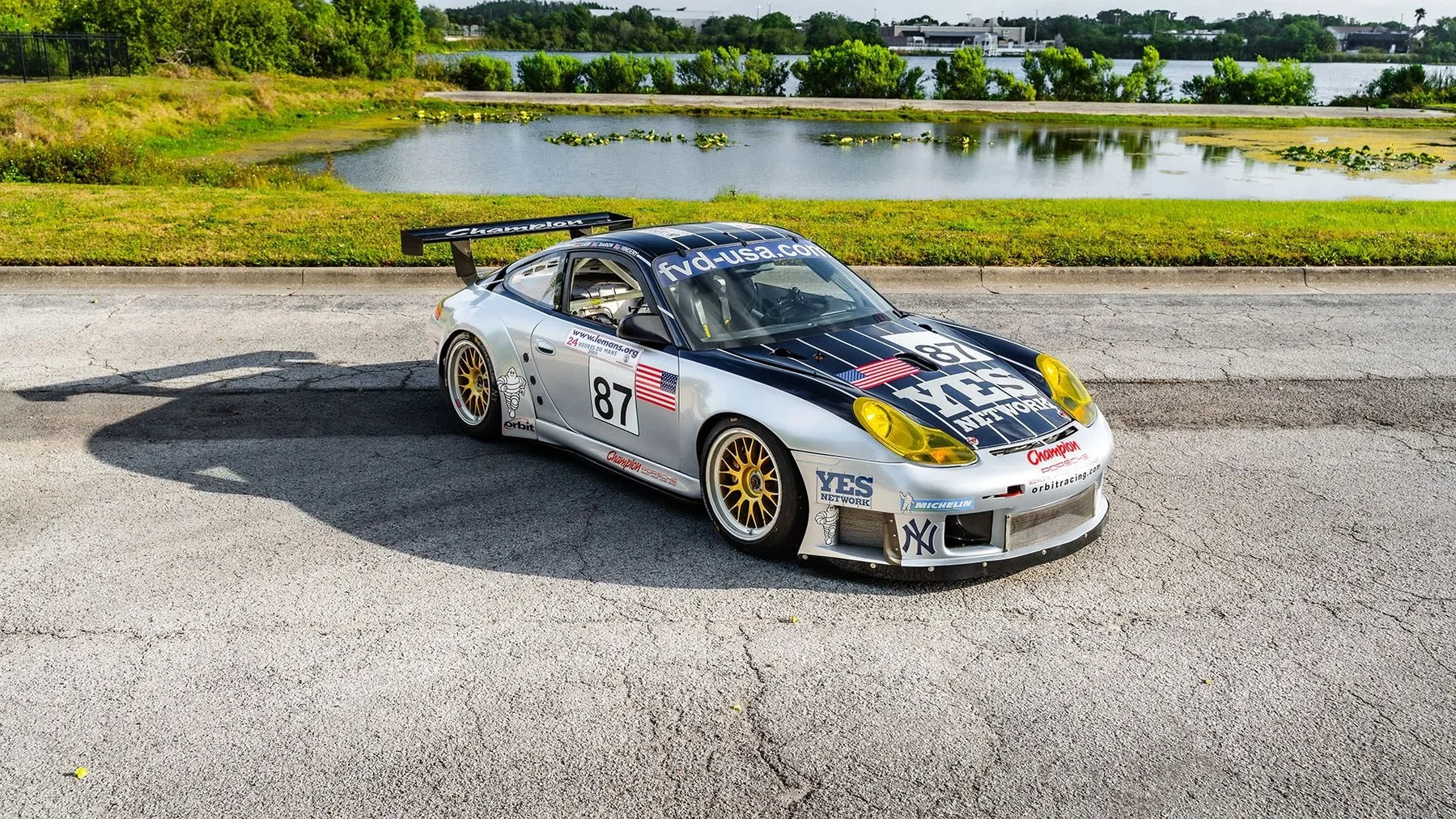
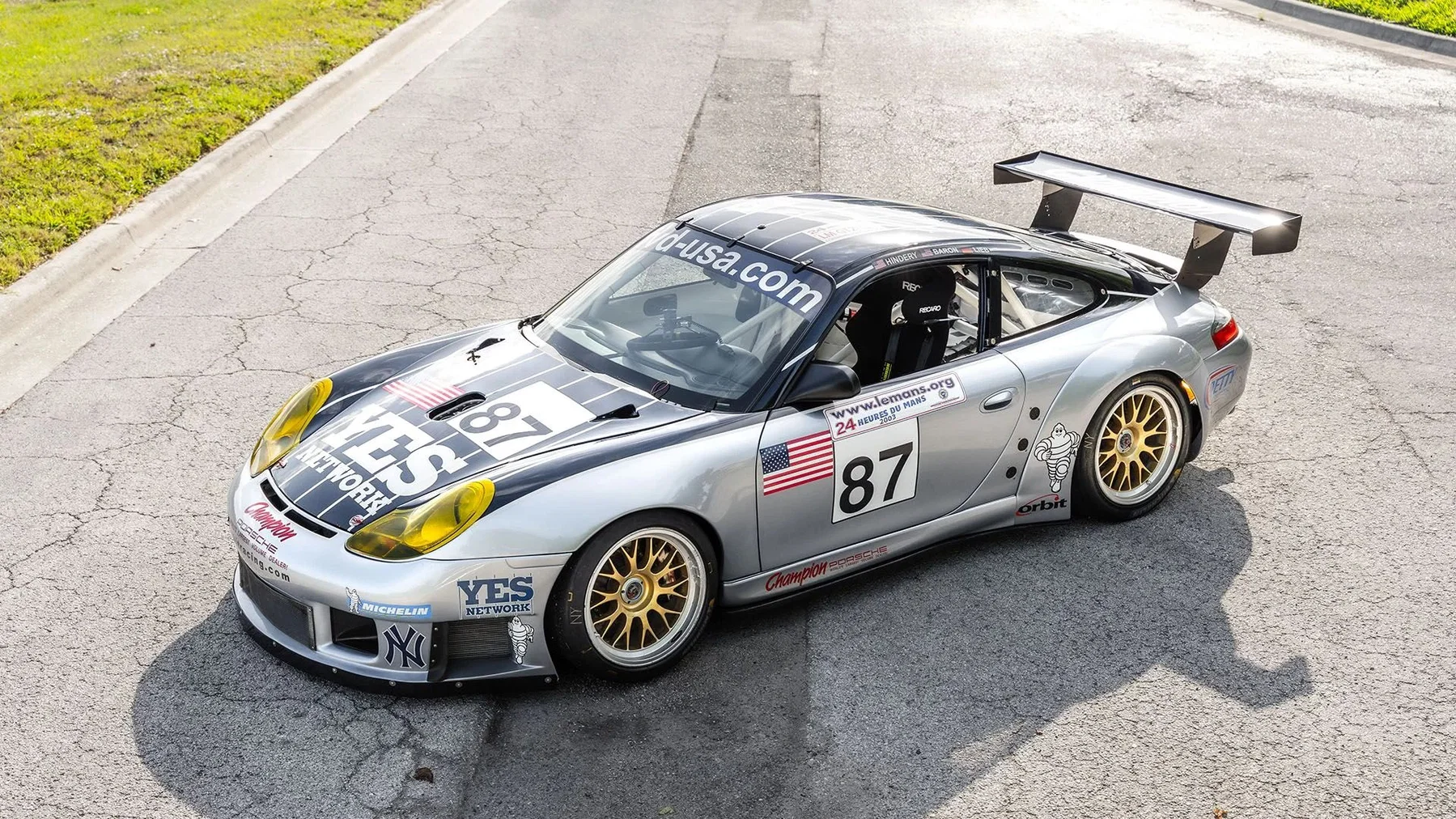
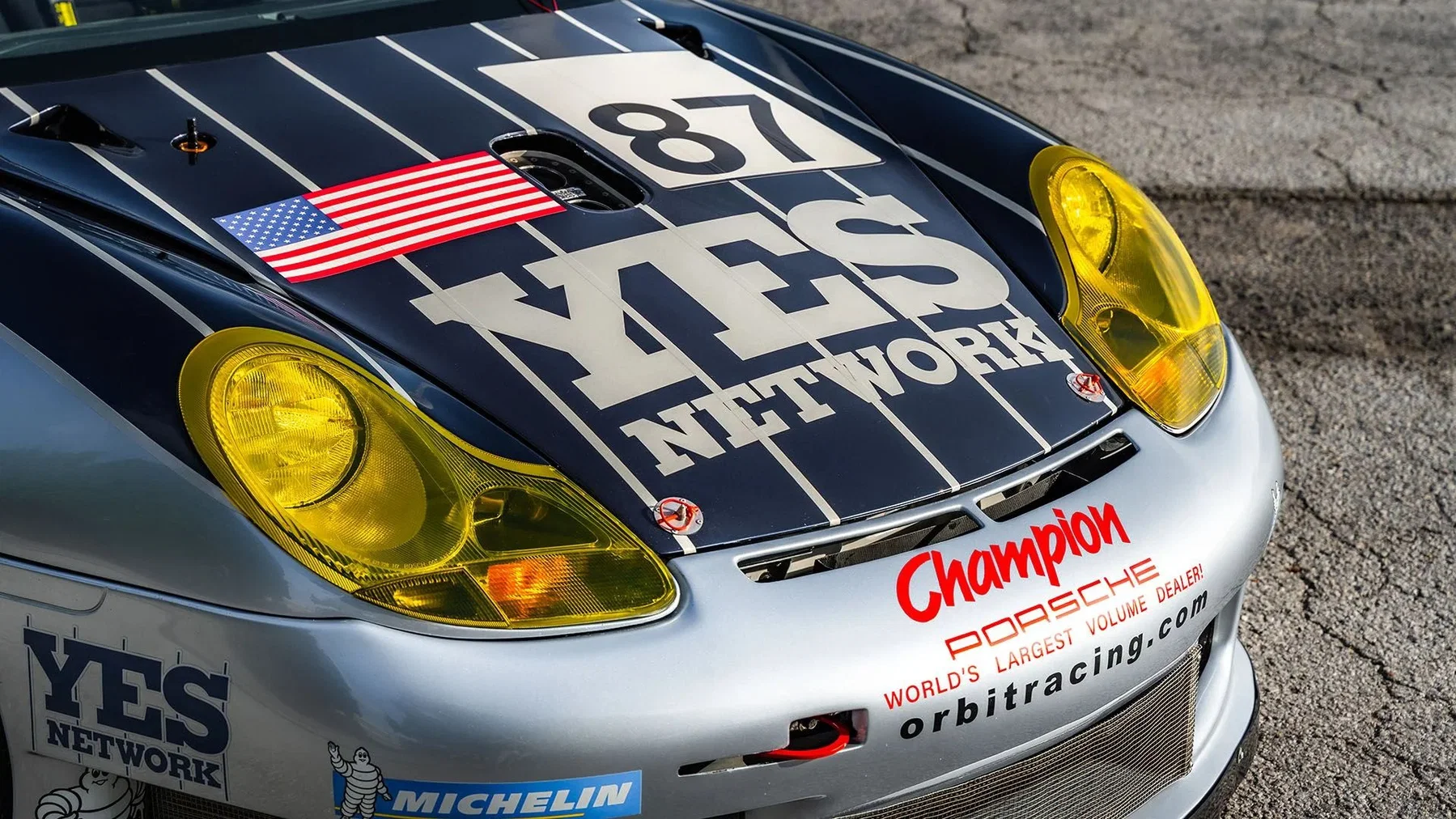
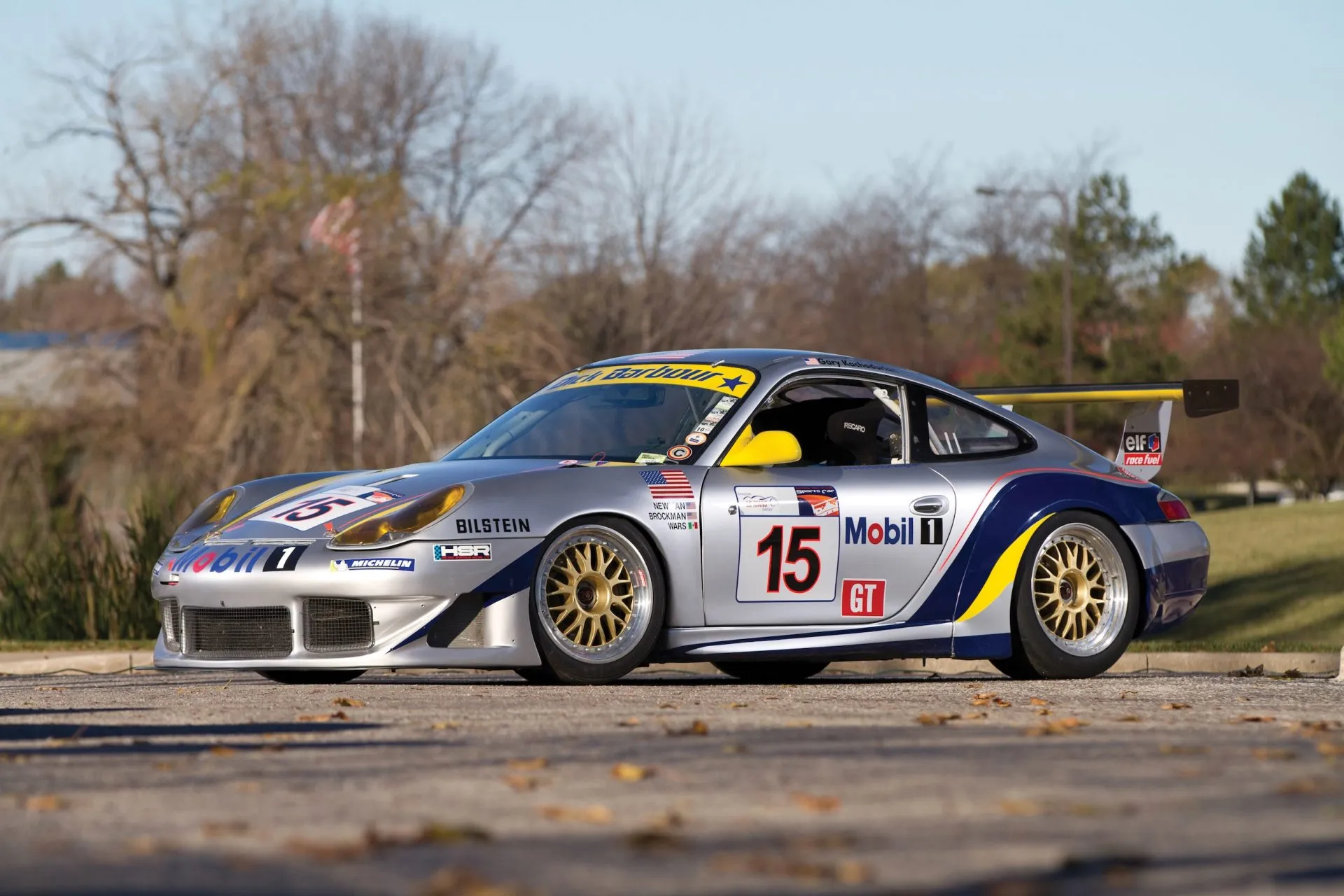
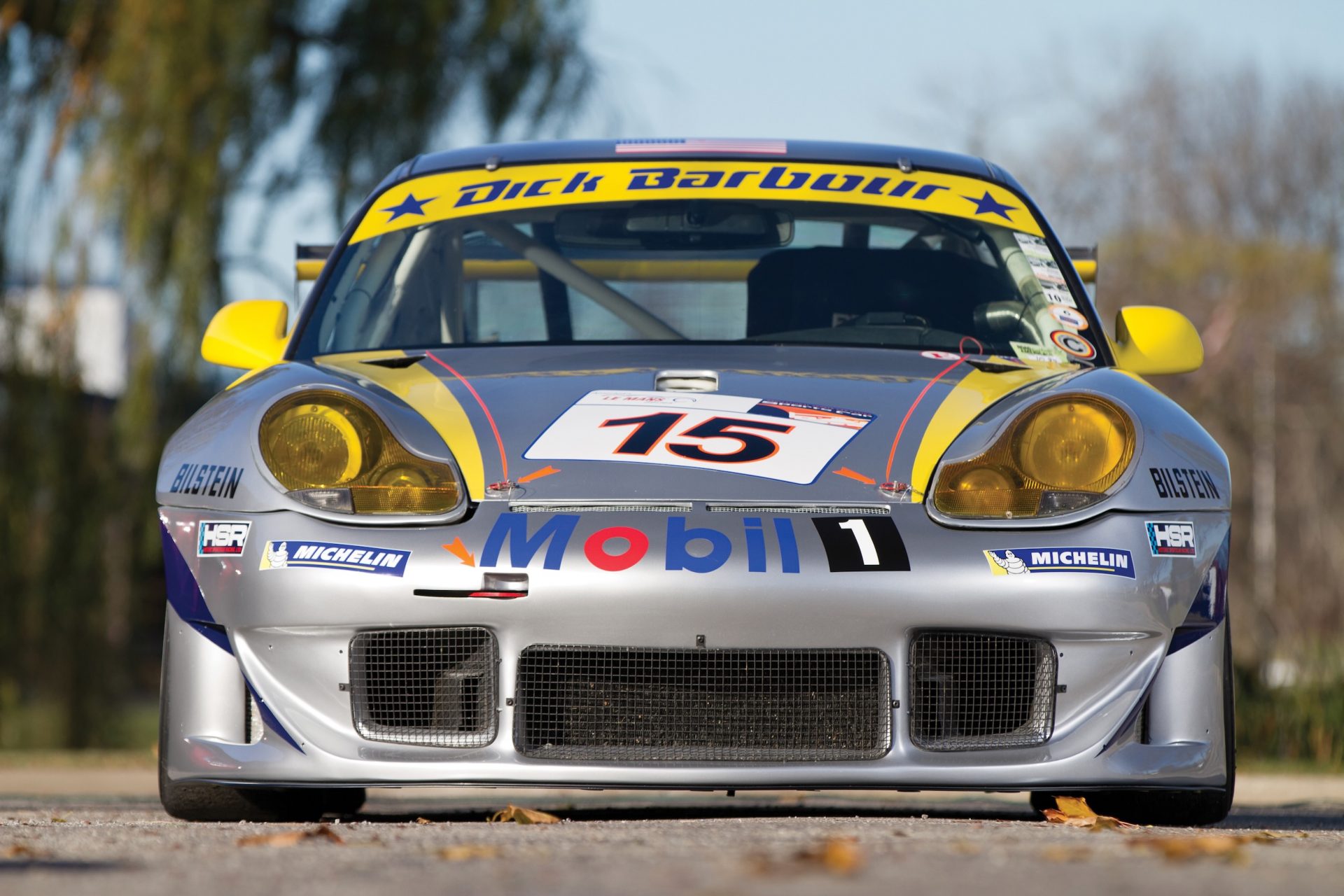
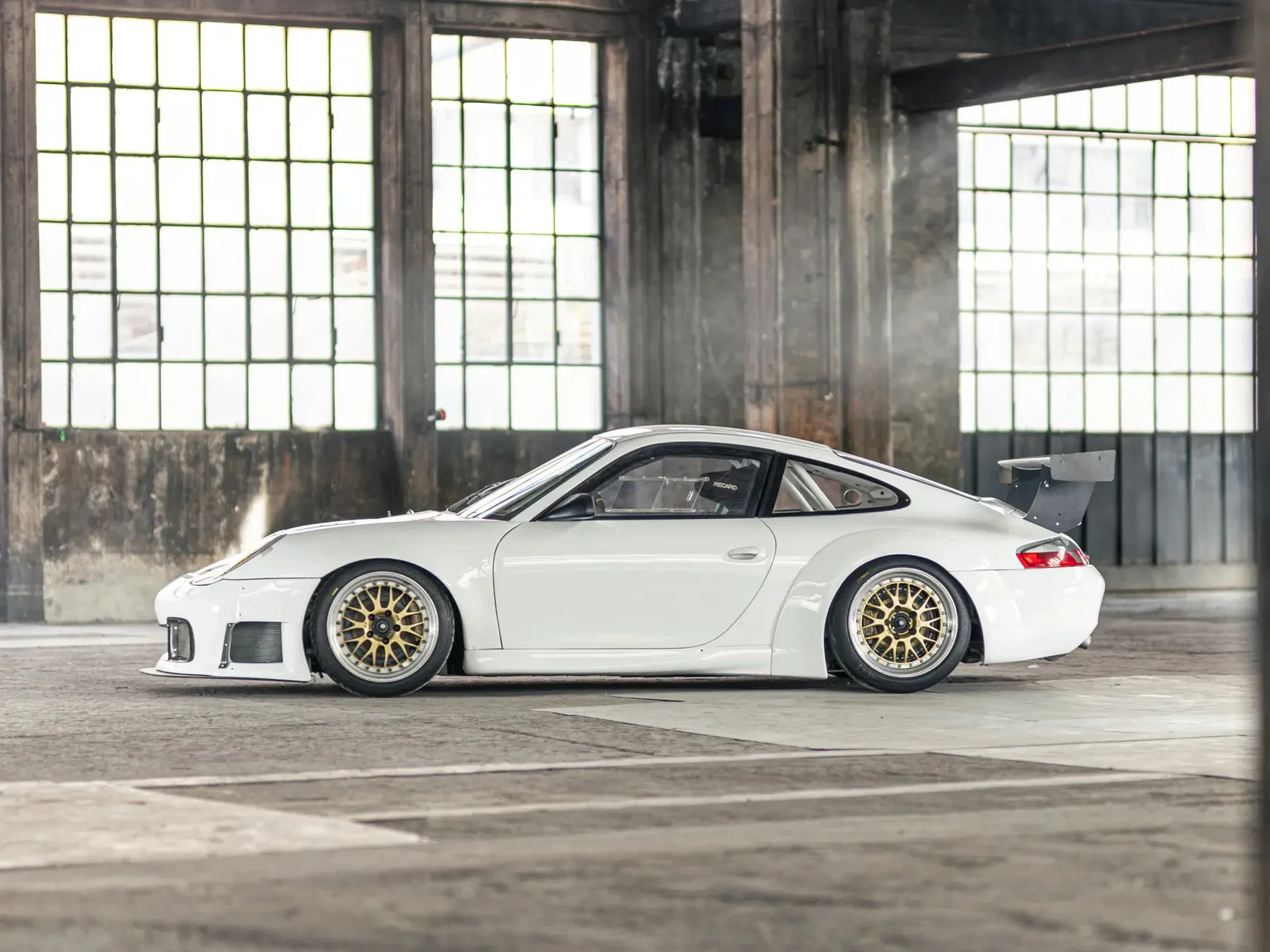
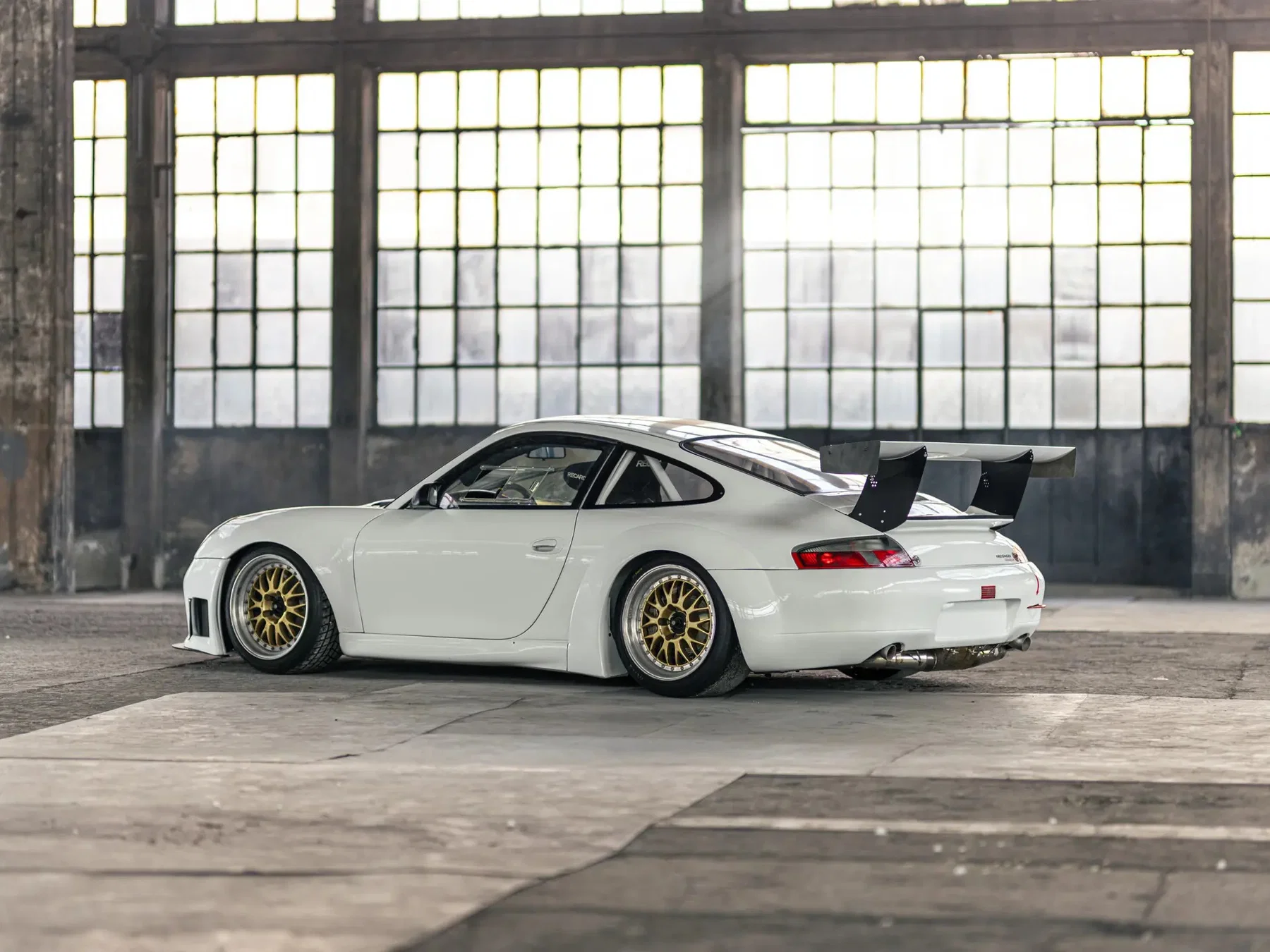
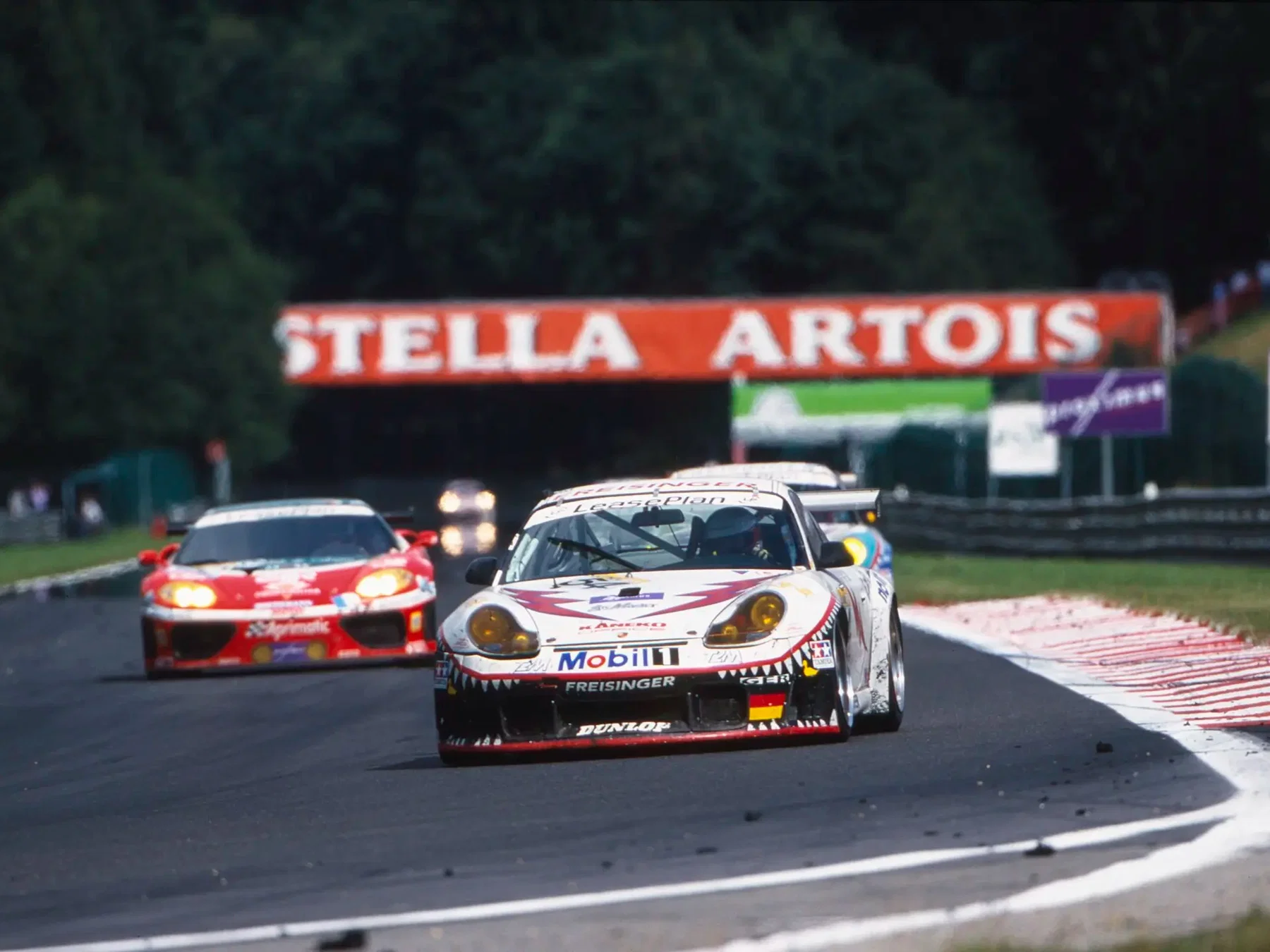
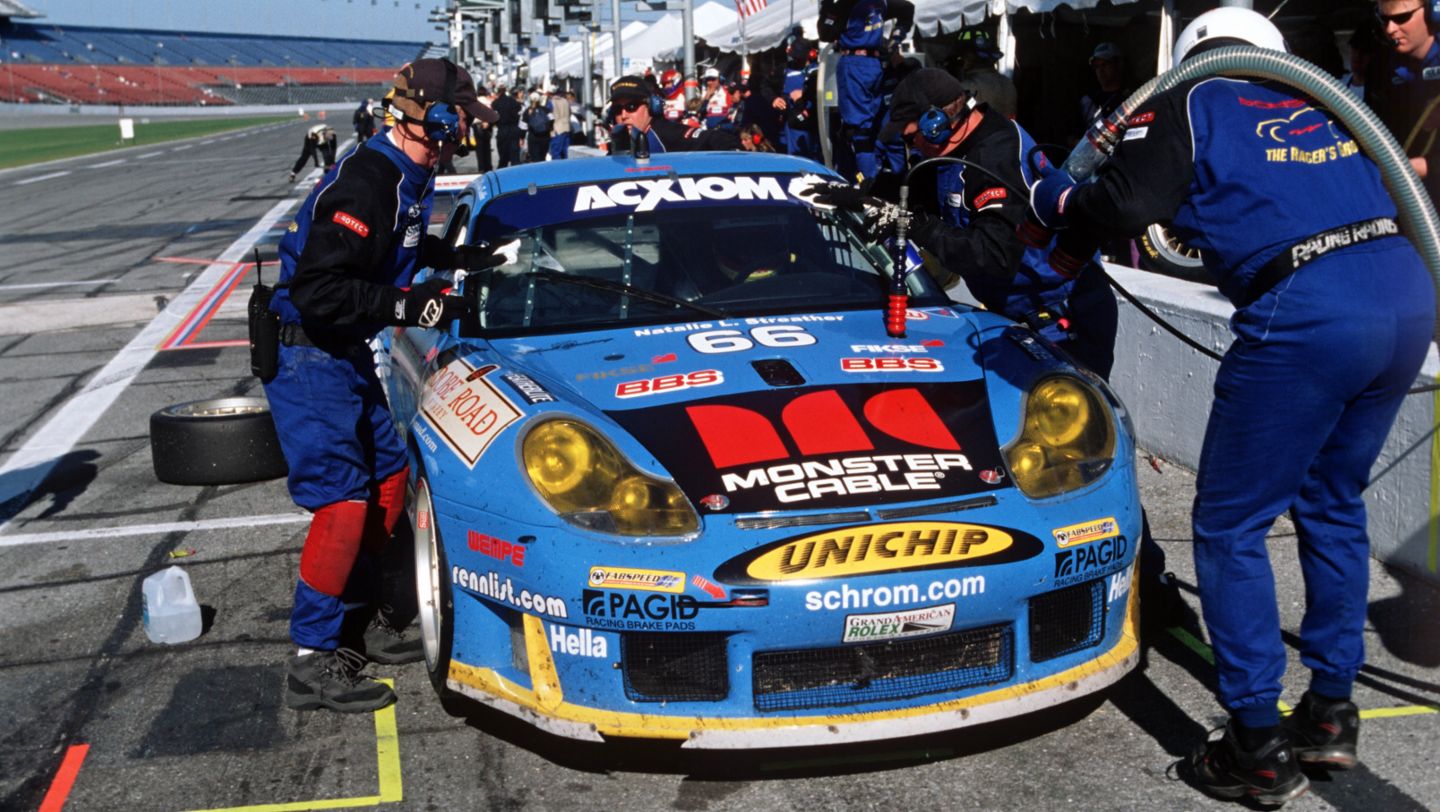
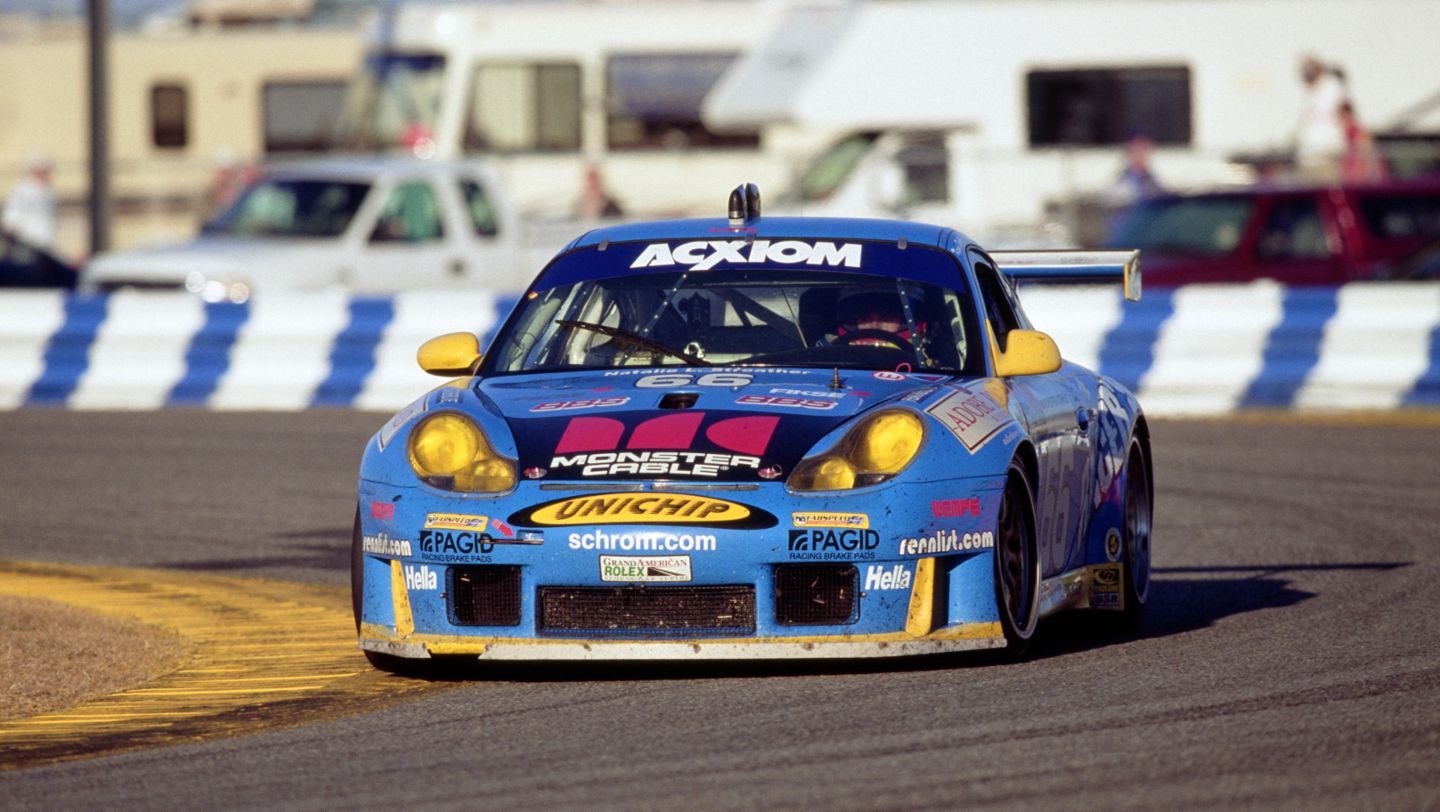
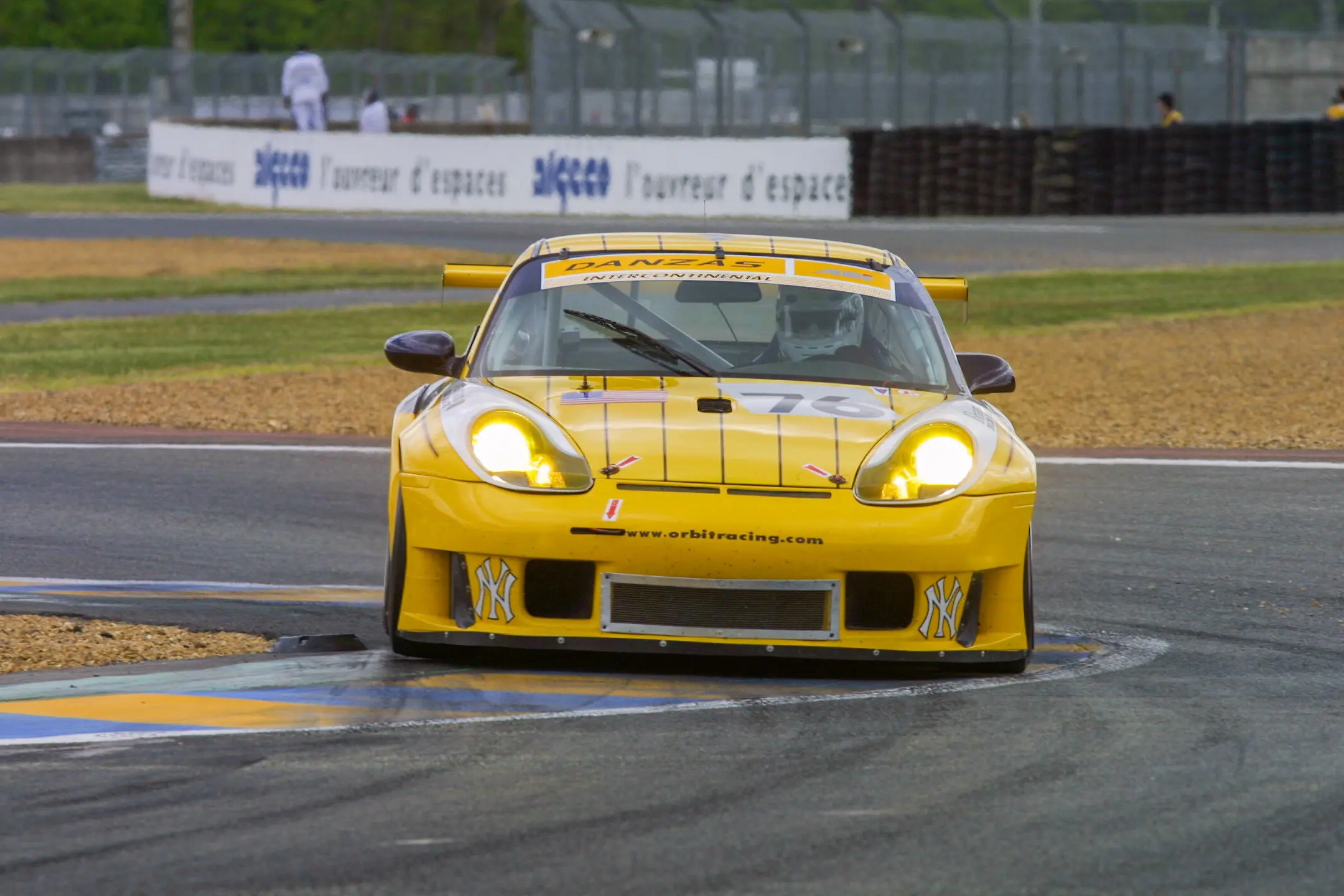
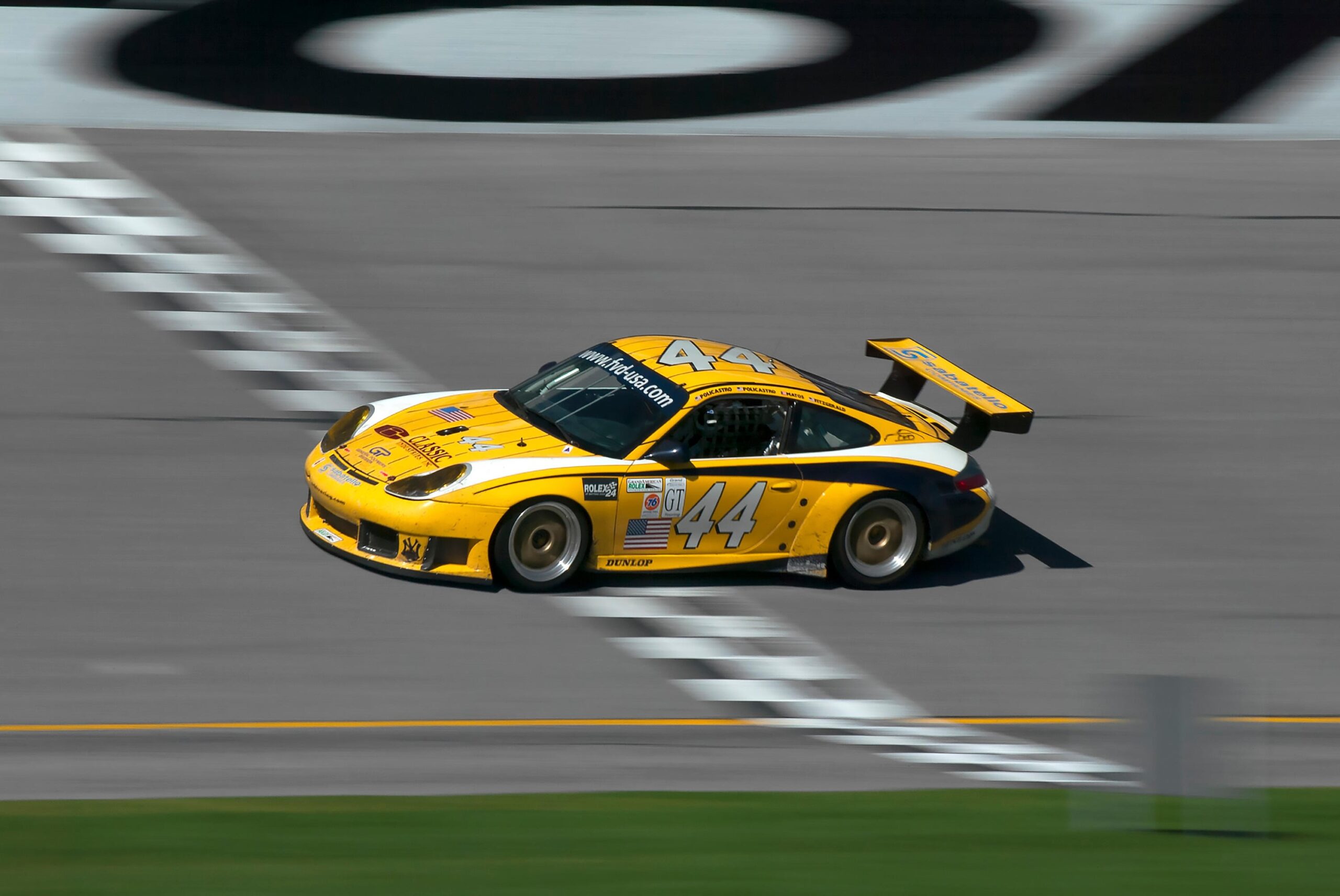
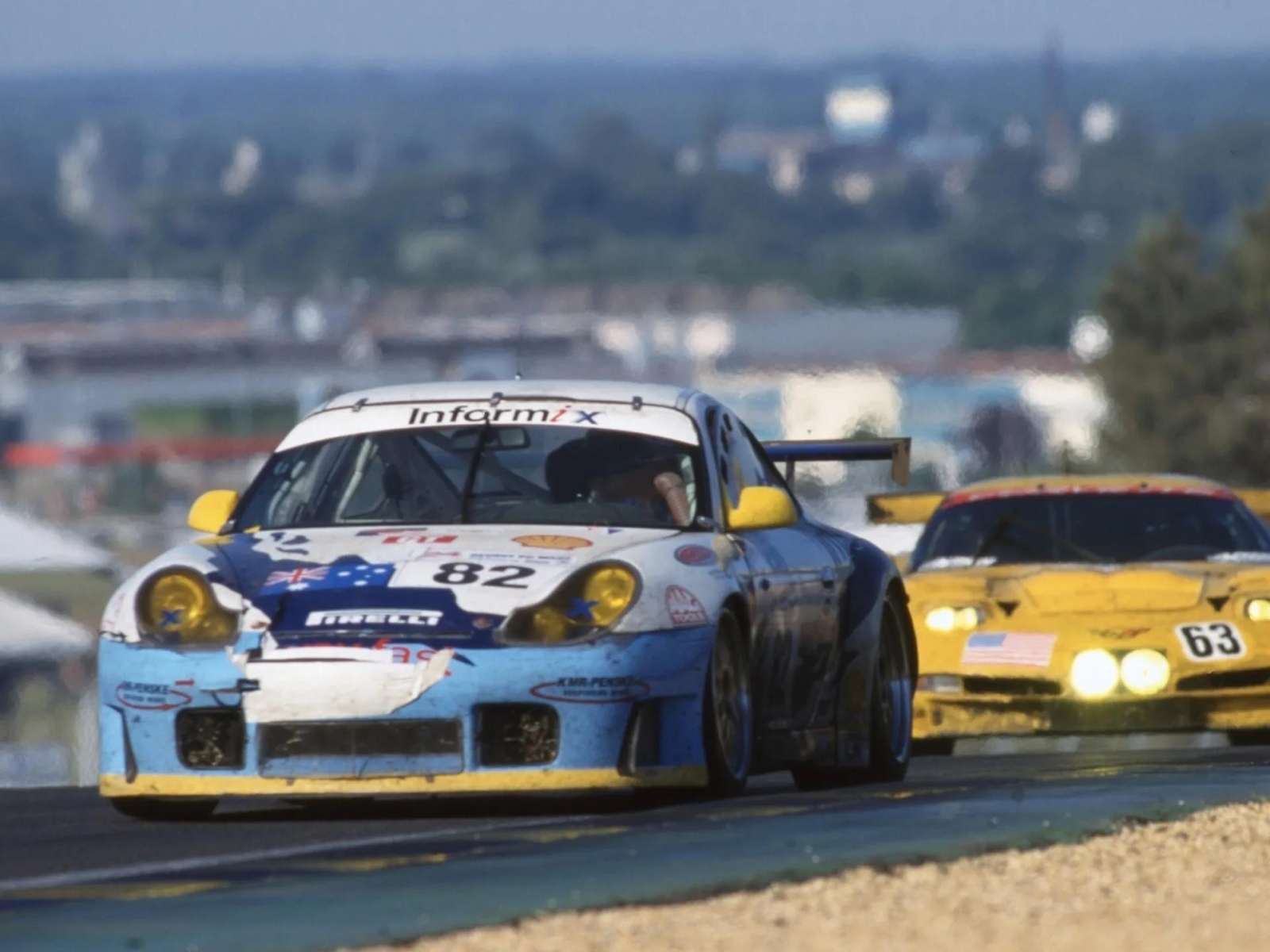
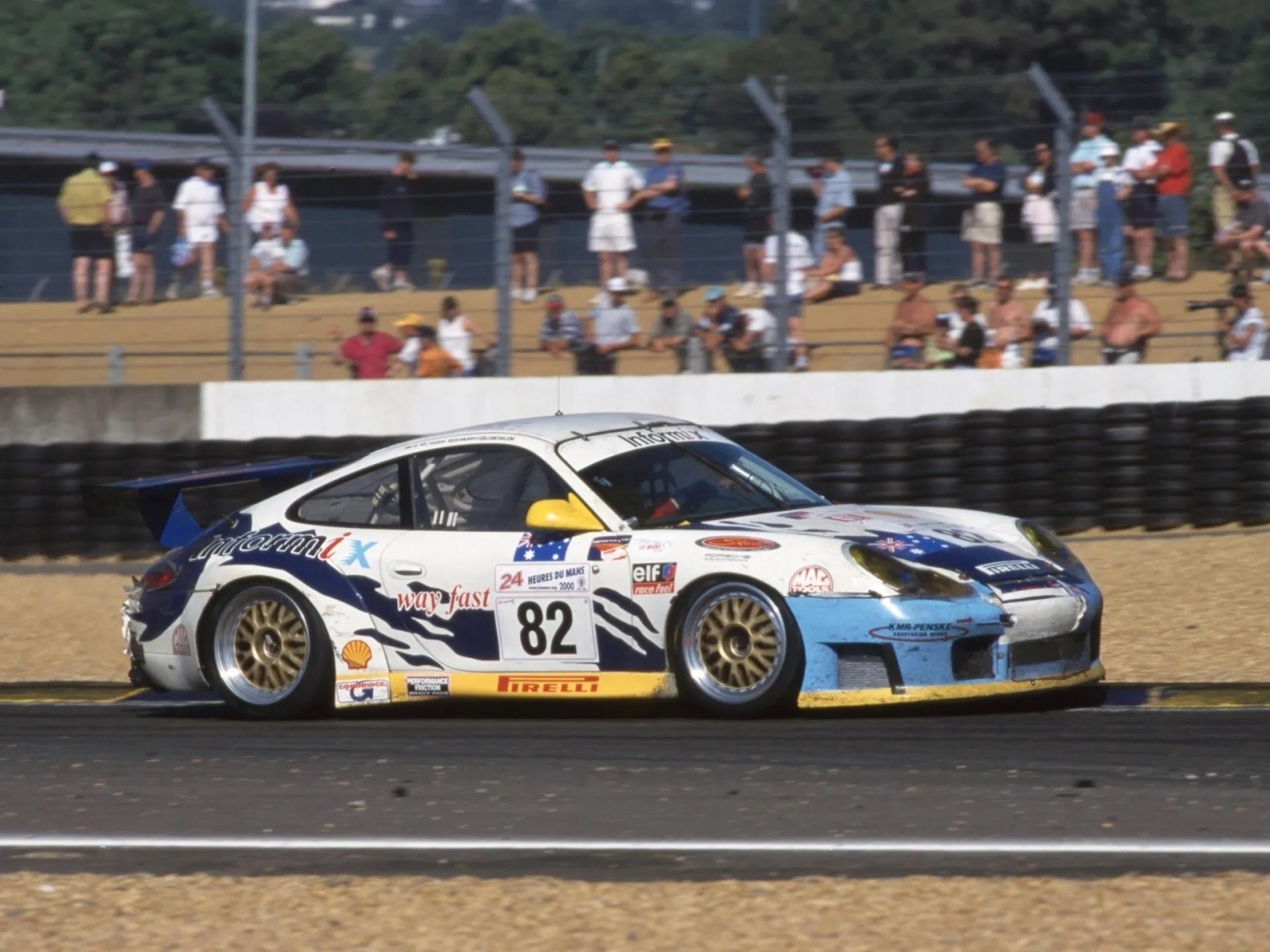
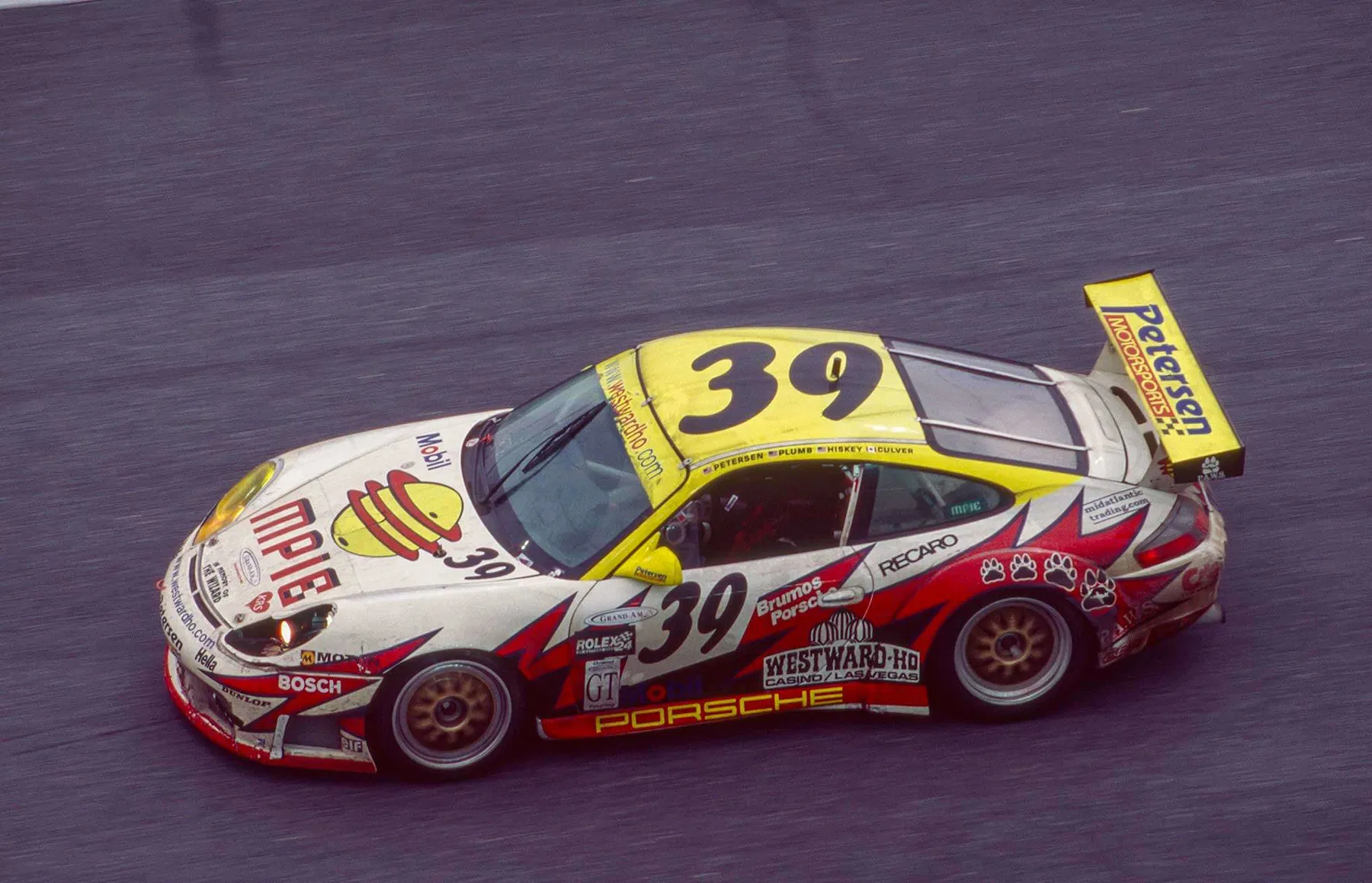
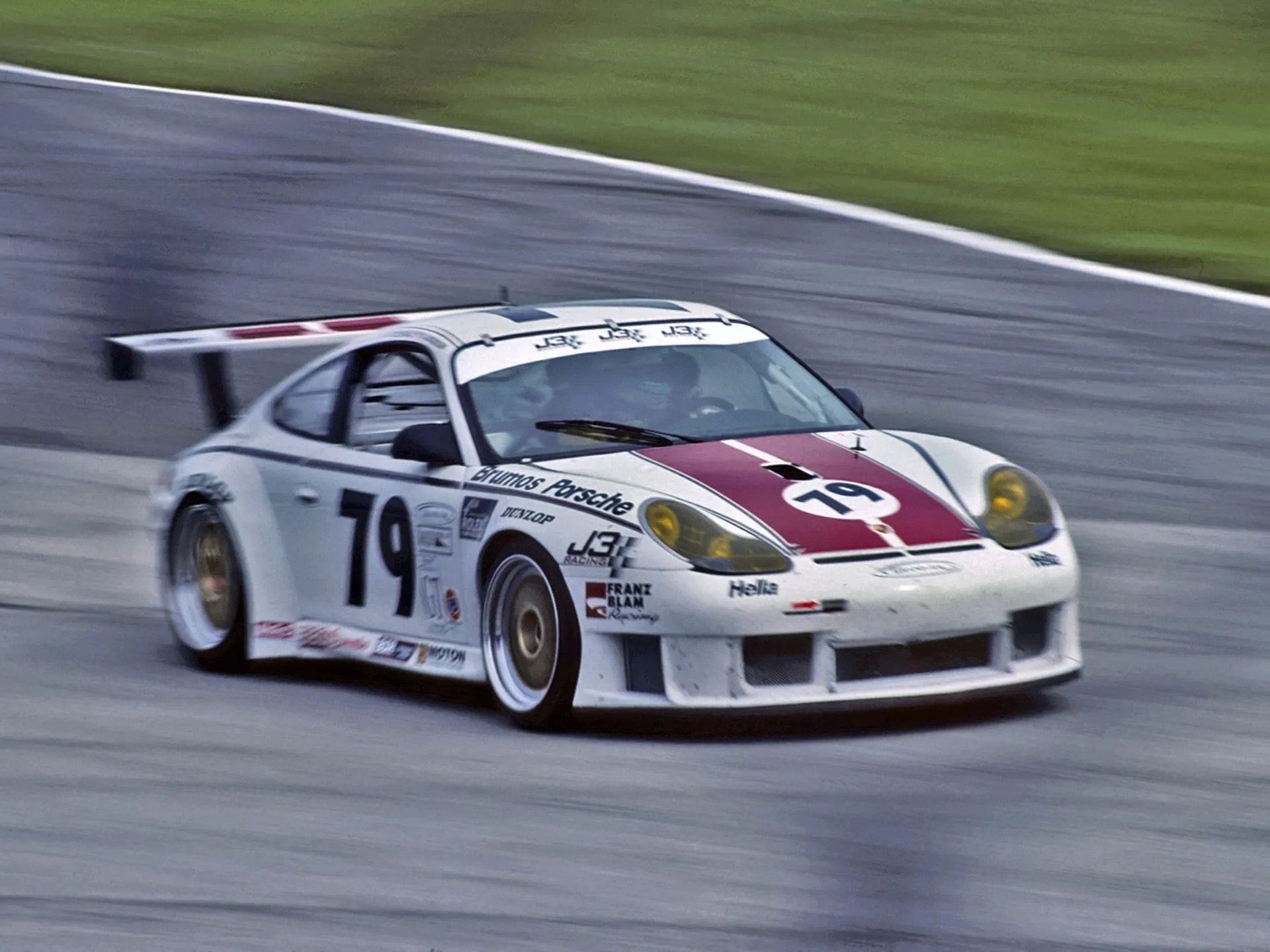
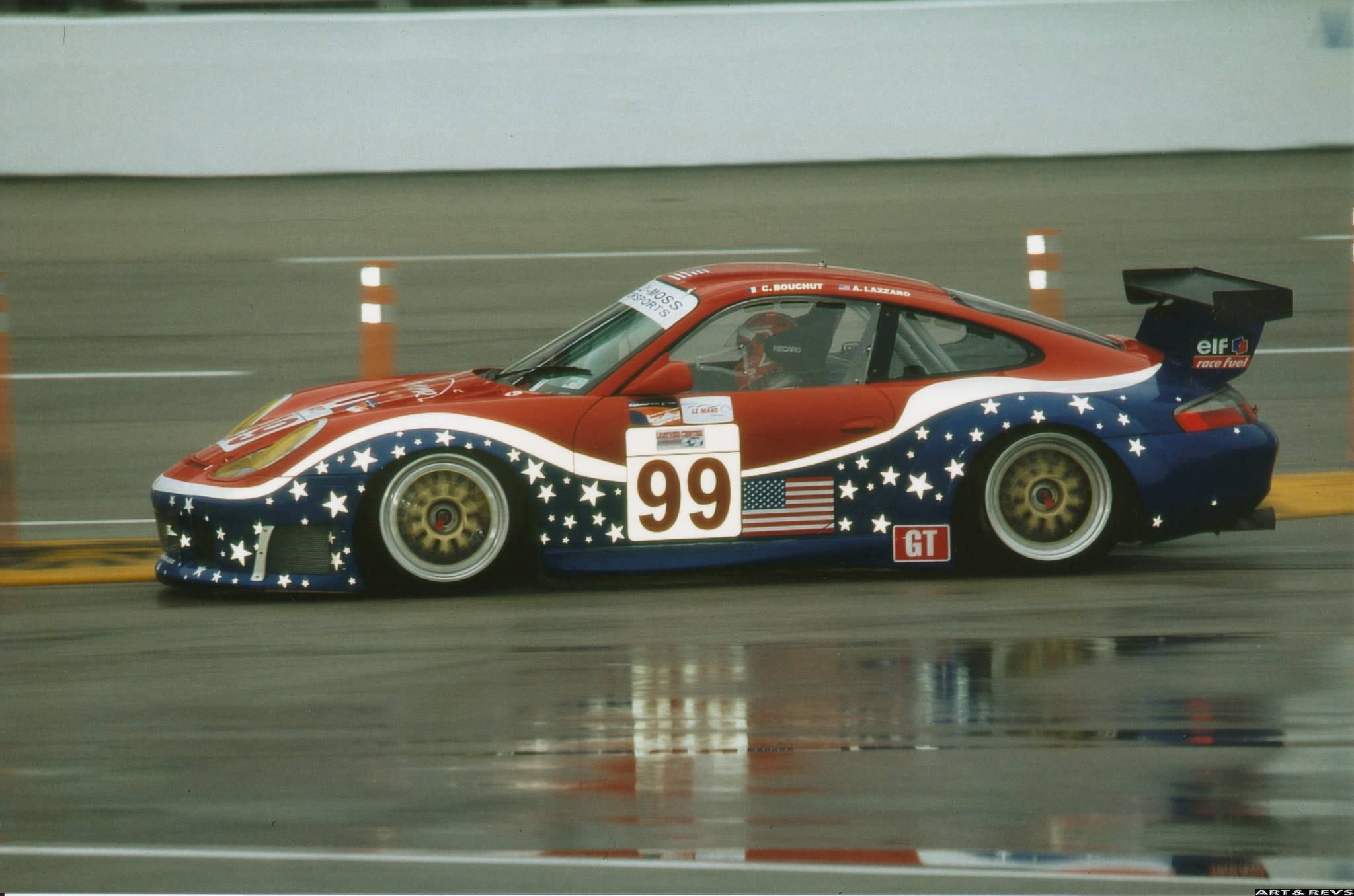
As the 2001 endurance racing season dawned, the global paddocks were bracing for an escalation in hostilities. Zuffenhausen had already proven the viability of its new water-cooled architecture with the highly successful 1999 and 2000 GT3 R, but the competition was rapidly closing the gap. Maranello had unleashed the screaming, Michelotto-developed Ferrari 360 Modena N-GT, and Munich was brewing a highly controversial, V8-powered storm with the BMW M3 GTR in the American Le Mans Series. Porsche’s emphatic response was not a clean-sheet redesign, but a razor-sharp, heavily evolved track weapon specifically engineered for the FIA N-GT and Le Mans GT classes: the 2001 Porsche 911 GT3 RS. It is crucial to distinguish this bespoke factory race car from the iconic white-and-red street car that would adopt the same nameplate two years later. This 2001 machine was a pure, uncompromised endurance titan, built to withstand 24-hour marathons and explicitly designed to remind the Italians and Bavarians exactly who owned the sports car racing paddock.
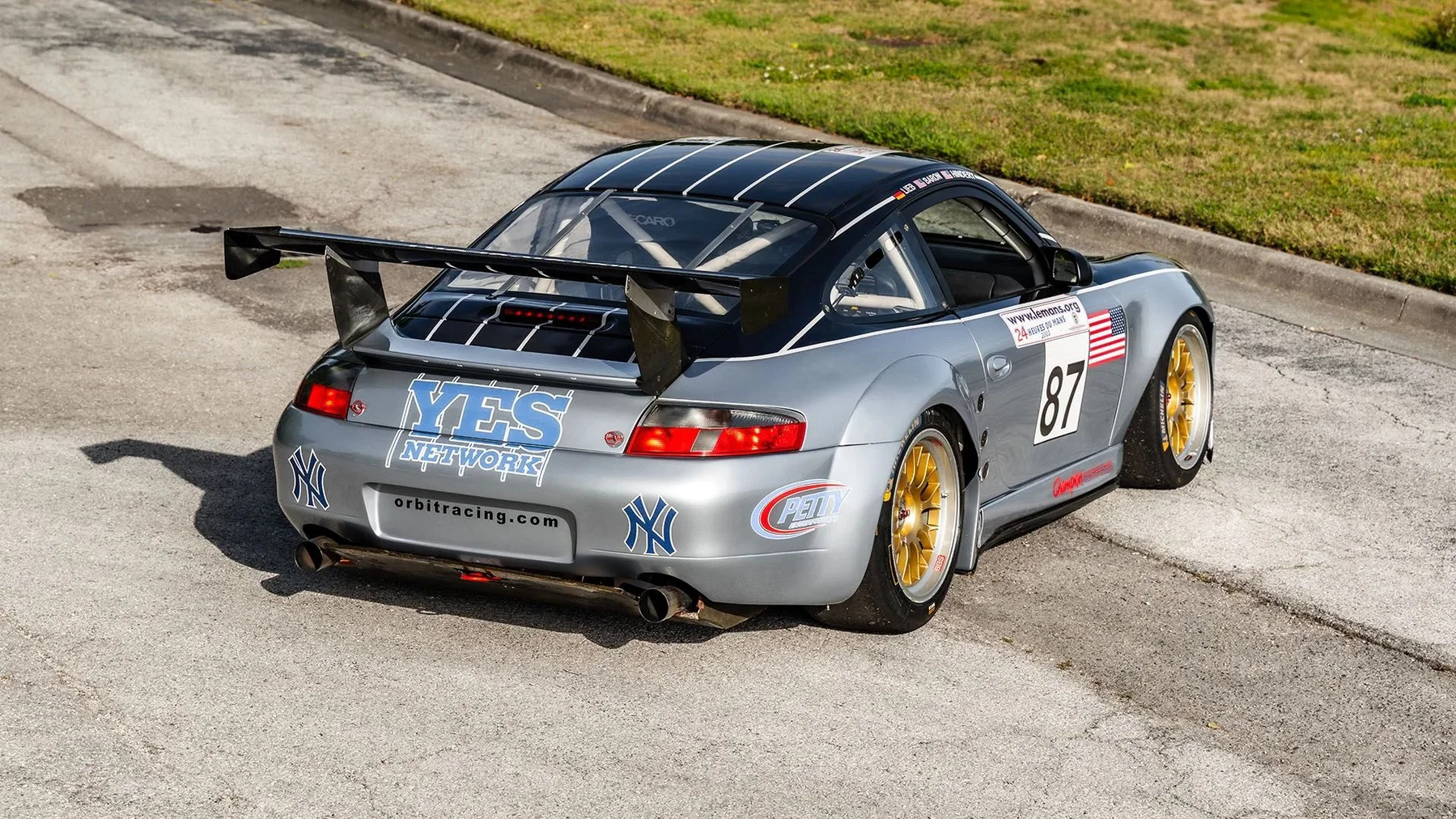
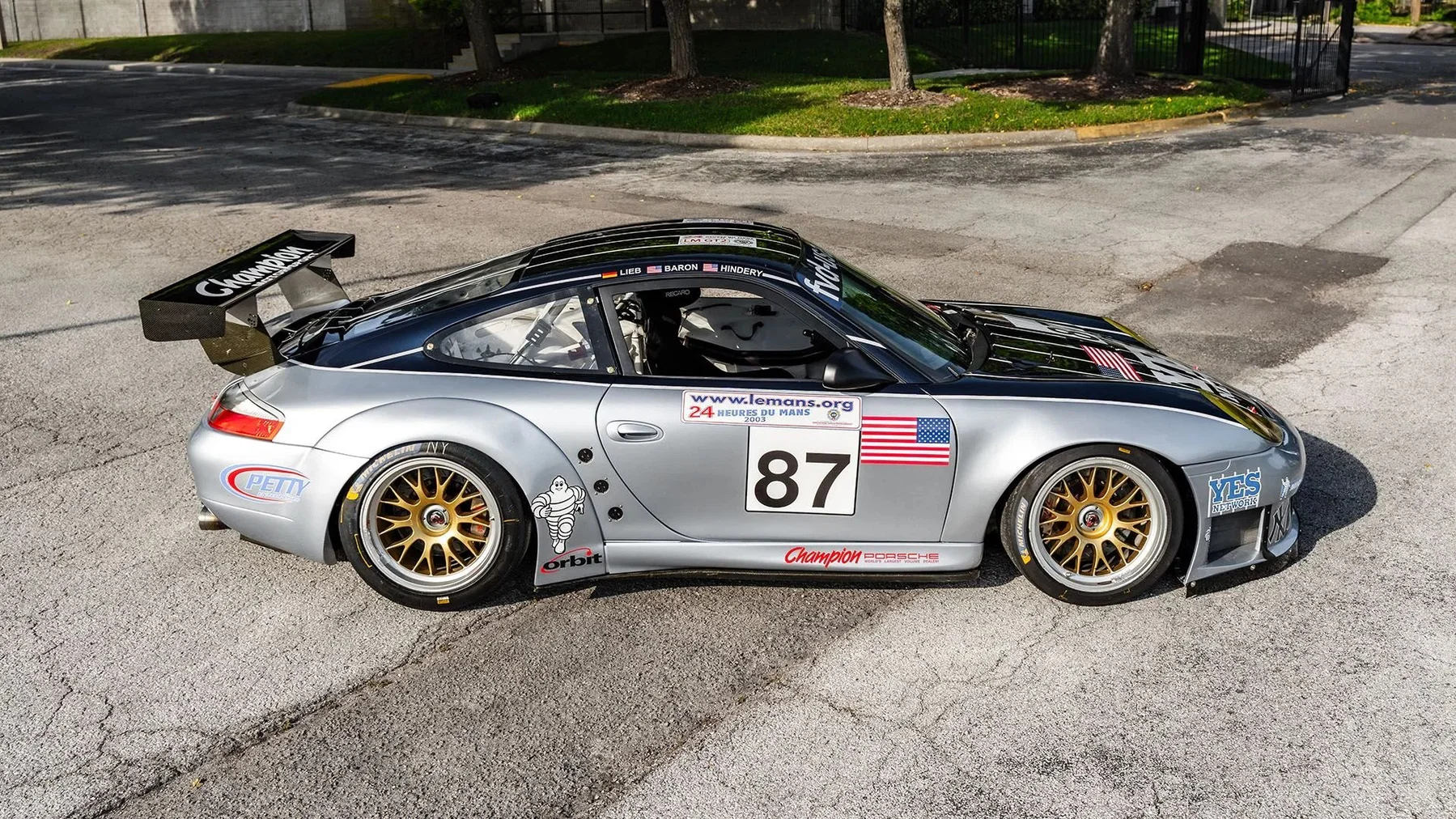
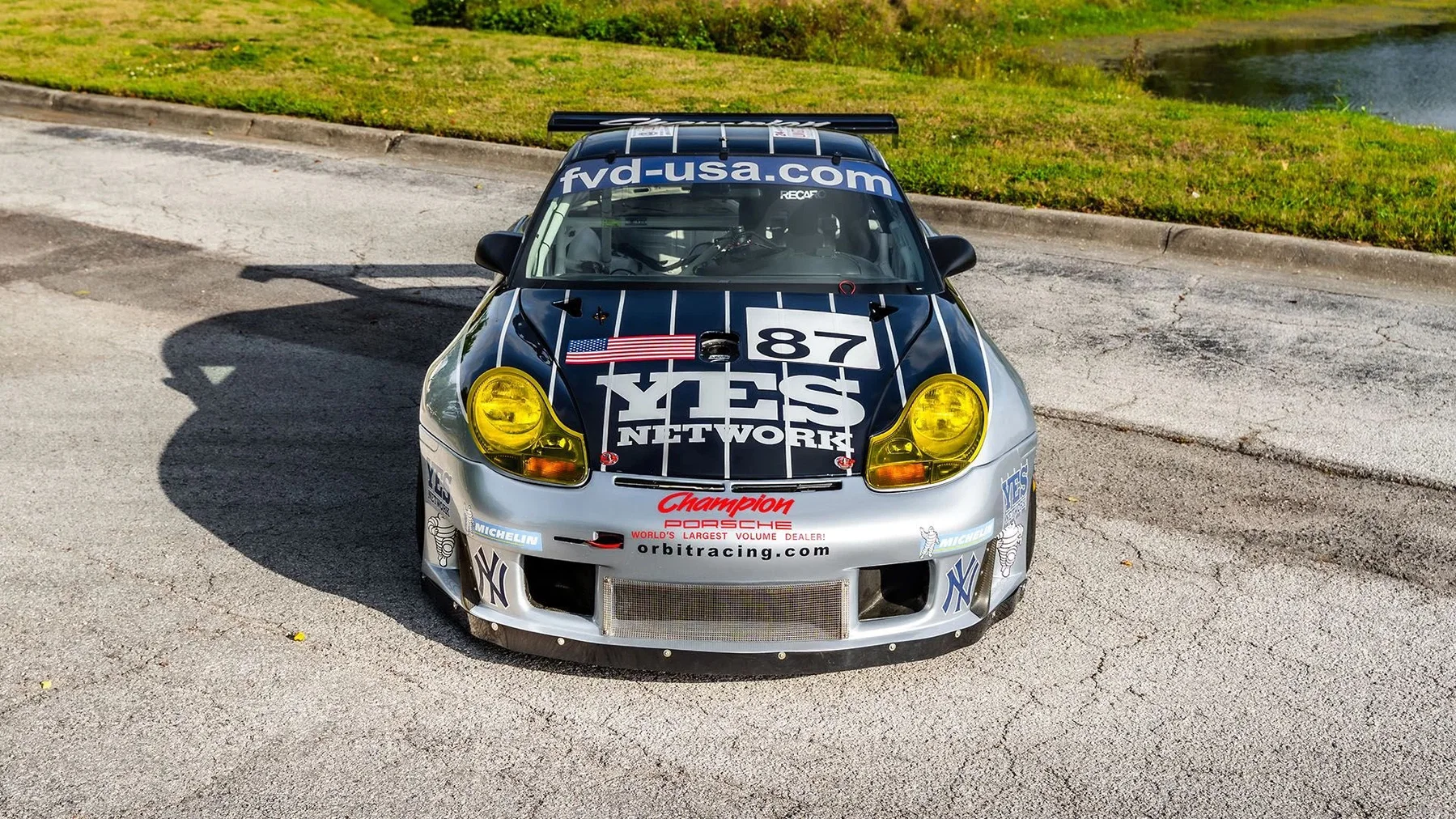
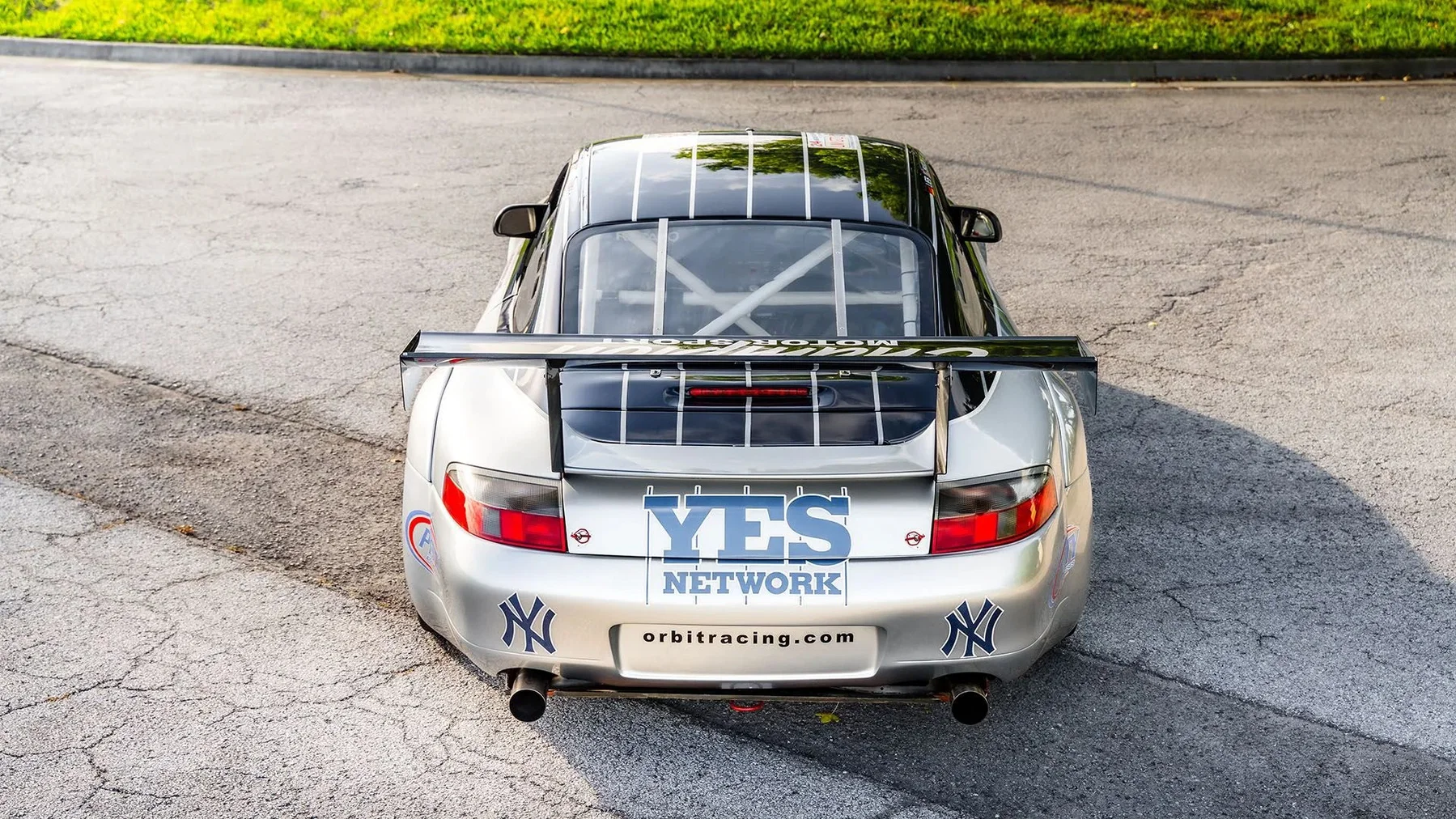
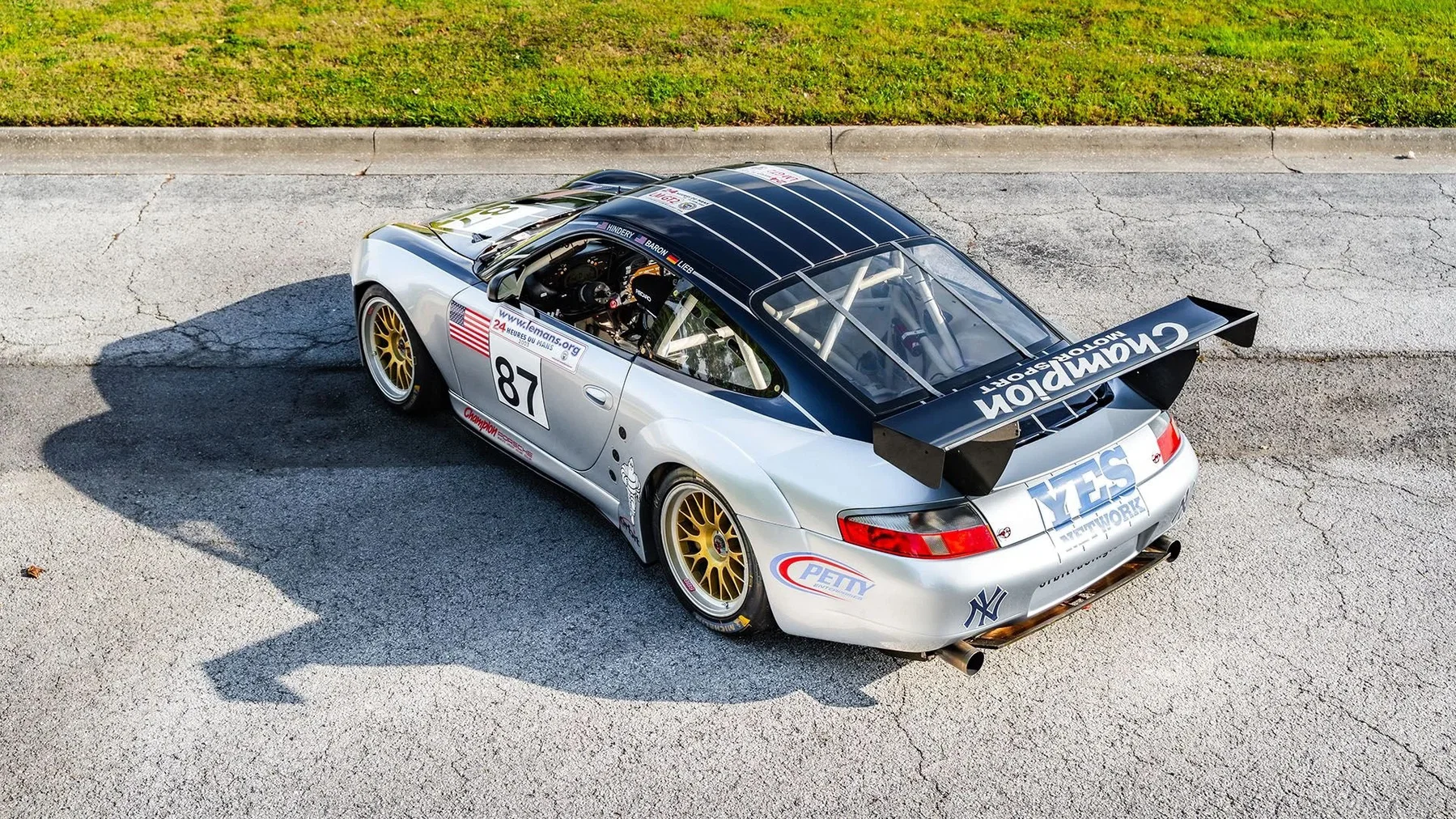
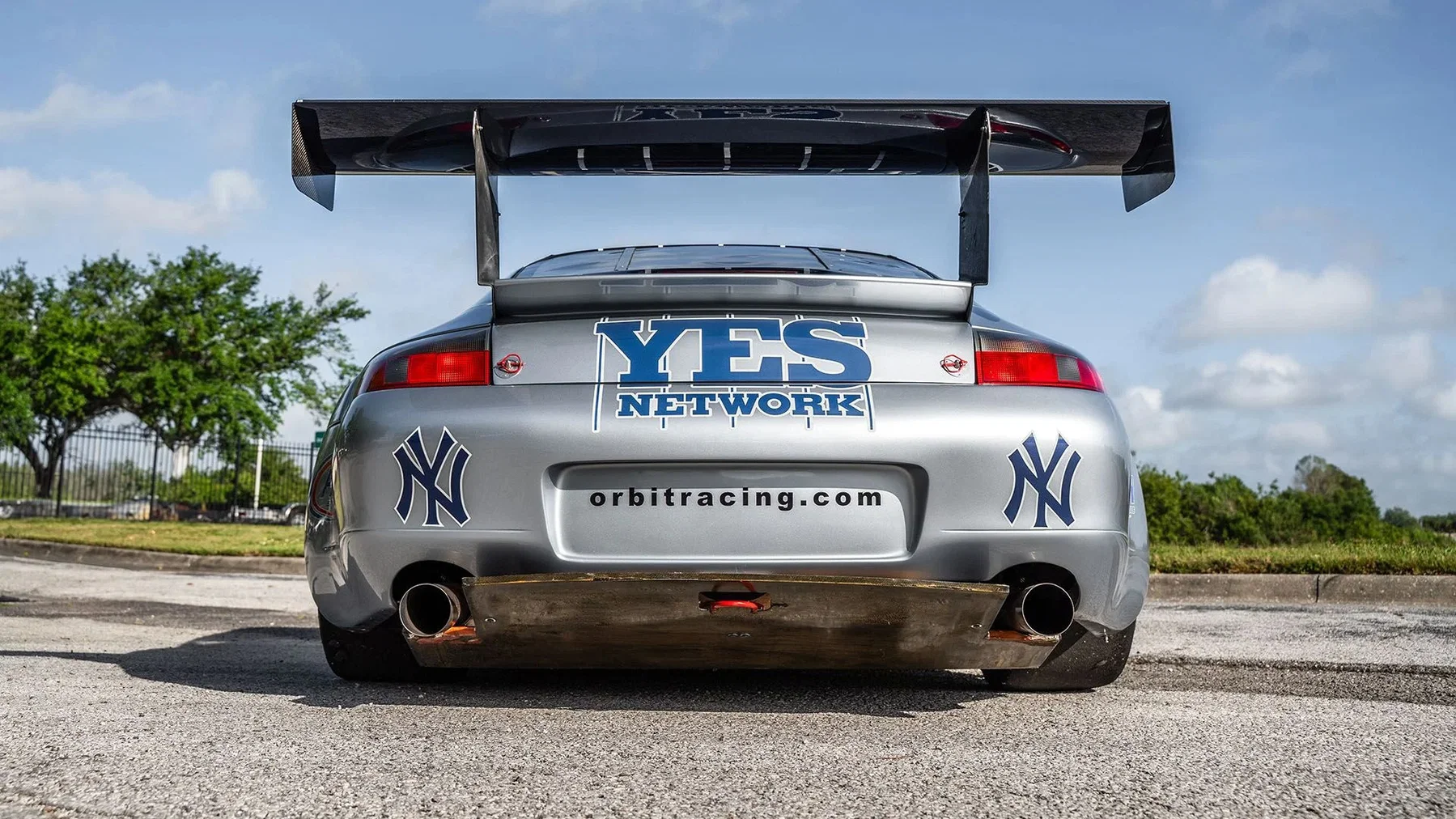
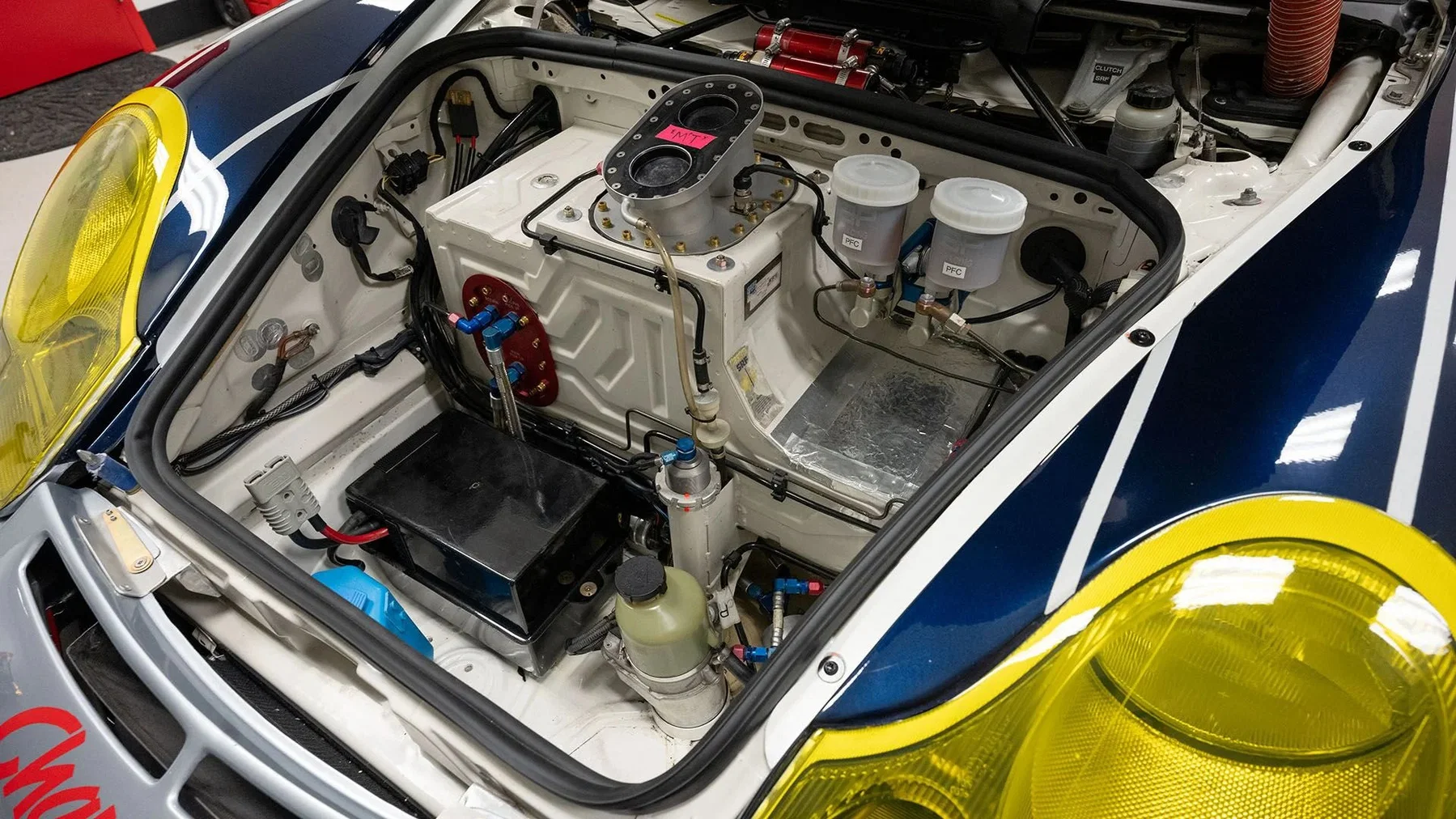
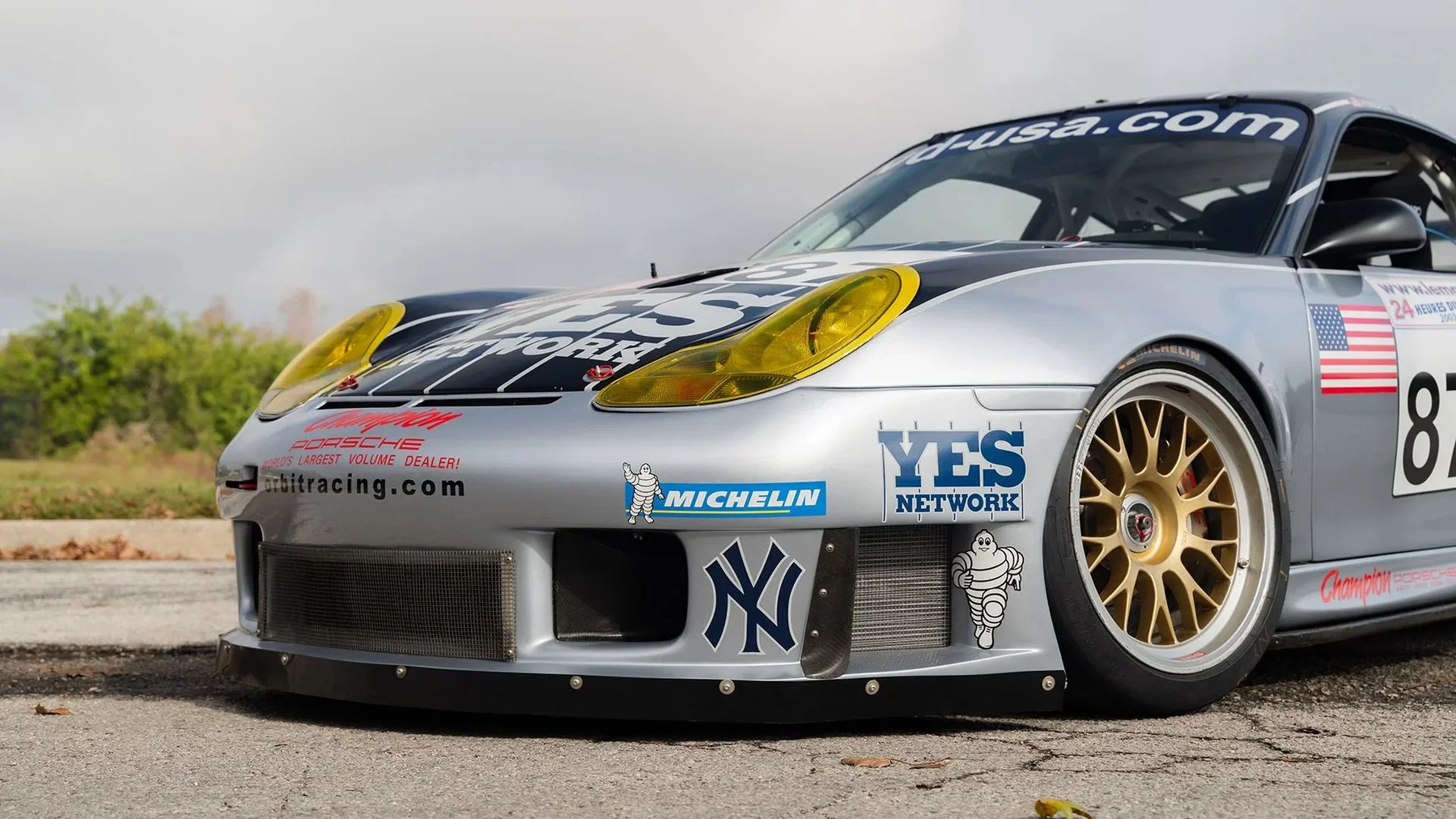
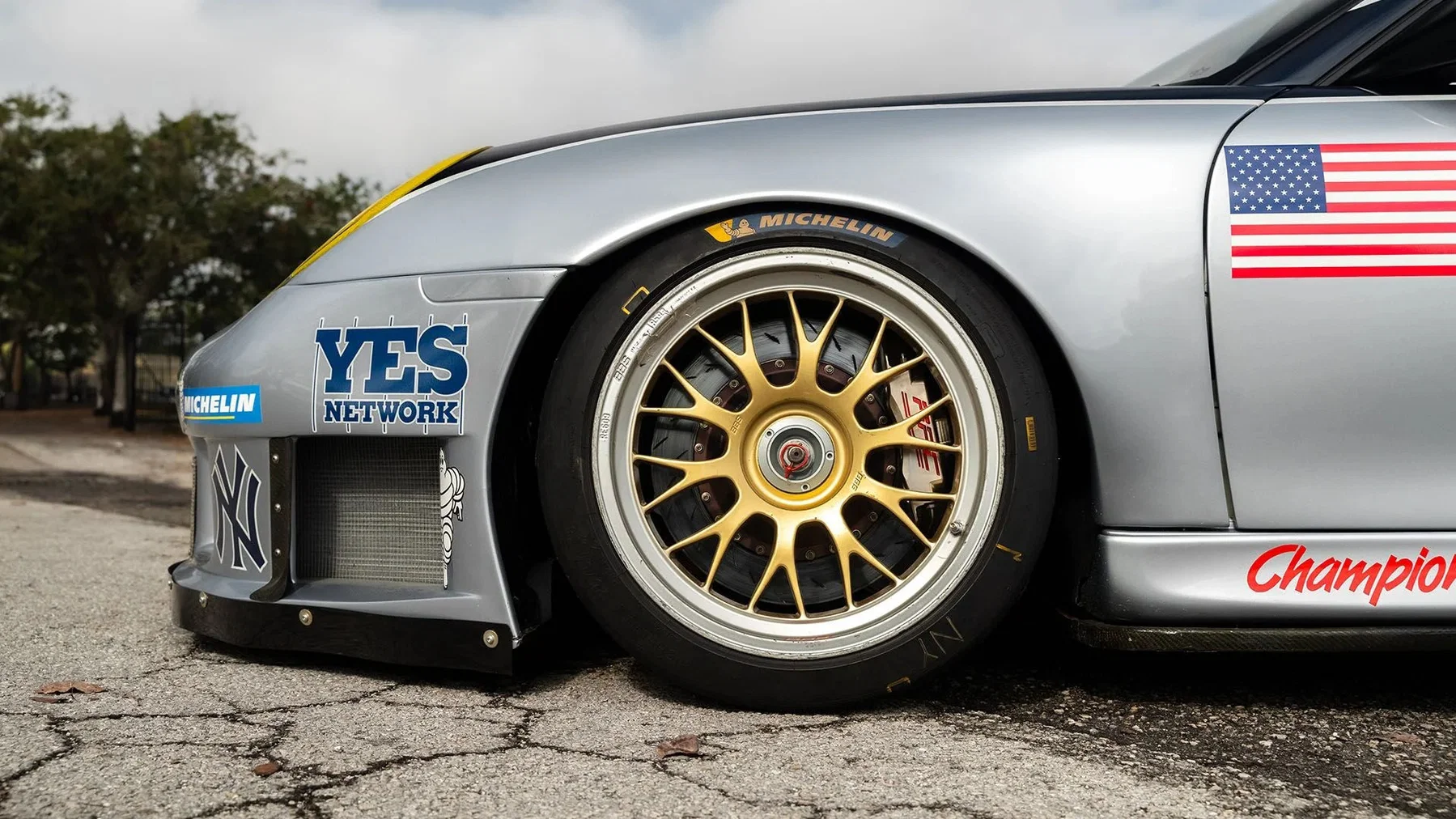
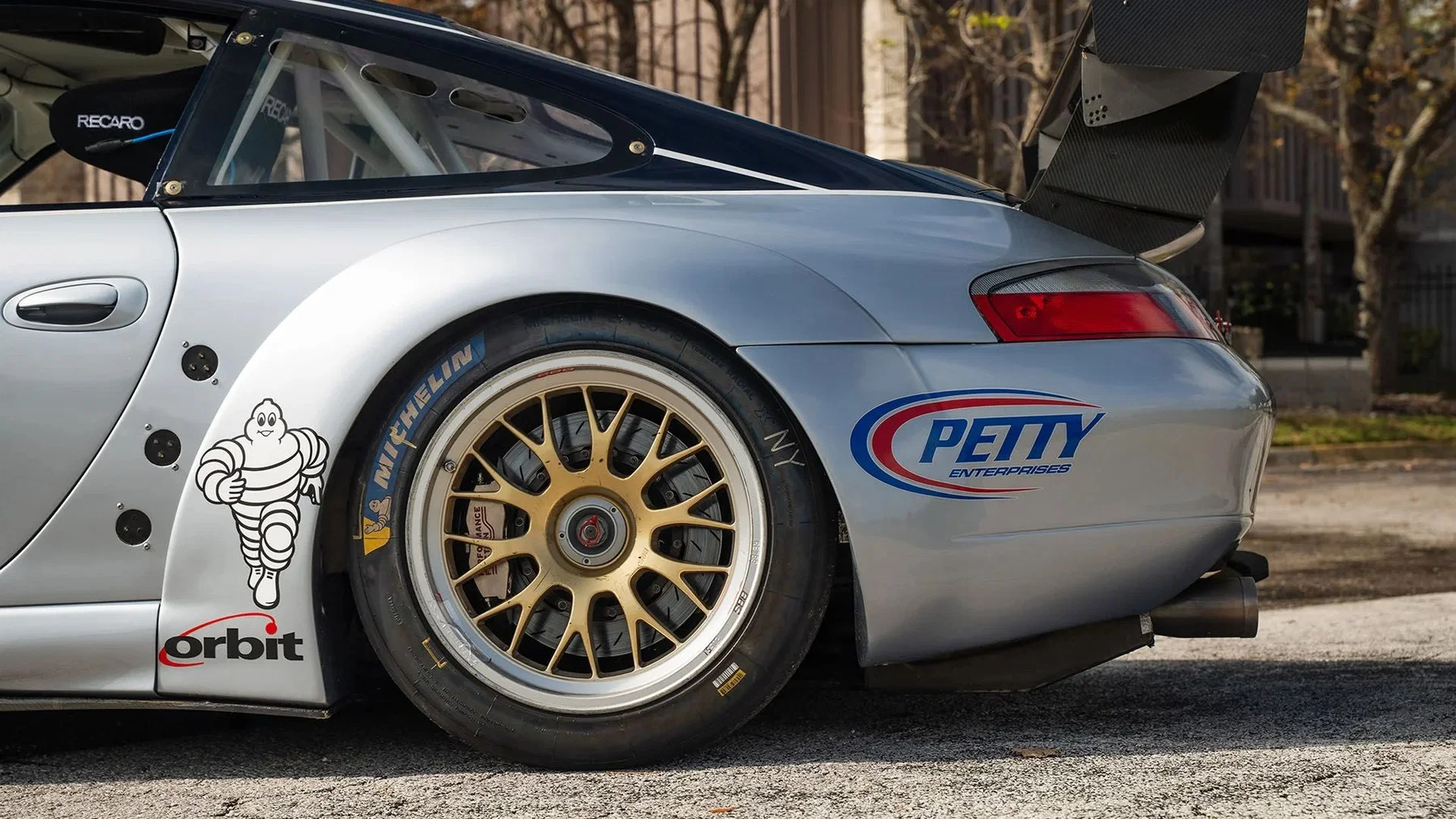
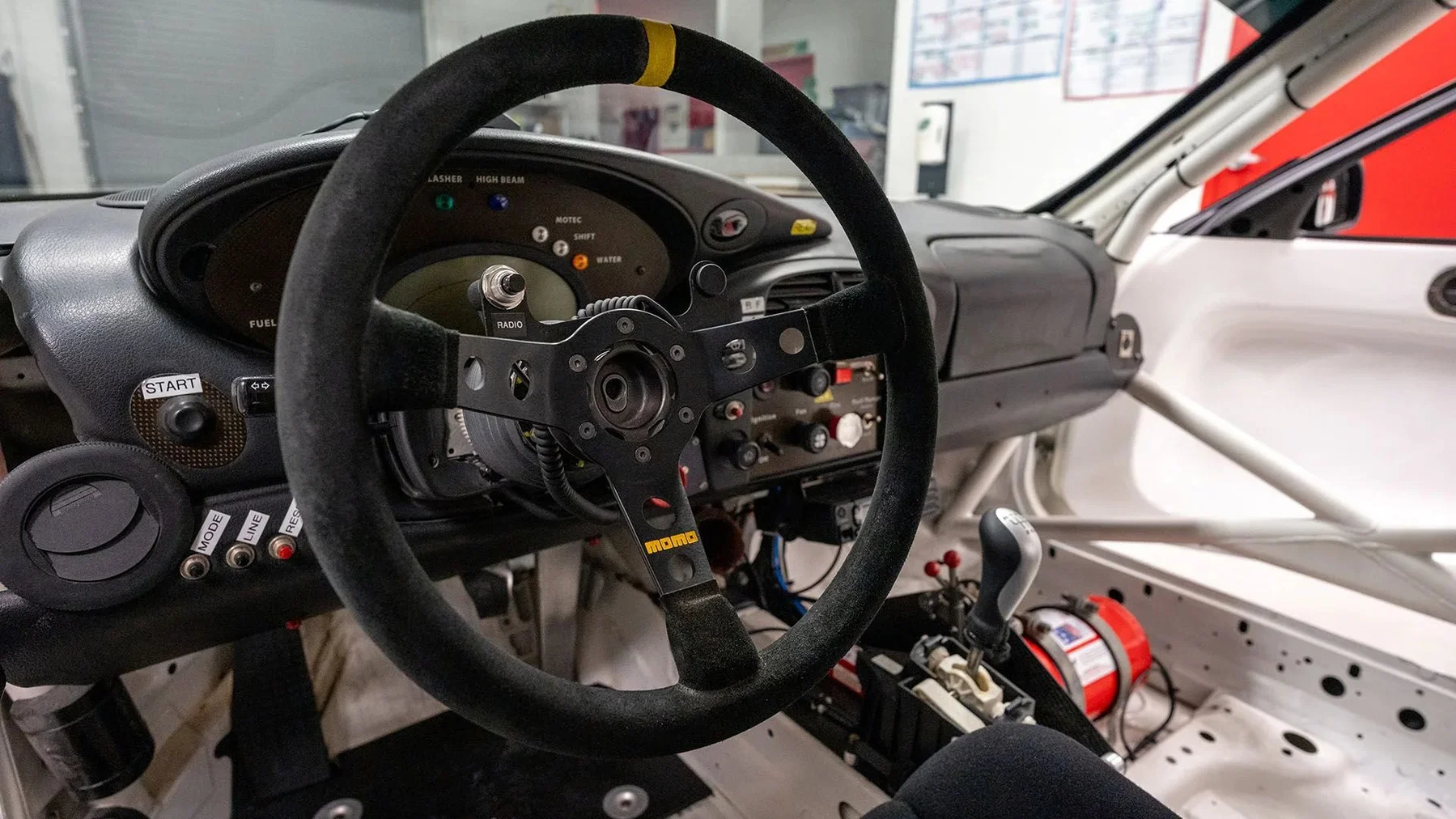
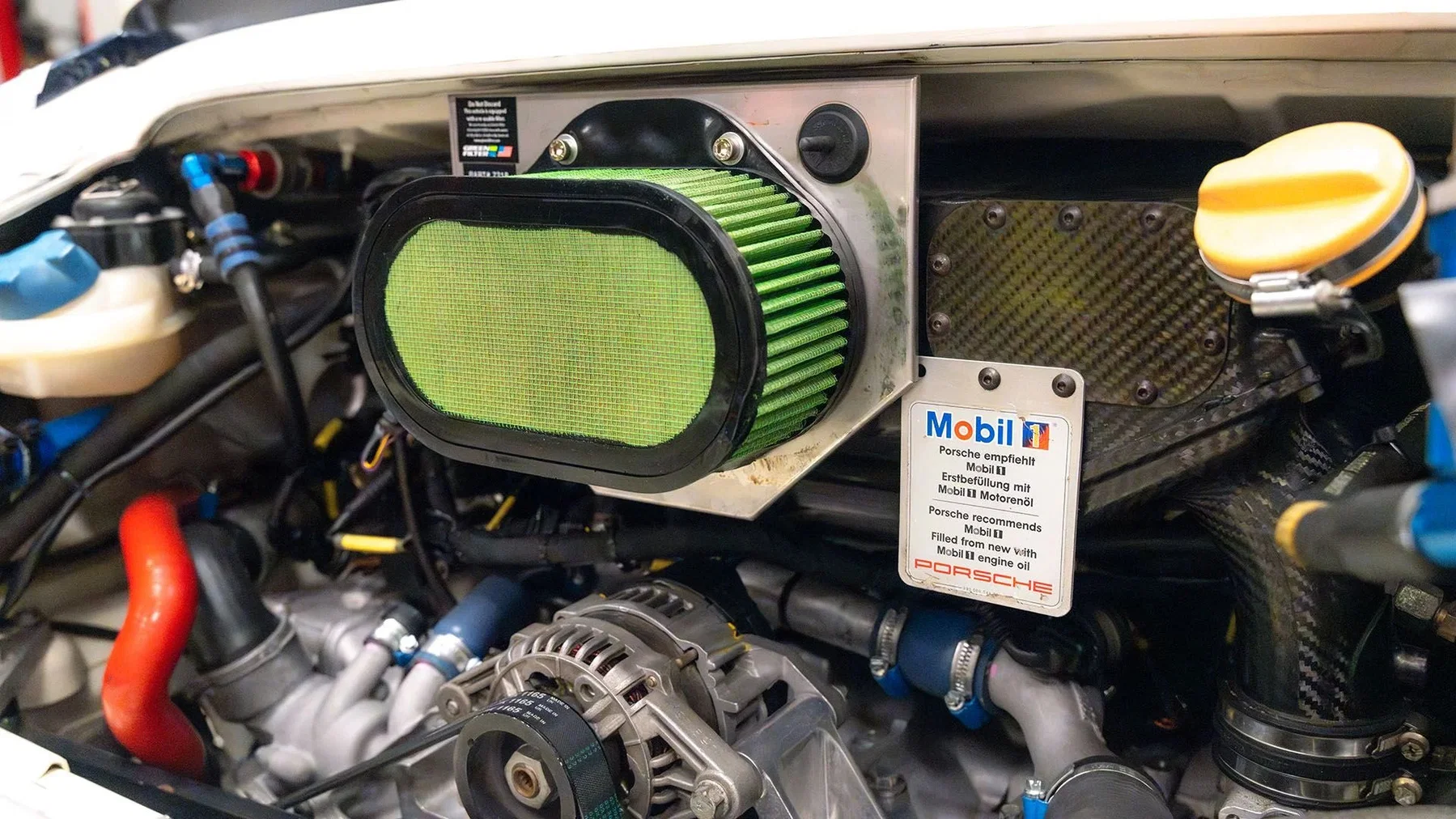
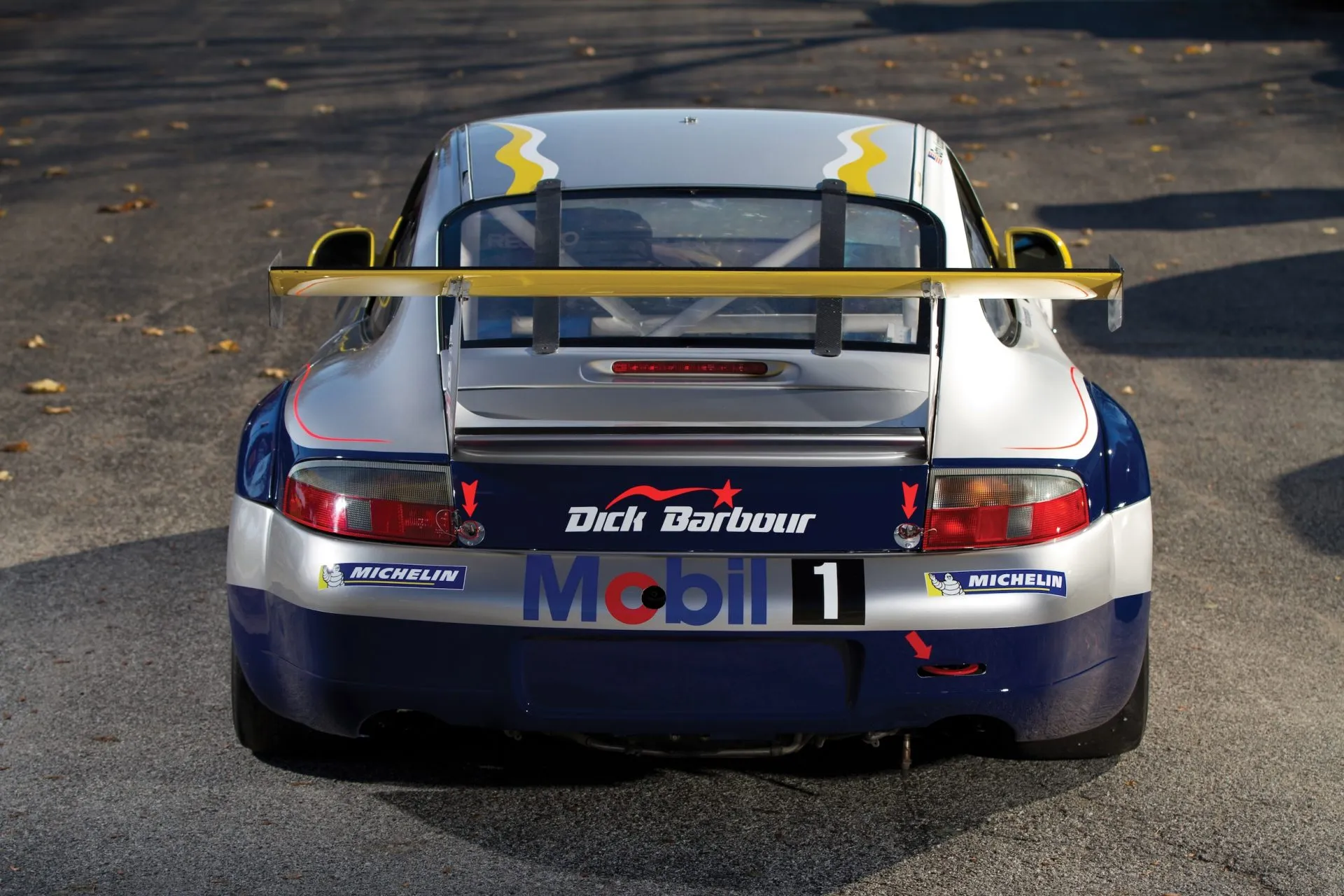
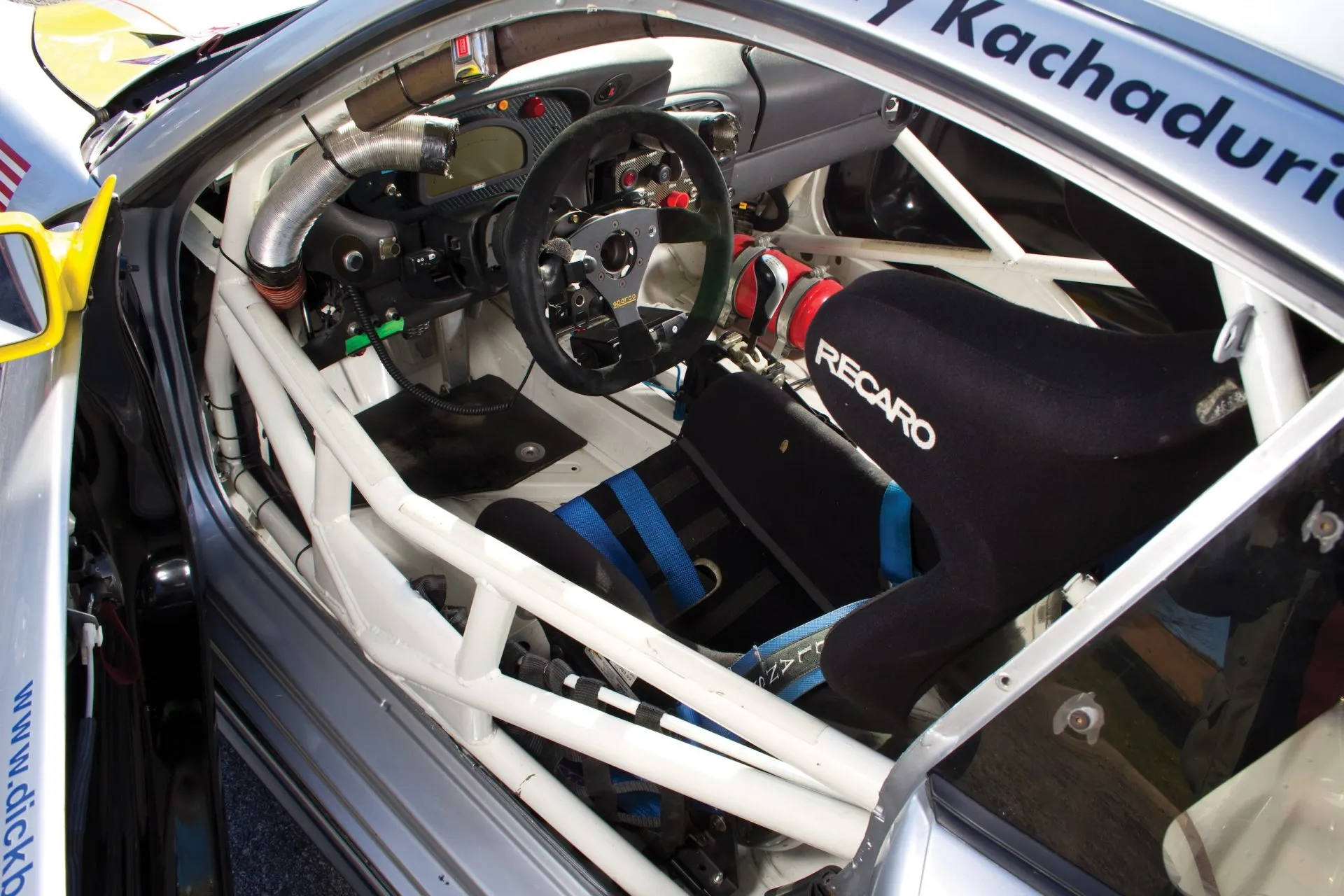
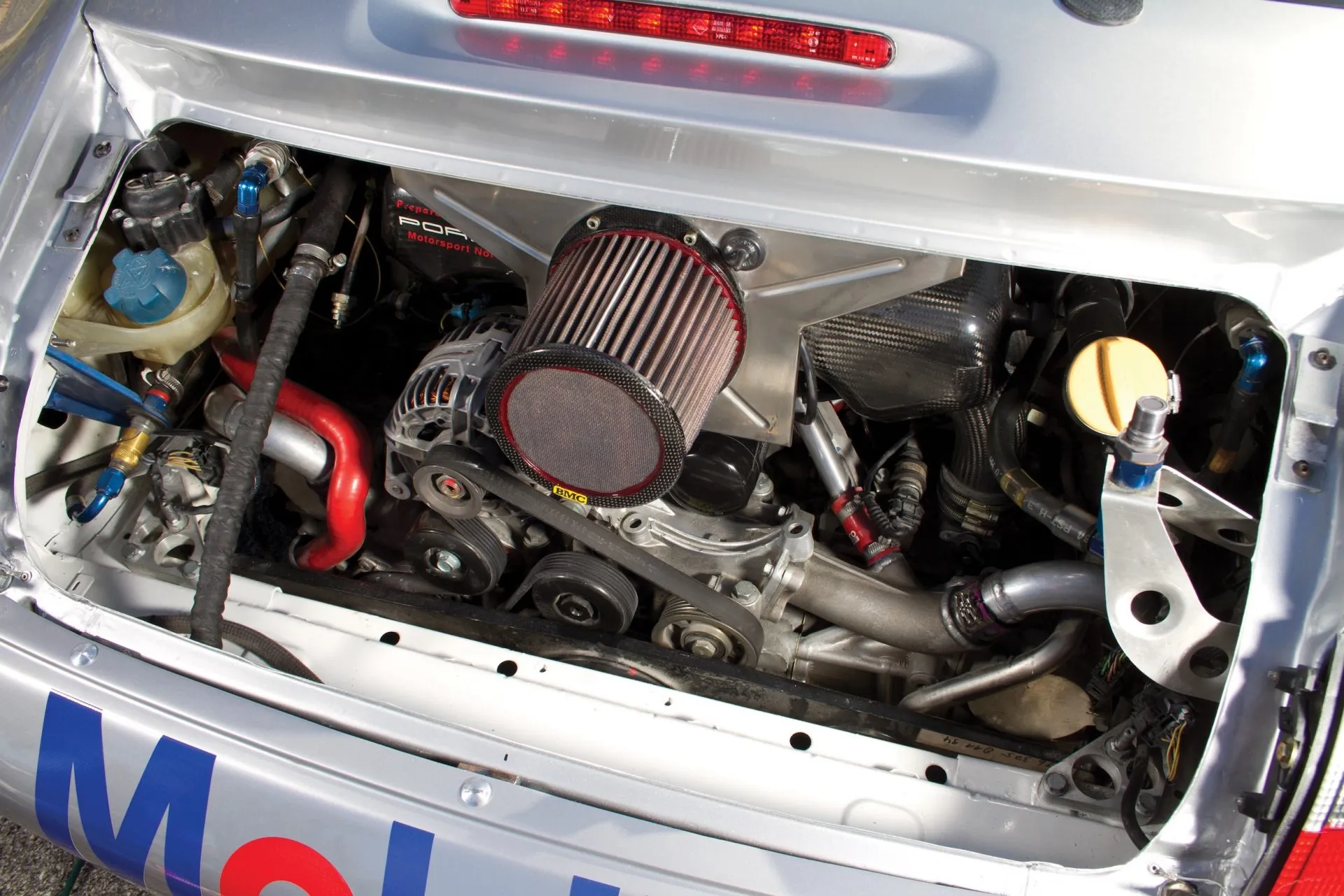
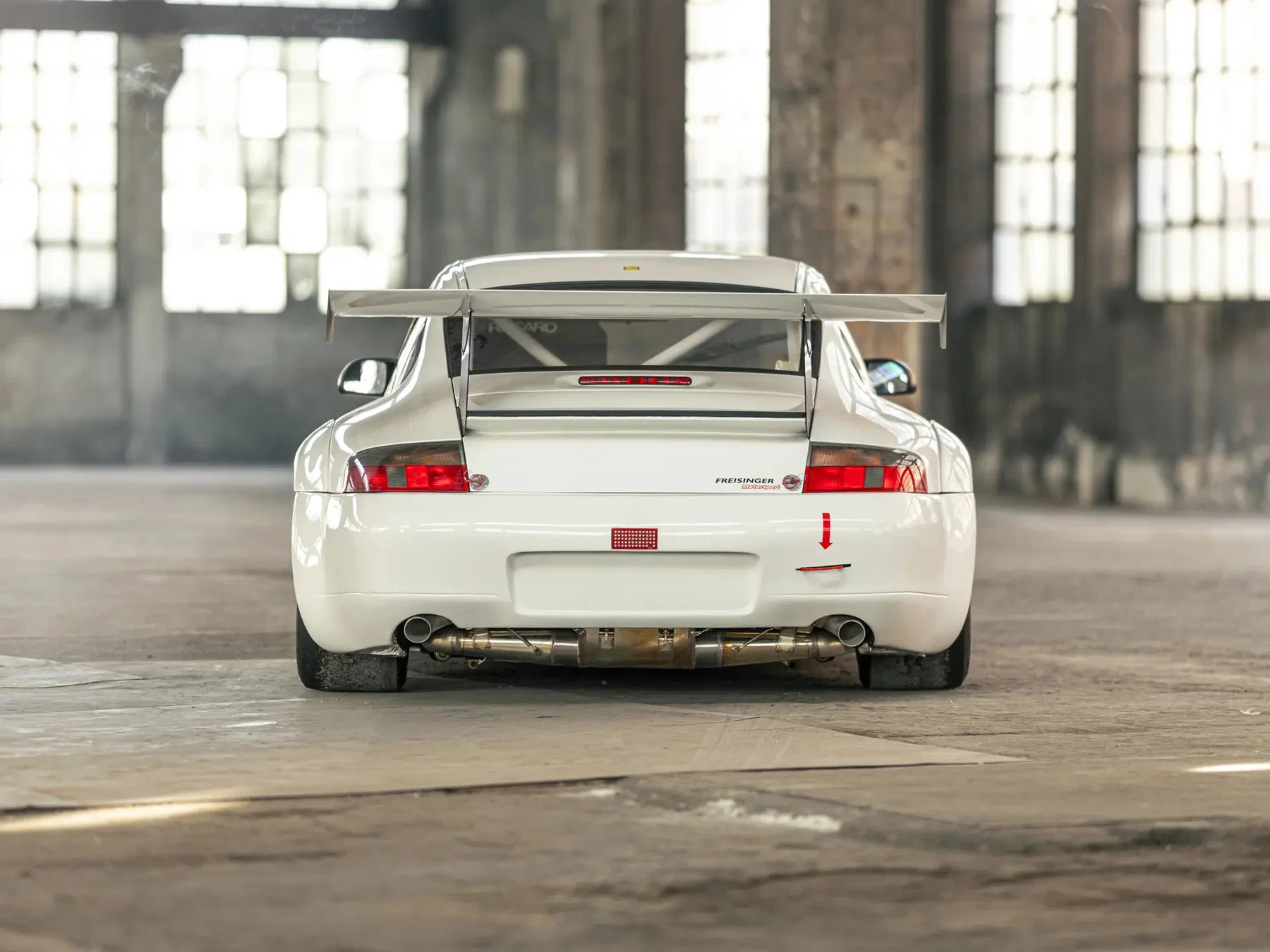
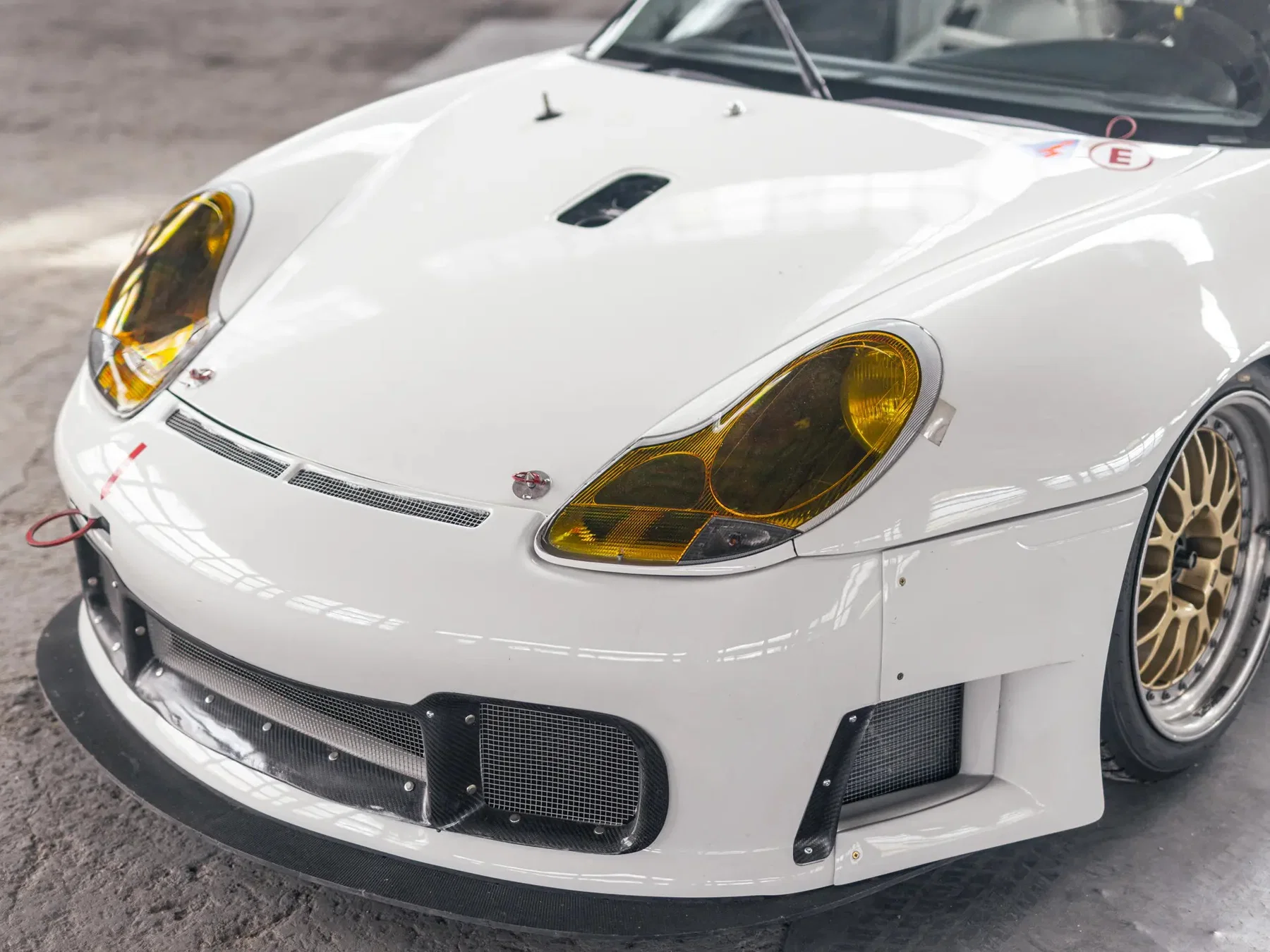
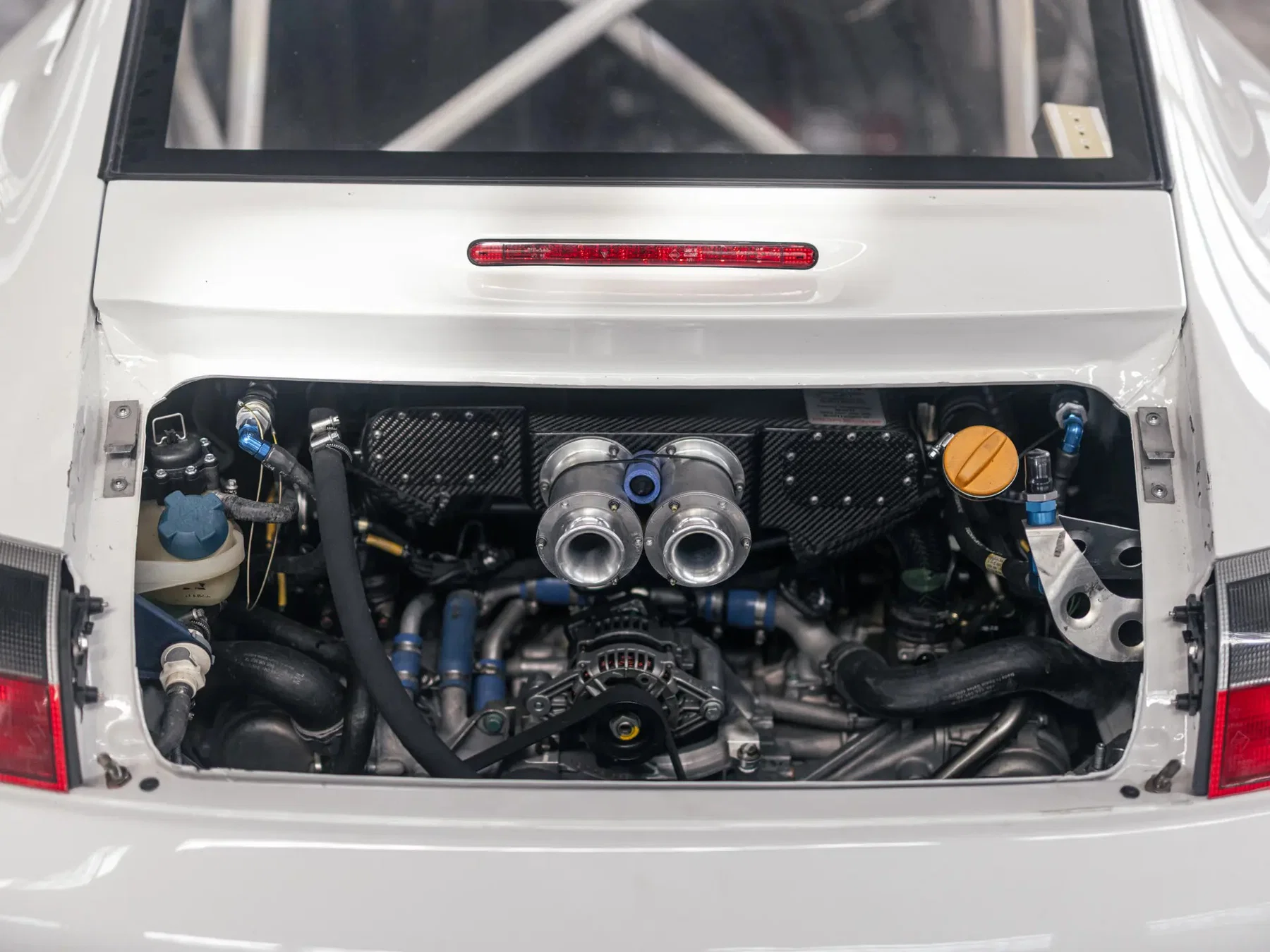
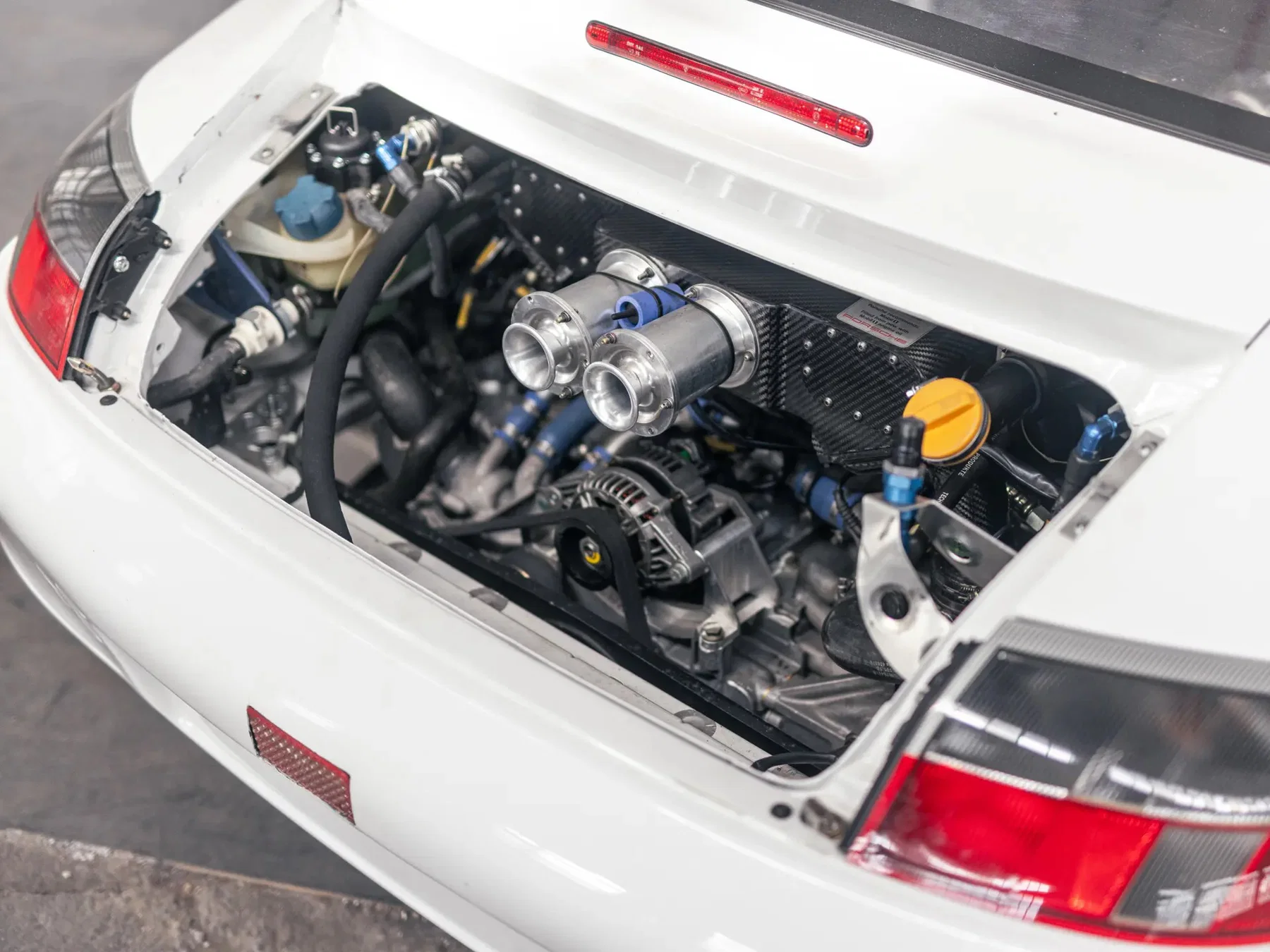
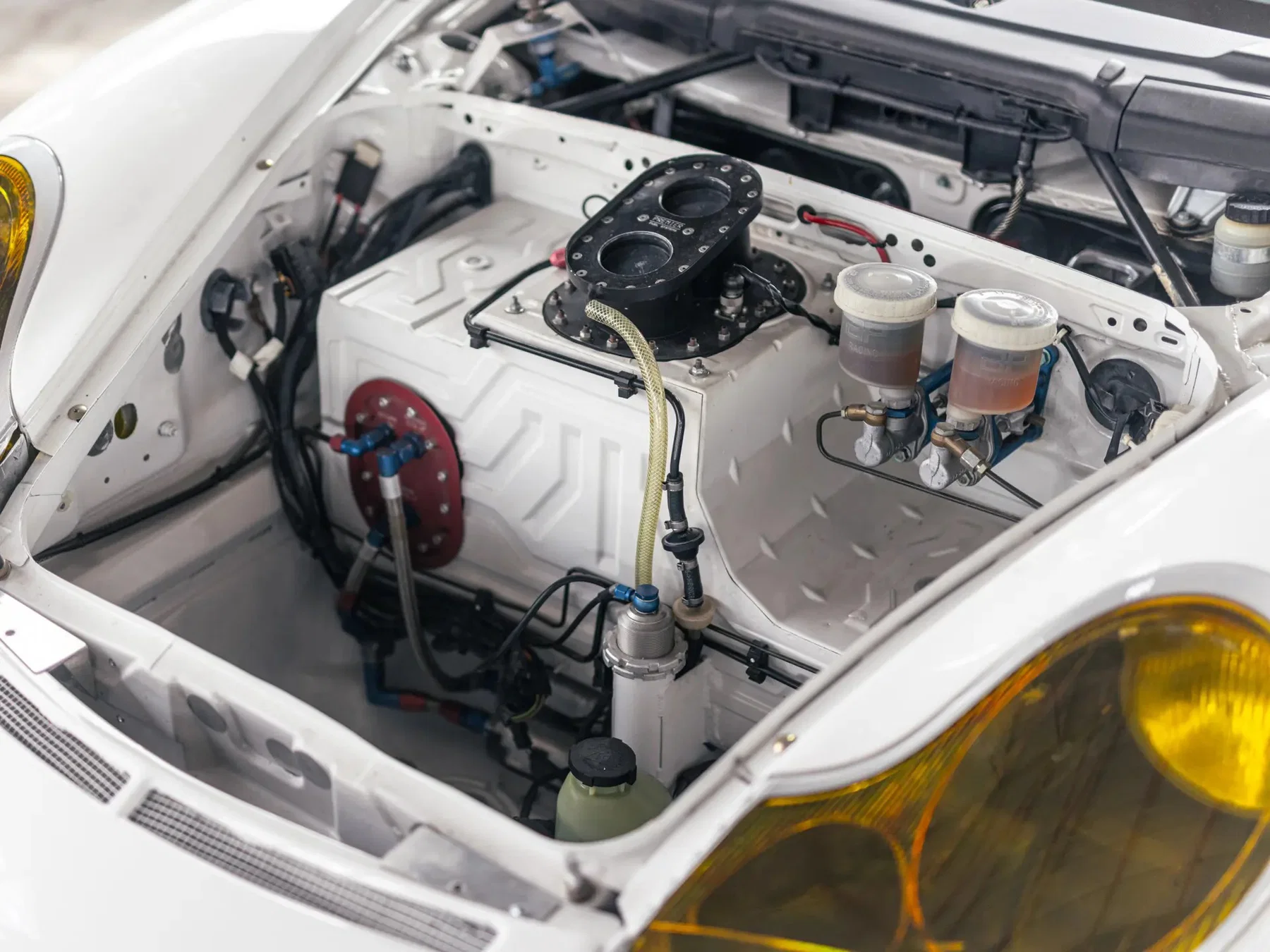
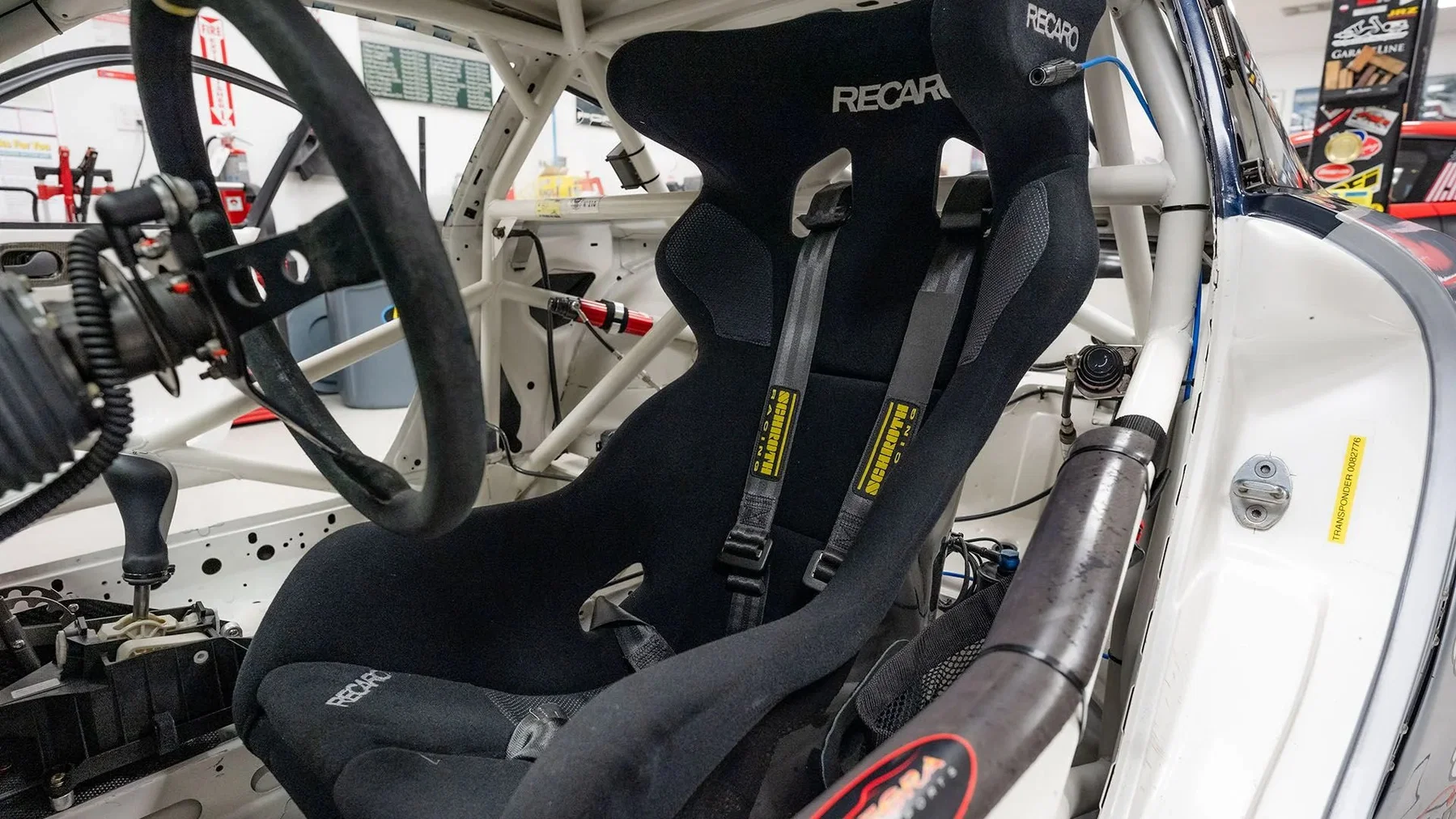
Naked beneath its carbon-Kevlar skin, the 2001 GT3 RS subjected the 996-generation tub to unrelenting motorsport rigidity. The absolute crown jewel of the car sat hung out behind the rear axle: Hans Mezger’s immortal 3.6-liter, water-cooled flat-six. Unburdened by the emissions constraints of the street cars, this naturally aspirated masterpiece was fitted with titanium connecting rods, aggressive racing camshafts, and a true dry-sump lubrication system. It reliably shrieked past 8,200 rpm to deliver an unrestricted 415 brake horsepower, emitting a guttural, mechanical howl that echoed through the forests of the Nordschleife and the straights of La Sarthe. This power was fed through a heavily fortified six-speed manual gearbox, featuring a dedicated external oil cooler and interchangeable gear ratios tailored to specific circuits. Aesthetically and aerodynamically, the 2001 RS was a noticeable leap over the ‘R’ model. It sat violently low on fully adjustable uniball suspension, featuring a revised, deeper front air dam to improve radiator airflow and front-end bite, while a massive, adjustable carbon-fiber rear wing kept the legendary rear-engine pendulum firmly pinned to the tarmac. To halt the 1,110-kilogram missile, Porsche utilized massive cross-drilled steel rotors with multi-piston Brembo calipers, providing the fade-free braking performance necessary to out-brake the Ferraris deep into heavy braking zones. The interior was a cavern of sensory overload—a welded-in Matter steel roll cage, naked carbon fiber dash panels, a solitary Recaro racing bucket, and the overwhelming scent of scorched brake pads and hot race fuel.
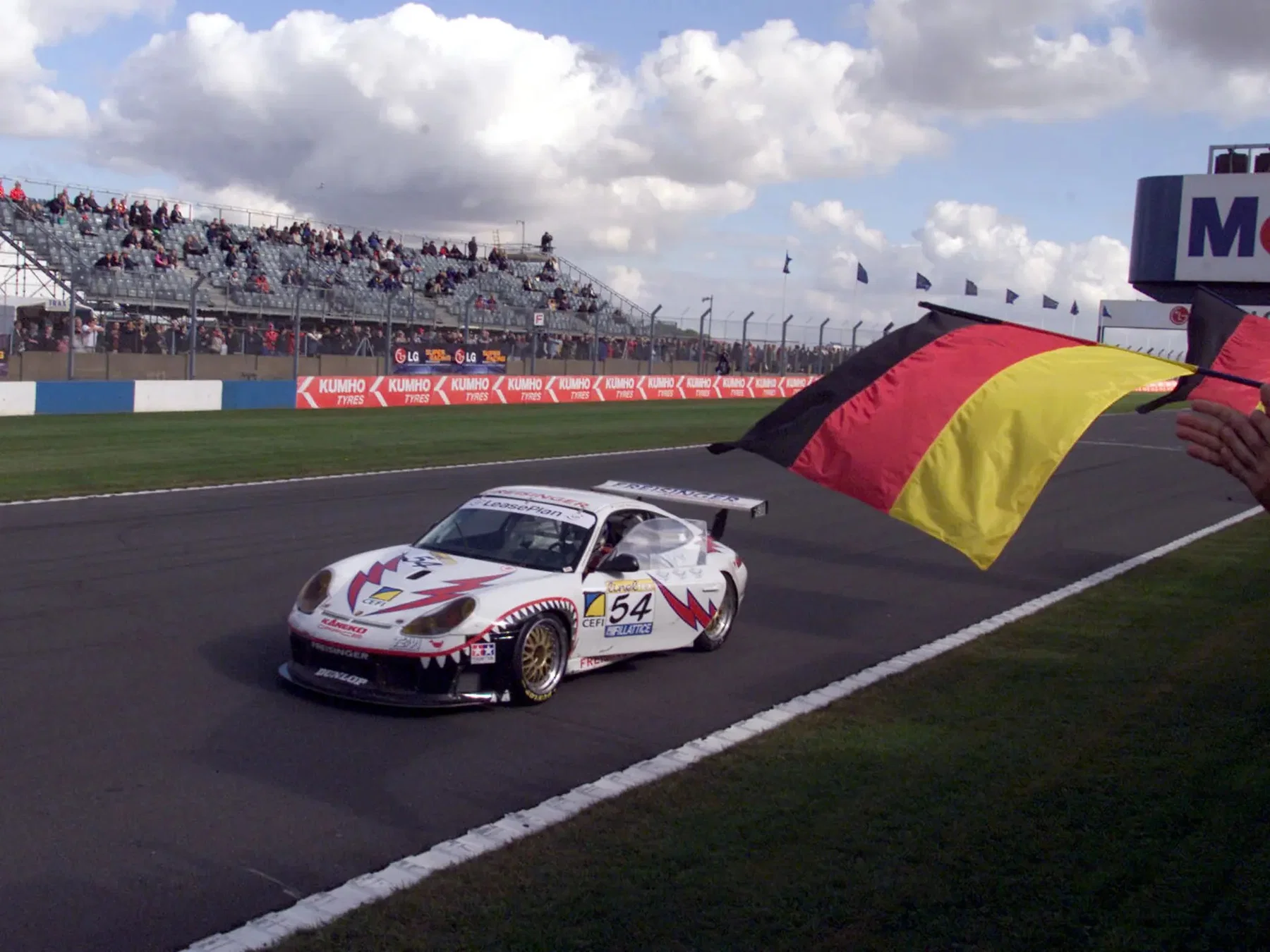
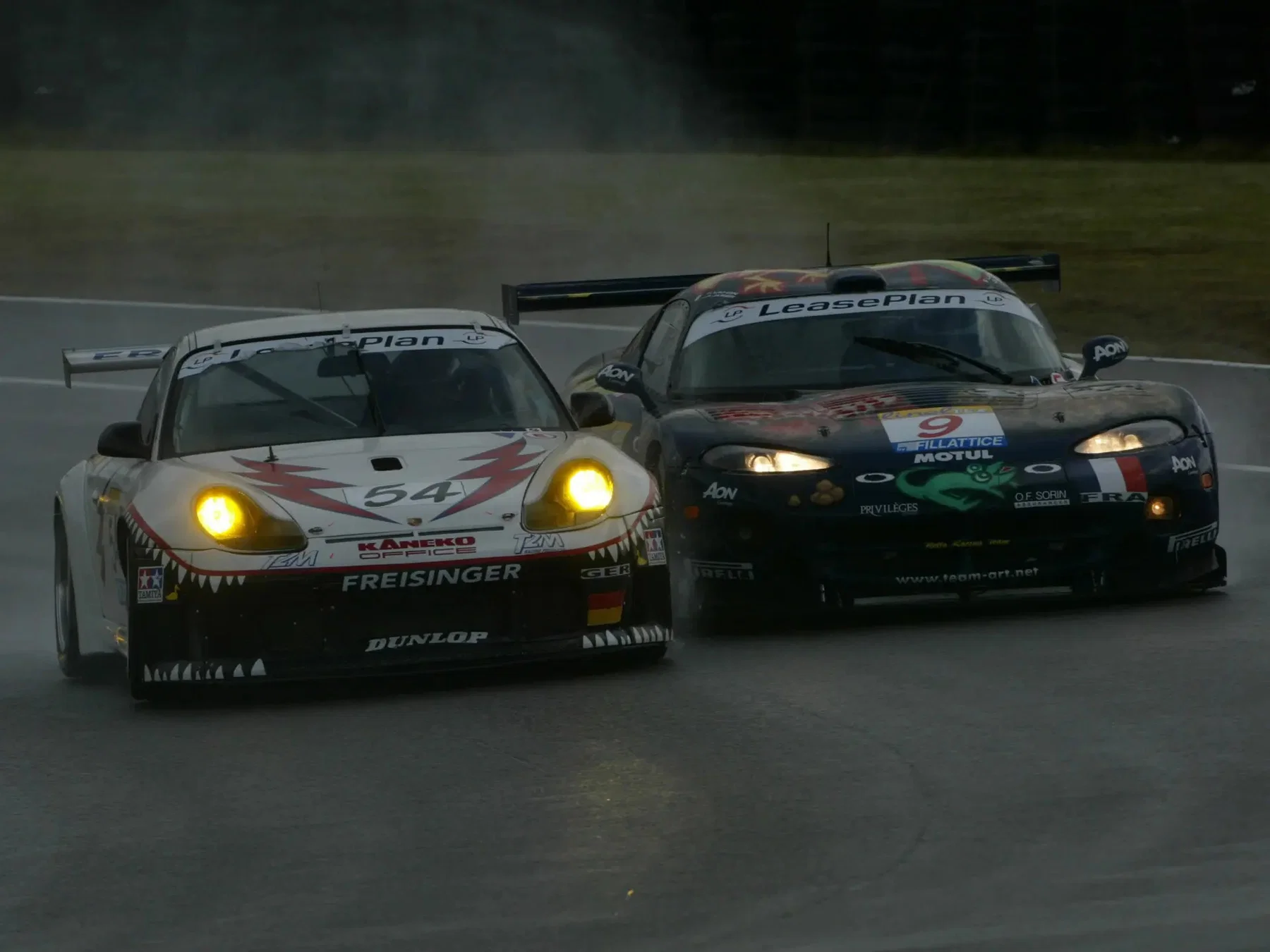
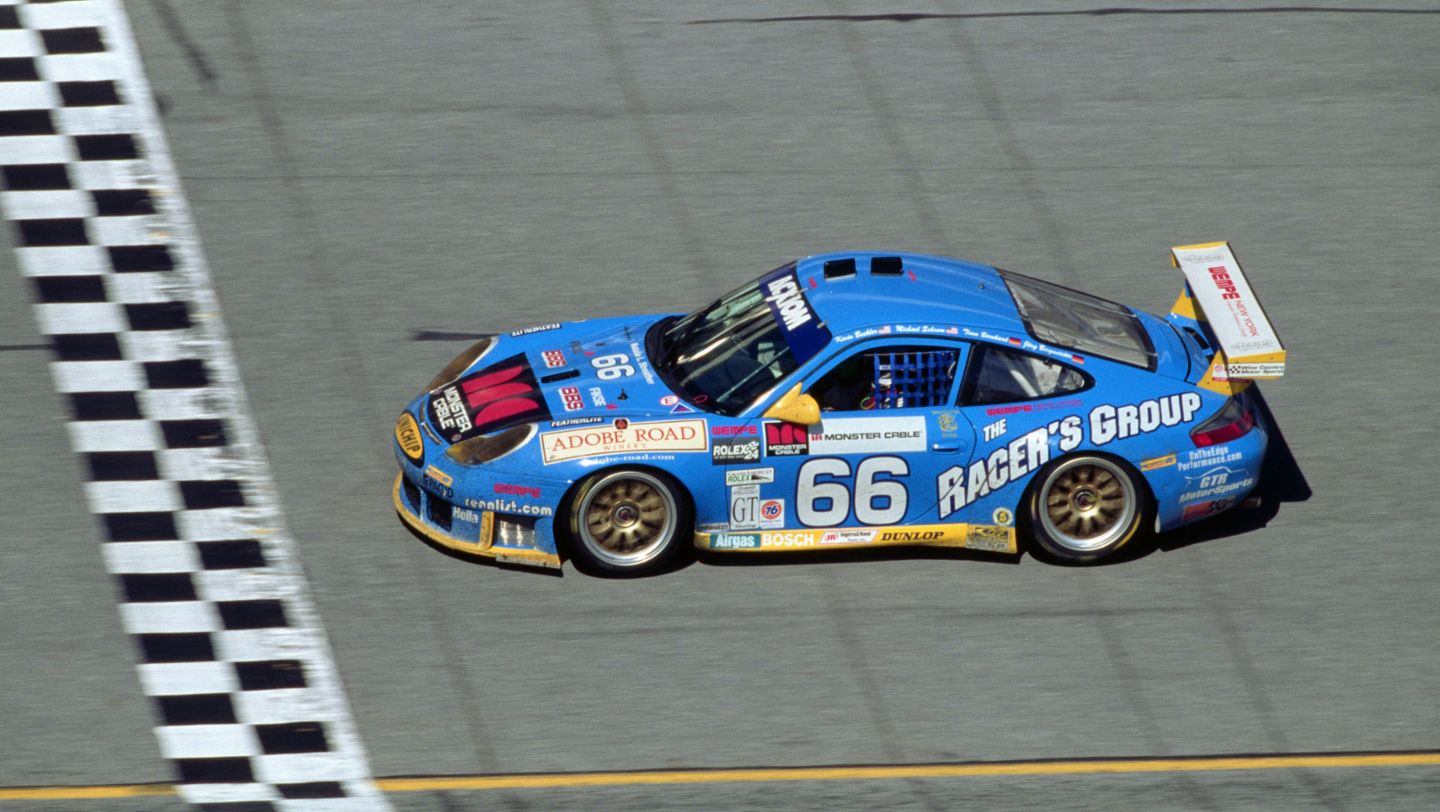
The track record of the 2001 GT3 RS is a flawless testament to Teutonic endurance supremacy. Released into the capable hands of elite privateer outfits like Freisinger Motorsport, Seikel Motorsport, and Manthey Racing, it became the absolute terror of GT racing. Its defining early triumph occurred at the 2001 24 Hours of Le Mans, where the Seikel Motorsport 911 GT3 RS outlasted the prototypes and utterly crushed its GT rivals to secure a commanding class victory. This car didn’t rely on outright, single-lap qualifying speed to win; it conquered through relentless, metronomic consistency. It allowed pro-am driver lineups to turn identical lap times hour after grueling hour, while its competitors spent agonizing minutes stranded in the pit lane repairing fragile gearboxes or electronics. The inherent balance and bulletproof reliability of this specific chassis laid the exact mechanical groundwork for Kevin Buckler’s The Racer’s Group to famously win the Rolex 24 at Daytona overall the following year.
The legacy of the 2001 Porsche 911 GT3 RS race car is the absolute codification of Porsche’s customer racing dominance in the 21st century. It served as the vital, muscular bridge between the original 996 GT3 R and the vastly wider GT3 RSR that would arrive in 2004. More importantly, the spectacular aerodynamic and suspension developments forged in the fires of competition with this car forced Porsche to homologate those exact upgrades for the road.
Brand
Produced from
Portal
Vehicle category
Model line
Model generation
Predecessor
Sucessor
Brand
Produced from
Portal
Vehicle category
Model line
Model generation
Predecessor
Sucessor
Submodel Overview
As the 2001 endurance racing season dawned, the global paddocks were bracing for an escalation in hostilities. Zuffenhausen had already proven the viability of its new water-cooled architecture with the highly successful 1999 and 2000 GT3 R, but the competition was rapidly closing the gap. Maranello had unleashed the screaming, Michelotto-developed Ferrari 360 Modena N-GT, and Munich was brewing a highly controversial, V8-powered storm with the BMW M3 GTR in the American Le Mans Series. Porsche’s emphatic response was not a clean-sheet redesign, but a razor-sharp, heavily evolved track weapon specifically engineered for the FIA N-GT and Le Mans GT classes: the 2001 Porsche 911 GT3 RS. It is crucial to distinguish this bespoke factory race car from the iconic white-and-red street car that would adopt the same nameplate two years later. This 2001 machine was a pure, uncompromised endurance titan, built to withstand 24-hour marathons and explicitly designed to remind the Italians and Bavarians exactly who owned the sports car racing paddock.
Naked beneath its carbon-Kevlar skin, the 2001 GT3 RS subjected the 996-generation tub to unrelenting motorsport rigidity. The absolute crown jewel of the car sat hung out behind the rear axle: Hans Mezger’s immortal 3.6-liter, water-cooled flat-six. Unburdened by the emissions constraints of the street cars, this naturally aspirated masterpiece was fitted with titanium connecting rods, aggressive racing camshafts, and a true dry-sump lubrication system. It reliably shrieked past 8,200 rpm to deliver an unrestricted 415 brake horsepower, emitting a guttural, mechanical howl that echoed through the forests of the Nordschleife and the straights of La Sarthe. This power was fed through a heavily fortified six-speed manual gearbox, featuring a dedicated external oil cooler and interchangeable gear ratios tailored to specific circuits. Aesthetically and aerodynamically, the 2001 RS was a noticeable leap over the ‘R’ model. It sat violently low on fully adjustable uniball suspension, featuring a revised, deeper front air dam to improve radiator airflow and front-end bite, while a massive, adjustable carbon-fiber rear wing kept the legendary rear-engine pendulum firmly pinned to the tarmac. To halt the 1,110-kilogram missile, Porsche utilized massive cross-drilled steel rotors with multi-piston Brembo calipers, providing the fade-free braking performance necessary to out-brake the Ferraris deep into heavy braking zones. The interior was a cavern of sensory overload—a welded-in Matter steel roll cage, naked carbon fiber dash panels, a solitary Recaro racing bucket, and the overwhelming scent of scorched brake pads and hot race fuel.
The track record of the 2001 GT3 RS is a flawless testament to Teutonic endurance supremacy. Released into the capable hands of elite privateer outfits like Freisinger Motorsport, Seikel Motorsport, and Manthey Racing, it became the absolute terror of GT racing. Its defining early triumph occurred at the 2001 24 Hours of Le Mans, where the Seikel Motorsport 911 GT3 RS outlasted the prototypes and utterly crushed its GT rivals to secure a commanding class victory. This car didn’t rely on outright, single-lap qualifying speed to win; it conquered through relentless, metronomic consistency. It allowed pro-am driver lineups to turn identical lap times hour after grueling hour, while its competitors spent agonizing minutes stranded in the pit lane repairing fragile gearboxes or electronics. The inherent balance and bulletproof reliability of this specific chassis laid the exact mechanical groundwork for Kevin Buckler’s The Racer’s Group to famously win the Rolex 24 at Daytona overall the following year.
The legacy of the 2001 Porsche 911 GT3 RS race car is the absolute codification of Porsche’s customer racing dominance in the 21st century. It served as the vital, muscular bridge between the original 996 GT3 R and the vastly wider GT3 RSR that would arrive in 2004. More importantly, the spectacular aerodynamic and suspension developments forged in the fires of competition with this car forced Porsche to homologate those exact upgrades for the road.
Tech Specs
Technical Specifications
Tech Specs
Technical Specifications
Engine
01
03
Internal combustion engine
Configuration
Porsche Flat-6 (Boxer) "Mezger" - Water-cooled
Location
Rear, longitudinally mounted
Construction
Aluminium alloy block and heads
Displacement (cc)
3,598 cc
Displacement (cu in)
219.6 cu in
Compression
12.0:1
Bore x Stroke
100.0 mm x 76.4 mm
Valvetrain
4 valves per cylinder, DOHC
Fuel feed
Bosch Motronic MS 3.1 multi-point sequential fuel injection
Lubrication
Dry sump
Aspiration
Naturally aspirated
Output
Power (hp)
~415 hp
Power (kW)
~310 kW
Max power at
8,200 RPM
Torque (Nm)
380 Nm
Torque (ft lbs)
280 ft lbs
Max torque at
7,000 RPM
Drivetrain
02
03
Chassis
Type
Monocoque unibody (with factory welded-in roll cage)
Material
Steel
Body
Material
Carbon fibre/Kevlar composite panels (doors, fenders, hood, engine lid) over steel shell
Transmission
Gearbox
Porsche G96/61, 6-speed manual (H-pattern, racing clutch, external oil cooler)
Drive
Rear Wheel Drive (Limited Slip Differential)
Suspension
Front
Independent, McPherson struts, coil springs over double-adjustable telescopic dampers, anti-roll bar
Rear
Independent, multi-link, coil springs over double-adjustable telescopic dampers, anti-roll bar
Steering
Type
Rack and pinion, power assisted
Brakes
Front
Ventilated steel discs Ø380 mm, 6-piston aluminium racing calipers
Rear
Ventilated steel discs Ø355 mm, 4-piston aluminium racing calipers
Wheels
Front
10" x 18" (BBS 3-piece center-lock alloy)
Rear
11" x 18" (BBS 3-piece center-lock alloy)
Tires
Front
250/640-18
Rear
280/640-18
Dimensions and performance
03
03
Dimensions
Length (mm)
4,430 mm
Length (in)
174.4 in
Width (mm)
1,765 mm
Width (in)
69.5 in
Height (mm)
1,250 mm
Height (in)
49.2 in
Wheelbase (mm)
2,350 mm
Wheelbase (in)
92.5 in
Weight (kg)
~1,110 kg
Weight (lbs)
~2,447 lbs
Performance
Power to weight
~0.37 hp/kg
Top speed (km/h)
~290 km/h
Top speed (mph)
~180 mph
0-100 km/h (0-60 mph)
~3.6 s