
Porsche 917K
Brand
Produced from
Portal
Vehicle category
Model line
Predecessor
Successor
Submodel Overview
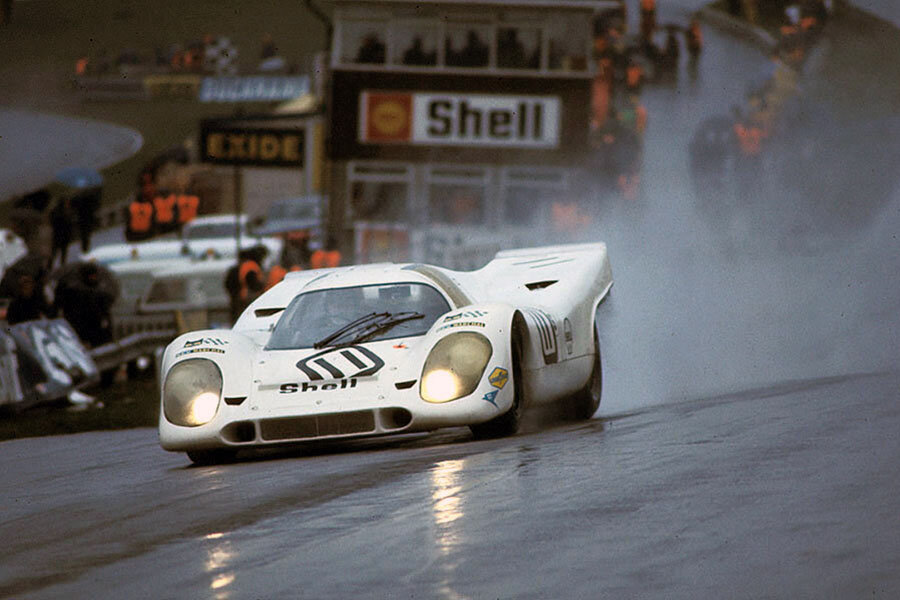
To fully appreciate the mythological status of the 1970 Porsche 917K, one must first confront the terrifying reality of its immediate predecessor. When Ferdinand Piëch unleashed the original Porsche 917 in 1969, he birthed a monster of unimaginable power and lethal aerodynamic instability. The 1969 long-tail cars were designed with a singular, obsessive focus on straight-line speed, resulting in bodywork that generated terrifying amounts of lift. Factory drivers famously returned to the pits trembling, refusing to drive the 600-horsepower leviathan as it wandered uncontrollably at 350 km/h (220 mph) down the Mulsanne Straight. As the 1970 World Sportscar Championship loomed, Zuffenhausen faced a crisis. Enzo Ferrari had just homologated the magnificent 5.0-liter V12 Ferrari 512 S, meaning Porsche’s mechanical advantage was effectively neutralized. To salvage their massive financial gamble and finally secure the overall victory at Le Mans, Porsche swallowed its pride and partnered with John Wyer’s J.W. Automotive Engineering. It was within this legendary British outfit that the flawed 1969 widowmaker was mathematically and physically hacked into the supreme, world-beating 1970 Porsche 917K.
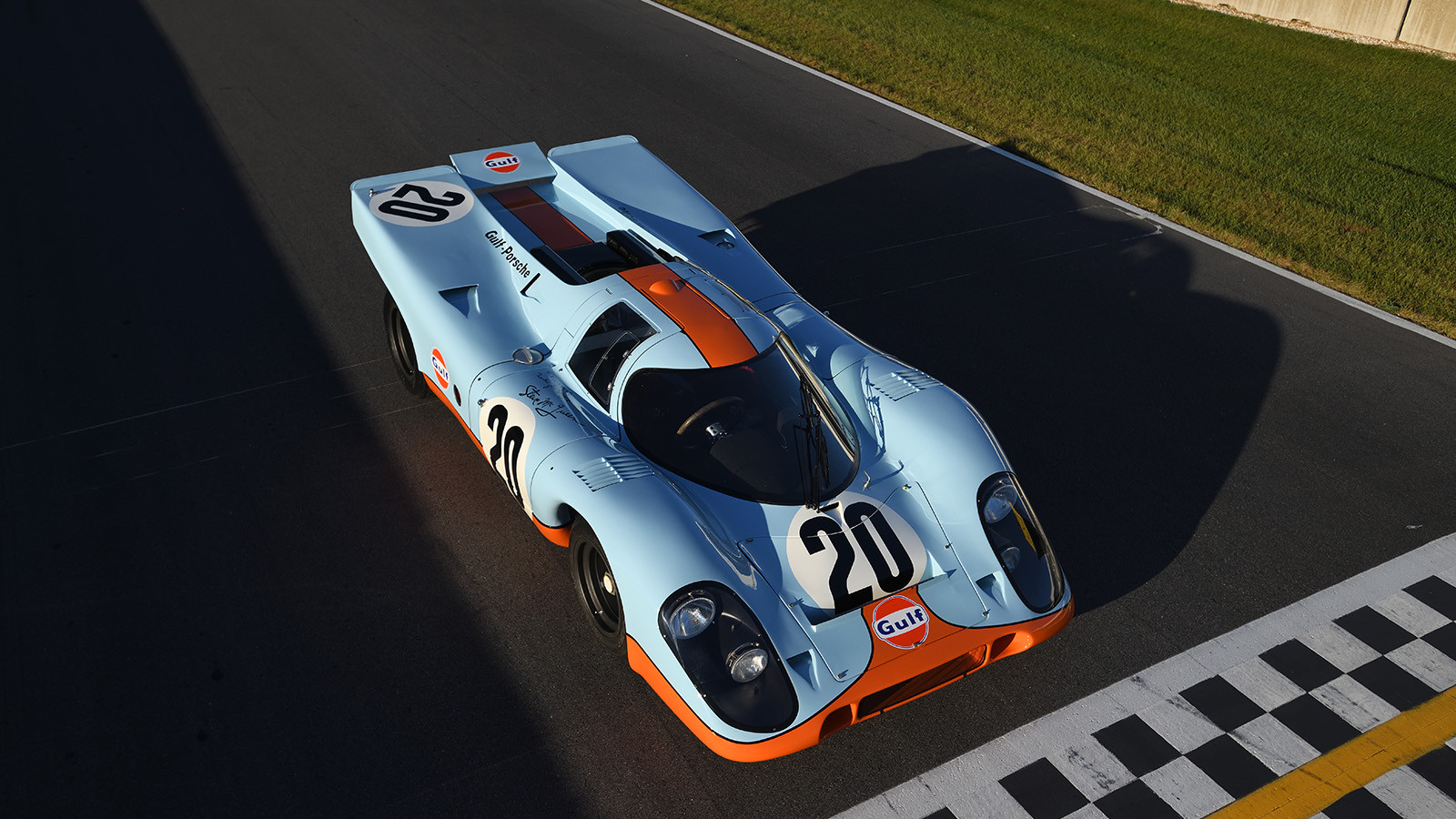
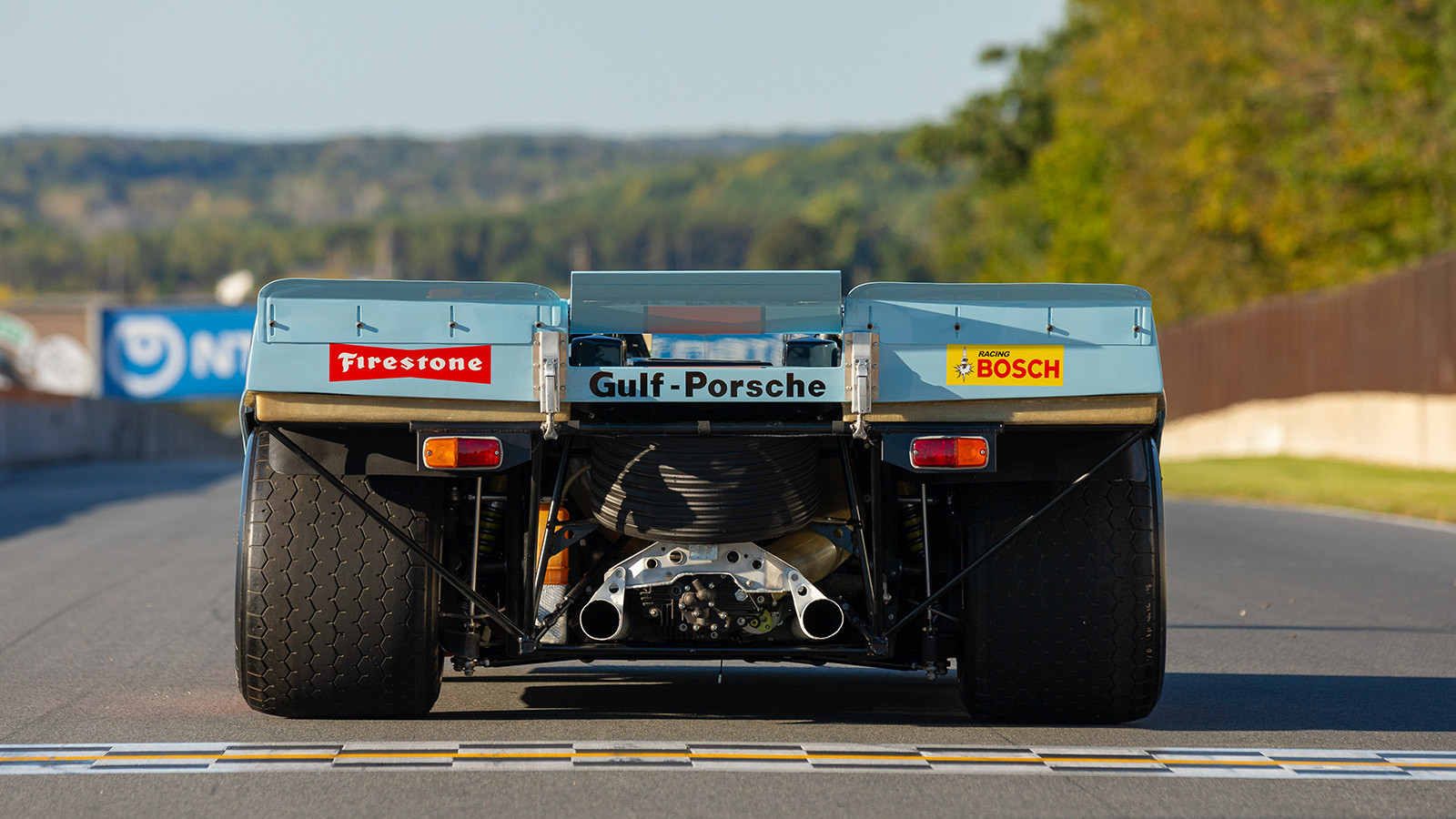
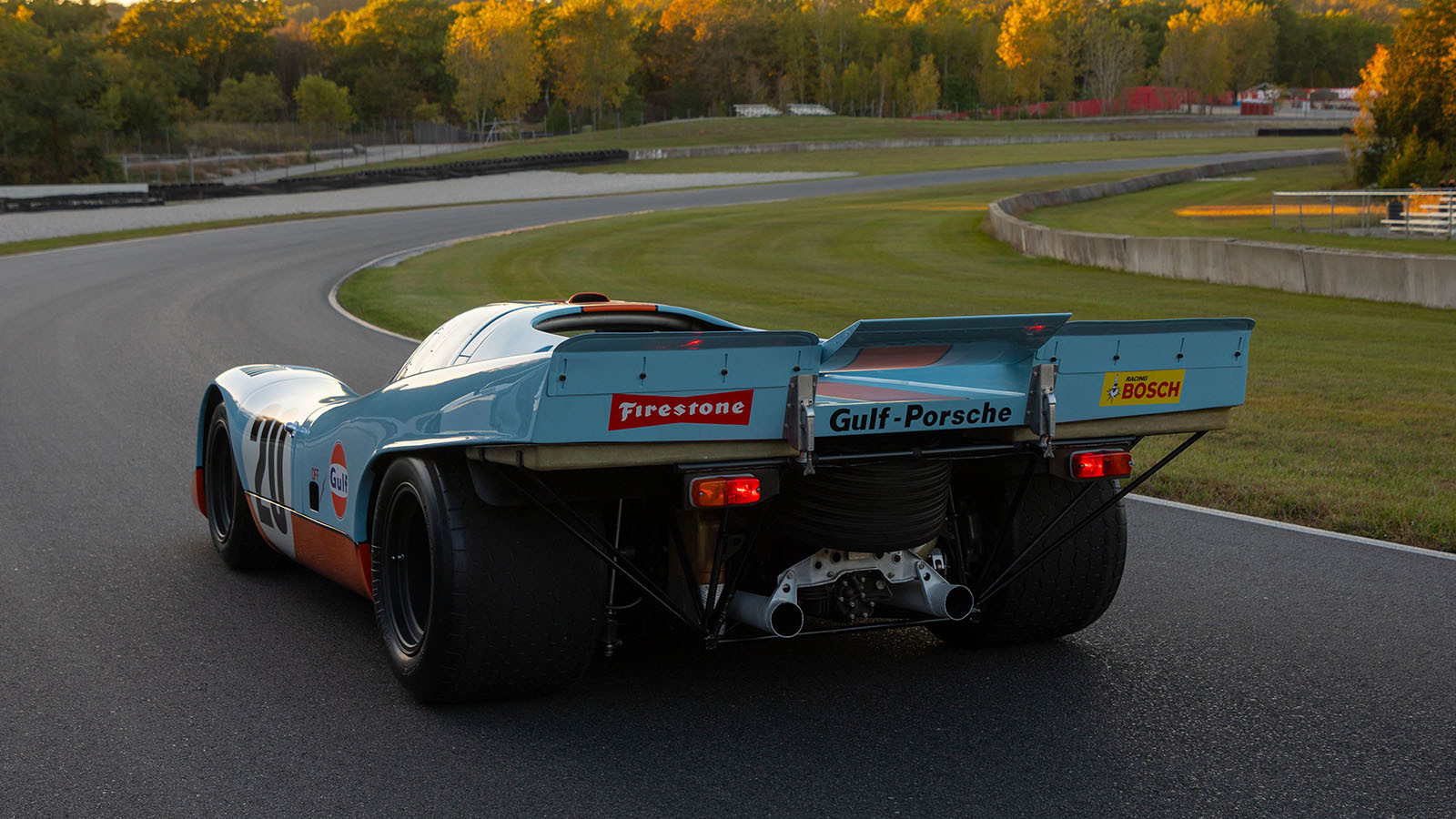
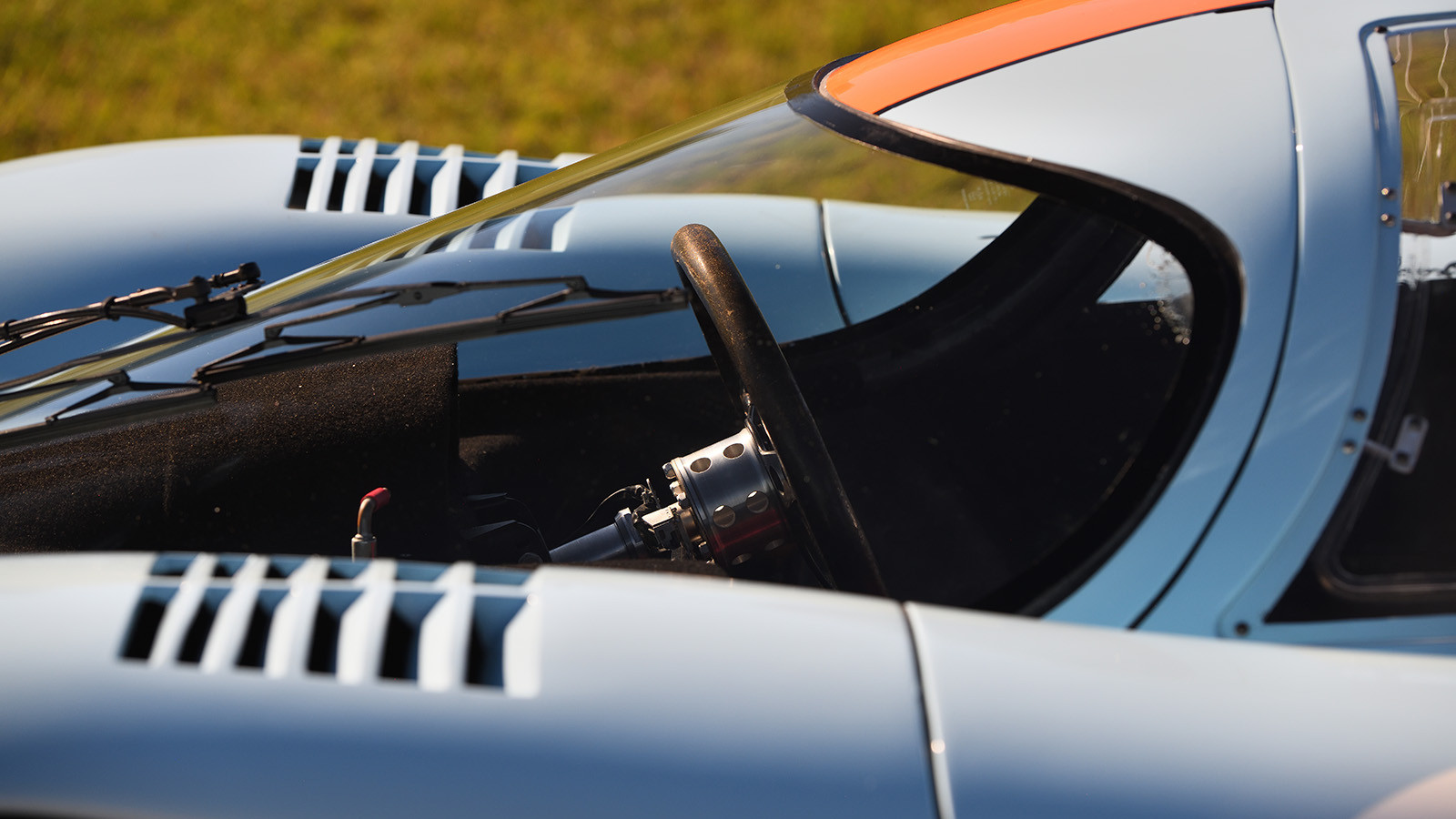
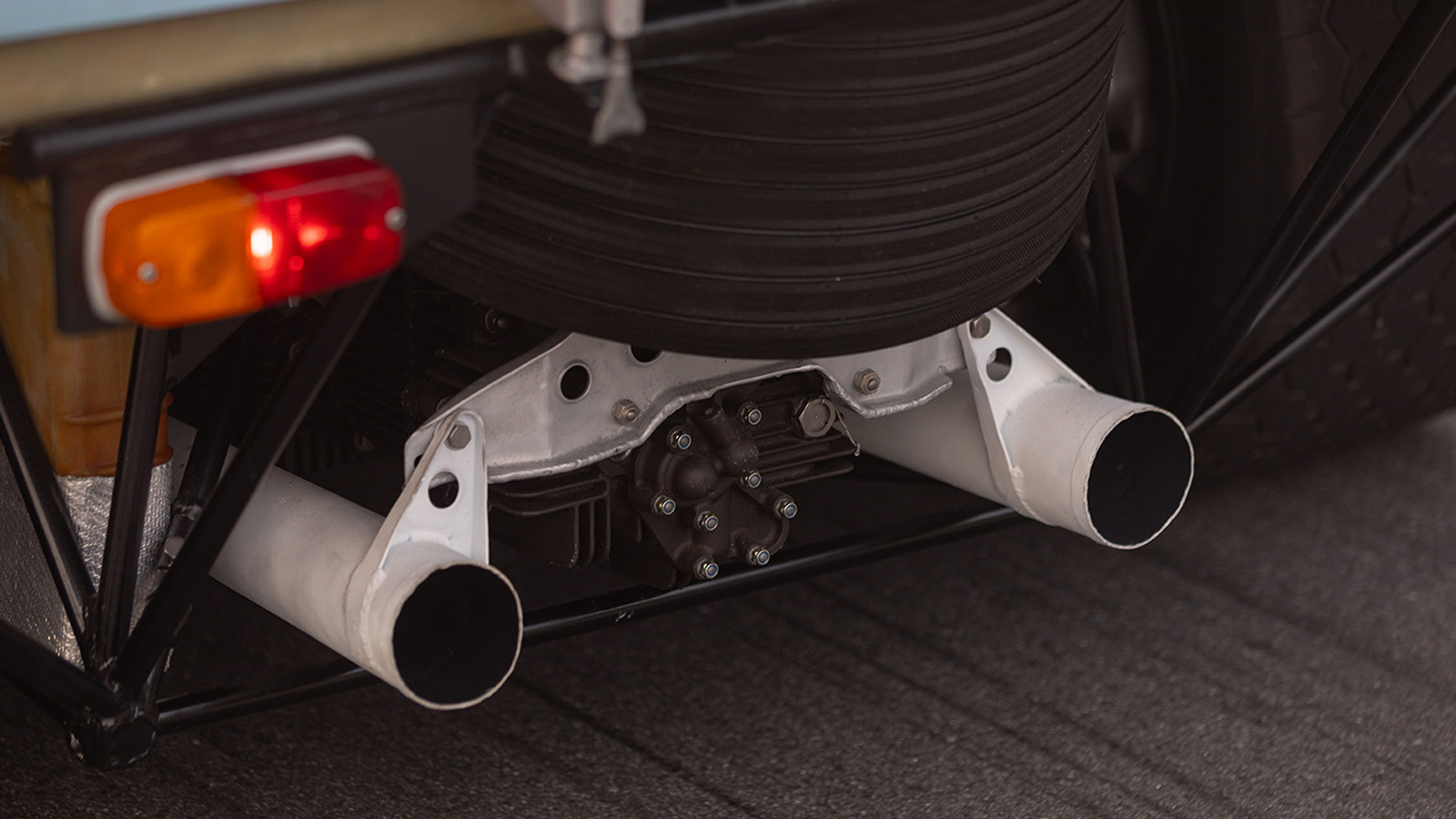
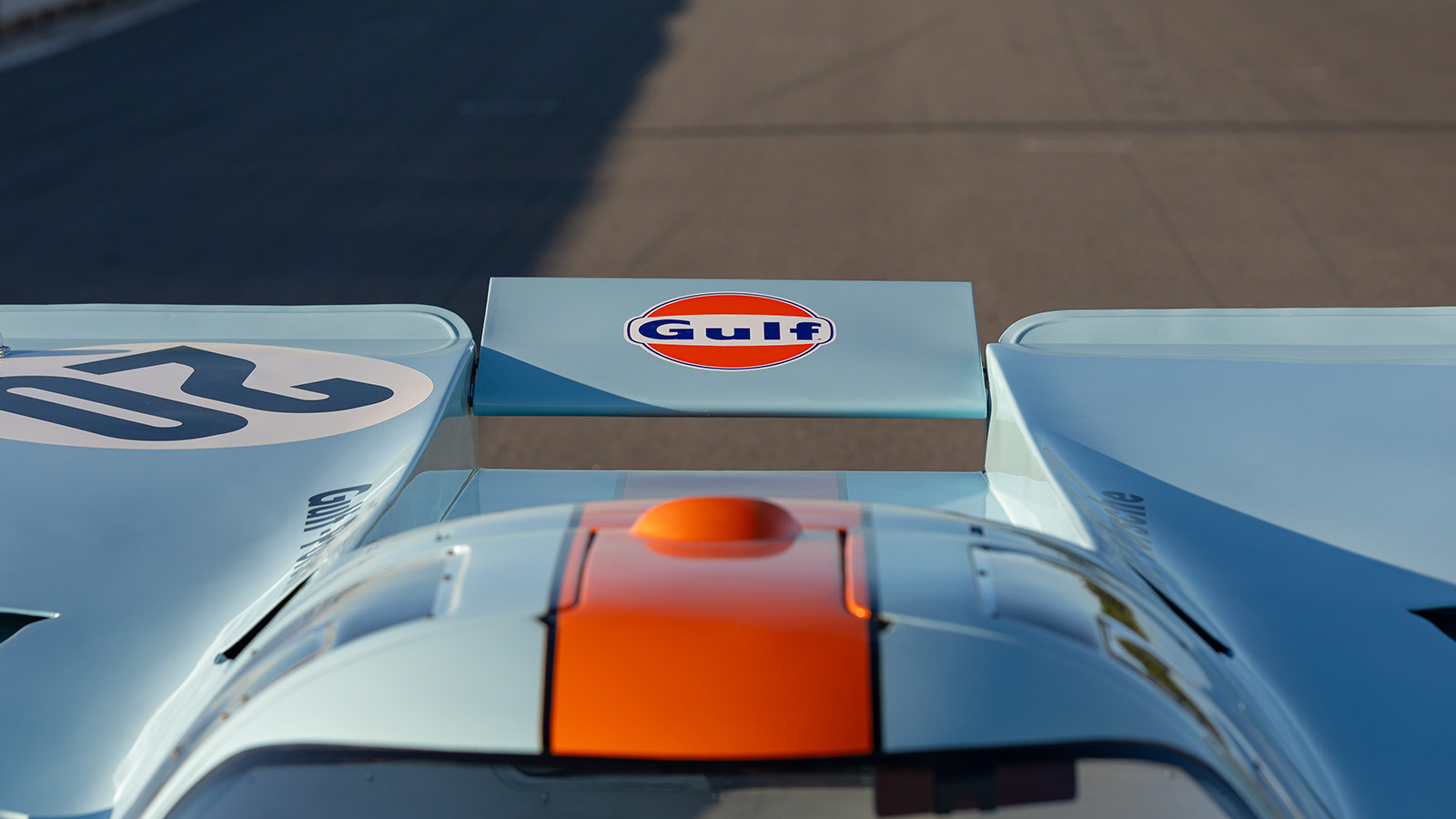
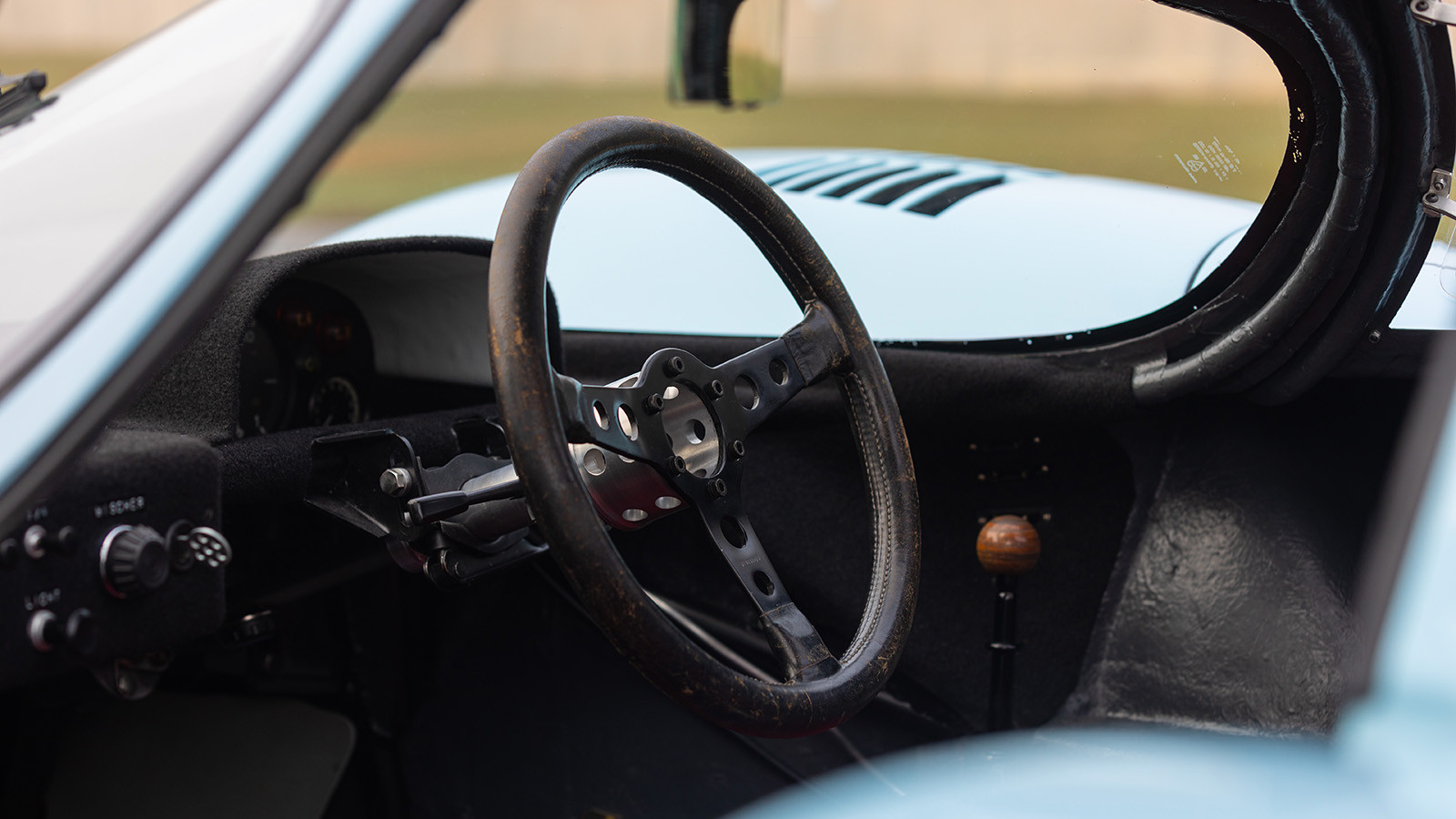
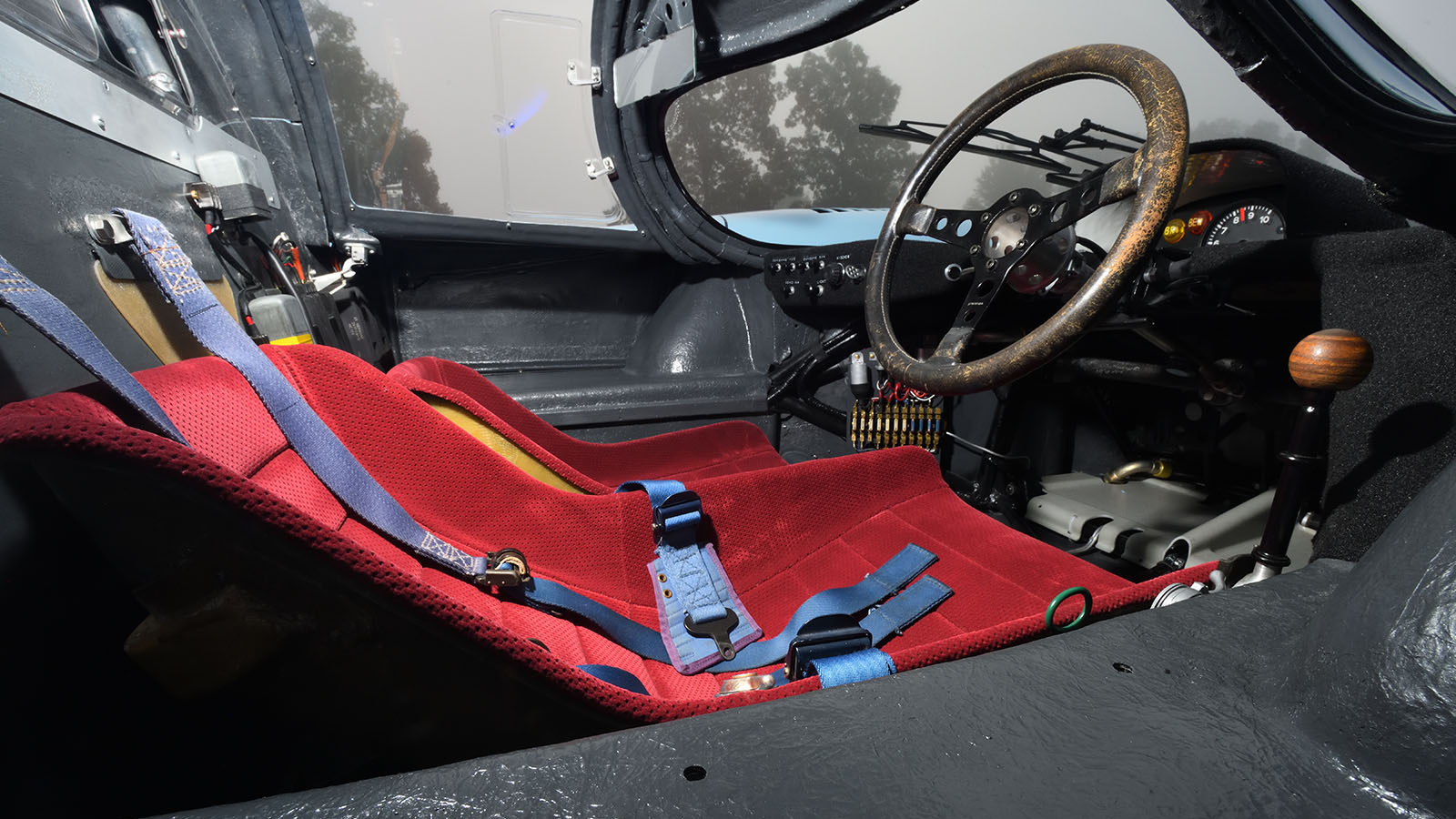
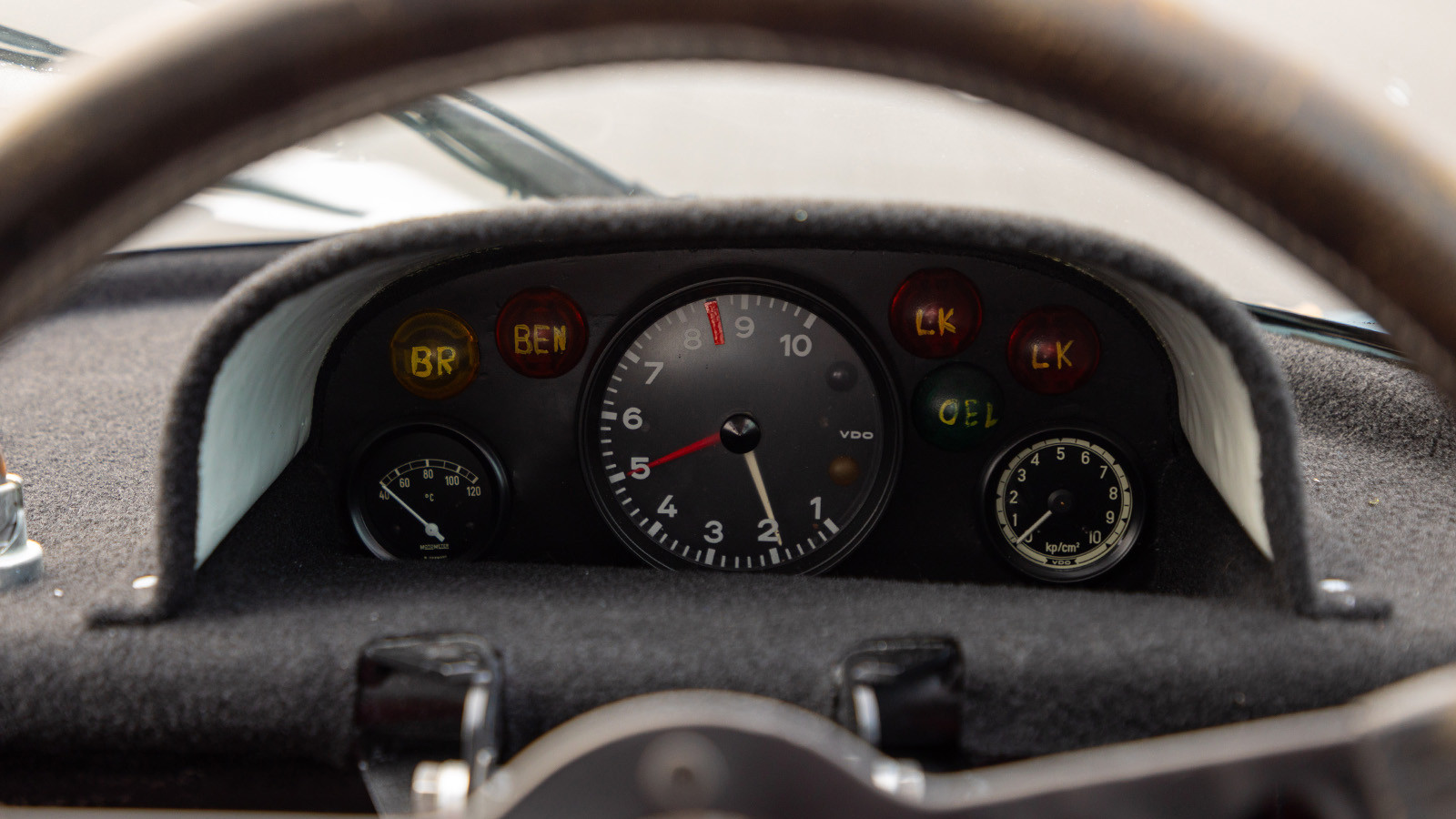
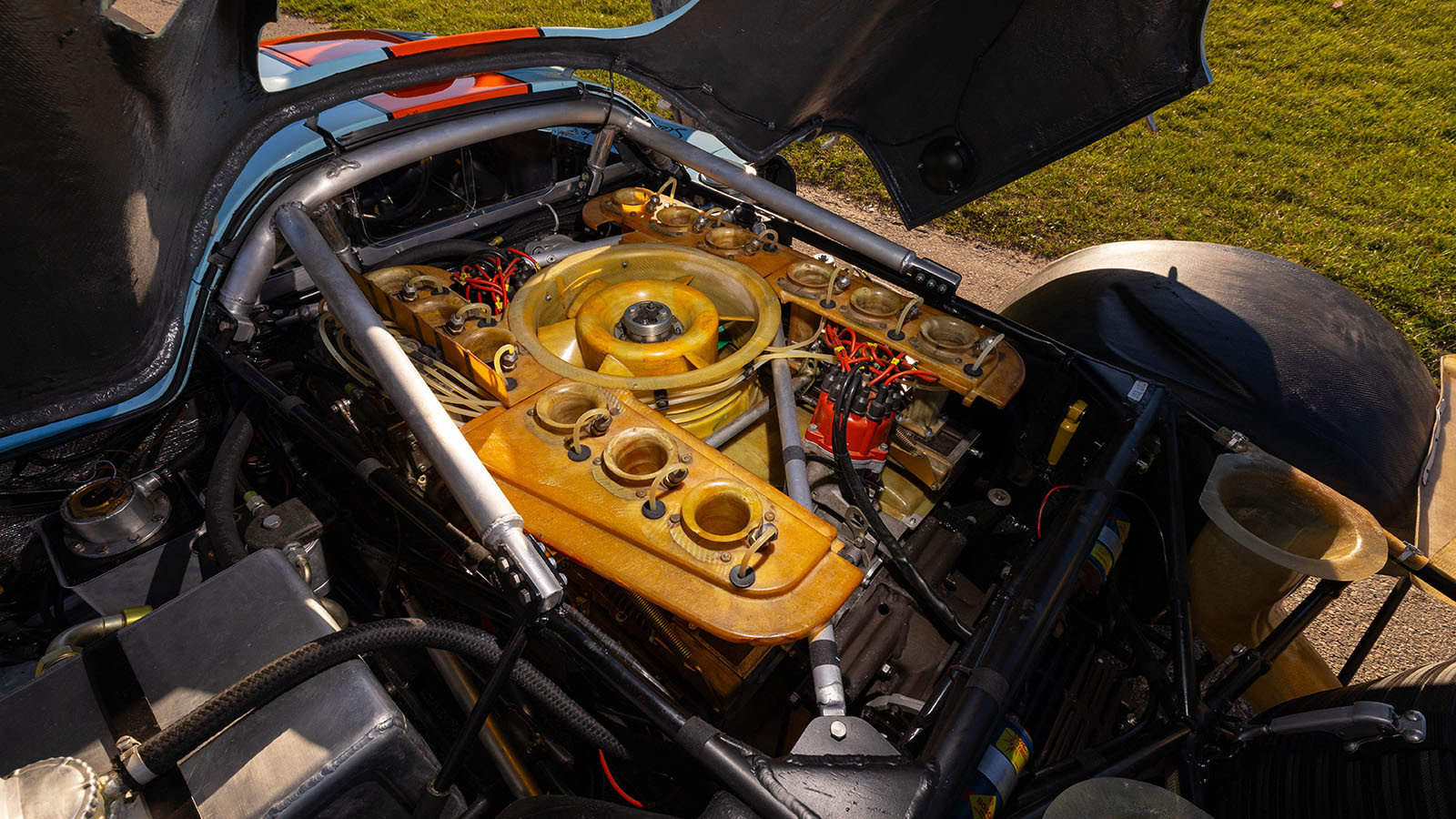
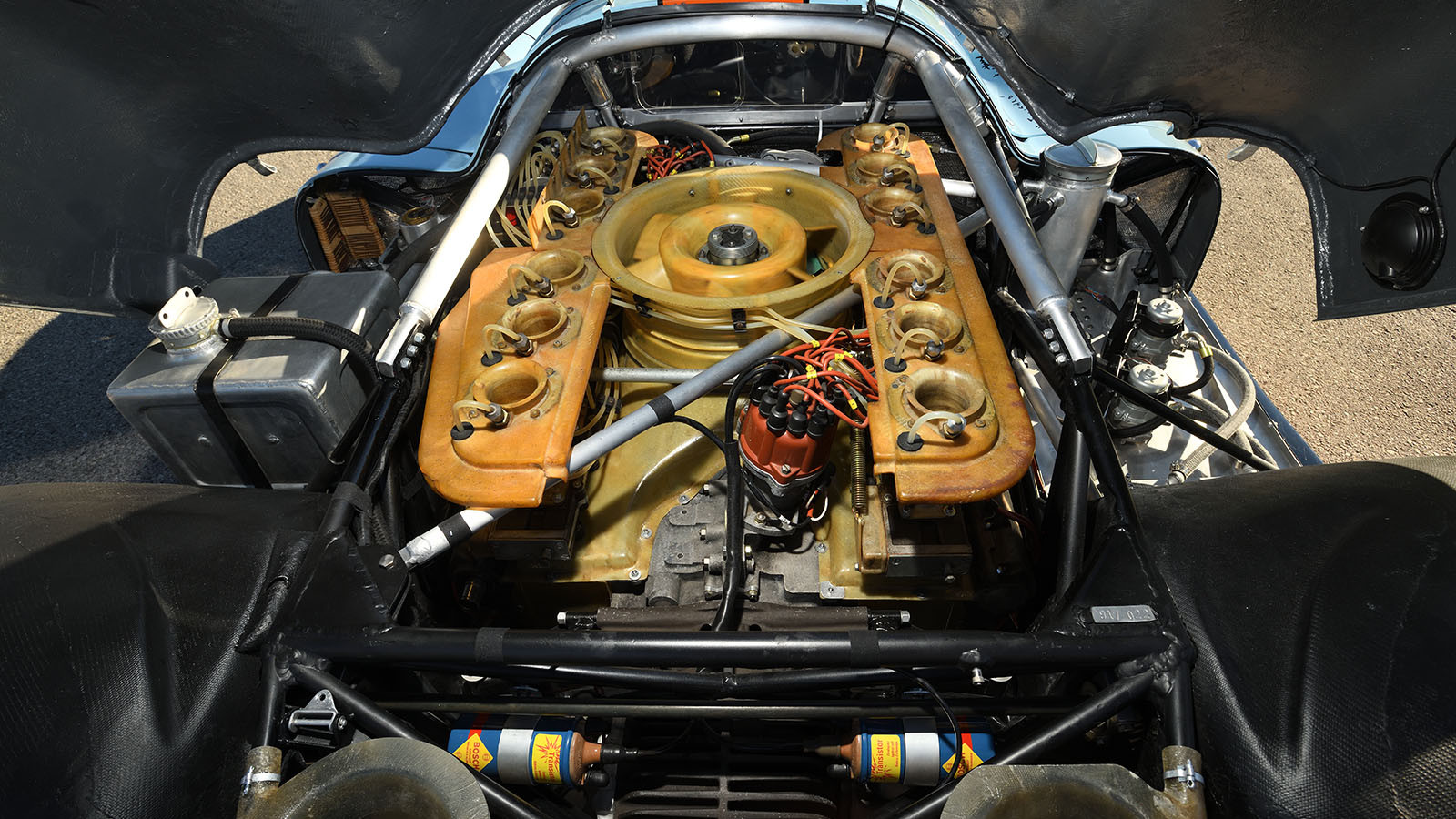
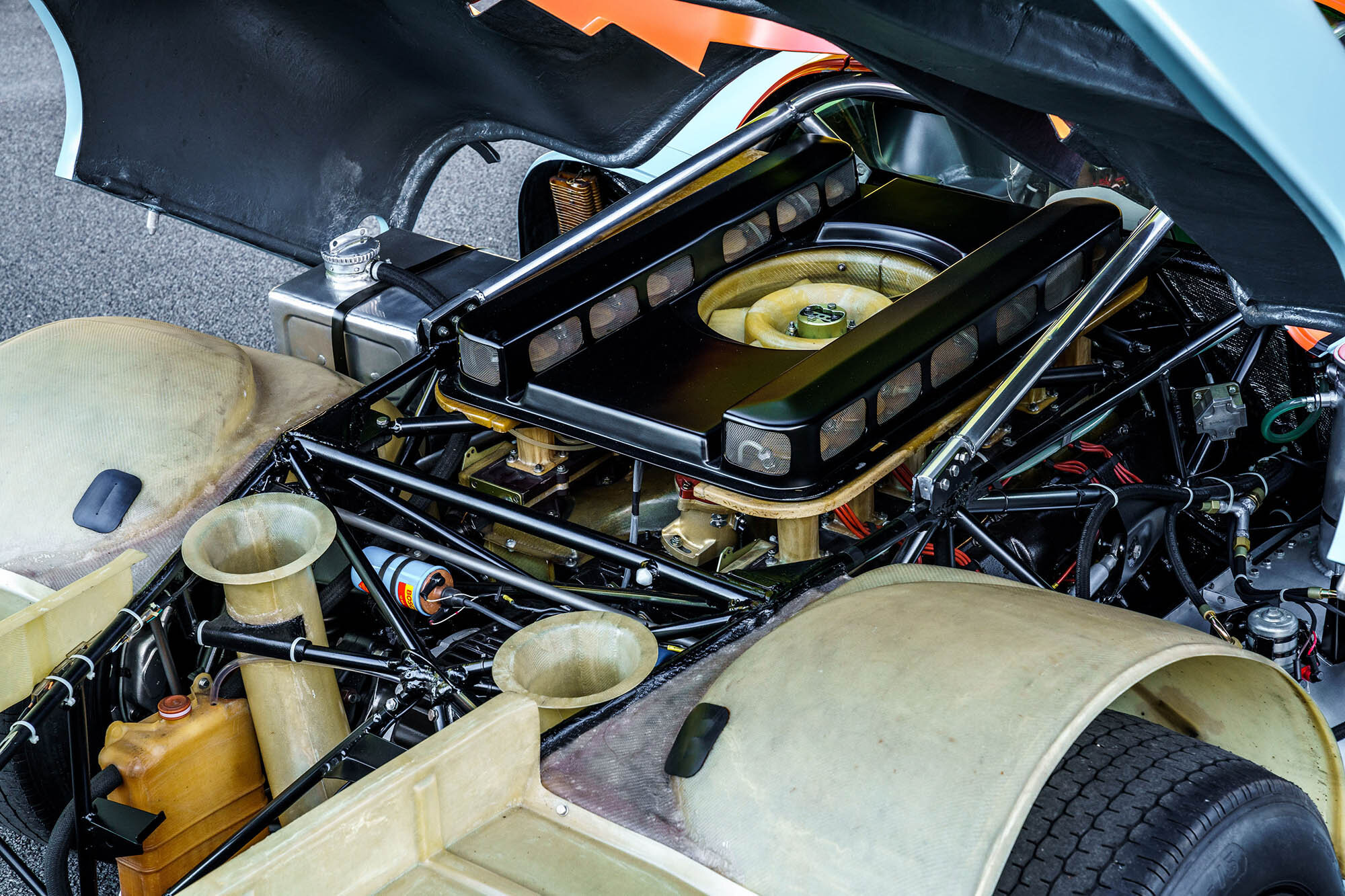
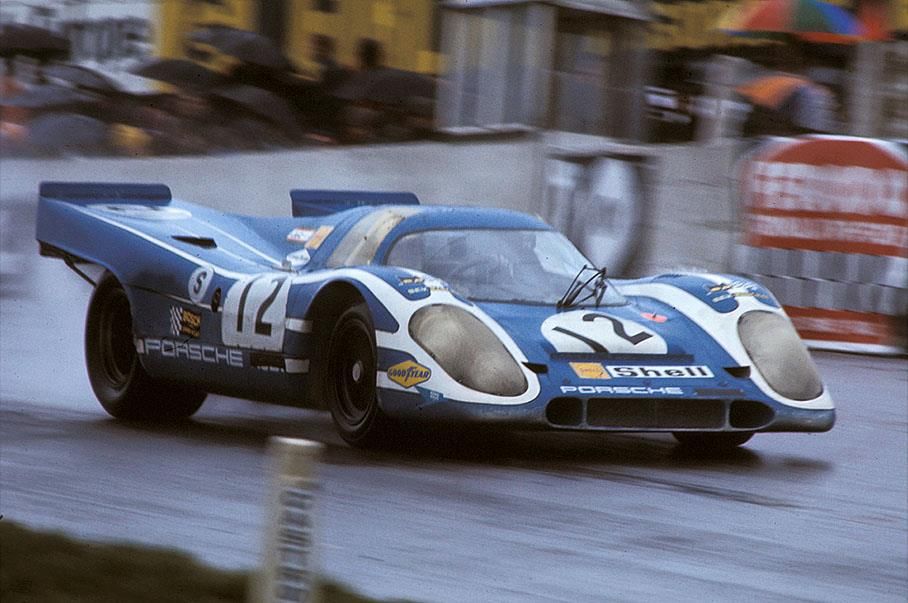
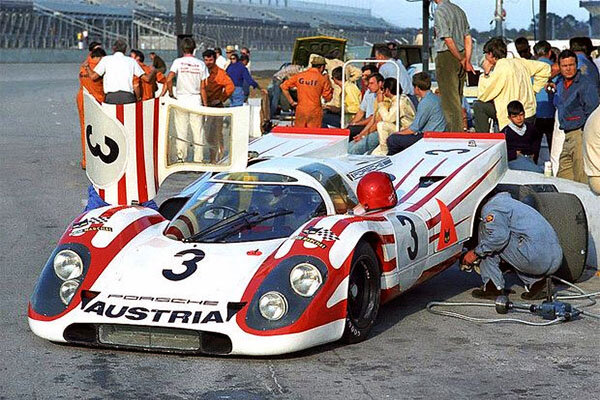
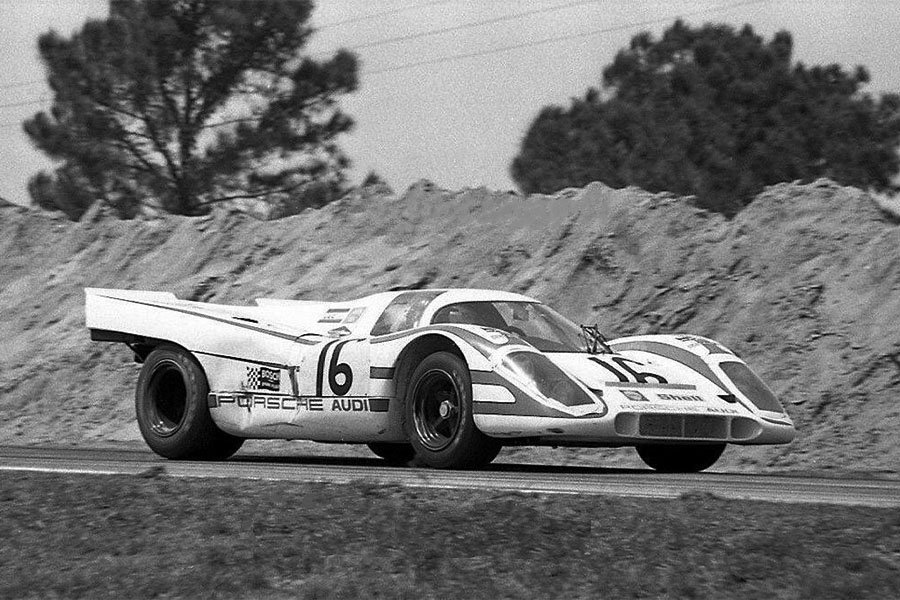
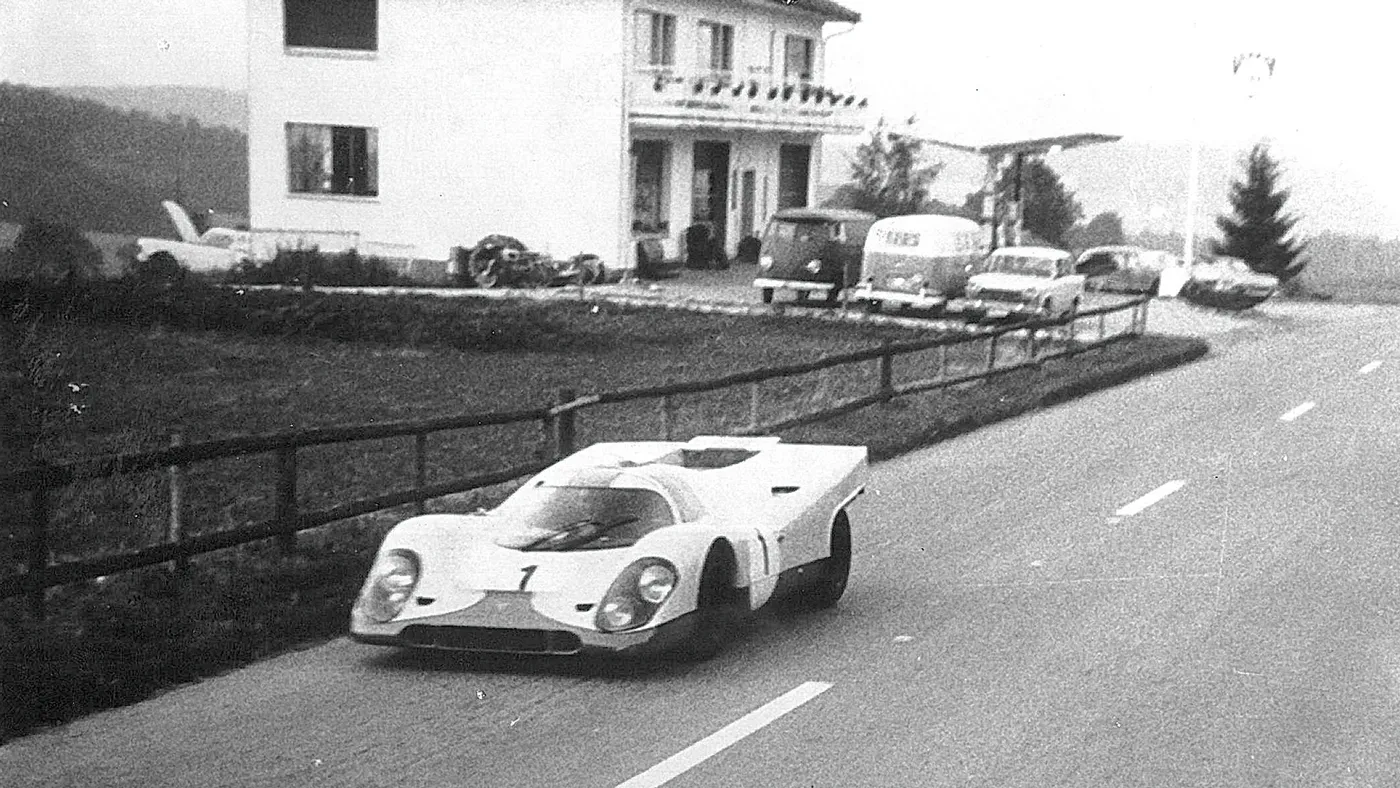
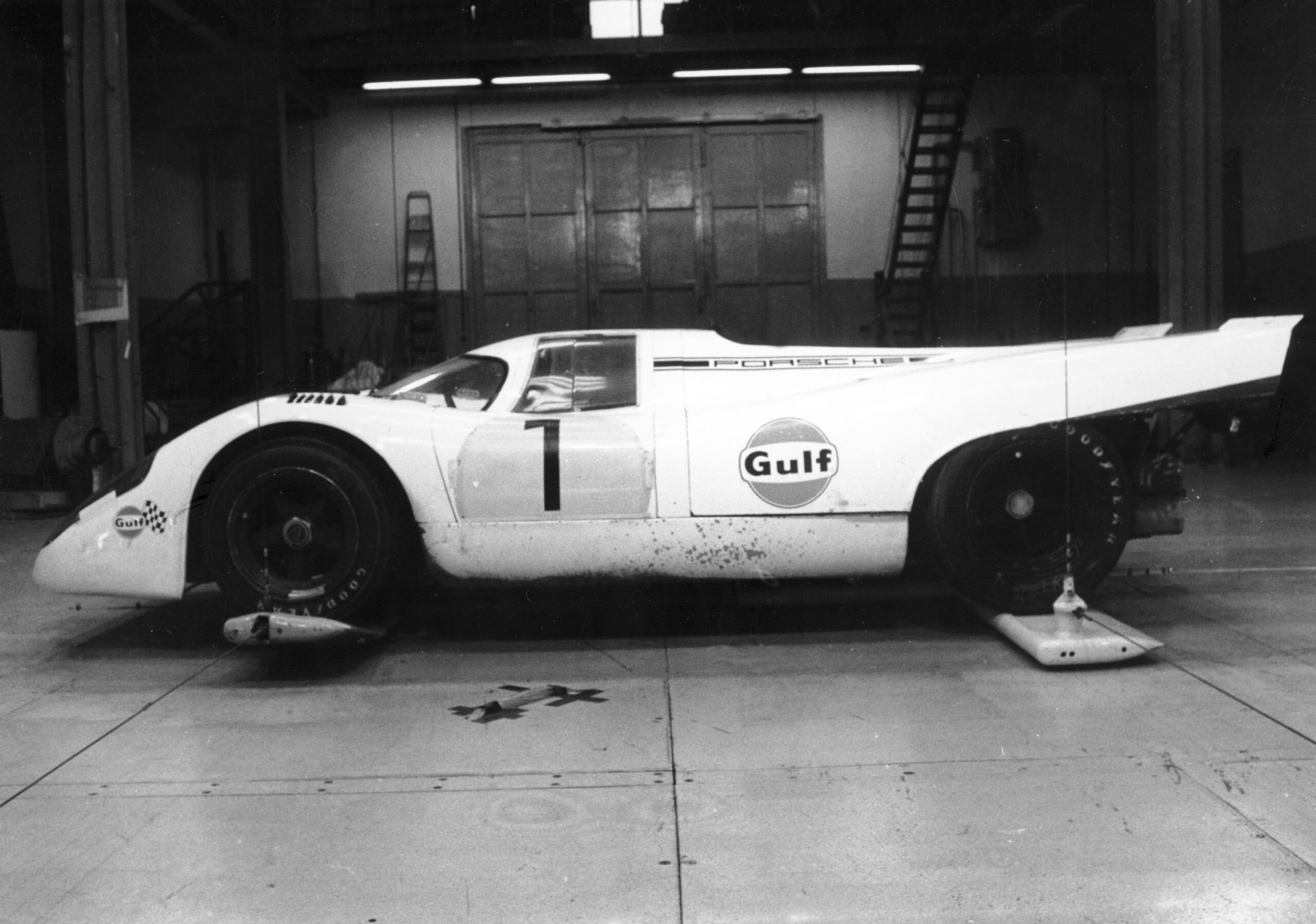
The technical metamorphosis from the 1969 car to the 1970 Kurzheck (short-tail) is one of the most famous garage-engineering eurekas in motorsport history. During a grueling test session at the Österreichring in late 1969, Wyer’s brilliant chief engineer, John Horsman, noticed a peculiar phenomenon: the dead gnats splattered across the Porsche’s bodywork abruptly stopped where the rear deck sloped downward. The airflow was completely detaching, acting like an airplane wing in reverse. Armed with aluminum sheet metal, shears, and heavy-duty tape, Horsman and the mechanics hastily constructed an upswept, wedge-shaped tail, hacking off the elegant but lethal rear end. The transformation was instantaneous and miraculous. The 1970 917K sacrificed a fraction of outright top speed for massive, planted aerodynamic downforce, instantly dropping lap times by seconds. Beneath this brutally functional new wedge lay the incredible tubular aluminum spaceframe, so fragile and thin-walled that it was internally pressurized with gas and monitored via a dashboard dial to warn the driver of impending structural failure. At the heart of the beast was Hans Mezger’s glorious Type 912 flat-12 engine. For the 1970 season, the air-cooled, central-gear-driven masterpiece was predominantly utilized in its 4.5-liter guise, though a bored-out 4.9-liter version appeared to combat the Ferraris. Pushing roughly 580 to 600 naturally aspirated horsepower through a robust four-speed manual transaxle, the 1970 917K produced a guttural, earth-shattering howl. The cockpit remained a hostile, claustrophobic aluminum furnace, where the driver’s feet extended perilously ahead of the front axle, gripping a balsa-wood gear knob to save a few precious ounces of weight.
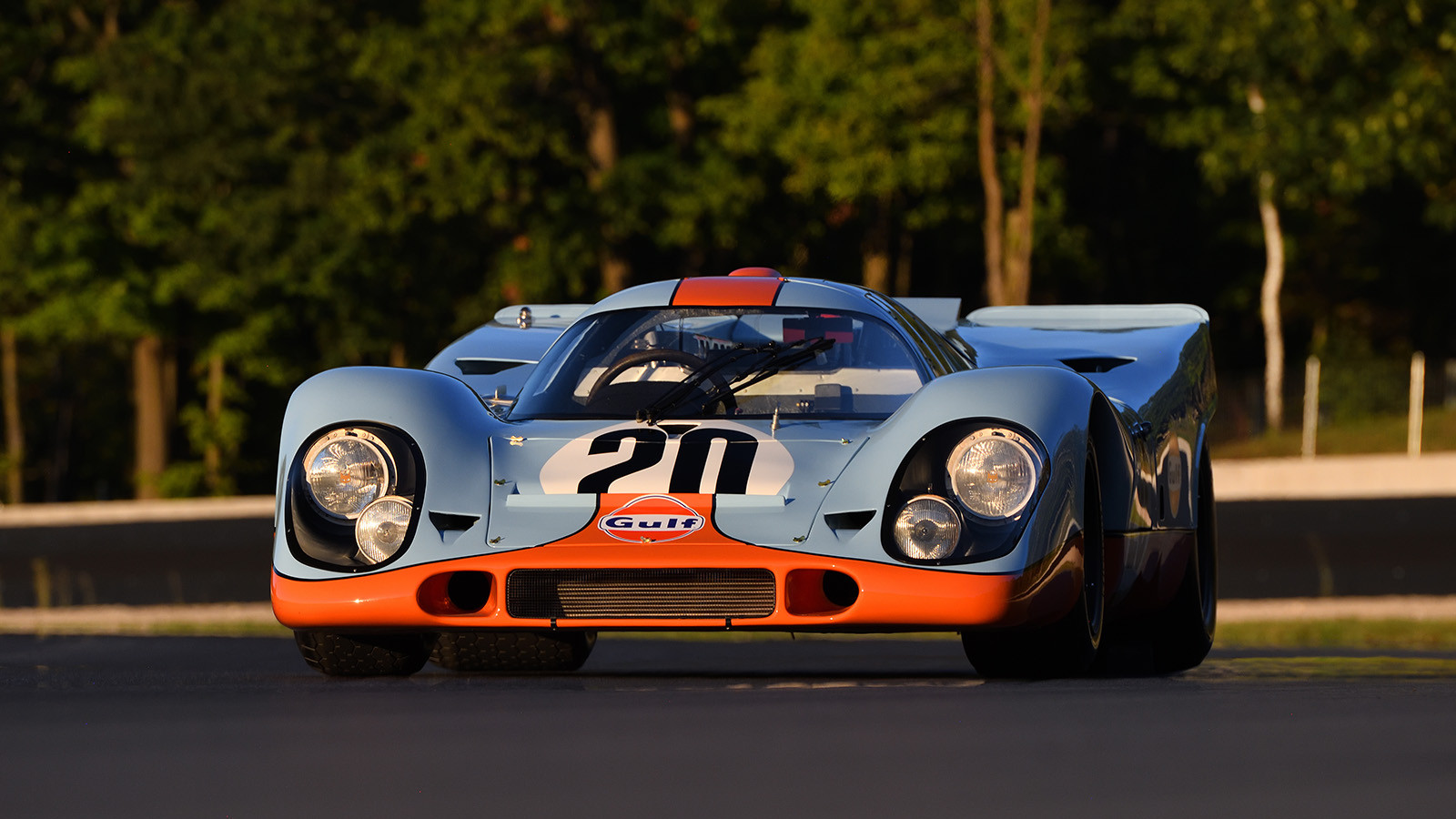
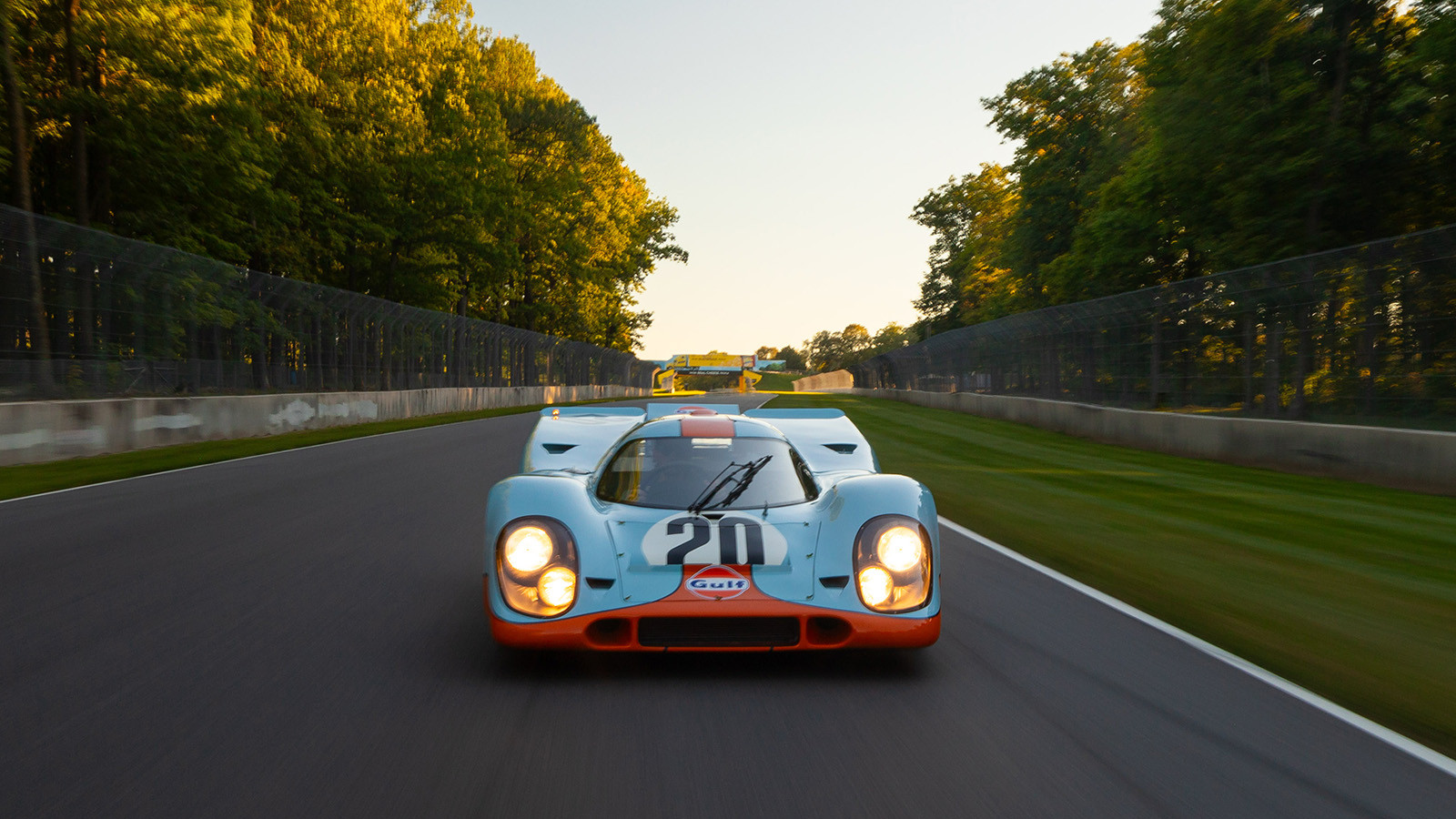
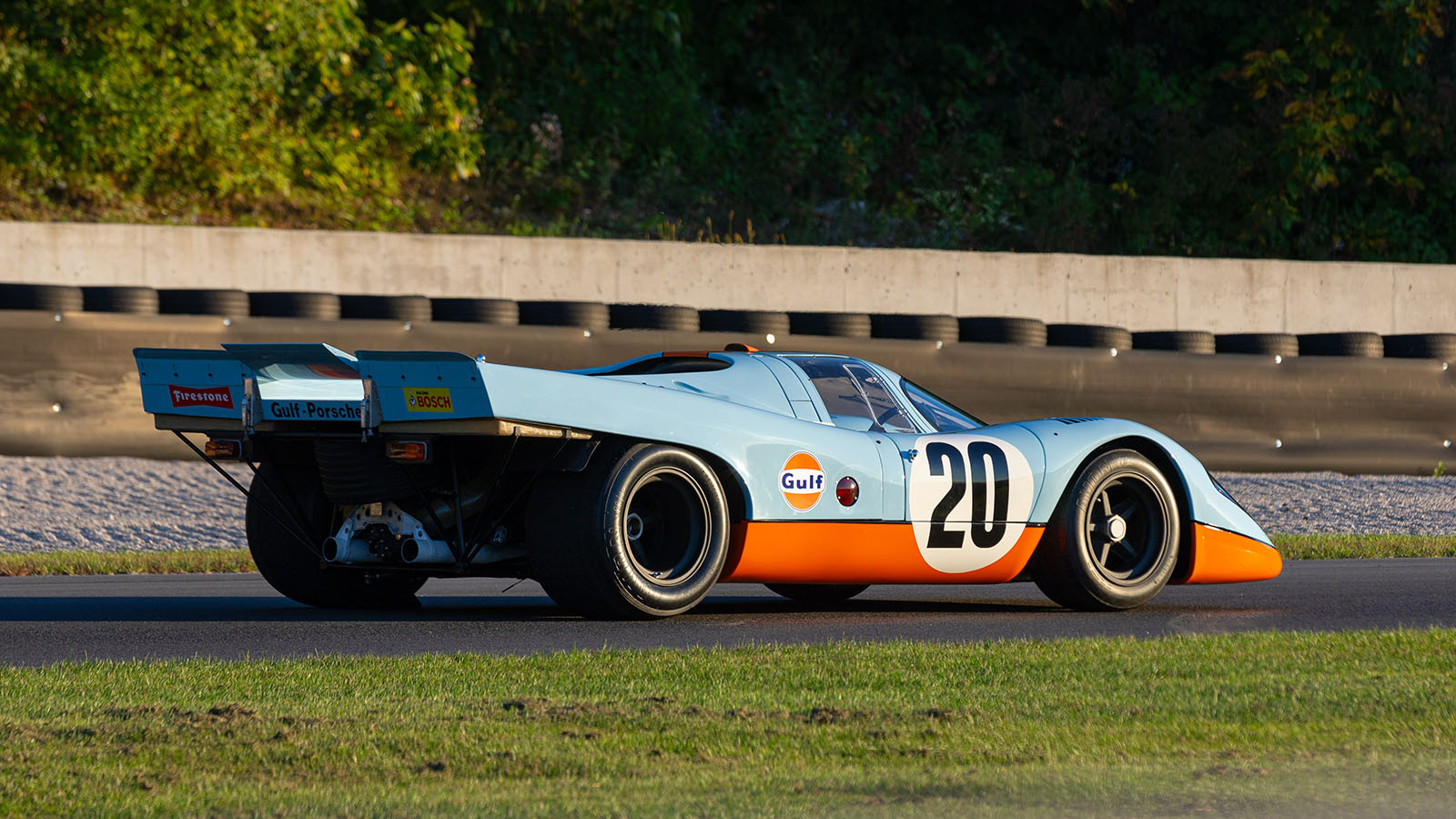
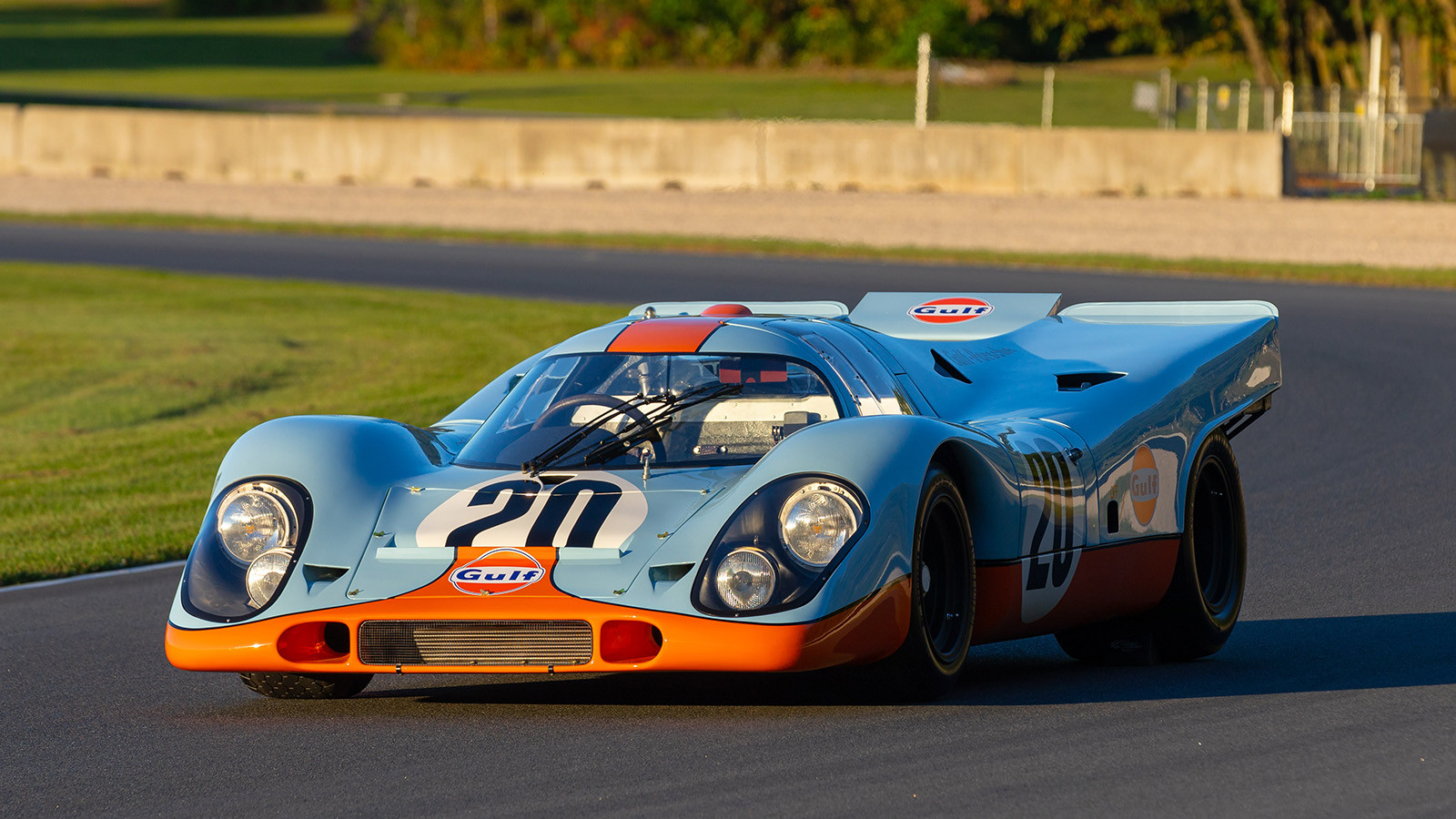
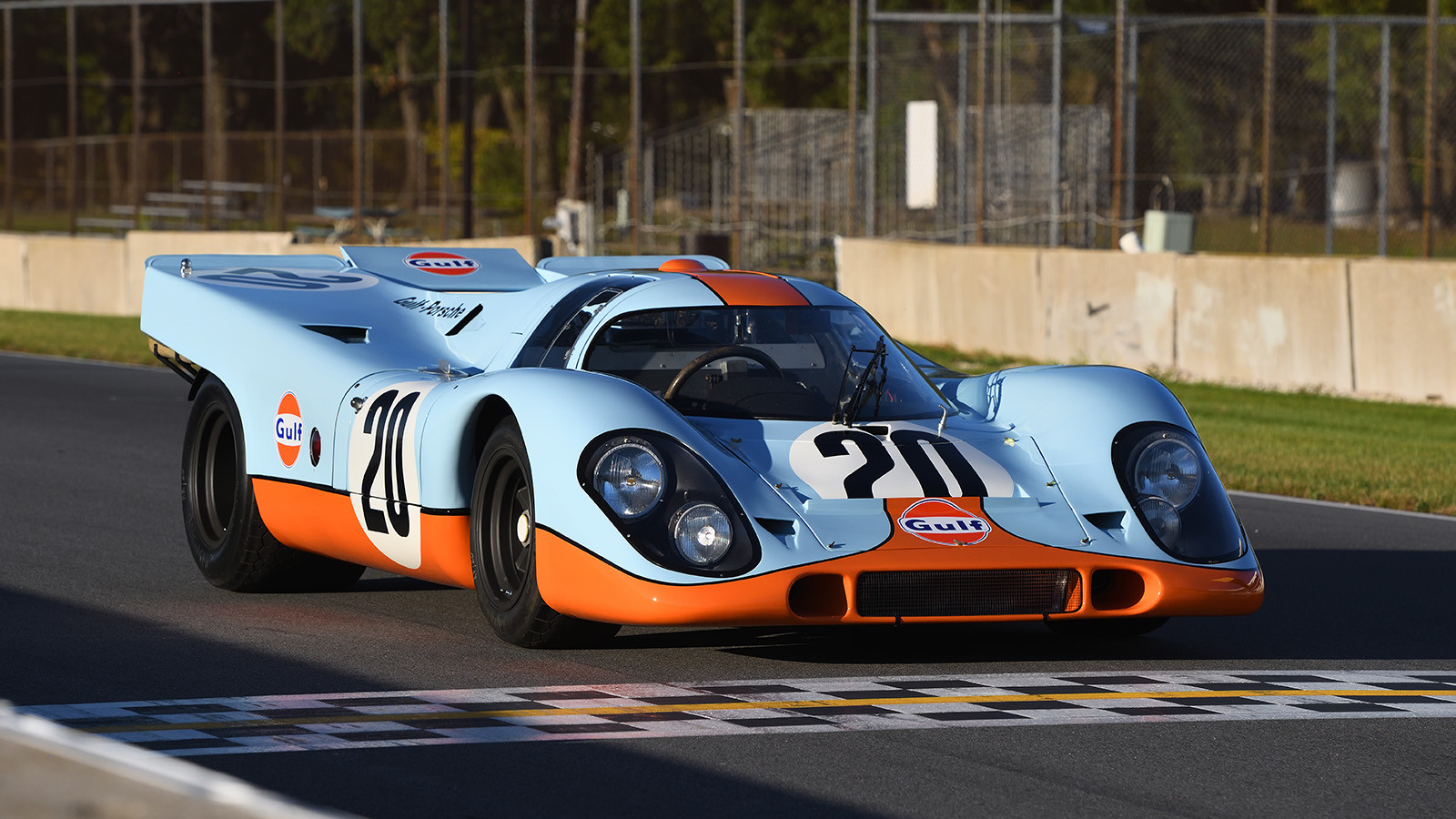
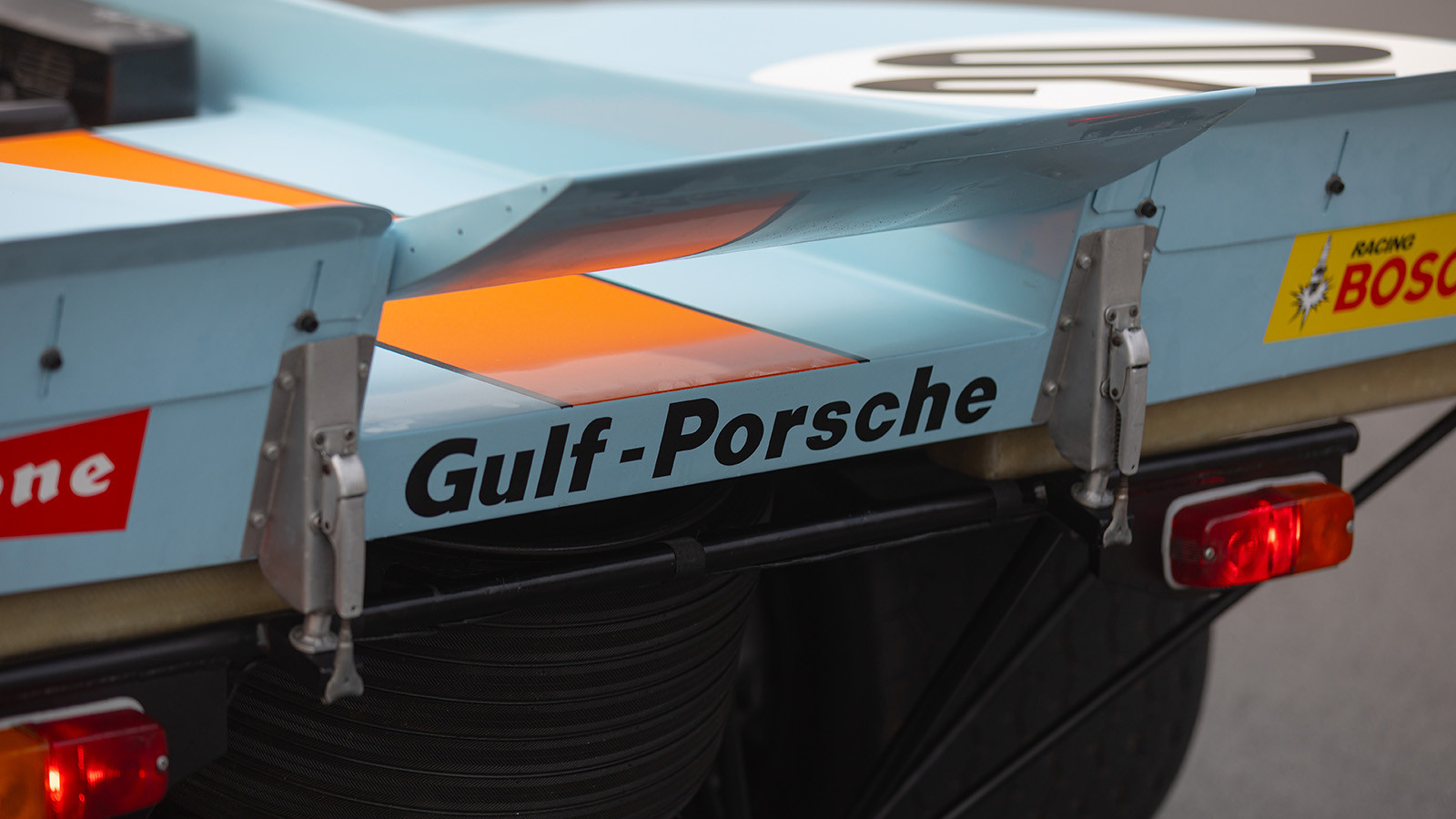
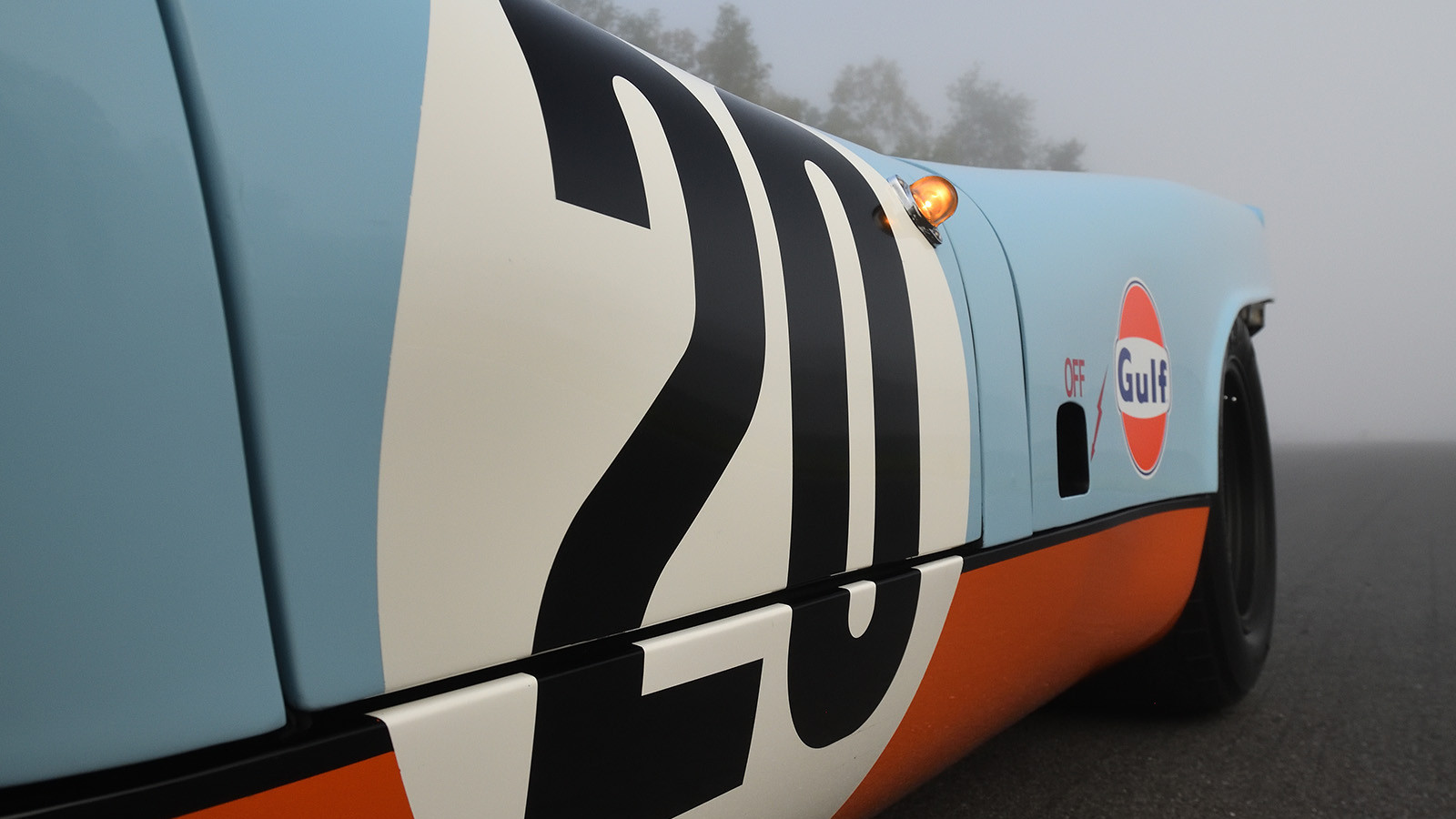
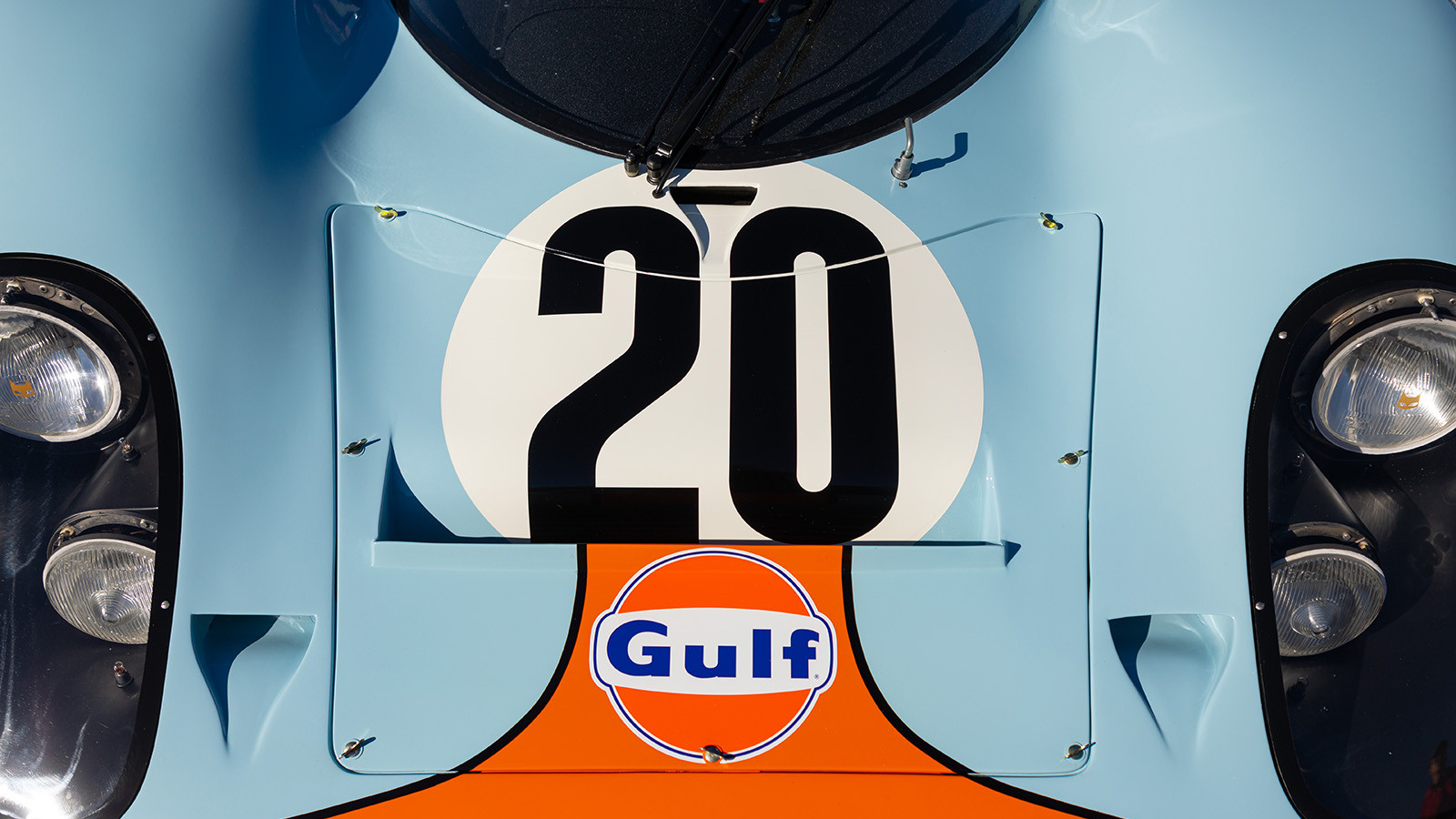
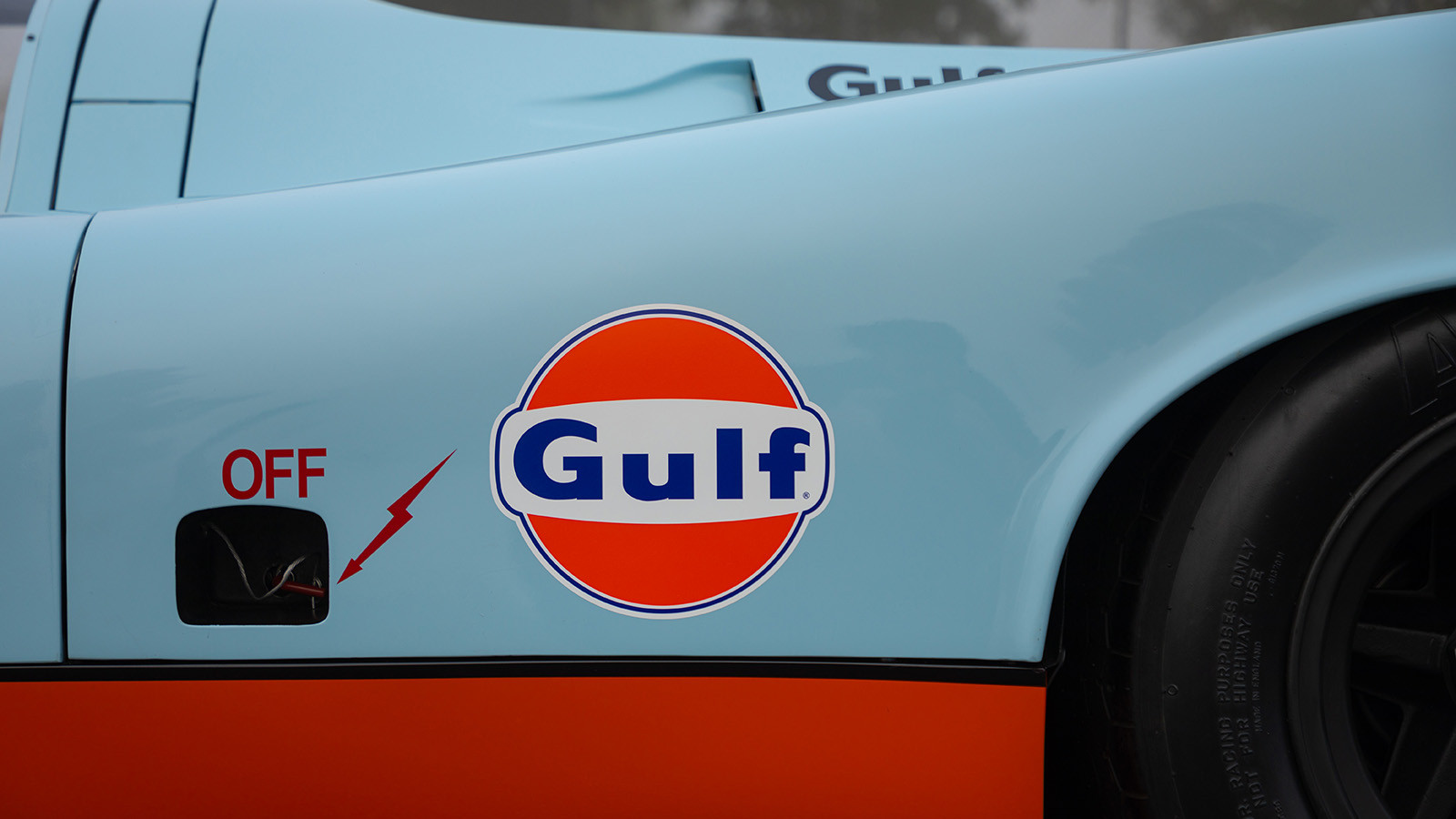
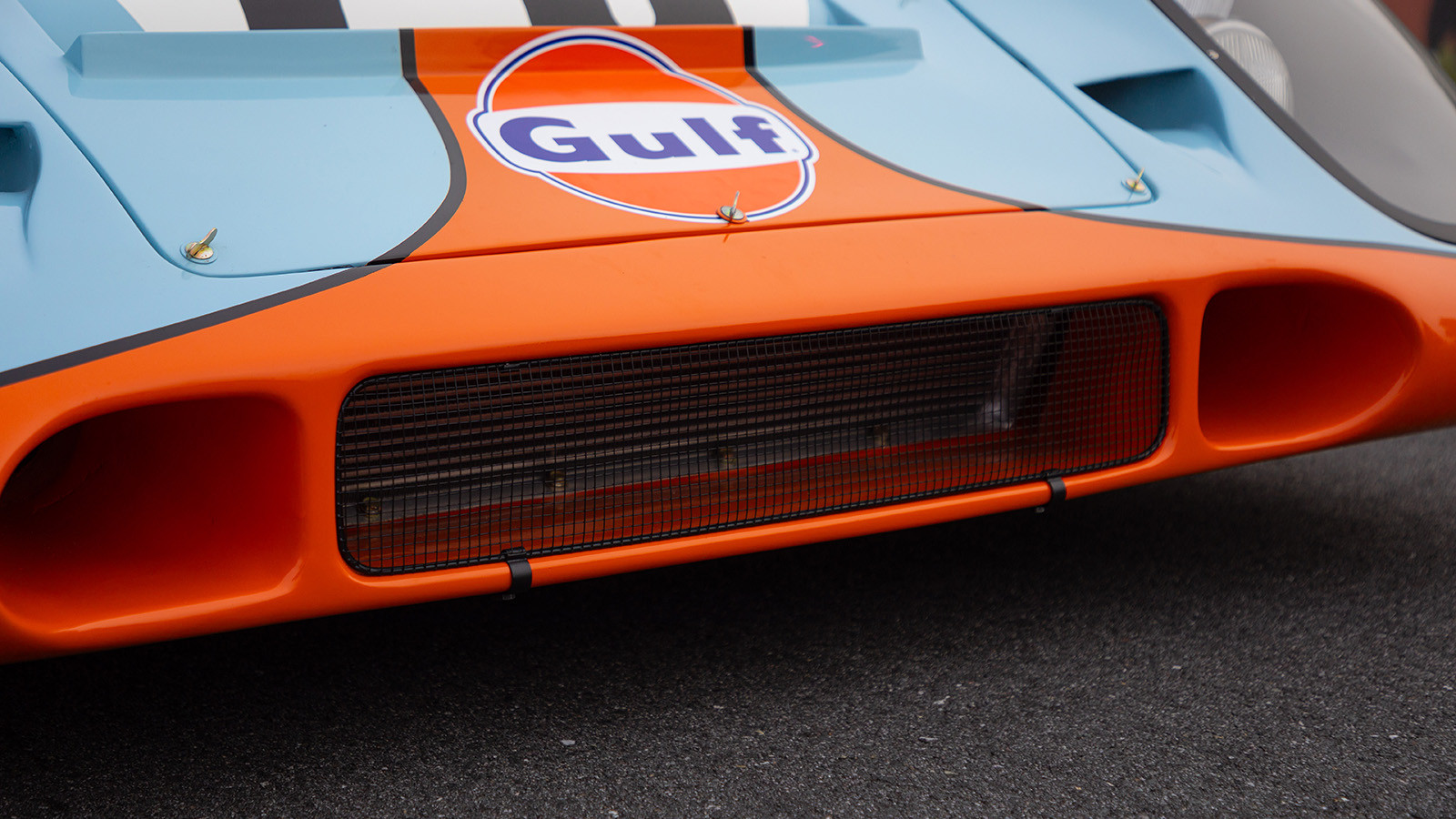
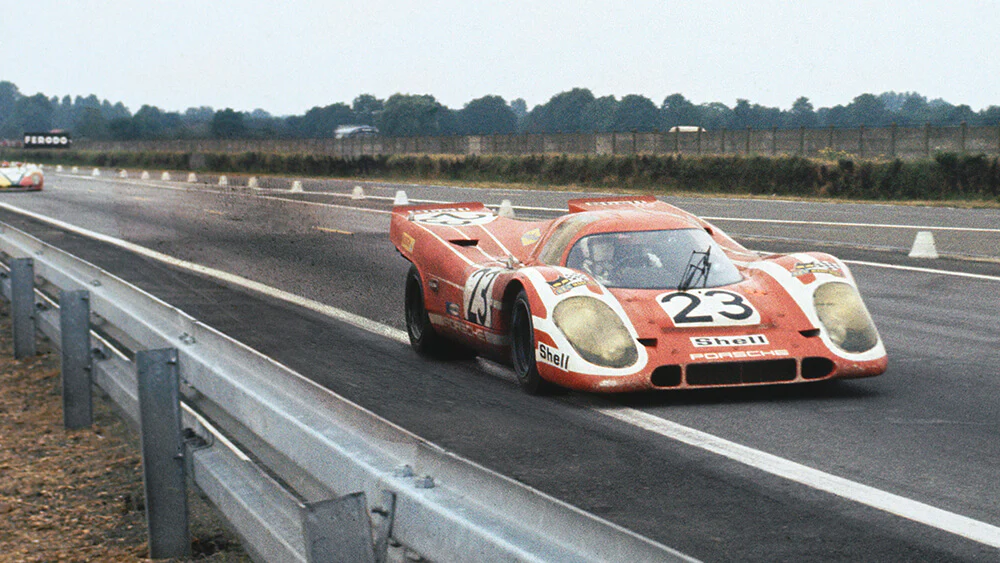
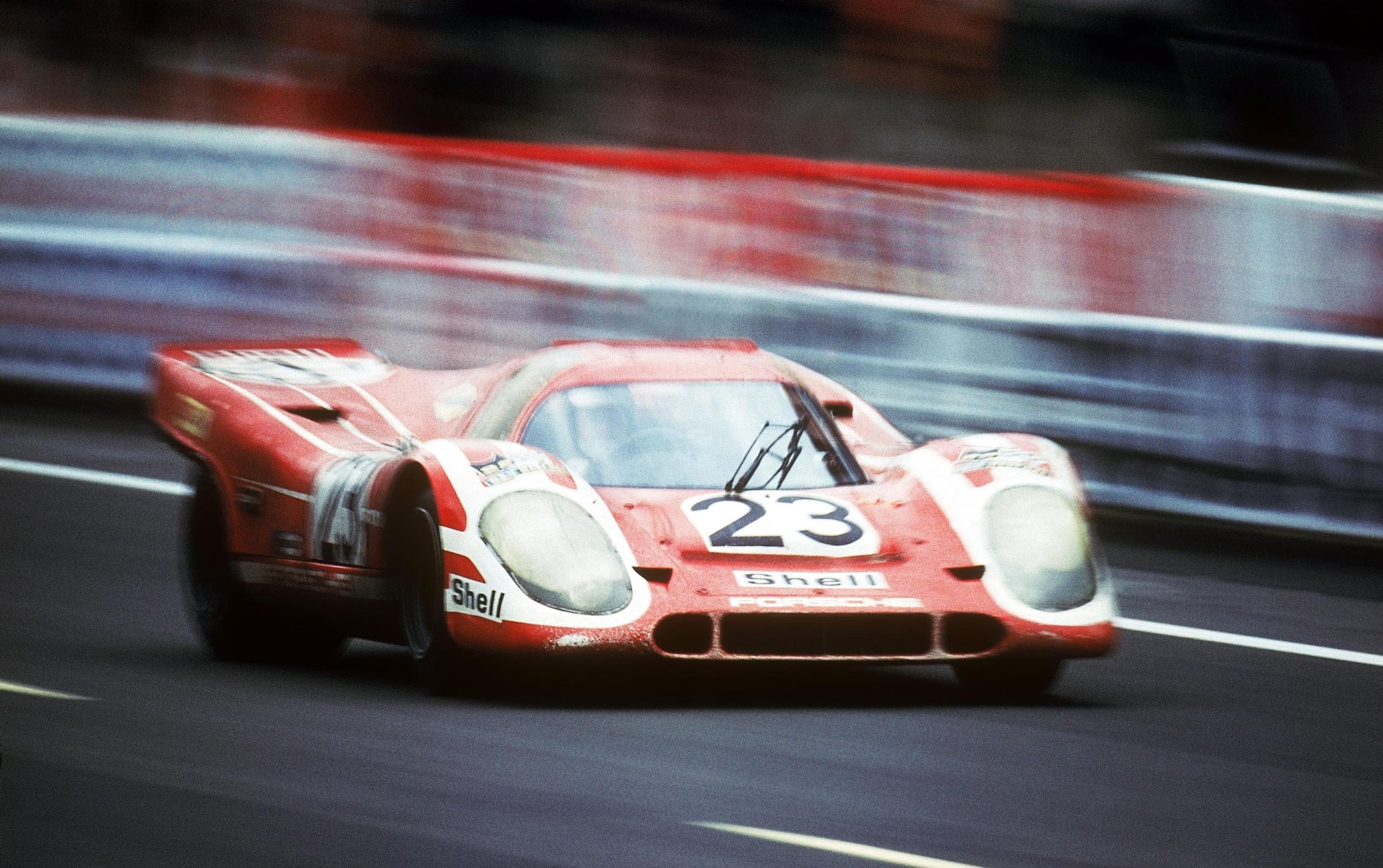
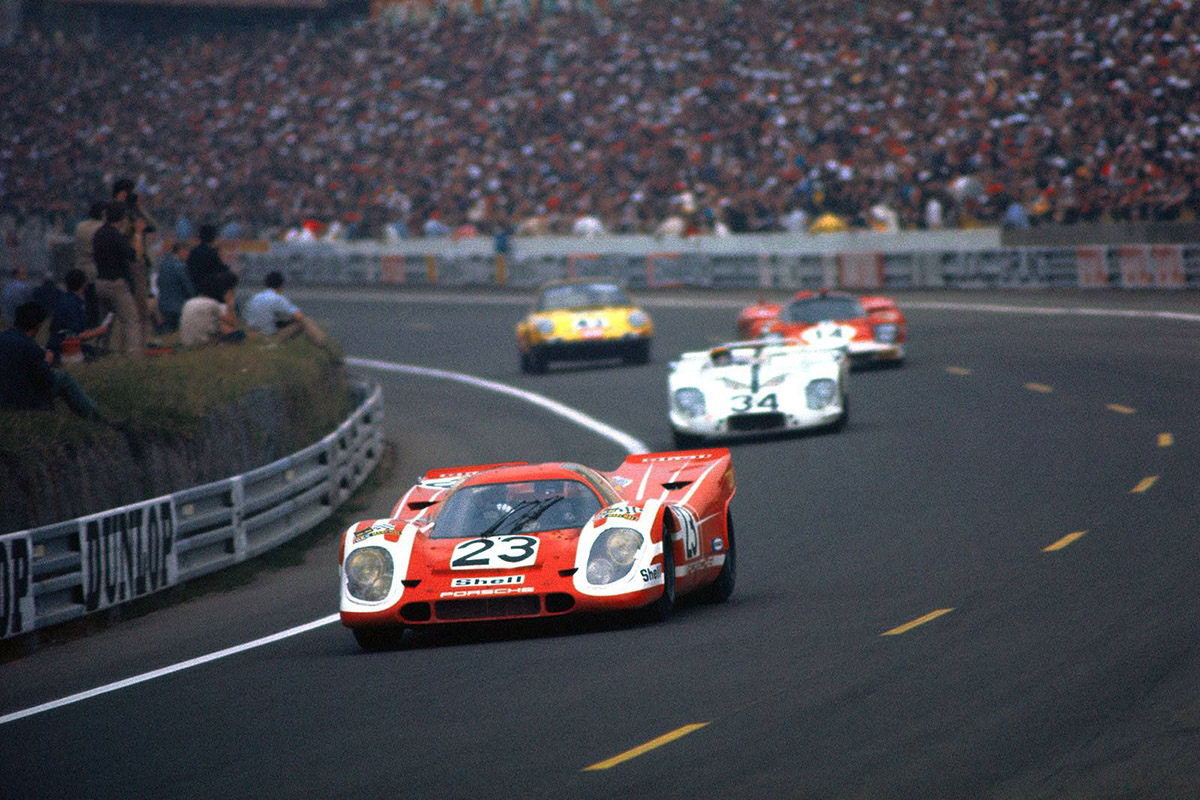
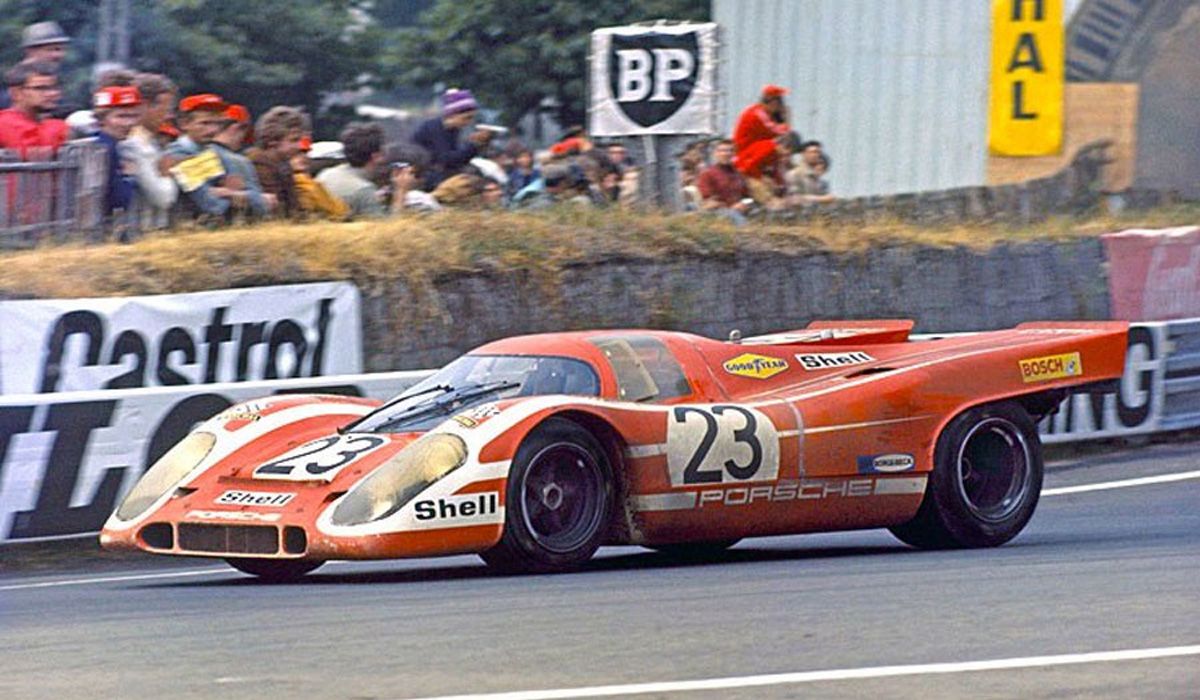
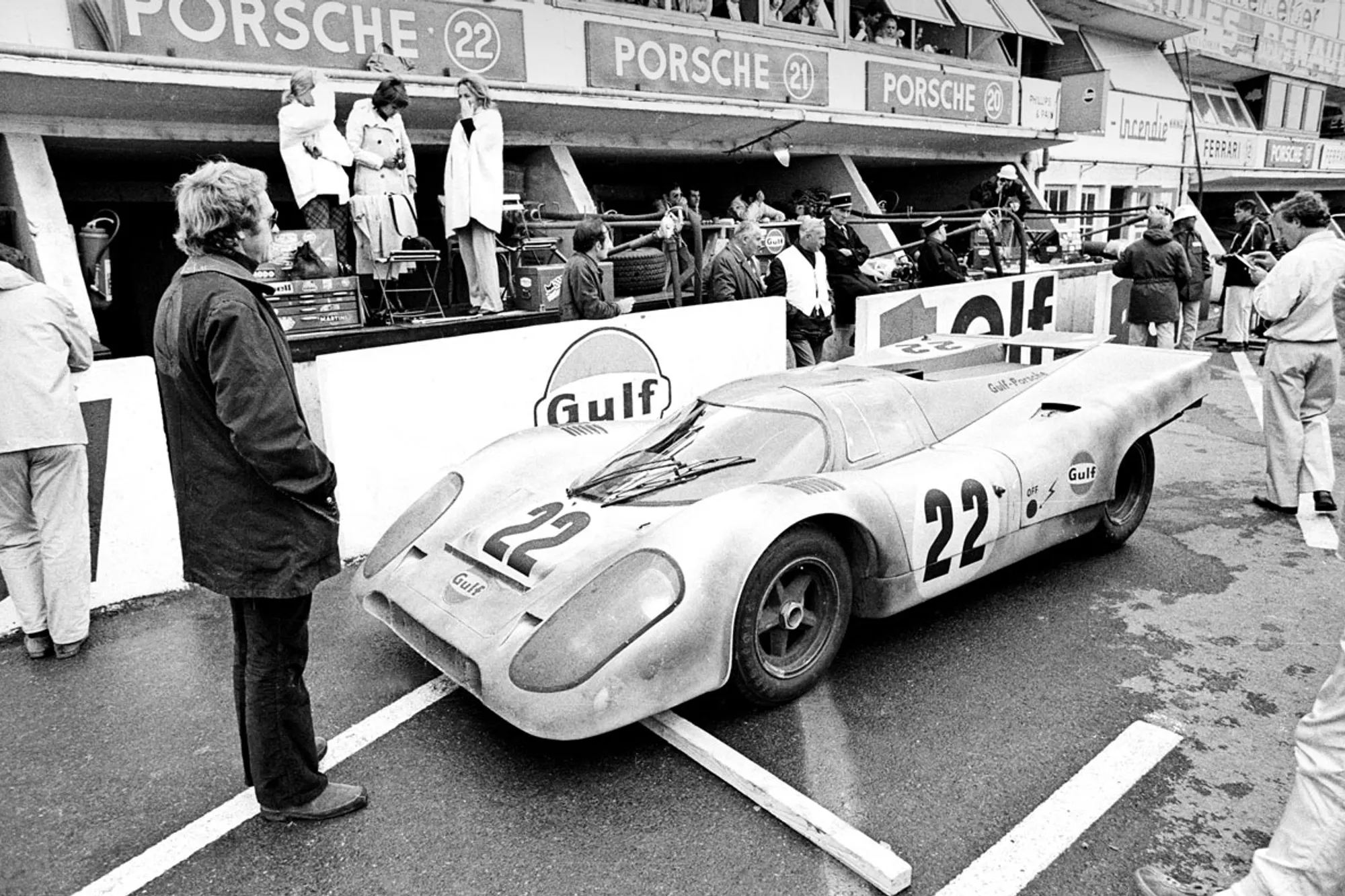
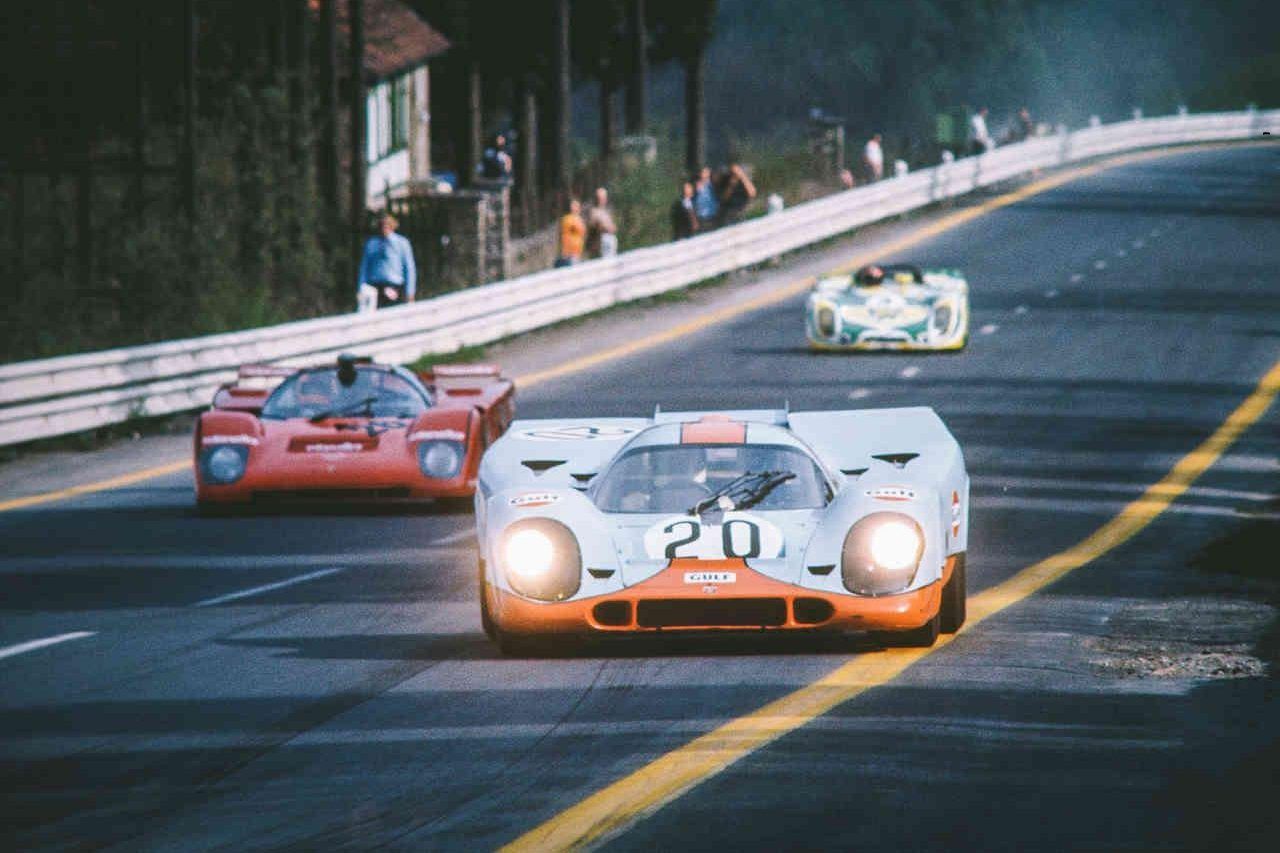
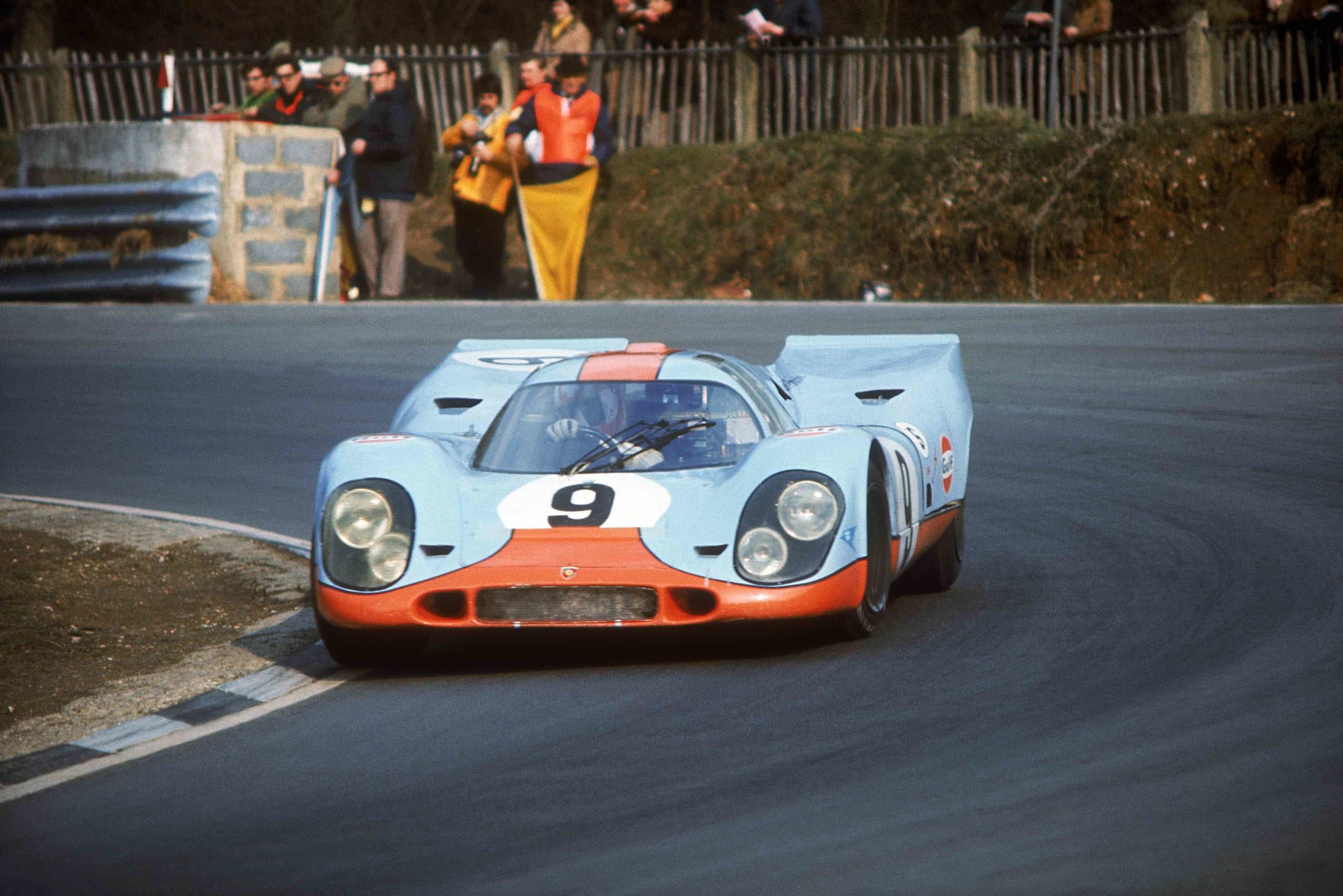
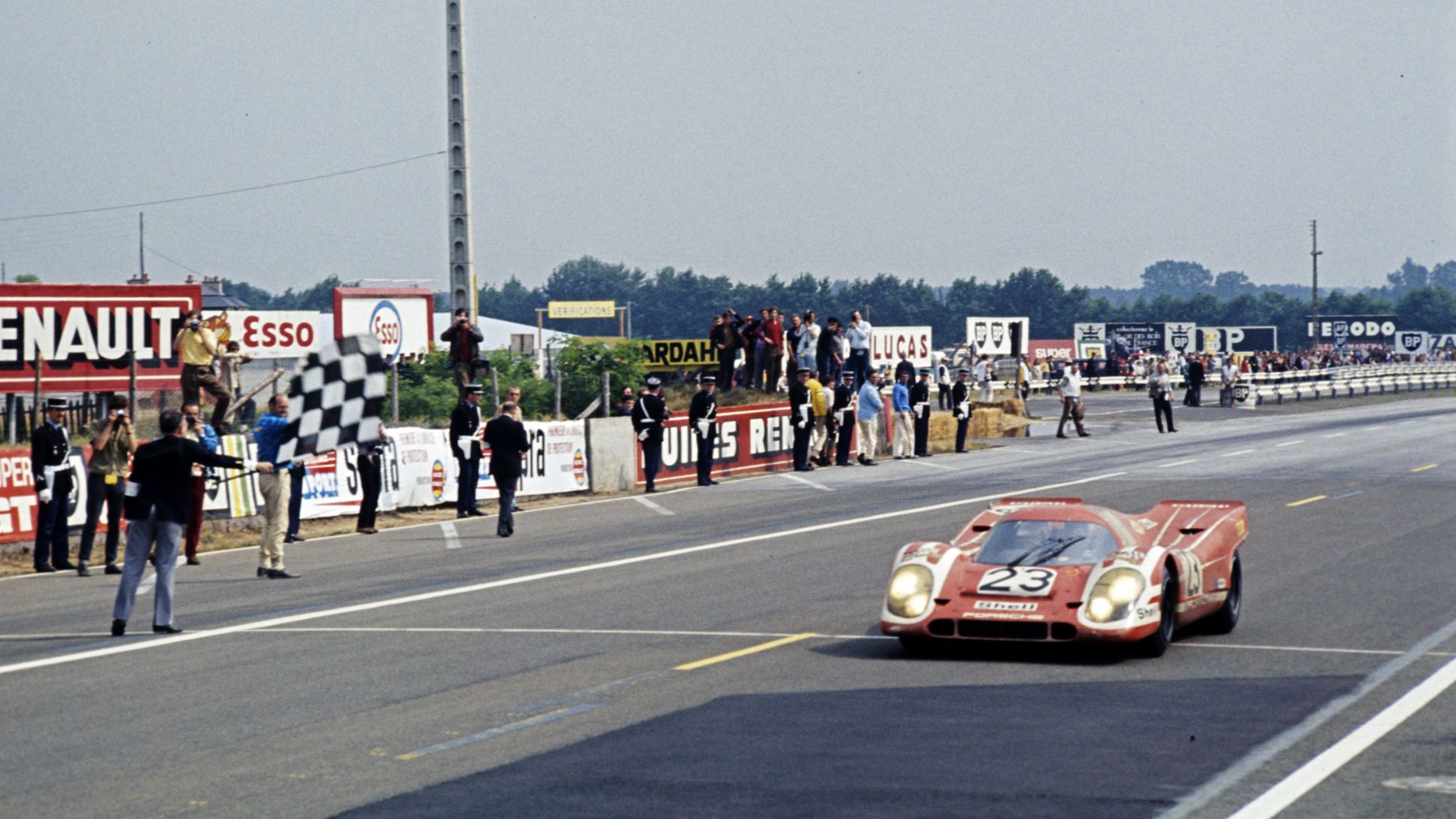
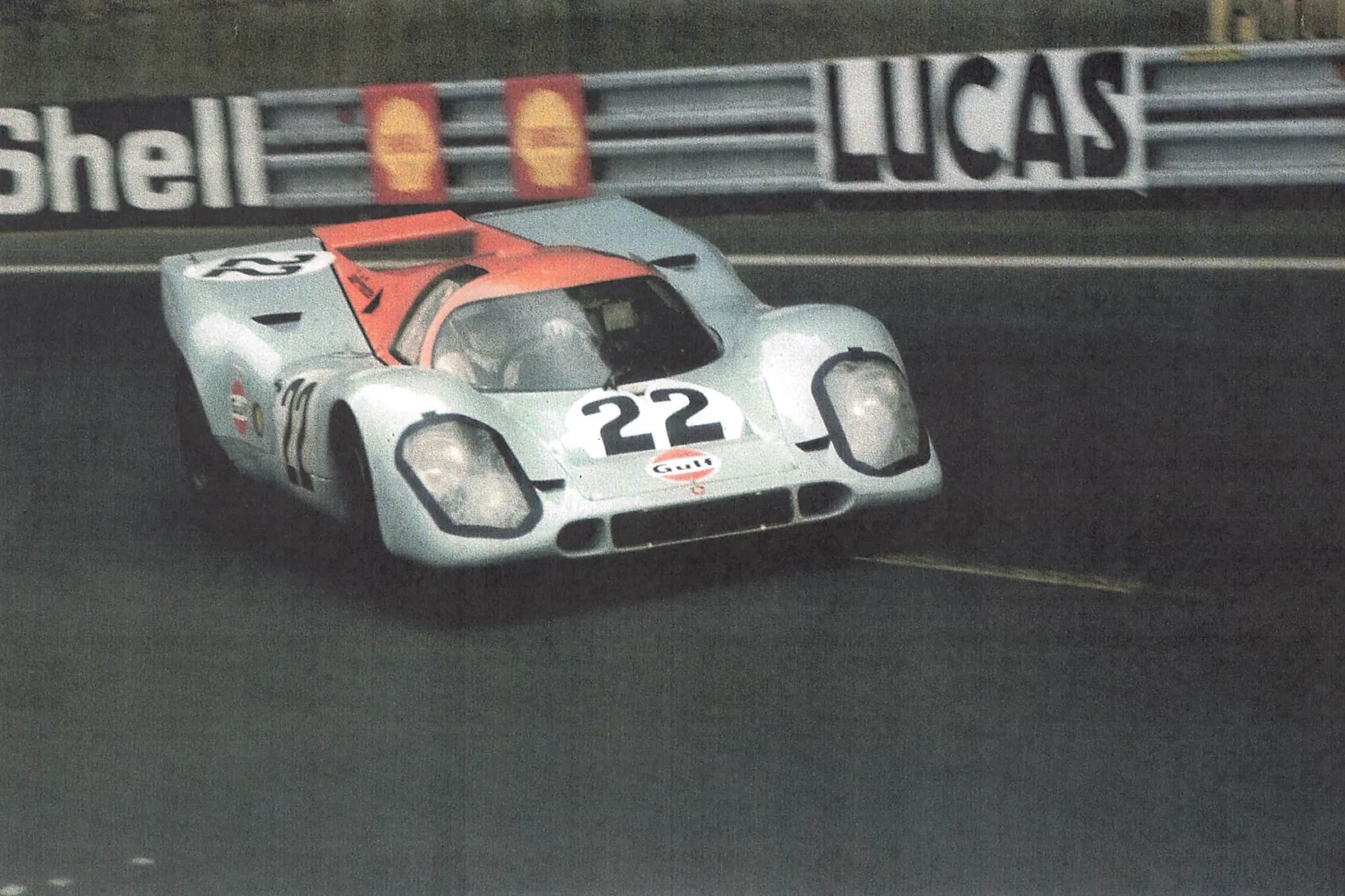
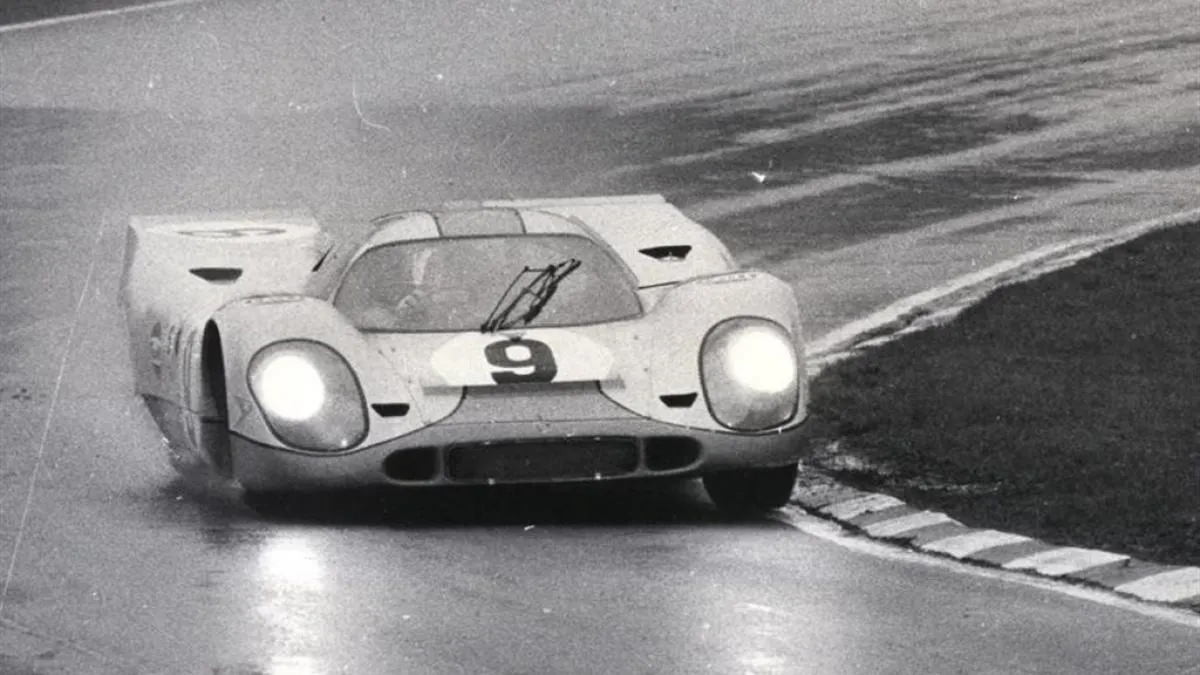
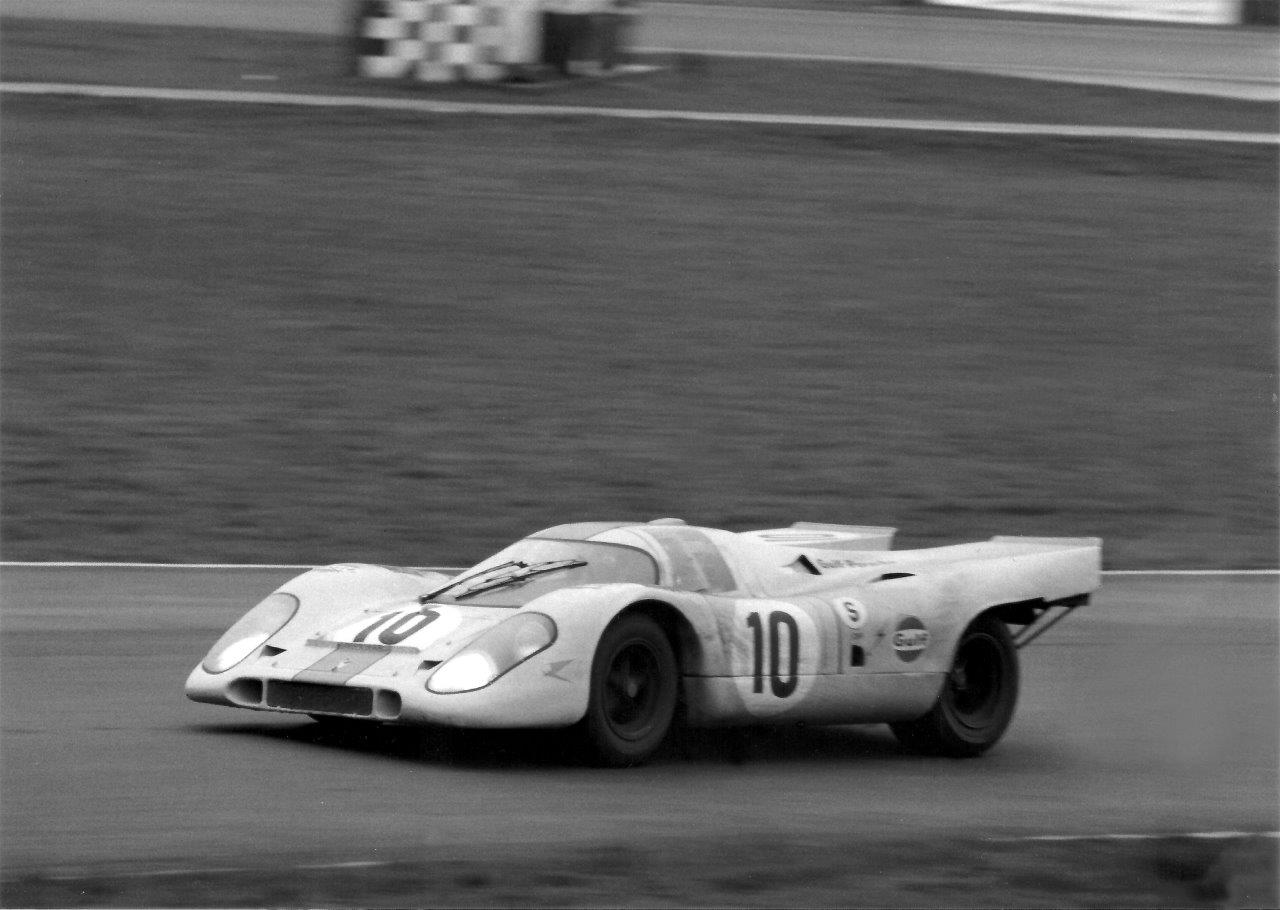
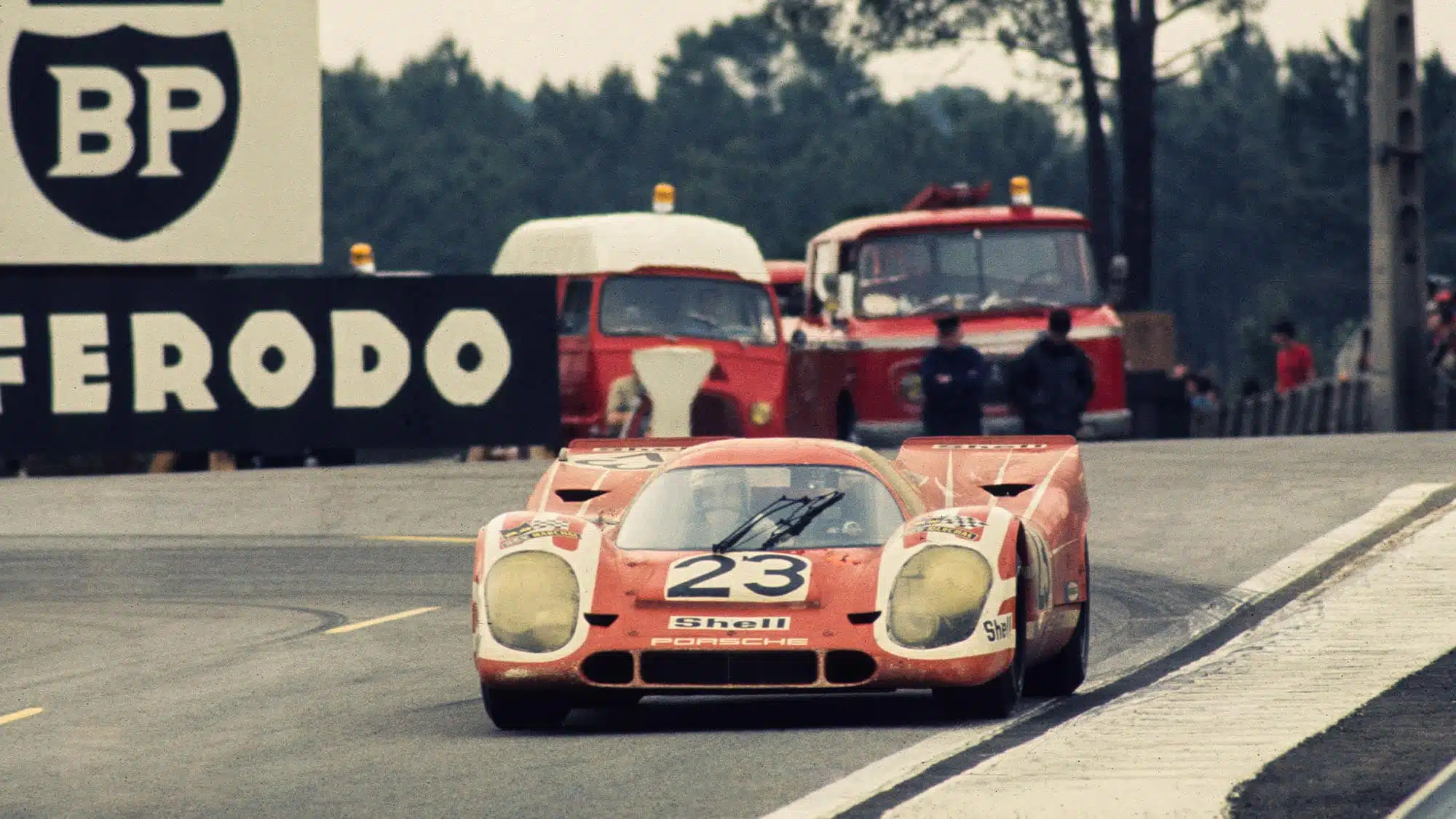
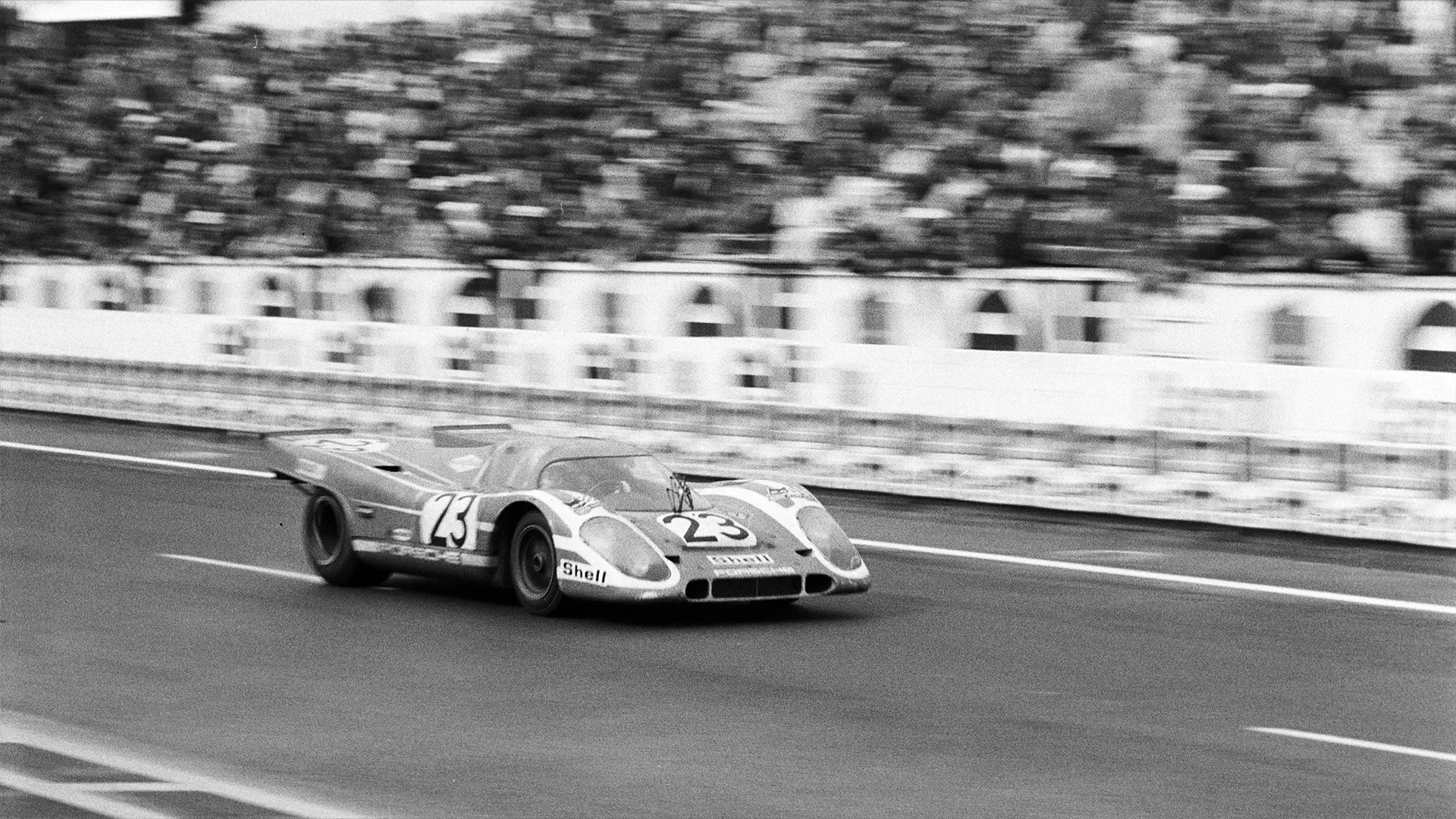
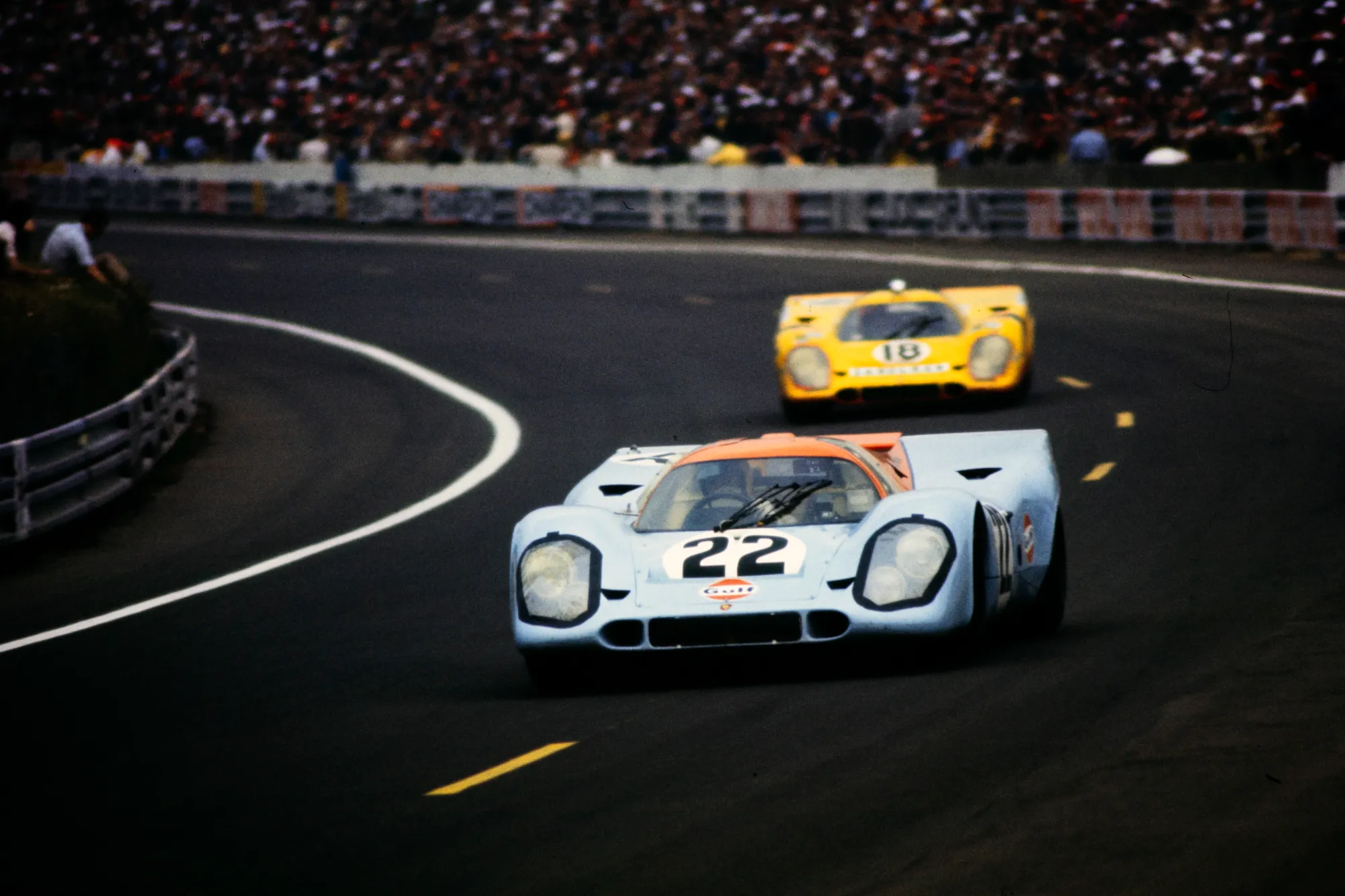
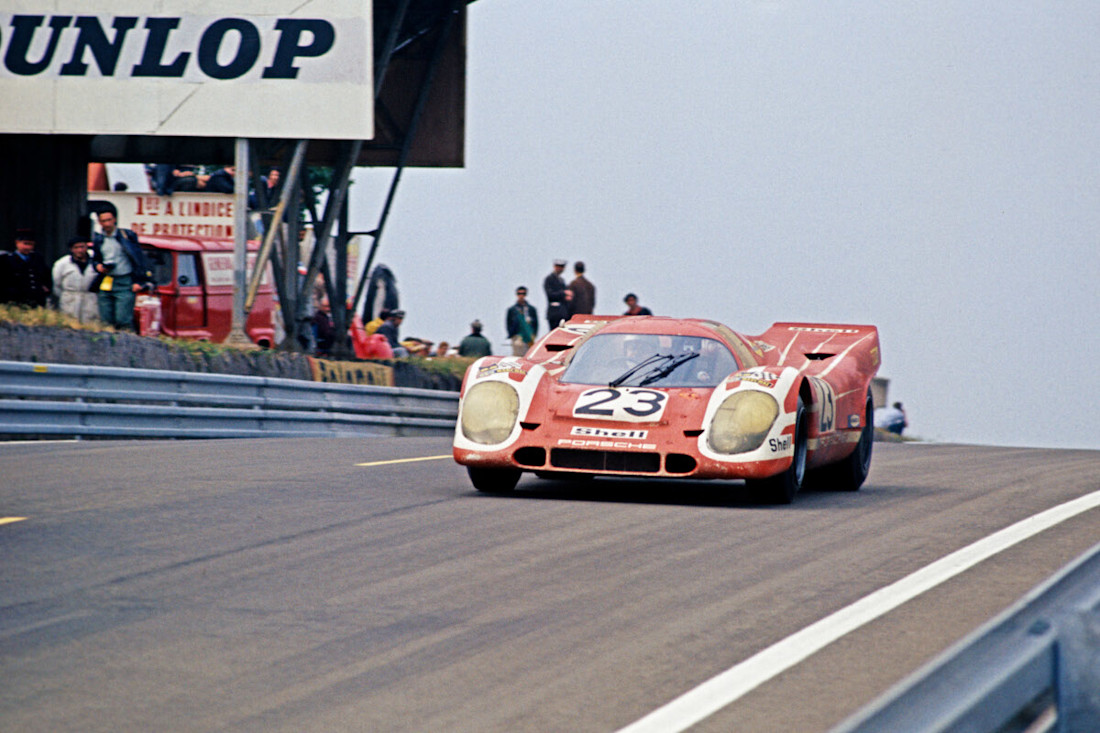
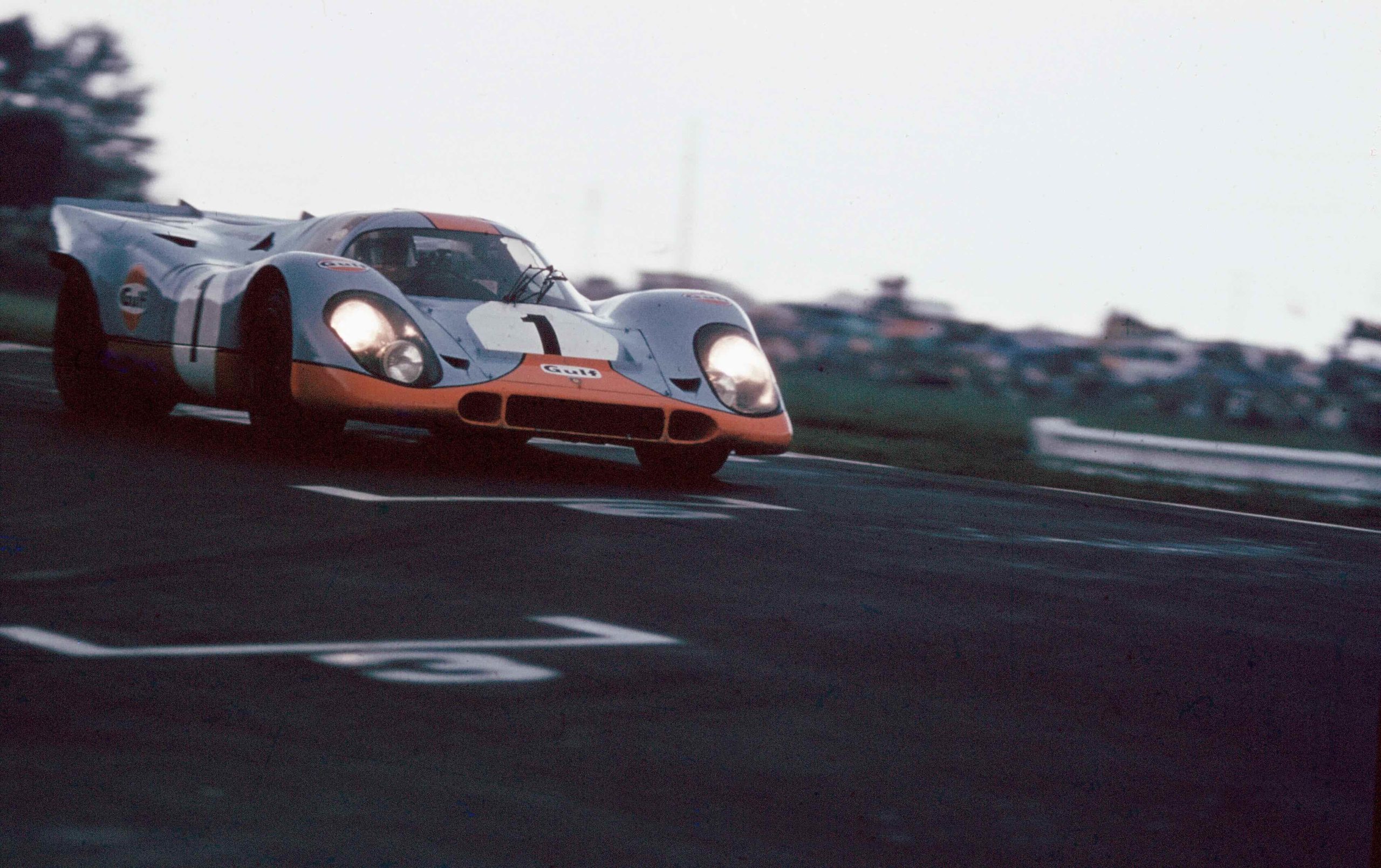
When the 1970 World Sportscar Championship commenced, the newly minted 917K unleashed a reign of terror upon the international paddock. Draped in the immortal powder-blue and marigold livery of Gulf Oil, the J.W. Automotive team, spearheaded by the fearless Pedro Rodriguez and Jo Siffert, dominated the European circuits. The 917K’s newfound stability allowed these aces to exploit the immense torque of the flat-12, humiliating the heavier Ferrari 512 S entries at Daytona, Brands Hatch, Spa, and Monza. Yet, the absolute crowning achievement of the 1970 iteration occurred at the race it was explicitly built to win: the 24 Hours of Le Mans. Ironically, it was not the favored Gulf squad that took the laurels. In utterly atrocious, torrential rain that decimated the grid, the red and white Porsche Salzburg 917K—a factory-supported entry piloted by the veteran Hans Herrmann and Richard Attwood—ran a flawless, mechanically sympathetic race. Armed with the reliable 4.5-liter engine, they survived the deluge to deliver Porsche its very first overall victory at La Sarthe, fulfilling Ferdinand Piëch’s ultimate mandate. The 1970 model achieved further cultural immortality when Steve McQueen leased a fleet of them to film his cinematic love letter, Le Mans, capturing the visceral speed and agonizing danger of the era on 70mm celluloid.
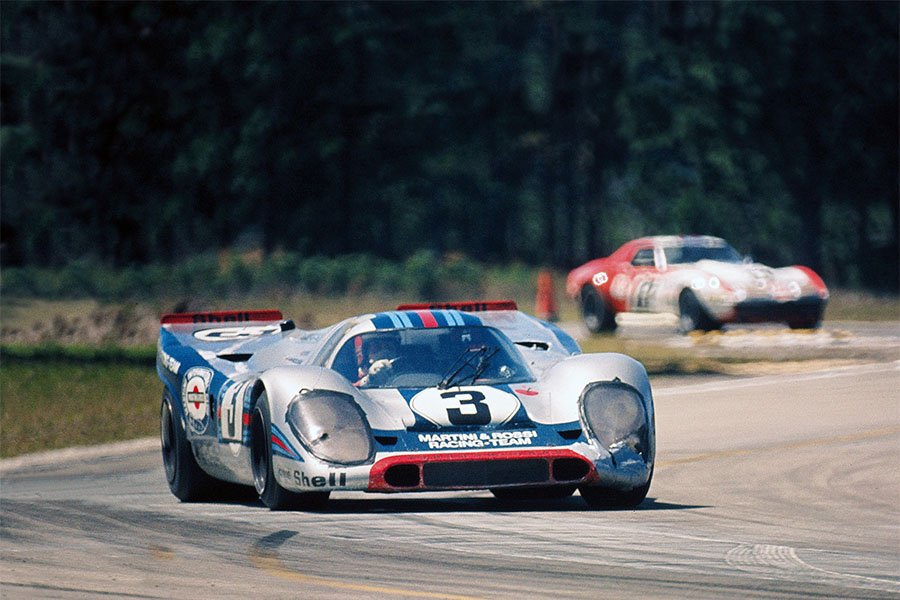
The legacy of the 1970 Porsche 917K is absolute; it is the definitive savior of Zuffenhausen’s Group 5 prototype program. It took a fundamentally flawed, lethal concept and forged it into an invincible weapon of endurance racing. While it was eventually superseded by the 1971 917K—which utilized a lighter magnesium chassis and added vertical aerodynamic fins to the rear tail for even greater stability—it was the 1970 version that performed the heavy lifting. It broke Ferrari’s spirit, delivered the holy grail of Le Mans, and proved that a small German sports car manufacturer could rule the absolute pinnacle of motorsport.
Brand
Produced from
Portal
Vehicle category
Model line
Predecessor
Sucessor
Brand
Produced from
Portal
Vehicle category
Model line
Model generation
Predecessor
Sucessor
Submodel Overview
To fully appreciate the mythological status of the 1970 Porsche 917K, one must first confront the terrifying reality of its immediate predecessor. When Ferdinand Piëch unleashed the original Porsche 917 in 1969, he birthed a monster of unimaginable power and lethal aerodynamic instability. The 1969 long-tail cars were designed with a singular, obsessive focus on straight-line speed, resulting in bodywork that generated terrifying amounts of lift. Factory drivers famously returned to the pits trembling, refusing to drive the 600-horsepower leviathan as it wandered uncontrollably at 350 km/h (220 mph) down the Mulsanne Straight. As the 1970 World Sportscar Championship loomed, Zuffenhausen faced a crisis. Enzo Ferrari had just homologated the magnificent 5.0-liter V12 Ferrari 512 S, meaning Porsche’s mechanical advantage was effectively neutralized. To salvage their massive financial gamble and finally secure the overall victory at Le Mans, Porsche swallowed its pride and partnered with John Wyer’s J.W. Automotive Engineering. It was within this legendary British outfit that the flawed 1969 widowmaker was mathematically and physically hacked into the supreme, world-beating 1970 Porsche 917K.
The technical metamorphosis from the 1969 car to the 1970 Kurzheck (short-tail) is one of the most famous garage-engineering eurekas in motorsport history. During a grueling test session at the Österreichring in late 1969, Wyer’s brilliant chief engineer, John Horsman, noticed a peculiar phenomenon: the dead gnats splattered across the Porsche’s bodywork abruptly stopped where the rear deck sloped downward. The airflow was completely detaching, acting like an airplane wing in reverse. Armed with aluminum sheet metal, shears, and heavy-duty tape, Horsman and the mechanics hastily constructed an upswept, wedge-shaped tail, hacking off the elegant but lethal rear end. The transformation was instantaneous and miraculous. The 1970 917K sacrificed a fraction of outright top speed for massive, planted aerodynamic downforce, instantly dropping lap times by seconds. Beneath this brutally functional new wedge lay the incredible tubular aluminum spaceframe, so fragile and thin-walled that it was internally pressurized with gas and monitored via a dashboard dial to warn the driver of impending structural failure. At the heart of the beast was Hans Mezger’s glorious Type 912 flat-12 engine. For the 1970 season, the air-cooled, central-gear-driven masterpiece was predominantly utilized in its 4.5-liter guise, though a bored-out 4.9-liter version appeared to combat the Ferraris. Pushing roughly 580 to 600 naturally aspirated horsepower through a robust four-speed manual transaxle, the 1970 917K produced a guttural, earth-shattering howl. The cockpit remained a hostile, claustrophobic aluminum furnace, where the driver’s feet extended perilously ahead of the front axle, gripping a balsa-wood gear knob to save a few precious ounces of weight.
When the 1970 World Sportscar Championship commenced, the newly minted 917K unleashed a reign of terror upon the international paddock. Draped in the immortal powder-blue and marigold livery of Gulf Oil, the J.W. Automotive team, spearheaded by the fearless Pedro Rodriguez and Jo Siffert, dominated the European circuits. The 917K’s newfound stability allowed these aces to exploit the immense torque of the flat-12, humiliating the heavier Ferrari 512 S entries at Daytona, Brands Hatch, Spa, and Monza. Yet, the absolute crowning achievement of the 1970 iteration occurred at the race it was explicitly built to win: the 24 Hours of Le Mans. Ironically, it was not the favored Gulf squad that took the laurels. In utterly atrocious, torrential rain that decimated the grid, the red and white Porsche Salzburg 917K—a factory-supported entry piloted by the veteran Hans Herrmann and Richard Attwood—ran a flawless, mechanically sympathetic race. Armed with the reliable 4.5-liter engine, they survived the deluge to deliver Porsche its very first overall victory at La Sarthe, fulfilling Ferdinand Piëch’s ultimate mandate. The 1970 model achieved further cultural immortality when Steve McQueen leased a fleet of them to film his cinematic love letter, Le Mans, capturing the visceral speed and agonizing danger of the era on 70mm celluloid.
The legacy of the 1970 Porsche 917K is absolute; it is the definitive savior of Zuffenhausen’s Group 5 prototype program. It took a fundamentally flawed, lethal concept and forged it into an invincible weapon of endurance racing. While it was eventually superseded by the 1971 917K—which utilized a lighter magnesium chassis and added vertical aerodynamic fins to the rear tail for even greater stability—it was the 1970 version that performed the heavy lifting. It broke Ferrari’s spirit, delivered the holy grail of Le Mans, and proved that a small German sports car manufacturer could rule the absolute pinnacle of motorsport.
Tech Specs
Technical Specifications
Tech Specs
Technical Specifications
Engine
01
03
Internal combustion engine
Configuration
Porsche Type 912, Flat-12 (180º V12) - Air-cooled
Location
Mid, longitudinally mounted
Construction
Magnesium alloy crankcase, Aluminium and Magnesium heads
Displacement (cc)
4,494 cc
Displacement (cu in)
274.2 cu in
Compression
10.5:1
Bore x Stroke
85.0 mm x 66.0 mm
Valvetrain
2 valves per cylinder, DOHC
Fuel feed
Bosch mechanical fuel injection
Lubrication
Dry sump
Aspiration
Naturally aspirated
Output
Power (hp)
580 hp
Power (kW)
432 kW
Max power at
8,400 RPM
Torque (Nm)
510 Nm
Torque (ft lbs)
376 ft lbs
Max torque at
6,800 RPM
Drivetrain
02
03
Chassis
Type
Tubular spaceframe (pressurized with gas to detect cracks)
Material
Aluminium alloy
Body
Material
Fibreglass reinforced plastic
Transmission
Gearbox
Porsche 4-speed manual (or 5-speed)
Drive
Rear Wheel Drive (Limited Slip Differential)
Suspension
Front
Independent, unequal length wishbones, titanium coil springs over telescopic dampers, anti-roll bar
Rear
Independent, unequal length wishbones, radius arms, titanium coil springs over telescopic dampers, anti-roll bar
Steering
Type
Rack and pinion, unassisted
Brakes
Front
Ventilated and cross-drilled steel discs, 4-piston aluminium calipers
Rear
Ventilated and cross-drilled steel discs, 4-piston aluminium calipers
Wheels
Front
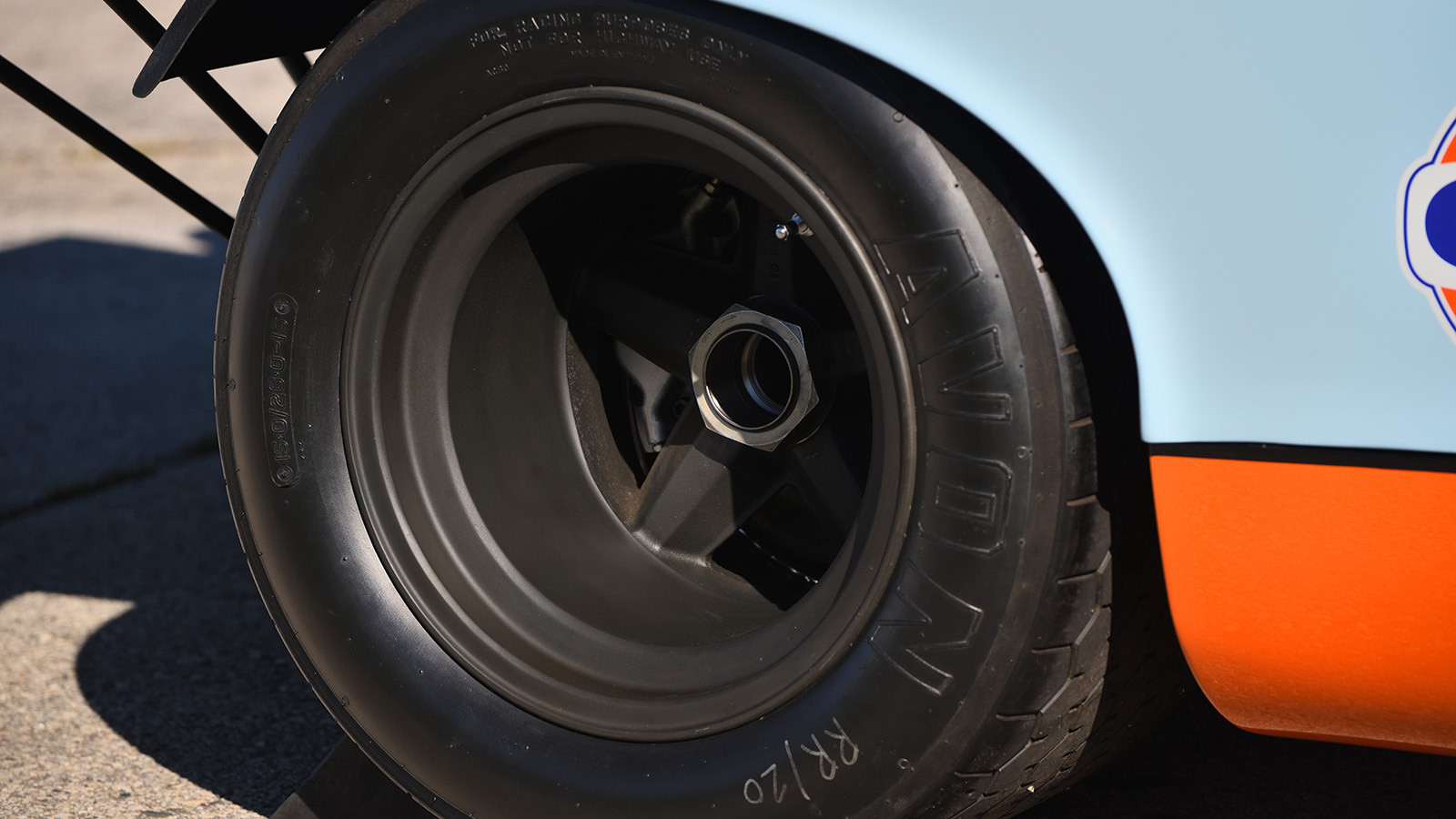
10.5" x 15" (Cast magnesium alloy)
Rear
15" x 15" (Cast magnesium alloy)
Tires
Front
-
Rear
-
Dimensions and performance
03
03
Dimensions
Length (mm)
4,120 mm
Length (in)
162.2 in
Width (mm)
1,980 mm
Width (in)
78.0 in
Height (mm)
940 mm
Height (in)
37.0 in
Wheelbase (mm)
2,300 mm
Wheelbase (in)
90.6 in
Weight (kg)
~800 kg
Weight (lbs)
~1,763 lbs
Performance
Power to weight
~0.72 hp/kg
Top speed (km/h)
~340 km/h
Top speed (mph)
~211 mph
0-100 km/h (0-60 mph)
~2.7 s