
Porsche 962 (Type 962/70) 2.8L
Brand
Produced from
Portal
Vehicle category
Model line
Predecessor
Successor
Submodel Overview
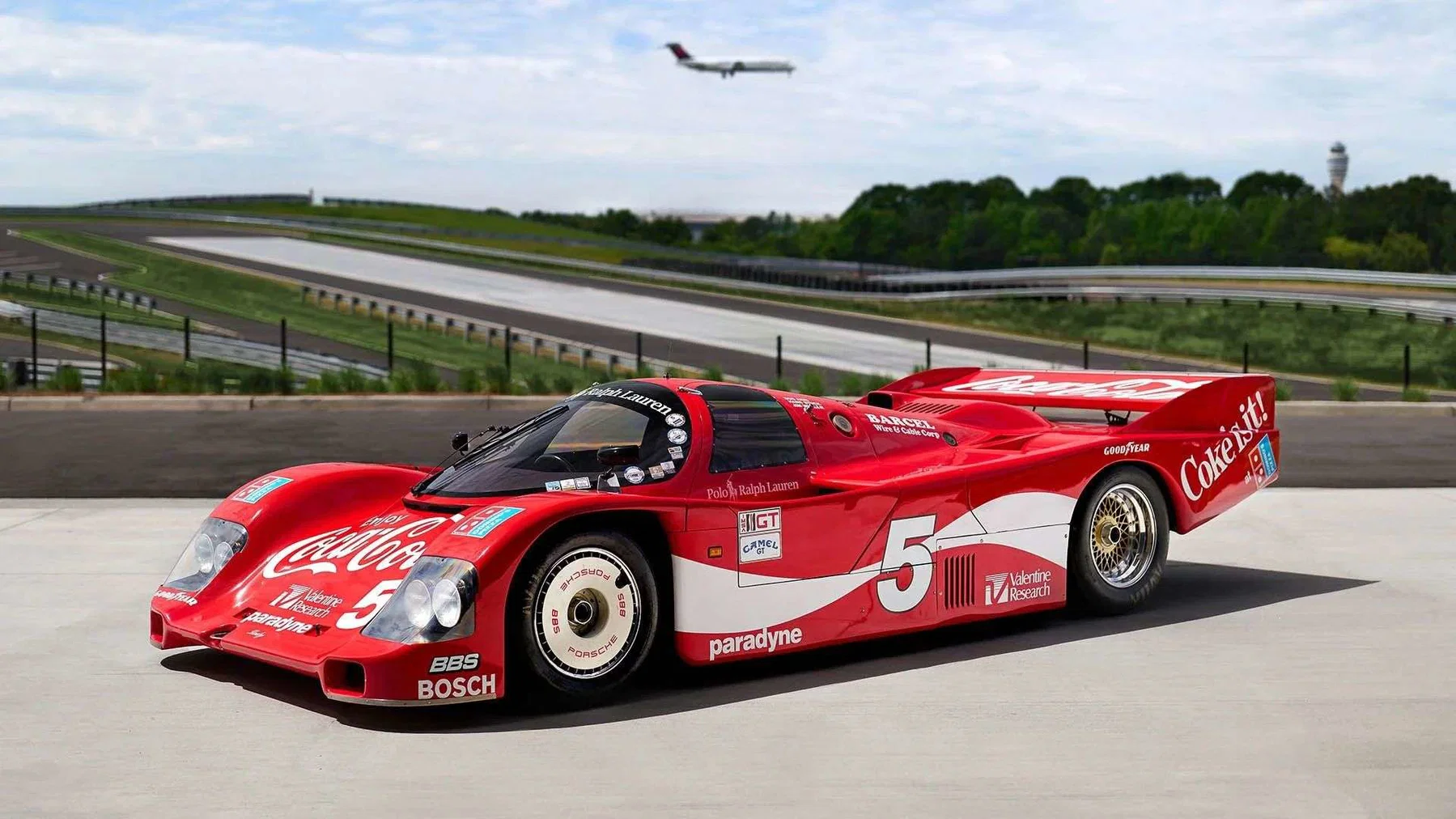
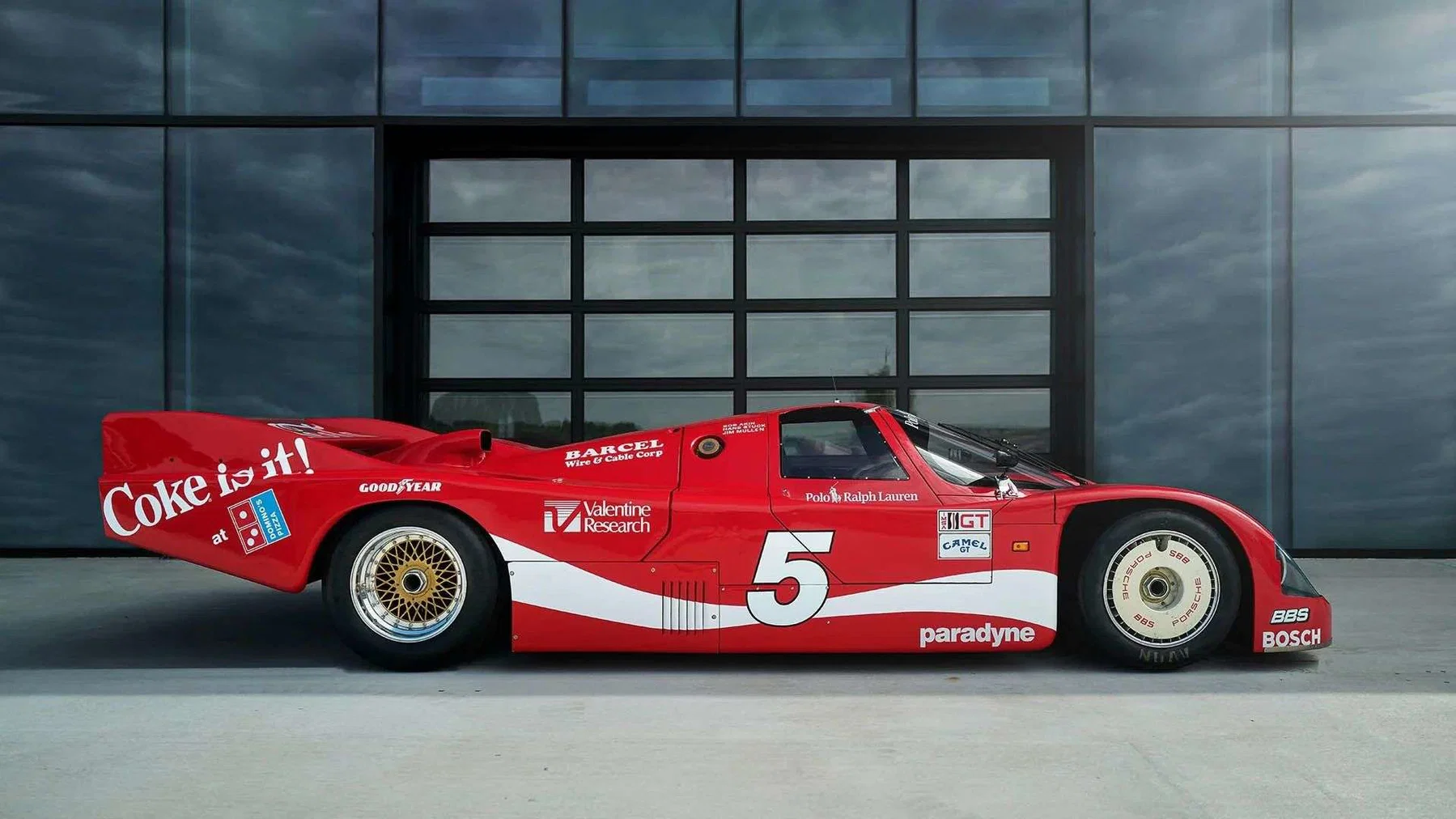
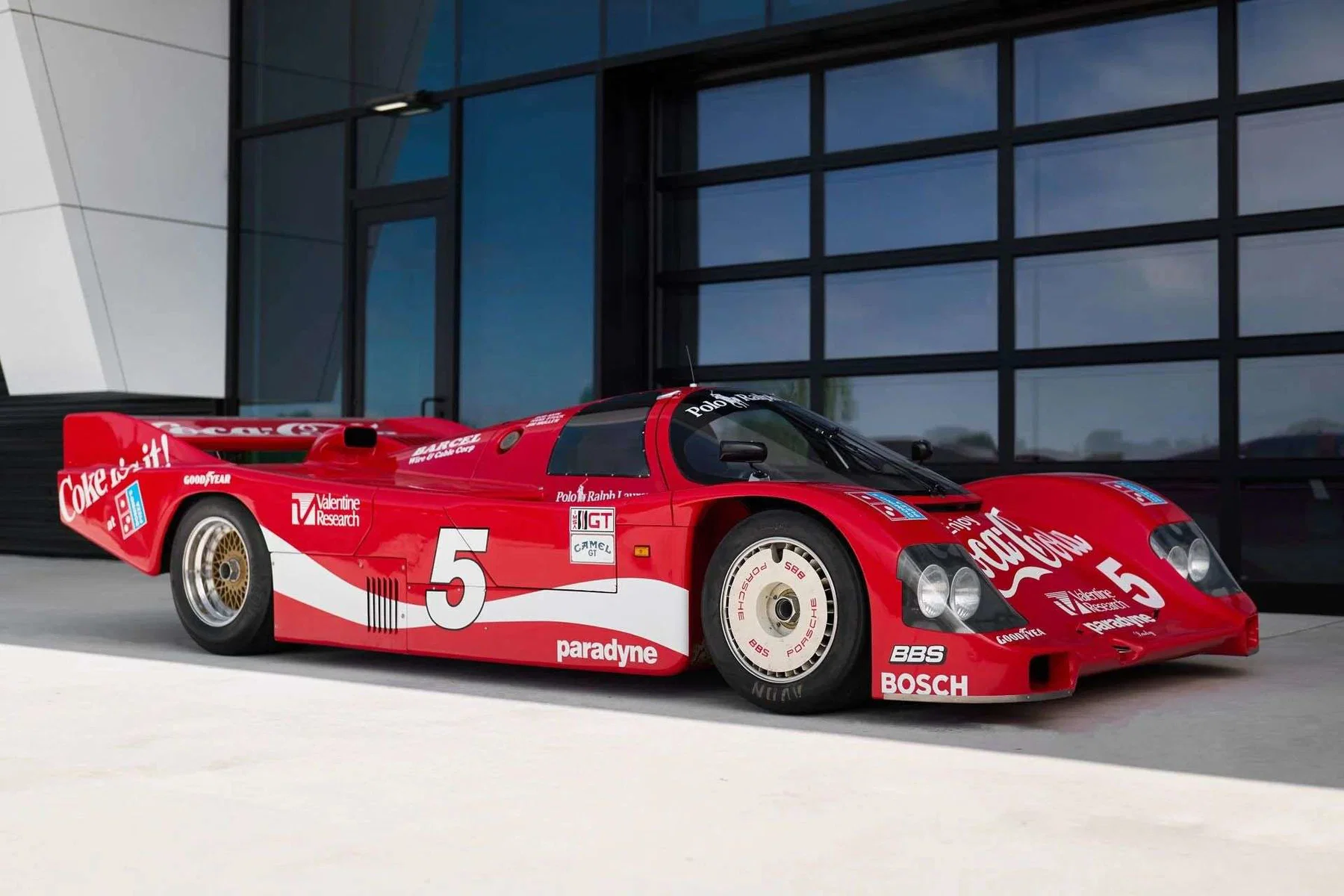
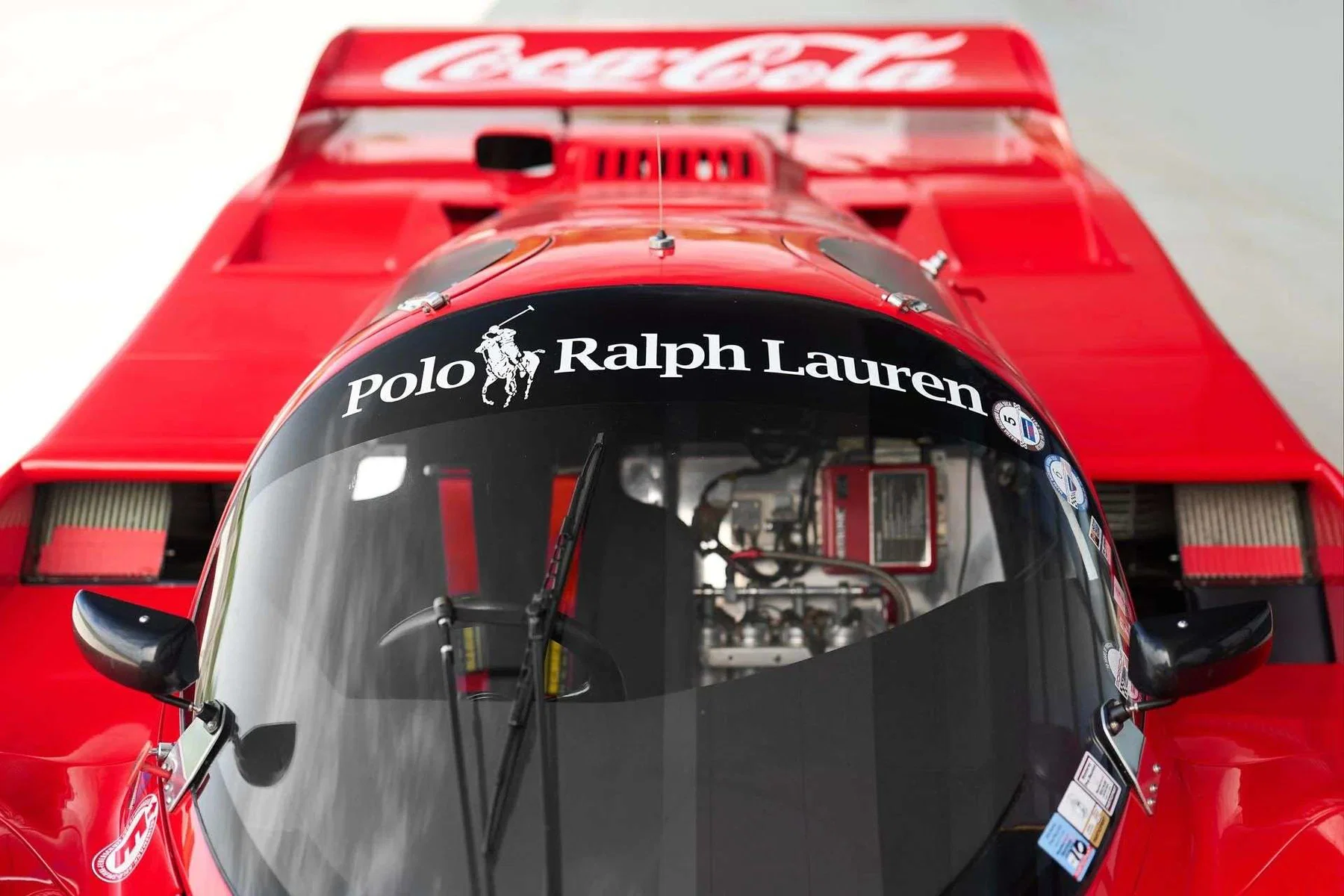
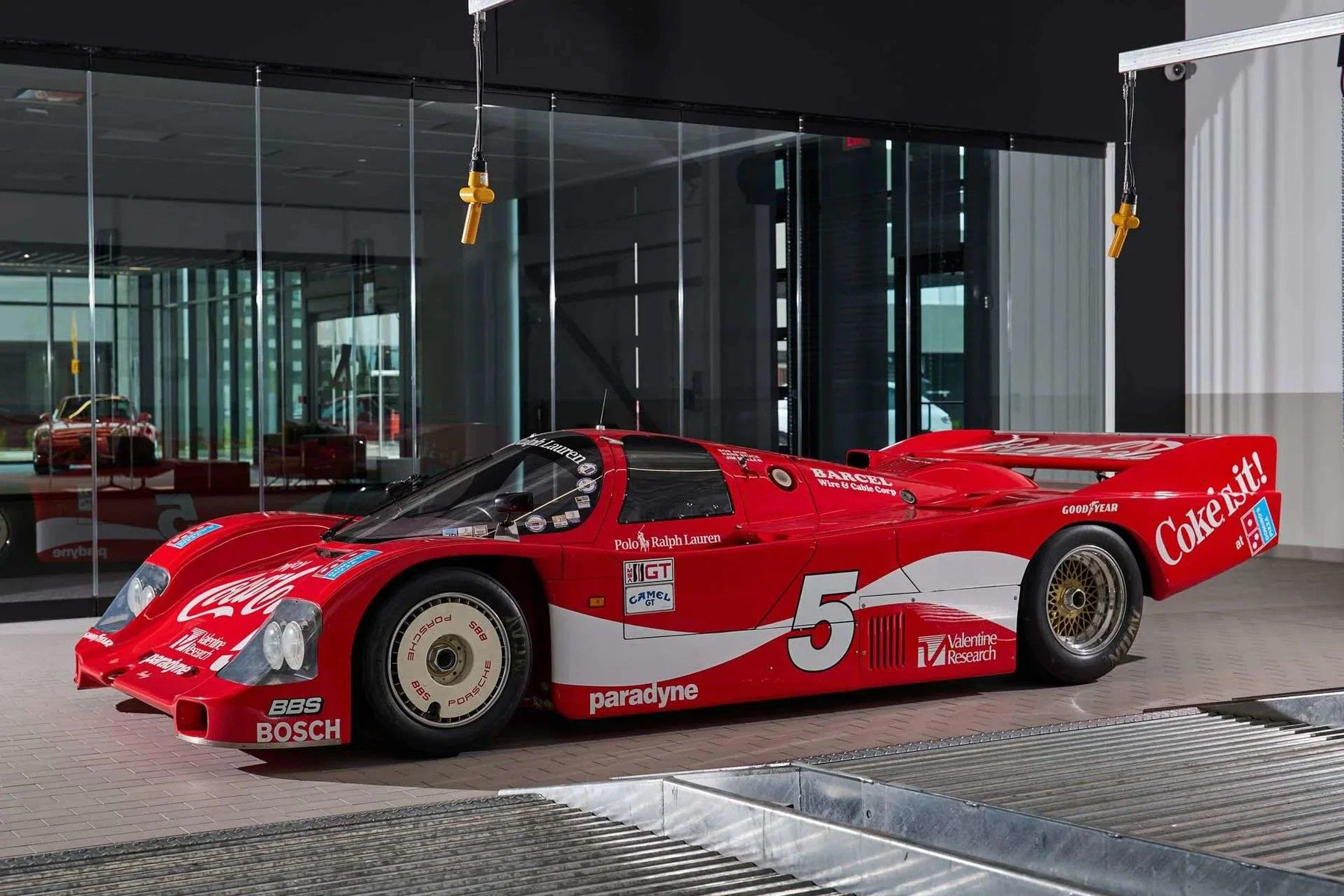
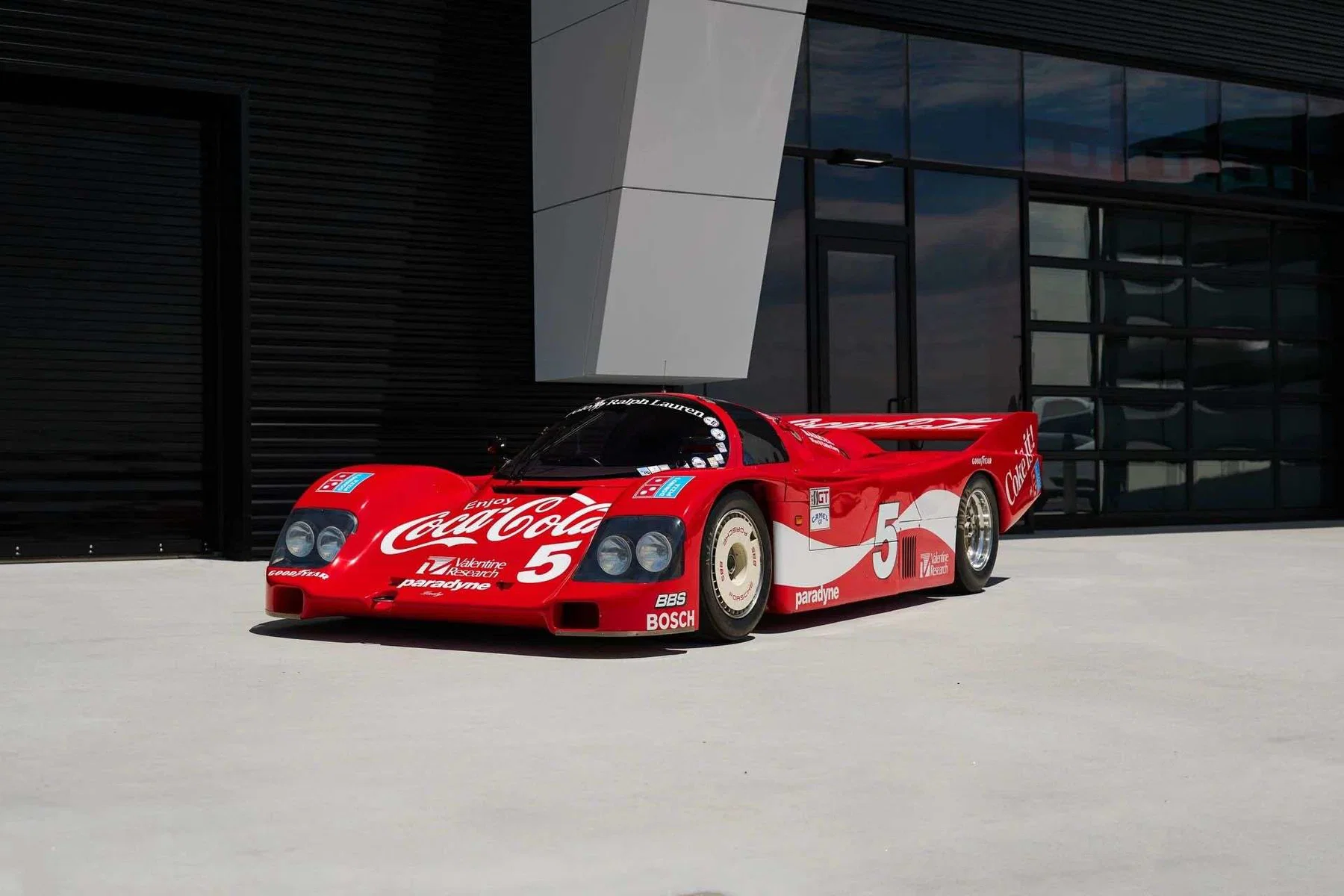
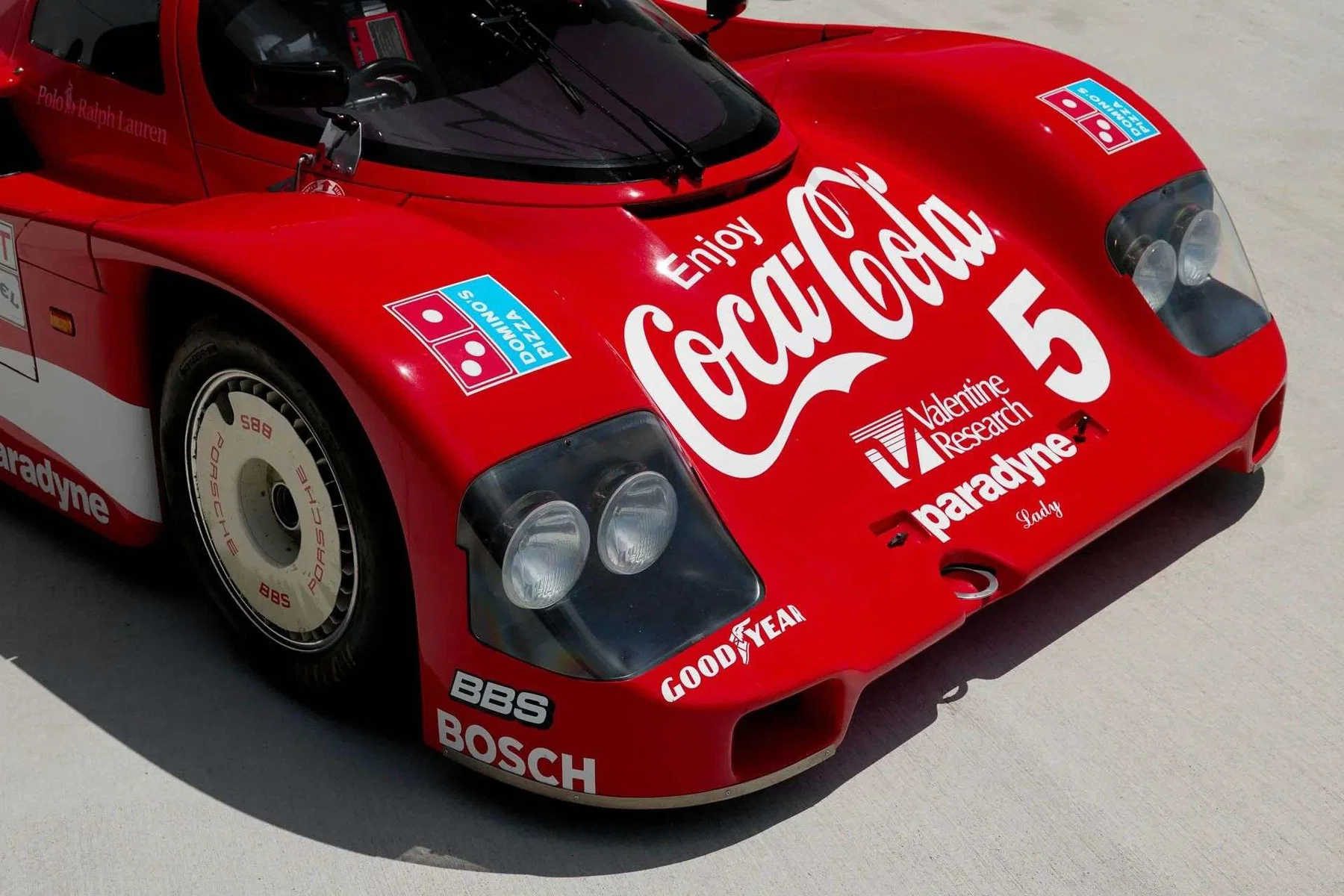
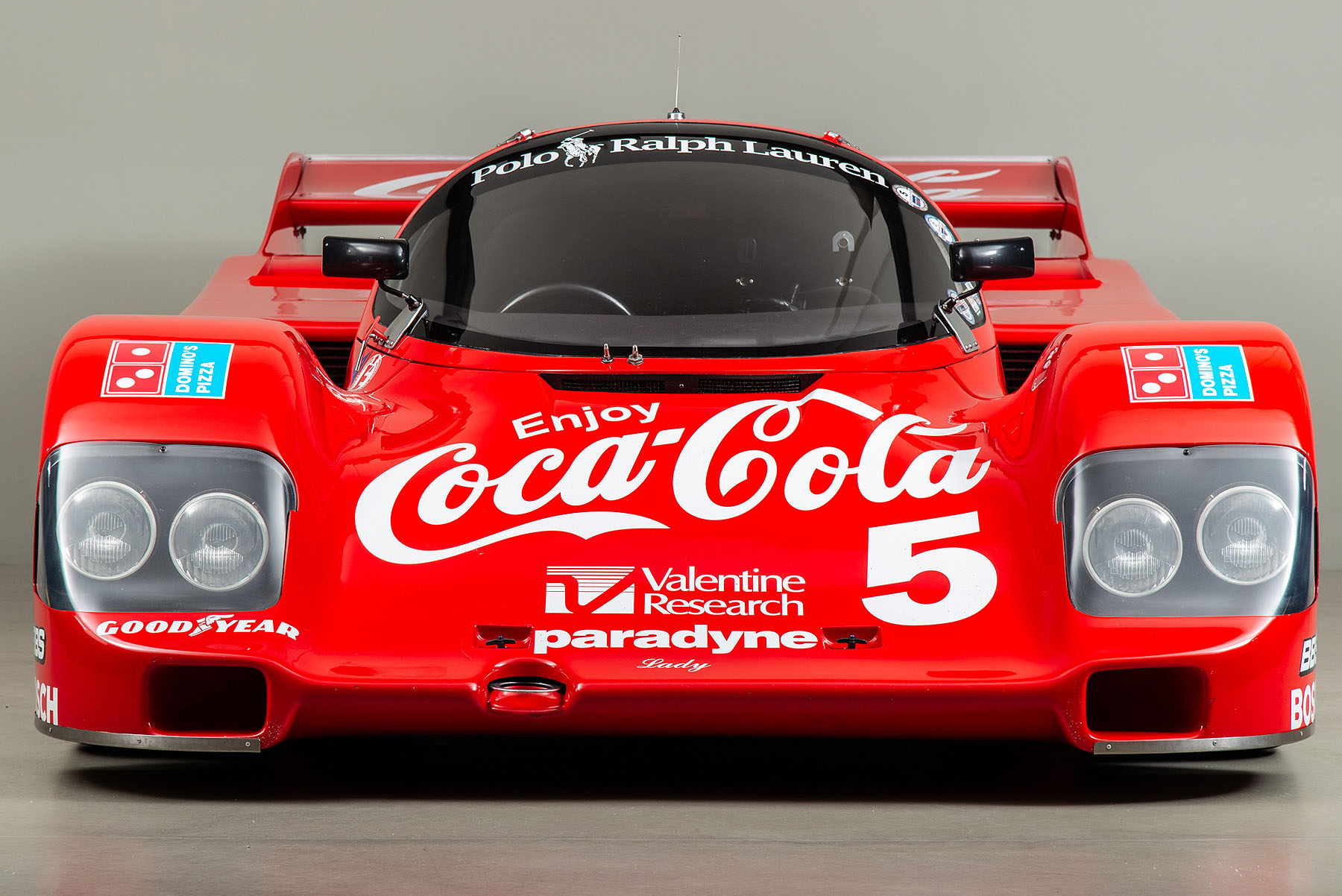
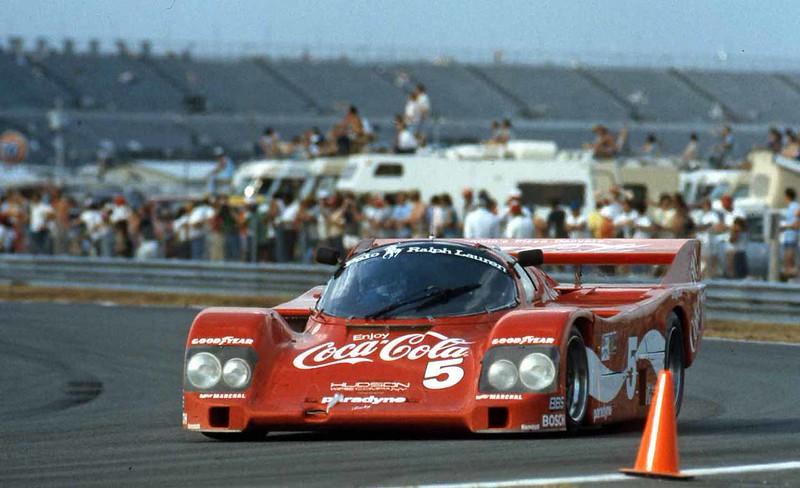
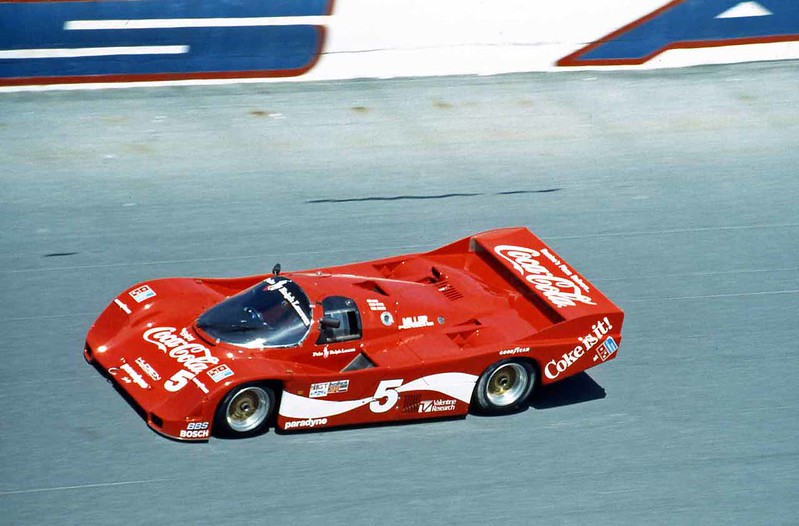
In the blistering, high-stakes theatre of early 1980s endurance racing, Zuffenhausen found itself in a frustrating predicament. The magnificent Porsche 956 had already rewritten the laws of physics in Europe, entirely decimating the World Sportscar Championship with its ground-effect aerodynamics and twin-turbocharged flat-six. Yet, across the Atlantic, the lucrative and wildly popular North American IMSA Camel GT Championship remained firmly locked behind a bureaucratic wall. IMSA president John Bishop harbored serious, entirely justified safety concerns regarding the 956’s packaging, specifically the fact that the driver’s pedal box was positioned perilously ahead of the front axle centerline. Furthermore, IMSA regulations explicitly forbade the 956’s sophisticated twin-turbo, fully water-cooled engine configuration in an effort to level the playing field for domestic V8s. Unwilling to surrender the American market to the bespoke prototypes from March, Lola, and Bob Tullius’s Group 44 Jaguars, Porsche unleashed their brilliant race engineer, Norbert Singer, to solve the puzzle. The resulting machine was the 1984 Porsche 962, initially armed with the bespoke Type 962/70 engine. It was an ingenious, ruthless adaptation—a car built specifically to conquer North America that would inadvertently lay the foundation for the most successful global sports prototype in history.
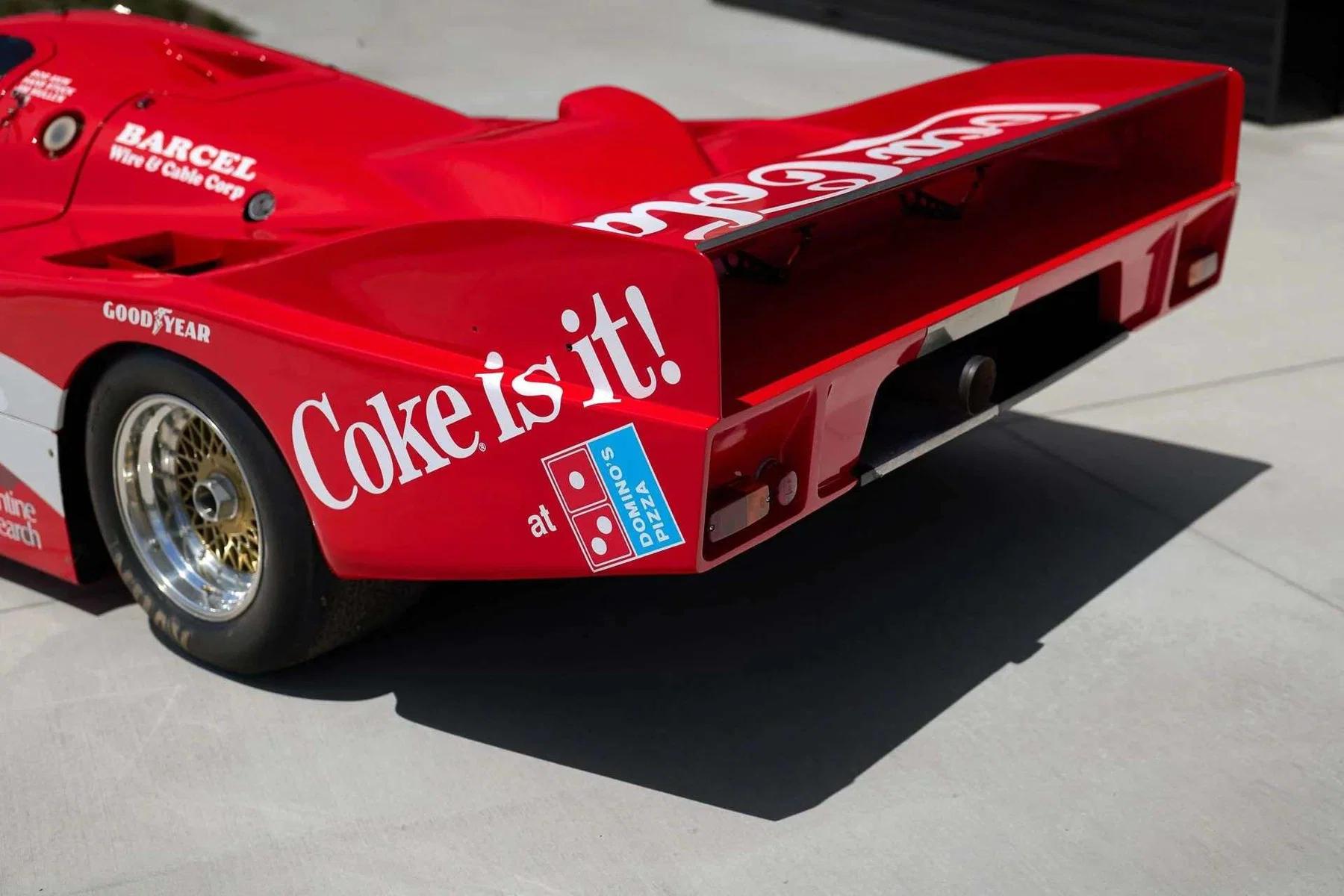
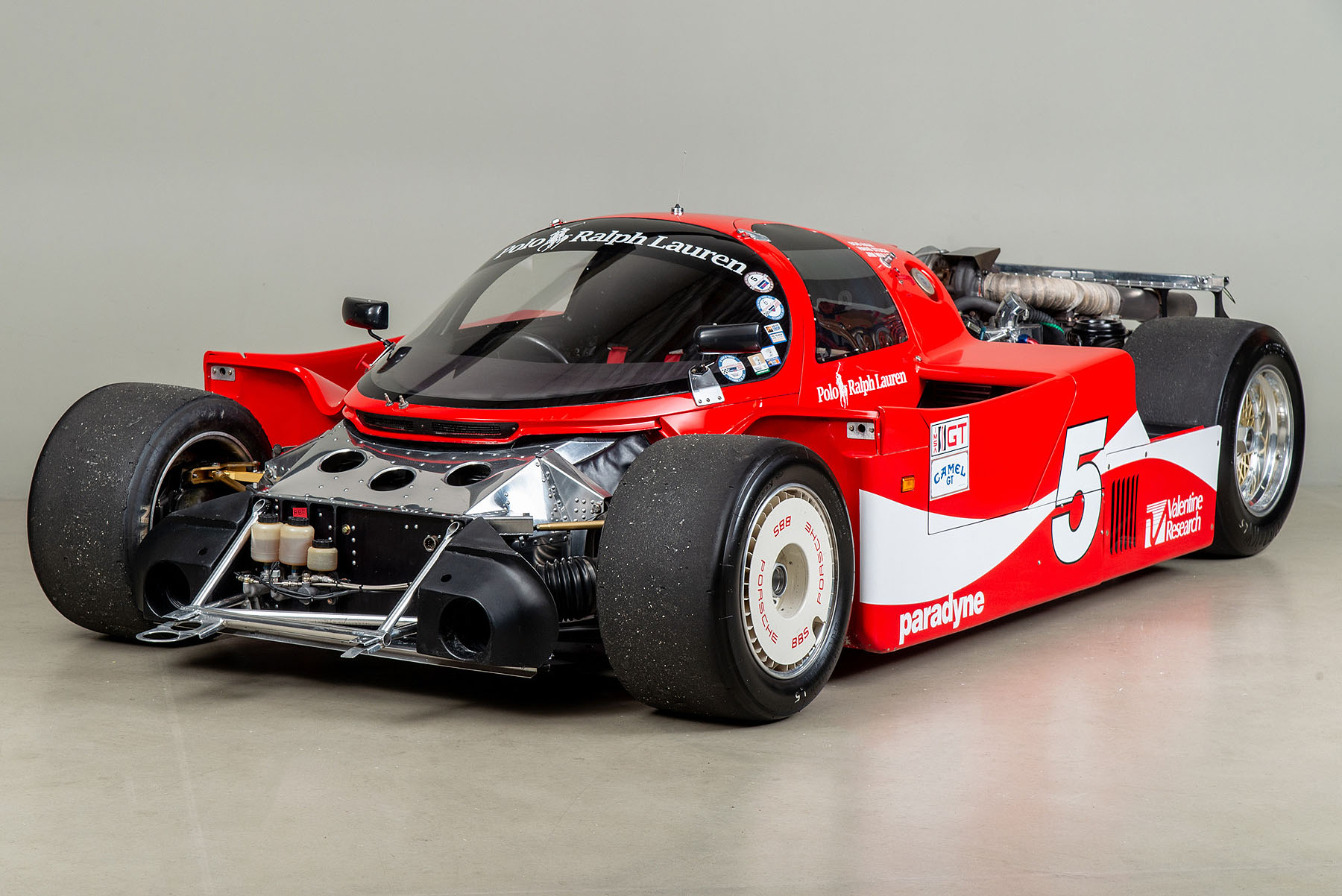
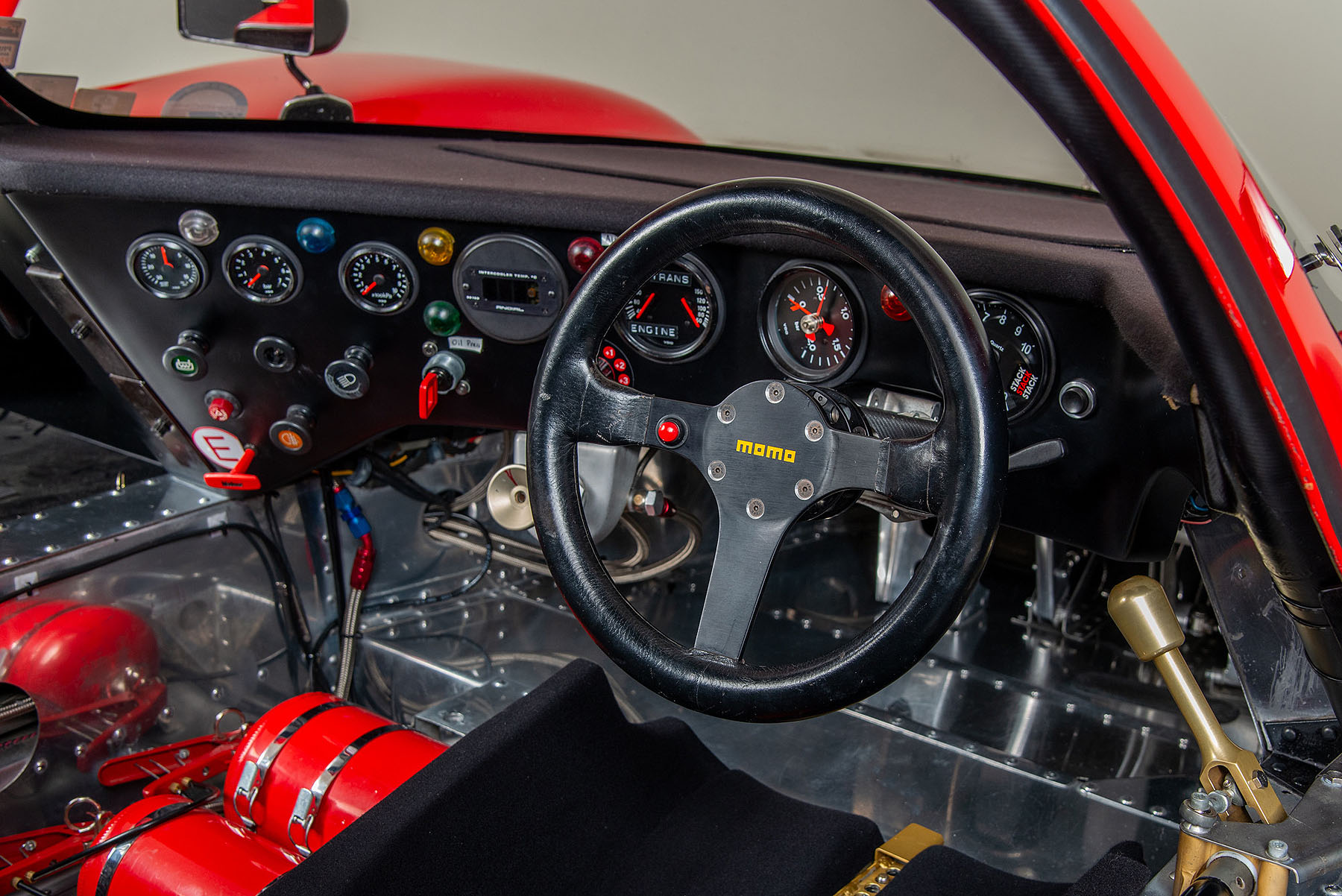
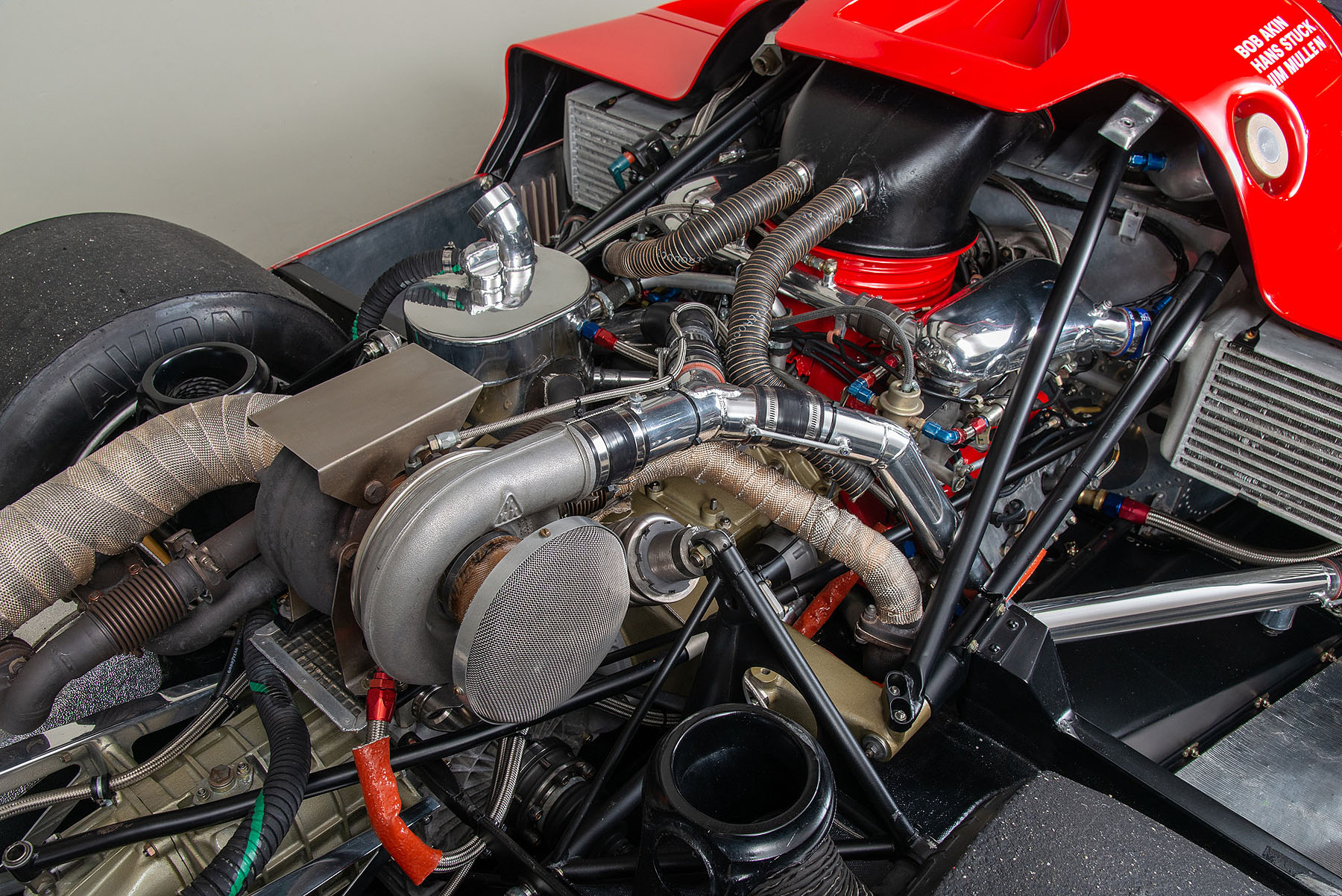
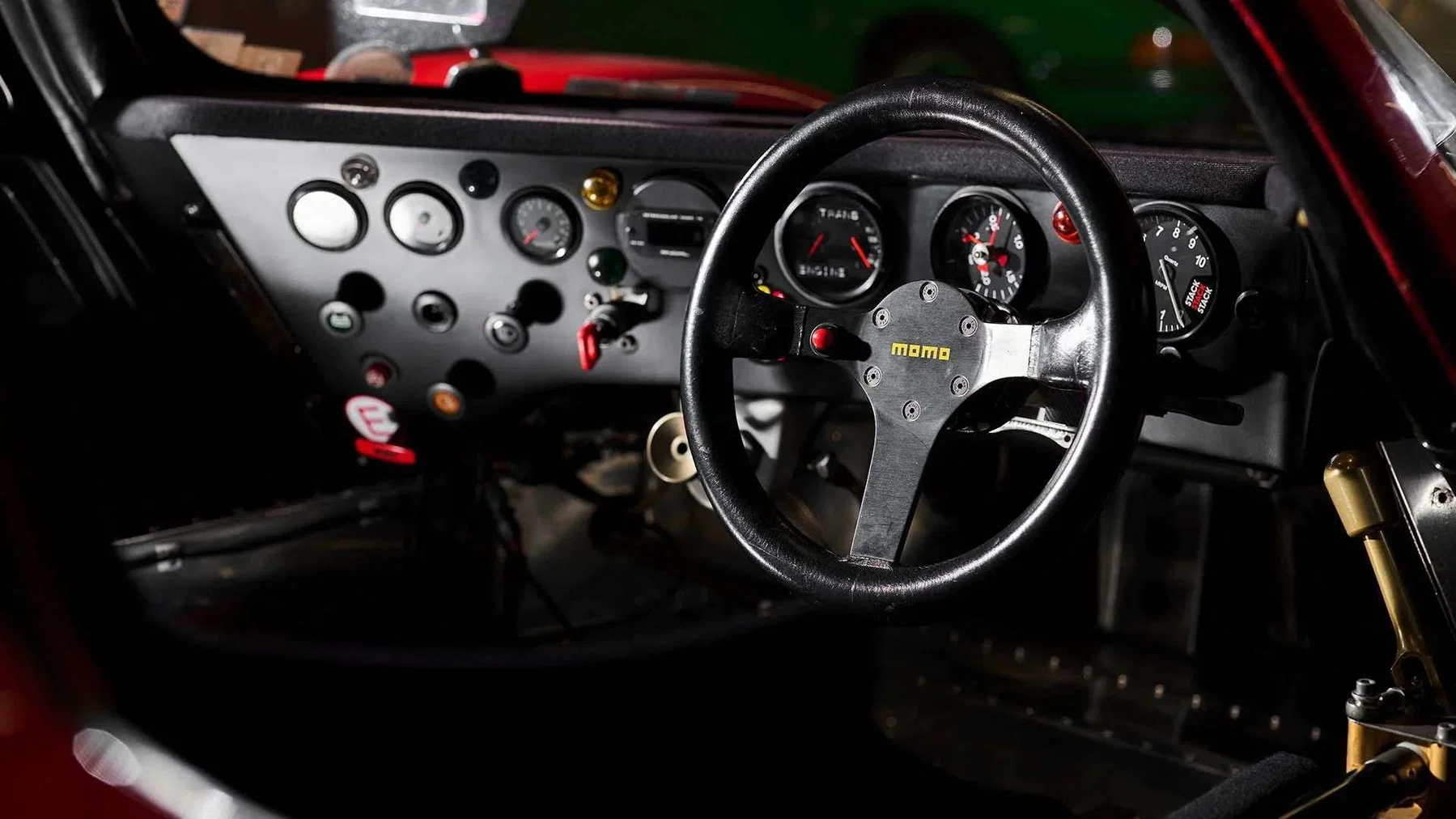
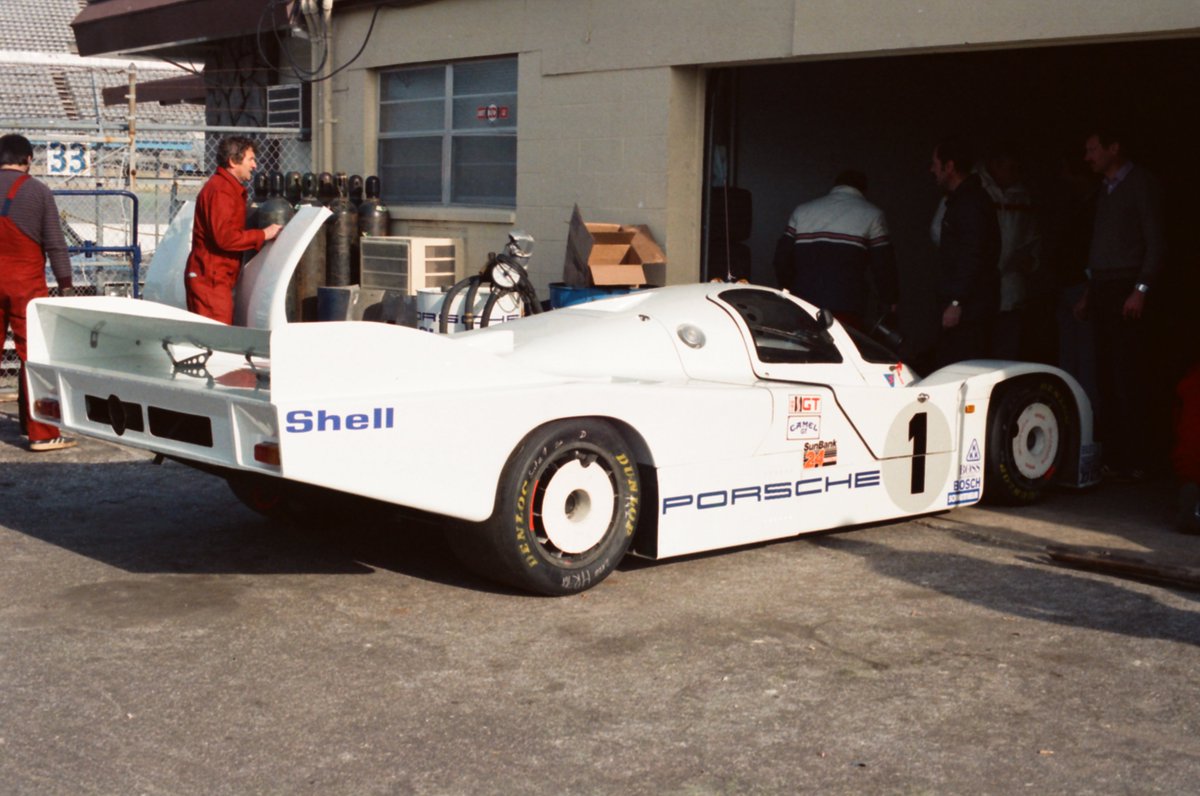
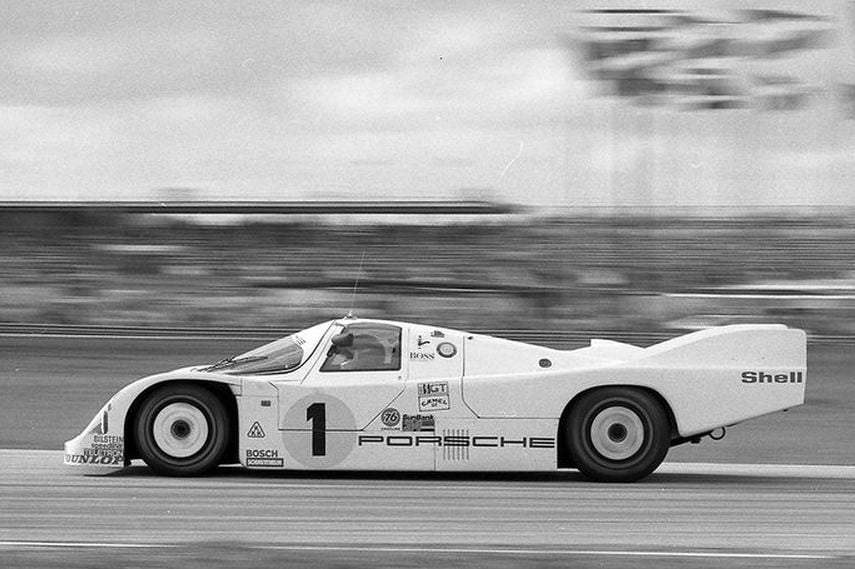
To observe the 1984 Porsche 962 is to witness a masterclass in pragmatic, regulation-skirting engineering. To satisfy IMSA’s stringent safety mandates, Singer stretched the 956’s folded aluminium sheet monocoque, lengthening the wheelbase by 120 millimeters (4.7 inches). This crucial modification allowed the front wheels to be pushed forward, moving the driver’s feet safely behind the axle line. Simultaneously, a mandatory steel roll cage was integrated into the chassis, stiffening the tub and significantly improving crash survivability. However, the most profound changes resided beneath the sleek, wind-tunnel-sculpted Kevlar and fiberglass rear deck. Because the fully water-cooled twin-turbo engine was outlawed in America, Porsche reached deep into their motorsport arsenal, reviving and heavily adapting the venerable single-turbo technology from the 935 era. The Type 962/70 was a 2.8-liter (2,869cc) flat-six featuring traditional air-cooled cylinders capped by water-cooled cylinder heads. Breathing through a massive, single KKK turbocharger, this engine was an absolute brute. It produced roughly 680 brake horsepower, but unlike the smooth, linear delivery of the twin-turbo 956, the single-turbo 962 suffered from an ocean of turbo lag. Drivers had to anticipate the power delivery, pinning the throttle mid-corner and waiting for an explosive, violent surge of boost that demanded lightning-fast reflexes to keep the massive rear slicks from breaking traction. The auditory signature was equally distinct—a chaotic, chattering mechanical symphony punctuated by the aggressive whistle and pop of the single massive wastegate. This power was managed through a traditional five-speed manual transaxle, while massive venturi tunnels under the car generated the immense ground-effect downforce necessary to keep the lightweight prototype glued to the asphalt.
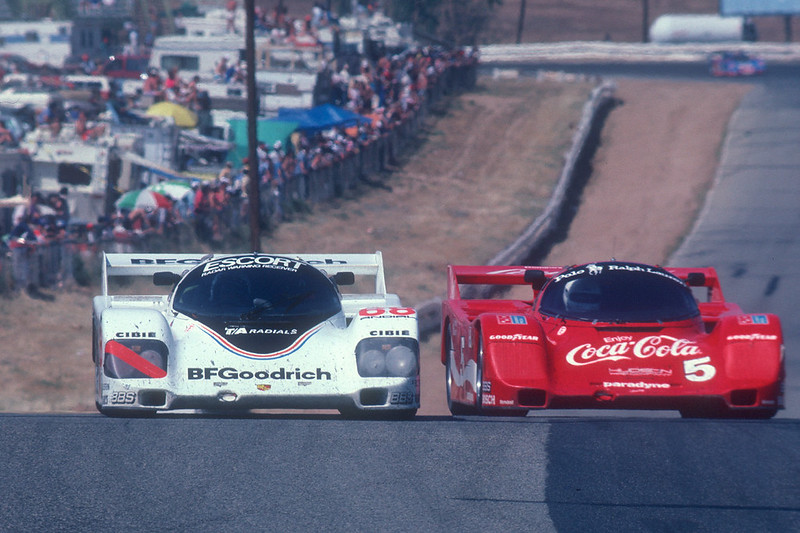
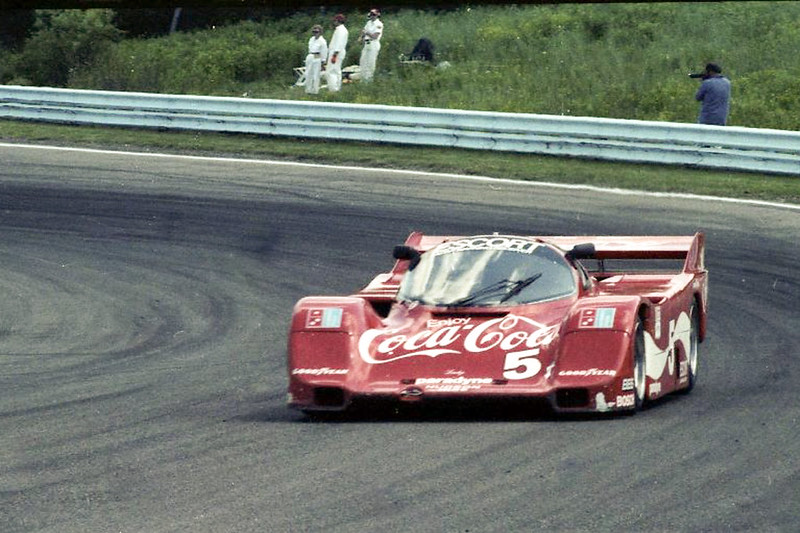
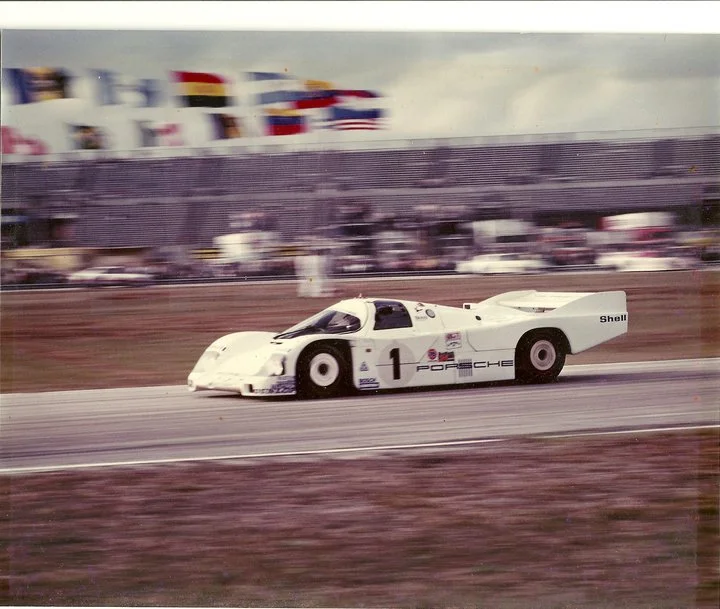
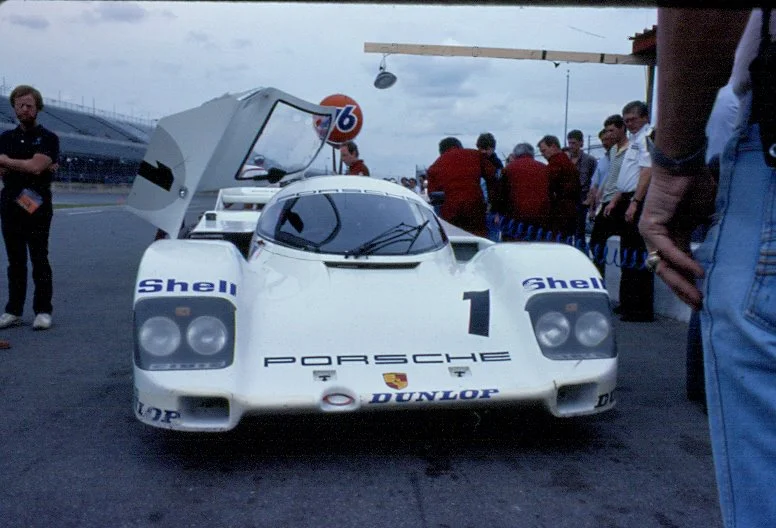
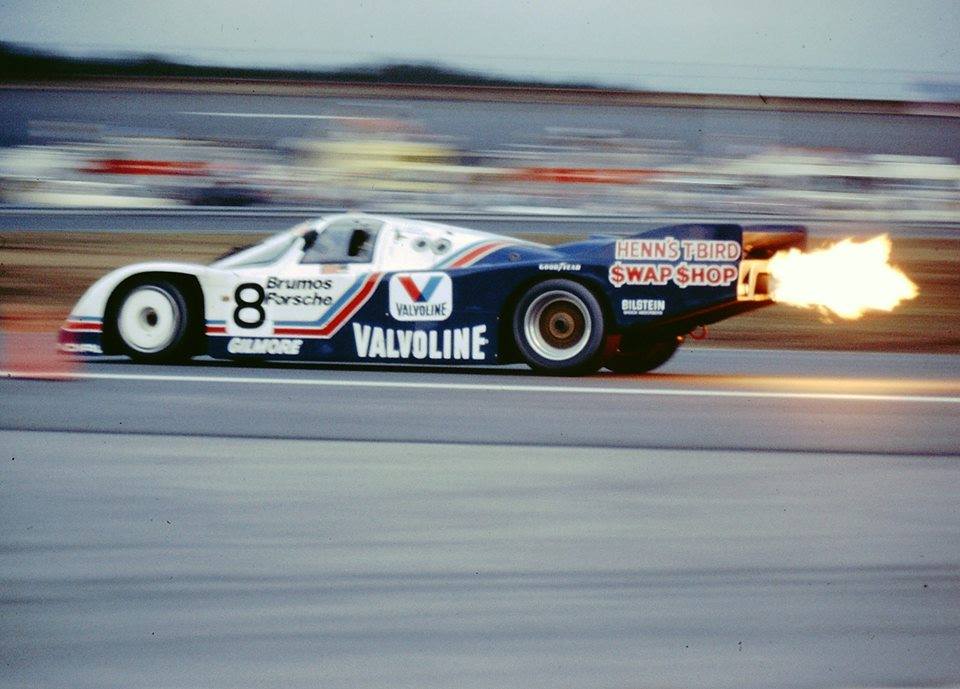
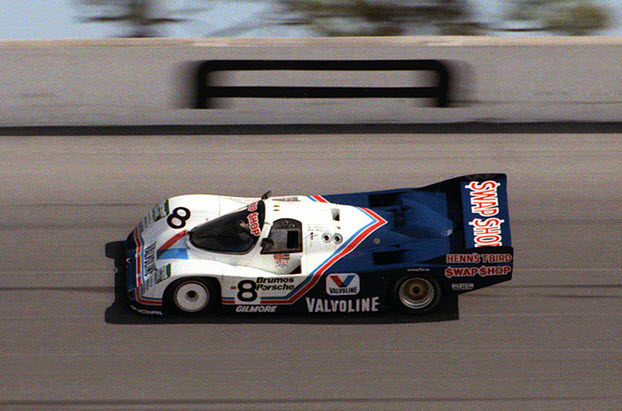
The competitive debut of the 1984 Porsche 962 (Type 962/70) was an event of mythological proportions. At the grueling 24 Hours of Daytona in February 1984, the factory arrived with a pristine white prototype sponsored by Havoline, piloted by American racing royalty: Mario Andretti and his son, Michael. The car was blindingly fast straight out of the box, with Mario securing pole position and the duo effortlessly leading the early hours of the race. Although the car ultimately retired due to gearbox and engine teething issues, the ominous message to the IMSA paddock had been delivered: the Porsche was here, and it was devastatingly quick. Following Daytona, Porsche handed the keys over to the privateer teams that would ultimately immortalize the chassis. Al Holbert, a brilliant engineer and driver, took delivery of a 962 and draped it in the iconic blue and white Löwenbräu livery, meticulously refining the single-turbo power delivery and chassis setup. Holbert Racing, alongside other legendary outfits like Bruce Leven’s Bayside Disposal Racing and Bob Akin Motor Racing, unleashed total warfare on the IMSA grid. Holbert quickly secured the 962’s first victory at the Mid-Ohio 500 in mid-1984. By the end of the season, the single-turbo 962 had proven its unburstable reliability and sheer pace, setting the stage for a period of absolute, suffocating dominance in the North American Camel GT Championship throughout the mid-1980s.
While it is occasionally overshadowed by the later, twin-turbocharged 962C that went on to conquer Le Mans and the World Sportscar Championship, the 1984 IMSA-spec car was the crucial vanguard. It was the mechanical battering ram that breached the North American continent. By proving that the lengthened, safer wheelbase was not only viable but aerodynamically superior in high-speed stability, the 1984 car directly convinced Porsche to phase out the 956 entirely and adopt the 962 architecture worldwide. This specific iteration, with its howling, single-turbo, air-and-water-cooled flat-six, represents a golden, visceral era of American prototype racing—a time when drivers wrestled with massive turbo lag and ground-effect G-forces, piloting the ultimate Stuttgart weapon to glory across the banked ovals and sweeping road courses of the United States.
Brand
Produced from
Portal
Vehicle category
Model line
Predecessor
Sucessor
Brand
Produced from
Portal
Vehicle category
Model line
Model generation
Predecessor
Sucessor
Submodel Overview
In the blistering, high-stakes theatre of early 1980s endurance racing, Zuffenhausen found itself in a frustrating predicament. The magnificent Porsche 956 had already rewritten the laws of physics in Europe, entirely decimating the World Sportscar Championship with its ground-effect aerodynamics and twin-turbocharged flat-six. Yet, across the Atlantic, the lucrative and wildly popular North American IMSA Camel GT Championship remained firmly locked behind a bureaucratic wall. IMSA president John Bishop harbored serious, entirely justified safety concerns regarding the 956’s packaging, specifically the fact that the driver’s pedal box was positioned perilously ahead of the front axle centerline. Furthermore, IMSA regulations explicitly forbade the 956’s sophisticated twin-turbo, fully water-cooled engine configuration in an effort to level the playing field for domestic V8s. Unwilling to surrender the American market to the bespoke prototypes from March, Lola, and Bob Tullius’s Group 44 Jaguars, Porsche unleashed their brilliant race engineer, Norbert Singer, to solve the puzzle. The resulting machine was the 1984 Porsche 962, initially armed with the bespoke Type 962/70 engine. It was an ingenious, ruthless adaptation—a car built specifically to conquer North America that would inadvertently lay the foundation for the most successful global sports prototype in history.
To observe the 1984 Porsche 962 is to witness a masterclass in pragmatic, regulation-skirting engineering. To satisfy IMSA’s stringent safety mandates, Singer stretched the 956’s folded aluminium sheet monocoque, lengthening the wheelbase by 120 millimeters (4.7 inches). This crucial modification allowed the front wheels to be pushed forward, moving the driver’s feet safely behind the axle line. Simultaneously, a mandatory steel roll cage was integrated into the chassis, stiffening the tub and significantly improving crash survivability. However, the most profound changes resided beneath the sleek, wind-tunnel-sculpted Kevlar and fiberglass rear deck. Because the fully water-cooled twin-turbo engine was outlawed in America, Porsche reached deep into their motorsport arsenal, reviving and heavily adapting the venerable single-turbo technology from the 935 era. The Type 962/70 was a 2.8-liter (2,869cc) flat-six featuring traditional air-cooled cylinders capped by water-cooled cylinder heads. Breathing through a massive, single KKK turbocharger, this engine was an absolute brute. It produced roughly 680 brake horsepower, but unlike the smooth, linear delivery of the twin-turbo 956, the single-turbo 962 suffered from an ocean of turbo lag. Drivers had to anticipate the power delivery, pinning the throttle mid-corner and waiting for an explosive, violent surge of boost that demanded lightning-fast reflexes to keep the massive rear slicks from breaking traction. The auditory signature was equally distinct—a chaotic, chattering mechanical symphony punctuated by the aggressive whistle and pop of the single massive wastegate. This power was managed through a traditional five-speed manual transaxle, while massive venturi tunnels under the car generated the immense ground-effect downforce necessary to keep the lightweight prototype glued to the asphalt.
The competitive debut of the 1984 Porsche 962 (Type 962/70) was an event of mythological proportions. At the grueling 24 Hours of Daytona in February 1984, the factory arrived with a pristine white prototype sponsored by Havoline, piloted by American racing royalty: Mario Andretti and his son, Michael. The car was blindingly fast straight out of the box, with Mario securing pole position and the duo effortlessly leading the early hours of the race. Although the car ultimately retired due to gearbox and engine teething issues, the ominous message to the IMSA paddock had been delivered: the Porsche was here, and it was devastatingly quick. Following Daytona, Porsche handed the keys over to the privateer teams that would ultimately immortalize the chassis. Al Holbert, a brilliant engineer and driver, took delivery of a 962 and draped it in the iconic blue and white Löwenbräu livery, meticulously refining the single-turbo power delivery and chassis setup. Holbert Racing, alongside other legendary outfits like Bruce Leven’s Bayside Disposal Racing and Bob Akin Motor Racing, unleashed total warfare on the IMSA grid. Holbert quickly secured the 962’s first victory at the Mid-Ohio 500 in mid-1984. By the end of the season, the single-turbo 962 had proven its unburstable reliability and sheer pace, setting the stage for a period of absolute, suffocating dominance in the North American Camel GT Championship throughout the mid-1980s.
While it is occasionally overshadowed by the later, twin-turbocharged 962C that went on to conquer Le Mans and the World Sportscar Championship, the 1984 IMSA-spec car was the crucial vanguard. It was the mechanical battering ram that breached the North American continent. By proving that the lengthened, safer wheelbase was not only viable but aerodynamically superior in high-speed stability, the 1984 car directly convinced Porsche to phase out the 956 entirely and adopt the 962 architecture worldwide. This specific iteration, with its howling, single-turbo, air-and-water-cooled flat-six, represents a golden, visceral era of American prototype racing—a time when drivers wrestled with massive turbo lag and ground-effect G-forces, piloting the ultimate Stuttgart weapon to glory across the banked ovals and sweeping road courses of the United States.
Tech Specs
Technical Specifications
Tech Specs
Technical Specifications
Engine
01
03
Internal combustion engine
Configuration
Porsche Type 962/70, Flat-6 (Boxer) - Air-cooled
Location
Mid, longitudinally mounted
Construction
Aluminium alloy block and heads
Displacement (cc)
2,856 cc
Displacement (cu in)
174.3 cu in
Compression
7.5:1
Bore x Stroke
92.8 mm x 70.4 mm
Valvetrain
2 valves per cylinder, SOHC
Fuel feed
Bosch Motronic electronic fuel injection
Lubrication
Dry sump
Aspiration
Turbocharged (Single KKK K36 turbocharger with air-to-air intercooler)
Output
Power (hp)
680 hp
Power (kW)
507 kW
Max power at
8,200 RPM
Torque (Nm)
650 Nm
Torque (ft lbs)
479 ft lbs
Max torque at
5,500 RPM
Drivetrain
02
03
Chassis
Type
Monocoque
Material
Aluminium sheet and honeycomb
Body
Material
Carbon fibre and Kevlar composite
Transmission
Gearbox
Porsche 5-speed manual transaxle
Drive
Rear Wheel Drive (Locked solid spool differential)
Suspension
Front
Independent, double wishbones, coil springs over telescopic dampers, anti-roll bar
Rear
Independent, rocker arms, lower wishbones, coil springs over telescopic dampers, anti-roll bar
Steering
Type
Rack and pinion, unassisted
Brakes
Front
Ventilated steel discs Ø330 mm, 4-piston aluminium calipers
Rear
Ventilated steel discs Ø330 mm, 4-piston aluminium calipers
Wheels
Front
12" x 16" (BBS center-lock alloy)
Rear
14.75" x 16" (BBS center-lock alloy)
Tires
Front
-
Rear
-
Dimensions and performance
03
03
Dimensions
Length (mm)
4,770 mm
Length (in)
187.8 in
Width (mm)
2,000 mm
Width (in)
78.7 in
Height (mm)
1,013 mm
Height (in)
39.9 in
Wheelbase (mm)
2,770 mm
Wheelbase (in)
109.1 in
Weight (kg)
850 kg
Weight (lbs)
1,874 lbs
Performance
Power to weight
0.80 hp/kg
Top speed (km/h)
~350 km/h
Top speed (mph)
~217 mph
0-100 km/h (0-60 mph)
~3.2 s