Porsche 962
Brand
Produced from
Vehicle category
Portal
Model line
Model generation
Predecessor
Sucessor
Model Overview
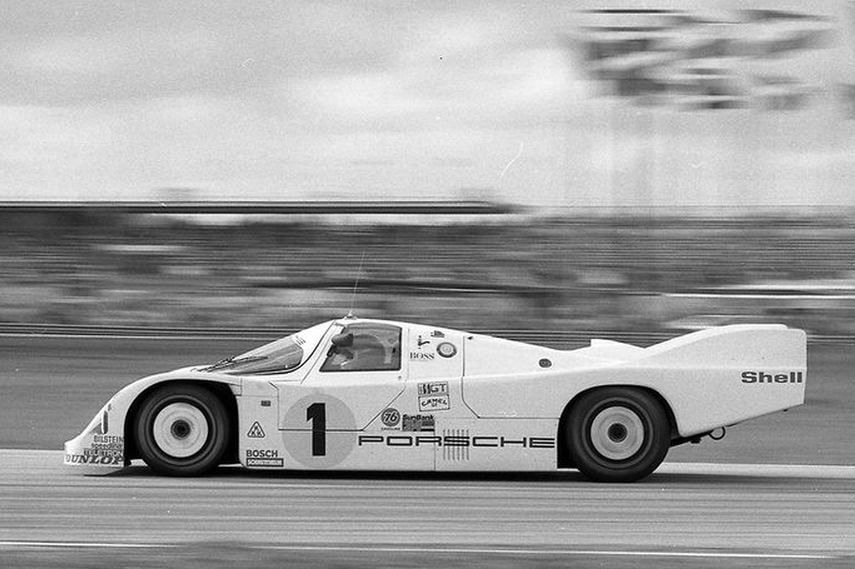
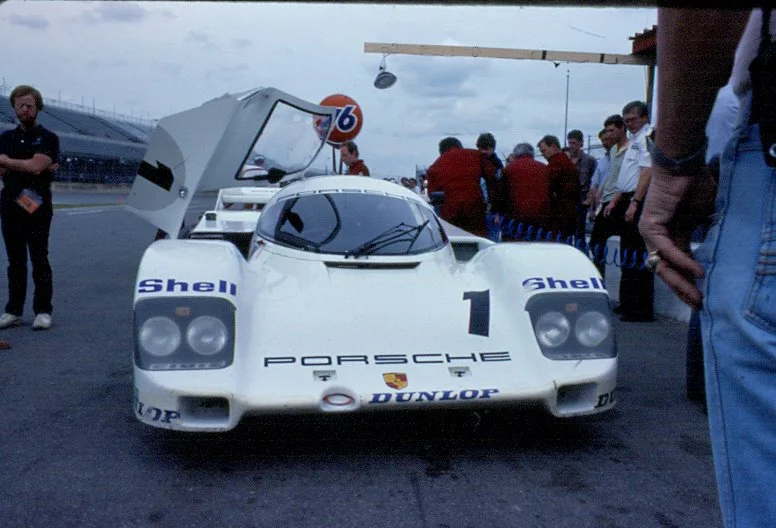
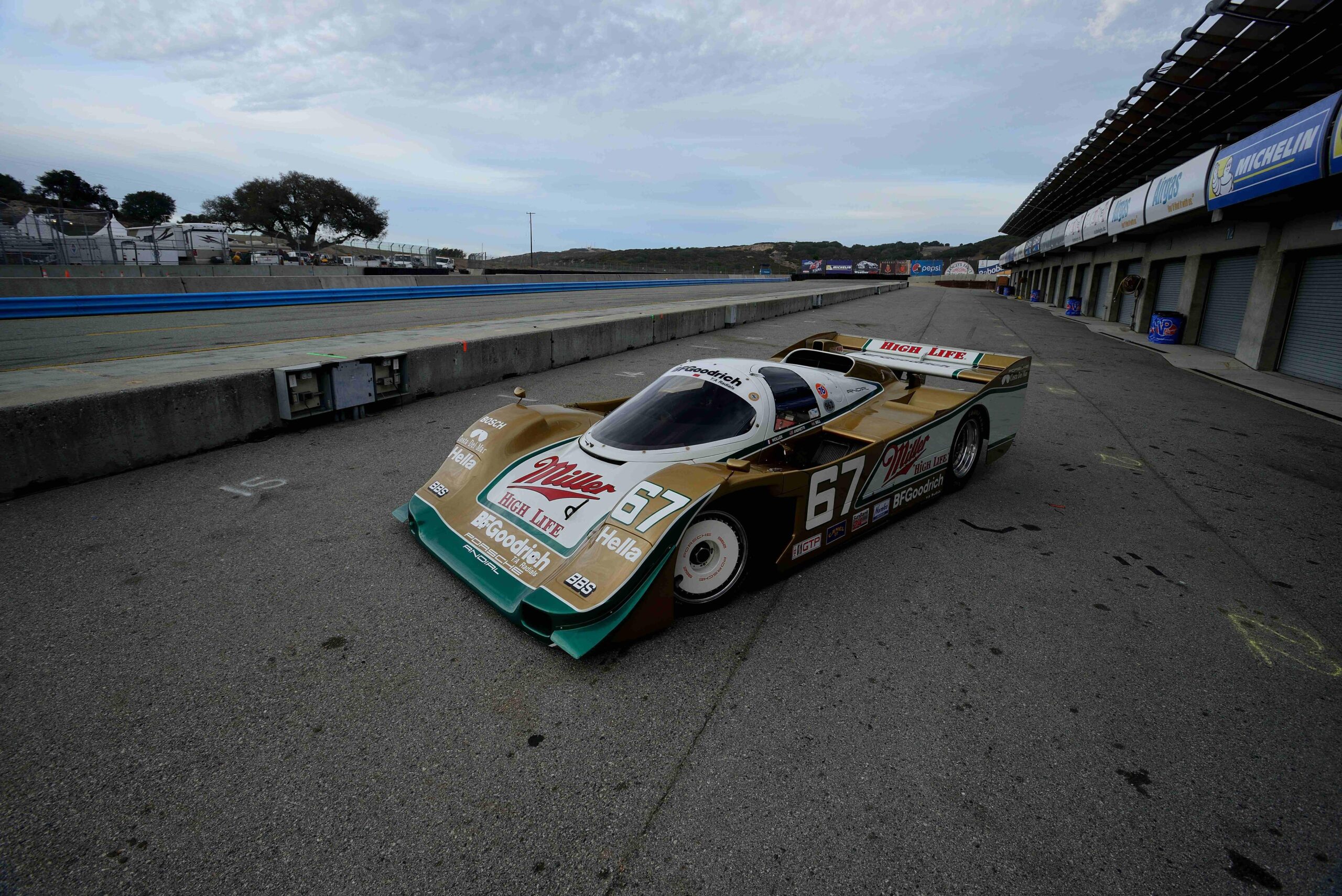
To fully comprehend the sheer magnitude of the Porsche 962 legacy, one must first examine the legislative hurdle that inadvertently birthed the most successful sports prototype in the history of motorsport. In the early 1980s, Zuffenhausen had already rewritten the laws of physics and endurance racing with the Porsche 956, a ground-effect masterpiece that utterly decimated the World Sportscar Championship. However, across the Atlantic, the International Motor Sports Association (IMSA) and its president, John Bishop, harbored grave safety concerns regarding the 956’s design, specifically the fact that the driver’s feet were positioned perilously ahead of the front axle centerline. To compete in the lucrative North American GTP championship, Porsche’s legendary engineer Norbert Singer was forced back to the drawing board. His solution was brilliantly pragmatic: he stretched the car’s wheelbase by 120 millimeters to reposition the front wheels ahead of the pedal box, while simultaneously integrating a steel roll cage into the aluminium chassis. The result, unleashed in 1984, was the Porsche 962. It was a machine born out of regulatory necessity that would go on to terrorize not just the American continent, but eventually the entire globe, seamlessly replacing its predecessor to fight a brutal, escalating war against magnificent rivals like the V12-powered Jaguar XJR series, the twin-turbo Sauber-Mercedes C9, and the relentless Nissan GTP ZX-Turbo.
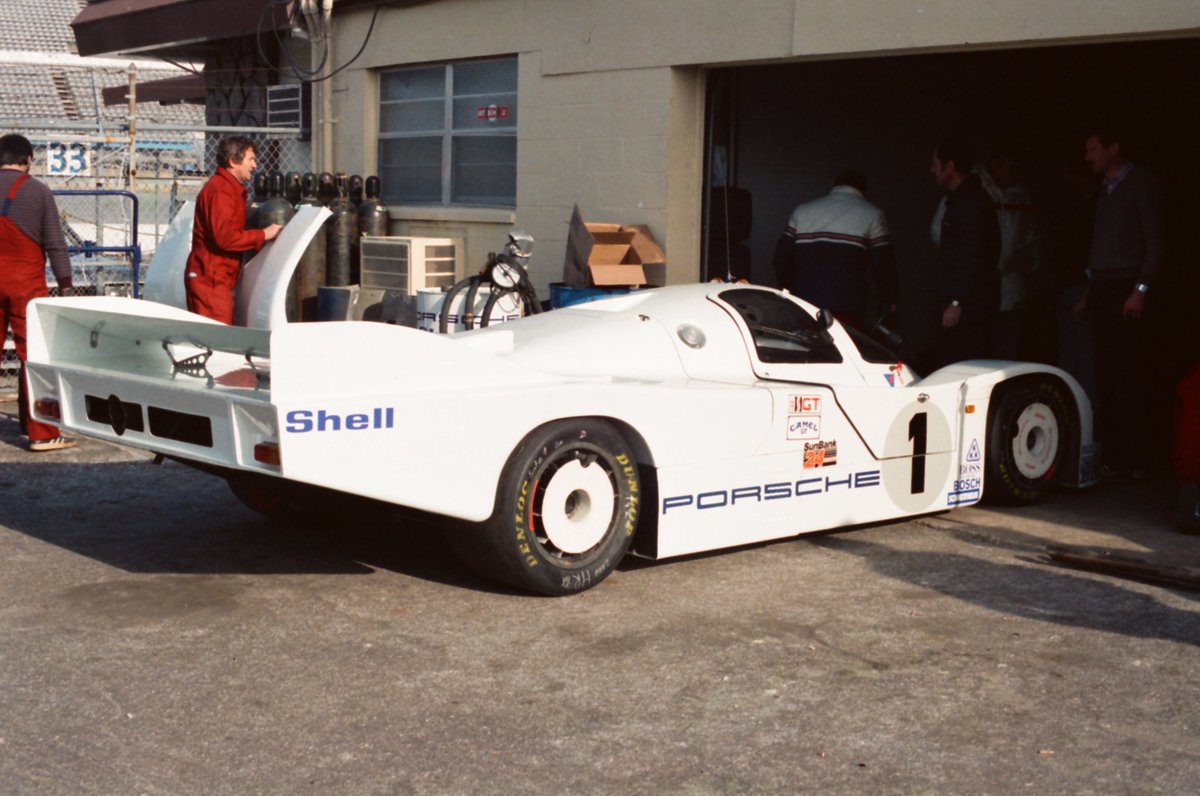
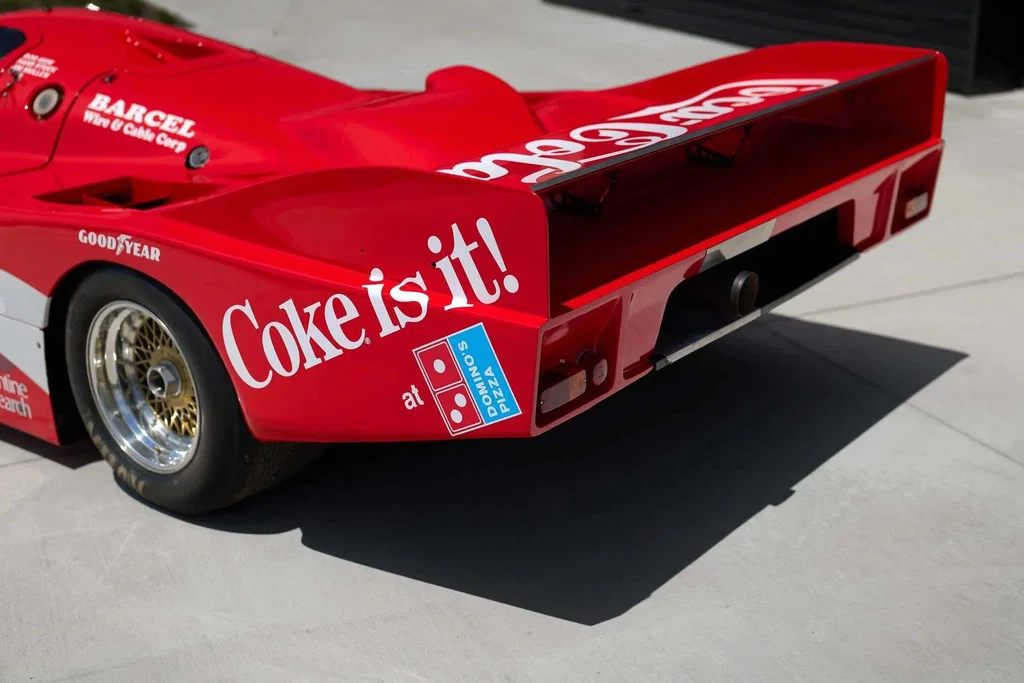
Beneath the impossibly sleek, wind-tunnel-sculpted Kevlar and fiberglass bodywork lay an engineering philosophy rooted in ruthless efficiency. The foundation of the 962 was its folded and riveted aluminium sheet monocoque. While this chassis construction was soon challenged by the stiffer, lighter carbon-fiber composites utilized by Jaguar and Mercedes, the Porsche’s sheer developmental maturity kept it fighting at the sharp end of the grid. Because the model line straddled two distinct regulatory worlds, its powertrain was fiercely adaptable. For the IMSA GTP championship, regulations mandated a single turbocharger and restricted certain engine technologies. Thus, the American-bound 962s utilized a single-turbo, 2.8-liter (later expanding to 3.2-liter) flat-six engine derived directly from the 934/935 era, featuring air-cooled cylinders and water-cooled heads. In stark contrast, when Porsche introduced the 962C for the European Group C World Sportscar Championship in 1985, they unleashed the fully water-cooled, twin-turbocharged 2.6-liter (and later 3.0-liter and 3.2-liter) Type 935/82 flat-six. Generating anywhere from 680 to well over 750 brake horsepower depending on boost pressure and restrictors, this mechanical heart produced a signature, whistling symphony of wastegate chatter and flat-six howl. The underbody aerodynamics were equally critical. The 962 utilized massive venturi tunnels to create incredible ground-effect downforce, effectively sucking the car to the tarmac. To maintain a constant aerodynamic platform, the suspension—comprising double wishbones with coil-over shock absorbers—was brutally stiff. Inside the right-hand-drive cockpit, designed specifically to optimize weight distribution and sightlines on clockwise circuits, the driver was subjected to immense physical punishment, managing the monumental turbocharged torque through a traditional five-speed, synchromesh manual transaxle.
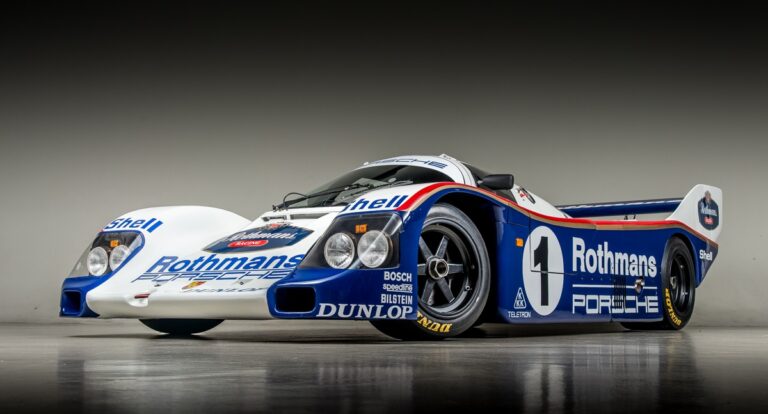
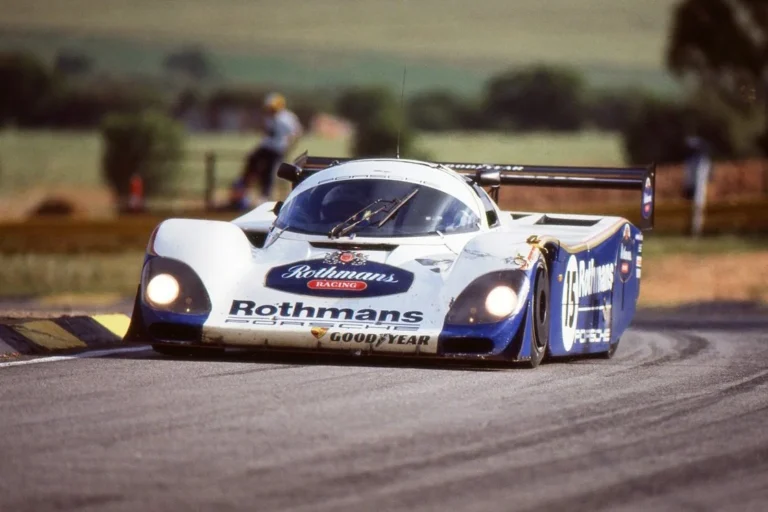
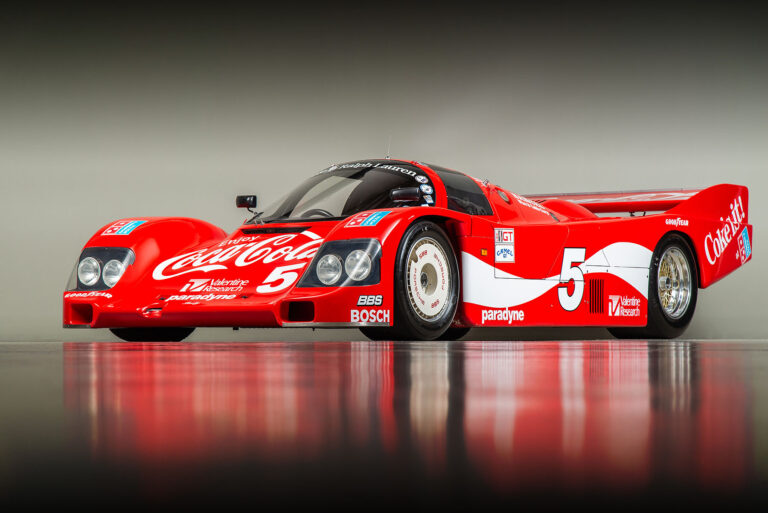
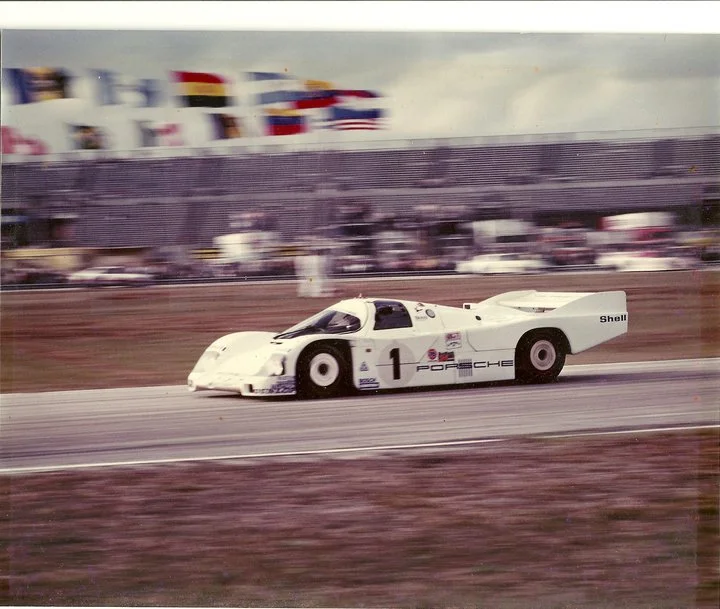
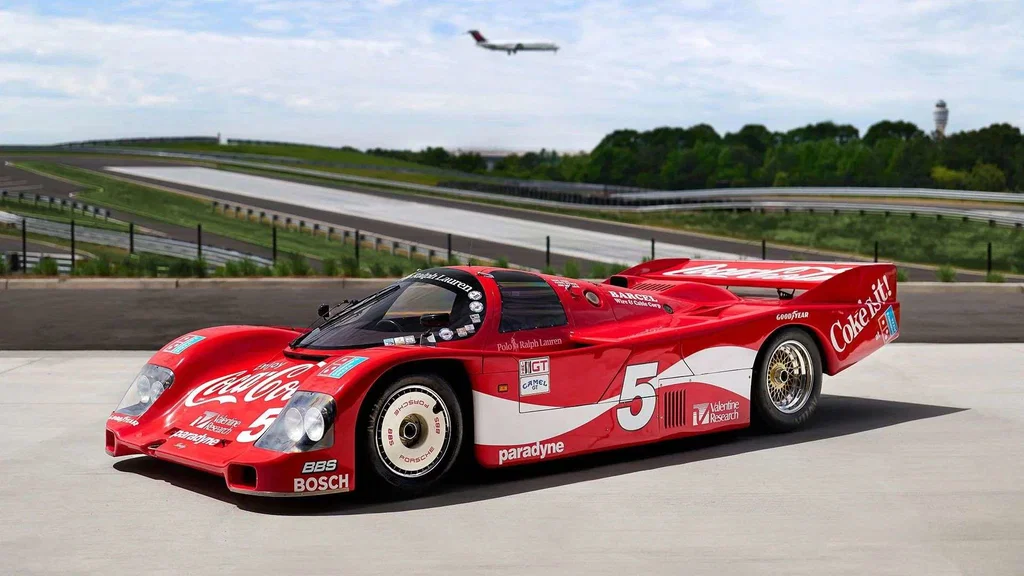
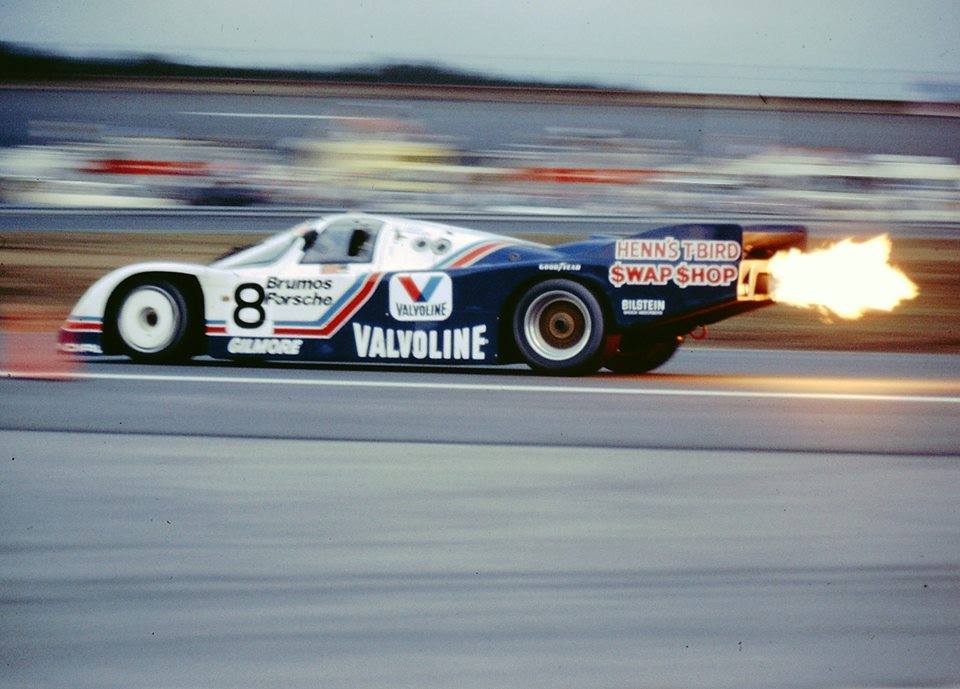
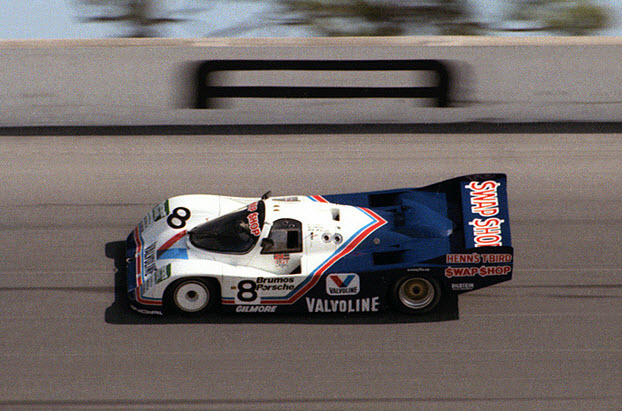
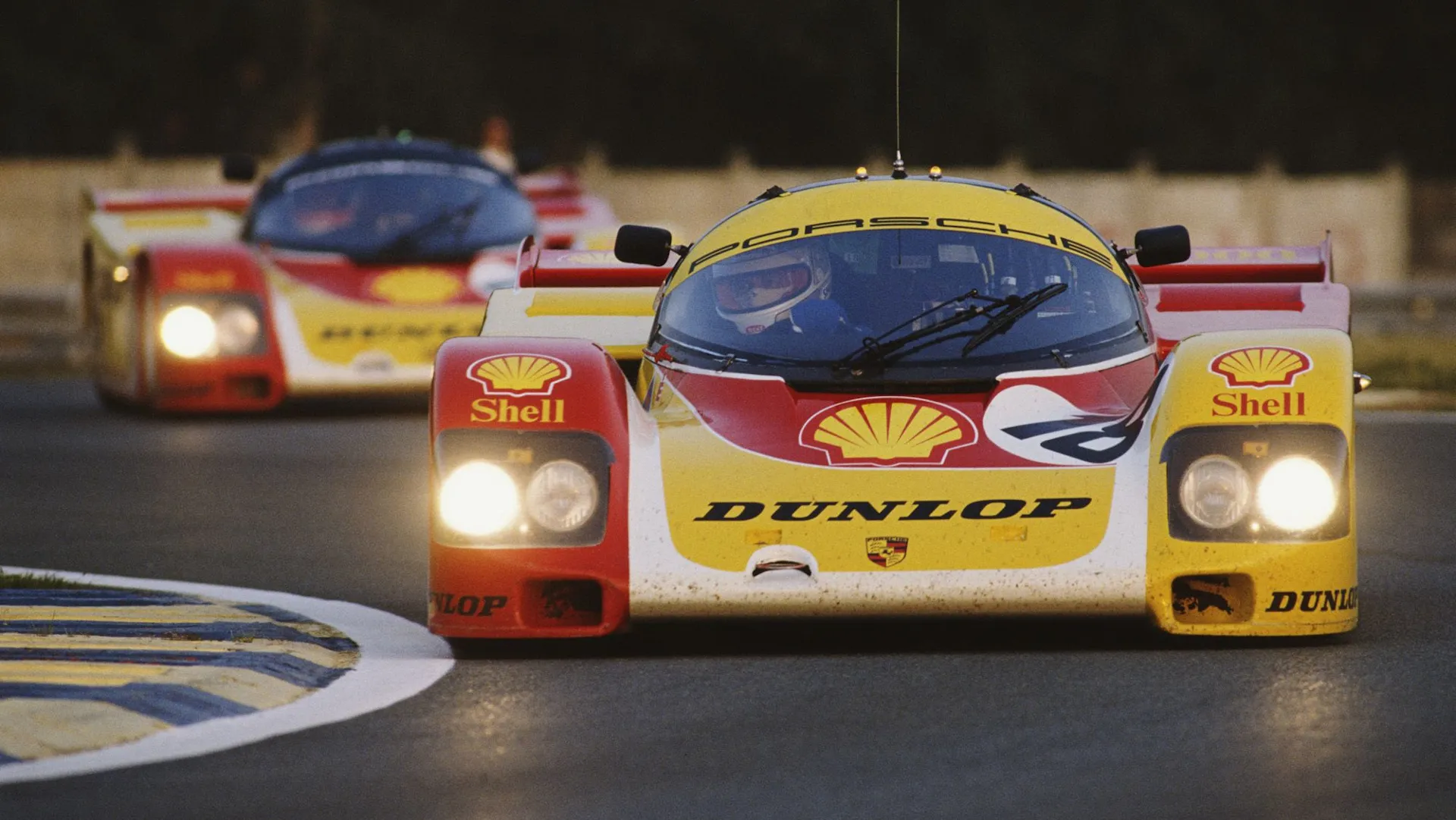
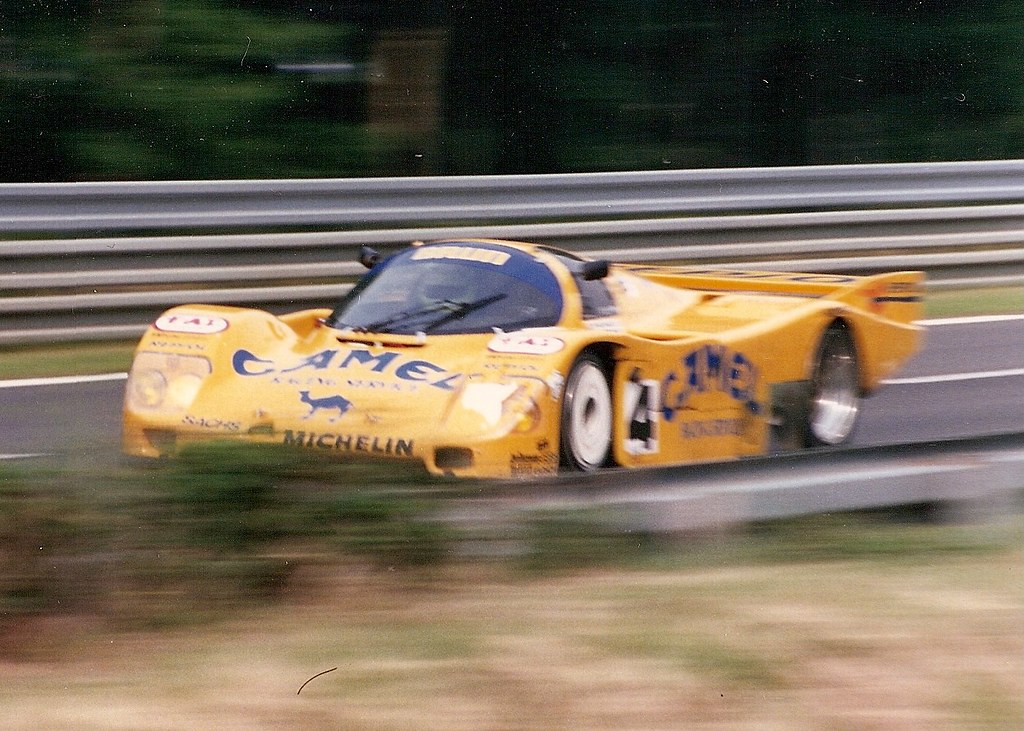
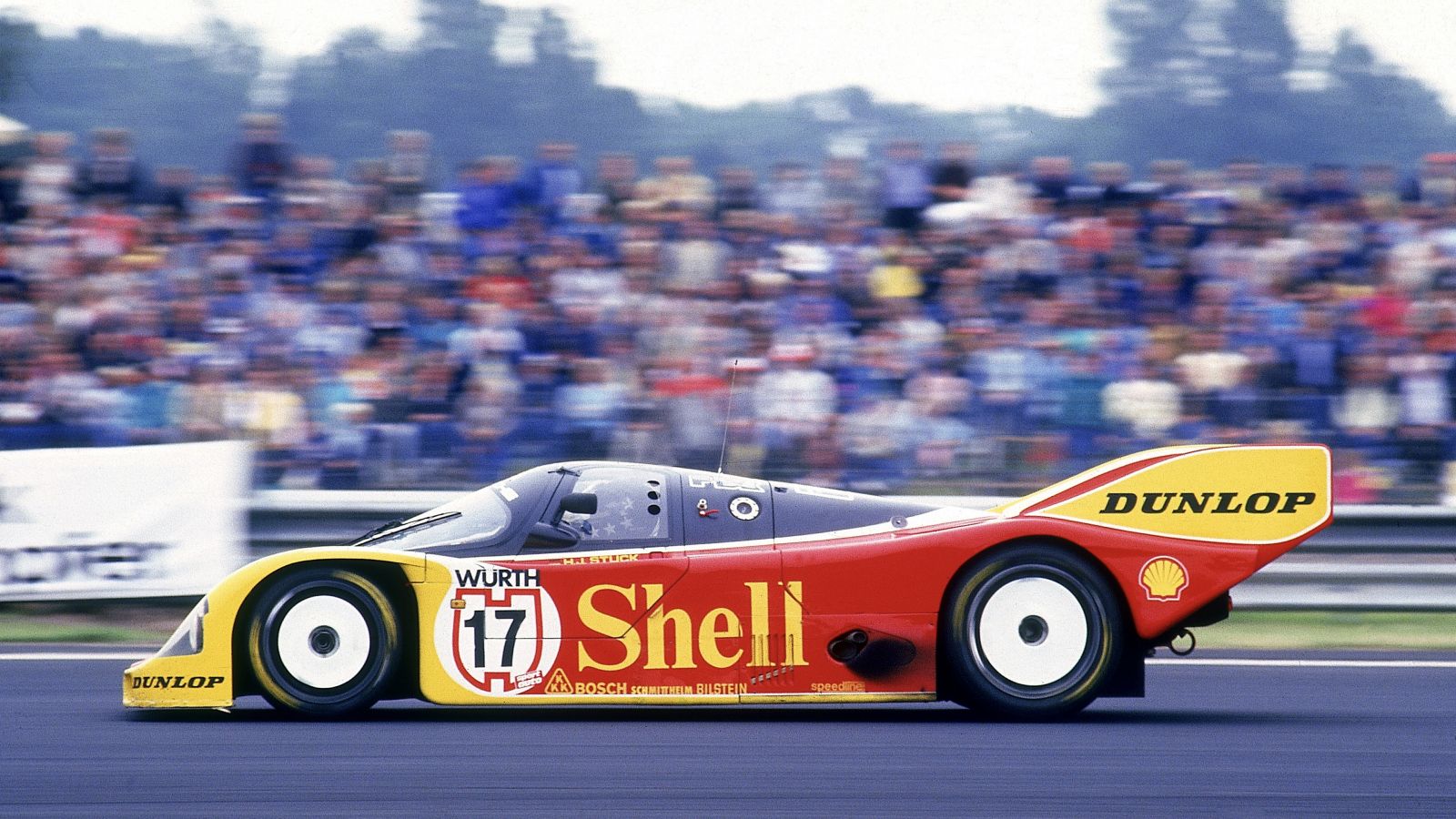
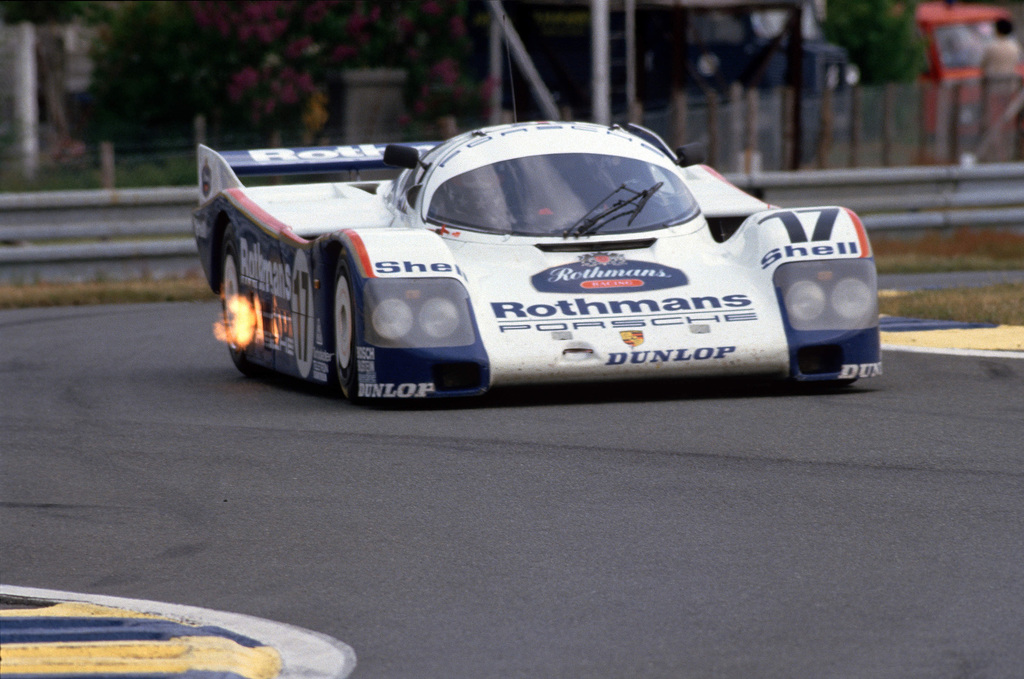
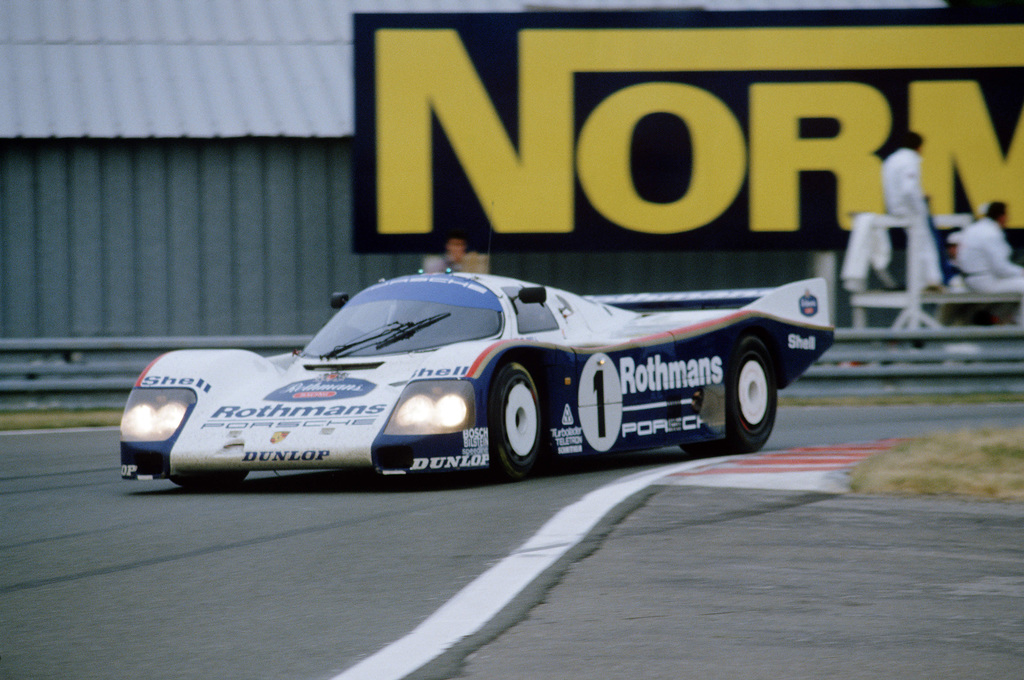
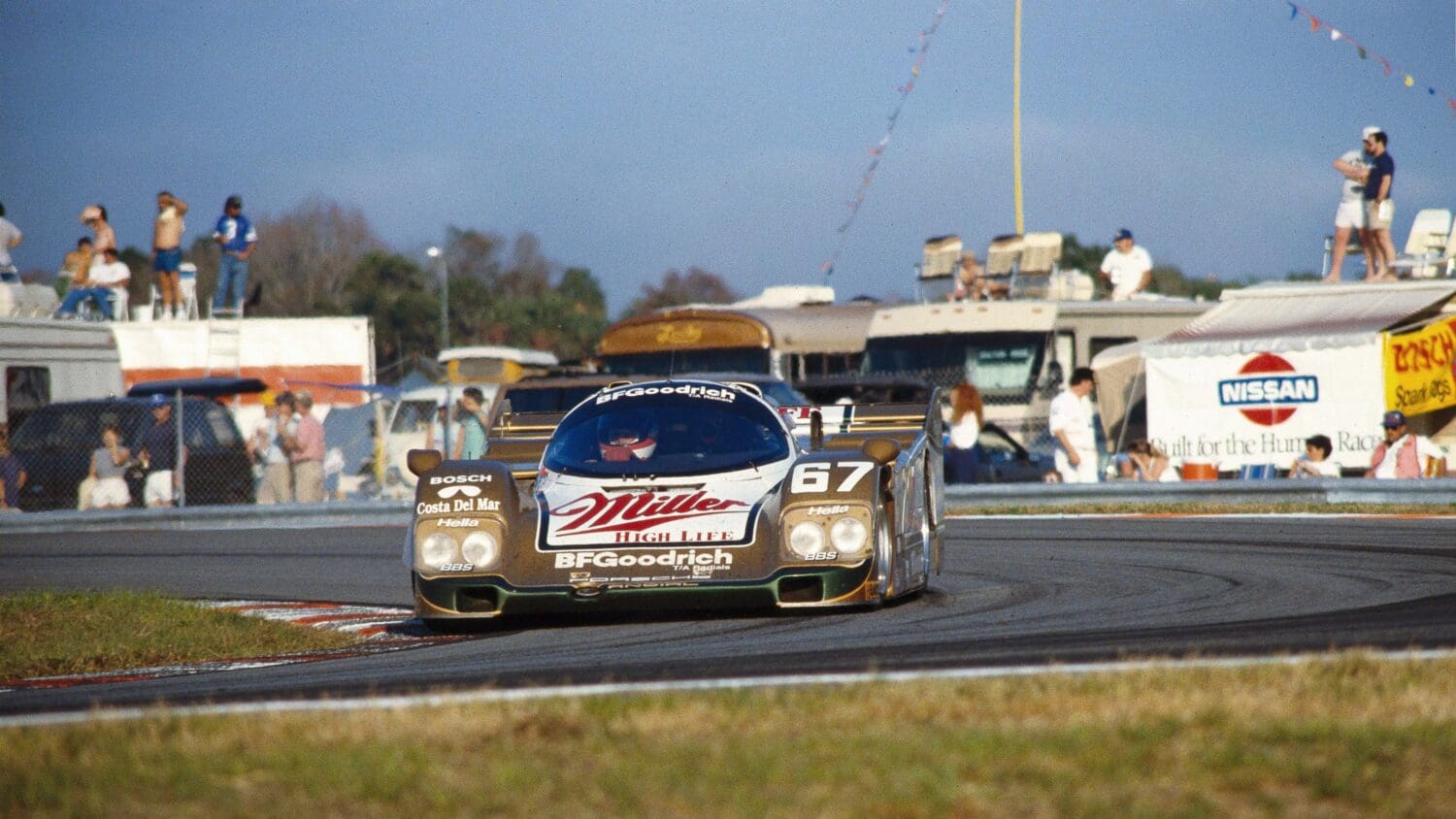
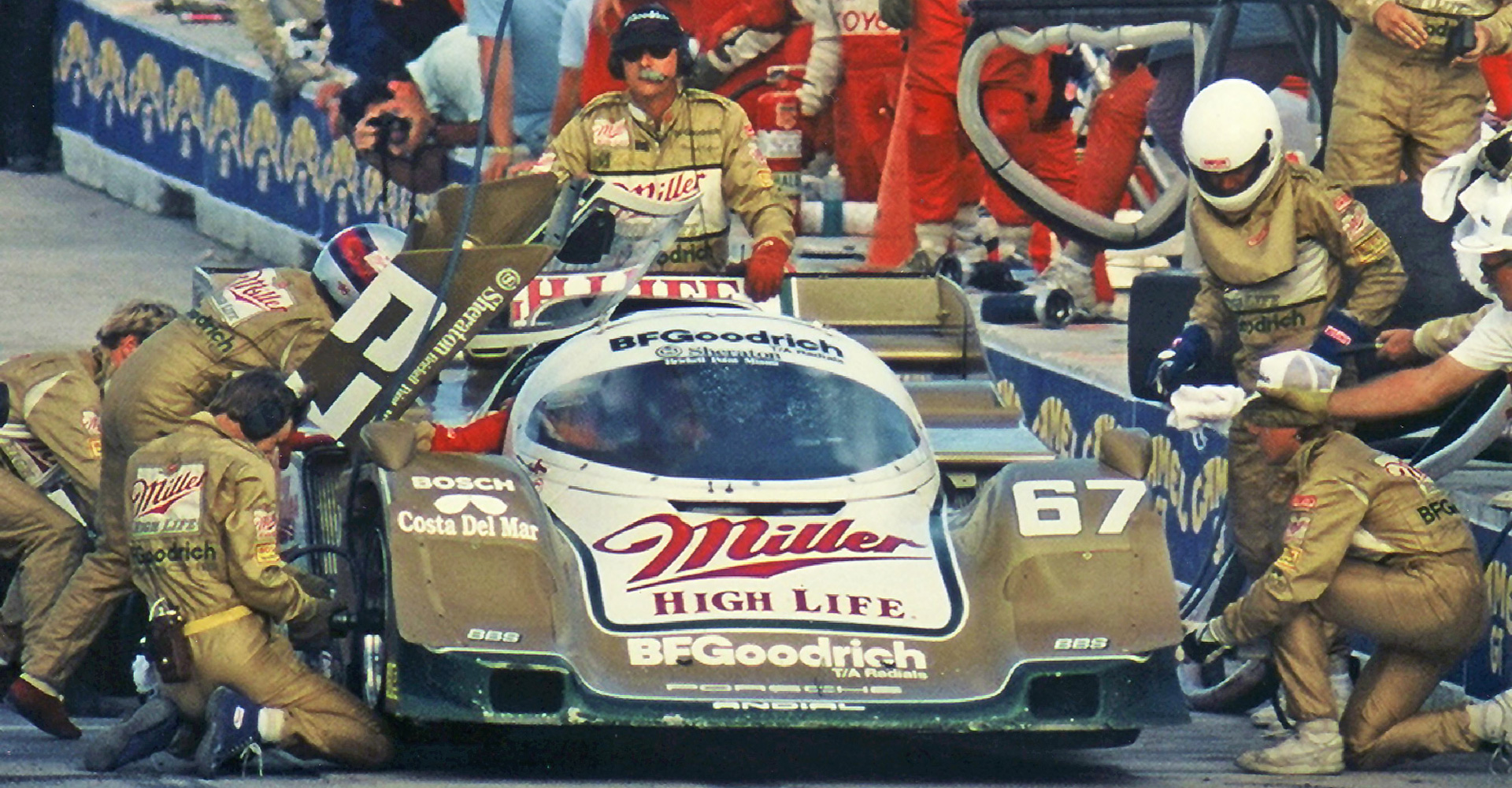
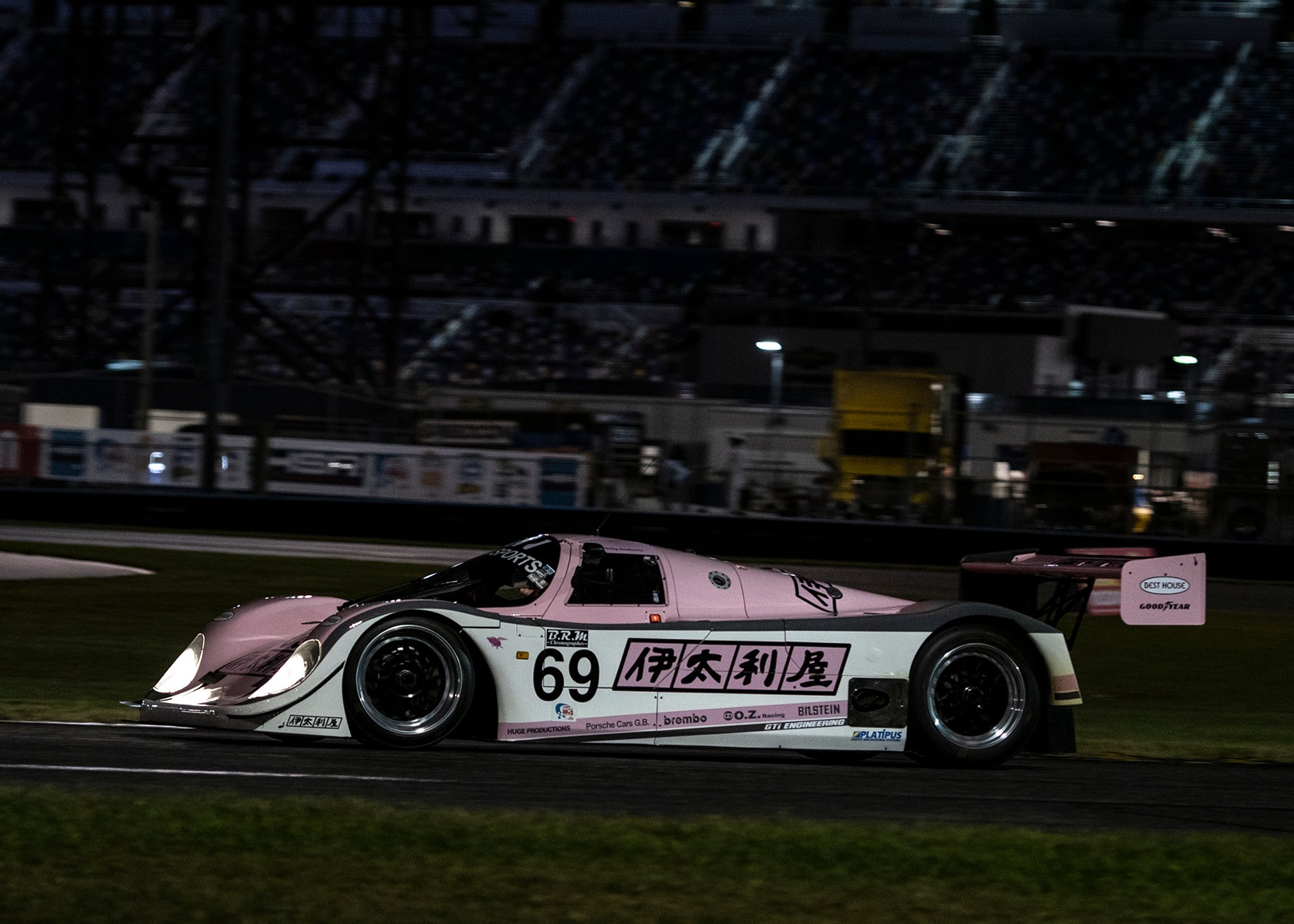
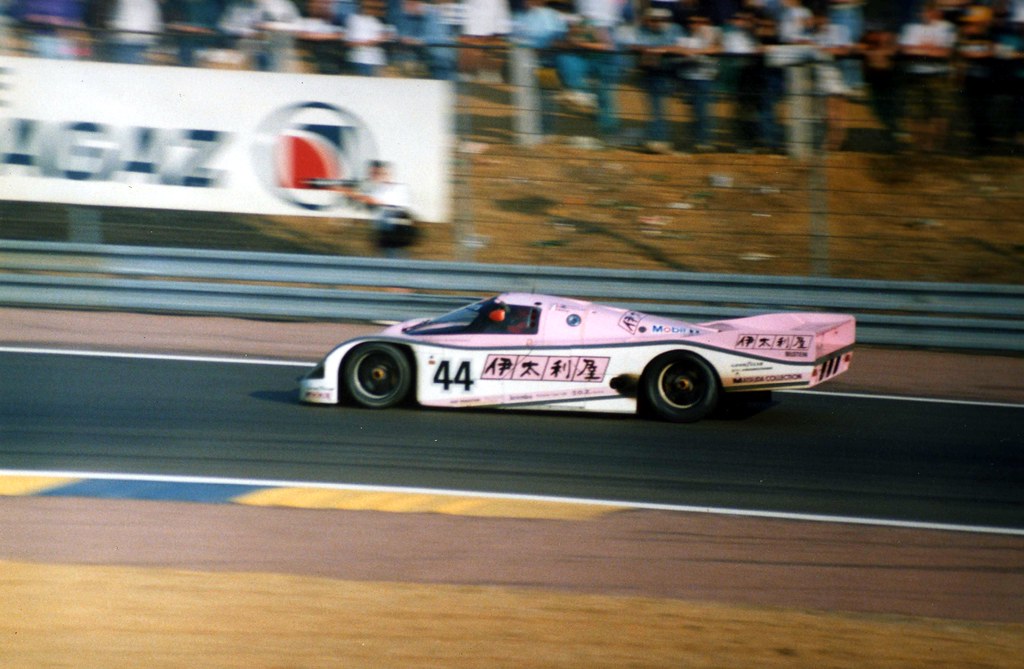
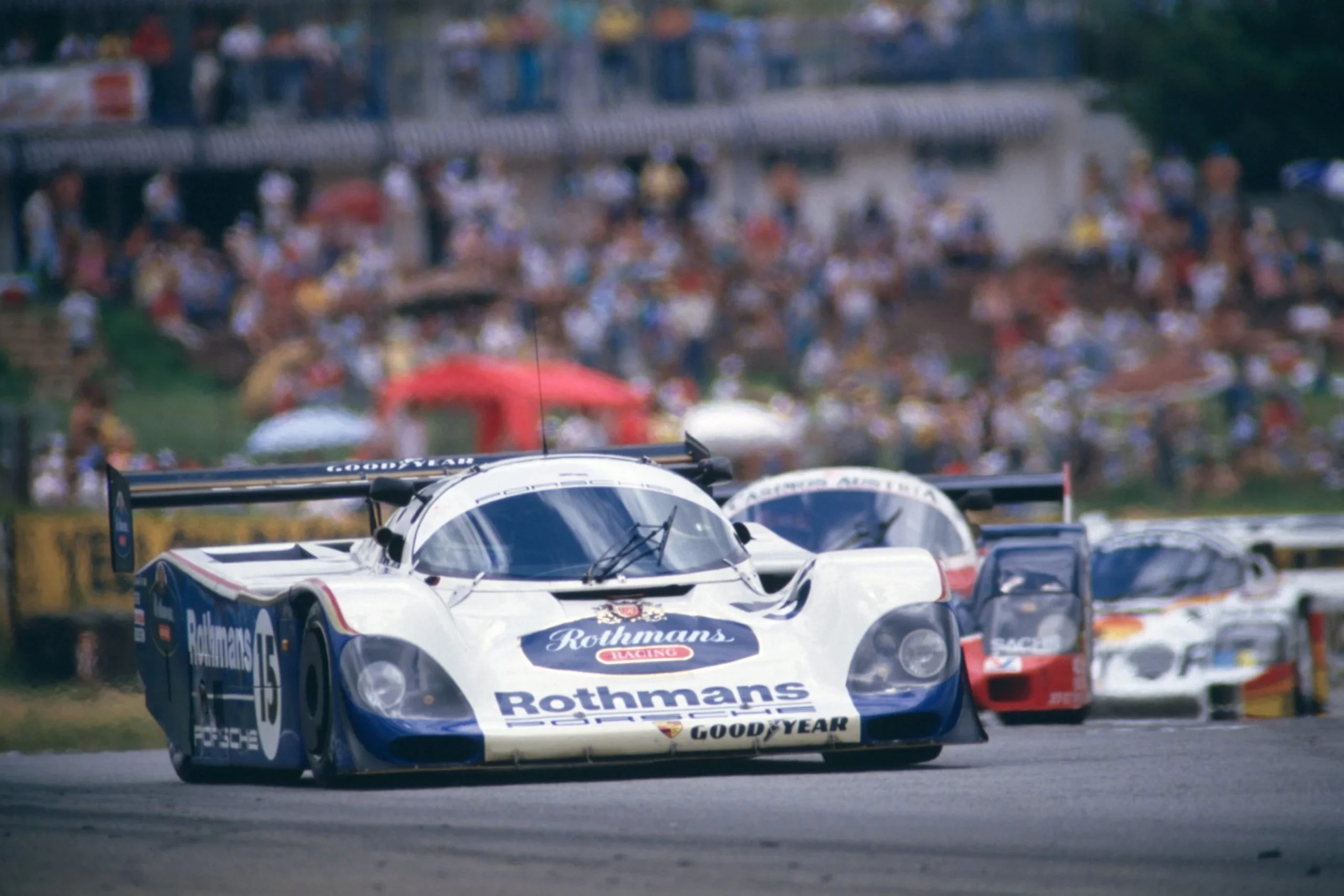
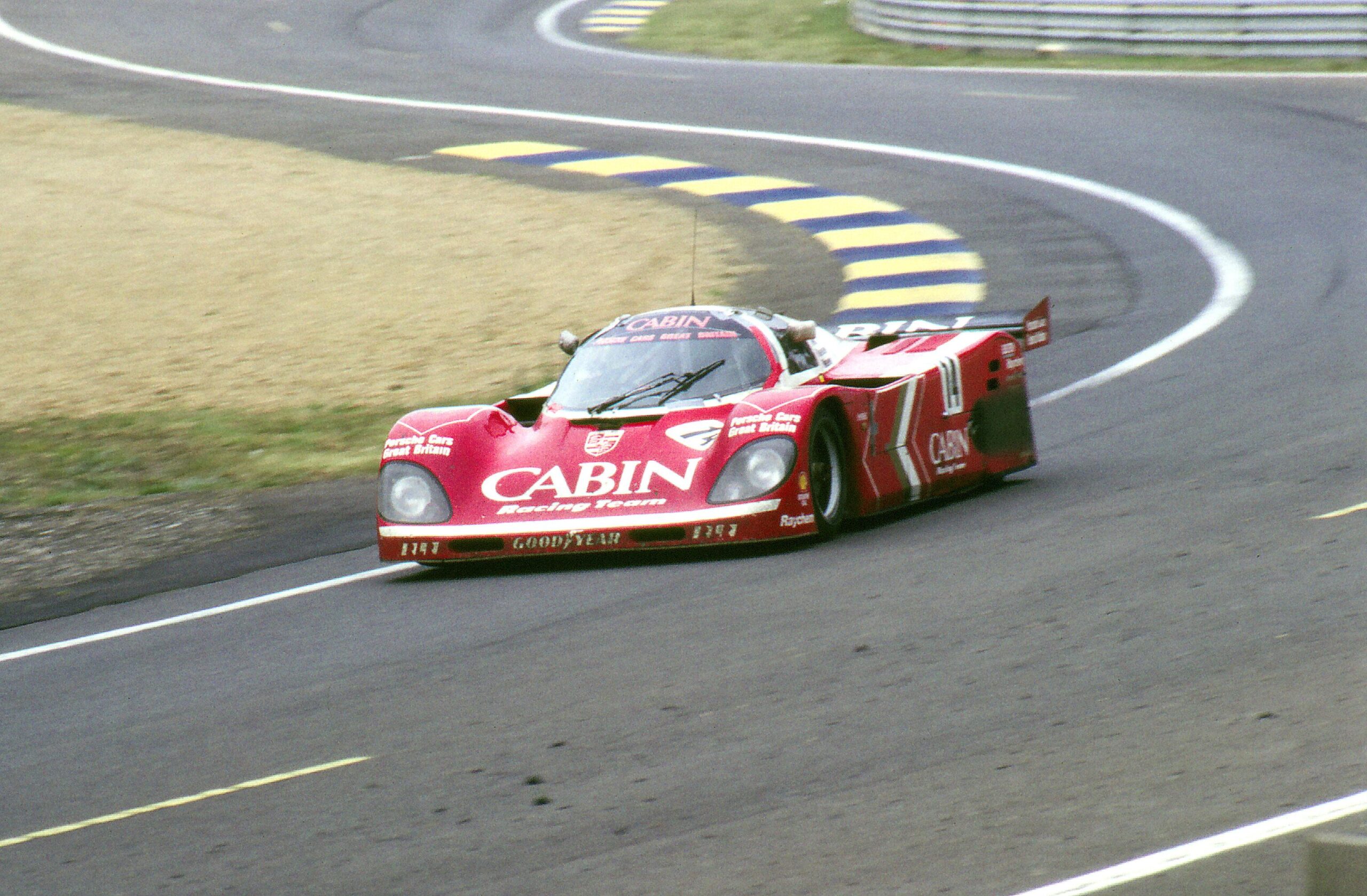
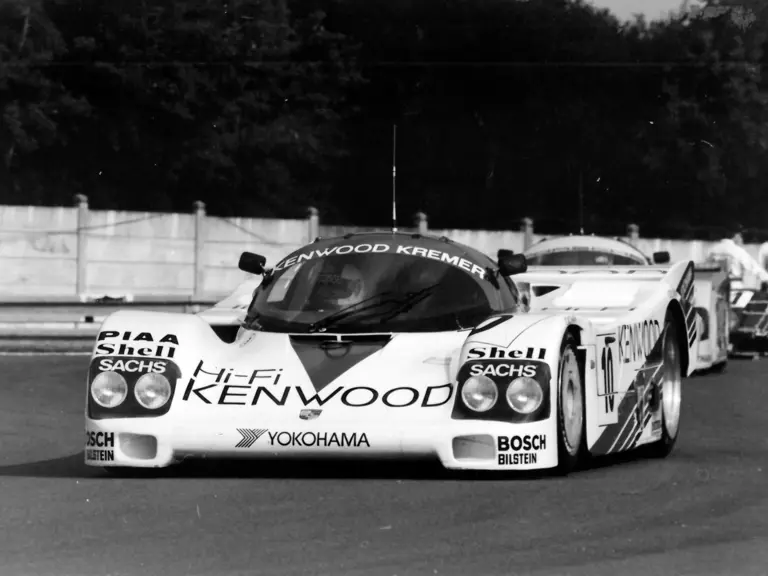
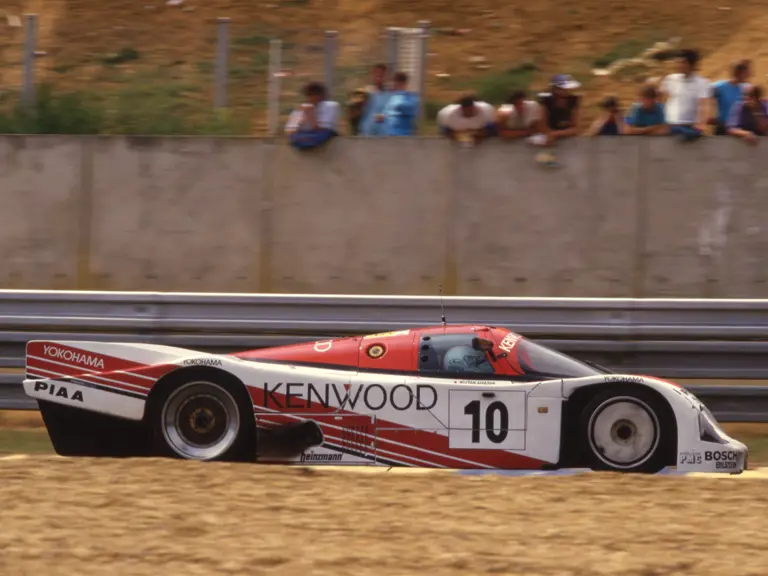
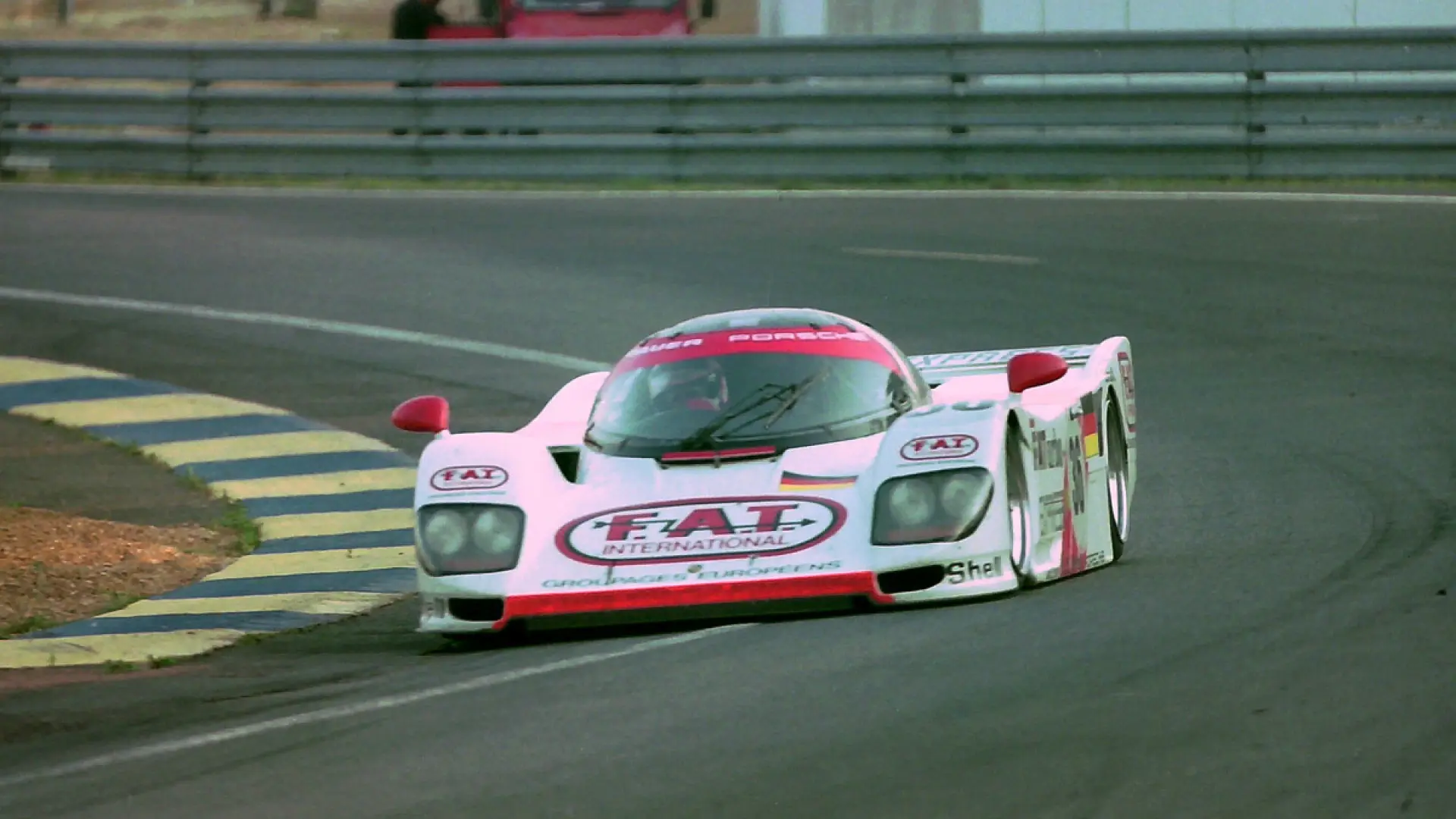
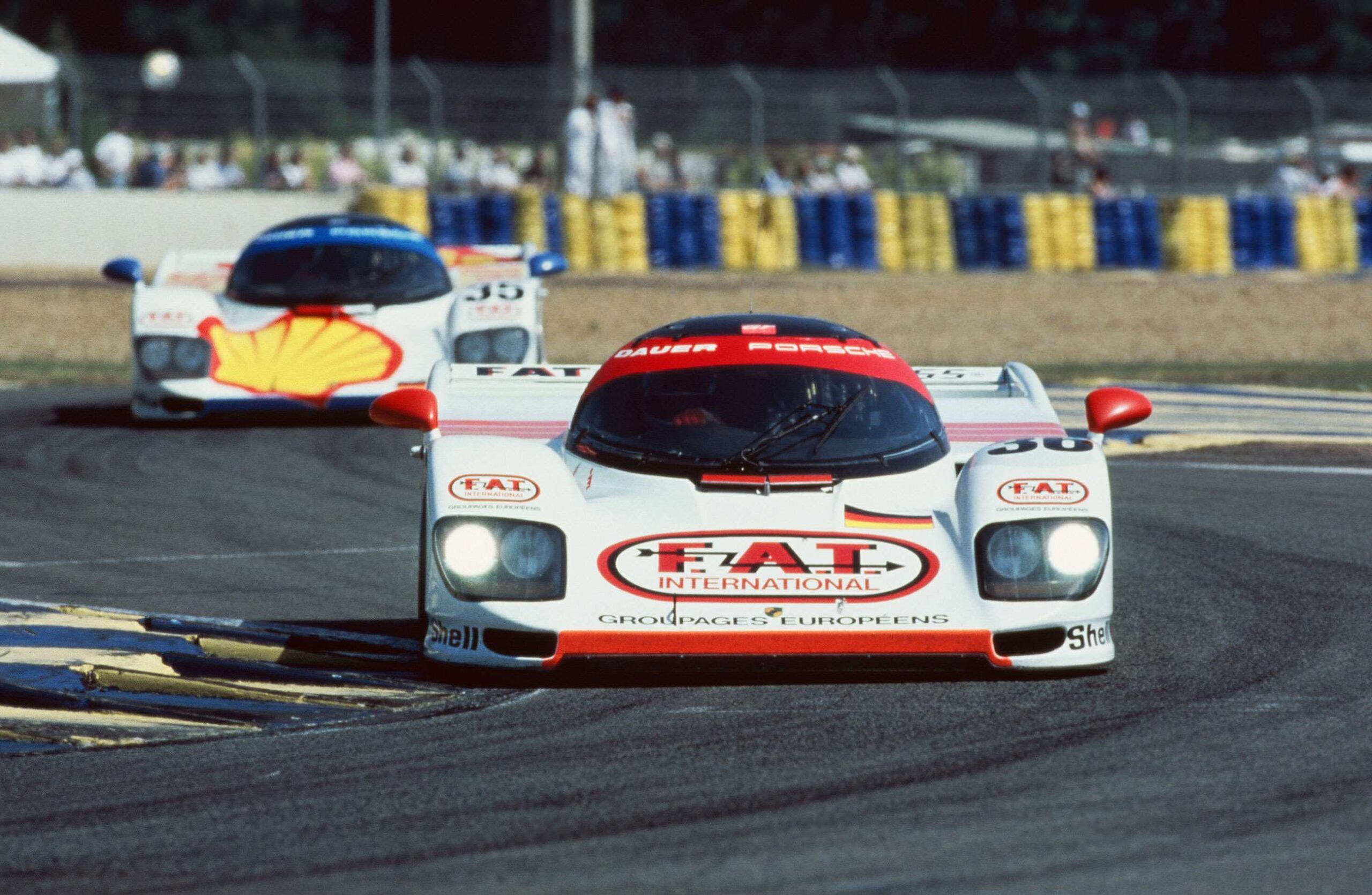
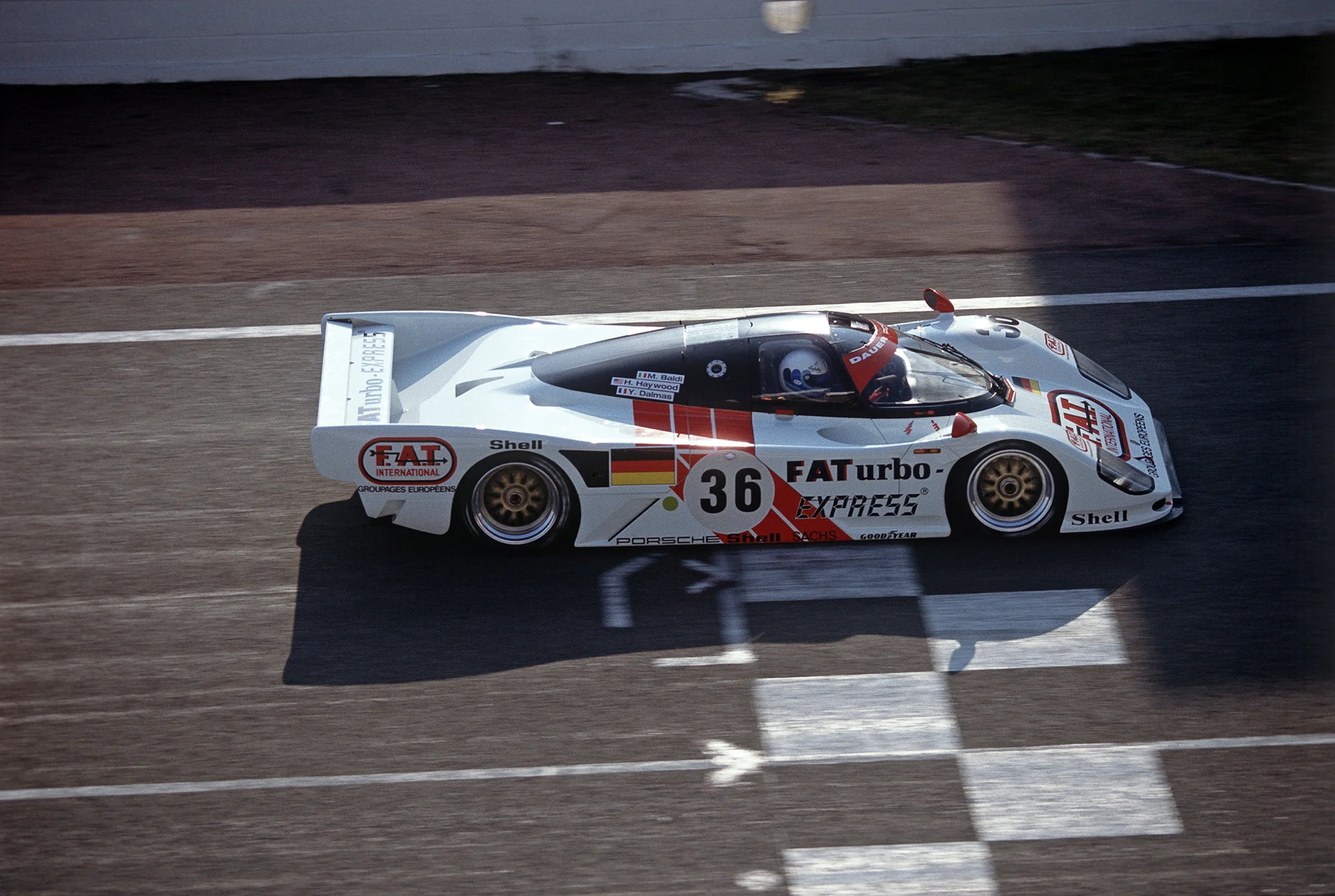
The competitive history of the Porsche 962 is an unparalleled saga of longevity and total, unyielding domination. In the hands of the factory Rothmans Porsche team, the 962C became an unstoppable force at the Circuit de la Sarthe. Piloted by endurance gods like Derek Bell, Hans-Joachim Stuck, and Al Holbert, the works 962C claimed back-to-back overall victories at the 24 Hours of Le Mans in 1986 and 1987. In North America, the IMSA GTP 962 was equally devastating, securing consecutive Daytona 24 Hour and Sebring 12 Hour victories, capturing championships with iconic teams like Holbert Racing, Dyson Racing, and Brumos. However, the true magic of the 962 lies in its extraordinary second act. As the 1980s drew to a close and the factory officially withdrew from Group C, the 962 refused to die. It became the ultimate canvas for the world’s most brilliant privateer outfits. Teams like Richard Lloyd Racing developed the 962 GTi, featuring bespoke aerodynamics and a honeycomb aluminium chassis designed by Nigel Stroud to counteract the car’s aging structural rigidity. Kremer Racing introduced the CK6, heavily modifying the bodywork for lower drag and utilizing carbon-fiber tubs manufactured by Thompson. Teams like Joest, Brun Motorsport, and Schuppan relentlessly pushed the boundaries of engine mapping, aerodynamics, and composite materials, ensuring the 962 remained a thorn in the side of the factory-backed Jaguars, Nissans, and Toyotas well into the early 1990s.
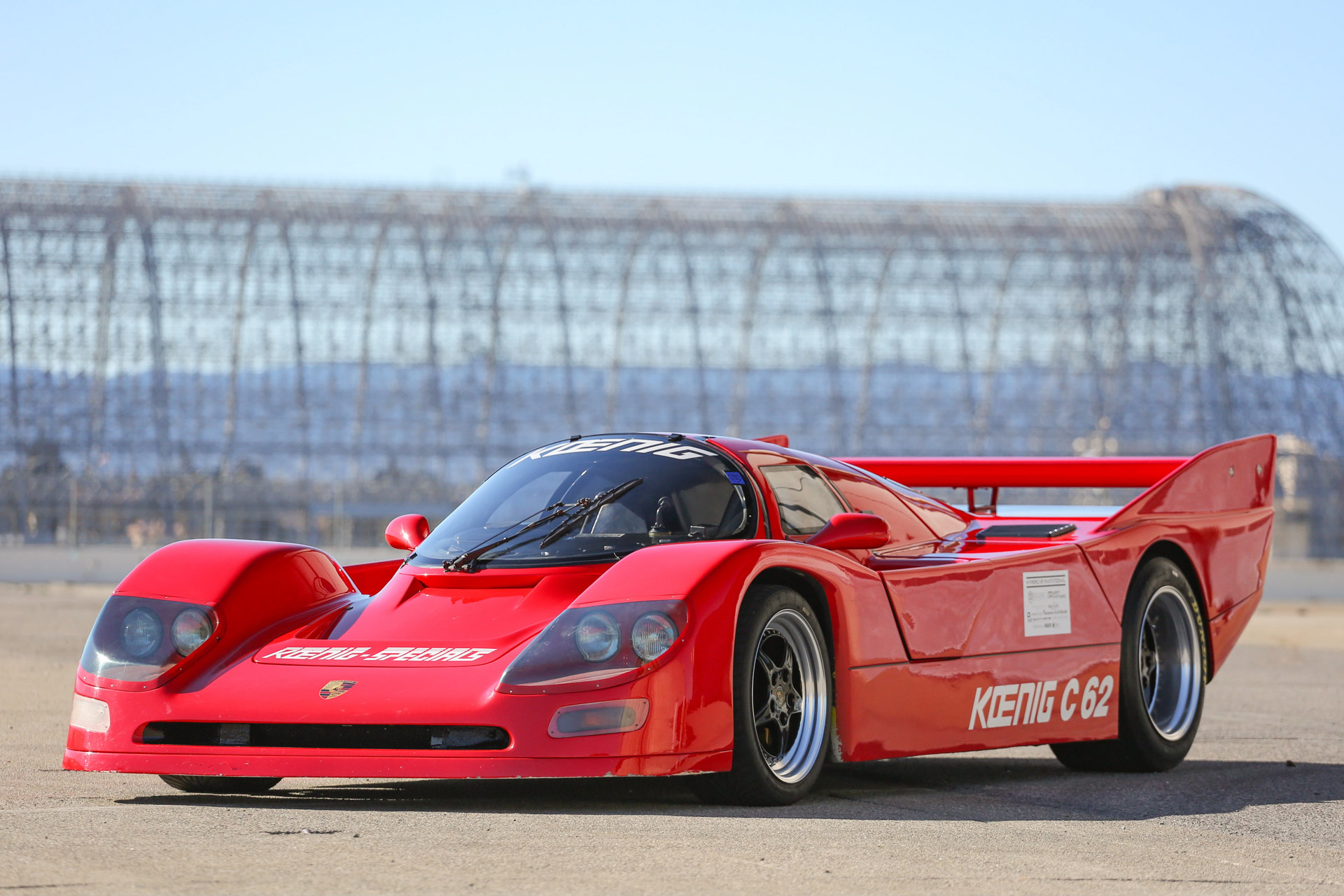
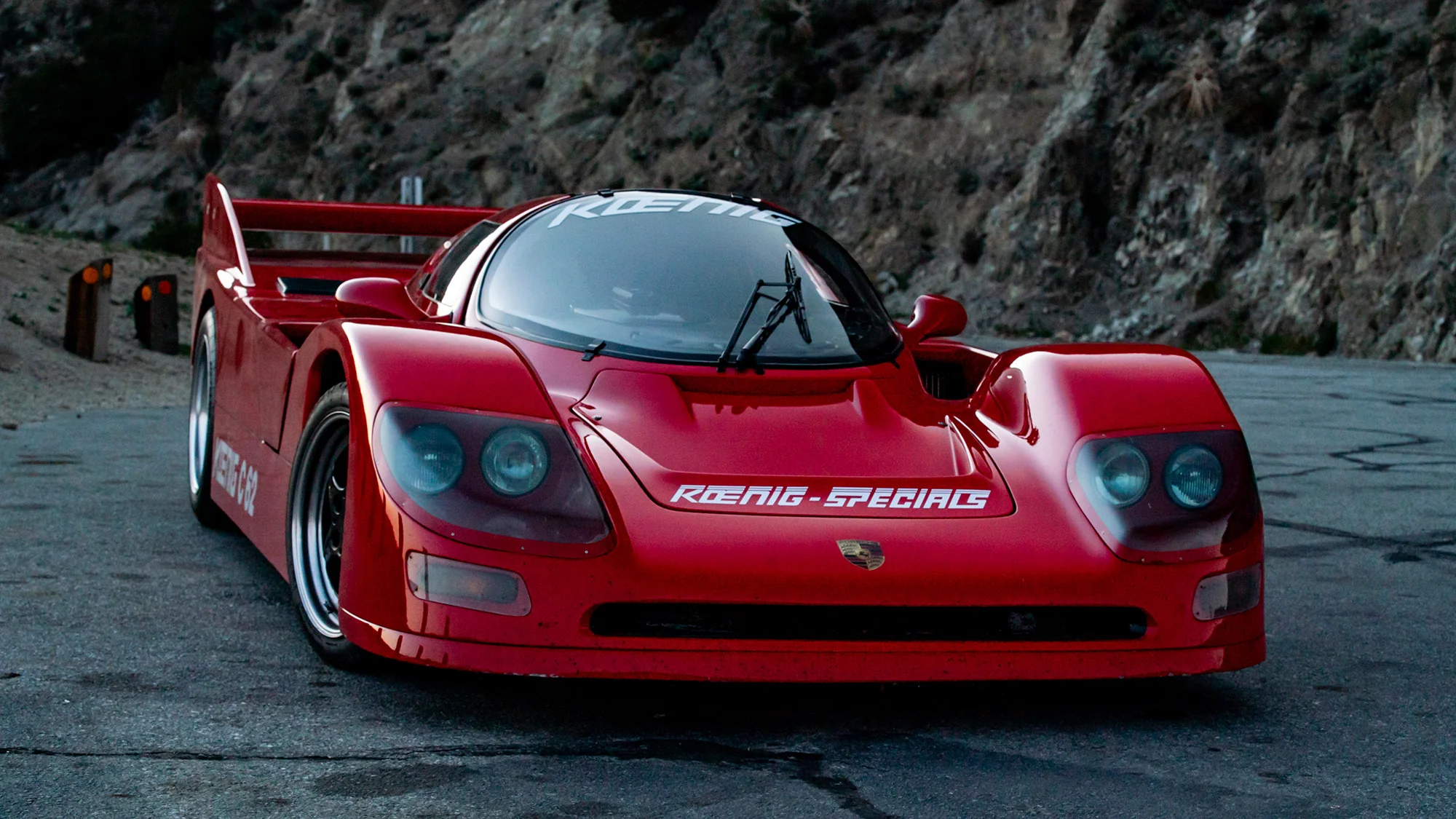
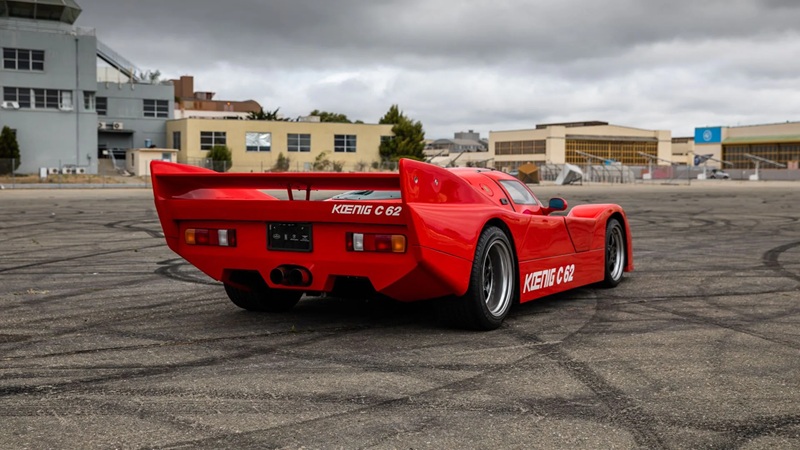
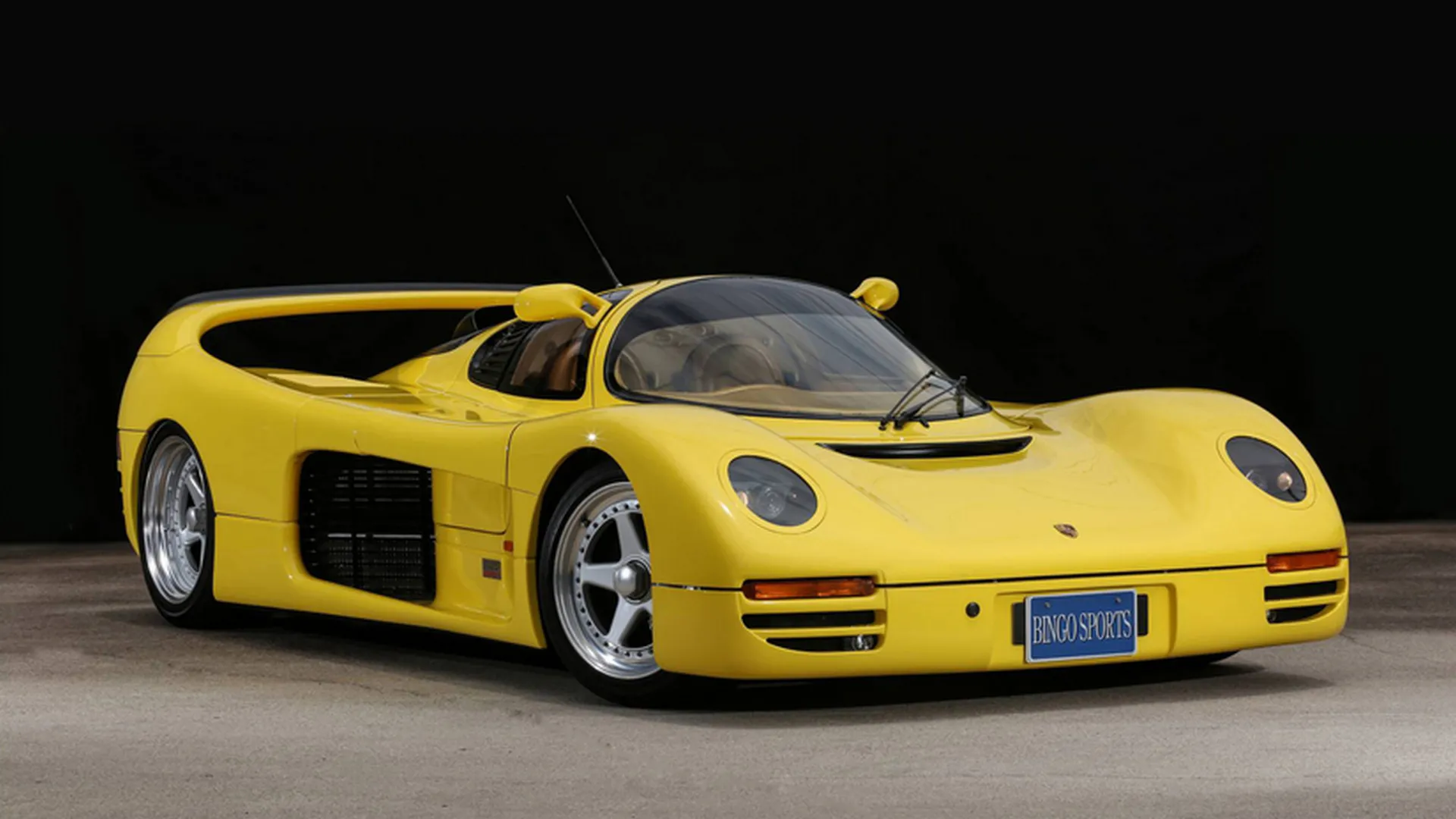
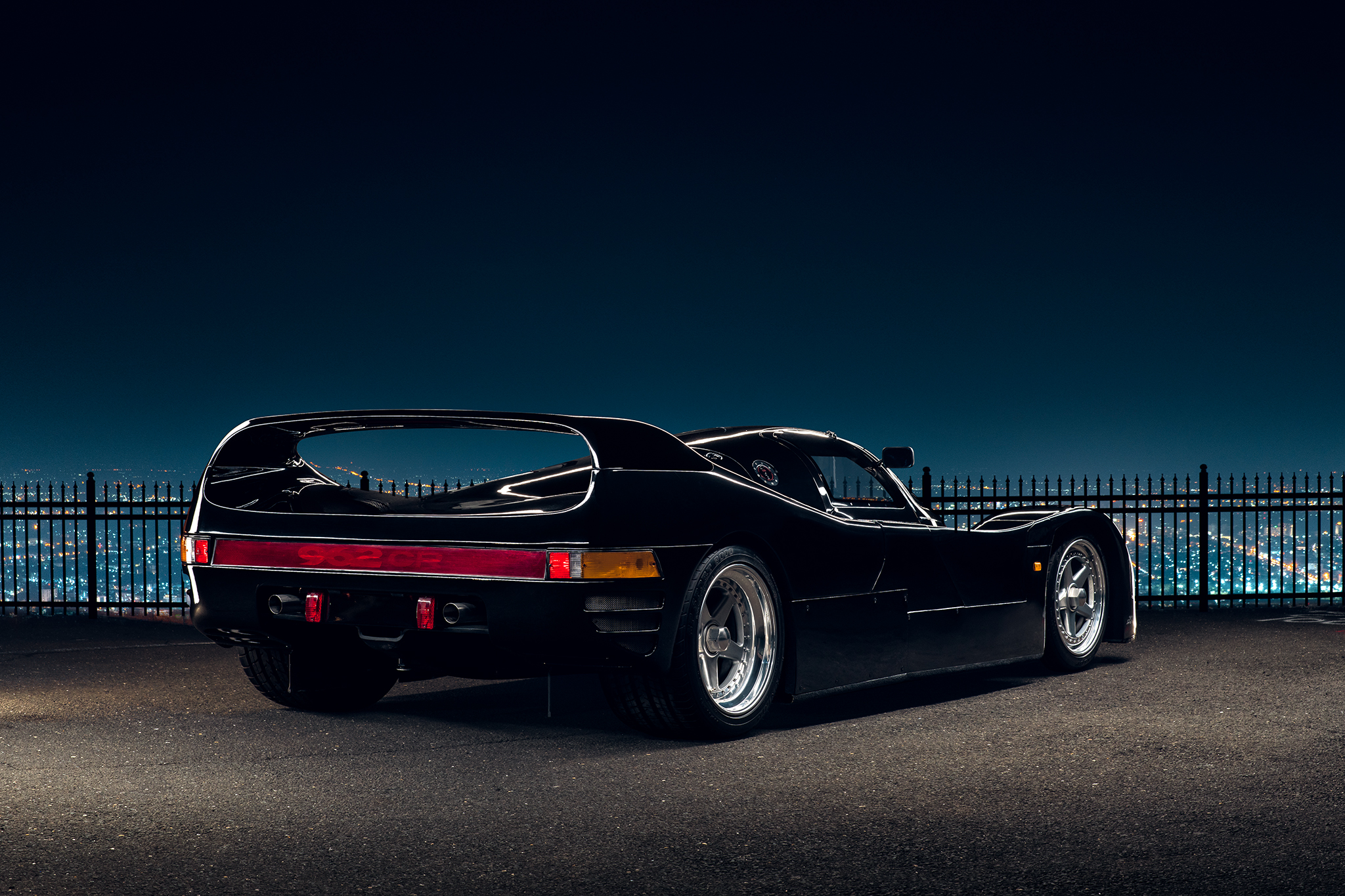
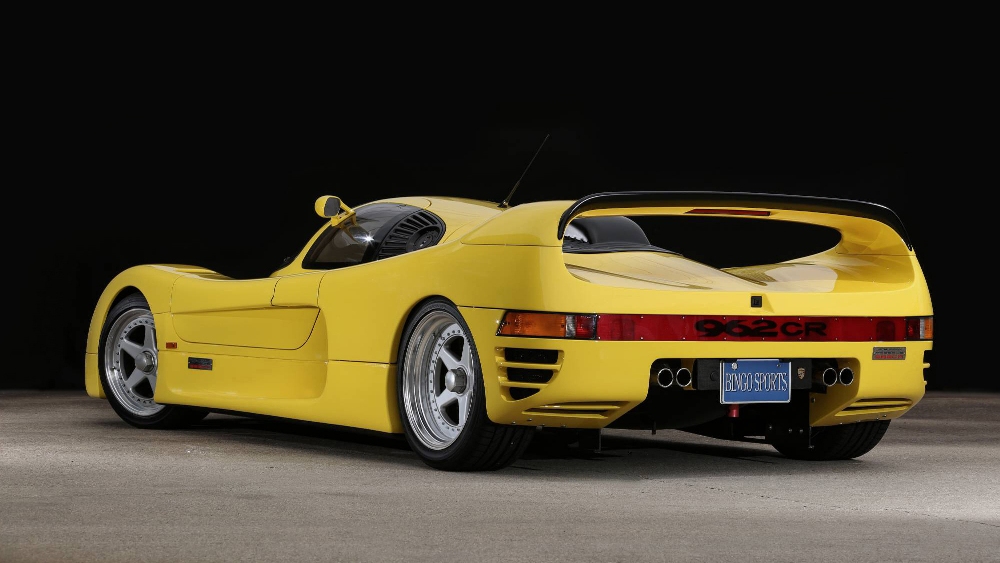
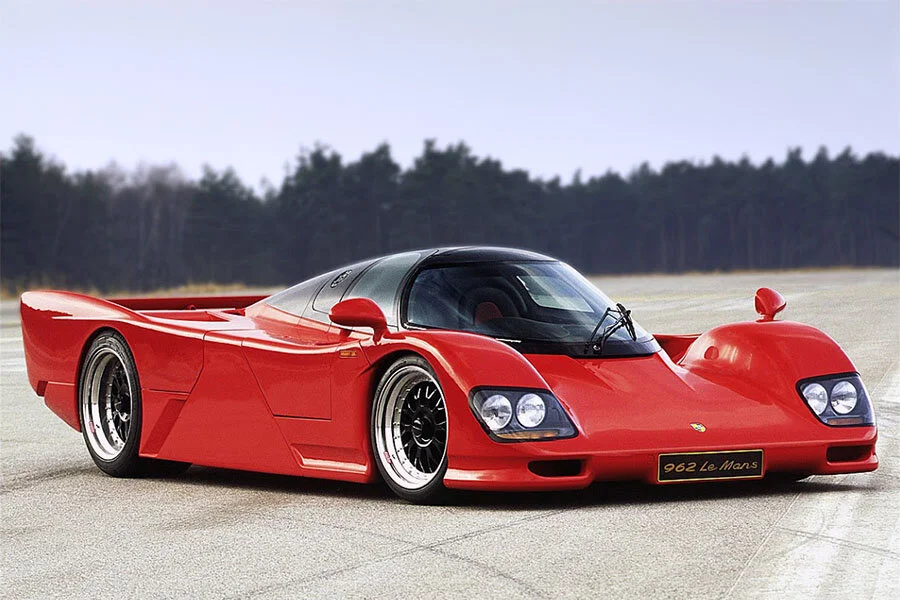
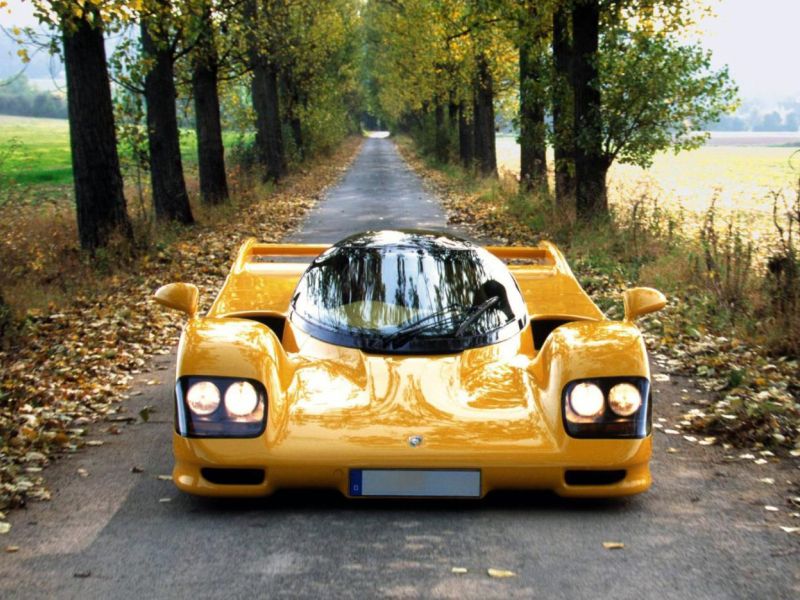
Astoundingly, the 962’s story did not end on the closed-circuit prototype grids; it spilled gloriously onto the public streets. As prototype regulations shifted in the early 1990s, the FIA introduced the new GT1 class, which required a single road-legal homologation car. In a masterstroke of rulebook exploitation, the brilliant German engineer Jochen Dauer took a stripped 962 chassis, wrapped it in slightly modified Kevlar and carbon bodywork, fitted a luxurious leather interior and a license plate, and created the Dauer 962 Le Mans. This “street car” homologation allowed Porsche to slip the 962 back onto the Le Mans grid in 1994, where it astonishingly secured one final overall victory against purpose-built prototypes, a full decade after the chassis had debuted. The Dauer was not the only street-legal mutation; Australian endurance legend Vern Schuppan developed the breathtaking, multimillion-dollar Schuppan 962CR, while tuning houses like Koenig Specials created the C62, terrifying autobahn commuters with 800-horsepower, license-plated Group C monsters.
The legacy of the Porsche 962 is absolutely sovereign. With roughly 90 examples built between the factory and privateers, it is universally recognized as the most successful, most widely campaigned, and most enduring sports prototype ever conceived. It was a car that bridged eras, surviving the transition from aluminium to carbon fiber, and from the fuel-restricted Group C era into the high-downforce IMSA battles and even the GT1 revival. It proved that Stuttgart’s fundamental engineering—a turbocharged flat-six mounted in a ground-effect chassis—was so inherently brilliant that it could remain competitive for over ten years. When it was finally laid to rest, it passed the endurance torch to the TWR Porsche WSC-95 and the 911 GT1. Today, whether dressed in the iconic Rothmans livery, the vibrant Lowenbrau colors, or wearing a license plate on the streets of Monaco, the Porsche 962 stands as the ultimate testament to the relentless, unyielding pursuit of endurance racing perfection.
Portal
Model line
Model generation
Predecessor
Sucessor
Brand
Produced from
Vehicle category
Portal
Model line
Model generation
Predecessor
Sucessor
Model Overview
To fully comprehend the sheer magnitude of the Porsche 962 legacy, one must first examine the legislative hurdle that inadvertently birthed the most successful sports prototype in the history of motorsport. In the early 1980s, Zuffenhausen had already rewritten the laws of physics and endurance racing with the Porsche 956, a ground-effect masterpiece that utterly decimated the World Sportscar Championship. However, across the Atlantic, the International Motor Sports Association (IMSA) and its president, John Bishop, harbored grave safety concerns regarding the 956’s design, specifically the fact that the driver’s feet were positioned perilously ahead of the front axle centerline. To compete in the lucrative North American GTP championship, Porsche’s legendary engineer Norbert Singer was forced back to the drawing board. His solution was brilliantly pragmatic: he stretched the car’s wheelbase by 120 millimeters to reposition the front wheels ahead of the pedal box, while simultaneously integrating a steel roll cage into the aluminium chassis. The result, unleashed in 1984, was the Porsche 962. It was a machine born out of regulatory necessity that would go on to terrorize not just the American continent, but eventually the entire globe, seamlessly replacing its predecessor to fight a brutal, escalating war against magnificent rivals like the V12-powered Jaguar XJR series, the twin-turbo Sauber-Mercedes C9, and the relentless Nissan GTP ZX-Turbo.
Beneath the impossibly sleek, wind-tunnel-sculpted Kevlar and fiberglass bodywork lay an engineering philosophy rooted in ruthless efficiency. The foundation of the 962 was its folded and riveted aluminium sheet monocoque. While this chassis construction was soon challenged by the stiffer, lighter carbon-fiber composites utilized by Jaguar and Mercedes, the Porsche’s sheer developmental maturity kept it fighting at the sharp end of the grid. Because the model line straddled two distinct regulatory worlds, its powertrain was fiercely adaptable. For the IMSA GTP championship, regulations mandated a single turbocharger and restricted certain engine technologies. Thus, the American-bound 962s utilized a single-turbo, 2.8-liter (later expanding to 3.2-liter) flat-six engine derived directly from the 934/935 era, featuring air-cooled cylinders and water-cooled heads. In stark contrast, when Porsche introduced the 962C for the European Group C World Sportscar Championship in 1985, they unleashed the fully water-cooled, twin-turbocharged 2.6-liter (and later 3.0-liter and 3.2-liter) Type 935/82 flat-six. Generating anywhere from 680 to well over 750 brake horsepower depending on boost pressure and restrictors, this mechanical heart produced a signature, whistling symphony of wastegate chatter and flat-six howl. The underbody aerodynamics were equally critical. The 962 utilized massive venturi tunnels to create incredible ground-effect downforce, effectively sucking the car to the tarmac. To maintain a constant aerodynamic platform, the suspension—comprising double wishbones with coil-over shock absorbers—was brutally stiff. Inside the right-hand-drive cockpit, designed specifically to optimize weight distribution and sightlines on clockwise circuits, the driver was subjected to immense physical punishment, managing the monumental turbocharged torque through a traditional five-speed, synchromesh manual transaxle.
The competitive history of the Porsche 962 is an unparalleled saga of longevity and total, unyielding domination. In the hands of the factory Rothmans Porsche team, the 962C became an unstoppable force at the Circuit de la Sarthe. Piloted by endurance gods like Derek Bell, Hans-Joachim Stuck, and Al Holbert, the works 962C claimed back-to-back overall victories at the 24 Hours of Le Mans in 1986 and 1987. In North America, the IMSA GTP 962 was equally devastating, securing consecutive Daytona 24 Hour and Sebring 12 Hour victories, capturing championships with iconic teams like Holbert Racing, Dyson Racing, and Brumos. However, the true magic of the 962 lies in its extraordinary second act. As the 1980s drew to a close and the factory officially withdrew from Group C, the 962 refused to die. It became the ultimate canvas for the world’s most brilliant privateer outfits. Teams like Richard Lloyd Racing developed the 962 GTi, featuring bespoke aerodynamics and a honeycomb aluminium chassis designed by Nigel Stroud to counteract the car’s aging structural rigidity. Kremer Racing introduced the CK6, heavily modifying the bodywork for lower drag and utilizing carbon-fiber tubs manufactured by Thompson. Teams like Joest, Brun Motorsport, and Schuppan relentlessly pushed the boundaries of engine mapping, aerodynamics, and composite materials, ensuring the 962 remained a thorn in the side of the factory-backed Jaguars, Nissans, and Toyotas well into the early 1990s.
Astoundingly, the 962’s story did not end on the closed-circuit prototype grids; it spilled gloriously onto the public streets. As prototype regulations shifted in the early 1990s, the FIA introduced the new GT1 class, which required a single road-legal homologation car. In a masterstroke of rulebook exploitation, the brilliant German engineer Jochen Dauer took a stripped 962 chassis, wrapped it in slightly modified Kevlar and carbon bodywork, fitted a luxurious leather interior and a license plate, and created the Dauer 962 Le Mans. This “street car” homologation allowed Porsche to slip the 962 back onto the Le Mans grid in 1994, where it astonishingly secured one final overall victory against purpose-built prototypes, a full decade after the chassis had debuted. The Dauer was not the only street-legal mutation; Australian endurance legend Vern Schuppan developed the breathtaking, multimillion-dollar Schuppan 962CR, while tuning houses like Koenig Specials created the C62, terrifying autobahn commuters with 800-horsepower, license-plated Group C monsters.
The legacy of the Porsche 962 is absolutely sovereign. With roughly 90 examples built between the factory and privateers, it is universally recognized as the most successful, most widely campaigned, and most enduring sports prototype ever conceived. It was a car that bridged eras, surviving the transition from aluminium to carbon fiber, and from the fuel-restricted Group C era into the high-downforce IMSA battles and even the GT1 revival. It proved that Stuttgart’s fundamental engineering—a turbocharged flat-six mounted in a ground-effect chassis—was so inherently brilliant that it could remain competitive for over ten years. When it was finally laid to rest, it passed the endurance torch to the TWR Porsche WSC-95 and the 911 GT1. Today, whether dressed in the iconic Rothmans livery, the vibrant Lowenbrau colors, or wearing a license plate on the streets of Monaco, the Porsche 962 stands as the ultimate testament to the relentless, unyielding pursuit of endurance racing perfection.
Submodels