
Porsche 962C GTi 2.8L
Brand
Produced from
Portal
Vehicle category
Model line
Predecessor
Successor
Submodel Overview
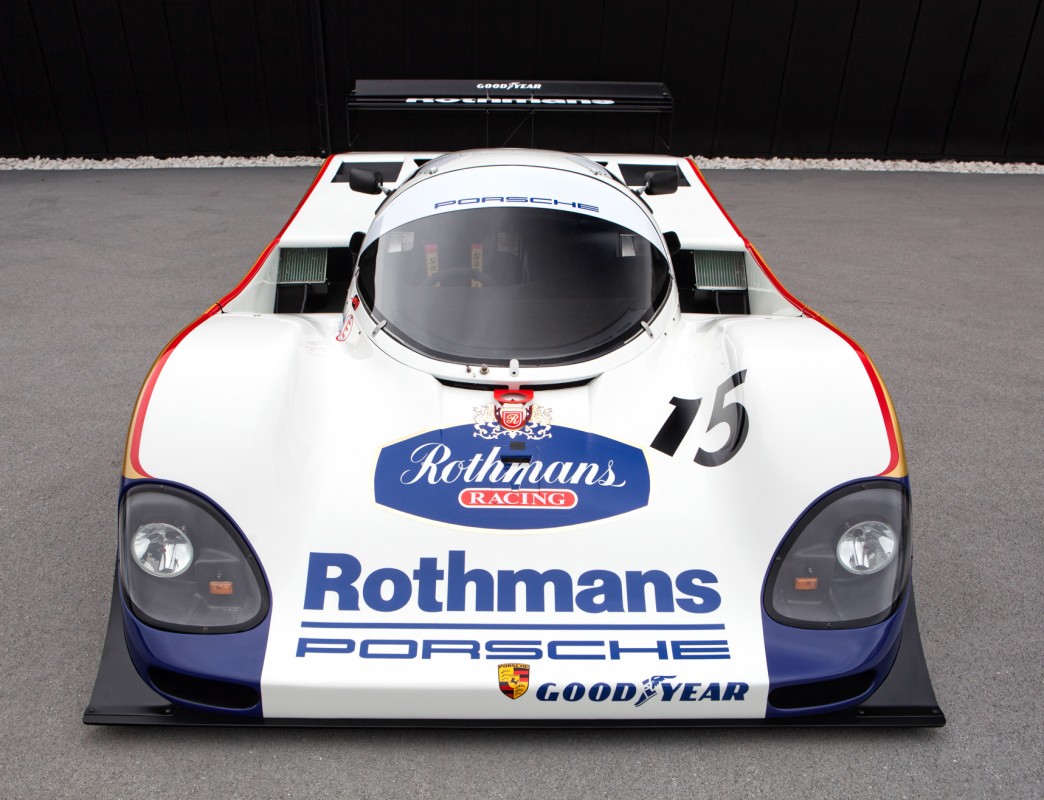
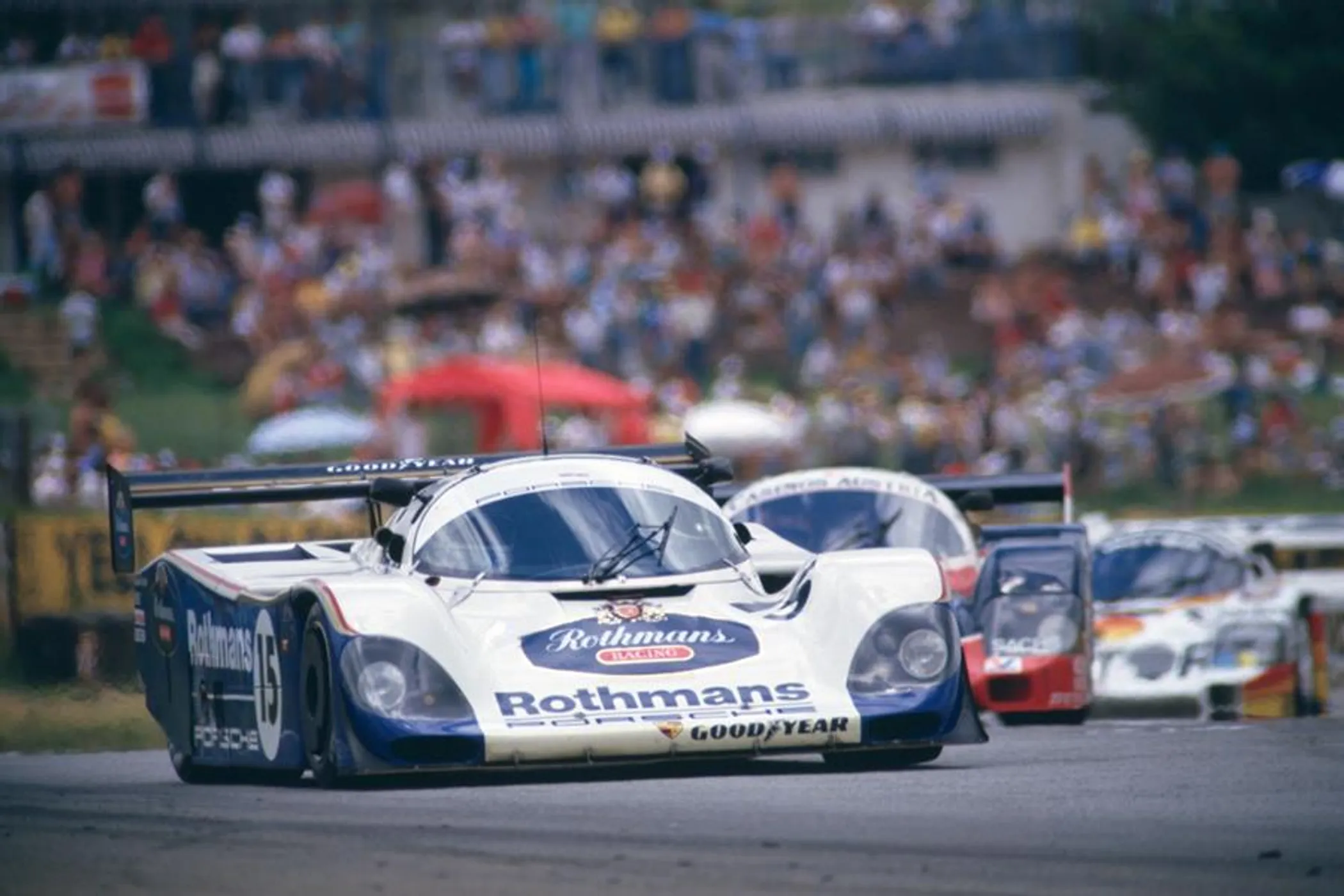
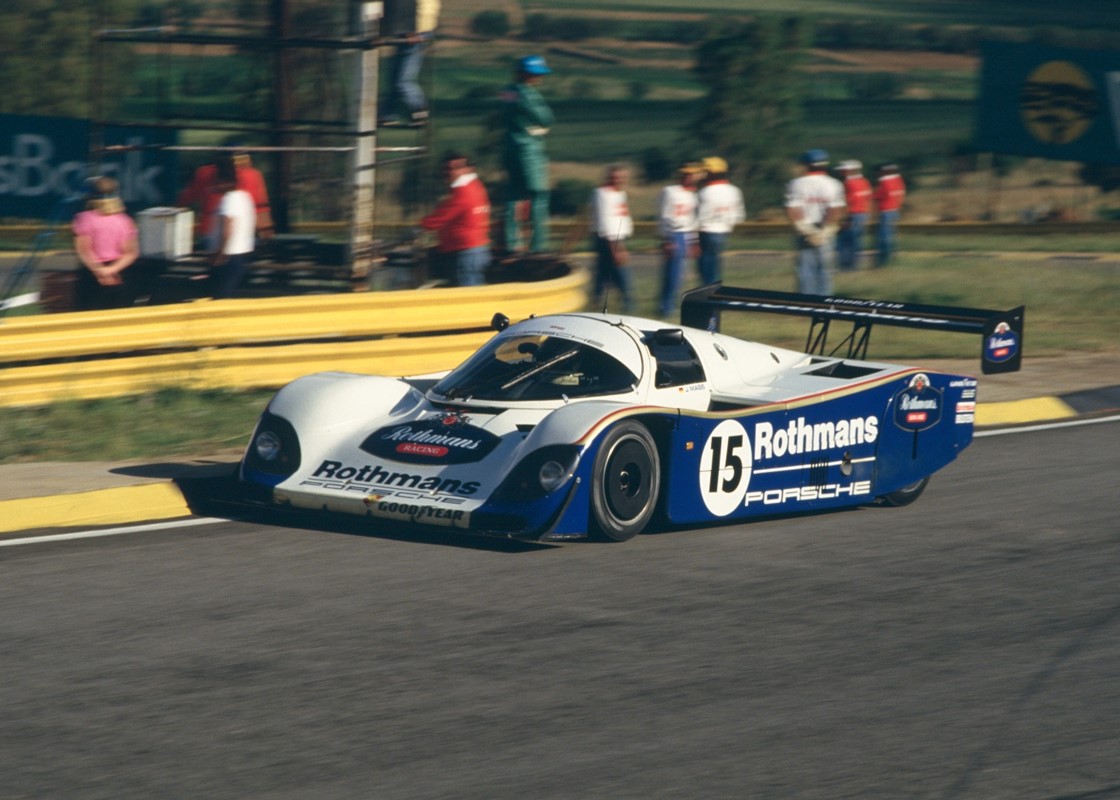
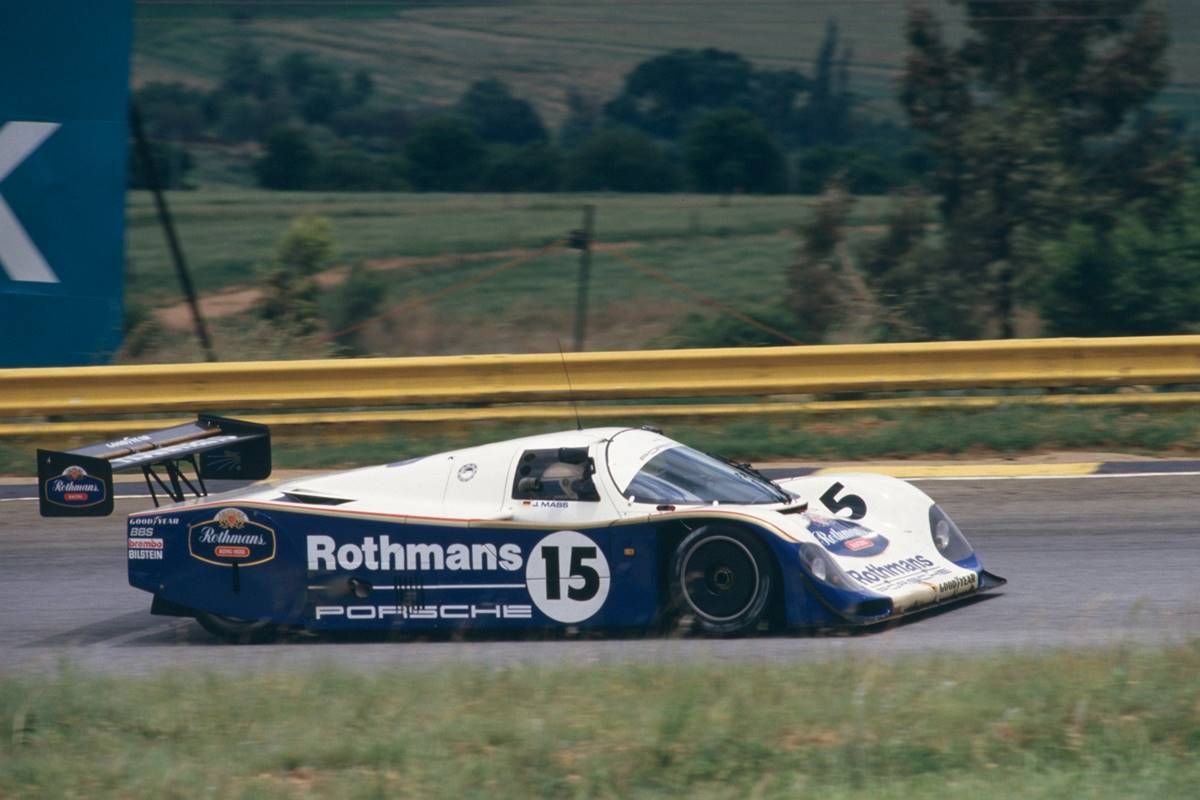
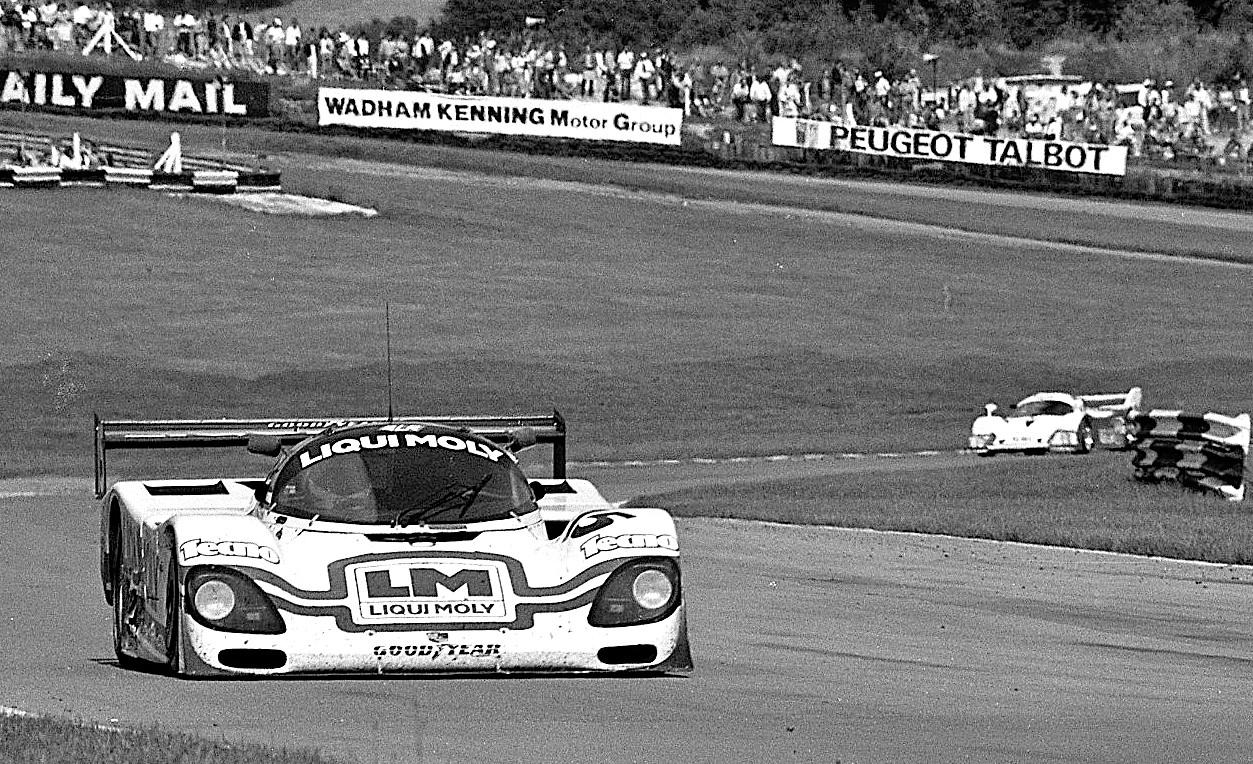
By the time the 1987 World Sportscar Championship grid formed, the Group C category had escalated into a terrifying, high-stakes arms race governed by fuel efficiency and composite materials. The factory Porsche 962C, an evolution of the immortal 956, had ruled the globe for a half-decade. However, the teutonic giant was finally beginning to show its age. The 962’s traditional folded aluminum sheet monocoque was flexing under the immense aerodynamic loads of modern racing, leaving the factory cars vulnerable to the revolutionary, carbon-fiber-tubbed Jaguar XJR-8s campaigned by Tom Walkinshaw Racing. While Zuffenhausen remained stubbornly committed to its original chassis architecture, the British privateer outfit Richard Lloyd Racing (RLR) simply refused to accept this structural handicap. Armed with immense ambition and a deep understanding of the 962’s unrealized potential, Richard Lloyd commissioned the brilliant designer Nigel Stroud to effectively reinvent the Porsche prototype. The result was the 1987 Porsche 962C GTi 2.8, an uncompromising, bespoke masterpiece that blurred the line between customer car and independent constructor, explicitly built to beat both the Jaguars and the factory Rothmans Porsches at their own game.
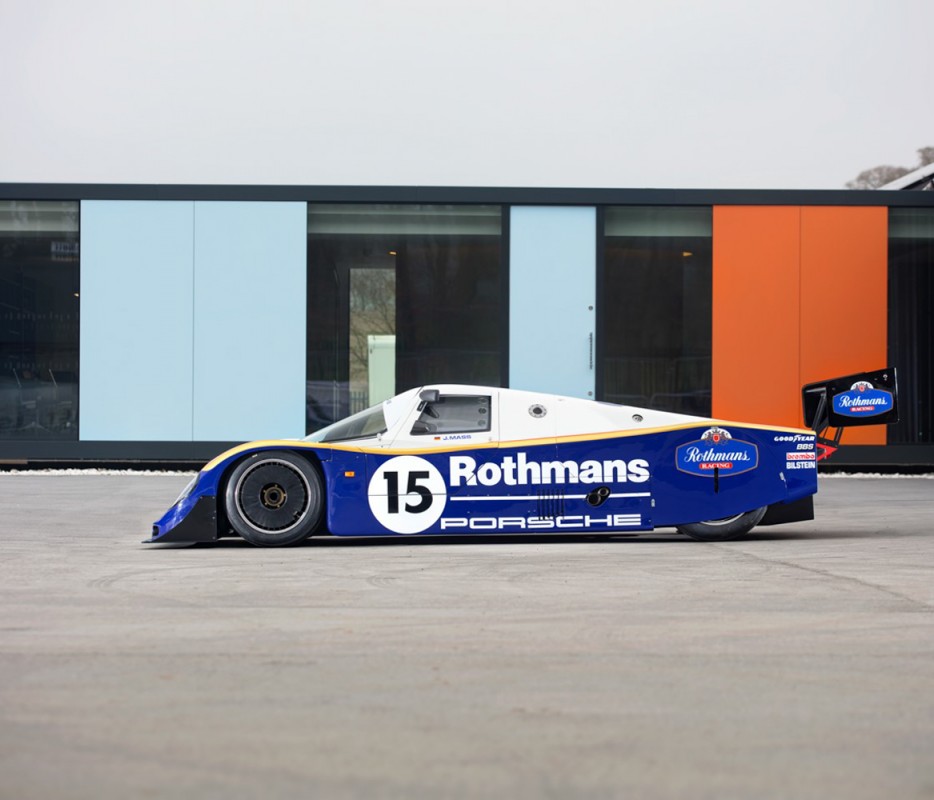
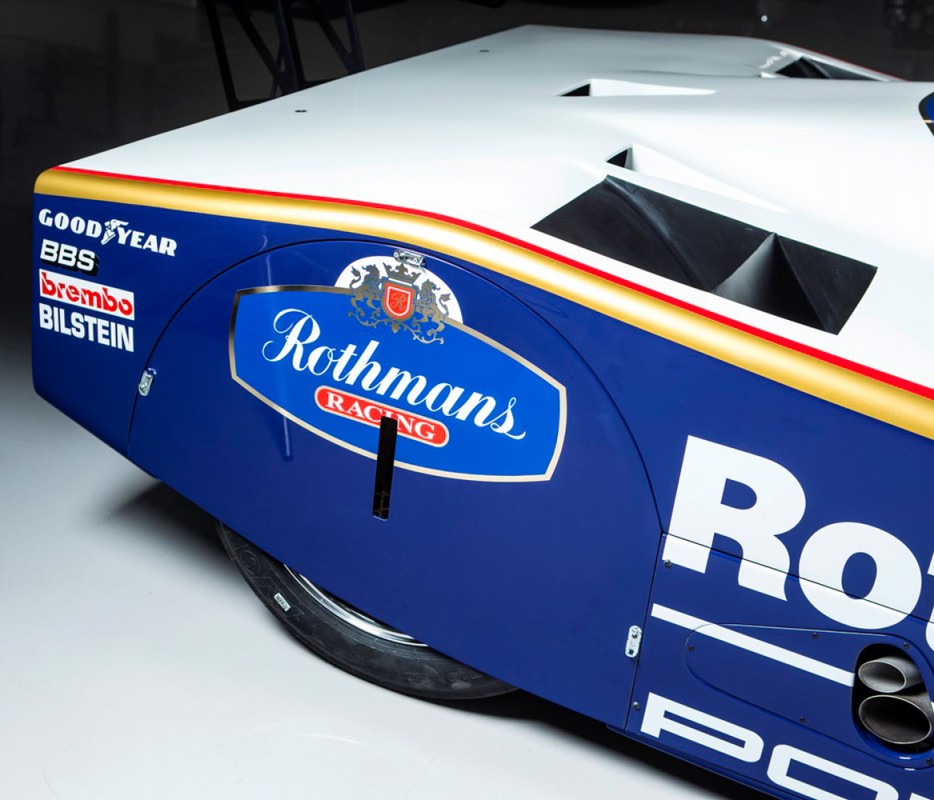
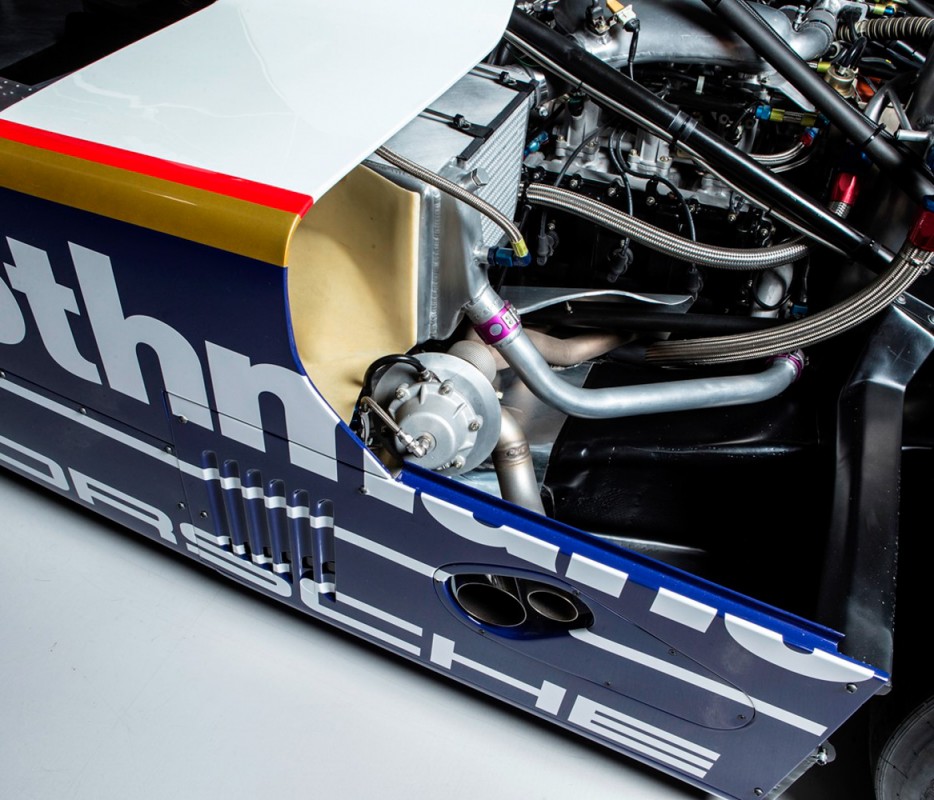
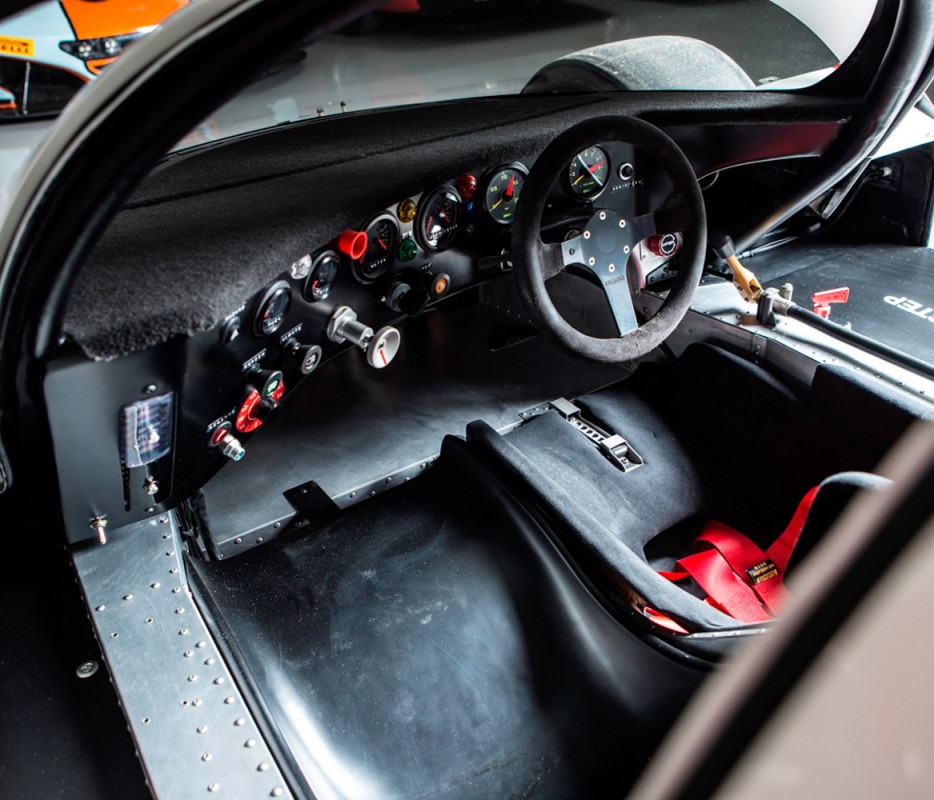
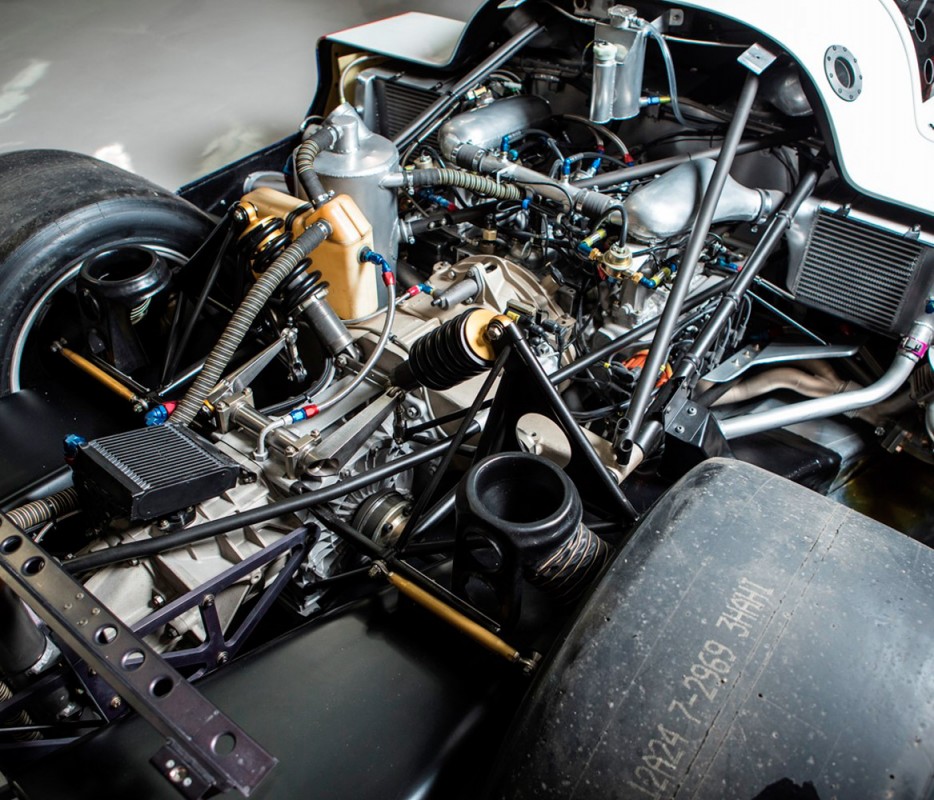
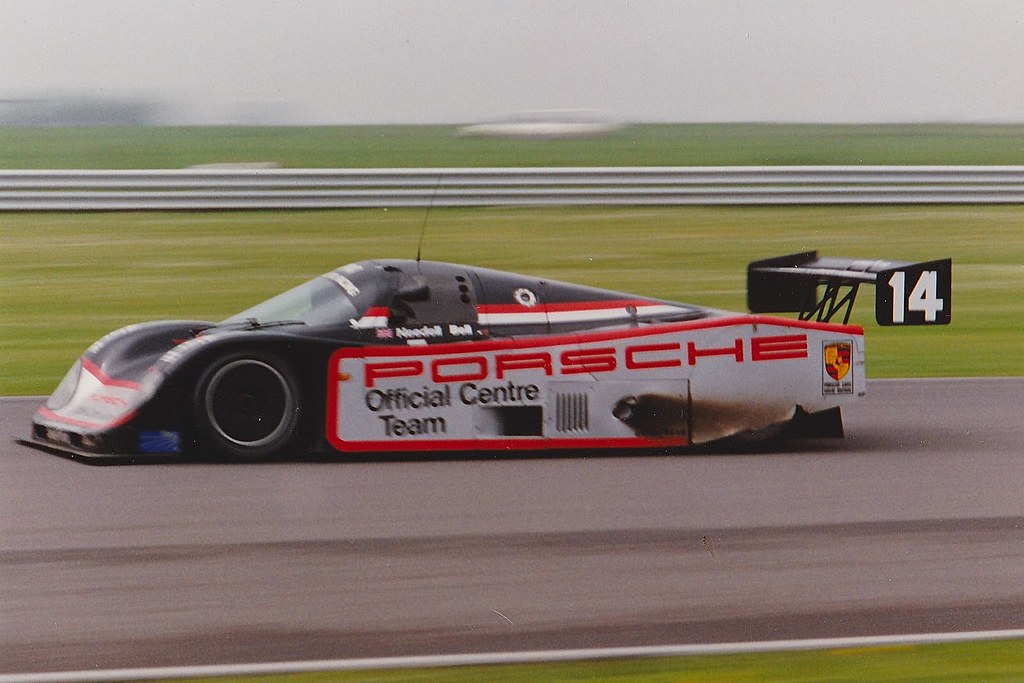
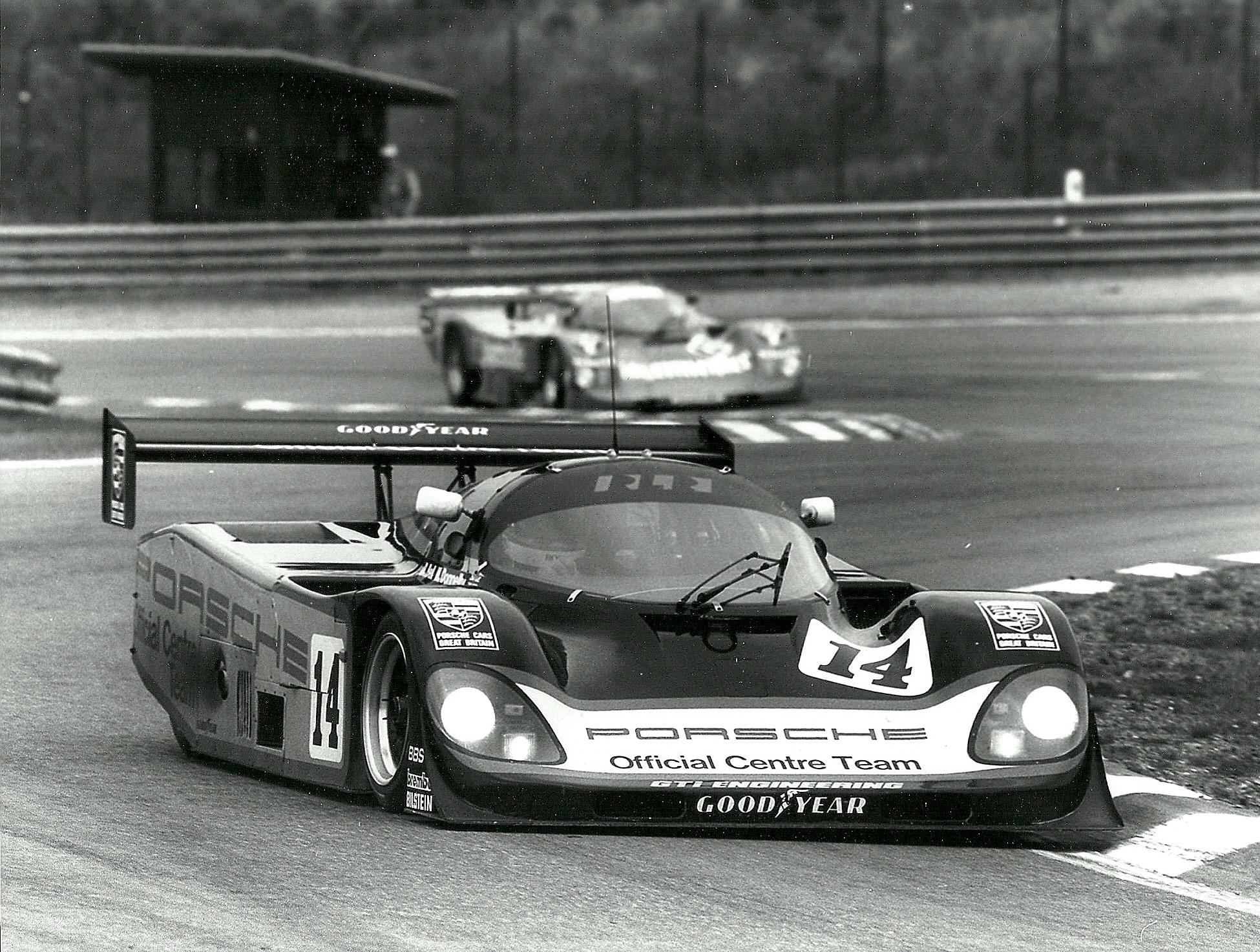
Nigel Stroud discarded the factory’s folded sheet aluminum tub entirely. In its place, he designed a vastly superior monocoque constructed from aluminum honeycomb and carbon-composite bulkheads. This bespoke tub was significantly lighter, drastically safer, and most importantly, immensely stiffer than the standard factory chassis, allowing the suspension to work with surgical precision rather than fighting the flex of the car itself. Aerodynamically, the GTi was a radical departure from the traditional Zuffenhausen teardrop. Stroud reshaped the nose to improve front-end downforce and relocated the radiators to optimize airflow. However, the most distinctive visual signature of the GTi was its rear wing. Instead of mounting the wing to the extended bodywork like the factory cars, Stroud suspended it on a massive central pylon mounted directly to the gearbox, ensuring that the immense aerodynamic downforce was transferred straight into the chassis and rear tires. Beneath this sculpted, low-drag bodywork lay the formidable 2.8-liter, fully water-cooled twin-turbo flat-six engine. Managed by the highly sophisticated Bosch Motronic engine management system, this iteration of the Type 935 powerplant was tuned for maximum efficiency, producing roughly 700 brake horsepower while strictly adhering to the draconian Group C fuel allocation limits.
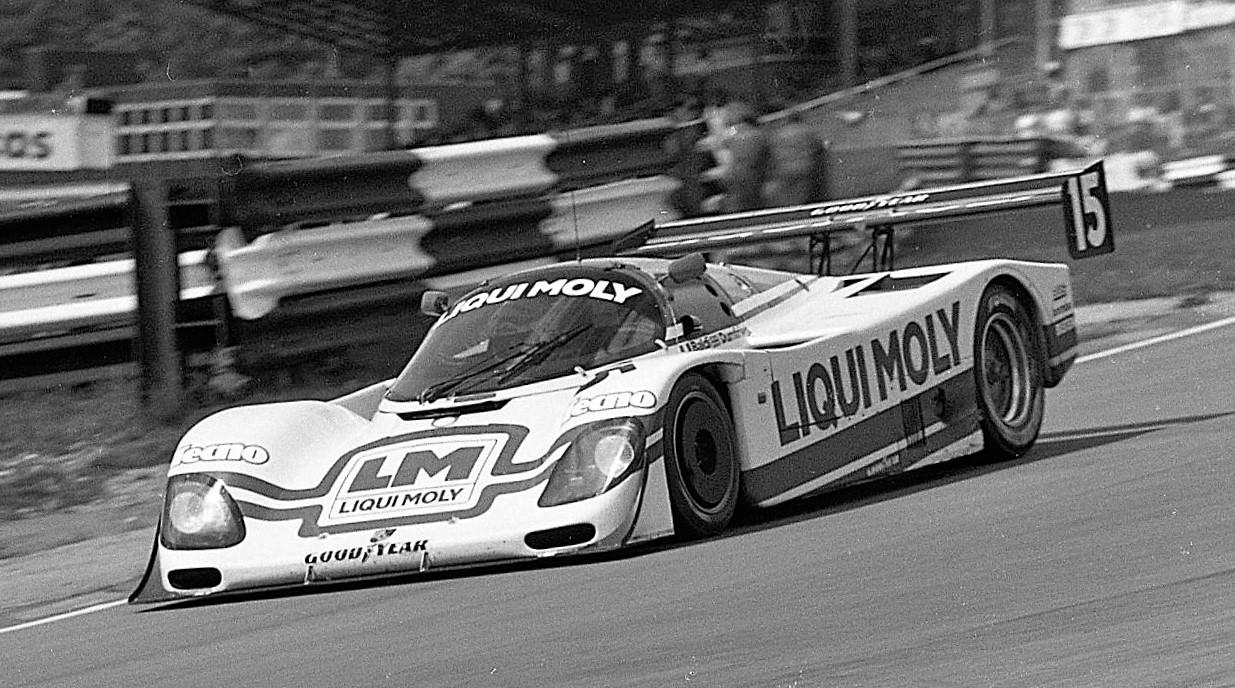
On the track, the 1987 Porsche 962C GTi 2.8 proved to be an absolute revelation, immediately establishing Richard Lloyd Racing not just as a participant, but as a genuine threat to the established factory titans. Draped in the stark, aggressive black and white livery of Liqui Moly, the RLR machine was primarily piloted by the exceptionally talented duo of Jonathan Palmer and Mauro Baldi. The stiffer honeycomb chassis allowed the drivers to attack corners with a level of aggression that standard 962s simply could not sustain. The defining moment of the 1987 season for this bespoke submodel occurred at the notoriously bumpy, high-speed Norisring street circuit in Germany. In a spectacular display of privateer brilliance, Jonathan Palmer and Mauro Baldi utilized the superior mechanical grip and braking stability of their Stroud-designed chassis to secure an outright victory in the 200 Miles of Norisring. They didn’t just win; they utterly humiliated the mighty factory Rothmans Porsches on their home soil and vanquished the seemingly invincible TWR Jaguars. Throughout the 1987 season, the Liqui Moly GTi proved to be a consistent front-runner in both the World Sportscar Championship and the fiercely contested German Supercup series, frequently serving as the fastest Porsche on the grid.
Richard Lloyd and Nigel Stroud proved that with enough engineering ingenuity, a privateer team could take a globally standardized factory weapon, cure its inherent flaws, and build a car capable of toppling motorsport giants. The honeycomb chassis and aerodynamic innovations introduced by the GTi not only extended the competitive lifespan of the 962 architecture into the late 1980s, but also forced the Porsche factory to ultimately rethink their own chassis development in the twilight years of Group C.
Brand
Produced from
Portal
Vehicle category
Model line
Predecessor
Sucessor
Brand
Produced from
Portal
Vehicle category
Model line
Model generation
Predecessor
Sucessor
Submodel Overview
By the time the 1987 World Sportscar Championship grid formed, the Group C category had escalated into a terrifying, high-stakes arms race governed by fuel efficiency and composite materials. The factory Porsche 962C, an evolution of the immortal 956, had ruled the globe for a half-decade. However, the teutonic giant was finally beginning to show its age. The 962’s traditional folded aluminum sheet monocoque was flexing under the immense aerodynamic loads of modern racing, leaving the factory cars vulnerable to the revolutionary, carbon-fiber-tubbed Jaguar XJR-8s campaigned by Tom Walkinshaw Racing. While Zuffenhausen remained stubbornly committed to its original chassis architecture, the British privateer outfit Richard Lloyd Racing (RLR) simply refused to accept this structural handicap. Armed with immense ambition and a deep understanding of the 962’s unrealized potential, Richard Lloyd commissioned the brilliant designer Nigel Stroud to effectively reinvent the Porsche prototype. The result was the 1987 Porsche 962C GTi 2.8, an uncompromising, bespoke masterpiece that blurred the line between customer car and independent constructor, explicitly built to beat both the Jaguars and the factory Rothmans Porsches at their own game.
Nigel Stroud discarded the factory’s folded sheet aluminum tub entirely. In its place, he designed a vastly superior monocoque constructed from aluminum honeycomb and carbon-composite bulkheads. This bespoke tub was significantly lighter, drastically safer, and most importantly, immensely stiffer than the standard factory chassis, allowing the suspension to work with surgical precision rather than fighting the flex of the car itself. Aerodynamically, the GTi was a radical departure from the traditional Zuffenhausen teardrop. Stroud reshaped the nose to improve front-end downforce and relocated the radiators to optimize airflow. However, the most distinctive visual signature of the GTi was its rear wing. Instead of mounting the wing to the extended bodywork like the factory cars, Stroud suspended it on a massive central pylon mounted directly to the gearbox, ensuring that the immense aerodynamic downforce was transferred straight into the chassis and rear tires. Beneath this sculpted, low-drag bodywork lay the formidable 2.8-liter, fully water-cooled twin-turbo flat-six engine. Managed by the highly sophisticated Bosch Motronic engine management system, this iteration of the Type 935 powerplant was tuned for maximum efficiency, producing roughly 700 brake horsepower while strictly adhering to the draconian Group C fuel allocation limits.
On the track, the 1987 Porsche 962C GTi 2.8 proved to be an absolute revelation, immediately establishing Richard Lloyd Racing not just as a participant, but as a genuine threat to the established factory titans. Draped in the stark, aggressive black and white livery of Liqui Moly, the RLR machine was primarily piloted by the exceptionally talented duo of Jonathan Palmer and Mauro Baldi. The stiffer honeycomb chassis allowed the drivers to attack corners with a level of aggression that standard 962s simply could not sustain. The defining moment of the 1987 season for this bespoke submodel occurred at the notoriously bumpy, high-speed Norisring street circuit in Germany. In a spectacular display of privateer brilliance, Jonathan Palmer and Mauro Baldi utilized the superior mechanical grip and braking stability of their Stroud-designed chassis to secure an outright victory in the 200 Miles of Norisring. They didn’t just win; they utterly humiliated the mighty factory Rothmans Porsches on their home soil and vanquished the seemingly invincible TWR Jaguars. Throughout the 1987 season, the Liqui Moly GTi proved to be a consistent front-runner in both the World Sportscar Championship and the fiercely contested German Supercup series, frequently serving as the fastest Porsche on the grid.
Richard Lloyd and Nigel Stroud proved that with enough engineering ingenuity, a privateer team could take a globally standardized factory weapon, cure its inherent flaws, and build a car capable of toppling motorsport giants. The honeycomb chassis and aerodynamic innovations introduced by the GTi not only extended the competitive lifespan of the 962 architecture into the late 1980s, but also forced the Porsche factory to ultimately rethink their own chassis development in the twilight years of Group C.
Tech Specs
Technical Specifications
Tech Specs
Technical Specifications
Engine
01
03
Internal combustion engine
Configuration
Porsche Type 935/82, Flat-6 (Boxer) - Fully water-cooled
Location
Mid, longitudinally mounted
Construction
Aluminium alloy block and heads
Displacement (cc)
2,856 cc
Displacement (cu in)
174.3 cu in
Compression
~7.5:1
Bore x Stroke
92.8 mm x 70.4 mm
Valvetrain
4 valves per cylinder, DOHC
Fuel feed
Bosch Motronic MP 1.2 electronic fuel injection
Lubrication
Dry sump
Aspiration
Turbocharged (Twin KKK turbochargers)
Output
Power (hp)
~700 hp
Power (kW)
~522 kW
Max power at
8,200 RPM
Torque (Nm)
~670 Nm
Torque (ft lbs)
~494 ft lbs
Max torque at
5,500 RPM
Drivetrain
02
03
Chassis
Type
Monocoque unibody
Material
Aluminium honeycomb with carbon fibre composite
Body
Material
Carbon fibre and Kevlar composite (Nigel Stroud aerodynamic design)
Transmission
Gearbox
Porsche 5-speed manual transaxle
Drive
Rear Wheel Drive (Locked solid spool differential)
Suspension
Front
Independent, double wishbones, pull-rod actuated coil springs over telescopic dampers, anti-roll bar
Rear
Independent, rocker arms, lower wishbones, coil springs over telescopic dampers, anti-roll bar
Steering
Type
Rack and pinion, unassisted
Brakes
Front
Ventilated steel discs Ø330 mm, 4-piston aluminium calipers
Rear
Ventilated steel discs Ø330 mm, 4-piston aluminium calipers
Wheels
Front
12" x 16" (BBS center-lock alloy)
Rear
14.75" x 16" (BBS center-lock alloy)
Tires
Front
-
Rear
-
Dimensions and performance
03
03
Dimensions
Length (mm)
4,800 mm
Length (in)
189.0 in
Width (mm)
2,000 mm
Width (in)
78.7 in
Height (mm)
1,013 mm
Height (in)
39.9 in
Wheelbase (mm)
2,770 mm
Wheelbase (in)
109.1 in
Weight (kg)
~850 kg
Weight (lbs)
~1,874 lbs
Performance
Power to weight
~0.82 hp/kg
Top speed (km/h)
~350 km/h
Top speed (mph)
~217 mph
0-100 km/h (0-60 mph)
~3.1 s