
Porsche 962C (Type 935/76) 2.6L
Brand
Produced from
Portal
Vehicle category
Model line
Predecessor
Successor
Submodel Overview
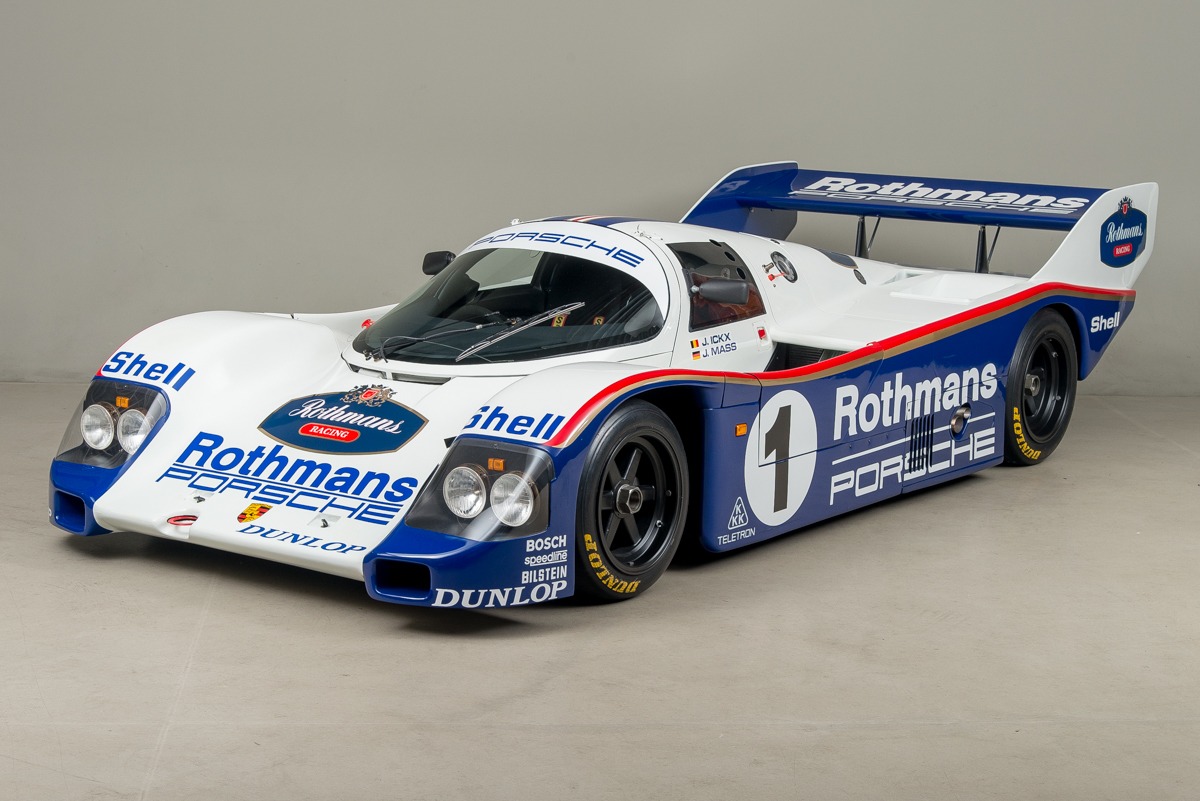
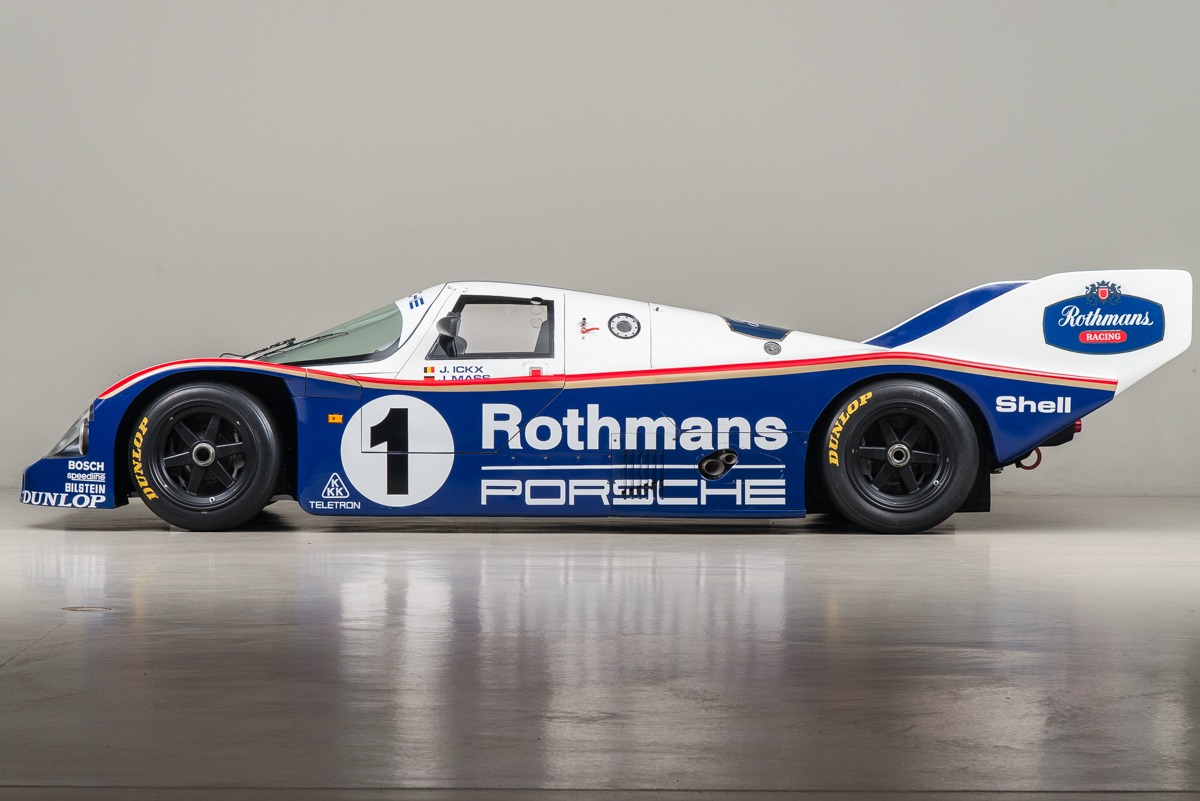
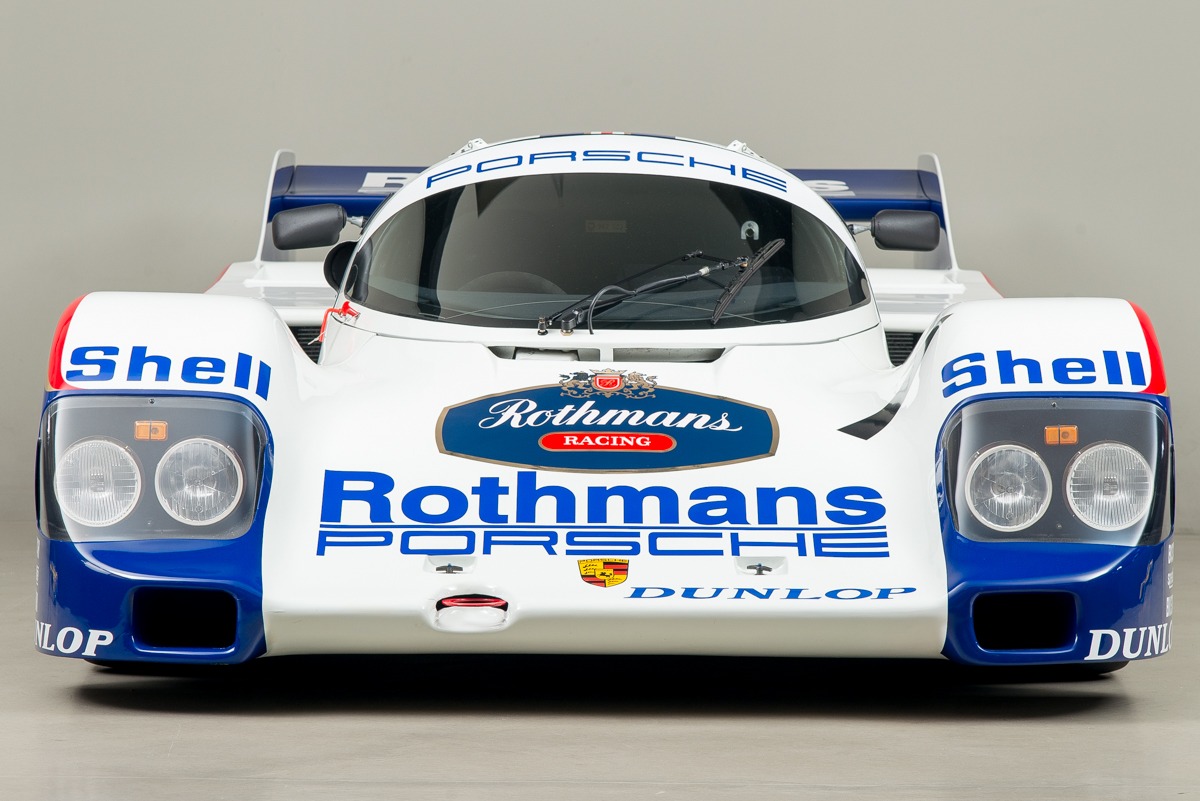
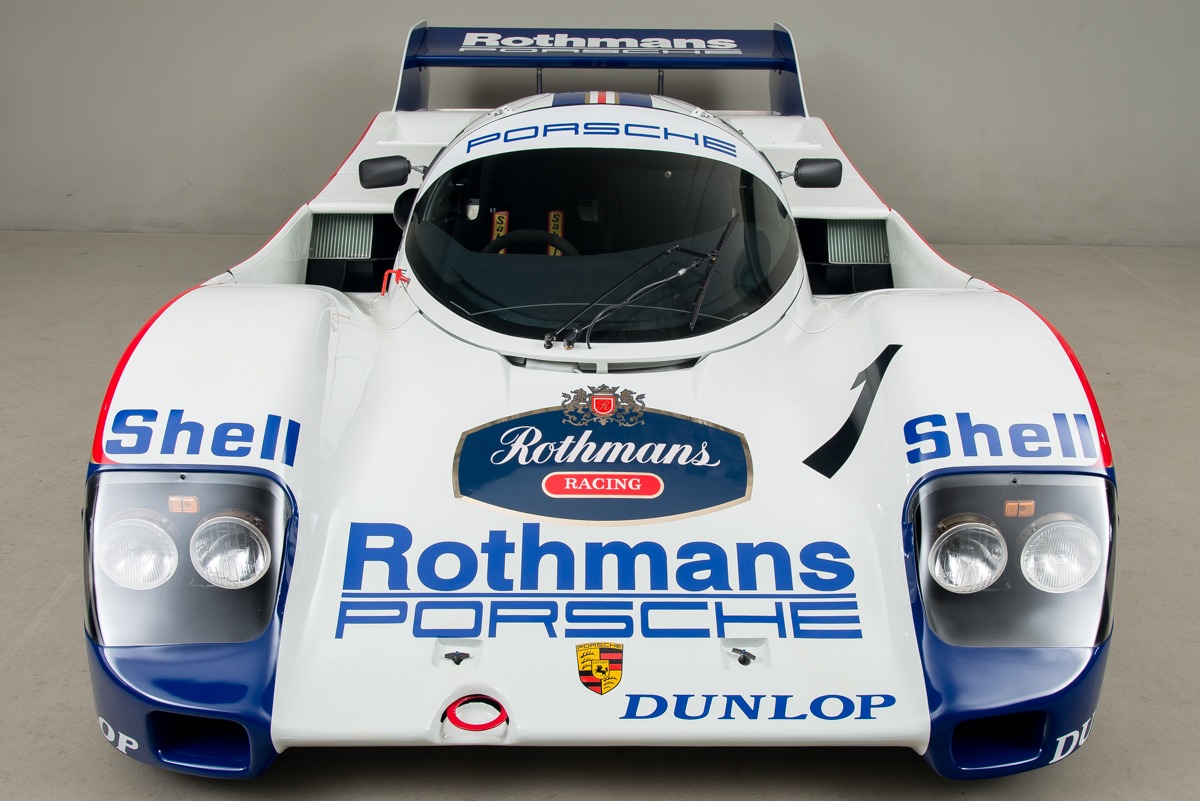
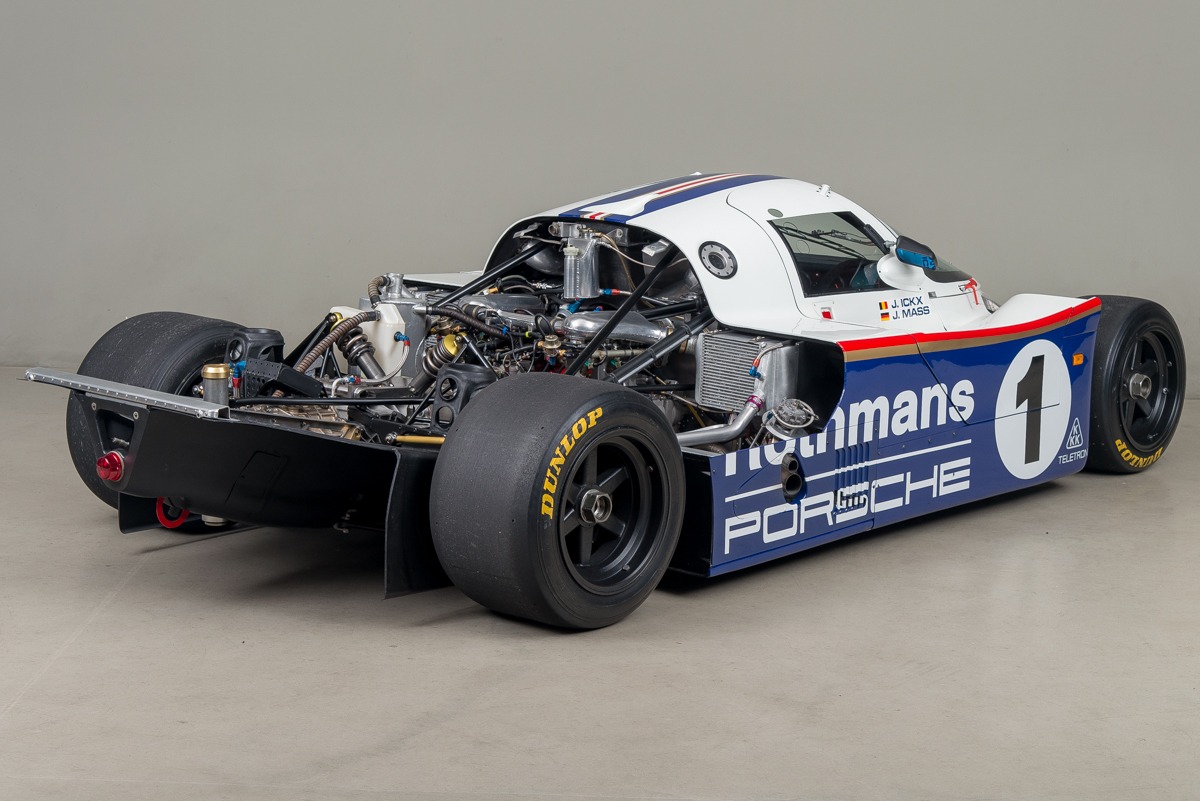
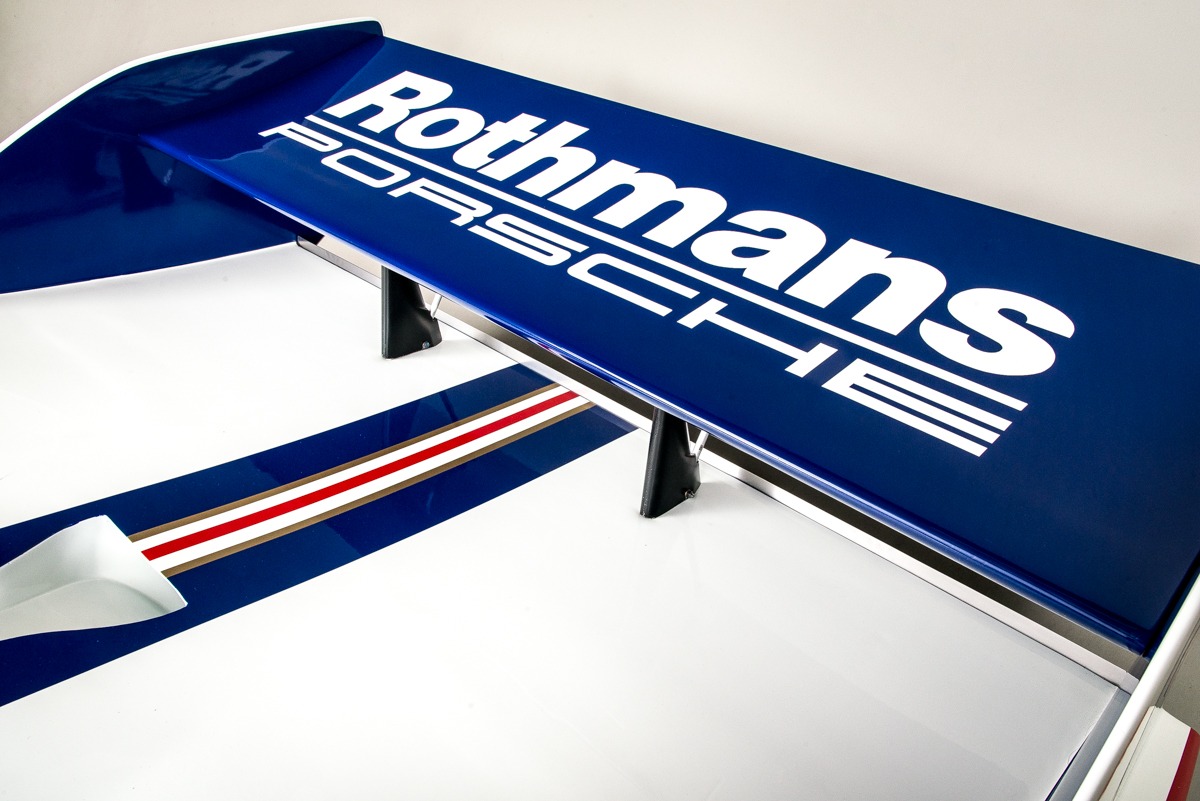
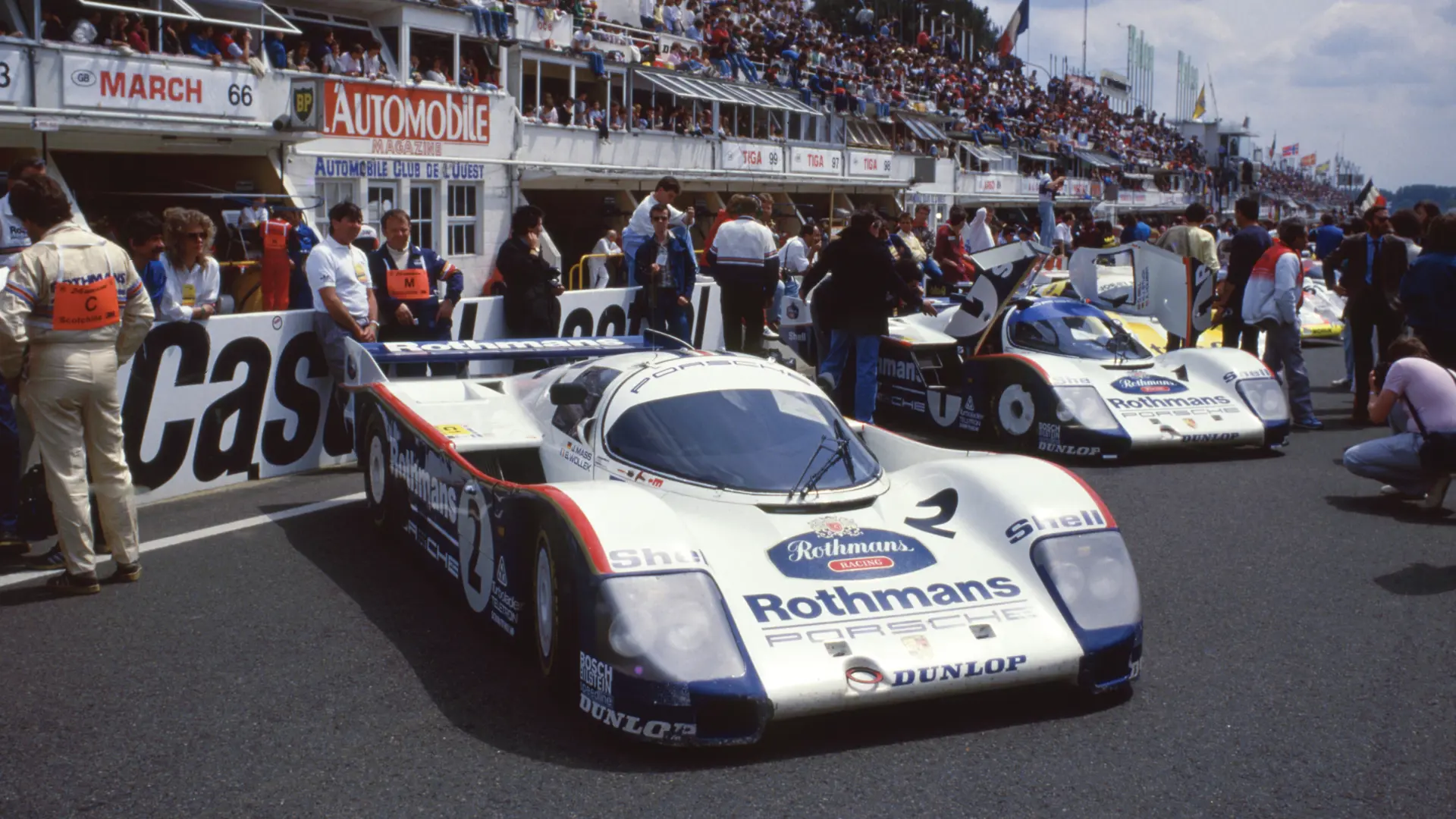
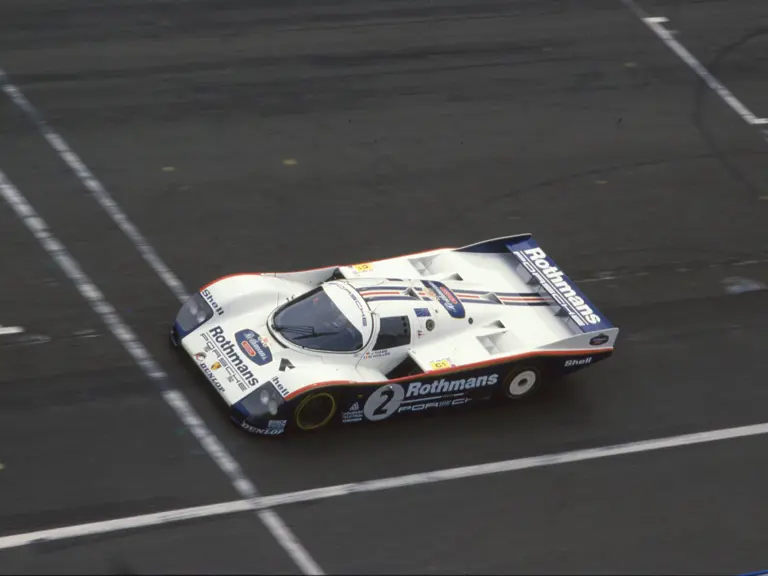
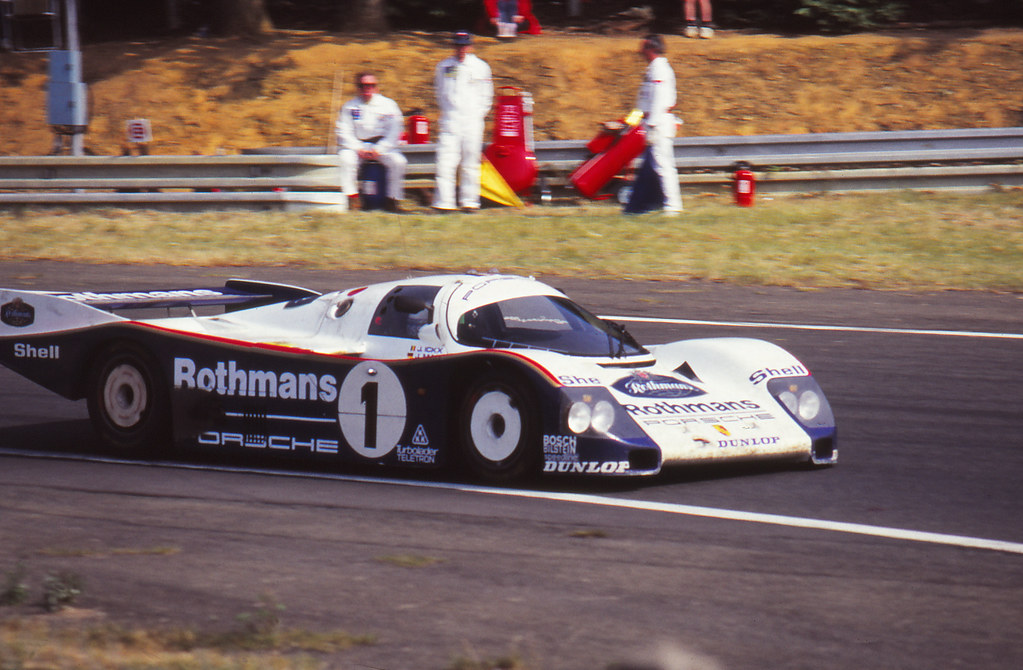
In the intoxicating, fuel-restricted crucible of the mid-1980s World Sportscar Championship, Zuffenhausen reigned supreme. The spectacular Porsche 956 had fundamentally rewritten the laws of aerodynamics and endurance racing, casting a long, dominant shadow over the Group C category since 1982. However, a storm of safety concerns was brewing. The 956’s design placed the driver’s pedal box perilously ahead of the front axle, a packaging flaw that the American IMSA governing body had already outlawed, forcing Porsche to create the lengthened 962 chassis for North America in 1984. Tragically, a series of devastating accidents in Europe highlighted the inherent vulnerability of the 956’s short wheelbase. Acting with characteristic teutonic pragmatism, Porsche made a vital corporate decision for the 1985 season: they would retire the works 956s and adopt the safer, elongated IMSA 962 chassis for global Group C competition. Thus, the 1985 Porsche 962C was born. Clad in the immortal blue, white, red, and gold of the Rothmans works team, it stepped into a fiercely contested arena. It was tasked with defending Porsche’s honor against the blistering, Ferrari-powered Lancia LC2s, which frequently possessed superior qualifying speed, and the emerging, menacing V12 threat from Tom Walkinshaw’s Jaguar XJR-6.
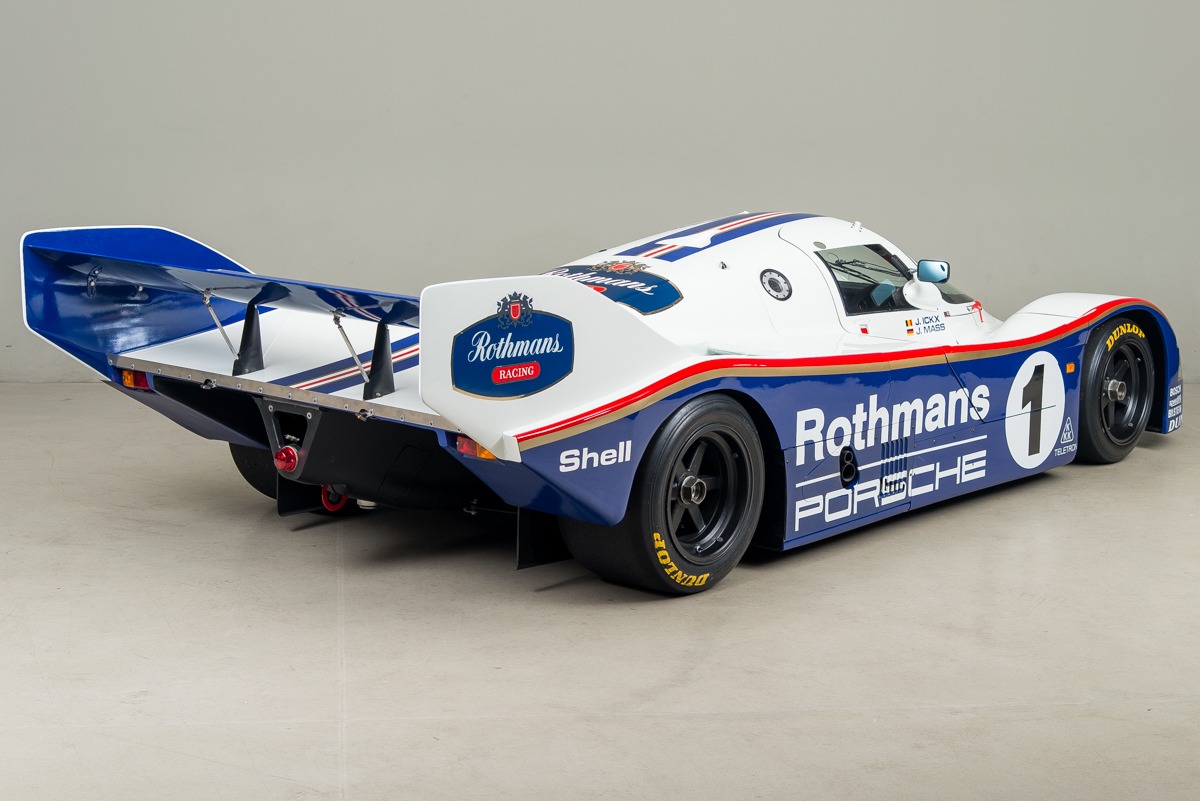
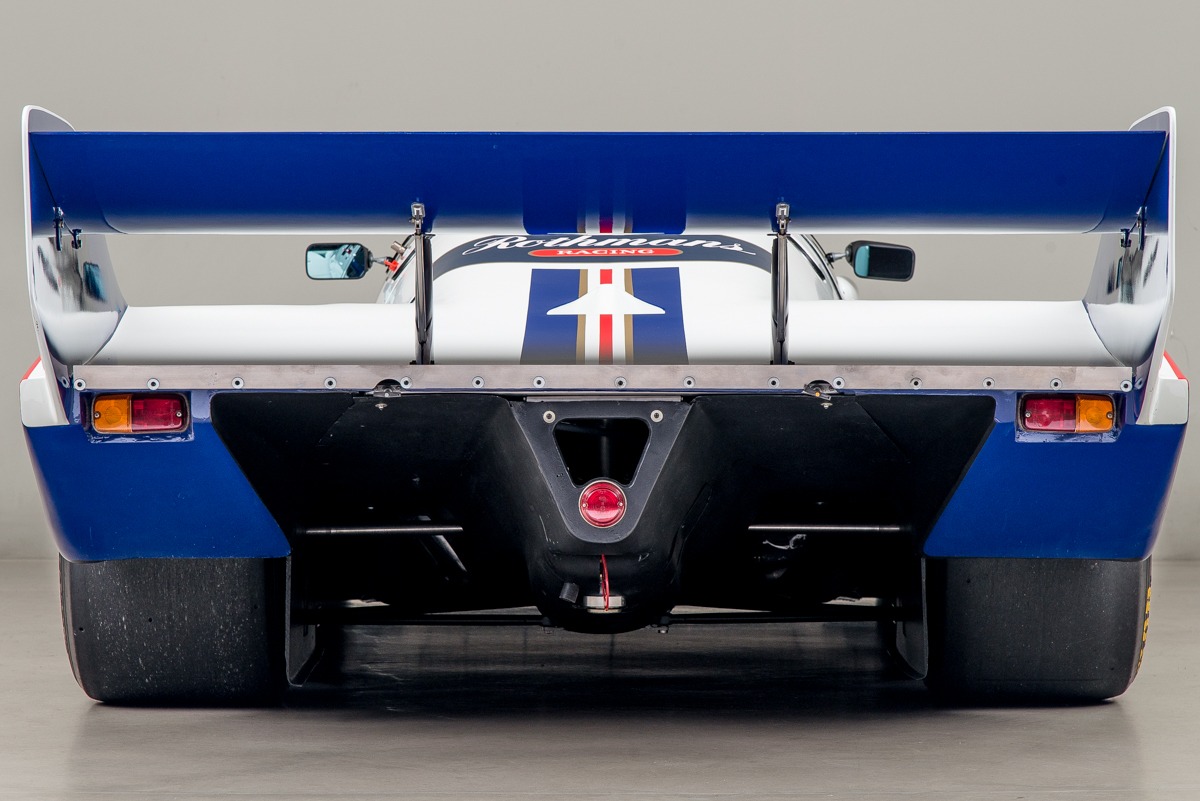
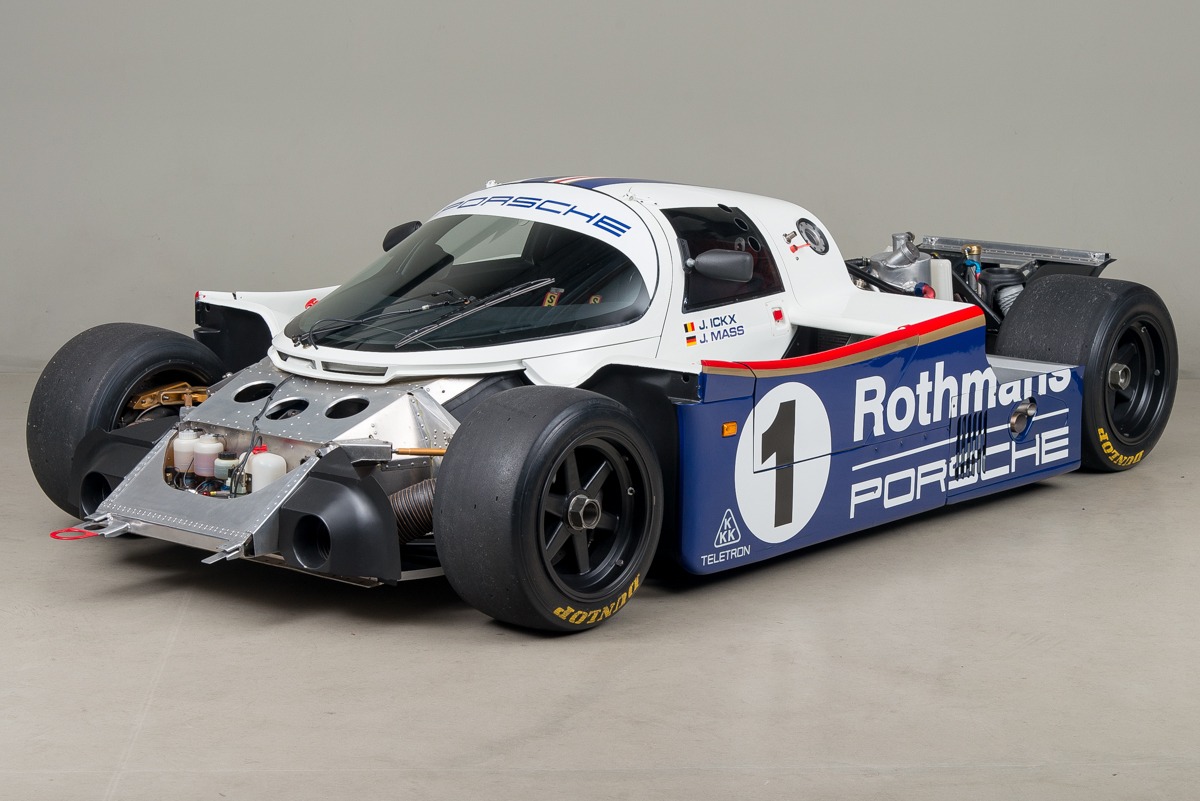
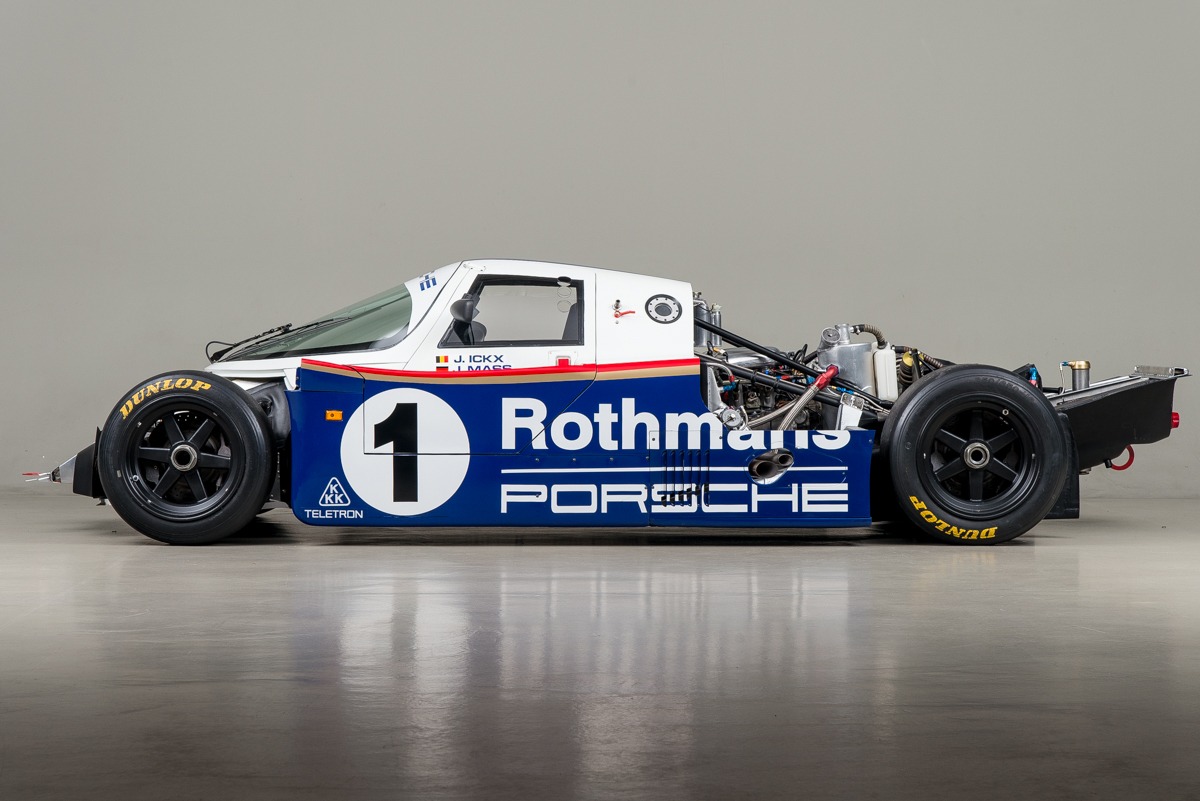
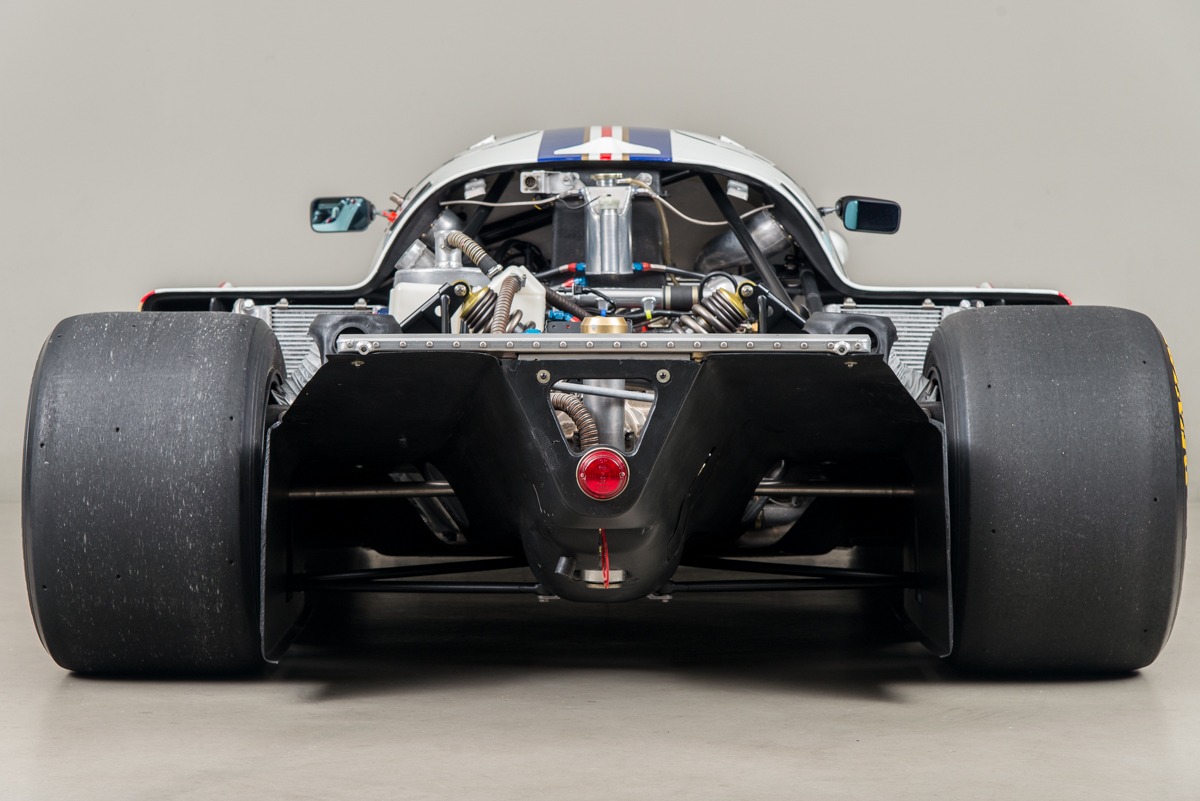
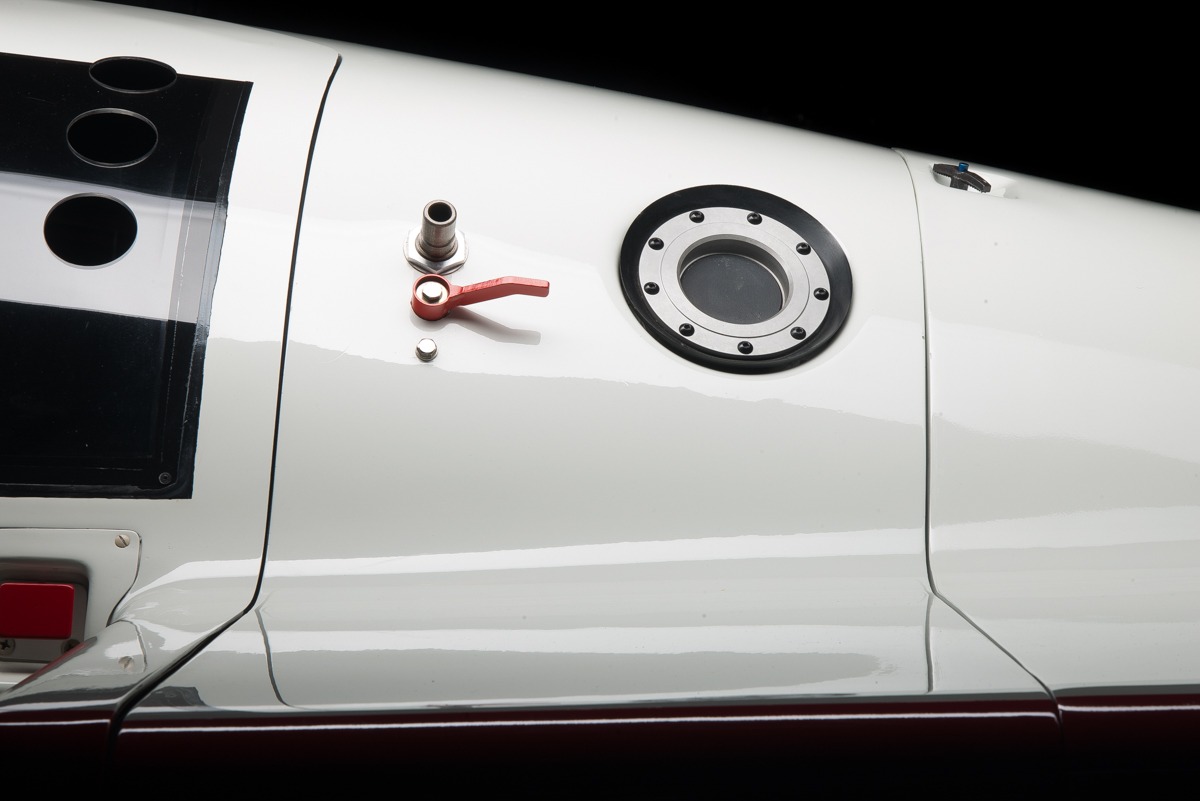
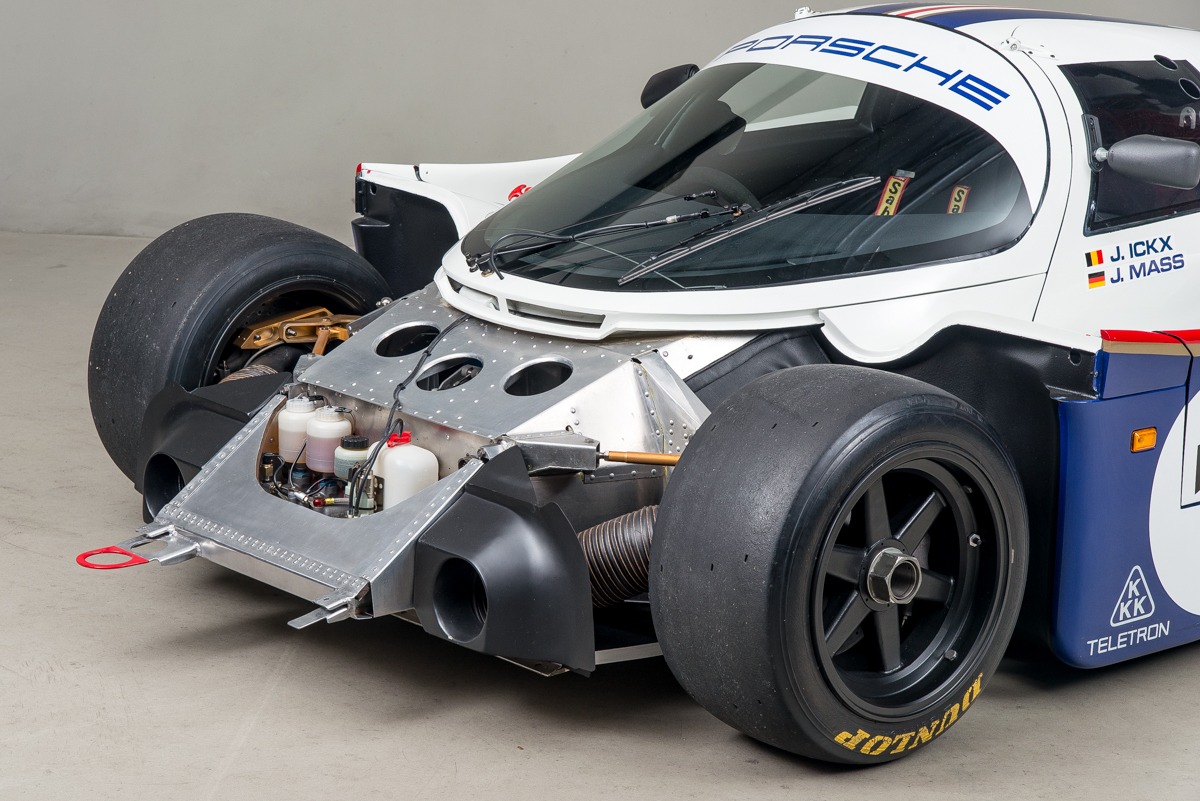
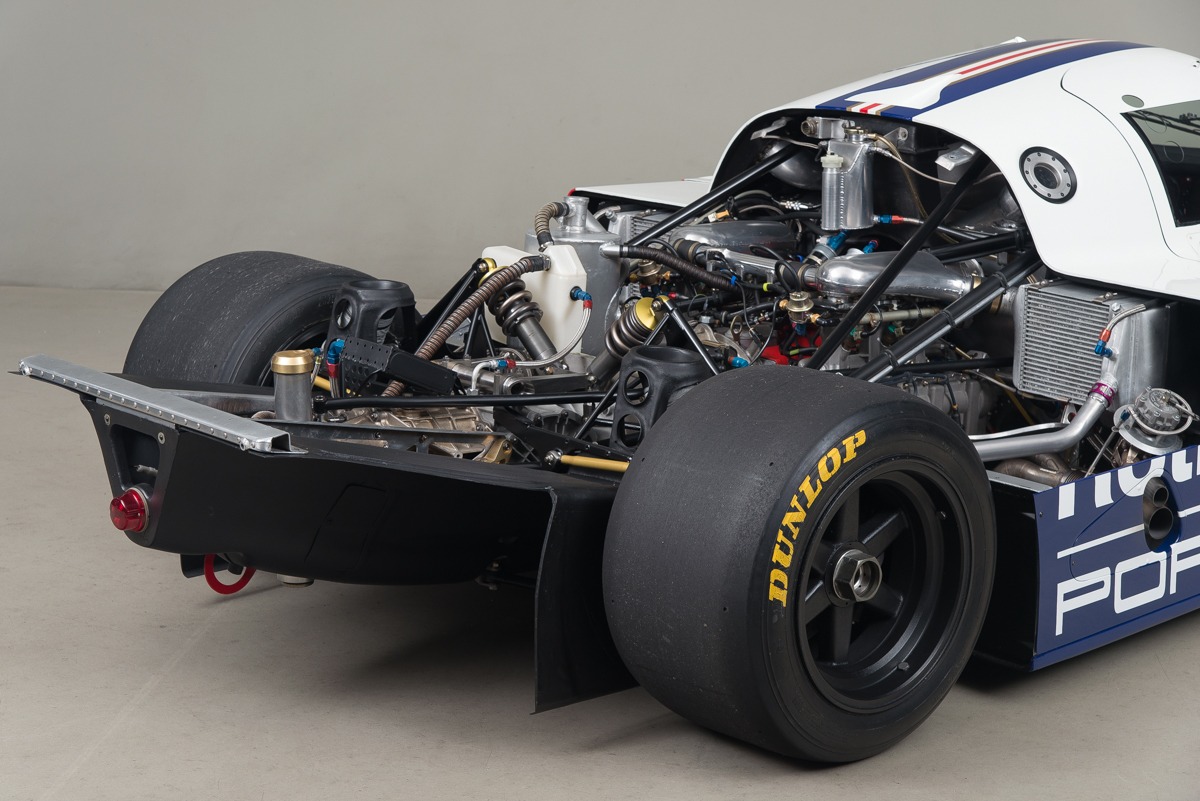
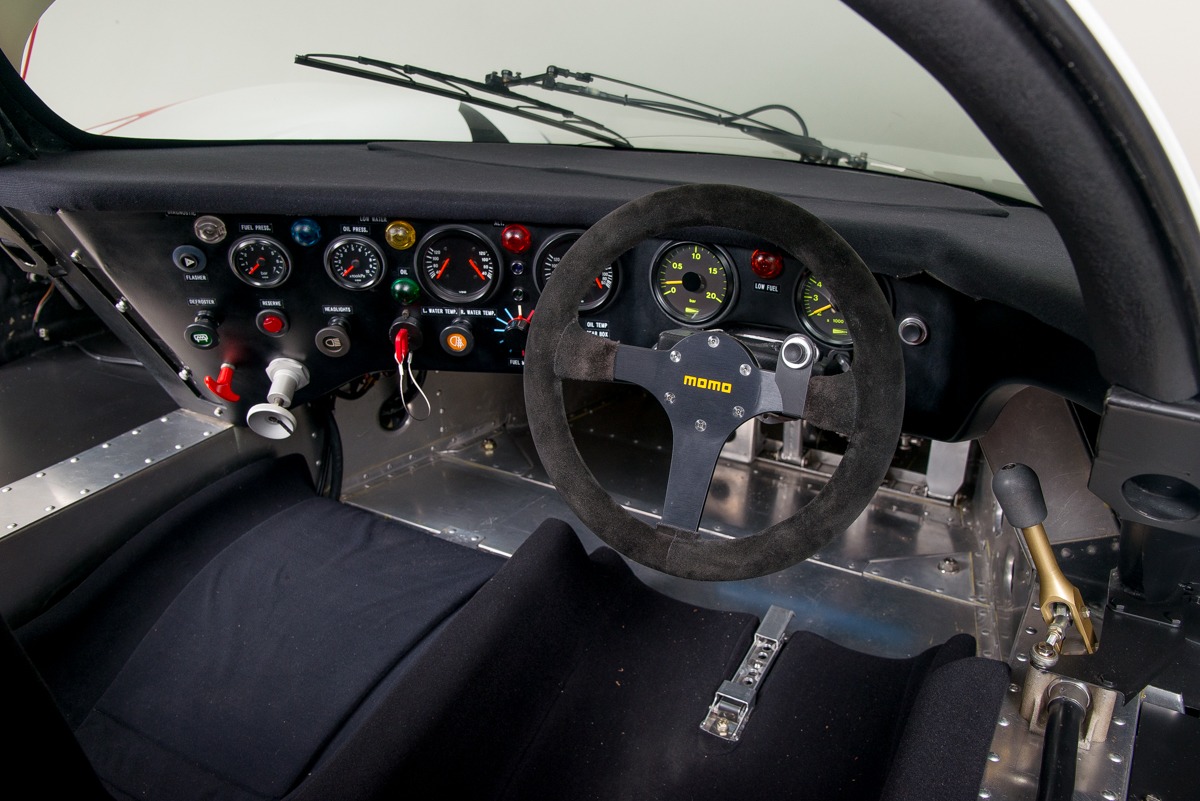
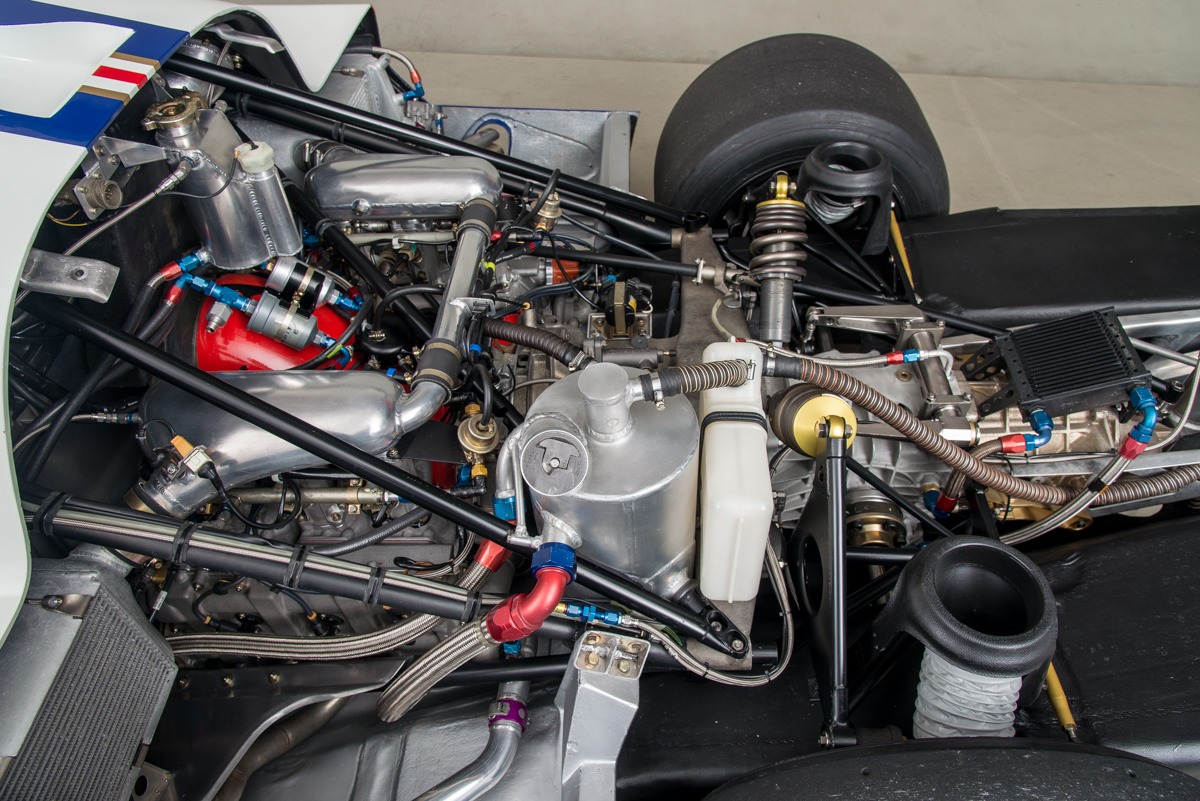
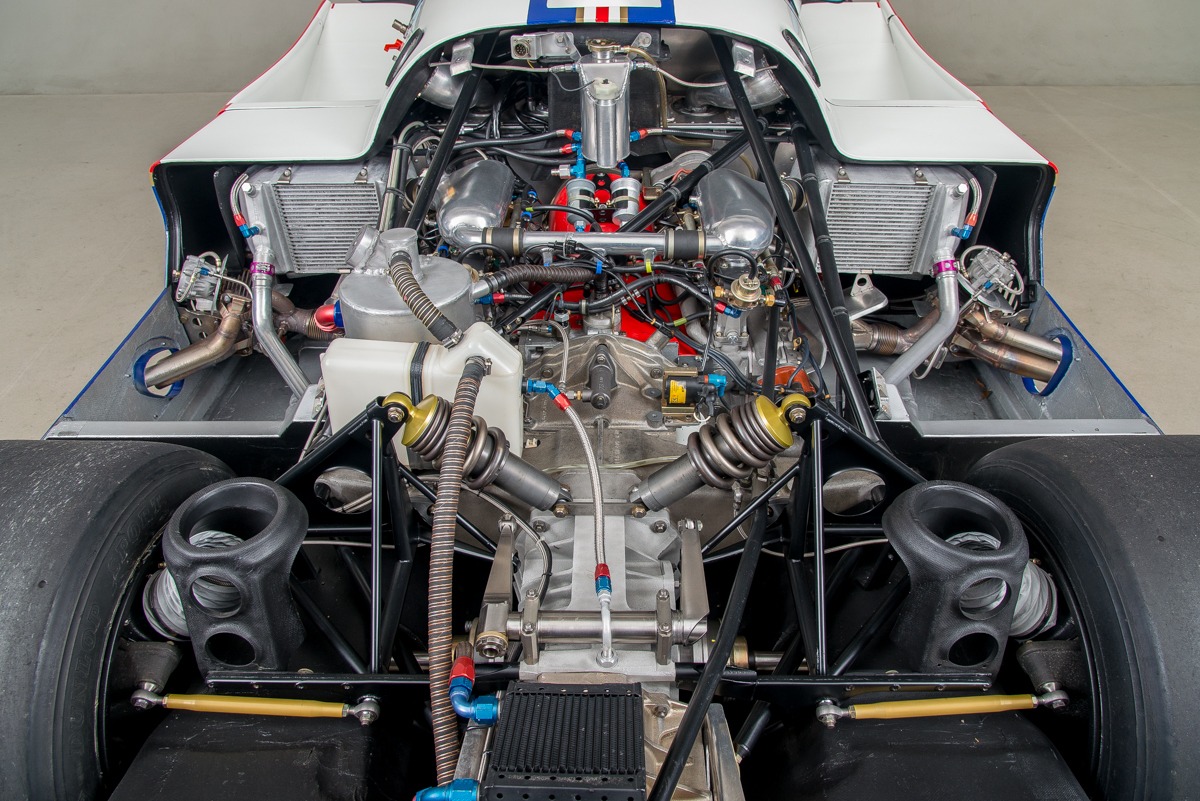
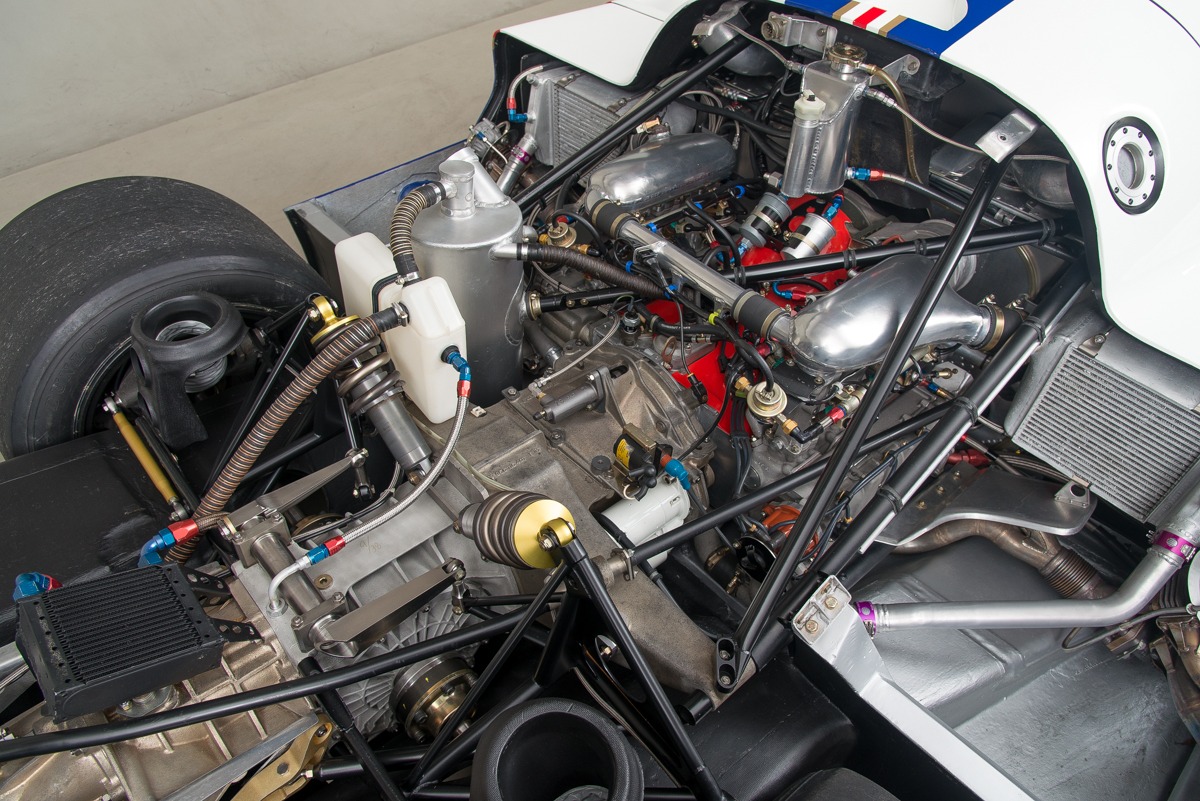
To peel away the impossibly sleek, aerodynamic Kevlar and fiberglass bodywork of the 1985 962C is to witness the absolute zenith of transitional endurance engineering. The foundation of the machine was Norbert Singer’s brilliantly revised aluminium sheet monocoque. By stretching the wheelbase by 120 millimeters compared to the 956, the front wheels were pushed forward, placing the driver’s feet safely behind the axle centerline while a mandatory steel roll cage was integrated to vastly improve structural rigidity. Yet, while the chassis was new to Europe, the beating heart of this specific variant was a trusted, highly evolved old friend. Because the fully water-cooled 2.8-liter and 3.0-liter engines were still under development, the 1985 factory 962Cs were initially propelled by the legendary Type 935/76 engine, lifted directly from the outgoing 956. This 2.65-liter (2,649cc) flat-six masterpiece featured traditional air-cooled cylinders mated to water-cooled four-valve cylinder heads. Breathing through twin KKK turbochargers and managed by a highly sophisticated Bosch Motronic electronic fuel injection system, it produced a reliable, whistling 680 brake horsepower. This engine was a paragon of Group C efficiency, perfectly calibrated to deliver immense power while surviving the draconian fuel consumption limits dictated by the FIA. The power was channeled through a five-speed, synchromesh manual transaxle, a rugged unit that required deliberate, mechanical shifts from the driver. Underneath, massive venturi tunnels generated monumental ground-effect downforce, sucking the car to the tarmac. Inside the right-hand-drive cockpit—designed to offer optimal sightlines and weight distribution for clockwise circuits like Le Mans—the driver sat practically on the floor, managing the immense aerodynamic grip and terrifying turbo-thrust in an ear-shattering, heat-soaked environment.
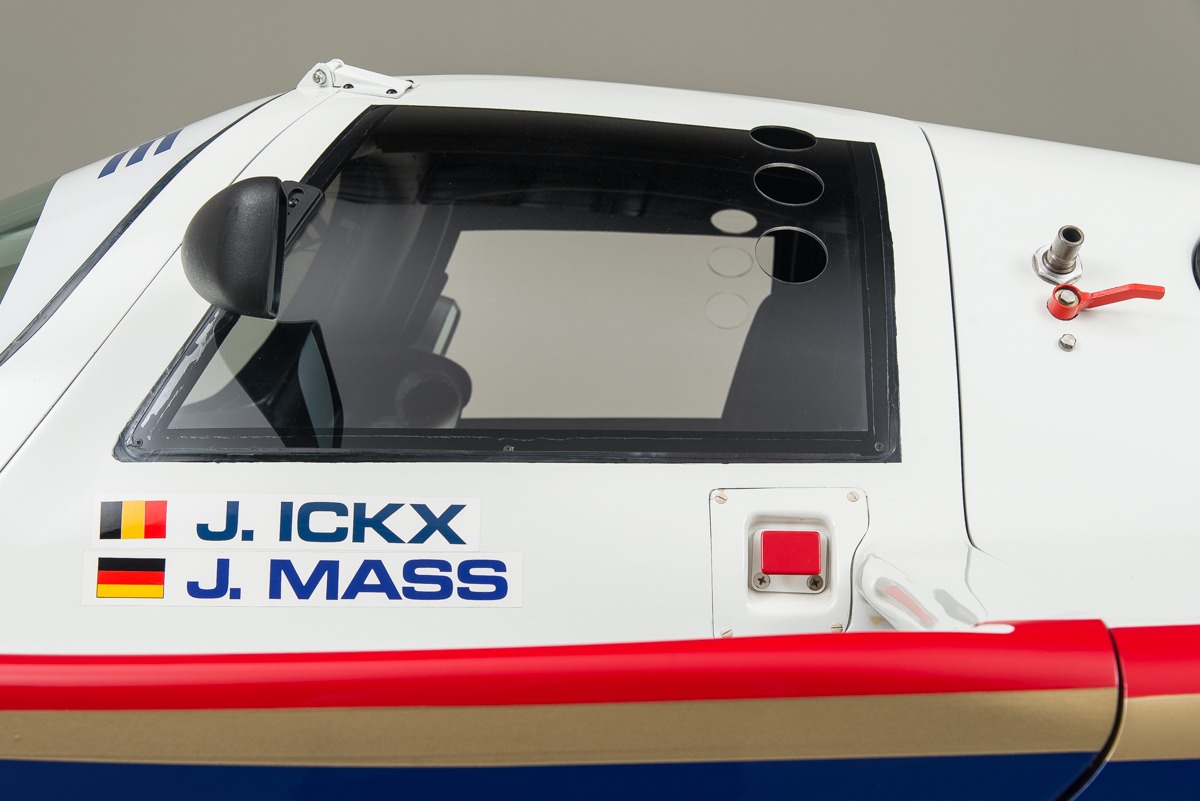
When the 1985 World Sportscar Championship commenced, the 962C proved to be an utterly devastating weapon in the hands of the works Rothmans Porsche squad. The driver pairing of British endurance legend Derek Bell and the charismatic German ace Hans-Joachim Stuck became an unstoppable force. While the Lancia LC2s frequently snatched pole positions with their explosive Ferrari V8 qualifying engines, the 962C relied on its superior fuel efficiency, unburstable Type 935/76 flat-six, and surgical pit strategy to break the Italian team’s heart over long distances. Bell and Stuck piloted the 962C to magnificent overall victories at the 1000km of Mugello, Monza, Silverstone, Hockenheim, Mosport, and Brands Hatch, decisively securing the World Sportscar Championship. However, the absolute mythological zenith of the 1985 season—and perhaps the greatest single moment in the 962C’s lifespan—occurred during qualifying for the 24 Hours of Le Mans. Hans-Joachim Stuck, utilizing a specialized qualifying engine map, pushed the Rothmans 962C to the absolute ragged edge of physical adhesion. He shattered the lap record, crossing the line in an astonishing 3:14.80 at an average speed of 251.815 km/h (156.47 mph)—a lap so terrifyingly fast that it stood as the fastest lap in Le Mans history for 32 years until the LMP1 hybrid era. Although a privately entered Joest 956 ultimately won the 1985 race due to fuel consumption issues hitting the works 962Cs, the sheer pace of Stuck’s qualifying lap proved the absolute aerodynamic and mechanical superiority of the new chassis.
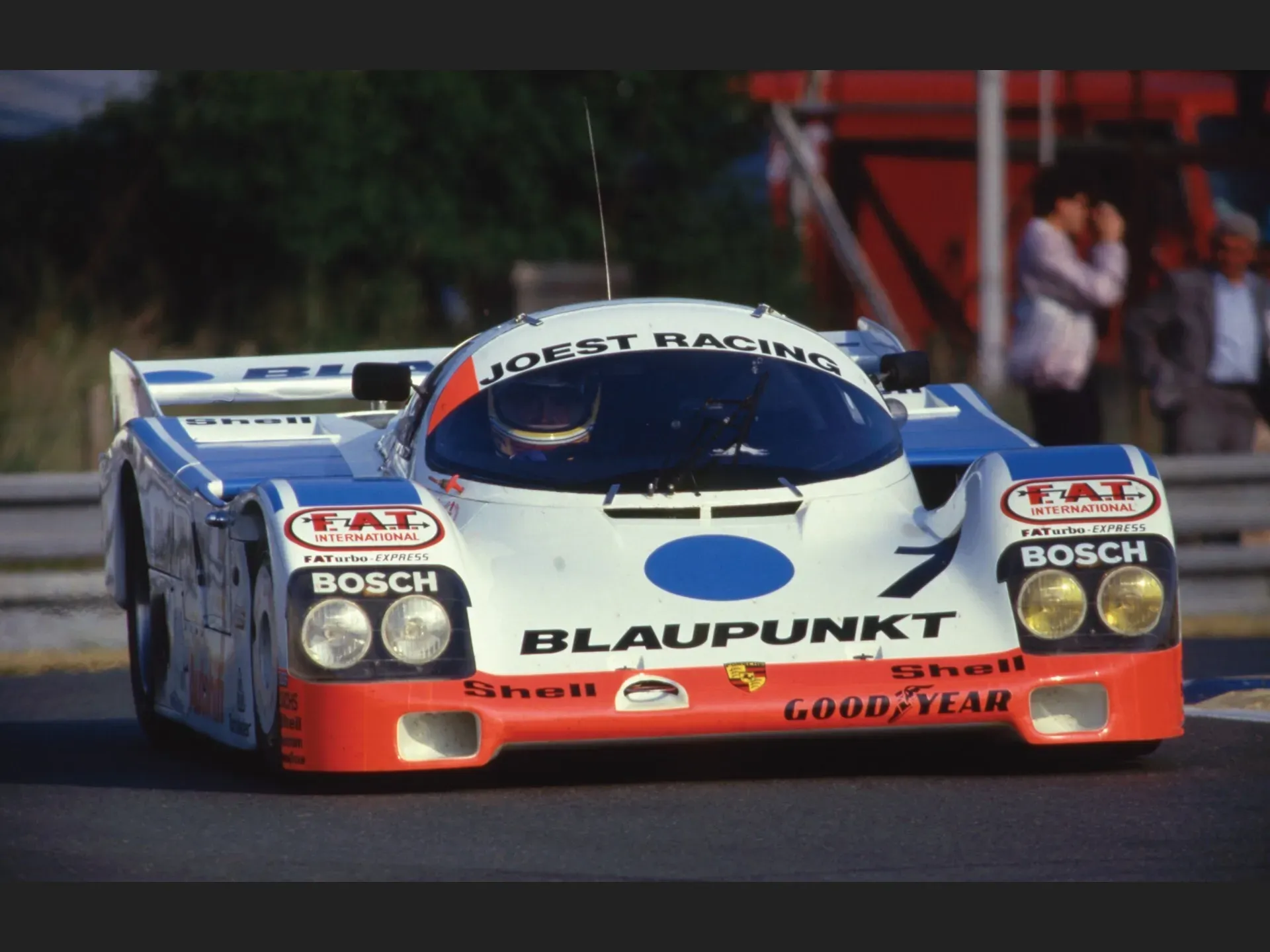
The 1985 Porsche 962C (Type 935/76) was the crucial, bulletproof bridge between two eras of absolute dominance. By seamlessly integrating the proven, Le Mans-winning 2.65-liter twin-turbo engine into the newly lengthened, safer IMSA-derived chassis, Porsche created a vehicle that offered no compromises. It took the brilliant aerodynamic foundation of the 956 and perfected its structural flaws. As the 1980s progressed, this very chassis architecture would receive larger, fully water-cooled 3.0-liter and 3.2-liter engines, continuing to win Le Mans overall in 1986 and 1987, and remaining competitive into the early 1990s.
Brand
Produced from
Portal
Vehicle category
Model line
Predecessor
Sucessor
Brand
Produced from
Portal
Vehicle category
Model line
Model generation
Predecessor
Sucessor
Submodel Overview
In the intoxicating, fuel-restricted crucible of the mid-1980s World Sportscar Championship, Zuffenhausen reigned supreme. The spectacular Porsche 956 had fundamentally rewritten the laws of aerodynamics and endurance racing, casting a long, dominant shadow over the Group C category since 1982. However, a storm of safety concerns was brewing. The 956’s design placed the driver’s pedal box perilously ahead of the front axle, a packaging flaw that the American IMSA governing body had already outlawed, forcing Porsche to create the lengthened 962 chassis for North America in 1984. Tragically, a series of devastating accidents in Europe highlighted the inherent vulnerability of the 956’s short wheelbase. Acting with characteristic teutonic pragmatism, Porsche made a vital corporate decision for the 1985 season: they would retire the works 956s and adopt the safer, elongated IMSA 962 chassis for global Group C competition. Thus, the 1985 Porsche 962C was born. Clad in the immortal blue, white, red, and gold of the Rothmans works team, it stepped into a fiercely contested arena. It was tasked with defending Porsche’s honor against the blistering, Ferrari-powered Lancia LC2s, which frequently possessed superior qualifying speed, and the emerging, menacing V12 threat from Tom Walkinshaw’s Jaguar XJR-6.
To peel away the impossibly sleek, aerodynamic Kevlar and fiberglass bodywork of the 1985 962C is to witness the absolute zenith of transitional endurance engineering. The foundation of the machine was Norbert Singer’s brilliantly revised aluminium sheet monocoque. By stretching the wheelbase by 120 millimeters compared to the 956, the front wheels were pushed forward, placing the driver’s feet safely behind the axle centerline while a mandatory steel roll cage was integrated to vastly improve structural rigidity. Yet, while the chassis was new to Europe, the beating heart of this specific variant was a trusted, highly evolved old friend. Because the fully water-cooled 2.8-liter and 3.0-liter engines were still under development, the 1985 factory 962Cs were initially propelled by the legendary Type 935/76 engine, lifted directly from the outgoing 956. This 2.65-liter (2,649cc) flat-six masterpiece featured traditional air-cooled cylinders mated to water-cooled four-valve cylinder heads. Breathing through twin KKK turbochargers and managed by a highly sophisticated Bosch Motronic electronic fuel injection system, it produced a reliable, whistling 680 brake horsepower. This engine was a paragon of Group C efficiency, perfectly calibrated to deliver immense power while surviving the draconian fuel consumption limits dictated by the FIA. The power was channeled through a five-speed, synchromesh manual transaxle, a rugged unit that required deliberate, mechanical shifts from the driver. Underneath, massive venturi tunnels generated monumental ground-effect downforce, sucking the car to the tarmac. Inside the right-hand-drive cockpit—designed to offer optimal sightlines and weight distribution for clockwise circuits like Le Mans—the driver sat practically on the floor, managing the immense aerodynamic grip and terrifying turbo-thrust in an ear-shattering, heat-soaked environment.
When the 1985 World Sportscar Championship commenced, the 962C proved to be an utterly devastating weapon in the hands of the works Rothmans Porsche squad. The driver pairing of British endurance legend Derek Bell and the charismatic German ace Hans-Joachim Stuck became an unstoppable force. While the Lancia LC2s frequently snatched pole positions with their explosive Ferrari V8 qualifying engines, the 962C relied on its superior fuel efficiency, unburstable Type 935/76 flat-six, and surgical pit strategy to break the Italian team’s heart over long distances. Bell and Stuck piloted the 962C to magnificent overall victories at the 1000km of Mugello, Monza, Silverstone, Hockenheim, Mosport, and Brands Hatch, decisively securing the World Sportscar Championship. However, the absolute mythological zenith of the 1985 season—and perhaps the greatest single moment in the 962C’s lifespan—occurred during qualifying for the 24 Hours of Le Mans. Hans-Joachim Stuck, utilizing a specialized qualifying engine map, pushed the Rothmans 962C to the absolute ragged edge of physical adhesion. He shattered the lap record, crossing the line in an astonishing 3:14.80 at an average speed of 251.815 km/h (156.47 mph)—a lap so terrifyingly fast that it stood as the fastest lap in Le Mans history for 32 years until the LMP1 hybrid era. Although a privately entered Joest 956 ultimately won the 1985 race due to fuel consumption issues hitting the works 962Cs, the sheer pace of Stuck’s qualifying lap proved the absolute aerodynamic and mechanical superiority of the new chassis.
The 1985 Porsche 962C (Type 935/76) was the crucial, bulletproof bridge between two eras of absolute dominance. By seamlessly integrating the proven, Le Mans-winning 2.65-liter twin-turbo engine into the newly lengthened, safer IMSA-derived chassis, Porsche created a vehicle that offered no compromises. It took the brilliant aerodynamic foundation of the 956 and perfected its structural flaws. As the 1980s progressed, this very chassis architecture would receive larger, fully water-cooled 3.0-liter and 3.2-liter engines, continuing to win Le Mans overall in 1986 and 1987, and remaining competitive into the early 1990s.
Tech Specs
Technical Specifications
Tech Specs
Technical Specifications
Engine
01
03
Internal combustion engine
Configuration
Porsche Type 935/76, Flat-6 (Boxer) - Semi-water-cooled
Location
Mid, longitudinally mounted
Construction
Aluminium alloy block (Air-cooled) and Aluminium alloy heads (Water-cooled)
Displacement (cc)
2,649 cc
Displacement (cu in)
161.7 cu in
Compression
7.5:1
Bore x Stroke
92.3 mm x 66.0 mm
Valvetrain
4 valves per cylinder, DOHC
Fuel feed
Bosch Motronic MP 1.2 electronic fuel injection
Lubrication
Dry sump
Aspiration
Turbocharged (Twin KKK K26 turbochargers)
Output
Power (hp)
~650 hp
Power (kW)
~485 kW
Max power at
8,200 RPM
Torque (Nm)
~630 Nm
Torque (ft lbs)
~465 ft lbs
Max torque at
5,400 RPM
Drivetrain
02
03
Chassis
Type
Monocoque unibody
Material
Aluminium sheet and honeycomb
Body
Material
Carbon fibre and Kevlar composite
Transmission
Gearbox
Porsche 5-speed manual transaxle
Drive
Rear Wheel Drive (Locked solid spool differential)
Suspension
Front
Independent, double wishbones, coil springs over telescopic dampers, anti-roll bar
Rear
Independent, rocker arms, lower wishbones, coil springs over telescopic dampers, anti-roll bar
Steering
Type
Rack and pinion, unassisted
Brakes
Front
Ventilated steel discs Ø330 mm, 4-piston aluminium calipers
Rear
Ventilated steel discs Ø330 mm, 4-piston aluminium calipers
Wheels
Front
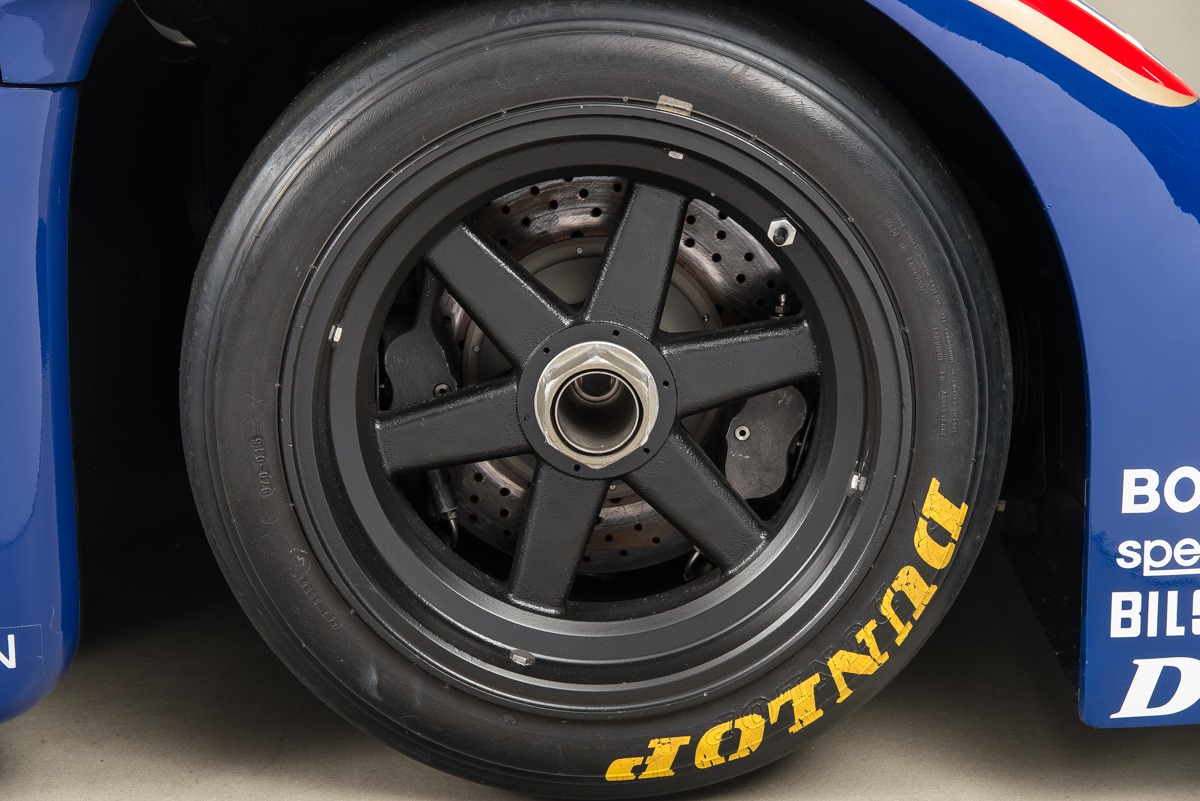
12" x 16" (BBS center-lock alloy)
Rear
14.75" x 16" (BBS center-lock alloy)
Tires
Front
280/600-16
Rear
350/650-16
Dimensions and performance
03
03
Dimensions
Length (mm)
4,770 mm
Length (in)
187.8 in
Width (mm)
2,000 mm
Width (in)
78.7 in
Height (mm)
1,013 mm
Height (in)
39.9 in
Wheelbase (mm)
2,770 mm
Wheelbase (in)
109.1 in
Weight (kg)
850 kg
Weight (lbs)
1,874 lbs
Performance
Power to weight
0.76 hp/kg
Top speed (km/h)
~350 km/h
Top speed (mph)
~217 mph
0-100 km/h (0-60 mph)
~3.2 s