Alfa Romeo Giulietta
Brand
Produced from
Vehicle category
Portal
Model line
Model generation
Predecessor
Sucessor
Model Overview
To understand the absolute historical gravity of the Alfa Romeo Giulietta, one must look beyond the mere assembly of steel, glass, and rubber. This is a model line that transcends simple transportation; it is the mechanical embodiment of Italian post-war resilience, a multi-generational romance that repeatedly saved its maker from the brink of financial ruin. When Alfa Romeo emerged from the ashes of the Second World War, it was a manufacturer of magnificent, bespoke, low-volume exotica like the 6C—a business model that was fundamentally unsustainable in a shattered Europe. The Milanese marque desperately needed to democratize its racing pedigree to survive. The answer arrived in 1954 at the Turin Motor Show, causing an absolute sensation. It was the Giulietta (the “Little Juliet” to the brand’s Romeo), a nameplate that would span three entirely distinct eras of automotive engineering: the glorious, coachbuilt Type 750/101 of the 1950s and 60s; the wedge-shaped, transaxle Type 116 of the 1970s and 80s; and finally, the stylish, turbocharged Type 940 hatchback of the new millennium. Across every generation, the Giulietta faced fierce opposition—from the Porsche 356 and MG MGA in the golden age, to the BMW 3 Series and Volkswagen Golf in the modern era—yet it always offered a soulful, distinctly Italian alternative, ensuring that the working man could access the howling thrill of a thoroughbred Alfa Romeo.
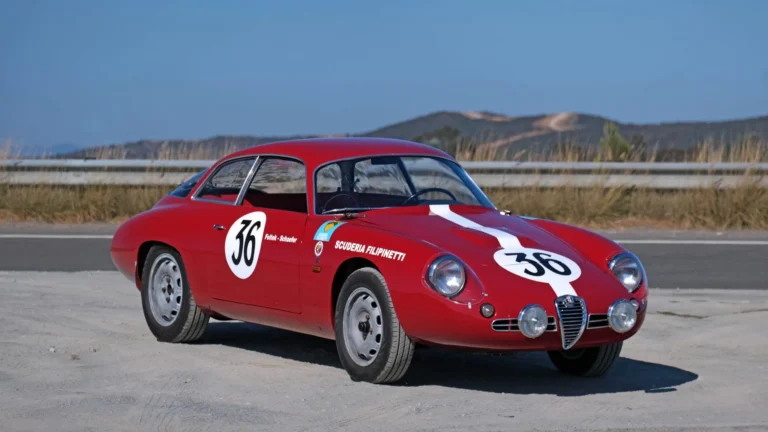
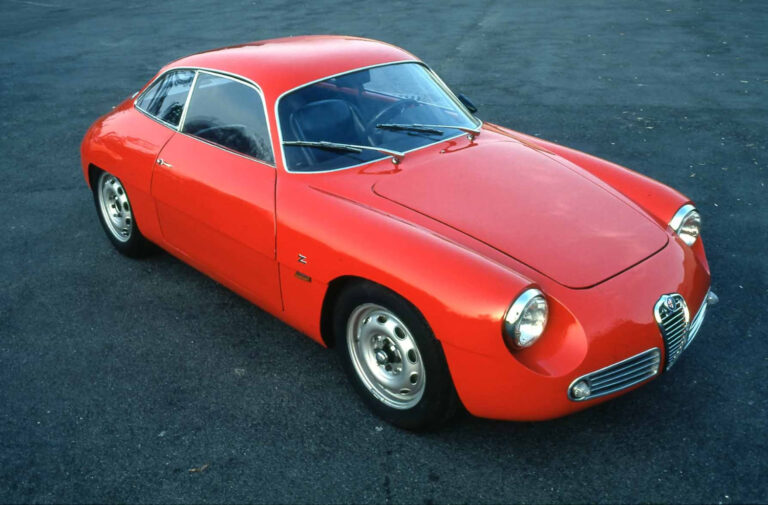
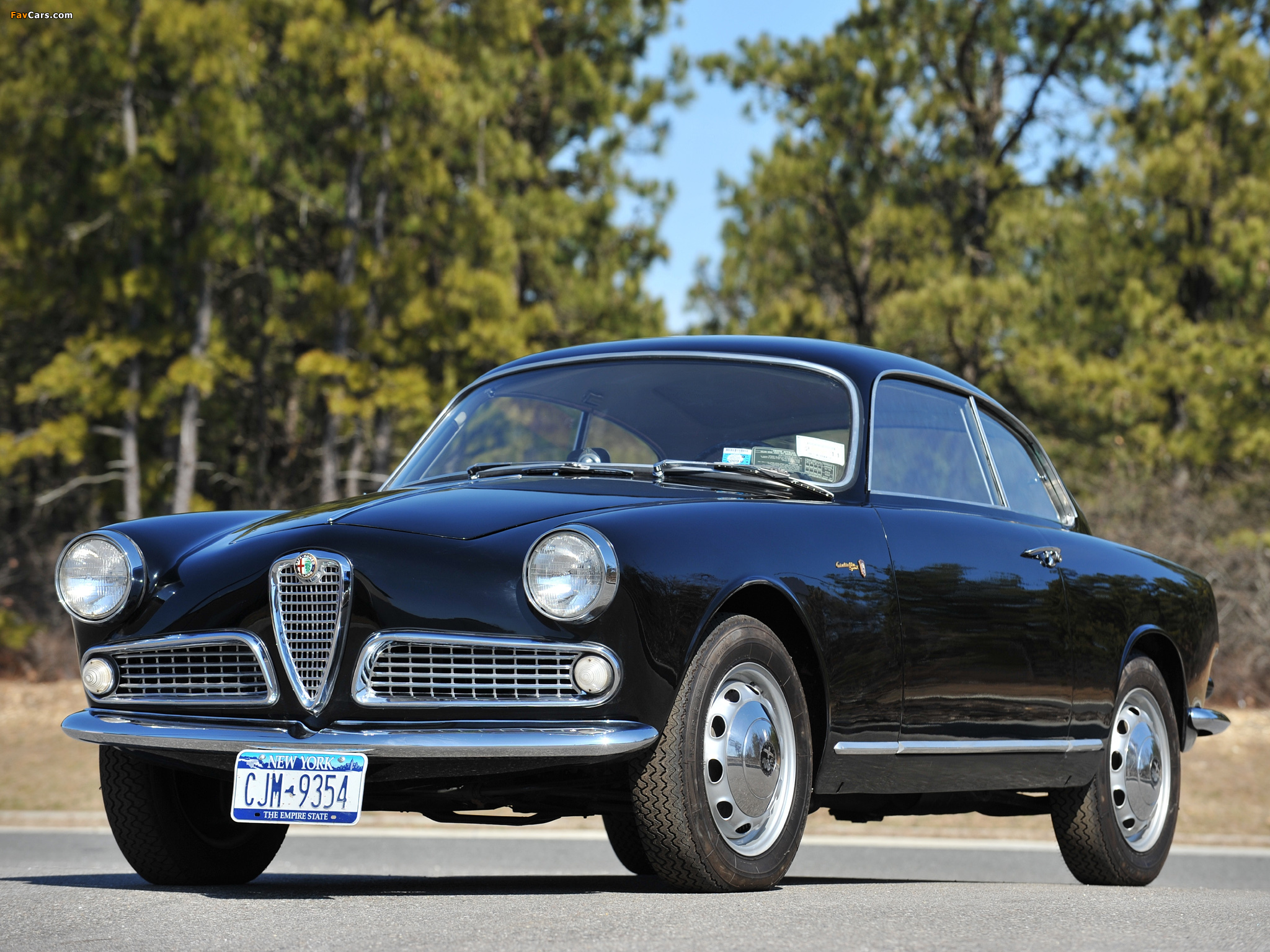
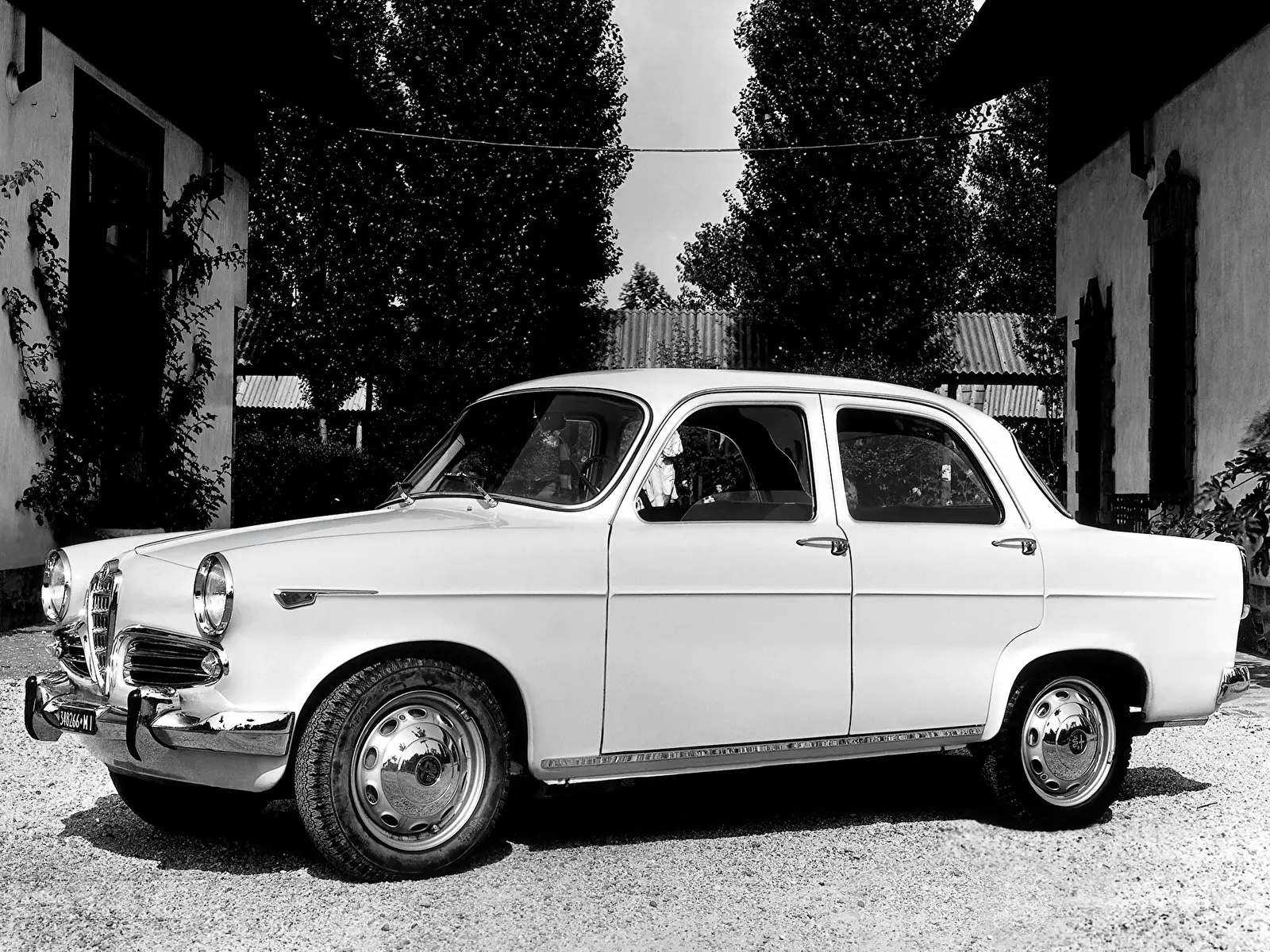
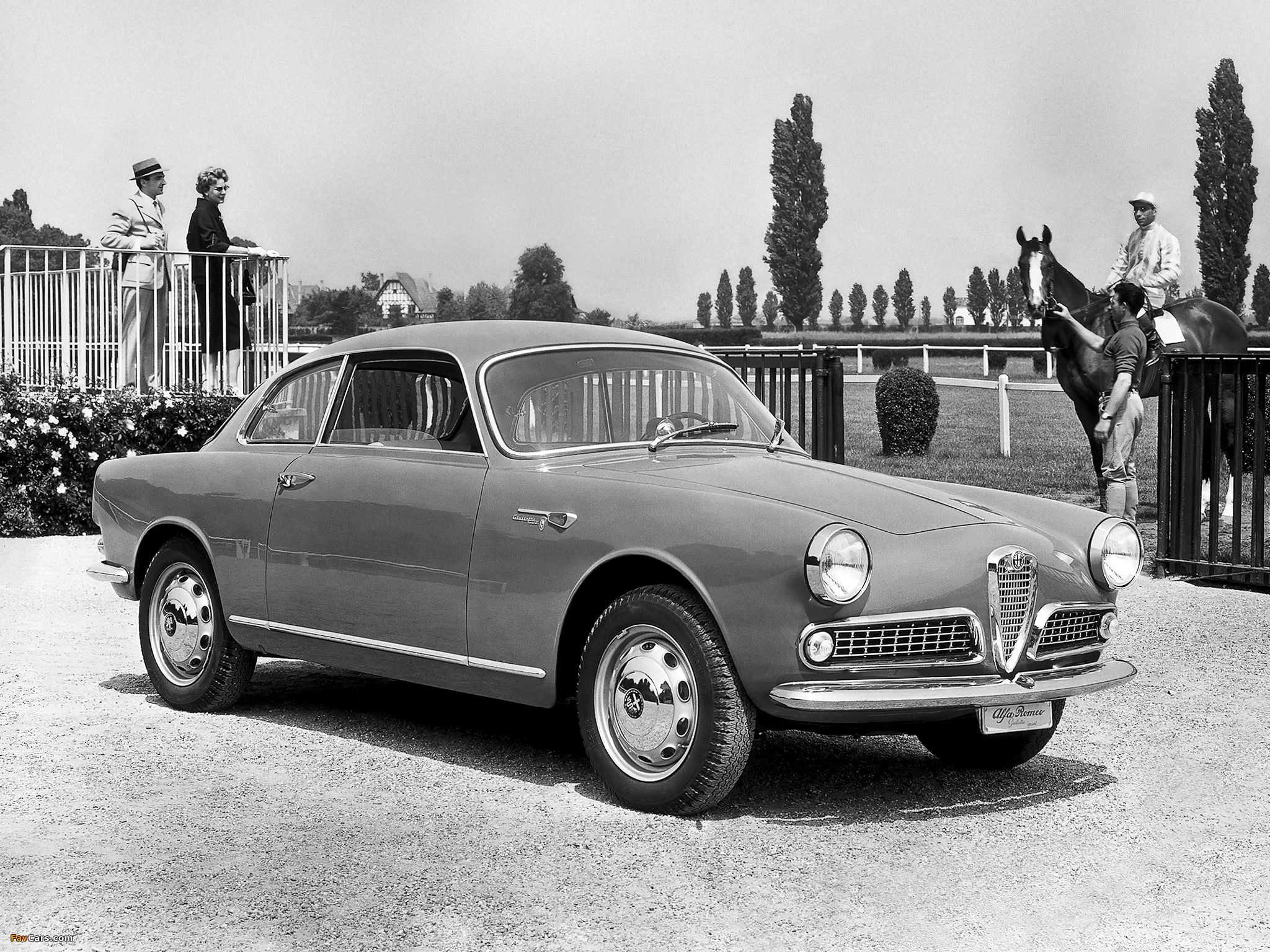
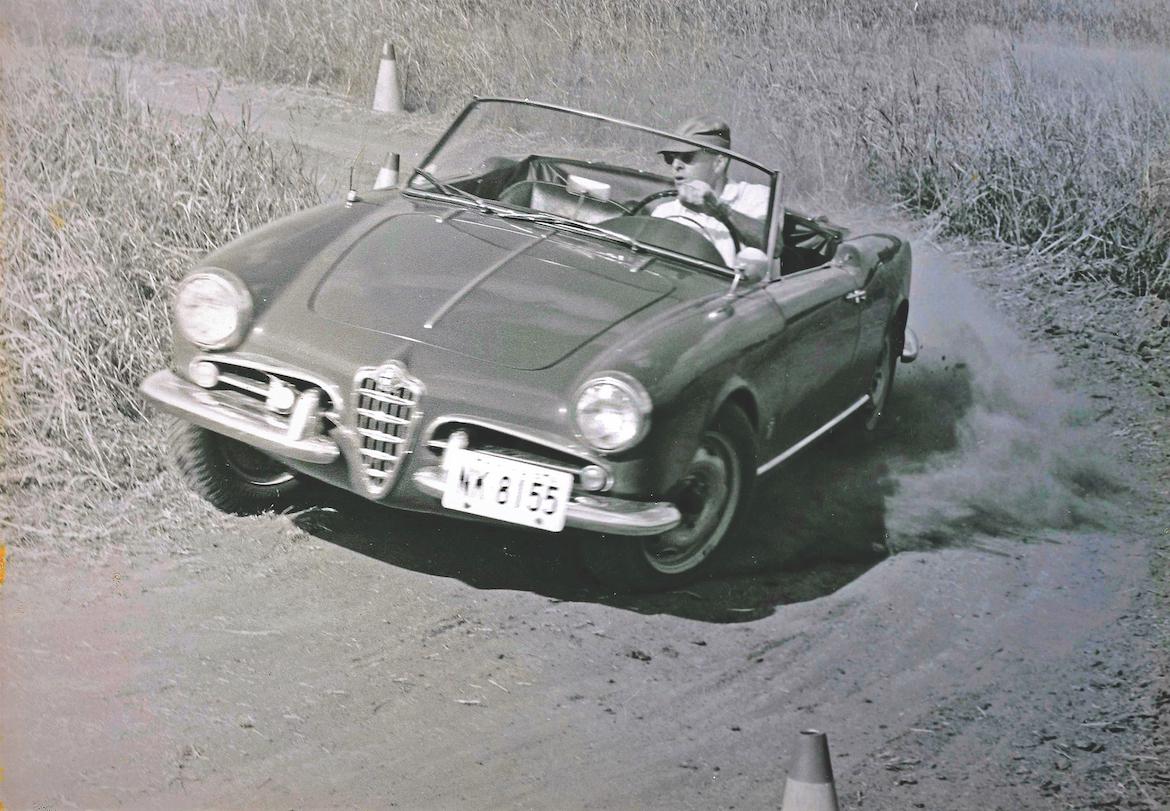
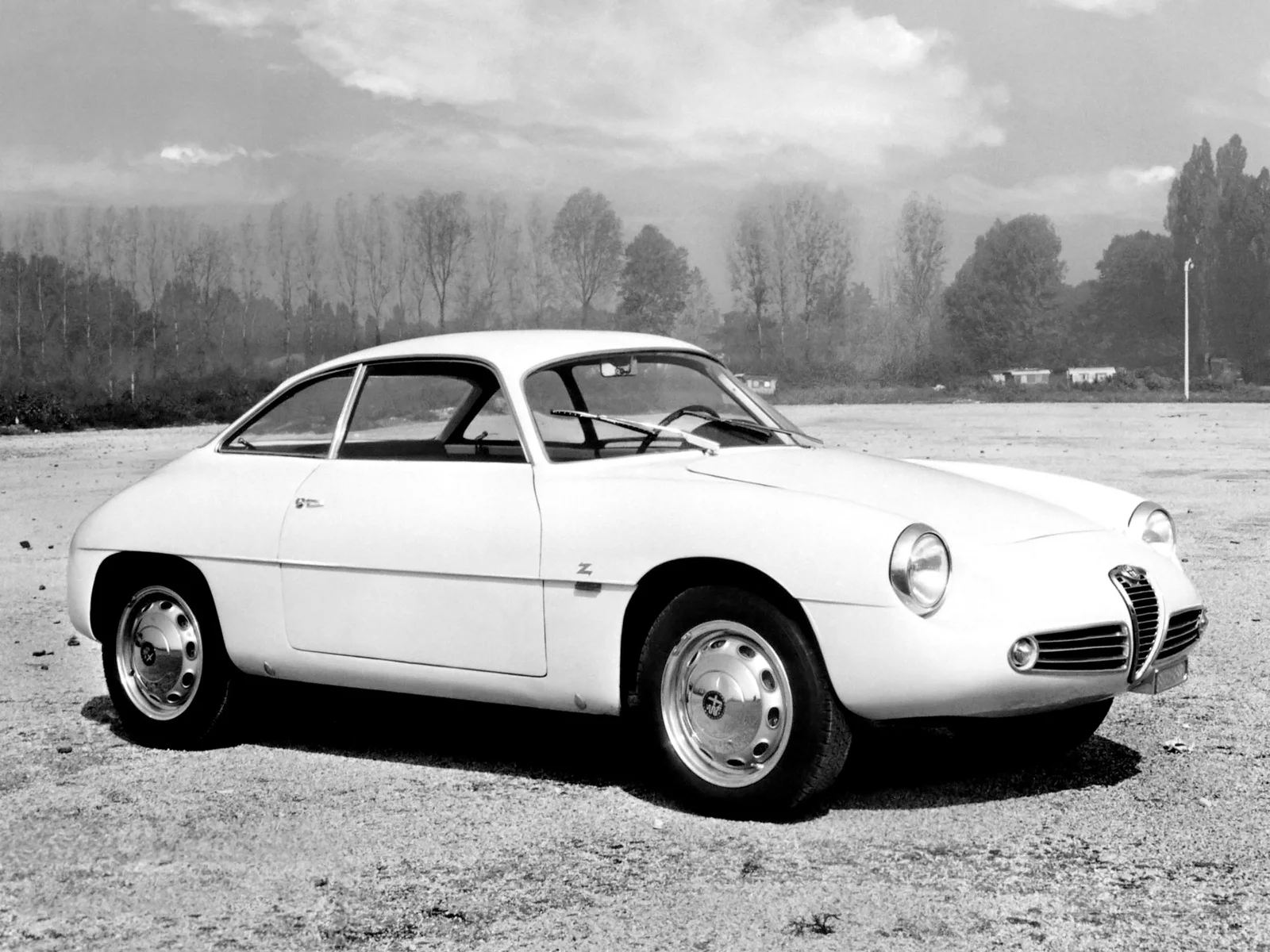
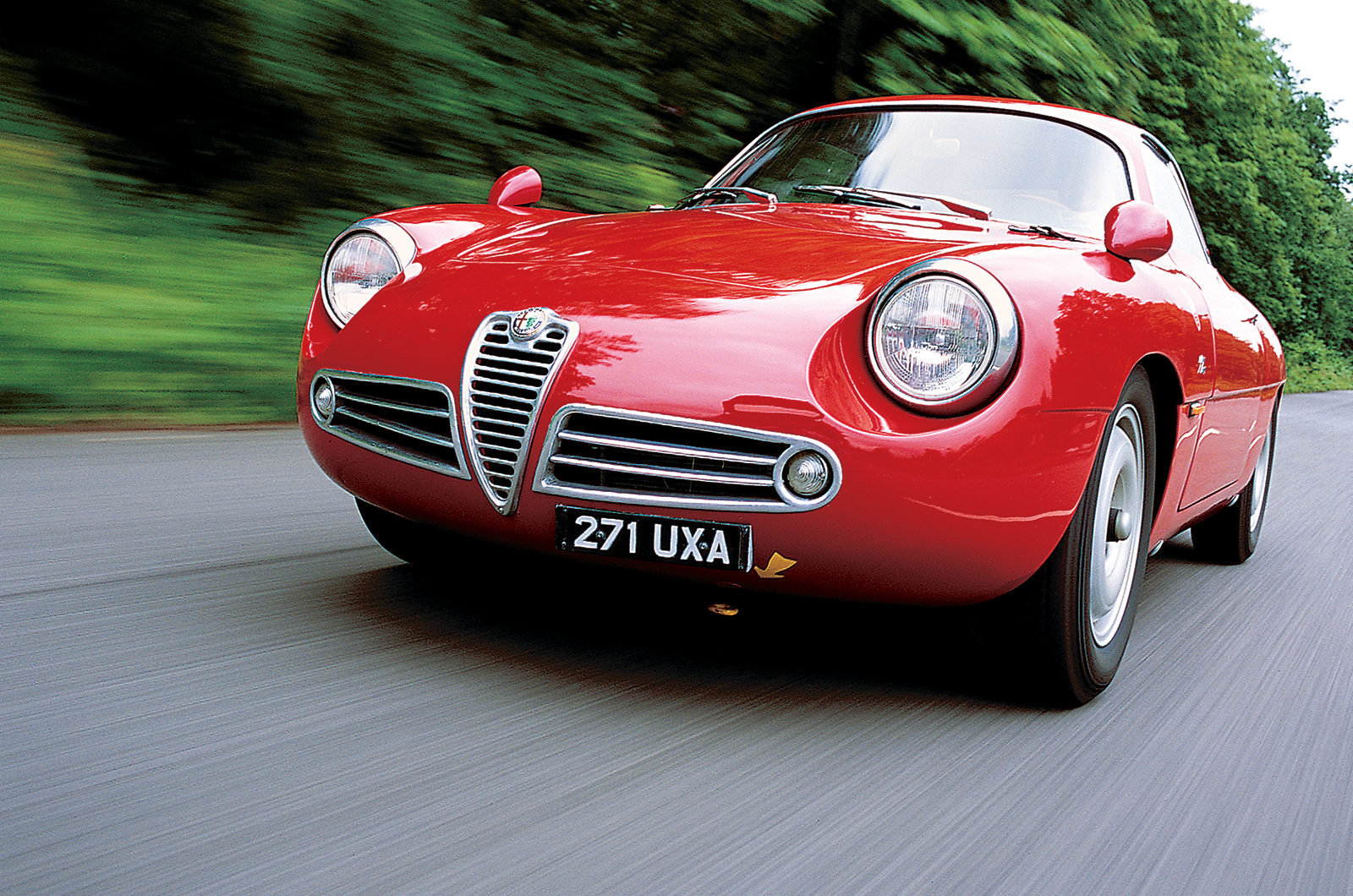
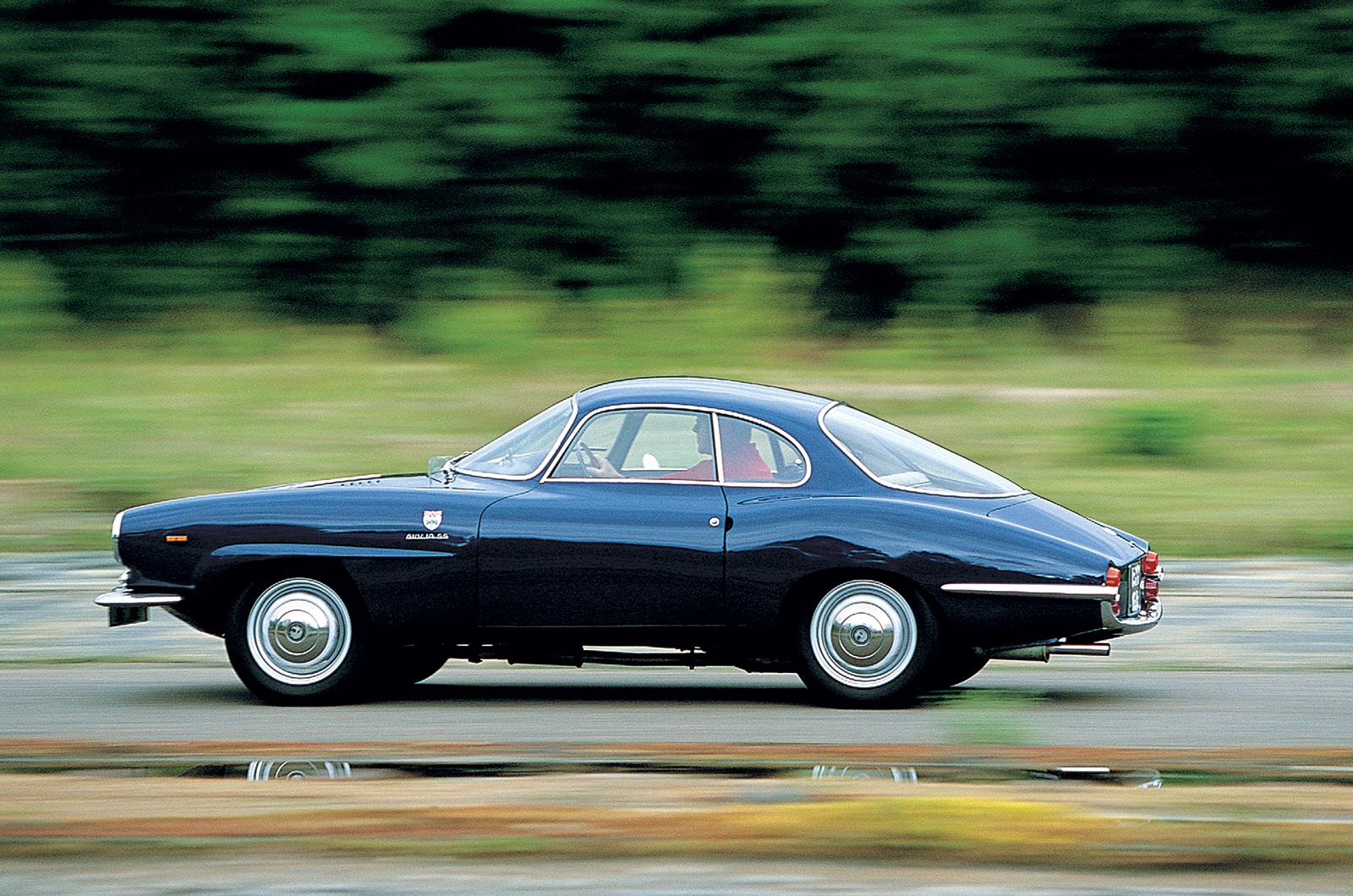
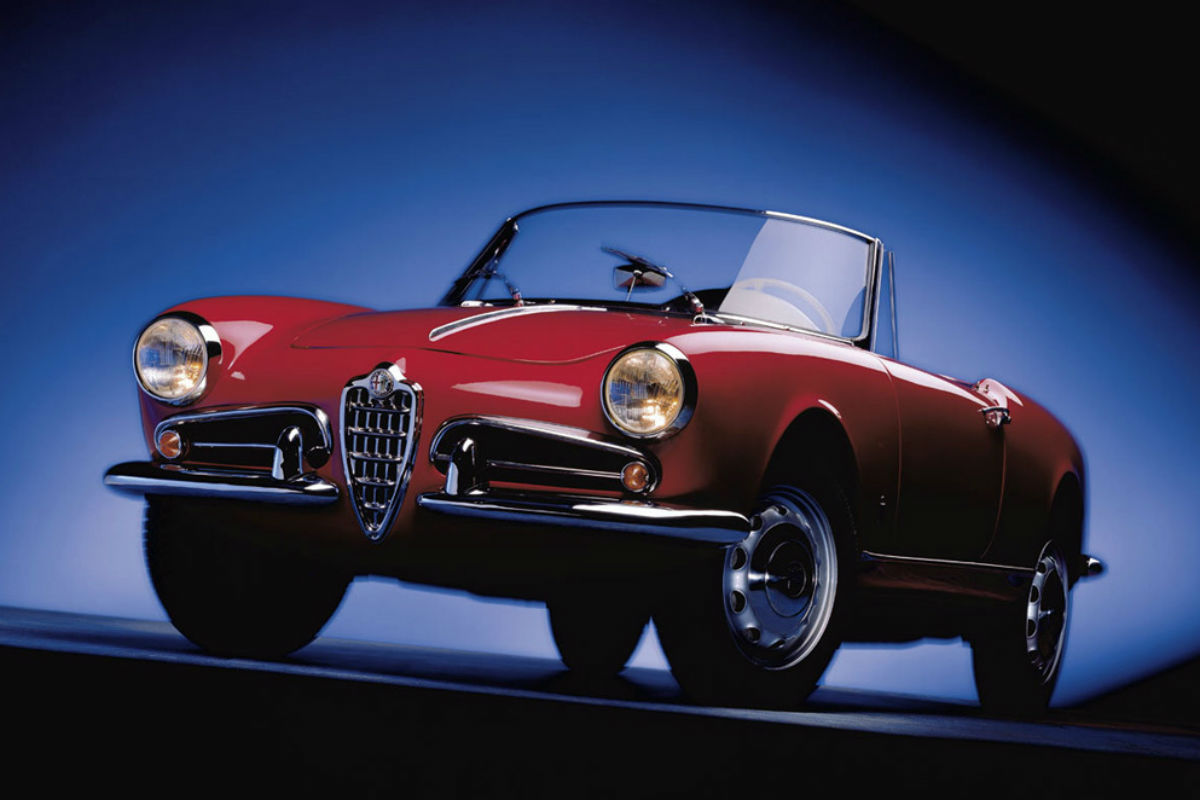
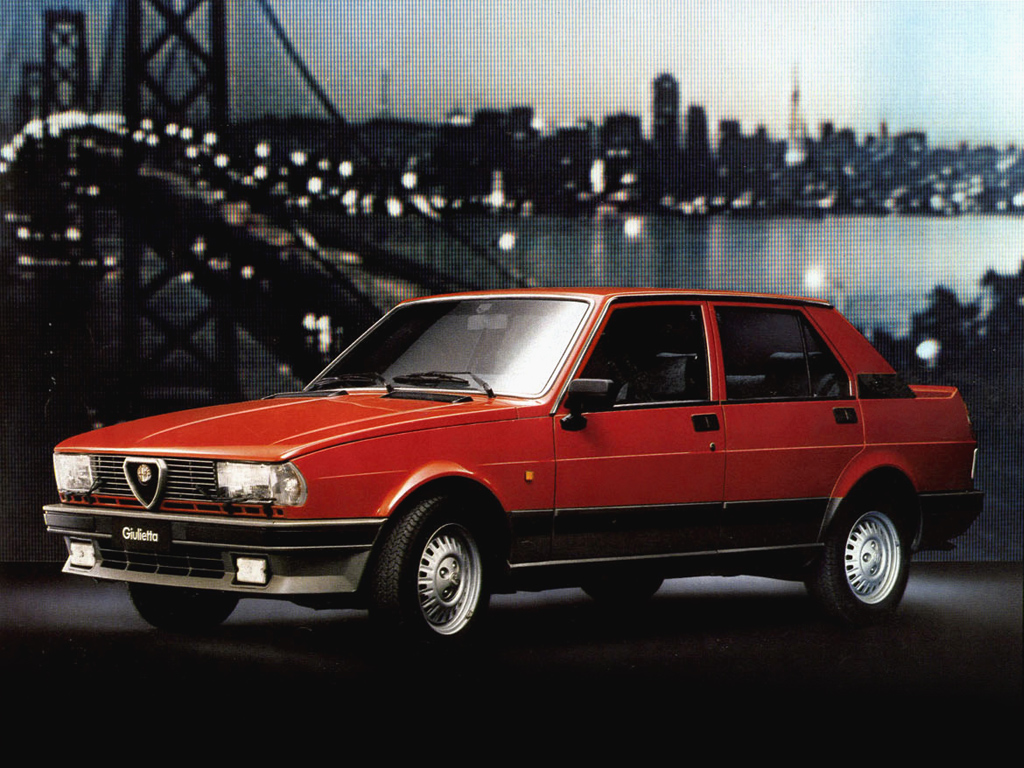
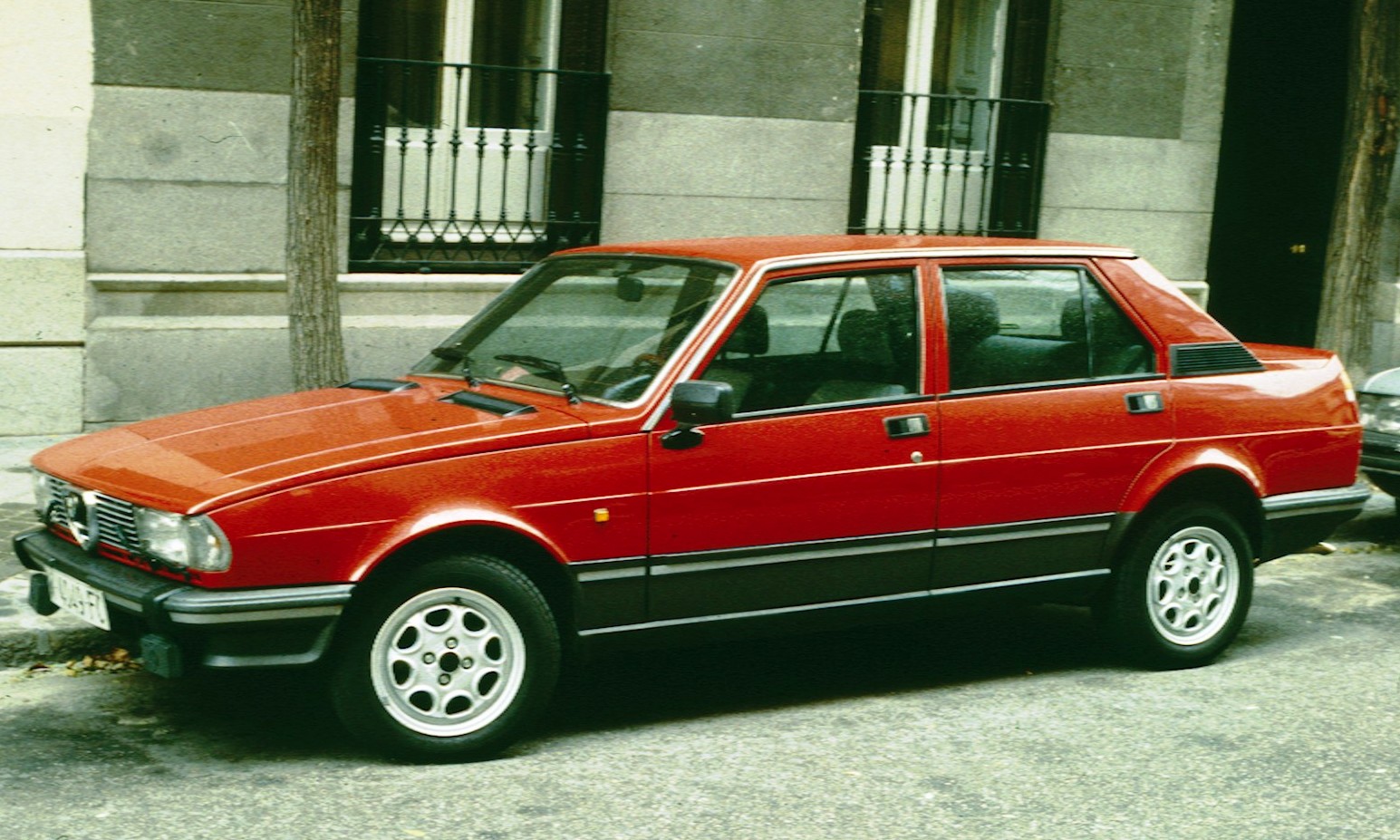
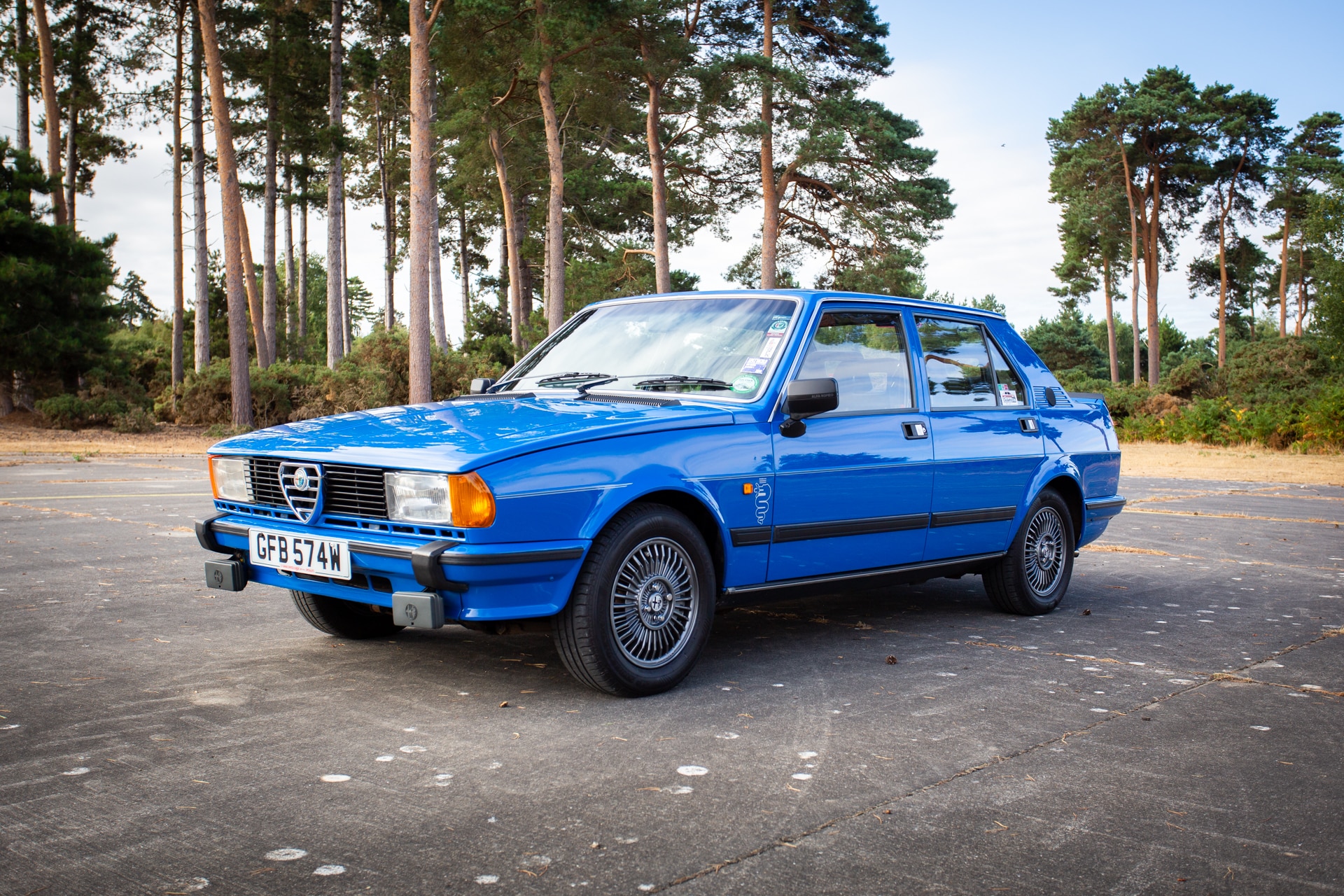
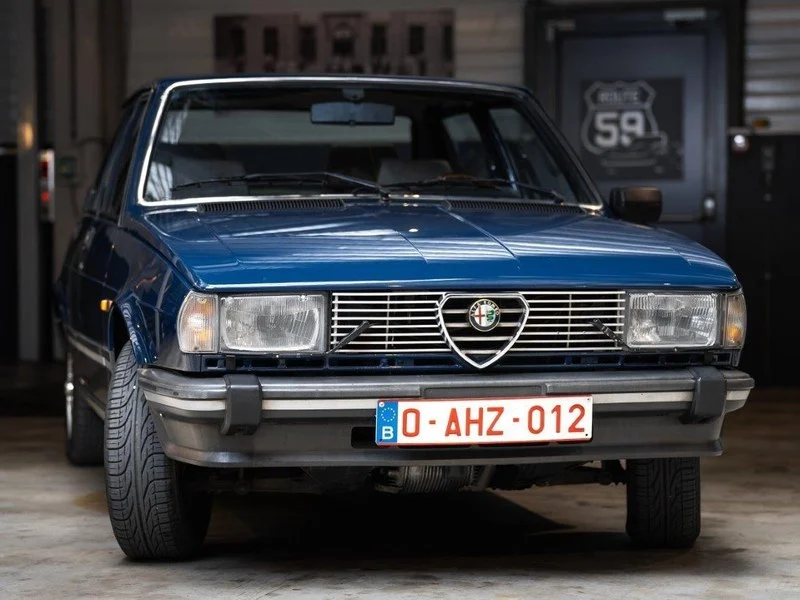
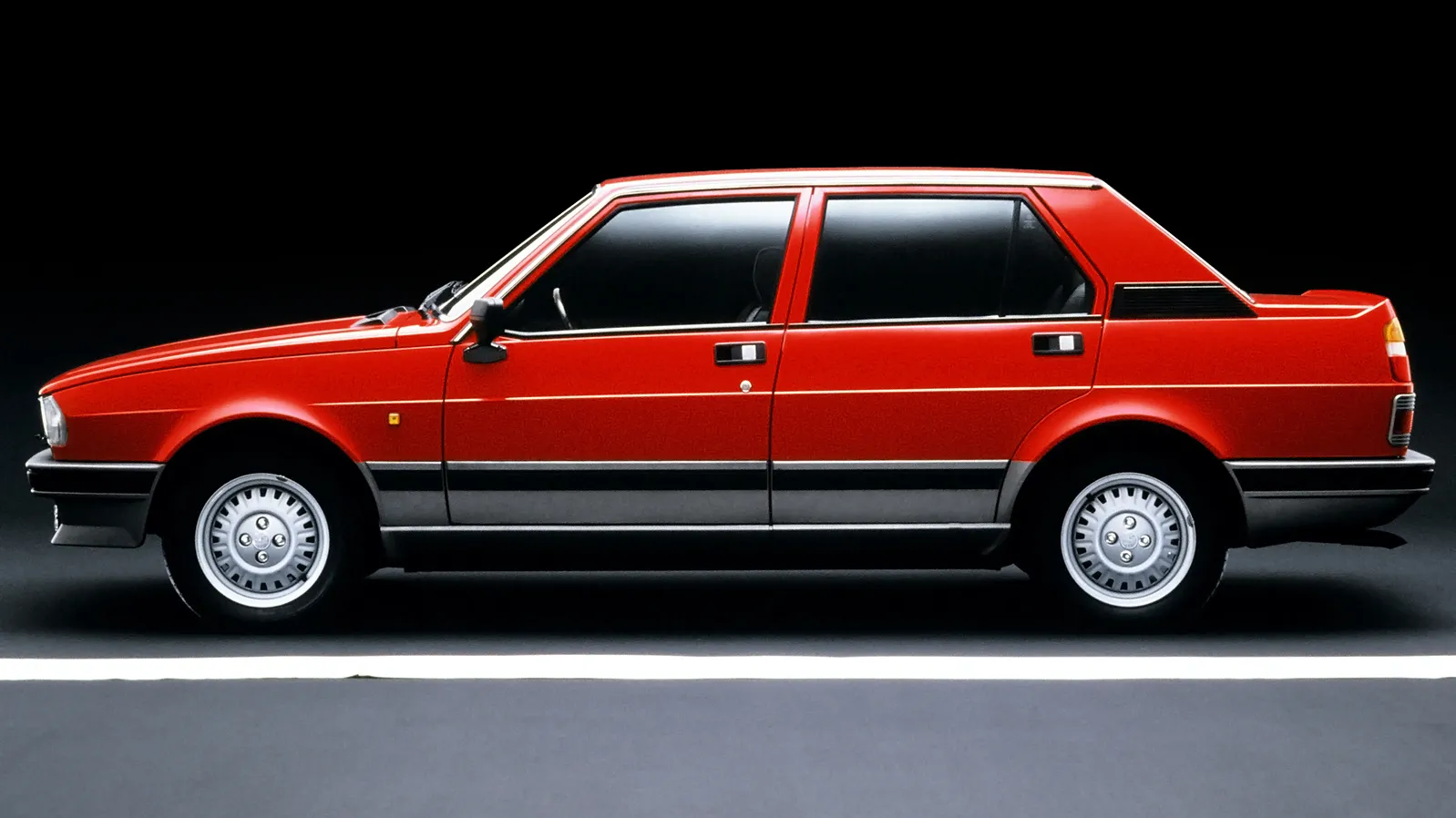
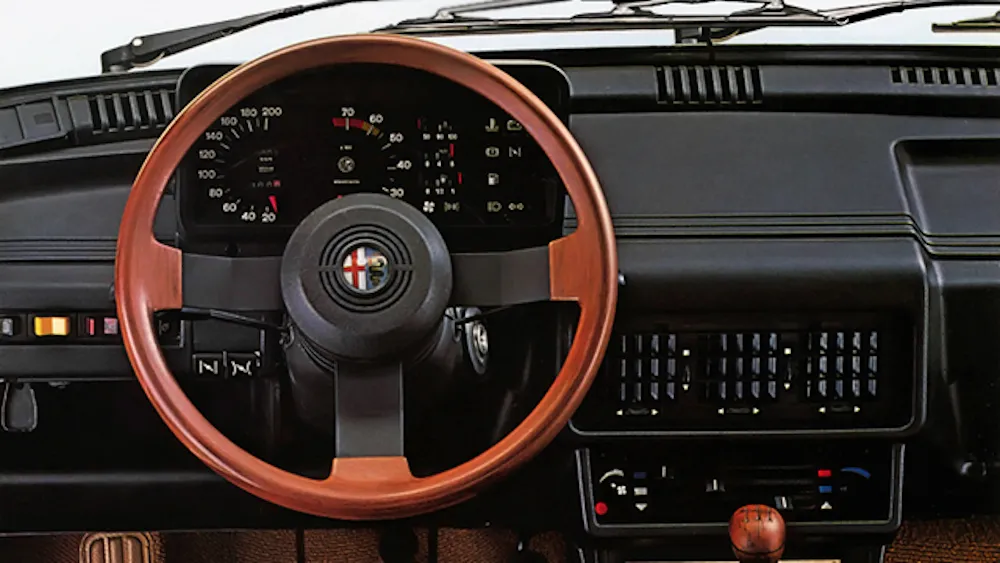
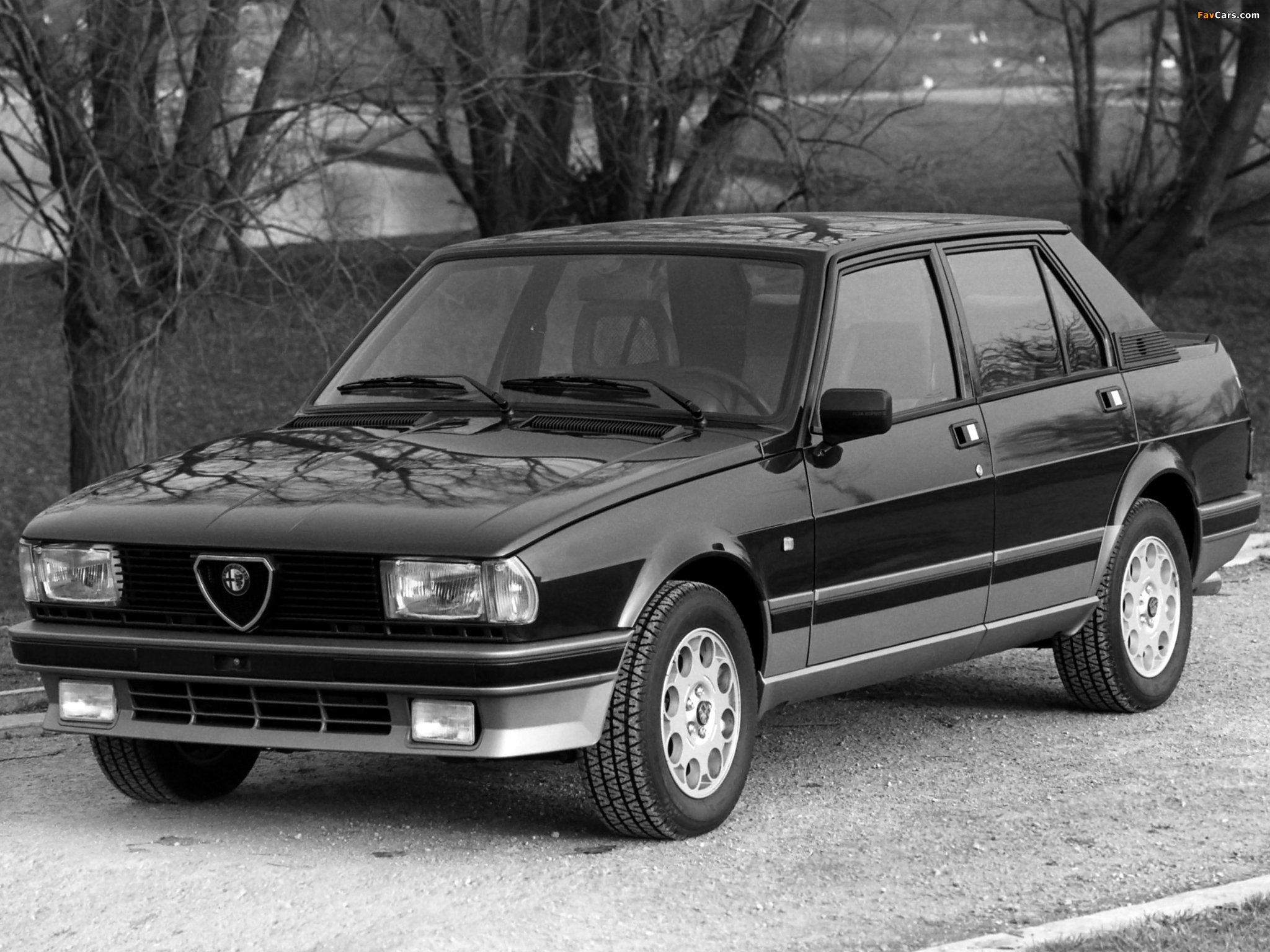
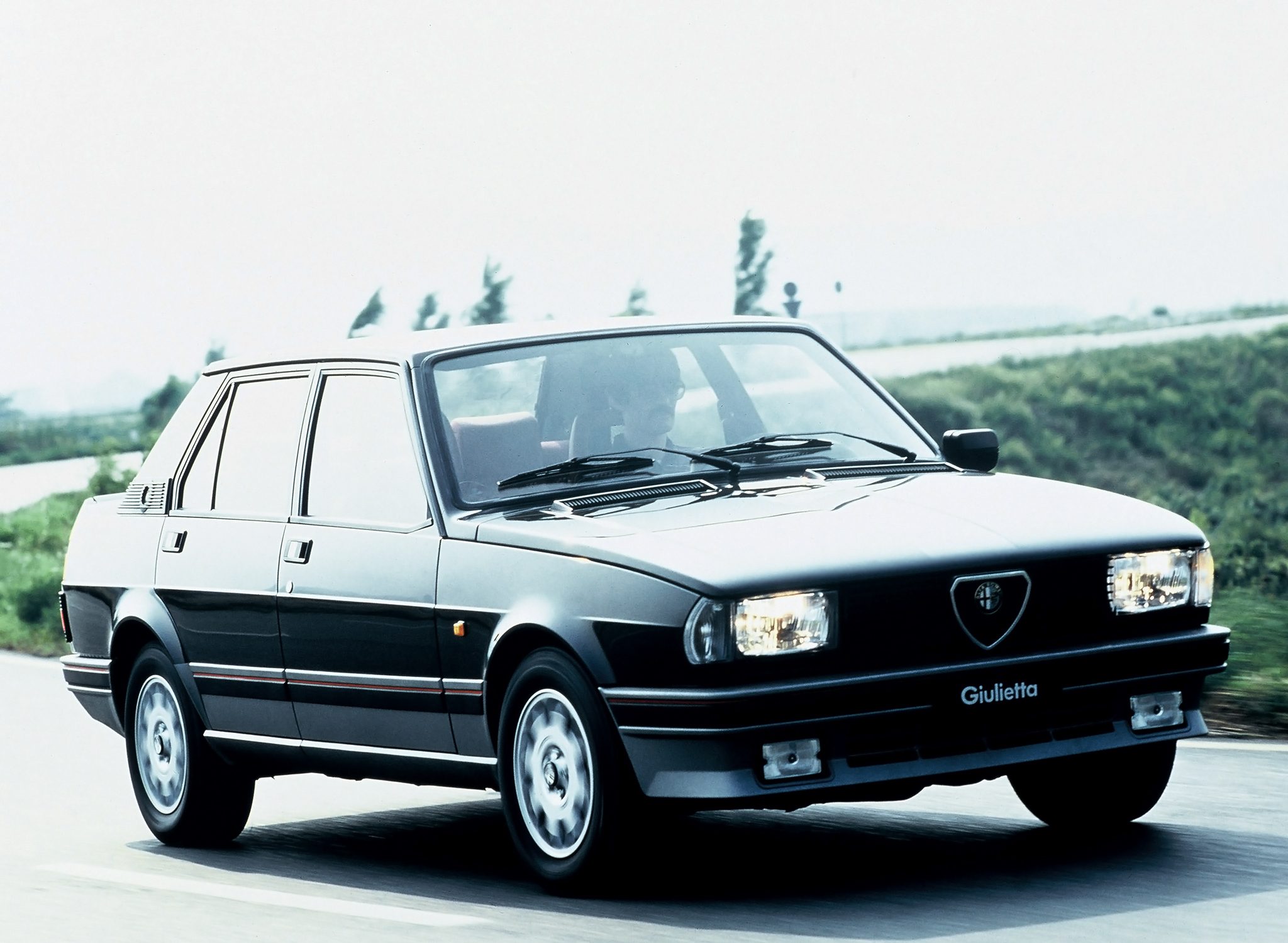
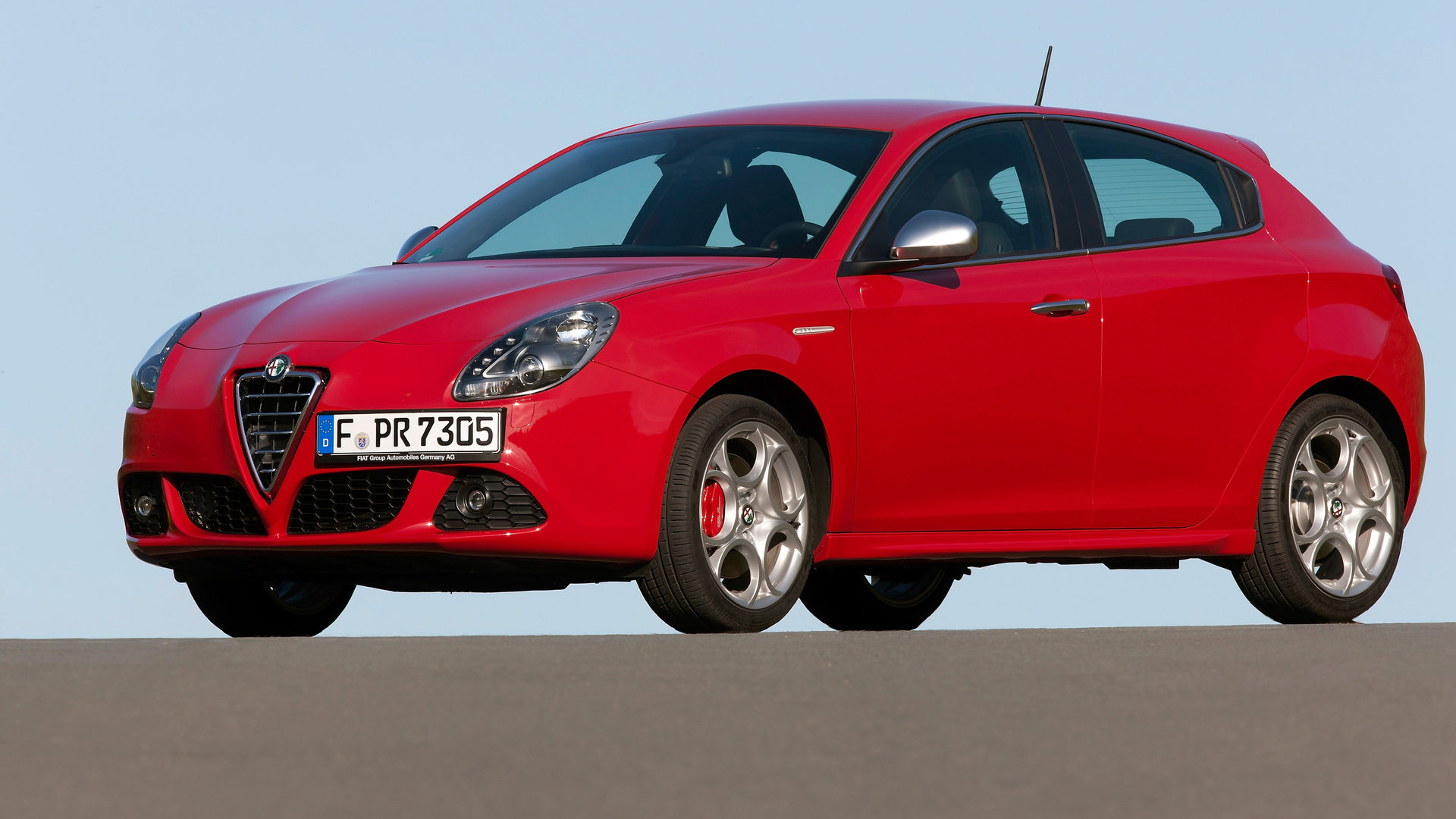
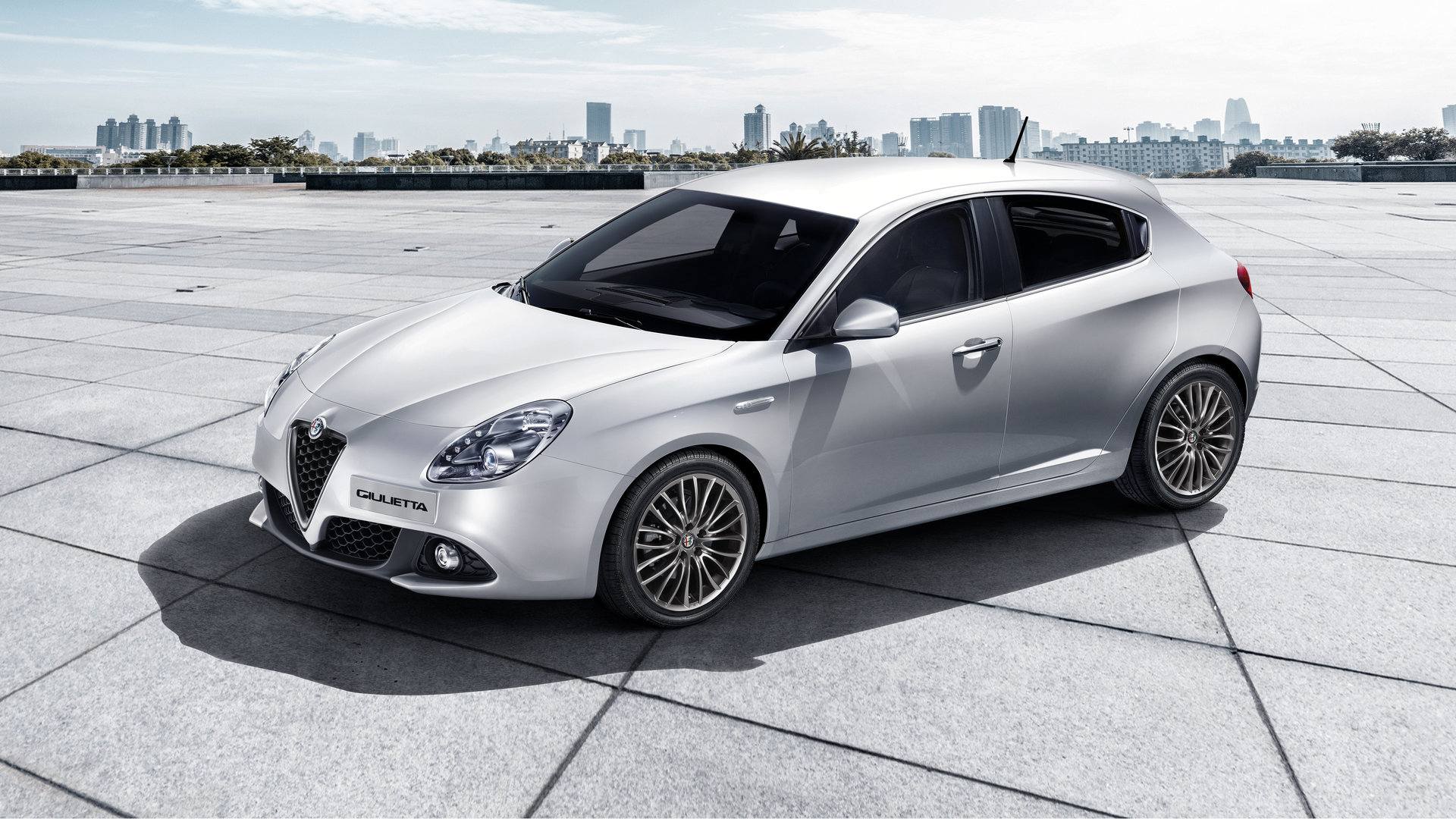
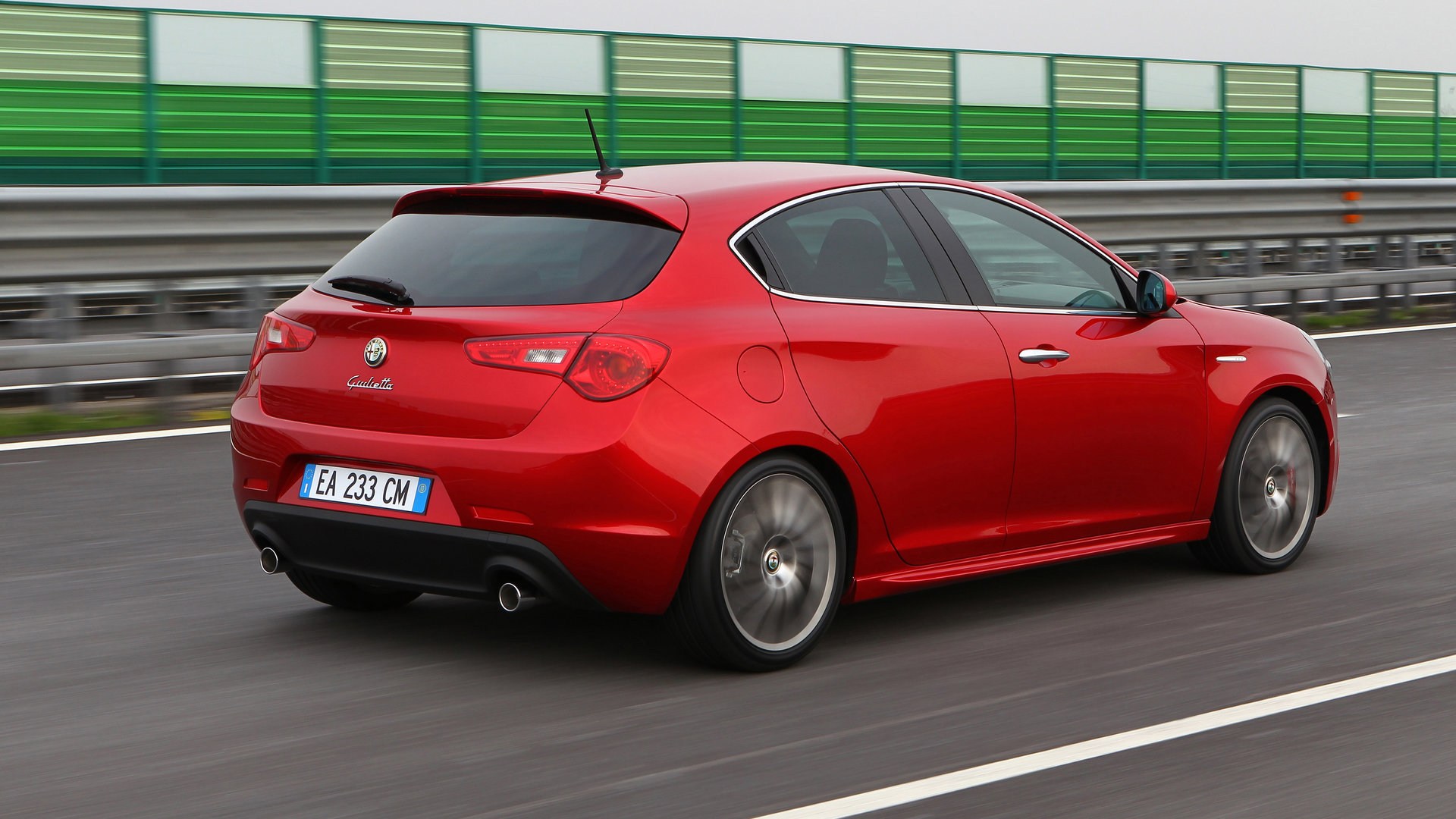
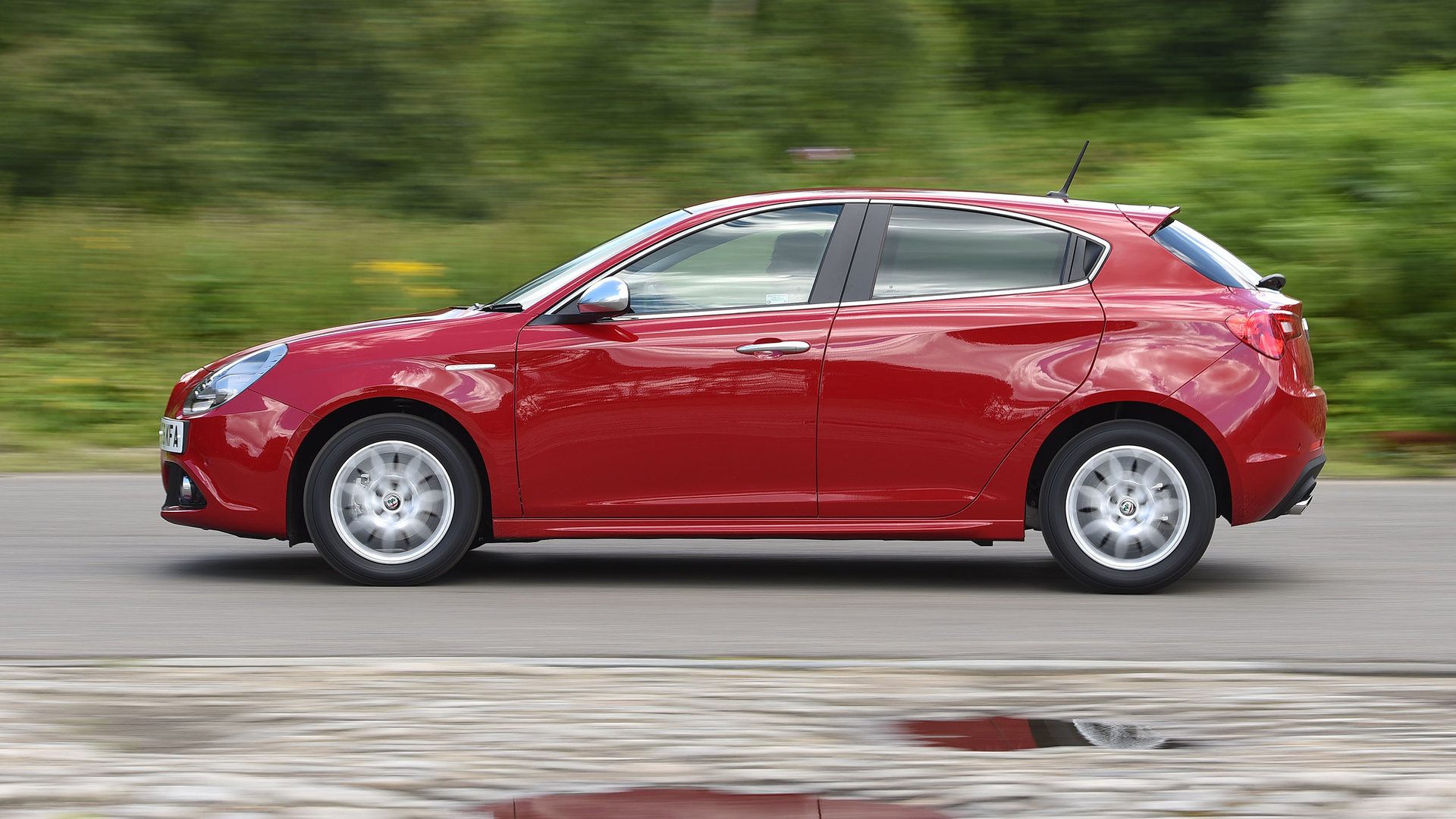
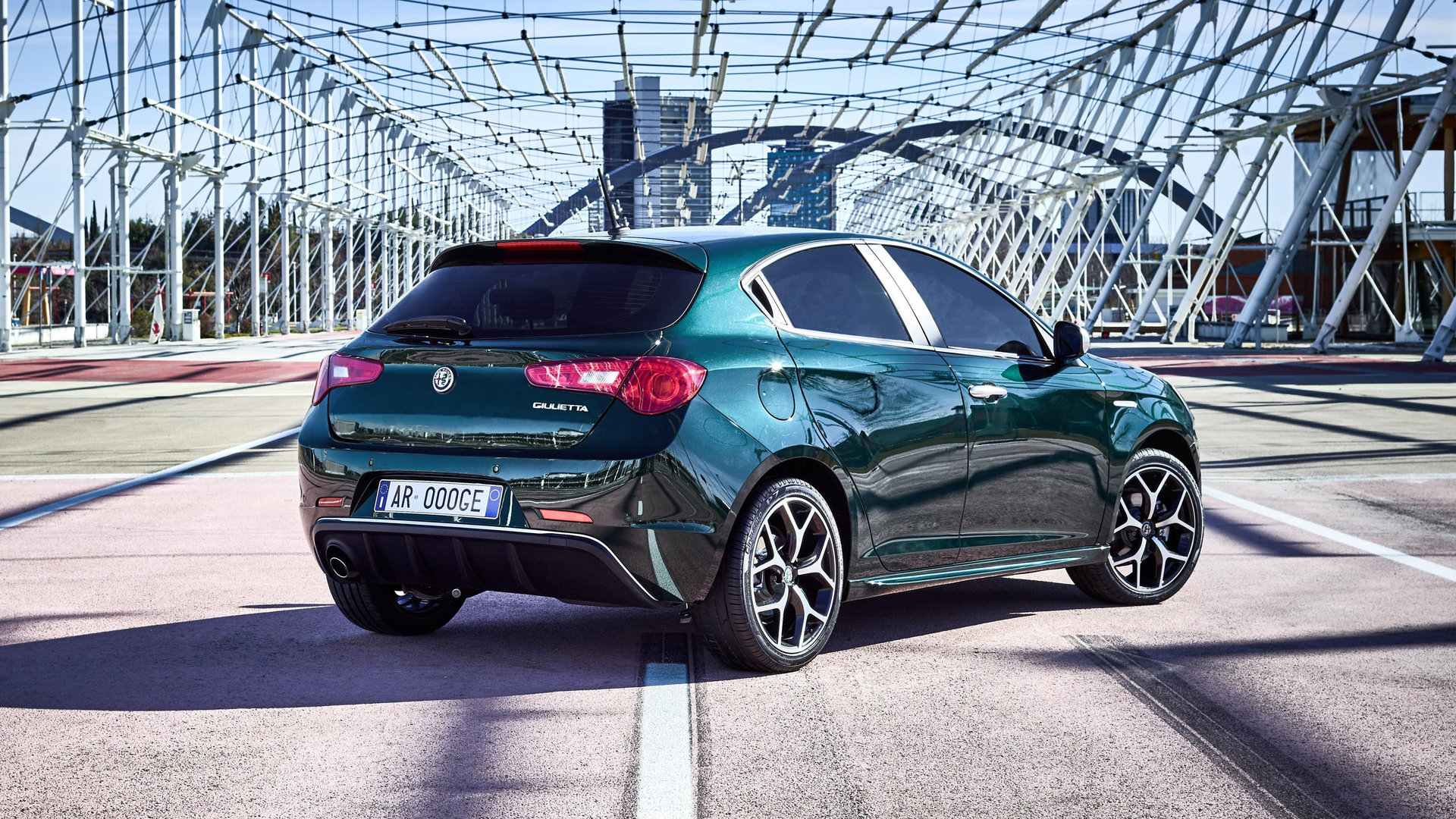
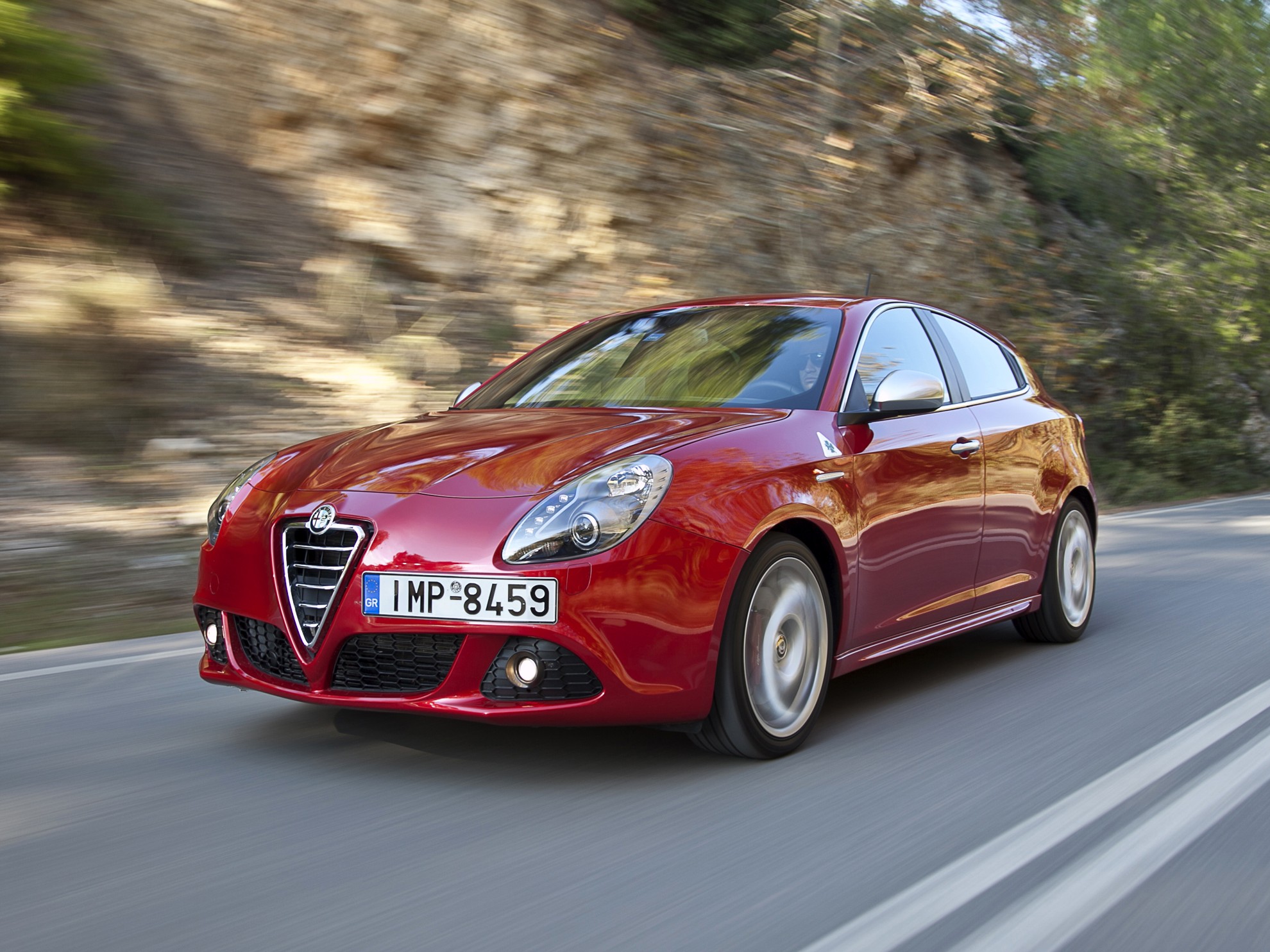
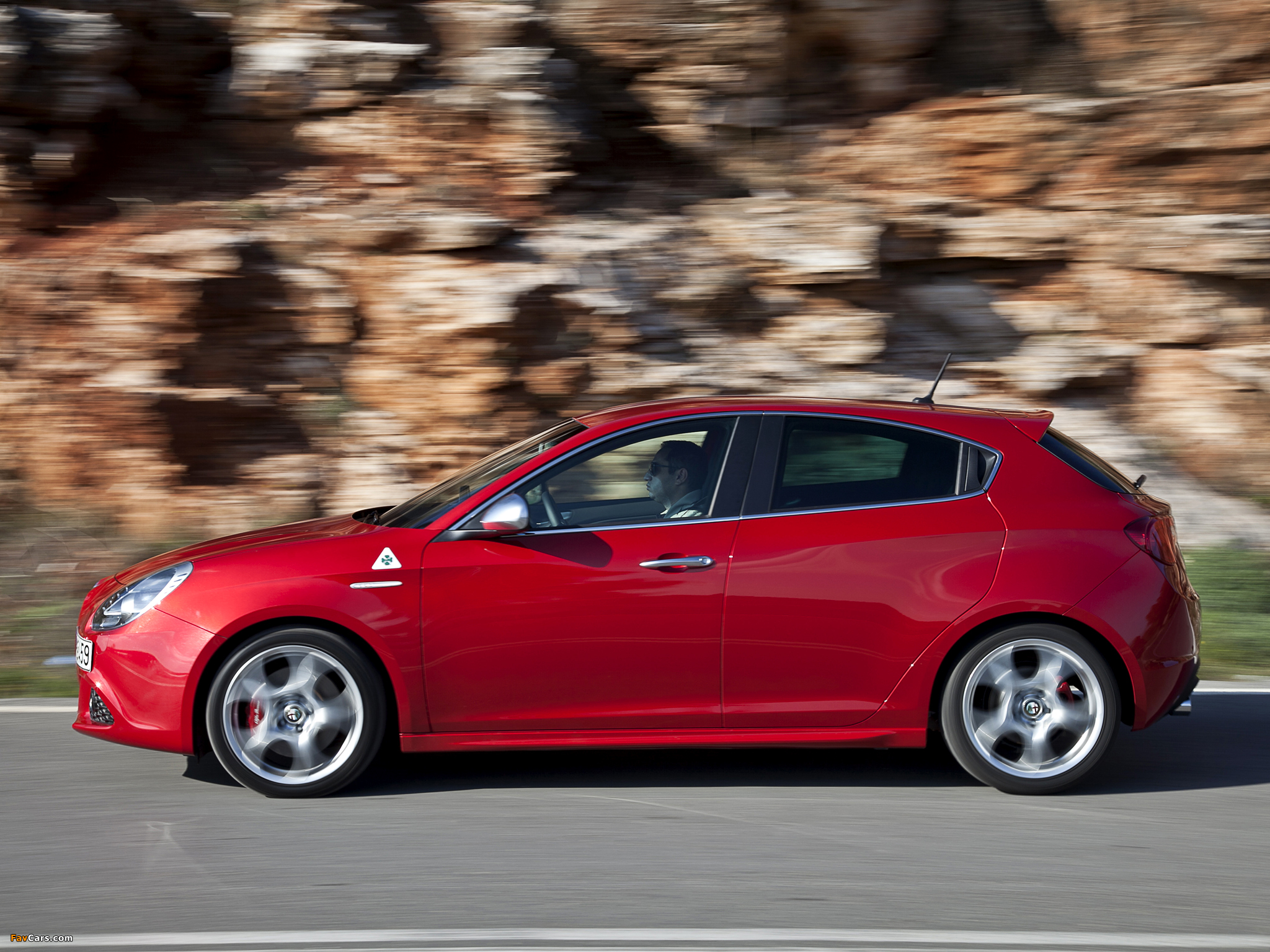
The technical narrative of the Giulietta is a masterclass in evolving automotive architecture. The original 1954 Type 750 (later 101) series fundamentally democratized the twin-cam engine. Under the guidance of legendary engineer Orazio Satta Puliga, Alfa Romeo created a 1,290cc all-alloy inline-four engine known as the Bialbero. Featuring hemispherical combustion chambers and twin overhead camshafts, this jewel-like motor loved to rev, producing a raspy, induction-heavy symphony that completely shamed the archaic pushrod engines of its British rivals. Remarkably, the Giulietta debuted not as a sensible sedan, but as the breathtaking Sprint coupe, penned by Franco Scaglione at Bertone. This was soon joined by the charming Pininfarina-designed Spider, the Berlina (sedan), and a suite of extraordinary homologation specials: the aerodynamically radical Sprint Speciale (SS) and the ultra-lightweight, tubular-framed Sprint Zagato (SZ). Fast forward to 1977, and the Giulietta name was resurrected on the Type 116 platform. The curvaceous lines of the fifties were banished, replaced by a severe, high-tailed wedge designed by Ermanno Cressoni. Underneath, however, it was an uncompromising motorsport chassis. It utilized the Alfetta’s transaxle layout—mounting the clutch and gearbox at the rear axle—achieving a perfect 50/50 weight distribution. It featured a De Dion tube rear suspension, inboard rear disc brakes to reduce unsprung mass, and potent 1.6, 1.8, and 2.0-liter Bialbero engines. Finally, to celebrate the brand’s centenary in 2010, the Type 940 Giulietta was born. Dictated by modern packaging requirements, it shifted to a front-wheel-drive “Compact” platform. Yet, Alfa’s Centro Stile delivered a breathtakingly gorgeous five-door hatchback featuring hidden rear door handles and signature LED taillights. Mechanically, it boasted advanced MultiAir variable valve timing and sophisticated Multilink rear suspension, culminating in the Quadrifoglio Verde (QV) flagship, which utilized a 240-horsepower, 1.75-liter direct-injection turbocharged engine derived from the exotic Alfa Romeo 4C sports car.
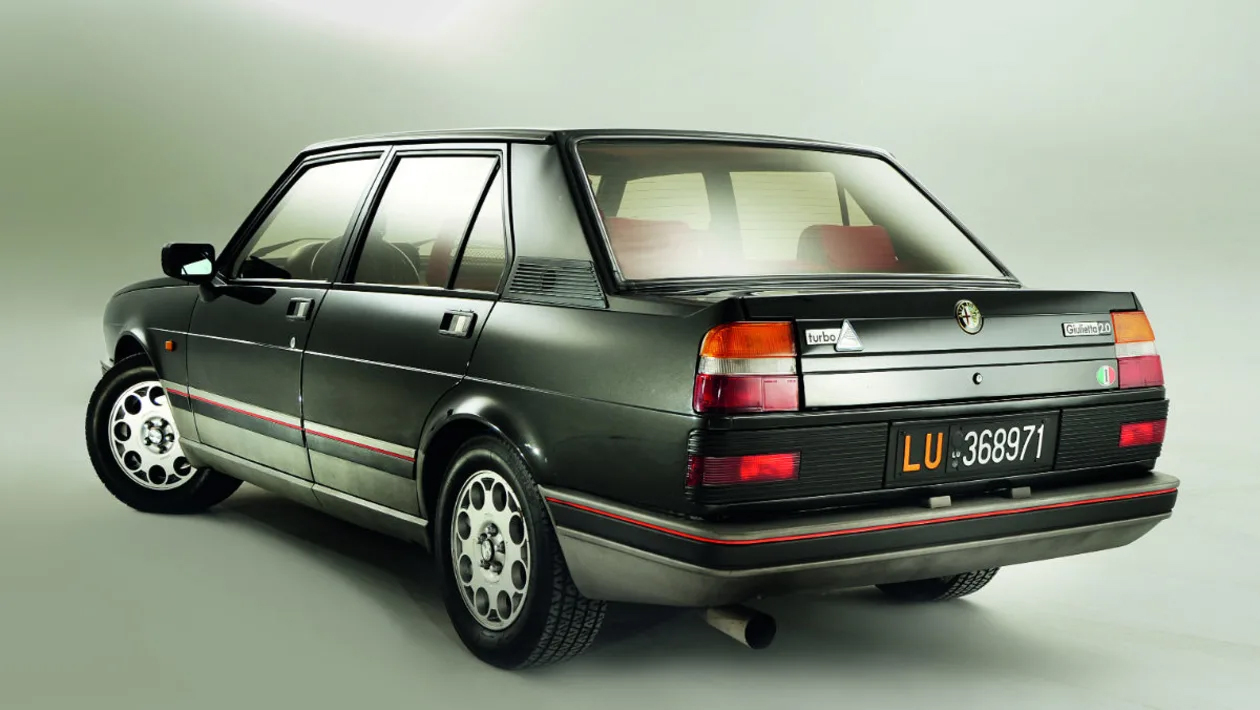
The impact of the Giulietta nameplate on motorsport and global car culture is practically immeasurable. The original Type 750/101 was not just a showroom success; it was a track-day terror. The lightweight, aluminum-bodied Giulietta SZ became the absolute scourge of the 1300cc GT class across Europe. Driven by passionate privateers, the SZ famously conquered the grueling Targa Florio, the Mille Miglia, and the Nürburgring 1000km, frequently embarrassing much larger, more powerful machinery with its immense agility and aerodynamic efficiency. Commercially, the original Giulietta was the chariot of La Dolce Vita; the Pininfarina Spider became the quintessential Mediterranean coastal cruiser, securing Alfa Romeo’s status as a global automotive powerhouse. The 1970s Type 116 generation, while navigating the turbulent waters of Italian industrial strikes and notorious rust issues, maintained a fierce cult following among driving purists due to its exquisite transaxle chassis balance. It also birthed the rare Giulietta Turbodelta, a turbocharged homologation special built by Autodelta to compete in Group 4 rallying, which featured aggressively flared arches and a menacing matte-black bonnet. In the modern era, the Type 940 Giulietta successfully kept the Alfa Romeo brand afloat during a perilous financial decade, selling over 400,000 units. Furthermore, it proudly carried the Biscione back to the racetrack in the hands of privateer outfit Romeo Ferraris, who developed the Giulietta TCR into a wildly successful, flame-spitting widebody weapon that secured multiple victories in the fiercely contested FIA WTCR series.
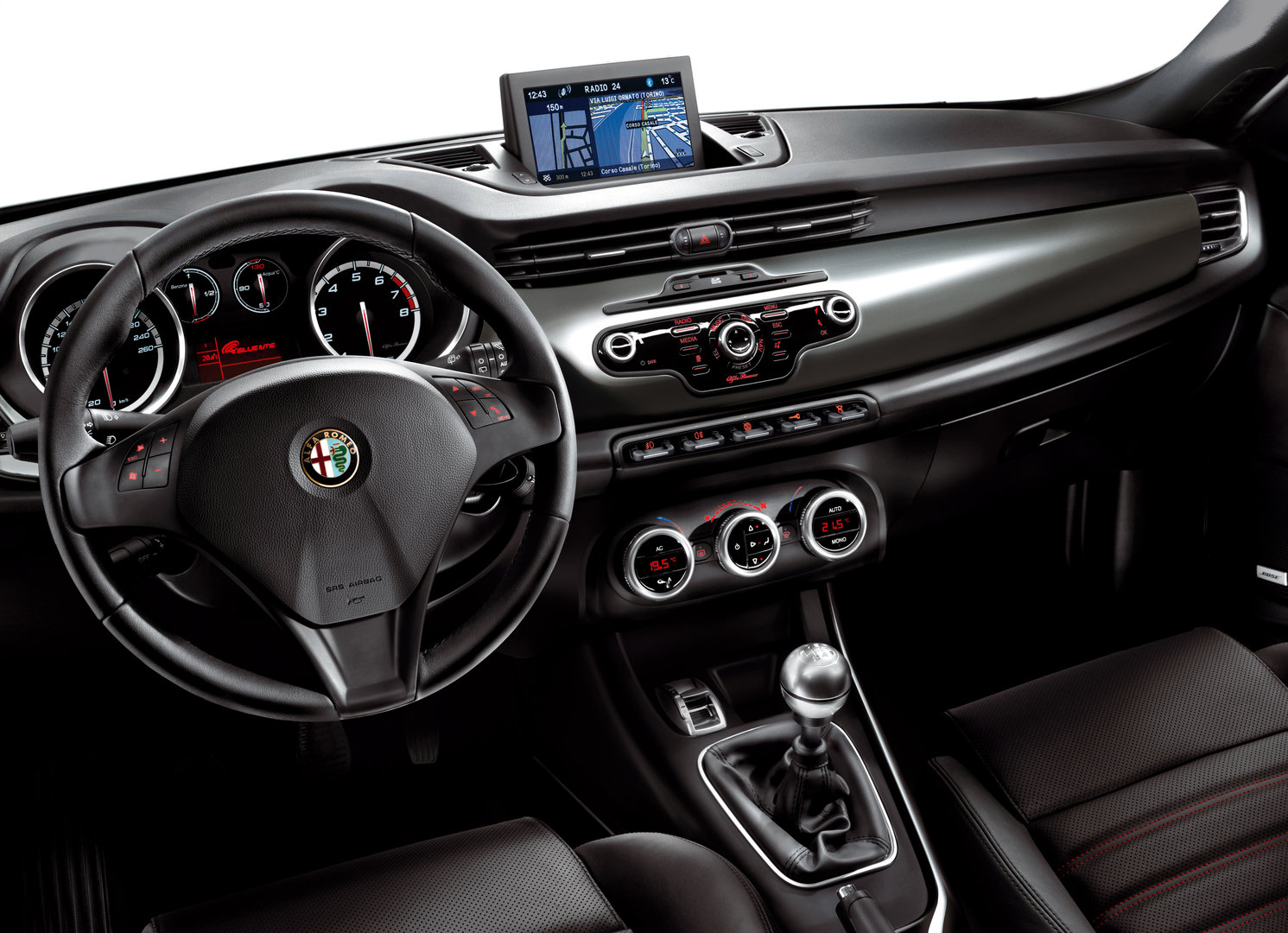
The legacy of the Alfa Romeo Giulietta is the story of a sacred moniker that repeatedly bridged the gap between exotic engineering and everyday accessibility. The 1950s generation laid the absolute bedrock for the modern Alfa Romeo, inventing the template of the small, twin-cam sporting car that would directly evolve into the legendary 105-series Giulia. The 1970s transaxle era proved that the brand was willing to offer bespoke, racing-derived chassis architecture in a family sedan. The modern Type 940 proved that Italian aesthetic passion could thrive in the heavily regulated, ultra-competitive 21st-century hatchback market. To sit behind the steering wheel of a Giulietta—whether you are gripping the thin, wooden rim of a 1956 Sprint, muscling the heavy, unassisted transaxle shifter of a 1980 Turbodelta, or grabbing the paddle shifters of a 2015 Quadrifoglio Verde—is to connect directly to the beating, romantic heart of Milan. It holds an immortal place in the pantheon of motoring as the ultimate “fiancée of Italy,” a machine that democratized speed, style, and soul for generations of driving enthusiasts.
Portal
Model line
Brand
Produced from
Vehicle category
Model Overview
To understand the absolute historical gravity of the Alfa Romeo Giulietta, one must look beyond the mere assembly of steel, glass, and rubber. This is a model line that transcends simple transportation; it is the mechanical embodiment of Italian post-war resilience, a multi-generational romance that repeatedly saved its maker from the brink of financial ruin. When Alfa Romeo emerged from the ashes of the Second World War, it was a manufacturer of magnificent, bespoke, low-volume exotica like the 6C—a business model that was fundamentally unsustainable in a shattered Europe. The Milanese marque desperately needed to democratize its racing pedigree to survive. The answer arrived in 1954 at the Turin Motor Show, causing an absolute sensation. It was the Giulietta (the “Little Juliet” to the brand’s Romeo), a nameplate that would span three entirely distinct eras of automotive engineering: the glorious, coachbuilt Type 750/101 of the 1950s and 60s; the wedge-shaped, transaxle Type 116 of the 1970s and 80s; and finally, the stylish, turbocharged Type 940 hatchback of the new millennium. Across every generation, the Giulietta faced fierce opposition—from the Porsche 356 and MG MGA in the golden age, to the BMW 3 Series and Volkswagen Golf in the modern era—yet it always offered a soulful, distinctly Italian alternative, ensuring that the working man could access the howling thrill of a thoroughbred Alfa Romeo.
The technical narrative of the Giulietta is a masterclass in evolving automotive architecture. The original 1954 Type 750 (later 101) series fundamentally democratized the twin-cam engine. Under the guidance of legendary engineer Orazio Satta Puliga, Alfa Romeo created a 1,290cc all-alloy inline-four engine known as the Bialbero. Featuring hemispherical combustion chambers and twin overhead camshafts, this jewel-like motor loved to rev, producing a raspy, induction-heavy symphony that completely shamed the archaic pushrod engines of its British rivals. Remarkably, the Giulietta debuted not as a sensible sedan, but as the breathtaking Sprint coupe, penned by Franco Scaglione at Bertone. This was soon joined by the charming Pininfarina-designed Spider, the Berlina (sedan), and a suite of extraordinary homologation specials: the aerodynamically radical Sprint Speciale (SS) and the ultra-lightweight, tubular-framed Sprint Zagato (SZ). Fast forward to 1977, and the Giulietta name was resurrected on the Type 116 platform. The curvaceous lines of the fifties were banished, replaced by a severe, high-tailed wedge designed by Ermanno Cressoni. Underneath, however, it was an uncompromising motorsport chassis. It utilized the Alfetta’s transaxle layout—mounting the clutch and gearbox at the rear axle—achieving a perfect 50/50 weight distribution. It featured a De Dion tube rear suspension, inboard rear disc brakes to reduce unsprung mass, and potent 1.6, 1.8, and 2.0-liter Bialbero engines. Finally, to celebrate the brand’s centenary in 2010, the Type 940 Giulietta was born. Dictated by modern packaging requirements, it shifted to a front-wheel-drive “Compact” platform. Yet, Alfa’s Centro Stile delivered a breathtakingly gorgeous five-door hatchback featuring hidden rear door handles and signature LED taillights. Mechanically, it boasted advanced MultiAir variable valve timing and sophisticated Multilink rear suspension, culminating in the Quadrifoglio Verde (QV) flagship, which utilized a 240-horsepower, 1.75-liter direct-injection turbocharged engine derived from the exotic Alfa Romeo 4C sports car.
The impact of the Giulietta nameplate on motorsport and global car culture is practically immeasurable. The original Type 750/101 was not just a showroom success; it was a track-day terror. The lightweight, aluminum-bodied Giulietta SZ became the absolute scourge of the 1300cc GT class across Europe. Driven by passionate privateers, the SZ famously conquered the grueling Targa Florio, the Mille Miglia, and the Nürburgring 1000km, frequently embarrassing much larger, more powerful machinery with its immense agility and aerodynamic efficiency. Commercially, the original Giulietta was the chariot of La Dolce Vita; the Pininfarina Spider became the quintessential Mediterranean coastal cruiser, securing Alfa Romeo’s status as a global automotive powerhouse. The 1970s Type 116 generation, while navigating the turbulent waters of Italian industrial strikes and notorious rust issues, maintained a fierce cult following among driving purists due to its exquisite transaxle chassis balance. It also birthed the rare Giulietta Turbodelta, a turbocharged homologation special built by Autodelta to compete in Group 4 rallying, which featured aggressively flared arches and a menacing matte-black bonnet. In the modern era, the Type 940 Giulietta successfully kept the Alfa Romeo brand afloat during a perilous financial decade, selling over 400,000 units. Furthermore, it proudly carried the Biscione back to the racetrack in the hands of privateer outfit Romeo Ferraris, who developed the Giulietta TCR into a wildly successful, flame-spitting widebody weapon that secured multiple victories in the fiercely contested FIA WTCR series.
The legacy of the Alfa Romeo Giulietta is the story of a sacred moniker that repeatedly bridged the gap between exotic engineering and everyday accessibility. The 1950s generation laid the absolute bedrock for the modern Alfa Romeo, inventing the template of the small, twin-cam sporting car that would directly evolve into the legendary 105-series Giulia. The 1970s transaxle era proved that the brand was willing to offer bespoke, racing-derived chassis architecture in a family sedan. The modern Type 940 proved that Italian aesthetic passion could thrive in the heavily regulated, ultra-competitive 21st-century hatchback market. To sit behind the steering wheel of a Giulietta—whether you are gripping the thin, wooden rim of a 1956 Sprint, muscling the heavy, unassisted transaxle shifter of a 1980 Turbodelta, or grabbing the paddle shifters of a 2015 Quadrifoglio Verde—is to connect directly to the beating, romantic heart of Milan. It holds an immortal place in the pantheon of motoring as the ultimate “fiancée of Italy,” a machine that democratized speed, style, and soul for generations of driving enthusiasts.
Generations
Model Generations

Submodels