

Alfa Romeo Giulietta Sprint Zagato ‘Coda Tonda’ (SZ1)
Brand
Produced from
Portal
Vehicle category
Model line
Model generation
Predecessor
Sucessor
About this submodel
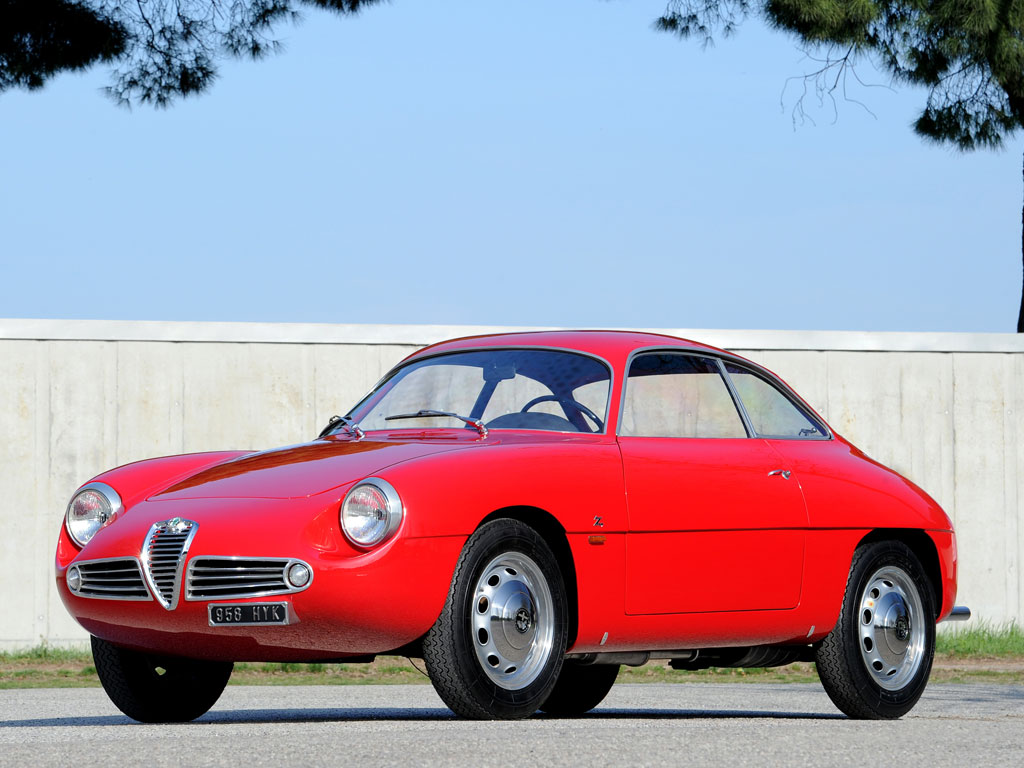
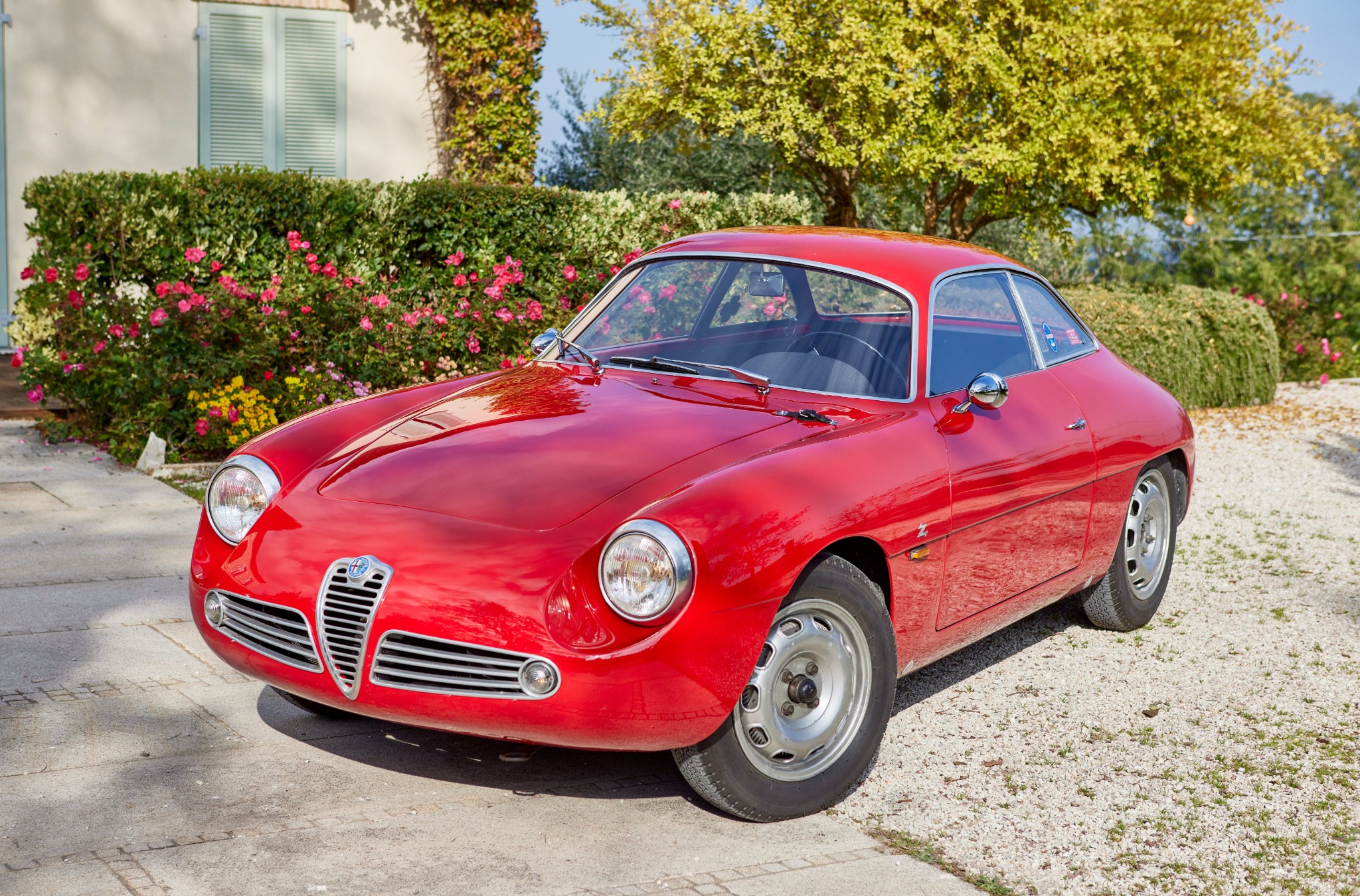
The genesis of the 1960 Alfa Romeo Giulietta Sprint Zagato (SZ1)—affectionately immortalized as the ‘Coda Tonda’ or round-tail—is one of motorsport’s most romantic and serendipitous tales. In the late 1950s, Alfa Romeo’s Giulietta Sprint Veloce was a formidable machine, but its steel Bertone body carried a weight penalty in the fiercely competitive 1.3-liter Grand Touring classes. The legend truly began in 1956 when Italian privateer Massimo Leto di Priolo heavily crashed his Sprint Veloce during the Mille Miglia. Instead of returning it to the factory, he delivered the wrecked chassis to Carrozzeria Zagato in Milan, demanding a lightweight, aerodynamic aluminium body. The resulting “SVZ” (Sprint Veloce Zagato) was so devastatingly fast that other privateers immediately followed suit. Realizing they were being outpaced by their own modified cars, Alfa Romeo officially partnered with Zagato to create a production racing model. Unveiled at the 1960 Geneva Motor Show, the official Giulietta SZ (often referred to retrospectively as the SZ1 to distinguish it from its chopped-tail successor) was a purpose-built, featherweight homologation weapon. It was birthed to ruthlessly hunt down Colin Chapman’s revolutionary fiberglass Lotus Elite and the brilliantly engineered Porsche 356 Carreras in the World Sportscar Championship, bringing factory-backed Milanese thunder to the European racing scene.
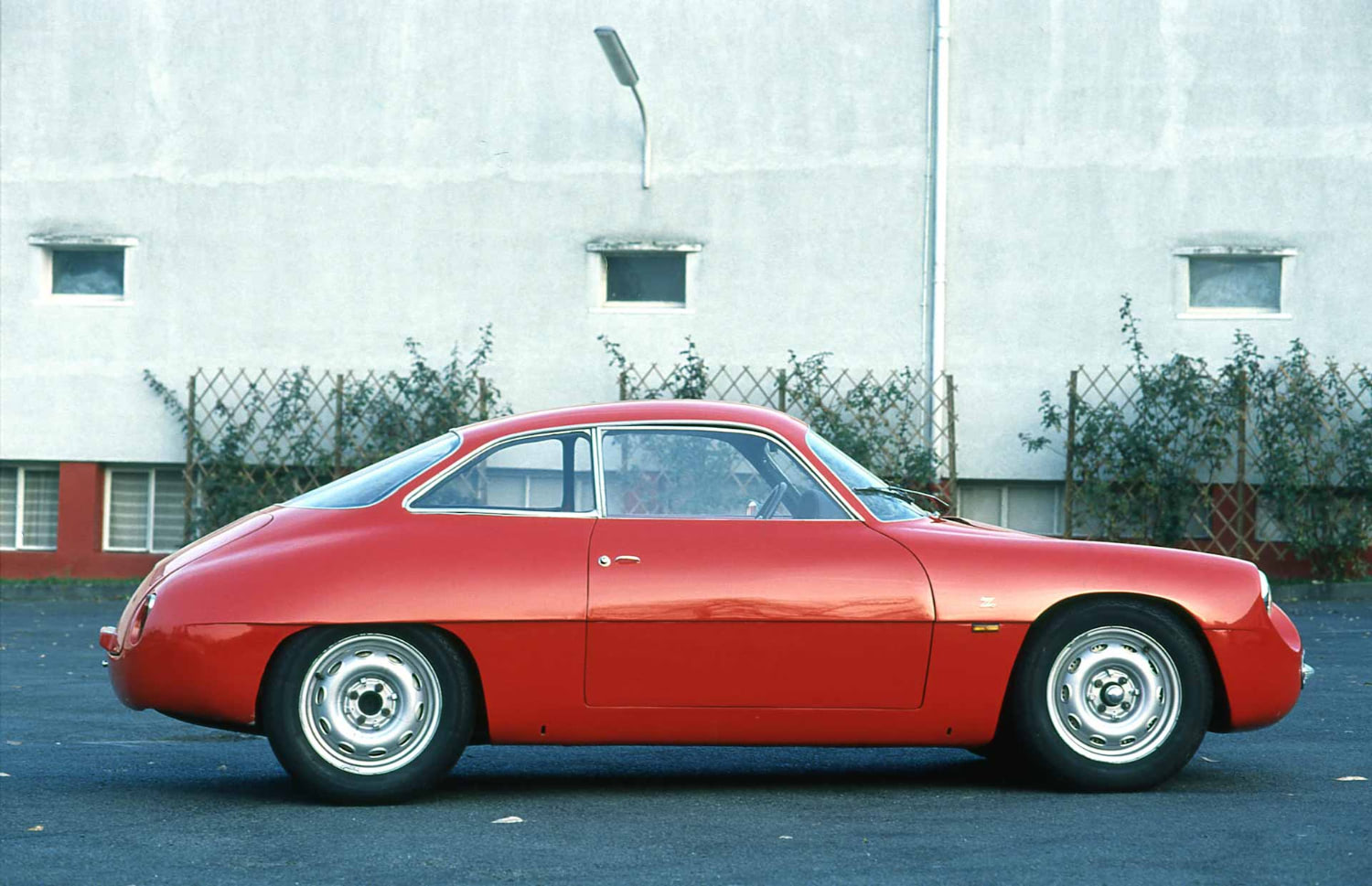
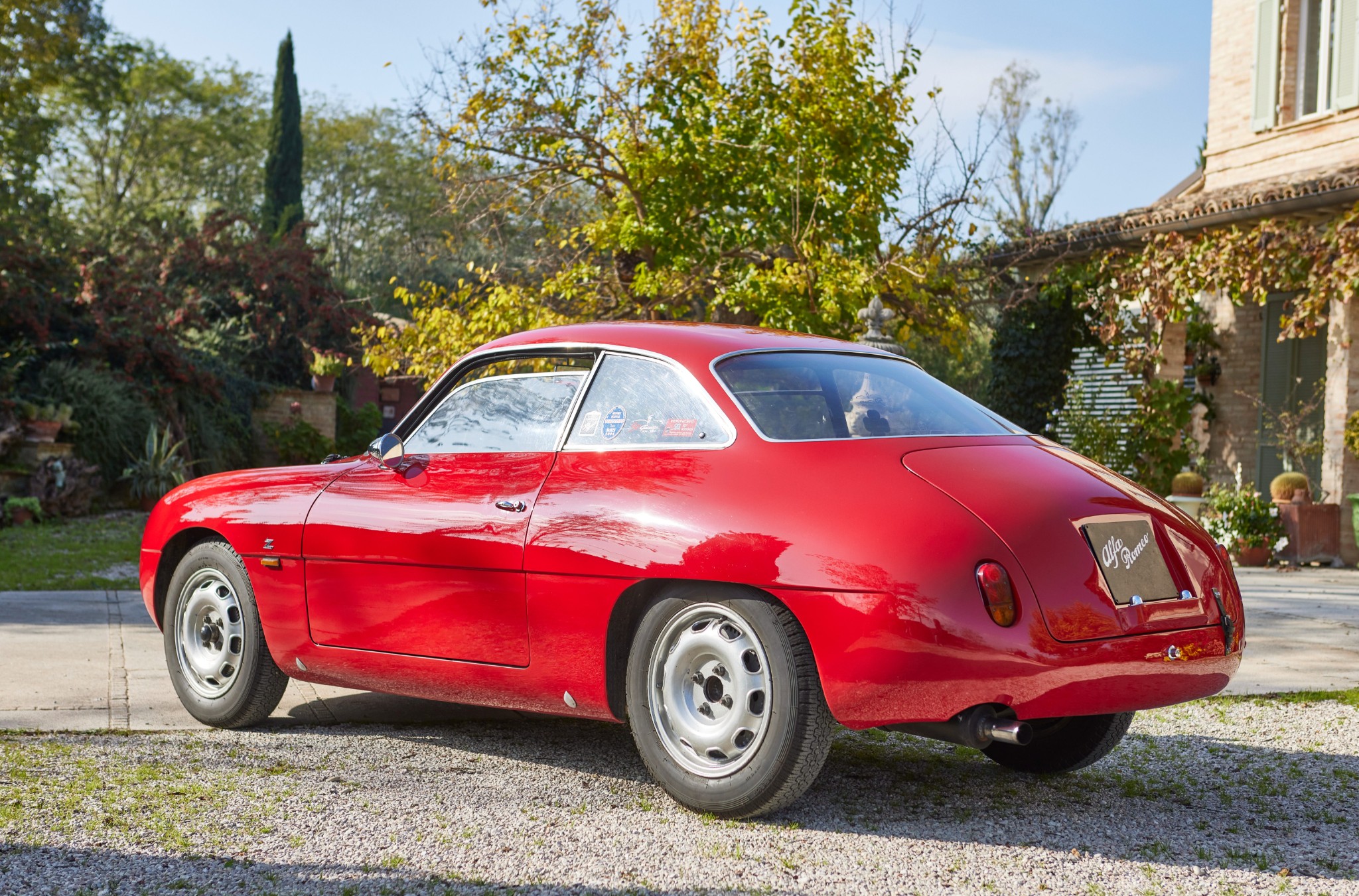
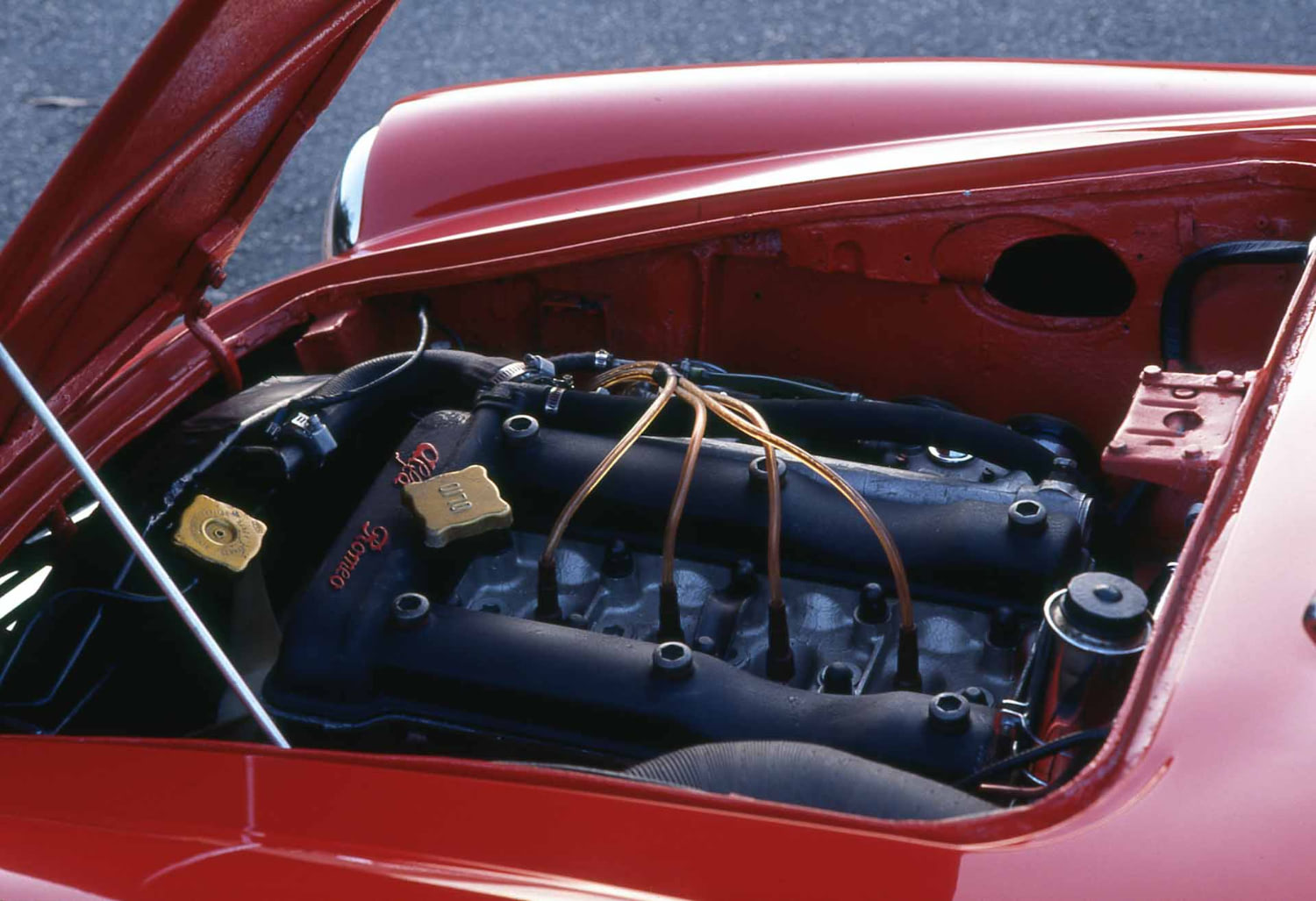
To peer beneath the sensuous, hand-hammered aluminium skin of the ‘Coda Tonda’ is to discover a masterpiece of mid-century racing pragmatism. Unlike the earlier SVZ models which were built on standard Giulietta chassis, the official SZ utilized the shorter wheelbase floorpan of the Giulietta Sprint Speciale (SS). This fundamentally altered the car’s dynamic geometry, blessing it with an incredibly sharp, immediate turn-in and a famously twitchy but communicative chassis balance. Zagato’s craftsmen draped this skeleton in an ultra-thin aluminium body characterized by its sweeping, bulbous rear end—the eponymous ‘Coda Tonda’. The beating heart of this mechanical sculpture was the legendary 1,290cc Bialbero twin-cam inline-four engine. Breathing deeply through a pair of twin-choke Weber 40 DCOE carburettors and fitted with high-compression pistons and aggressive camshafts, this jewel of an engine produced a howling 100 brake horsepower. In a vehicle that tipped the scales at a mere 785 kilograms, the power-to-weight ratio was astonishing. Stopping power was provided by massive, deeply finned bi-metallic drum brakes that peeked through the ventilated steel wheels, designed to dissipate the immense heat generated during grueling Alpine descents. The interior was brutally spartan; sound deadening was non-existent, the windows were crafted from lightweight Perspex, and the driver was hugged by minimalist, thinly padded Zagato bucket seats. The cabin was a resonant chamber of mechanical noise, amplifying the roar of the twin-cam and the chatter of the gearbox into a deafening, glorious symphony.
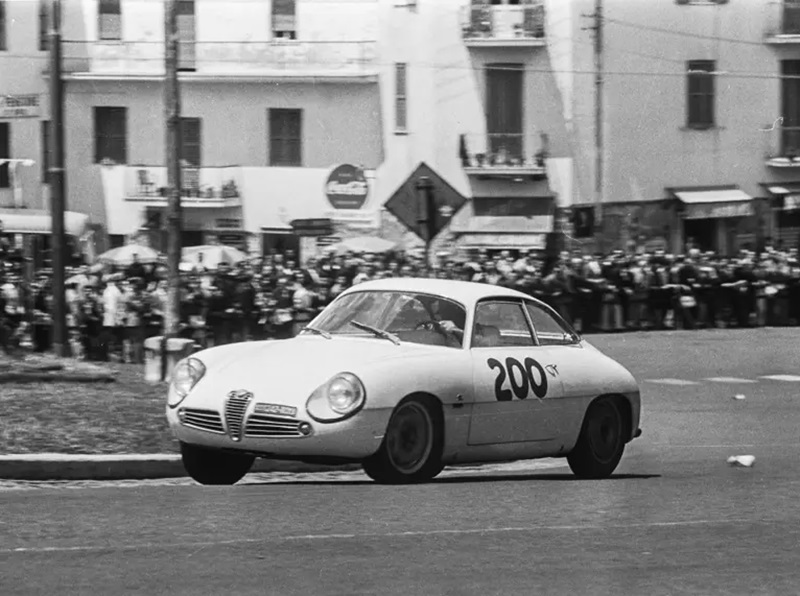
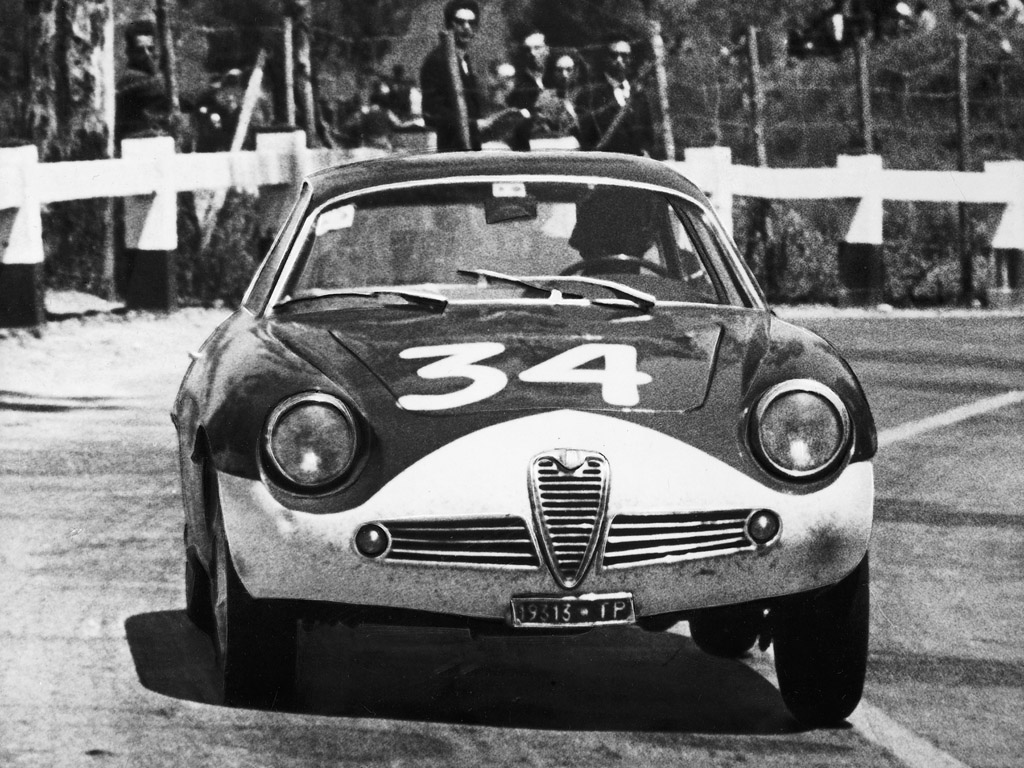
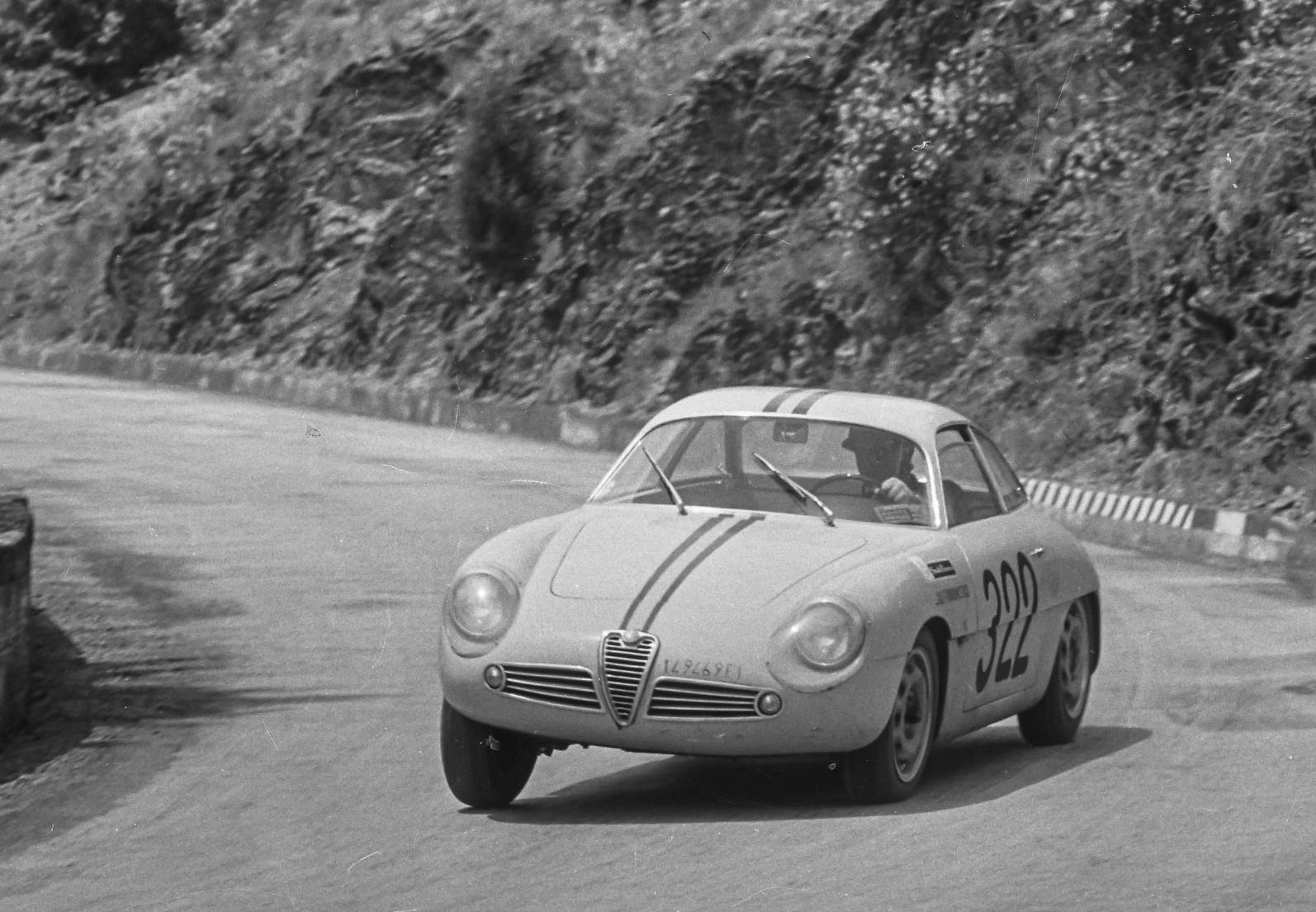
When unleashed onto the tarmac, the Giulietta SZ1 was an absolute terror. It did not merely win its class; it established a multi-year dynasty. Driven by a mix of wealthy aristocratic privateers and hard-charging factory-supported wheelmen, the ‘Coda Tonda’ dominated the 1.3-liter GT category across the globe. It was virtually unbeatable on twisting, perilous circuits where agility trumped outright top speed. The SZ famously conquered the treacherous mountain passes of the Targa Florio, flew up the grueling Mont Ventoux hillclimb, and secured class victories at the grueling Tour de Corse. To drive a ‘Coda Tonda’ at the limit was a highly physical, tactile experience. The short wheelbase and rigid rear axle meant it cornered with a distinct, easily modulated tail-slide. Drivers steered with the throttle, maintaining the high-revving engine on the absolute boil, dancing on the edge of adhesion while the incredibly thin aluminium doors visibly vibrated over the cobblestones. It became the definitive status symbol for the serious gentleman racer of the 1960s—a car that could be driven to the circuit, raced to a class victory, and driven home, provided the driver’s ears could withstand the exhaust note.
The legacy of the 1960 Alfa Romeo Giulietta SZ1 ‘Coda Tonda’ is securely cemented at the very peak of the historic racing pantheon. Roughly 170 examples were meticulously hand-built before Alfa Romeo and Zagato realized that, despite its beauty, the round tail generated aerodynamic lift at high speeds, leading to the creation of the mathematically precise, flat-backed SZ2 ‘Coda Tronca‘ in 1961. Yet, for many purists, the original ‘Coda Tonda’ remains the most aesthetically perfect iteration of the Giulietta lineage. It captures a fleeting, golden moment in motorsport history before wind tunnels completely dictated the shape of racing cars—a time when an aerodynamicist’s intuition and a coachbuilder’s wooden mallet could create a machine that was as breathtaking to look at as it was devastating to race. Today, the SZ1 is an incredibly coveted unicorn, a blue-chip masterpiece that embodies the absolute, uncorrupted soul of Alfa Romeo’s lightweight racing philosophy.
Brand
Produced from
Portal
Vehicle category
Model line
Model generation
Predecessor
Sucessor
Brand
Produced from
Portal
Vehicle category
Model line
Model generation
Predecessor
Sucessor
About this submodel
The genesis of the 1960 Alfa Romeo Giulietta Sprint Zagato (SZ1)—affectionately immortalized as the ‘Coda Tonda’ or round-tail—is one of motorsport’s most romantic and serendipitous tales. In the late 1950s, Alfa Romeo’s Giulietta Sprint Veloce was a formidable machine, but its steel Bertone body carried a weight penalty in the fiercely competitive 1.3-liter Grand Touring classes. The legend truly began in 1956 when Italian privateer Massimo Leto di Priolo heavily crashed his Sprint Veloce during the Mille Miglia. Instead of returning it to the factory, he delivered the wrecked chassis to Carrozzeria Zagato in Milan, demanding a lightweight, aerodynamic aluminium body. The resulting “SVZ” (Sprint Veloce Zagato) was so devastatingly fast that other privateers immediately followed suit. Realizing they were being outpaced by their own modified cars, Alfa Romeo officially partnered with Zagato to create a production racing model. Unveiled at the 1960 Geneva Motor Show, the official Giulietta SZ (often referred to retrospectively as the SZ1 to distinguish it from its chopped-tail successor) was a purpose-built, featherweight homologation weapon. It was birthed to ruthlessly hunt down Colin Chapman’s revolutionary fiberglass Lotus Elite and the brilliantly engineered Porsche 356 Carreras in the World Sportscar Championship, bringing factory-backed Milanese thunder to the European racing scene.
To peer beneath the sensuous, hand-hammered aluminium skin of the ‘Coda Tonda’ is to discover a masterpiece of mid-century racing pragmatism. Unlike the earlier SVZ models which were built on standard Giulietta chassis, the official SZ utilized the shorter wheelbase floorpan of the Giulietta Sprint Speciale (SS). This fundamentally altered the car’s dynamic geometry, blessing it with an incredibly sharp, immediate turn-in and a famously twitchy but communicative chassis balance. Zagato’s craftsmen draped this skeleton in an ultra-thin aluminium body characterized by its sweeping, bulbous rear end—the eponymous ‘Coda Tonda’. The beating heart of this mechanical sculpture was the legendary 1,290cc Bialbero twin-cam inline-four engine. Breathing deeply through a pair of twin-choke Weber 40 DCOE carburettors and fitted with high-compression pistons and aggressive camshafts, this jewel of an engine produced a howling 100 brake horsepower. In a vehicle that tipped the scales at a mere 785 kilograms, the power-to-weight ratio was astonishing. Stopping power was provided by massive, deeply finned bi-metallic drum brakes that peeked through the ventilated steel wheels, designed to dissipate the immense heat generated during grueling Alpine descents. The interior was brutally spartan; sound deadening was non-existent, the windows were crafted from lightweight Perspex, and the driver was hugged by minimalist, thinly padded Zagato bucket seats. The cabin was a resonant chamber of mechanical noise, amplifying the roar of the twin-cam and the chatter of the gearbox into a deafening, glorious symphony.
When unleashed onto the tarmac, the Giulietta SZ1 was an absolute terror. It did not merely win its class; it established a multi-year dynasty. Driven by a mix of wealthy aristocratic privateers and hard-charging factory-supported wheelmen, the ‘Coda Tonda’ dominated the 1.3-liter GT category across the globe. It was virtually unbeatable on twisting, perilous circuits where agility trumped outright top speed. The SZ famously conquered the treacherous mountain passes of the Targa Florio, flew up the grueling Mont Ventoux hillclimb, and secured class victories at the grueling Tour de Corse. To drive a ‘Coda Tonda’ at the limit was a highly physical, tactile experience. The short wheelbase and rigid rear axle meant it cornered with a distinct, easily modulated tail-slide. Drivers steered with the throttle, maintaining the high-revving engine on the absolute boil, dancing on the edge of adhesion while the incredibly thin aluminium doors visibly vibrated over the cobblestones. It became the definitive status symbol for the serious gentleman racer of the 1960s—a car that could be driven to the circuit, raced to a class victory, and driven home, provided the driver’s ears could withstand the exhaust note.
The legacy of the 1960 Alfa Romeo Giulietta SZ1 ‘Coda Tonda’ is securely cemented at the very peak of the historic racing pantheon. Roughly 170 examples were meticulously hand-built before Alfa Romeo and Zagato realized that, despite its beauty, the round tail generated aerodynamic lift at high speeds, leading to the creation of the mathematically precise, flat-backed SZ2 ‘Coda Tronca‘ in 1961. Yet, for many purists, the original ‘Coda Tonda’ remains the most aesthetically perfect iteration of the Giulietta lineage. It captures a fleeting, golden moment in motorsport history before wind tunnels completely dictated the shape of racing cars—a time when an aerodynamicist’s intuition and a coachbuilder’s wooden mallet could create a machine that was as breathtaking to look at as it was devastating to race. Today, the SZ1 is an incredibly coveted unicorn, a blue-chip masterpiece that embodies the absolute, uncorrupted soul of Alfa Romeo’s lightweight racing philosophy.
Tech Specs
Discover the technical specifications
Tech Specs