
Allard J2
Brand
Produced from
Vehicle category
Portal
Model line
Model generation
Predecessor
Sucessor
Model Overview
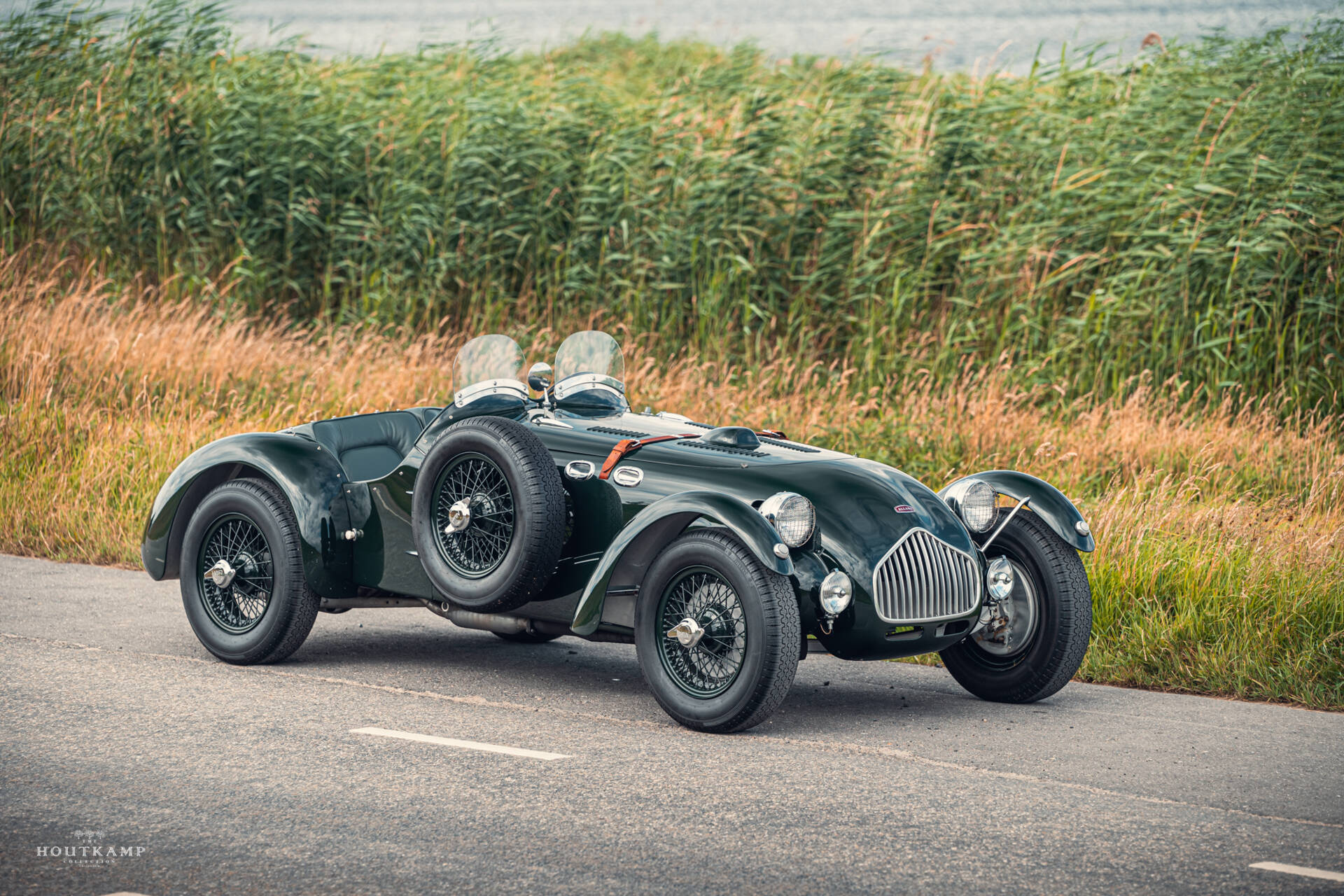
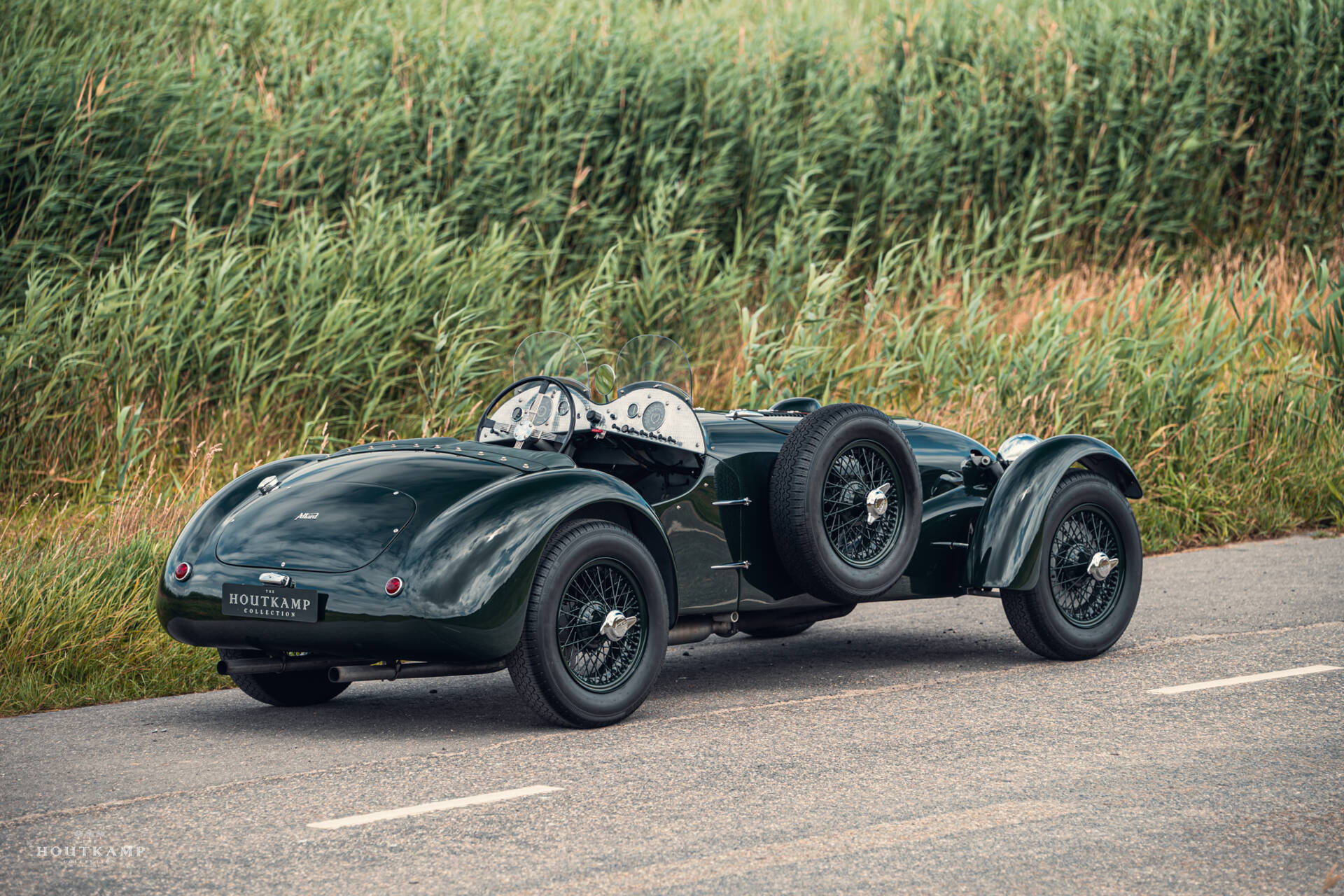
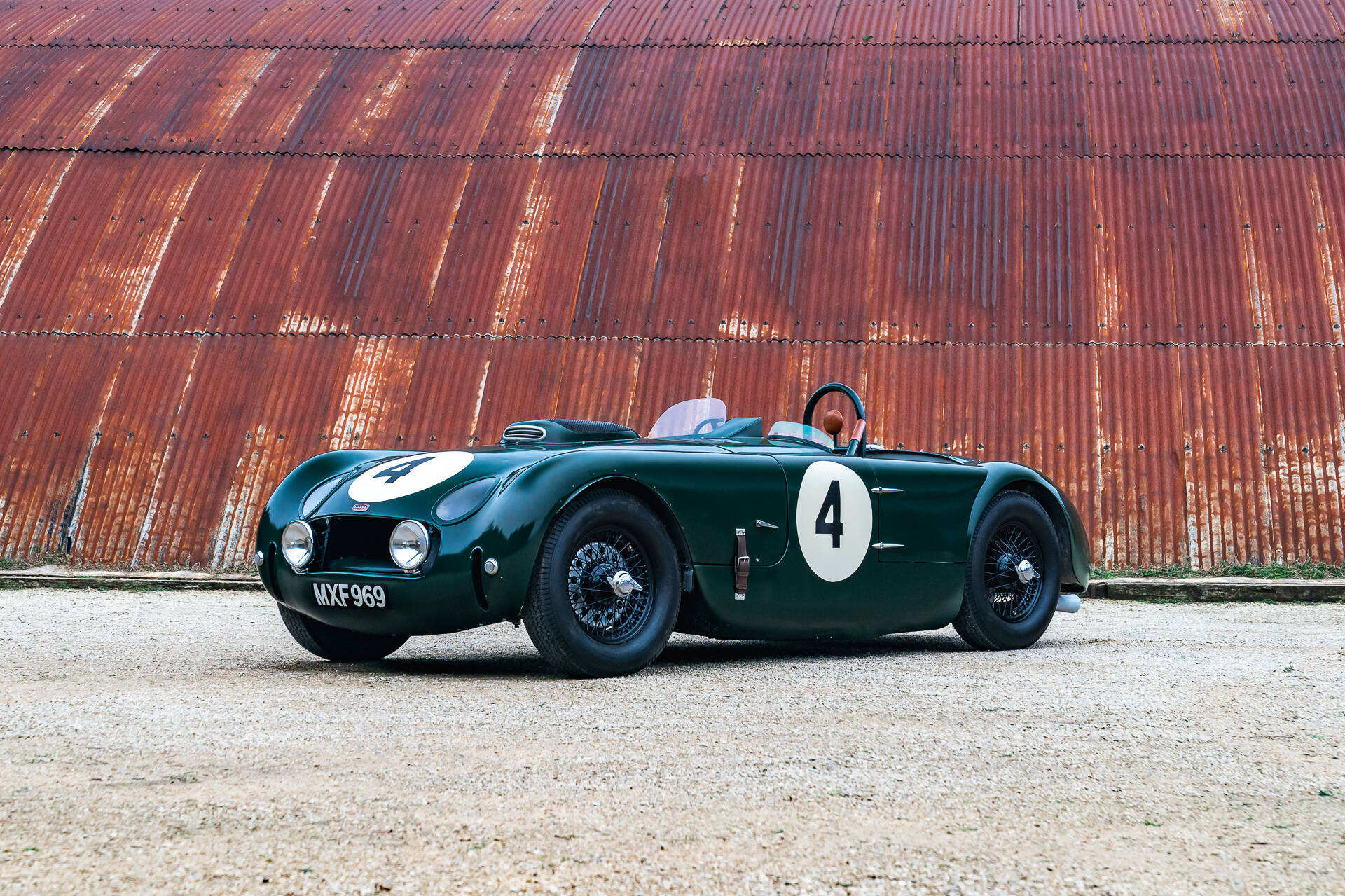
To truly comprehend the monumental historical gravity of the Allard J2 and its refined successor, the J2X, one must first discard any romanticized notions of delicate, aristocratic post-war European sports cars. In an era when Ferrari was meticulously hand-assembling jewel-like, small-displacement V12s and Jaguar was seducing the world with the sweeping, feline grace of the XK120, Sydney Allard chose a radically different path. Operating out of a modest facility in Clapham, South London, Allard—a rugged trials driver and pragmatic engineer—looked at the world of motorsport and decided that what it really needed was a sledgehammer. The Allard J2, introduced in 1950 as the successor to the earlier, more primitive J1, was not designed to win concours d’elegance events. It was a blunt-force instrument, an uncompromised, bare-knuckle brawler built with a singular, violent purpose: to mate a lightweight British chassis with the largest, most torque-laden American V8 engines available. In doing so, Sydney Allard birthed the definitive blueprint for the Anglo-American sports car hybrid, arriving on the global stage more than a decade before a charismatic Texan named Carroll Shelby would employ the exact same recipe with his legendary Cobra. The Allard J2 and J2X locked horns with the most sophisticated machinery the continent could muster, terrifying the establishment at Le Mans and absolutely dominating the nascent road racing circuits of North America.
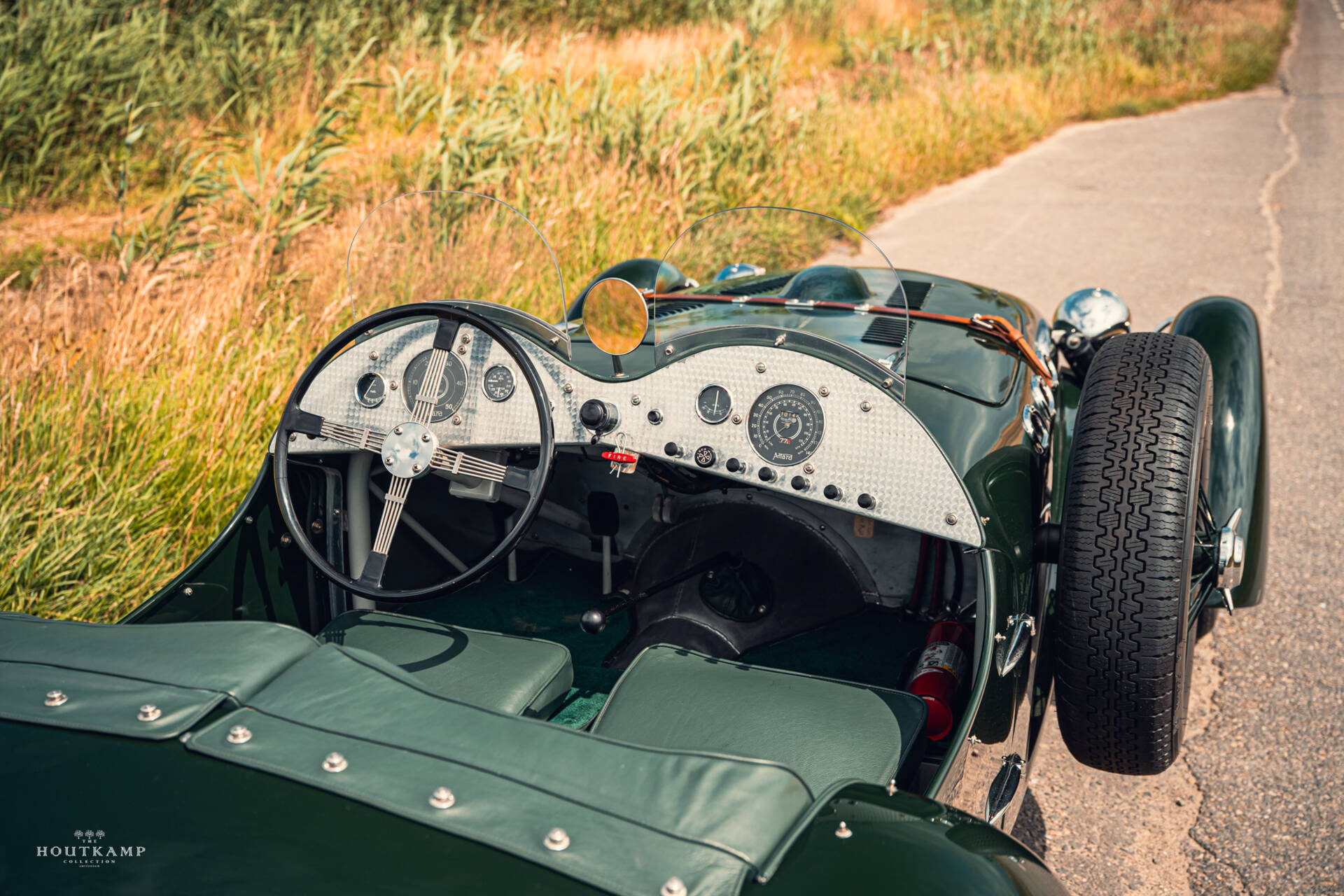
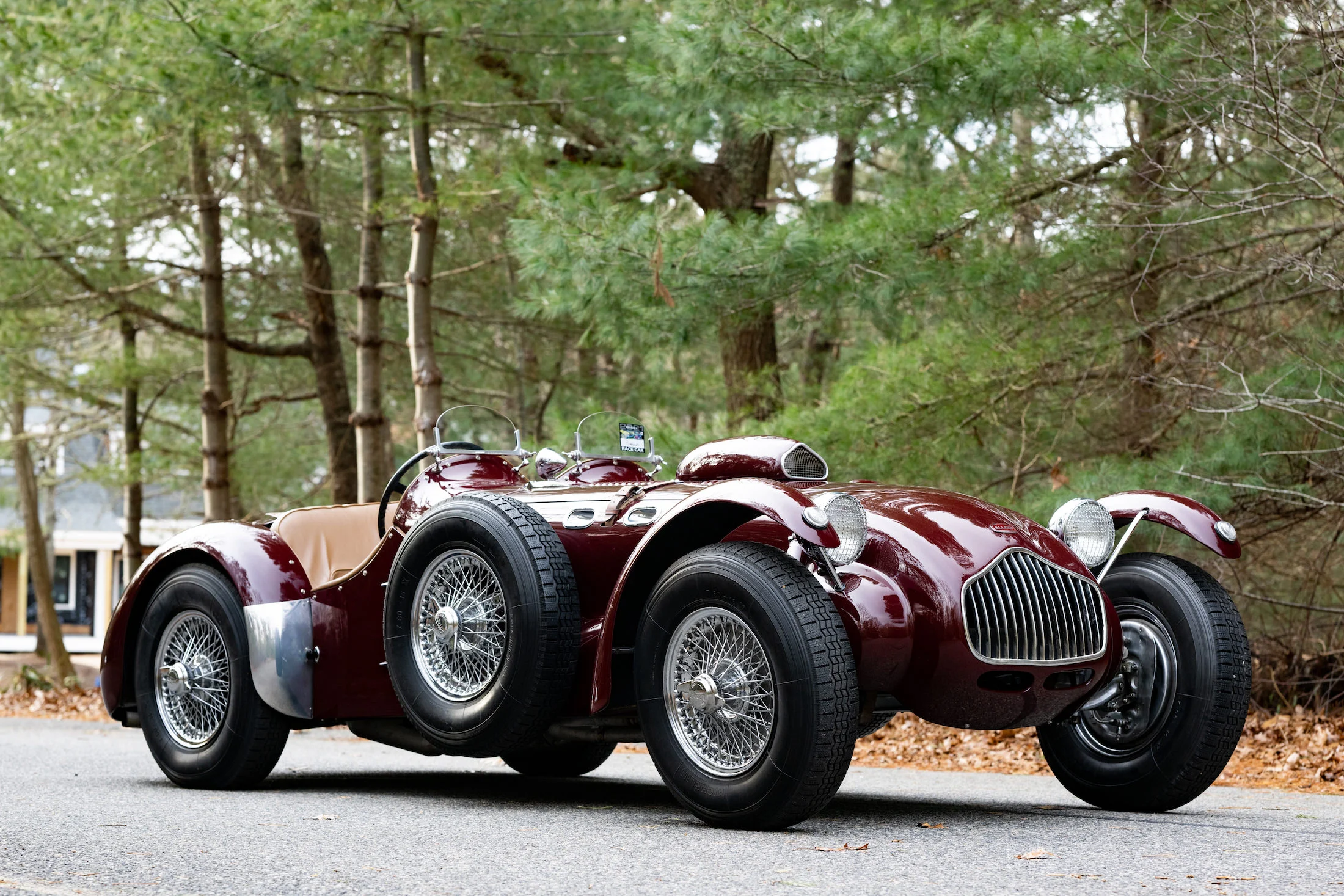
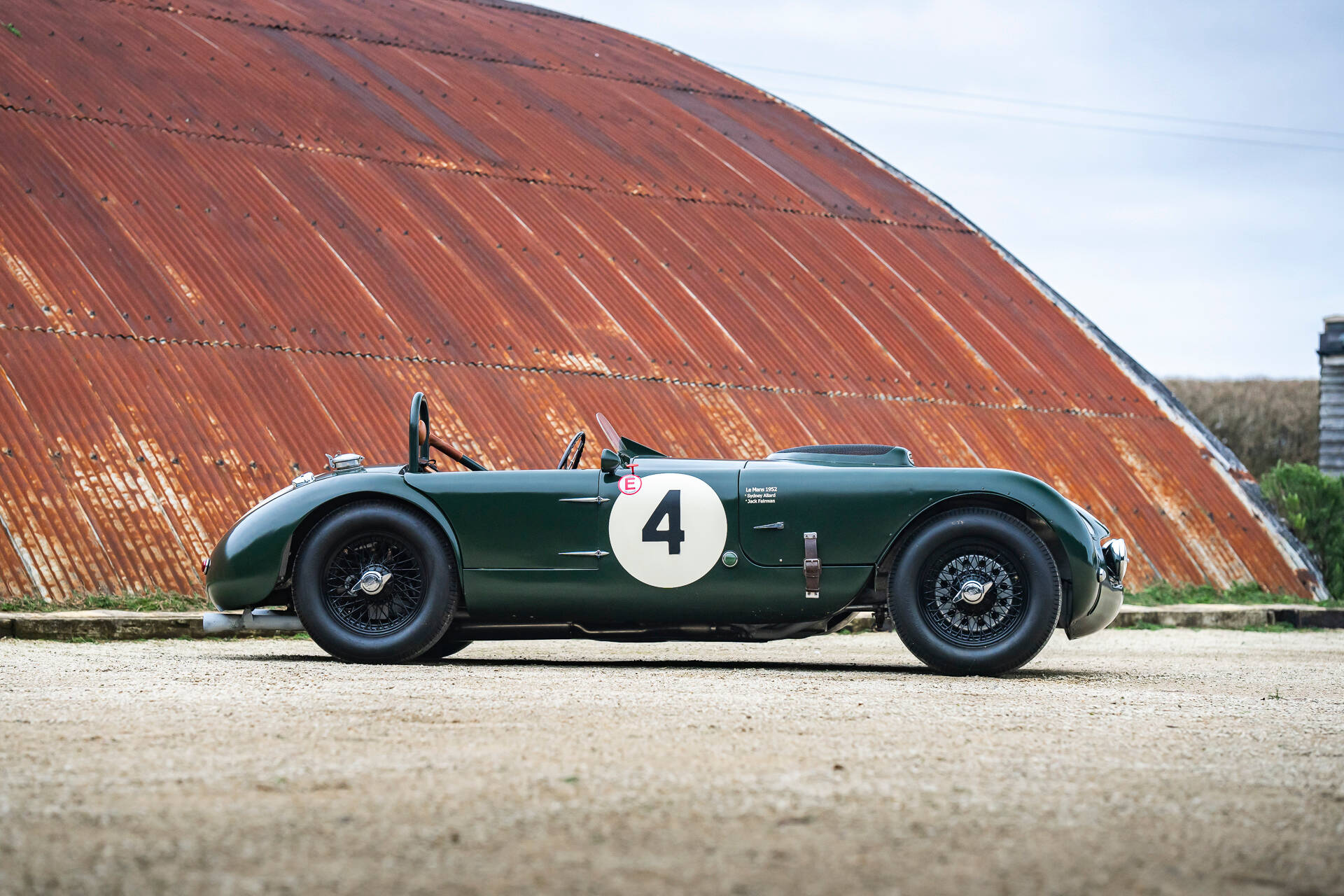
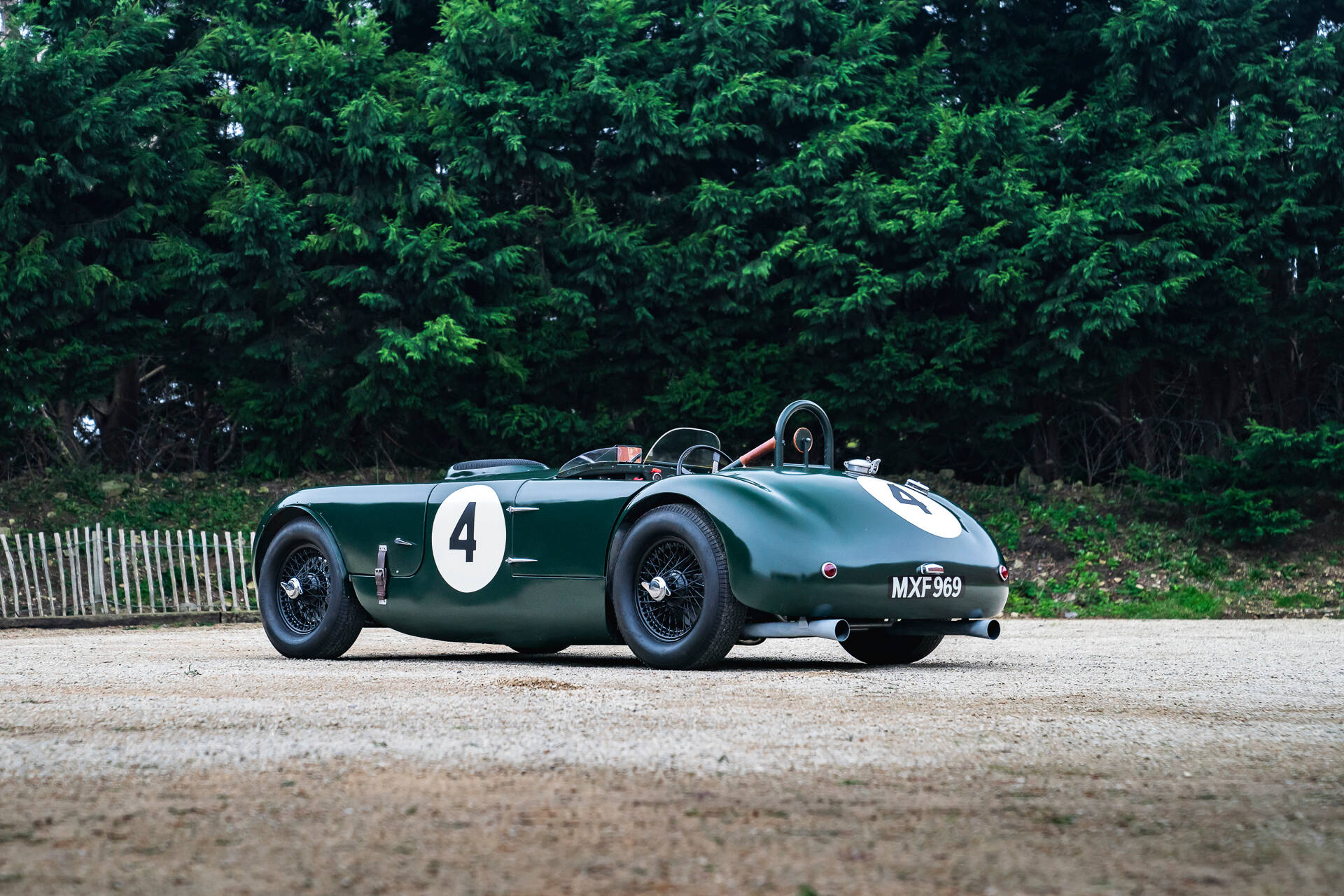
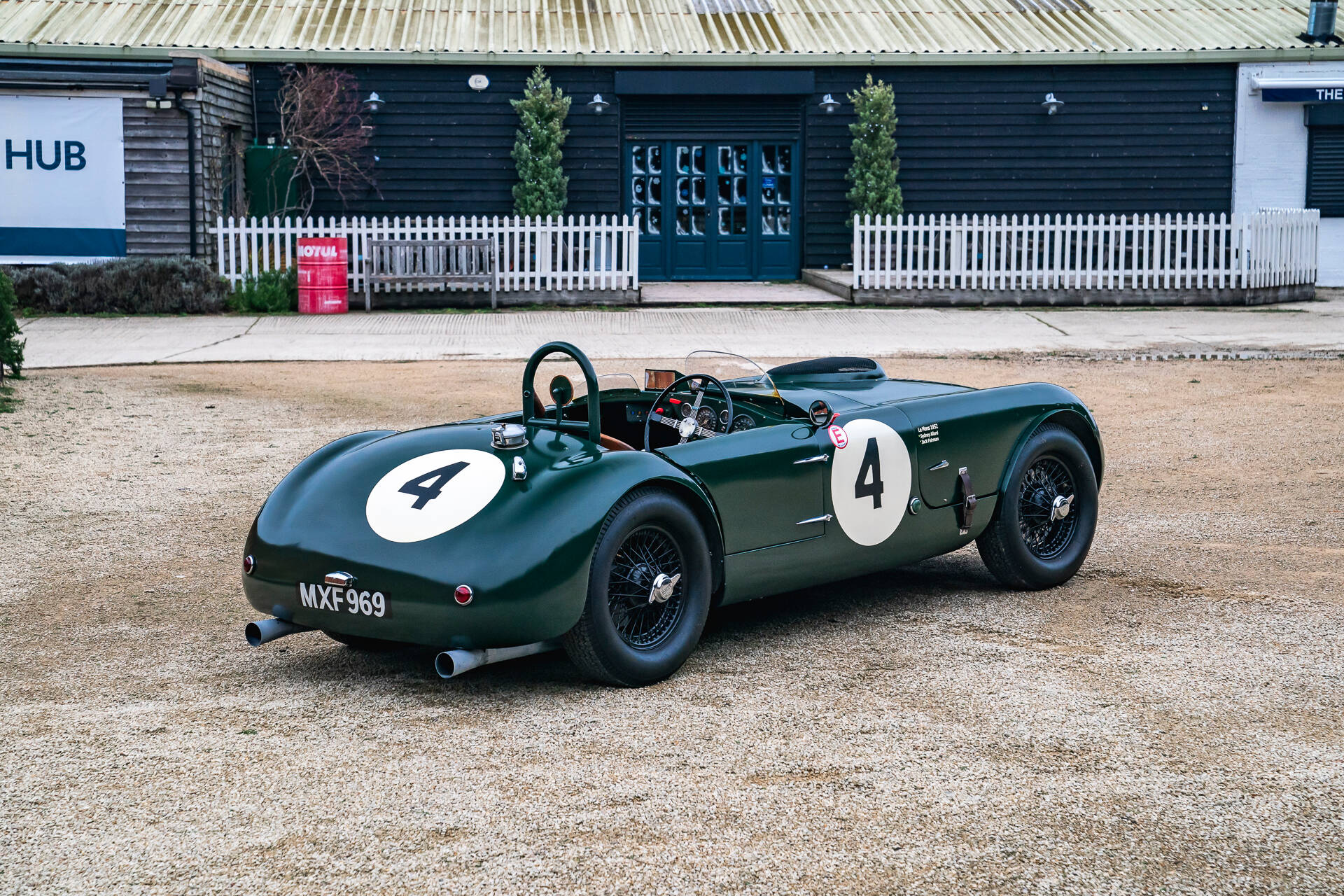
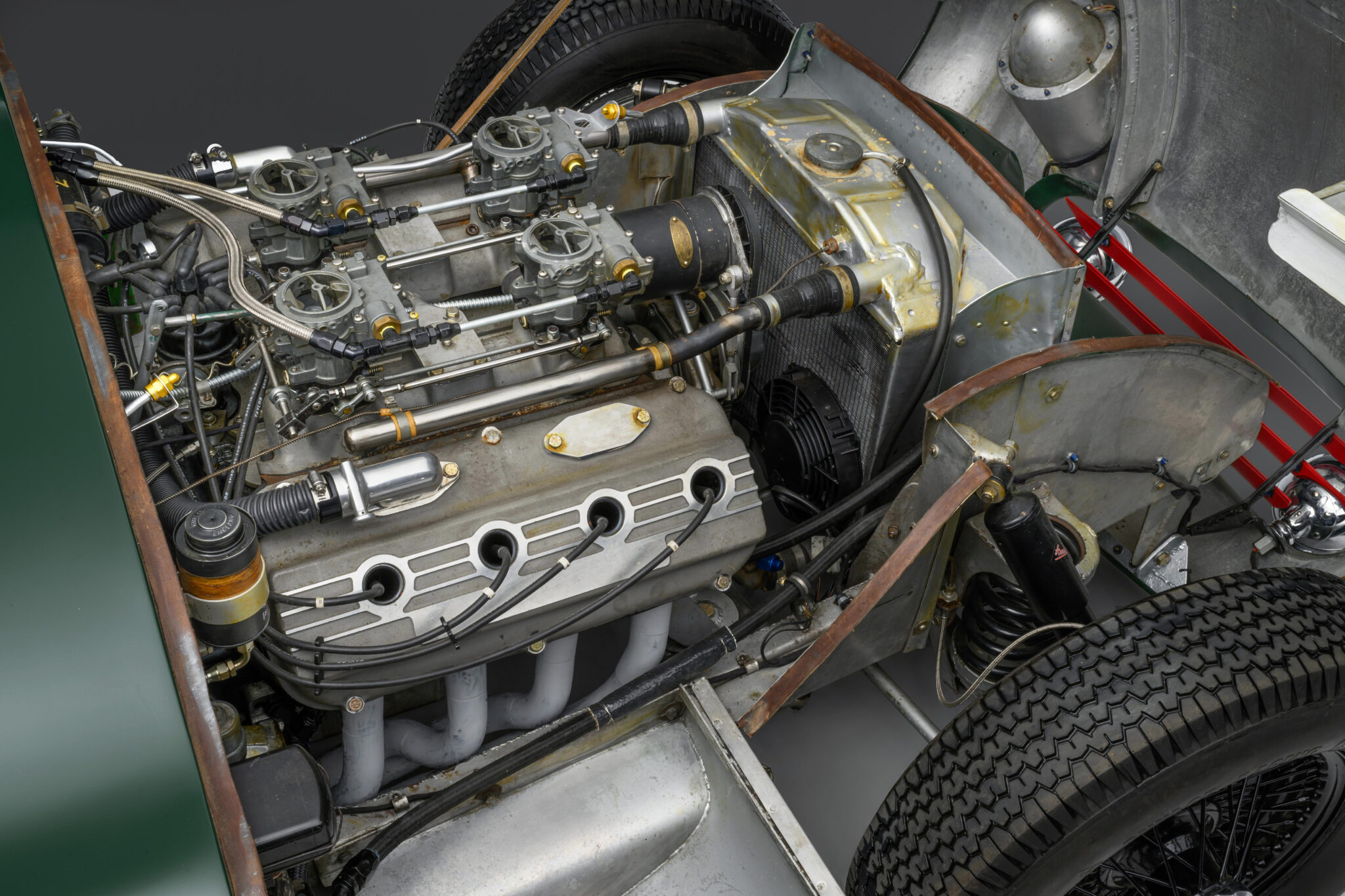
To peel back the aluminium cycle fenders of the Allard J2 is to witness an exercise in pragmatic, almost blacksmith-level engineering, yet one that was astonishingly effective. The foundation of the J2 was a simple, highly robust box-section stamped steel frame. However, its suspension architecture was highly idiosyncratic. At the front, Allard utilized a Leslie Bellamy-designed split-axle independent front suspension—essentially a swing-axle setup. This design meant that as the suspension compressed, the front wheels underwent massive, violent changes in camber. It was a setup that terrified the uninitiated, causing the car to wildly dart and weave over bumpy surfaces, demanding a driver with massive upper body strength to wrestle the large, wood-rimmed steering wheel, steering largely with the throttle. At the rear, Allard employed a sophisticated De Dion tube setup with inboard Alfin drum brakes, significantly reducing unsprung weight and helping to keep the rear tires keyed to the tarmac. But the absolute stroke of genius lay in the engine bay—or rather, what was missing from it when the cars left London.
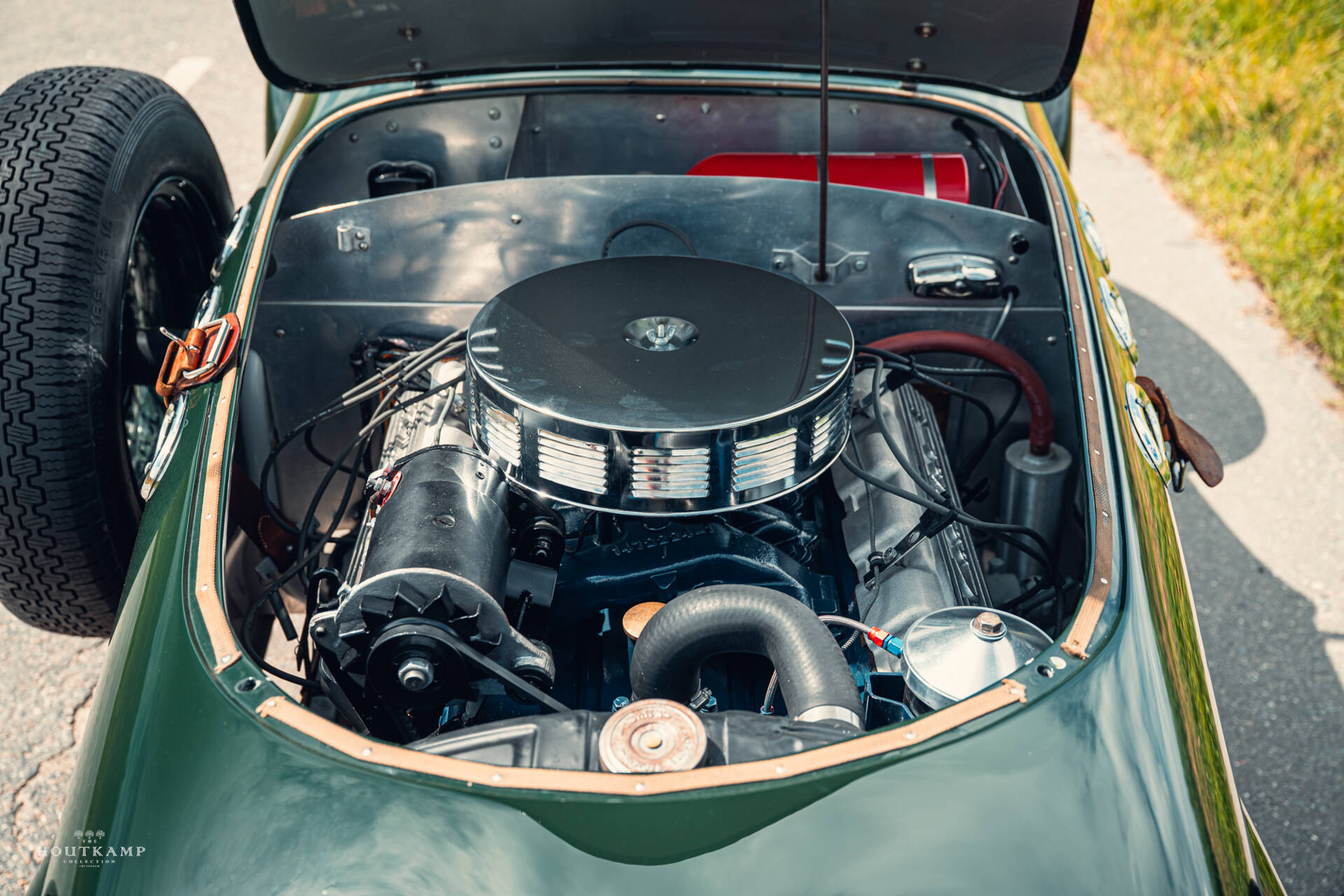
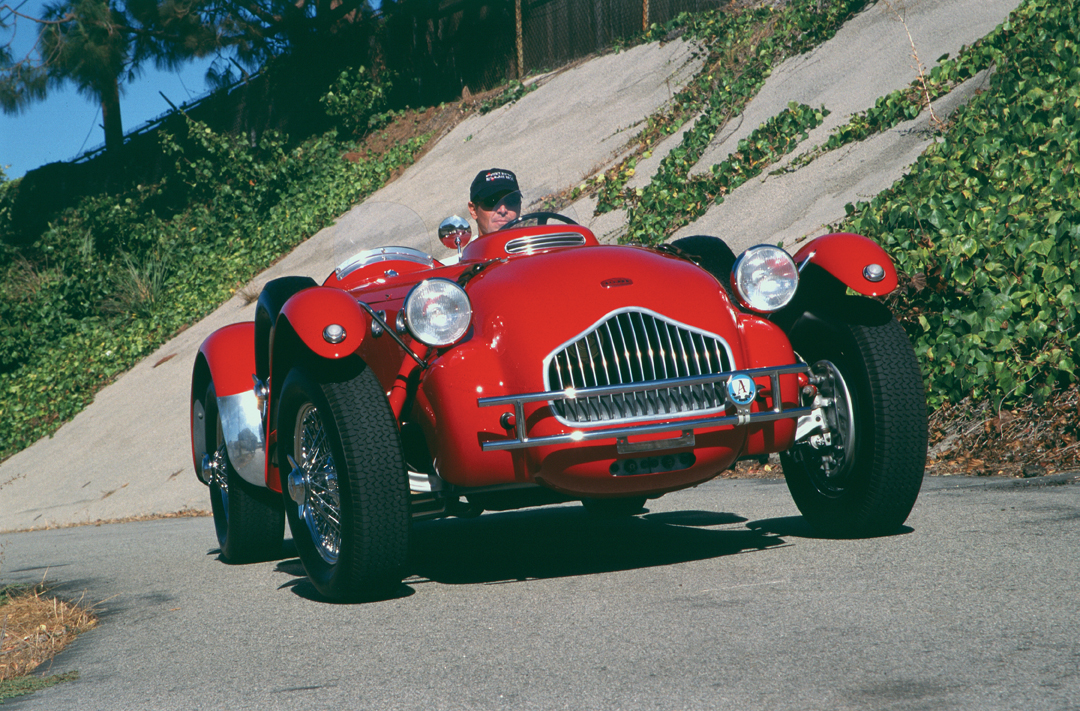
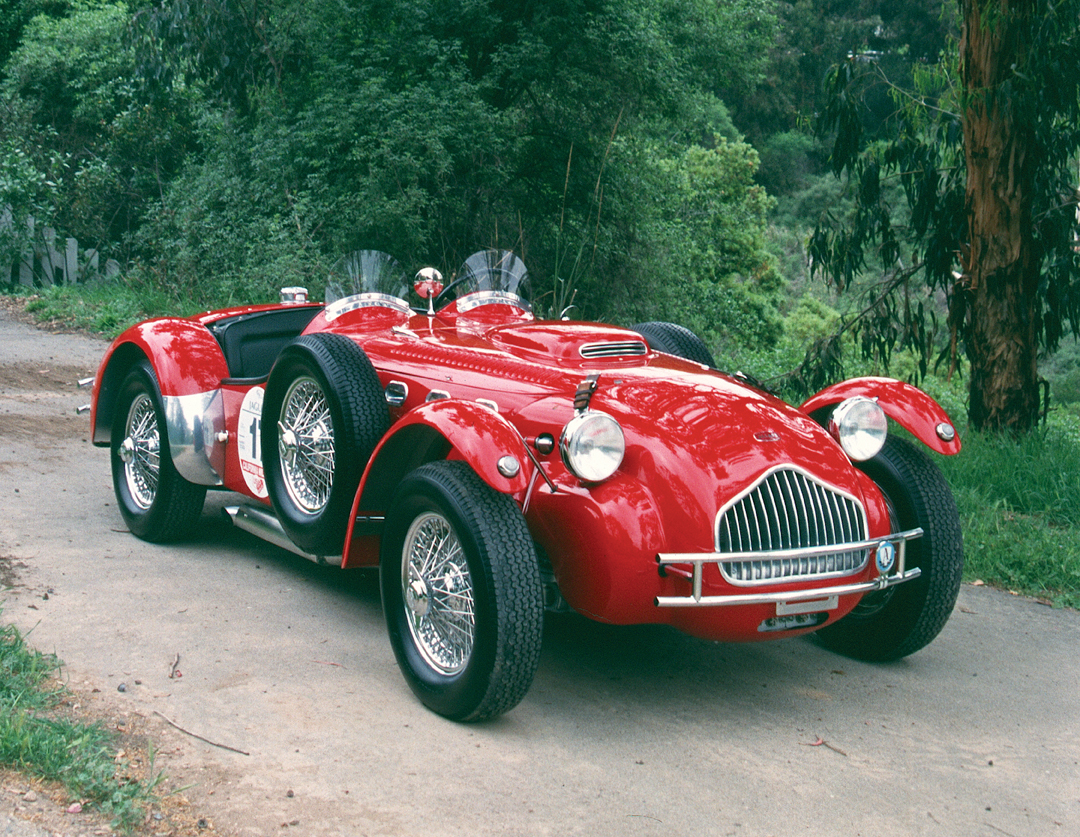
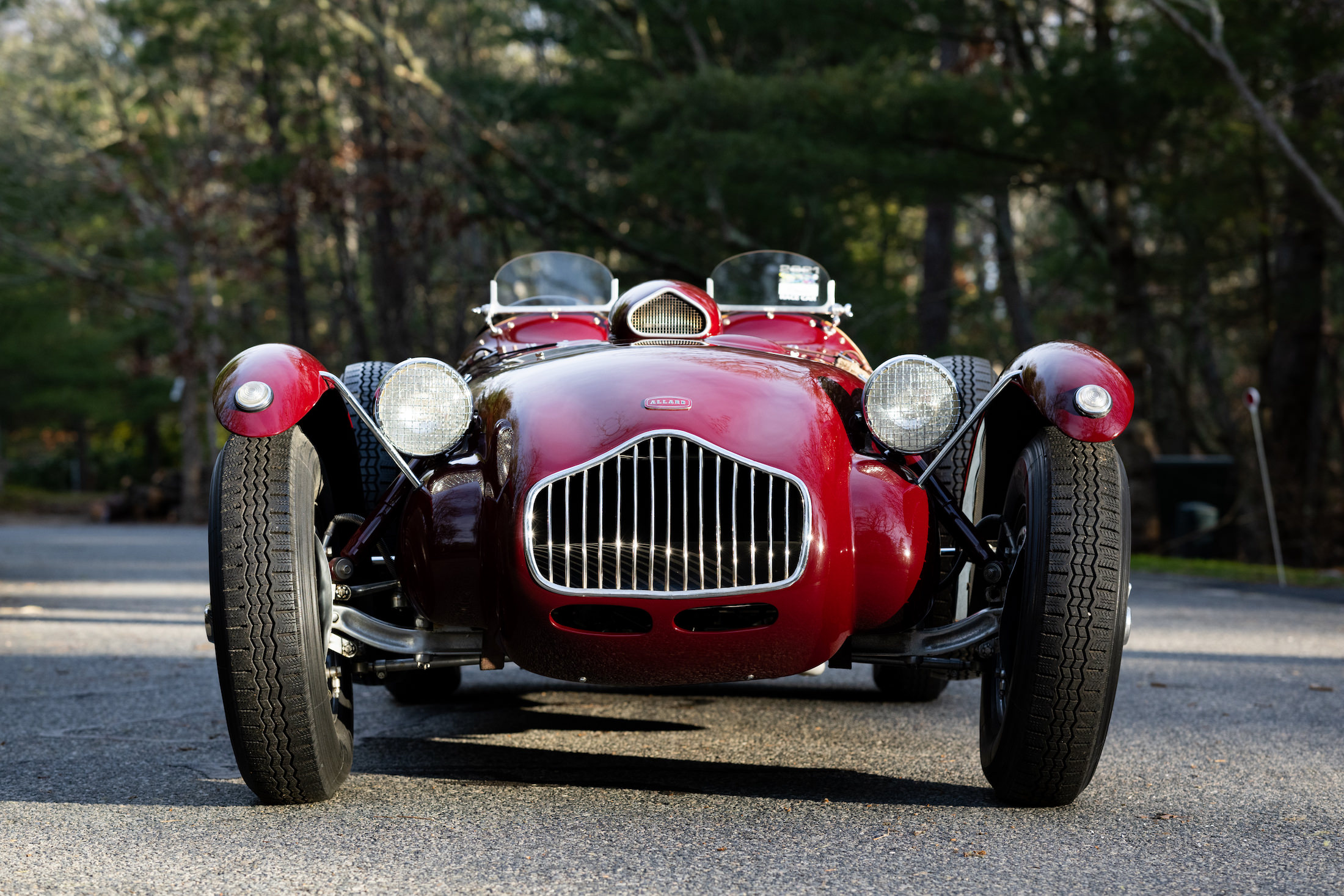
To circumvent punishing post-war British taxes and cater to his primary export market, Sydney Allard shipped the vast majority of J2 chassis to the United States entirely engined-less. Upon arriving in America, speed-crazed owners and privateer racers would drop in the most potent Detroit iron available. The holy grail was the revolutionary, newly introduced overhead-valve Cadillac 331 cubic-inch (5.4-liter) V8, or the mighty Chrysler FirePower Hemi. Mated to a robust three-speed manual transmission, a Cadillac-powered J2 produced over 160 horsepower and an avalanche of torque in a chassis that weighed barely 2,000 pounds. In 1951, responding to complaints about claustrophobic cockpit space and nervous high-speed handling, Allard introduced the second generation: the J2X. The ‘X’ unofficially stood for extended. While the 100-inch wheelbase remained identical, Allard pushed the engine forward by seven and a half inches. To accommodate this, the front suspension radius rods were relocated to extend ahead of the front axle, necessitating a distinctive, protruding nose section that instantly differentiates the J2X from its predecessor. This brilliant revision not only provided much-needed legroom for the driver but vastly improved the weight distribution, taming some of the original J2’s more terrifying handling traits and creating an even more formidable track weapon.
The competition history of the Allard J2 is the stuff of absolute motorsport mythology, defined by heroic displays of driver endurance and mechanical brute force. Its defining moment occurred at the grueling 1950 24 Hours of Le Mans. Sydney Allard himself, alongside American co-driver Tom Cole, entered a Cadillac-powered J2. Against the immense factory might of Aston Martin, Jaguar, and Talbot-Lago, the crude British hot rod was a revelation. During the night, the Allard’s three-speed gearbox lost both first and second gears. For hours, Allard and Cole were forced to lap the treacherous Circuit de la Sarthe entirely in top gear, relying purely on the gargantuan, subterranean torque of the Cadillac V8 to pull them out of Mulsanne Corner and Arnage. Astonishingly, they survived the mechanical attrition to finish third overall, a monumental, giant-killing achievement that instantly cemented the marque’s global reputation. Across the Atlantic, the impact was even more profound. In the early days of the Sports Car Club of America (SCCA), before the arrival of the Jaguar C-Type or the purpose-built Ferrari sports racers, the Allard J2 and J2X were the absolute kings of the grid. Driven by legendary, hard-charging American pilots like John Fitch, Phil Hill, and a young, overall-clad Carroll Shelby, the Allards conquered the treacherous, tree-lined street circuits of Watkins Glen and Pebble Beach. Shelby famously scored several of his earliest, career-defining victories behind the wheel of a Cad-Allard, learning firsthand the devastating potential of a lightweight British chassis propelled by American V8 torque—a lesson he would famously put to use in the 1960s. On the street, the Allard was an intimidating, uncompromising machine. With its cycle fenders, louvered bonnet, and thunderous, unsilenced exhaust note, it possessed a raw, visceral magnetism that appealed to Hollywood elites and wealthy sportsmen who wanted a car that commanded absolute respect, and a little bit of fear, at every stoplight.
The legacy of the 1950 Allard J2 and the 1951 J2X is sovereign and unassailable in the pantheon of motoring history. When production eventually ceased—with roughly 90 J2s and 83 J2X models built—the world had already begun moving toward the more aerodynamically sophisticated, enclosed sports racers like the Jaguar D-Type. Allard attempted to follow suit with the J3, JR, and Palm Beach models, but none ever recaptured the raw, lightning-in-a-bottle magic of the J2 lineage. Yet, the ghost of Sydney Allard’s masterpiece echoes through the decades. It is the undeniable, direct genetic ancestor of the Shelby Cobra, the Sunbeam Tiger, and even the Chevrolet Corvette, whose “father”, Zora Arkus-Duntov, worked for Allard and raced a J2 at Le Mans. The Allard J2 and J2X remain the ultimate expression of the post-war hot rod ethos applied to European road racing. They are thunderous, terrifying, magnificent monuments to an era when aerodynamic downforce meant nothing, and the simple application of massive Detroit horsepower could conquer the world.
Portal
Model line
Model generation
Predecessor
Sucessor
Brand
Produced from
Vehicle category
Portal
Model line
Model generation
Predecessor
Sucessor
Model Overview
To truly comprehend the monumental historical gravity of the Allard J2 and its refined successor, the J2X, one must first discard any romanticized notions of delicate, aristocratic post-war European sports cars. In an era when Ferrari was meticulously hand-assembling jewel-like, small-displacement V12s and Jaguar was seducing the world with the sweeping, feline grace of the XK120, Sydney Allard chose a radically different path. Operating out of a modest facility in Clapham, South London, Allard—a rugged trials driver and pragmatic engineer—looked at the world of motorsport and decided that what it really needed was a sledgehammer. The Allard J2, introduced in 1950 as the successor to the earlier, more primitive J1, was not designed to win concours d’elegance events. It was a blunt-force instrument, an uncompromised, bare-knuckle brawler built with a singular, violent purpose: to mate a lightweight British chassis with the largest, most torque-laden American V8 engines available. In doing so, Sydney Allard birthed the definitive blueprint for the Anglo-American sports car hybrid, arriving on the global stage more than a decade before a charismatic Texan named Carroll Shelby would employ the exact same recipe with his legendary Cobra. The Allard J2 and J2X locked horns with the most sophisticated machinery the continent could muster, terrifying the establishment at Le Mans and absolutely dominating the nascent road racing circuits of North America.
To peel back the aluminium cycle fenders of the Allard J2 is to witness an exercise in pragmatic, almost blacksmith-level engineering, yet one that was astonishingly effective. The foundation of the J2 was a simple, highly robust box-section stamped steel frame. However, its suspension architecture was highly idiosyncratic. At the front, Allard utilized a Leslie Bellamy-designed split-axle independent front suspension—essentially a swing-axle setup. This design meant that as the suspension compressed, the front wheels underwent massive, violent changes in camber. It was a setup that terrified the uninitiated, causing the car to wildly dart and weave over bumpy surfaces, demanding a driver with massive upper body strength to wrestle the large, wood-rimmed steering wheel, steering largely with the throttle. At the rear, Allard employed a sophisticated De Dion tube setup with inboard Alfin drum brakes, significantly reducing unsprung weight and helping to keep the rear tires keyed to the tarmac. But the absolute stroke of genius lay in the engine bay—or rather, what was missing from it when the cars left London.
To circumvent punishing post-war British taxes and cater to his primary export market, Sydney Allard shipped the vast majority of J2 chassis to the United States entirely engined-less. Upon arriving in America, speed-crazed owners and privateer racers would drop in the most potent Detroit iron available. The holy grail was the revolutionary, newly introduced overhead-valve Cadillac 331 cubic-inch (5.4-liter) V8, or the mighty Chrysler FirePower Hemi. Mated to a robust three-speed manual transmission, a Cadillac-powered J2 produced over 160 horsepower and an avalanche of torque in a chassis that weighed barely 2,000 pounds. In 1951, responding to complaints about claustrophobic cockpit space and nervous high-speed handling, Allard introduced the second generation: the J2X. The ‘X’ unofficially stood for extended. While the 100-inch wheelbase remained identical, Allard pushed the engine forward by seven and a half inches. To accommodate this, the front suspension radius rods were relocated to extend ahead of the front axle, necessitating a distinctive, protruding nose section that instantly differentiates the J2X from its predecessor. This brilliant revision not only provided much-needed legroom for the driver but vastly improved the weight distribution, taming some of the original J2’s more terrifying handling traits and creating an even more formidable track weapon.
The competition history of the Allard J2 is the stuff of absolute motorsport mythology, defined by heroic displays of driver endurance and mechanical brute force. Its defining moment occurred at the grueling 1950 24 Hours of Le Mans. Sydney Allard himself, alongside American co-driver Tom Cole, entered a Cadillac-powered J2. Against the immense factory might of Aston Martin, Jaguar, and Talbot-Lago, the crude British hot rod was a revelation. During the night, the Allard’s three-speed gearbox lost both first and second gears. For hours, Allard and Cole were forced to lap the treacherous Circuit de la Sarthe entirely in top gear, relying purely on the gargantuan, subterranean torque of the Cadillac V8 to pull them out of Mulsanne Corner and Arnage. Astonishingly, they survived the mechanical attrition to finish third overall, a monumental, giant-killing achievement that instantly cemented the marque’s global reputation. Across the Atlantic, the impact was even more profound. In the early days of the Sports Car Club of America (SCCA), before the arrival of the Jaguar C-Type or the purpose-built Ferrari sports racers, the Allard J2 and J2X were the absolute kings of the grid. Driven by legendary, hard-charging American pilots like John Fitch, Phil Hill, and a young, overall-clad Carroll Shelby, the Allards conquered the treacherous, tree-lined street circuits of Watkins Glen and Pebble Beach. Shelby famously scored several of his earliest, career-defining victories behind the wheel of a Cad-Allard, learning firsthand the devastating potential of a lightweight British chassis propelled by American V8 torque—a lesson he would famously put to use in the 1960s. On the street, the Allard was an intimidating, uncompromising machine. With its cycle fenders, louvered bonnet, and thunderous, unsilenced exhaust note, it possessed a raw, visceral magnetism that appealed to Hollywood elites and wealthy sportsmen who wanted a car that commanded absolute respect, and a little bit of fear, at every stoplight.
The legacy of the 1950 Allard J2 and the 1951 J2X is sovereign and unassailable in the pantheon of motoring history. When production eventually ceased—with roughly 90 J2s and 83 J2X models built—the world had already begun moving toward the more aerodynamically sophisticated, enclosed sports racers like the Jaguar D-Type. Allard attempted to follow suit with the J3, JR, and Palm Beach models, but none ever recaptured the raw, lightning-in-a-bottle magic of the J2 lineage. Yet, the ghost of Sydney Allard’s masterpiece echoes through the decades. It is the undeniable, direct genetic ancestor of the Shelby Cobra, the Sunbeam Tiger, and even the Chevrolet Corvette, whose “father”, Zora Arkus-Duntov, worked for Allard and raced a J2 at Le Mans. The Allard J2 and J2X remain the ultimate expression of the post-war hot rod ethos applied to European road racing. They are thunderous, terrifying, magnificent monuments to an era when aerodynamic downforce meant nothing, and the simple application of massive Detroit horsepower could conquer the world.
Generations
Model Generations
Submodels