

Austin Healey 3000
Brand
Produced from
Vehicle category
Portal
Model line
Model generation
Predecessor
Sucessor
About this model
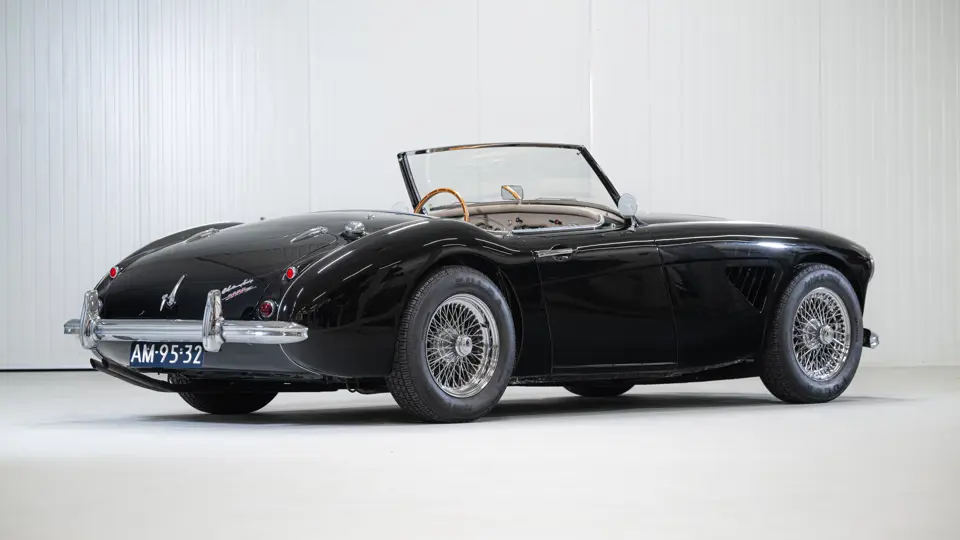
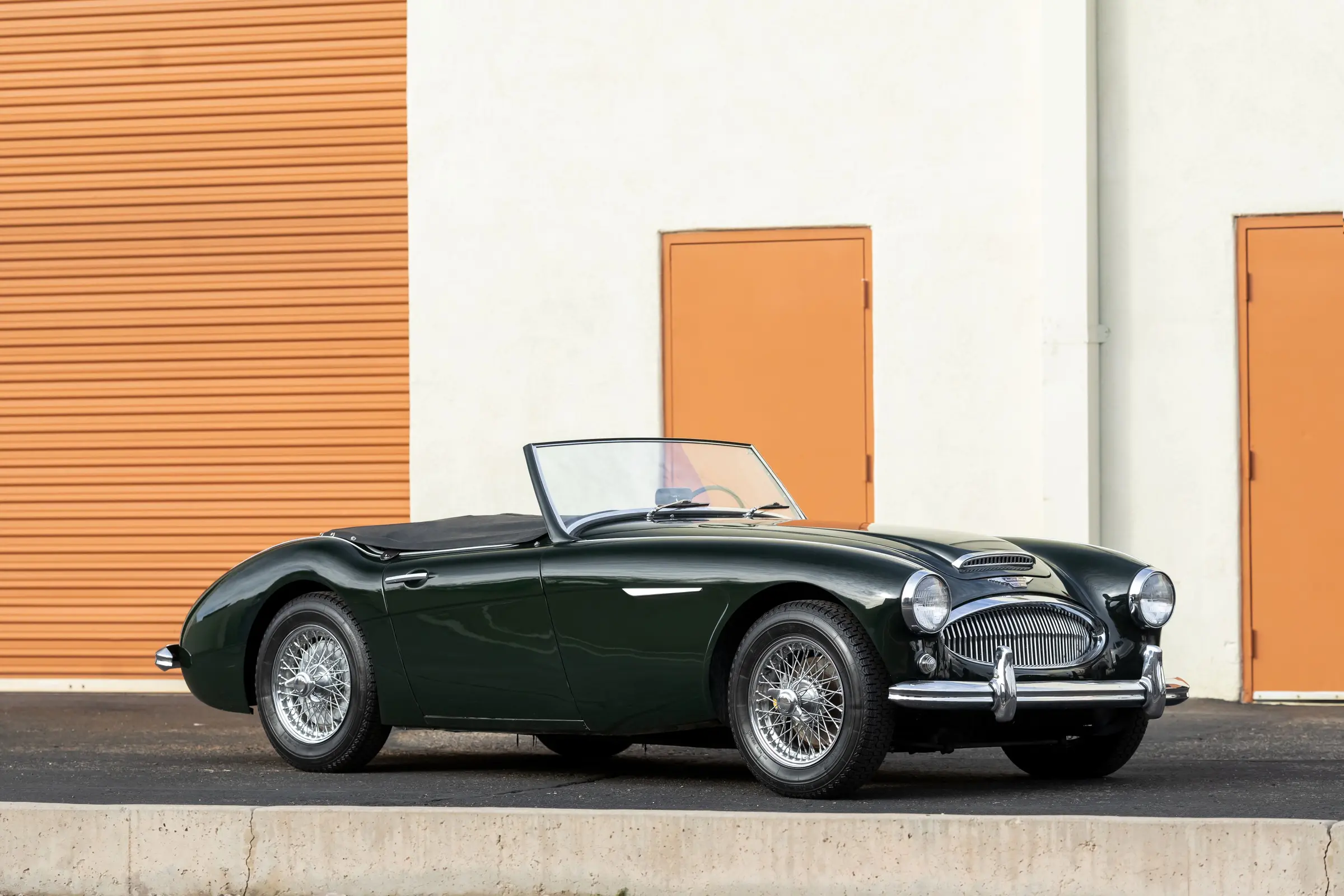
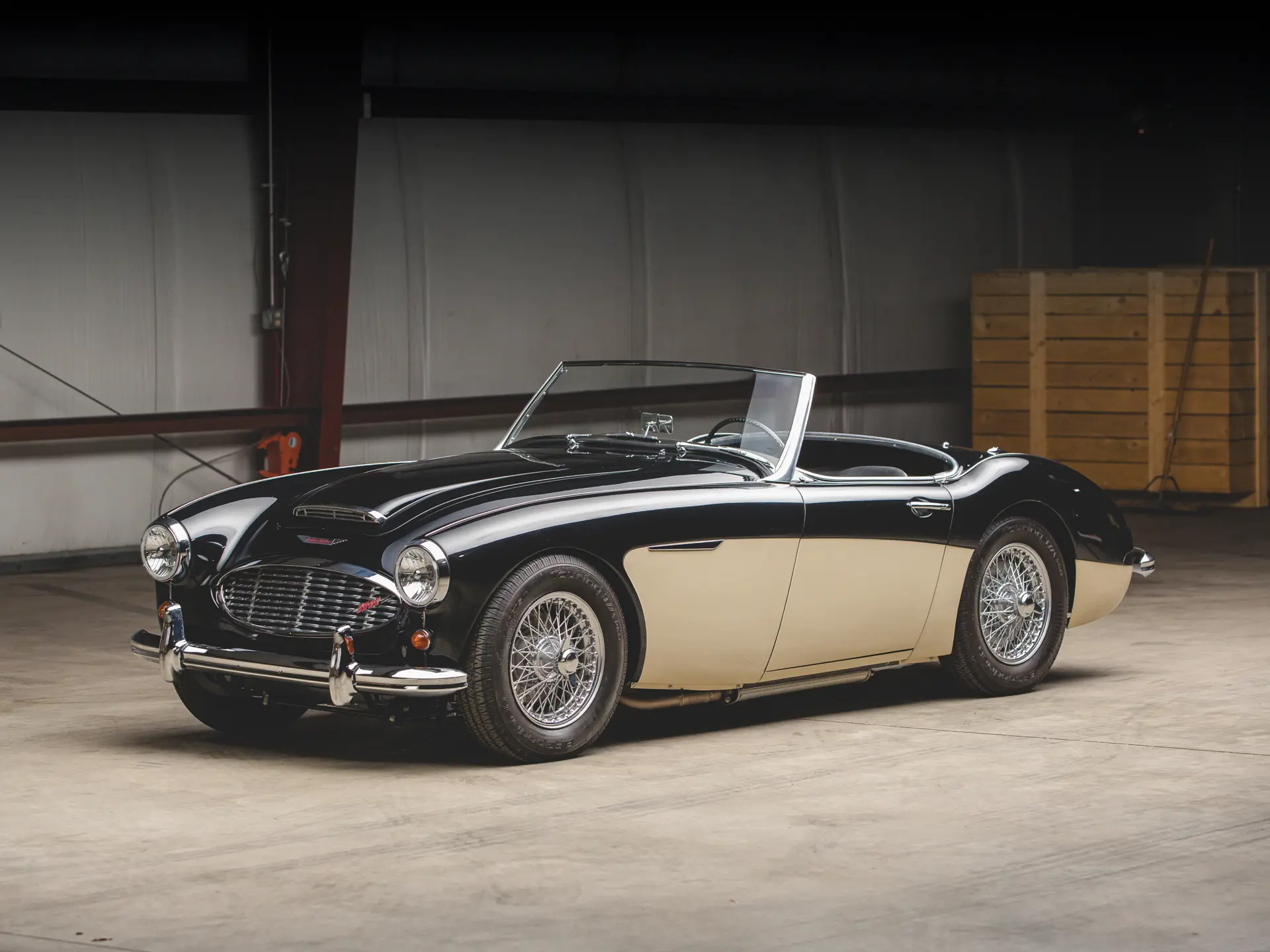
The transition from the 1950s into the swinging 1960s demanded a shift in automotive paradigms. The post-war austerity that had birthed spartan, bare-knuckle roadsters was fading, replaced by a trans-Atlantic hunger for speed, comfort, and undeniable presence. The Austin-Healey 100-Six had admirably attempted to bridge this gap, smoothing out the raw edges of the original four-cylinder cars by adding two extra cylinders and two occasional rear seats. Yet, it lacked the absolute knockout punch required to assert dominance. In 1959, Donald Healey and the British Motor Corporation answered the call by unleashing the Austin-Healey 3000. This was the birth of the definitive “Big Healey”, a hairy-chested, pavement-pounding bruiser that would forge a legend on the treacherous rally stages of Europe and in the sun-drenched driveways of North America. It arrived to lock horns with the emerging Triumph TR4, the muscular Sunbeam Tiger, and even cast a defiant gaze upward toward the sublime new Jaguar E-Type.
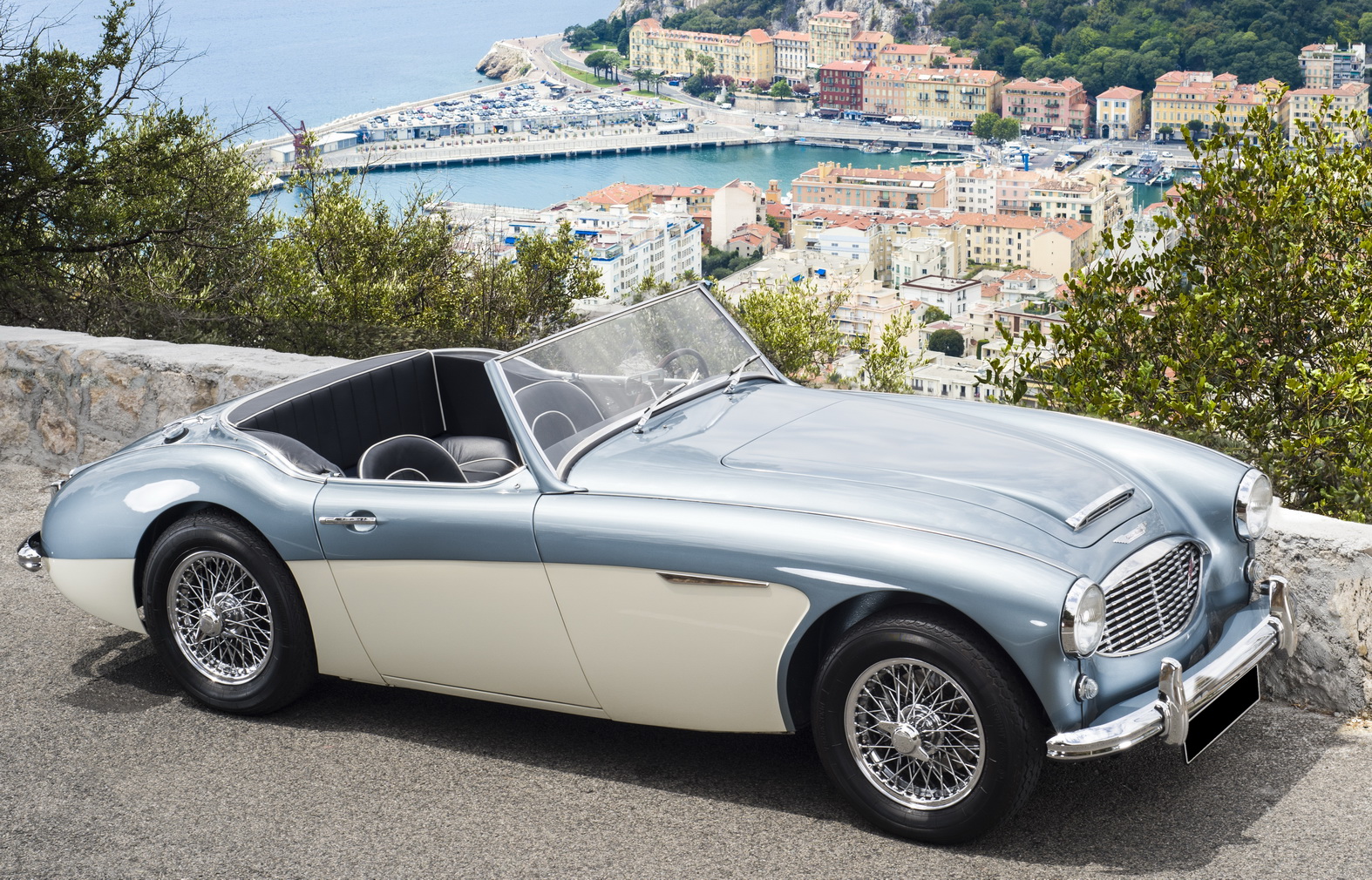
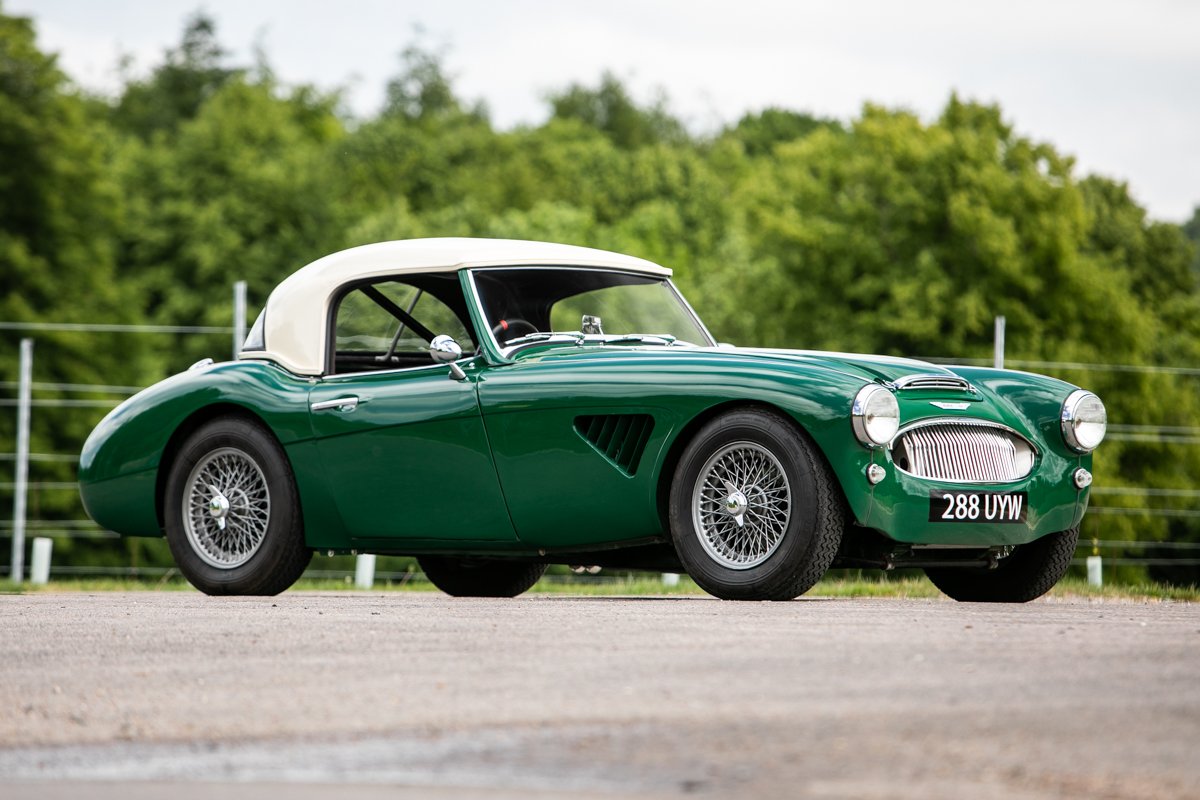
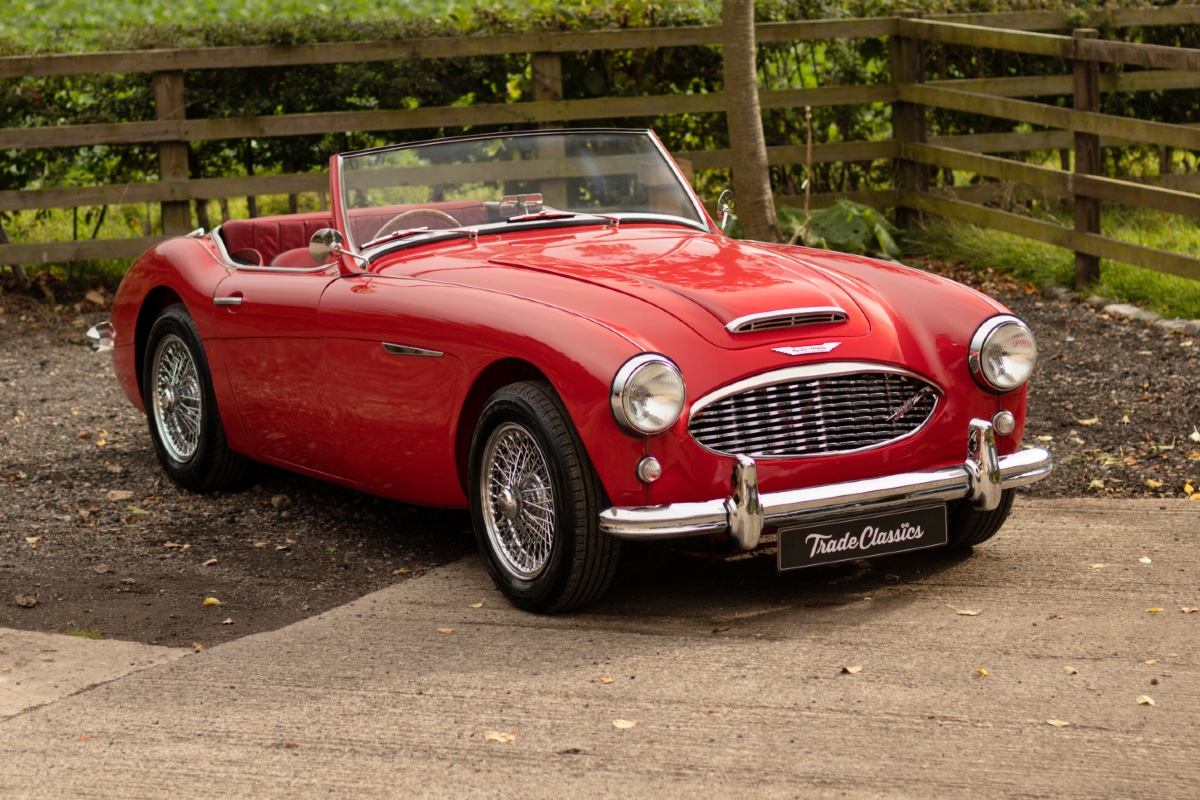
To chart the mechanical evolution of the Austin-Healey 3000 across its three distinct generations—the Mark I, Mark II, and Mark III—is to witness the maturation of a spectacular brute. Retaining the breathtakingly swooping bodywork originally penned by Gerry Coker, the 3000 hid its most vital upgrade beneath the bonnet. For the 1959 Mark I, the BMC C-Series inline-six was bored out to 2,912cc. This massive cast-iron lump initially produced 124 brake horsepower, but more importantly, it delivered a locomotive-like wave of torque. To harness this newfound momentum, Healey finally equipped the front wheels with Girling disc brakes, curing the terrifying fade that had plagued the earlier drum-braked cars. Buyers could choose between the BN7 two-seater and the BT7 2+2, both of which retained the traditional side-curtains and fold-away weather gear of a pure roadster.
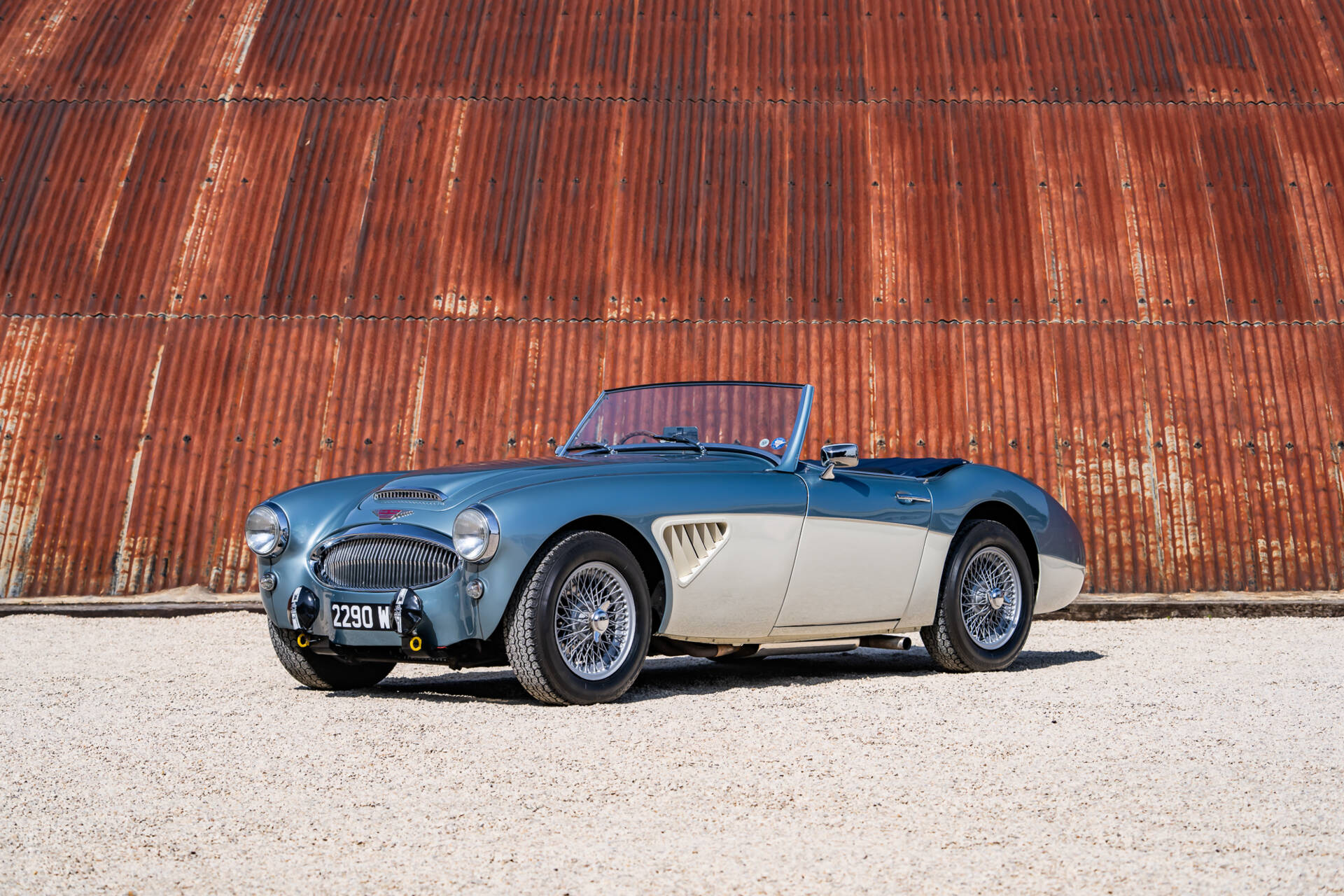
The pursuit of power continued with the introduction of the Mark II in 1961. Initially, BMC engineers fitted a complex triple SU carburetor setup, bumping power to 132 bhp and introducing a revised front grille with vertical bars. However, the triple-carburetor arrangement proved notoriously difficult to keep in tune, prompting a mid-cycle revision. The resulting BJ7 variant of the Mark II reverted to twin SU carburetors but marked a seismic shift in the Healey’s character. It introduced a wrap-around windscreen, quarter-lights, a true folding convertible top, and the luxury of roll-up windows. The Big Healey was growing up.
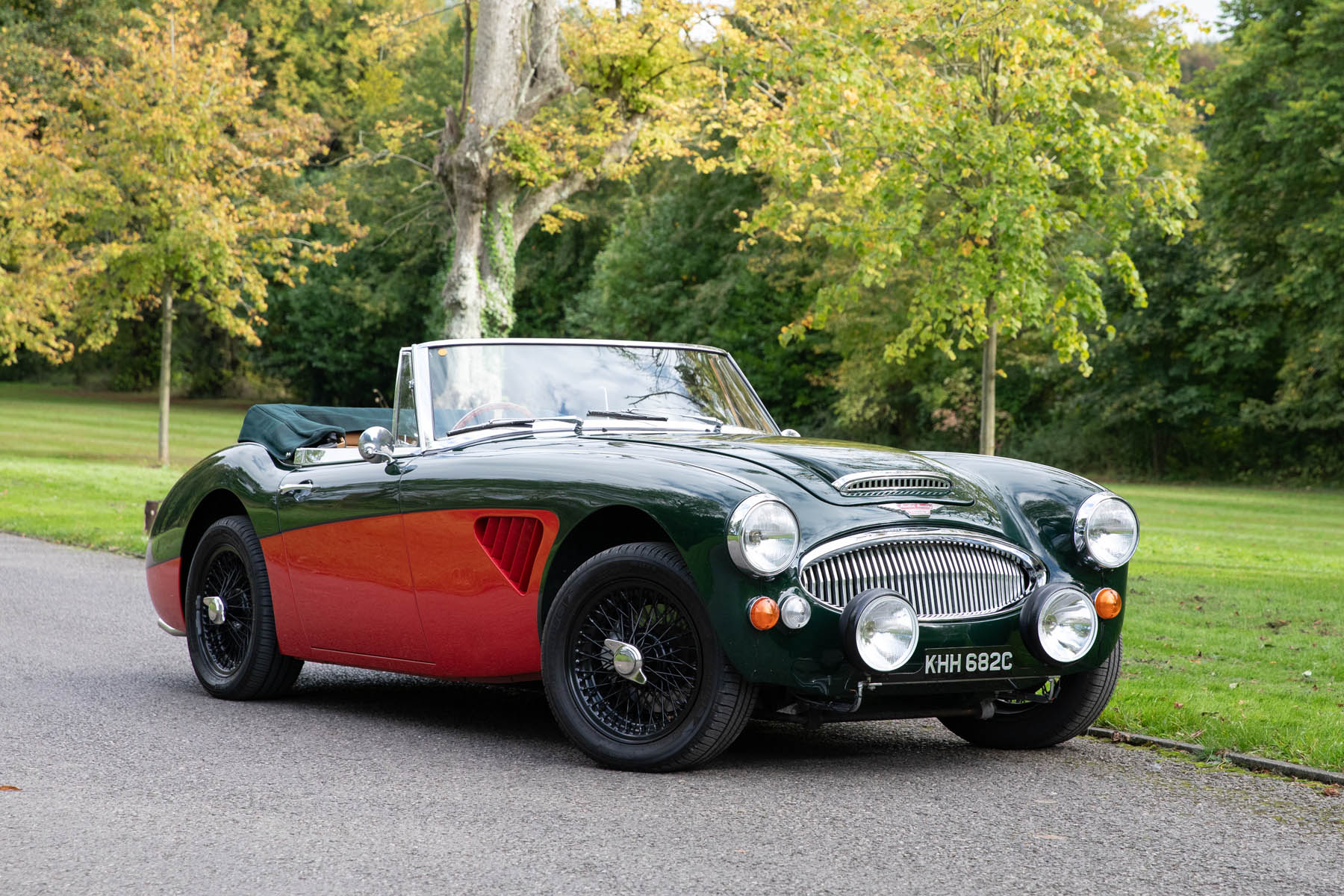
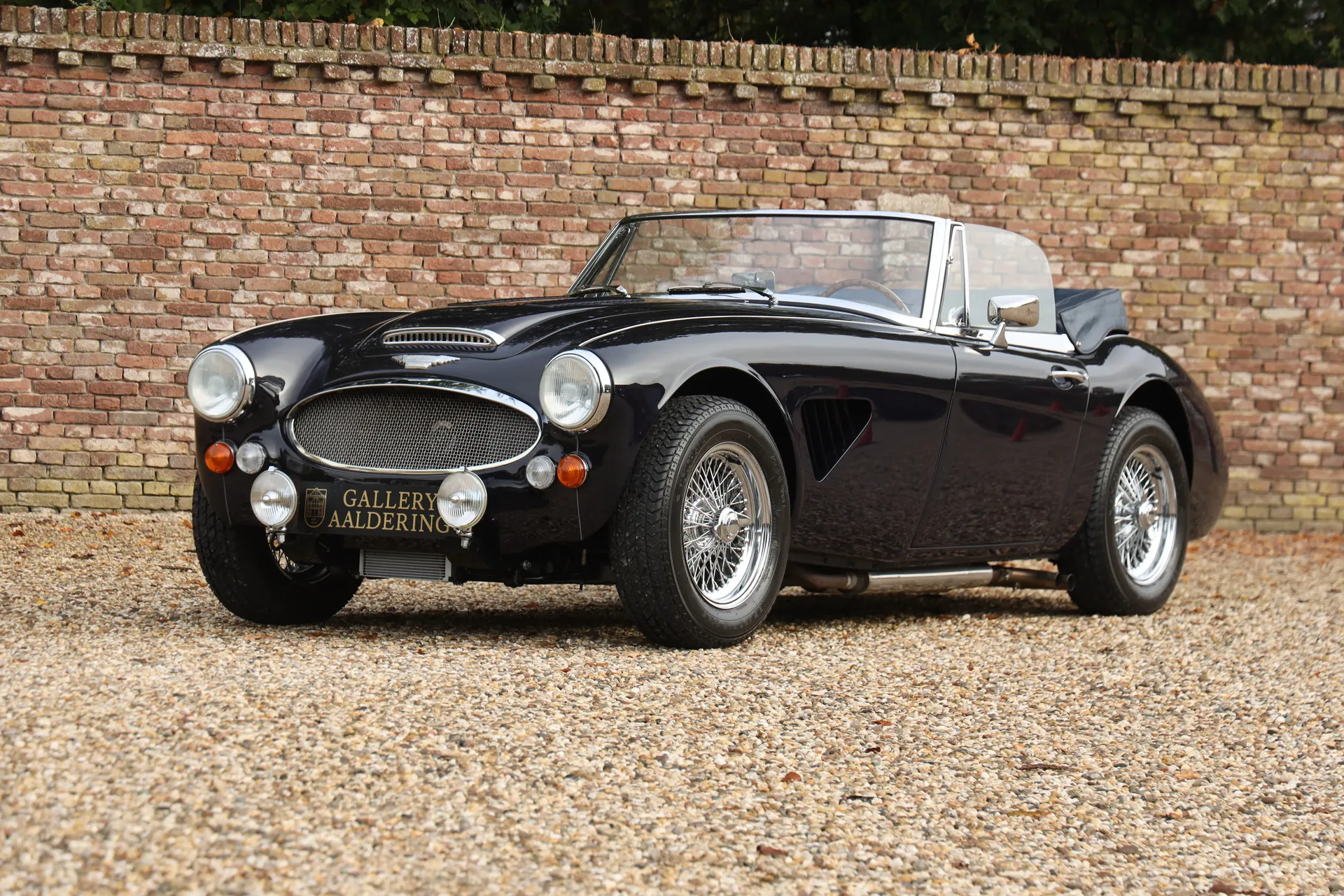
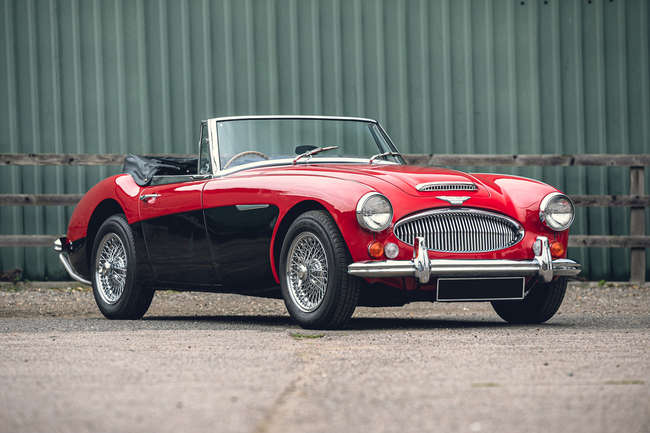
This gentrification reached its absolute zenith in 1964 with the arrival of the Mark III, internally designated the BJ8. The BJ8 transformed the rugged sports car into a high-speed gentleman’s express. The interior was lavishly trimmed with an opulent burr walnut veneer dashboard and a redesigned center console. Mechanically, a revised camshaft, a new exhaust system, and larger HD8 carburetors pushed the straight-six to a robust 150 horsepower. To cope with the power and the added weight of the luxury accoutrements, the ladder chassis was subtly revised. Most critically, the Mark III finally gained radius arms on the rear live axle, significantly taming the car’s notorious habit of bottoming out its exhaust on undulating roads.
Despite this steady march toward grand touring luxury, the Austin-Healey 3000’s reputation was forged in the fire, mud, and ice of international motorsport. Commercially, the car was a monumental success, with over 90 percent of production eagerly swallowed by the American market. But in Europe, the 3000 became an unlikely rallying behemoth. Affectionately and sometimes frustratingly known as “The Pig” due to its heavy steering, low ground clearance, and tail-happy weight distribution, the Big Healey was a physical beast that demanded a driver of extraordinary strength and immense bravery.
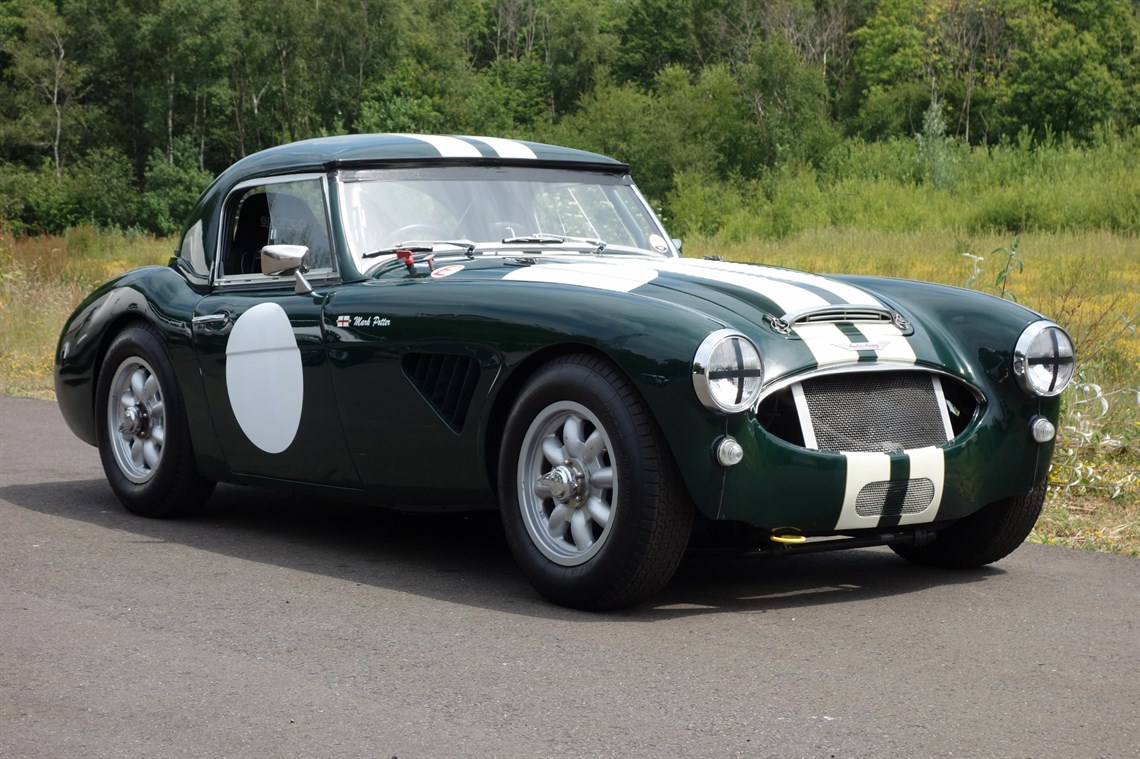
When wrestled by the right hands, however, it was unstoppable. In 1960, the legendary Pat Moss, navigated by Ann Wisdom, manhandled a works Austin-Healey 3000 to an outright victory at the grueling Liège-Rome-Liège rally—an astonishing 96-hour marathon that cemented the car’s indestructible reputation. Later in the decade, the BMC Competitions Department handed the keys to the “Flying Finns” Timo Mäkinen and Rauno Aaltonen. Watching Mäkinen broadside a works Healey through the snow-packed passes of the Alpine Rally, utilizing the massive torque to steer the car entirely on the throttle with the straight-six howling its raspy, tearing-calico exhaust note, remains one of the most evocative images in motorsport history. The 3000 bullied its way to victories at the Spa-Sofia-Liège and the RAC Rally, proving that old-fashioned brute force could still conquer the world.
The Austin-Healey 3000’s glorious reign came to a rather bureaucratic end in 1967. The rugged, separate-chassis architecture that had served it so well simply could not be adapted to meet the stringent new safety and emissions regulations looming in the United States. Donald Healey would later attempt to recapture the magic with the Jensen-Healey, but the spirit of the 3000 proved impossible to replicate. Today, the Austin-Healey 3000 occupies a sovereign position in the pantheon of classic automobiles. Whether it is a raw, elemental Mark I BN7 or a plush, walnut-trimmed Mark III BJ8, the 3000 remains the quintessential British roadster. It is a time machine built of steel, leather, and straight-six thunder, standing as the eternal monument to an era when sports cars required muscle to drive and rewarded bravery with absolute, unfiltered joy.
Portal
Model line
Model generation
Predecessor
Sucessor
Brand
Produced from
Vehicle category
Portal
Model line
Model generation
Predecessor
Sucessor
About this model
The transition from the 1950s into the swinging 1960s demanded a shift in automotive paradigms. The post-war austerity that had birthed spartan, bare-knuckle roadsters was fading, replaced by a trans-Atlantic hunger for speed, comfort, and undeniable presence. The Austin-Healey 100-Six had admirably attempted to bridge this gap, smoothing out the raw edges of the original four-cylinder cars by adding two extra cylinders and two occasional rear seats. Yet, it lacked the absolute knockout punch required to assert dominance. In 1959, Donald Healey and the British Motor Corporation answered the call by unleashing the Austin-Healey 3000. This was the birth of the definitive “Big Healey”, a hairy-chested, pavement-pounding bruiser that would forge a legend on the treacherous rally stages of Europe and in the sun-drenched driveways of North America. It arrived to lock horns with the emerging Triumph TR4, the muscular Sunbeam Tiger, and even cast a defiant gaze upward toward the sublime new Jaguar E-Type.
To chart the mechanical evolution of the Austin-Healey 3000 across its three distinct generations—the Mark I, Mark II, and Mark III—is to witness the maturation of a spectacular brute. Retaining the breathtakingly swooping bodywork originally penned by Gerry Coker, the 3000 hid its most vital upgrade beneath the bonnet. For the 1959 Mark I, the BMC C-Series inline-six was bored out to 2,912cc. This massive cast-iron lump initially produced 124 brake horsepower, but more importantly, it delivered a locomotive-like wave of torque. To harness this newfound momentum, Healey finally equipped the front wheels with Girling disc brakes, curing the terrifying fade that had plagued the earlier drum-braked cars. Buyers could choose between the BN7 two-seater and the BT7 2+2, both of which retained the traditional side-curtains and fold-away weather gear of a pure roadster.
The pursuit of power continued with the introduction of the Mark II in 1961. Initially, BMC engineers fitted a complex triple SU carburetor setup, bumping power to 132 bhp and introducing a revised front grille with vertical bars. However, the triple-carburetor arrangement proved notoriously difficult to keep in tune, prompting a mid-cycle revision. The resulting BJ7 variant of the Mark II reverted to twin SU carburetors but marked a seismic shift in the Healey’s character. It introduced a wrap-around windscreen, quarter-lights, a true folding convertible top, and the luxury of roll-up windows. The Big Healey was growing up.
This gentrification reached its absolute zenith in 1964 with the arrival of the Mark III, internally designated the BJ8. The BJ8 transformed the rugged sports car into a high-speed gentleman’s express. The interior was lavishly trimmed with an opulent burr walnut veneer dashboard and a redesigned center console. Mechanically, a revised camshaft, a new exhaust system, and larger HD8 carburetors pushed the straight-six to a robust 150 horsepower. To cope with the power and the added weight of the luxury accoutrements, the ladder chassis was subtly revised. Most critically, the Mark III finally gained radius arms on the rear live axle, significantly taming the car’s notorious habit of bottoming out its exhaust on undulating roads.
Despite this steady march toward grand touring luxury, the Austin-Healey 3000’s reputation was forged in the fire, mud, and ice of international motorsport. Commercially, the car was a monumental success, with over 90 percent of production eagerly swallowed by the American market. But in Europe, the 3000 became an unlikely rallying behemoth. Affectionately and sometimes frustratingly known as “The Pig” due to its heavy steering, low ground clearance, and tail-happy weight distribution, the Big Healey was a physical beast that demanded a driver of extraordinary strength and immense bravery.
When wrestled by the right hands, however, it was unstoppable. In 1960, the legendary Pat Moss, navigated by Ann Wisdom, manhandled a works Austin-Healey 3000 to an outright victory at the grueling Liège-Rome-Liège rally—an astonishing 96-hour marathon that cemented the car’s indestructible reputation. Later in the decade, the BMC Competitions Department handed the keys to the “Flying Finns” Timo Mäkinen and Rauno Aaltonen. Watching Mäkinen broadside a works Healey through the snow-packed passes of the Alpine Rally, utilizing the massive torque to steer the car entirely on the throttle with the straight-six howling its raspy, tearing-calico exhaust note, remains one of the most evocative images in motorsport history. The 3000 bullied its way to victories at the Spa-Sofia-Liège and the RAC Rally, proving that old-fashioned brute force could still conquer the world.
The Austin-Healey 3000’s glorious reign came to a rather bureaucratic end in 1967. The rugged, separate-chassis architecture that had served it so well simply could not be adapted to meet the stringent new safety and emissions regulations looming in the United States. Donald Healey would later attempt to recapture the magic with the Jensen-Healey, but the spirit of the 3000 proved impossible to replicate. Today, the Austin-Healey 3000 occupies a sovereign position in the pantheon of classic automobiles. Whether it is a raw, elemental Mark I BN7 or a plush, walnut-trimmed Mark III BJ8, the 3000 remains the quintessential British roadster. It is a time machine built of steel, leather, and straight-six thunder, standing as the eternal monument to an era when sports cars required muscle to drive and rewarded bravery with absolute, unfiltered joy.
Generations
Generations of this model
Generations
Generations of this model
Submodels
Discover all the variants of this model
Submodels
Discover all the variants of this model
Vehicles
Legendary Vehicles
Vehicles